Living or working in a large space has real advantages—but when it comes to indoor air quality, square footage creates challenges that smaller spaces don't. More surface area, greater airflow variation, and harder-to-reach corners all create conditions in which mold can establish and spread before it's detected.
The right air purifier won't solve a moisture problem on its own, but it plays a meaningful role in reducing airborne mold spores and maintaining air quality in spaces where the risk of mold is elevated.
Understanding Mold in Large Spaces
Mold spores are present in virtually all indoor environments. In large, open spaces, conditions that support mold growth—humidity, poor ventilation, abundant surfaces—are often harder to control. Left unaddressed, mold colonies can release spores, mycotoxins, and other byproducts that degrade air quality.
Exposure to elevated mold levels has been associated with respiratory symptoms, allergic reactions, and asthma exacerbation in sensitive individuals. The severity varies depending on the type of mold, the level of exposure, and individual health factors.
Why Large Spaces Are Harder to Manage
Scale introduces practical complications when dealing with mold:
- Some mold-prone areas may be difficult to access or inspect
- Air circulation is uneven, leaving remote corners underserved
- A single unit may lack the capacity to adequately treat the full space
- Humidity control across a large footprint requires more active management
- Commercial-grade equipment comes at higher cost
These factors make both prevention and remediation more involved in larger spaces—and make equipment selection more consequential.
What to Look for in an Air Purifier for Large, Mold-Prone Spaces
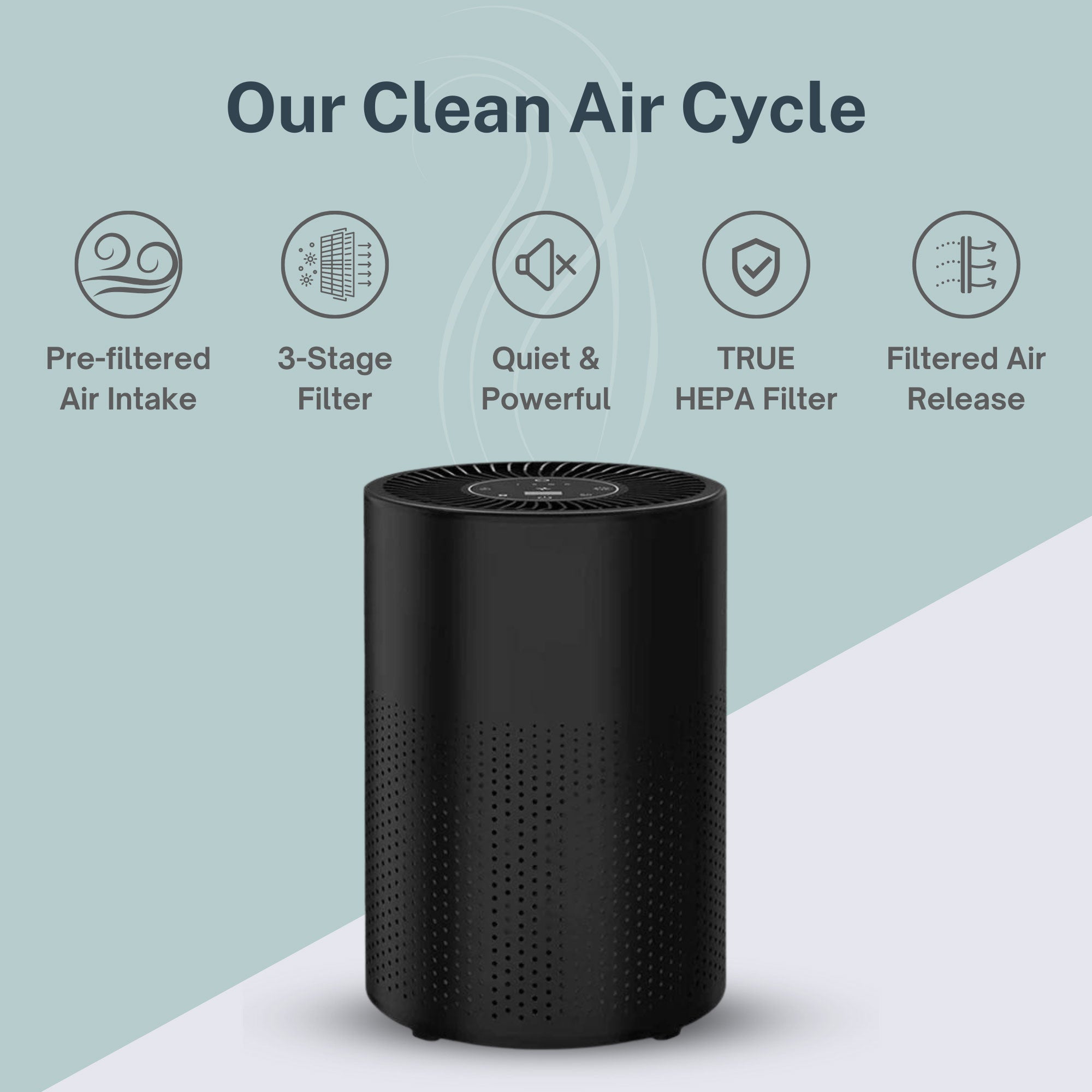
True HEPA Filtration
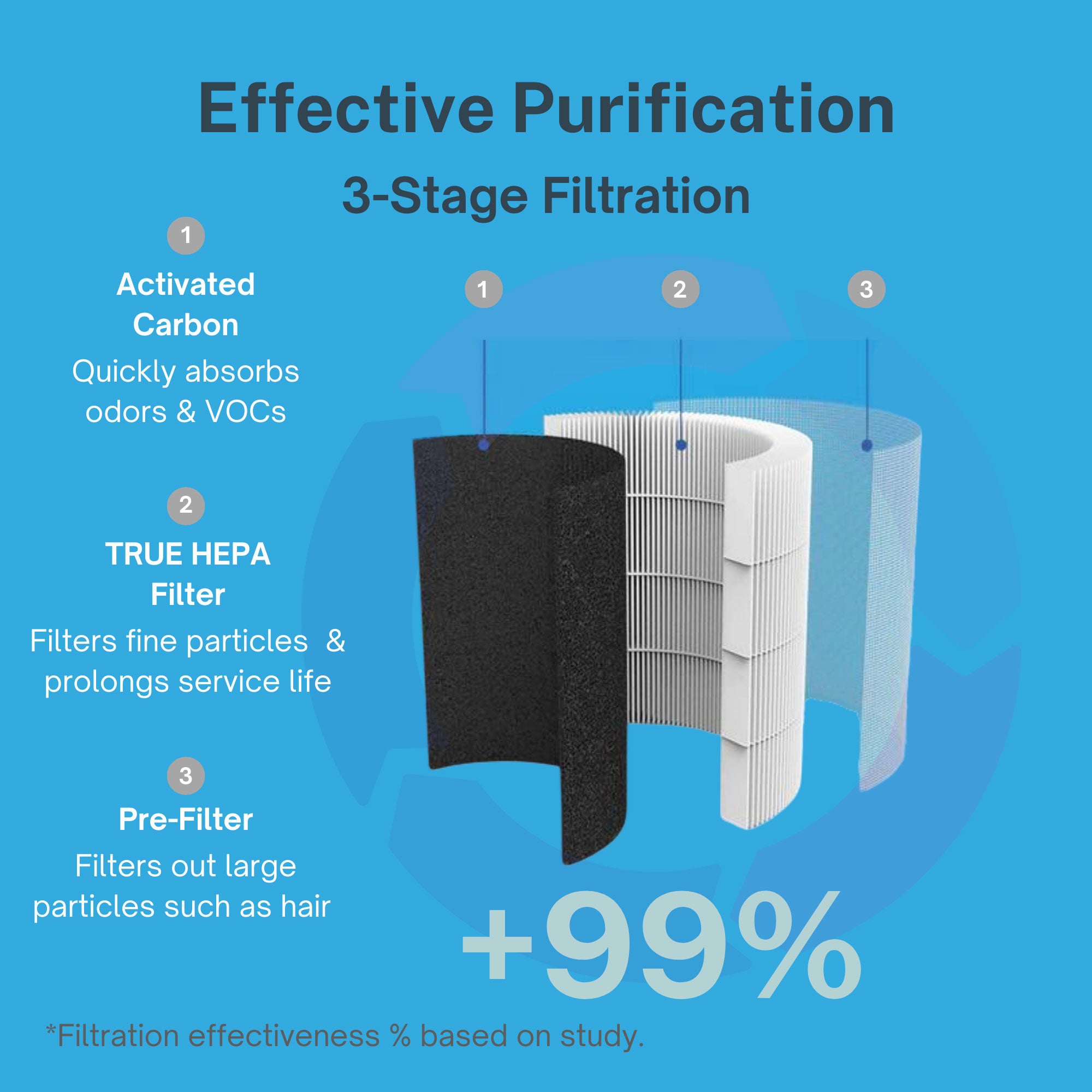
HEPA filters capture 99.97% of particles 0.3 microns and larger, including mold spores, which typically range from 2 to 10 microns. For large spaces, look for units rated H13 or H14 for more robust filtration performance.
Activated Carbon Filtration
Carbon filters adsorb gases and odors, including the musty mVOCs produced by mold growth. Larger carbon filters with more surface area handle higher contaminant loads more effectively.
UV-C Light Technology
UV-C light disrupts the cellular structure of mold spores and bioaerosols, inhibiting replication. Higher-wattage UV-C is more effective at treating larger air volumes.
Coverage Area and Air Exchange Rate
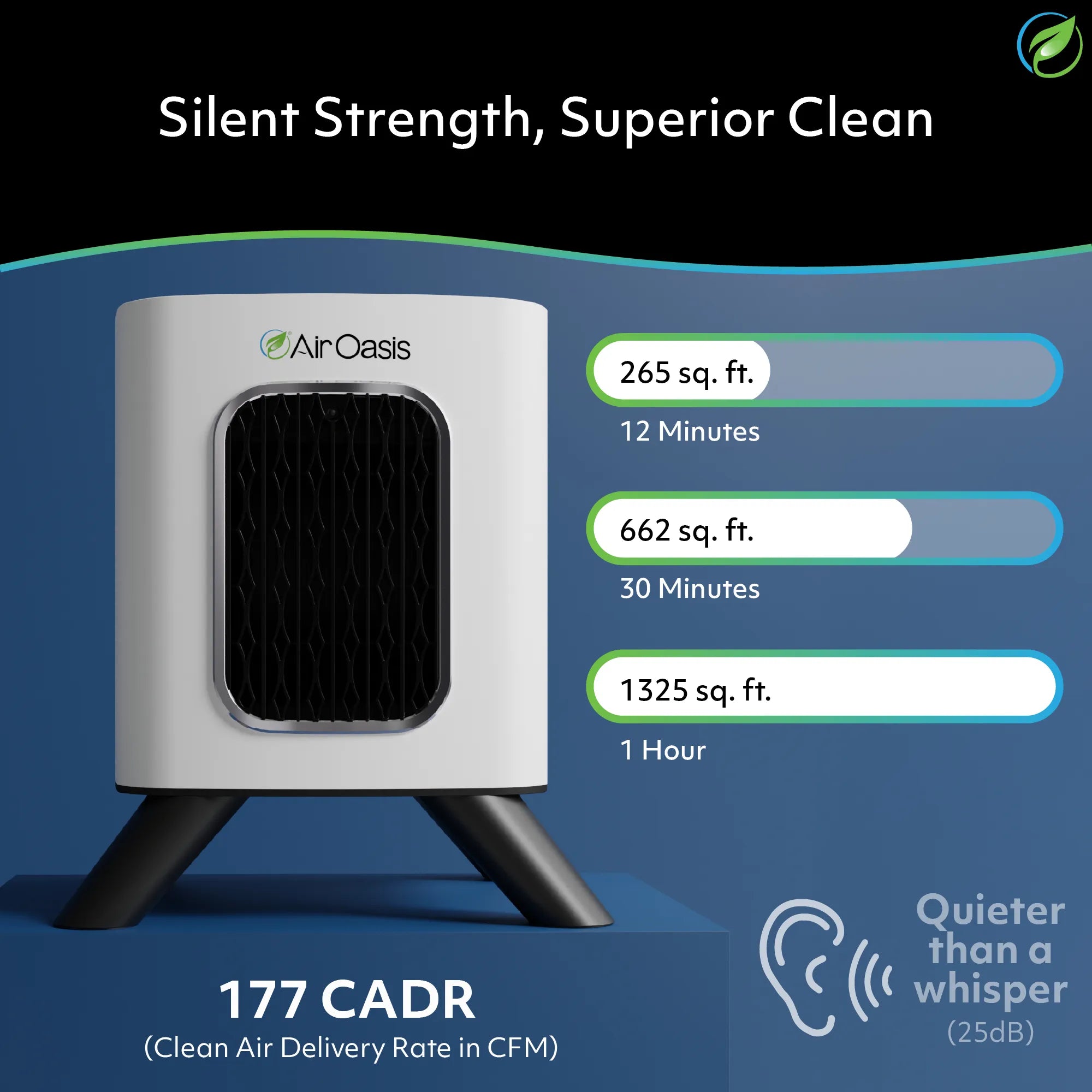
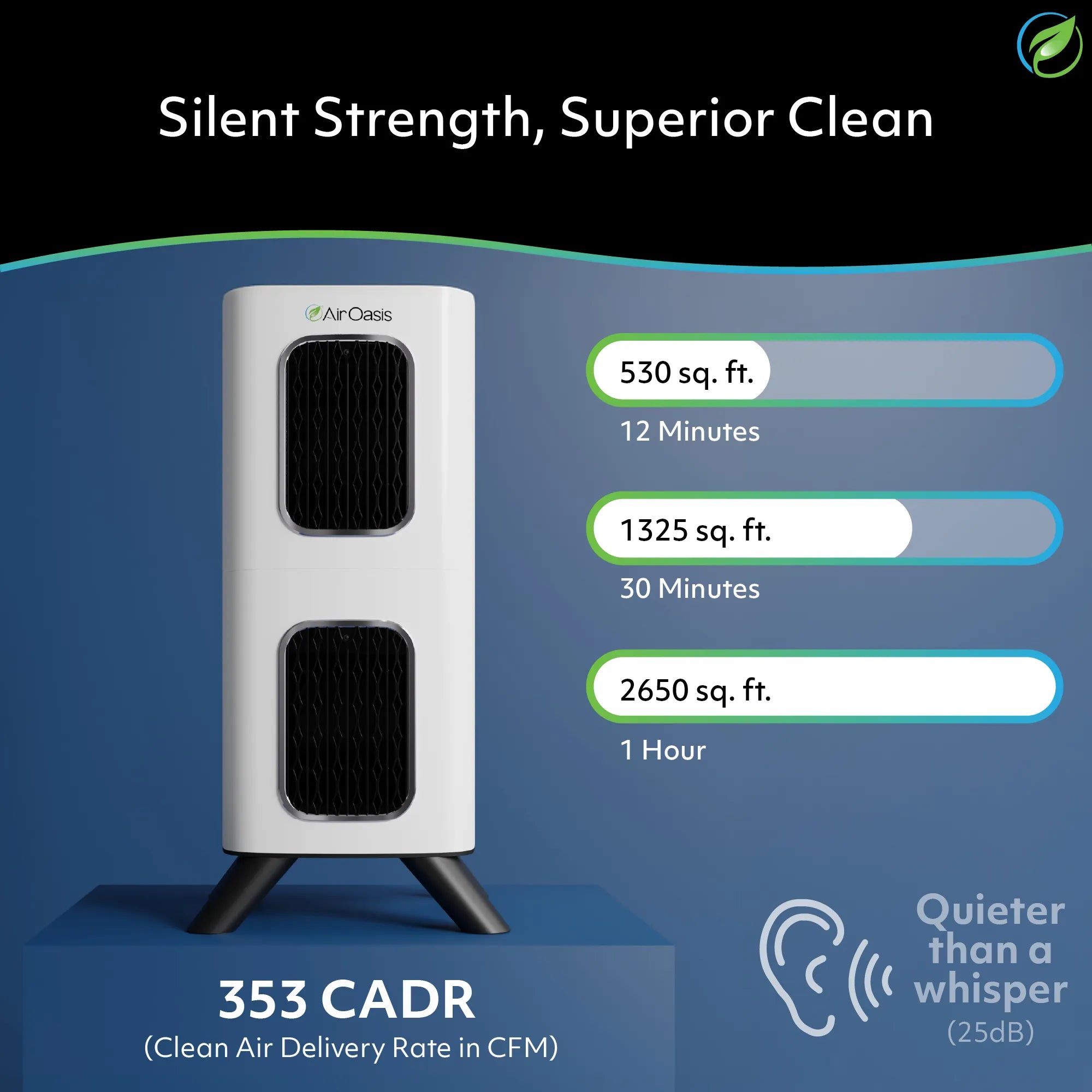
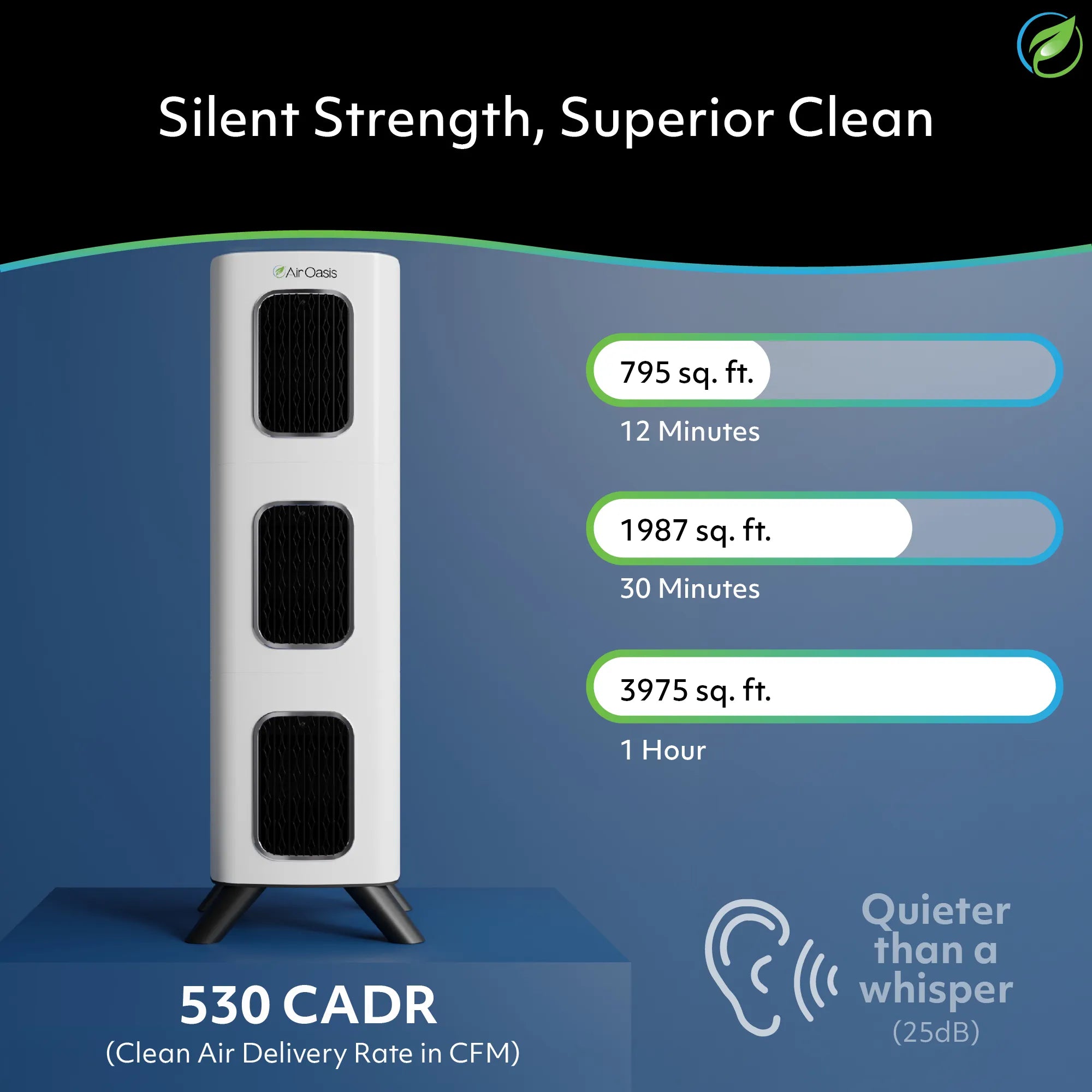
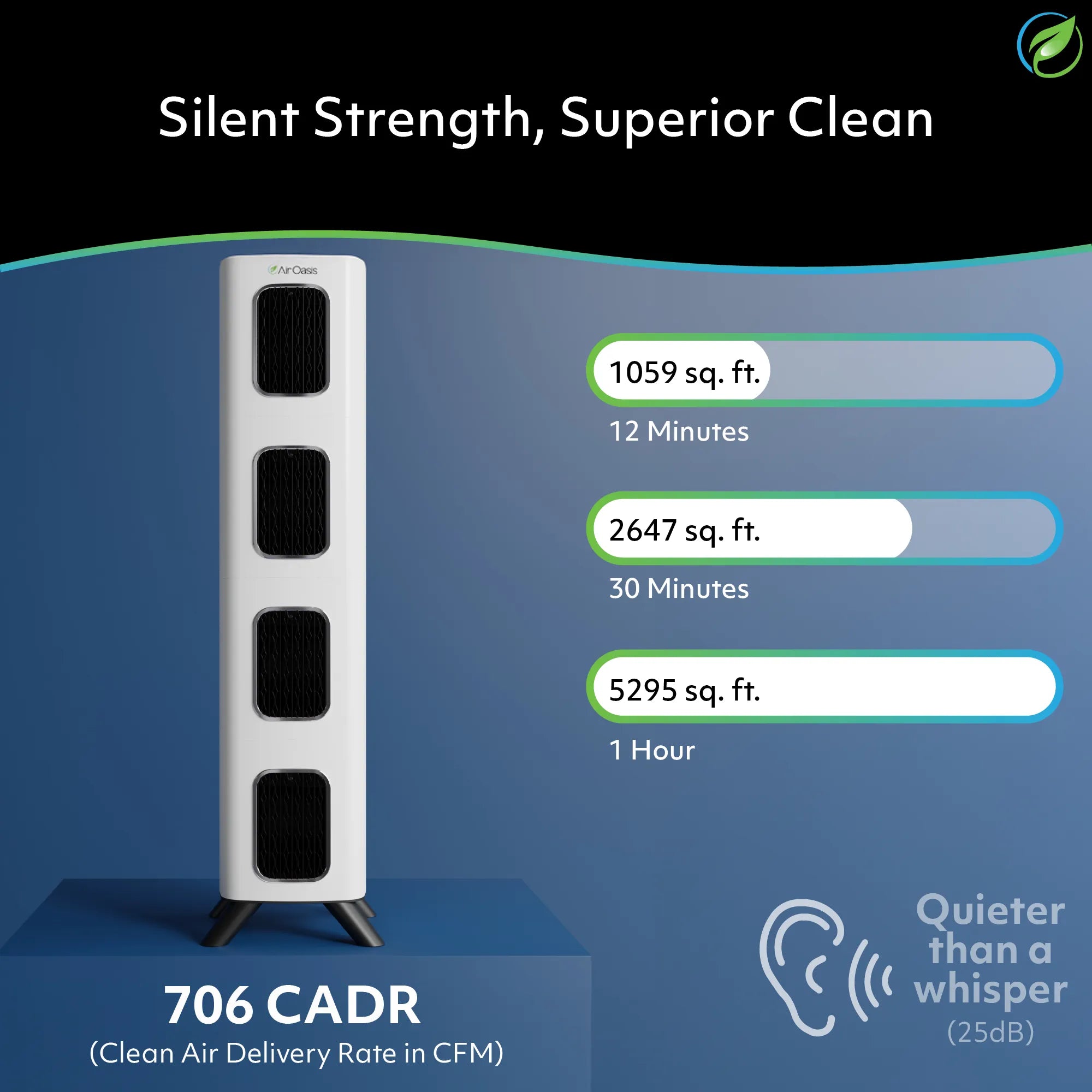
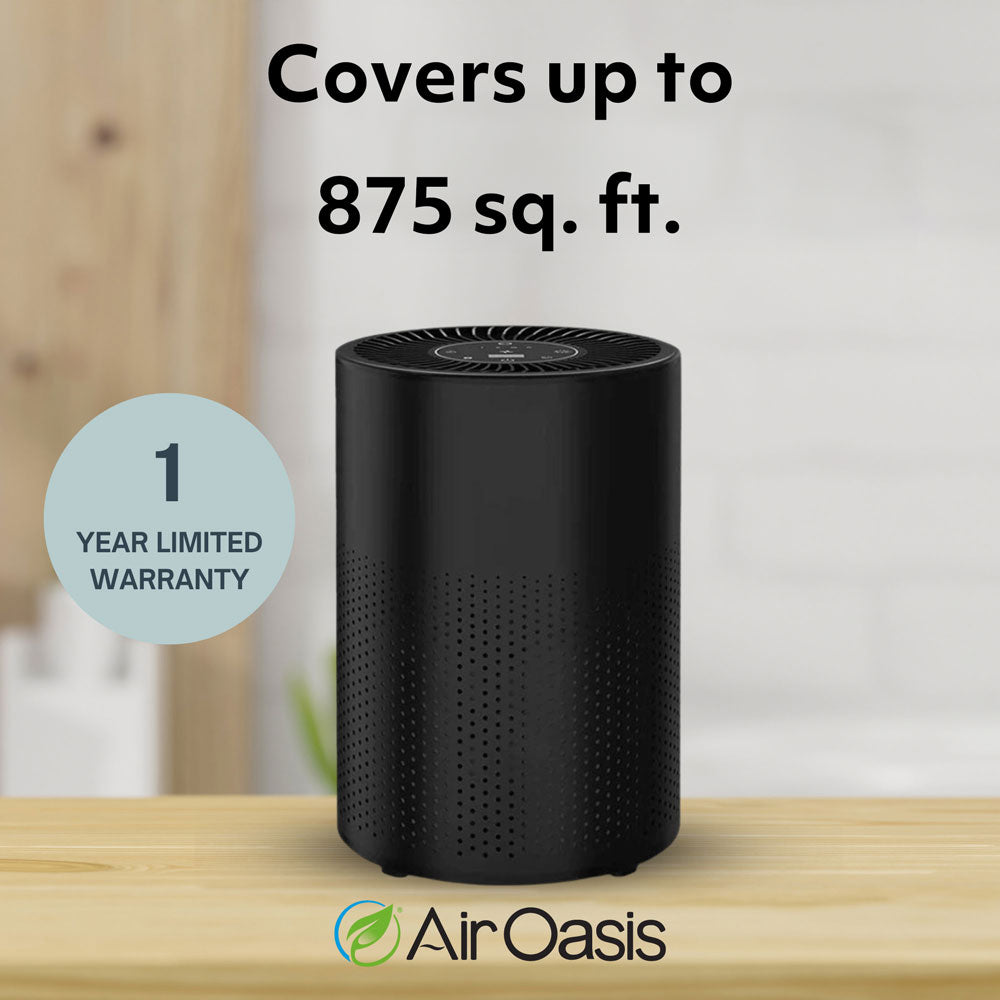
Match the unit's rated coverage area to your actual room dimensions. For large spaces, look for units rated at 500 square feet or more, with air exchange rates of up to five times per hour for adequate circulation.
Antimicrobial Filter Treatments
Some models incorporate antimicrobial agents that inhibit microbial growth on the filter itself, reducing the risk of contaminants recycling back into the air.
Practical Maintenance
Large HEPA filters should be straightforward to access and replace—typically every 6–12 months. Units with casters, remote controls, and accessible UV components make ongoing maintenance more manageable.
Using Air Purifiers Effectively in Large Spaces
Getting the most out of an air purifier in a large space comes down to a few practical habits:
Placement and sizing
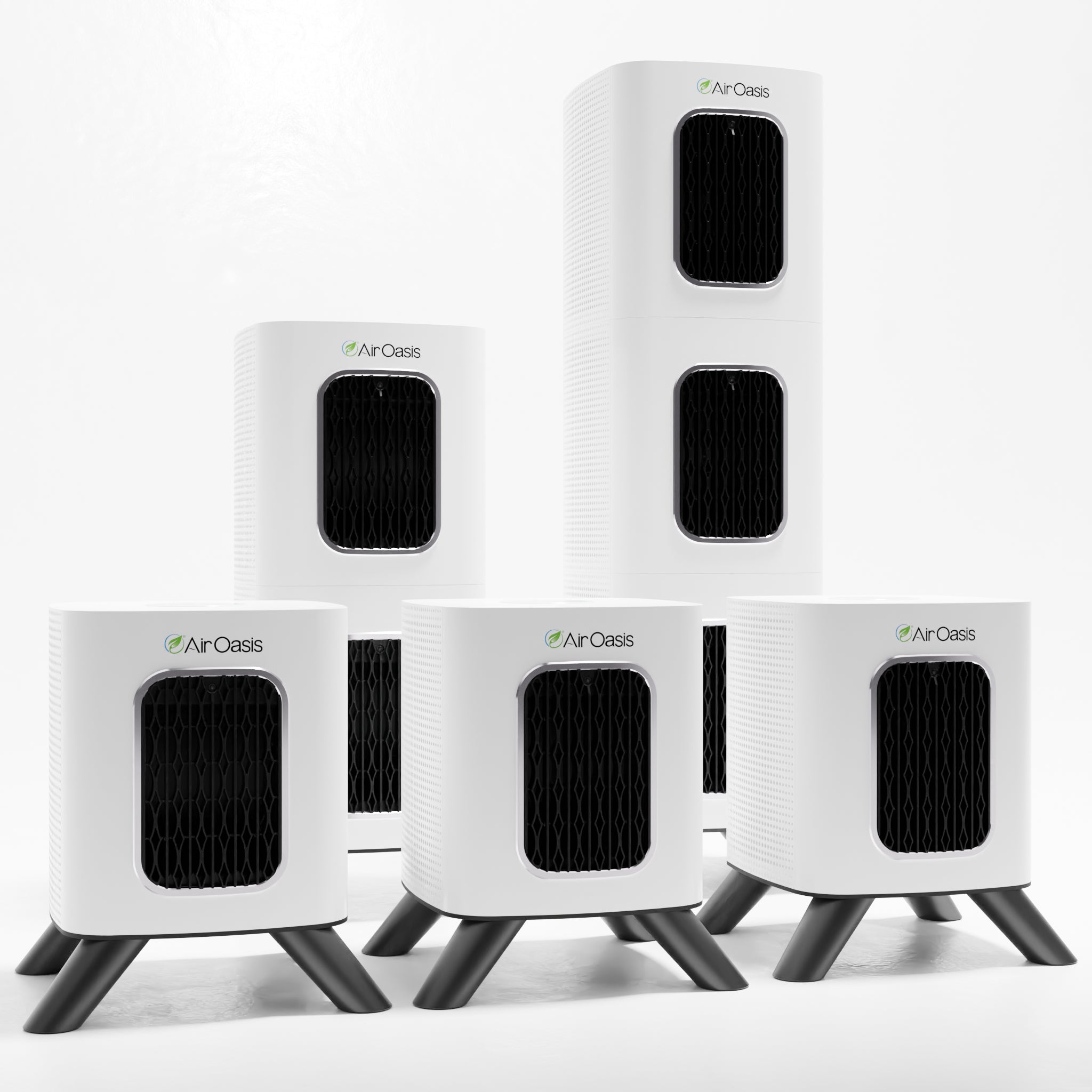
Position the unit centrally where airflow isn't obstructed. Avoid placing it in corners or against walls in ways that restrict circulation. If a single unit can't adequately cover the entire space, multiple strategically placed units will outperform a single undersized unit.
Filter and component maintenance
Replace HEPA and carbon filters on the manufacturer's recommended schedule. Clean UV bulbs regularly to maintain germicidal effectiveness. Check periodically for airflow restrictions or clogs.
Humidity monitoring
Use a hygrometer to track indoor humidity levels. The EPA recommends keeping relative humidity between 30–50% to discourage mold growth. A dehumidifier paired with your air purifier can help maintain that range in consistently damp spaces.
Air Oasis for Large Spaces
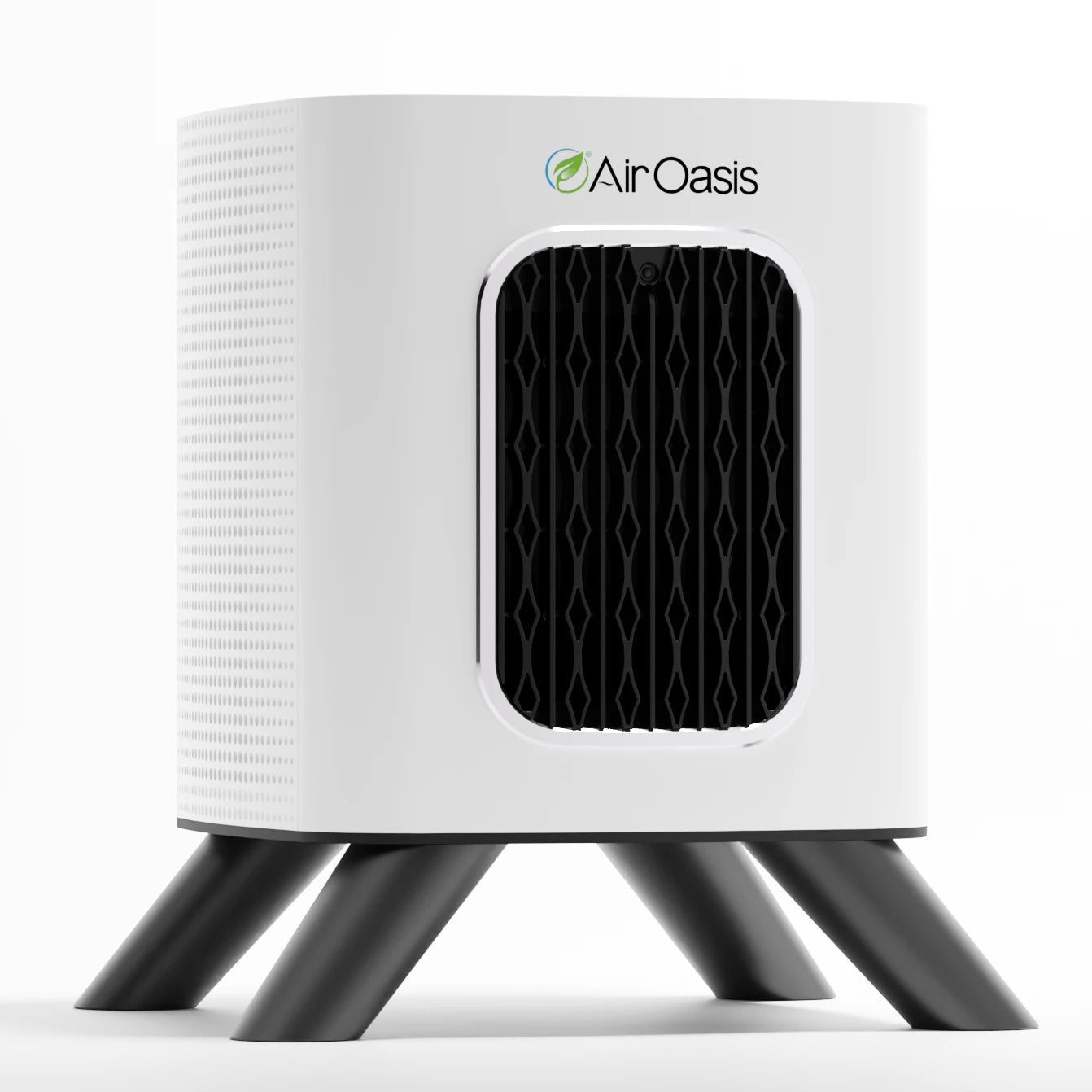
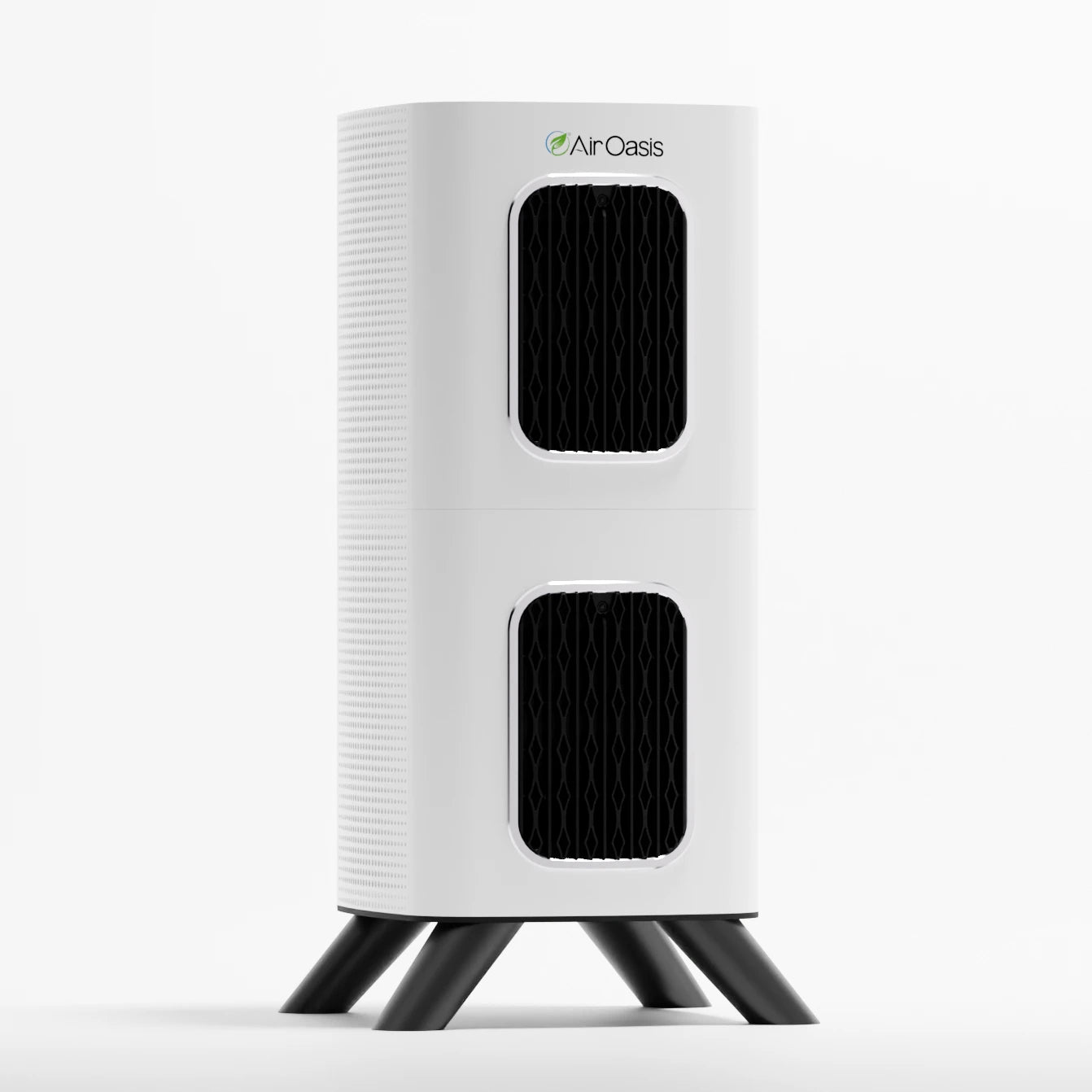
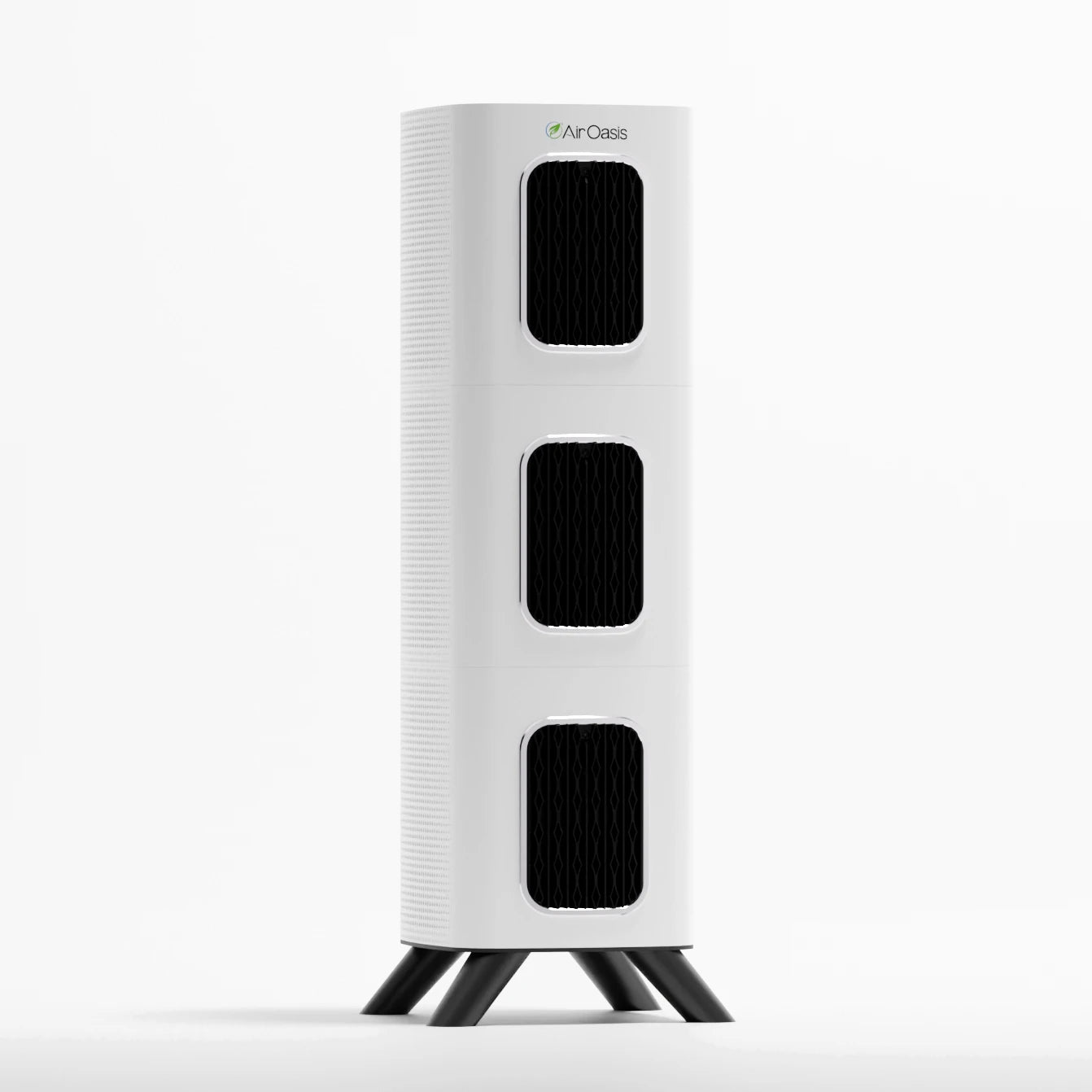
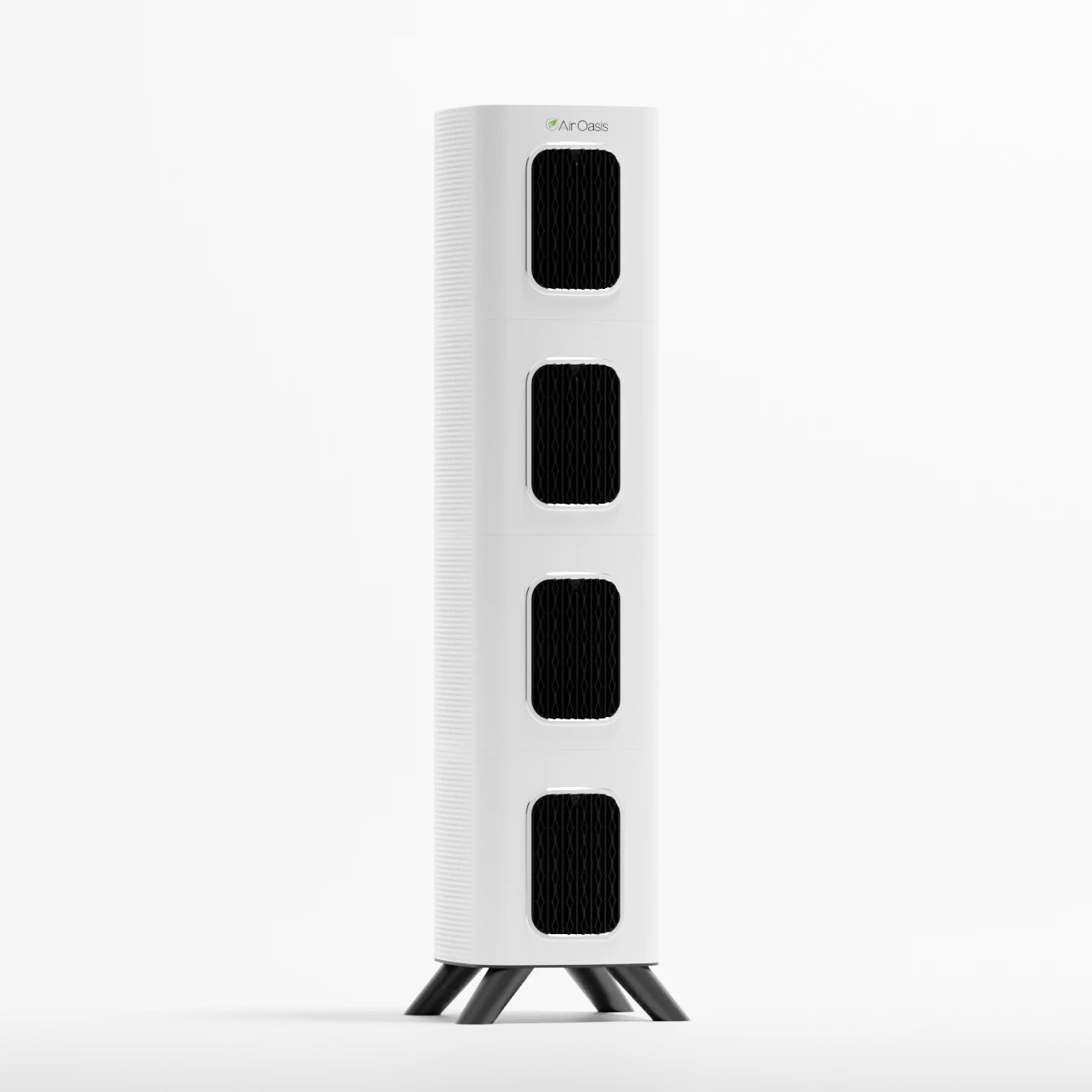
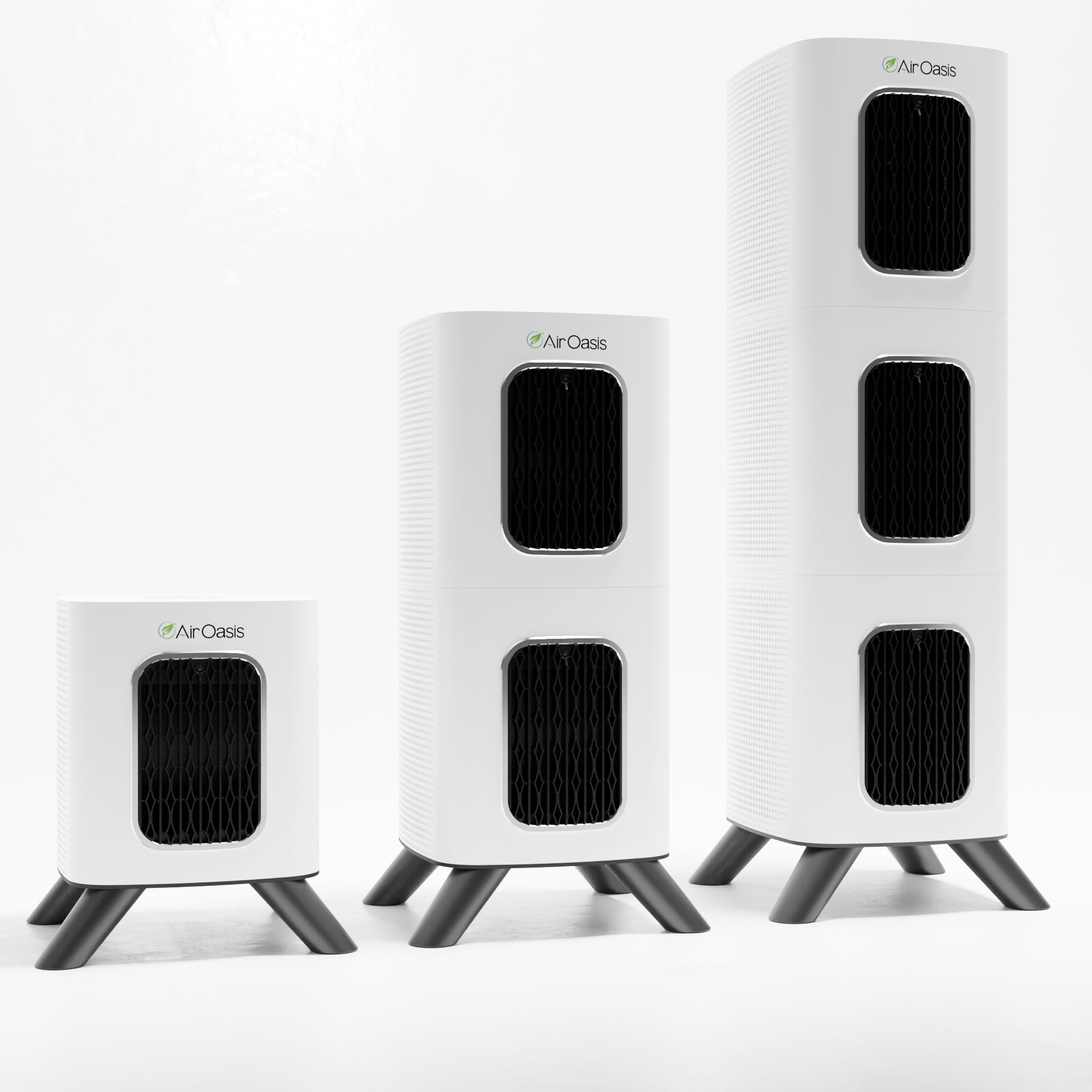
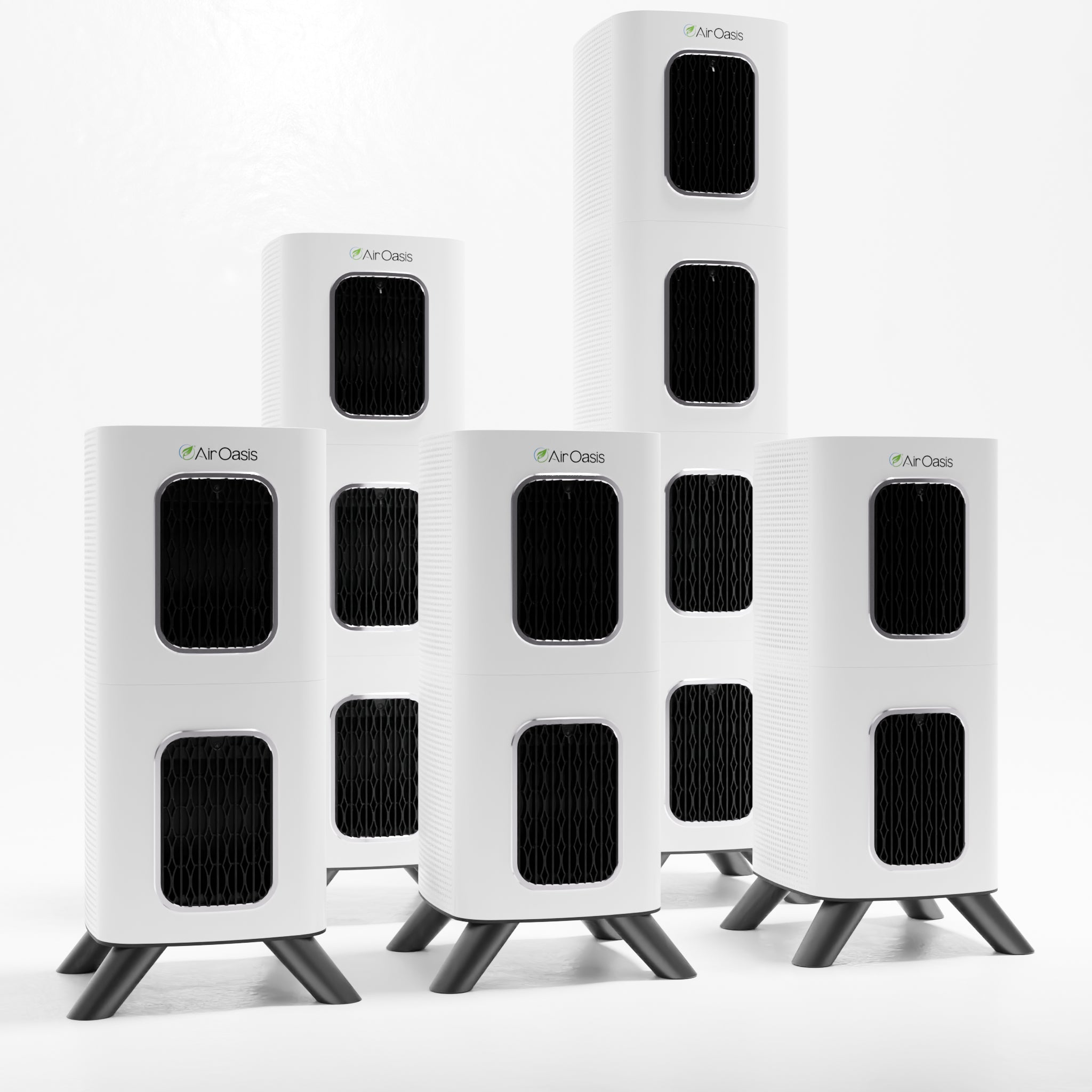
For large, mold-prone environments, the iAdaptAir® Large covers spaces up to 850 square feet and combines true HEPA filtration, activated carbon, bipolar ionization, UV-C light, and silver-ion technology in a single system. It's CARB-certified, ozone-free, and controllable via smartphone app.
For questions about sizing or finding the right model for your space, contact the Air Oasis team or call (806) 373-7788.