You walk into a room that's been freshened with a plug-in scent diffuser, and within minutes, your chest feels tight. Or you light a scented candle for the holidays and find yourself reaching for your inhaler. It feels like an allergic reaction — but the clinical picture is more nuanced than that, and understanding the difference matters for how you manage it.
Are Air Fresheners Actually Causing Allergies?
Technically, air fresheners do not cause allergies in the traditional sense. A true allergic reaction involves the immune system identifying a substance as a threat and releasing histamine — the chemical responsible for classic allergy symptoms like sneezing, itchy eyes, and runny nose. Air freshener chemicals do not typically trigger that immune response in most people.
What they do trigger, particularly in people with asthma or sinus conditions, is irritant-based inflammation. The chemicals in fragranced products — including synthetic scents, volatile organic compounds, and the fine aerosol particles released by sprays — act as direct irritants to airway tissue. The resulting symptoms can look and feel very similar to an allergic reaction: sneezing, congestion, shortness of breath, headaches, and, in people with asthma, bronchospasm. But the underlying mechanism is irritation, not immune activation.
This distinction has practical consequences. Antihistamines — the standard tool for allergic reactions — are unlikely to provide meaningful relief for air-freshener reactions because histamine isn't the driver. What's actually happening is that sensitive airways are responding to chemical irritants in the air.
Who Is Most at Risk
The majority of people will have no notable reaction to air fresheners under ordinary conditions. But for those with asthma, the picture is different. Airway hypersensitivity is a defining characteristic of asthma — the airways are already prone to inflammation and constriction in response to triggers. Chemical irritants like fragranced products sit squarely on that trigger list for many people with the condition.
Board-certified allergist Martha White, MD, has noted that while fragrances are not harmful to most people, some individuals with asthma or sinus problems may experience symptoms including shortness of breath and headaches. The American College of Allergy, Asthma, and Immunology suggests that people with asthma consider avoiding air fresheners, scented candles, and similar products altogether. This guidance reflects the practical reality that for sensitive individuals, chemical irritants can produce the same functional outcome as a classic asthma trigger — airway narrowing, increased mucus production, and breathing difficulty — regardless of whether a true allergic mechanism is involved.
People with COPD face comparable risks. The same airway sensitivity that characterizes asthma makes fragranced products and chemical fumes problematic for people managing chronic obstructive pulmonary disease. Both conditions involve airways that are less resilient to irritant exposure than those of healthy individuals.
Research adds weight to these concerns. A survey found that nearly one in five people reported headaches, breathing difficulties, or other problems when exposed to air fresheners with fragrances. For people without pre-existing respiratory conditions, reactions at that level are less common, but they are not rare.
The Holiday Connection
This issue becomes particularly relevant during the holiday season — a time when fragrance use in homes escalates dramatically. Scented candles, cinnamon brooms, potpourri, plug-in diffusers, and fragranced pine decorations all contribute to elevated concentrations of volatile organic compounds and chemical scent particles indoors. For someone with well-controlled asthma who rarely encounters these triggers during the rest of the year, the holiday season can bring a sudden increase in symptoms that seems puzzling without this context.
Live Christmas trees introduce additional complications. Real trees can harbor mold and carry pollen, both of which are genuine allergens that activate the immune system in sensitive people. Artificial trees stored in boxes or bags can accumulate dust and mold during the months they are stored. The process of unpacking and decorating can release a concentrated burst of both chemical irritants and biological allergens into the home's air at the same time. For someone with asthma, that combination is a meaningful exposure event.
Wood-burning fireplaces are another overlapping winter trigger. Smoke particles from wood combustion are potent respiratory irritants and can significantly worsen asthma symptoms. Homes with air fresheners, scented candles, and a wood fire present a high cumulative irritant load for sensitive airways.
Practical Steps for Sensitive Individuals
The most direct step is substitution. Unscented or battery-operated flameless candles eliminate both the fragrance chemicals and the combustion byproducts of traditional candles. Fragrance-free cleaning products, unscented personal care items, and avoiding plug-in air freshener devices reduce the ongoing chemical load in the home's air. If scented items are present — during holiday gatherings, for example — ventilating by opening windows or running exhaust fans helps dilute the concentration of airborne chemicals before they accumulate to trigger levels.
For people with asthma who will be traveling or staying in others' homes during the holidays, communicating needs clearly matters. Requesting that scented products not be used in a guest bedroom, or asking hosts to avoid burning fires during a visit, is a reasonable and medically grounded request. Having a quick-relief inhaler accessible and packing it in carry-on luggage rather than checked bags ensures it's available if symptoms develop unexpectedly.
Children with asthma deserve particular attention in environments outside the home. A child whose asthma is triggered by fragrances may be affected by air fresheners used in classrooms, common areas, or school bathrooms. Dr. White has noted it is reasonable to inform teachers that scented products trigger a student's asthma and to request that air fresheners not be used in the classroom — a simple environmental accommodation that can meaningfully reduce symptom burden.
Cleaning the Air Rather Than Scenting It
For households where someone has respiratory sensitivity, the instinct to freshen indoor air is understandable — but fragranced products address the perception of air quality rather than its actual content. A genuinely cleaner air environment is more reliably achieved through filtration and ventilation than through masking odors with chemical scents.
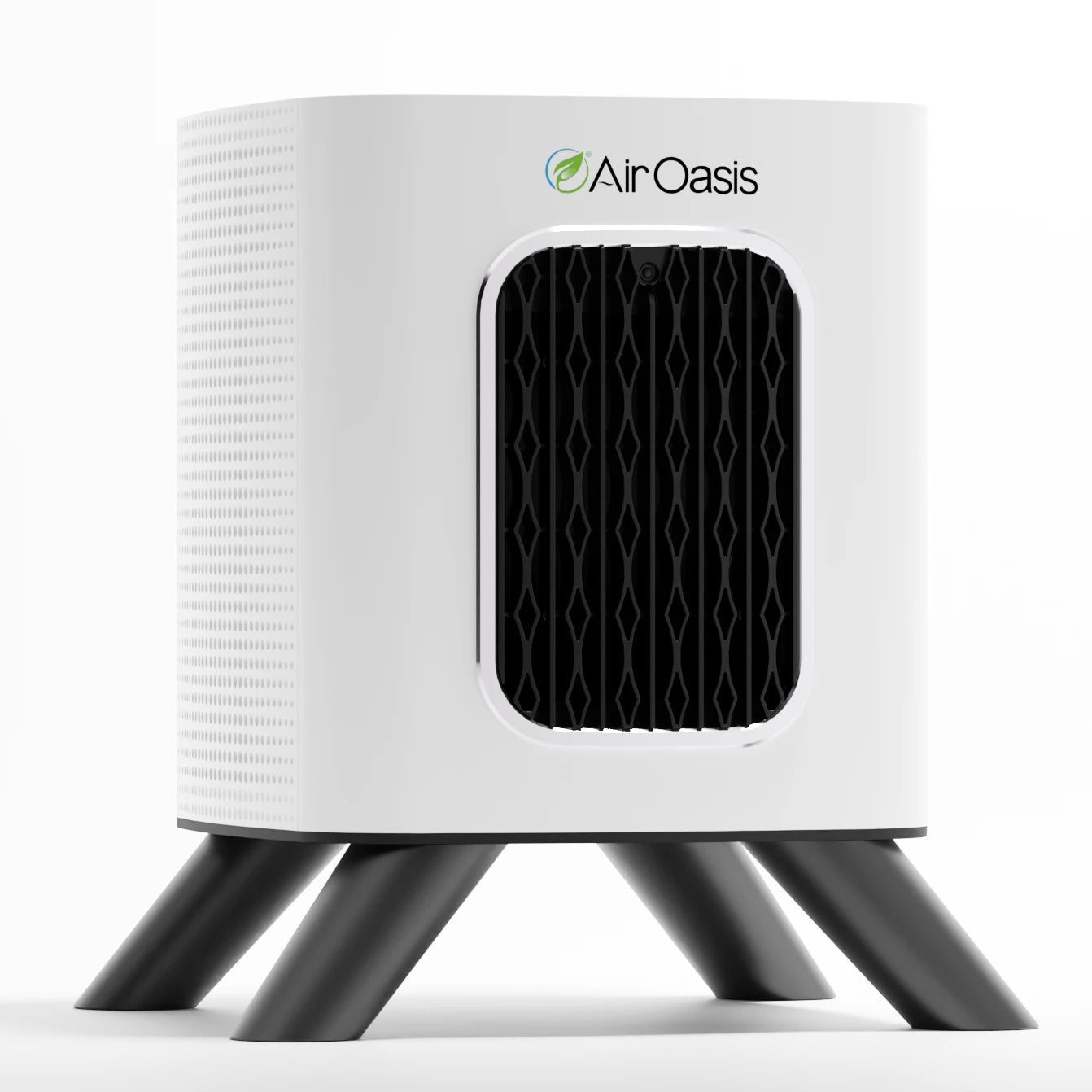
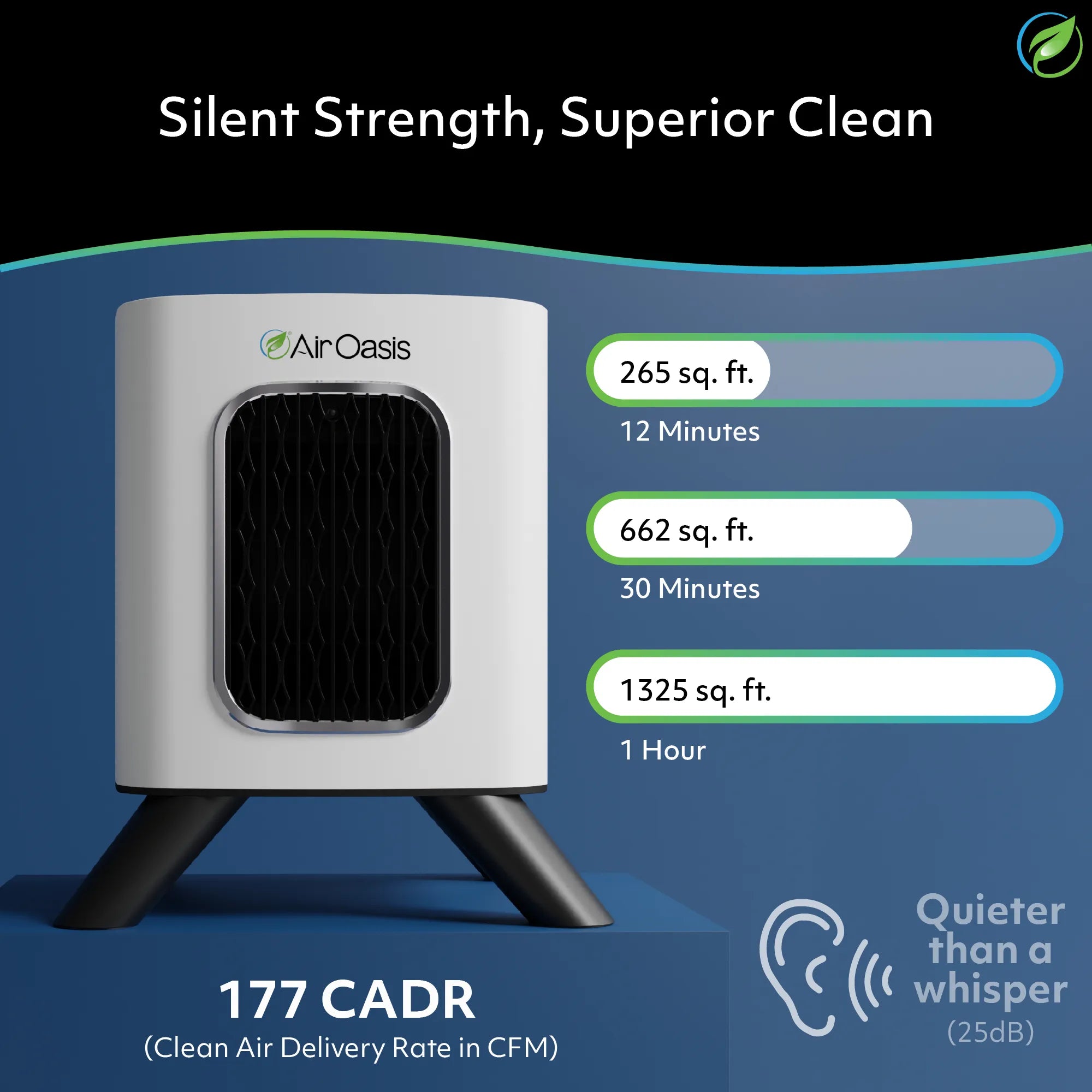
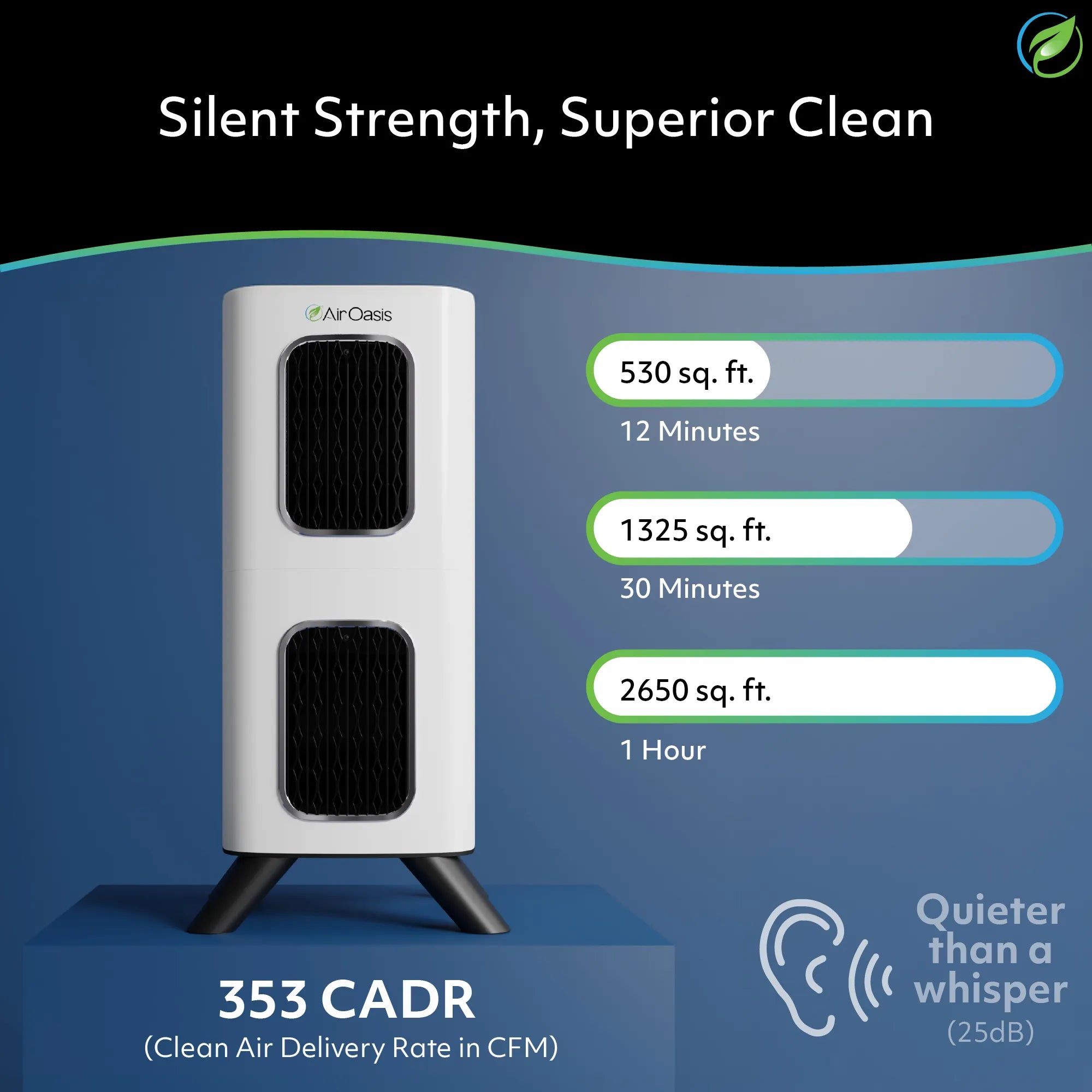
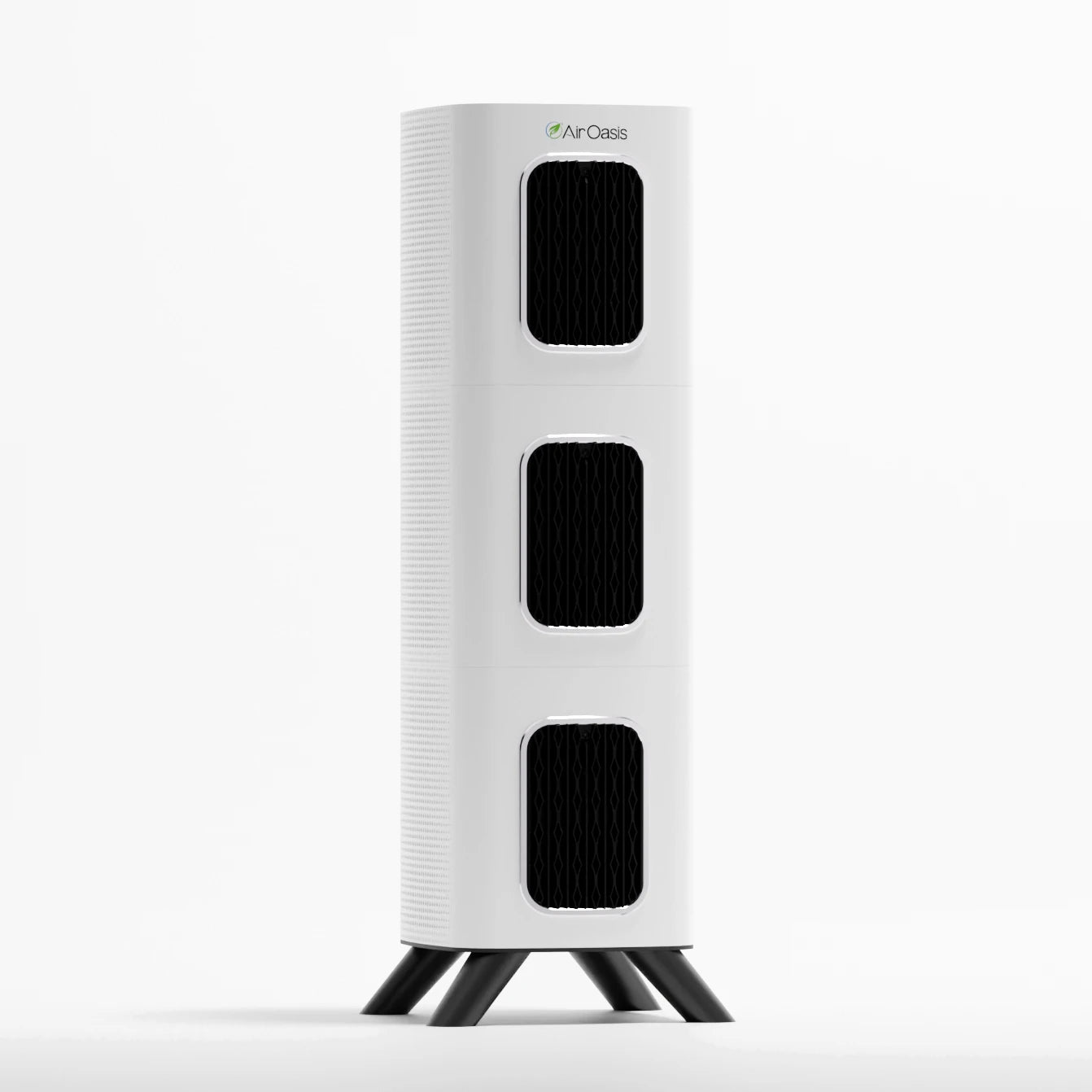
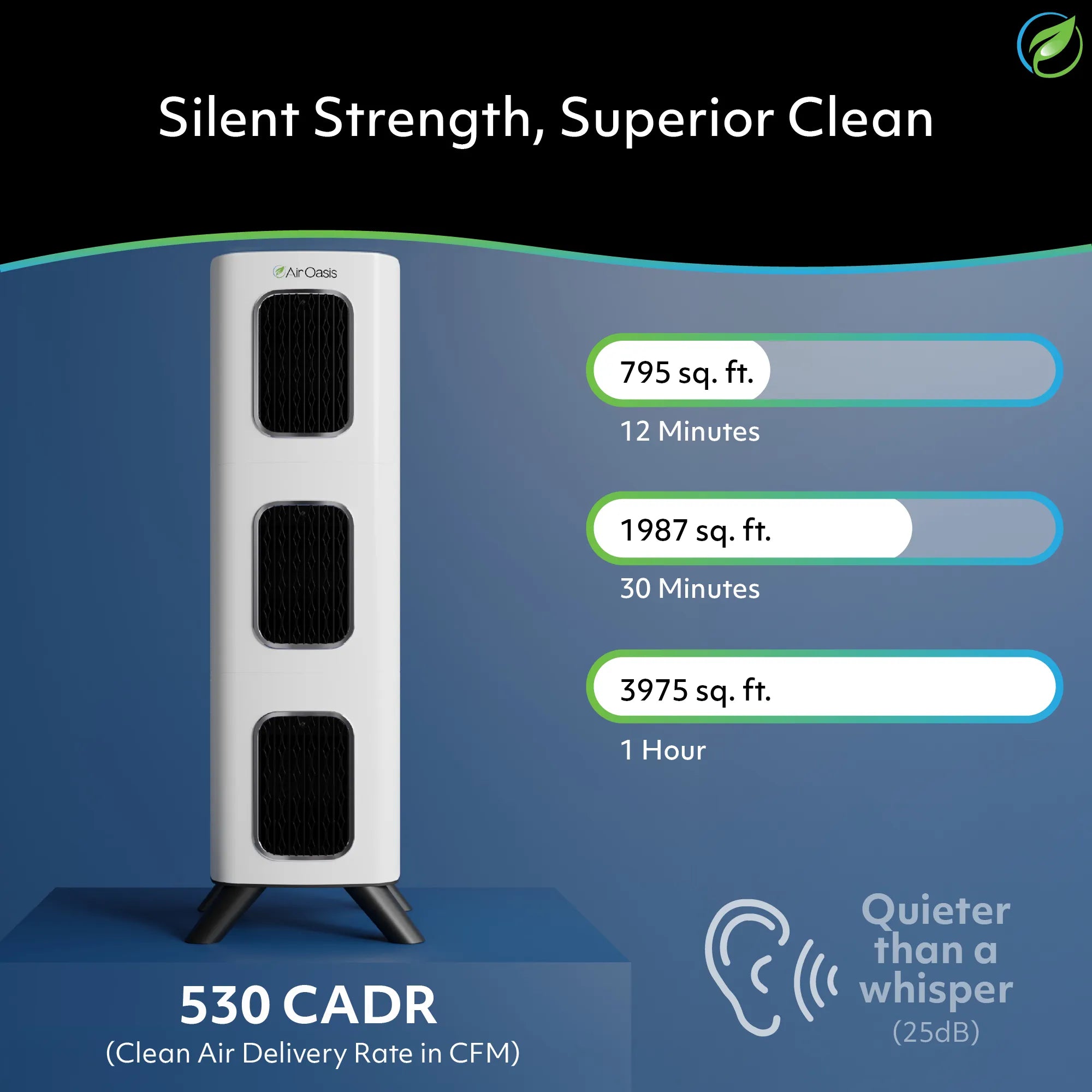
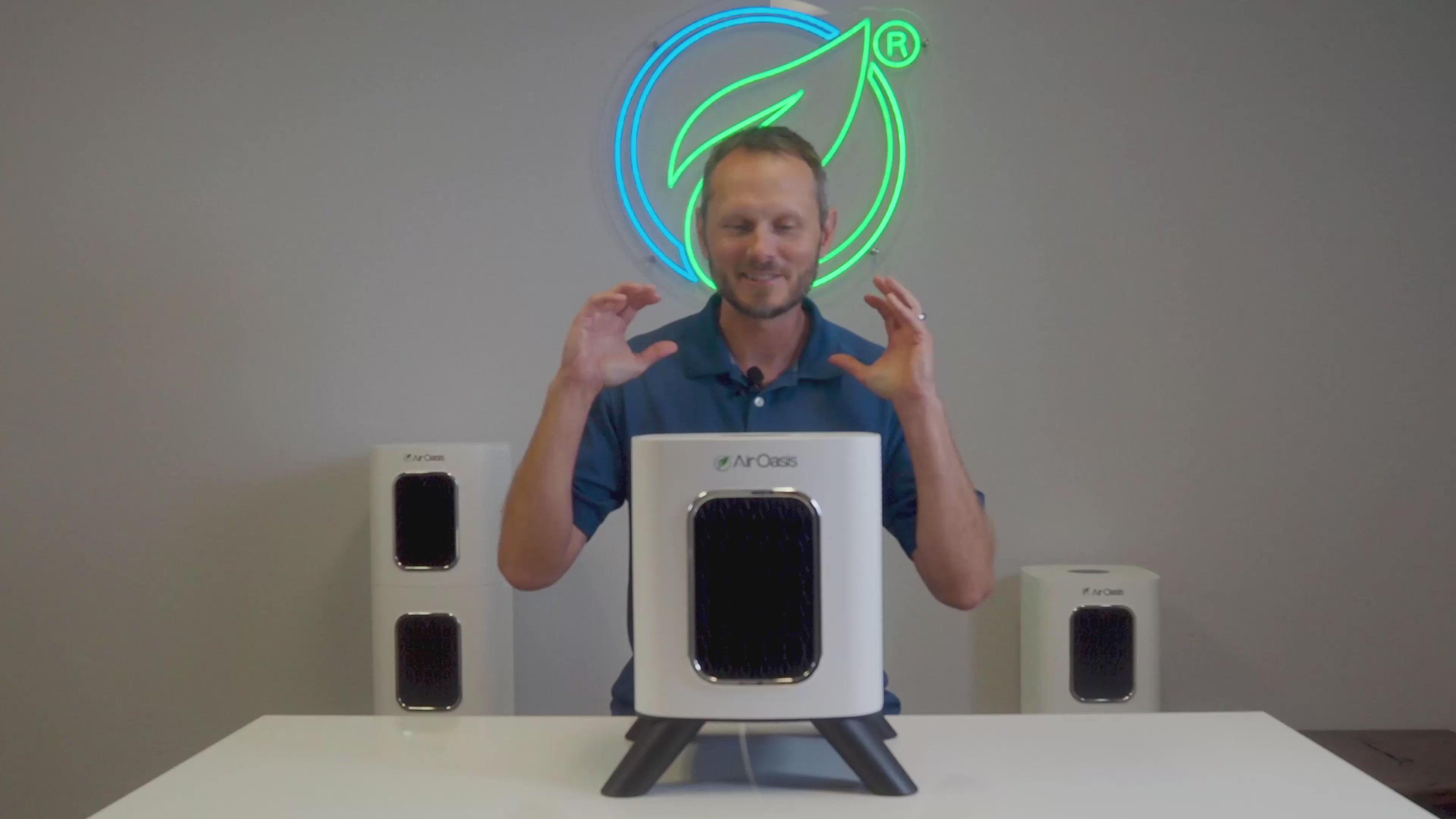
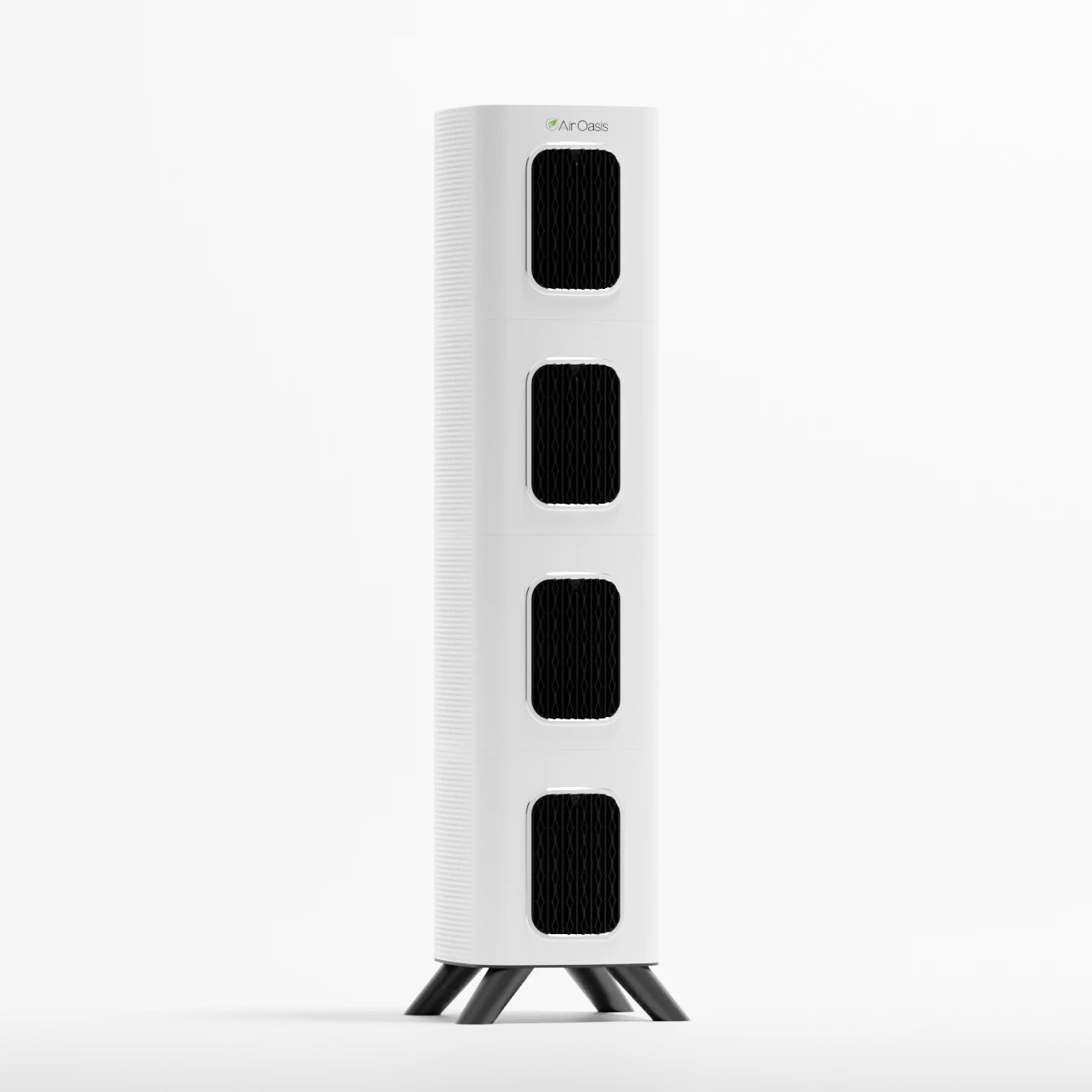
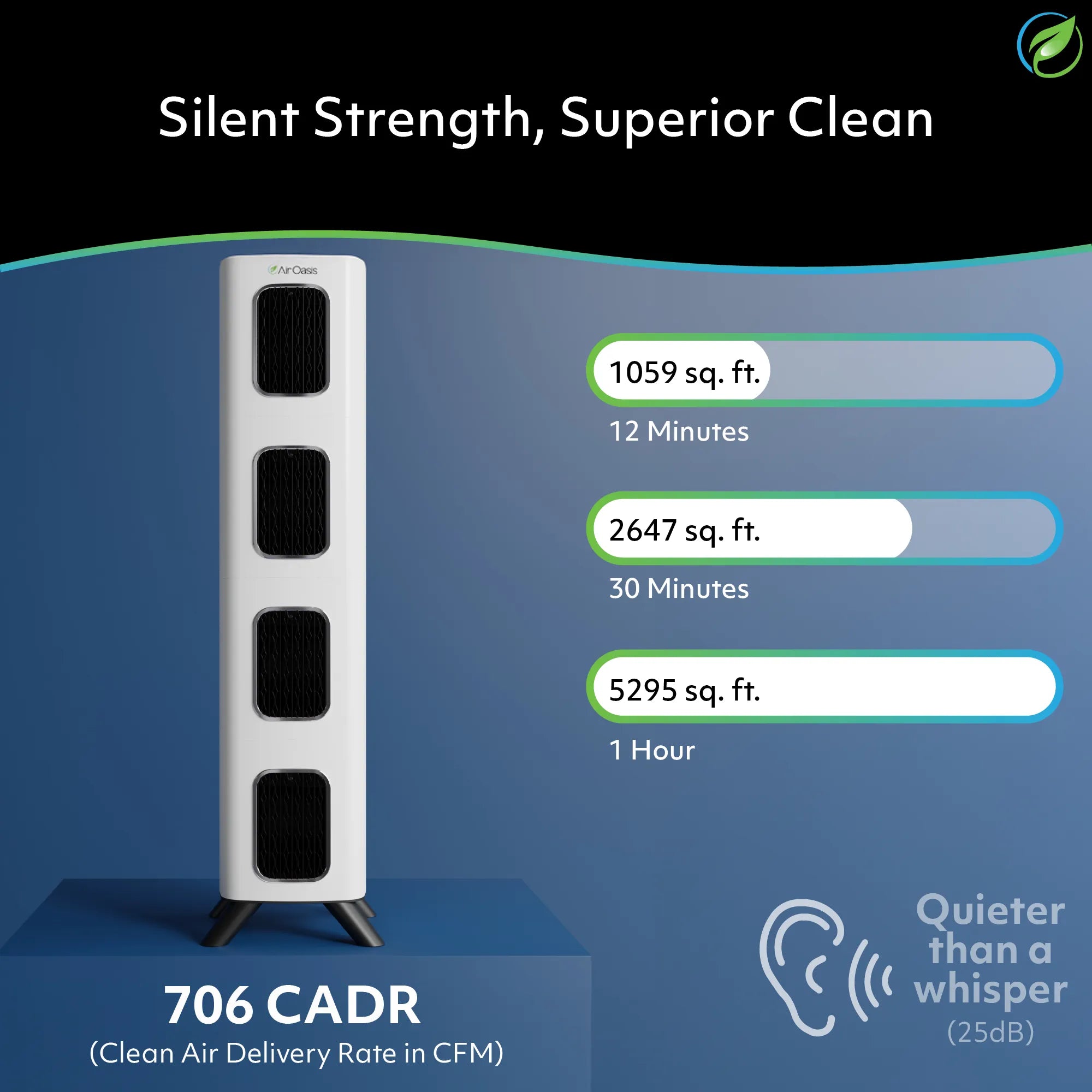
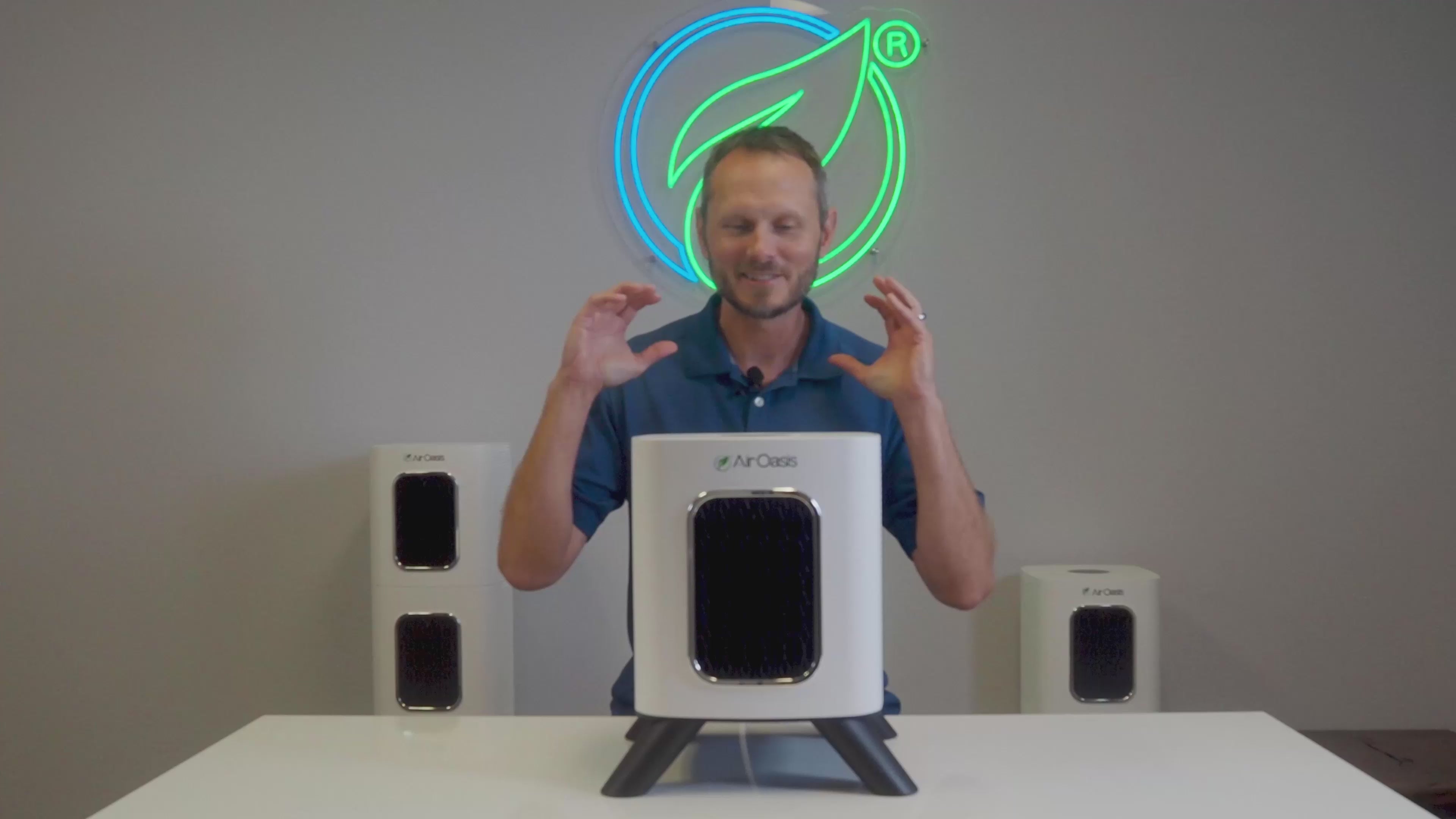
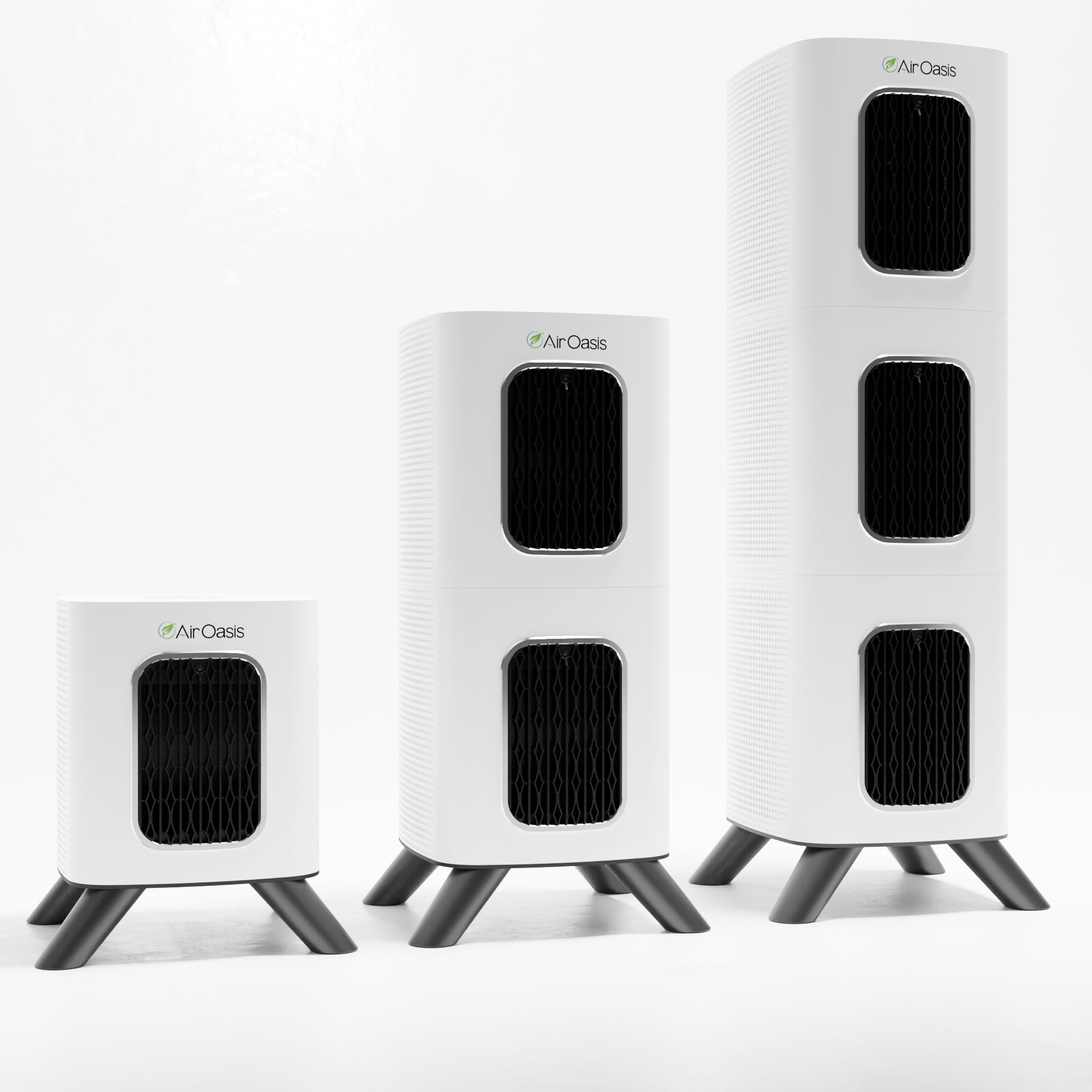
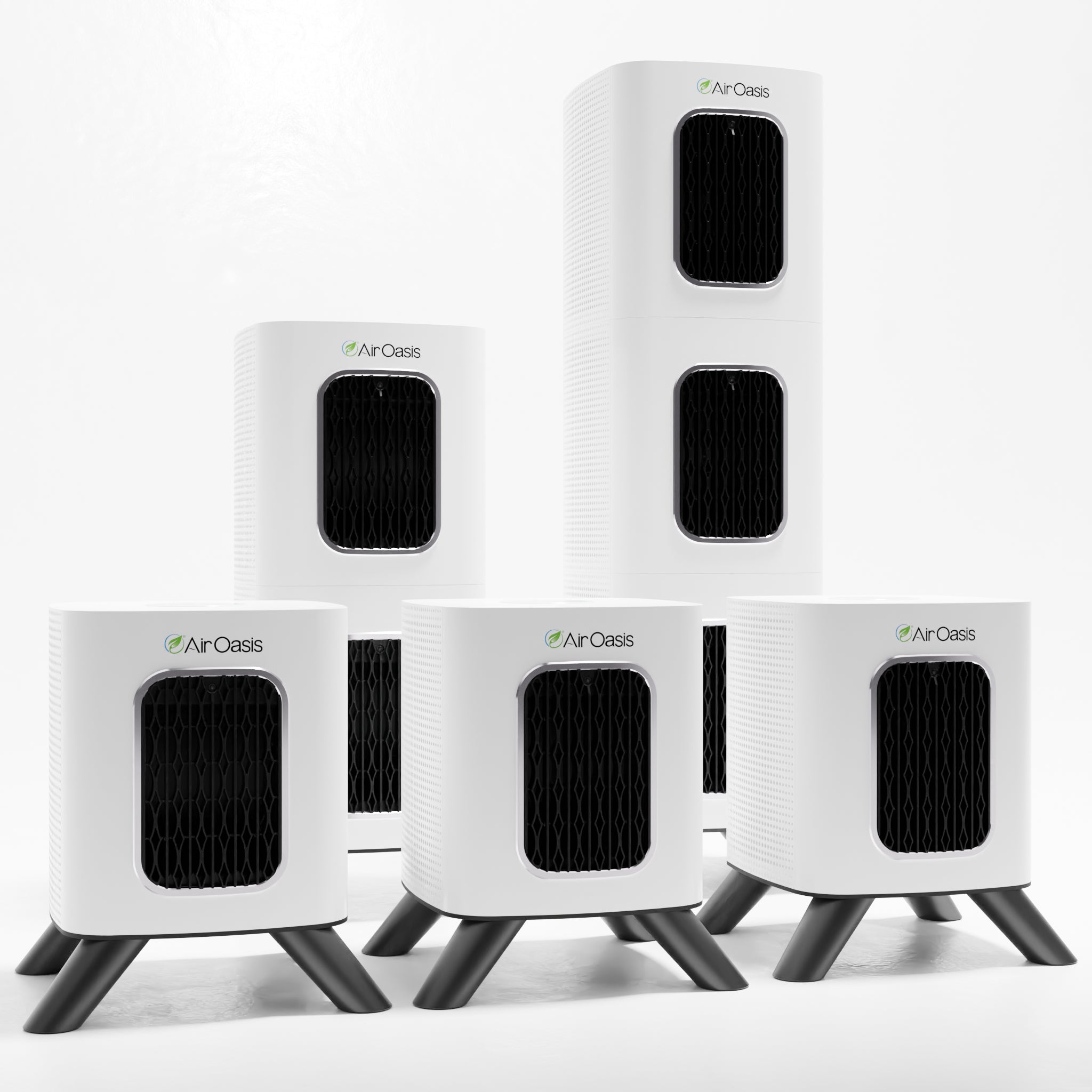
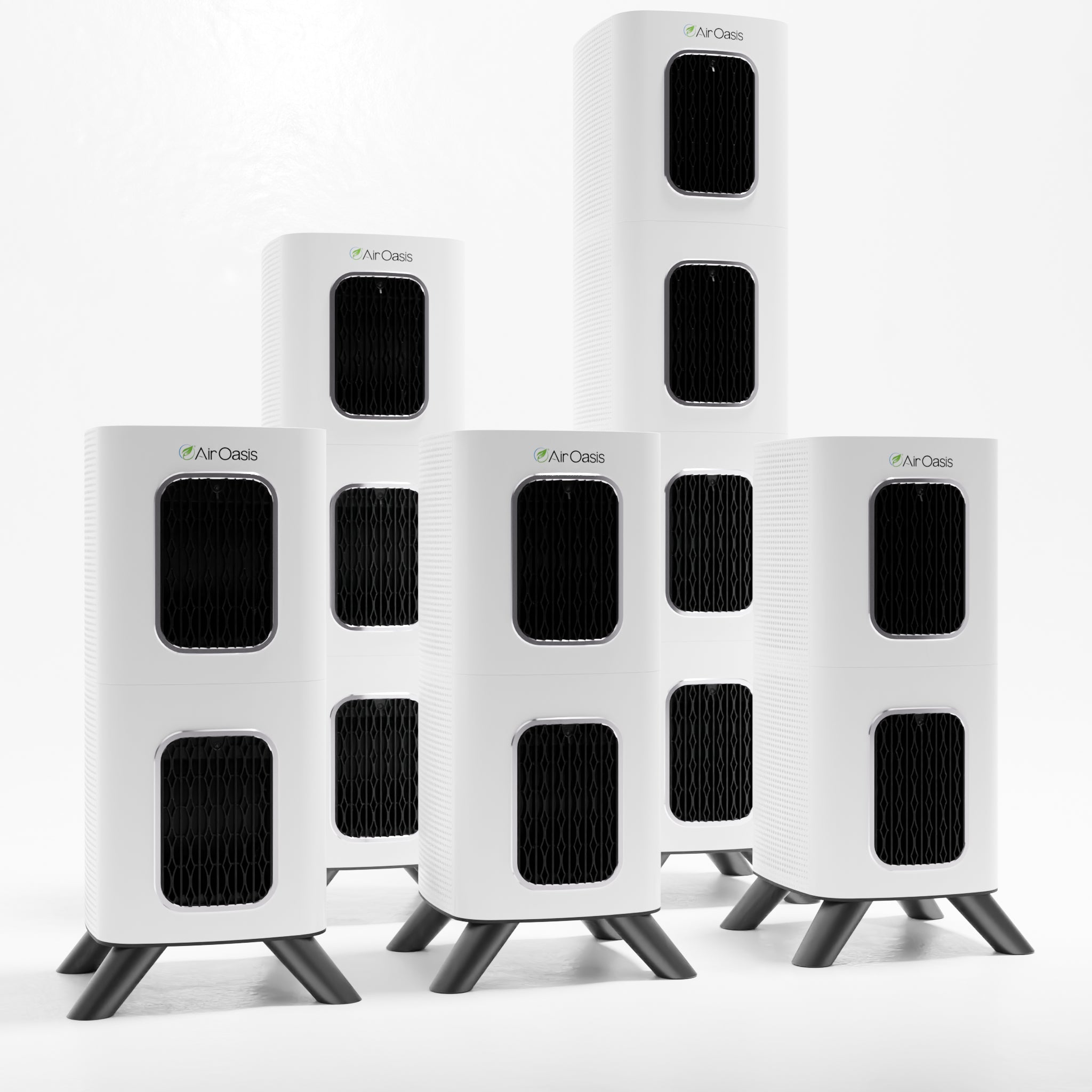
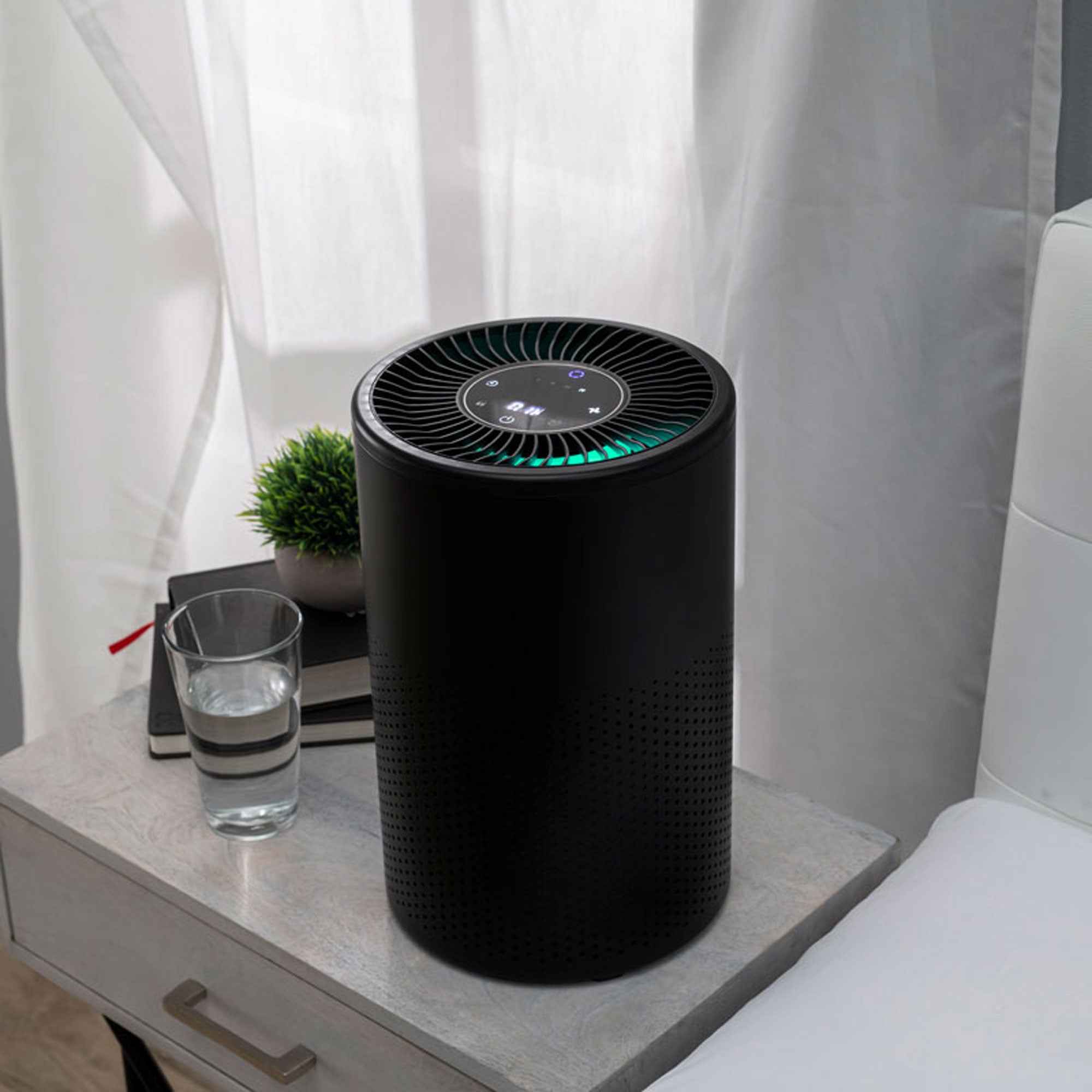
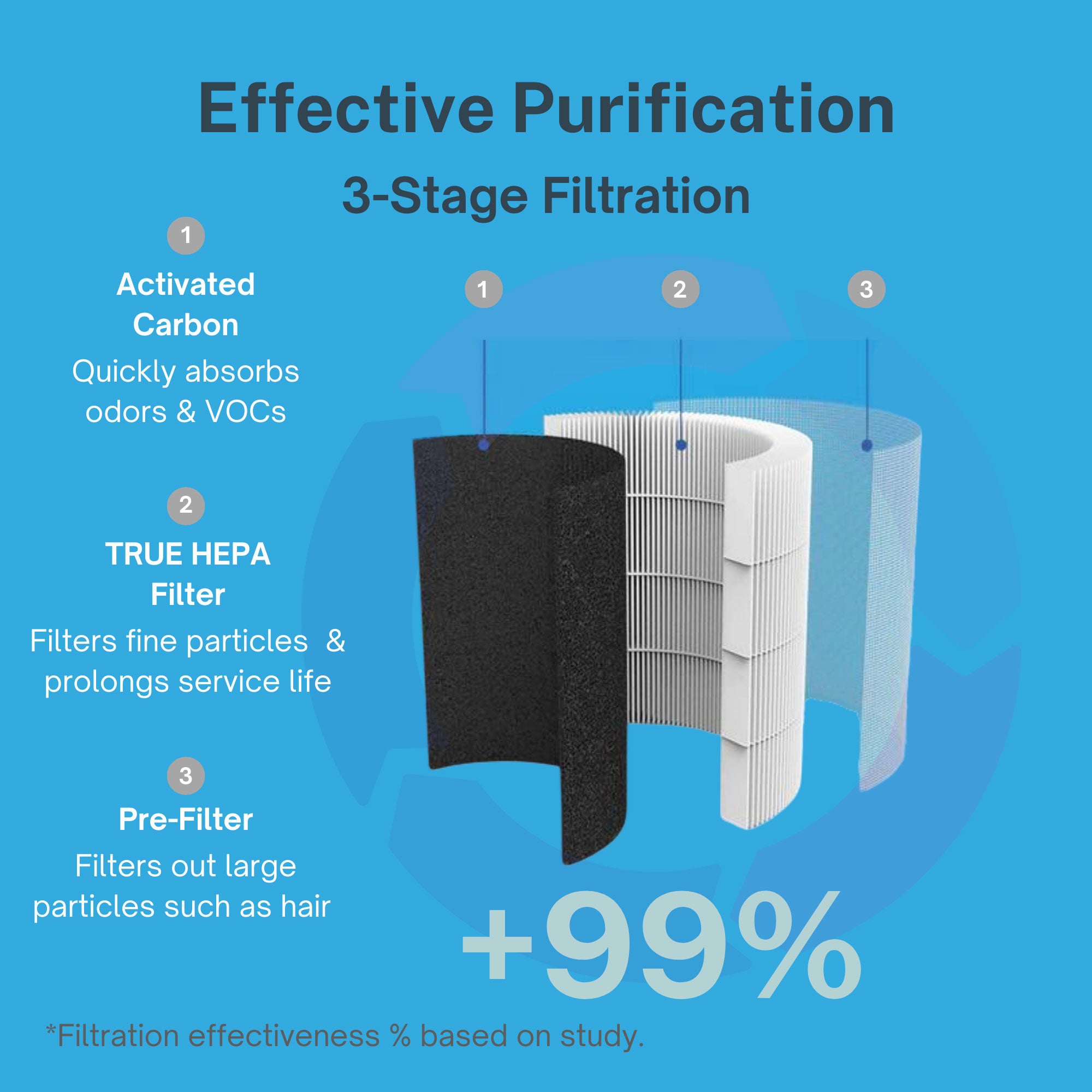
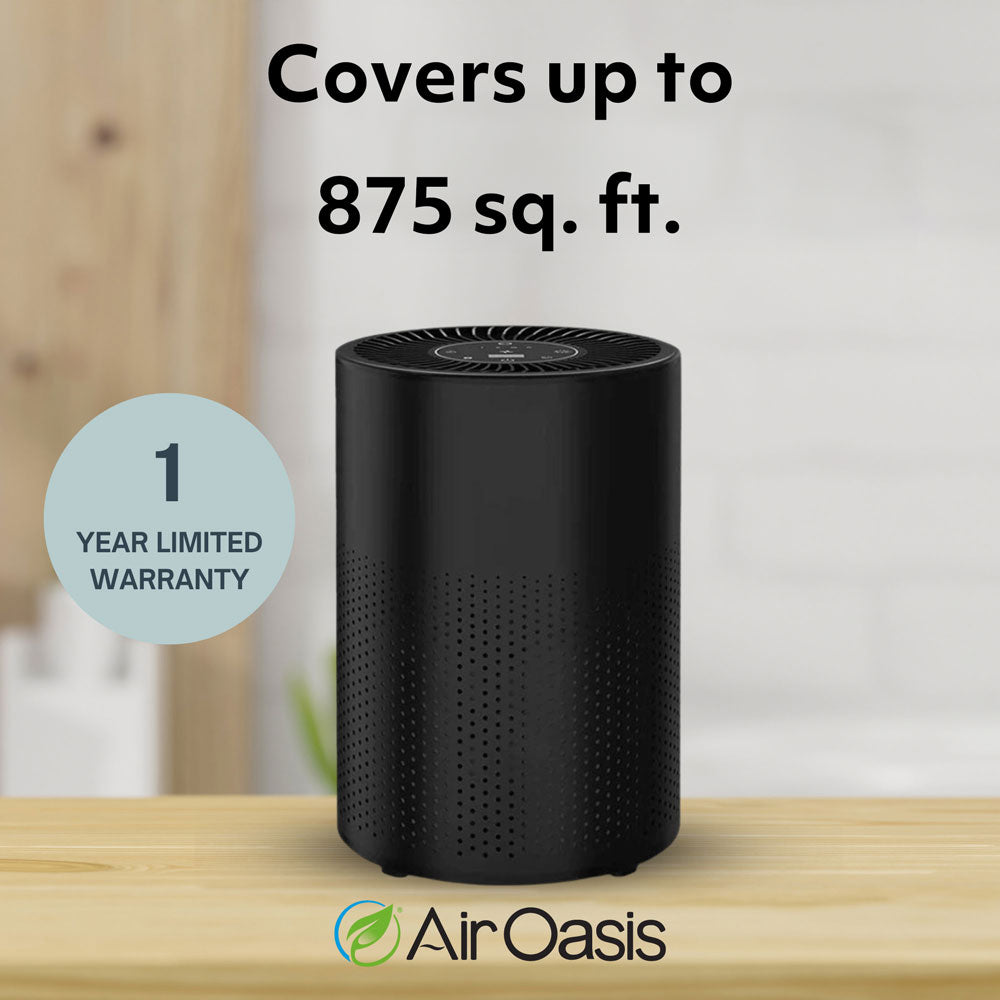
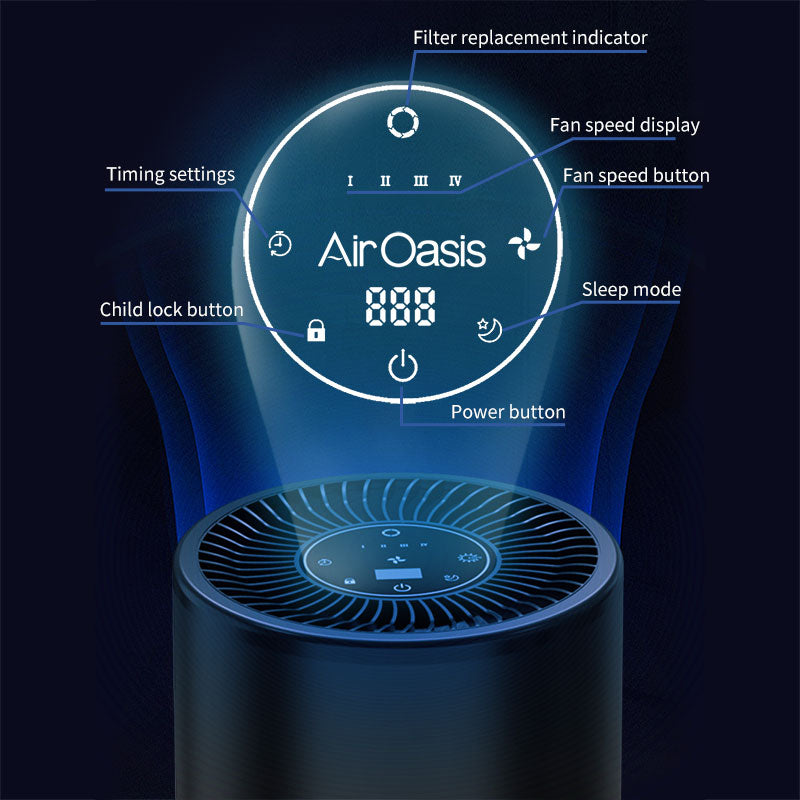
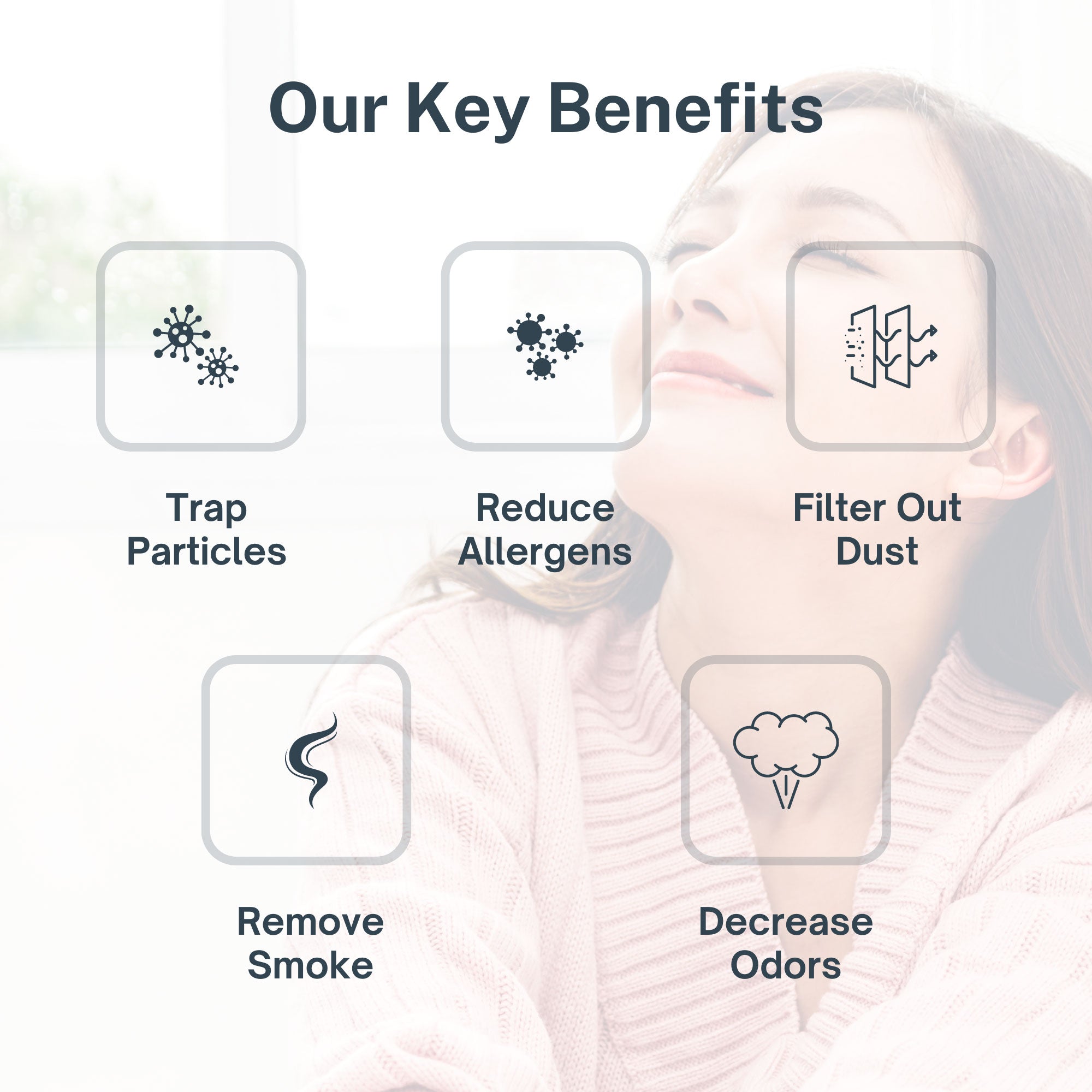
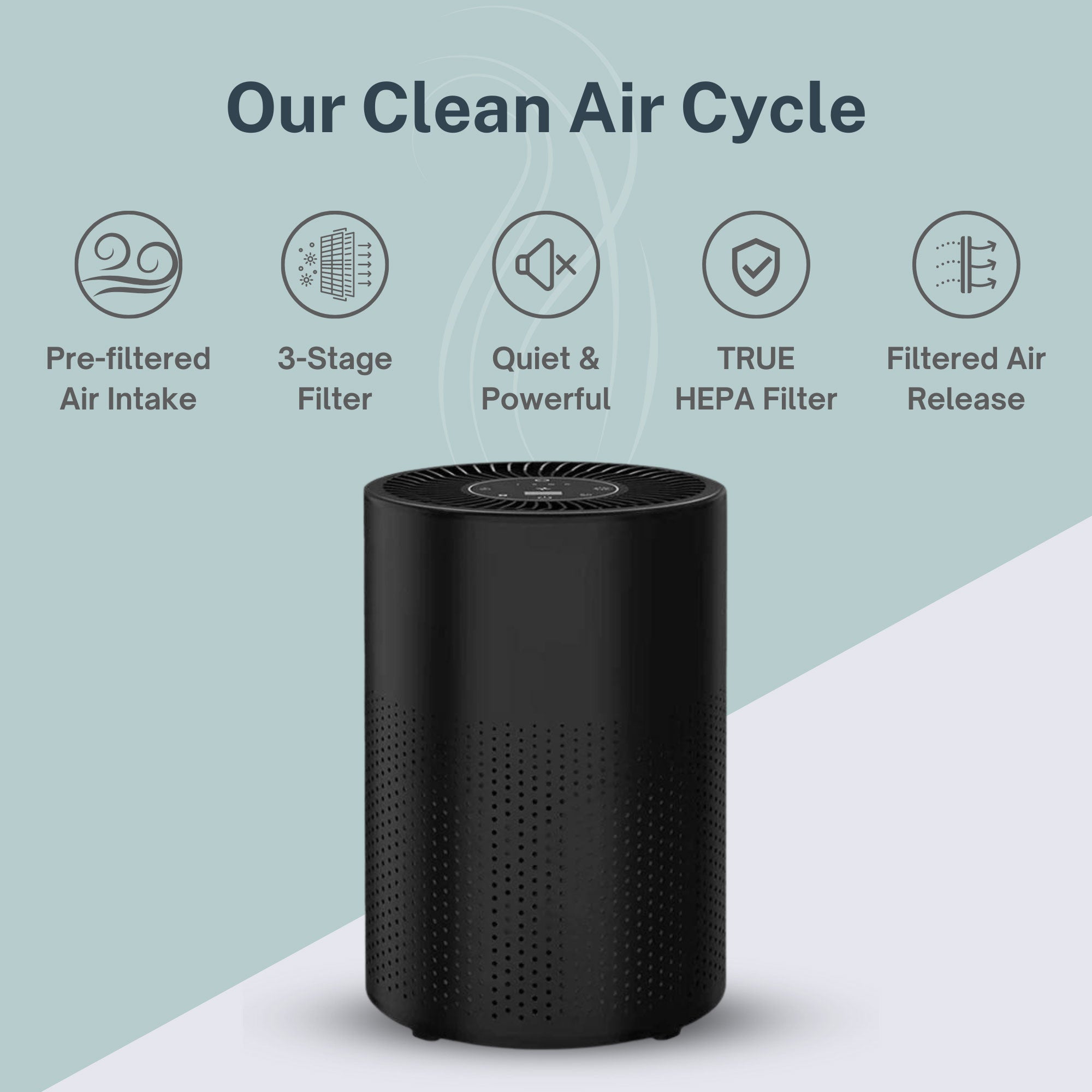
The iAdaptAir by Air Oasis uses activated carbon filtration specifically designed to capture VOCs and chemical gases — including the fragrance compounds that trigger irritant reactions. True HEPA filtration captures fine particles, including dust, mold spores, and pollen that accumulate in holiday decorations. UV-C light addresses biological contaminants, and bipolar ionization provides additional particulate control throughout the room. For a household managing asthma or other respiratory sensitivities, running an iAdaptAir is a practical step toward cleaner air — not just scented differently.
When Your Airways React, the Air Is the Starting Point
Air freshener reactions in people with asthma are real, documented, and clinically relevant — even though the precise mechanism is irritation rather than classic allergy. For sensitive individuals, the practical outcome is the same: airways constrict, breathing becomes harder, and symptoms flare. Understanding what is actually happening, avoiding known irritants, and investing in genuinely cleaner indoor air are the tools that make the most difference. Shop Air Oasis today and breathe better, live better.