You've noticed it happening. A small shock when you touch the metal lamp near your air purifier. Dust collecting in odd patterns on nearby surfaces. Maybe your pet's fur standing up a little more than usual. You're wondering if the purifier is doing something to the air — and whether you should be concerned.
It's a smart question. The answer depends on the type of air purifier you're using. Some can contribute to static in a room. Others don't. And understanding the difference helps you make a better decision about what you're running in your home.
How static electricity forms in indoor air
Static electricity is the buildup of electrical charge on surfaces. It happens when electrons transfer from one material to another — through friction, contact, or changes in the surrounding air. Indoor air that's very dry has fewer ions and less moisture to dissipate those charges, which is why static is worse in winter when indoor humidity drops.
Air itself can be ionized — meaning the molecules in it can carry positive or negative charges. Under normal conditions, indoor air has a rough balance of positively and negatively charged ions. When that balance shifts in one direction, static effects can become more noticeable.
Some air purifiers deliberately change that ionic balance as part of how they clean the air. Others — HEPA-based purifiers that work purely through mechanical filtration — don't affect air ionization at all.
Which types of air purifiers can contribute to static
Older-style ionic air purifiers and electrostatic precipitators work by generating ions to charge airborne particles, causing them to stick to collection plates or nearby surfaces. These technologies can affect the charge balance of room air, and in some cases, people notice minor static effects — small shocks when touching metal objects, or particles accumulating on walls near the unit.
This was more common with older negative ion generators, which released large quantities of unipolar negative ions into a room. That kind of one-sided ion output can create an imbalance in the room's charge environment.
Ozone generators — which are not air purifiers in any safe sense and shouldn't be used in occupied spaces — can also affect ionization as a byproduct of how they generate ozone. This is one of several reasons health authorities advise against them for residential use.
Why bipolar ionization is different
Modern bipolar ionization — the technology used in the iAdaptAir — works differently from older single-polarity ion generators. It releases both positively and negatively charged ions simultaneously by splitting water vapor molecules in the air into hydrogen ions (positive) and oxygen ions (negative). Those ions then attract airborne particles, causing them to cluster together and fall out of the air or get captured by the filter.
The key distinction is balance. Because bipolar ionization releases ions of both charges at roughly equal rates, it doesn't create the kind of electrical imbalance that older unipolar ionizers produced. The goal is particle removal, not charge saturation of the room. Users don't typically experience static effects from bipolar ionization technology the way they might from older ionic devices.
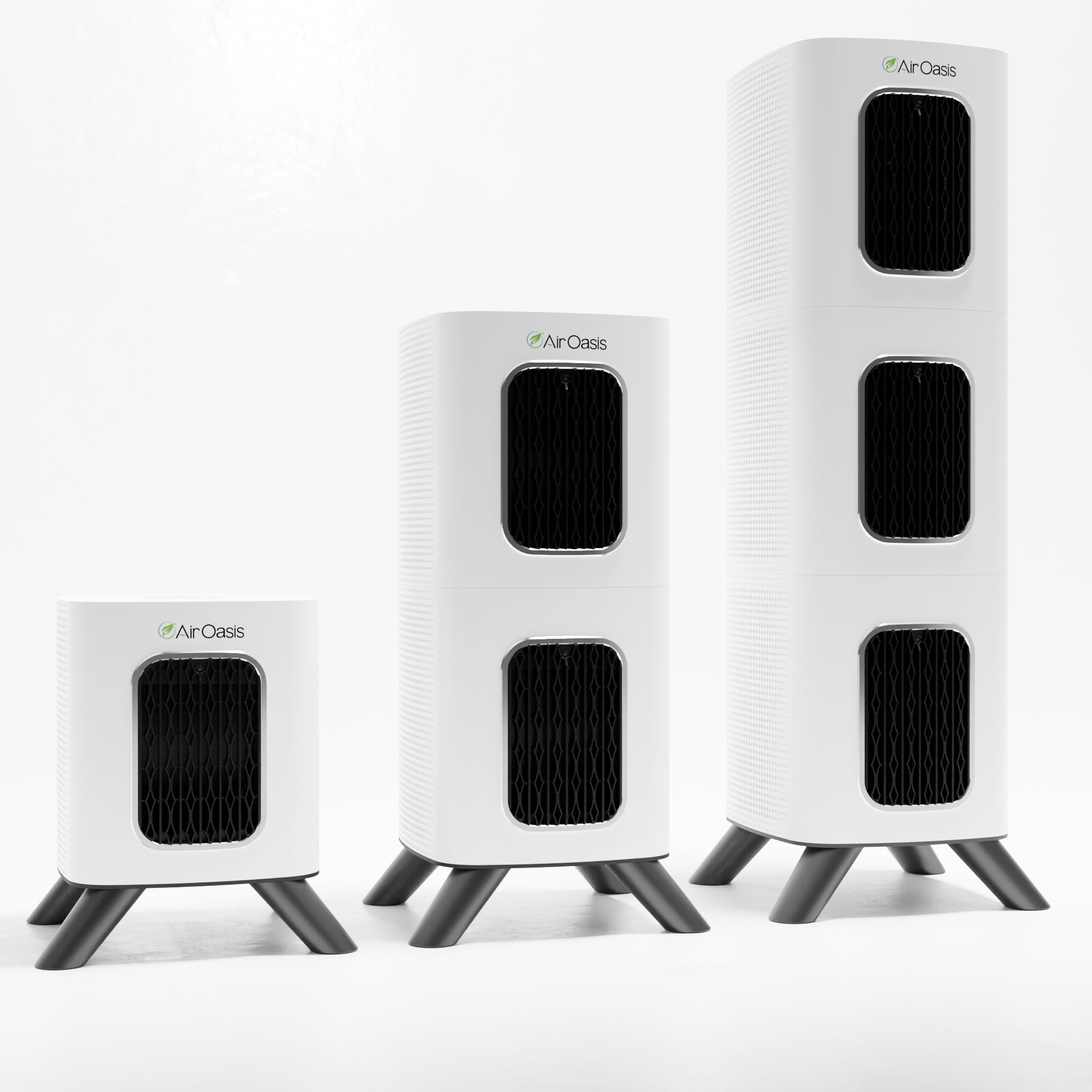
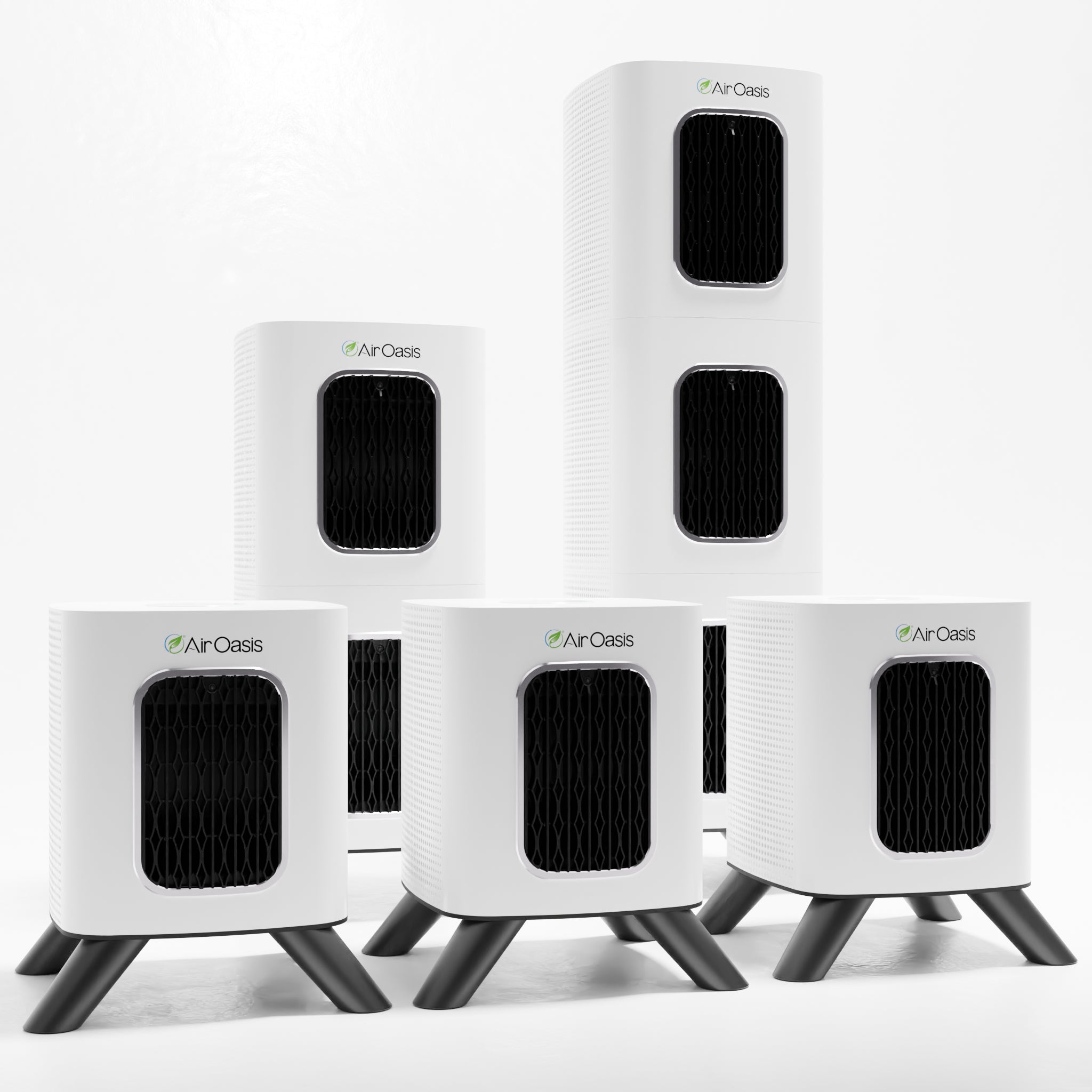
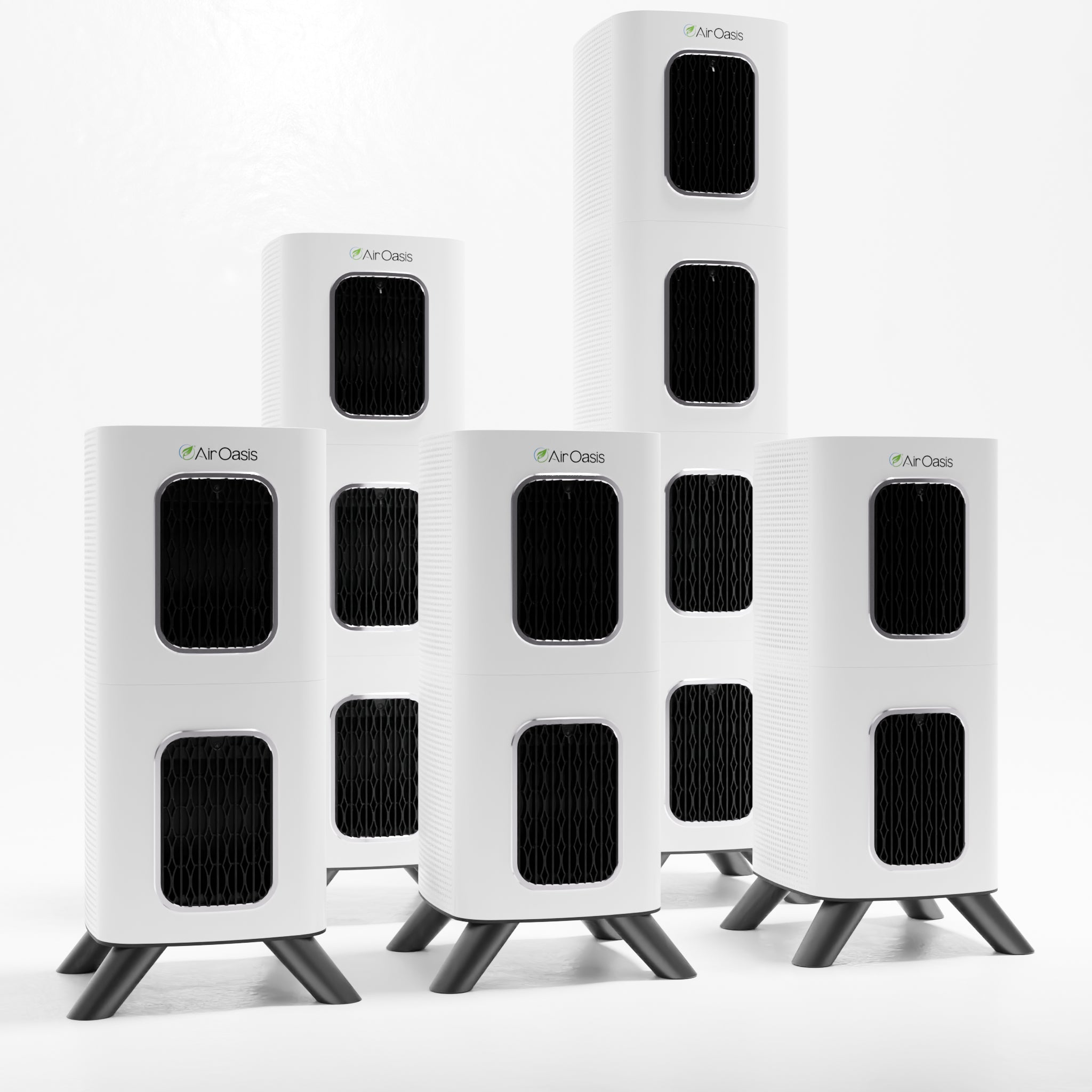
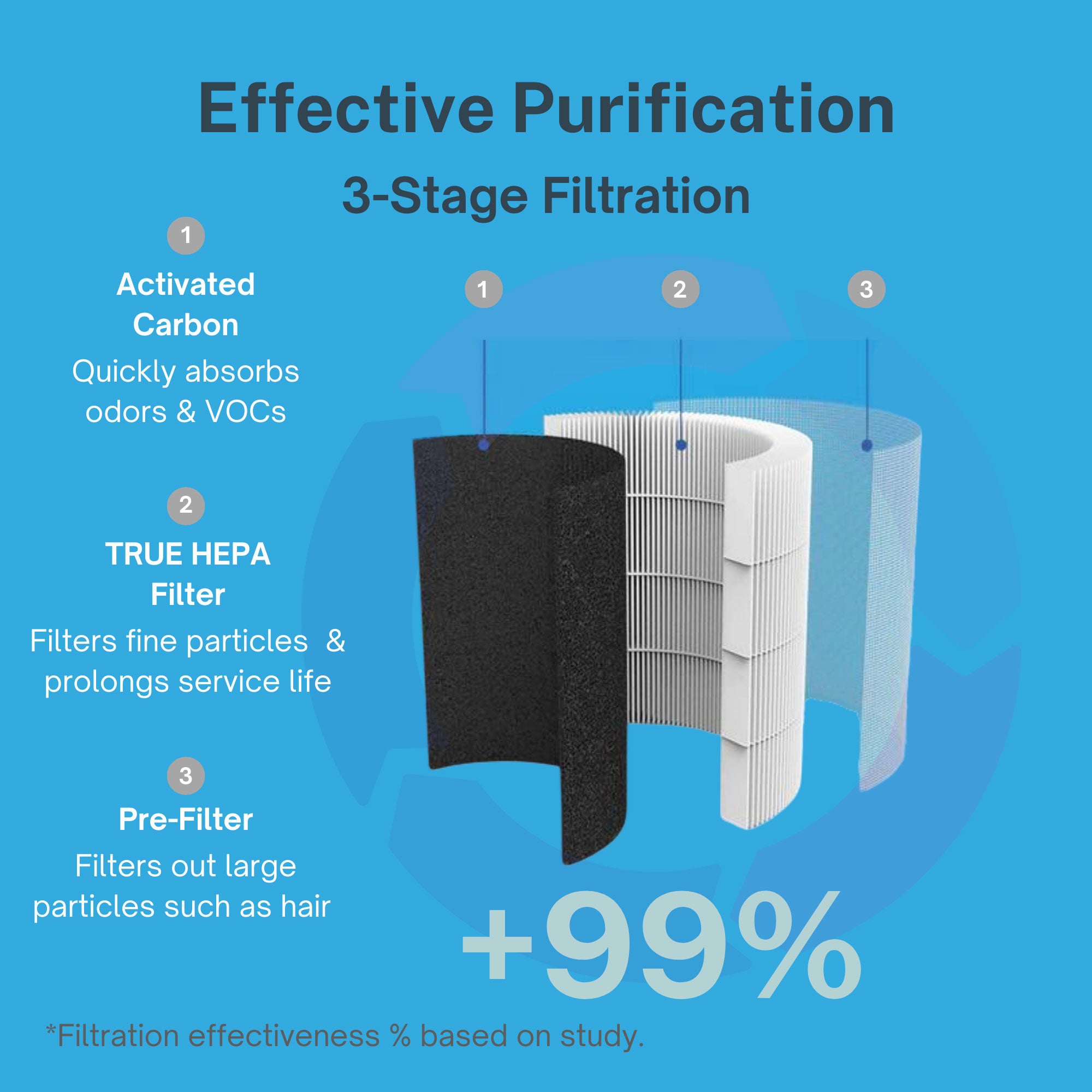
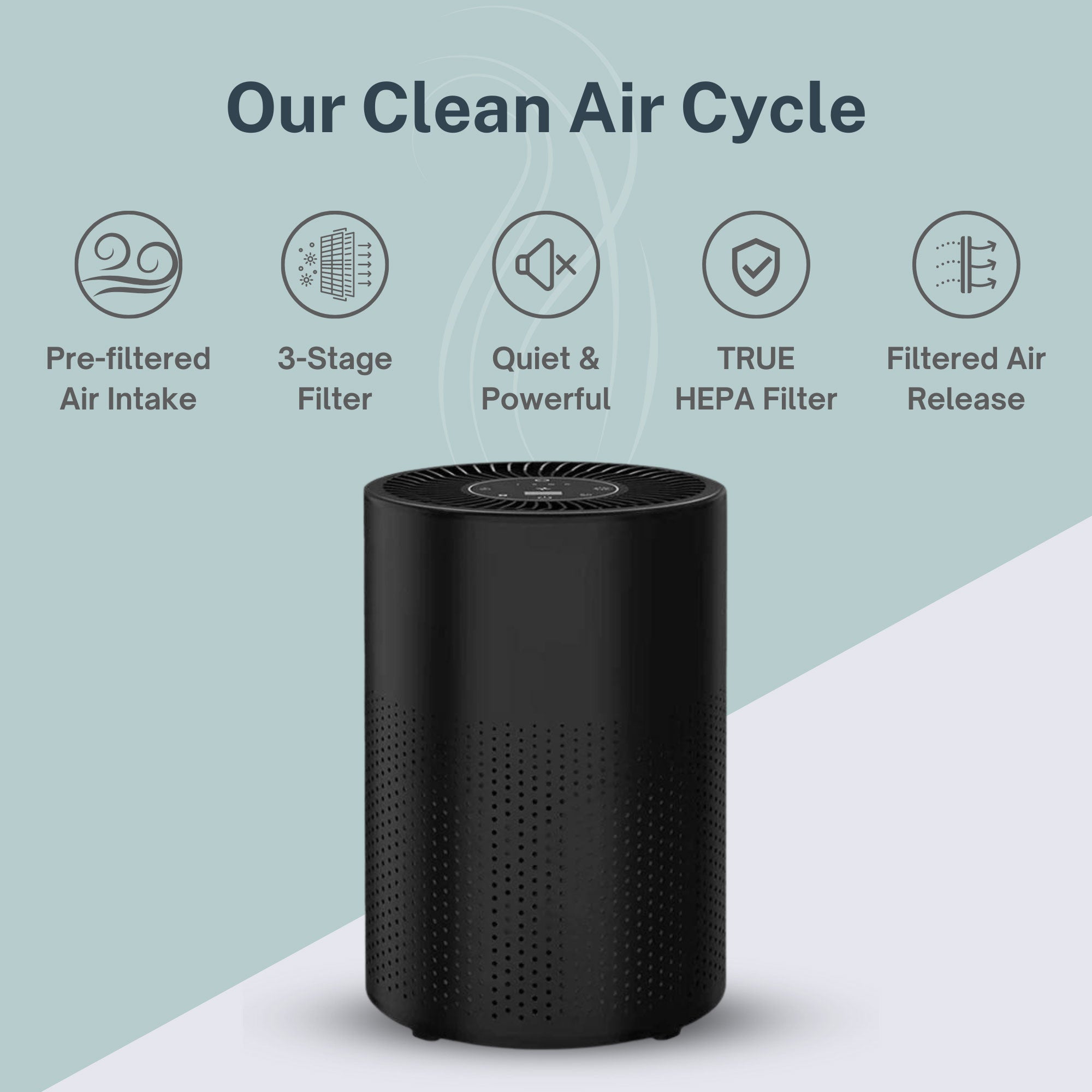
The iAdaptAir also combines bipolar ionization with True HEPA filtration, activated carbon, and UV-C light — so the ionization component handles a specific task (helping particles clump for easier capture) without carrying the full filtration burden. It's not outputting massive quantities of ions to compensate for a lack of other filtration. That matters for the static question.
HEPA-only purifiers and static
Standard HEPA air purifiers that rely entirely on mechanical filtration — a fan pulling air through filter media — have essentially no effect on room ionization or static electricity. They move air, they trap particles in filter fibers, and that's it. No electrical charge manipulation, no ion output. If you're running a pure HEPA purifier and noticing static, the purifier isn't the cause.
In fact, the opposite occasionally happens: some people wonder if a HEPA purifier could reduce static by removing the dust particles that accumulate charges and transfer them to surfaces. Theoretically, yes, reducing airborne dust slightly reduces one mechanism for charge transfer — but the effect on static is negligible enough that it's not a practical consideration.
The real culprit is almost always dry air
If you're experiencing static electricity in a room where your air purifier runs, the most likely explanation has nothing to do with the purifier. Dry indoor air is by far the most common cause of static buildup in homes. Winter heating systems dry out indoor air significantly. The EPA recommends keeping indoor relative humidity between 30 and 50 percent for comfort and health. When humidity drops below 30 percent, static becomes noticeably worse.
Running an air purifier doesn't dry your air — it filters it. But if your home's HVAC system is already creating dry conditions and you're running an air purifier in the same room, the two effects can overlap in a way that makes the purifier seem like the cause.
A simple hygrometer — available at most hardware stores for under $20 — tells you your room's humidity. If it's reading below 30 percent, that's your static problem. A humidifier in that room will resolve it.
What if you notice dust sticking to the outside of your purifier?
This sometimes happens with units that use any ionization technology — charged particles can be attracted to the unit's outer casing if it holds a slight charge. It's cosmetically noticeable but not a sign of malfunction. Wipe the exterior down during regular maintenance. It's simply a reflection of the ionization doing its job — attracting particles — and a small amount of that attraction extending to the nearest surface, which is the unit itself.
Practical takeaways
If you're concerned about static and considering an air purifier, a HEPA-based purifier with bipolar ionization is a better choice than older unipolar negative ion generators. The iAdaptAir's bipolar ionization maintains ionic balance rather than saturating the room with a single charge type — so the static effects associated with older ionizers aren't a concern.
If you're already running an air purifier and experiencing static, check your indoor humidity first. Adjust it if needed. Keep the area around your purifier clear with at least four inches of clearance on all sides so air moves freely, and keep doors and windows closed during operation so the purifier can cycle the room air effectively.
Clean indoor air and comfortable static-free living aren't in conflict. They just need the right tools — and a little context for understanding what's actually going on.
Shop Air Oasis and find the right iAdaptAir for your space. Breathe Better, Live Better.