Searing a steak fills your kitchen with delicious aromas. Frying bacon creates that irresistible breakfast smell. Stir-frying vegetables at high heat brings restaurant-quality flavors to your home. But every time you cook with oil or fat at high temperatures, you're releasing something far less pleasant into your air—microscopic grease particles that float throughout your home and stick to every surface.
Cooking grease doesn't just create that sticky film on your stovetop and cabinets. Tiny grease particles become airborne during cooking and remain suspended in your air for hours. These particles are small enough to inhale deep into your lungs, where they can trigger respiratory irritation and worsen existing breathing conditions. The grease also settles on furniture, walls, and fabrics, creating persistent odors and attracting dust that compounds air quality problems.
Most people assume exhaust fans solve this problem completely. Range hoods capture some grease, but they're far from perfect. Studies show that even high-quality exhaust systems only remove sixty to seventy percent of cooking emissions. The remaining particles escape into your home's air and circulate through HVAC systems, spreading throughout every room. Your bedroom, living room, even your closets—all contain cooking grease particles if you regularly prepare fried or high-heat foods.
How Air Purifiers Tackle Airborne Grease
Air purifiers can remove cooking grease from the air, but effectiveness depends entirely on the filtration technology. Standard air purifiers with basic filters struggle with grease particles because these particles are both solid and liquid, making them more challenging to capture than dry dust or pollen.
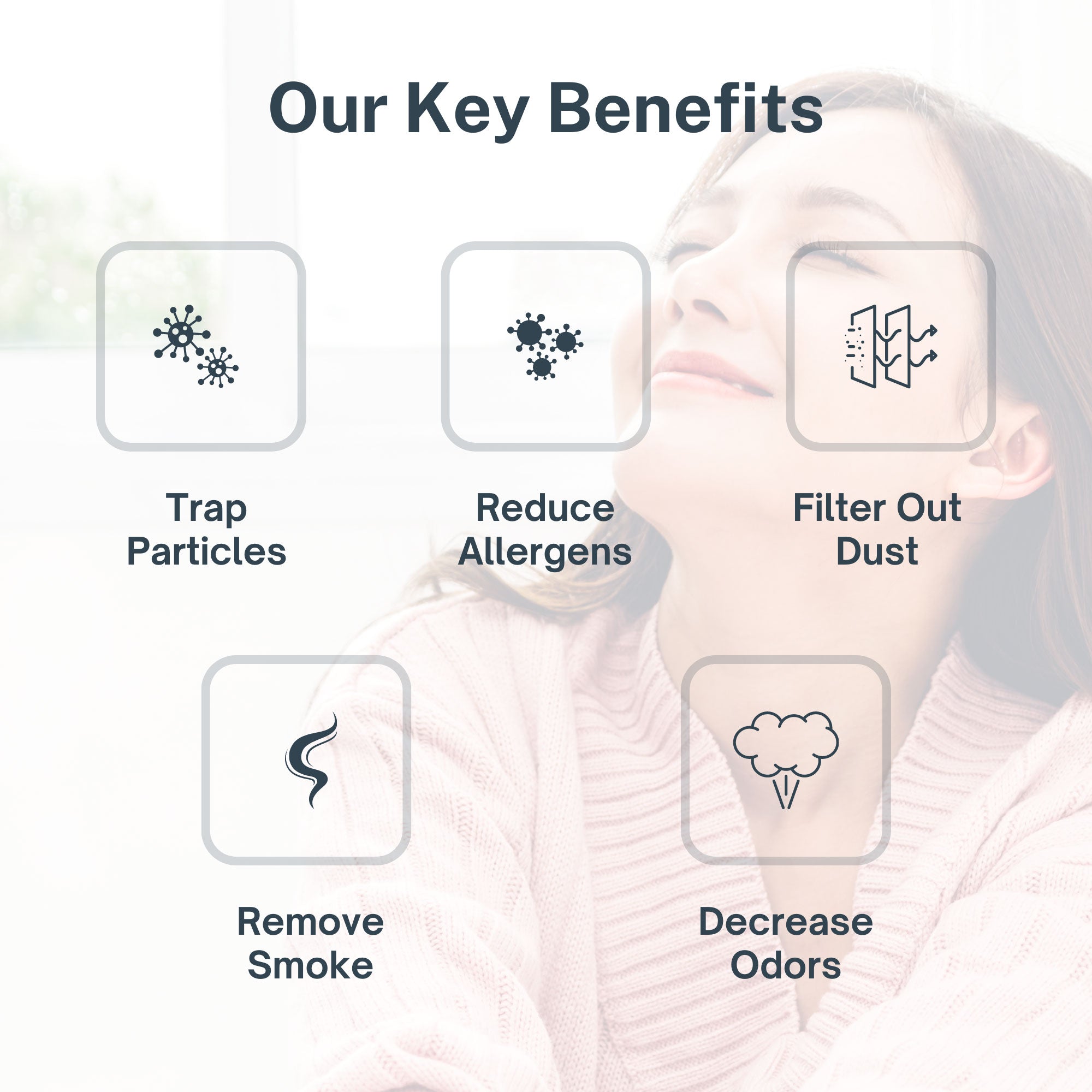
HEPA filters excel at trapping grease particles. Medical-grade HEPA filtration captures particles as small as 0.3 microns with 99.97% efficiency. Most cooking grease particles fall within the size range that HEPA filters handle best. As air passes through the dense filter material, grease droplets stick to the fibers and remain trapped rather than passing through and recirculating.
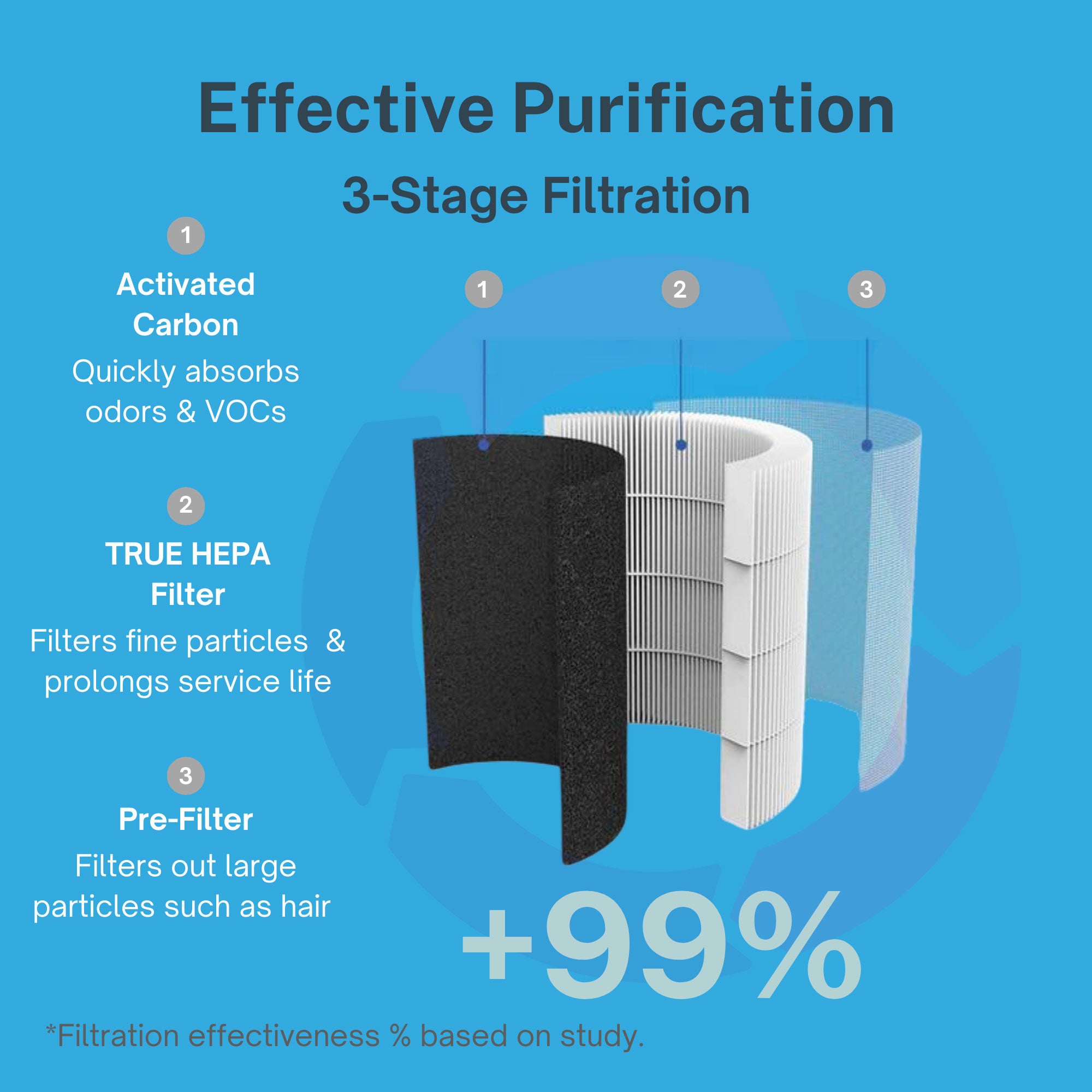
However, HEPA filters alone cannot handle the complete challenge of cooking emissions. Grease particles come with volatile organic compounds and odor molecules that slip right through HEPA material. This is where activated carbon becomes essential. Activated carbon is a porous material with an enormous surface area that adsorbs gases and odor molecules. When air passes through activated carbon, the odor compounds stick to the carbon surface through chemical bonding.
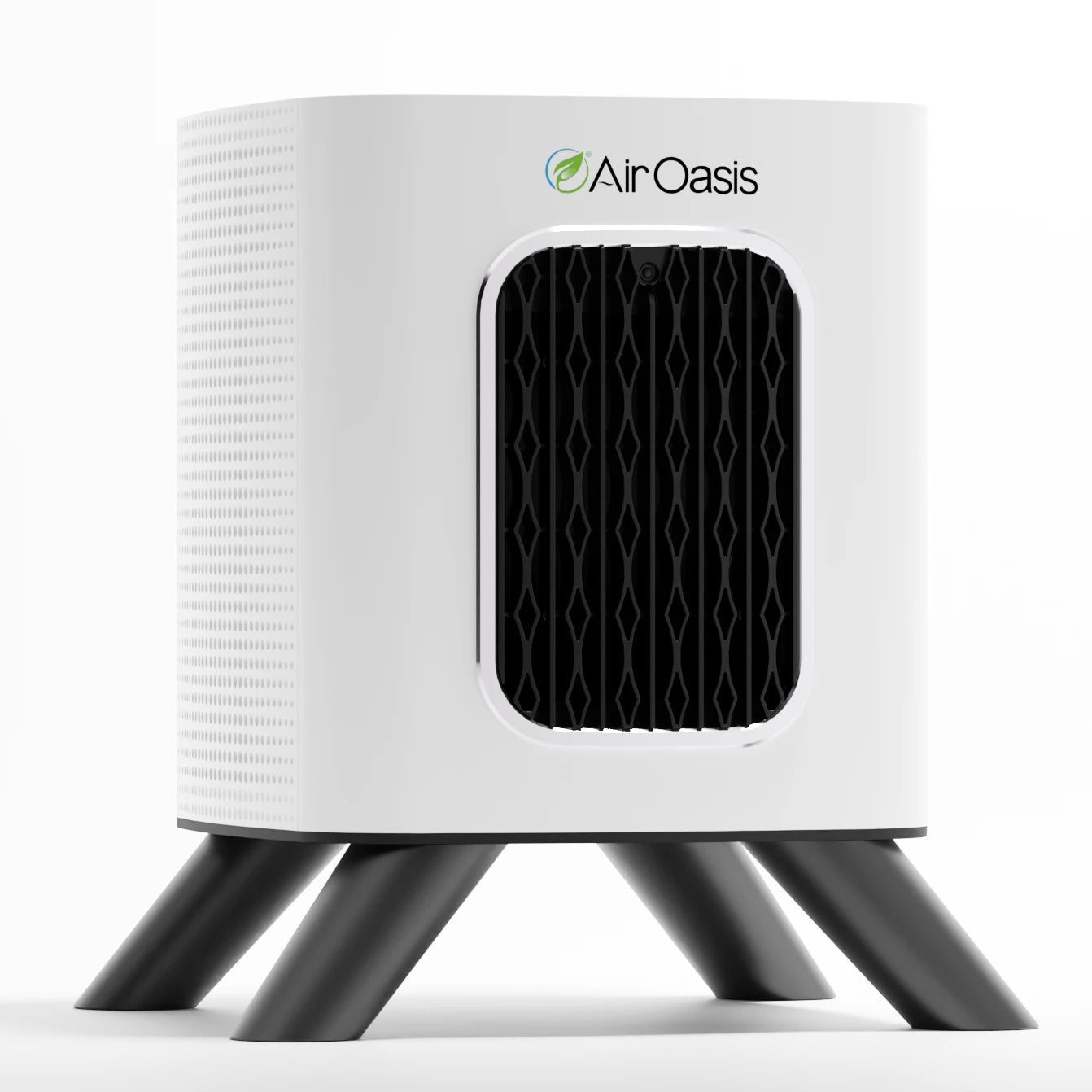
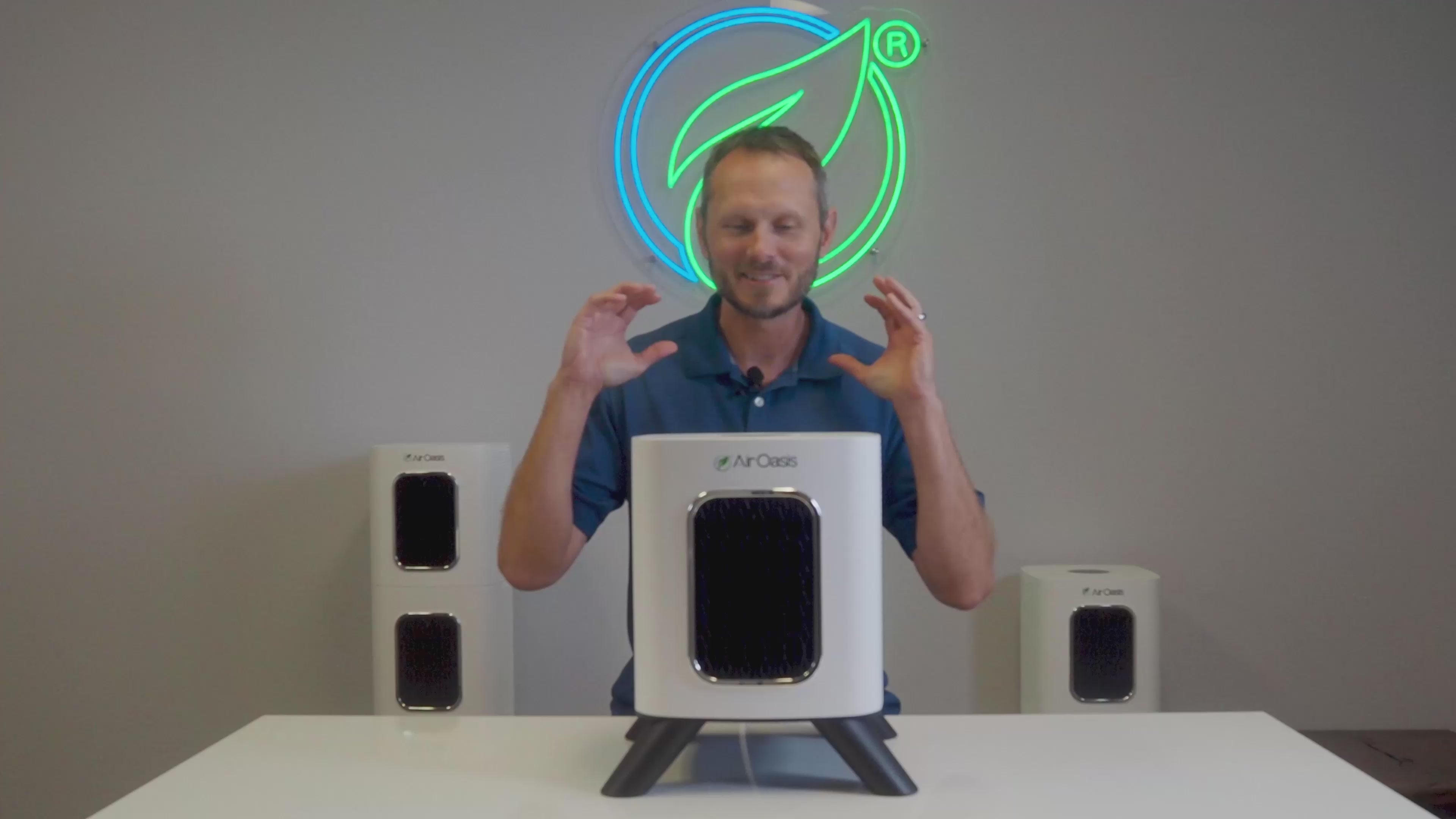
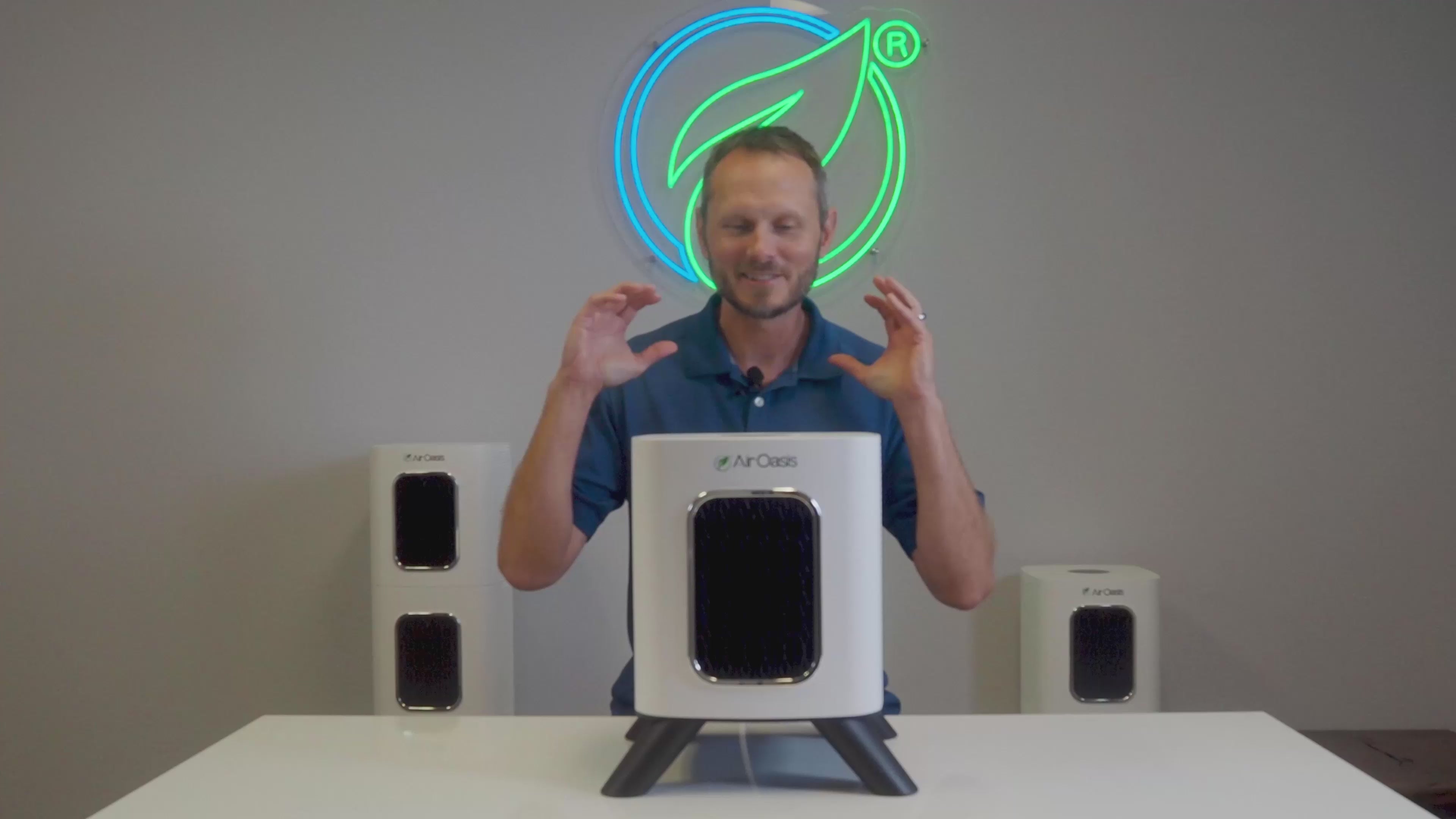
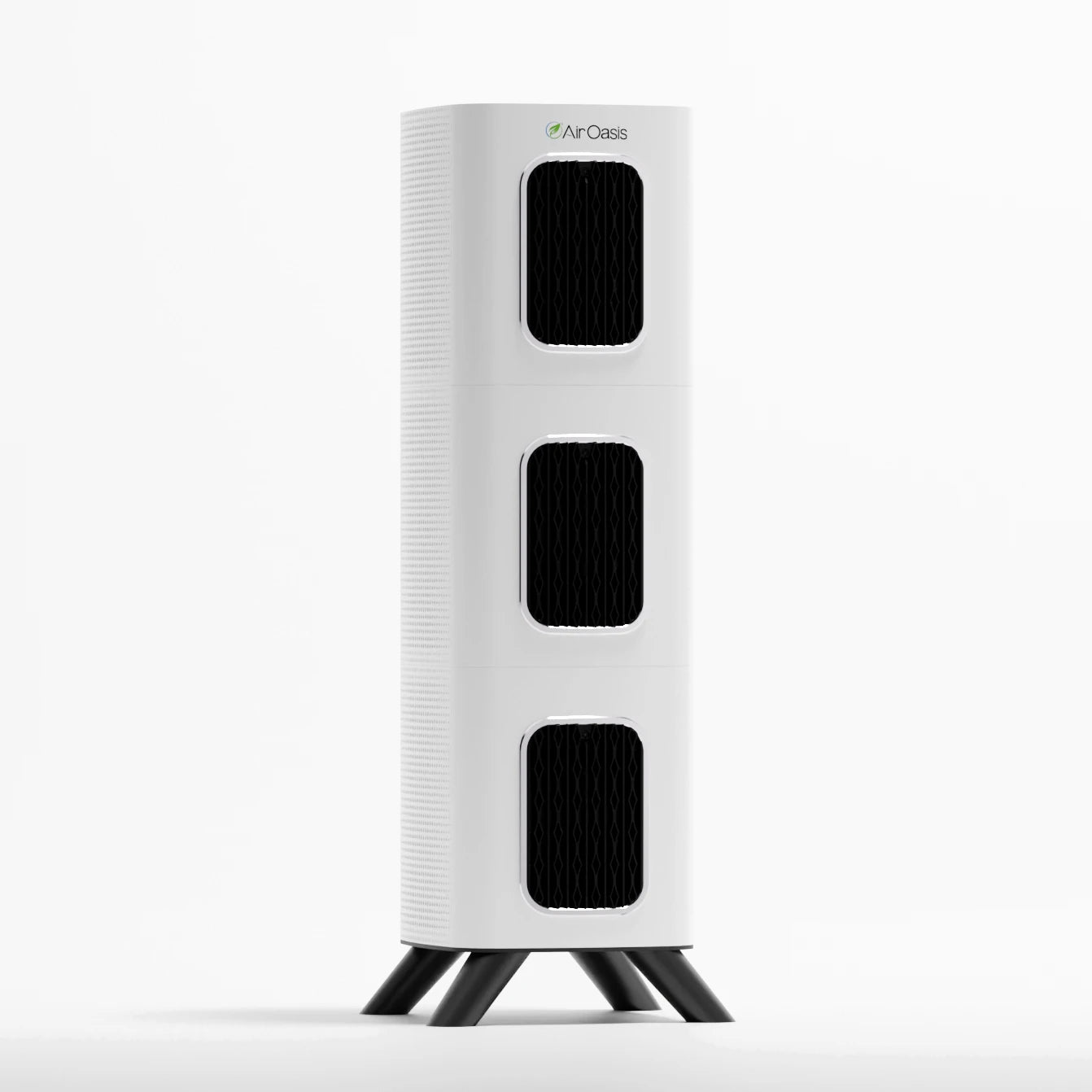
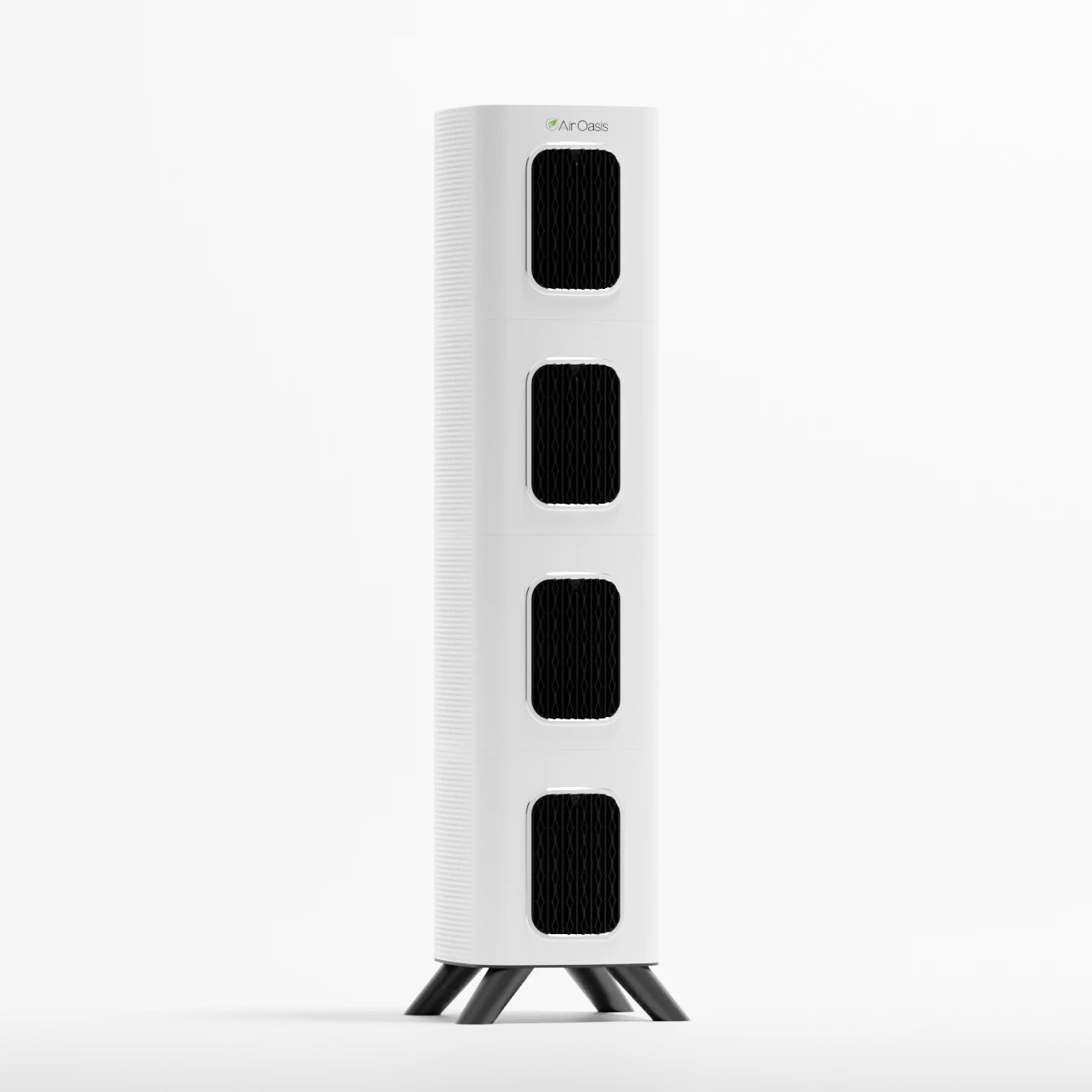
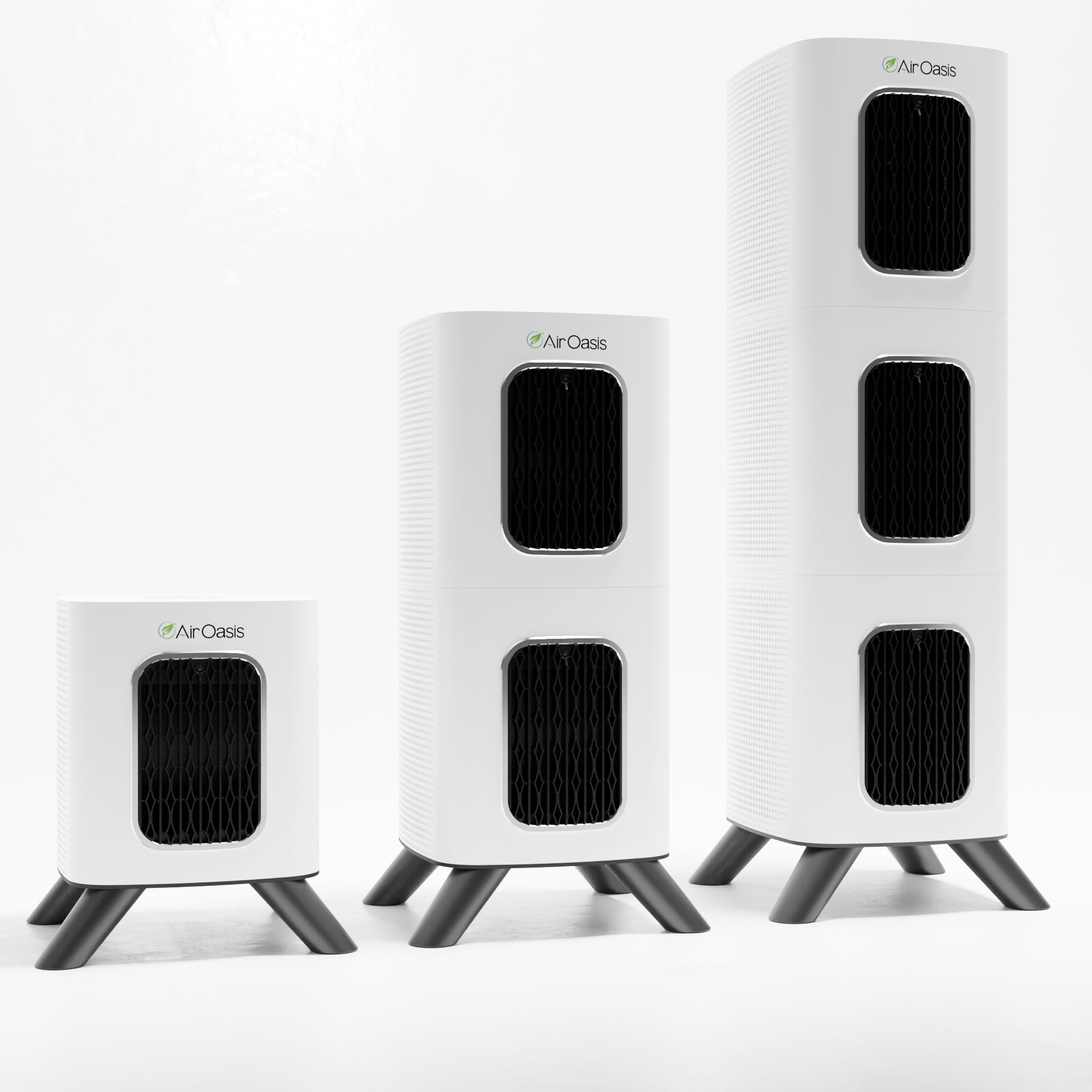
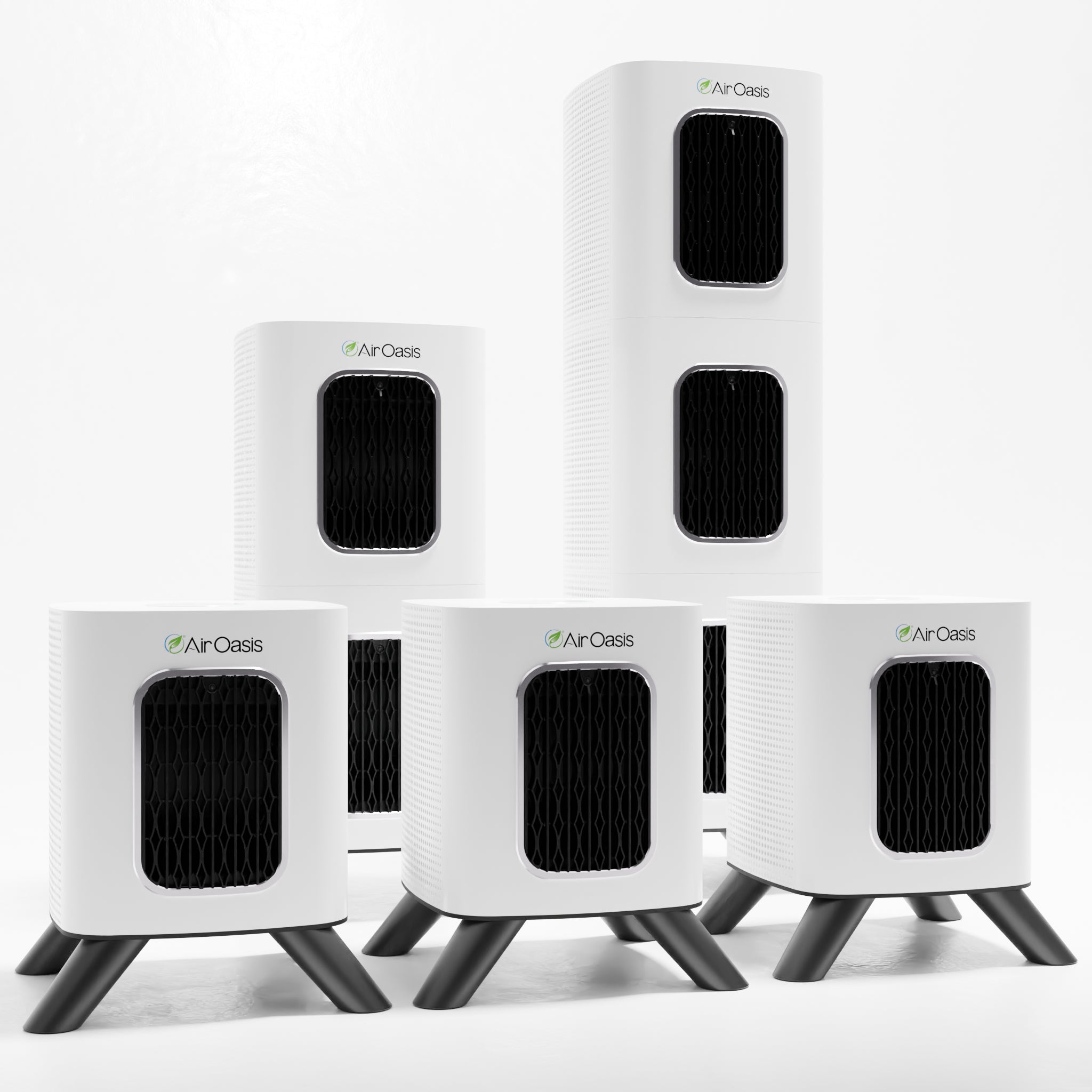
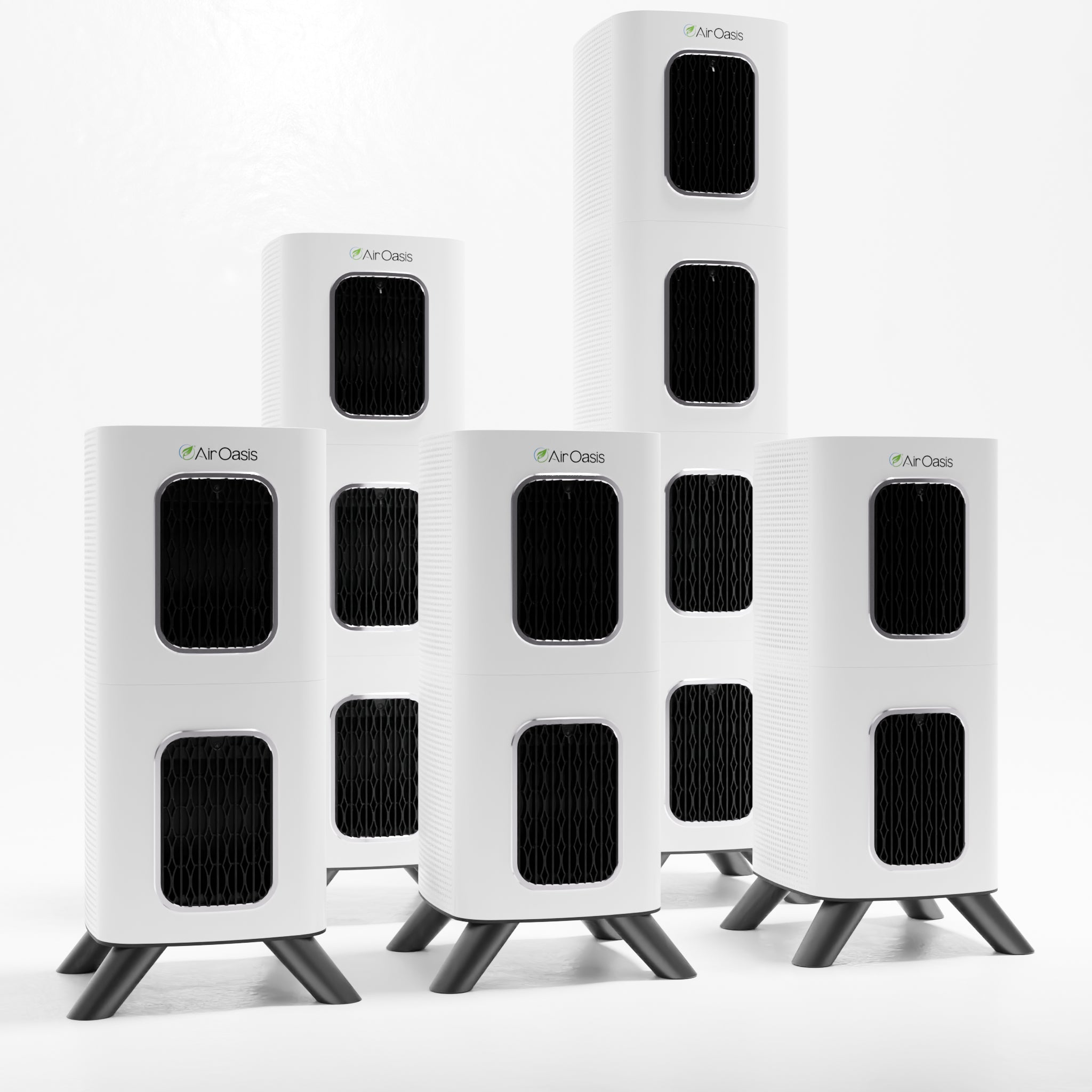
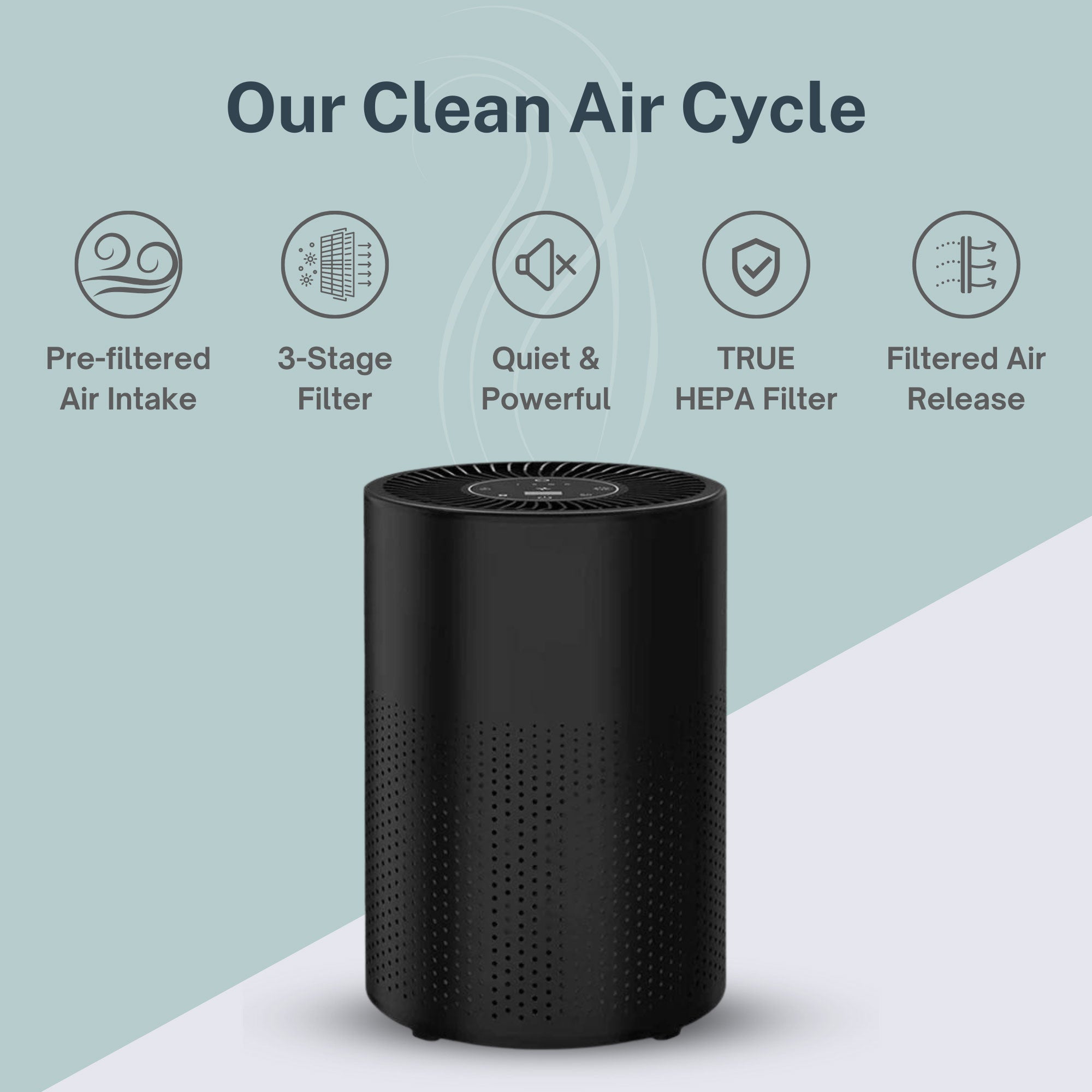
The iAdaptAir 2.0 systems from Air Oasis combine HEPA filtration with activated carbon to address both aspects of cooking grease contamination. The HEPA filter captures physical grease particles, while the activated carbon layer removes associated odors and volatile compounds. This multi-stage approach ensures you're not just moving grease around but actually removing it from your breathing air.
UV-C light technology adds another layer of protection. The iAdaptAir systems include UV-C light that sterilizes air after filtration. While UV-C doesn't directly remove grease, it destroys bacteria and mold that can grow on grease deposits inside the purifier. This prevents your air purifier from becoming a breeding ground for microorganisms that could worsen indoor air quality.
Choosing the Right System for Your Kitchen
Not all air purifiers handle cooking grease equally well. Ozone generators actually worsen the problem by creating chemical reactions with grease particles that produce harmful byproducts. Avoid these technologies completely in kitchens or other areas where cooking occurs regularly.
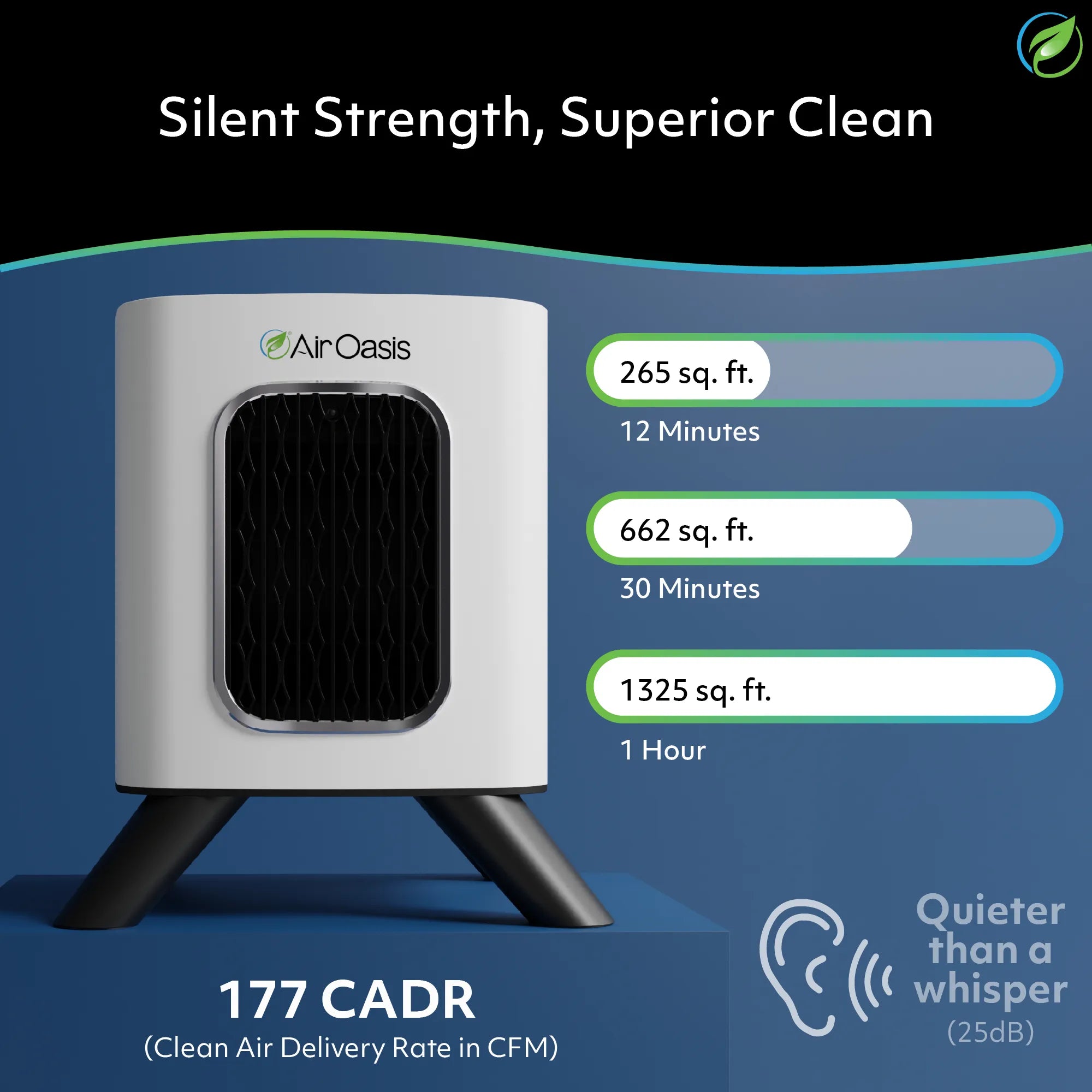
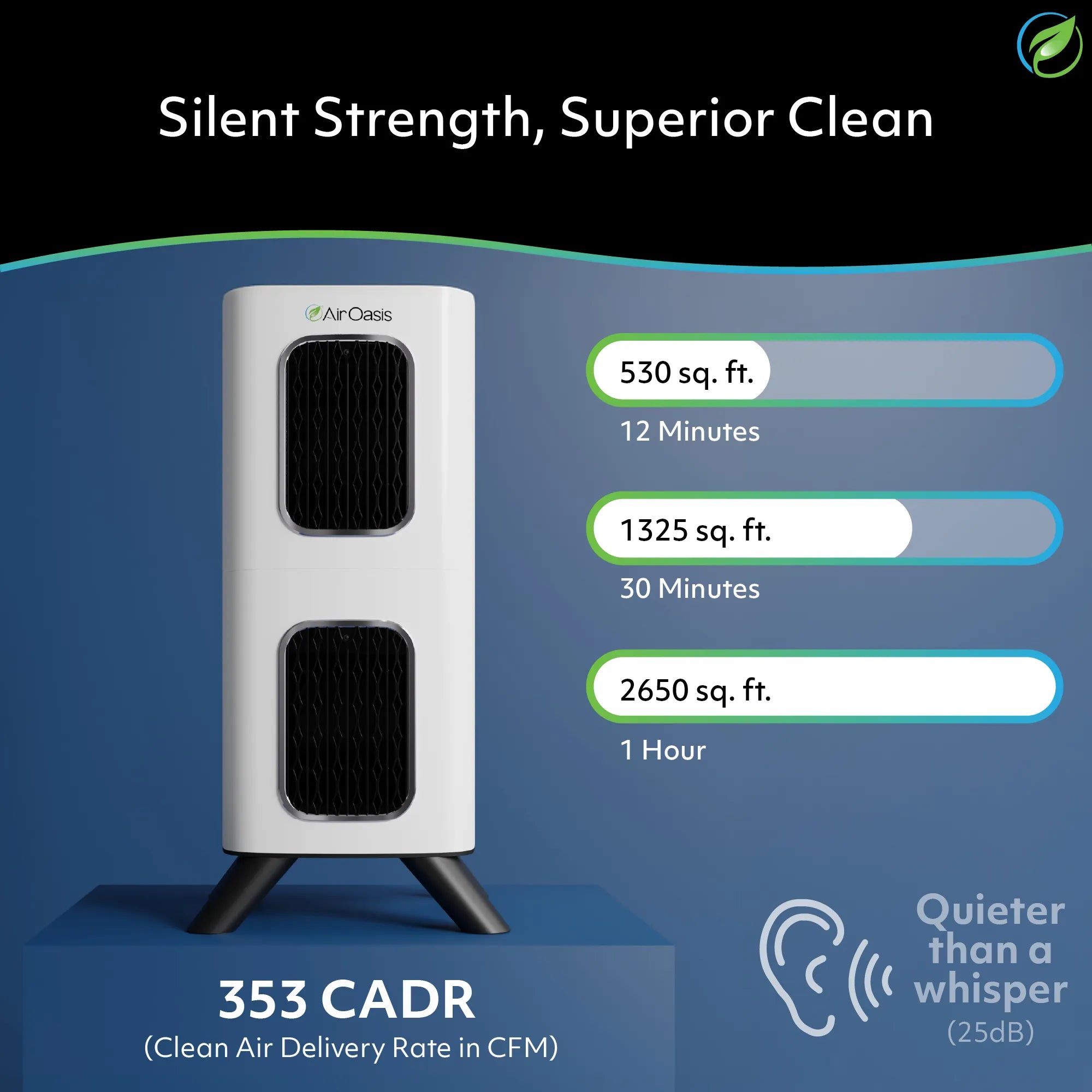
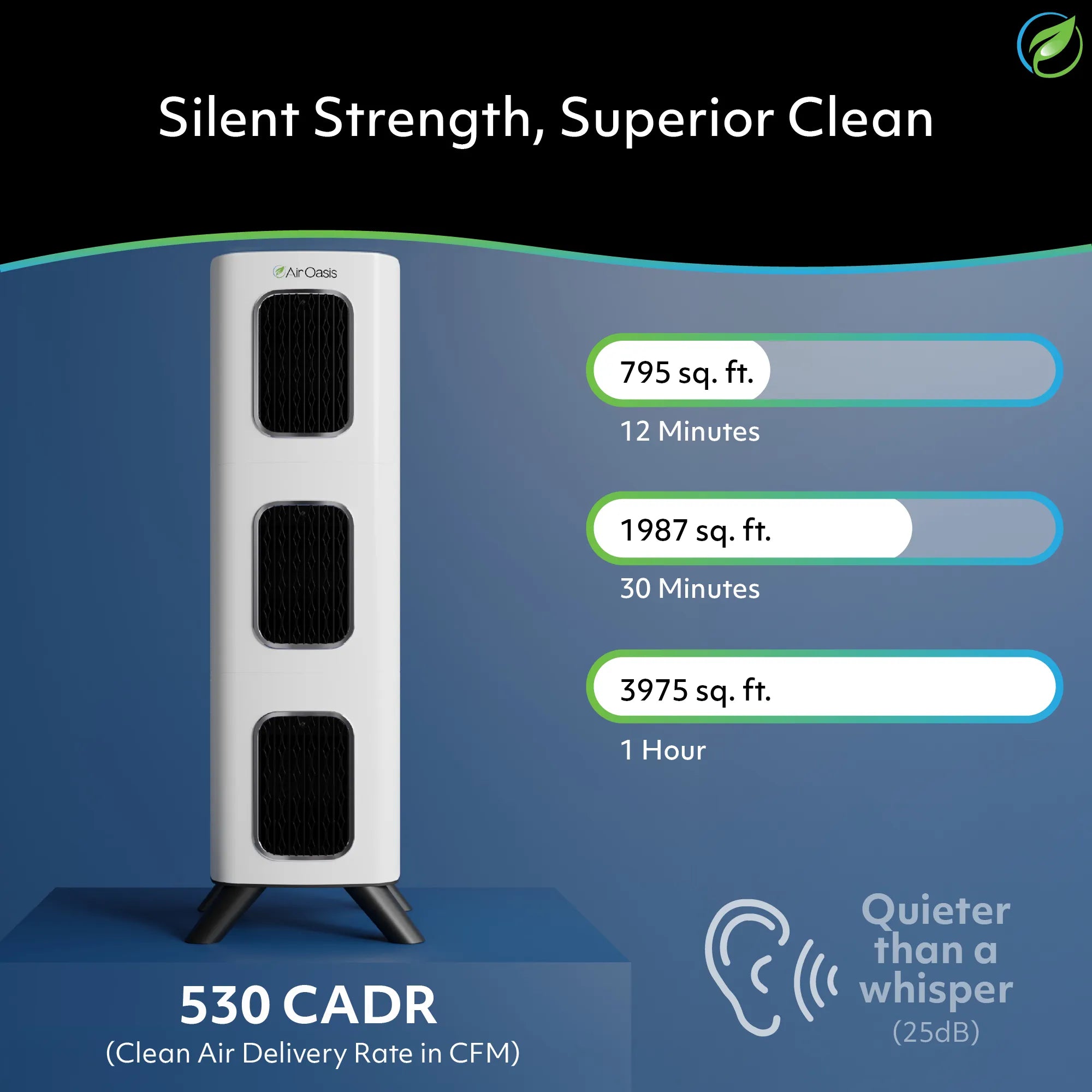
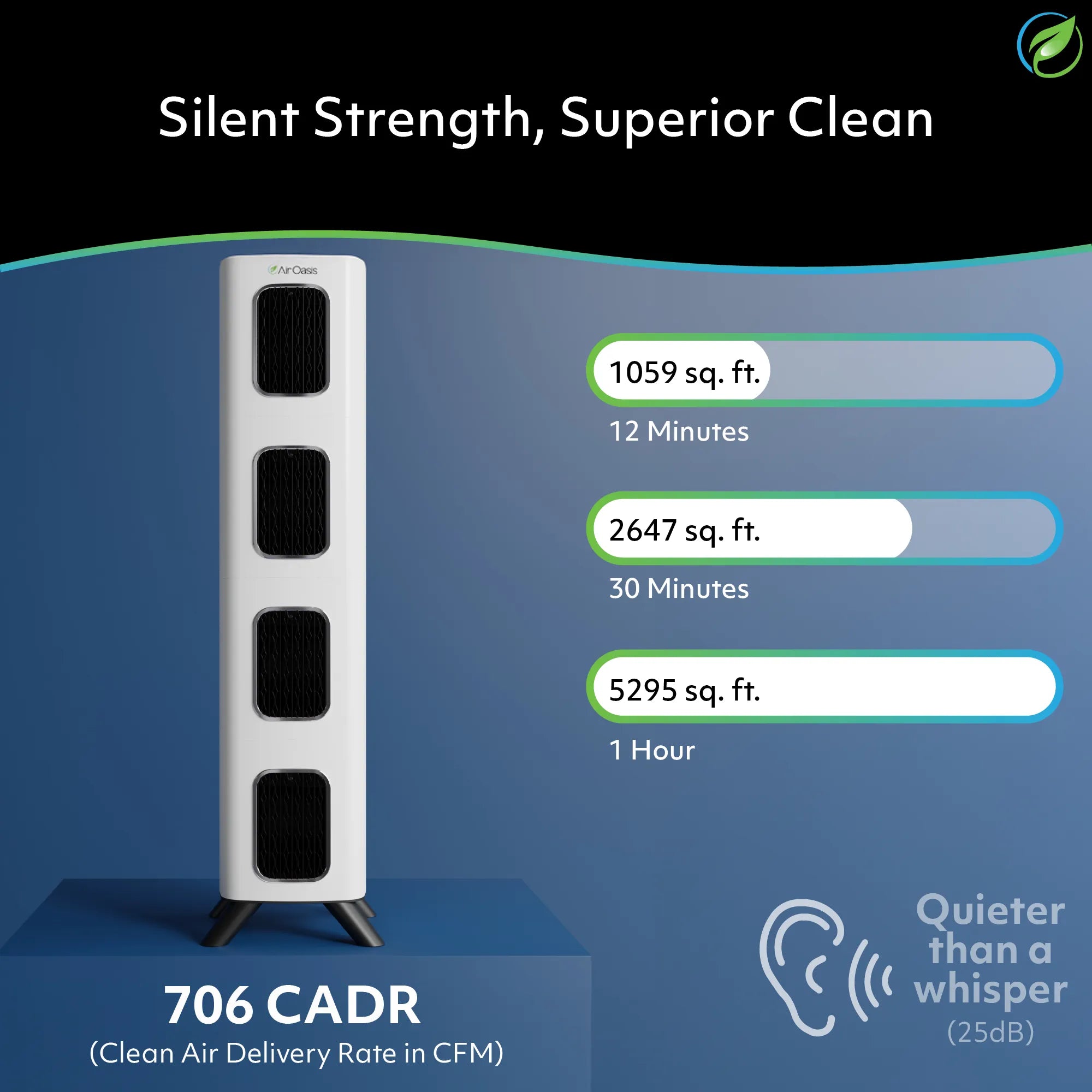
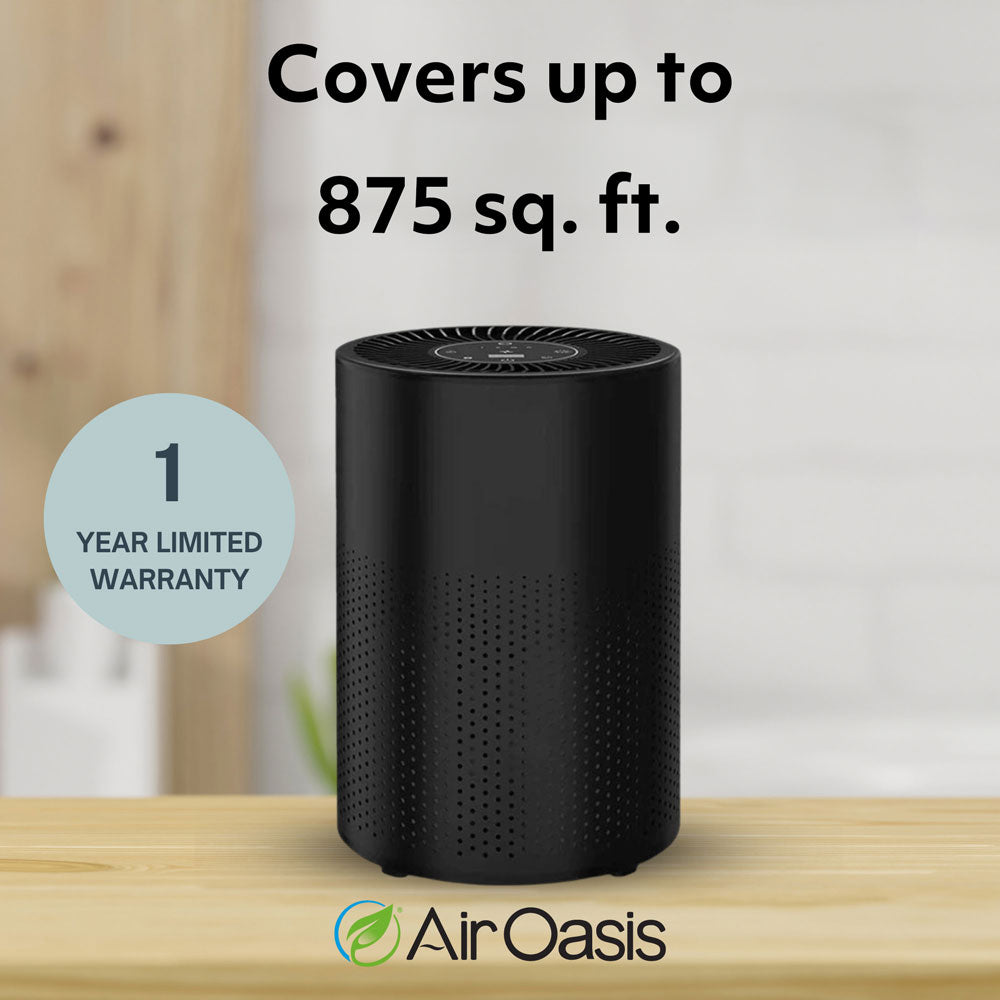
Filter capacity matters significantly for cooking environments. Grease particles clog filters faster than dry particles, which means more frequent replacement schedules. The iAdaptAir 2.0 series features robust filtration systems designed for challenging environments. The 2S model covers up to 265 square feet, perfect for galley kitchens or studio apartments. The 2M handles 530 square feet for standard kitchens and adjacent dining areas. The 2L and 2P models cover 795 and 1,059 square feet, respectively, ideal for open-concept layouts where cooking emissions spread throughout large spaces.
Placement strategy maximizes grease removal effectiveness. Position your air purifier near the cooking area but not directly beside the stove, where it might interfere with exhaust fan operation. Running the purifier on high during cooking and for at least an hour afterward captures grease particles while they're still airborne and haven't settled on surfaces.
Regular filter maintenance becomes critical in cooking environments. Check filters monthly and replace them when they show visible grease accumulation or when airflow seems reduced. Attempting to extend filter life in grease-heavy environments compromises purification effectiveness and can damage the unit's motor due to restricted airflow.
The Complete Approach to Kitchen Air Quality
Air purifiers provide powerful grease removal, but they work best as part of a comprehensive strategy. Use your range hood every single time you cook, even for simple tasks like boiling water. The hood captures the highest concentration of grease right at the source. Clean or replace range hood filters regularly, as clogged grease filters allow more particles to escape into your home.
Adjust cooking methods when possible to reduce grease generation. Lower temperatures produce fewer airborne particles than high-heat cooking. Covering pans while frying can cause grease to splatter. Choosing baking or steaming over frying when practical reduces overall grease emissions without sacrificing meal quality.
Clean surfaces promptly after cooking. Grease that settles on counters, stovetops, and cabinets can re-aerosolize when disturbed or when temperatures rise. Regular surface cleaning prevents accumulated grease from becoming a secondary source of airborne contamination.
Breathe Cleaner Air While You Cook
Cooking grease in your air is an invisible problem with very real consequences for your respiratory health and home cleanliness. Air purifiers equipped with true HEPA filtration and activated carbon effectively remove both grease particles and odors, creating healthier indoor air even in homes where frequent cooking is part of daily life.
The iAdaptAir 2.0 systems provide comprehensive grease removal with medical-grade filtration technology designed to handle challenging environments. Whether you're an occasional cook or prepare multiple meals daily, protecting your indoor air quality starts with the right purification technology.
Shop Air Oasis today and experience the difference clean air makes in your kitchen and throughout your home.
Frequently Asked Questions About Air Purifiers and Cooking Grease
Here's some more info.
Do cooking grease particles damage air purifier filters?
Grease particles do accumulate on filters faster than dry particles, requiring more frequent replacement. However, quality filters are designed to handle this. Replace filters when visibly dirty or when airflow decreases to maintain effectiveness.
How long should I run my air purifier after cooking?
Run your air purifier on high during cooking and for at least one hour afterward. Grease particles remain airborne for extended periods, so continuous operation ensures maximum capture before particles settle on surfaces.
Will an air purifier eliminate the need for a range hood?
No. Range hoods and air purifiers serve complementary roles. Range hoods capture grease at the source with highest concentration, while air purifiers clean the remaining particles that escape into your home's air.
Can air purifiers remove grease smell from past cooking?
Air purifiers with activated carbon effectively remove cooking odors from the air. However, odors absorbed into fabrics, carpets, and walls require surface cleaning in addition to air purification for complete odor elimination.
What size air purifier do I need for cooking grease removal?
Choose a purifier rated for your kitchen's square footage or larger. Open-concept layouts need larger capacity models since cooking emissions spread throughout connected spaces rather than staying contained in the kitchen.