If you share your home with a pet bird or live near areas with large bird populations, you might be experiencing respiratory symptoms without realizing the source. Bird allergies are a significant but often overlooked cause of breathing problems, affecting millions of Americans who own the estimated 25 to 30 million pet birds in the United States.
The proteins found in bird feathers, droppings, and even the dust from their skin can trigger allergic reactions ranging from mild sneezing to serious respiratory conditions. Understanding how bird allergens affect your breathing can help you protect your health while still enjoying these popular pets.
What Makes Birds Trigger Respiratory Problems
Birds produce several types of proteins that can cause allergic reactions in sensitive individuals. These allergens come from multiple sources, including feather dust, dried droppings, saliva, and integument discharges from the bird's skin. Pet birds from the parrot family, which includes parakeets, cockatiels, budgerigars, and parrots, are particularly problematic because they constantly release fine powder into the air as part of their normal grooming process.
When you inhale these microscopic particles, your immune system may recognize them as threats and mount a defensive response. This reaction causes inflammation in your airways and lungs, leading to the respiratory symptoms many bird owners experience. The proteins include mucins and antibodies that elicit strong immune responses in susceptible individuals.
What makes bird allergies especially challenging is that the allergens are persistent and pervasive. They settle on furniture, bedding, walls, and clothing throughout your home. Even after removing a bird from your environment, these proteins can linger for months or years in carpets, upholstered furniture, and other soft surfaces.
Common Respiratory Symptoms From Bird Exposure
Initial symptoms of bird-related respiratory problems often mimic other conditions, making diagnosis difficult. You might experience shortness of breath, particularly after sudden exertion or temperature changes. A persistent dry cough that worsens at night is common among people with bird allergies. These symptoms can easily be mistaken for asthma, hyperventilation syndrome, or other breathing disorders.
Many people notice their symptoms follow a pattern related to bird exposure. If you own a bird, you might feel worse in the morning after sleeping in a room near the cage, or symptoms may intensify within four to eight hours after cleaning the cage or handling your pet. This delayed reaction often makes it hard to connect respiratory problems with bird allergens.
Additional symptoms include chest tightness, wheezing, crackles when you breathe, and nasal congestion. Some people develop conjunctivitis with itchy, watery eyes, or experience sneezing fits and a runny nose similar to seasonal allergies. In more severe cases, you might notice fever, chills, extreme fatigue, and unintentional weight loss.
For some individuals, prolonged exposure leads to a serious condition called hypersensitivity pneumonitis, also known as bird fancier's lung. This immune-mediated lung disease causes chronic inflammation and can progress to permanent lung scarring if left untreated. People who work with birds professionally, such as pet store employees, breeders, and bird hobbyists, face the highest risk.
When Bird Allergies Become Serious
The most concerning consequence of ongoing exposure to bird allergens is the development of pulmonary fibrosis, in which lung tissue becomes progressively scarred and stiffened. This condition irreversibly reduces your lungs' ability to deliver oxygen to your bloodstream. As fibrosis advances, even simple activities like walking across a room or climbing stairs become exhausting.
Chronic exposure to bird allergens can take years to cause serious disease, with research showing an average of 1.6 years to develop acute symptoms and up to 16 years for chronic lung disease to manifest. This long timeline means many people suffer respiratory problems for extended periods without identifying birds as the source.
The scarring process occurs gradually as your immune system continues to attack lung tissue in response to bird proteins. Granulomas, small areas of inflammation, form throughout the lung tissue. Over time, these inflamed areas can become fibrous and stiff, permanently reducing lung capacity. Some people experience repeated chest infections as their compromised lungs struggle to clear bacteria and viruses effectively.
Without intervention, advanced pulmonary fibrosis can lead to respiratory failure. This life-threatening condition occurs when your lungs can no longer provide adequate oxygen to your body or remove carbon dioxide efficiently. While not everyone with bird allergies develops this severe complication, the risk underscores the importance of early recognition and treatment.
Diagnosing Bird-Related Respiratory Problems
If you suspect bird allergens are affecting your breathing, documenting the pattern of your symptoms provides valuable diagnostic information. Note when symptoms worsen and whether they improve when you're away from home for extended periods. About 85 percent of people with bird fancier's lung experience worsening symptoms within hours of direct exposure to birds or their environment.
Medical evaluation typically includes blood tests to detect antibodies against avian proteins, though these antibodies can be present in people exposed to birds who don't have respiratory symptoms. Pulmonary function tests measure how well your lungs transfer oxygen and can reveal reduced lung capacity characteristic of hypersensitivity pneumonitis.
Imaging studies, such as chest X-rays or CT scans, often reveal distinctive patterns in people with bird-related lung disease. Doctors look for a "ground glass" appearance or "mosaic" pattern indicating inflammation and early fibrosis. CT scans are more sensitive than X-rays, with only about 2 percent showing no abnormalities compared to 12 percent of X-rays in affected patients.
In some cases, bronchoscopy with lung tissue sampling provides a definitive diagnosis. This procedure allows doctors to examine airways directly and collect samples showing the characteristic lymphocytosis and granulomatous inflammation of bird fancier's lung. However, many cases can be diagnosed based on exposure history, symptoms, and imaging findings without invasive testing.
Protecting Your Respiratory Health
The most effective treatment for bird-related respiratory problems is complete avoidance of avian proteins. This means removing all birds from your home along with any items containing feathers, including down-filled bedding, pillows, comforters, and outerwear. Simply relocating birds to another room or reducing cage cleaning frequency is not sufficient, as allergens circulate throughout your entire living space.
Thorough environmental cleaning is essential after bird removal. This includes washing all soft furnishings, walls, ceilings, and furniture. Books, upholstered furniture, and other porous items that cannot be thoroughly cleaned may need to be discarded in severe cases. The cleaning process itself can trigger symptoms, so affected individuals should not perform this work themselves.
Corticosteroid medications like prednisone can reduce lung inflammation and provide symptom relief, particularly in early-stage disease. However, medications only suppress symptoms temporarily and do not prevent disease progression if bird exposure continues. The combination of complete allergen avoidance and appropriate medication offers the best outcomes.
For people diagnosed before significant lung scarring occurs, prognosis is generally excellent with proper allergen avoidance. Symptoms often improve dramatically within weeks to months of eliminating bird exposure. However, re-exposure even after successful treatment can cause rapid symptom recurrence and accelerate lung damage.
Creating Cleaner Indoor Air
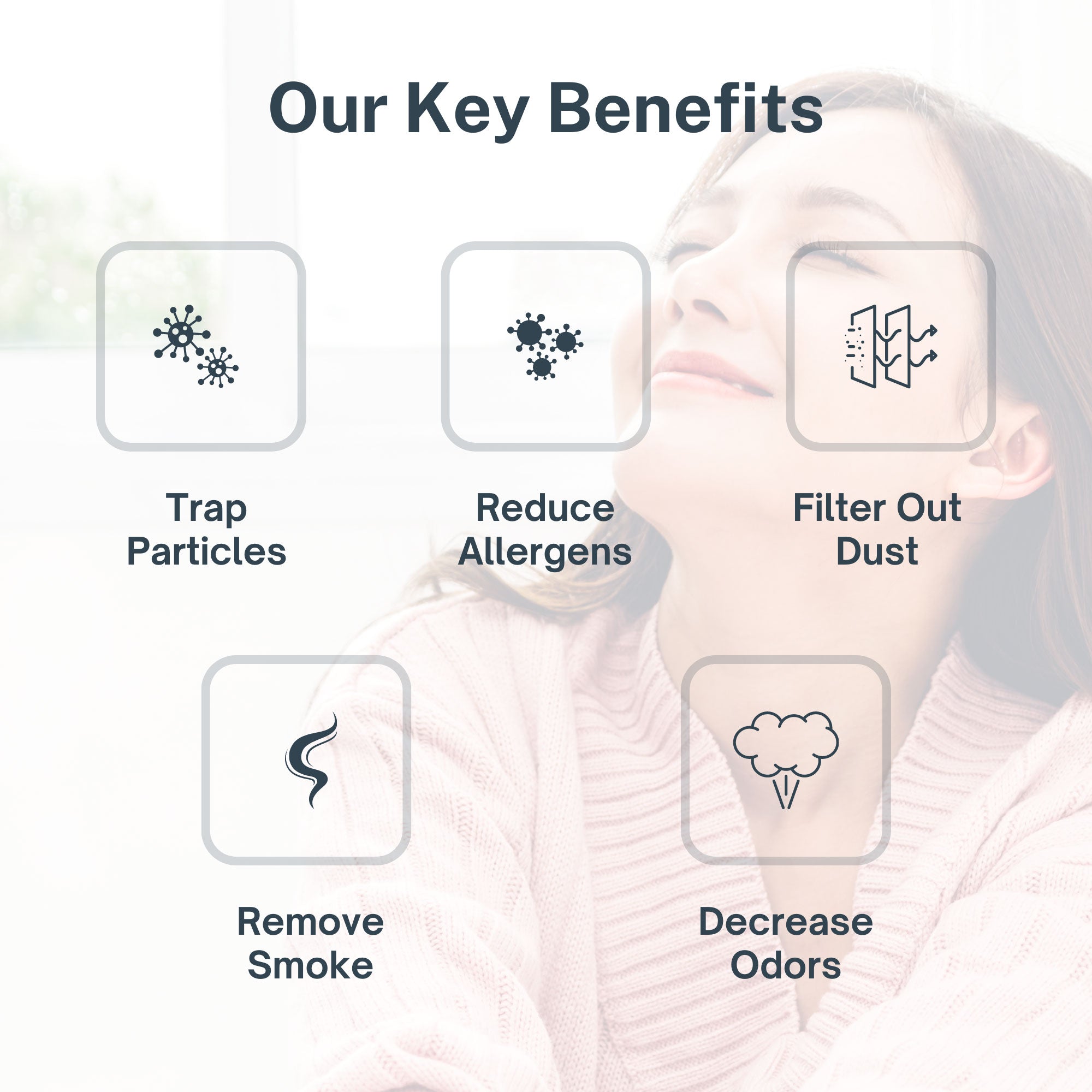
Even after removing birds and cleaning thoroughly, maintaining excellent indoor air quality helps protect respiratory health during recovery. Air purification technology can capture residual allergens and prevent other airborne irritants from affecting sensitive lungs.
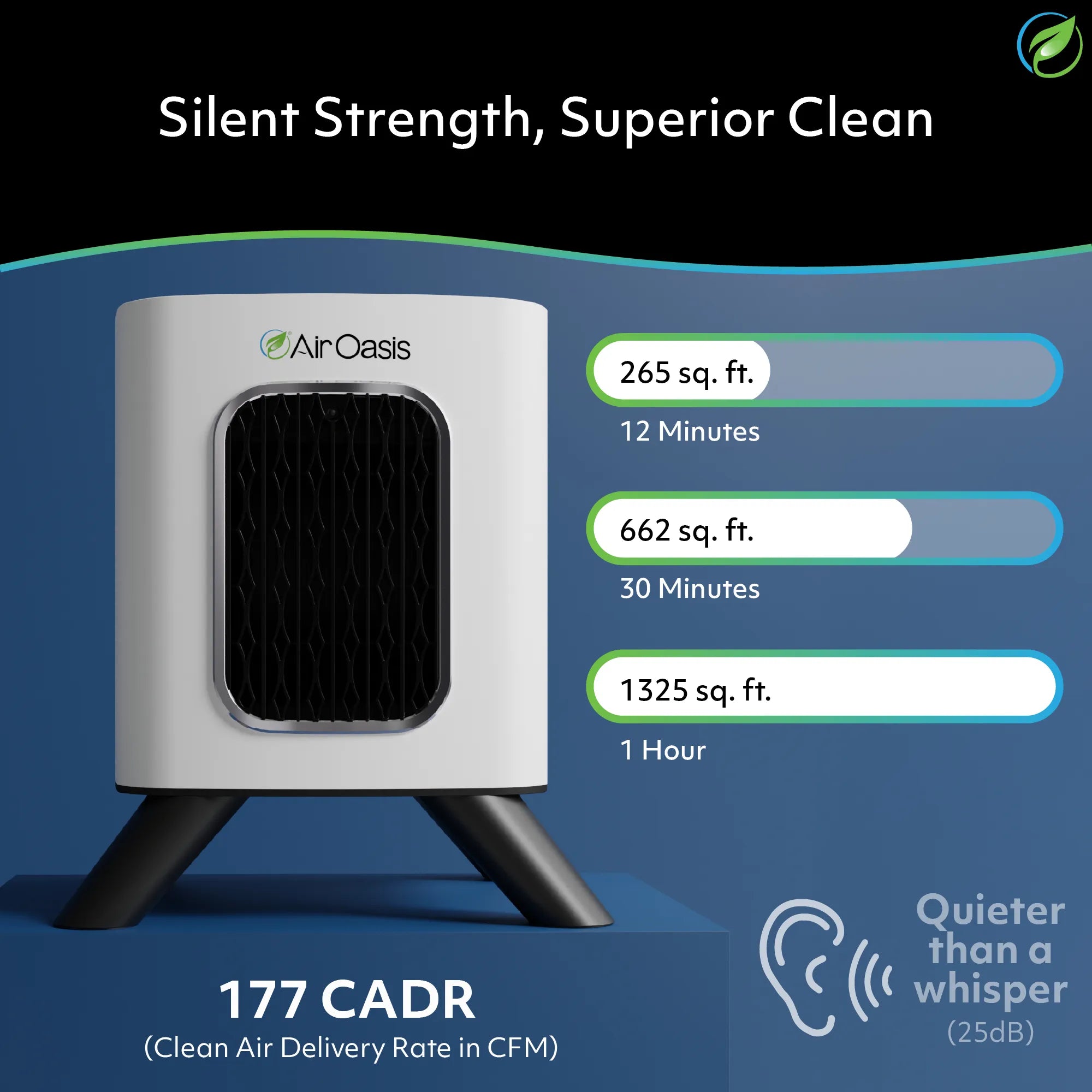
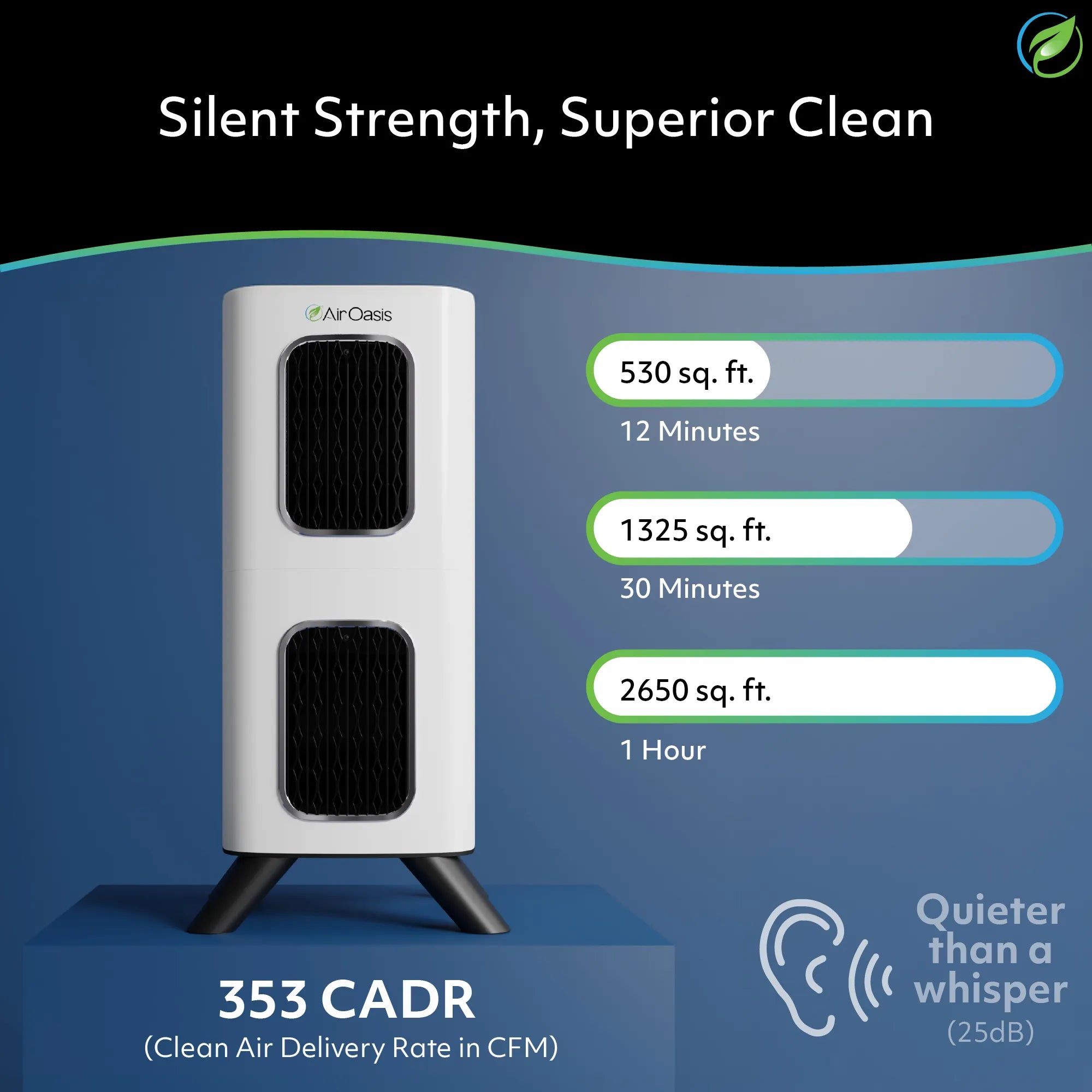
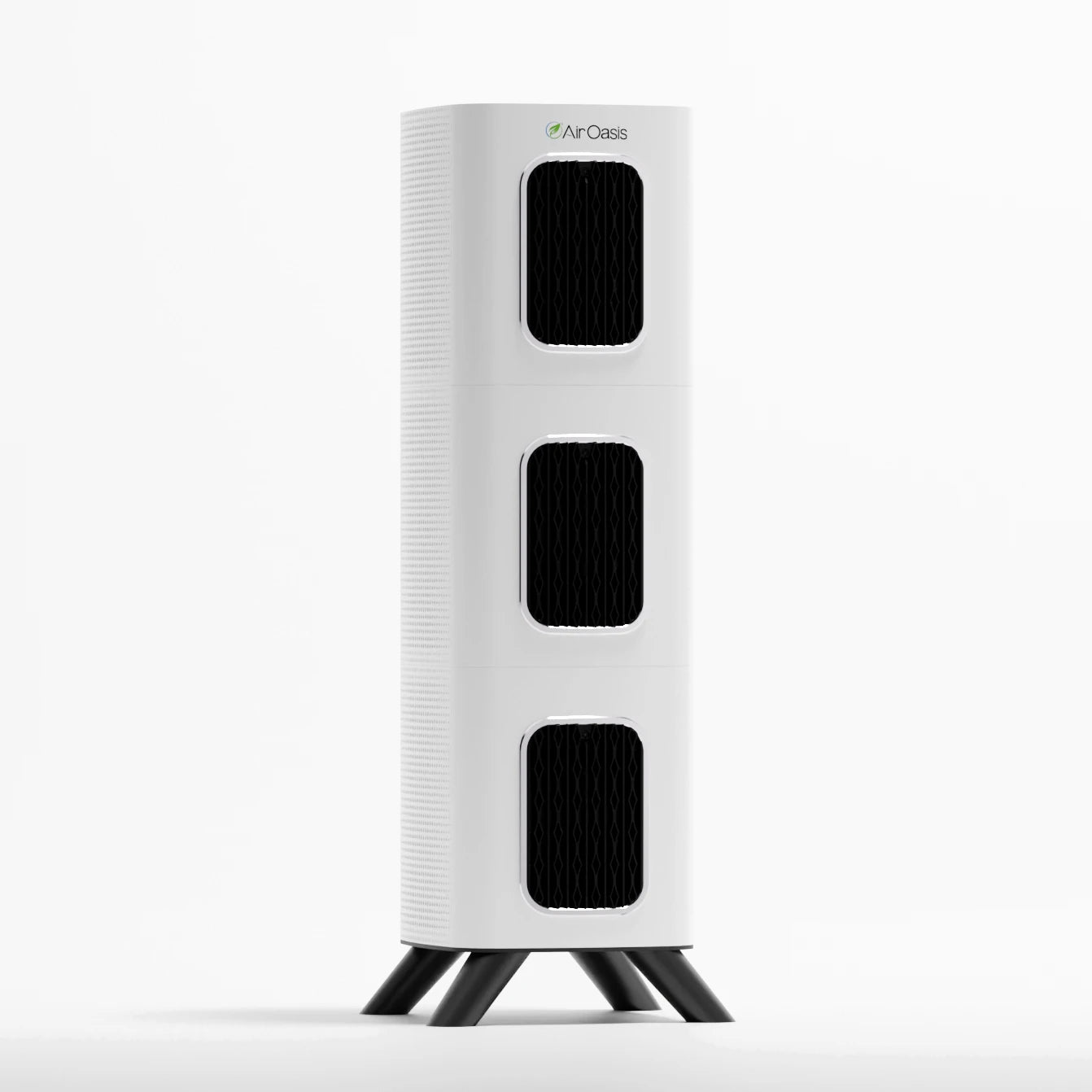
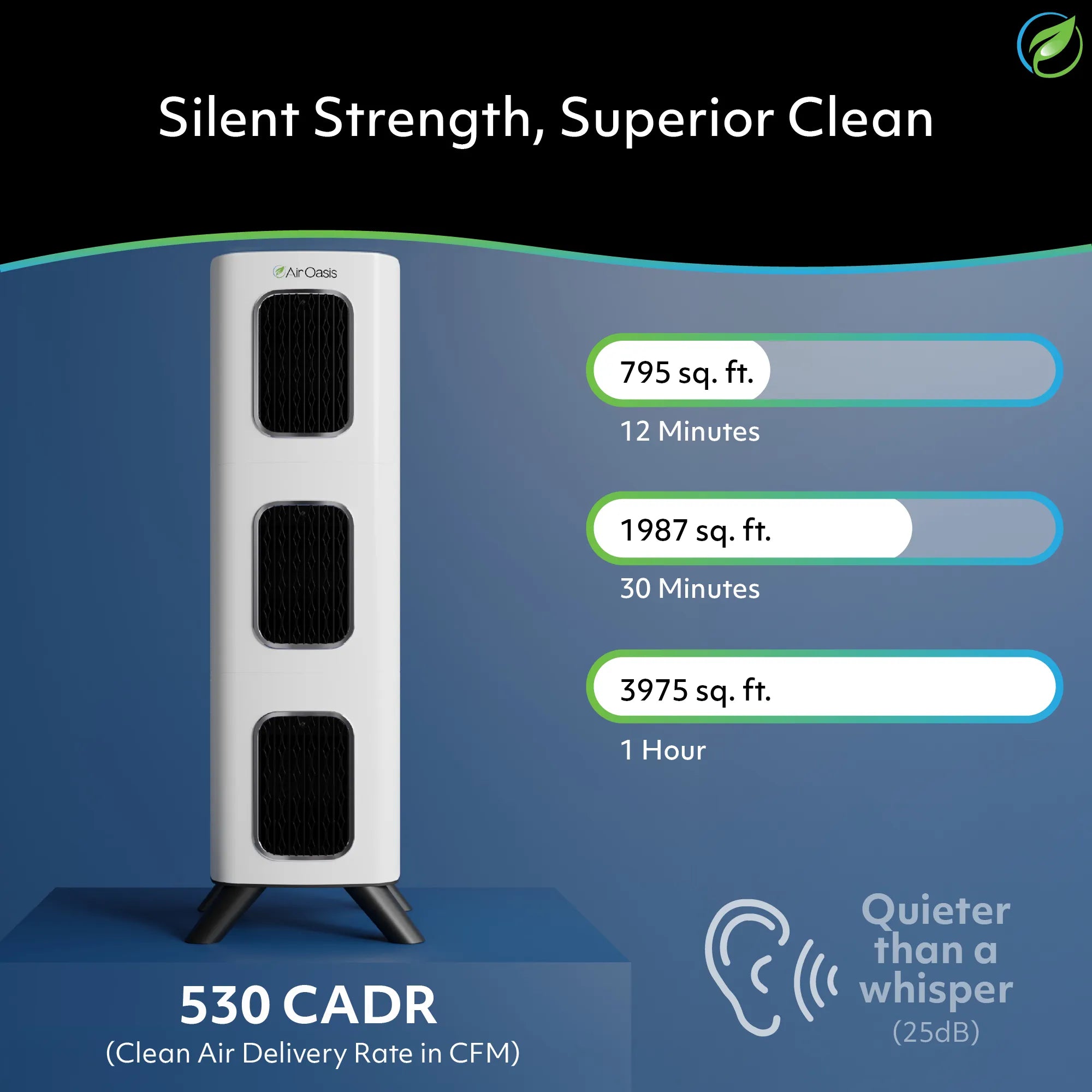
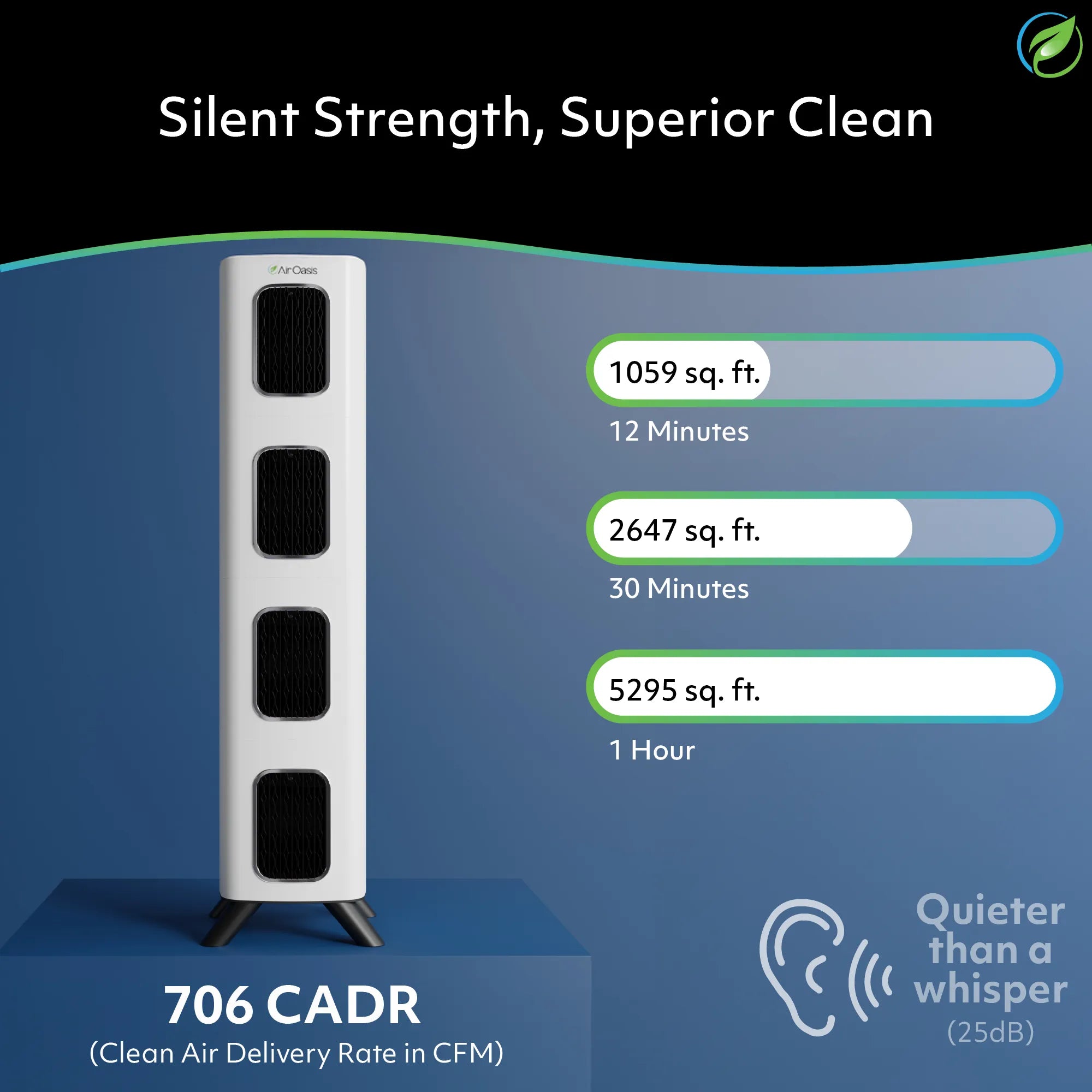
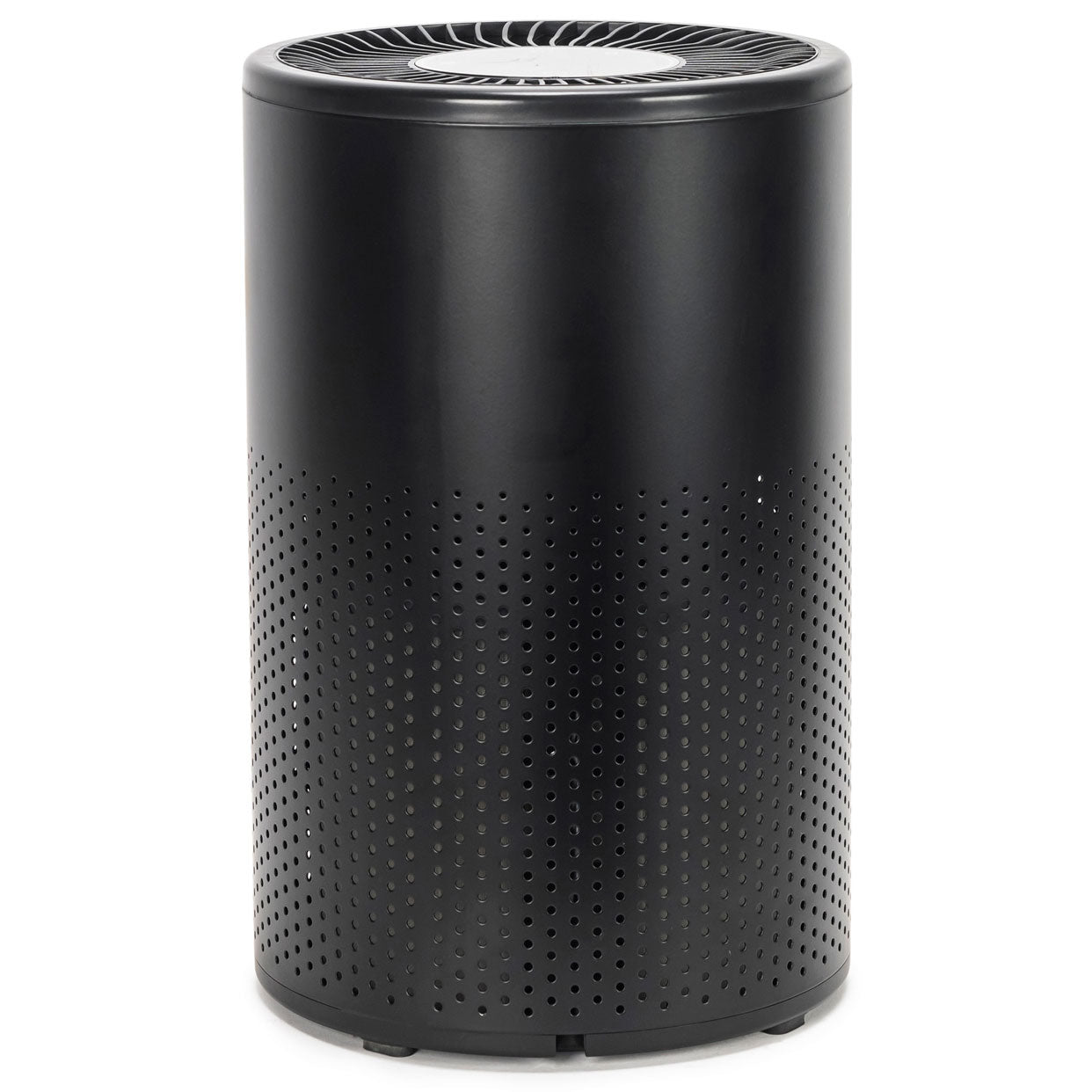
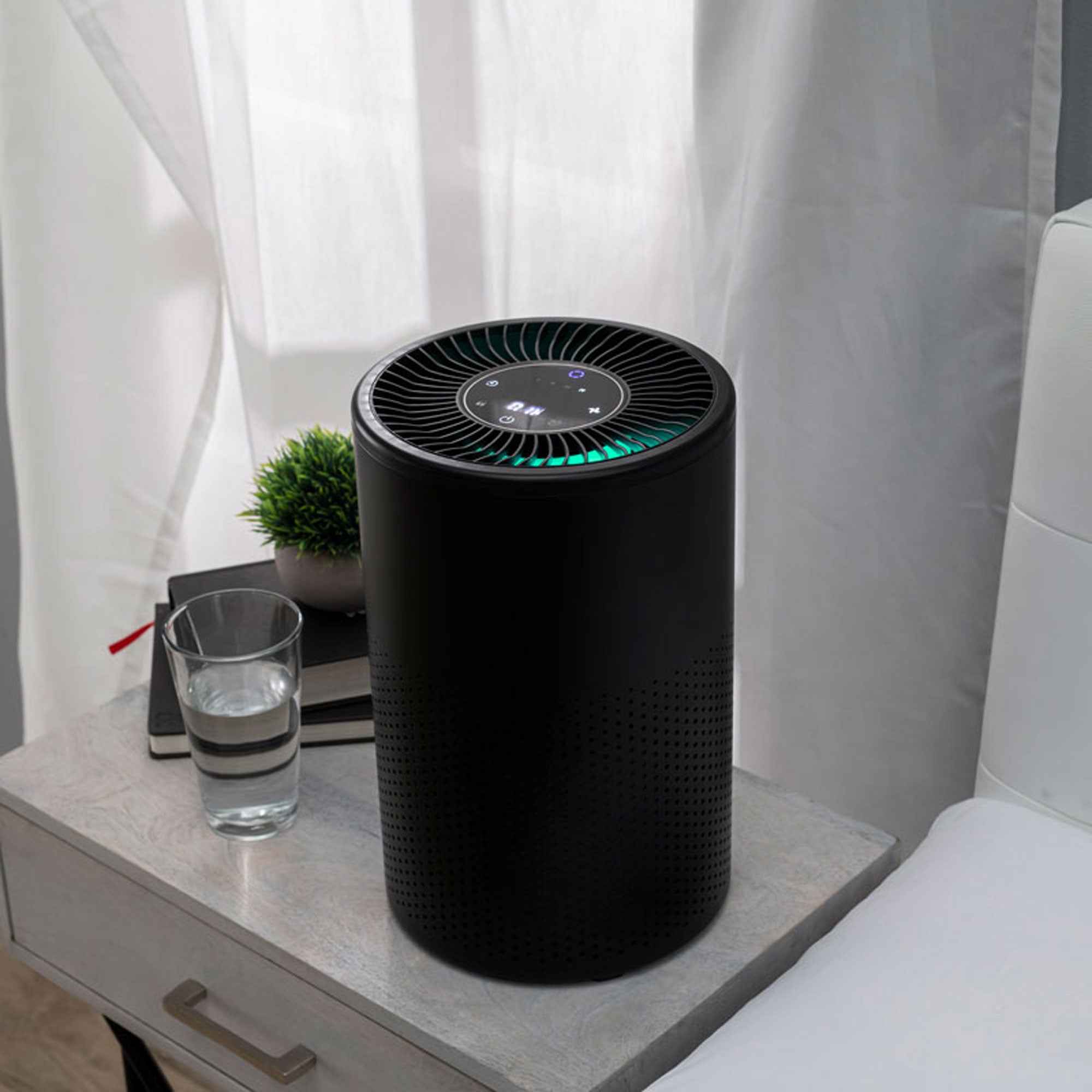
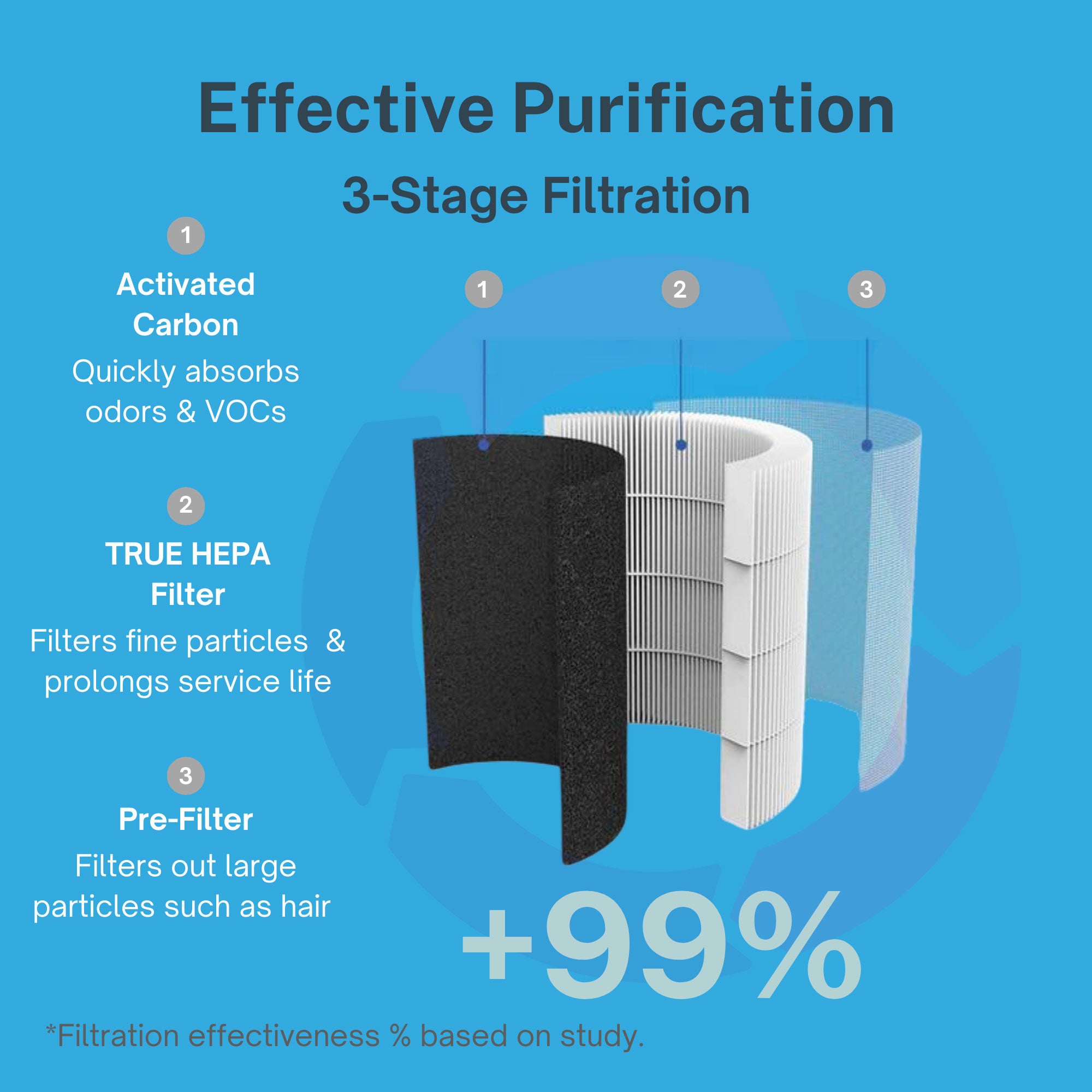
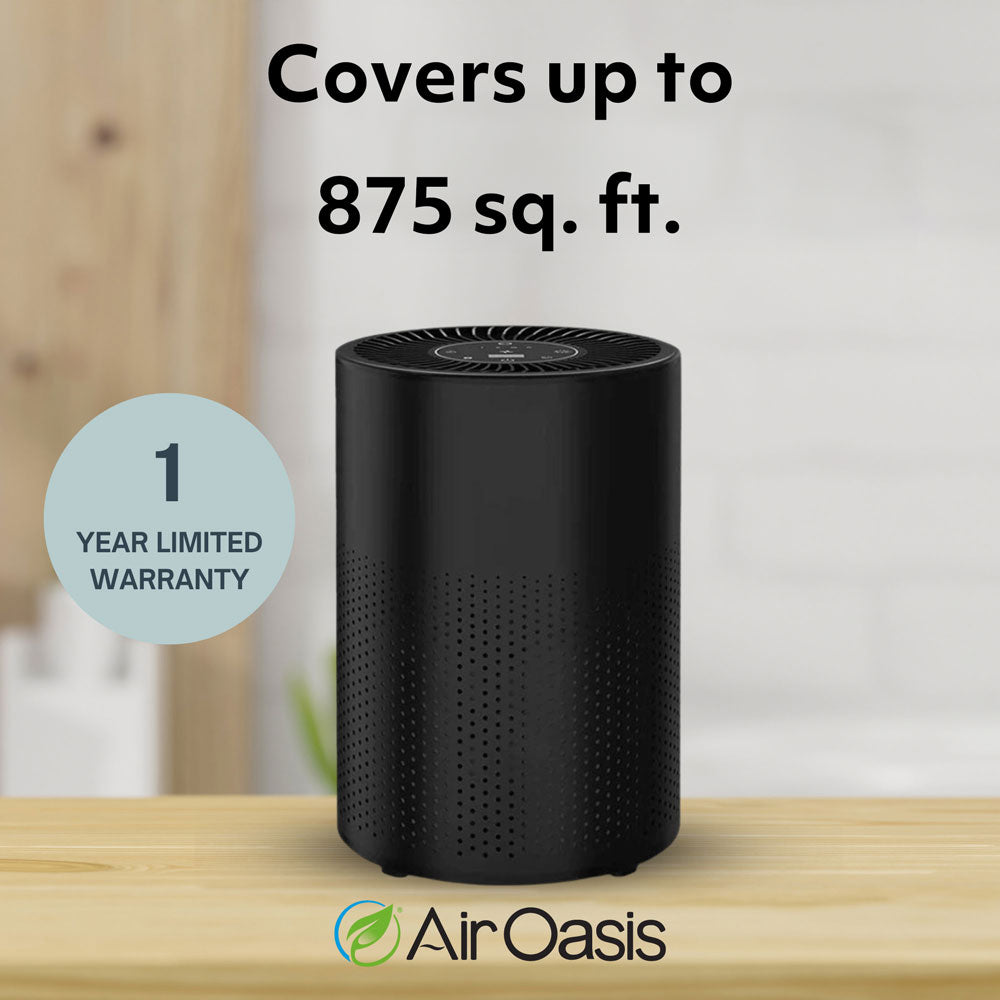
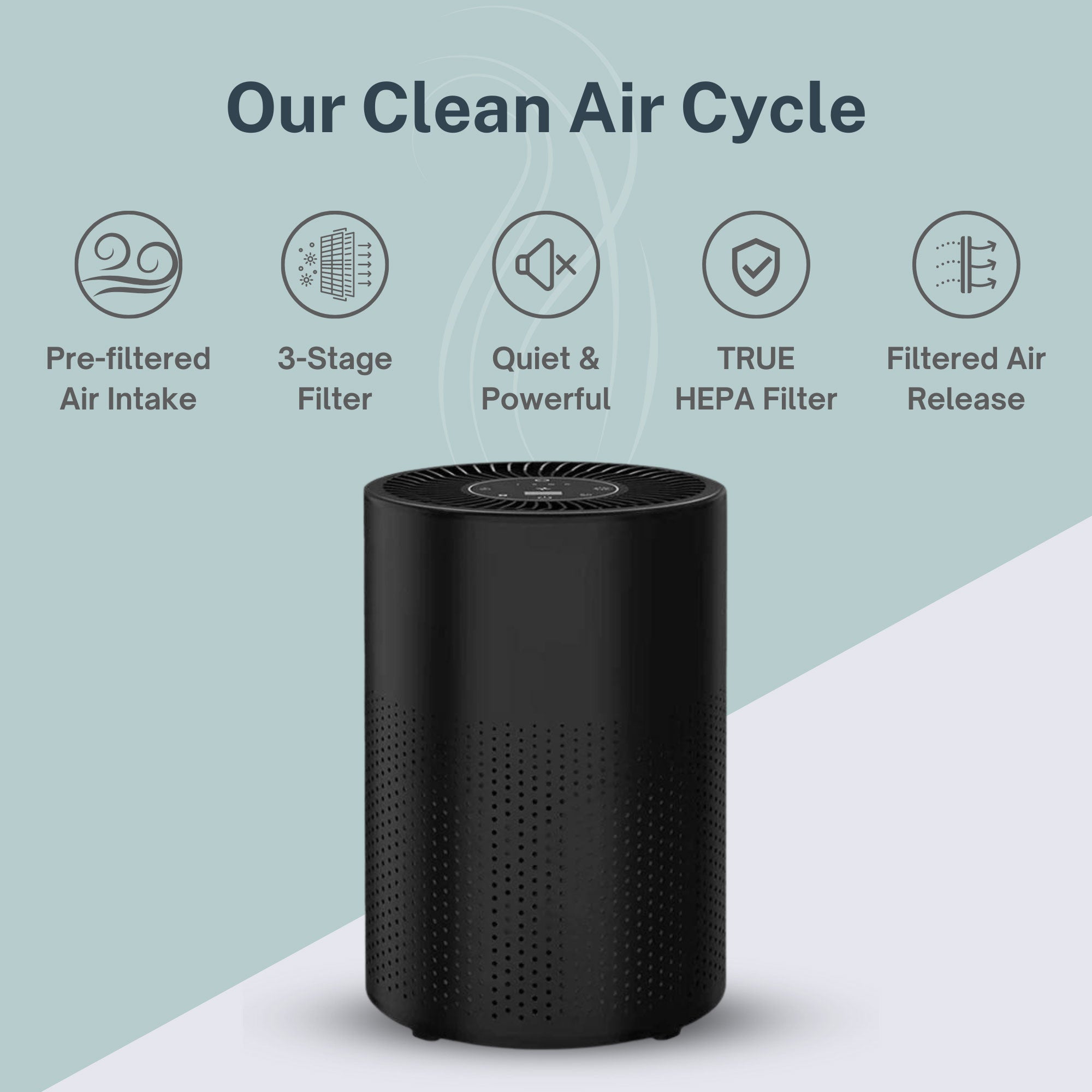
Air Oasis air purifiers use multi-stage filtration including HEPA filters to capture microscopic particles like bird dander and feather dust, activated carbon to remove odors, and UV-C light technology to neutralize airborne proteins. Our systems provide continuous air cleaning to support respiratory health for people recovering from bird-related lung conditions.
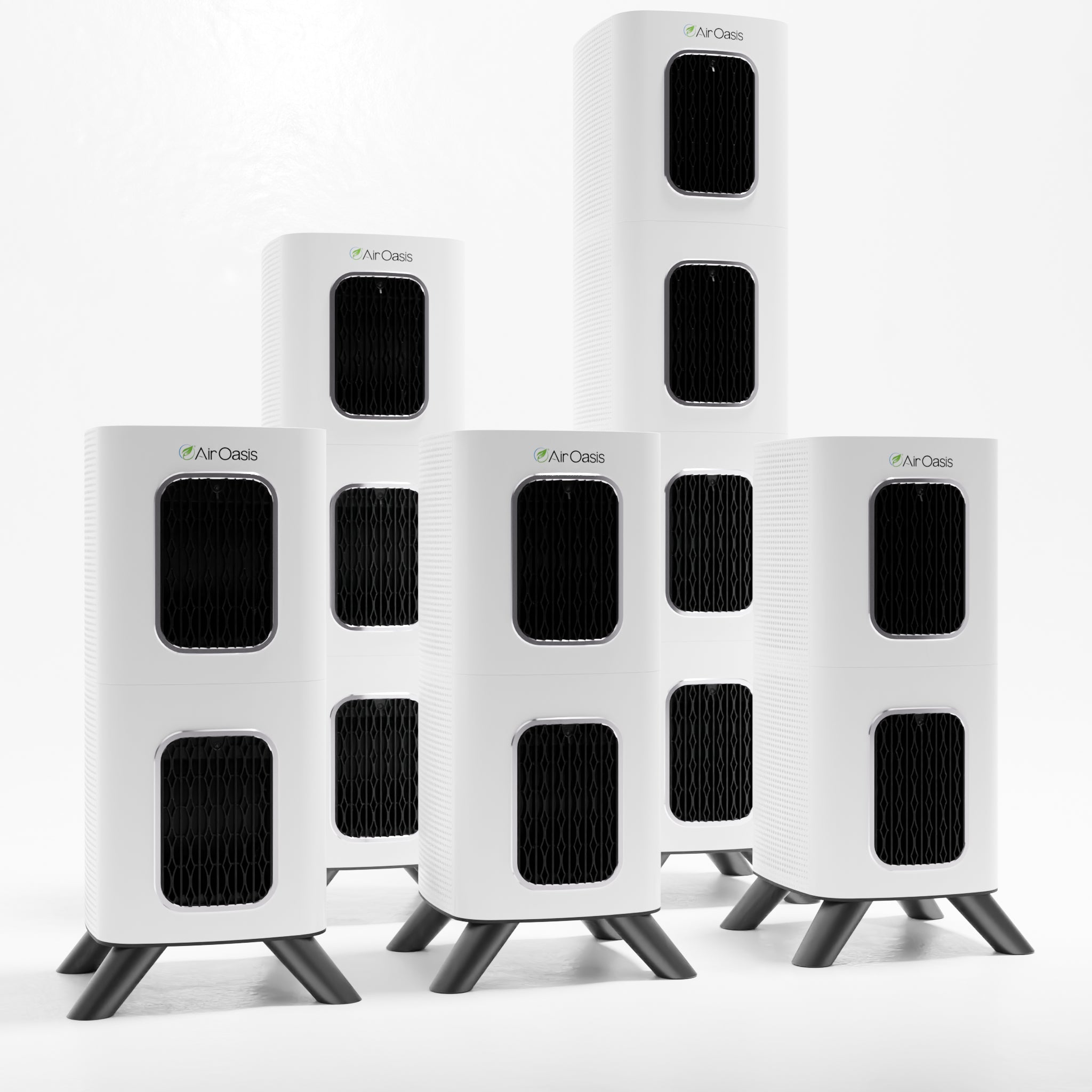
Whether you're managing bird allergies or working to prevent other respiratory problems, Air Oasis offers reliable air purification solutions for every room size. Protect your breathing and create a healthier home environment. Shop Air Oasis today and breathe easier.