Social anxiety is more than shyness. It's the dread that precedes a meeting, the exhaustion after a conversation, the way ordinary social situations feel like a high-stakes performance. Tens of millions of people in the United States live with it. And while its roots are complex and its treatment involves therapy, sometimes medication, and significant psychological work, there's a growing body of research suggesting that the air around you plays a role you may not have considered.
The question isn't whether clean air cures social anxiety. It doesn't, and nothing in this article will claim otherwise. The question is whether air quality is a variable that matters, and the honest answer is that, increasingly, it appears it does.
What social anxiety disorder actually is
Social anxiety disorder, recognized by the DSM-5 as a distinct clinical condition, involves persistent, intense fear of social situations in which one might be scrutinized or judged. It affects an estimated 12 percent of the U.S. population at some point in their lives, according to the National Institute of Mental Health, making it one of the most common anxiety disorders. It is not simply introversion or shyness. It involves a dysregulated threat-appraisal system that interprets social situations as dangerous and is accompanied by real physiological symptoms, including elevated heart rate, sweating, and difficulty concentrating.
Its causes are understood to involve genetic predisposition, early-life experiences, and neurobiological factors, particularly the amygdala, prefrontal cortex, and serotonin and dopamine systems. Treatment, primarily cognitive behavioral therapy and when appropriate pharmacotherapy, addresses these psychological and neurobiological roots directly.
Recent research is beginning to document that environmental factors, including air quality, can influence the neurobiological systems involved in anxiety through several mechanisms. This is an emerging area, and the evidence should be described with appropriate precision, not overstated.
What the research shows about air pollution and anxiety
The epidemiological evidence linking air pollution to anxiety disorders, including social anxiety, has grown substantially over the past five years. Multiple large population-based studies have found associations between exposure to fine particulate matter (PM2.5) and elevated rates of anxiety disorders.
A meta-analysis examined data from 18 cohort studies involving over 1.2 million adults and found a statistically significant association between long-term PM2.5 exposure and increased risk of anxiety disorders. The association remained after adjustment for socioeconomic variables, suggesting it reflects something beyond poverty-correlated confounders. The researchers noted that the mechanisms remain under investigation and that causality cannot be definitively established from observational data, but the consistency of the signal across studies strengthens the inference.
Mechanistically, several pathways have been proposed. Fine particulate matter can cross the blood-brain barrier and has been detected in human brain tissue in postmortem studies. Inhaled particles promote systemic inflammation, including neuroinflammation, which disrupts neurotransmitter balance in regions involved in fear and social cognition.
Nitrogen dioxide (NO2), another common indoor and outdoor air pollutant, has also been associated with anxiety in observational research. Another analysis in the British Journal of Psychiatry examining UK Biobank data found associations between residential NO2 exposure and generalized anxiety, though the social anxiety-specific evidence is less developed than the broader anxiety association.
Volatile organic compounds (VOCs) from indoor sources, including off-gassing furniture, cleaning products, and building materials, have documented neurological activity. Formaldehyde, one of the most common indoor VOCs, has been associated with mood disruption and anxiety symptoms in occupational exposure studies, and while indoor residential exposures are typically lower than occupational thresholds, chronic low-level exposure in poorly ventilated spaces is worth taking seriously.
What the evidence does not show
It's important to be precise about what this research does and does not establish. No randomized controlled trial has demonstrated that improving air quality reduces social anxiety symptoms. The epidemiological associations are real and biologically plausible, but they are associations. People with social anxiety disorder whose homes have poor air quality are not guaranteed to experience symptom improvement by improving that air quality.
The research also does not establish that air quality is a primary driver of social anxiety disorder. The condition's roots in genetics, early experience, and neural circuit development are well-established and not simply overwritten by the air one breathes. The more reasonable framing is that air quality is one environmental variable among many that can modulate the neurobiological systems involved in anxiety, and that reducing a known source of neuroinflammatory burden is unlikely to be harmful and may be helpful as part of a broader approach to well-being.
No study specifically examines social anxiety as a distinct diagnostic category in relation to air quality interventions. The literature addresses anxiety disorders broadly, and extrapolation to social anxiety specifically requires acknowledging that gap.
The home environment as a nervous system resource
Social anxiety involves a nervous system that is chronically engaged in threat detection. One of the most important things a person managing social anxiety can do is create environments that support nervous system regulation, places where the threat response can genuinely downregulate between social demands.
The home is the most controllable such environment. And if that environment contains chronic low-level neuroinflammatory burdens in the form of fine particulate matter, NO2 from cooking or heating appliances, and VOCs from building materials and furnishings, then it may be subtly undermining the very recovery and regulation that social anxiety management requires.
This isn't speculative. The neuroinflammatory pathways linking air pollutants to anxiety-relevant brain function are documented. Whether the magnitude of effect at typical indoor pollutant levels is sufficient to be clinically meaningful for any given individual is unknown. But the direction of the effect, if present, is clearly not in the direction of better mental health.
Practical steps and the role of air purification
Addressing air quality in the home is not a treatment for social anxiety disorder. It is a complementary step toward building an environment that supports the neurobiological conditions under which anxiety management and recovery are more possible.
Improving ventilation reduces CO2 accumulation and dilutes VOCs. Avoiding combustion-based heating and cooking when possible, or ensuring adequate ventilation when using them, reduces NO2. Addressing any moisture problems reduces mold-related VOC and spore exposure, which are associated with documented mood disruption.
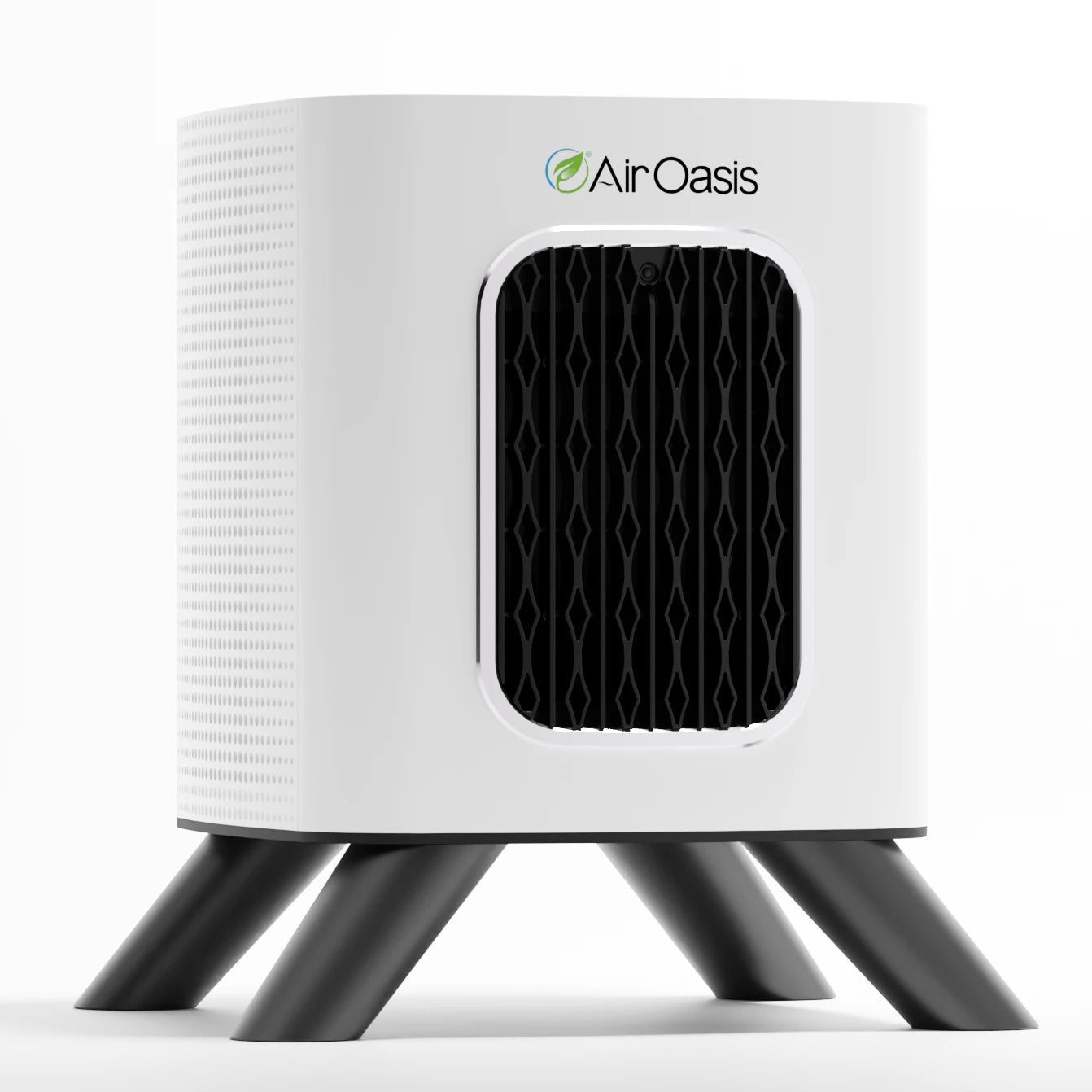
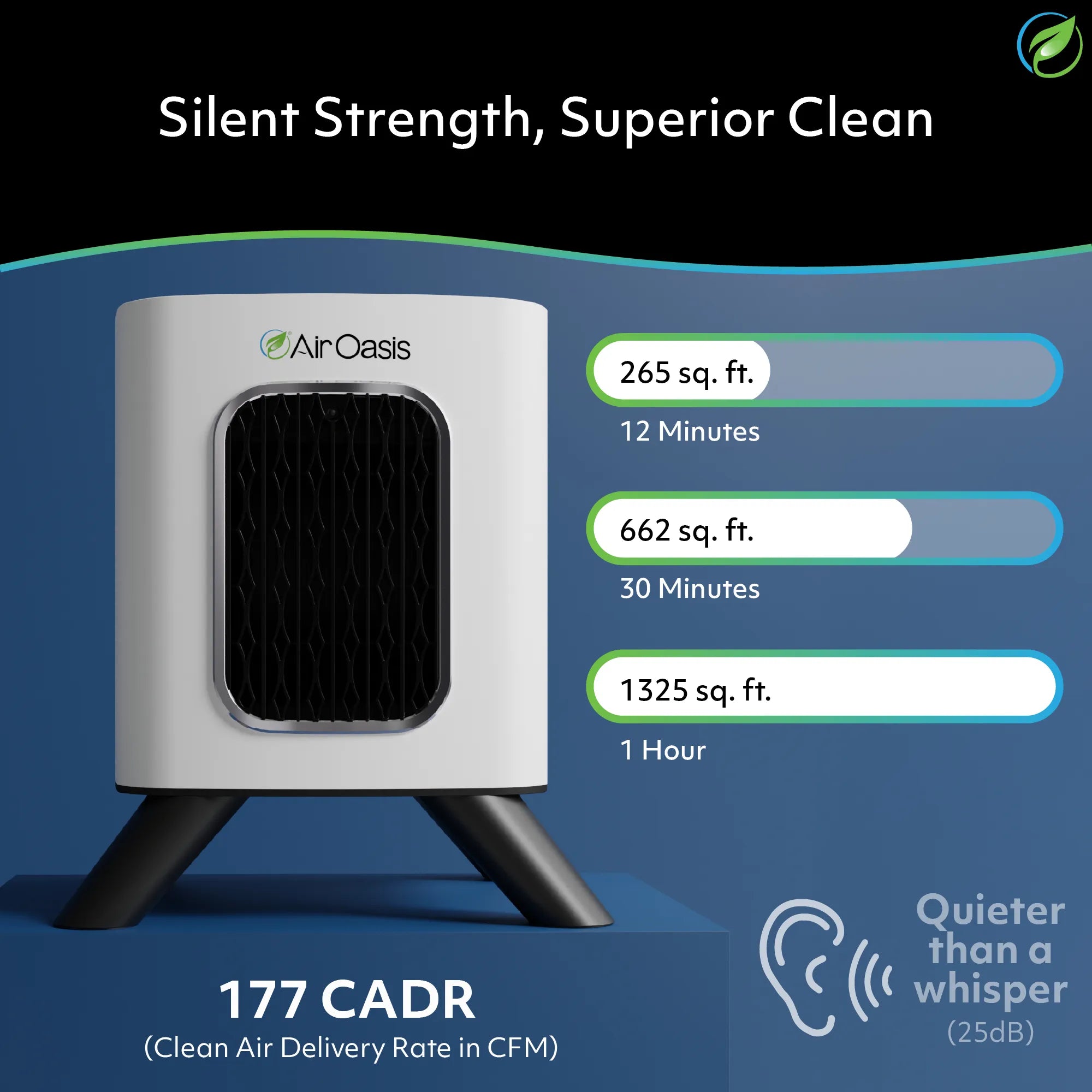
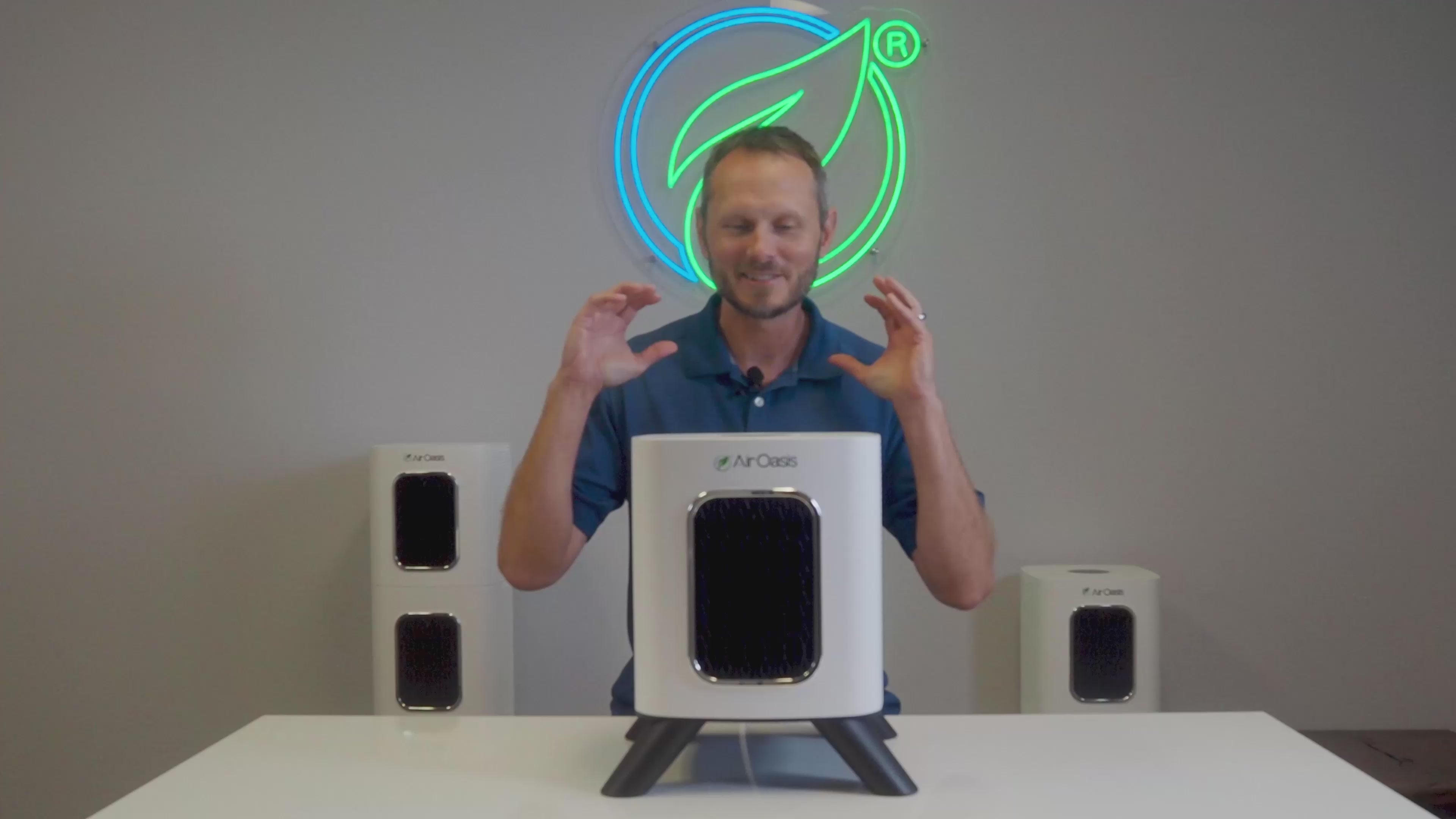
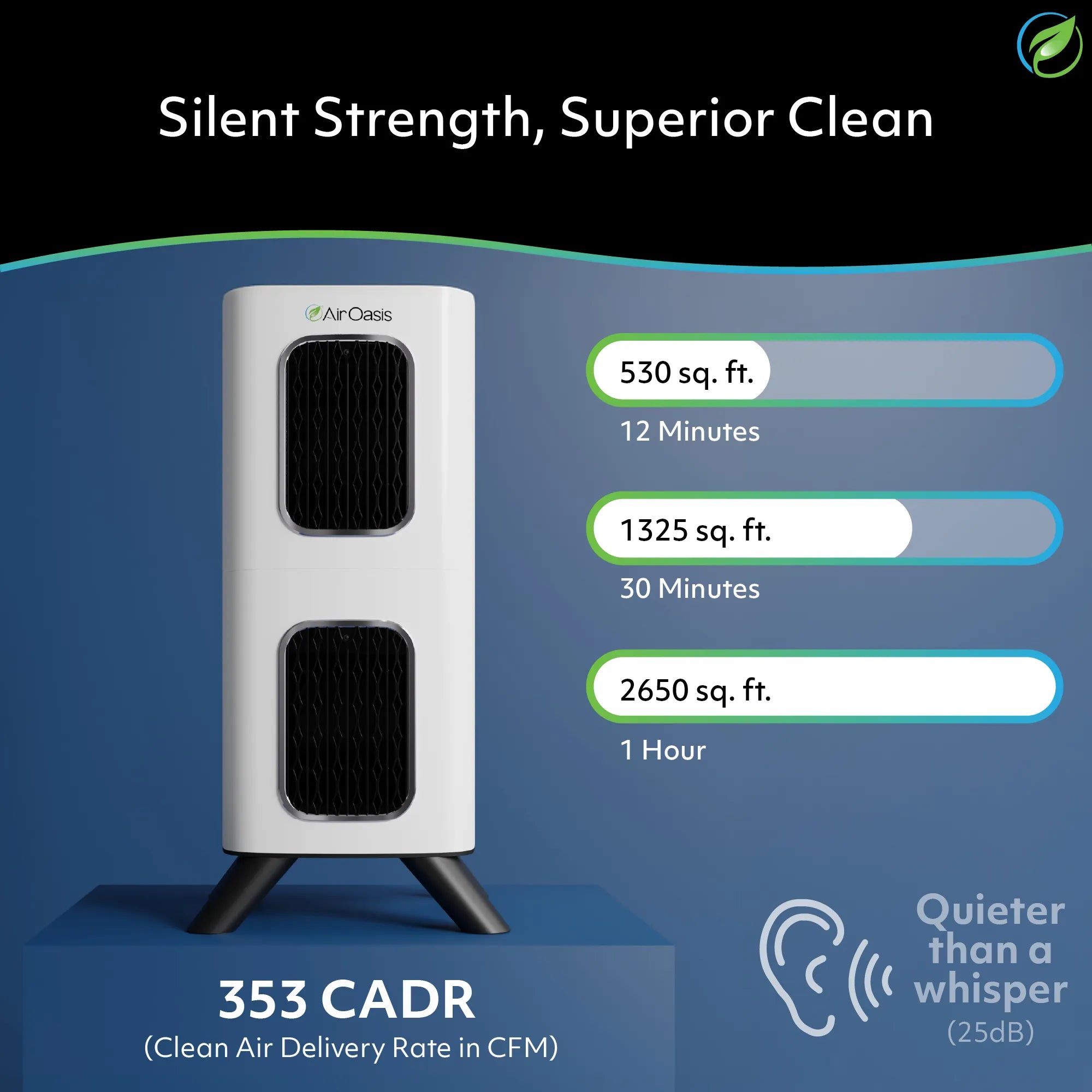
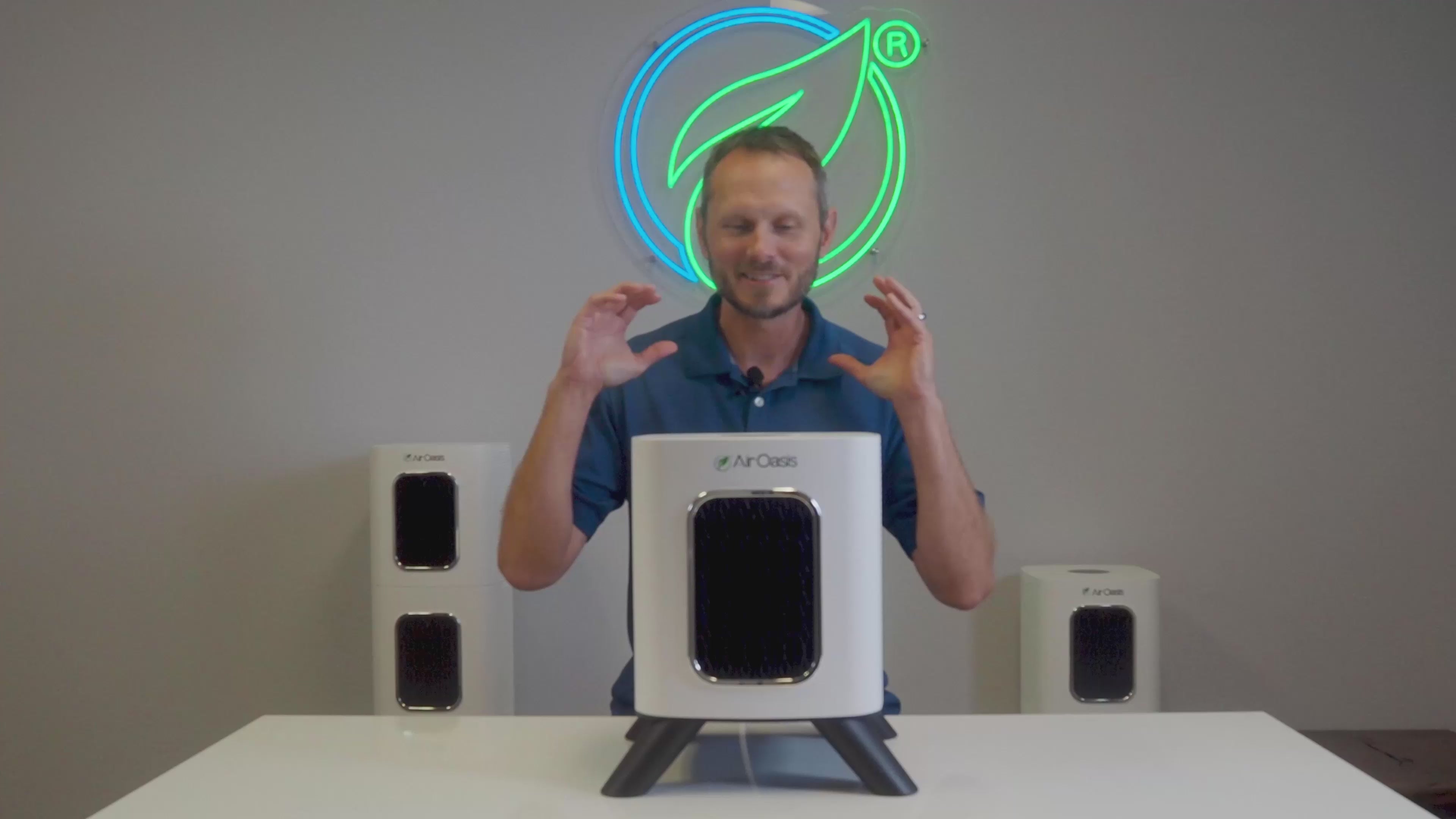
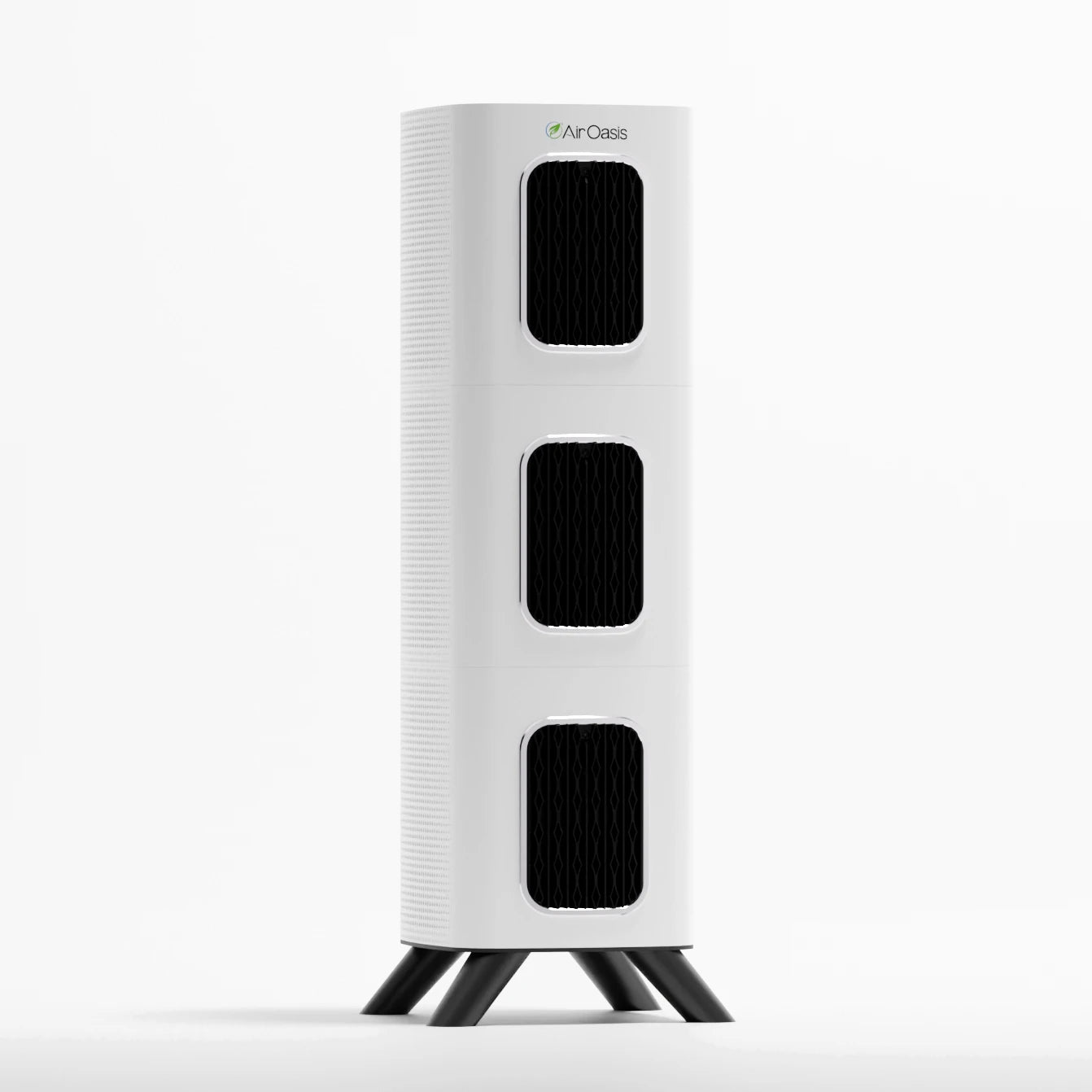
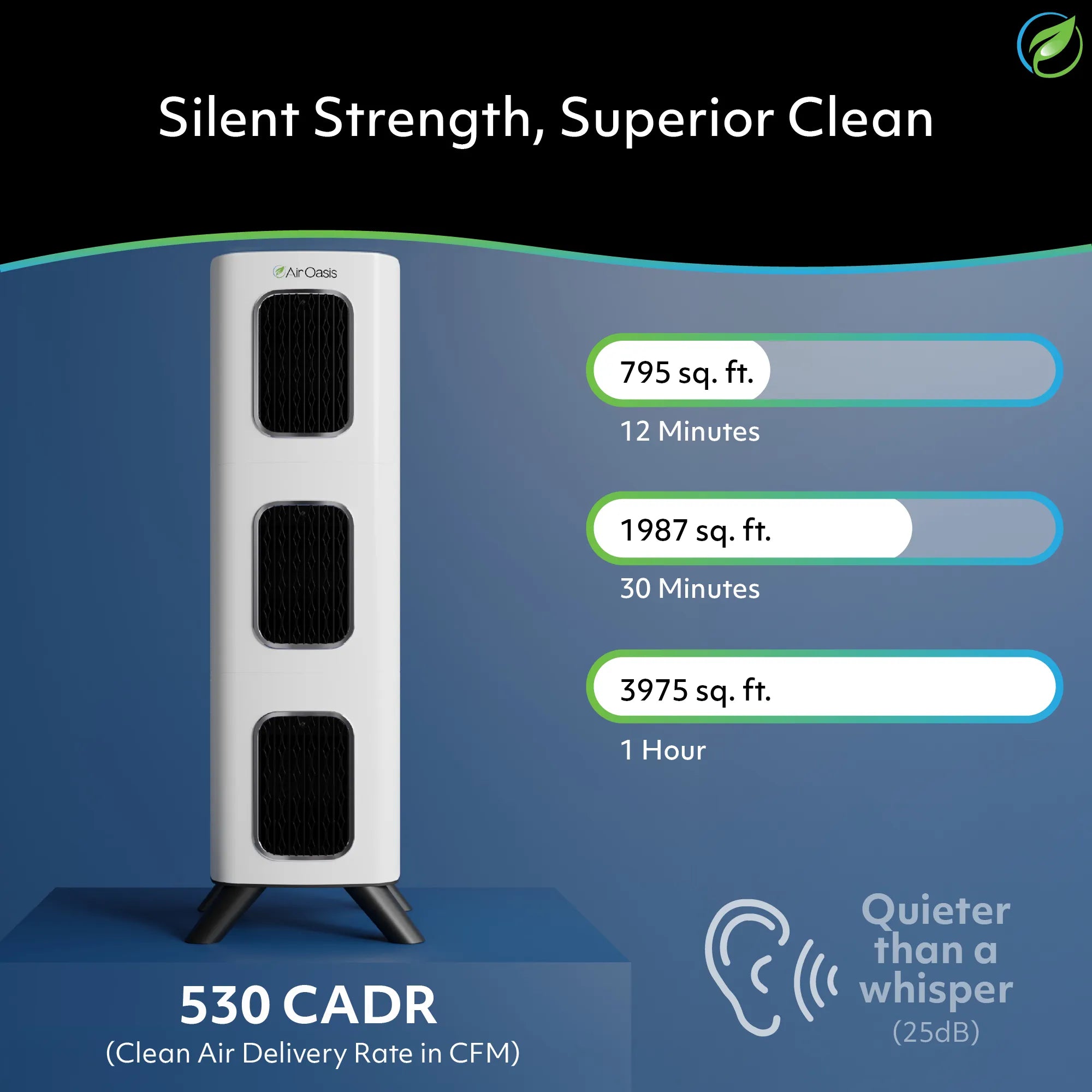
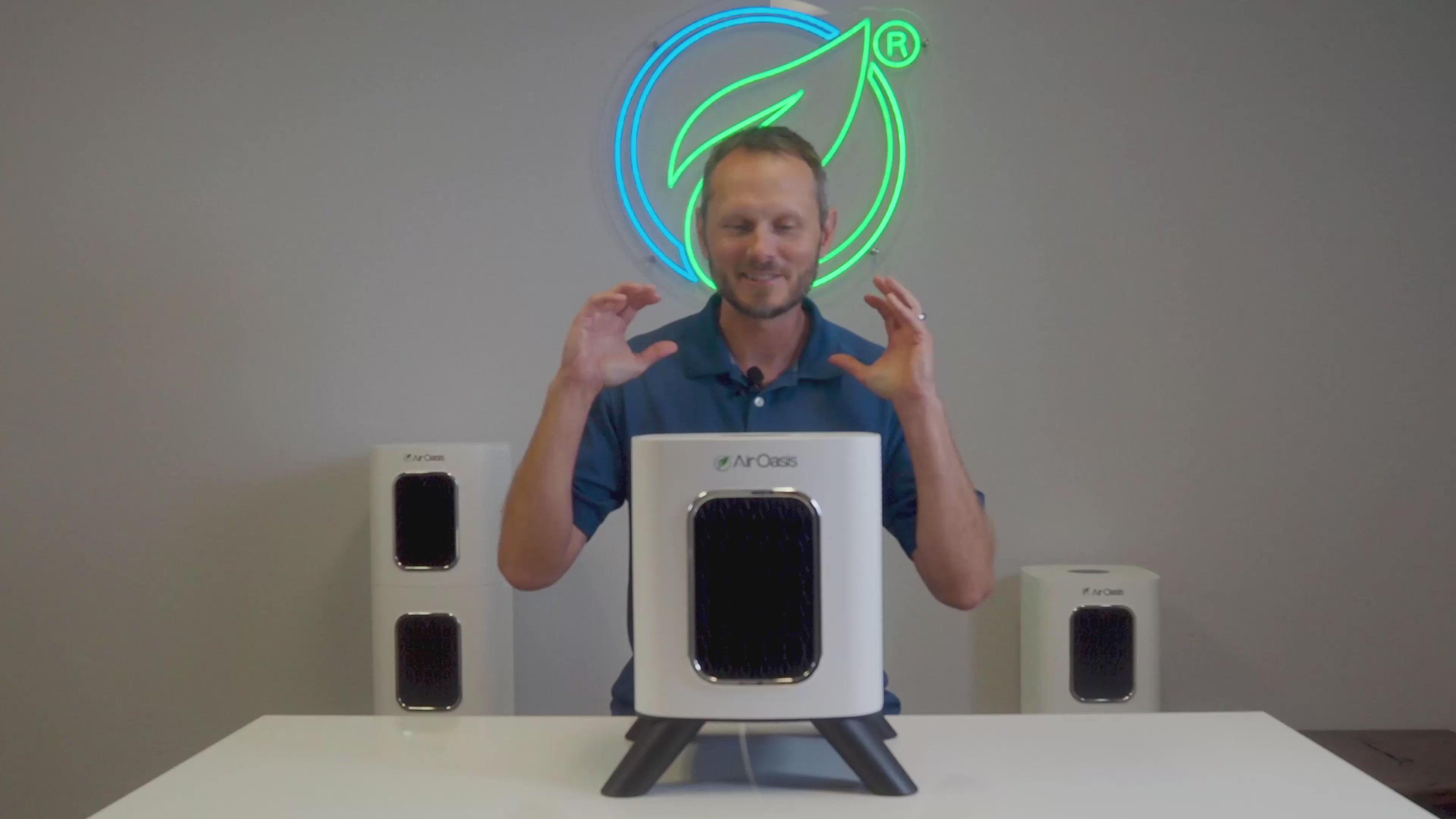
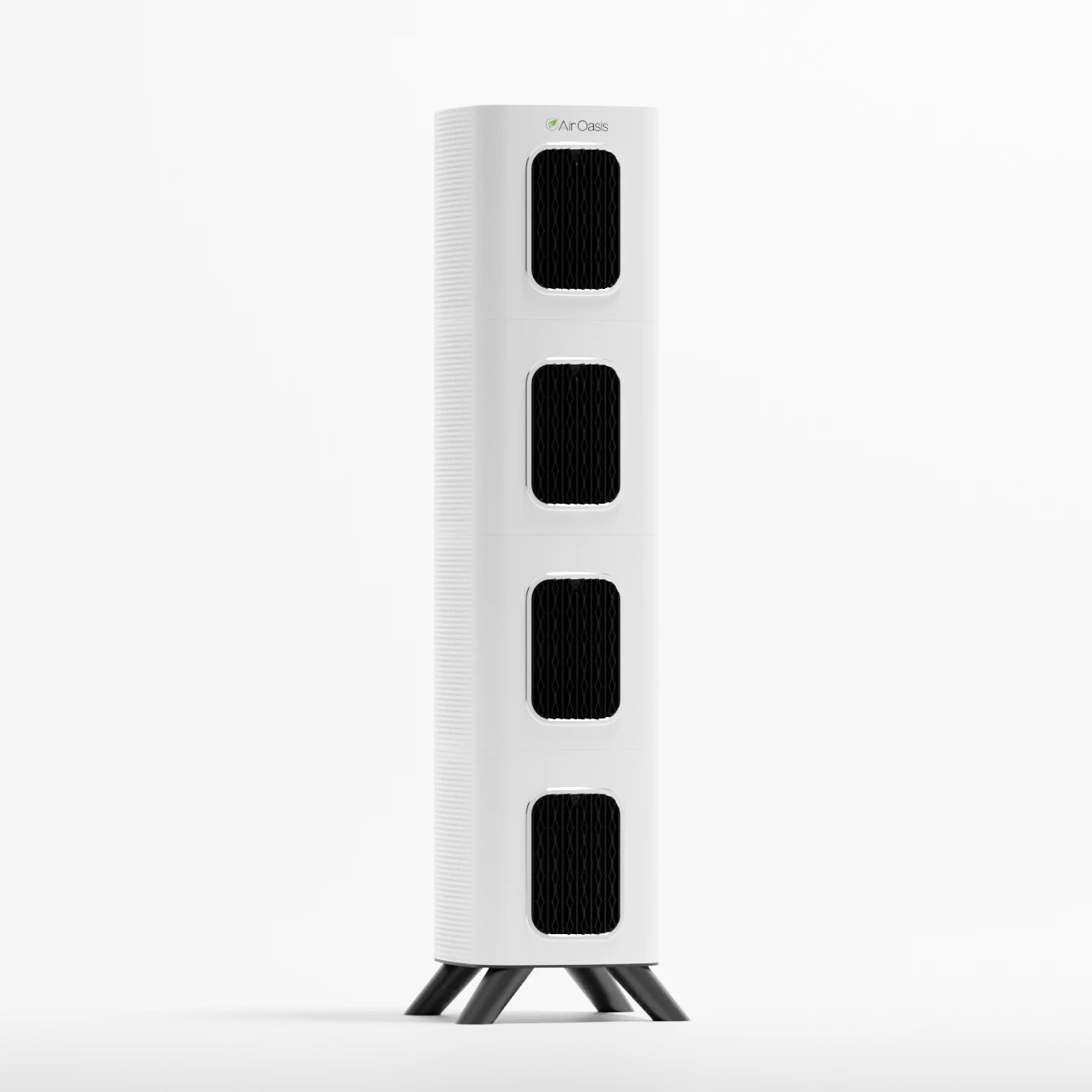
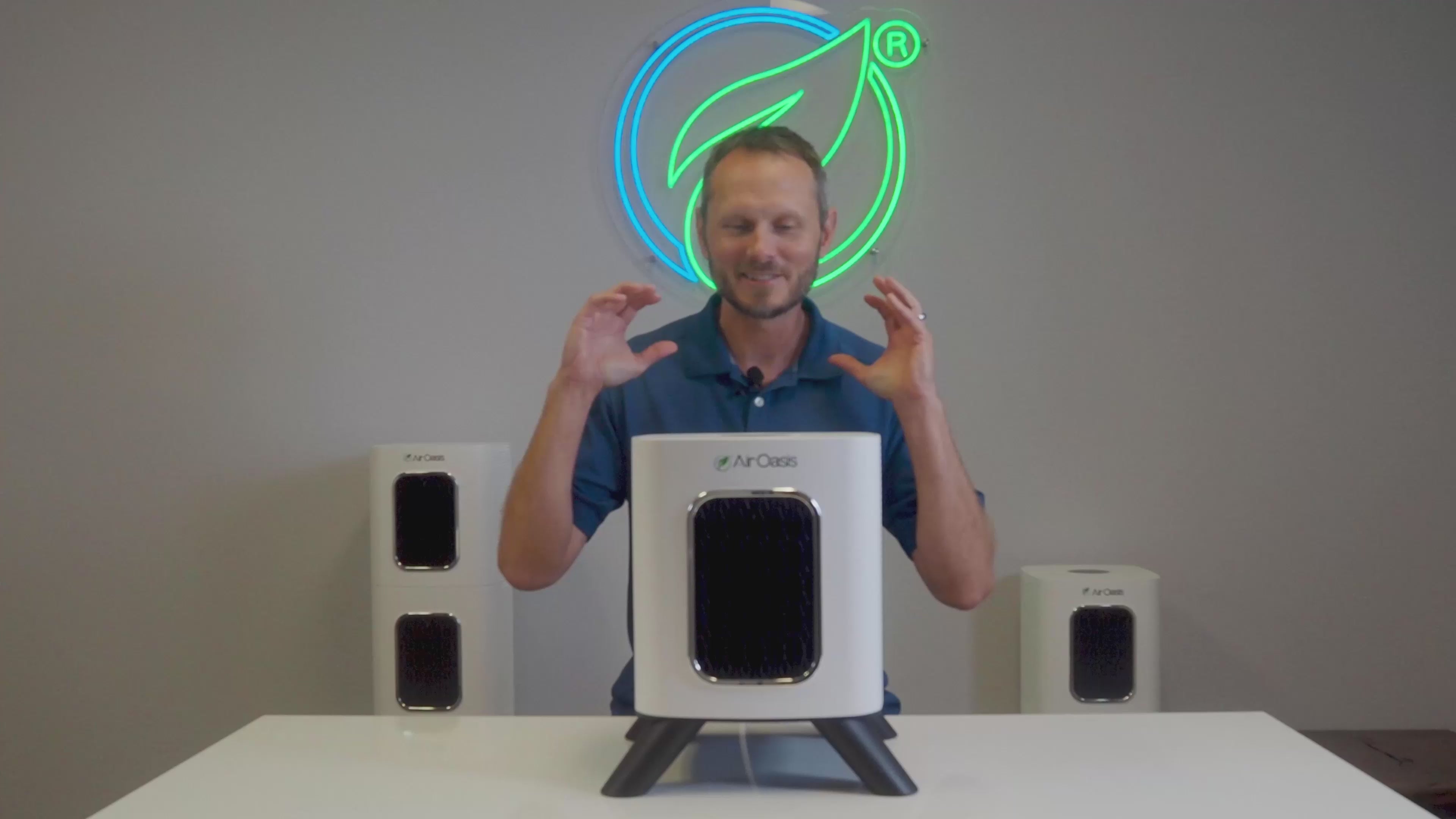
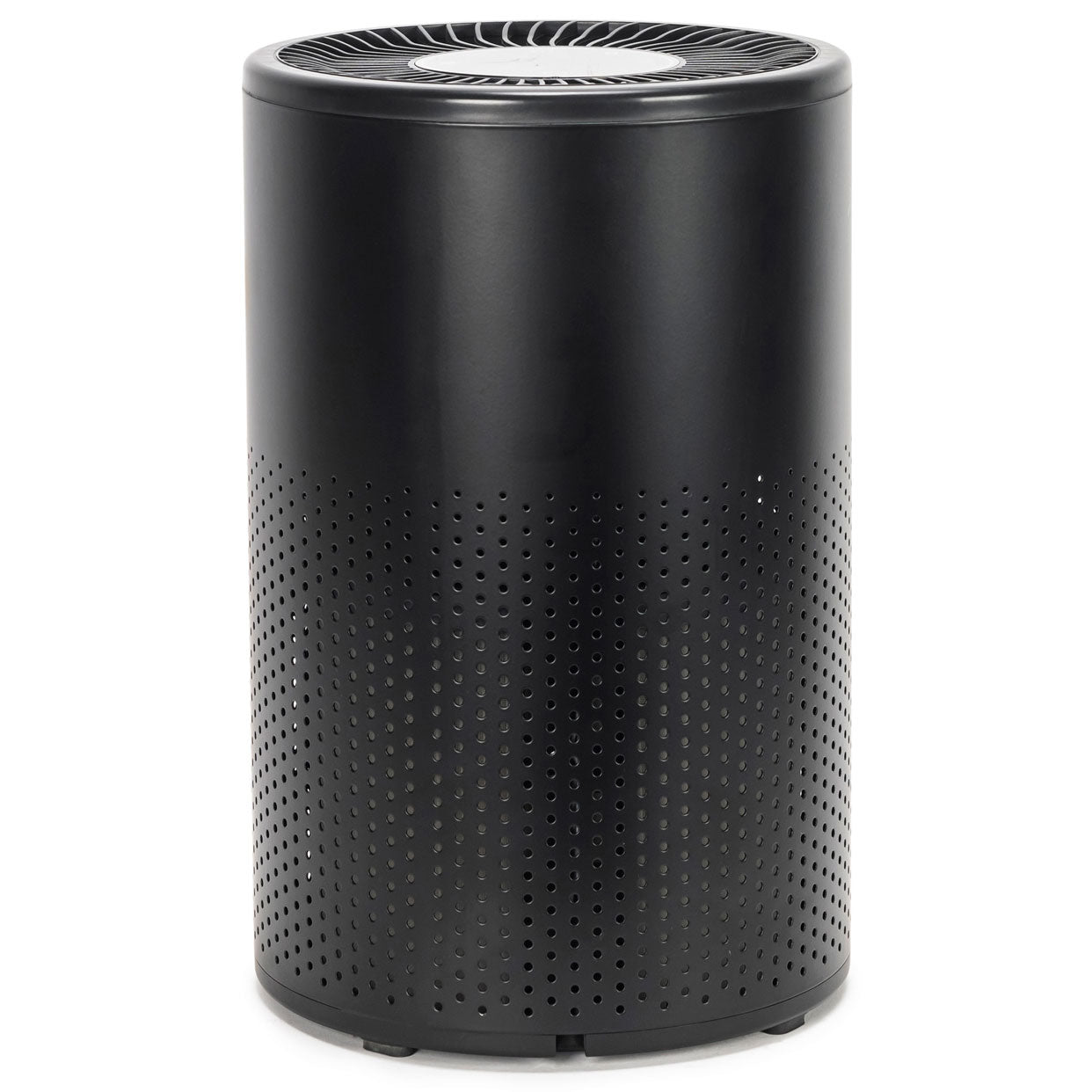
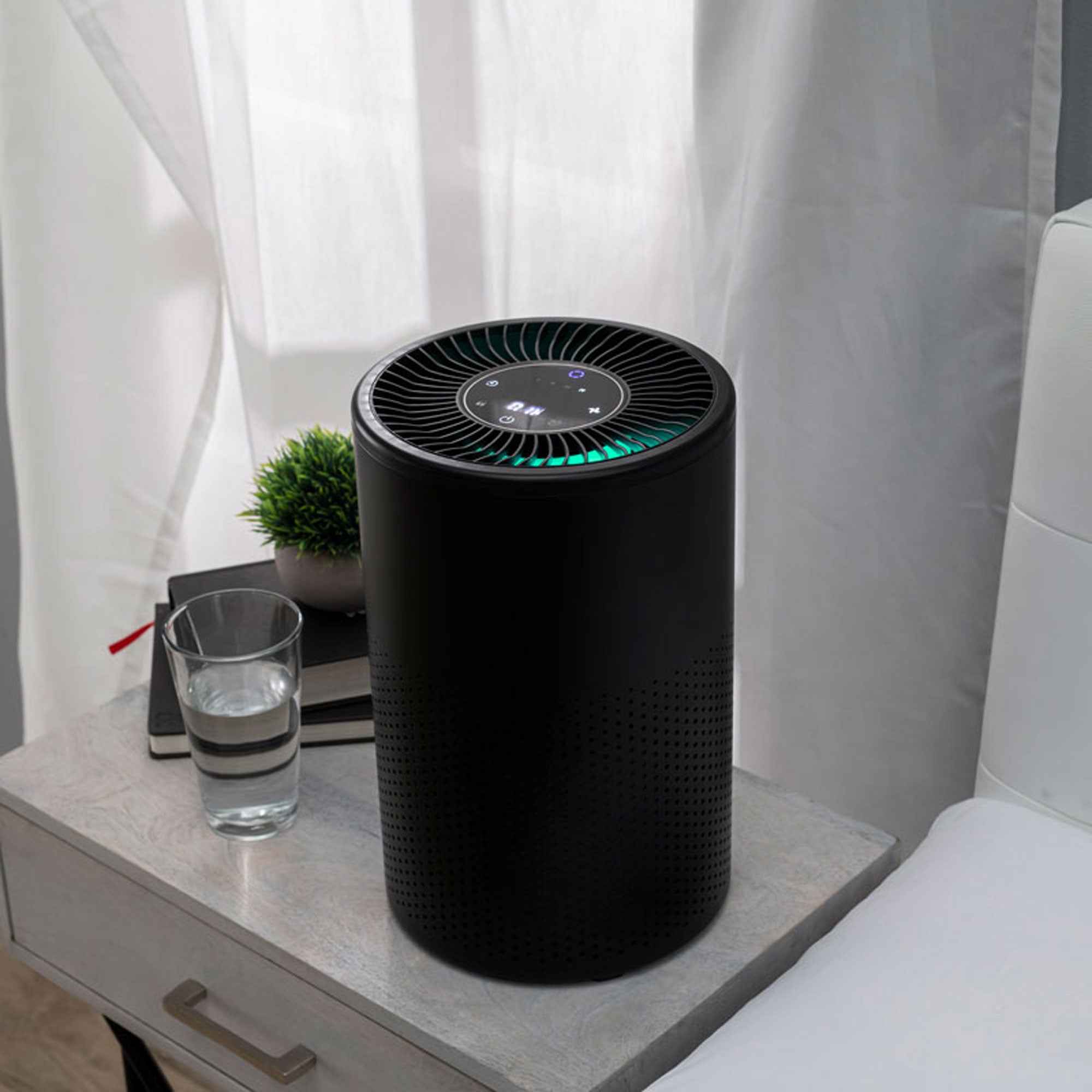
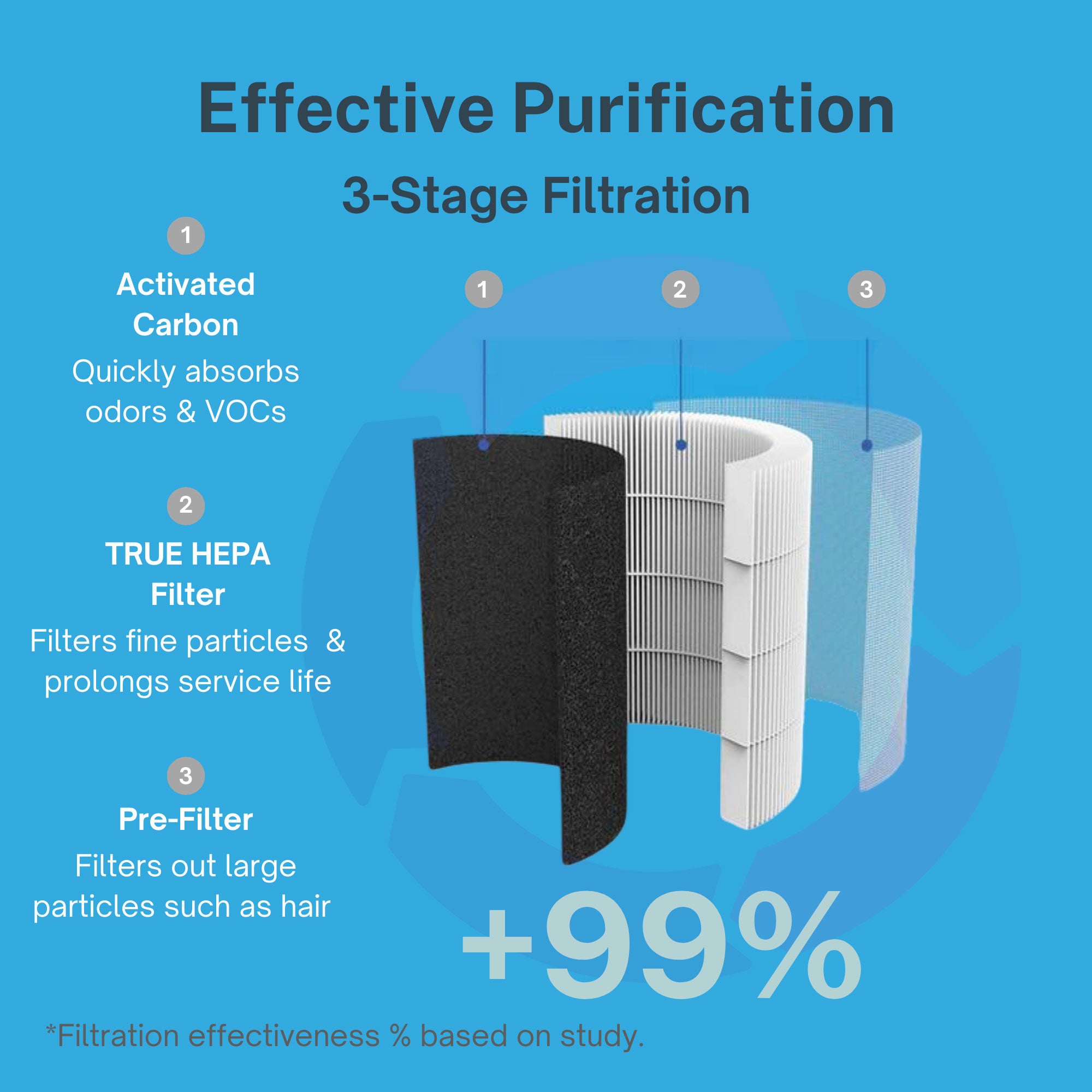
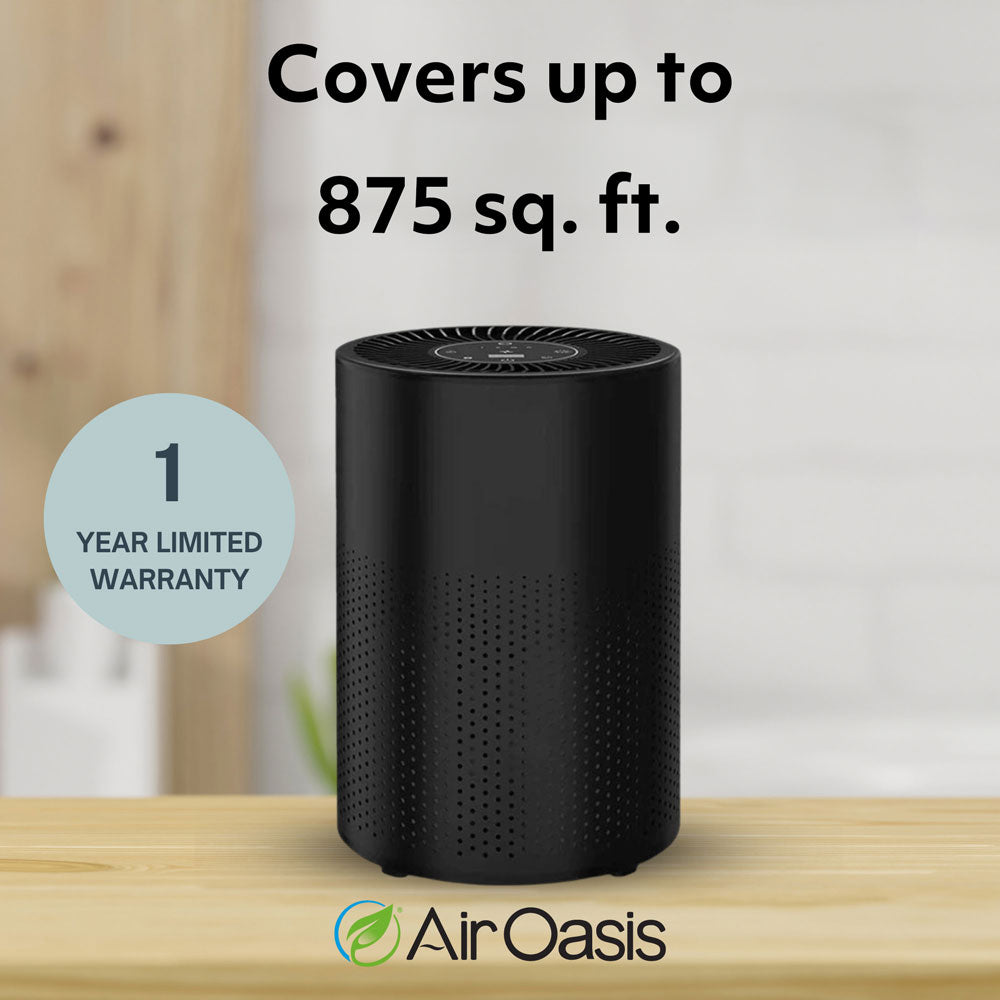
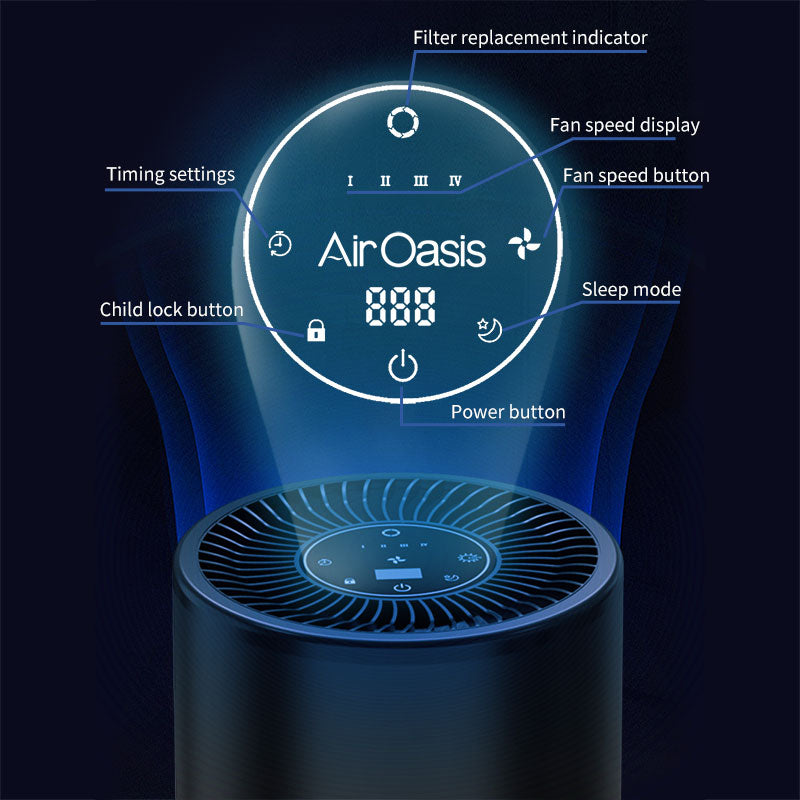
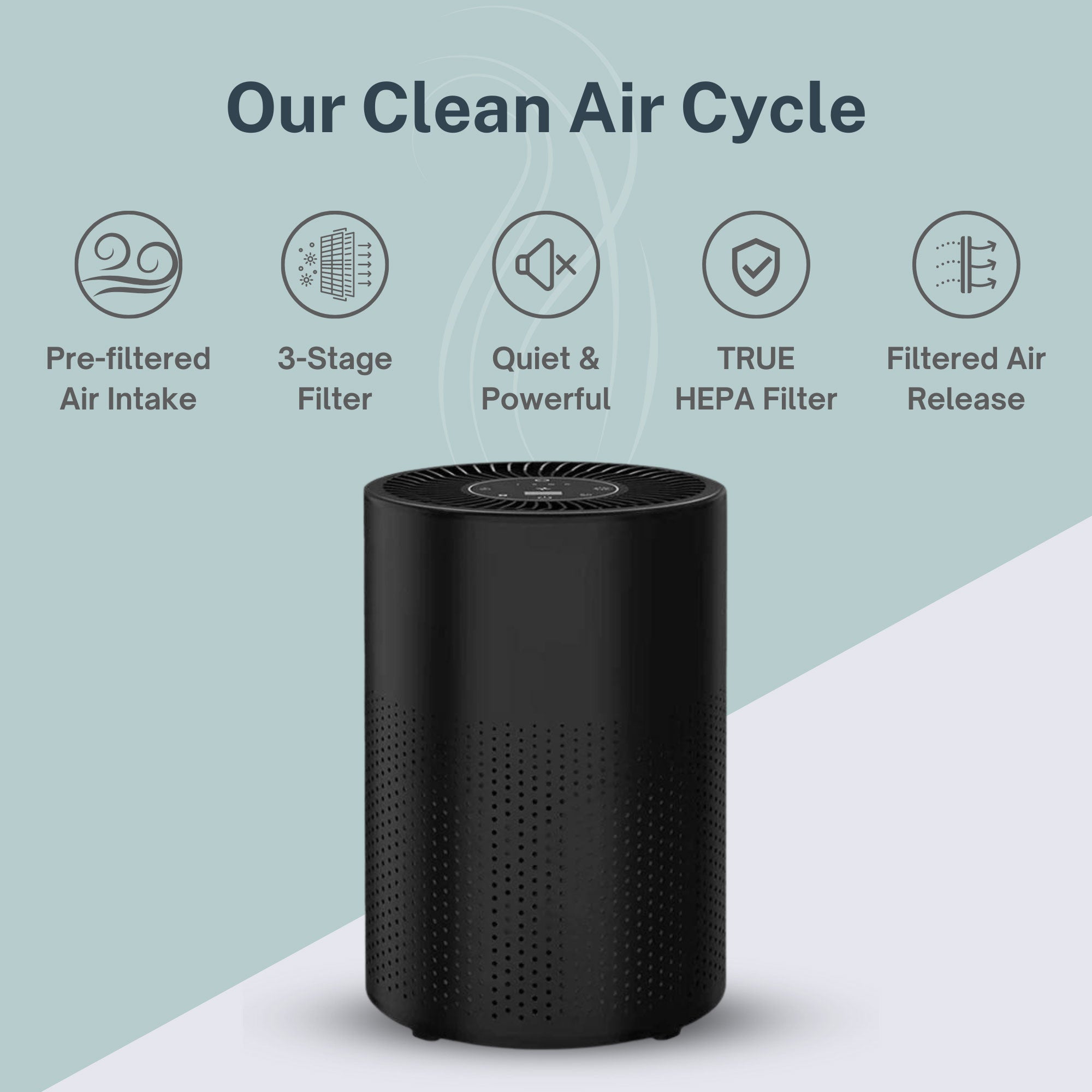
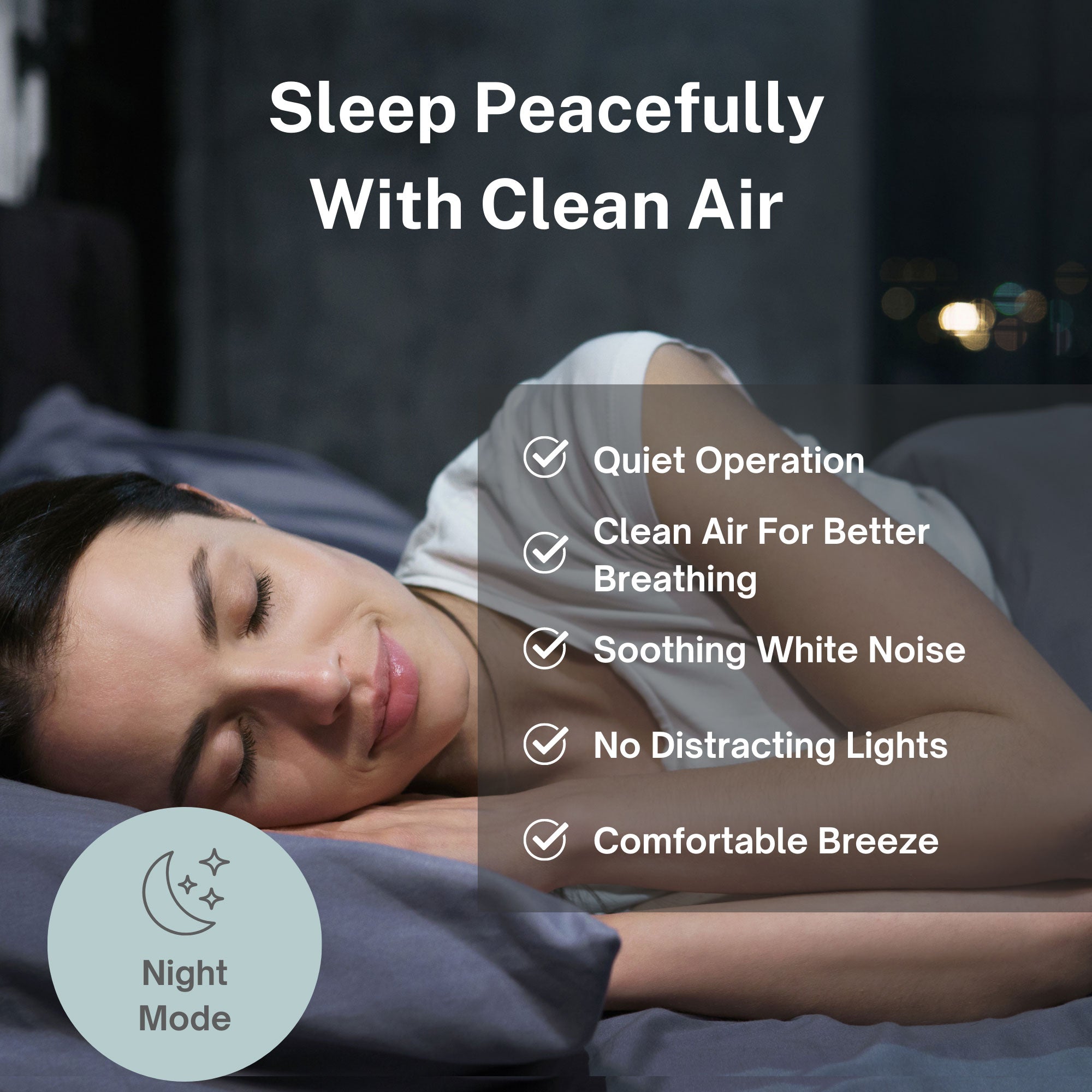
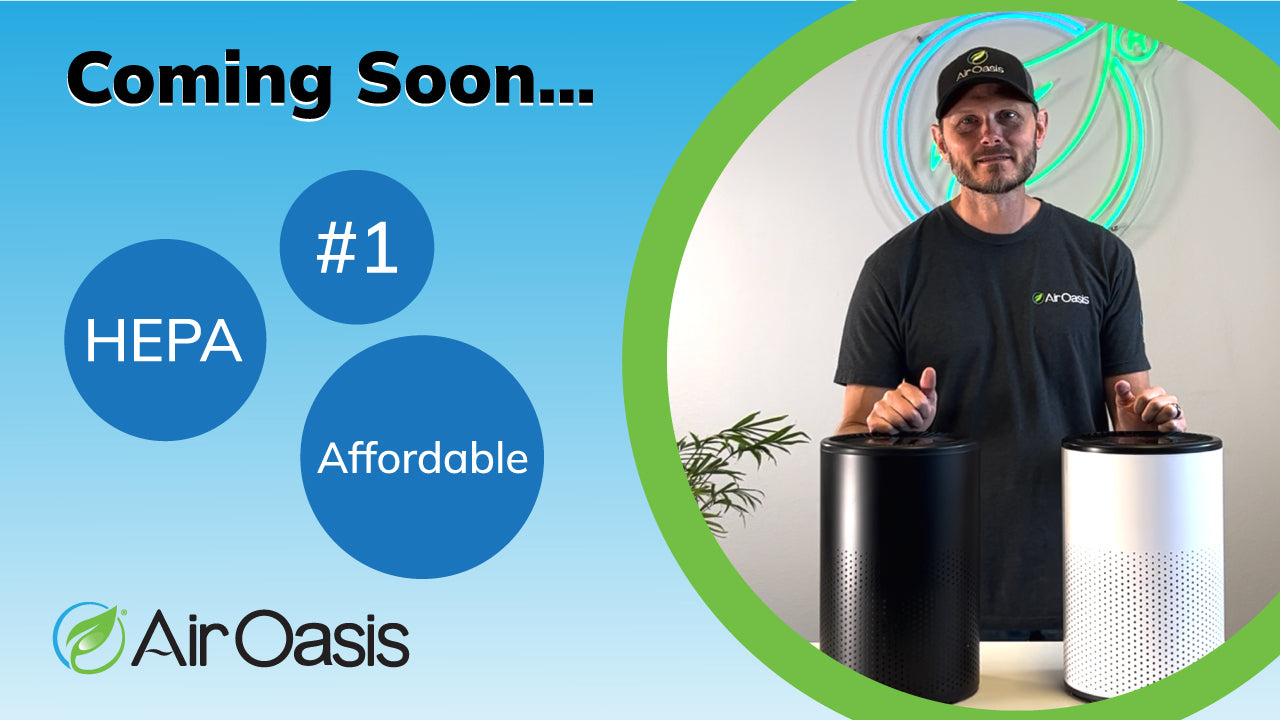
Air purification handles the particulate and VOC components that ventilation alone does not capture. The iAdaptAir by Air Oasis uses true HEPA filtration to capture fine particulate matter down to 0.3 microns, covering the PM2.5 range most consistently associated with neuroinflammatory effects in research. Its activated carbon layer absorbs VOCs including formaldehyde and the range of compounds from common indoor off-gassing sources. It runs continuously and quietly, maintaining lower concentrations of both categories of concern throughout the day and through the night hours when sleep-dependent neural consolidation and regulation are occurring.
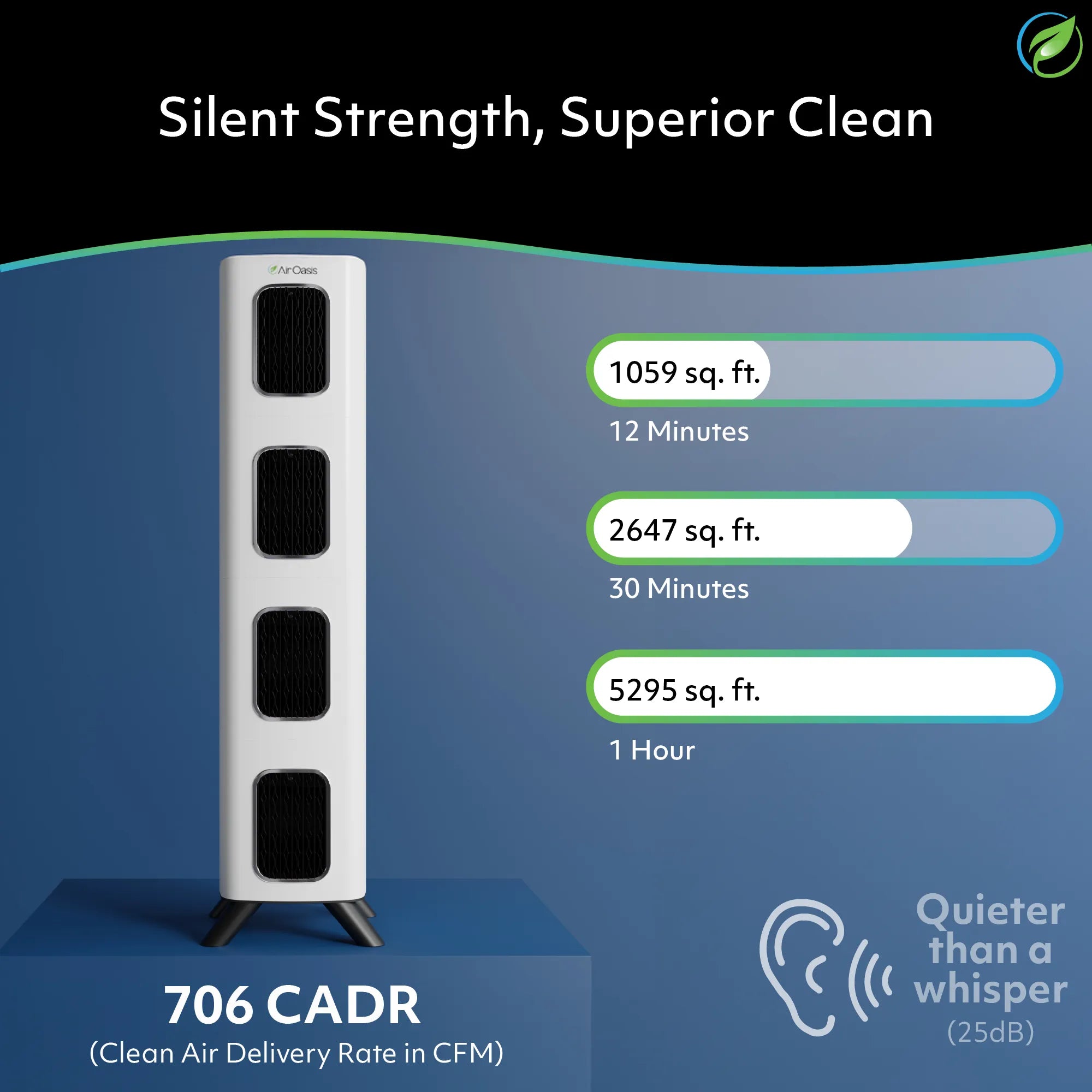
It is CARB-certified ozone-free. This matters specifically in the context of anxiety because ozone is a respiratory irritant that can trigger the kind of physical discomfort that, in anxious individuals, becomes a cue for further alarm. The iAdaptAir adds none. The 2S covers up to 265 square feet, the 2M up to 530, the 2L up to 795, and the 2P up to 1,059, all based on 12-minute air cycles at standard ceiling height.
Your environment is part of the picture
Social anxiety requires real, skilled treatment. Therapy works. The work is worth doing. But the environment in which that work is embedded, the air you breathe during the hours between therapy sessions, the quality of the nervous system rest you get each night, these are not irrelevant details. They are the substrate on which everything else operates.
Cleaner air won't rewire your threat appraisal system. But it may reduce one source of unnecessary load on a system that's already working hard enough. Shop the iAdaptAir at Air Oasis and build the environment your nervous system deserves. Breathe Better, Live Better.