You clean the house, and then you spend the next two hours sneezing. It feels like a cruel joke. You did the right thing. You vacuumed. And somehow, you feel worse than before you started. If this sounds familiar, you're not imagining it. There's a real explanation, and understanding it makes a meaningful difference in how you approach cleaning.
Why vacuuming can temporarily increase allergen exposure
Vacuuming does remove dust, dust mite debris, pet dander, and other particles from carpet and floor surfaces. That part is real. The problem is what happens to the particles it doesn't capture, or the ones it stirs up before capturing them.
When a vacuum moves across carpet, it creates mechanical disturbance that launches settled particles into the air. Some of those particles get pulled into the vacuum. Others become airborne before the suction reaches them and stay suspended in the room's air long after you've finished cleaning. Research on particle resuspension during carpet vacuuming has documented significant increases in airborne particulate matter during and immediately after the process, with concentrations that can remain elevated for 20 minutes or more.
The size of the particles matters here. Larger dust particles settle back to surfaces relatively quickly. But smaller particles, those below about 10 microns, including the fecal pellets of dust mites that contain the most potent allergen proteins, can stay airborne considerably longer. These are also the particles most likely to be inhaled deeply into the airways, where they trigger the immune response that produces allergy symptoms.
The vacuum itself may be part of the problem
Not all vacuums handle fine particles equally, and this is where the picture gets more specific.
Conventional vacuums with standard bag or filter systems can actually exhaust fine particles back into the room through their exhaust port. The motor creates airflow through the machine, and particles small enough to pass through a standard filter exit with that exhaust. Studies examining airborne particle concentrations during vacuuming have found that some vacuum models increase fine particle counts in room air even while removing larger debris from surfaces.
Vacuums with sealed HEPA filtration systems are specifically designed to prevent this. A true HEPA filter captures 99.97 percent of particles down to 0.3 microns, and a sealed vacuum system ensures that filtered air is the only air that exits the machine. The distinction between "HEPA filter included" and a genuinely sealed HEPA system matters, because a HEPA filter in an unsealed vacuum body can leak around the filter, bypassing it entirely.
If you're vacuuming with a machine that doesn't have sealed HEPA filtration and you have dust allergies, it's plausible that your vacuum is dispersing fine allergen particles into the air as a direct function of its operation.
Dust mite allergens specifically deserve attention here
The primary driver of dust allergy symptoms for most people is not dust itself but the proteins in dust mite waste particles and body fragments. Dust mites are microscopic organisms that live in bedding, upholstered furniture, and carpet, feeding on shed human skin cells. Their waste particles, which are too small to see, are the primary source of allergens.
These particles are found in particularly high concentrations in carpet. Research has documented that mite allergen levels in carpet dust can be substantially higher than in hard-surface environments, and that vacuuming, while reducing total mite population over time with consistent use, can temporarily aerosolize allergen particles from the carpet surface during each cleaning session.
The practical implication is that someone with a significant dust-mite sensitivity may experience a spike in symptoms during and shortly after vacuuming, even when using a high-quality vacuum, simply because the mechanical process of cleaning disturbs settled material.
Strategies that genuinely reduce the symptom spike
The answer isn't to stop vacuuming. Regular vacuuming with appropriate equipment does reduce the overall allergen load in a home over time. The goal is to manage the acute exposure that happens during the process itself.
Vacuuming when you can leave the room afterward is the simplest intervention. If allergen concentrations spike for 20 to 30 minutes after vacuuming, staying out of the room during that window reduces your exposure to the highest concentrations. Open a window if outdoor air quality allows, to give stirred particles a route out.
Wearing an N95 mask while vacuuming provides a physical barrier between you and airborne particles during the activity itself. This may feel overcautious, but for someone with significant dust mite allergy or asthma, the barrier is real and clinically relevant.
Counterintuitively, vacuuming more frequently tends to reduce the severity of each session's allergen spike. A carpet that's been vacuumed once a week has less accumulated material to disturb than one vacuumed monthly. Lower surface-level allergen load means less to aerosolize each time.
If you have the option, vacuuming hard floors rather than carpet removes the resuspension variable almost entirely. Hard surfaces don't trap particles in the three-dimensional fiber structure that carpet does, which means significantly less disturbance during cleaning.
What happens in the air after you vacuum
Even with good technique, some particles are going to become airborne. This is where the air in your room becomes the next line of management.
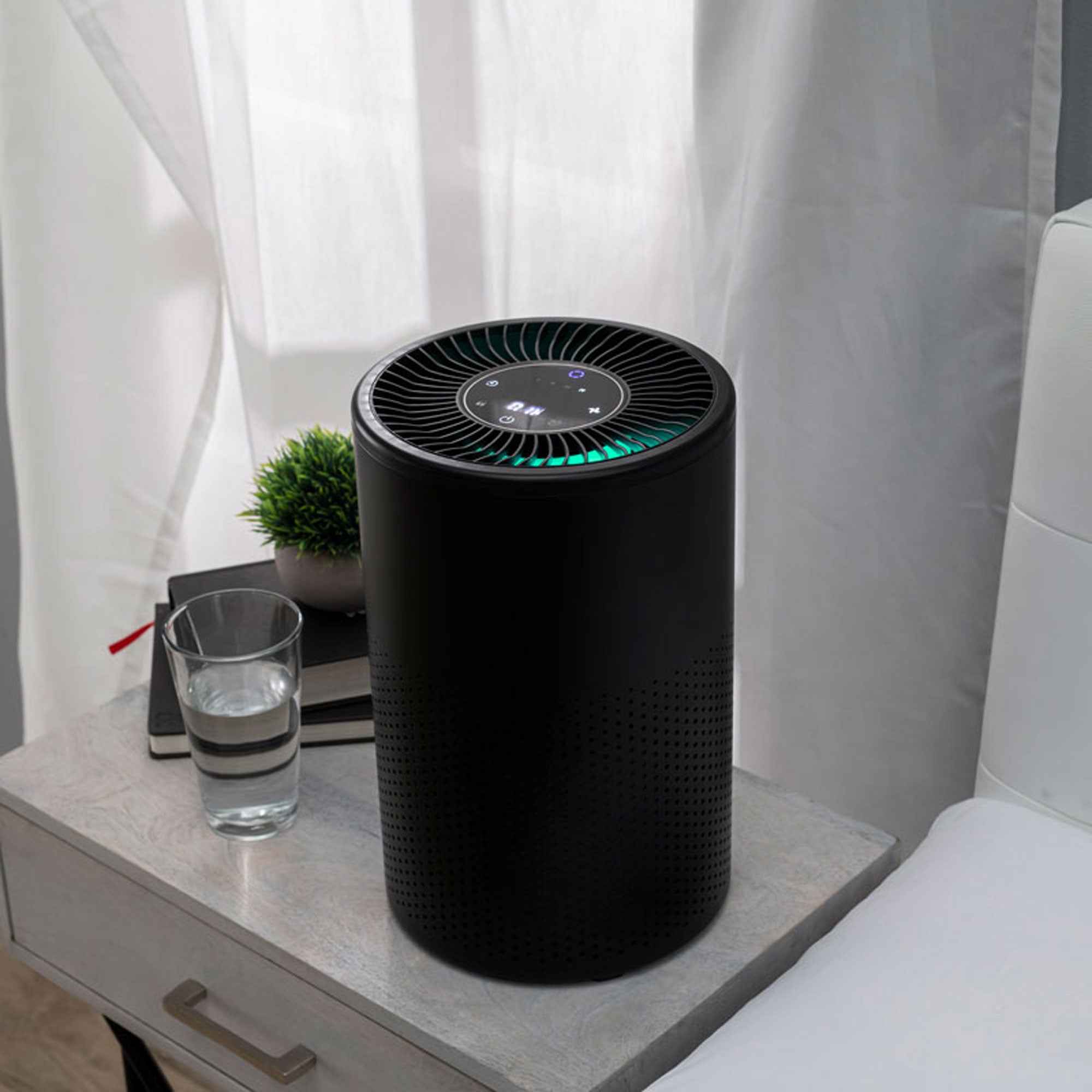
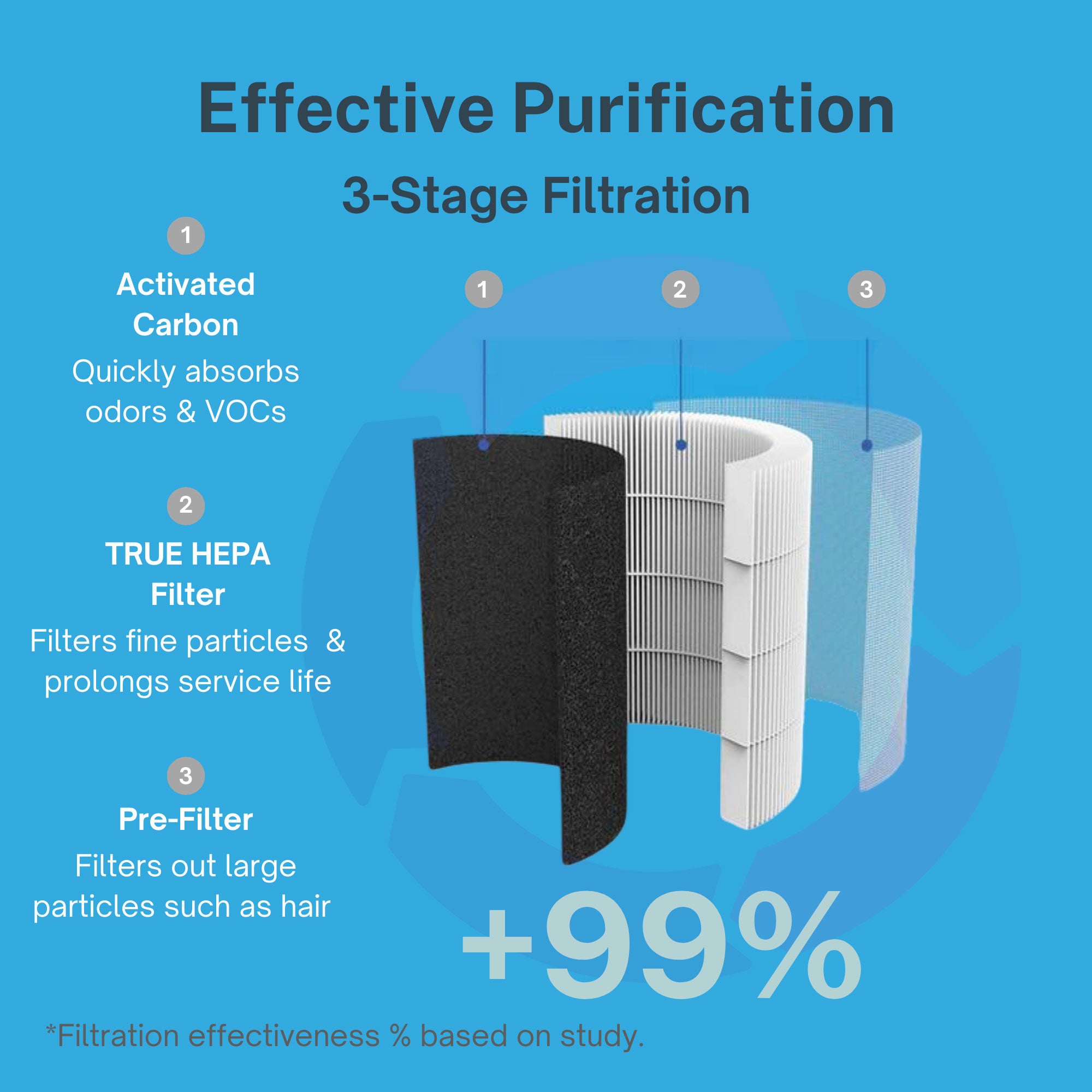
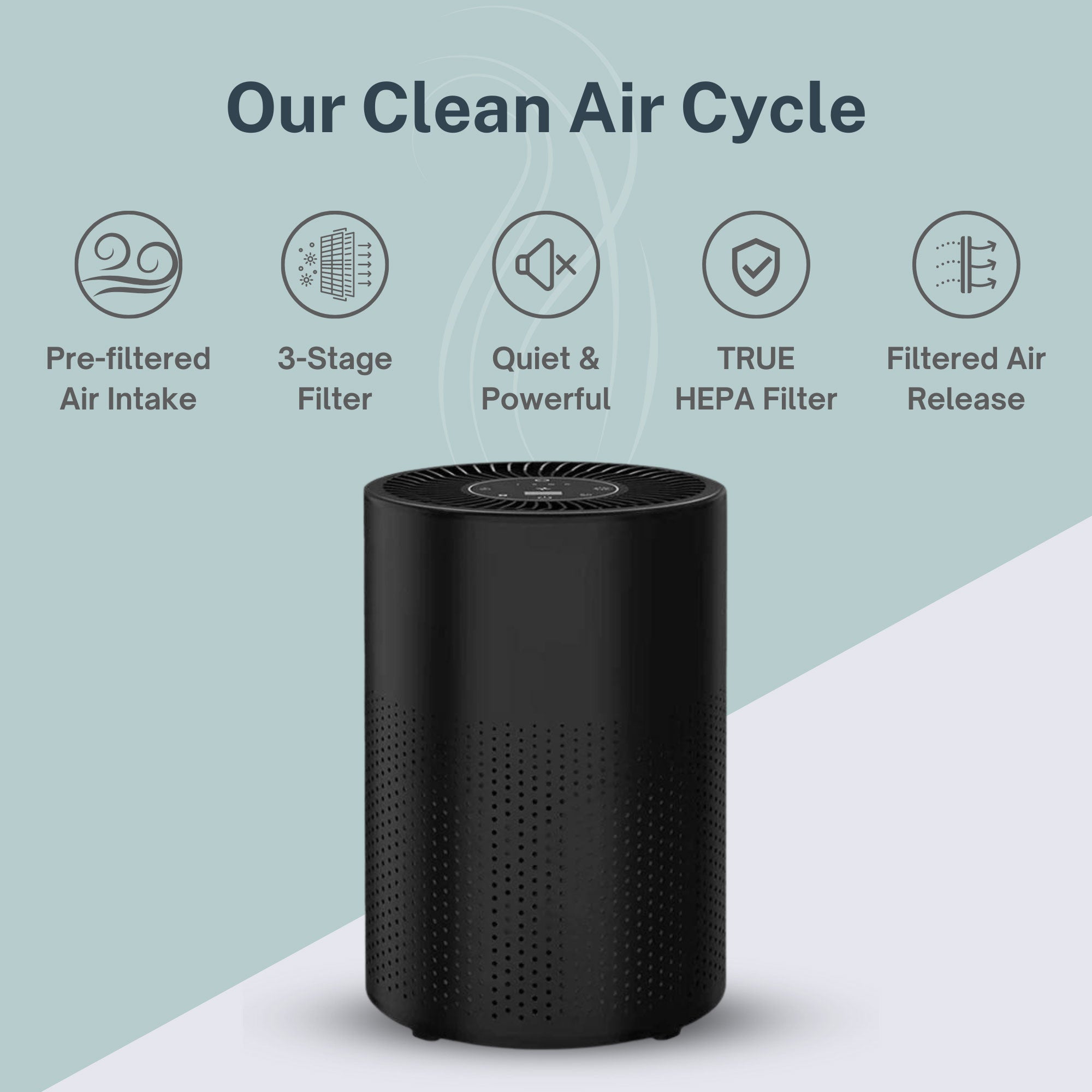
An air purifier with True HEPA filtration running during and after vacuuming actively captures the fine particles that the vacuum stirred up. This shortens the window during which elevated allergen concentrations persist in room air. Rather than waiting 20 or 30 minutes for particles to naturally settle or disperse, the purifier continuously draws room air through the filter, removing those particles from circulation.
Running an air purifier only during allergy flares or only at night misses the exposure window created by cleaning. Continuous operation means the filter is already turning over the room's air when vacuuming happens, which gives it the best chance of capturing aerosolized allergens before they reach your airways.
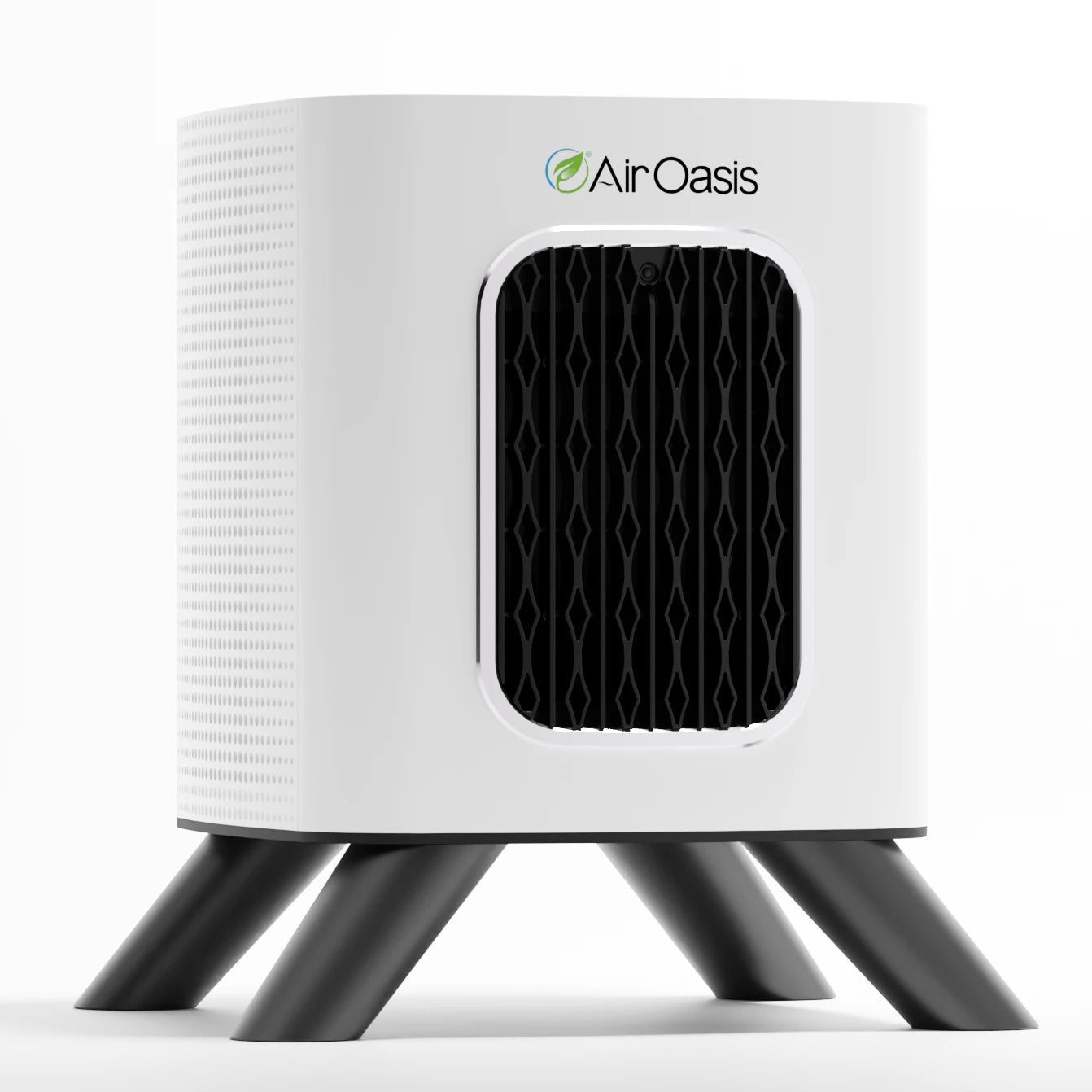
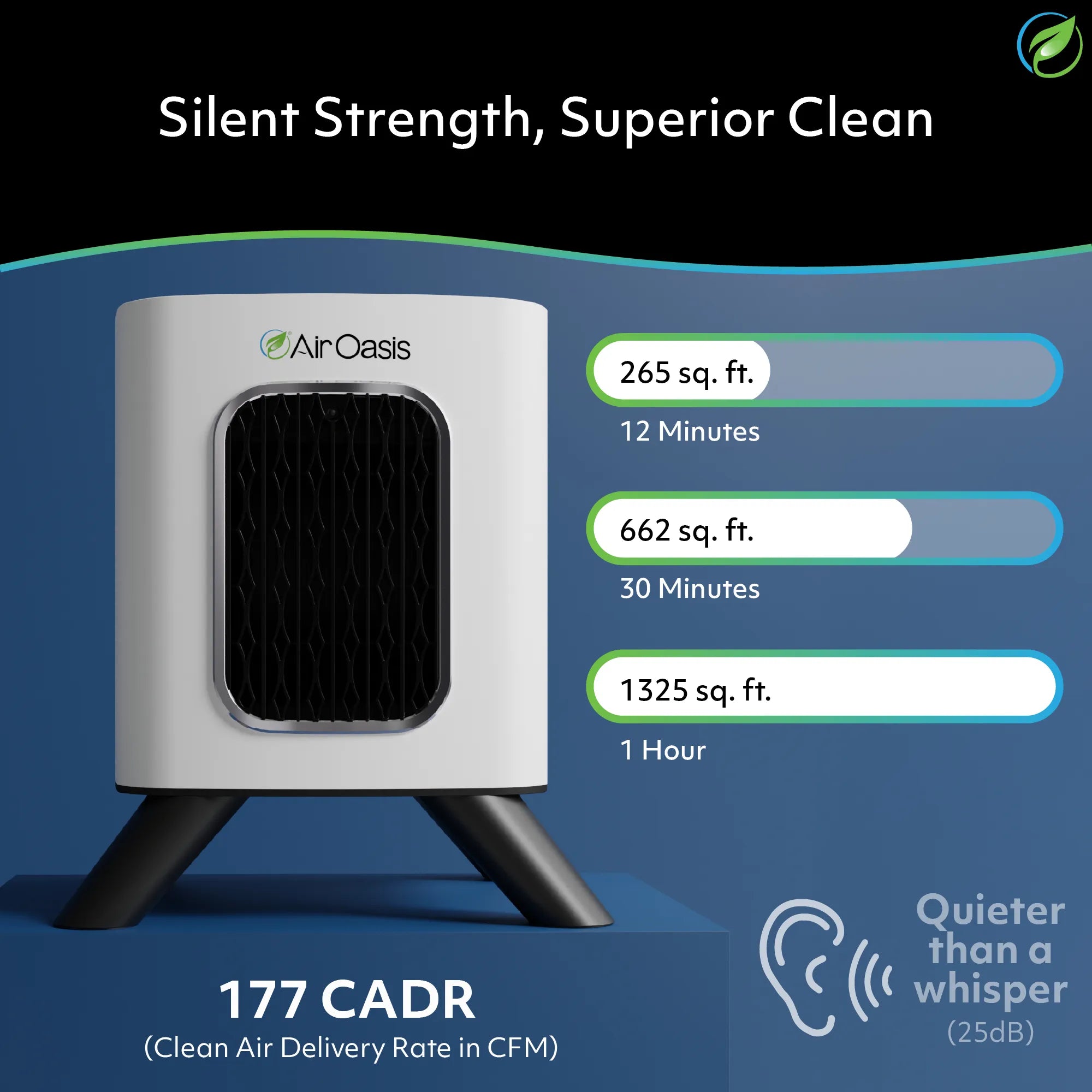
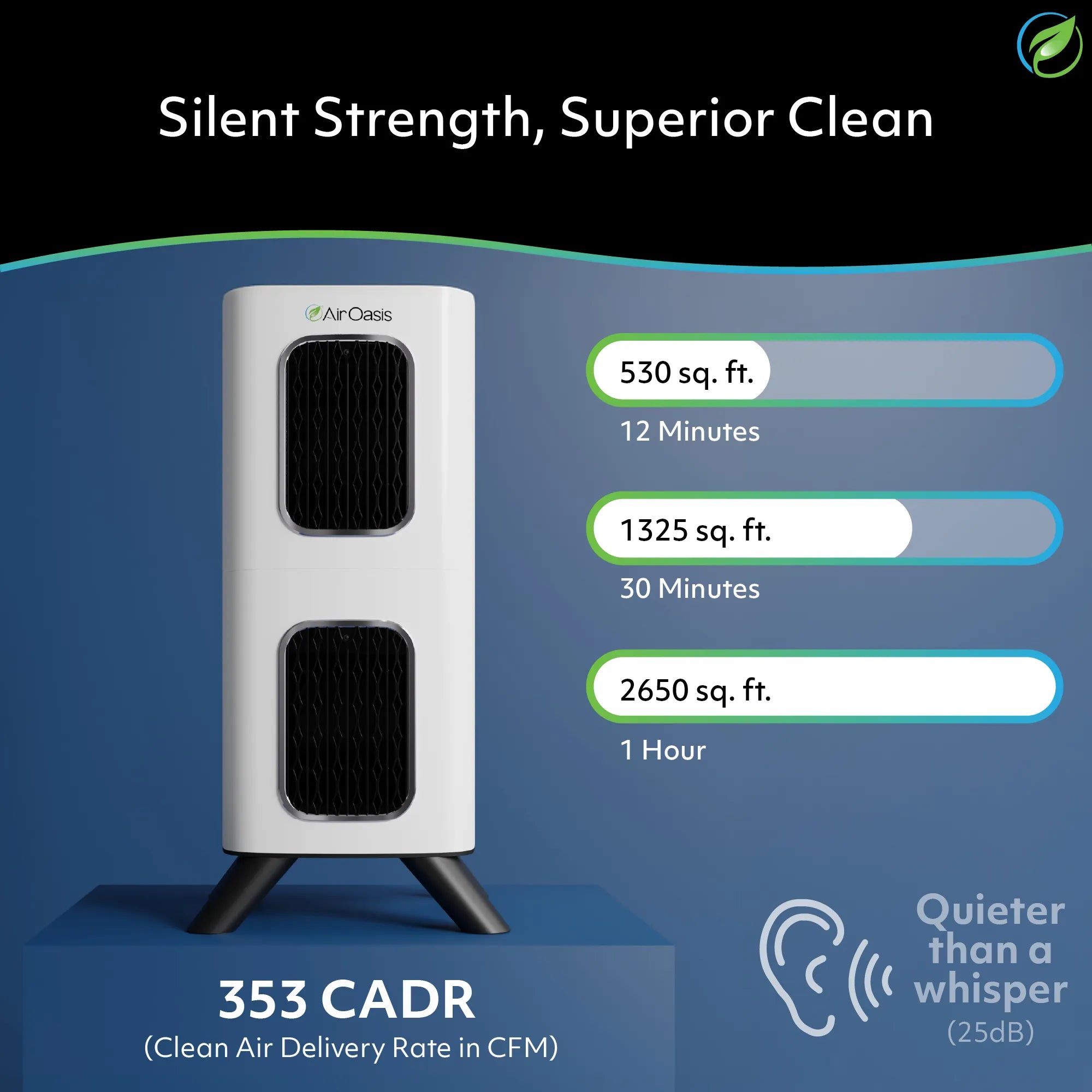
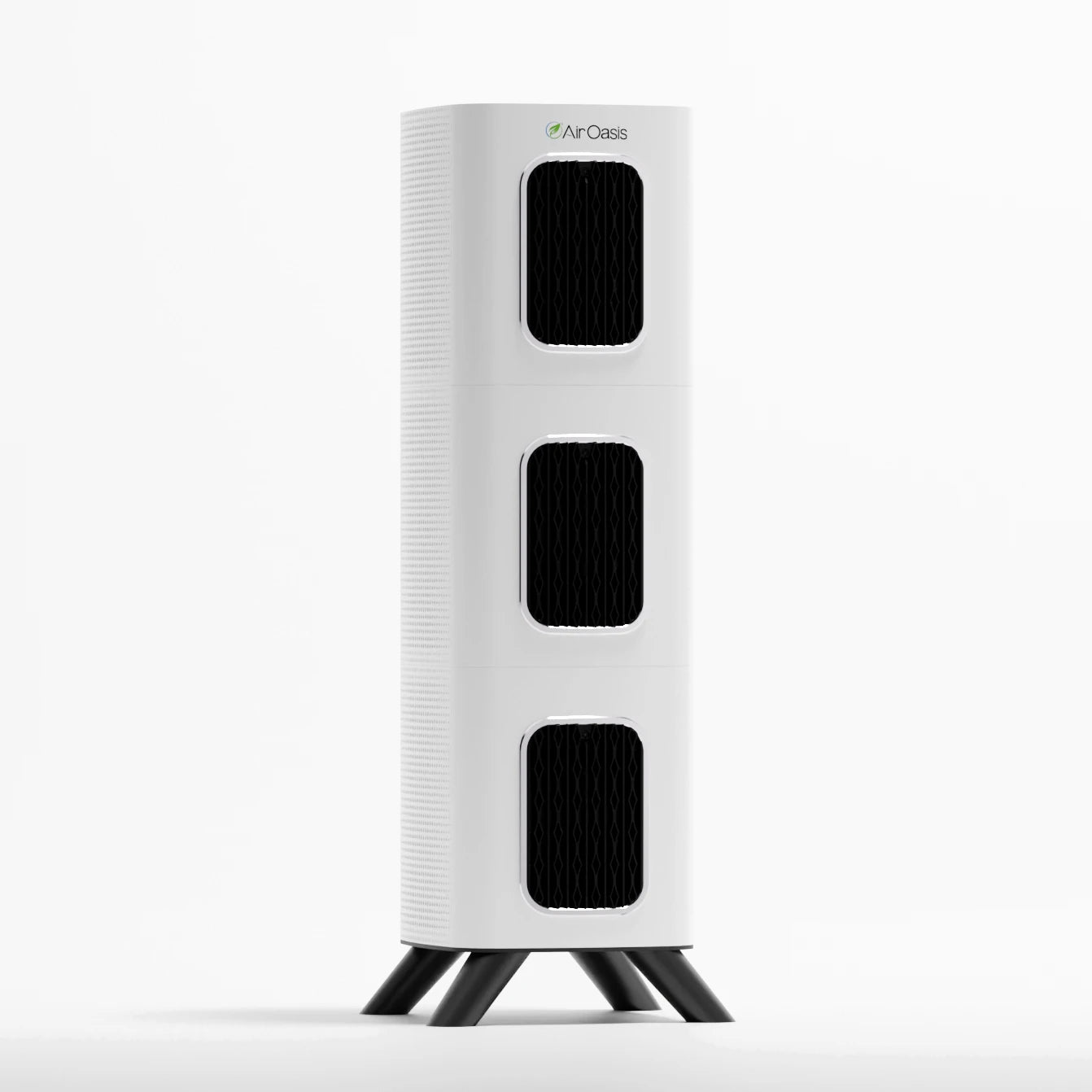
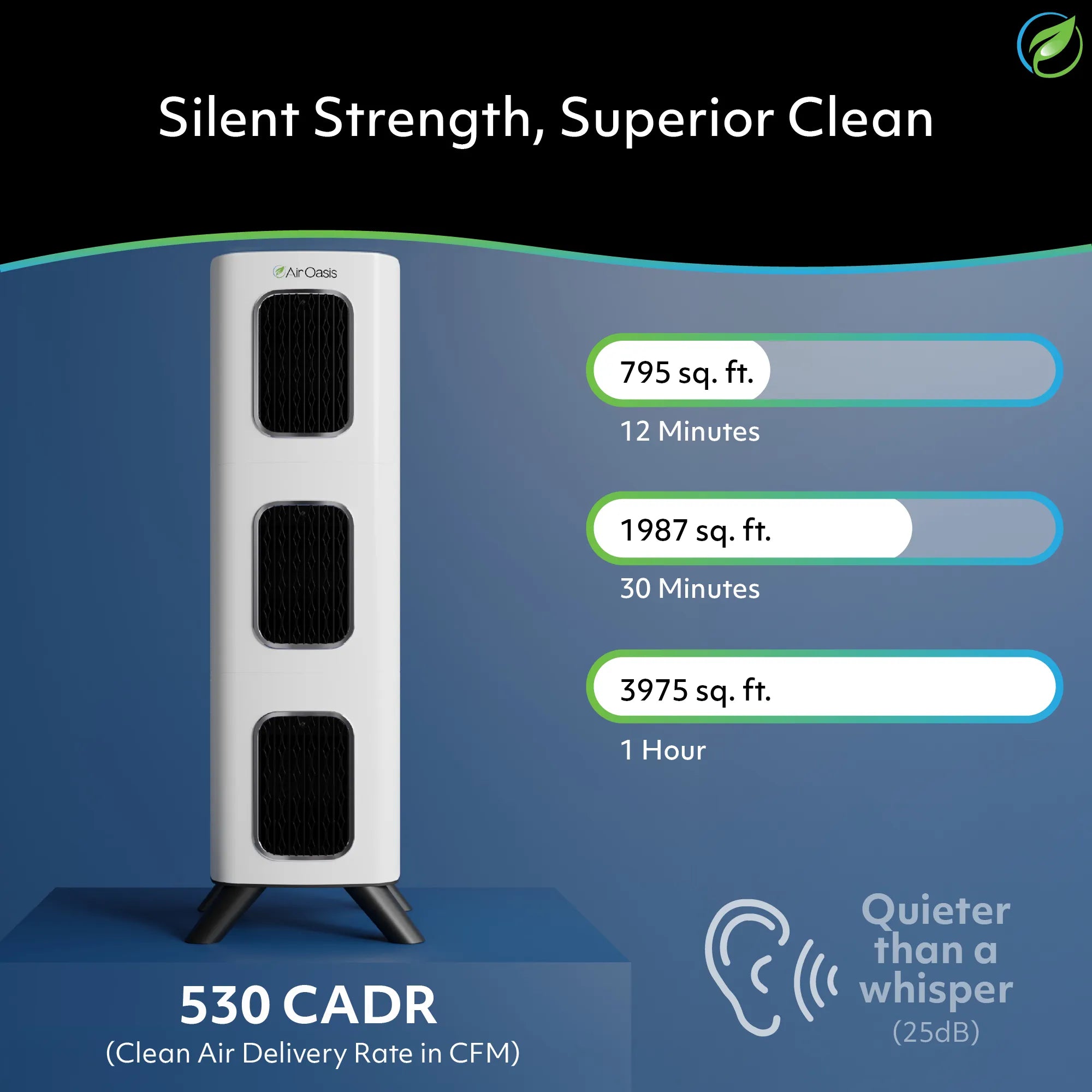
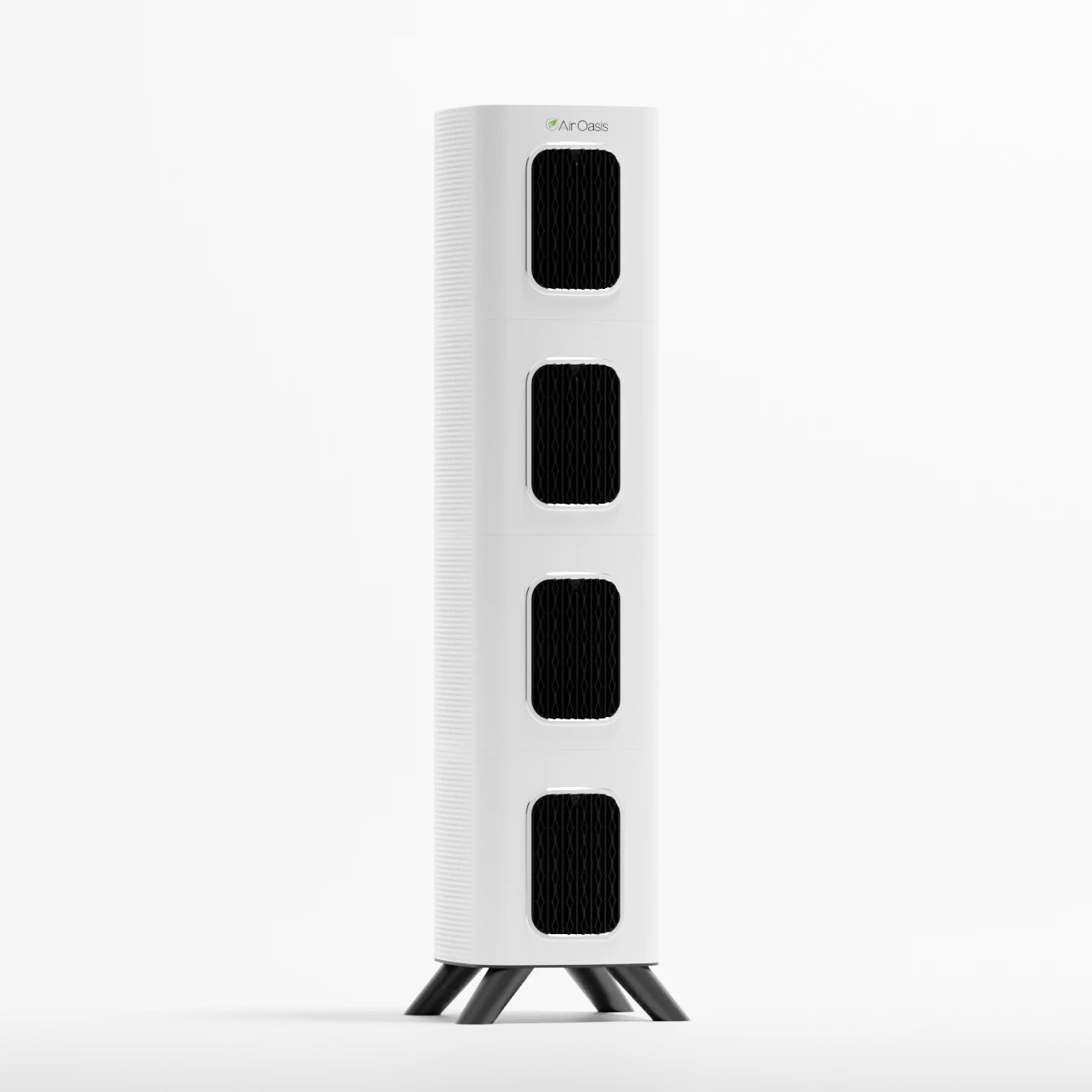
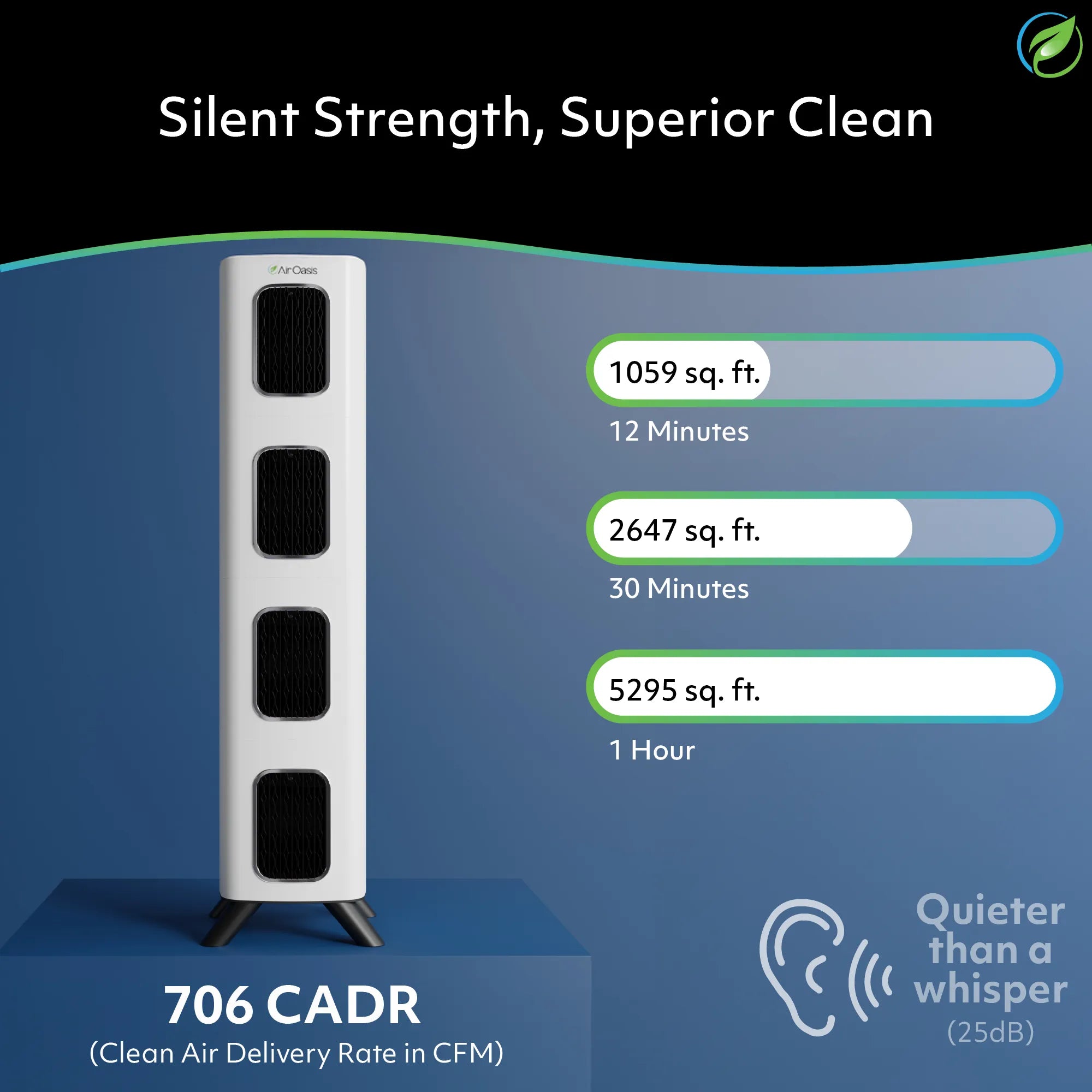
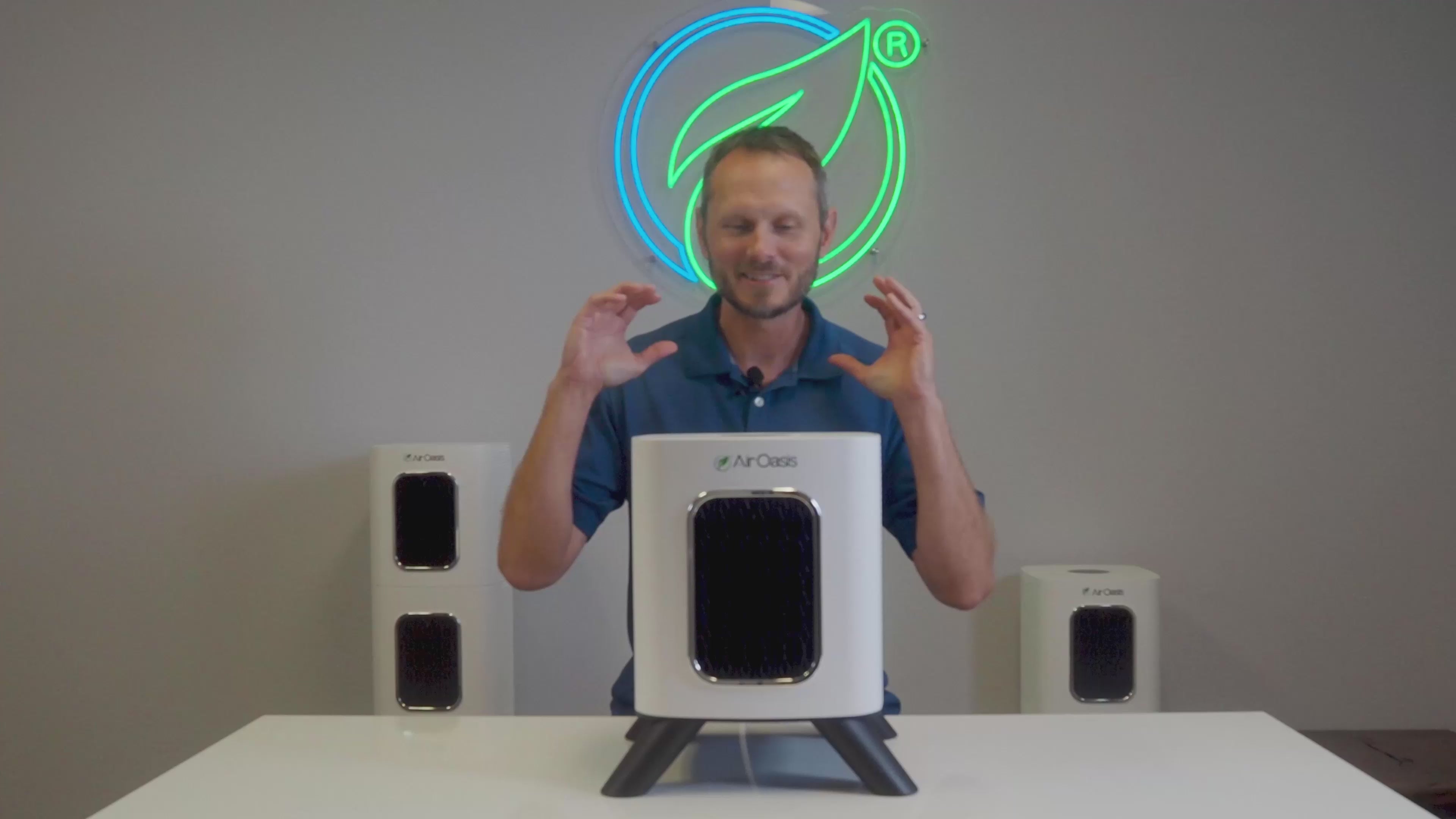
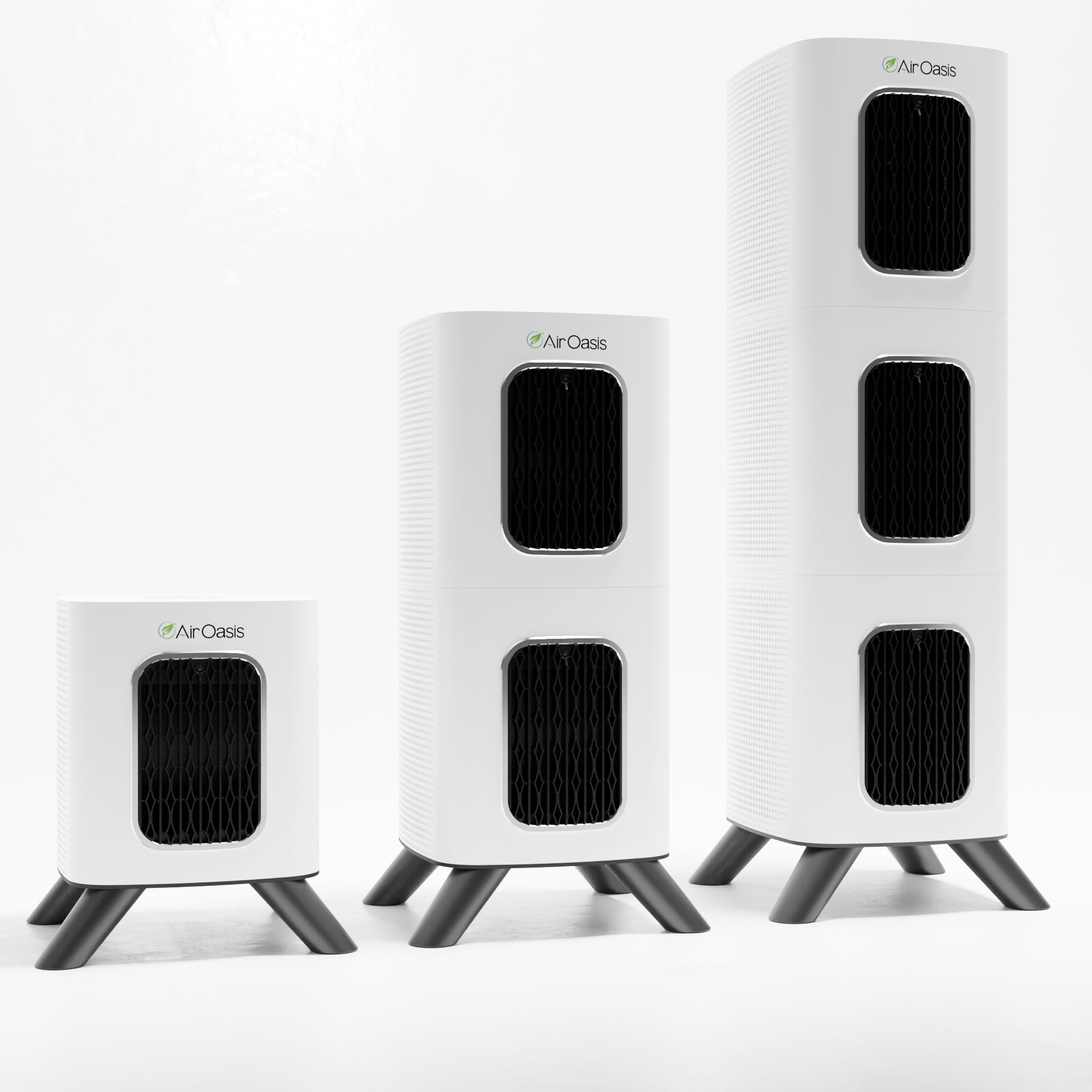
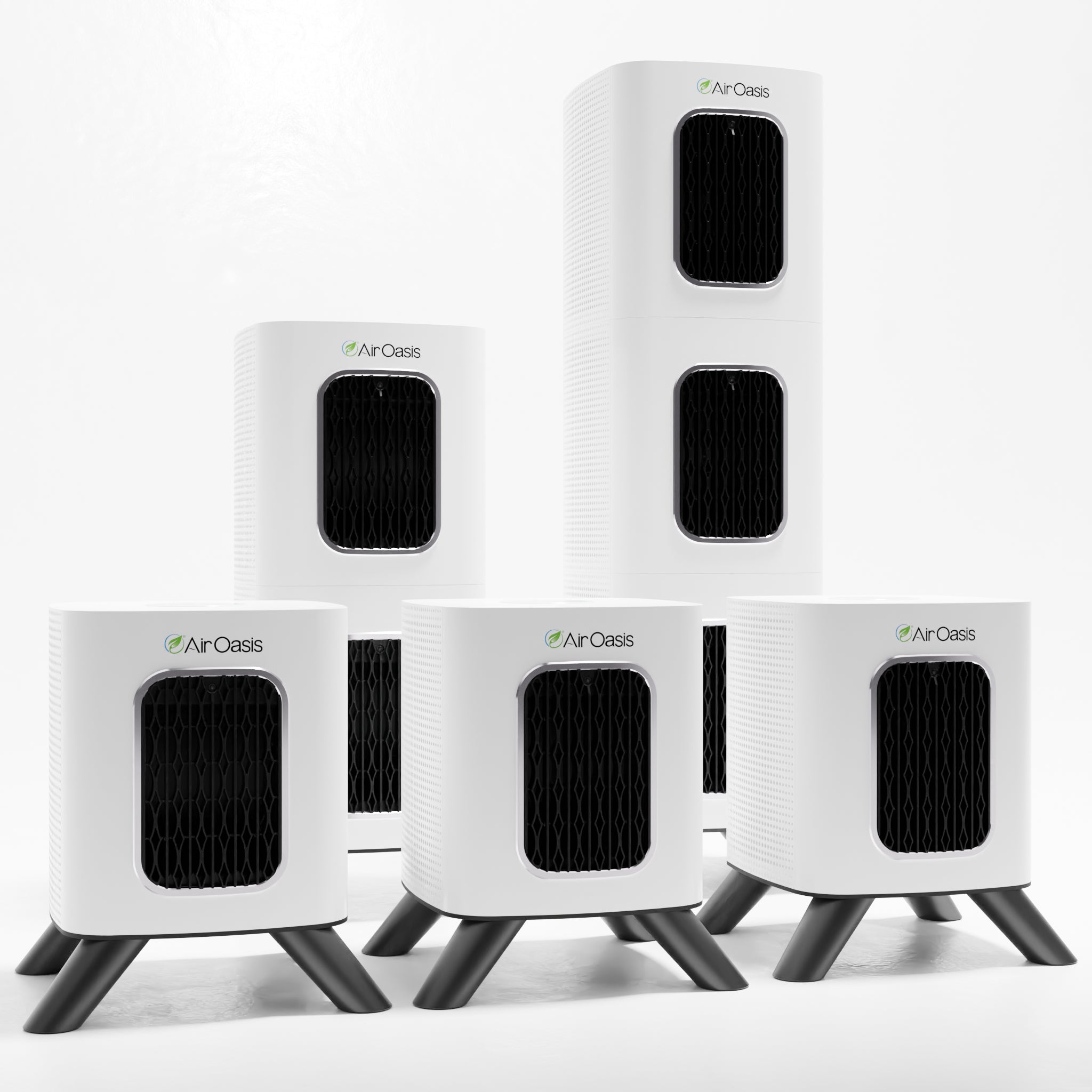
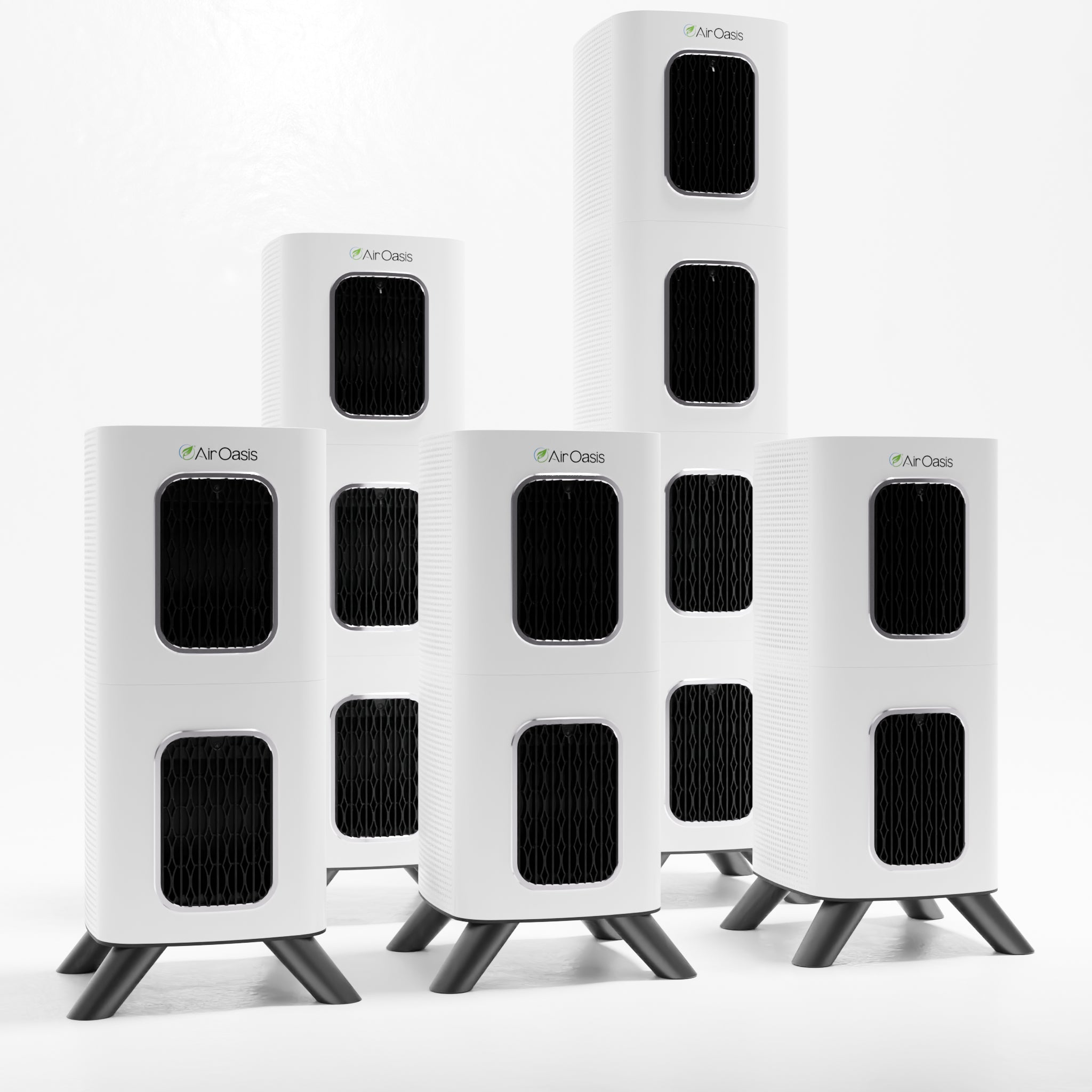
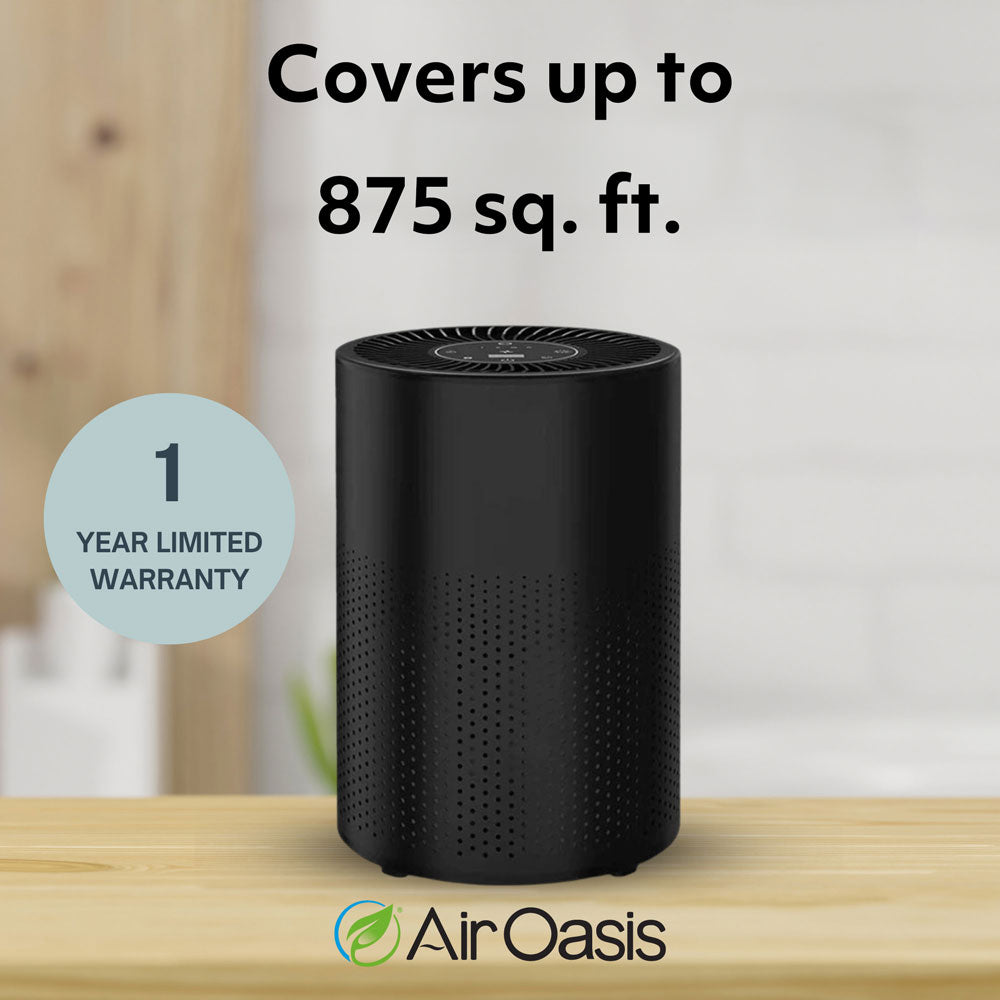
The iAdaptAir combines True HEPA filtration with activated carbon, UV-C, and bipolar ionization, which encourages fine particles to clump together and either settle or get captured by the filter. It's CARB-certified ozone-free, meaning it's safe for continuous use even for people with respiratory sensitivities. For a living room or bedroom where most vacuuming happens, the 2S covers 265 square feet, the 2M covers 530. The 2L handles 795 square feet and the 2P handles 1,059. Keep doors closed during operation and maintain four inches of clearance on all sides.
Vacuuming making your allergies worse isn't a failure of effort. It's a predictable result of how fine particles behave when disturbed, and of how some vacuums handle those particles. Better equipment, smart timing, and an air purifier that's running before and after you clean all make a real difference. Breathe Better, Live Better. Shop Air Oasis and keep the air working for you, not against you.