You wake up stuffy, sneezing, and congested — and you've been sleeping on the same feather pillows for years. Sound familiar? Many people assume the only answer is to throw out their bedding and start fresh. But the truth is more nuanced. Depending on what's actually triggering your reaction, you may have more options than you think.
What's Actually Causing Your Reaction
Before doing anything else, it helps to understand what you're reacting to. Most people assume they're allergic to the feathers themselves. In many cases, that's not accurate. Feather pillow allergies often stem from one of three sources: proteins in bird feathers, dust mites living inside the pillow, or mold and mildew from the moisture the pillow has absorbed over time.
Dust mites are the most common culprit. These microscopic creatures thrive in warm, humid environments and feed on shed skin cells. A feather pillow is an ideal habitat — dense, warm, and typically not washed often enough. An estimated 5 to 8 percent of the population is sensitive to feather proteins specifically, but dust mite sensitivity is far more widespread, affecting millions of people with allergies and asthma.
Knowing which trigger applies to you matters because the management strategies differ. A true feather protein allergy requires avoiding feathers entirely. Dust mite sensitivity, on the other hand, can often be reduced significantly through proper pillow care and environmental control — without necessarily replacing the pillow.
How to Tell If It's the Feathers or Something Else
Your symptom pattern offers useful clues. If you wake up congested every morning but feel better within an hour of getting up, that strongly points to a bedding allergen rather than a seasonal trigger. If symptoms ease up when you travel and sleep in different bedding, that narrows it further.
The most reliable way to know is a patch test or skin prick test performed by an allergist. They can test for specific proteins — including feather proteins and dust mite proteins — to identify what's actually driving your immune response. Getting a proper diagnosis before making changes saves both money and guesswork.
If dust mites are the confirmed trigger, replacing your feather pillow with synthetic filling may actually make things worse. Research indicates that synthetic materials can be more hospitable to dust mites than natural down in some circumstances. The real intervention is reducing mite populations through heat, washing, and encasements — regardless of pillow type.
Practical Management Strategies That Work
If you're committed to keeping your feather pillows and addressing the underlying allergen load, these steps make a real difference.
Washing your pillows in hot water — at least 130°F — effectively kills dust mites. Most feather pillows can be machine-washed, but check the care label first and dry them thoroughly to prevent mold growth inside the fill. Pillows should be washed at minimum every three to six months, and ideally more often if symptoms are persistent.
Pillow encasements are one of the most effective single interventions for dust mite allergies. A tightly woven, allergen-proof cover goes over the pillow and under the pillowcase. It creates a physical barrier between you and the allergens without requiring you to change the pillow itself. Look for encasements specifically rated for dust mite protection, as standard pillowcases offer no meaningful barrier.
Keeping bedroom humidity below 50 percent is important. Dust mites struggle to survive in drier air, and lower humidity also prevents the mold growth that feather fill can sustain after absorbing moisture from sweat. A basic hygrometer tells you where your bedroom humidity sits. A dehumidifier can bring it down if needed.
Replacing pillows every one to two years is worth factoring in regardless of washing habits. Over time, the allergen load inside a pillow accumulates to a point where washing becomes less effective. A newer pillow, properly maintained from the start, carries far less of a burden.
When Replacement Is the Right Call
For people with confirmed sensitivity to feather proteins, management strategies may reduce symptoms but won't eliminate them. The immune system will continue to react every time those proteins are present, even in small amounts. In that case, switching to synthetic fill — microfiber or memory foam — removes the trigger at its source.
People with asthma who experience nighttime worsening, or those who have had severe allergic reactions tied to bedding exposure, should consult an allergist before relying on management alone. Some individuals with a combination of feather protein sensitivity and dust mite sensitivity need to address both, which typically means a full bedding switch alongside environmental controls.
The Role of Bedroom Air Quality
Here's what most pillow allergy advice overlooks: the pillow is only one part of the equation. Allergens released by your pillow become airborne particles. They float through your bedroom air and you breathe them in throughout the night. Encasements reduce direct contact, but they don't eliminate airborne exposure.
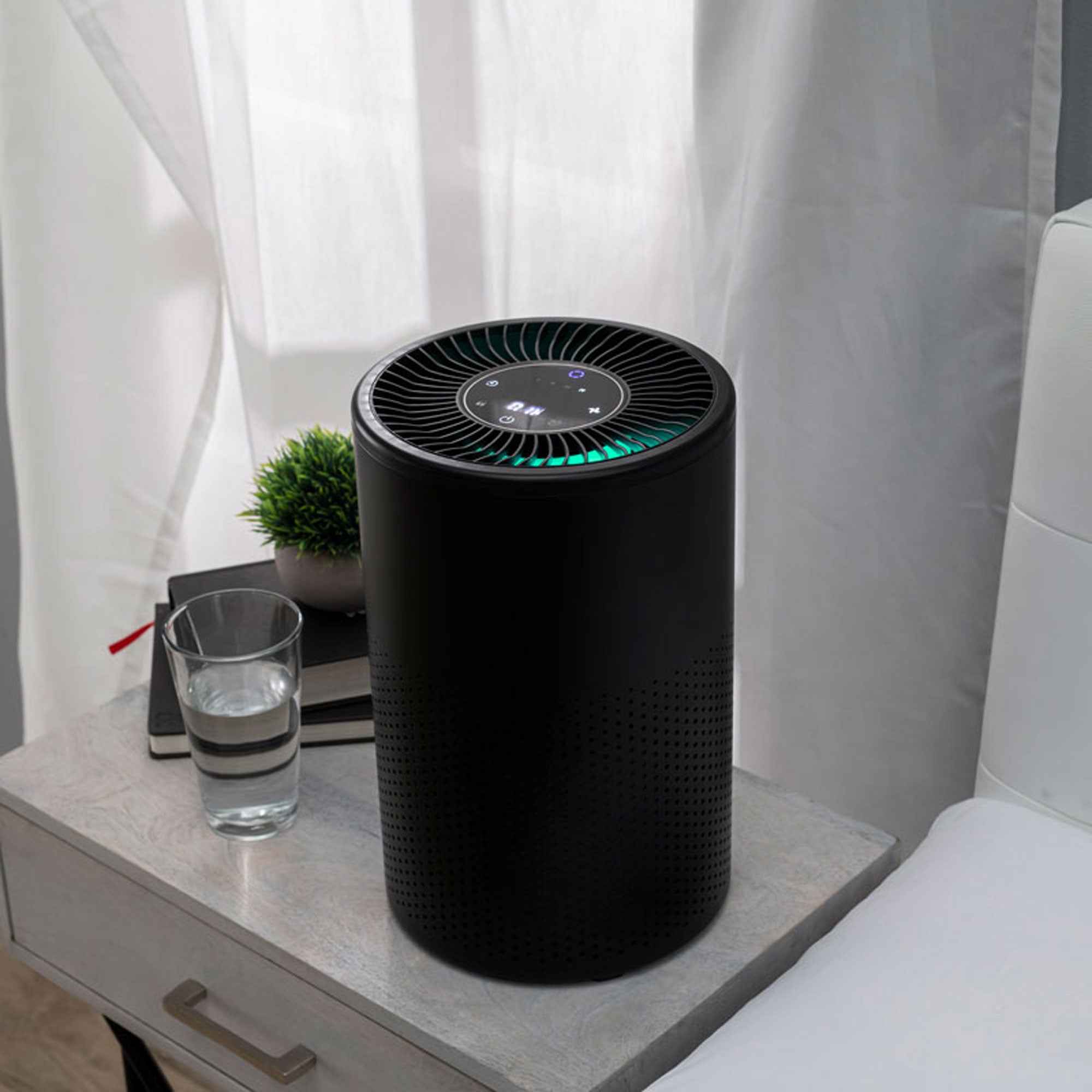
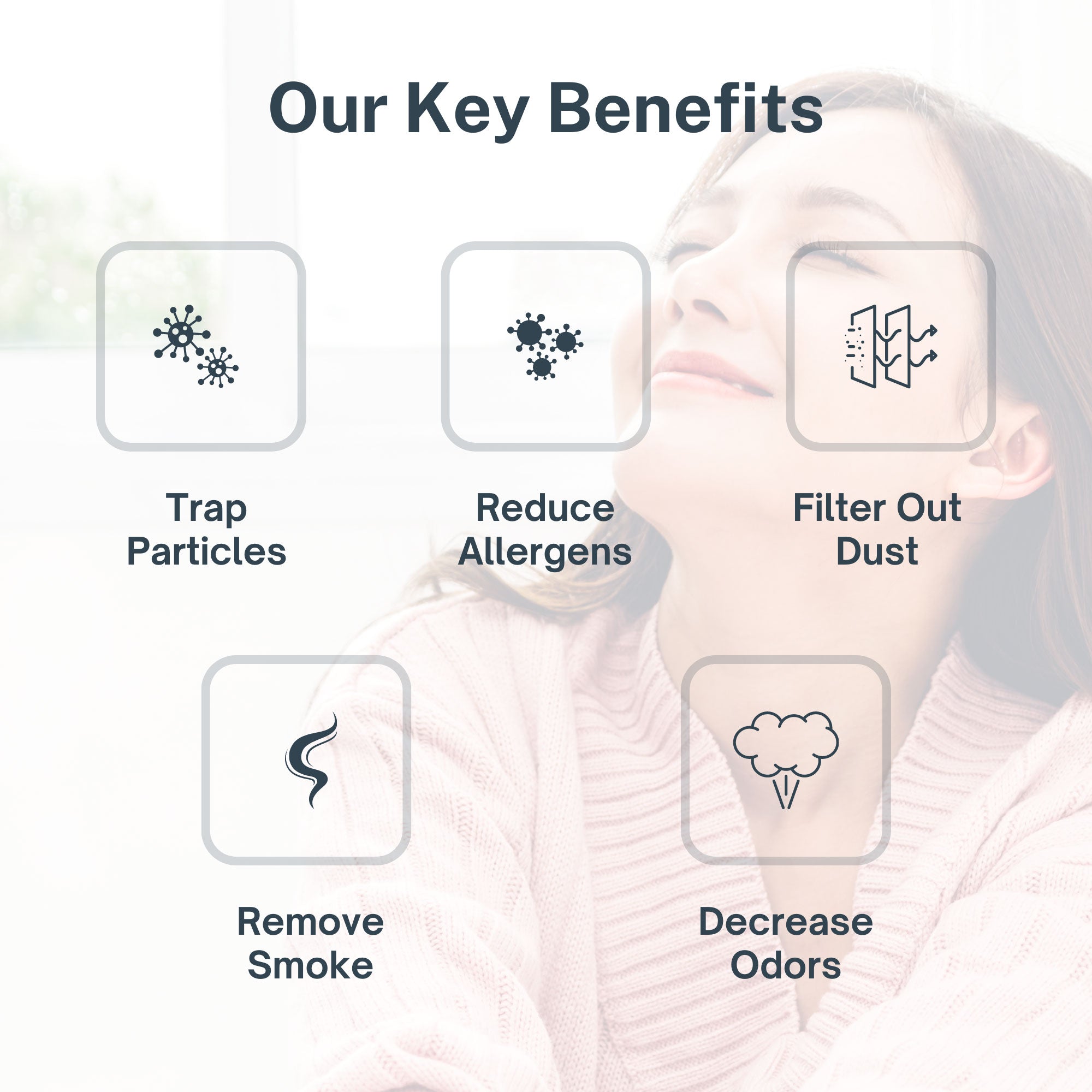
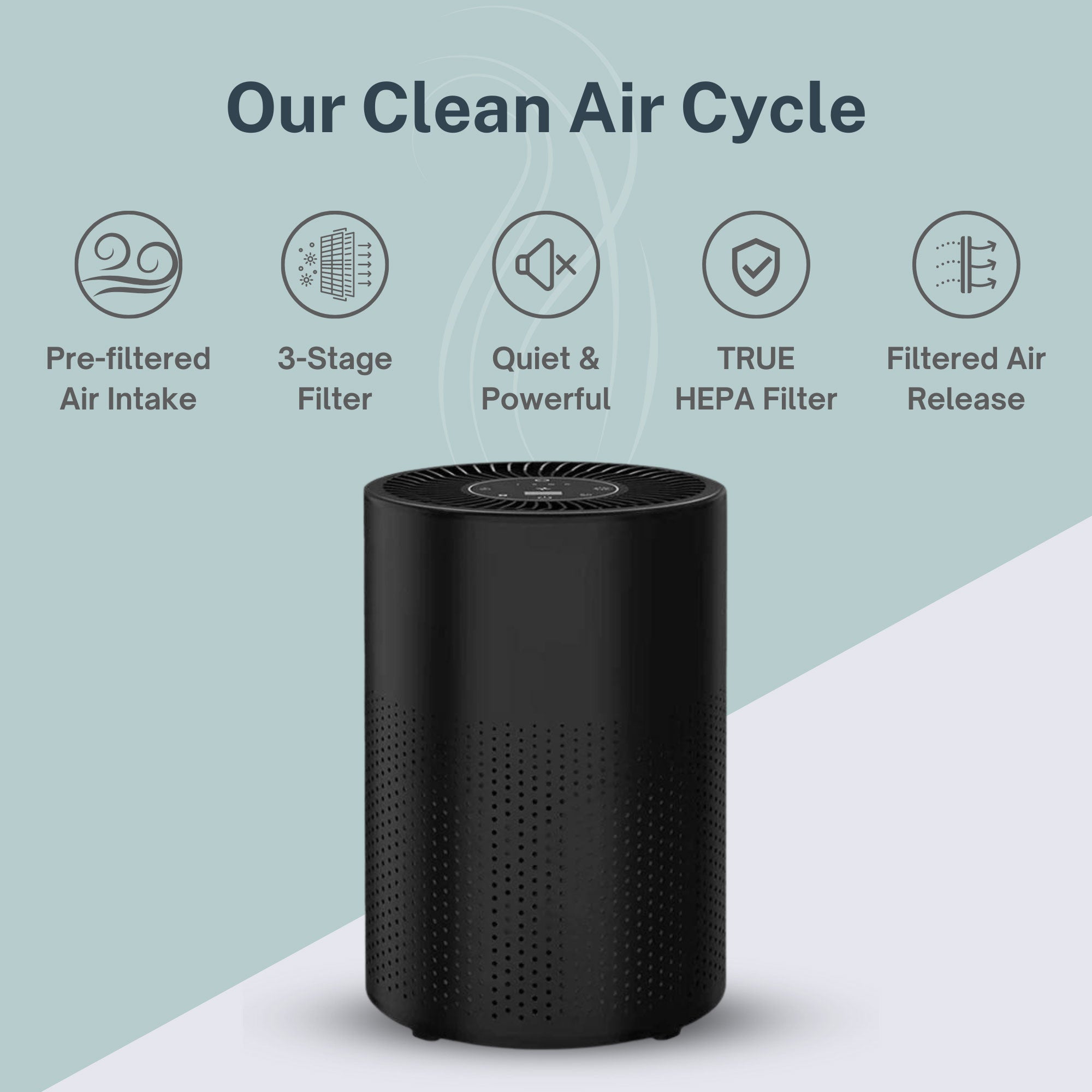
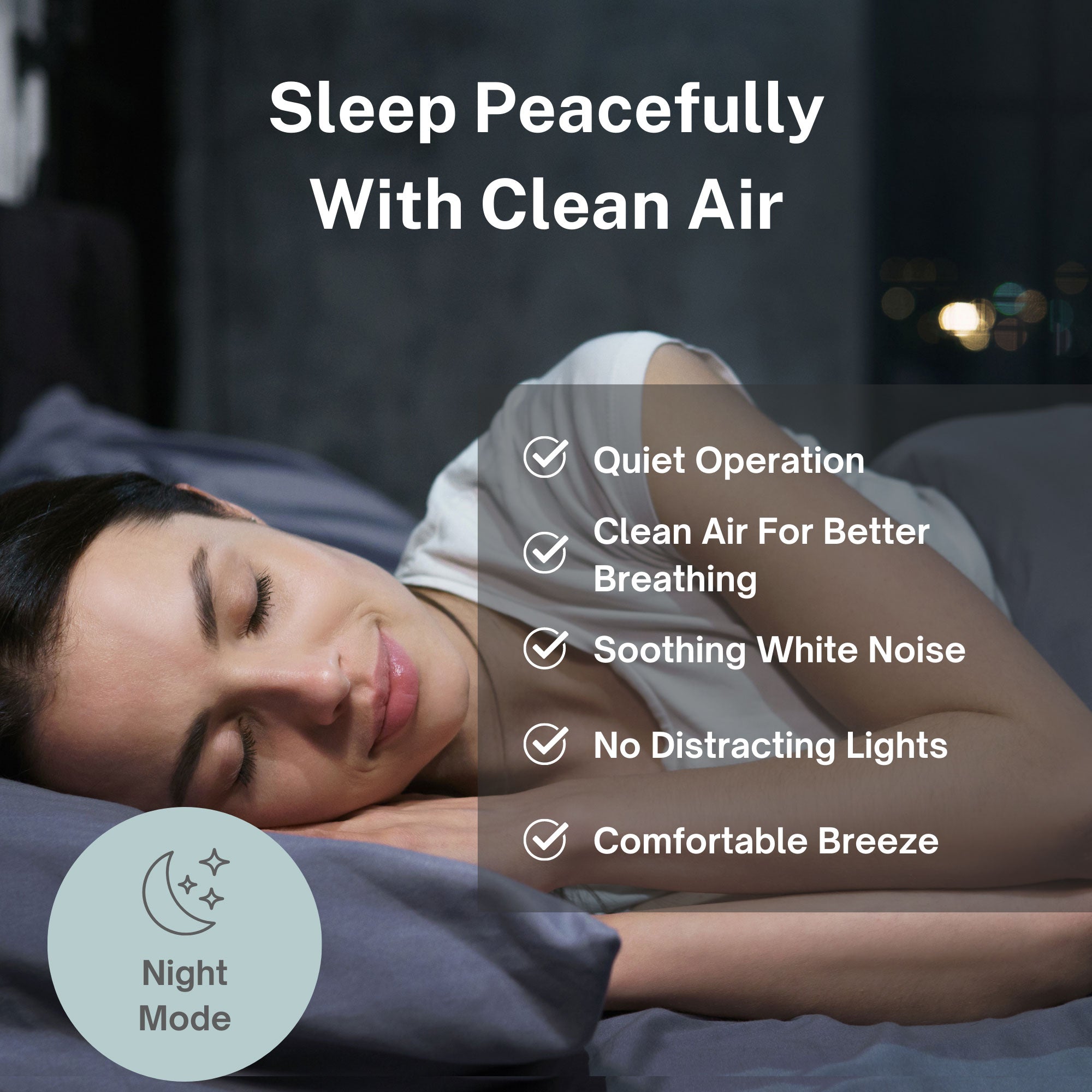
This is where bedroom air quality becomes a meaningful part of allergy management. An air purifier running in your bedroom while you sleep captures airborne allergens — dust mite particles, feather proteins, mold spores, pet dander — before you inhale them. It lowers the overall allergen load in the air you breathe for seven or eight hours every night.
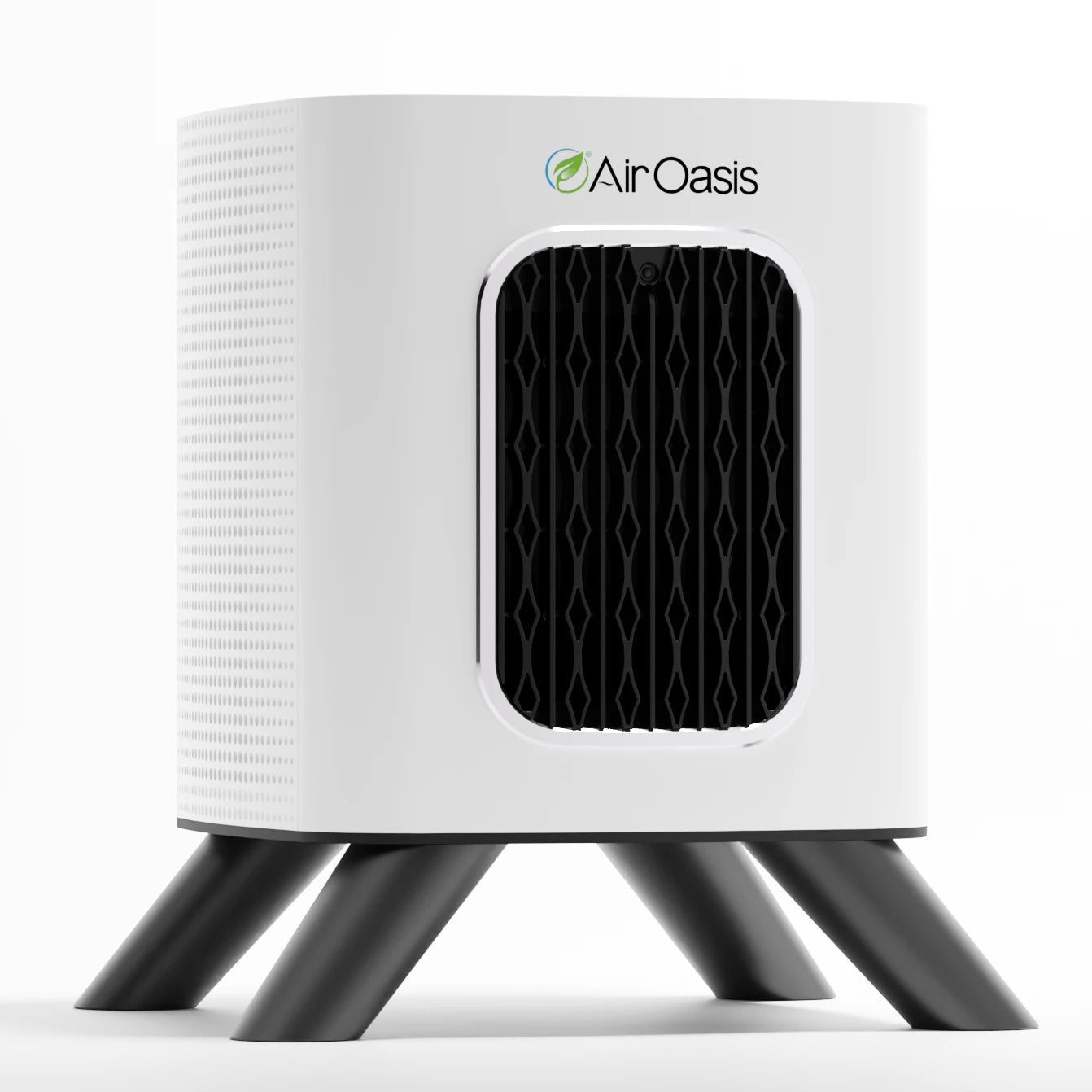
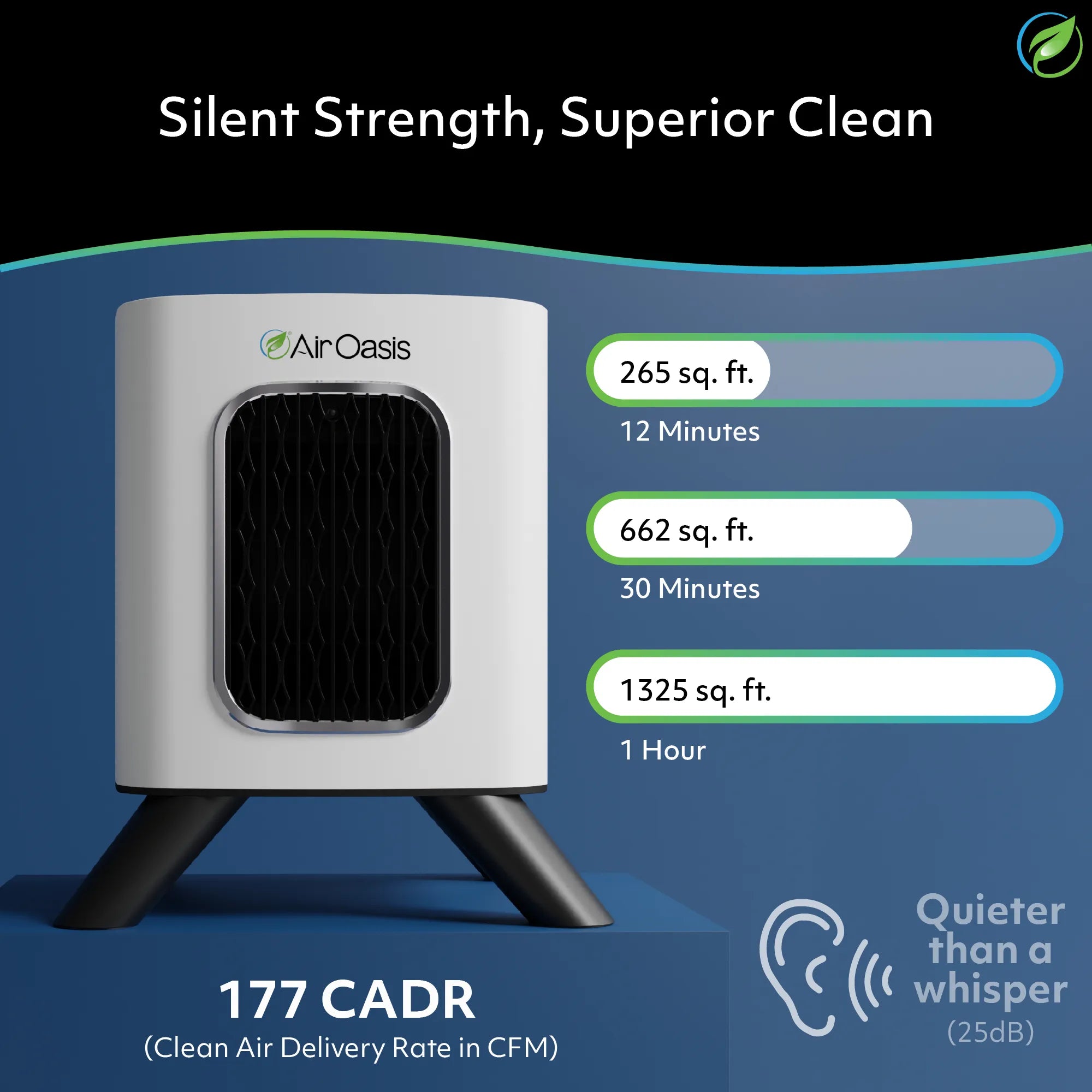
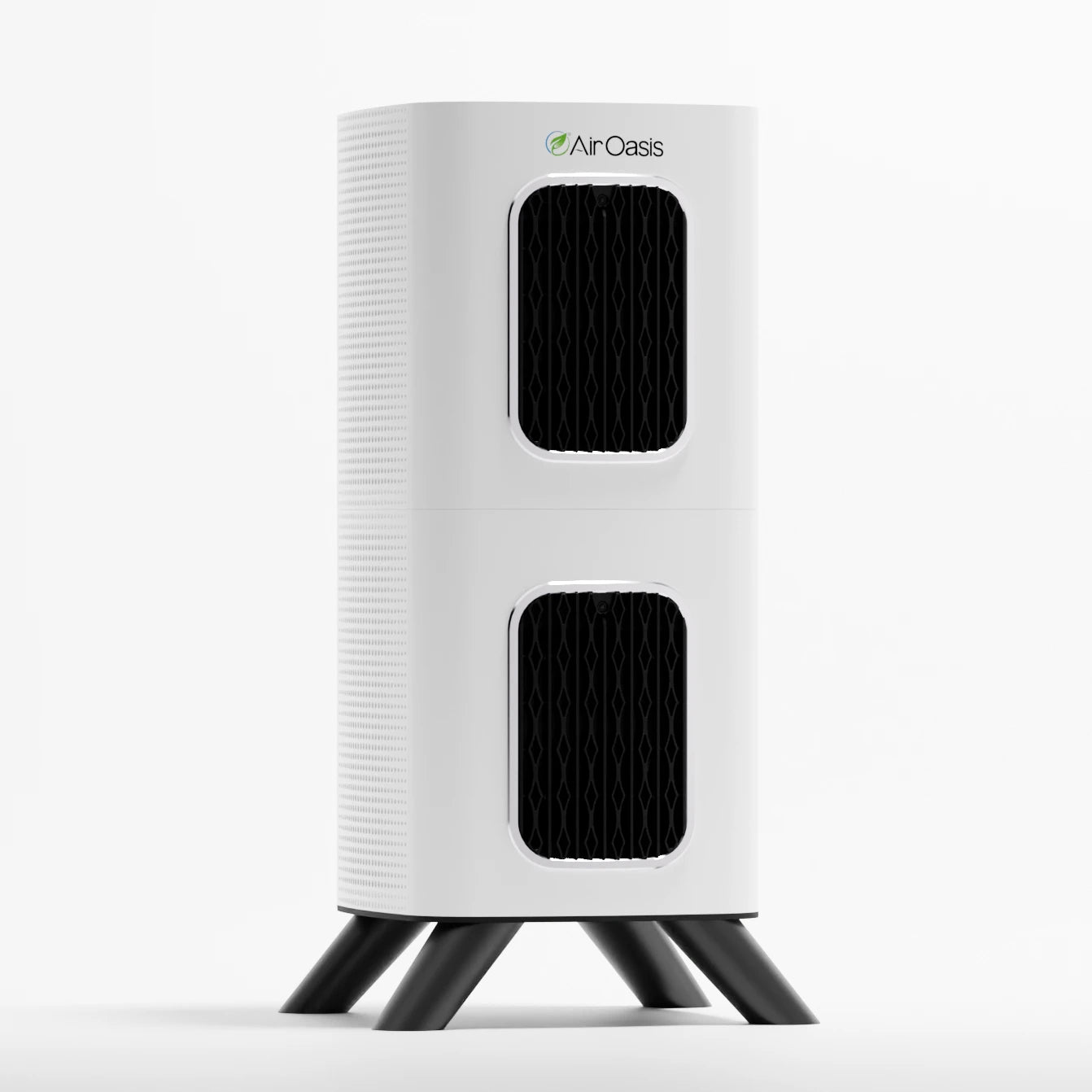
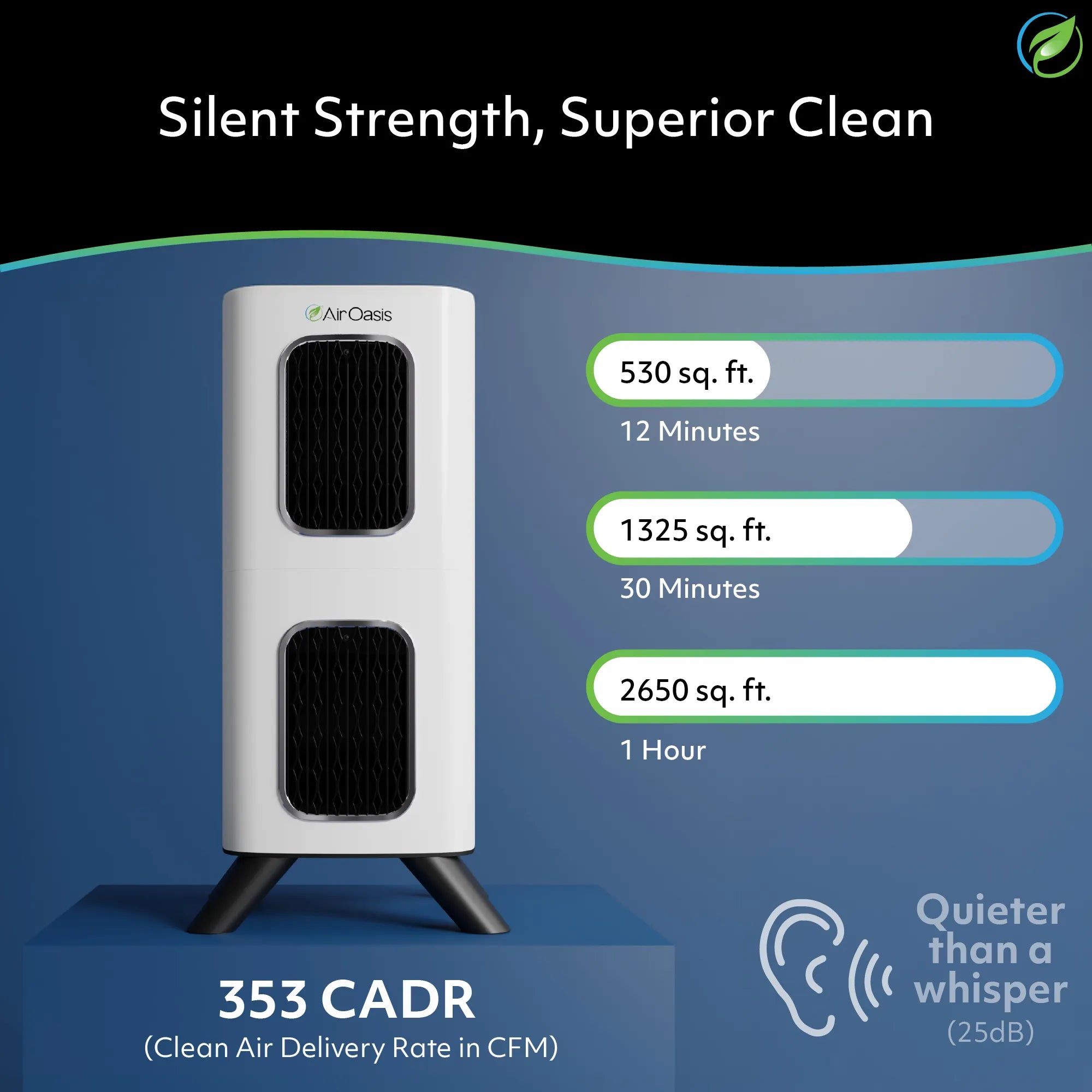
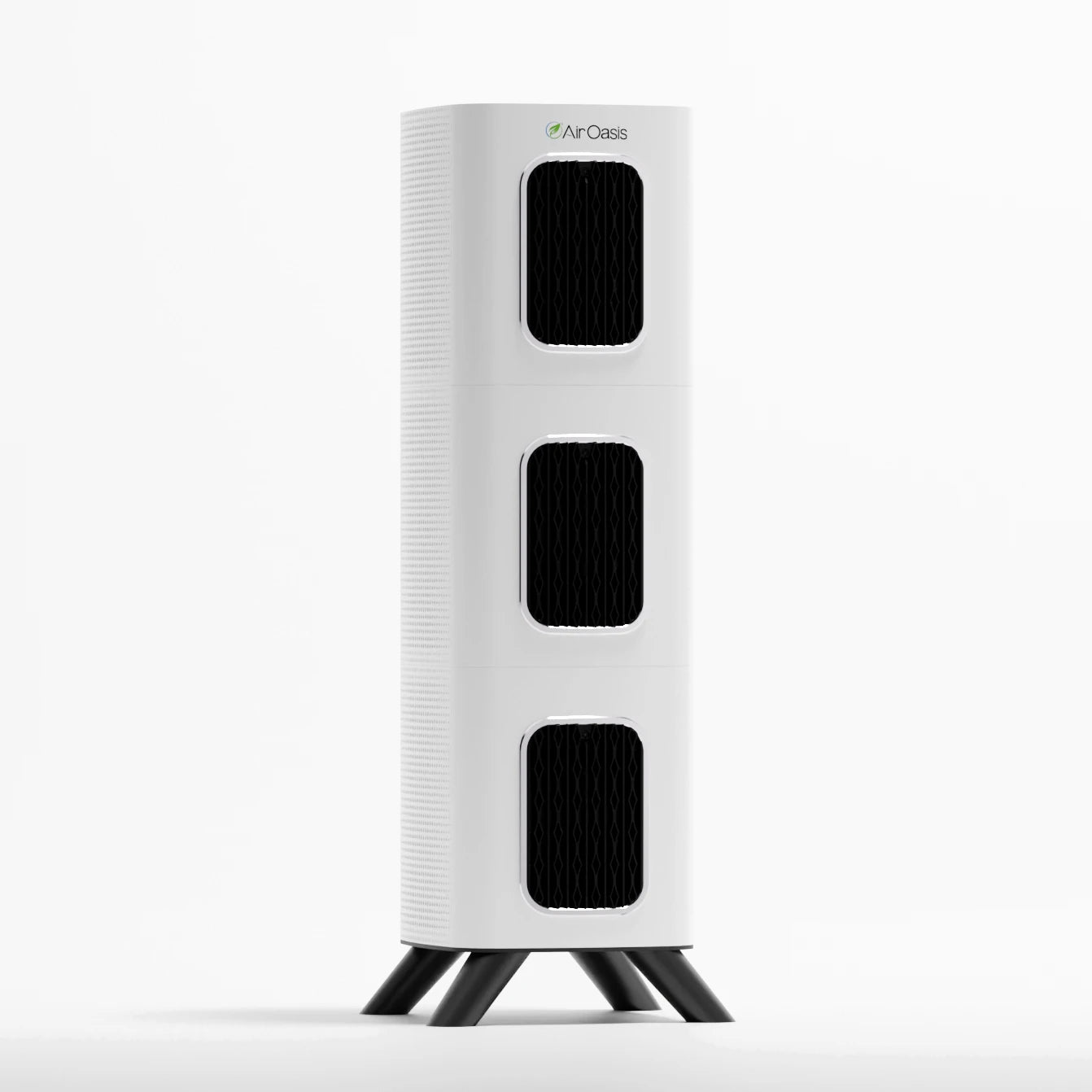
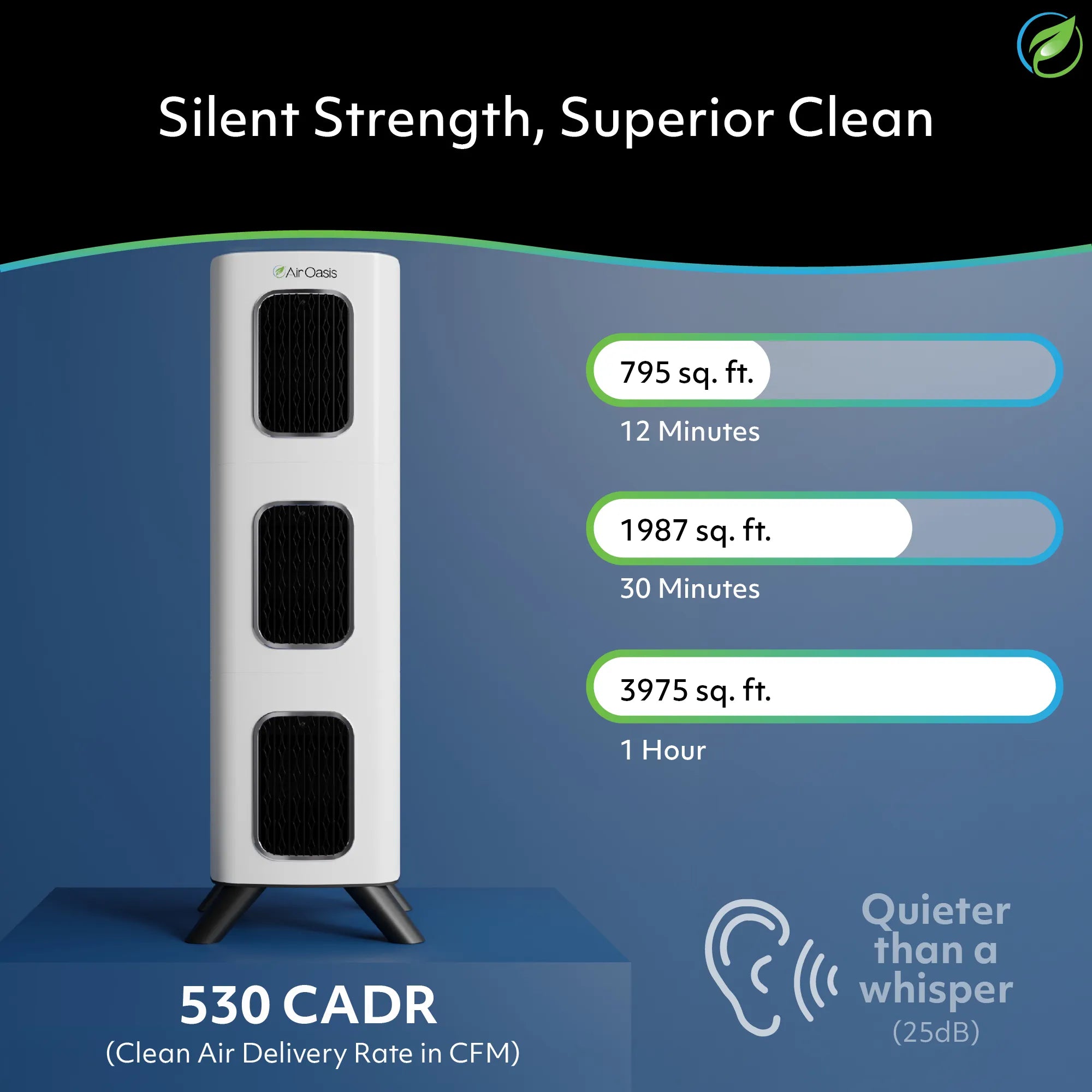
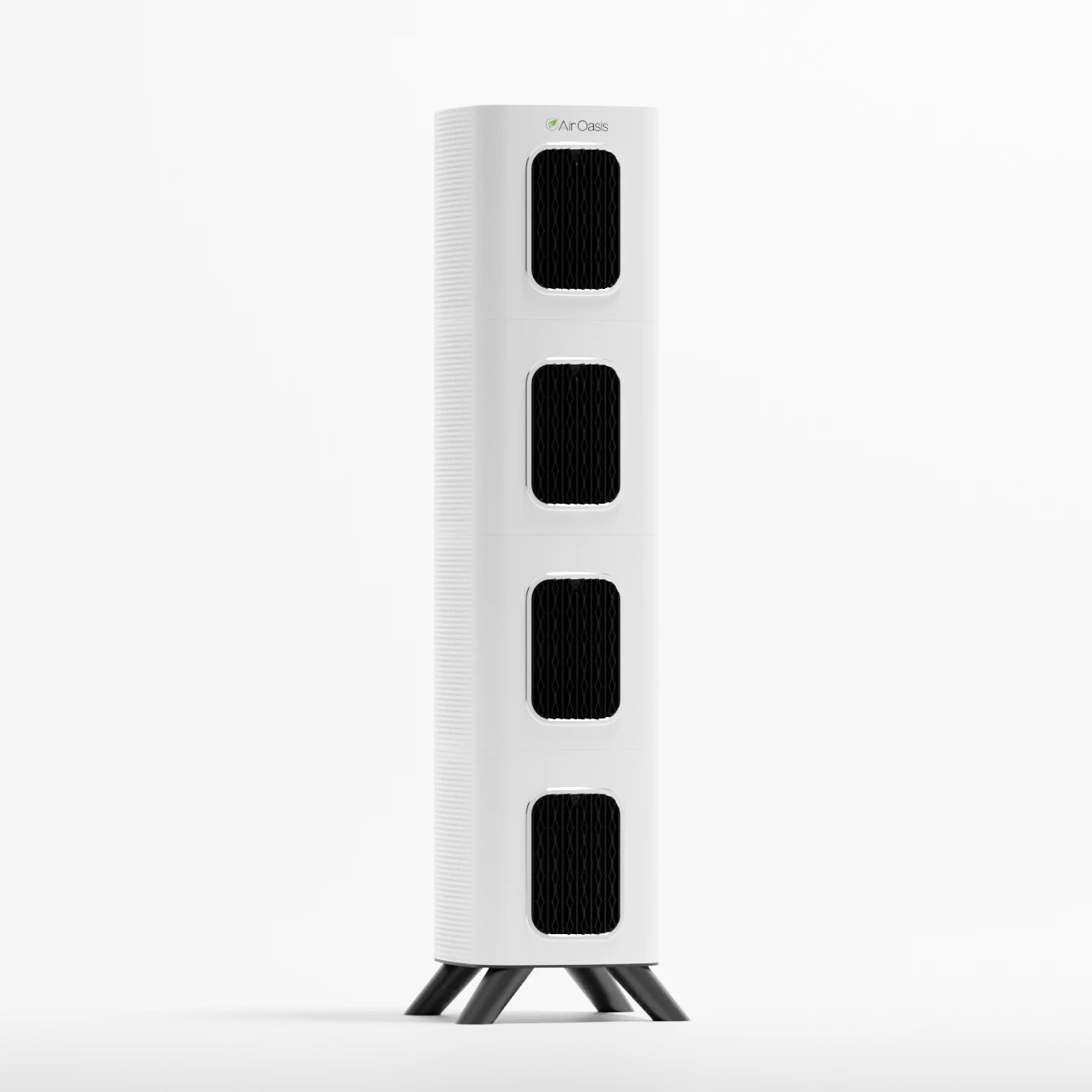
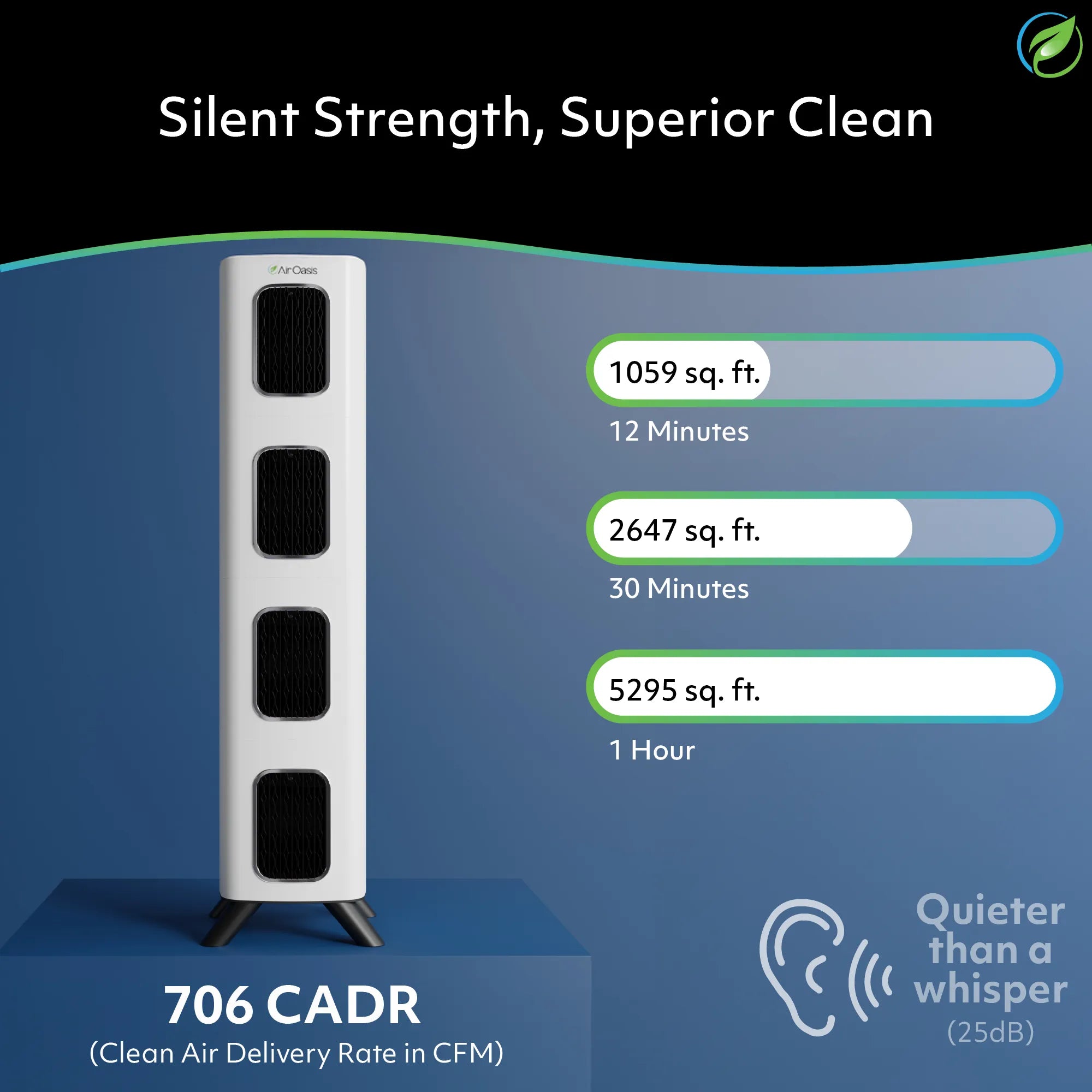
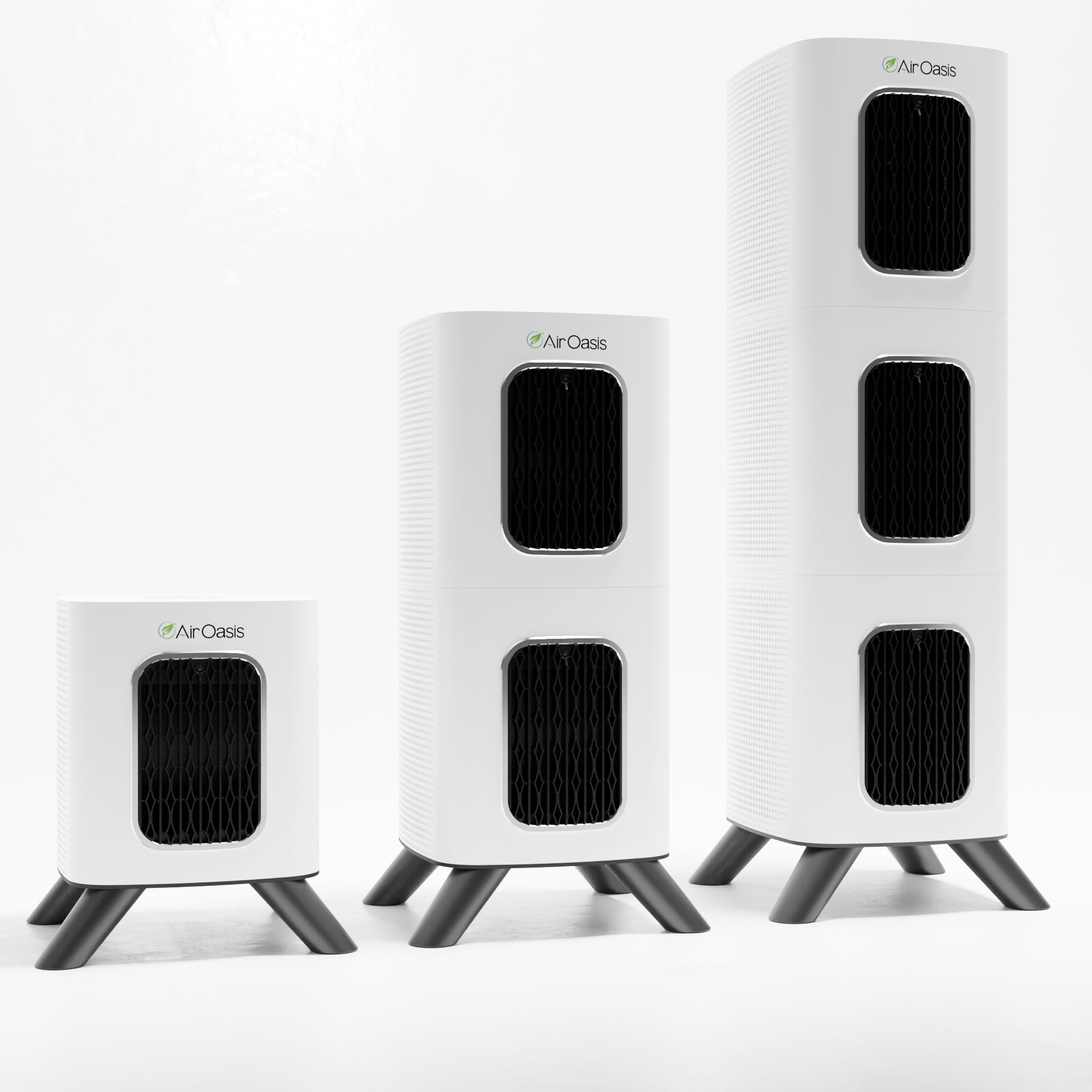
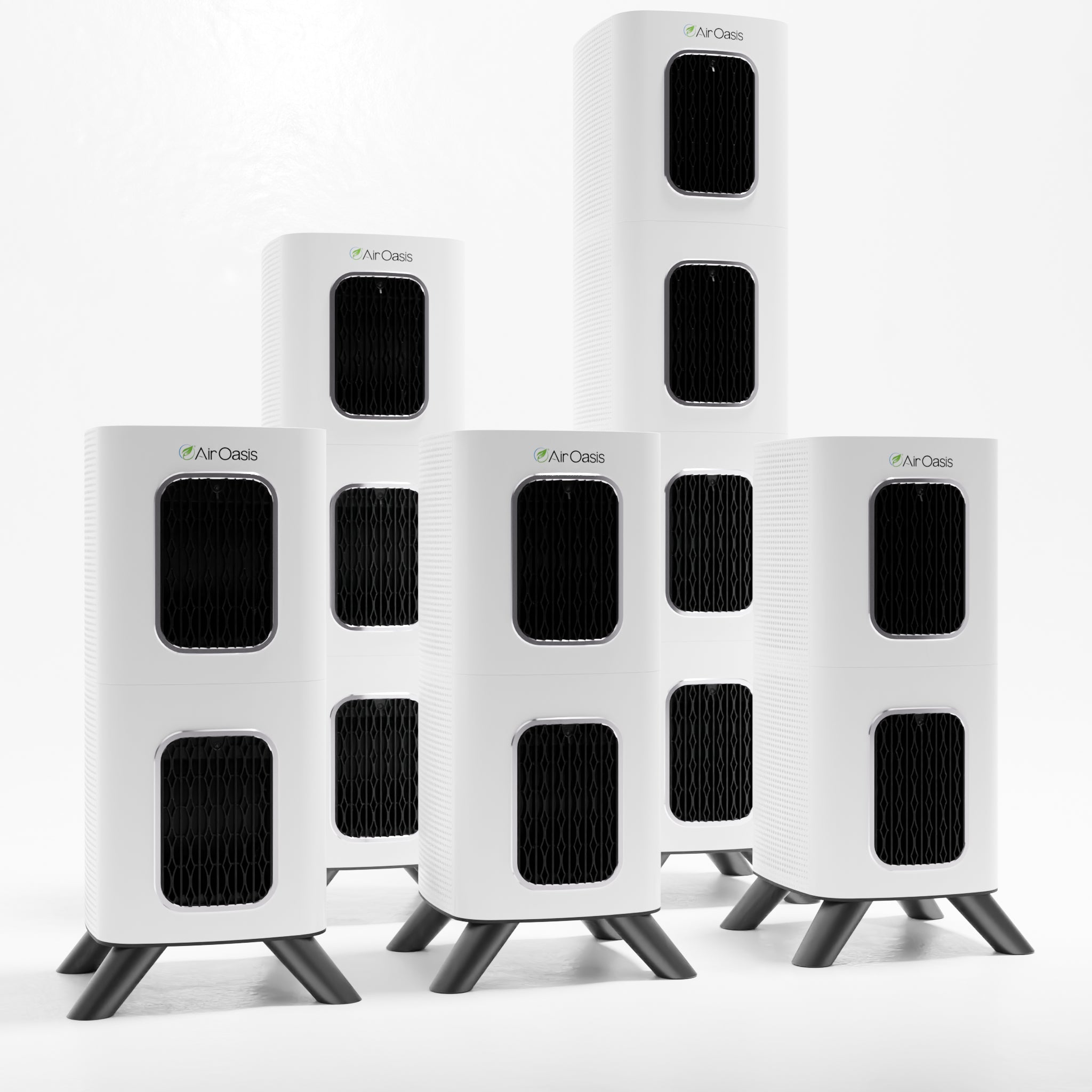
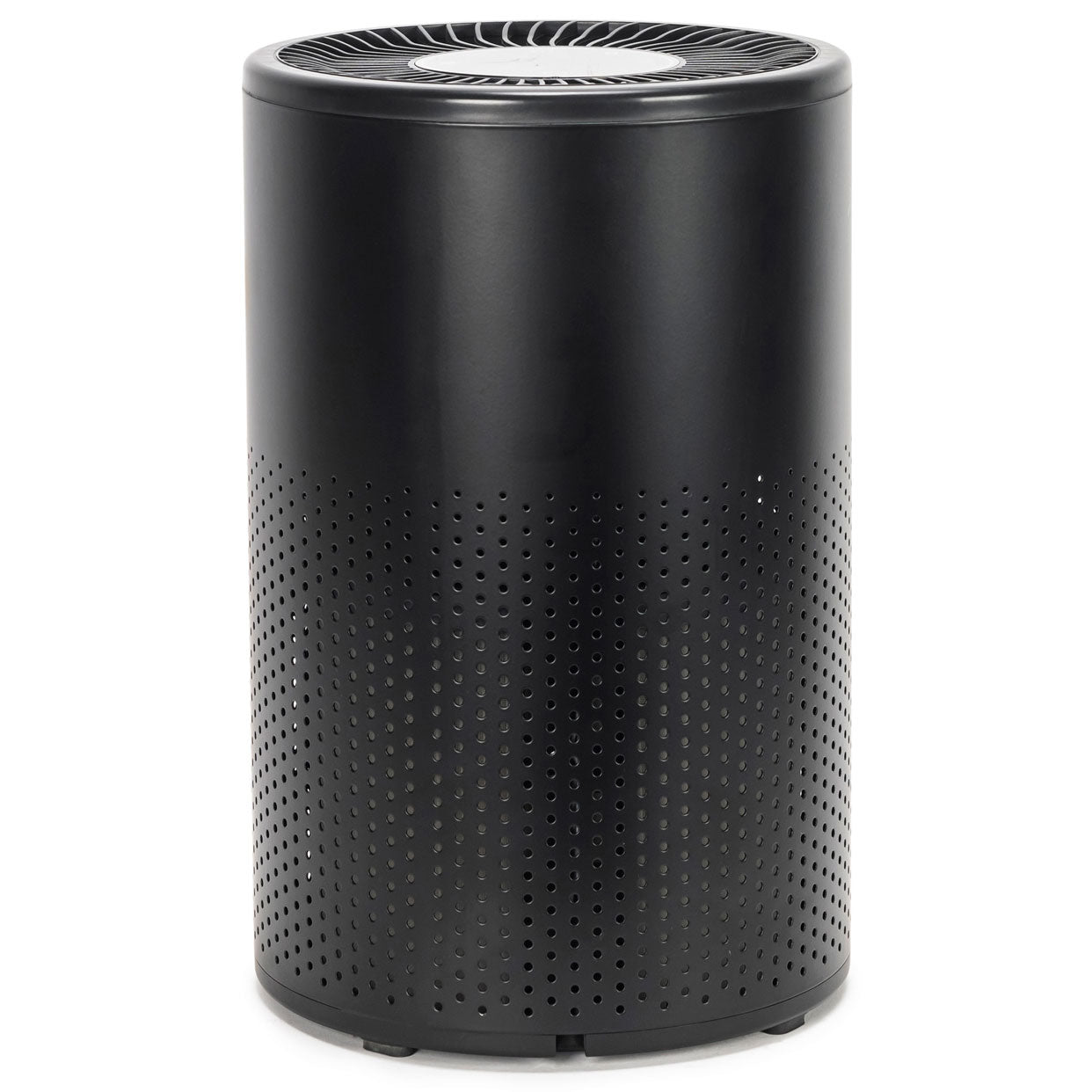
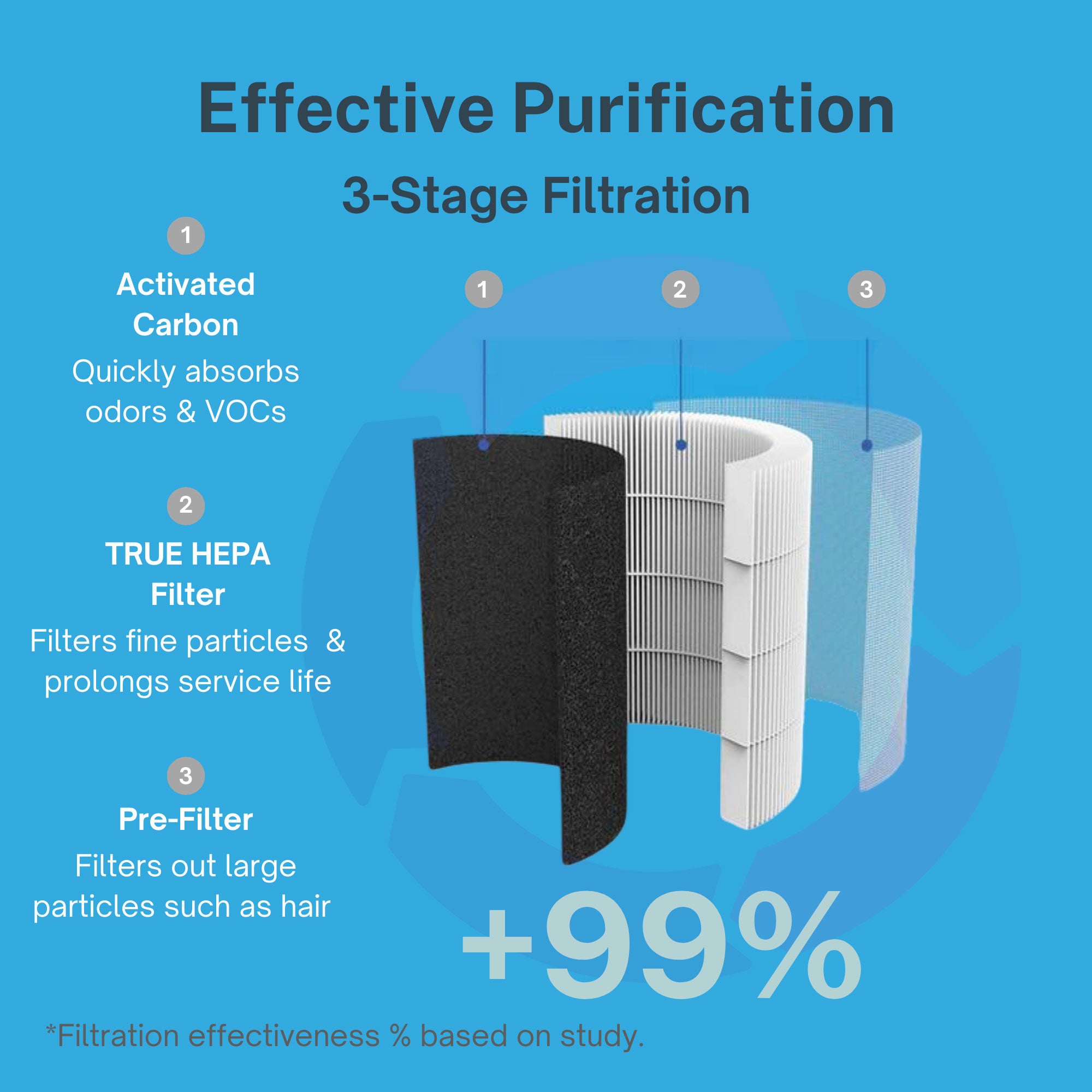
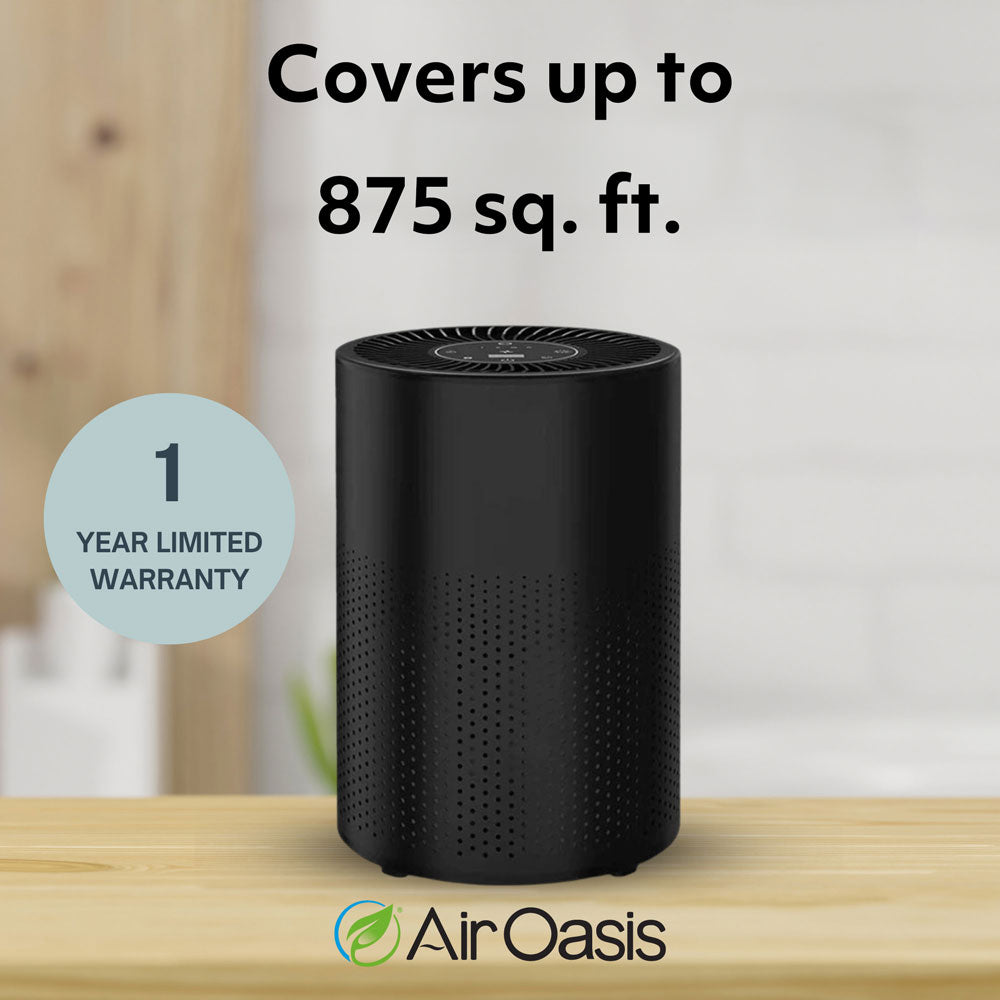
The iAdaptAir by Air Oasis uses True HEPA filtration, which captures particles as small as 0.3 microns — well within the size range of dust mite fragments and feather proteins. Running it in the bedroom creates a consistent layer of protection that works alongside whatever pillow management steps you take. It doesn't replace addressing the source, but it meaningfully reduces nightly exposure.
Better Sleep Starts With Cleaner Air
Managing a feather pillow allergy without replacement is realistic for many people — as long as you know what you're actually reacting to and take the right steps consistently. Wash your bedding regularly in hot water, use allergen-proof encasements, keep humidity down, and address the air in your bedroom, too.
Your bedroom should be a place of recovery. Don't let allergens work against you while you sleep. Shop Air Oasis today and give yourself the clean air your nights deserve.