You've never owned a horse. Maybe you've only been near one a handful of times. Yet suddenly your eyes water, your nose runs, and breathing becomes difficult around equestrian friends or their gear. How is this possible? The surprising truth is that horse allergies don't require years of barn time to develop. Even minimal, indirect exposure can trigger sensitization that leads to full-blown allergic reactions.
Understanding How Horse Allergen Exposure Actually Works
Horse allergens behave differently than most people expect. These microscopic proteins don't stay confined to barns and riding arenas. They travel on clothing, equipment, and even in the air across surprising distances. When someone who works with horses enters your home or office, they carry horse dander on their jacket, jeans, and shoes. Your immune system doesn't distinguish between direct contact with a horse and exposure to these allergens transported by the horse.
The primary culprits behind horse allergies are proteins found in dander, saliva, and sweat. Horse dander contains particularly potent allergens designated as Equ c1 through Equ c5. These proteins belong to the lipocalin family, which also includes allergens from cats, dogs, and rodents. Your immune system recognizes these proteins as threats and produces antibodies called Immunoglobulin E in response.
What makes horse allergens especially problematic is their airborne nature. Studies measuring allergen concentrations found horse proteins in air samples collected forty meters away from stables. Inside barns, airborne horse allergen levels are measured at more than 500 times the levels in outdoor areas just outside stable doors. These allergens remain suspended in the air for extended periods, meaning brief visits near horse environments expose you to significant quantities.
Why Sensitization Happens With Minimal Contact
Your immune system operates on exposure patterns rather than duration. Repeated brief encounters with horse allergens can sensitize you just as effectively as prolonged daily contact. Each exposure trains your immune system to recognize and react to horse proteins. Over time, your body develops stronger responses, producing more antibodies with each encounter.
Children are particularly vulnerable to developing horse allergies from limited exposure. Research tracking allergen sensitization in children found that horse dander ranked as the fifth most common allergen, causing reactions in people who never regularly work with horses. Young immune systems sensitize more readily than adult systems, meaning even occasional pony rides or visits to petting zoos can trigger lasting allergic responses.
Cross-reactivity amplifies sensitization risks. If you already have allergies to cats, dogs, or other mammals, your existing antibodies may recognize similar proteins in horse dander. This phenomenon, called molecular mimicry, means your body mistakes horse allergens for substances it already fights. You might develop horse allergy symptoms after a single exposure because your immune system already knows how to attack proteins structurally similar to horse allergens.
Indirect Exposure Routes Most People Overlook
Clothing carries horse allergens. Friends and family members who ride regularly transport dander into your living spaces on their riding clothes, boots, and outerwear. These allergens transfer to furniture, carpets, and other surfaces where they remain active for months. You develop exposure simply by sitting on a couch where an equestrian friend previously sat in their barn clothes.
Schools and workplaces harbor transported horse allergens more often than realized. Classrooms with students who own horses, offices with coworkers who ride, and public transportation used by equestrians all have measurable levels of horse dander. Your repeated exposure to these environments slowly sensitizes your immune system, even though you never come into contact with an actual horse.
Equipment and gear function as allergen carriers, too. Horse blankets, saddle pads, grooming supplies, and riding helmets all accumulate heavy dander deposits. Helping a friend clean tack or borrowing riding equipment exposes you to concentrated allergen levels. Even new equestrians purchasing used equipment inherit allergen exposure from previous owners.
Recognizing Symptoms That Signal Developing Allergies
Initial reactions often appear mild and easily dismissed. Your eyes might feel slightly itchy after visiting a friend's farm. Your nose runs a bit when someone wearing riding clothes sits nearby. These subtle symptoms indicate your immune system already recognizes and responds to horse allergens. Ignoring early warning signs allows sensitization to progress unchecked.
Respiratory symptoms escalate as allergies develop. Sneezing fits, nasal congestion, and postnasal drip become more frequent and severe with each exposure. Some people develop wheezing or chest tightness, indicating their airways react to inhaled horse proteins. Asthma patients face particular danger because horse allergen exposure can trigger life-threatening bronchospasm requiring emergency treatment.
Skin reactions provide visible allergy confirmation. Direct contact with surfaces contaminated with horse dander can cause hives, redness, or itching. Your arms might break out in welts after petting a horse or handling riding equipment. These contact reactions demonstrate how powerfully your immune system responds to horse proteins.
Delayed reactions complicate diagnosis. Symptoms sometimes appear hours after exposure rather than immediately. You might feel fine during a barn visit but develop breathing difficulties that evening. This delayed pattern makes connecting symptoms to horse allergen exposure challenging, leading many people to misattribute their reactions to other causes like seasonal allergies or colds.
Protecting Yourself From Unintended Exposure
Creating allergen-free zones in your home requires clear boundaries. Ask equestrian friends and family members to change clothes before visiting or designate specific areas where barn clothing is prohibited. Request that riding gear stays outside or in garages rather than entering living spaces where allergens spread to furniture and carpets.
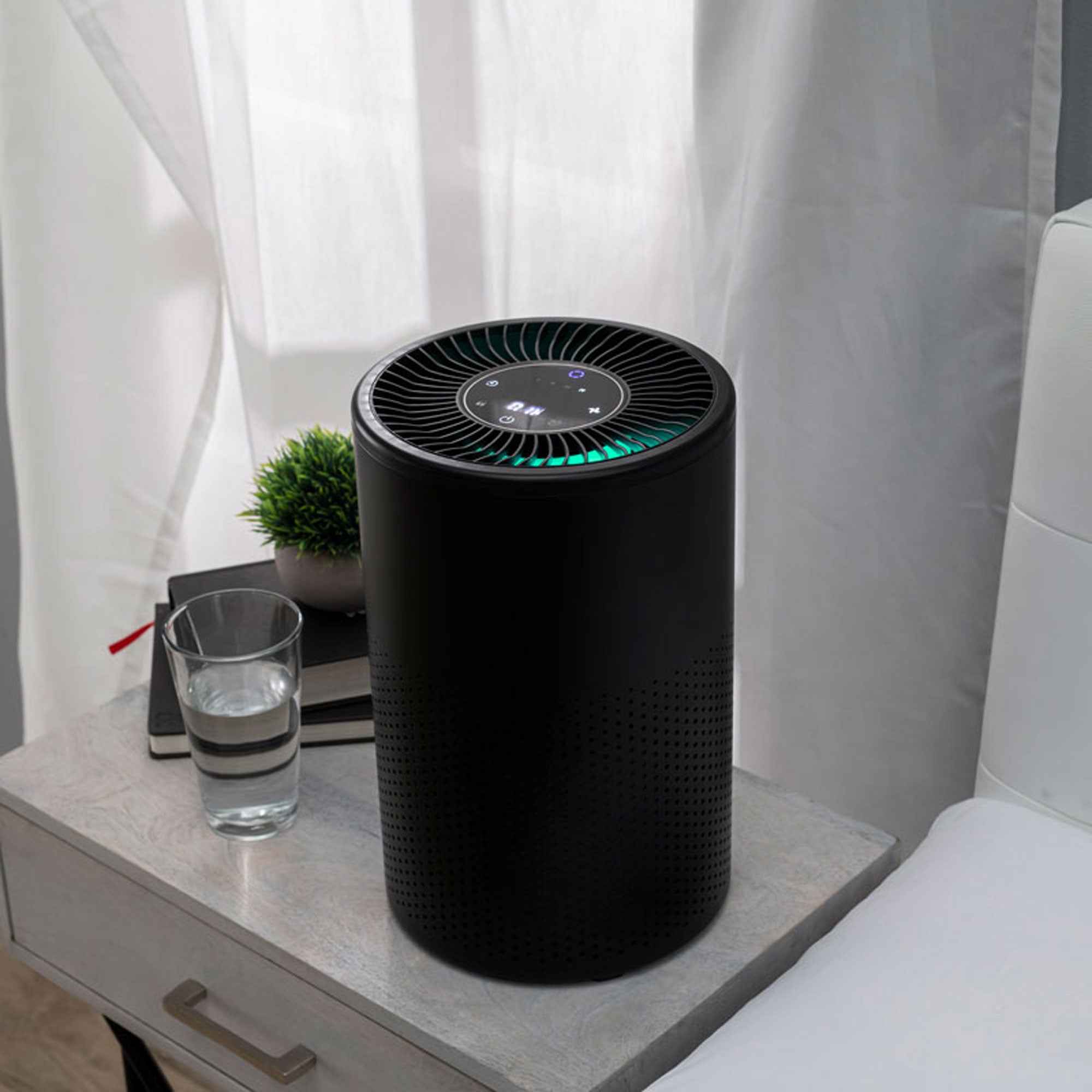
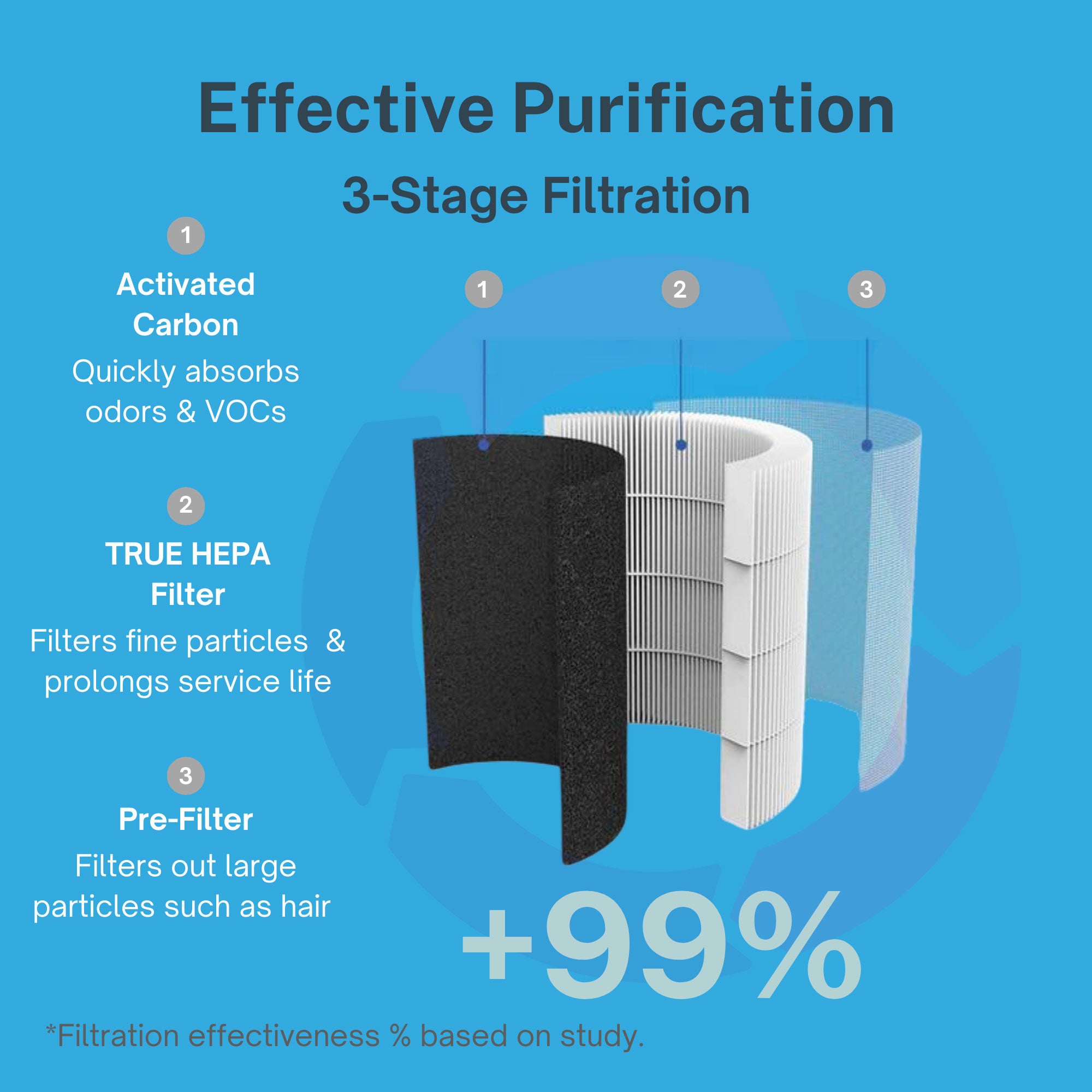
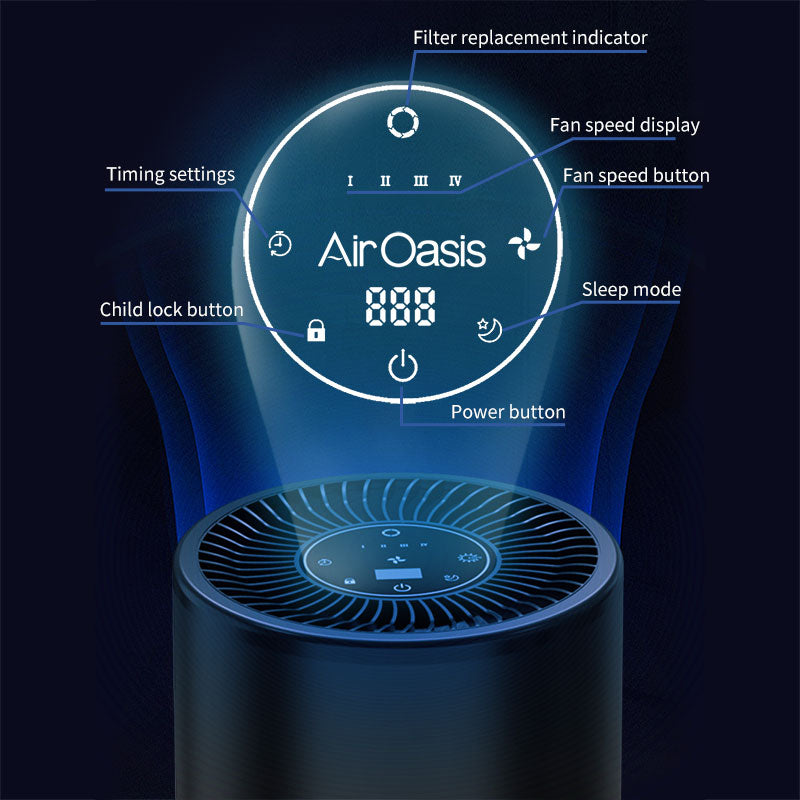
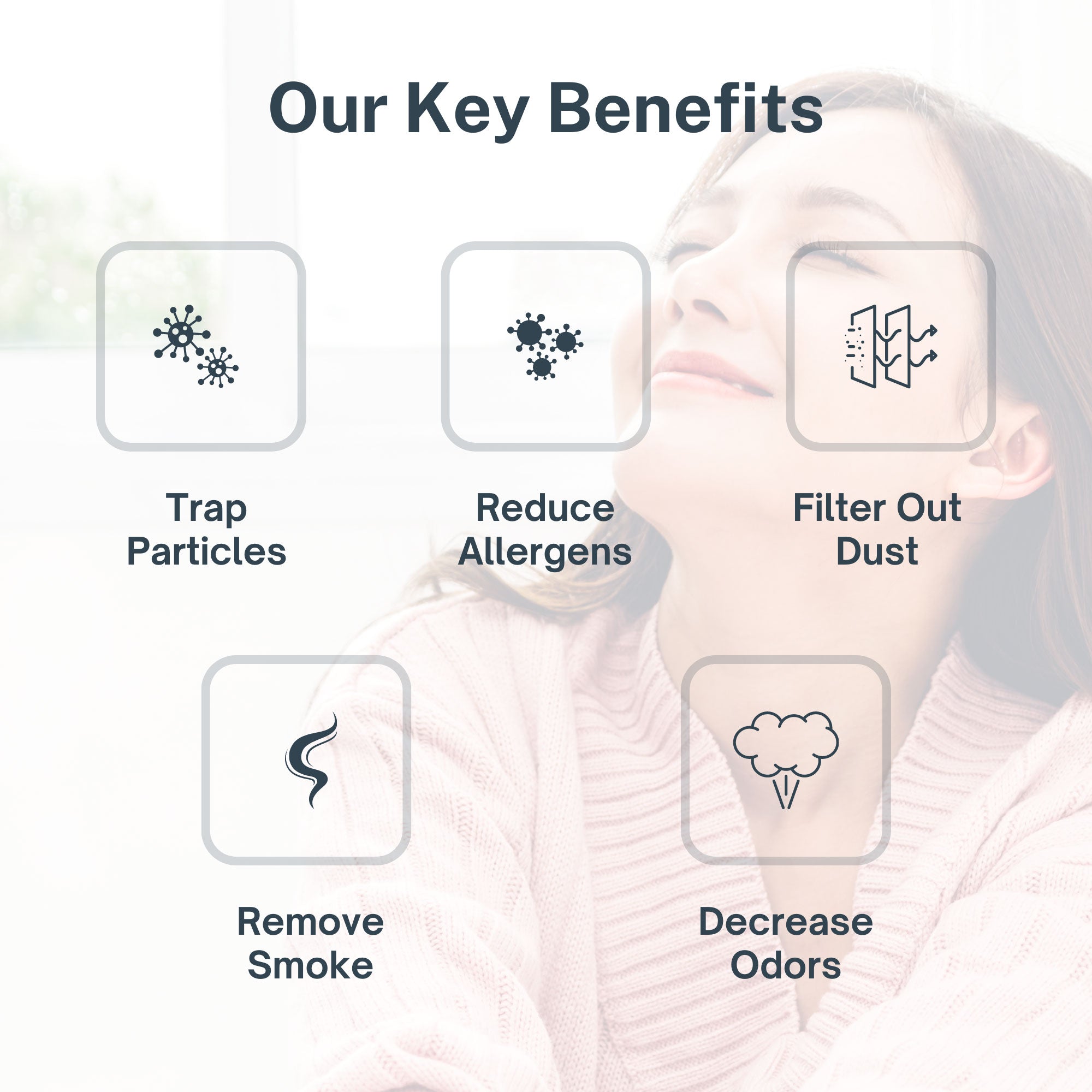
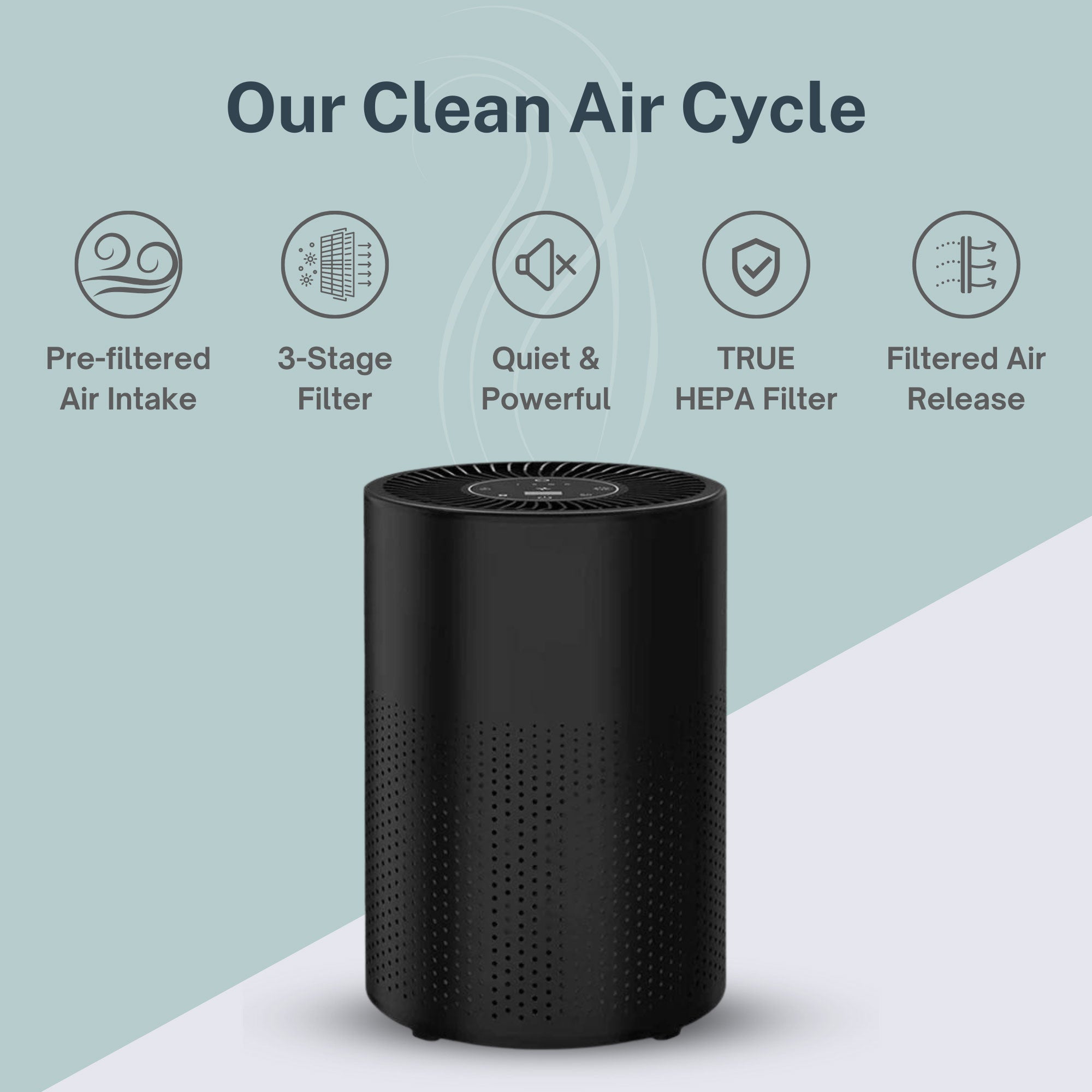
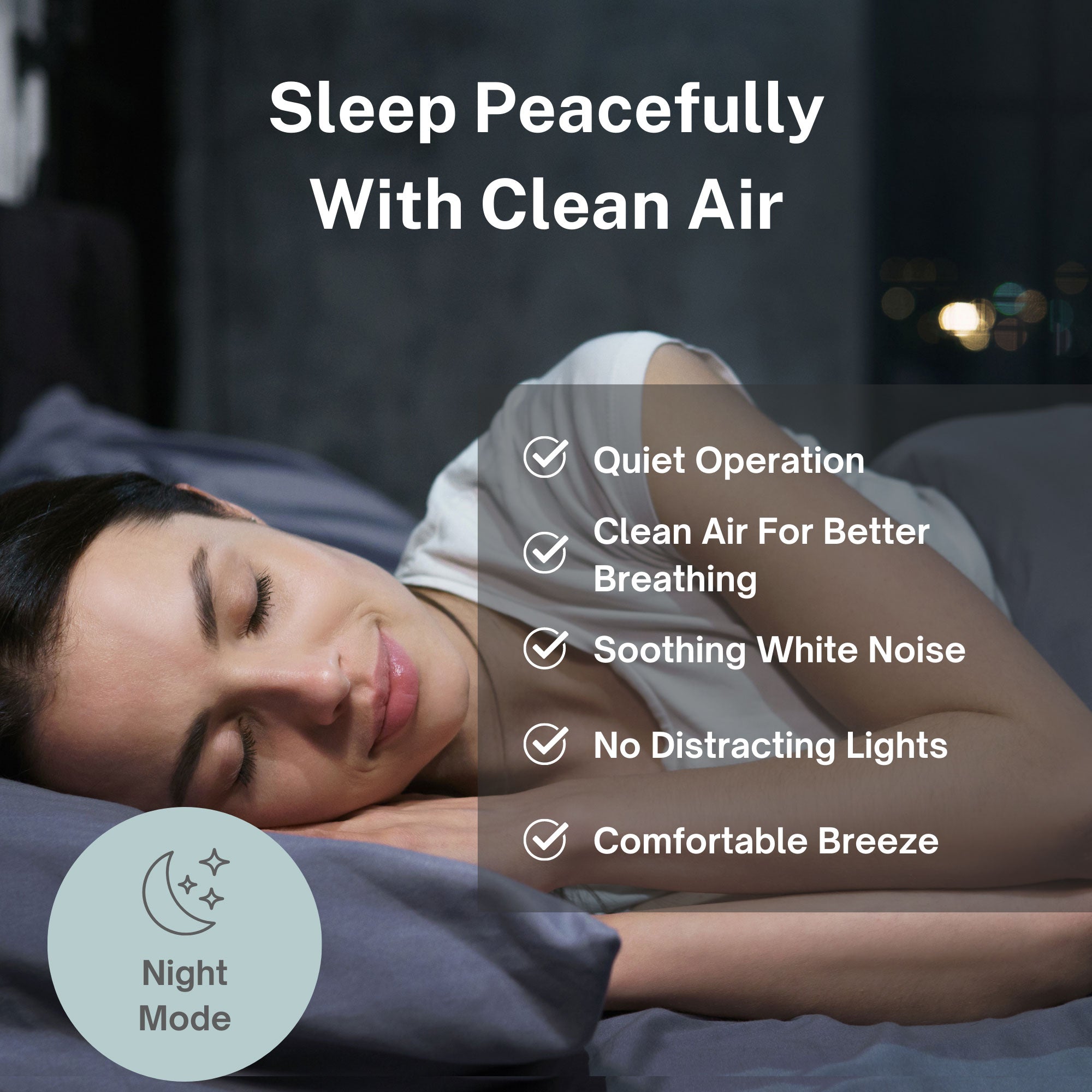
Air purification provides continuous protection against transported allergens. Horse dander particles measure small enough to remain airborne for extended periods, circulating through your home's ventilation system.
Take Control Before Allergies Progress
Horse allergies don't require years of barn work to develop. Limited, indirect exposure sensitizes immune systems effectively, especially in children and people with existing animal allergies. Recognizing early symptoms and implementing protection strategies prevents mild sensitivities from progressing to dangerous reactions. Don't wait for severe symptoms to force action. Protect your indoor air quality today and breathe easier, no matter who visits your home. Shop Air Oasis today and discover how advanced air purification creates allergen-free spaces where everyone stays comfortable and healthy.