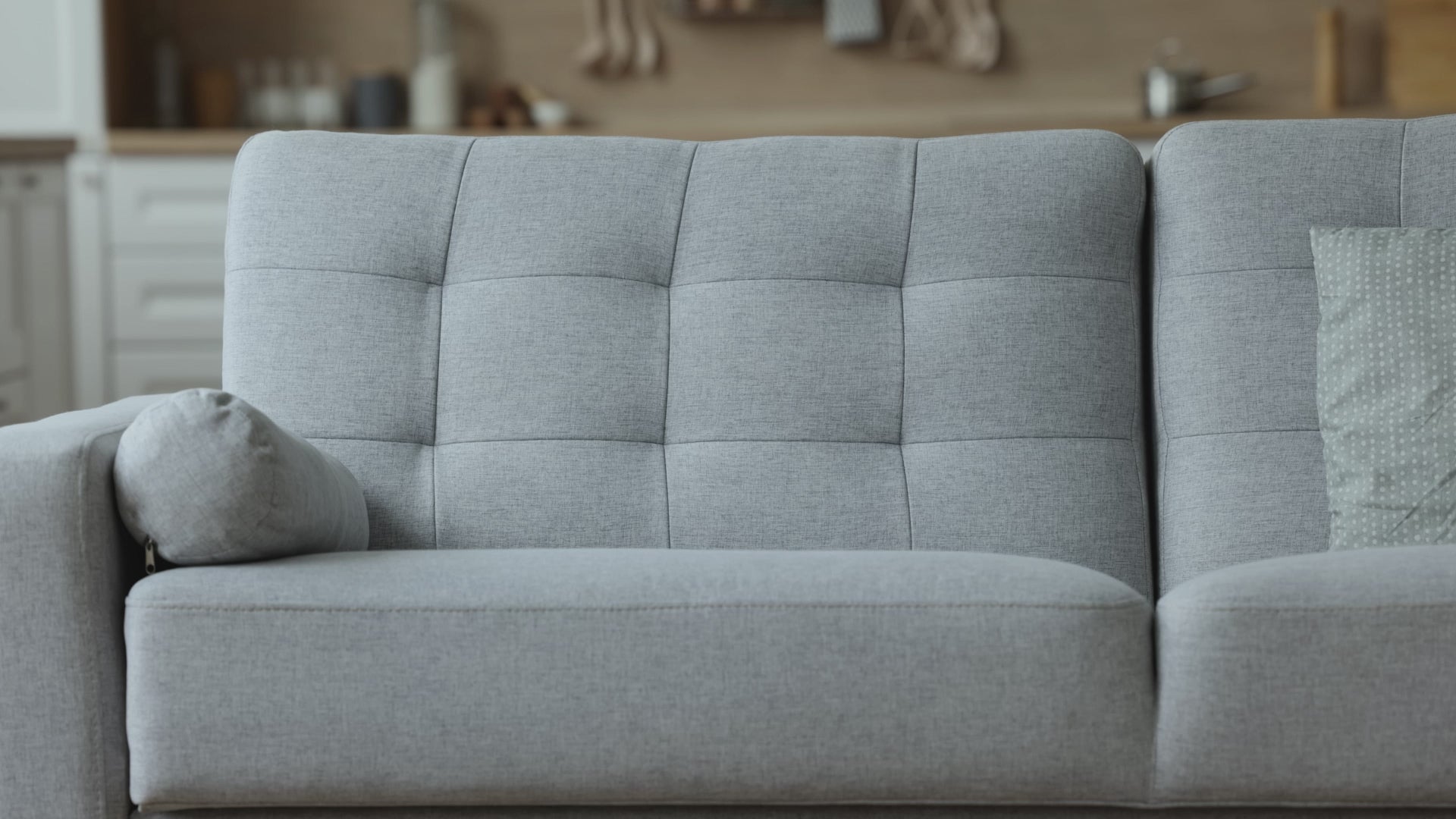
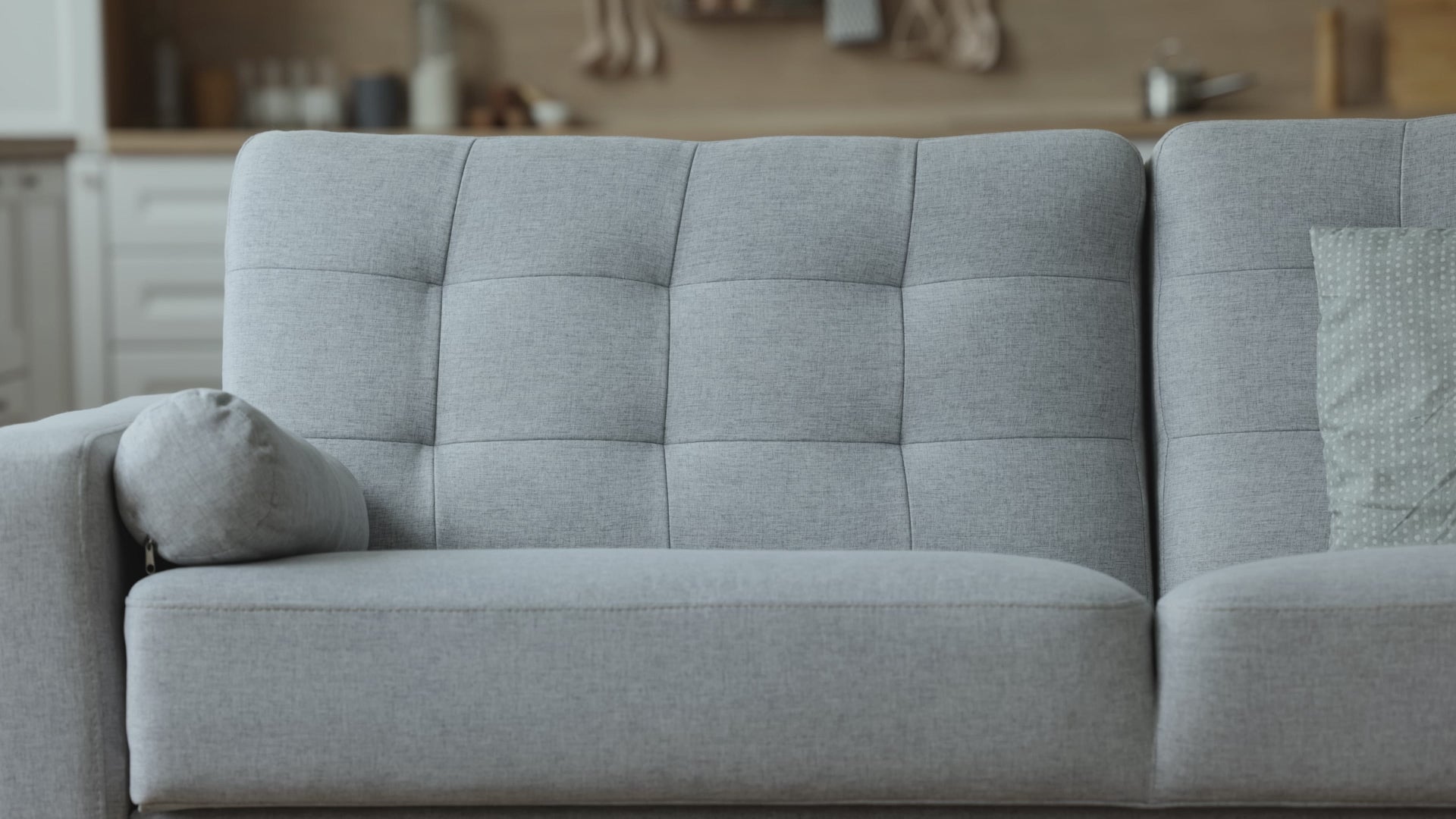
You walk into your living room, and something smells off. It's not quite dirty laundry. It's not exactly wet dog. It's that unmistakable earthy, musty odor that makes you look twice at your favorite leather sofa. If you've been there, you're not alone — and the culprit might be mold.
Yes, mold absolutely can grow on leather furniture. And once it takes hold, it's more than an eyesore. It's a health concern, especially for people with allergies, asthma, or sensitivities to mold spores. The good news? It's very preventable.
Why leather is more vulnerable than you think
Most people assume leather is tough and resilient — and it is, in many ways. But leather is also porous and organic, which makes it surprisingly hospitable to mold under the right conditions.
Leather naturally retains a small amount of moisture. That's actually necessary for the material to stay supple and flexible. But moisture is also mold's best friend. Pair that with warmth, low airflow, and a little organic residue — body oils, dust, skin cells — and you've created an environment where mold can quietly take root.
A few common scenarios set the stage for mold growth on leather furniture. Rooms with poor ventilation are a big one. If your leather sofa sits in a basement, a bedroom with little airflow, or a space that tends to feel damp, mold spores floating through the air can easily settle and grow. Leather furniture that sits unused for long periods is also at higher risk. When people regularly use leather sofas and chairs, body oils naturally condition the surface. Without that contact, leather dries unevenly, becoming more porous and vulnerable.
Stains and soiling speed things up, too. Dirt, food residue, and sweat provide mold with a food source on top of what it already gets from the leather itself.
The hidden role of indoor air quality
Here's something a lot of people don't think about: mold on your furniture often starts in the air. Mold reproduces by releasing spores, and those spores are constantly circulating through your home. Every time you open a window, walk through a door, or run your HVAC system, spores move through your space. When they land on a surface with the right conditions — moisture, warmth, organic matter — they grow.
That's why cleaning your leather furniture is only part of the equation. If airborne mold spores keep circulating, you'll keep fighting the same battle.
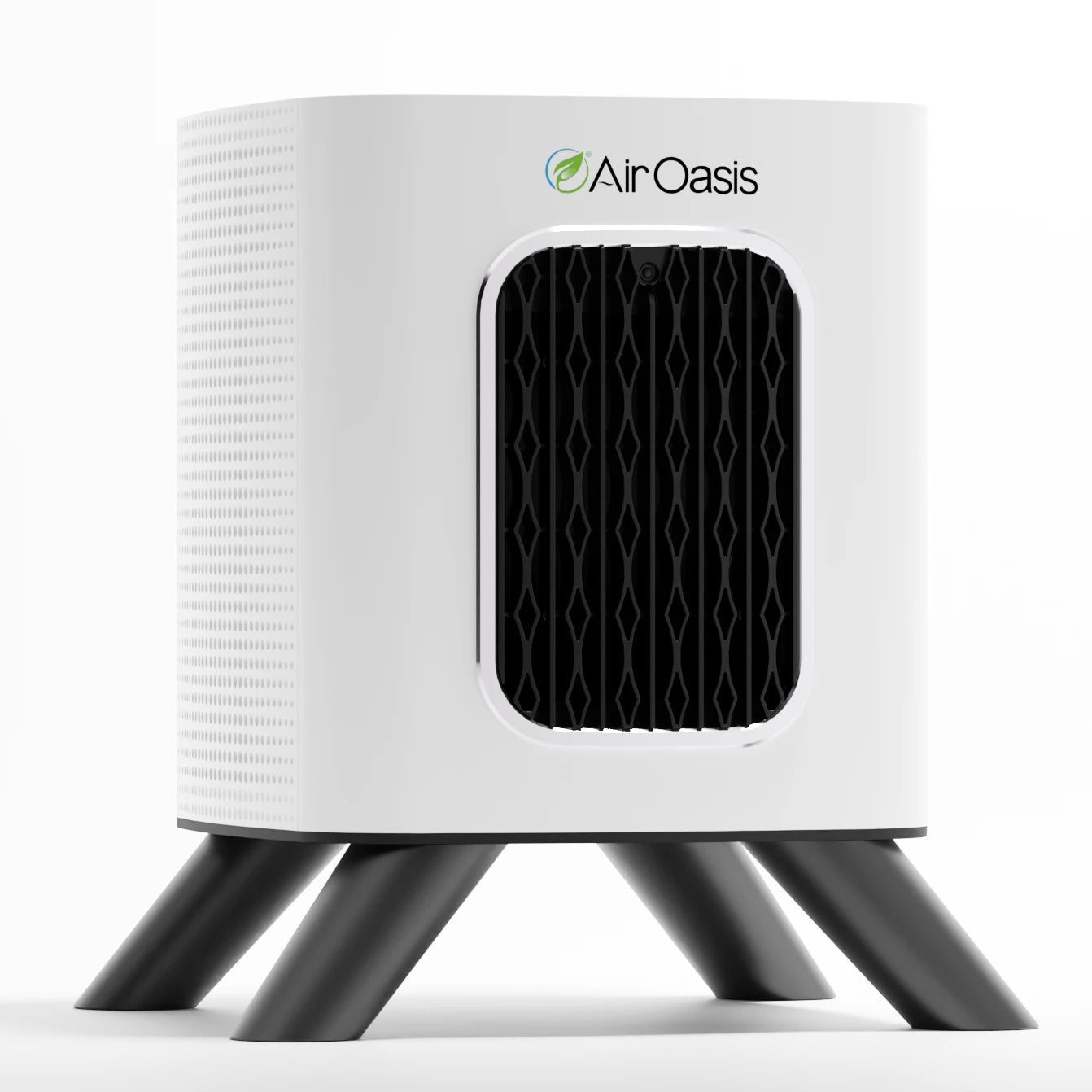
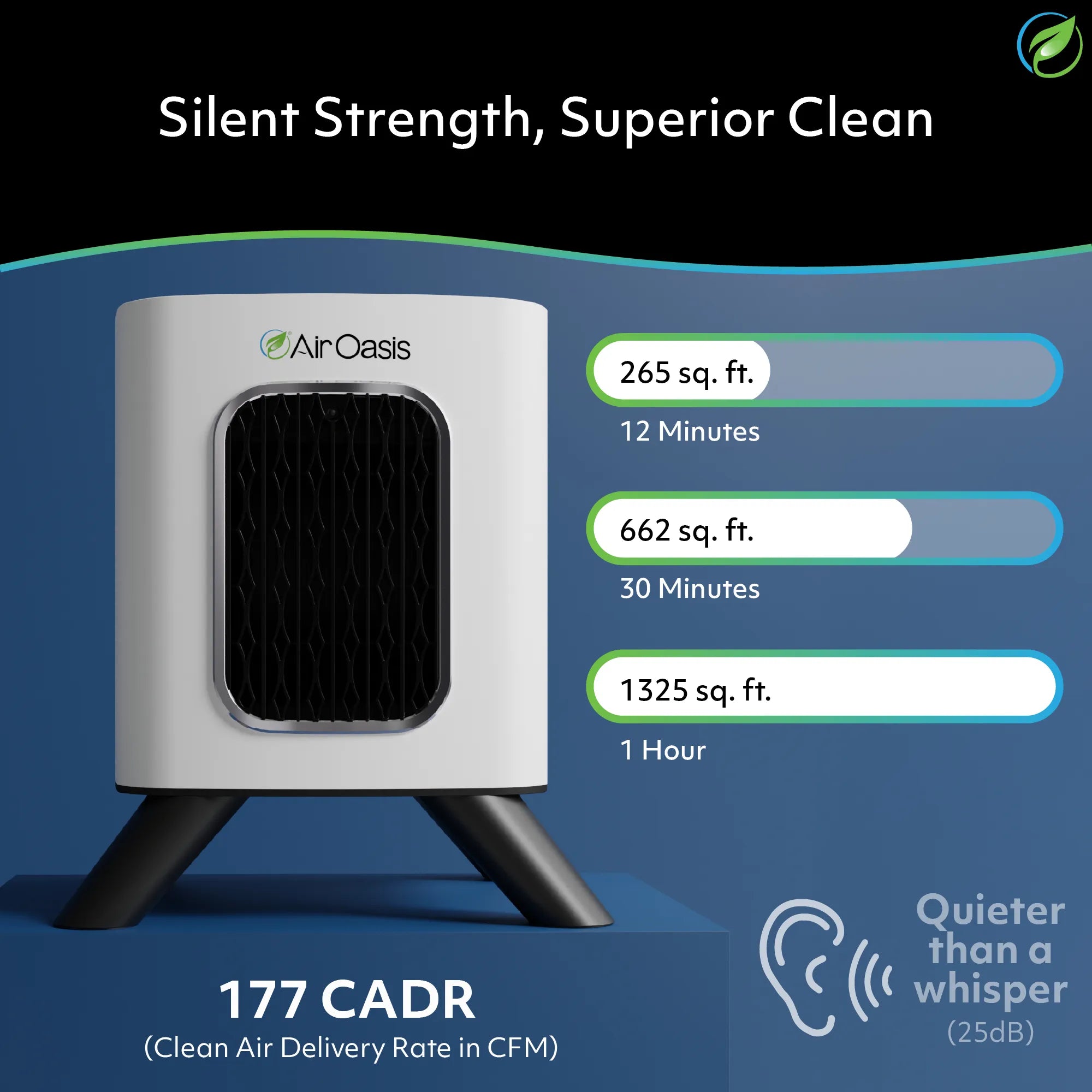
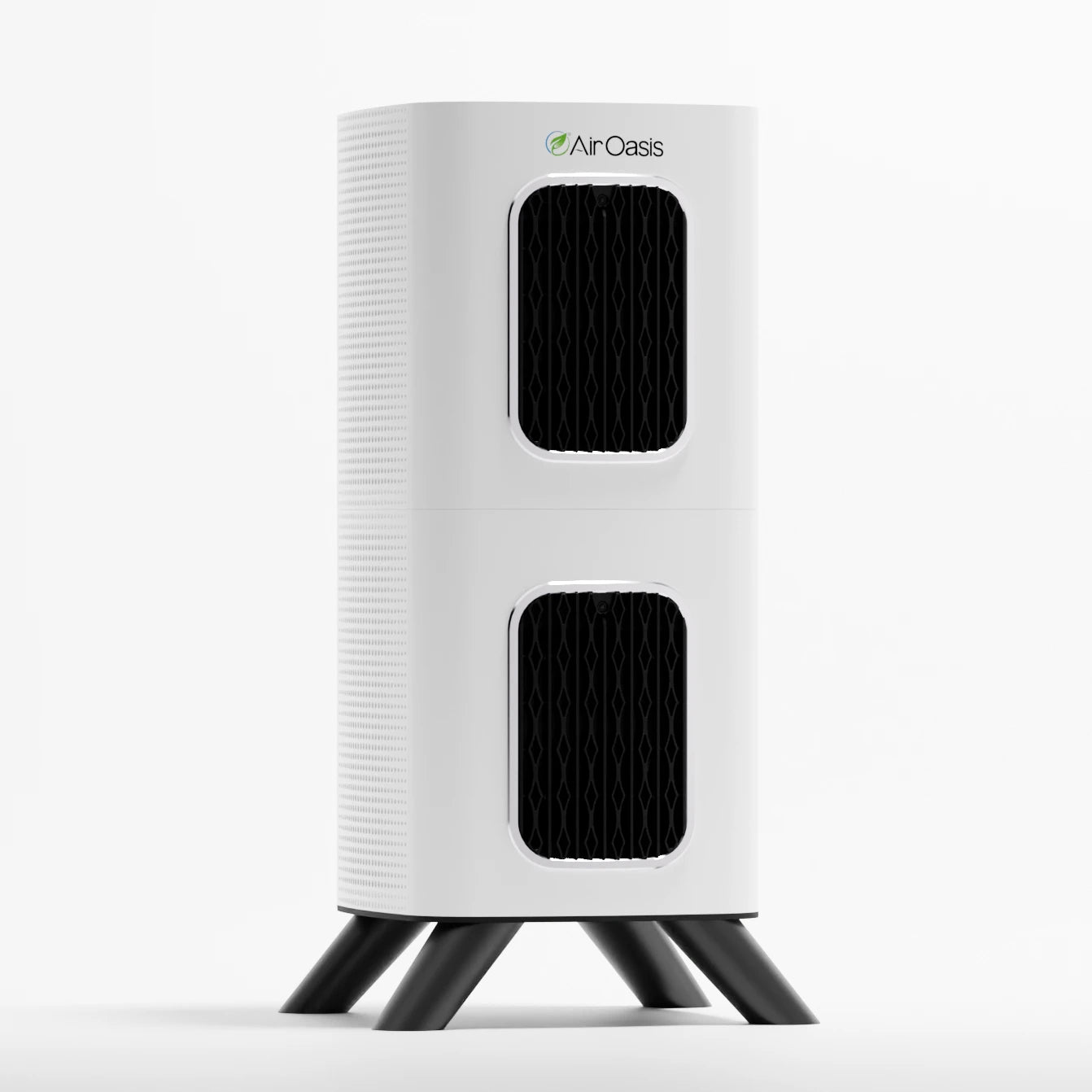
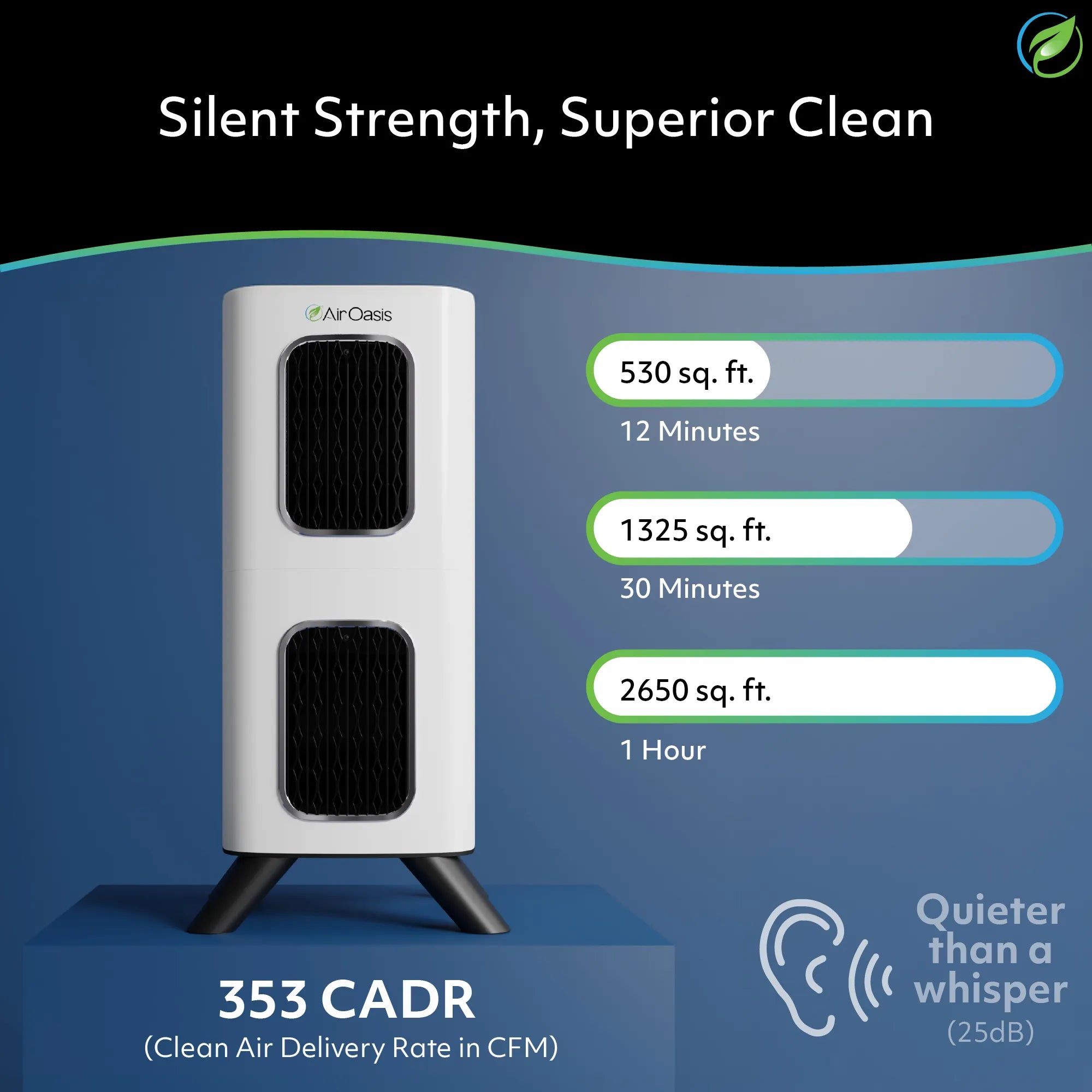
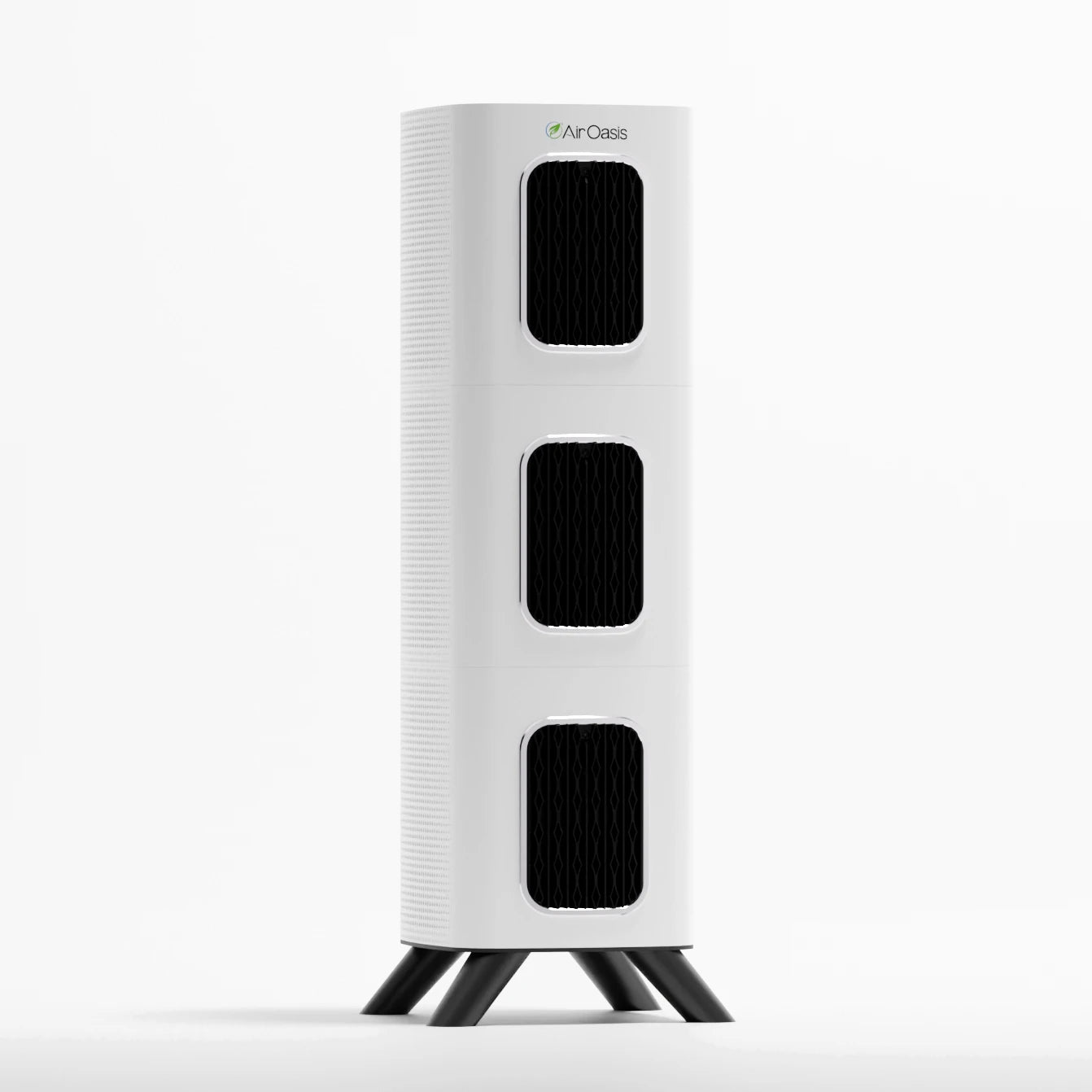
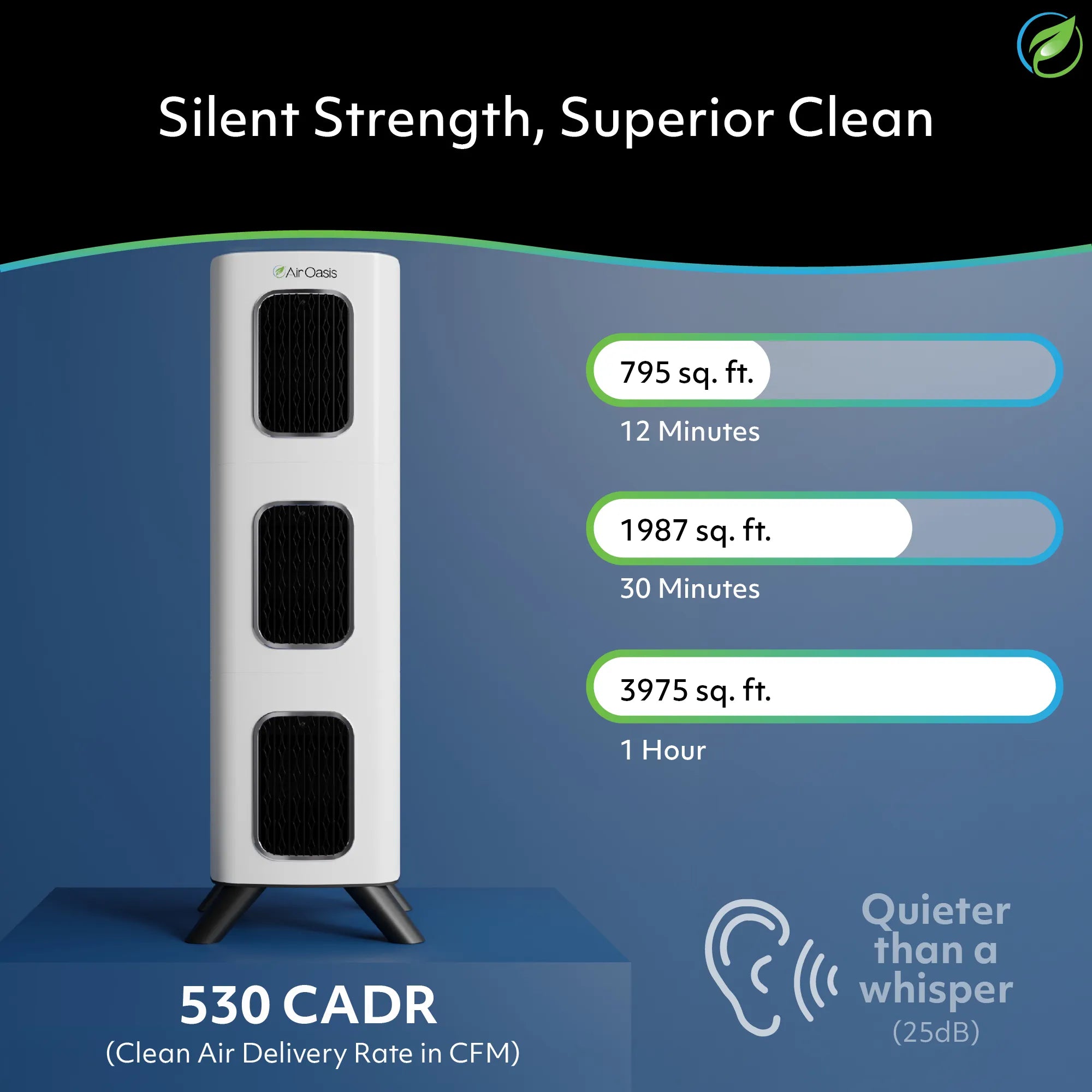
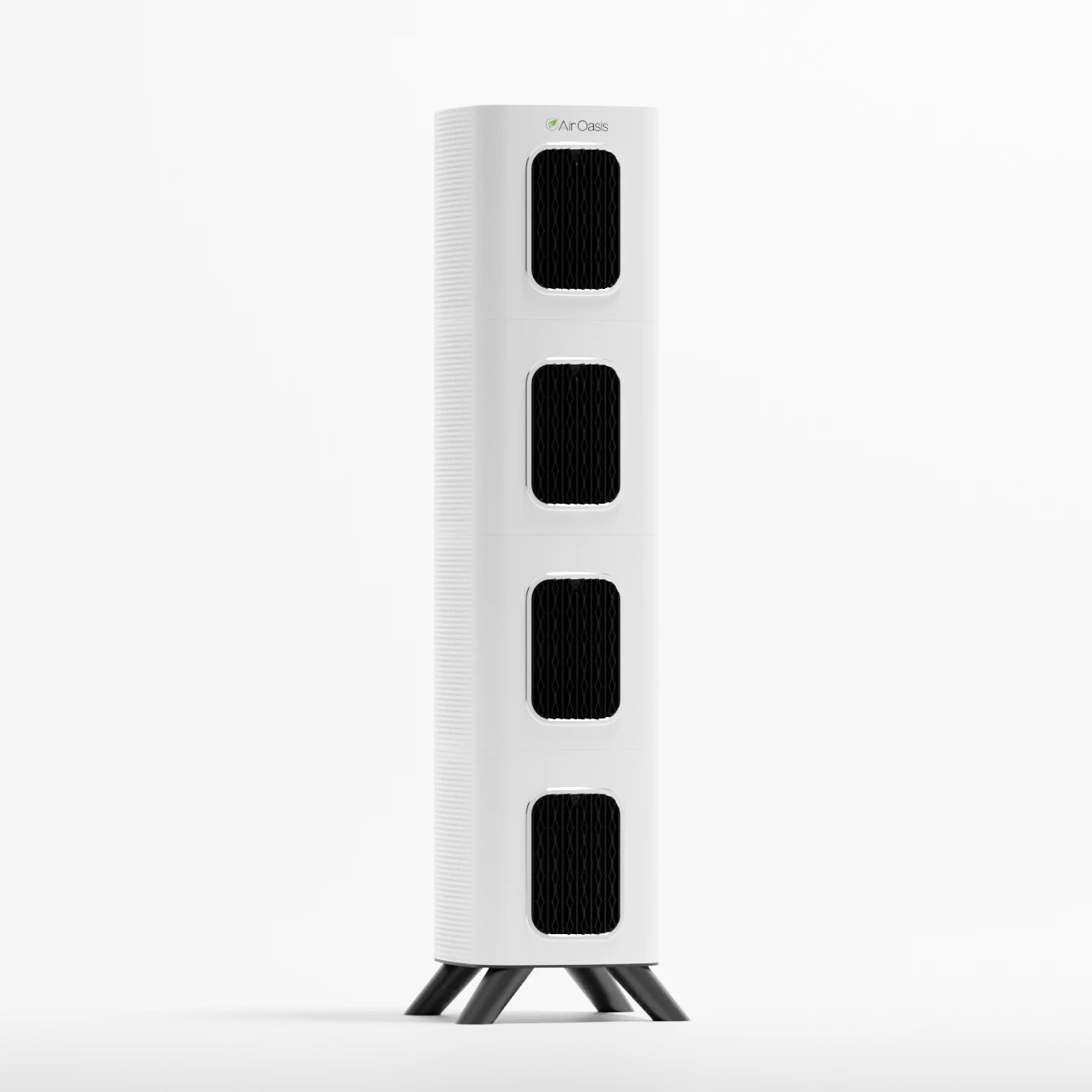
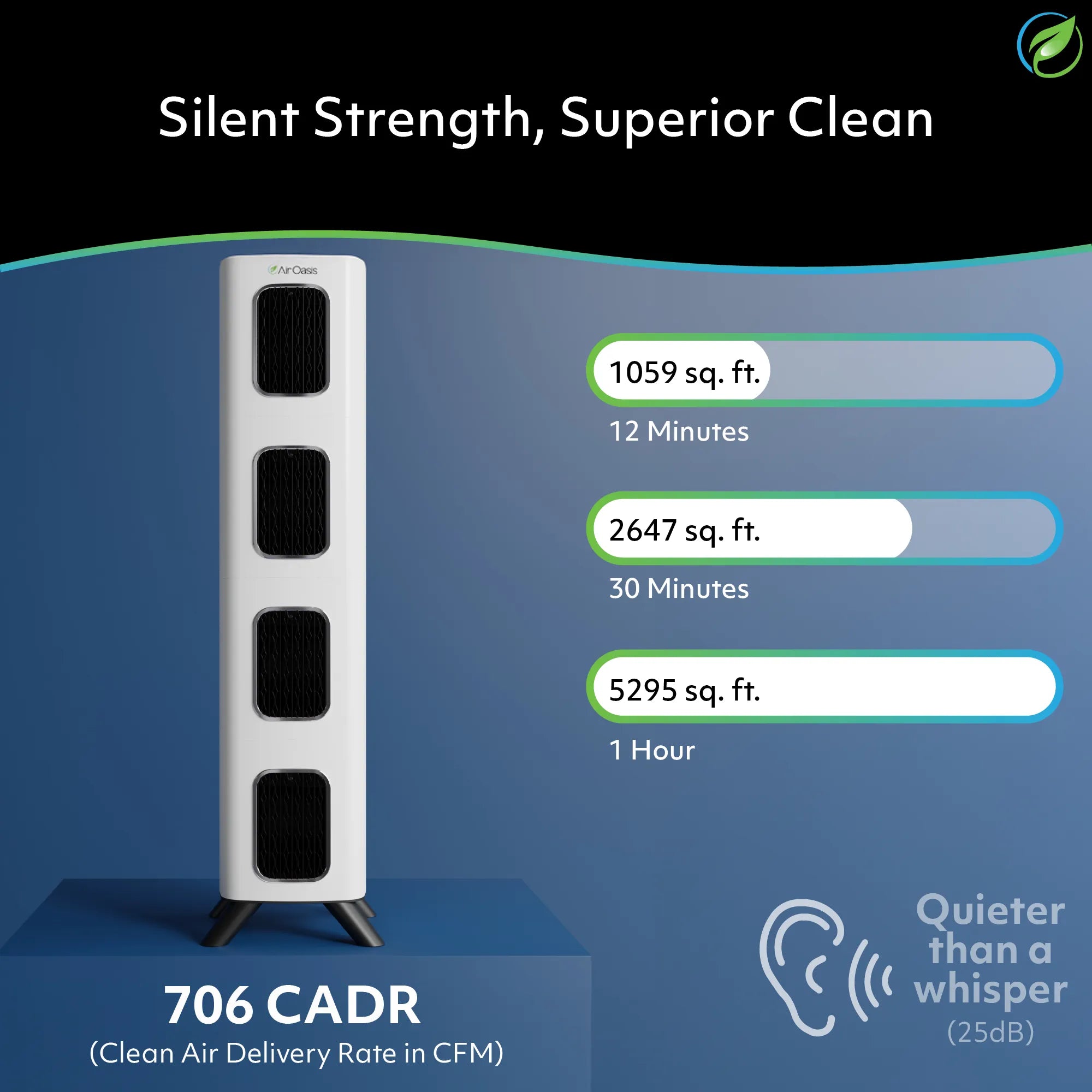
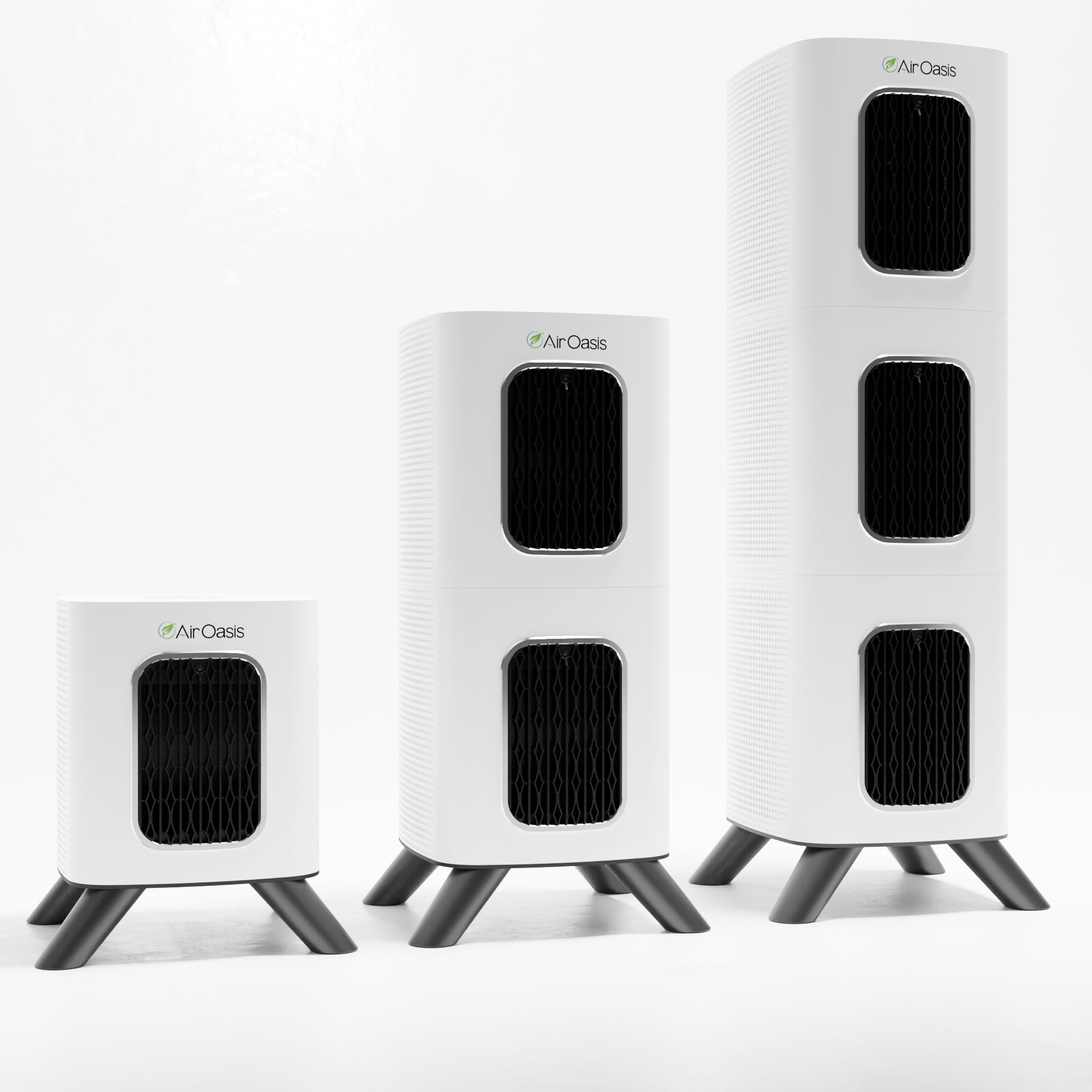
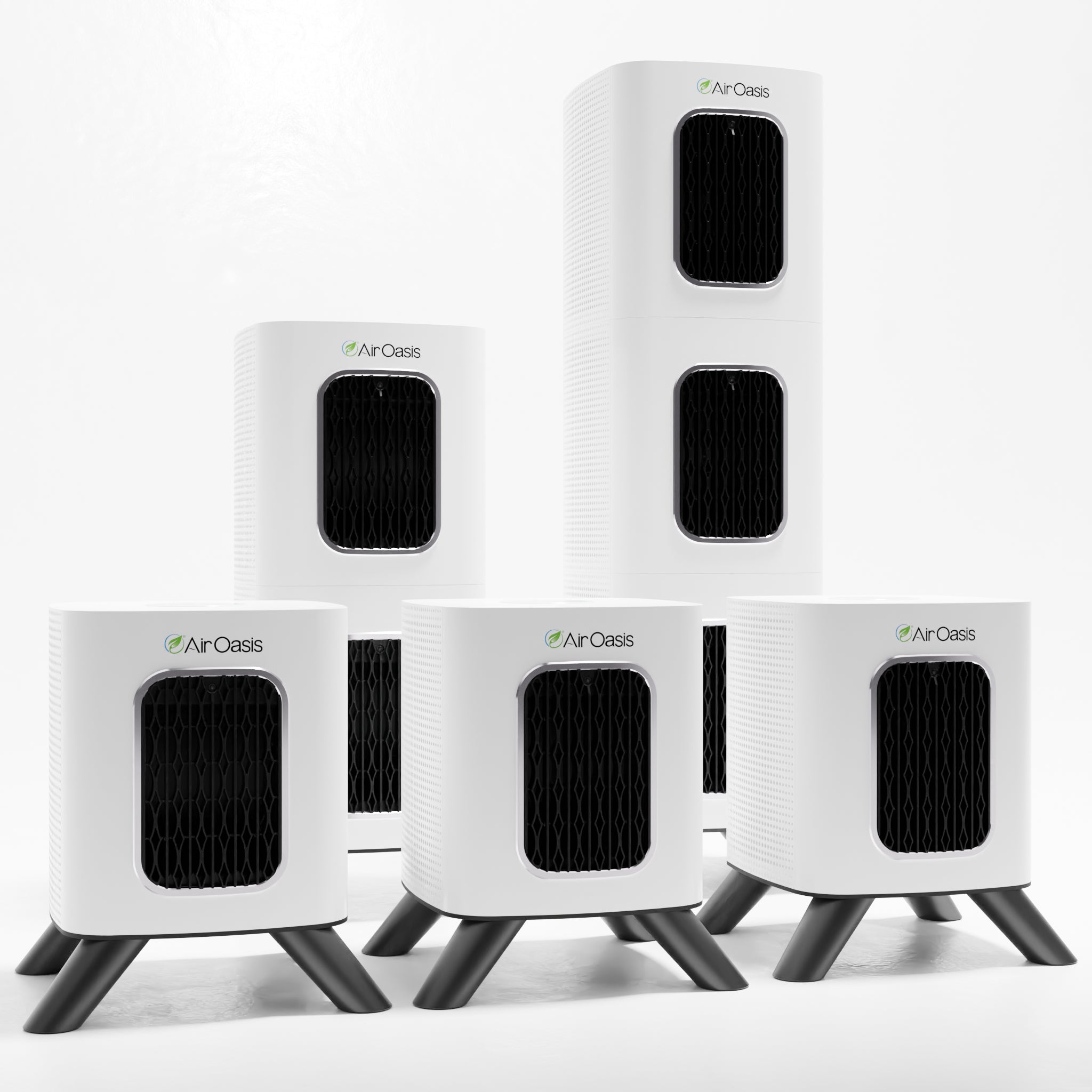
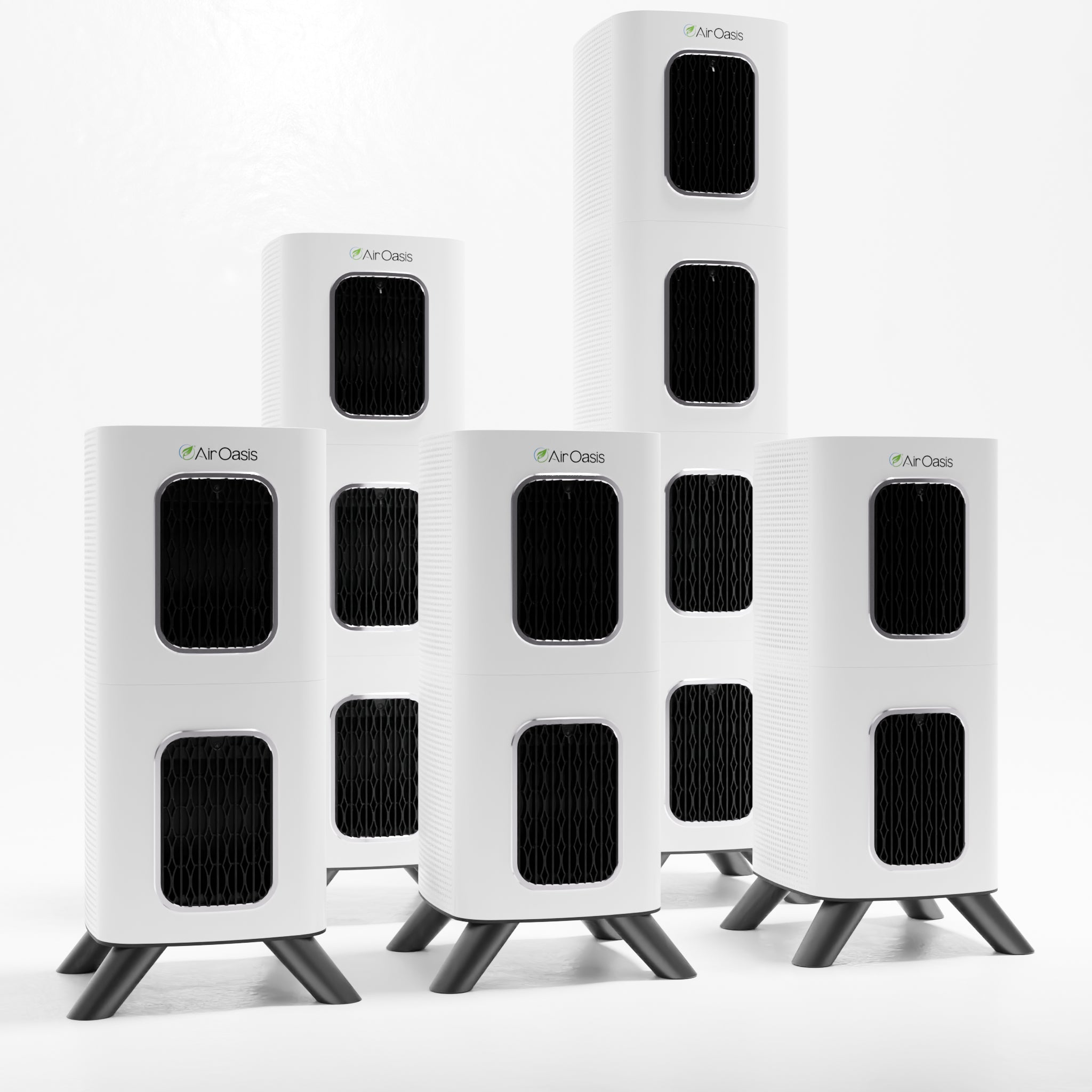
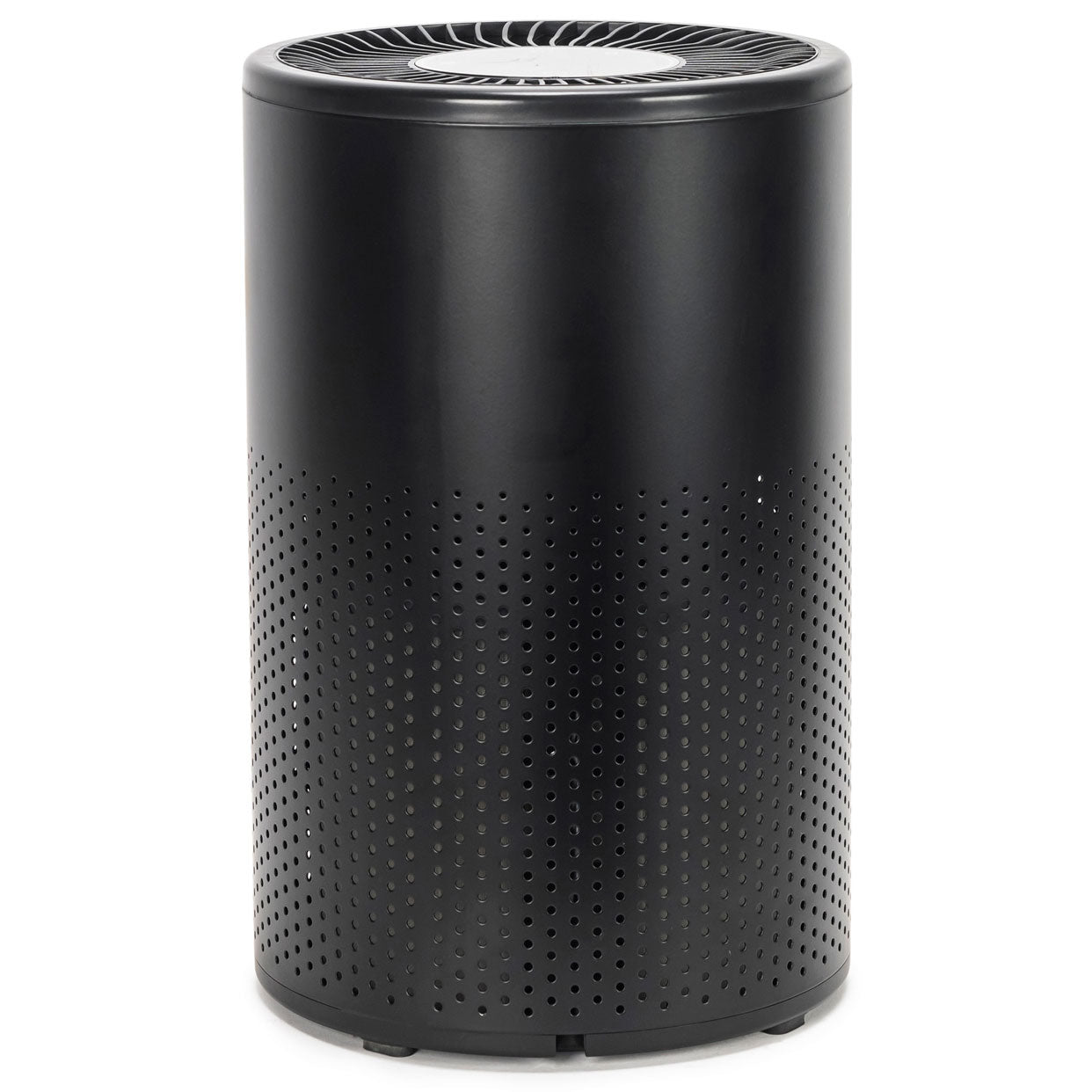
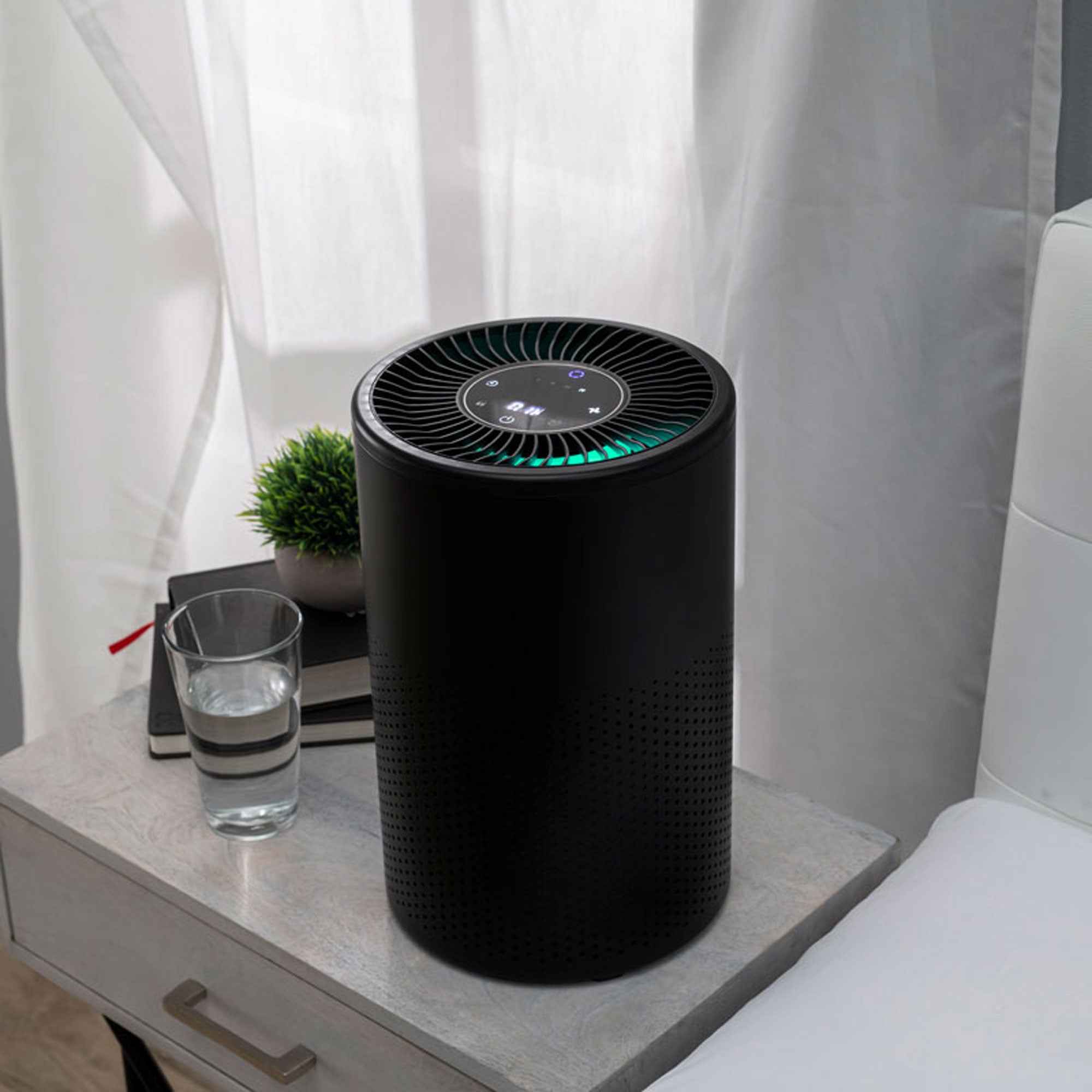
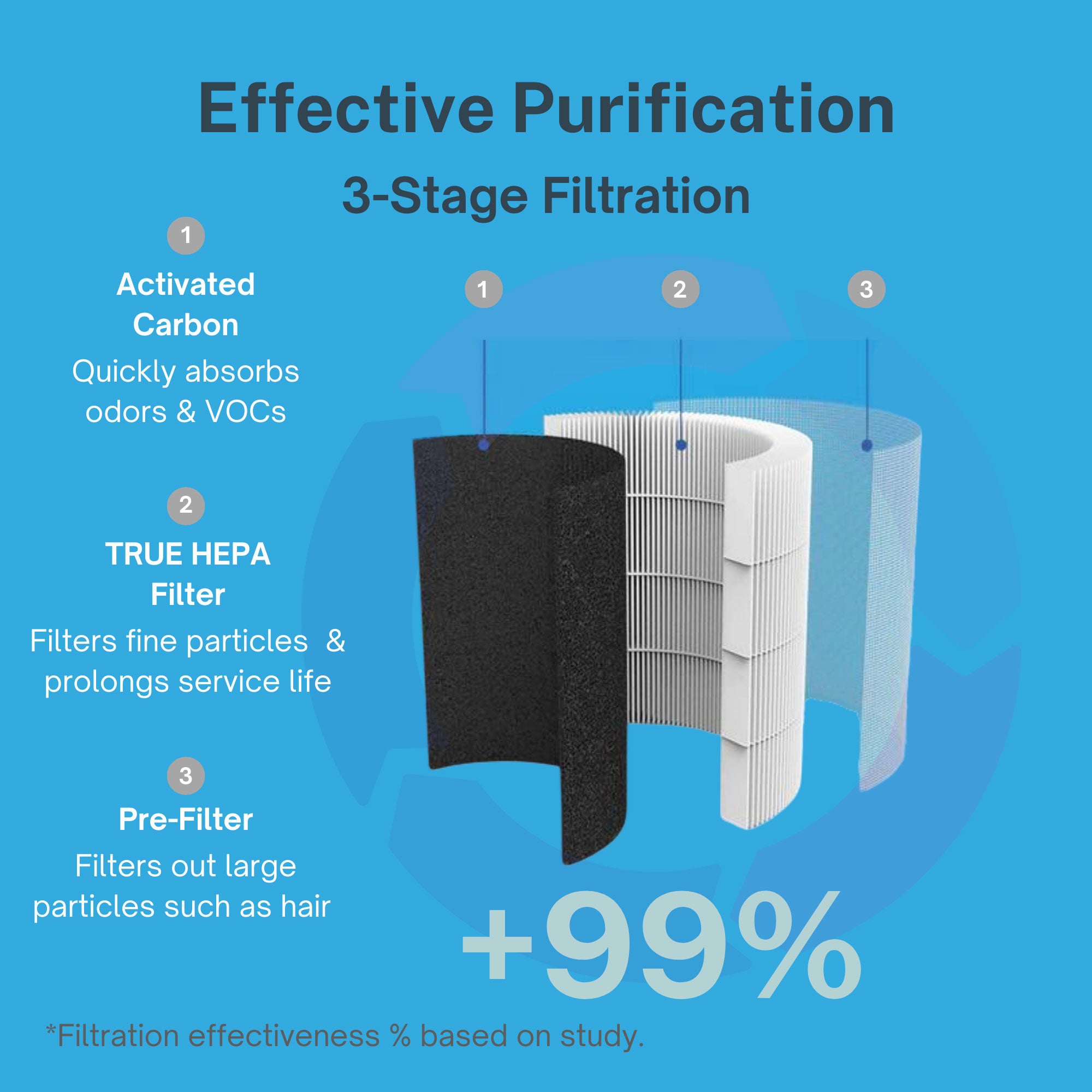
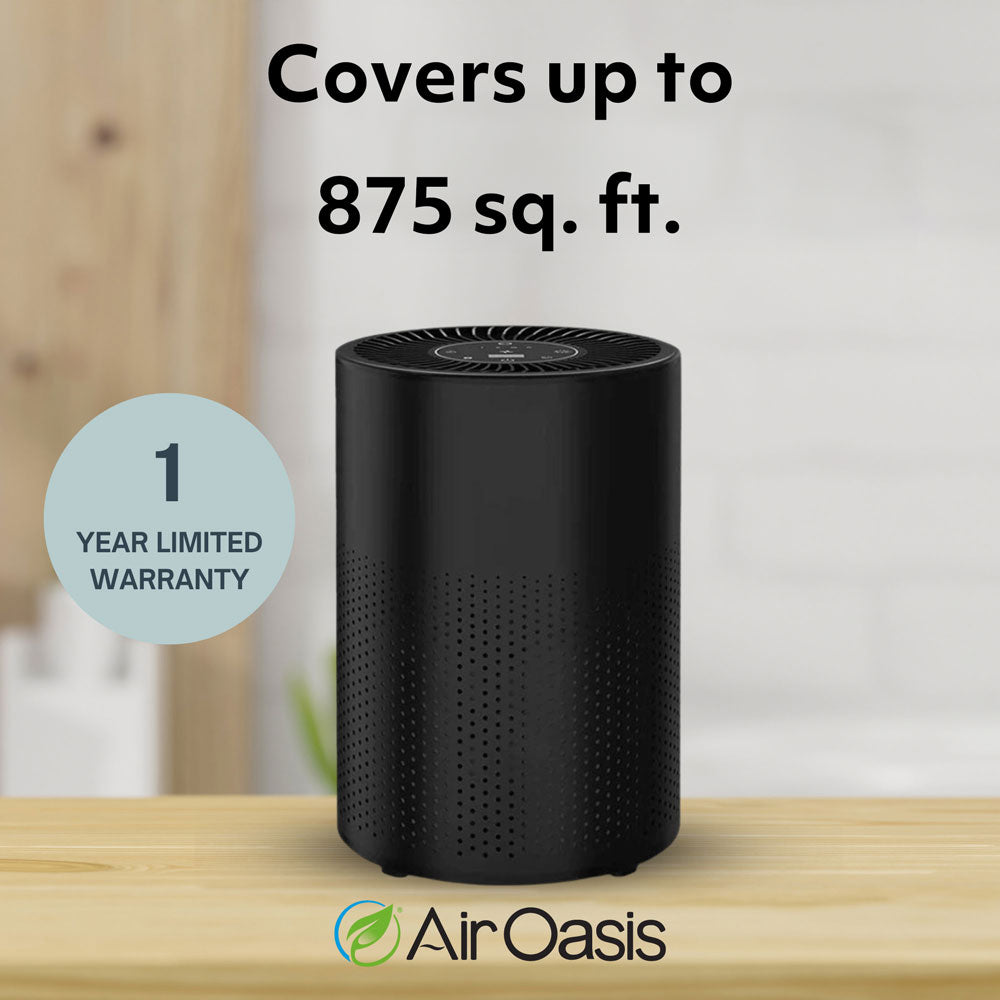
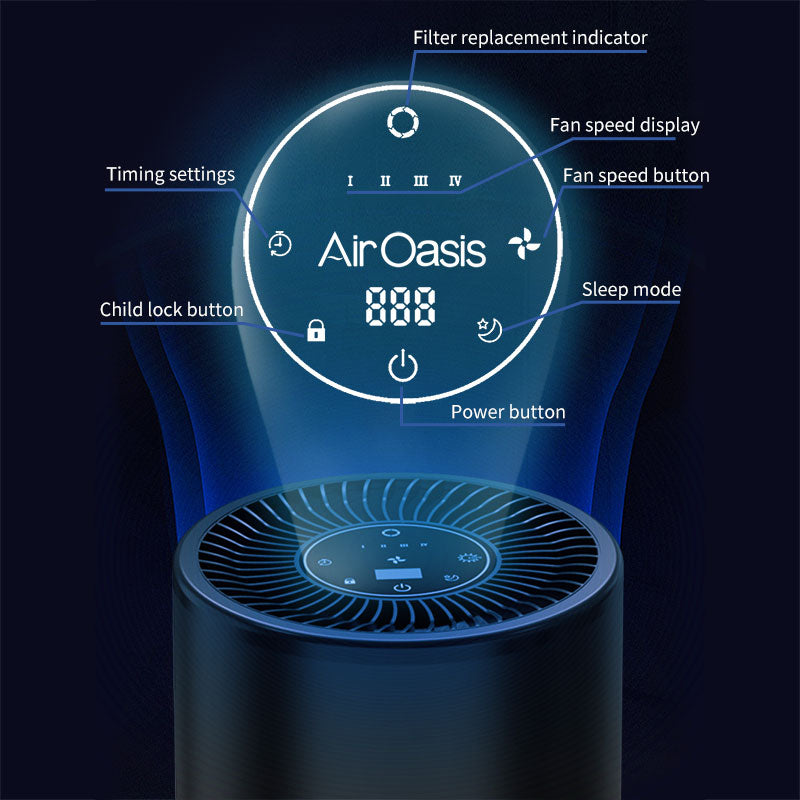
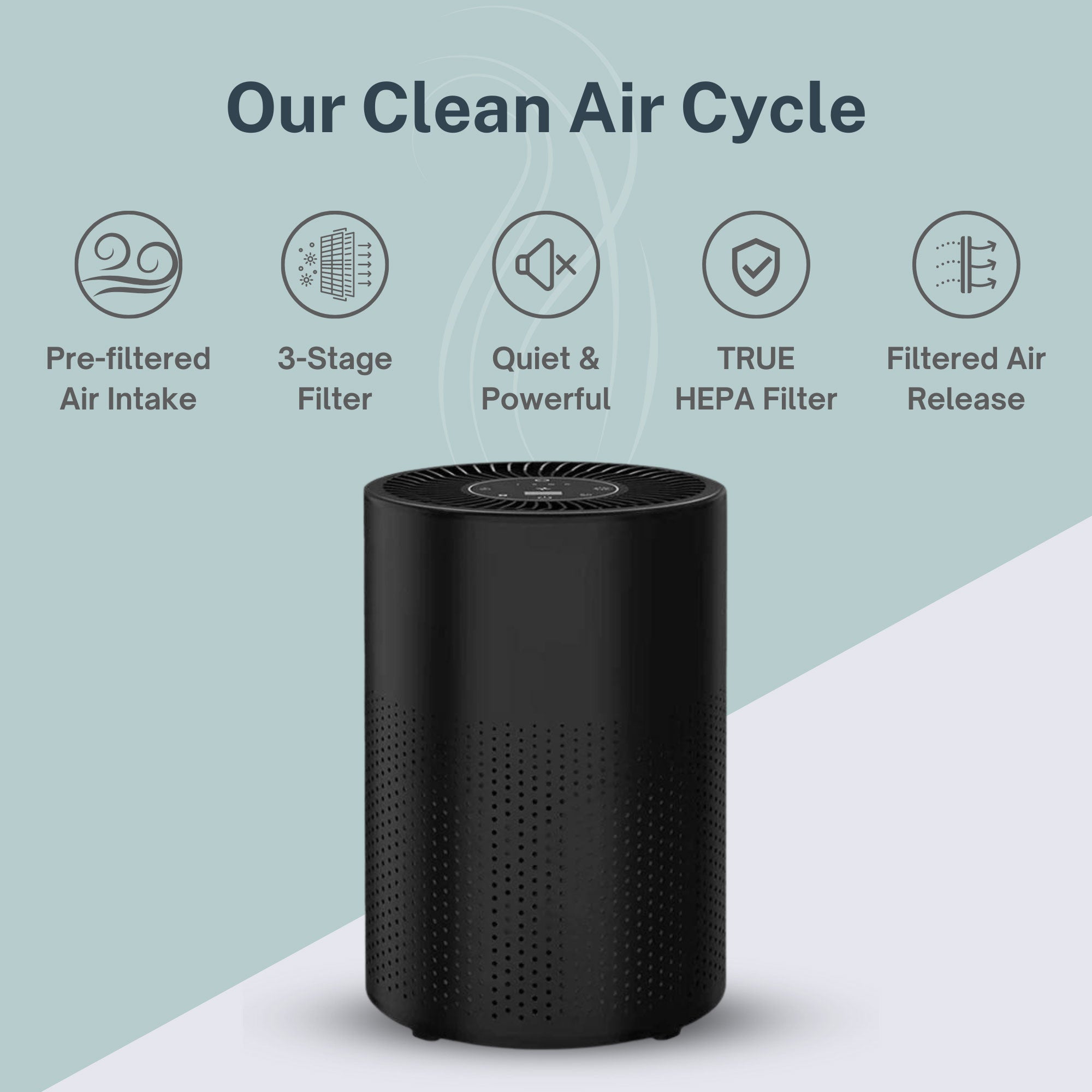
This is where indoor air quality really matters. An air purifier with true HEPA filtration captures mold spores before they settle on surfaces like your leather couch. The iAdaptAir® from Air Oasis combines HEPA filtration with UV-C light and silver ion technology, specifically targeting mold spores in the air before they have a chance to land. Running it consistently in rooms with leather furniture — especially in humid months — gives you a meaningful layer of protection that surface cleaning alone can't provide.
Simple steps to prevent mold on leather furniture
Prevention is far easier than remediation. These habits go a long way.
Keep humidity in check. Mold thrives when indoor humidity climbs above 60%. A simple hygrometer (a small, inexpensive device) lets you monitor your home's humidity level. Aim to keep it between 40% and 50%. In humid climates or seasons, a dehumidifier helps.
Improve airflow around your furniture. Don't push leather sofas flush against walls in corners where air stagnates. Give them a few inches of breathing room and make sure your room has decent circulation.
Clean and condition regularly. Wipe leather furniture down every few months with a slightly damp cloth, then follow with a good leather conditioner. This keeps the surface from drying out and becoming more vulnerable. Avoid using tap water if possible — distilled water is gentler and less likely to introduce contaminants.
Store leather items carefully. If you have leather chairs or accent pieces in storage, skip the plastic bags entirely. Plastic traps moisture and heat. Use breathable fabric covers instead and store them in a dry, temperature-controlled location.
Address mold quickly if you spot it. A small patch of white or green fuzz on leather isn't a death sentence for your furniture. A diluted white vinegar solution can help remove surface mold. Wipe it on, let it sit briefly, then wipe it off and dry the surface completely. For anything more serious, a leather care professional is worth consulting.
A note on health
Mold on leather furniture isn't just a cosmetic problem. Mold spores become airborne easily — especially when you sit on a mold-affected couch and disturb the surface. For people with mold sensitivities, this can trigger sneezing, congestion, itchy eyes, and, in some cases, more serious respiratory responses. If anyone in your home has asthma or a compromised immune system, staying ahead of mold is especially important.
Reducing surface-level mold and reducing mold spores in the air work together. Cleaning your furniture removes visible growth. Filtering your air removes what you can't see. For more on mold and your health, visit airoasis.com/blogs/articles/practical-steps-to-reduce-mold-exposure-in-your-daily-life.
Your leather furniture deserves better air
Leather furniture is an investment. More importantly, your home should feel like a safe, healthy space. Mold doesn't have to be part of the story.
With consistent cleaning habits, good humidity control, and cleaner indoor air, you can protect your furniture while breathing easier. Shop Air Oasis today and discover how the iAdaptAir® can help keep mold spores out of your air — and off your leather.
Frequently Asked Questions About Leather Furniture Mold
Here are some additional answers.
Can you save leather furniture that already has mold on it?
In most cases, yes. Surface mold on leather can often be cleaned with a diluted white vinegar solution or a leather-safe cleaner. Dry the surface thoroughly after cleaning. If the mold has penetrated deeply into the leather or the smell persists, a professional leather restoration service may be needed.
What does mold on leather furniture look like?
Mold on leather typically appears as fuzzy white, green, or gray patches. It's often accompanied by a musty smell. It can be mistaken for a surface stain, so trust your nose — that earthy odor is usually a telling sign.
Does an air purifier really help prevent mold on furniture?
Yes. Air purifiers with true HEPA filtration capture airborne mold spores before they settle on surfaces. Reducing the spore load in your air means fewer opportunities for mold to establish itself on furniture, leather or otherwise.
What humidity level prevents mold growth indoors?
Keeping indoor humidity between 40% and 50% is generally considered the sweet spot — comfortable for people and unfavorable for mold. Above 60%, mold risk increases significantly.
Is mold on leather dangerous to breathe?
It can be, especially for sensitive individuals. Disturbing moldy leather releases spores into the air, which can cause allergic reactions, respiratory irritation, and other symptoms. Promptly cleaning affected furniture and improving your indoor air quality reduce this risk.