You've learned to read a room before you walk into it. You know which cleaning products will trigger a reaction, which fragrances will leave you foggy for hours, which buildings feel wrong before you can even articulate why. Living with multiple chemical sensitivity means constant vigilance. And yet your symptoms keep escalating, even when you've done everything right. If mold has ever been part of your environment, it may be part of that picture.
What multiple chemical sensitivity is, and why mold matters
Multiple chemical sensitivity, sometimes called MCS or idiopathic environmental intolerance, is a condition in which people experience symptoms in response to low-level chemical exposures that most people tolerate without difficulty. Symptoms vary considerably between individuals but commonly include headaches, fatigue, cognitive difficulties, respiratory irritation, and nausea. The mechanisms behind MCS are still debated in medical literature, and there is no single universally accepted explanation. What is increasingly recognized, however, is that MCS does not exist in isolation. It frequently overlaps with other conditions involving immune dysregulation and chronic inflammation.
Mold enters this picture in a few ways. Mold exposure can produce a significant inflammatory response in susceptible individuals. And a subset of people with MCS have documented histories of exposure to water-damaged buildings. Whether mold exposure can trigger MCS, worsen existing MCS, or simply share overlapping mechanisms with it is a question the research has begun, but not finished, examining.
How mold exposure may amplify chemical reactivity
One of the more researched mechanisms involves the effect of mycotoxins, the toxic compounds produced by certain molds, on immune function and barrier integrity.
Research has documented that mycotoxins can compromise barrier function in the gut, lungs, and blood-brain barrier. When these barriers are weakened, substances that would normally be contained or filtered can move more freely into tissues and the bloodstream. For people with MCS, whose nervous and immune systems already appear to respond atypically to environmental exposures, this kind of additional barrier compromise could, in theory, increase the intensity of reactions to chemicals they were already sensitive to.
A study examining nurses exposed to mold in a water-damaged hospital, cited in the biotoxin literature, found significantly elevated rates of fatigue, brain fog, and multiple chemical sensitivity in the exposed group compared to unexposed colleagues. This is observational data, not a controlled trial, and it doesn't establish causation. But it documents a pattern that clinicians working in mold illness consistently report: MCS symptoms appearing or worsening following periods of mold exposure.
Mycotoxins are also documented to activate inflammasome pathways, generating elevated levels of inflammatory cytokines. Neuroinflammation, particularly involving sensitization of mast cells and inflammatory signaling in the nervous system, has been proposed as one mechanism underlying MCS reactivity. If mycotoxin exposure contributes to that inflammatory baseline, it may lower the threshold at which chemical exposures produce a reaction.
The role of genetic susceptibility in mold-related chemical sensitivity
Not everyone who enters a moldy building develops heightened chemical sensitivity. That's not dismissive of those who do, it's actually an important part of the clinical picture.
Research has identified that approximately 25 percent of people carry HLA-DR gene variants that impair the body's ability to clear certain biotoxins through normal immune processes. In these individuals, mycotoxins may persist in the body at measurable levels even after they have left the contaminated environment, according to research published by Brewer et al. in the journal Toxins in 2013. This prolonged internal exposure keeps the immune system in an activated state for far longer than would be expected.
For someone with both this genetic susceptibility and an existing tendency toward chemical sensitivity, the combination can be particularly disruptive. The immune system that already has difficulty distinguishing safe from threatening exposures is also unable to efficiently clear the biotoxins compounding that dysregulation. It's worth discussing this susceptibility with a physician familiar with both mold illness and chemical sensitivity, particularly if your MCS symptoms have worsened following a move, a flood, or time spent in a building with water damage history.
Volatile organic compounds, mold, and chemical load
There's another dimension worth understanding: mold doesn't only produce mycotoxins. Water-damaged buildings also generate elevated levels of microbial volatile organic compounds, or MVOCs. These are gases released by actively growing mold colonies and the bacteria that often co-occur with them.
MVOCs include compounds like aldehydes, ketones, and alcohols. These are themselves chemical exposures. For someone with MCS, the air in a mold-affected building is not just a biological problem. It is also a chemical exposure problem. Every hour spent in that environment increases the total chemical load the body processes.
This matters even after remediation because MVOCs can adsorb onto building materials, furnishings, and personal belongings. People with MCS sometimes report that items retrieved from a mold-affected home continue to trigger reactions. This is consistent with documented off-gassing patterns in porous materials.
Practical steps for reducing mold-related chemical burden at home
If you have MCS and have any reason to suspect that mold exposure has played a role in your symptom history, reducing ongoing airborne exposure is a concrete step you can begin without a diagnosis.
Addressing moisture sources in your home is foundational. HVAC systems, in particular, are a common site of hidden mold growth and MVOC distribution throughout living spaces. Professional inspection of ductwork and air handling units is worth prioritizing, especially in older homes or anywhere with a history of water intrusion.
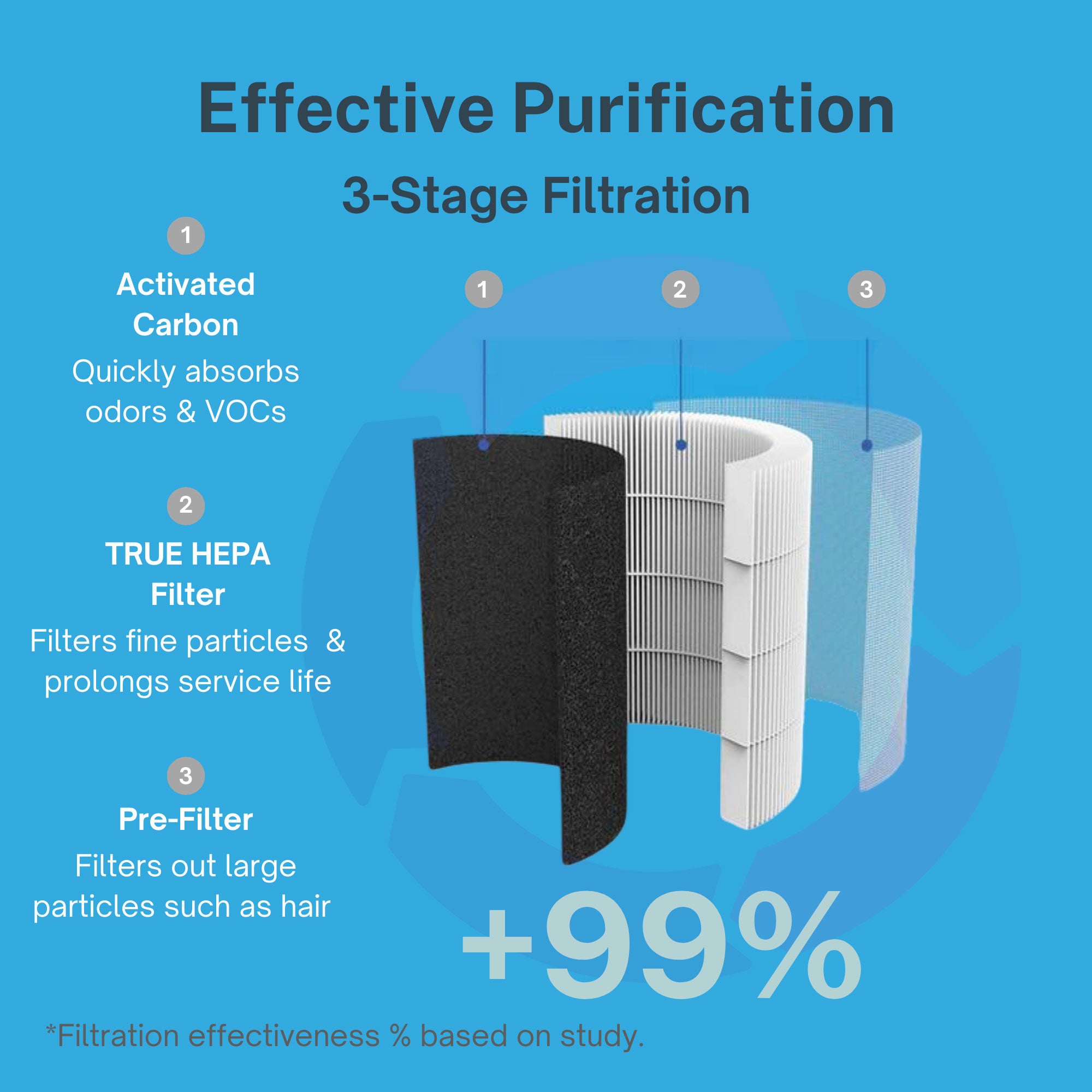
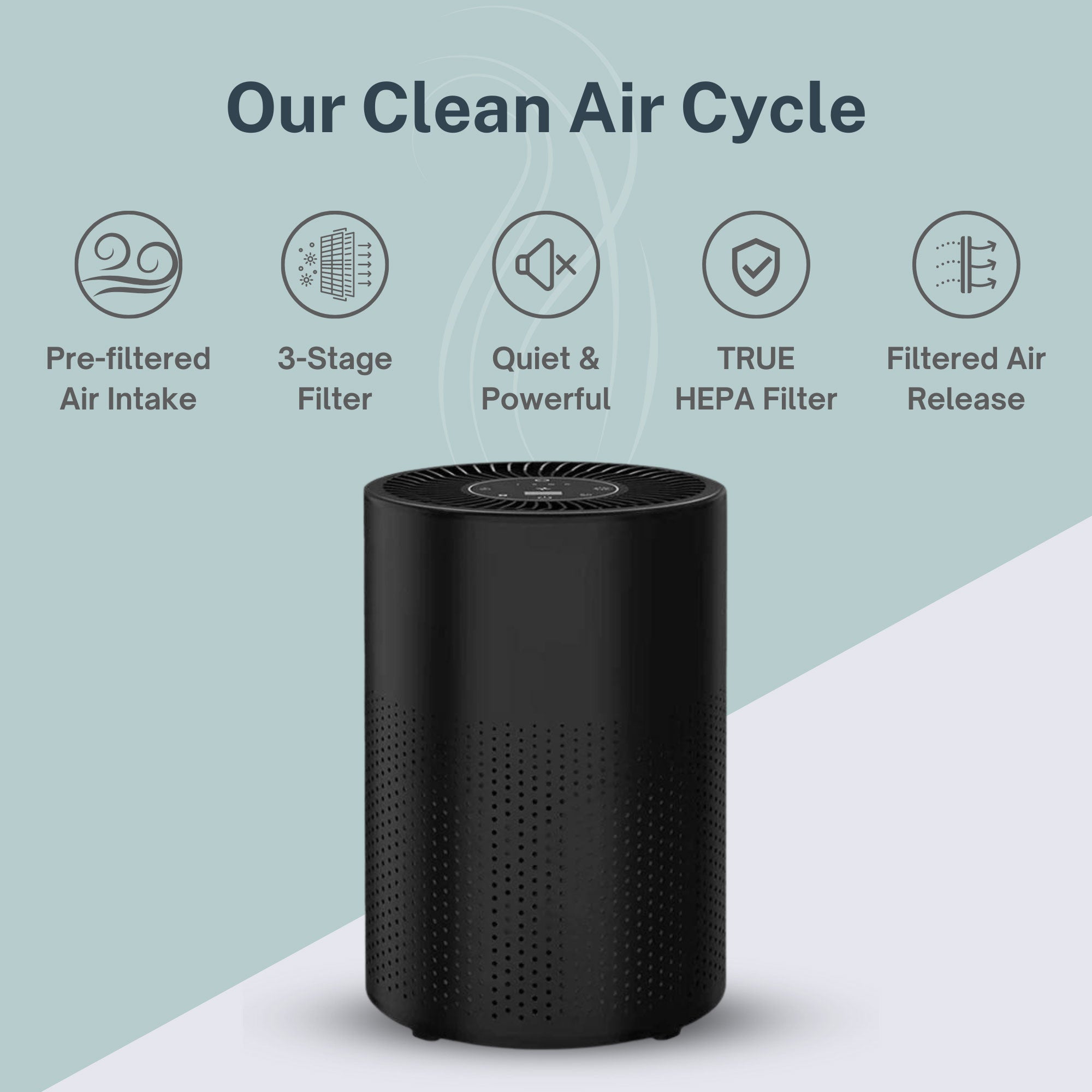
Air purification can meaningfully reduce the airborne burden of both mold spores and volatile organic compounds. For people with MCS, the specific technologies in an air purifier matter considerably. Activated carbon is the relevant technology for exposure to gaseous chemicals, including MVOCs. True HEPA filtration addresses particulate matter including mold spores and the ultrafine mold fragments documented in the research literature. And for people with chemical sensitivities, ozone-free certification is not optional, it's essential. Ozone is itself a chemical irritant that can trigger reactions in people with MCS.
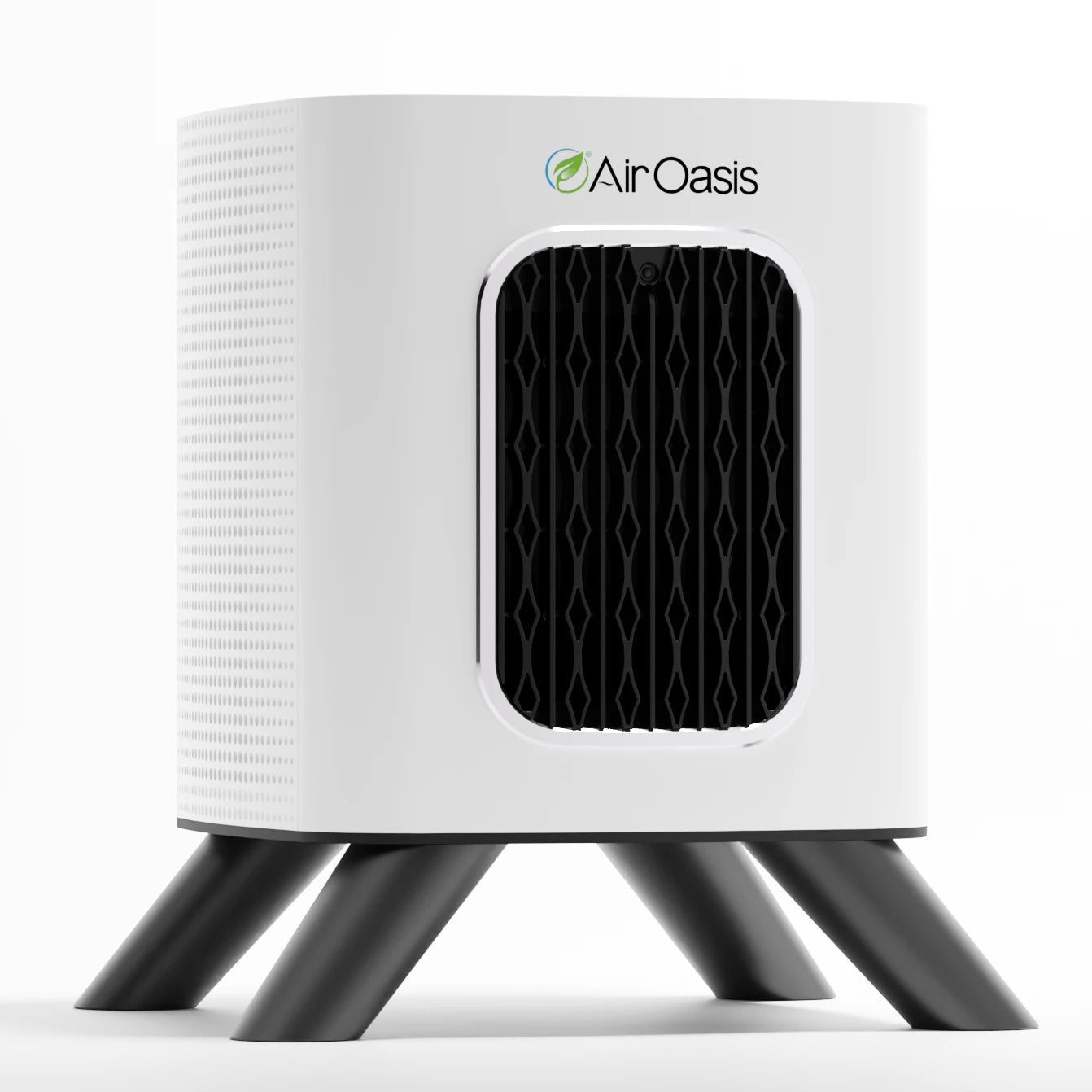
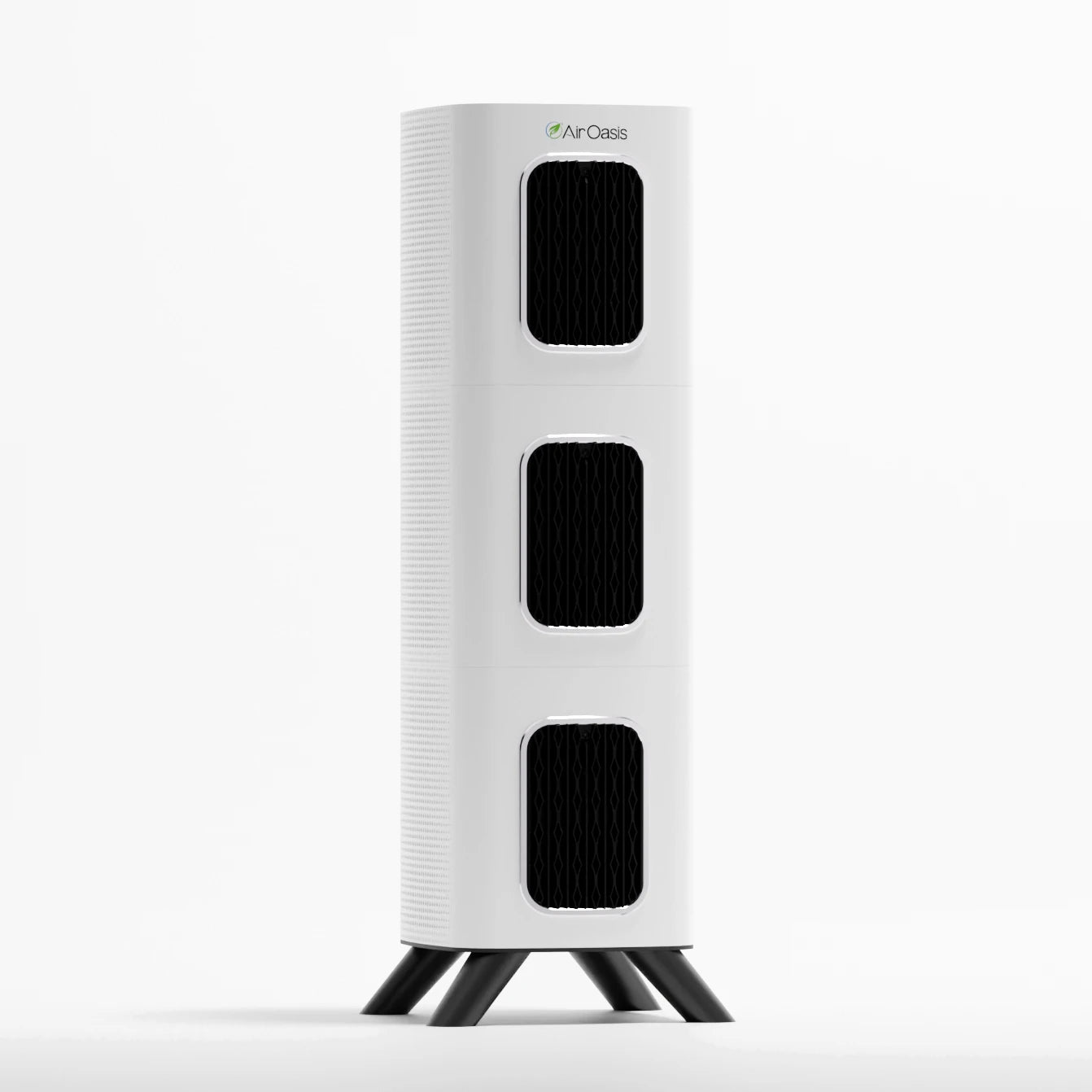
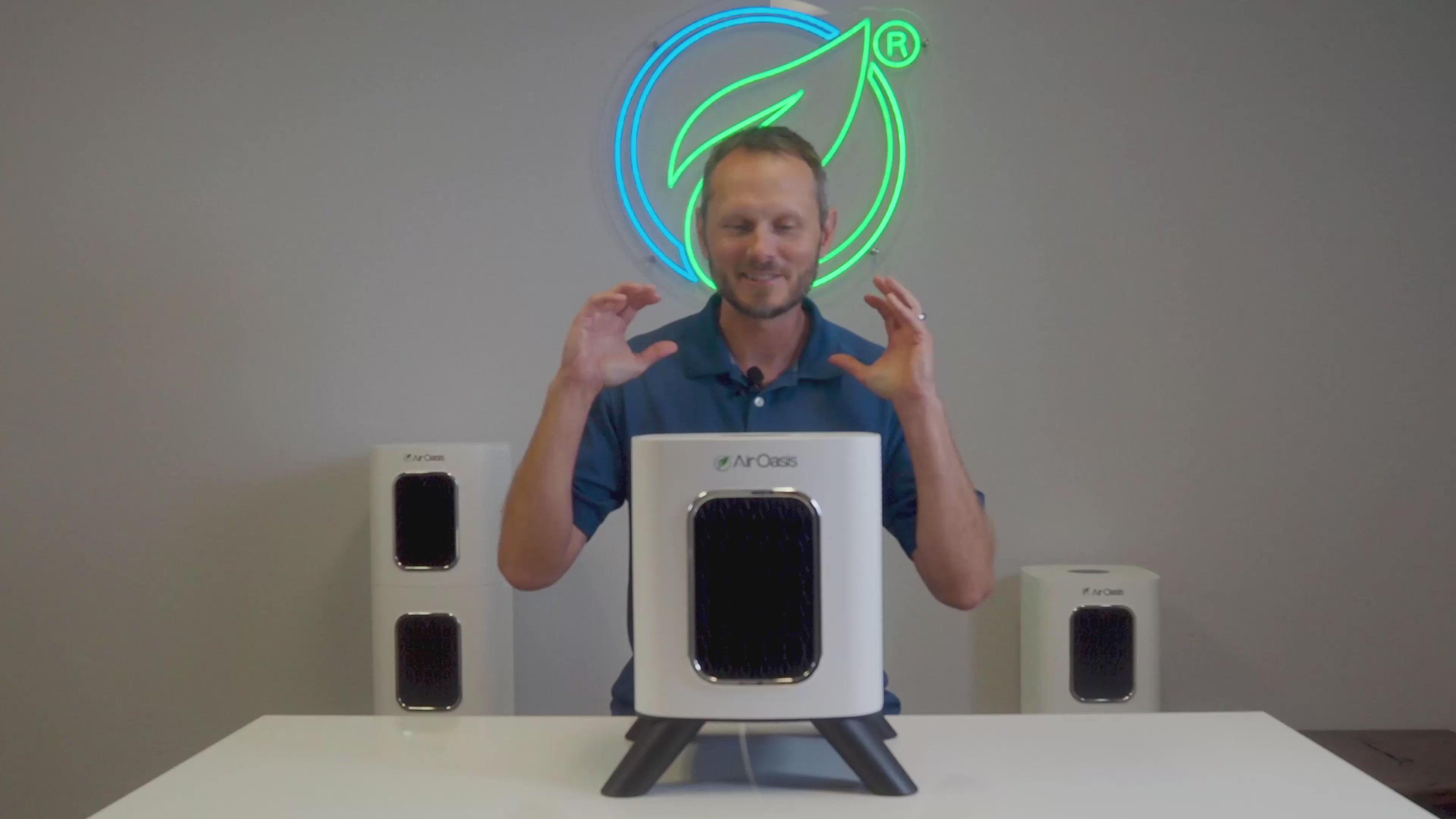
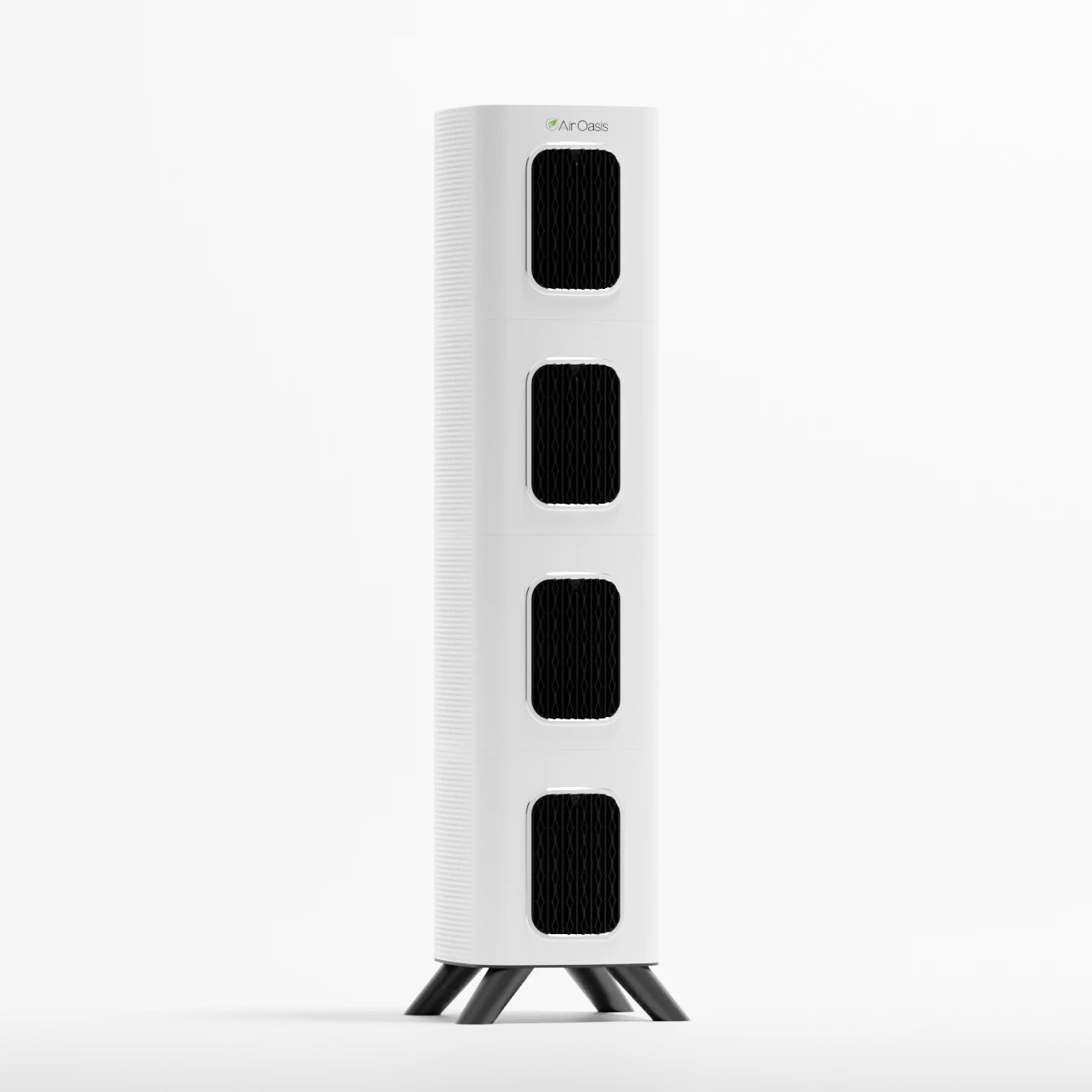
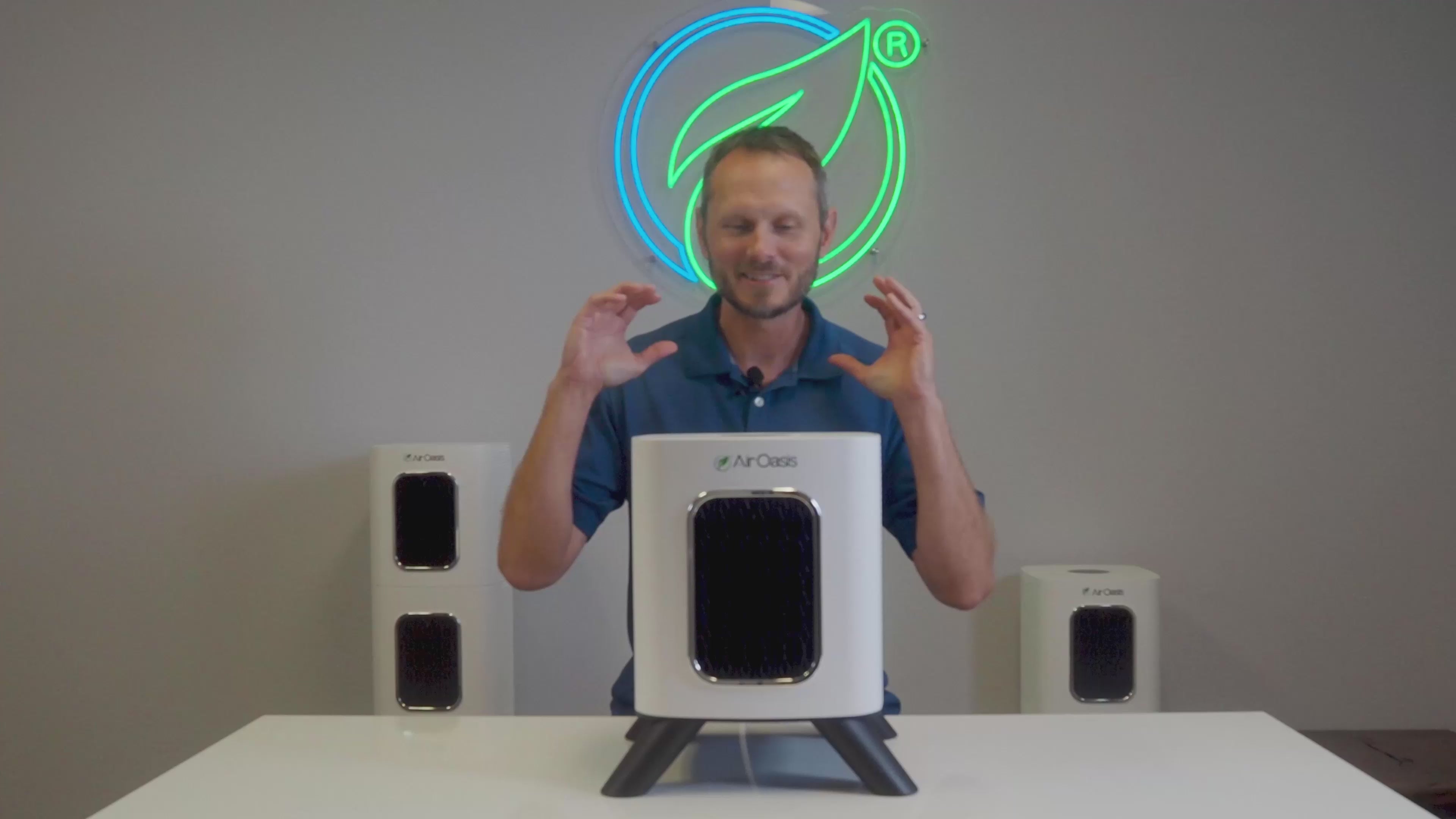
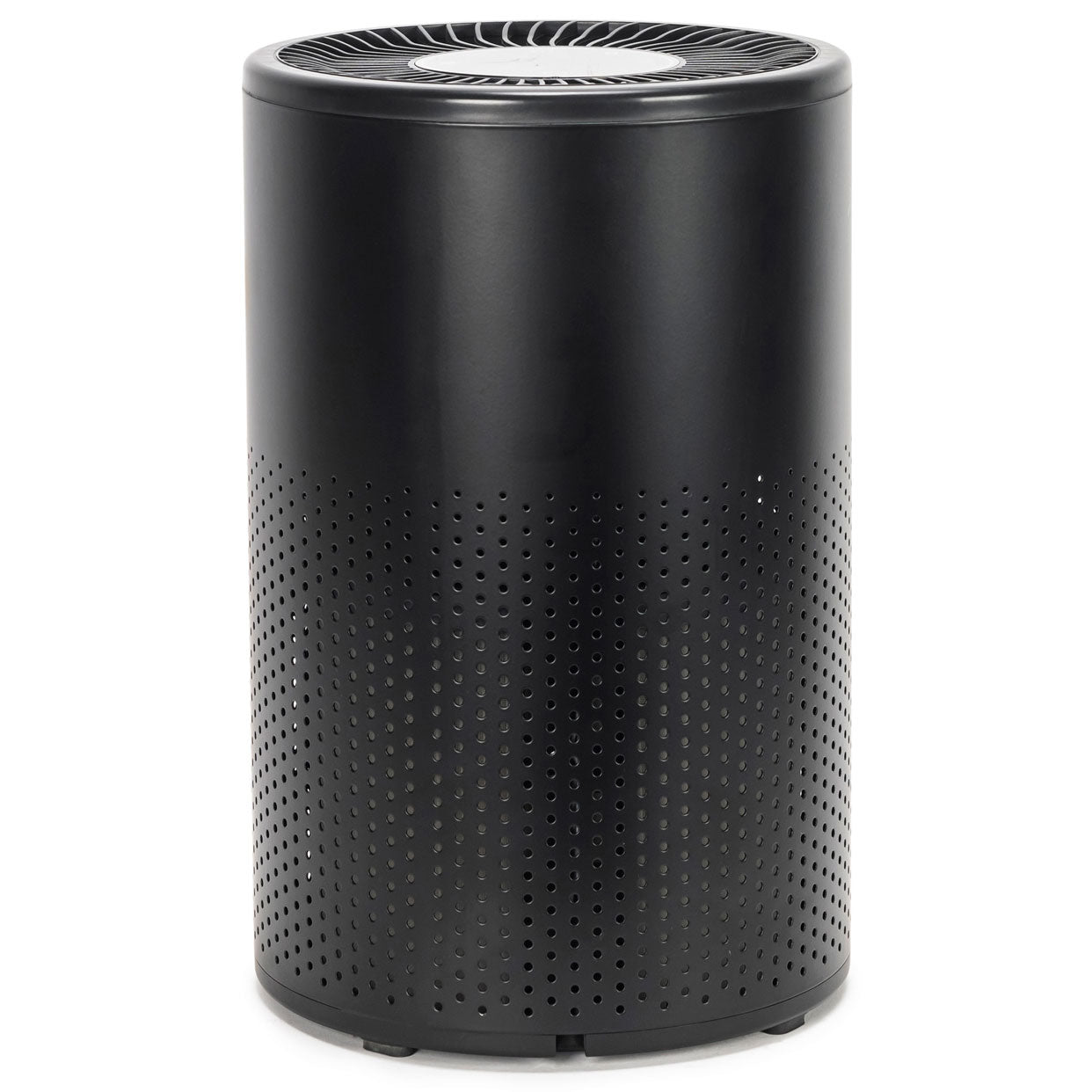
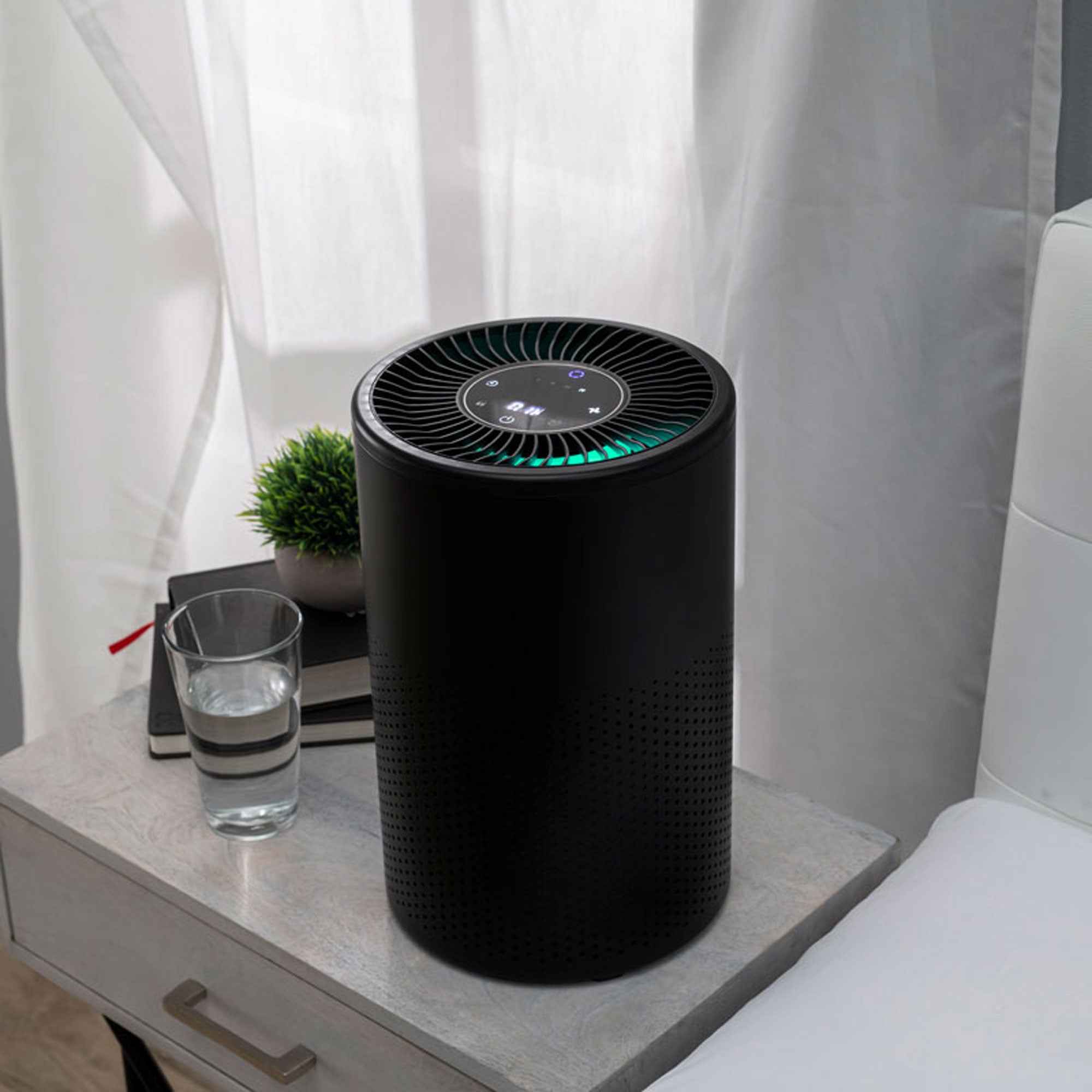
The iAdaptAir is CARB-certified ozone-free, making it appropriate for continuous use in spaces where chemical sensitivity is a concern. Its activated carbon layer targets VOCs and gaseous compounds, including the MVOCs associated with mold growth. True HEPA filtration captures particulates down to 0.3 microns. For those with EMF sensitivities, which frequently co-occur with MCS, the removable WiFi module is worth noting.
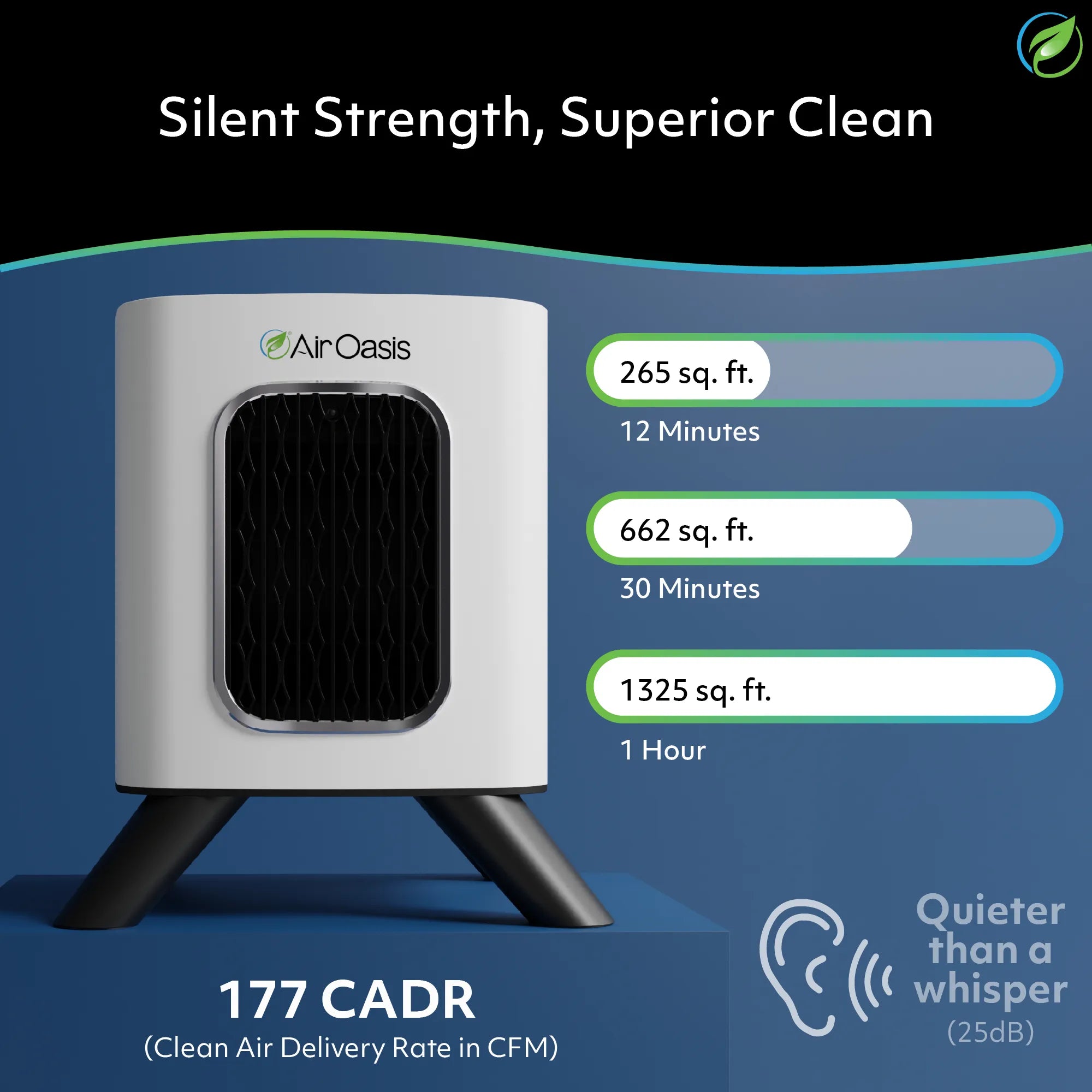
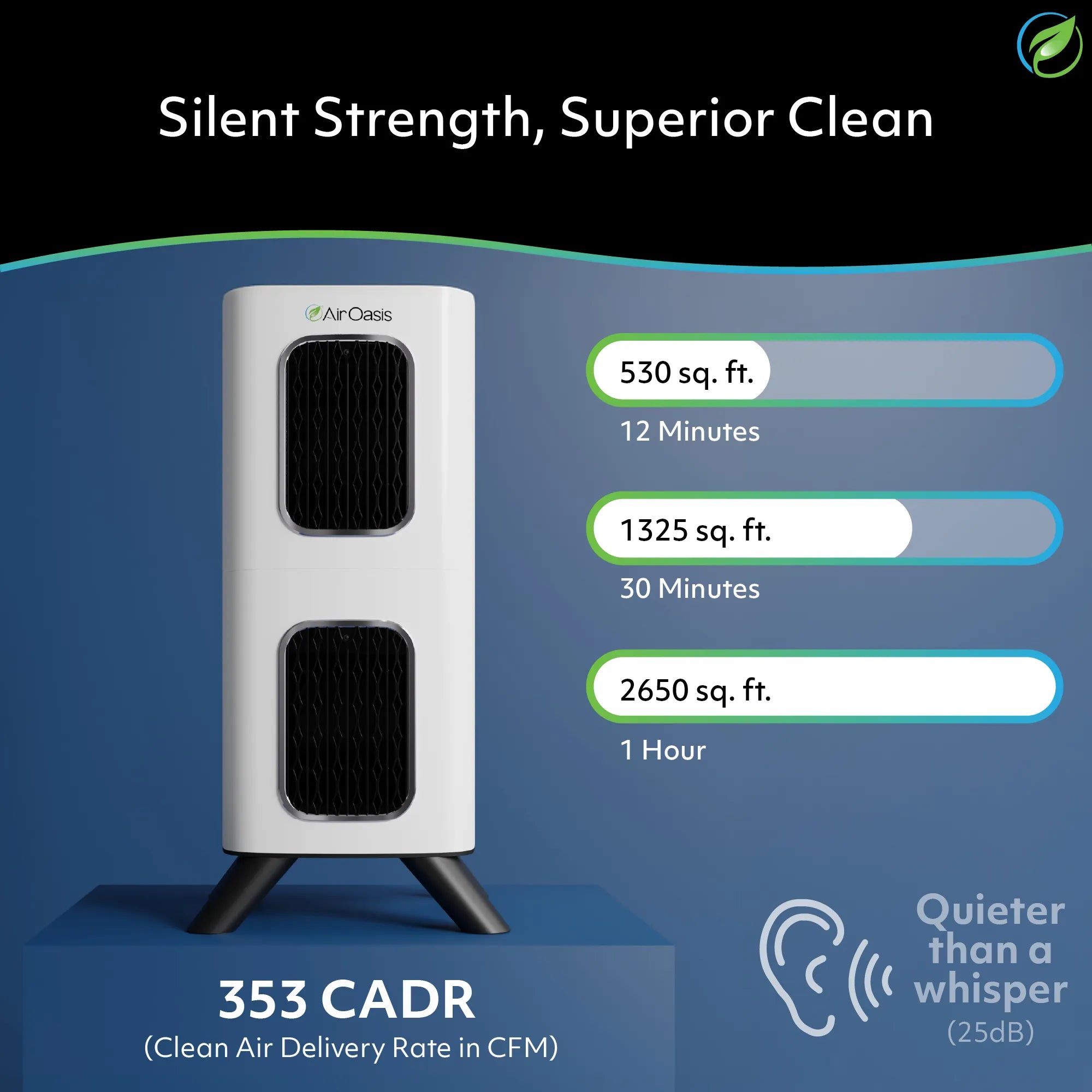
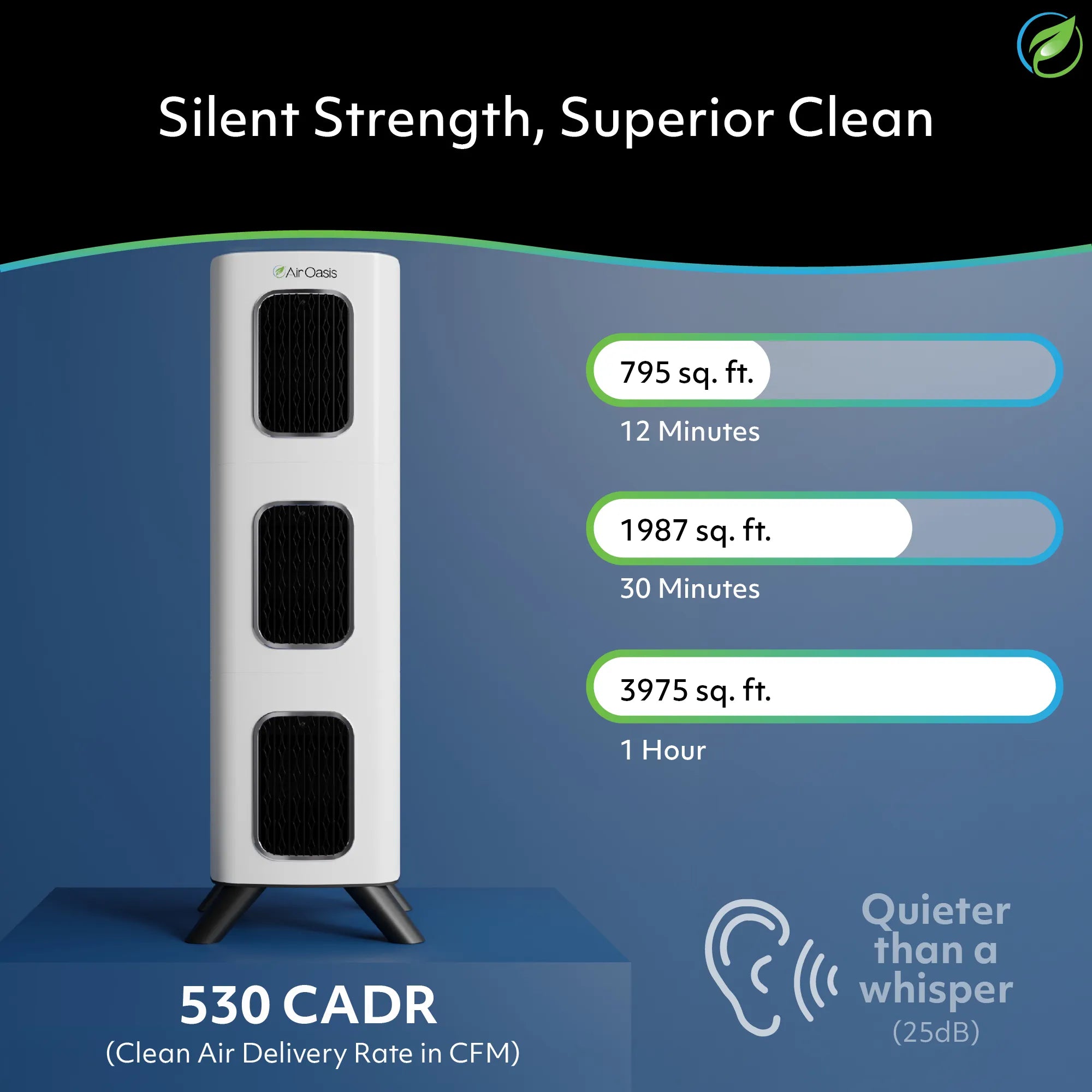
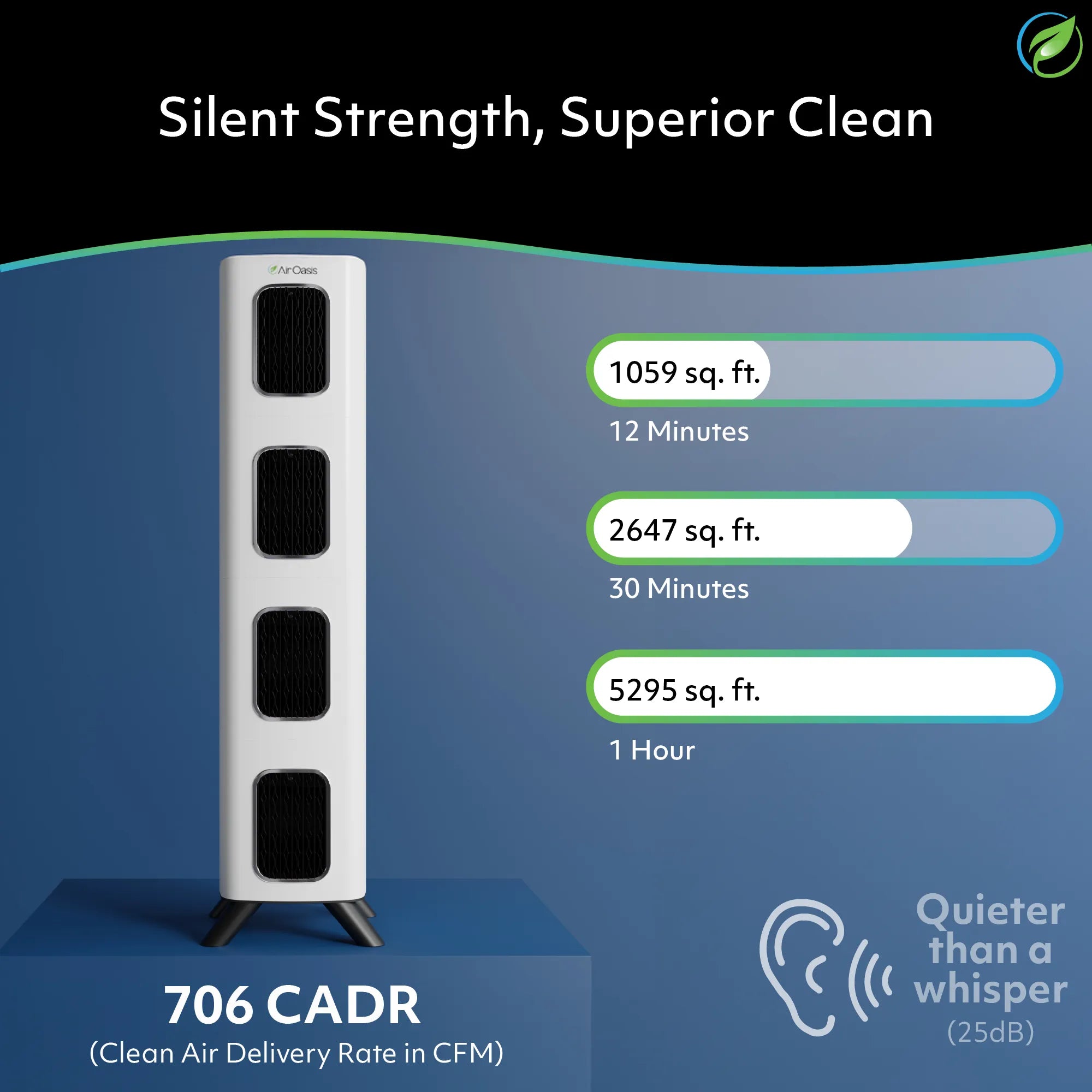
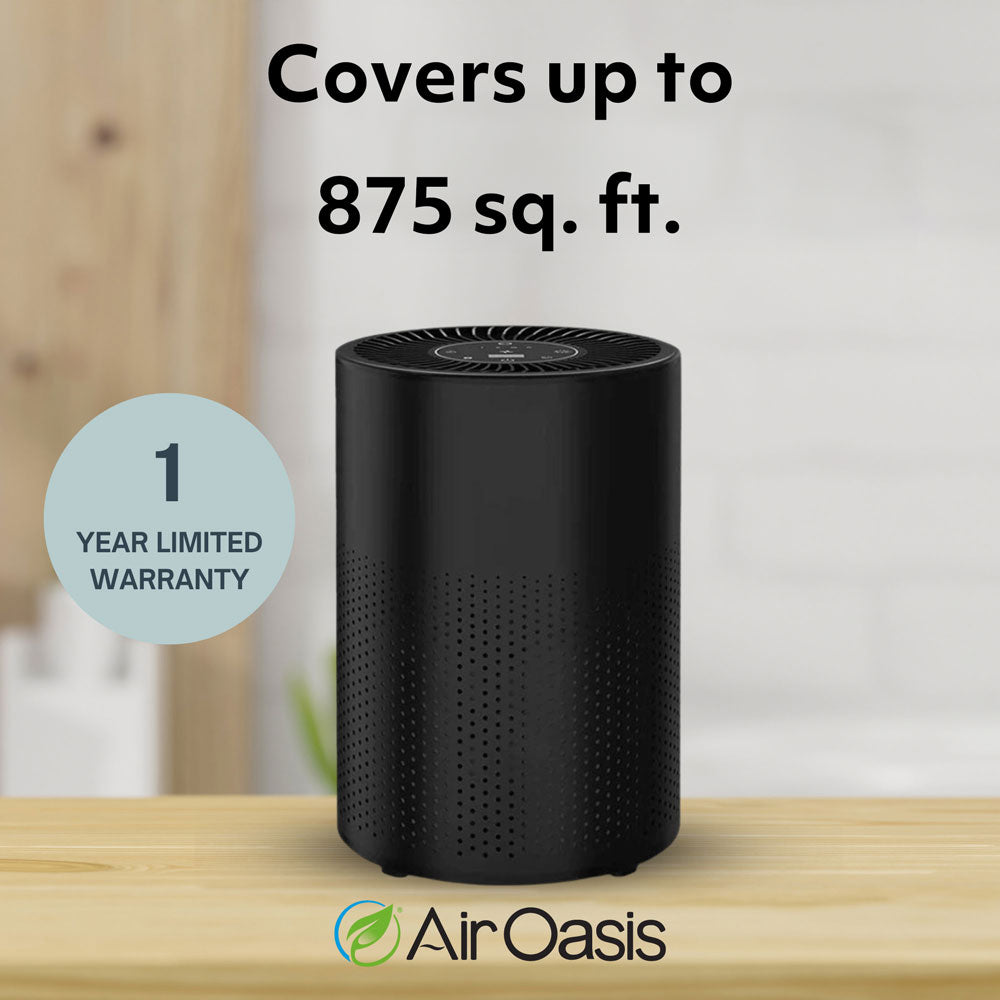
Size your unit for the room where you spend the most time. The iAdaptAir 2S covers up to 265 sq ft, the 2M up to 530 sq ft, the 2L up to 795 sq ft, and the 2P up to 1,059 sq ft. Keep doors and windows closed during operation and ensure at least four inches of clearance around the unit on all sides.
What the mold-MCS connection means for your health going forward
The relationship between mold exposure and multiple chemical sensitivity is not yet fully mapped in the medical literature. What exists is a biologically plausible set of mechanisms, observational evidence linking the two, and consistent clinical reporting from practitioners who treat both conditions. That's not nothing. It's also not a complete picture.
What it does mean, practically, is that if your MCS symptoms have been worsening and you've had any exposure to water-damaged environments, that history is worth examining with a qualified physician. Mold-related immune dysregulation and MCS share enough mechanistic overlap that addressing one may meaningfully affect the other. Reducing your total chemical and biotoxin burden at home, including in the air you breathe daily, is a reasonable place to start.
Shop Air Oasis for science-backed, ozone-free air purification built for people who need clean air to mean something. Breathe Better, Live Better.