Most people assume cats and dogs are the worst offenders when it comes to pet allergies. Walk into any allergist's office and you'll hear countless stories about watery eyes and constant sneezing around these furry companions. But what about rabbits? These quiet, gentle pets are often considered hypoallergenic alternatives for people who can't tolerate cats or dogs. The reality is more complicated than most pet owners realize.
Rabbit allergies operate differently than reactions to cats and dogs. The good news is that rabbit allergies are genuinely less common than allergies to traditional household pets. Research shows that people who react to rabbits rarely also react to cats and dogs, which means the allergens are molecularly different. If you're allergic to cats or dogs, there's a decent chance you can live comfortably with a rabbit. But that doesn't mean rabbit allergies are mild when they do occur.
The intensity of allergic reactions varies dramatically from person to person. Some rabbit owners experience severe symptoms that rival or exceed their reactions to other pets. Others live symptom-free with rabbits despite being highly allergic to cats and dogs. The key difference lies not just in whether you're allergic, but what specifically triggers your reaction.
What Really Triggers Rabbit Allergies
Here's where rabbit allergies get tricky. You're rarely allergic to the rabbit itself. Unlike cats and dogs that produce specific proteins in their dander and saliva that trigger most allergic reactions, rabbits cause problems in unexpected ways. Rabbit dander exists and can trigger allergies, but it's typically less allergenic than cat or dog dander. Rabbit saliva and even urine contain proteins that some people react to, but again, these are less common triggers.
The real culprit in most rabbit allergy situations is hay. Rabbits need unlimited access to hay as their primary food source, and this creates a unique challenge. Hay is literally dried grass, and grass allergies are extremely common. If you have seasonal allergies or react to freshly cut grass, living with a rabbit might trigger worse symptoms than living with a cat or dog. The constant presence of hay dust in the air, coating surfaces, and clinging to the rabbit's fur can make your home feel like an endless allergy attack during peak seasons.
Hay dust becomes airborne every time your rabbit eats, digs through their food, or moves around their enclosure. This fine particulate matter floats through your home and settles on furniture, carpets, and bedding. You're breathing it in constantly without realizing it. For people with grass allergies, this creates a chronic exposure situation that can actually worsen over time rather than improve.
Different types of hay affect people differently too. Timothy hay is the most common rabbit food, and unfortunately, it's also the variety that triggers the most allergic reactions. Some people find relief by switching their rabbits to orchard hay or oat hay, but your rabbit might not accept the change readily. You could find yourself dealing with a picky eater while simultaneously struggling with allergy symptoms.
When Rabbit Allergies Hit Harder
Seasonal changes amplify rabbit allergies significantly. Rabbits shed heavily twice a year, typically in spring and fall. During these shedding seasons, allergen particles multiply dramatically. You're not just dealing with more fur floating around. The rabbit is also shedding more skin cells and dander, which means more allergens becoming airborne throughout your home.
Spring presents a double challenge for allergy sufferers. Your rabbit is shedding their winter coat right when your seasonal allergies peak from outdoor pollen. The combination of increased rabbit allergens indoors and pollen outdoors can make symptoms feel unbearable. Many rabbit owners report that their mild year-round symptoms become severe during these overlap periods.
Living spaces play an enormous role in rabbit allergy severity. A rabbit in a small apartment creates higher allergen concentrations than a rabbit in a large house where particles can disperse. Carpeted floors trap allergens far more effectively than hardwood, creating reservoirs of irritants that vacuum cleaners struggle to remove completely. Poor ventilation allows allergens to build up rather than dissipate.
The time you spend directly interacting with your rabbit affects symptom severity. If you frequently hold, pet, and cuddle your rabbit, you're exposing yourself to higher concentrations of allergens. The dander and saliva transfer to your hands, clothes, and face. These particles stick around for hours after you've stopped handling your rabbit, continuing to trigger reactions long after playtime ends.
Managing Rabbit Allergies Successfully
Living with rabbit allergies requires consistent effort and smart strategies. Frequent cleaning becomes non-negotiable. Vacuum at least twice weekly, focusing on areas where your rabbit spends time. Dust surfaces regularly, paying special attention to air vents, ceiling fans, and window sills where particles accumulate. Hard floors make this easier than carpet, which traps allergens deep in fibers.
Store hay in closed containers rather than leaving it open to the air. Only open the container once daily for feeding to minimize dust exposure. Wear a mask and gloves when handling hay or cleaning litter boxes. These simple barriers prevent direct contact with the most problematic allergens. Always wash your hands immediately after interacting with hay or your rabbit, and avoid touching your face before washing.
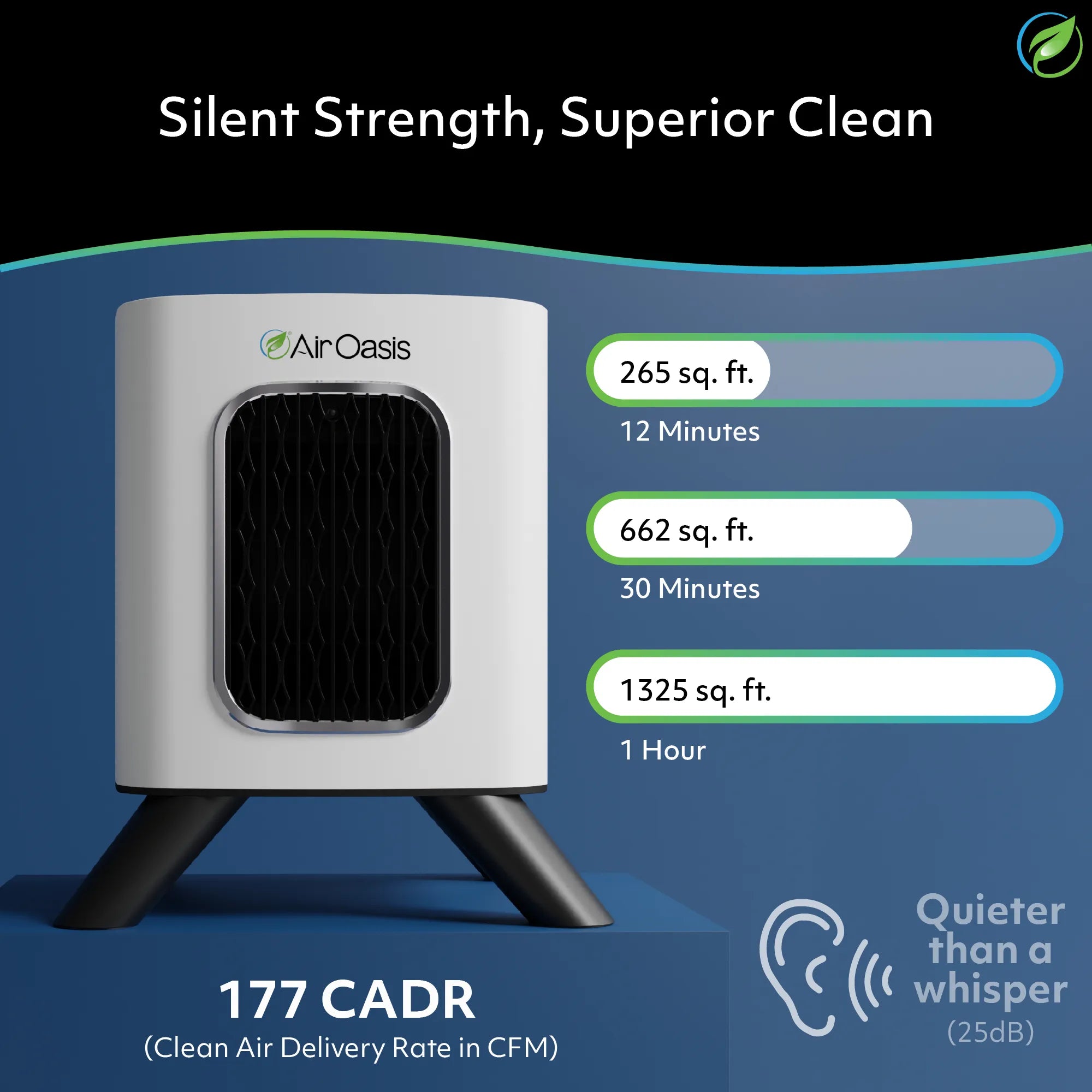
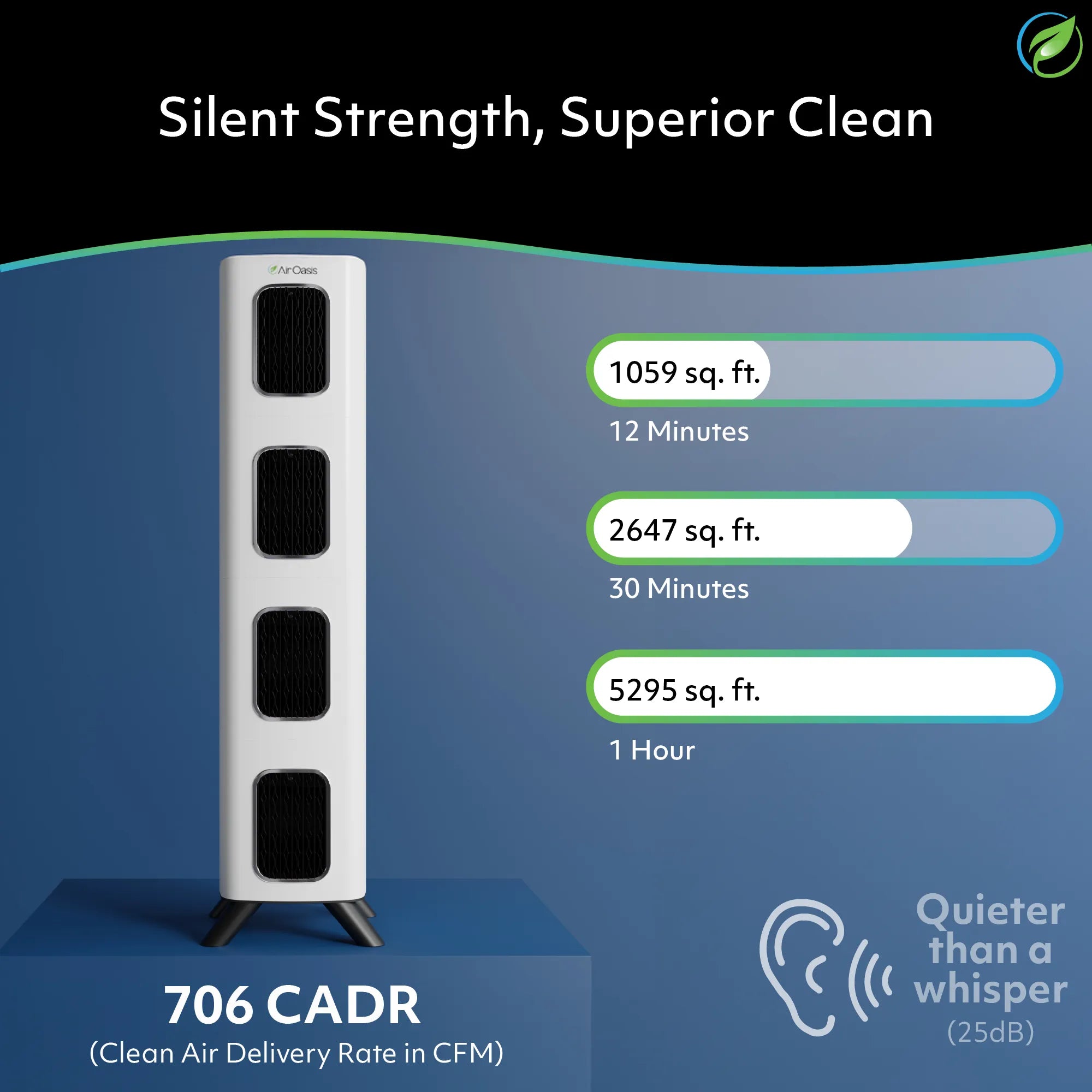
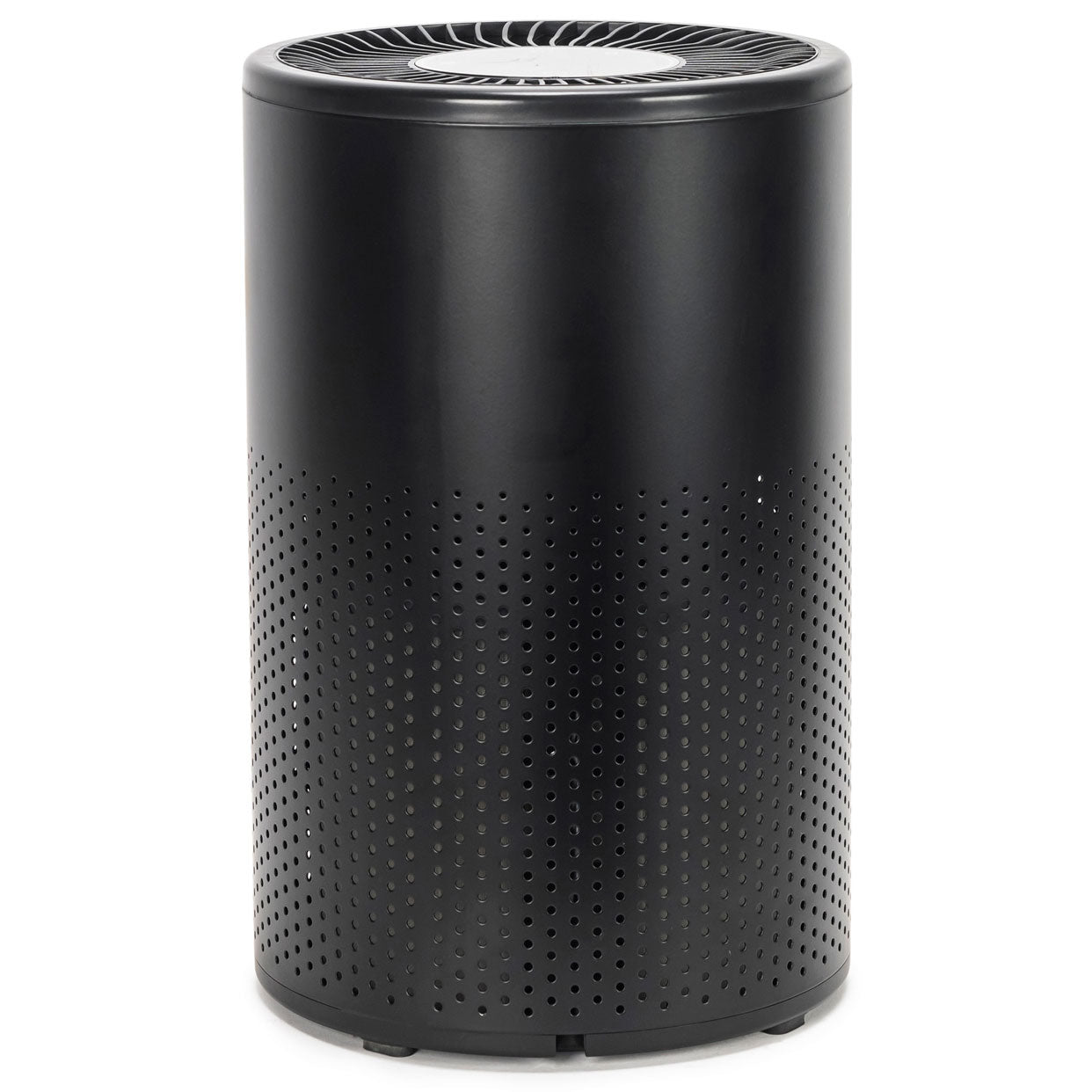
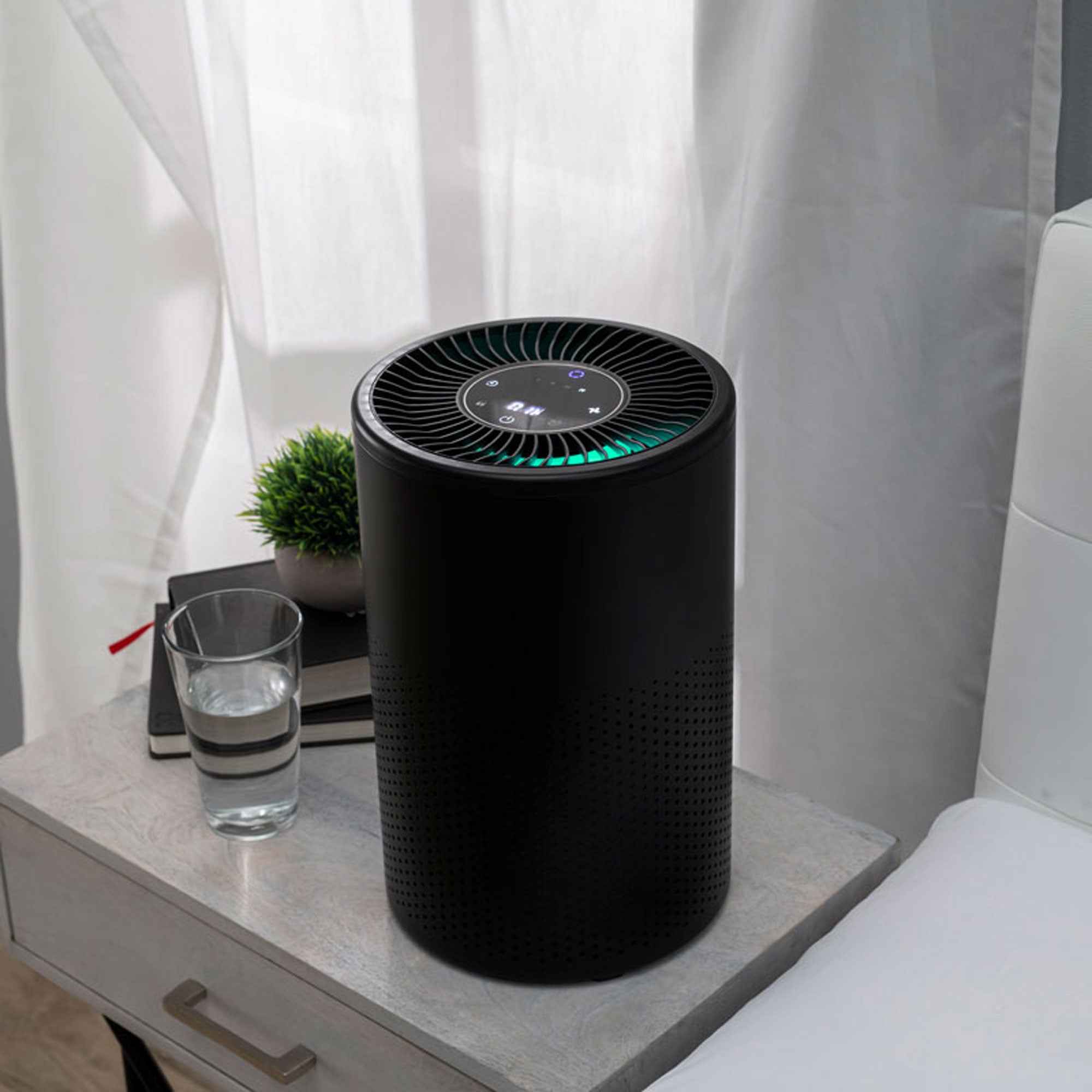
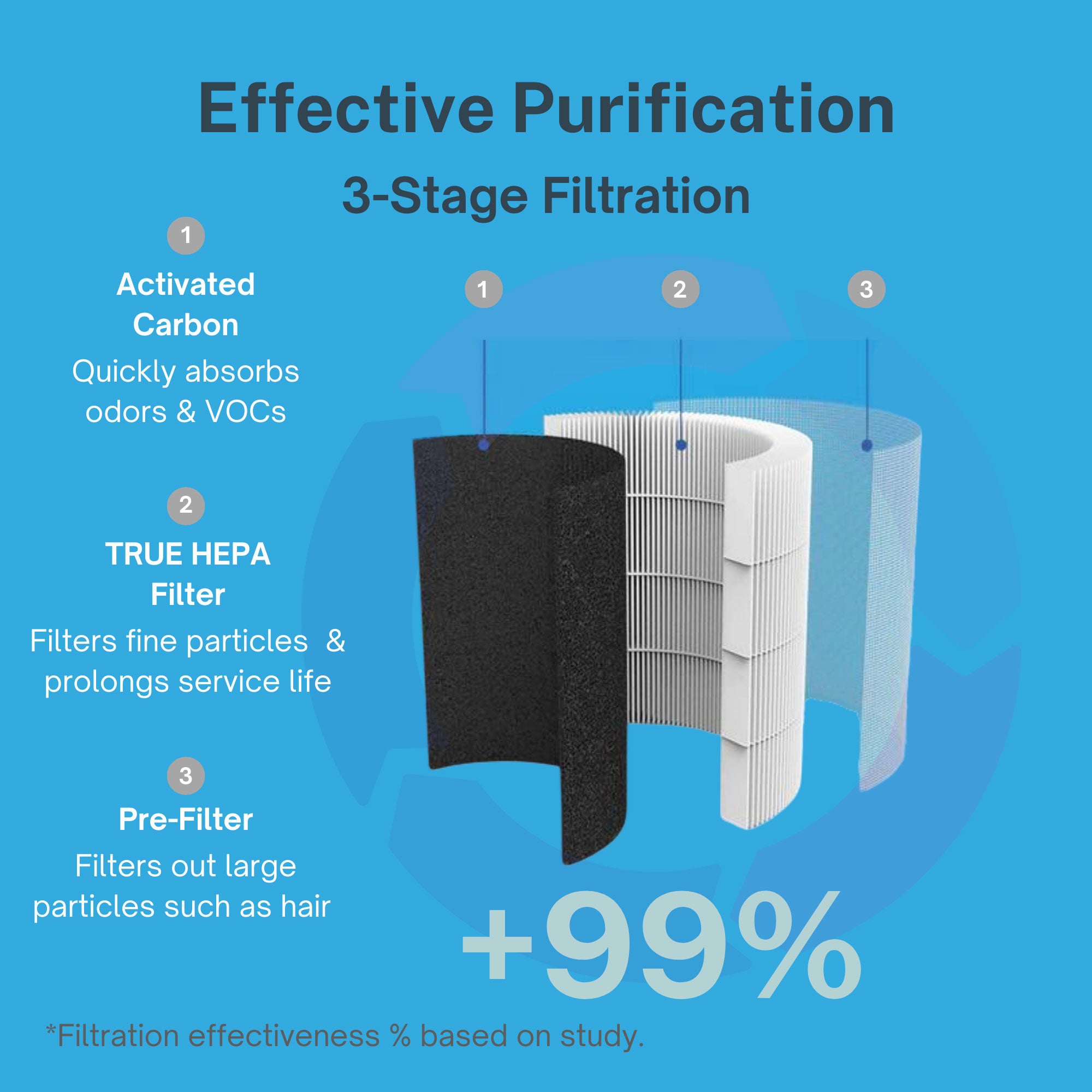
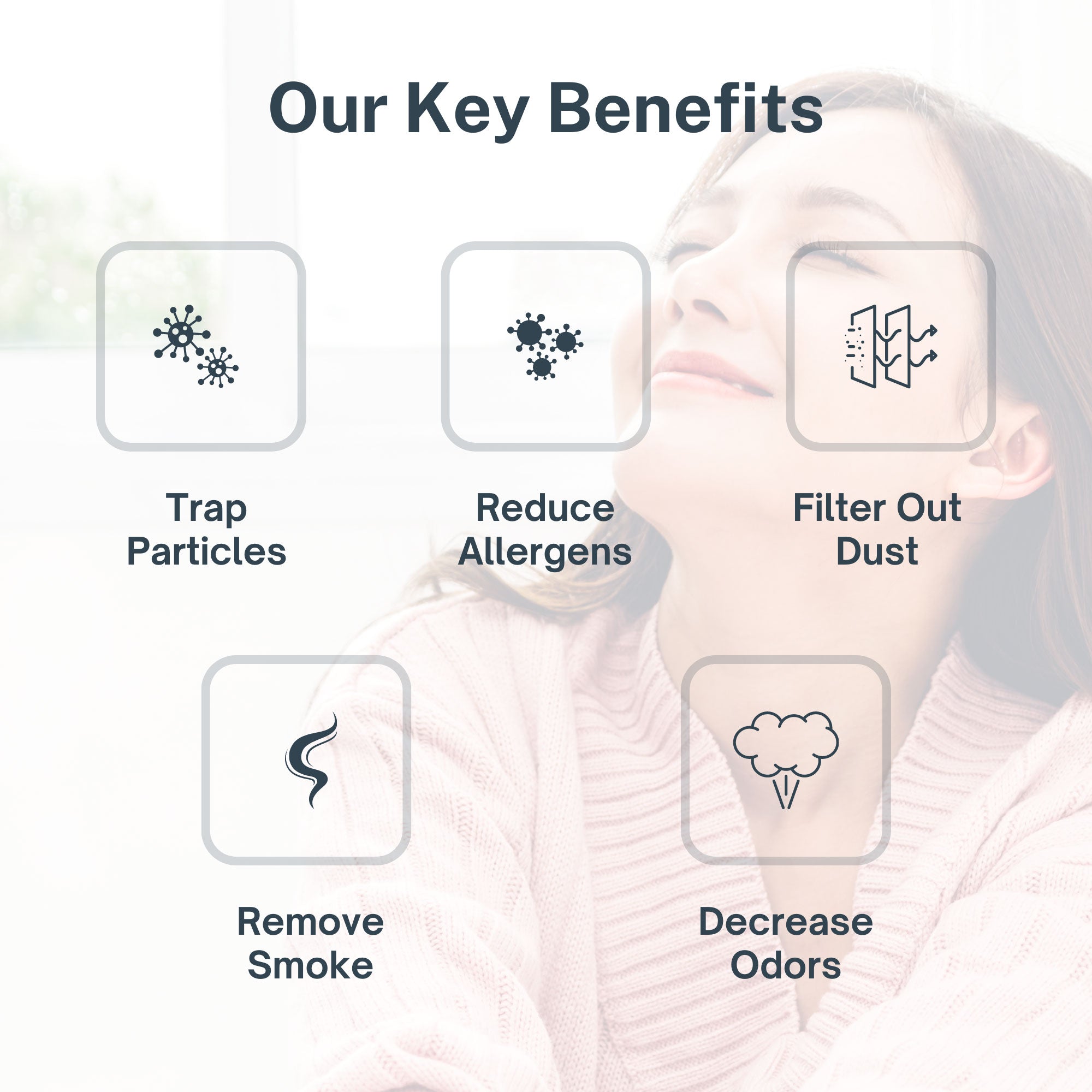
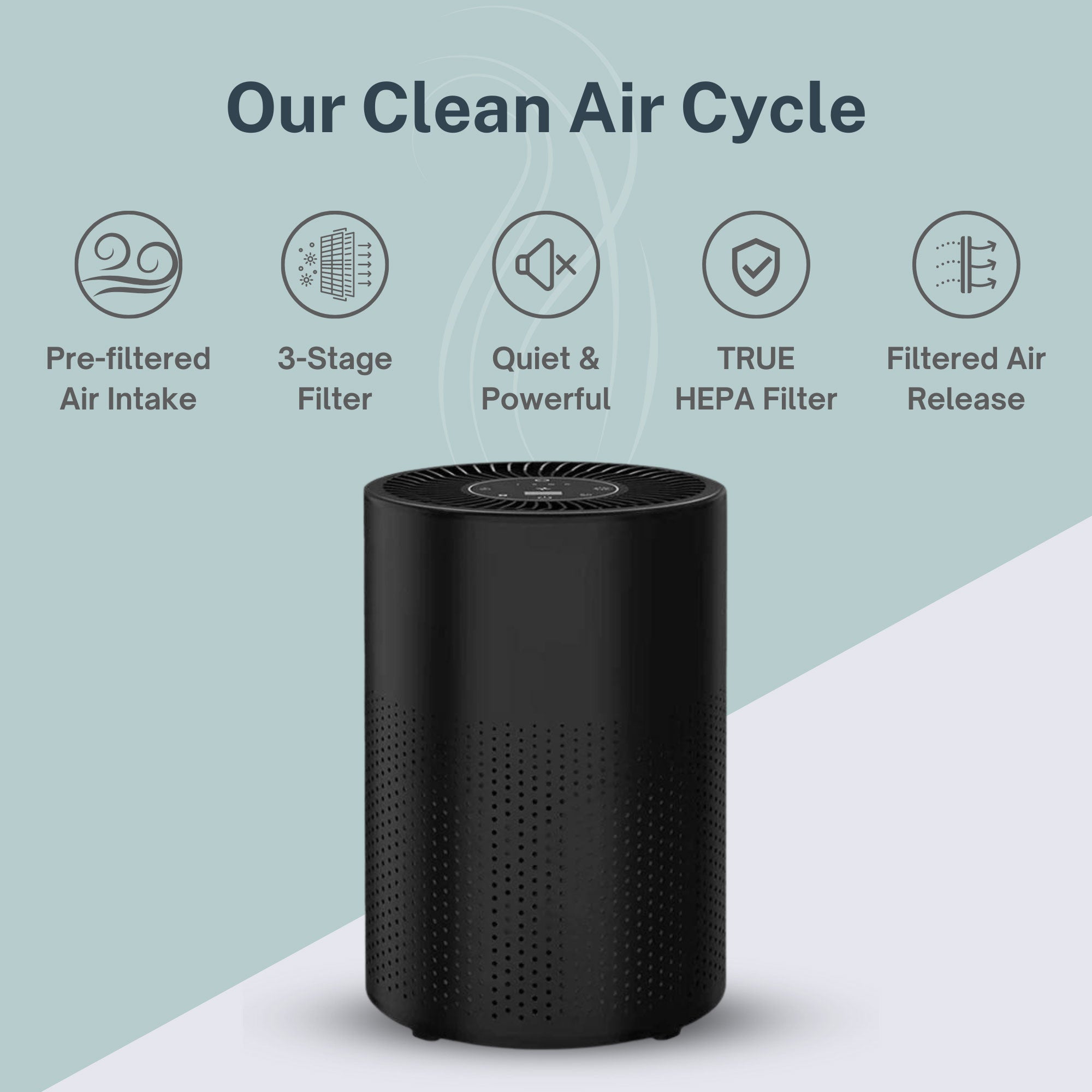
Air purifiers equipped with true HEPA filters capture the tiny particles that trigger allergic reactions. Place purifiers in rooms where your rabbit lives and in your bedroom to create allergen-free zones. Run them continuously rather than intermittently for best results. Avoid ionizer-style purifiers, which can potentially harm small pets.
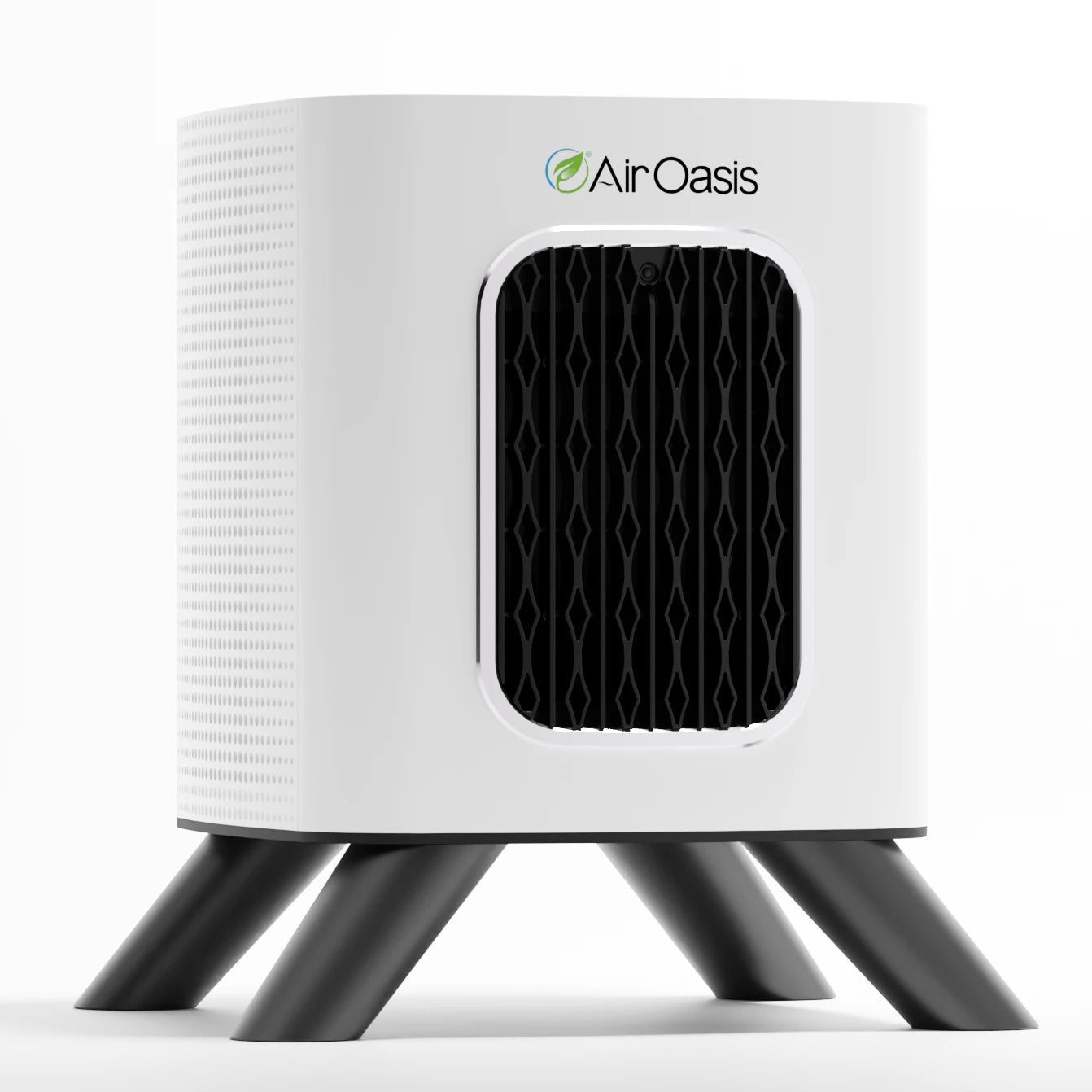
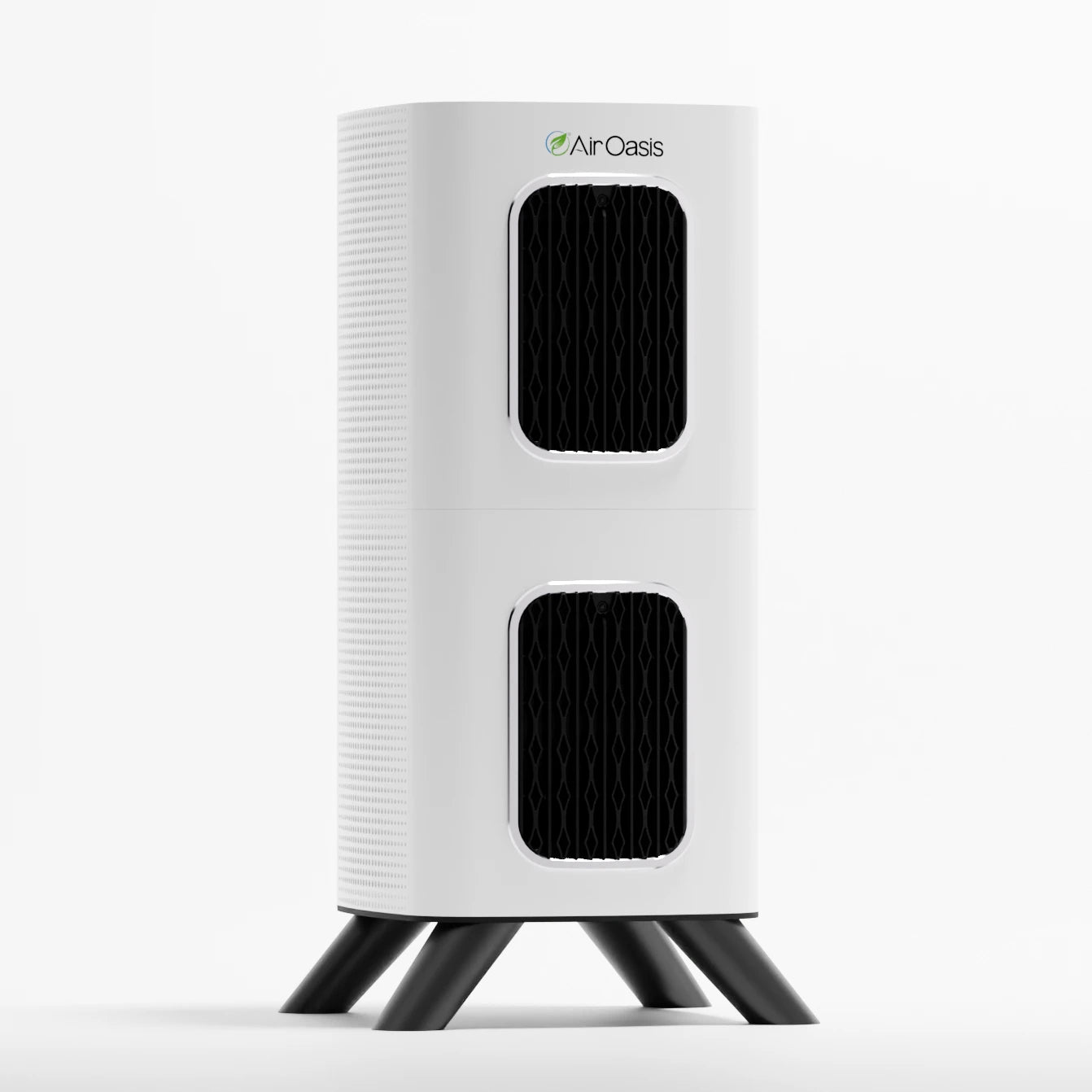
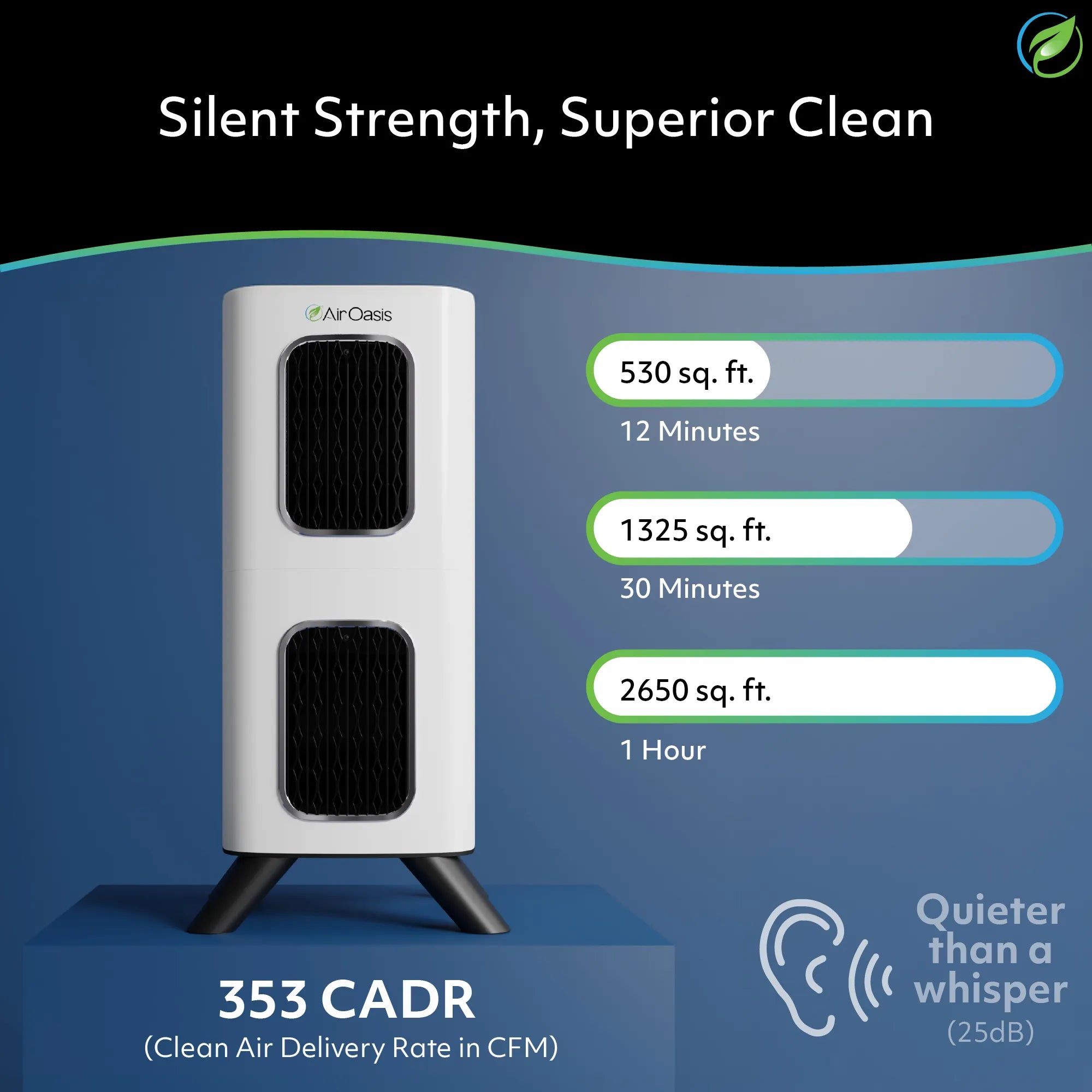
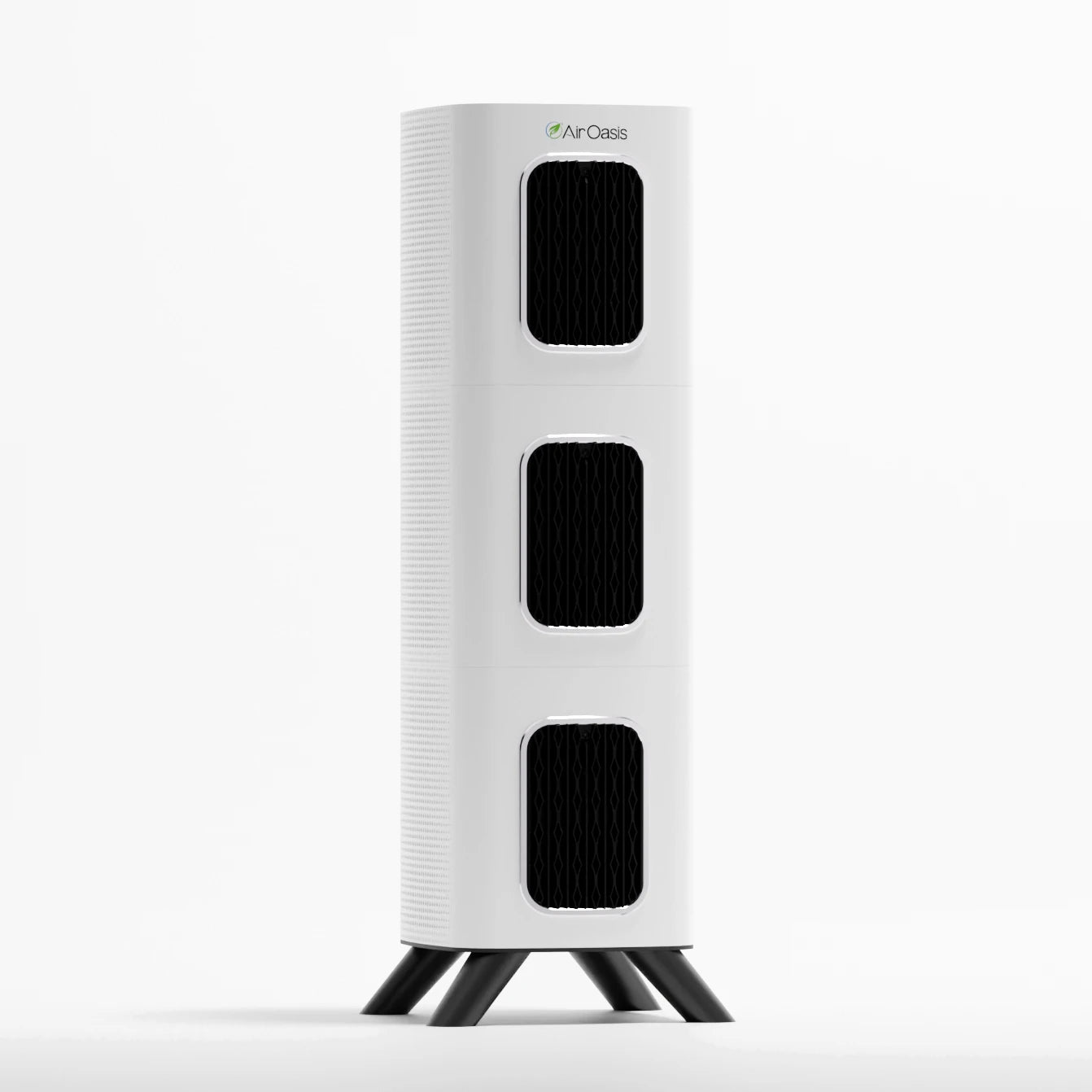
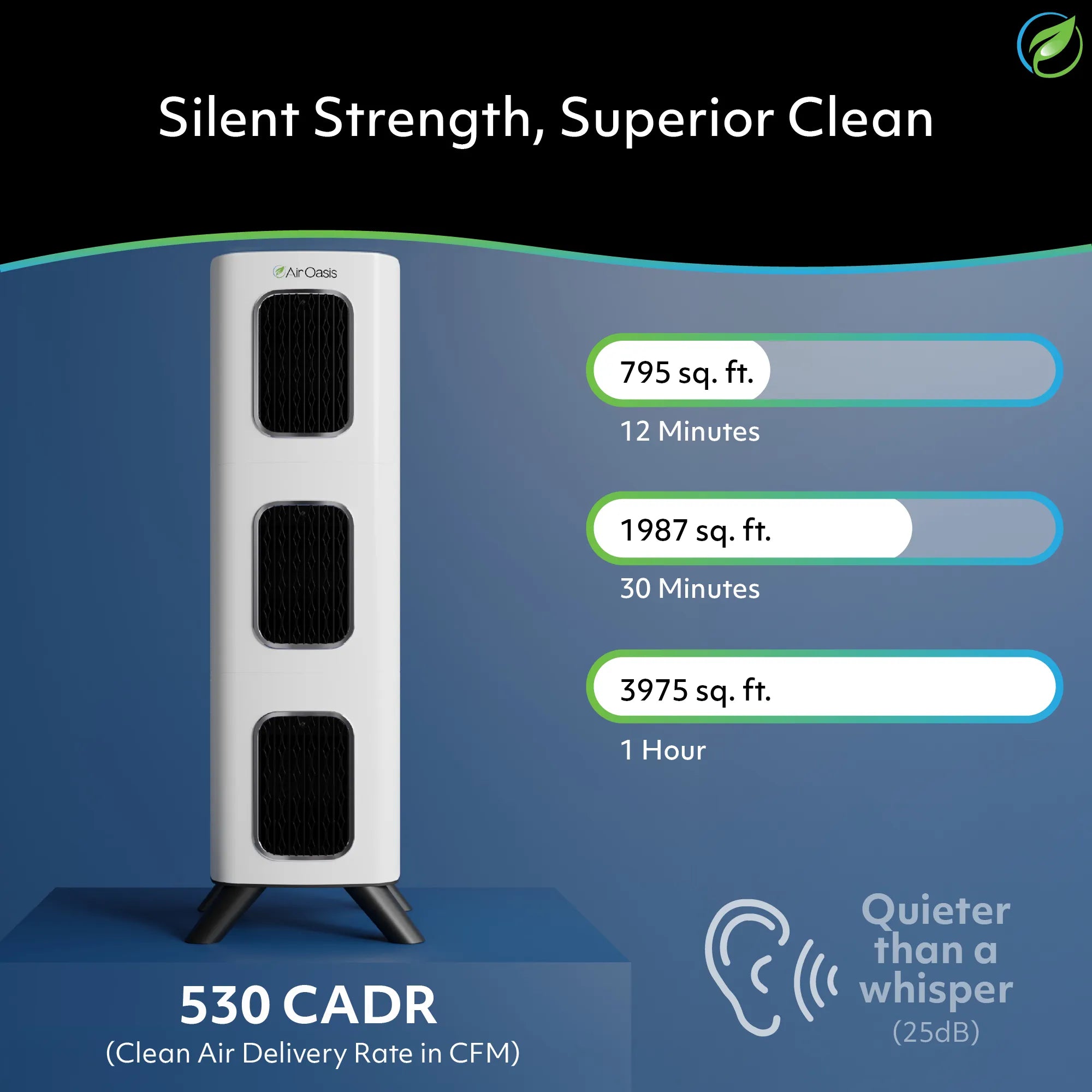
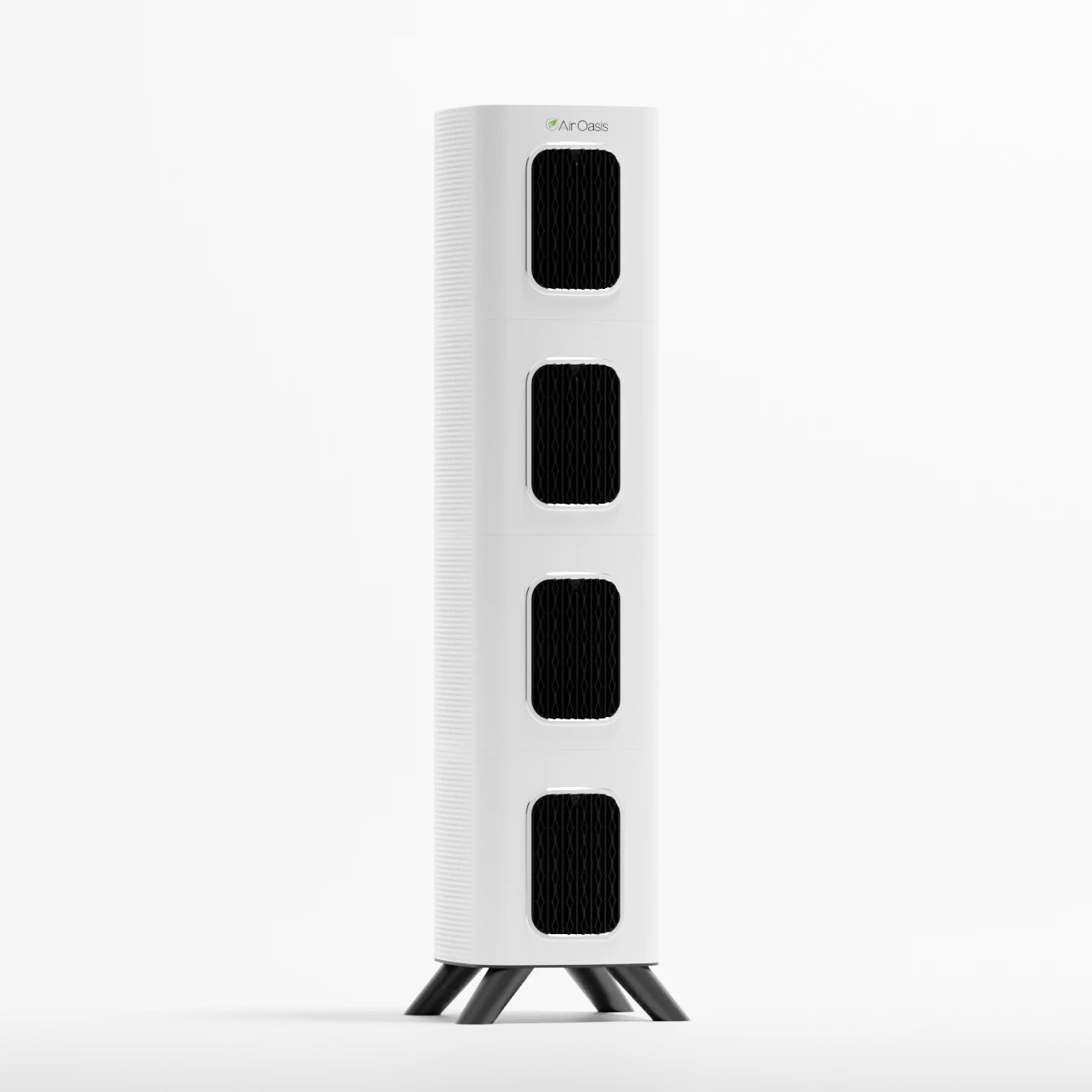
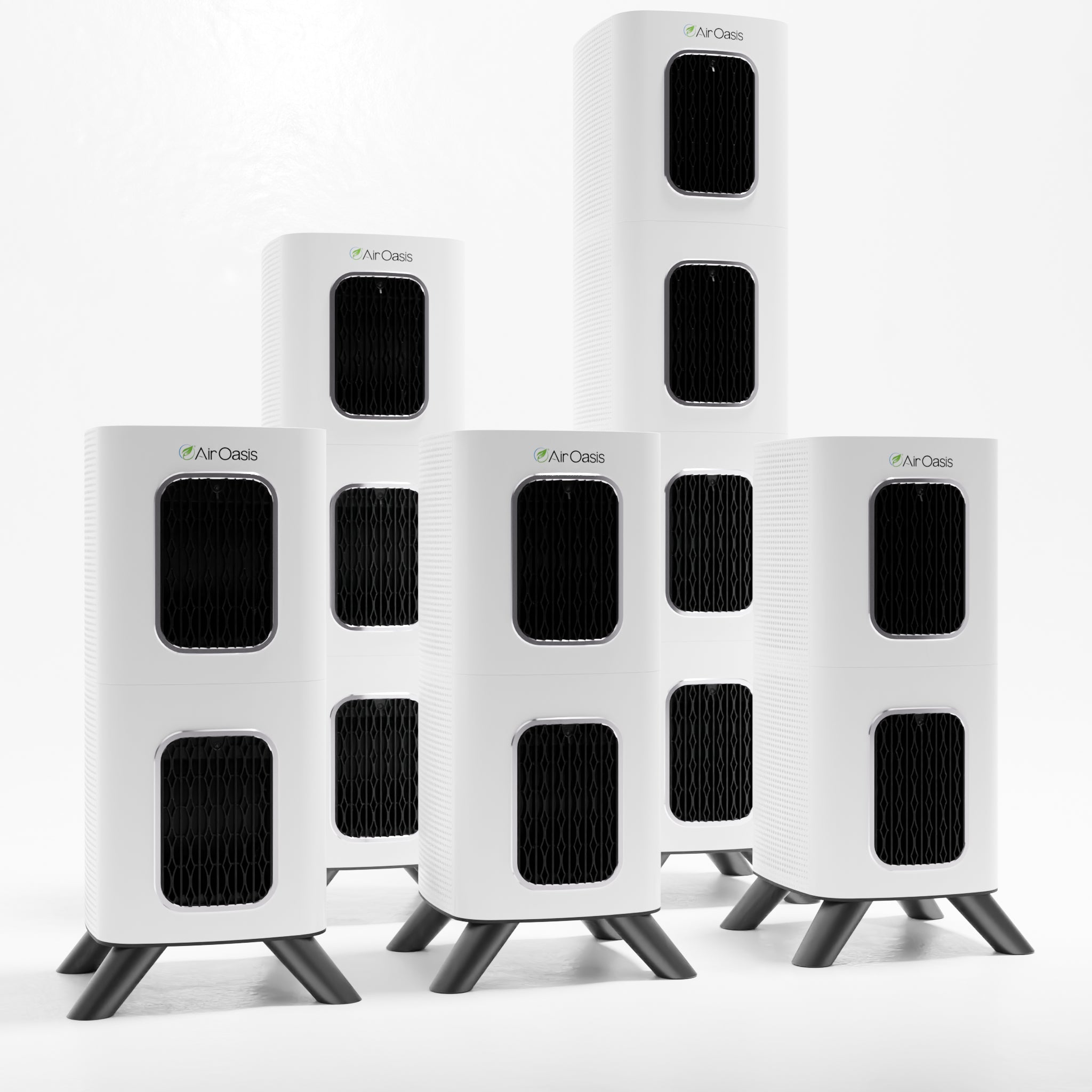
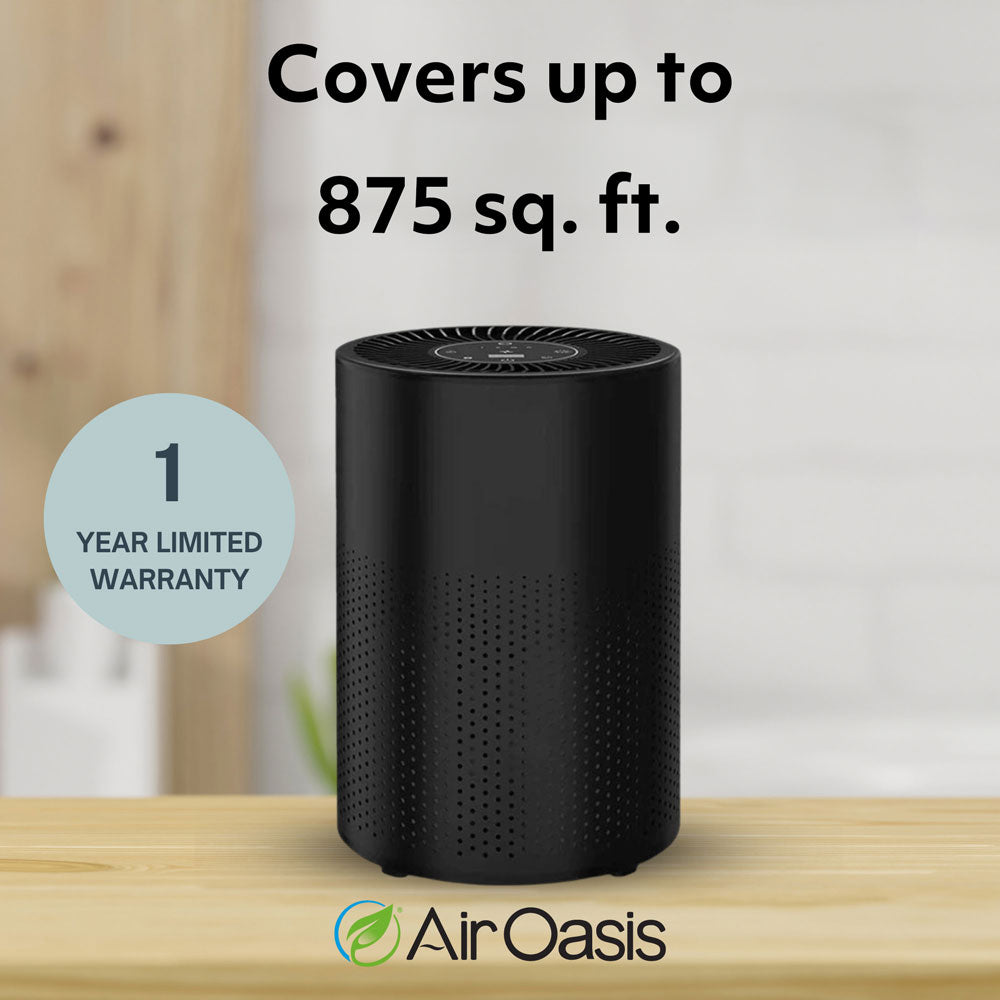
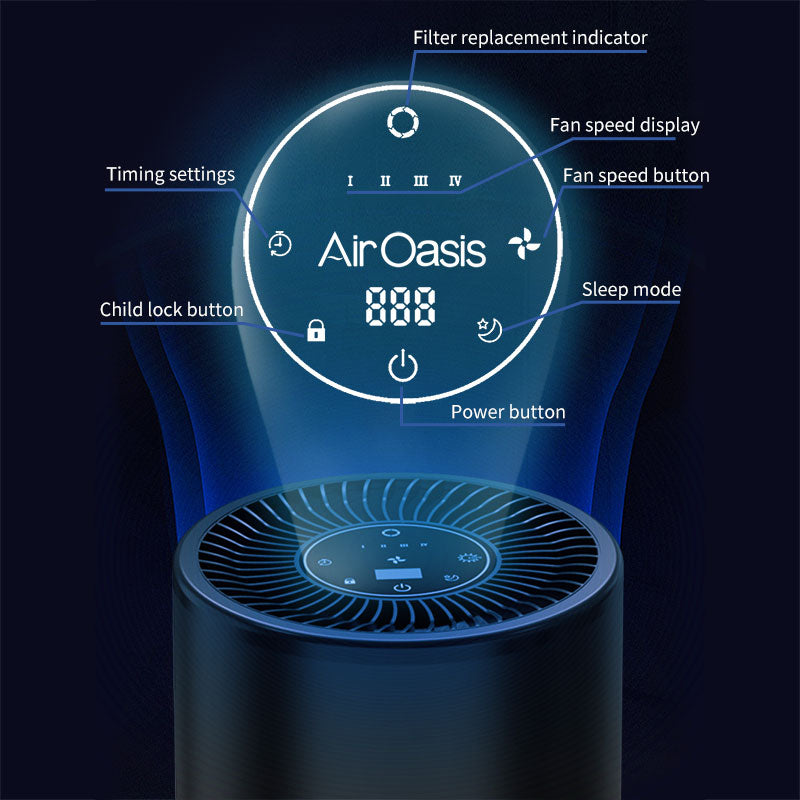
The iAdaptAir system from Air Oasis provides medical-grade HEPA filtration that captures rabbit dander, hay dust, and other allergen particles as small as 0.3 microns. The multi-stage filtration, including activated carbon, also removes the hay smell that many people find triggering. UV-C light technology destroys airborne allergens before they can settle on surfaces, providing continuous protection even during heavy shedding seasons.
Designate rabbit-free zones in your home, particularly your bedroom. Having spaces where allergens don't accumulate gives you refuge when symptoms flare up. Use baby gates to restrict rabbit access rather than relying on closed doors alone. Keep the hay storage area separate from the main living spaces when possible.
Brush your rabbit daily during shedding seasons to remove loose fur before it becomes airborne. Do this outdoors if possible, or in a well-ventilated area. Dispose of collected fur immediately in sealed bags rather than letting it sit in indoor trash cans.
Finding Your Balance
Rabbit allergies can absolutely rival or exceed reactions to cats and dogs, especially if you're primarily allergic to hay rather than the rabbit itself. The severity depends on your specific sensitivities, your living environment, and how well you manage exposure. Many people successfully live with rabbits despite allergies by implementing consistent cleaning routines, using quality air purification, and being strategic about interactions.
If you're considering a rabbit but worried about allergies, spend extended time around rabbits first. Visit friends who own rabbits or volunteer at a local rescue. Pay attention not just to the rabbit itself, but to how you react in rooms where hay is stored and used. Your body's response will tell you whether rabbit ownership is realistic for your situation.
Clean air makes living with any pet allergies more manageable. The iAdaptAir purification system targets the specific particles that trigger allergic reactions, providing relief while you enjoy your rabbit companion. Shop Air Oasis today and discover how the right air purification technology can transform your home environment.
Frequently Asked Questions About Rabbit Allergies
Read on for more intel.
Are rabbit allergies less common than cat or dog allergies?
Yes, rabbit allergies are significantly less common than allergies to cats and dogs. The allergens rabbits produce are molecularly different, which means most people allergic to cats and dogs can tolerate rabbits without issue.
Why do I sneeze around rabbits if I'm not allergic to them?
You're most likely reacting to hay dust rather than the rabbit. Hay is dried grass, and grass allergies are extremely common. The constant hay dust in rabbit environments triggers reactions in many people who aren't actually allergic to the rabbit itself.
Can I develop rabbit allergies over time even if I wasn't allergic initially?
Yes, allergies can develop with repeated exposure. Some people live symptom-free with rabbits for months or years before developing sensitivities. Seasonal changes and heavy shedding periods often trigger the first noticeable reactions.
Do certain rabbit breeds cause fewer allergic reactions?
There's no scientific evidence that specific rabbit breeds are hypoallergenic. Individual rabbits may produce varying levels of allergens, but this appears to vary by individual rather than breed. Meeting the specific rabbit before adopting is the only reliable way to test your reaction.
Should I give up my rabbit if I develop allergies?
Not necessarily. Many people successfully manage rabbit allergies with frequent cleaning, air purification, proper hay storage, and hygiene practices. Consult with an allergist about medication options before making rehoming decisions.