Shopping malls have become central gathering places for families, offering everything from retail therapy to food courts and entertainment. Many people spend hours each week in these climate-controlled environments, assuming they're protected from outdoor air pollution. But research reveals a concerning truth about the air you breathe while browsing stores and dining at food courts.
Indoor air quality at shopping malls can be surprisingly poor, with pollutant levels sometimes approaching outdoor concentrations. For people with asthma, allergies, or other respiratory sensitivities, mall visits may trigger symptoms without them realizing the source.
What Contaminates Shopping Mall Air
Shopping malls concentrate multiple pollution sources under one roof. Polluted outdoor air infiltrates ventilation systems, bringing dust, smoke, and pollen inside. Without proper commercial air filtration, these particulates circulate throughout the entire facility, affecting everyone inside.
Volatile organic compounds from various mall businesses create additional air quality problems. Paint stores and home goods retailers stock products that release VOCs into shared air spaces. Dry cleaning shops use strong chemical solvents that can migrate beyond their immediate areas. New furniture stores, craft stores with adhesives, and beauty supply shops all contribute gaseous pollutants to mall atmospheres.
Food courts are particularly significant sources of pollution. High-heat cooking methods like frying, broiling, and barbecuing release substantial emissions. Research from the American Chemical Society found that commercial broilers produce 25 pounds of emissions for every 1,000 pounds of hamburger cooked. These cooking emissions contain fine particulate matter and organic compounds that spread throughout mall ventilation systems.
Vehicle exhaust from parking lots and loading docks compounds indoor air problems. Idling cars release toxic exhaust that gets drawn into mall ventilation intakes. Studies show indoor air in facilities like shopping malls can be up to 10 times more polluted than outdoor air, largely due to the combination of outdoor pollution infiltration and indoor emission sources.
The Particulate Matter Problem
A Hong Kong study examining nine shopping malls found concerning concentrations of respiratory particulates in all locations tested. More than 40 percent of malls showed carbon dioxide levels exceeding recommended standards. Average PM10 concentrations surpassed Hong Kong's Indoor Air Quality Objective on weekdays.
PM10 refers to particulate matter between 2.5 and 10 micrometers in diameter. These particles include dust, pollen, and mold that can lodge in the lungs and trigger respiratory problems. To put this in perspective, 10 micrometers is smaller than the width of a human hair strand.
PM2.5 particles measure 2.5 micrometers or smaller and can only be detected with microscopes. These ultrafine particles come from combustion processes, including vehicle exhaust, cooking smoke, and power generation. Their tiny size allows them to penetrate deep into lung tissue and even enter the bloodstream.
Research comparing indoor and outdoor mall air quality found that on high pollution days, shoppers inside malls experience only 12 to 28 percent less PM2.5 exposure than people outdoors. In some locations, indoor levels matched outdoor concentrations. The greatest reduction measured was just 54 percent, meaning even in well-filtered malls, substantial particulate exposure occurs.
Food court areas show even higher particulate concentrations than other mall sections. Measurements near restaurants sometimes exceeded outdoor pollution levels, creating hotspots of contaminated air where families gather to eat.
Health Effects on Vulnerable Populations
People with existing heart or lung conditions face the greatest risks from shopping mall air pollution. Both PM2.5 and PM10 can trigger serious health effects in sensitive individuals. Common symptoms include eye, nose, and throat irritation that many people dismiss as minor annoyances.
More serious respiratory effects include chest tightness, shortness of breath, and coughing that can persist after leaving the mall. People with asthma may experience compromised lung function and increased attacks when exposed to elevated particulate concentrations. Those with heart conditions face increased risks of cardiac events from prolonged exposure.
Children represent particularly vulnerable populations in mall environments. Their developing immune systems and faster breathing rates mean they inhale more pollutants relative to their body size. Kids spending extended time in mall play areas or food courts may experience repeated exposure that compounds over time.
Elderly shoppers also face heightened risks due to weakened immune systems and existing health conditions. The combination of walking exertion and polluted air can strain the respiratory and cardiovascular systems. Many seniors enjoy mall walking for exercise without realizing they're breathing contaminated air while doing so.
Even healthy adults can experience symptoms from mall air pollution. Prolonged exposure during shopping trips may cause headaches, fatigue, and respiratory irritation that people attribute to crowding or stress rather than air quality. Repeated visits create cumulative exposure that may contribute to long-term respiratory problems.
Why Mall Air Conditioning Isn't Enough
Air conditioning systems cool indoor spaces but don't necessarily clean the air. Standard HVAC units recirculate existing mall air after cooling it. Some systems include basic filters that capture large particles, but these provide minimal protection against harmful PM2.5 and gaseous pollutants.
The vast open spaces in shopping malls make comprehensive air purification challenging and expensive. Even malls that invest in air filtration systems may achieve variable effectiveness depending on system design, maintenance, and the specific pollutants present. Air quality can vary significantly between different areas of the same mall.
Ventilation systems designed primarily for temperature control may actually worsen air quality by concentrating pollutants. Recirculating contaminated air without adequate filtration spreads emissions from food courts, retail stores, and parking areas throughout the entire facility. Poor ventilation system maintenance allows dust and debris to accumulate in ductwork, adding another contamination source.
Protecting Your Respiratory Health During Mall Visits
Be strategic about when you visit shopping malls. Weekday mornings typically see lower crowds and less cooking activity, meaning reduced pollution concentrations. Avoid peak meal times when food court emissions reach maximum levels. Limit time spent in crowded areas where breathing rates increase and pollutant exposure intensifies.
Pay attention to how you feel during and after mall visits. Symptoms like throat irritation, coughing, watery eyes, or breathing difficulty suggest air quality problems. If you consistently experience respiratory symptoms at certain malls, consider shopping elsewhere or limiting your visits.
On high outdoor pollution days, recognize that indoor mall air may not provide the protection you expect. When outdoor air quality alerts are issued, mall air may still contain substantial particulate matter. Consider postponing non-essential shopping trips during pollution episodes.
Parents with young children should be especially cautious about extended visits to malls. Limit time in food courts where emissions concentrate. Take breaks outside or in well-ventilated areas to reduce continuous exposure. Watch for signs of respiratory distress in children, including increased coughing or breathing changes.
Creating Better Air Quality at Home
While you can't control shopping mall air quality, you can ensure the air at home supports respiratory health. After mall visits, your clothing and belongings may carry particulates and pollutants back into your living spaces. Regular air purification helps remove these contaminants before they affect your family.
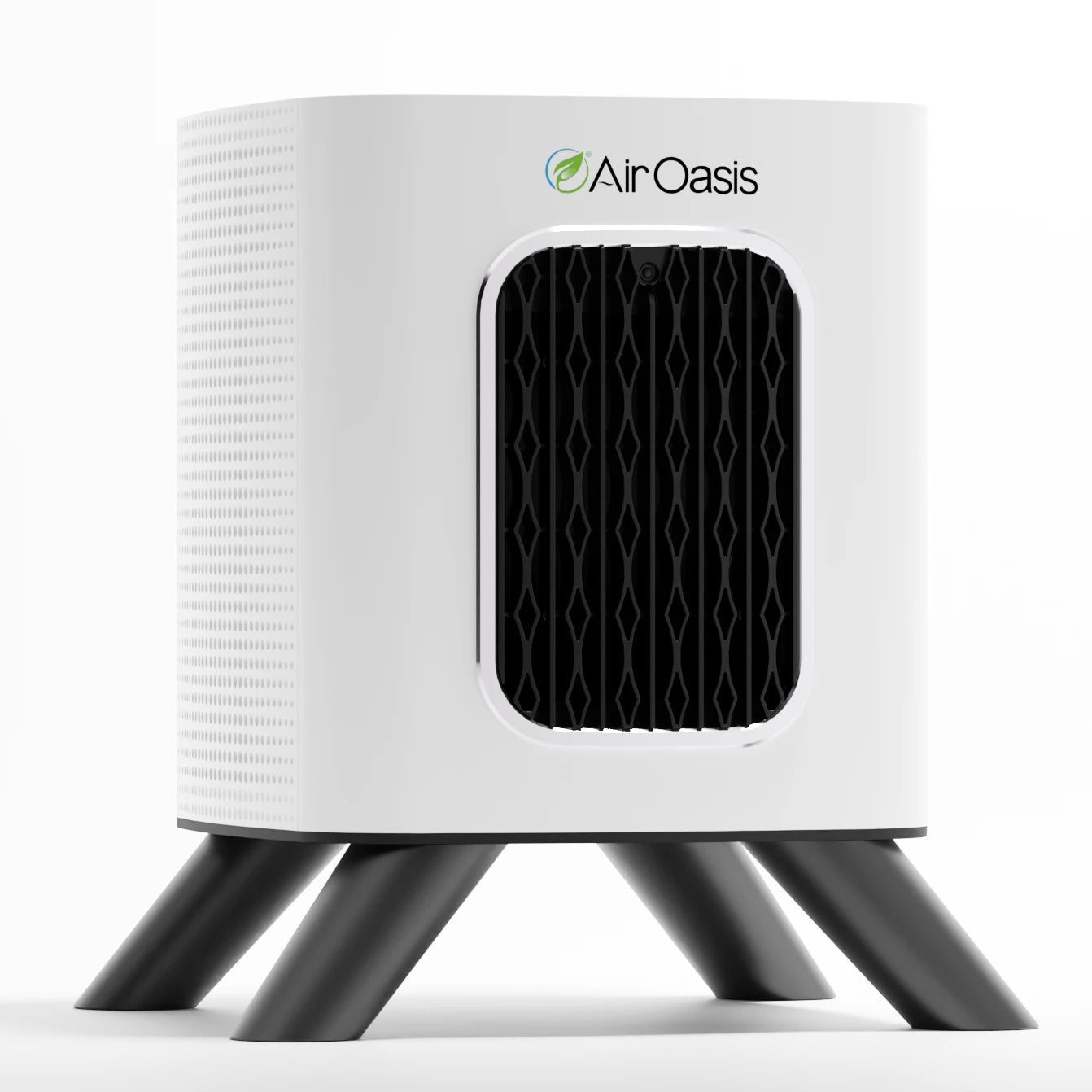
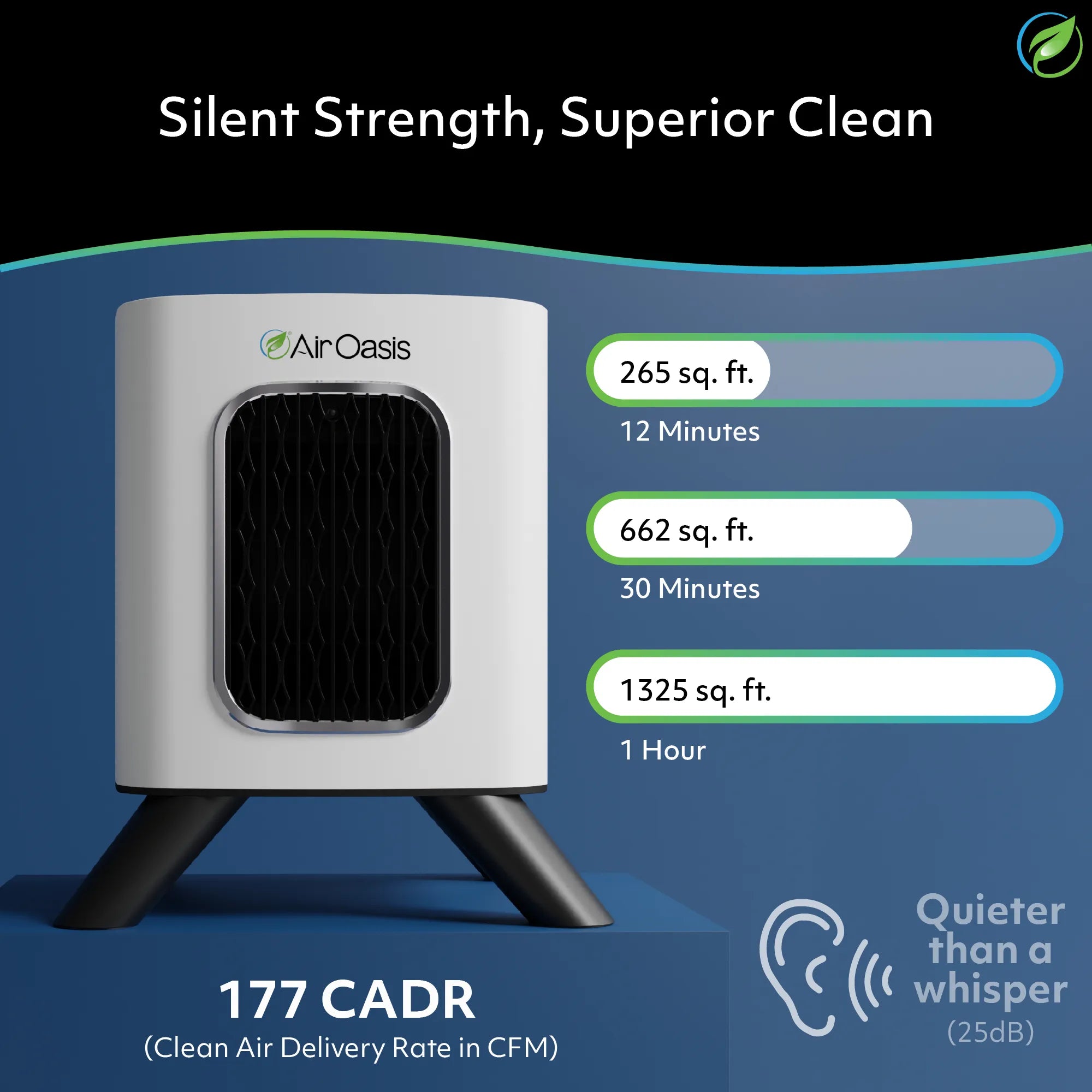
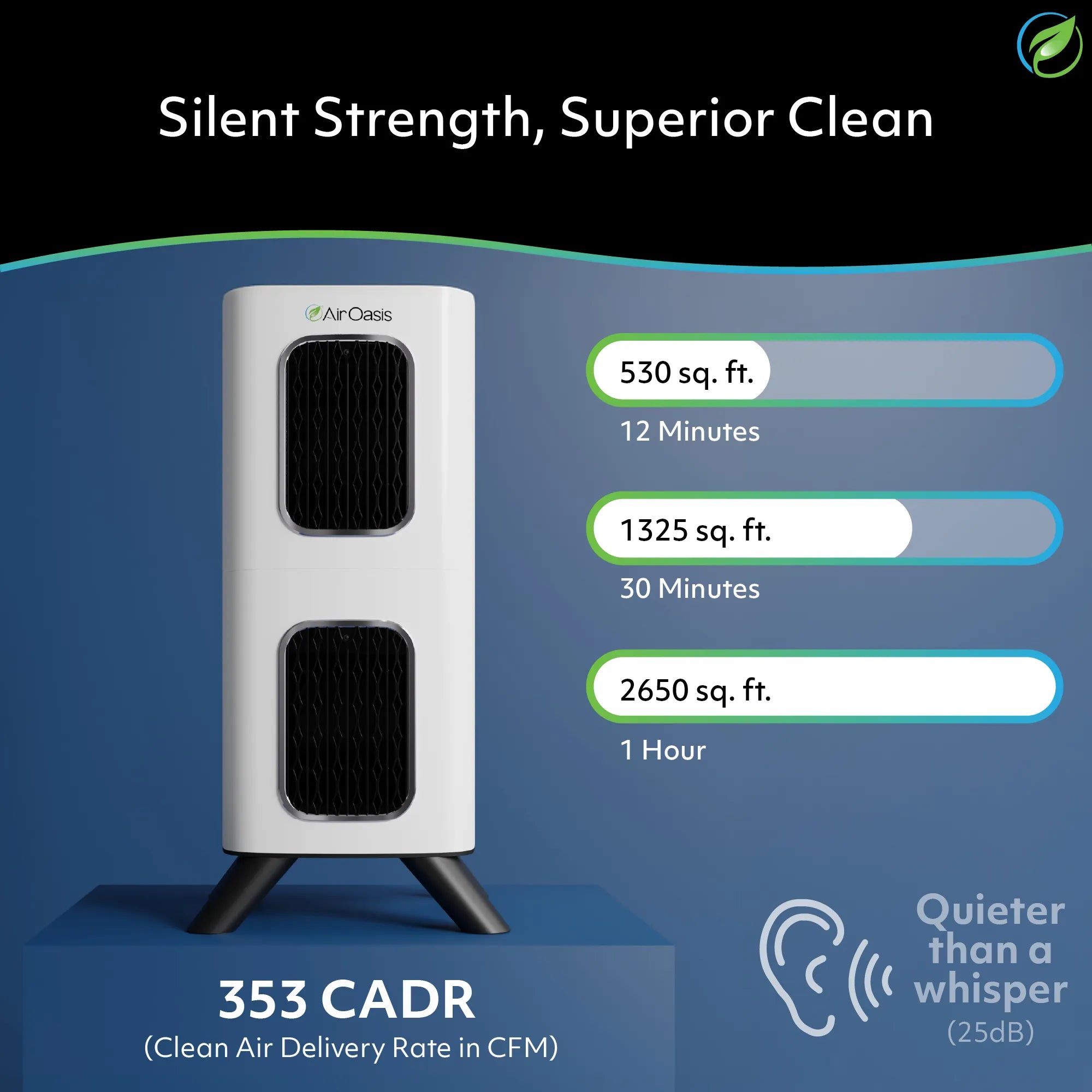
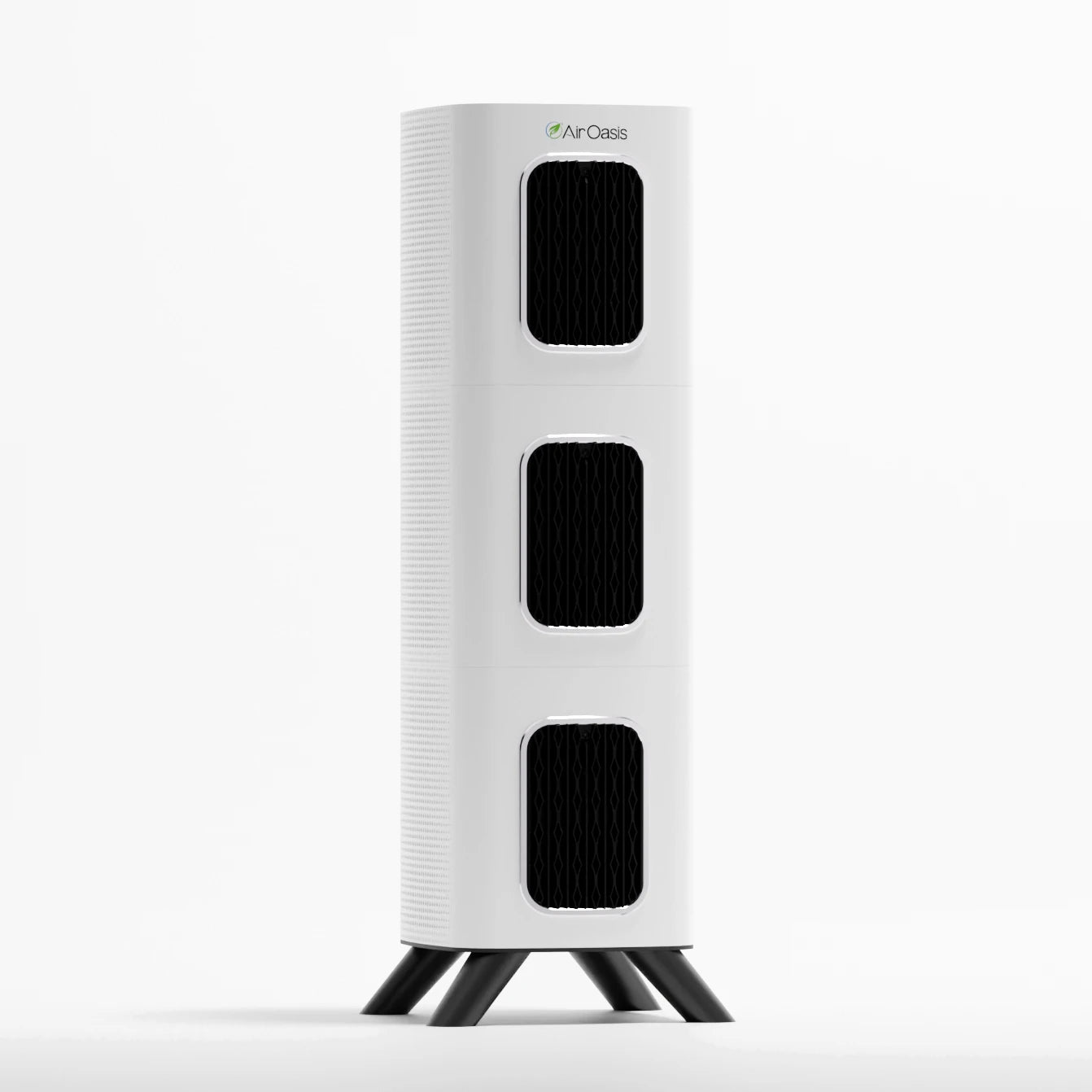
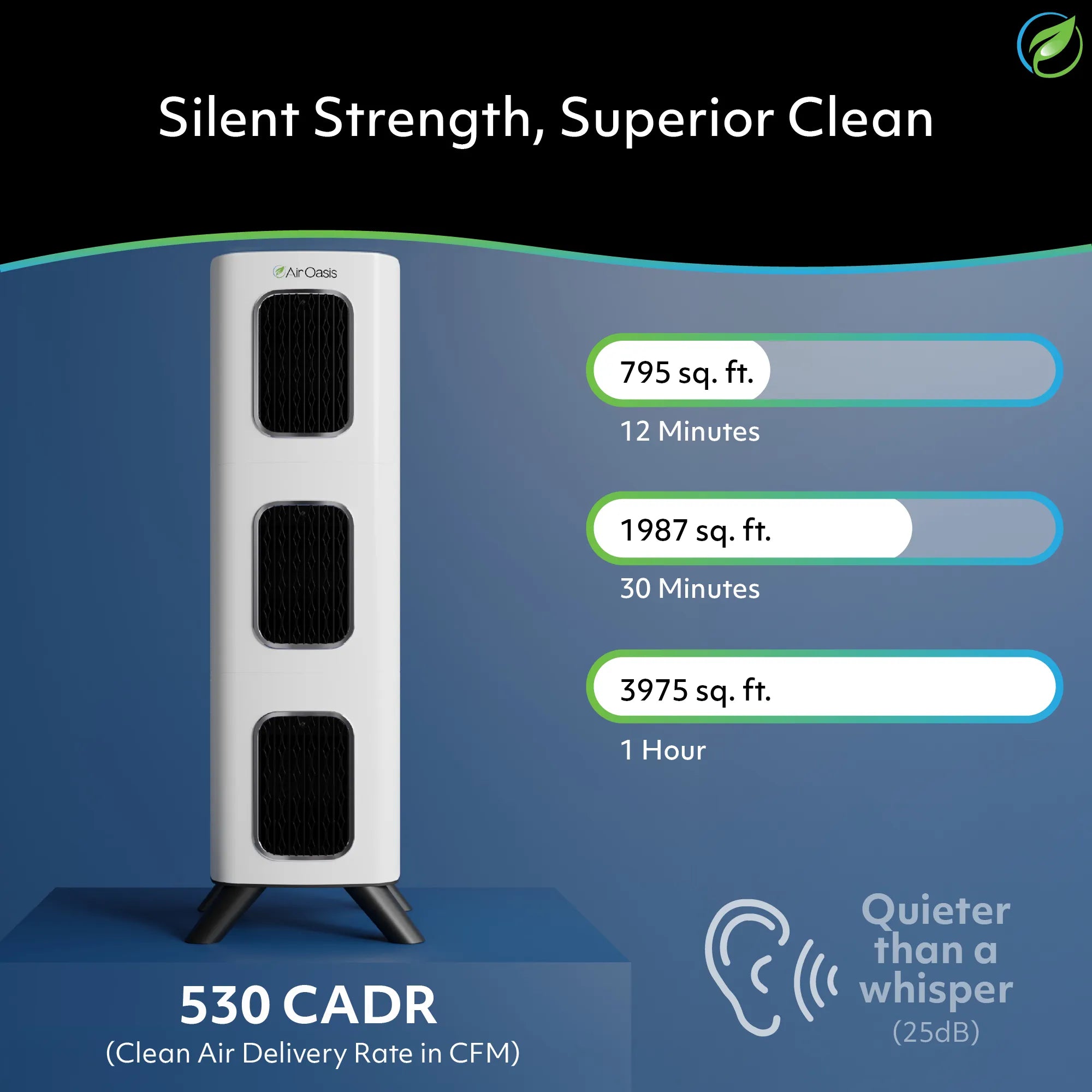
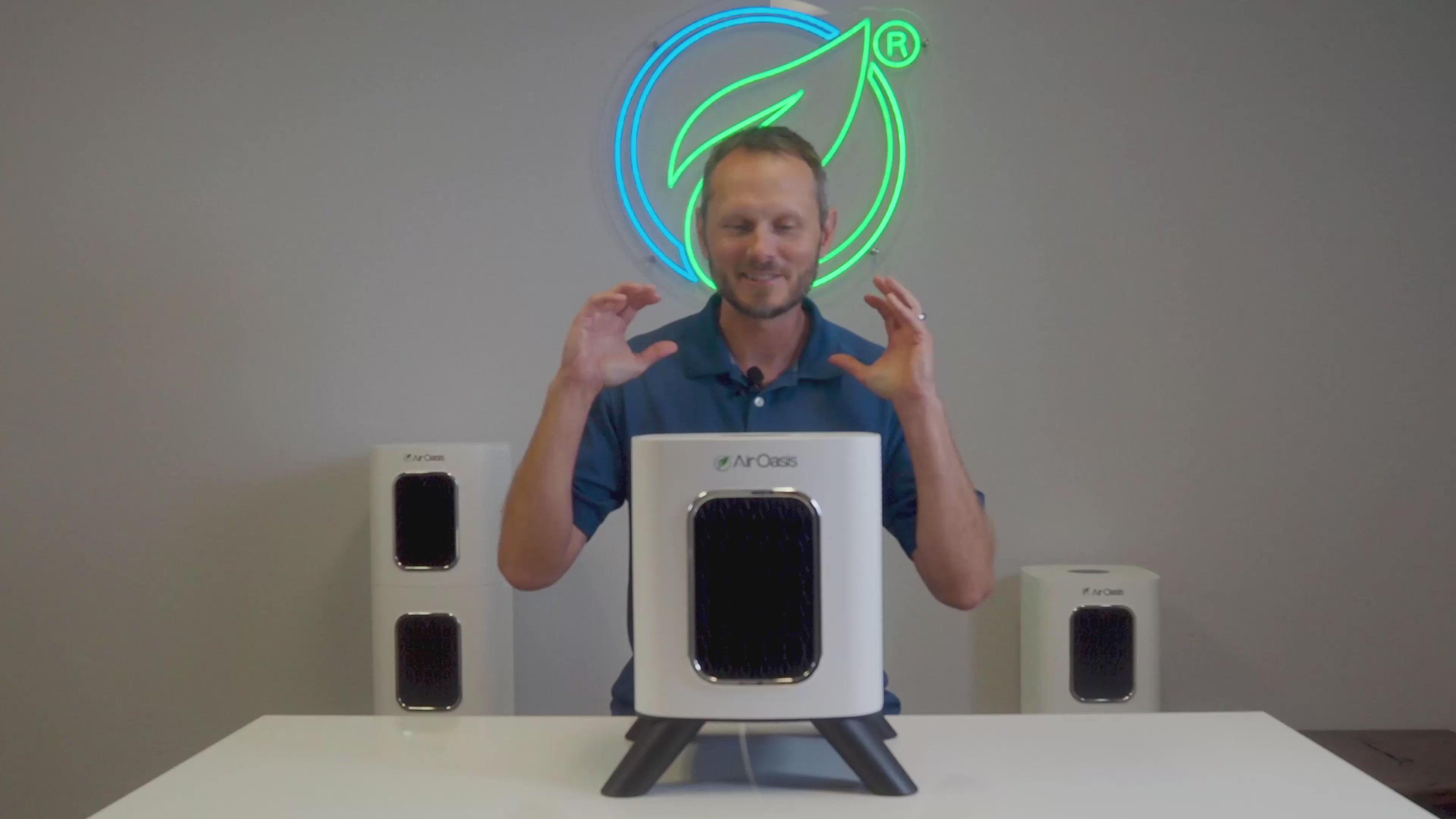
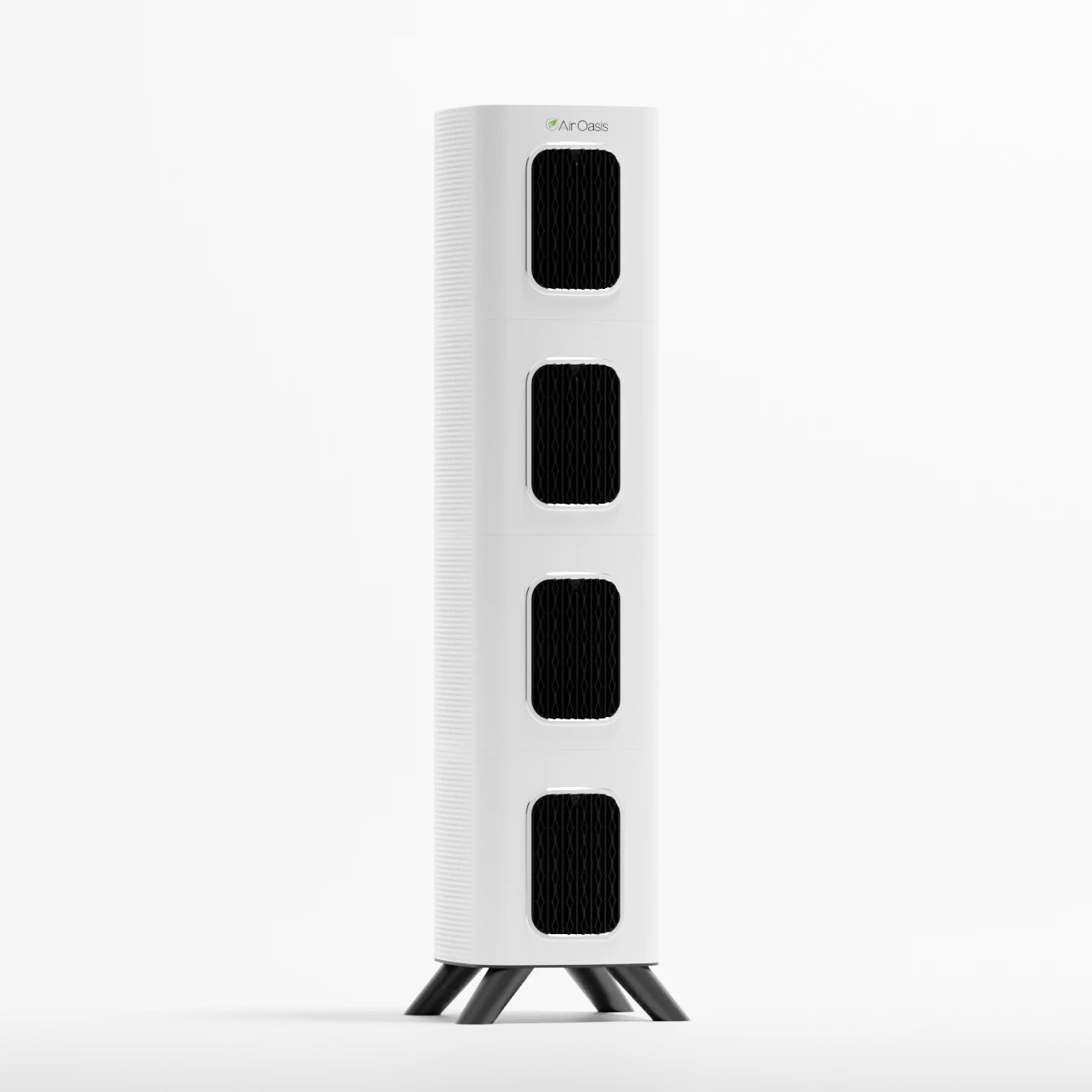
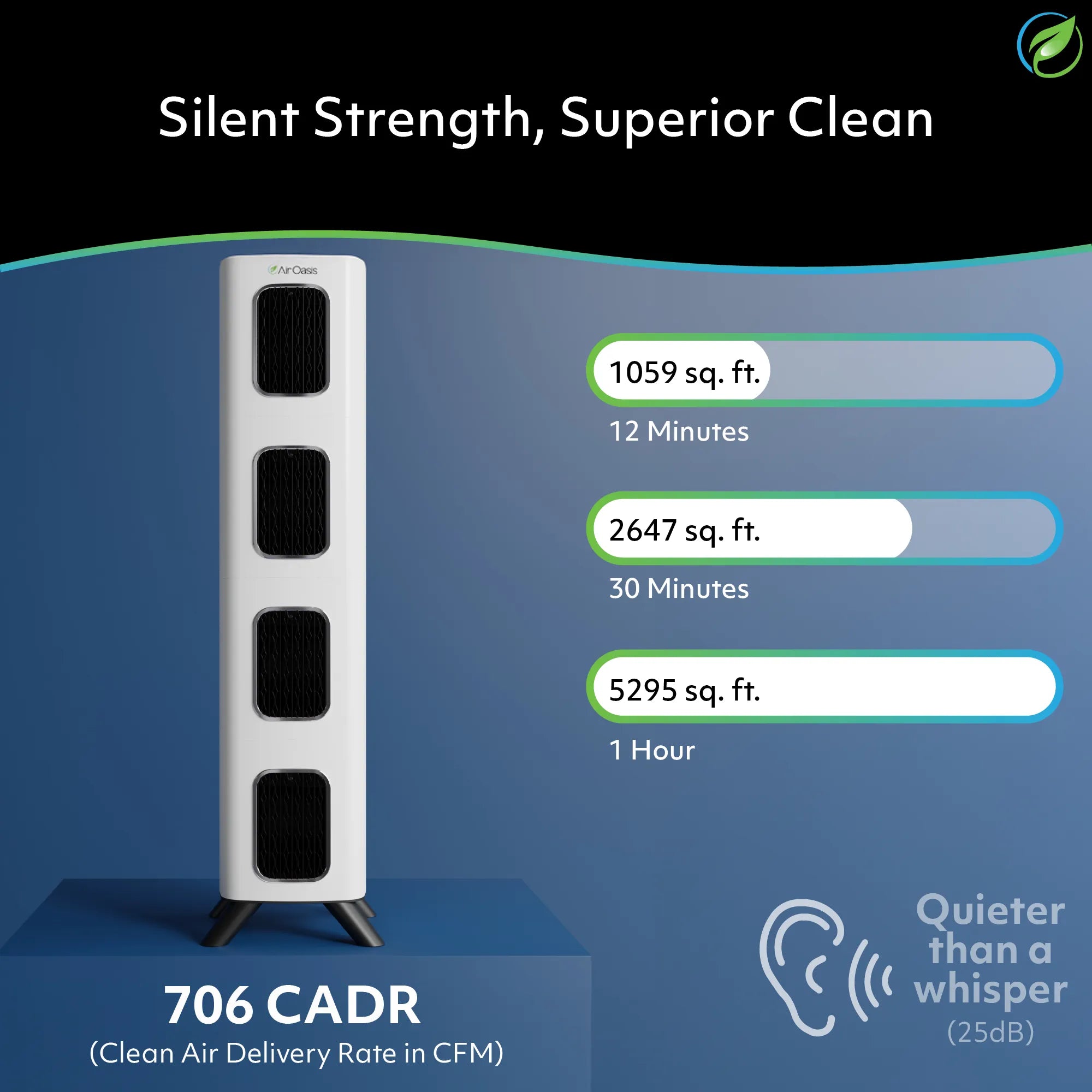
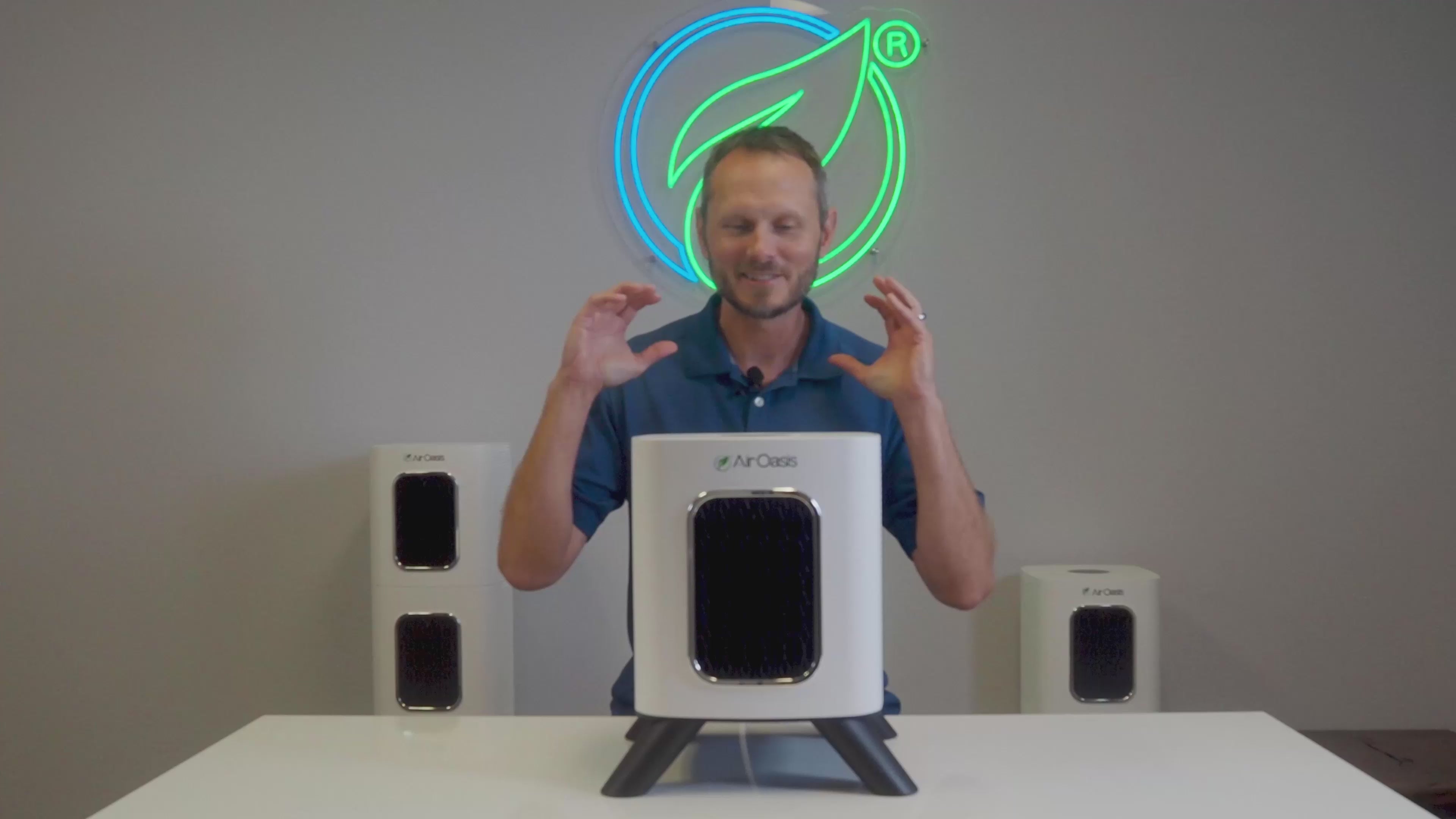
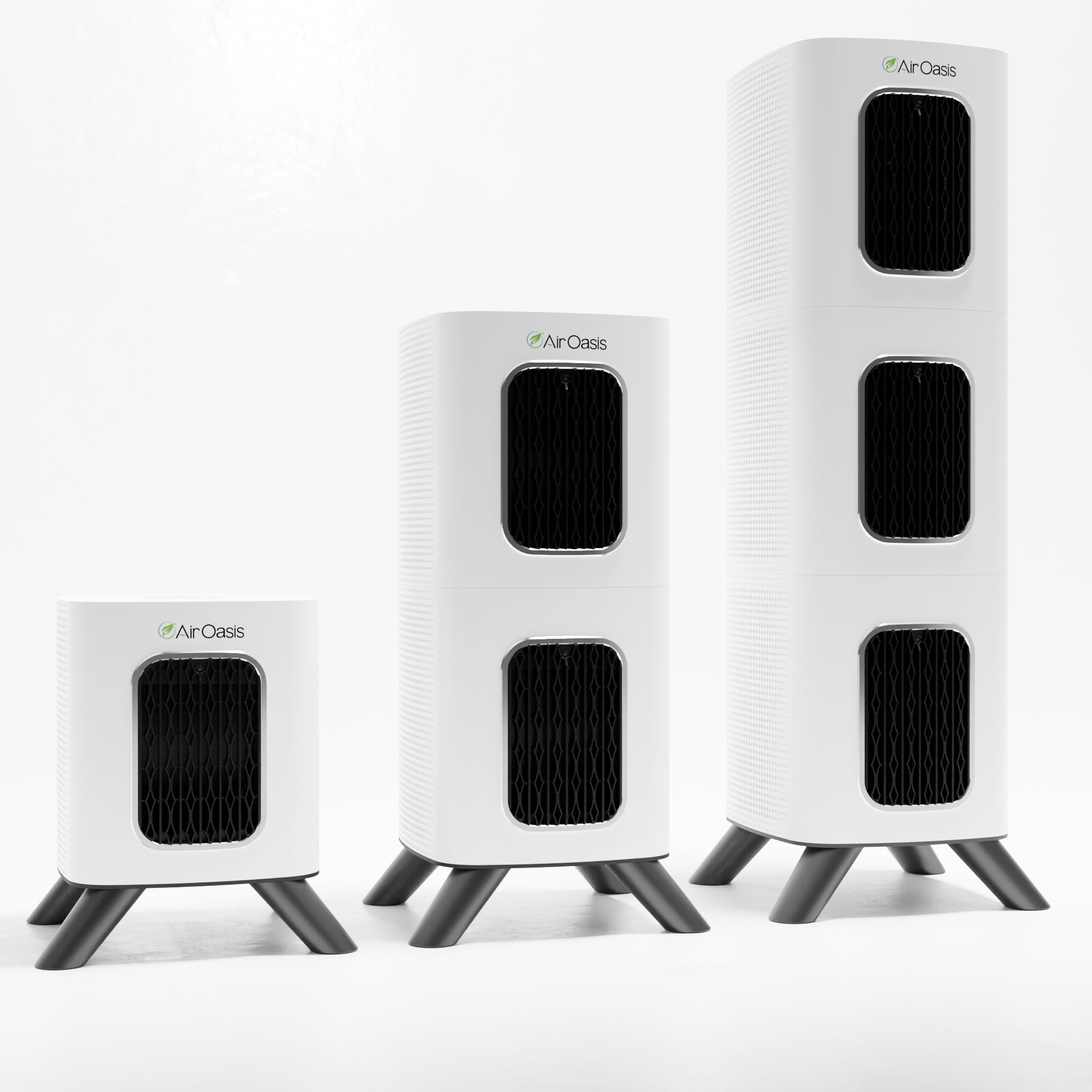
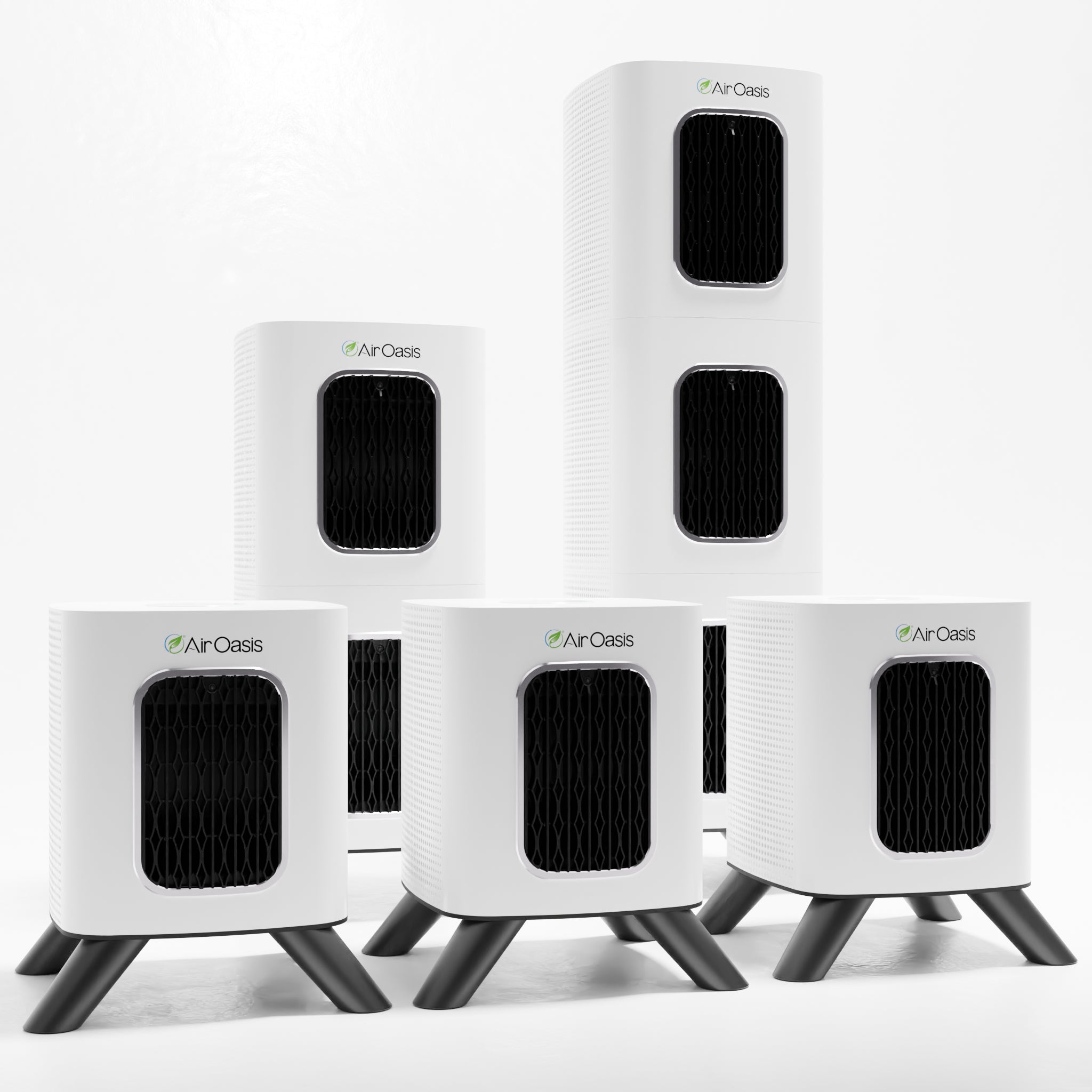
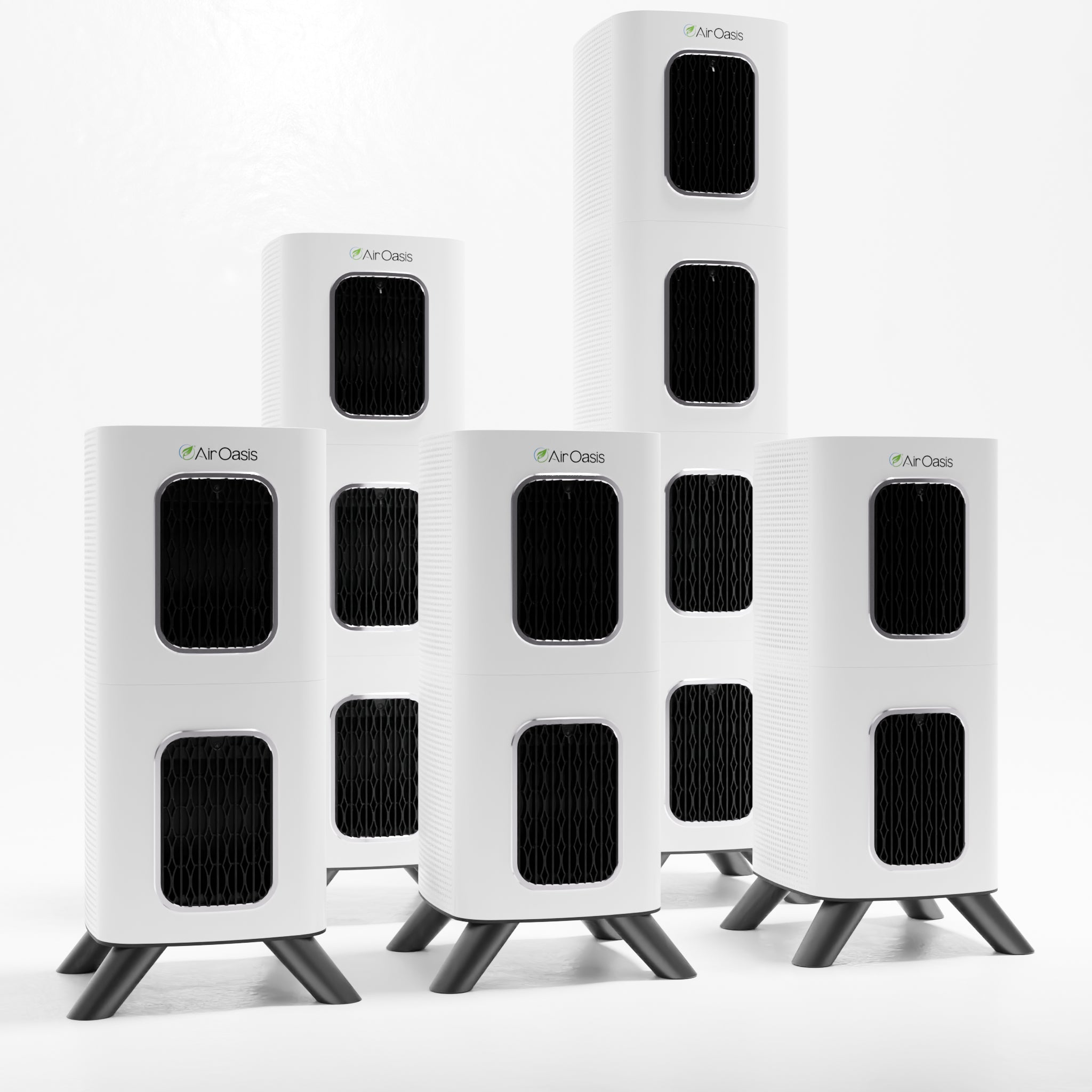
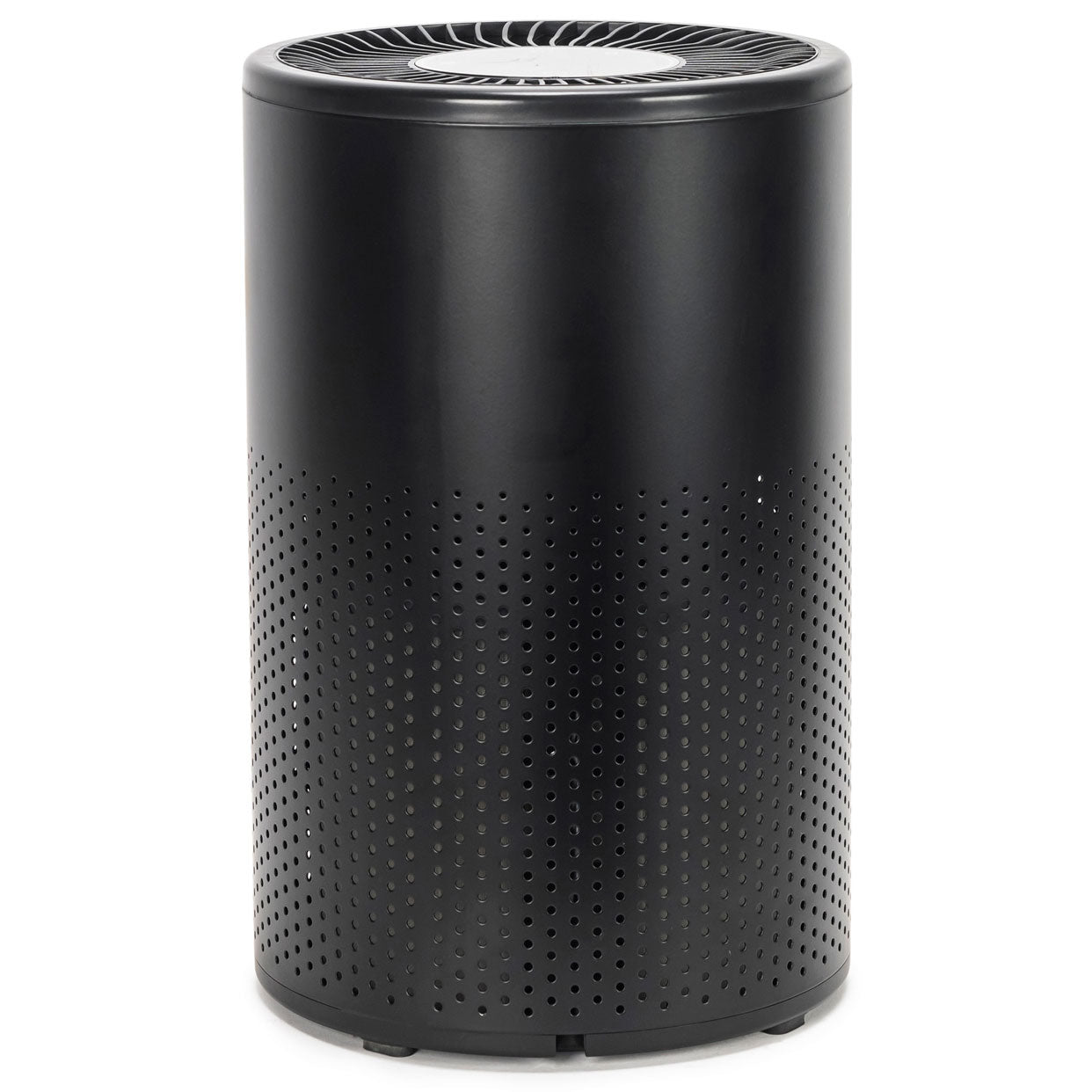
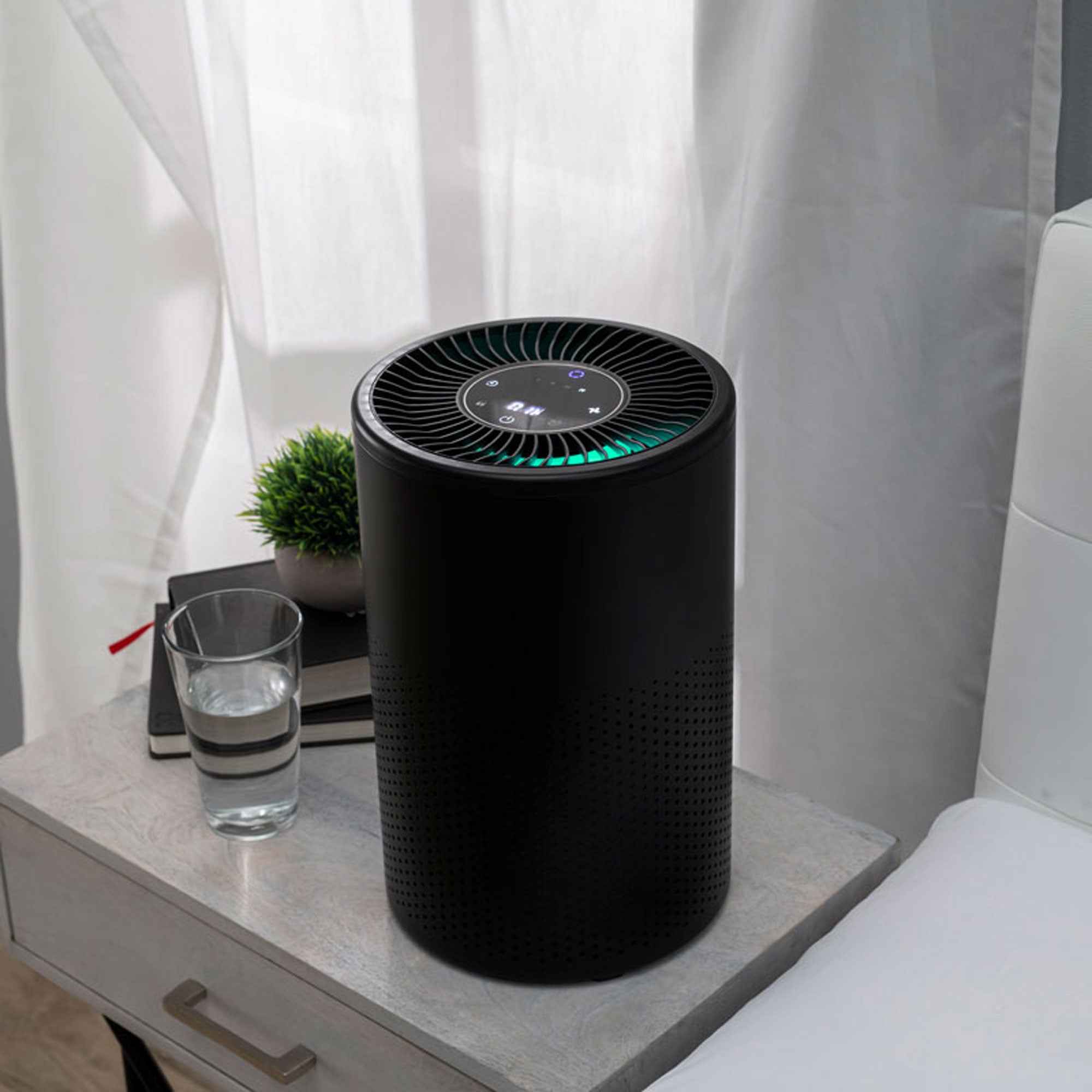
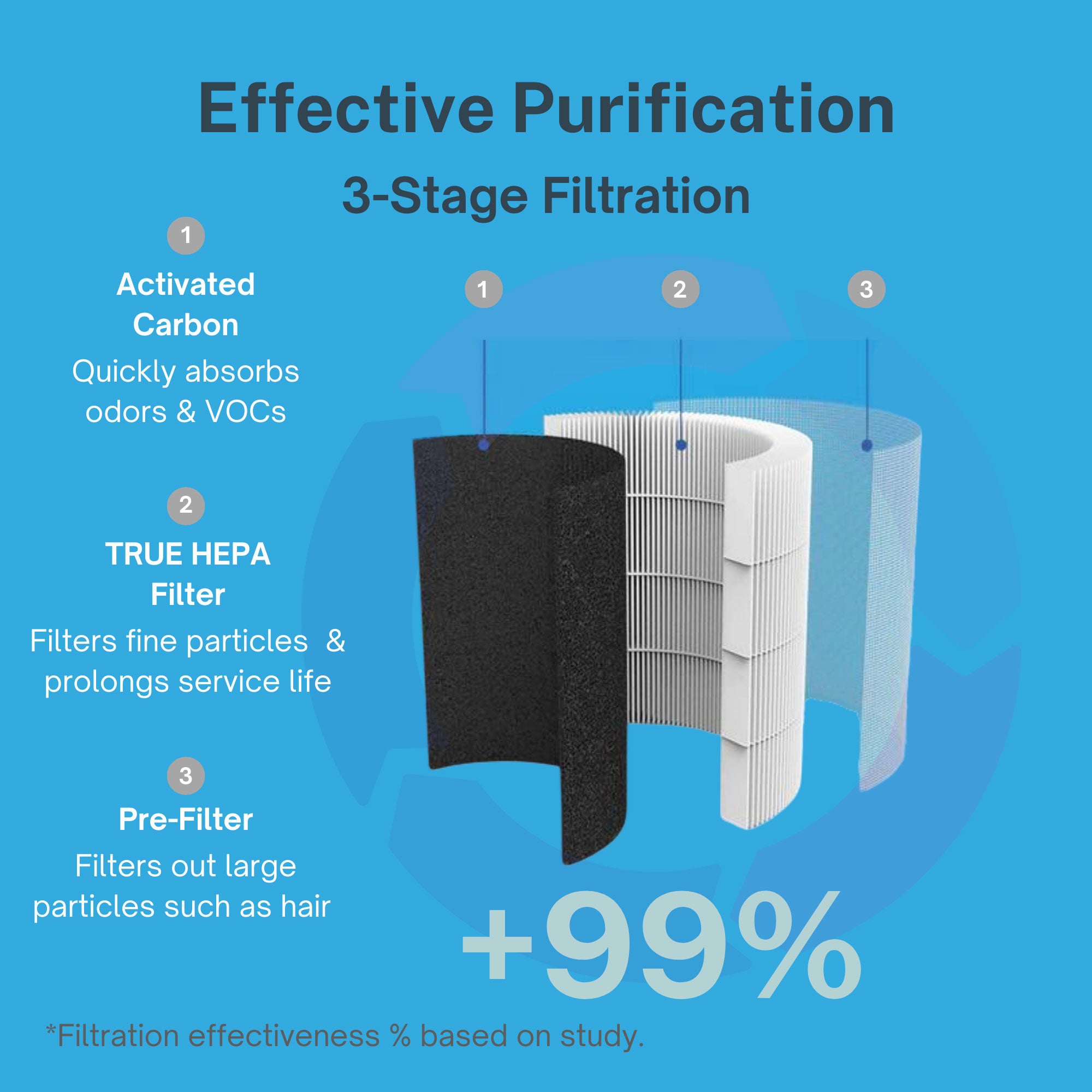
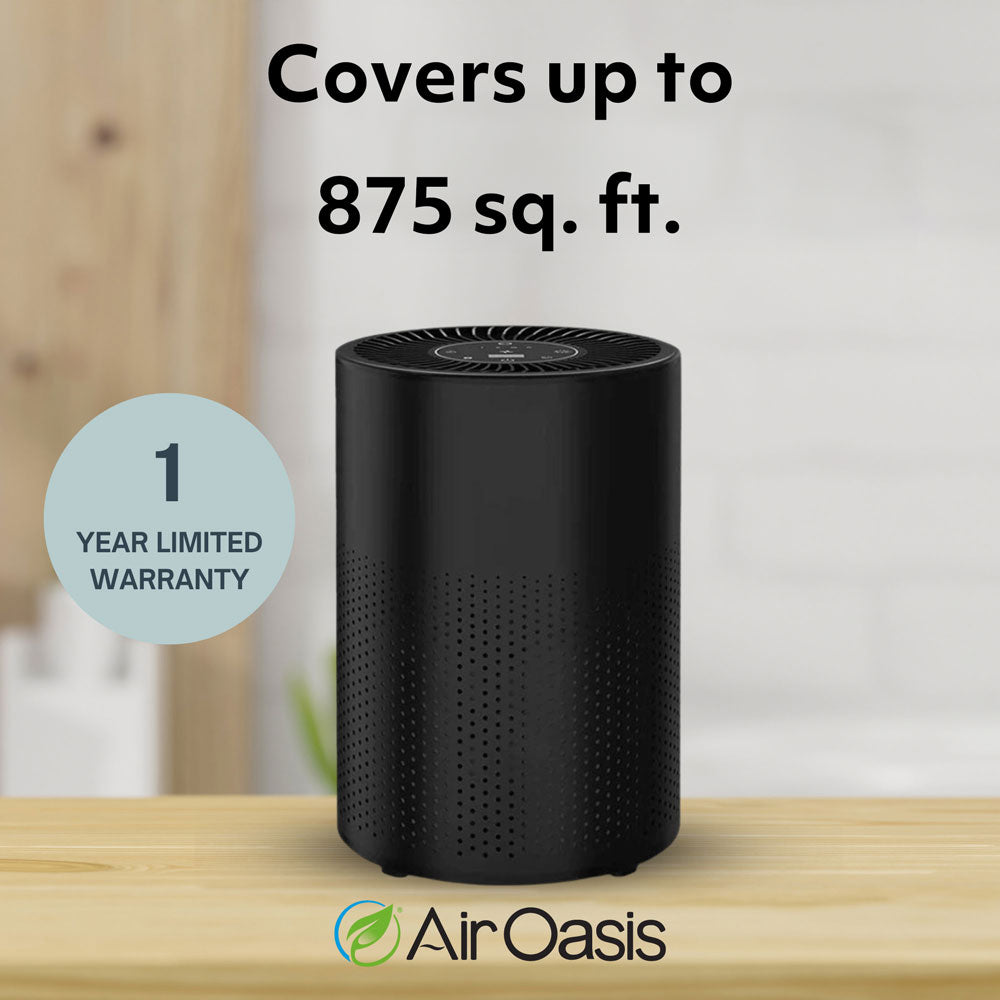
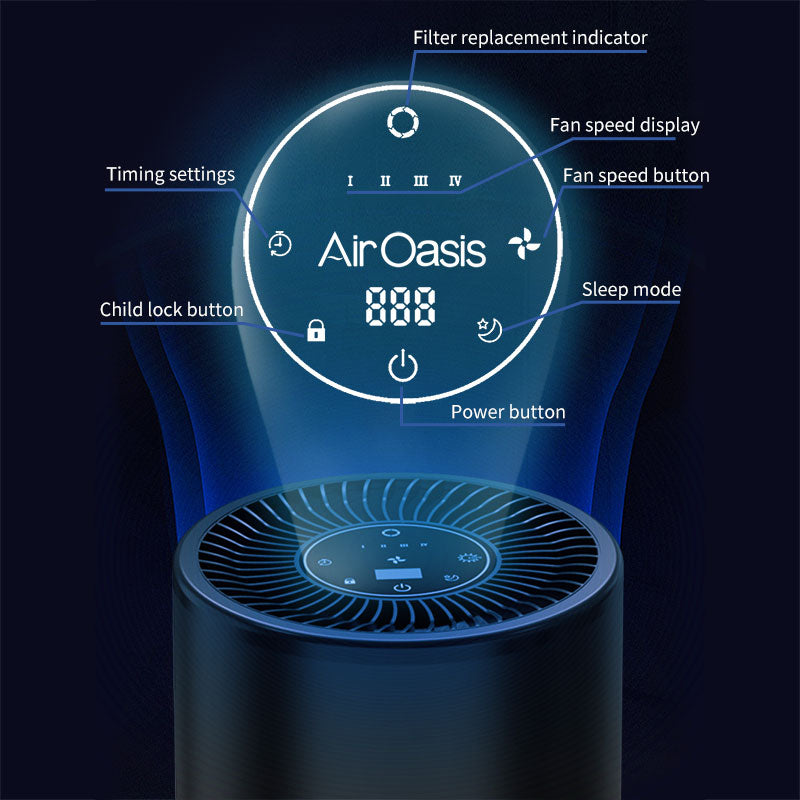
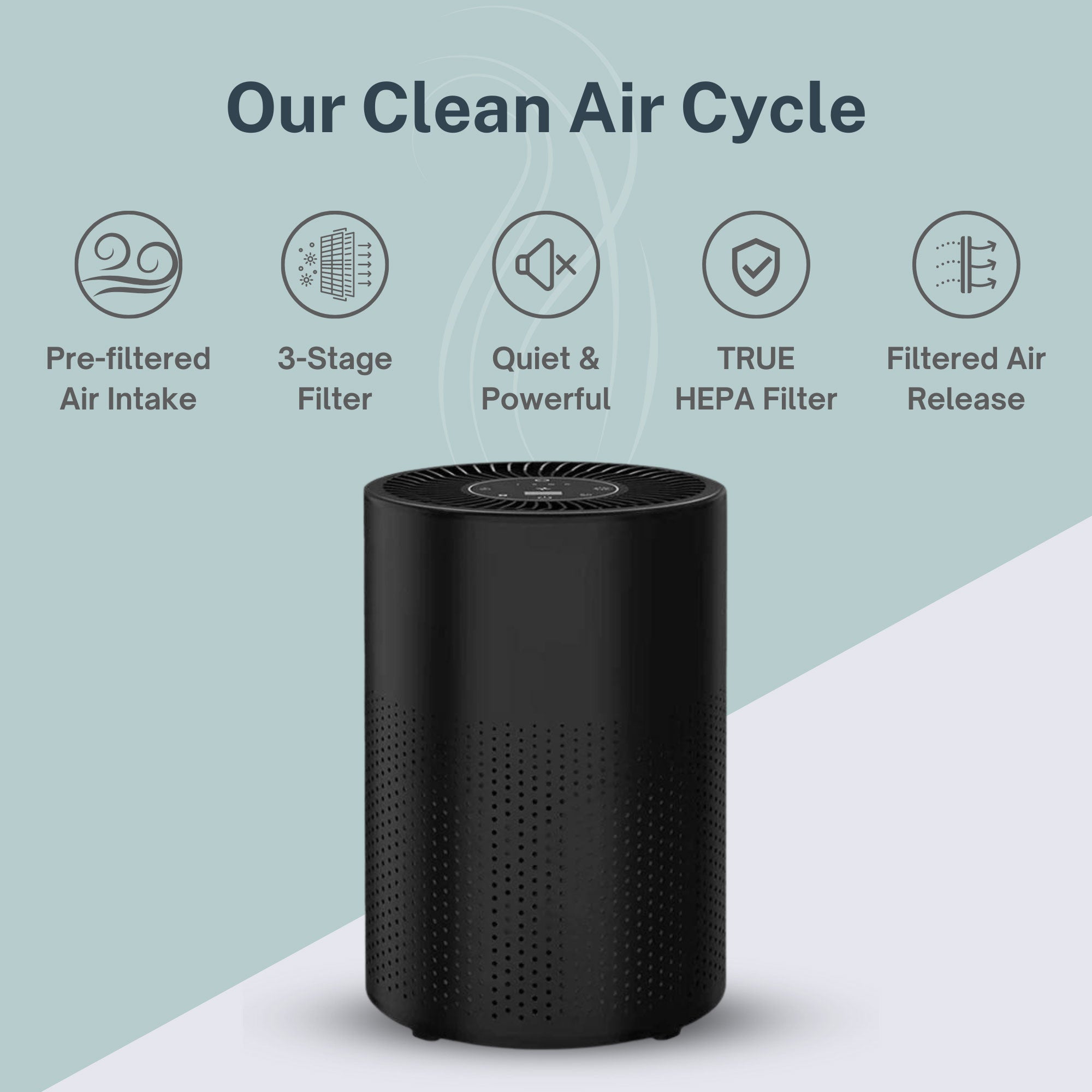
Air Oasis air purifiers use medical-grade HEPA filtration to capture 99 percent of airborne particles, including PM2.5 and PM10. Activated carbon filters remove VOCs and odors that standard filtration misses. UV-C light technology neutralizes bacteria and viruses, while bipolar ionization helps particles cluster for easier removal.
Our multi-stage filtration systems provide continuous protection against the outdoor pollution, cooking emissions, and chemical compounds your family encounters daily. Whether you're managing asthma, allergies, or simply want cleaner air for better health, Air Oasis offers proven solutions for every room.
Don't let poor air quality compromise your respiratory health. Protect your family with Air Oasis air purification technology. Shop Air Oasis today and breathe easier at home.