You pull on a wool sweater, and within minutes, you're sneezing, itchy, and reaching for an antihistamine. It's easy to blame the wool. But here's something most people don't know: a true allergic reaction to wool fiber is actually quite rare. What's far more likely — and far more common — is that dust mites hitching a ride on that sweater are the real culprit. And if you've been blaming wool for years, this distinction matters a lot for your health.
What a wool allergy actually looks like
True wool allergies do exist, but they're uncommon. Most people who believe they're allergic to wool are actually reacting to the fiber's texture. Wool fibers, particularly in coarser varieties, have a scaly structure that can prick the skin and stimulate nerve endings — producing that classic itchy, prickly feeling. Allergists call it the "tickle and prickle effect." It's a sensory reaction, not an immune response.
A genuine allergic reaction involves the immune system treating a substance as a threat. Symptoms include hives, swelling, runny nose, and in some cases asthma-like symptoms. These kinds of reactions to wool protein are genuinely rare. If you're sneezing every time you wear a wool sweater or sleep under a wool blanket, the more likely explanation is what's living inside the fibers — not the fibers themselves.
Dust mites: the invisible trigger most people overlook
Dust mites are microscopic creatures that thrive in bedding, upholstered furniture, carpets, and, yes, textiles like wool clothing and blankets that don't get washed frequently. They feed on shed human skin cells and reproduce rapidly in warm, humid environments. Their waste particles become airborne and, when inhaled or contacted by skin, trigger allergic reactions in sensitive individuals.
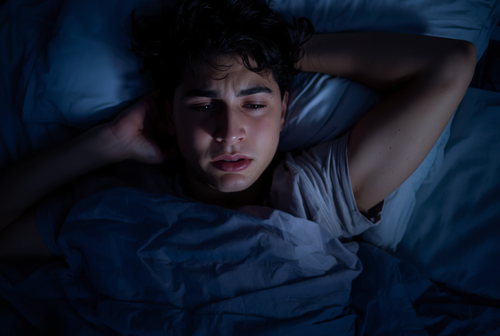
Dust mite allergy symptoms include sneezing, a runny nose, itchy eyes, skin irritation, and nighttime congestion. Sound familiar? These symptoms overlap significantly with what people attribute to wool. The confusion is completely understandable — you wear a wool sweater, you react. But the culprit is more likely the dust mites embedded in the fabric than the wool itself.
This mix-up has real consequences. If you've been avoiding wool entirely based on a misidentified allergy, you might be missing out on a fiber that is actually quite friendly to allergy sufferers when kept clean.
Why wool is actually harder on dust mites than most fabrics
Here's the counterintuitive part. Wool, by its nature, is not a hospitable environment for dust mites. Dust mites need humidity levels between 50% and 70% to survive. Wool fibers naturally regulate moisture, absorbing and releasing humidity, keeping the local environment drier. That drier microclimate is genuinely unfavorable for mite survival and reproduction.
Synthetic fabrics, on the other hand, trap heat and moisture close to the body, creating exactly the warm, humid conditions dust mites prefer. Wool's breathable, springy fiber structure also doesn't compress into the tight, dense pockets that mites use for shelter. So ironically, the fabric many people blame for their symptoms may be one of the better material choices for reducing dust mite exposure — provided it's kept clean.
Regular washing or airing out wool items is key. Dust mites can accumulate in any textile over time, wool included. The fiber itself isn't the problem; maintenance is what makes the difference.
The air in your home matters just as much as your bedding
Addressing dust mites on surfaces is only part of the equation. Dust mite waste particles and other allergens become airborne constantly — when you shake out a blanket, sit on a couch, or simply move through a room. Once in the air, these particles can be inhaled and trigger the same respiratory symptoms that people so often chalk up to a wool allergy.
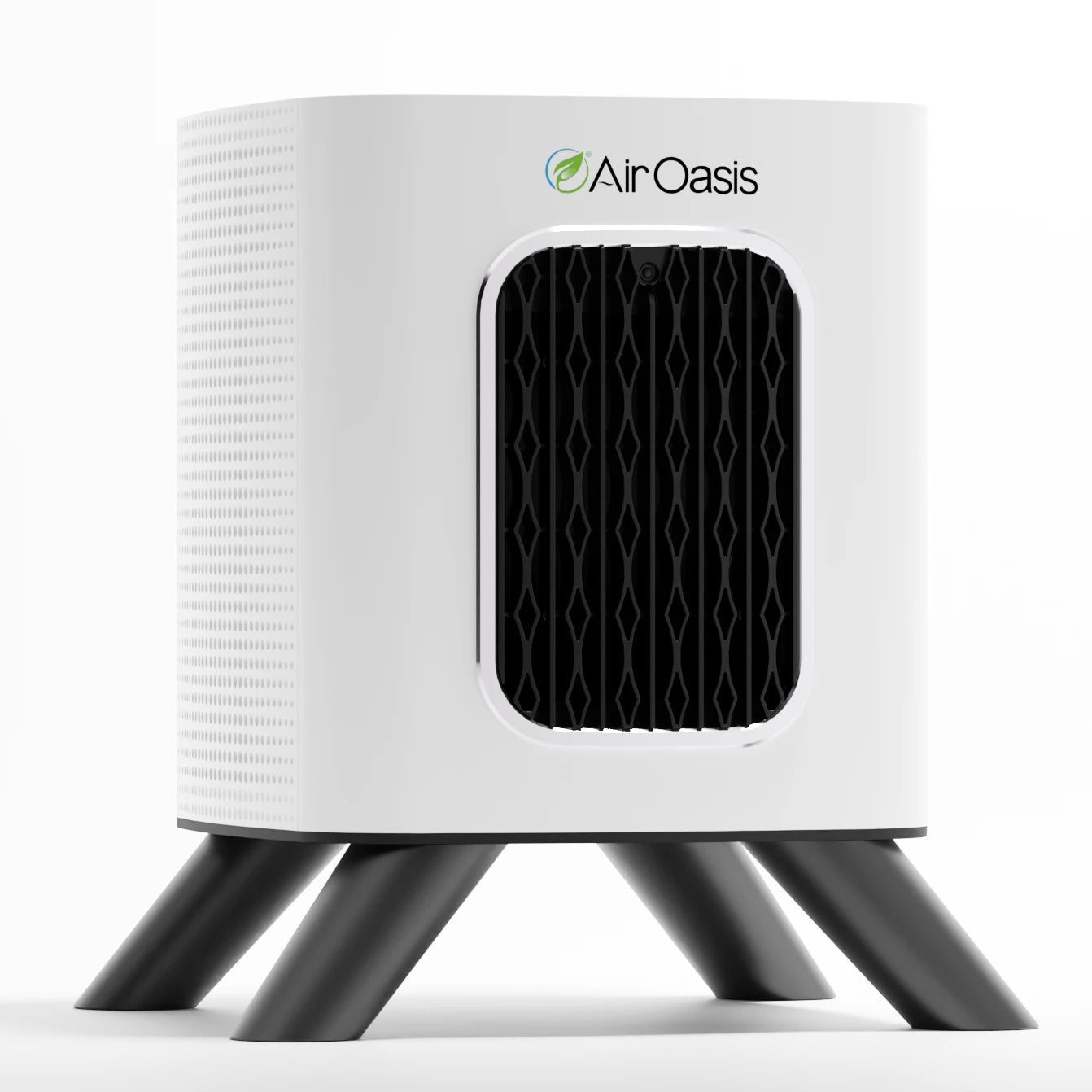
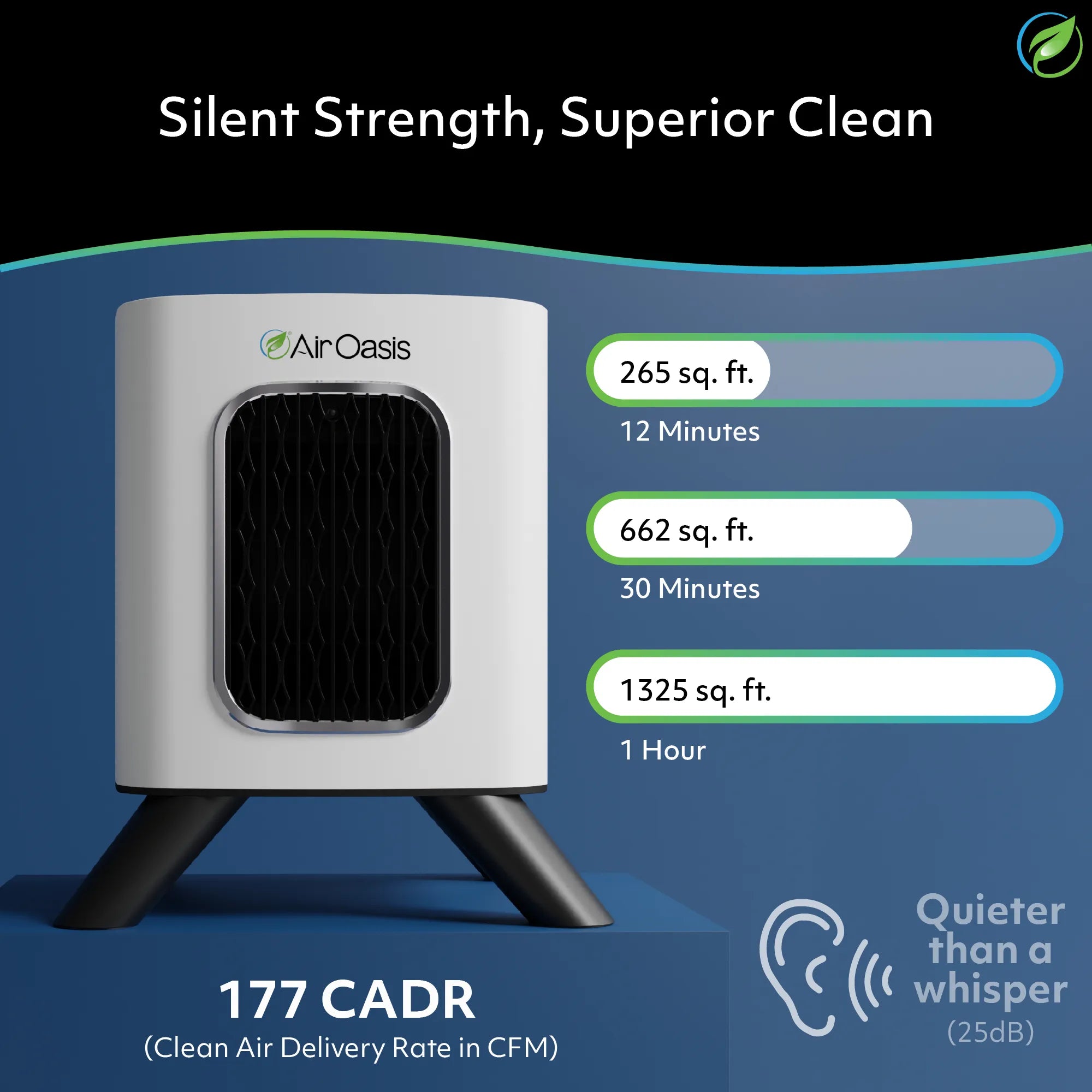
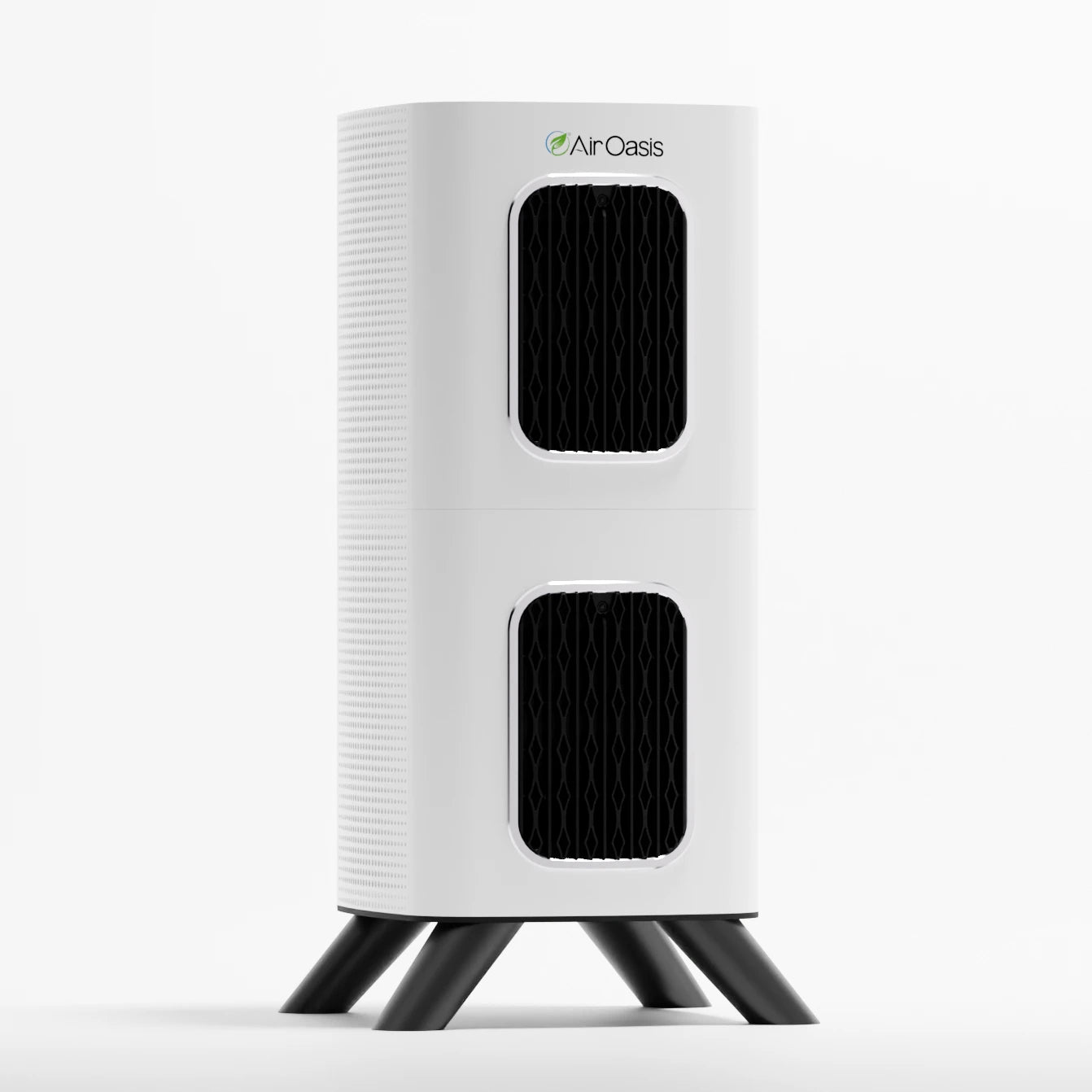
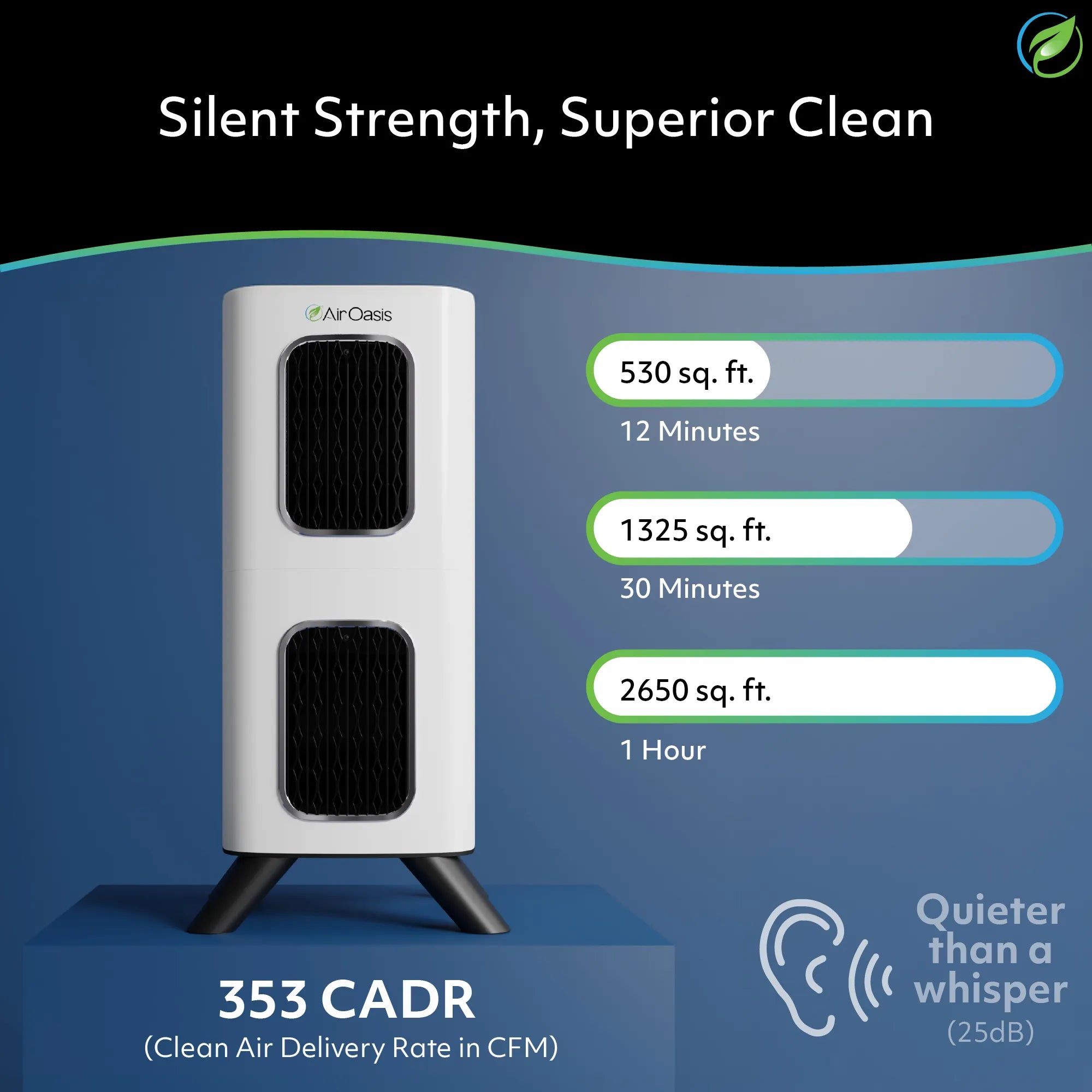
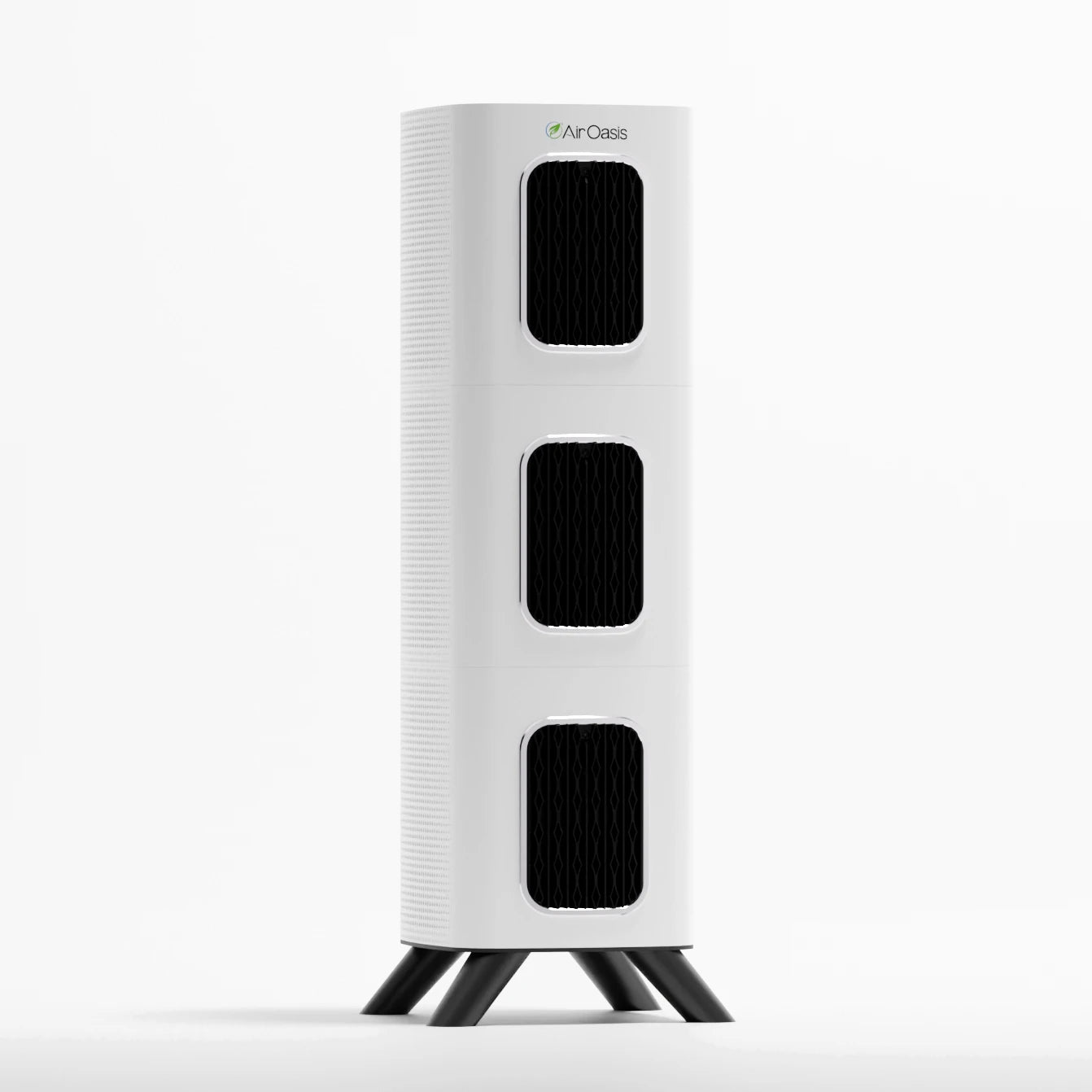
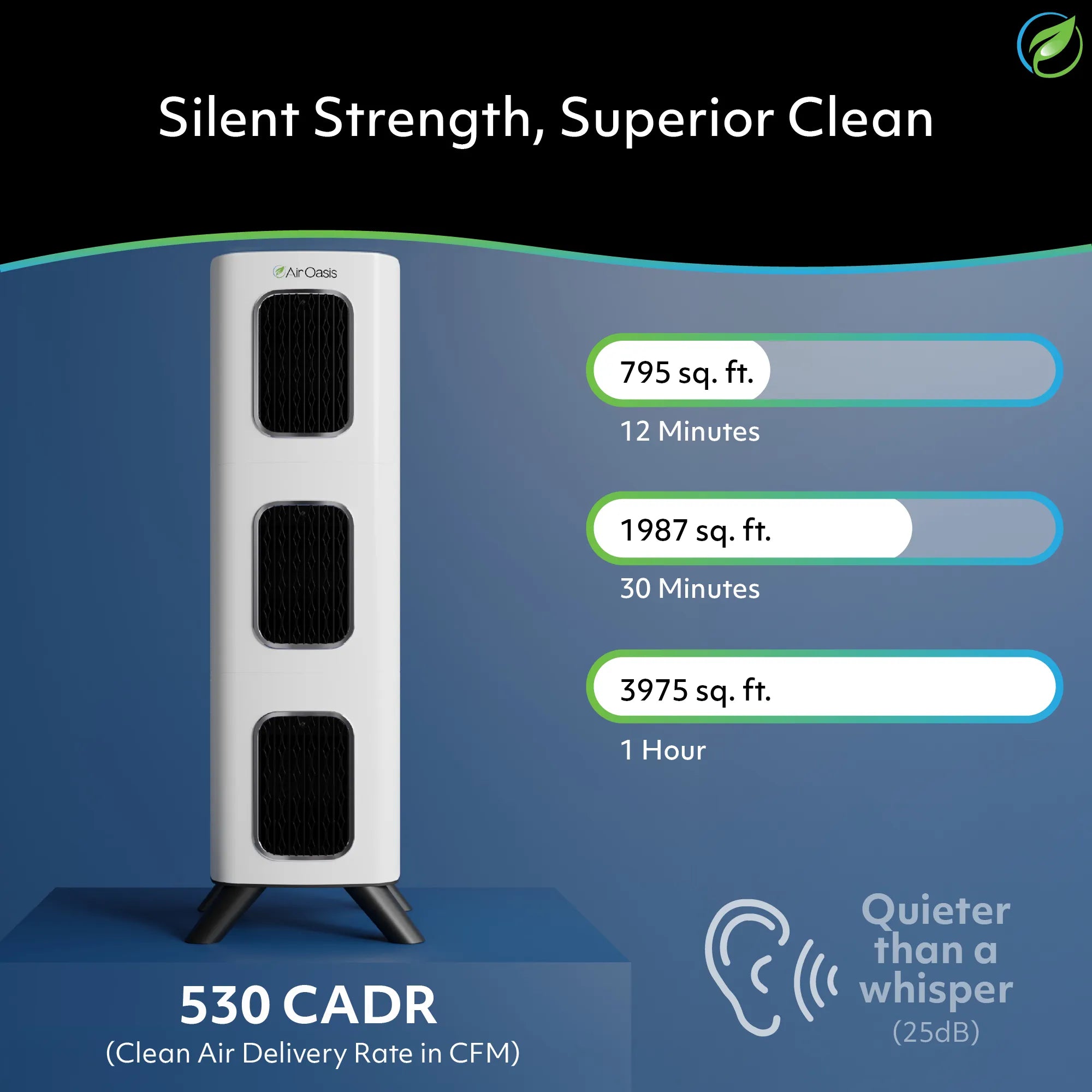
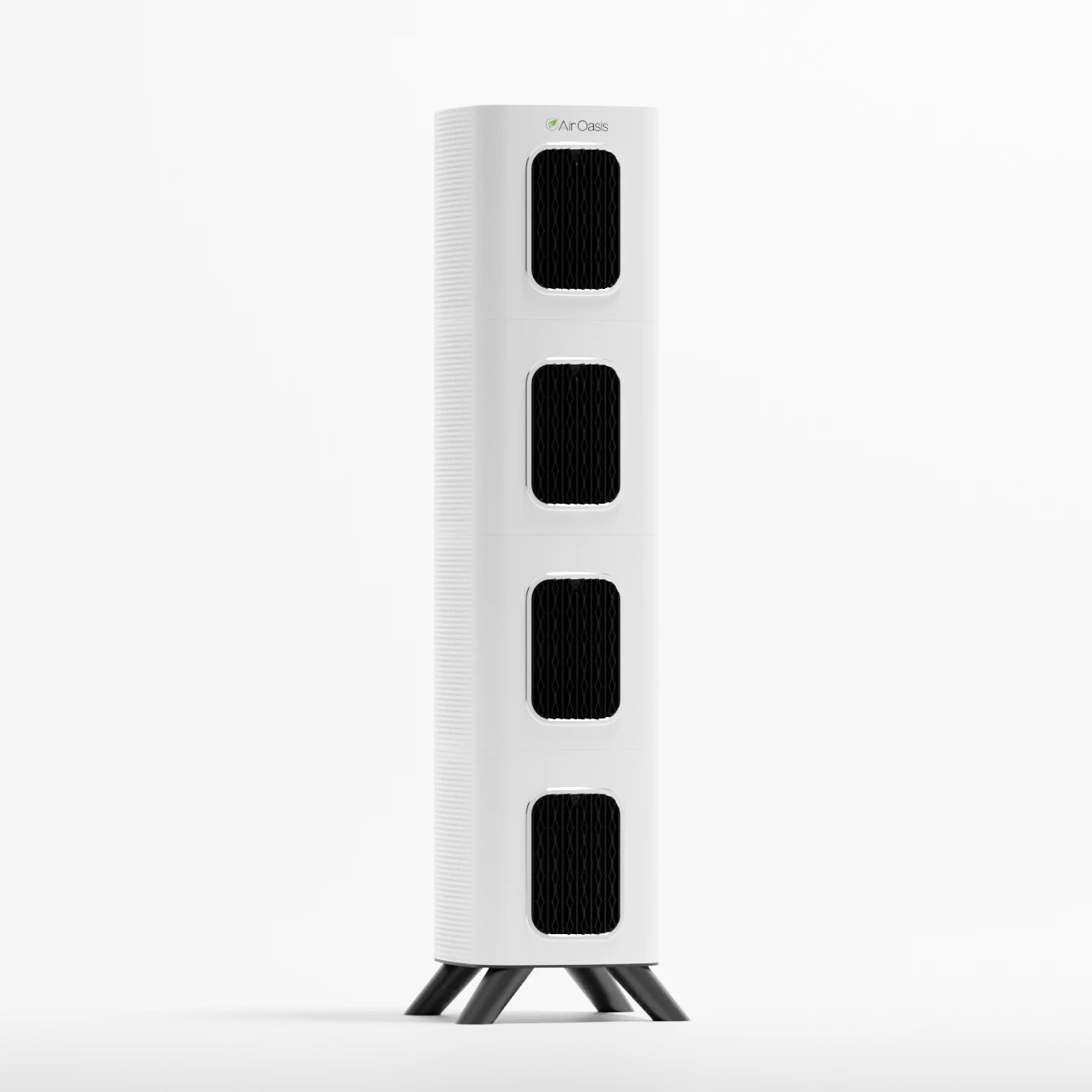
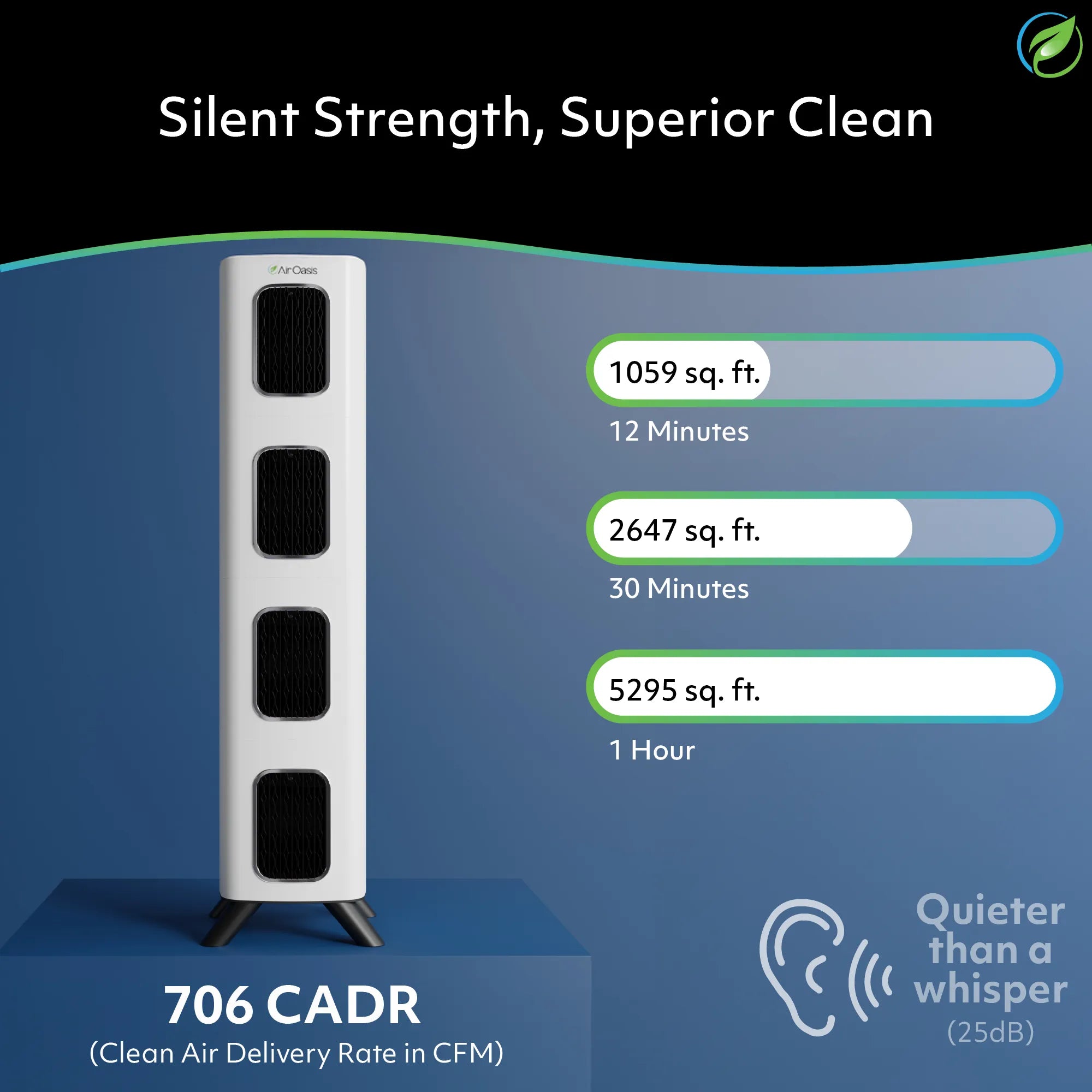
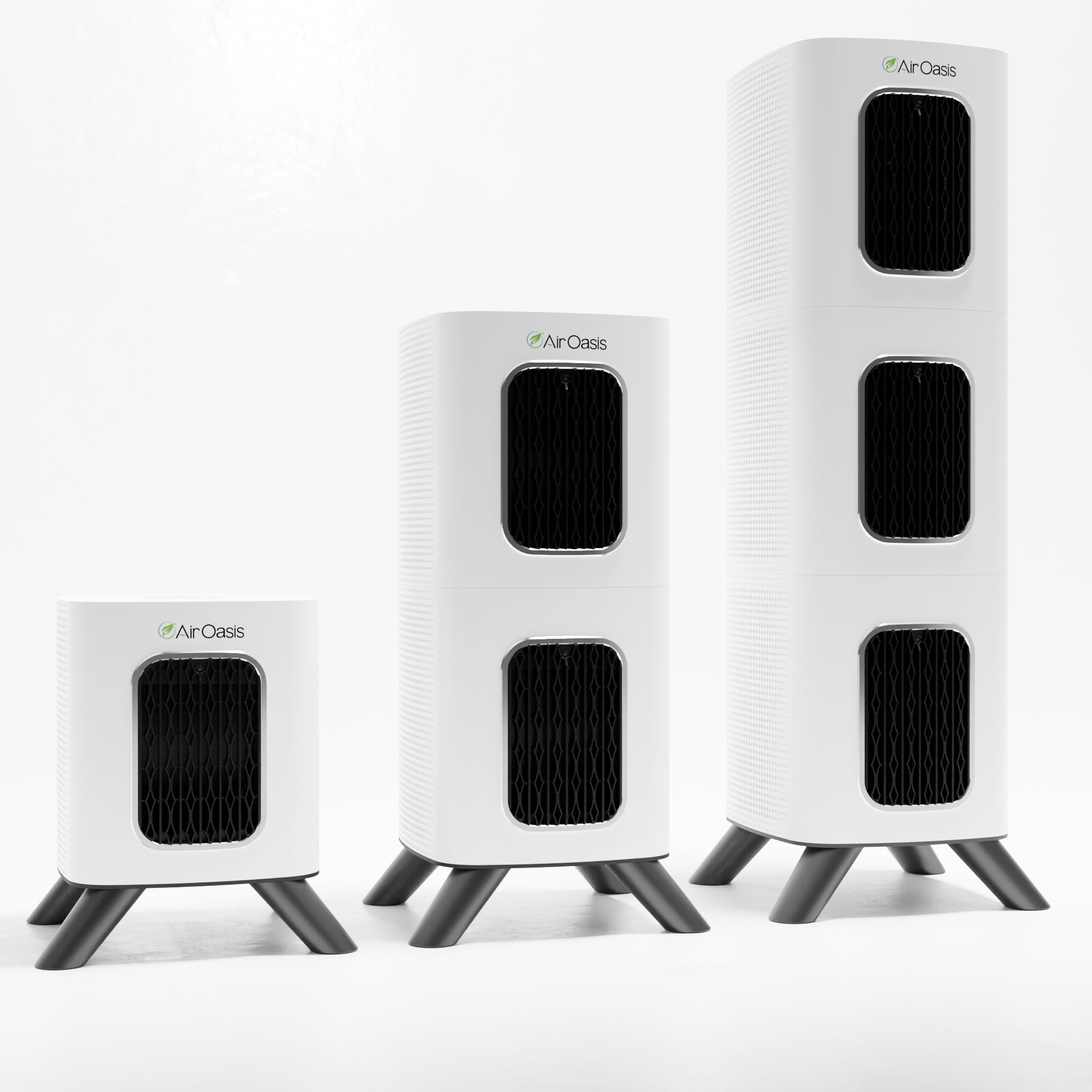
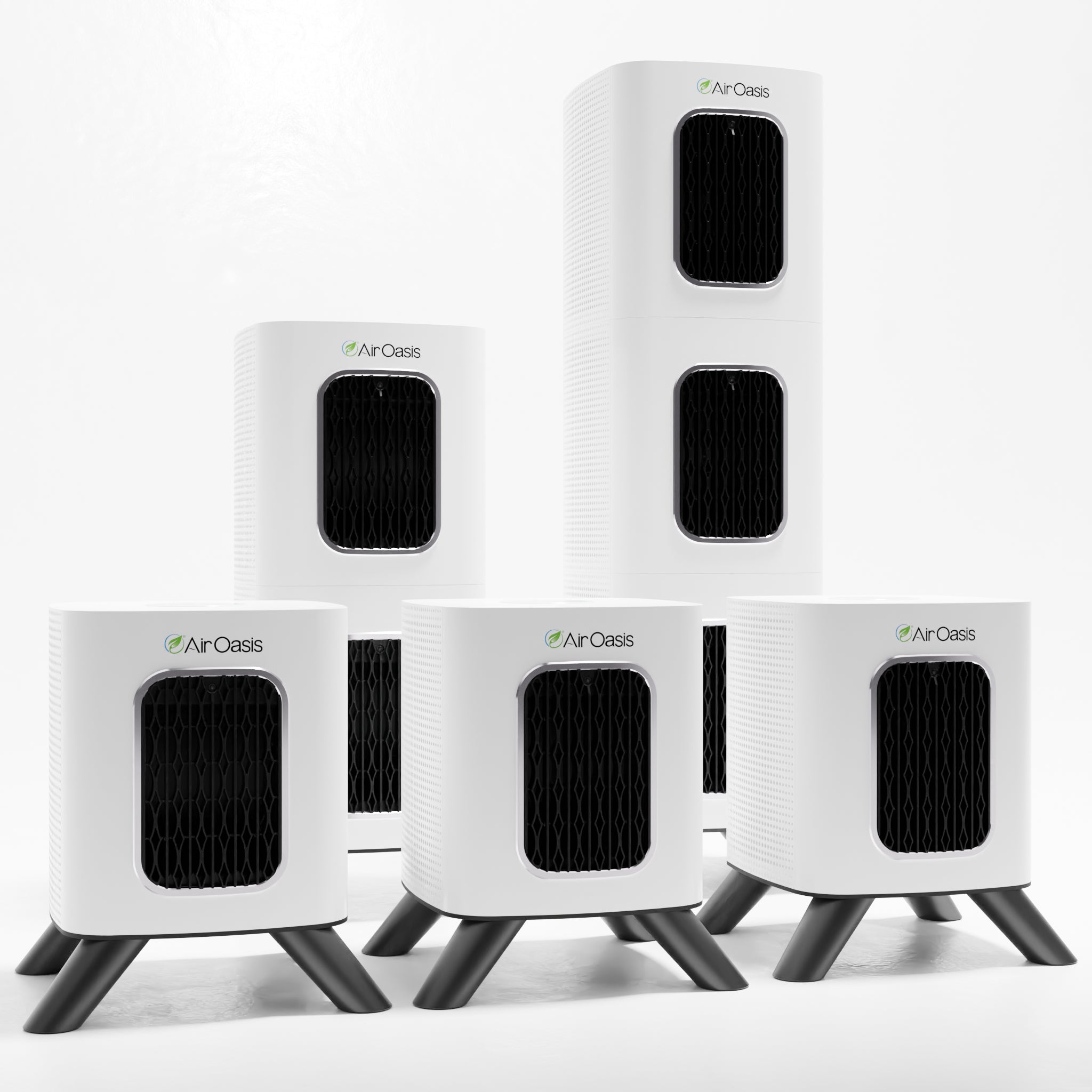
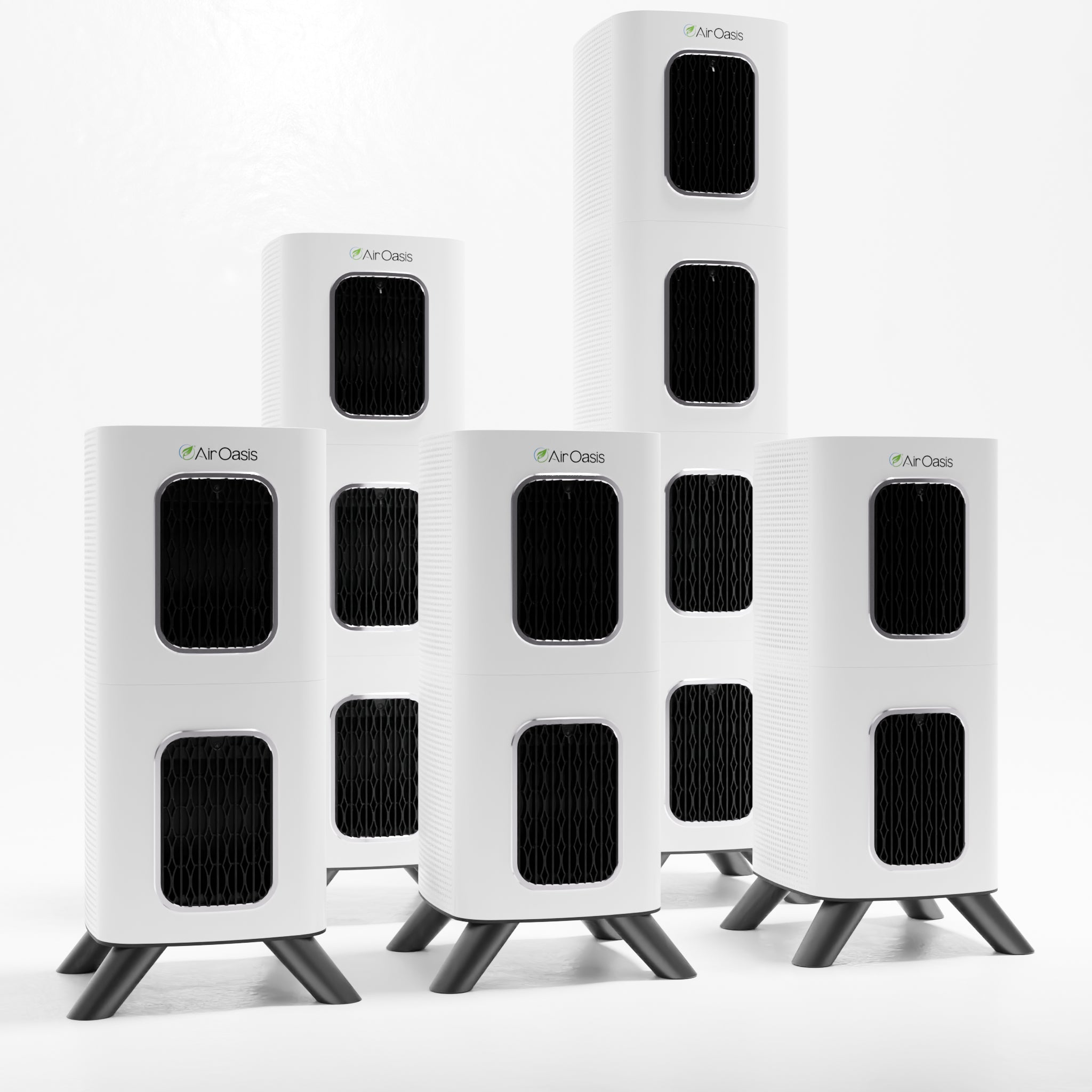
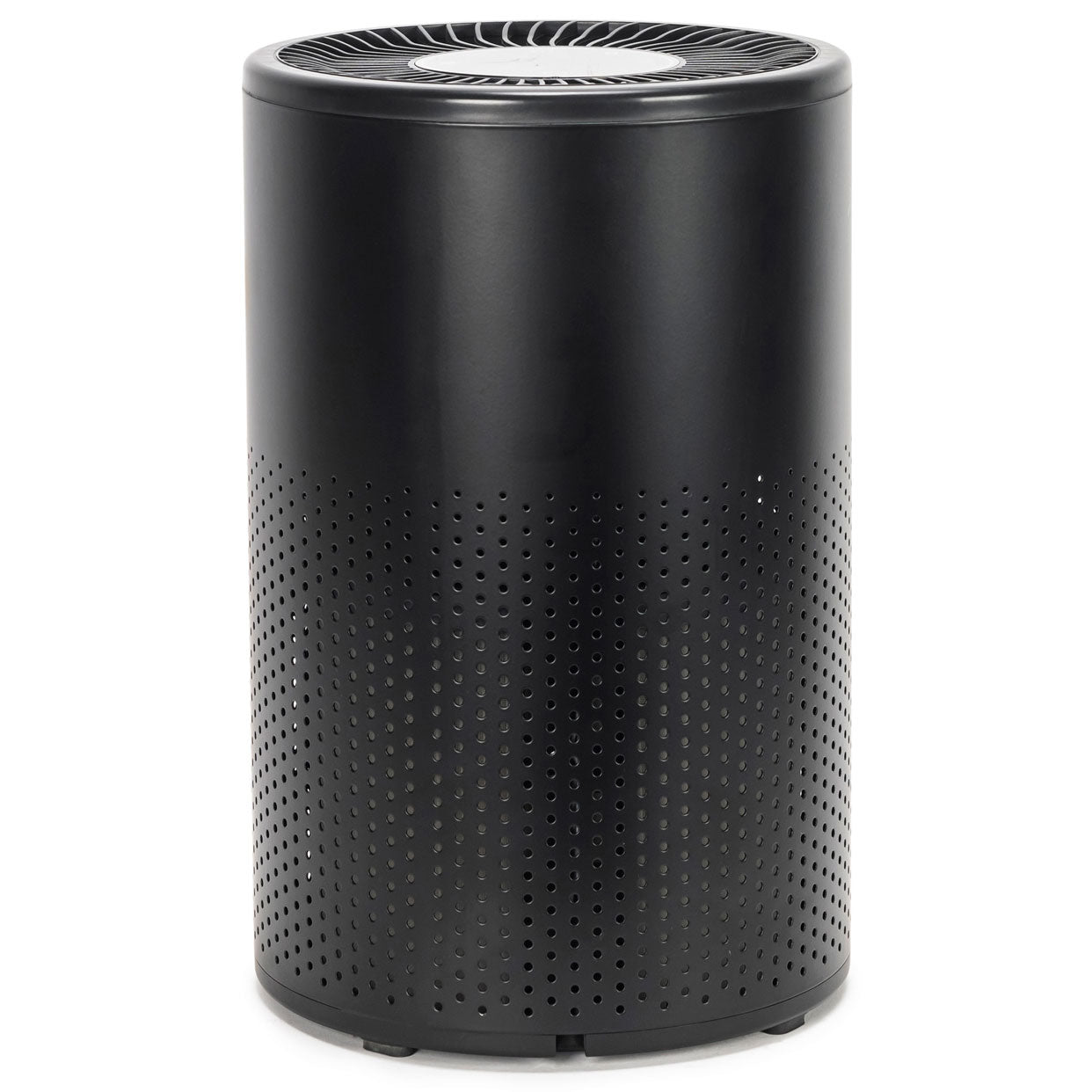
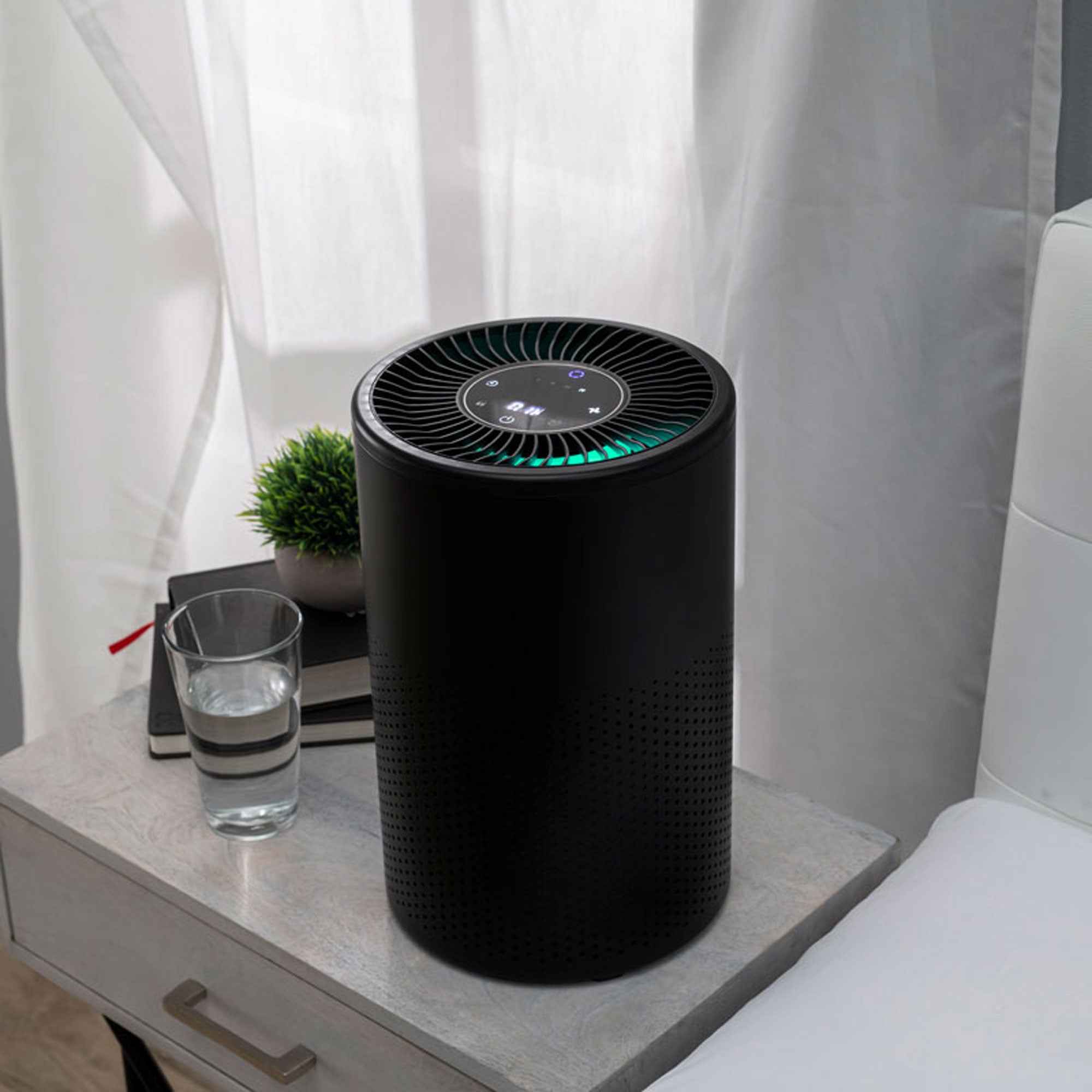
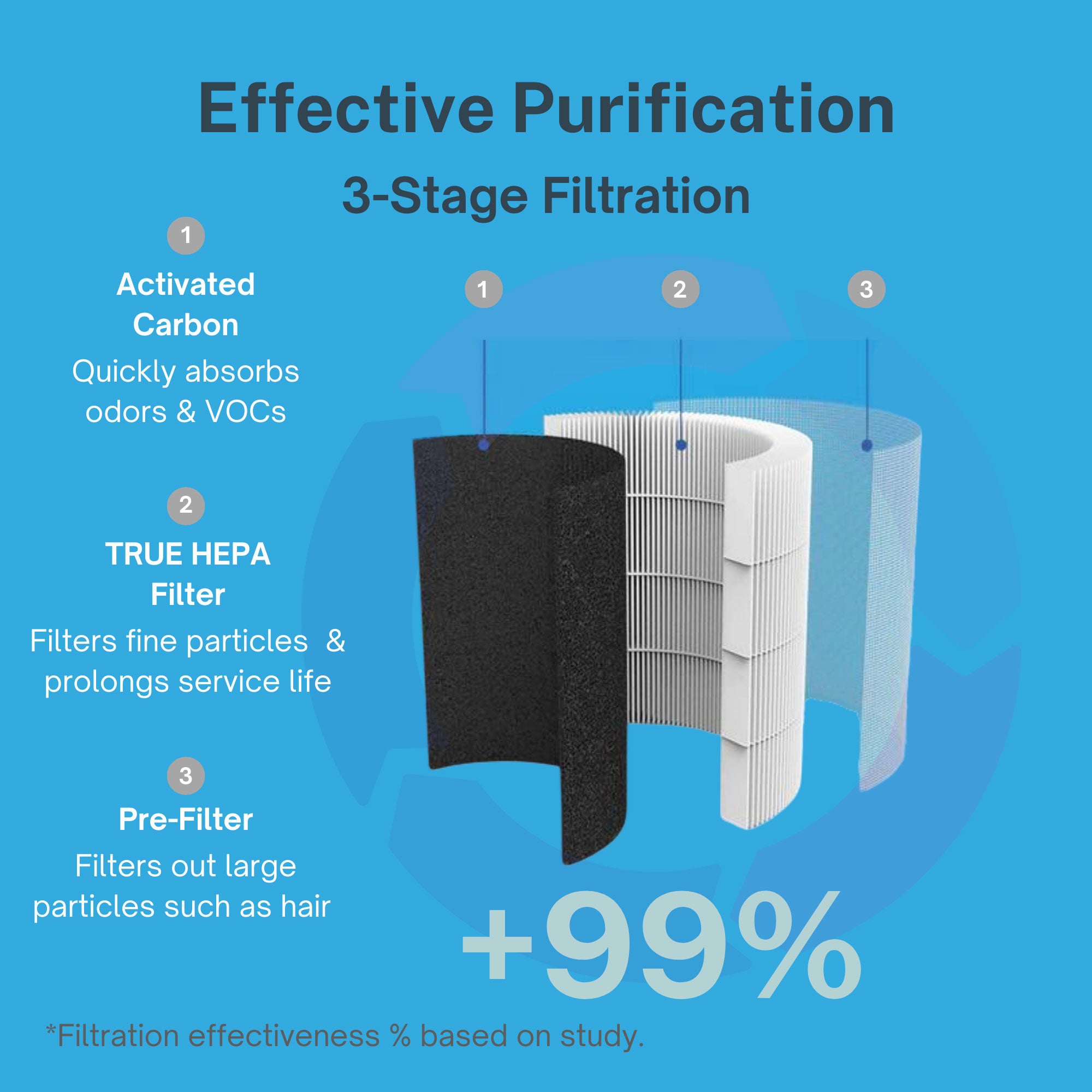
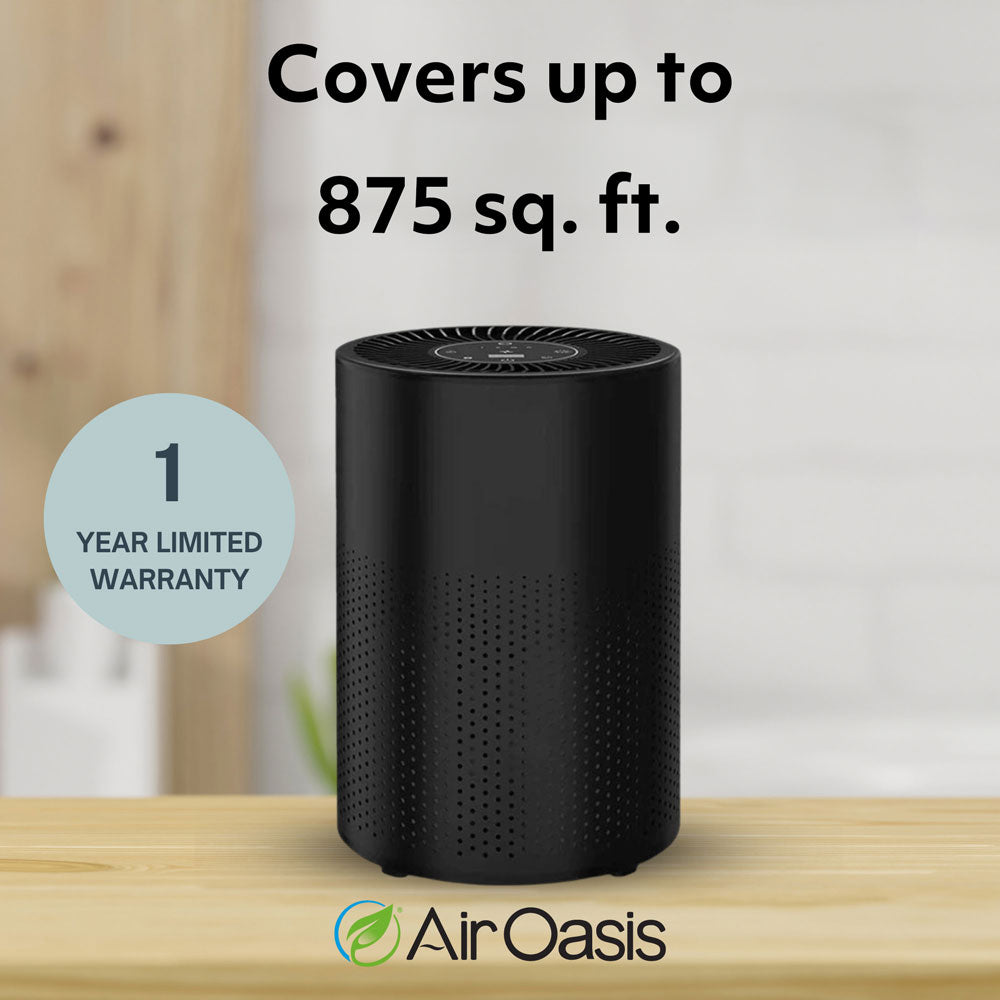
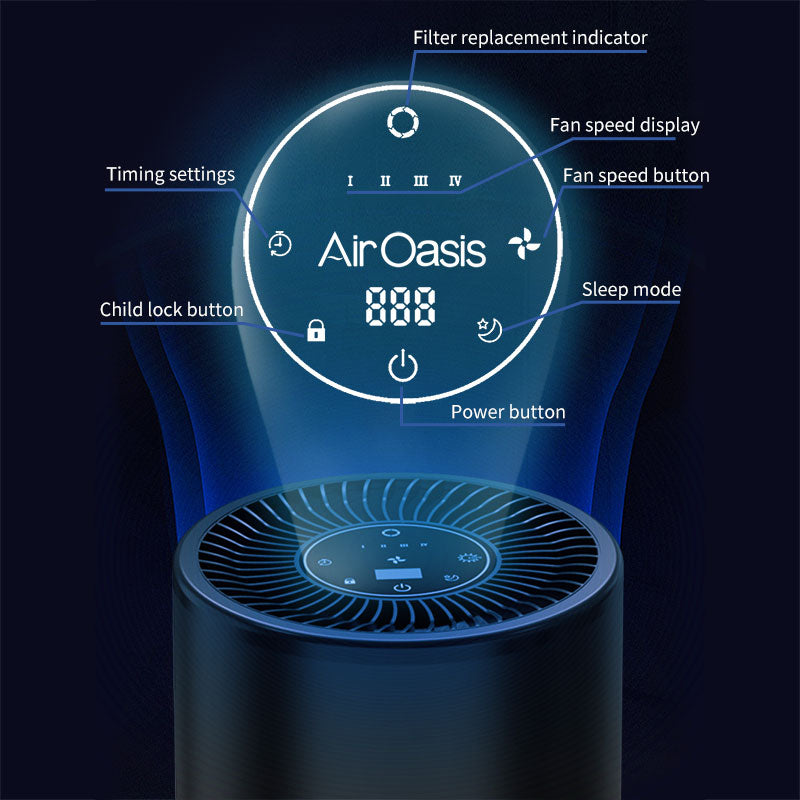
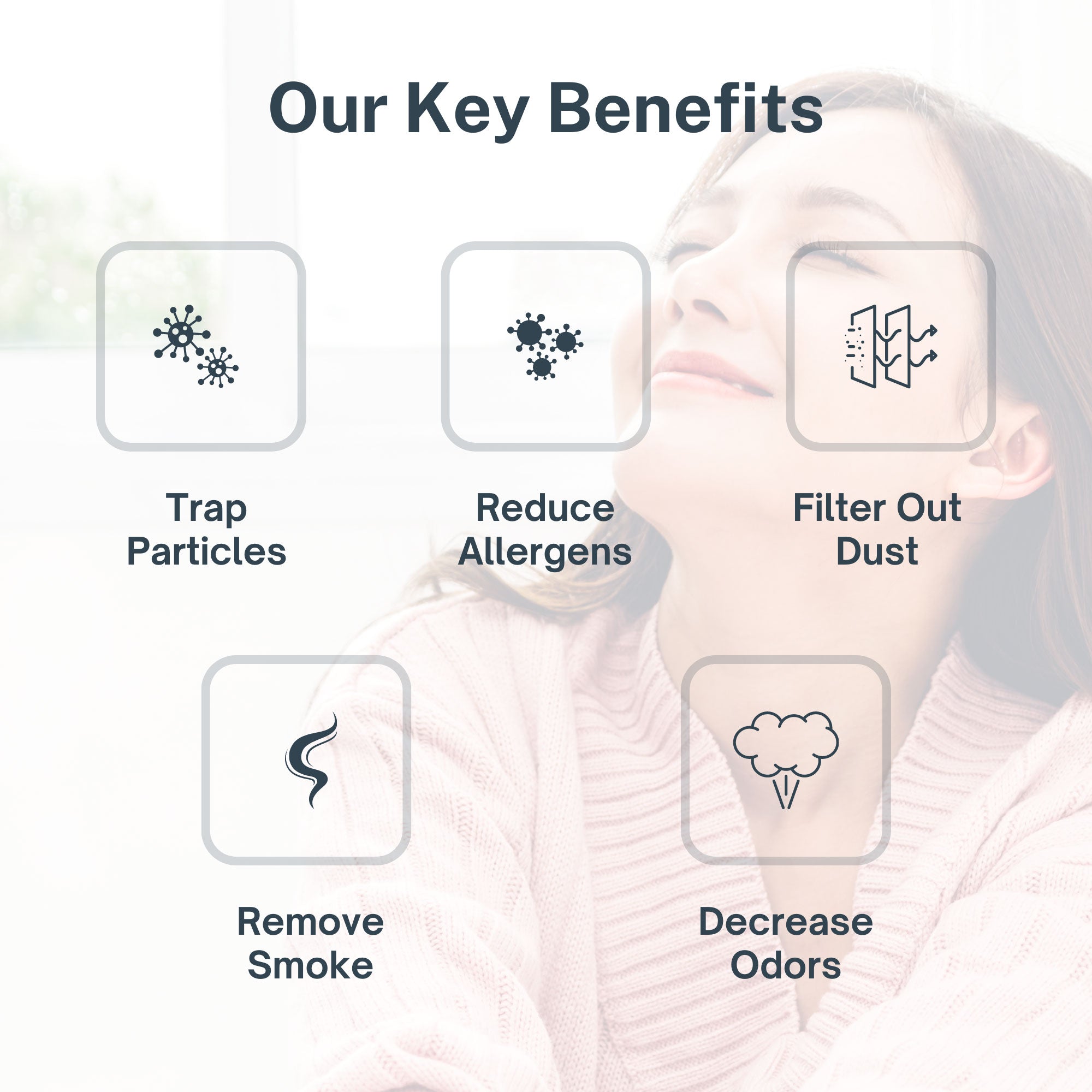
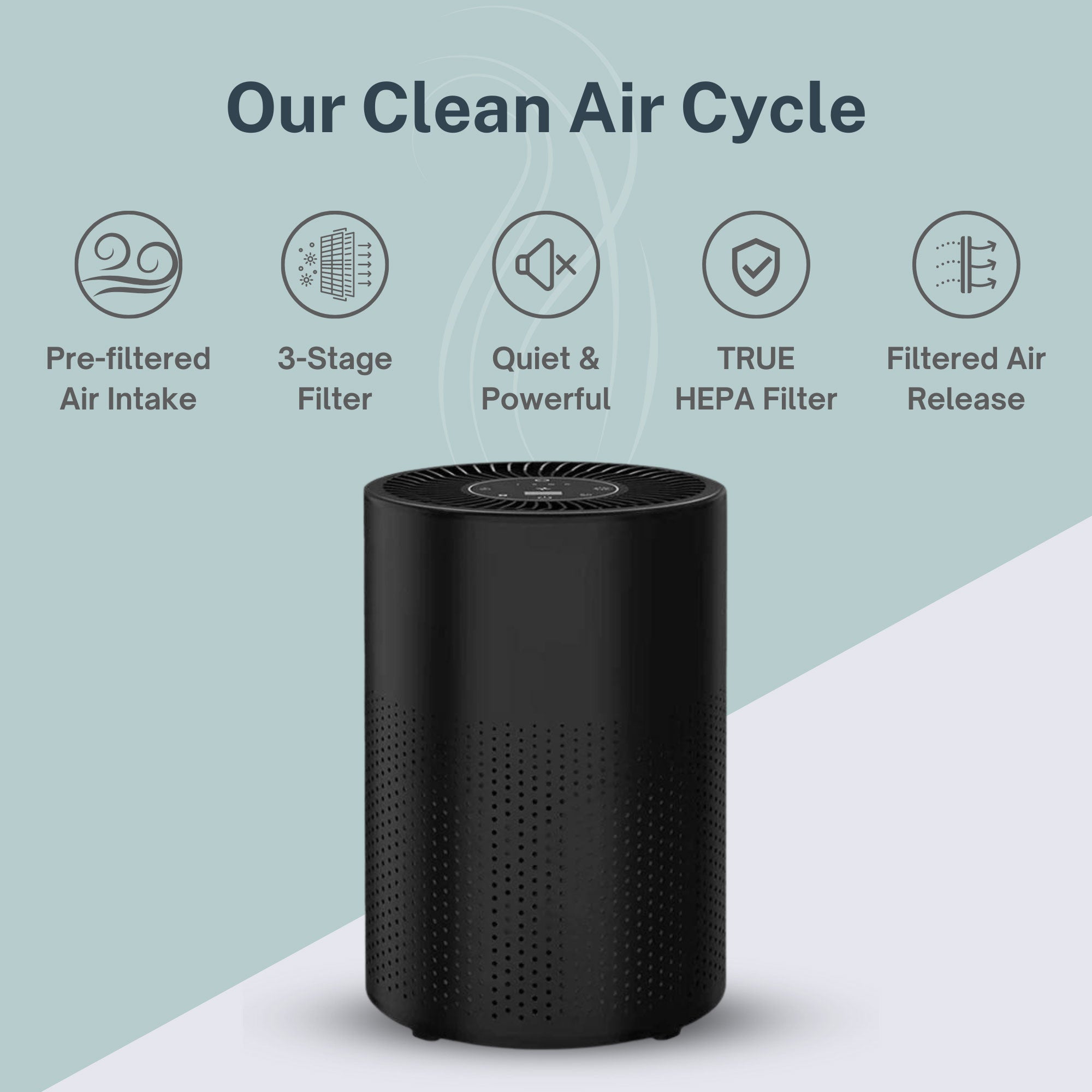
This is where indoor air quality becomes central to allergy management. An air purifier with true HEPA filtration captures airborne allergen particles — including dust mite waste, pollen, and pet dander — before they can be breathed in. The iAdaptAir® from Air Oasis uses multi-stage filtration that combines HEPA, activated carbon, and bipolar ionization, giving you meaningful protection against airborne allergens that surface cleaning alone can't address.
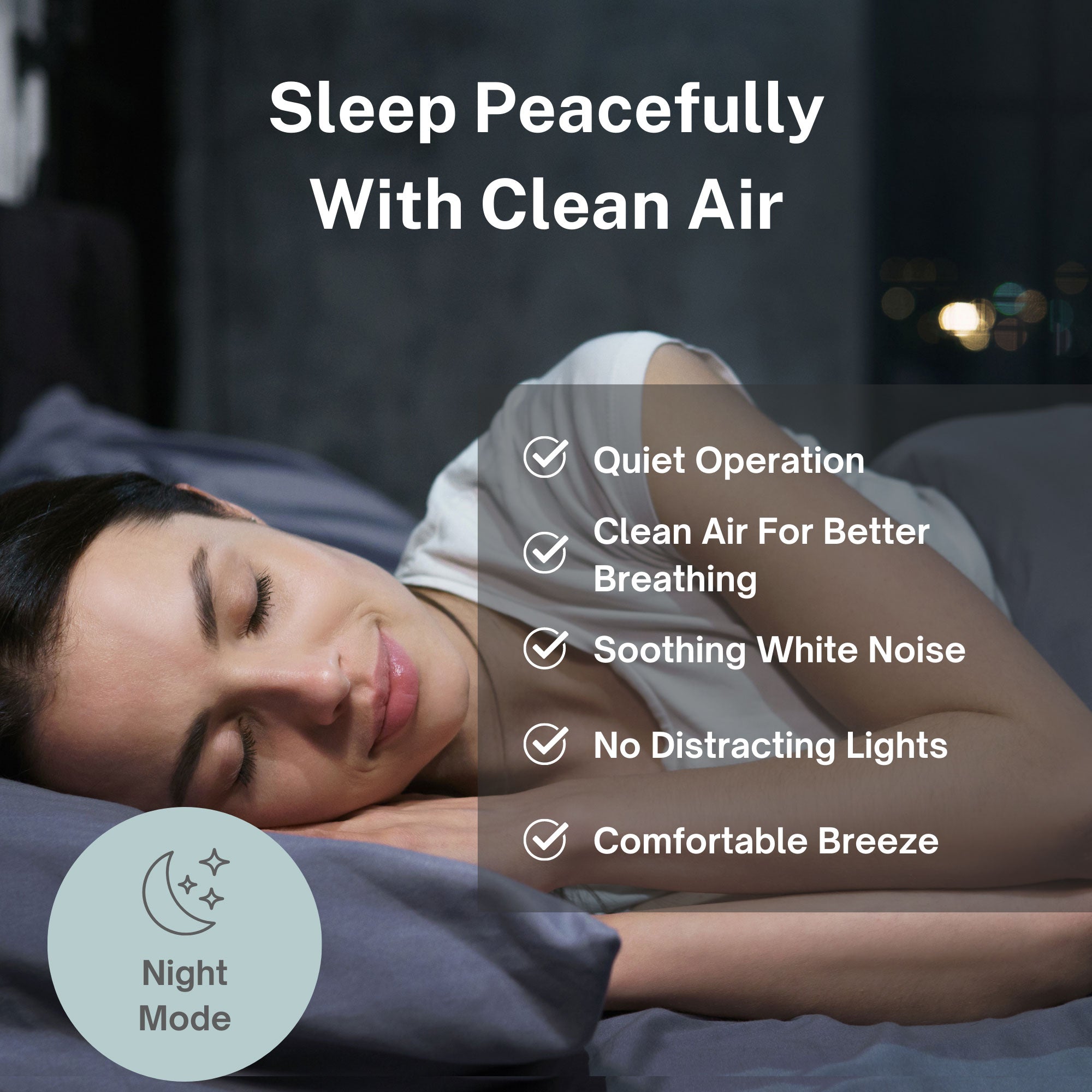
Running an air purifier consistently in bedrooms and living areas — especially where upholstered furniture and textiles are present — reduces the overall allergen load in your home's air. For people with allergy symptoms that seem to follow them from room to room, this kind of continuous air filtration often makes a noticeable difference.
How to tell what's really causing your symptoms
If you're not sure whether you're reacting to wool itself or to dust mites, an allergist can help you find out. Skin prick testing and blood tests can identify specific sensitivities — whether to dust mite proteins, animal dander, pollen, or other triggers. Getting a clear diagnosis means you can stop avoiding things unnecessarily and start targeting the actual source of your symptoms.
In the meantime, some practical steps help regardless of the exact trigger. Wash wool items regularly in warm water to reduce dust mite populations. Keep indoor humidity below 50% — a simple hygrometer helps you monitor this. Vacuum upholstered furniture and carpets frequently, ideally with a HEPA-filtered vacuum. And keep the air in your bedroom as clean as possible, since that's where allergen exposure tends to be highest during sleep.
Breathe easier — starting with the right information
Misidentifying an allergy means fighting the wrong battle. If dust mites are the real source of your symptoms, the solution isn't to throw out your wool sweaters — it's to manage your indoor environment more effectively. Cleaner textiles, lower humidity, and cleaner air all work together to reduce your exposure.
If you're ready to take indoor allergen control seriously, start with the air you breathe every day. Shop Air Oasis today and find the right iAdaptAir® model for your home — because breathing better begins with knowing what you're really up against.
Frequently Asked Questions About Wool Allergies
Here's some additional info.
Can you be truly allergic to wool?
True wool allergies are rare. Most people who react to wool are experiencing a sensory reaction to coarse fibers or are actually reacting to dust mites, lanolin, or chemical treatments on the wool — not the wool protein itself. An allergist can help identify the actual trigger.
How do I know if I'm allergic to wool or dust mites?
Dust mite allergy symptoms typically include sneezing, congestion, itchy eyes, and nighttime or morning symptoms that are worse after sleeping. If your symptoms flare when you handle unwashed wool items or sleep under older wool blankets, dust mites are a more likely culprit than the wool itself.
Do dust mites live in wool clothing?
They can, especially in wool items stored without washing or kept in warm, humid conditions. Regularly washing wool items and storing them in dry environments significantly reduces dust mite accumulation.
Does wool make allergies worse?
It depends on the situation. Unwashed or stored wool can harbor dust mites that trigger allergies. However, clean wool in a well-maintained environment is generally not a significant allergen and may actually be more dust-mite-resistant than synthetic fabrics.
Can an air purifier help with dust mite allergies?
Yes. Air purifiers with HEPA filtration capture airborne dust mite waste particles and other allergens before they can be inhaled. While an air purifier doesn't eliminate mites from surfaces, it significantly reduces the airborne allergen load in your home, which is a major pathway for allergy symptoms.