You brought home a cute little hamster for your child, thinking a small caged pet would be safer than a dog or cat for the family. But now someone's sneezing constantly, rubbing itchy eyes, and complaining about feeling stuffy. Could that tiny furry creature really be causing allergy symptoms? The answer might surprise you.
The Truth About Small Pet Allergies
Many people assume that small pets like hamsters, guinea pigs, and rabbits won't trigger allergies because they're confined to cages and don't roam freely throughout the house. This assumption is dangerously wrong. These pocket pets produce the same types of allergens as larger animals—proteins found in their dander, saliva, and urine that become airborne and spread throughout your home.
Research shows that about 20% of people experience allergic reactions to small mammals. Hamsters in particular can trigger surprisingly severe responses in sensitive individuals. According to studies published in scientific journals, hamster allergens belong primarily to the lipocalin protein family, the same family responsible for many cat and dog allergies.
What makes pocket pet allergies particularly tricky is that symptoms often develop gradually. You might not notice problems immediately after bringing the pet home. Regular close contact during cage cleaning, feeding, and handling increases exposure over time. Children face a higher risk since they typically spend more time interacting with small pets, and their immune systems are still developing.
The proteins that cause allergic reactions spread beyond the immediate cage area. They attach to dust particles and circulate through your home's air. They settle on furniture, carpets, and bedding. Even if the hamster stays in your child's bedroom, allergens can migrate to common areas through normal household airflow and on clothing.
Understanding How Pocket Pet Allergens Affect Your Body
When you're allergic to hamsters or other small pets, your immune system mistakenly identifies harmless proteins as dangerous invaders. Your body launches a defense response, releasing histamines and other chemicals that cause the uncomfortable symptoms you experience.
The primary sources of these allergens are animal dander (tiny flakes of skin), saliva, and urine. Hamsters constantly groom themselves, spreading saliva throughout their fur. As this saliva dries, it becomes airborne along with microscopic skin particles. Urine contains concentrated allergen proteins that become airborne as bedding dries.
Common symptoms mirror those of other pet allergies. You might experience sneezing, runny or stuffy nose, itchy or watery eyes, and skin rashes where the animal touched you. More severe reactions include coughing, wheezing, chest tightness, and difficulty breathing—particularly concerning for people with asthma.
Animal allergens can trigger asthma attacks in sensitized individuals. Children living in environments with high allergen levels face an increased risk of developing asthma. Because hamsters are often kept in children's bedrooms, exposure while sleeping results in constant contact with allergens during vulnerable nighttime hours.
Some people develop symptoms within minutes of exposure. Others don't notice problems until several hours later, making it harder to connect their discomfort to the pet. The active, curious nature of hamsters means they frequently stir up bedding and create dust clouds loaded with allergens whenever they move around their cage.
Different Types of Hamsters Produce Different Allergens
Not all hamsters are created equal when it comes to allergies. Different hamster species produce distinct allergen proteins, which means you might react to one type but not another. The most popular pet hamster species include Syrian or Golden hamsters, Roborovski dwarf hamsters, and Djungarian or Siberian dwarf hamsters.
Scientific research has identified specific allergen proteins from different species. The major allergen from Golden hamsters, identified as Mes a 1, differs from the primary allergens in the dwarf hamster species. Studies show that patients allergic to Siberian hamsters often don't react to commercial skin test solutions made from European or Golden hamsters.
This species-specific reactivity creates diagnostic challenges. Most commercial allergy tests use extracts from Golden or European hamsters. If you're actually allergic to a dwarf hamster but get tested with Golden hamster extract, your test might come back negative even though you're genuinely suffering symptoms at home.
The male hamster's submaxillary gland produces particularly potent allergens. Male hamsters may trigger stronger reactions than females of the same species. If you've noticed that your current hamster's allergy symptoms seem worse than those of a previous one, gender differences in allergen production might explain the discrepancy.
Cross-reactivity between hamster species does occur but isn't universal. Some proteins show cross-reactivity with other rodent allergens like mice, while others remain species-specific. This complex picture underscores the importance of working with an allergist who understands small-animal allergies for accurate diagnosis and effective treatment.
Guinea Pigs, Rabbits, and Other Small Furry Pets
Hamsters aren't the only pocket pets that cause allergic reactions. Guinea pigs rank among the most allergenic small pets, with studies showing that up to 70 percent of guinea pig-allergic patients react to their major allergen, Cav p 1.
Guinea pigs produce multiple allergen proteins found in their saliva, urine, and lachrymal (tear) glands. Two major allergens, Cav p 2 and Cav p 3, are species-specific and show no cross-reactivity with cat or dog extracts. This specificity means you could be allergic to guinea pigs while tolerating other pets just fine. The proteins also mean that someone without cat or dog allergies might still develop severe reactions to guinea pigs.
Rabbits have grown increasingly popular as household pets, ranking third behind cats and dogs in many regions. Rabbit saliva contains particularly potent allergens, making the grooming process especially problematic for allergic owners. The major rabbit allergen Ory c 3 shares structural similarities with the major cat allergen Fel d 1, though they don't cross-react.
Scientific studies report that 77 percent of patients sensitized to rabbits show IgE reactivity to Ory c 3. People report asthma, rhinitis, and conjunctivitis symptoms upon rabbit contact. Rabbit allergens have been detected in settled dust collected from households with rabbit pets, confirming that these proteins spread beyond the immediate cage area.
Gerbils, chinchillas, ferrets, and other exotic pocket pets also produce allergens. Case reports document severe reactions including anaphylaxis from gerbil bites. Chinchilla allergens include lipocalin proteins similar to those from other furry animals. Even less common pets like prairie dogs and hedgehogs can trigger allergic responses in sensitive individuals.
How Air Quality Affects Pocket Pet Allergy Symptoms
The air quality in your home directly impacts how severely you experience pocket pet allergies. When small pet allergens become airborne, they don't just float harmlessly—they infiltrate your respiratory system with every breath. Poor ventilation traps these proteins indoors, creating concentrated exposure that worsens symptoms over time.
Cage location matters significantly. Keeping the hamster or guinea pig cage in a bedroom creates constant nighttime exposure when you're most vulnerable. During sleep, you breathe more deeply and spend extended hours in close proximity to allergen sources. This prolonged exposure can lead to chronic inflammation of the airways and persistent respiratory symptoms.
Heating and cooling systems circulate allergens throughout your entire home. When your HVAC system runs, it pulls air from the room containing the pet cage and distributes it to other areas. Return air vents near pet cages draw in concentrated allergen loads. Standard HVAC filters often lack the fine filtration needed to capture these microscopic protein particles.
Humidity levels influence how allergens behave in your home. High humidity causes allergen proteins to settle more quickly on surfaces, temporarily reducing airborne concentrations. However, humid conditions also promote mold growth in pet bedding and encourage dust mite activity—both additional sources of allergens. Low humidity keeps allergens airborne longer, increasing inhalation exposure.
Regular cage cleaning stirs up massive amounts of allergens. The act of changing bedding, wiping down cage surfaces, and handling the pet creates allergen clouds that remain airborne for hours. Someone without allergies should handle these tasks whenever possible. If you must do it yourself, wear gloves and a mask, work in a well-ventilated area, and shower immediately afterward.
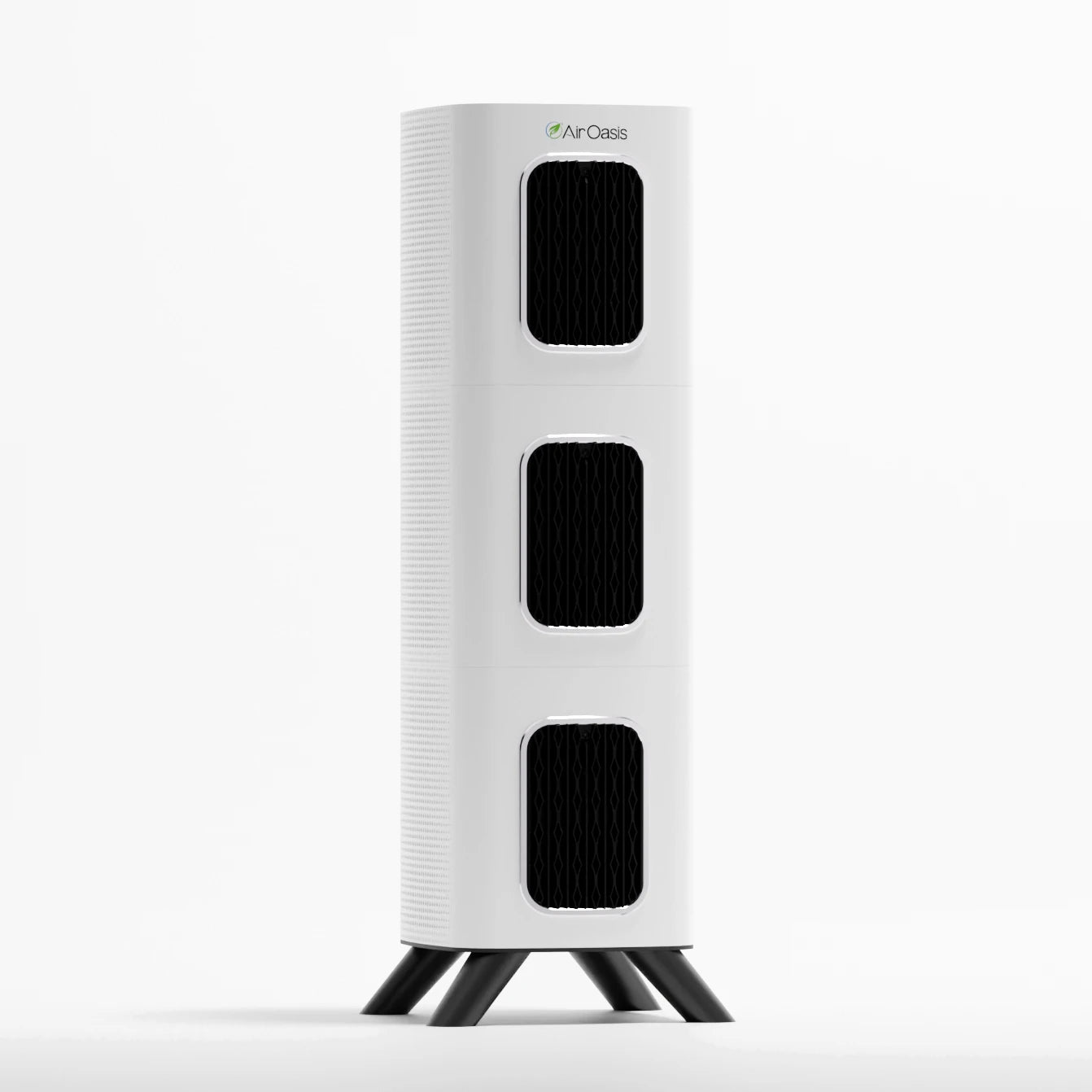
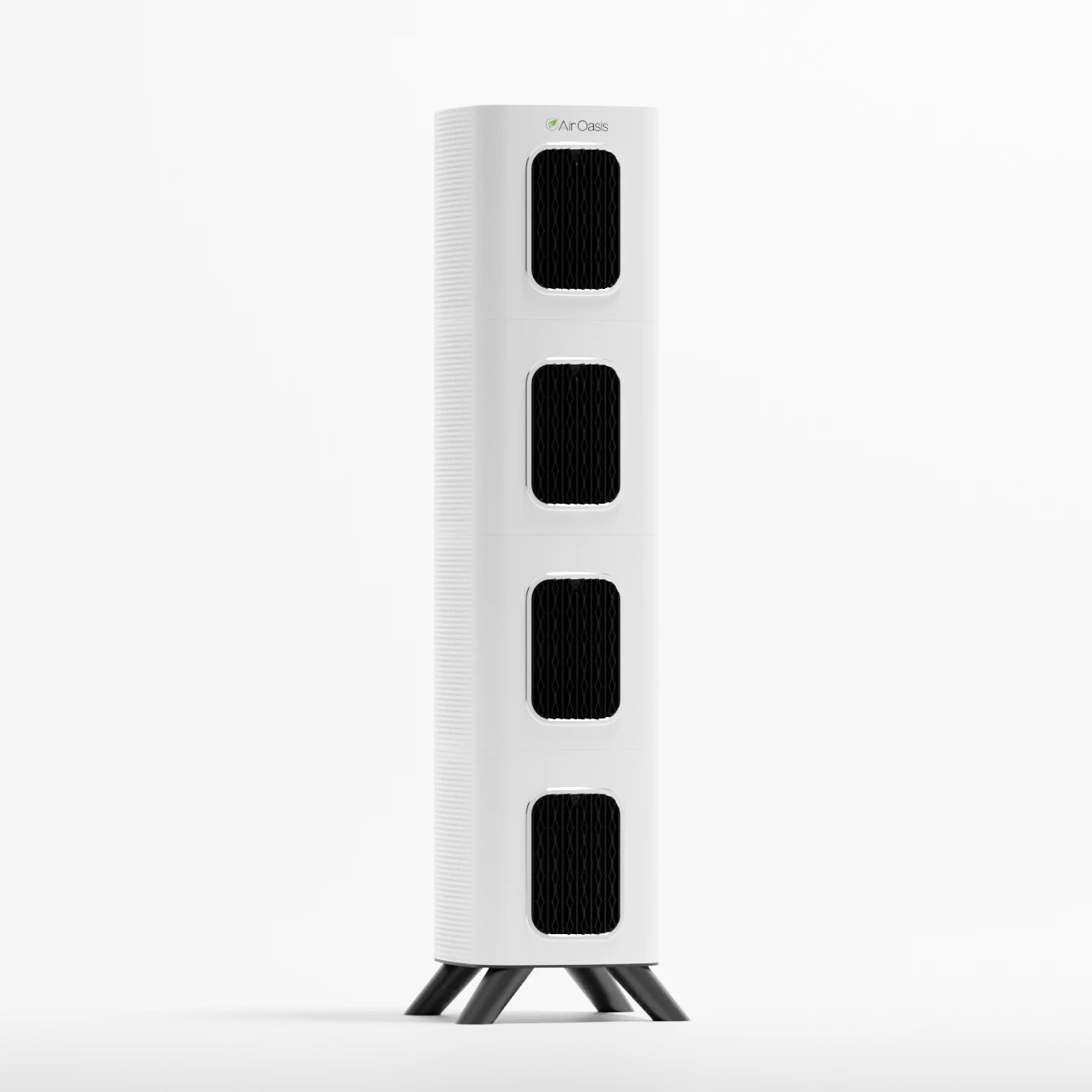
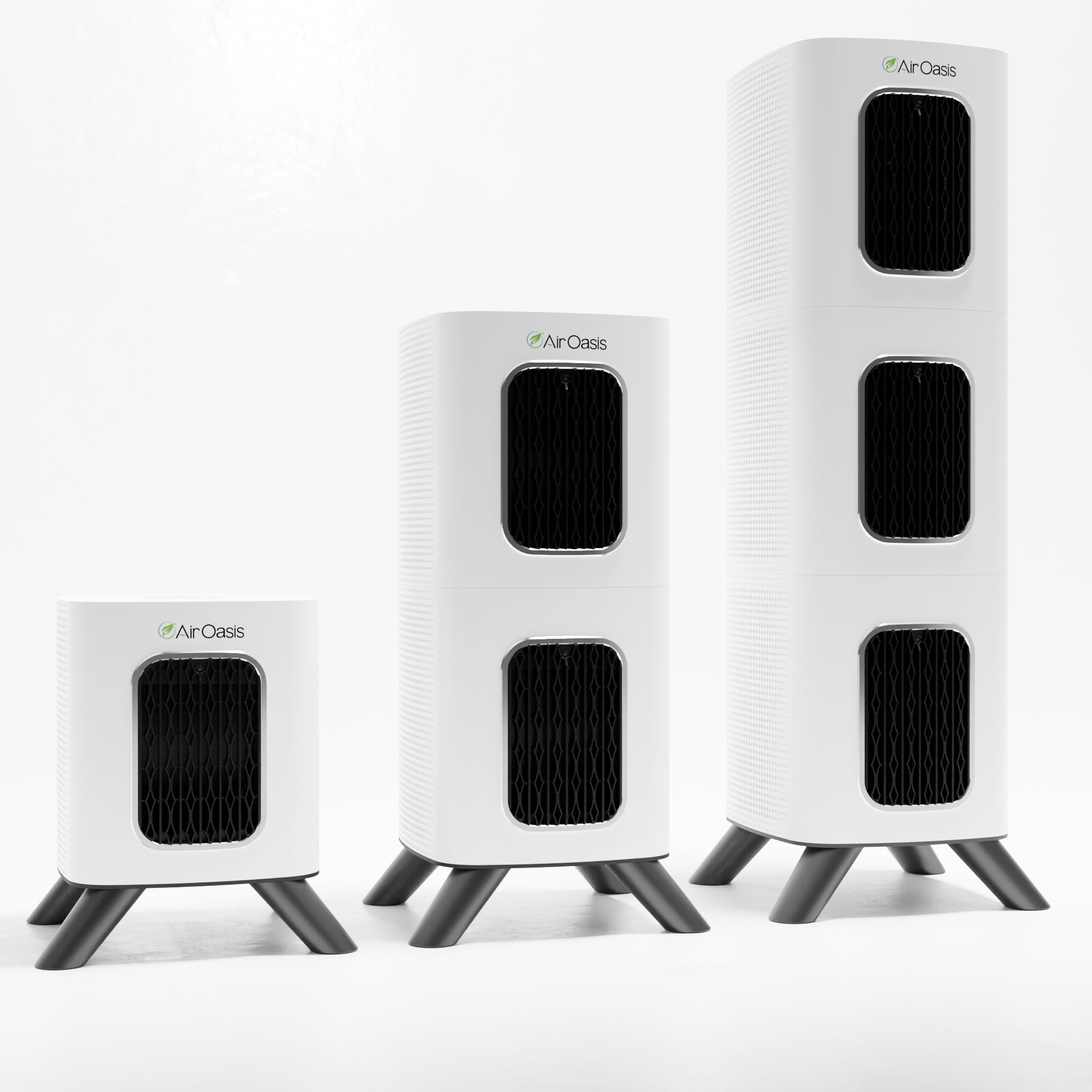
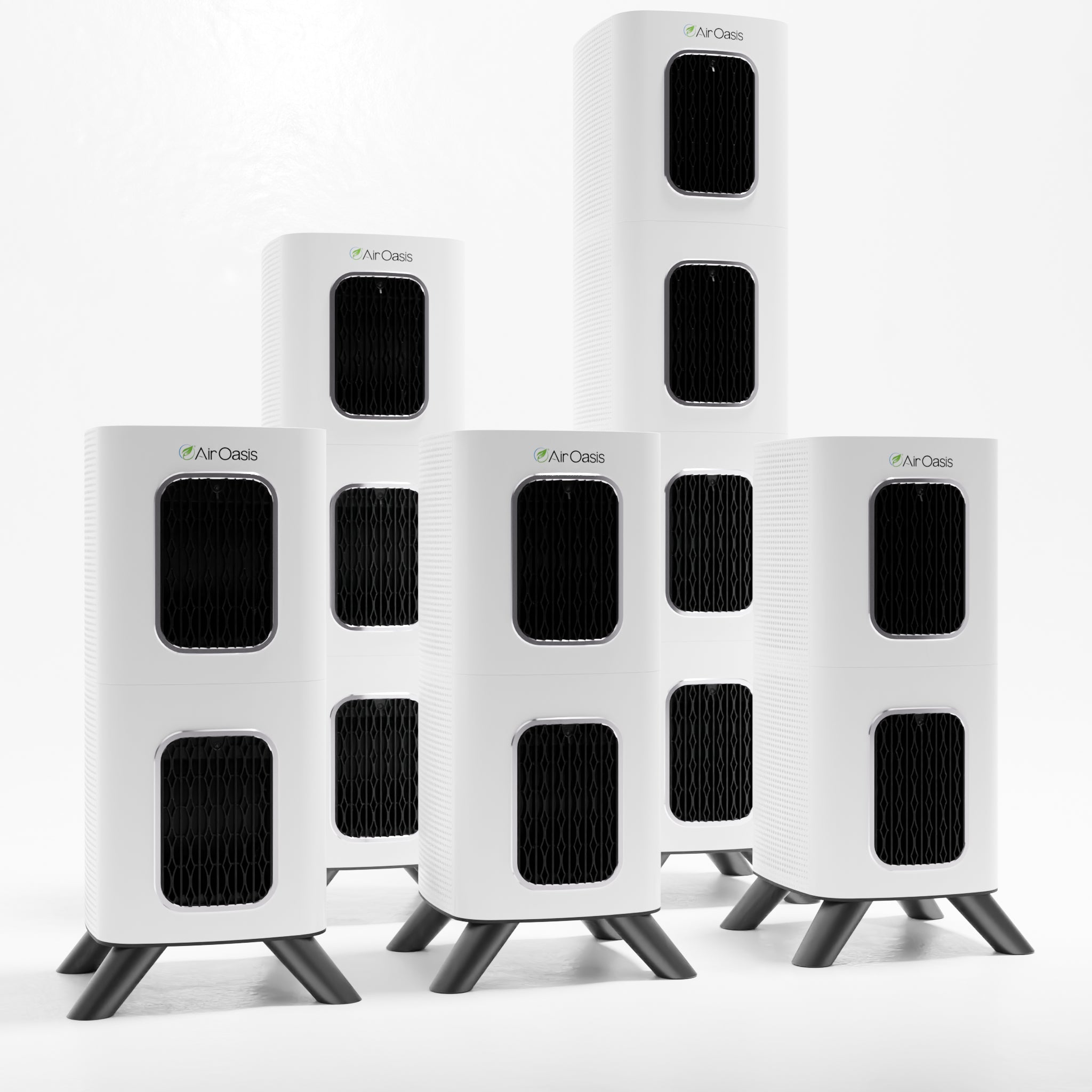
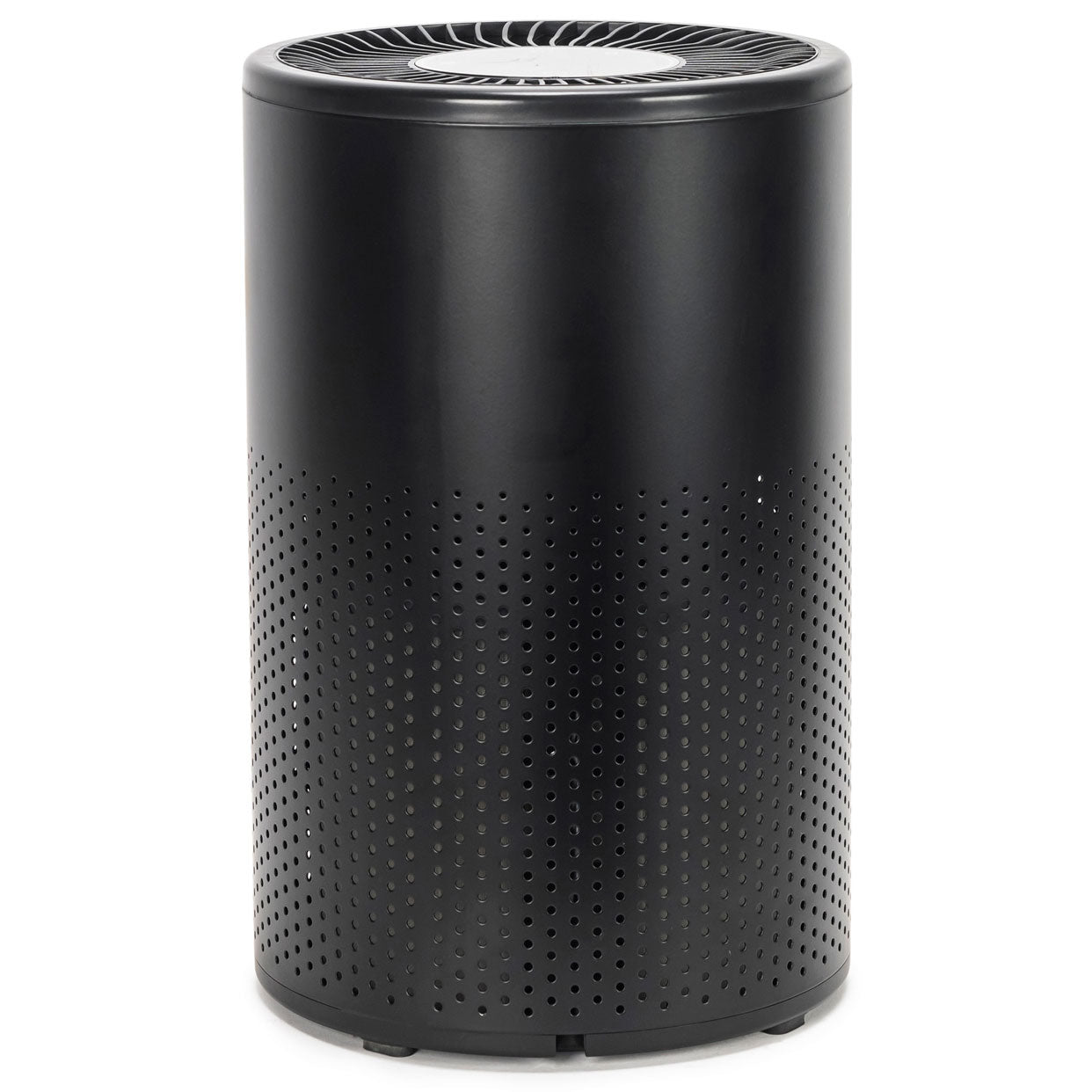
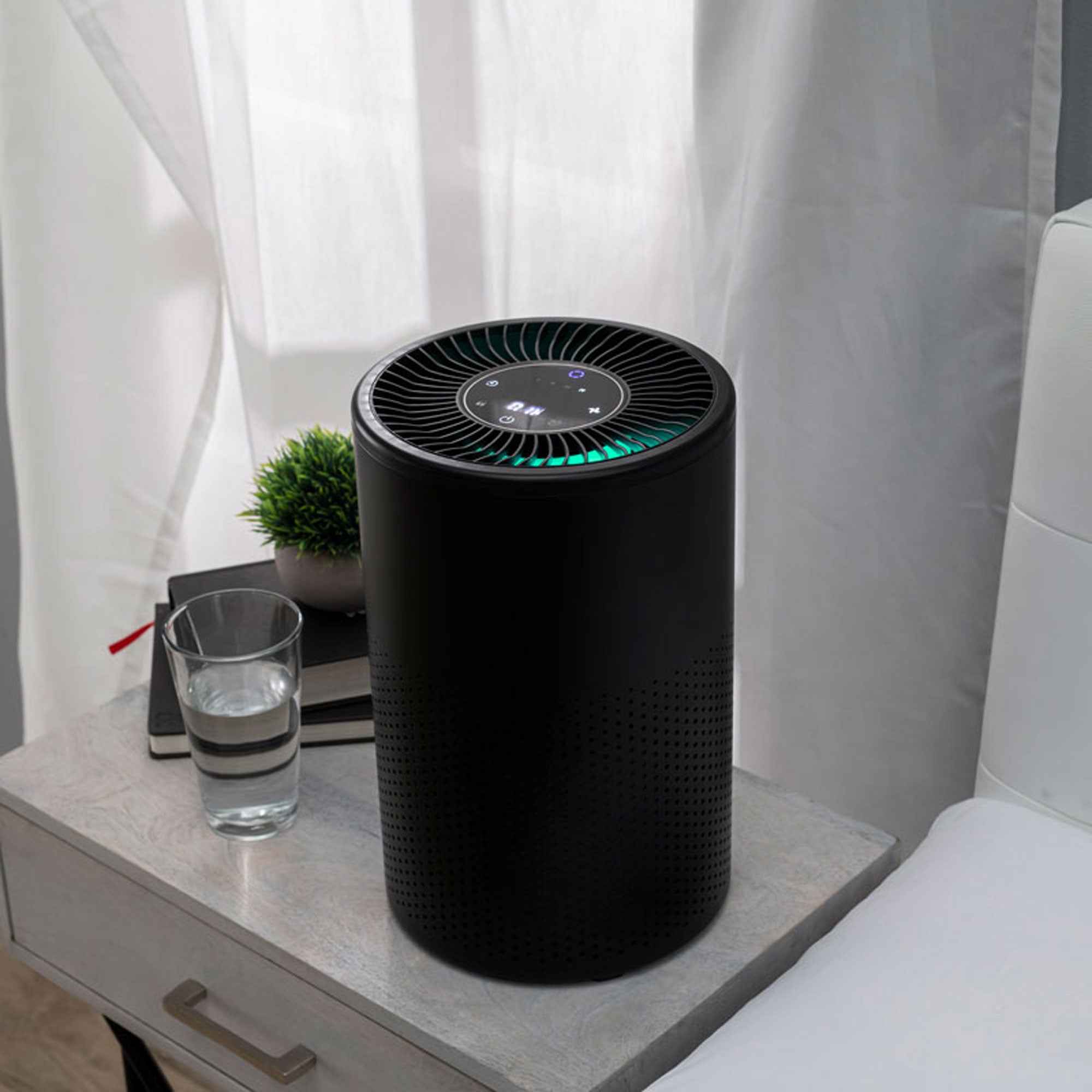
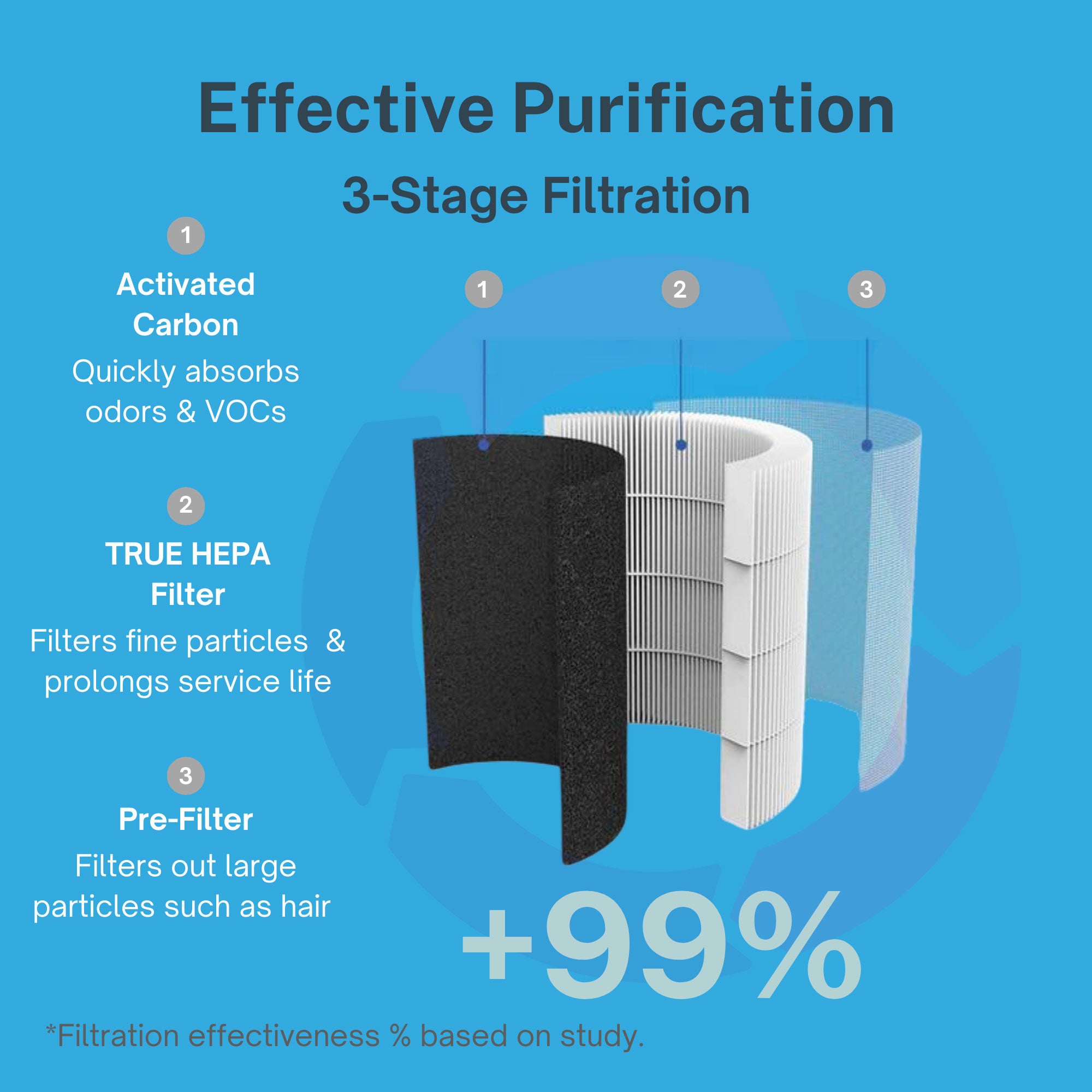
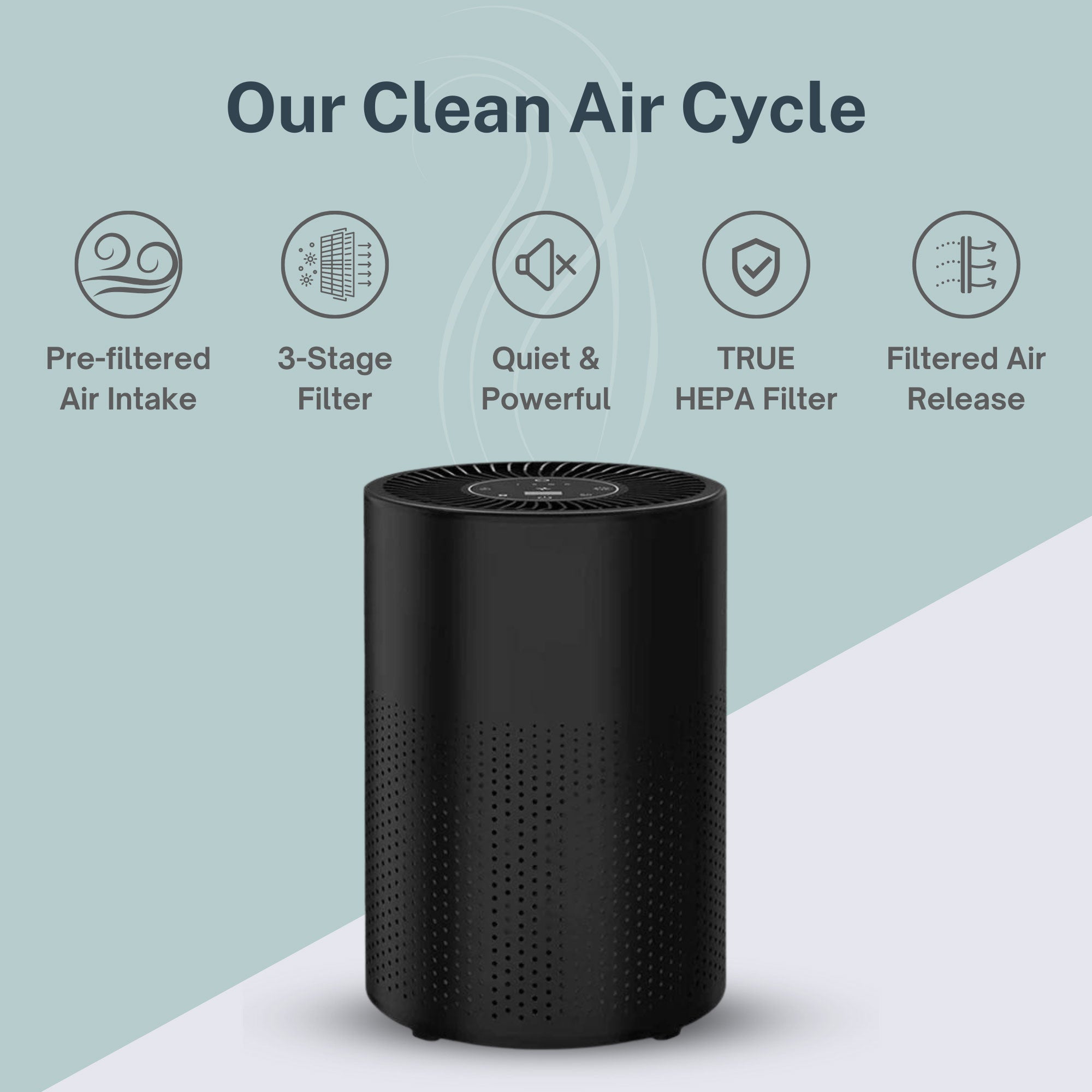
Air Oasis air purifiers provide continuous protection against pet allergens circulating in your home. The medical-grade HEPA filtration captures protein particles as small as 0.3 microns—the size range that includes most animal dander and dried saliva particles. This filtration prevents allergens from reaching your respiratory system.
The UV-C light technology in Air Oasis systems destroys protein structures at the molecular level. Unlike simple filters that just trap particles, UV-C breaks down allergen proteins, preventing them from triggering immune responses even if they escape the filter. The activated carbon layer eliminates the musty pet odors often associated with small animal cages.
Diagnosing and Managing Pocket Pet Allergies
If you suspect a small pet is causing your symptoms, proper diagnosis confirms the source and guides treatment decisions. Allergists use detailed medical histories to identify patterns—when symptoms started, whether they worsen during cage cleaning, if they improve when you're away from home.
Allergy testing provides definitive answers. Skin prick tests introduce tiny amounts of suspected allergens under your skin. A raised, itchy bump indicates allergic sensitization. Blood tests measure specific IgE antibodies your immune system produces in response to animal proteins. These tests can differentiate between allergies to different animals.
However, testing for small pet allergies presents challenges. Commercial test extracts may not include all relevant allergen proteins, particularly for less common species. Tests using Golden hamster extracts might miss allergies to dwarf hamsters. Working with an allergist experienced in unusual pet allergies improves diagnostic accuracy.
Component-resolved diagnosis represents the cutting edge of allergy testing. This approach measures IgE responses to individual allergen proteins rather than crude animal extracts. It distinguishes genuine sensitization from cross-reactivity with other animals. For pocket pets, this precision matters when deciding whether to rehome an animal or pursue treatment.
Treatment options range from avoidance to medication to immunotherapy. Complete avoidance—finding a new home for the pet—eliminates symptoms but isn't always acceptable emotionally or practically. If you choose this route, thorough cleaning removes residual allergens, though some proteins persist in homes for months after pets leave.
Over-the-counter antihistamines provide temporary symptom relief. Nasal corticosteroid sprays reduce inflammation in the nasal passages. These medications manage symptoms but don't address the underlying immune system problem. They require ongoing use and lose effectiveness if exposure overwhelms their capacity.
Sublingual immunotherapy builds long-term tolerance to allergens through daily exposure to small amounts of the problematic protein. While commonly used for cat and dog allergies, options for small pet allergies are limited. Discuss this possibility with your allergist if you're committed to keeping your pet despite allergies.
Creating a Healthier Environment for Allergy-Prone Families
You can reduce allergen exposure while keeping your pocket pet through strategic environmental controls. These measures don't eliminate allergies but can make symptoms more manageable for mildly sensitive individuals.
Location restrictions help contain allergens. Keep the pet cage out of bedrooms and main living areas. Dedicate a well-ventilated spare room or enclosed porch area for the pet. This separation reduces baseline exposure, allowing your immune system to reset between intentional interactions with the animal.
Proper cage maintenance minimizes allergen buildup. Clean the cage at least twice weekly, removing soiled bedding and wiping surfaces with damp cloths that trap rather than disperse particles. Someone without allergies should handle this task. If that's impossible, wear protective equipment and work outdoors or in a garage with the door open.
Wash hands thoroughly after every interaction with the pet. Allergen proteins stick to the skin and transfer to your face when you touch it. Change clothes after extended contact with the pet. Keep a dedicated set of "pet care clothes" that stay away from your bedroom and other clean areas.
Increase ventilation in areas housing pets. Open windows when the weather permits. Use exhaust fans to pull contaminated air outdoors rather than recirculating it through your home. Better air exchange dilutes allergen concentrations and removes contaminated air before it spreads.
Choose bedding materials carefully. Avoid dusty options, such as sawdust, that create allergen clouds when disturbed. Paper-based beddings produce less dust. Aspen shavings generate fewer airborne particles than cedar or pine. Some owners successfully use fleece liners that can be washed, though these require more frequent cleaning.
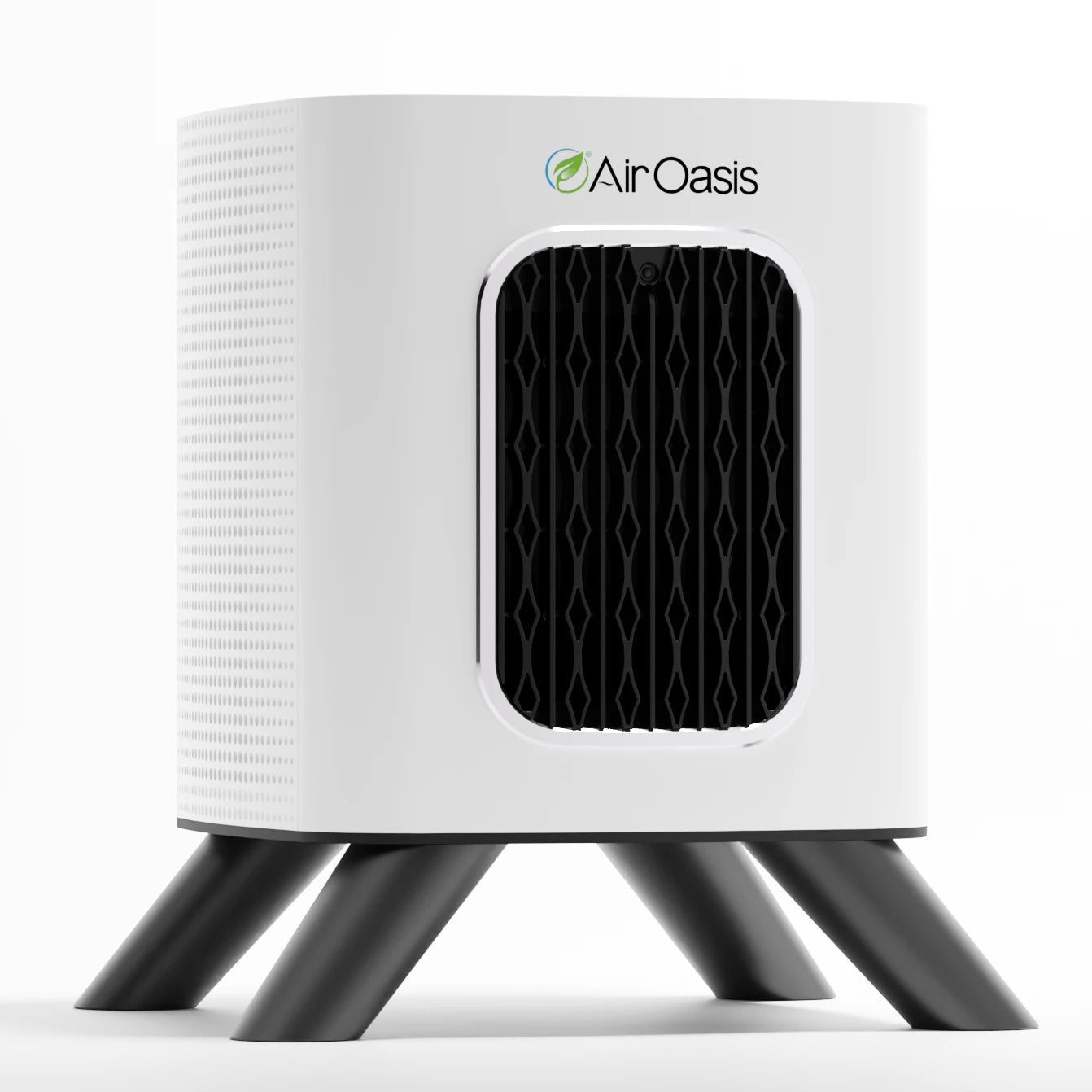
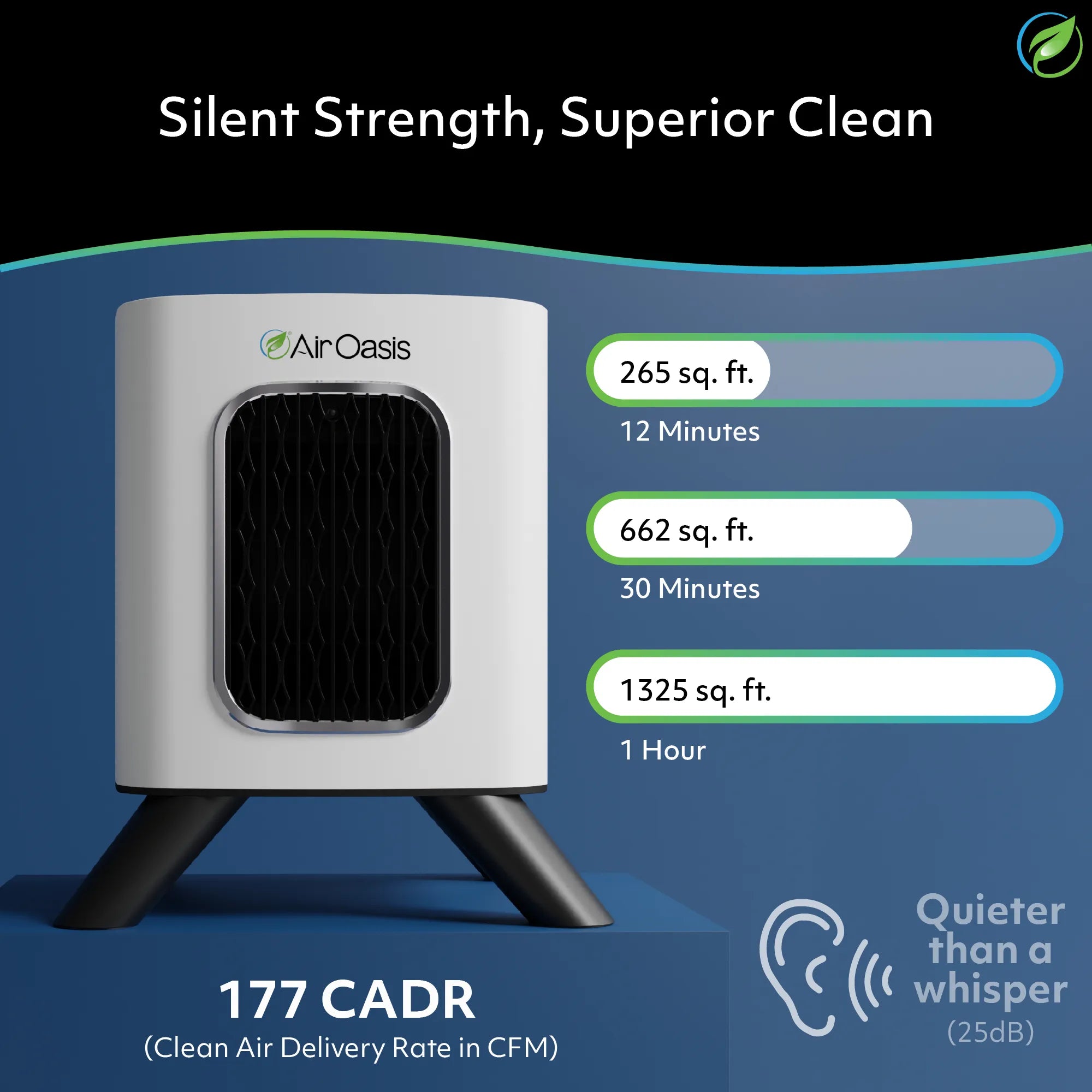
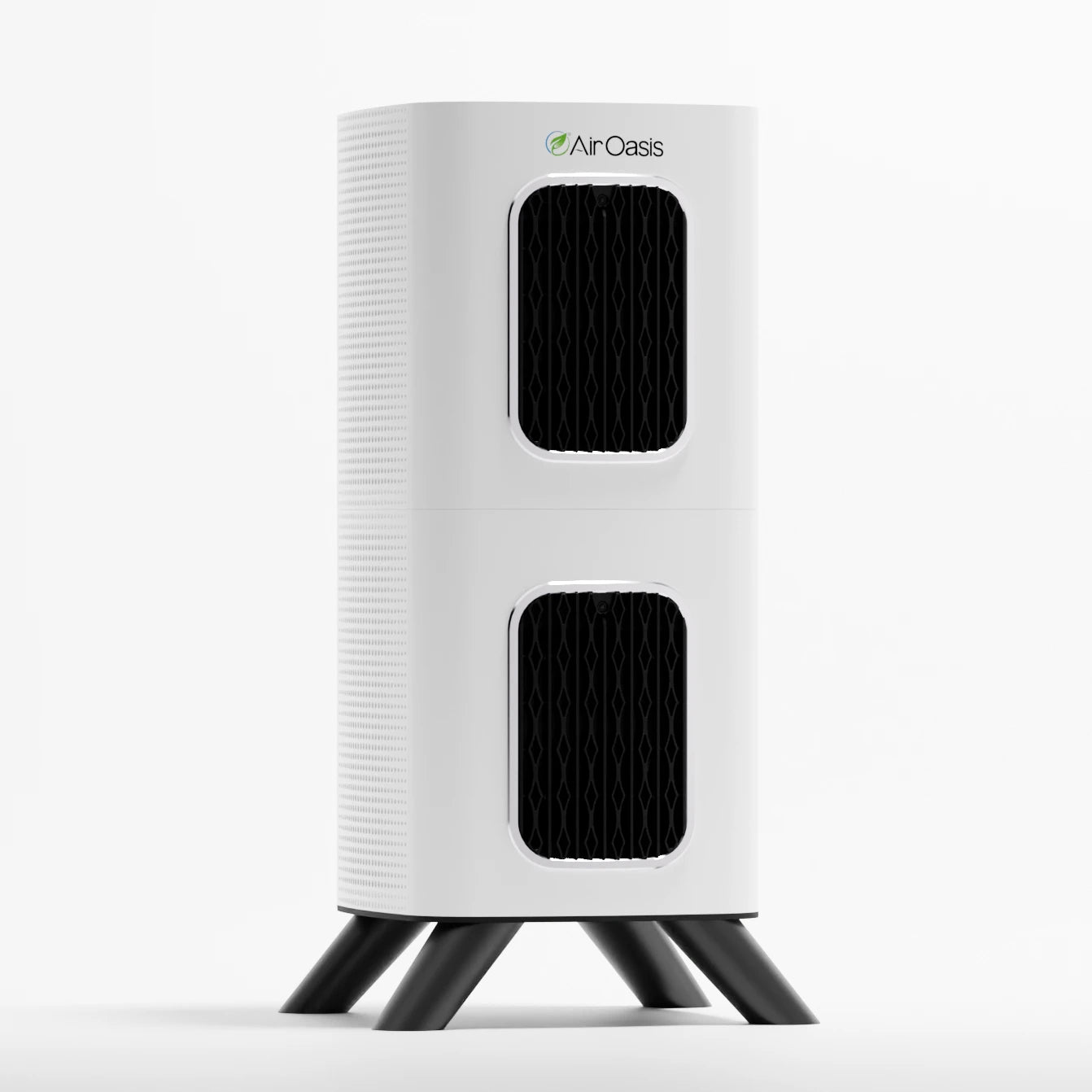
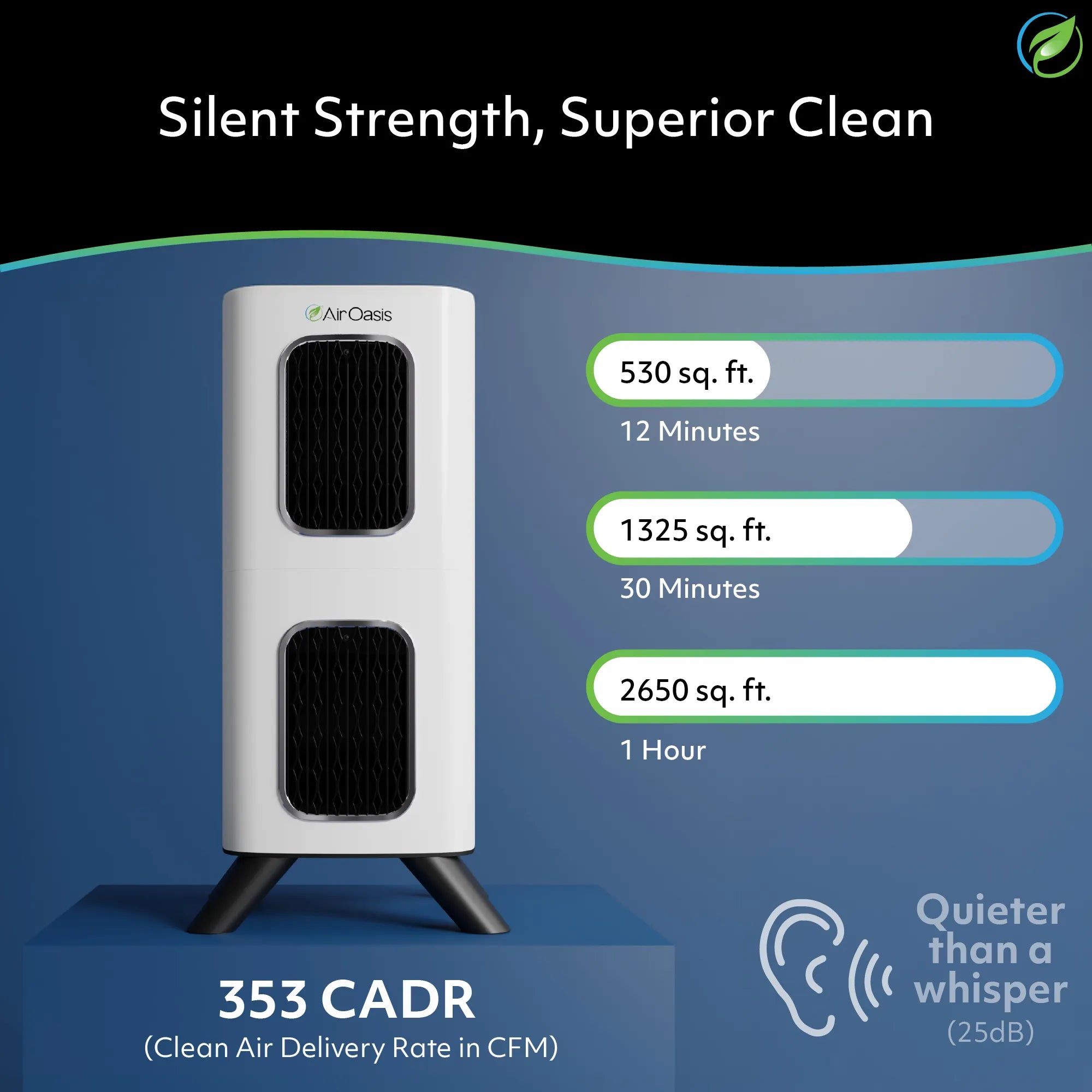
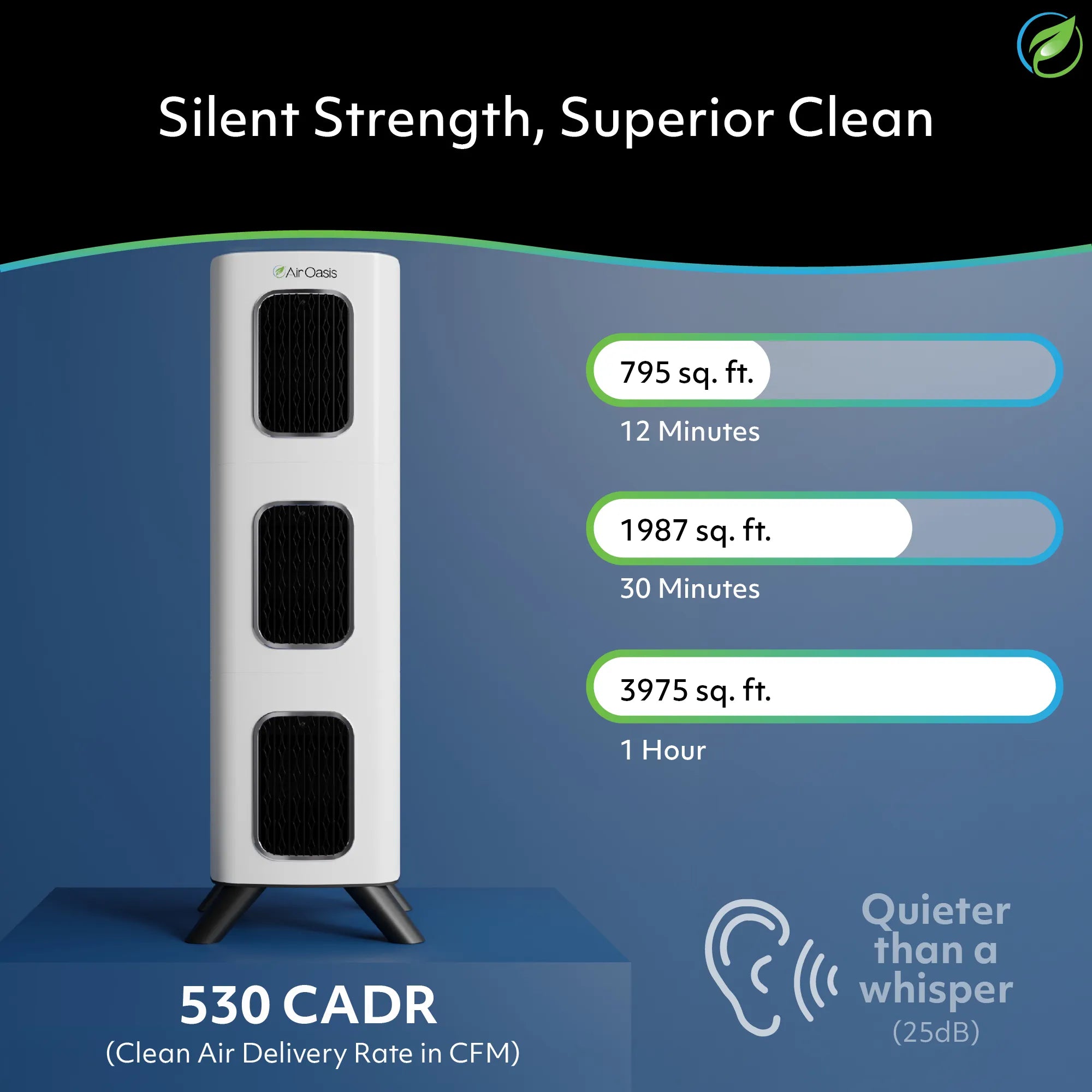
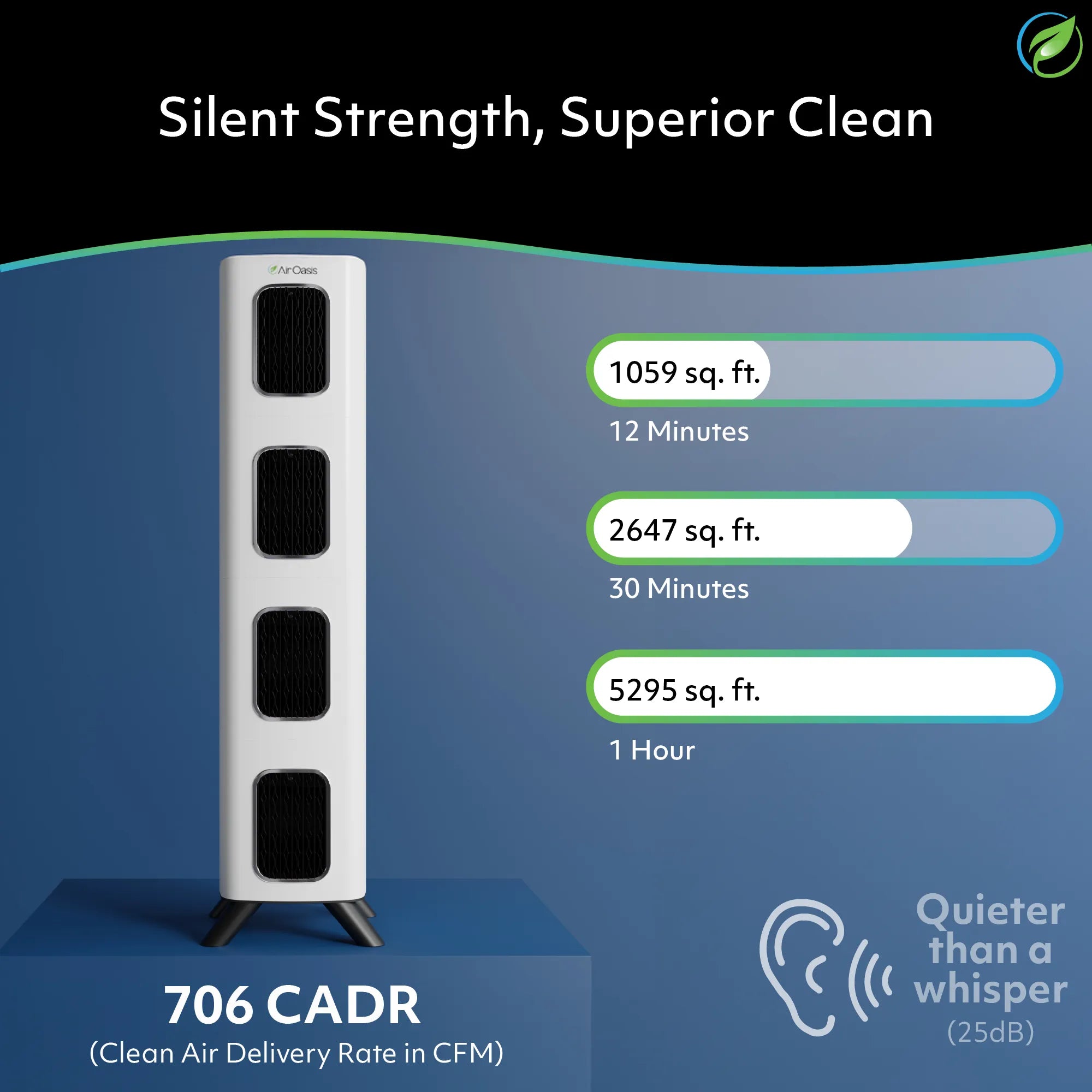
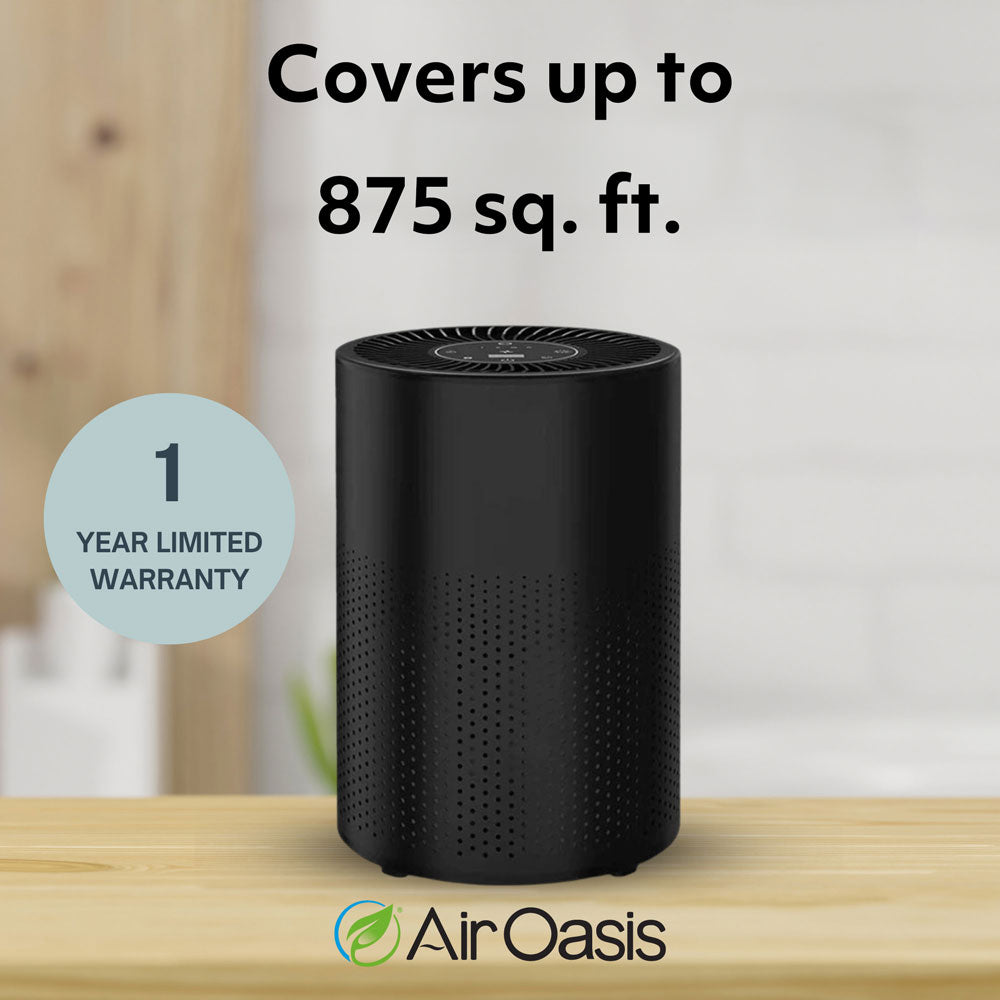
Investing in effective air purification makes the biggest difference in managing indoor pet allergen levels. The iAdaptAir 2S covers rooms up to 265 square feet—perfect for a child's bedroom or the dedicated pet room. The 2M extends coverage to 530 square feet for larger spaces or open floor plans where allergen containment proves more challenging.
Breathe Easier Around Your Pets
Small pets bring joy to millions of households, but they shouldn't come at the cost of your respiratory health. Understanding that hamsters, guinea pigs, rabbits, and other pocket pets produce significant allergens helps you make informed decisions about pet ownership and environmental controls. Whether you're considering getting a small pet or already living with allergy symptoms, proper diagnosis, strategic allergen reduction, and effective air purification create healthier homes.
Don't let pet allergies control your life or force you to make impossible choices between family members and beloved animals. Discover how Air Oasis air purifiers capture and destroy the pet allergens that trigger your symptoms, creating cleaner air throughout your home. Shop Air Oasis today and breathe easier knowing you're protecting your family's respiratory health.