You spend roughly one-third of your life in bed, so it makes sense that your mattress plays a significant role in your overall health. But what if the place you go to rest and recharge is actually making you sick? For millions of people suffering from unexplained allergy symptoms, the answer might be hiding right under their sheets.
Your mattress can become a breeding ground for allergens that trigger sneezing, congestion, itchy eyes, and even respiratory problems. Understanding what's lurking in your bed and how to address it can transform your sleep quality and help you wake up feeling truly refreshed instead of stuffed up and miserable.
The Hidden Allergens Living in Your Mattress
Dust mites represent the most common allergen found in mattresses. These microscopic creatures thrive in warm, humid environments where they feed on dead skin cells that naturally shed from your body each night. A single mattress can harbor millions of dust mites, and their droppings contain proteins that trigger allergic reactions in sensitive individuals.
Pet dander accumulates in mattress fibers even if your furry friends don't sleep directly on your bed. These tiny skin flakes from cats and dogs settle into the mattress surface and become airborne when you move around during sleep. The proteins in pet dander can cause significant allergic responses, particularly for people with existing pet sensitivities.
Mold and mildew develop when moisture gets trapped inside your mattress. Sweat, spills, high humidity, or inadequate ventilation create perfect conditions for mold spores to grow and multiply. Once established, mold releases spores into the air you breathe all night long, potentially causing respiratory irritation and allergic symptoms.
Some mattress materials themselves can trigger reactions. Synthetic foams, certain adhesives, flame retardants, and chemical treatments used in mattress production may cause skin irritation or respiratory sensitivity in some individuals. Off-gassing from newer mattresses can also irritate sensitive airways, though this typically diminishes over time.
Recognizing Mattress-Related Allergy Symptoms
The symptoms of mattress allergies often mimic other conditions, making them easy to overlook or misdiagnose. Morning congestion that improves as the day progresses is a classic sign. If you consistently wake up with a stuffy or runny nose that clears up after you've been out of bed for a while, your mattress could be the culprit.
Frequent sneezing fits upon waking or while in bed suggest exposure to allergens concentrated in your sleeping environment. Itchy, watery, or red eyes that worsen at night or first thing in the morning indicate allergen exposure during sleep hours.
Skin reactions provide another telltale sign. Unexplained rashes, hives, or itchy skin that appears after sleeping may result from contact with dust mites, mold, or synthetic materials in your mattress. Some people develop what appears to be eczema that repeatedly flares up without clear explanation.
Respiratory symptoms deserve particular attention. Wheezing, coughing, or difficulty breathing that worsens at night or upon waking suggests inhalation of allergens during sleep. People with asthma may notice increased nighttime symptoms or morning attacks if their mattress harbors significant allergen levels.
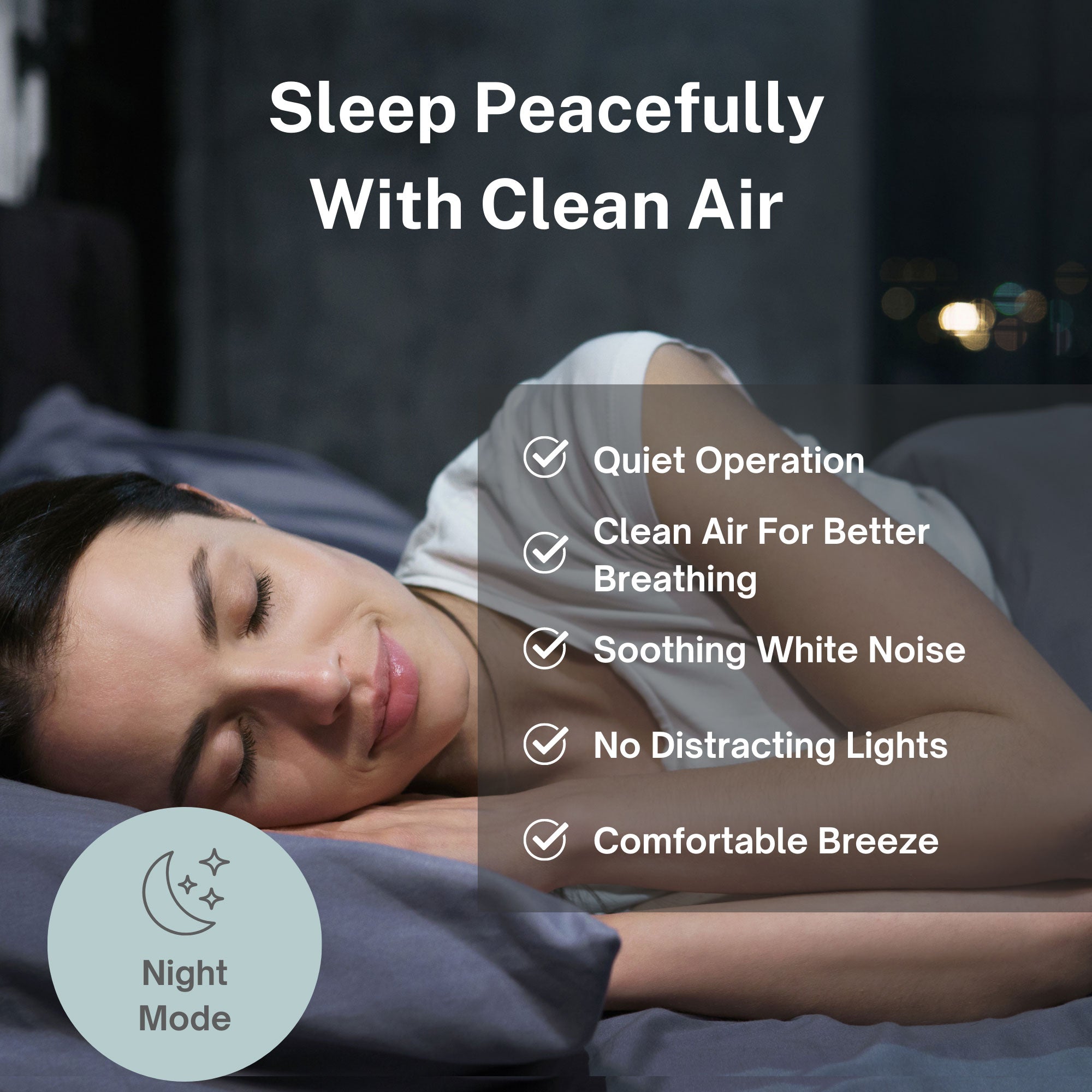
Chronic fatigue and morning headaches can also stem from poor sleep quality caused by allergic responses. When your body fights allergens all night, you don't get the deep, restorative sleep you need to feel rested and alert.
Taking Control: Solutions for Mattress Allergies
Addressing mattress-related allergies requires a comprehensive approach that combines prevention, cleaning, and potentially replacing problematic materials. Start by encasing your mattress in allergen-proof covers designed specifically to block dust mites and other particles. These tightly woven fabrics create a barrier between you and the allergens while still allowing the mattress to breathe.
Wash all bedding weekly in hot water reaching at least 130 degrees Fahrenheit. This temperature kills dust mites and removes allergen particles that accumulate on sheets, pillowcases, and blankets. Use hypoallergenic laundry detergent to avoid adding additional irritants.
Vacuum your mattress regularly with a HEPA-filtered vacuum. This removes surface dust, dead skin cells, and allergen particles before they can accumulate. Pay special attention to seams, tufting, and any crevices where debris collects.
Control bedroom humidity to prevent mold growth and reduce dust mite populations. These pests thrive in humidity levels above 50 percent, so using a dehumidifier can significantly reduce their numbers. Aim for humidity between 30 and 50 percent for optimal allergen control.
Consider your mattress material carefully. Memory foam and latex materials naturally resist dust mites better than traditional innerspring mattresses with their open coil structures. Dense foam prevents dust mites from burrowing deep into the mattress, while the open spaces in innerspring designs provide ideal habitats for these pests.
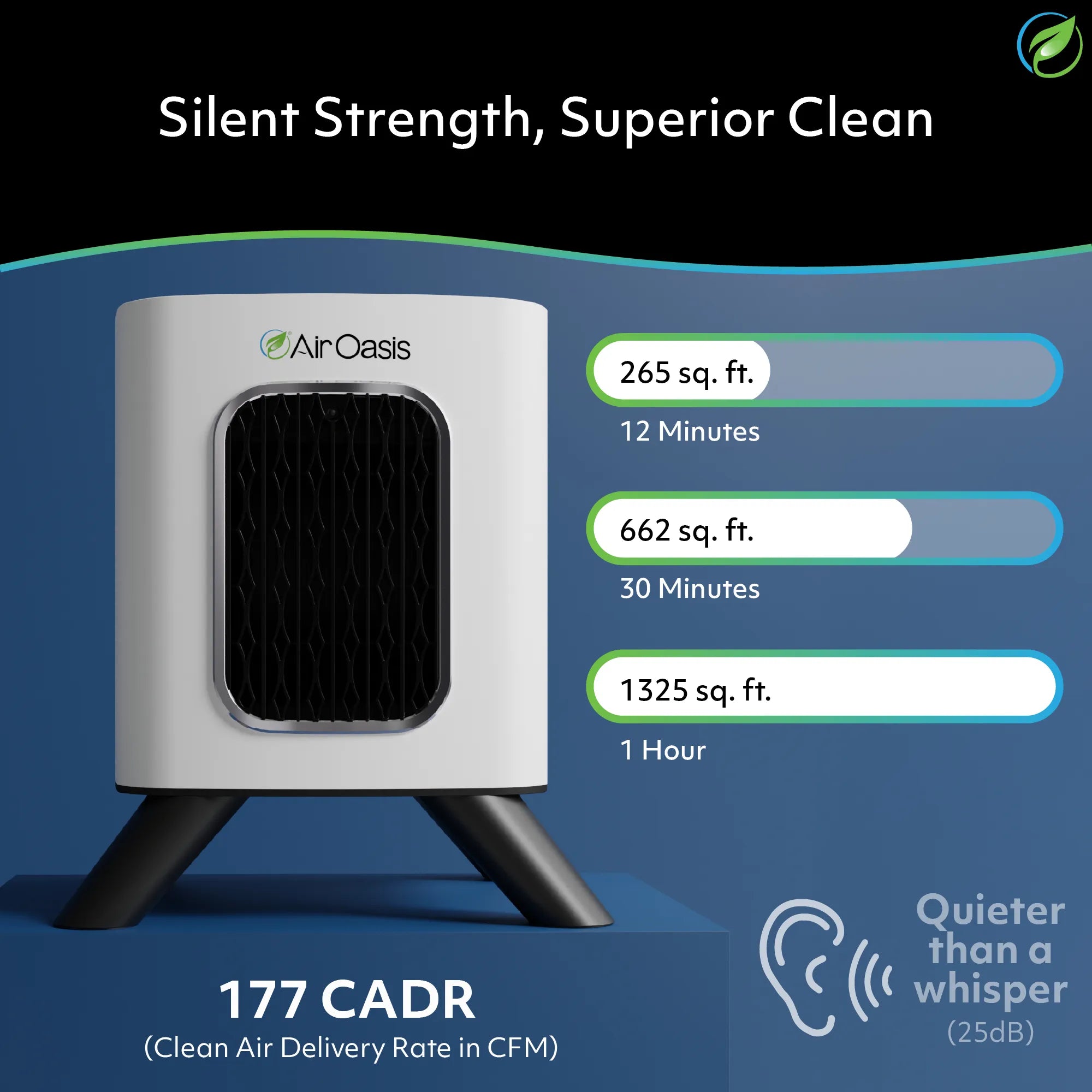
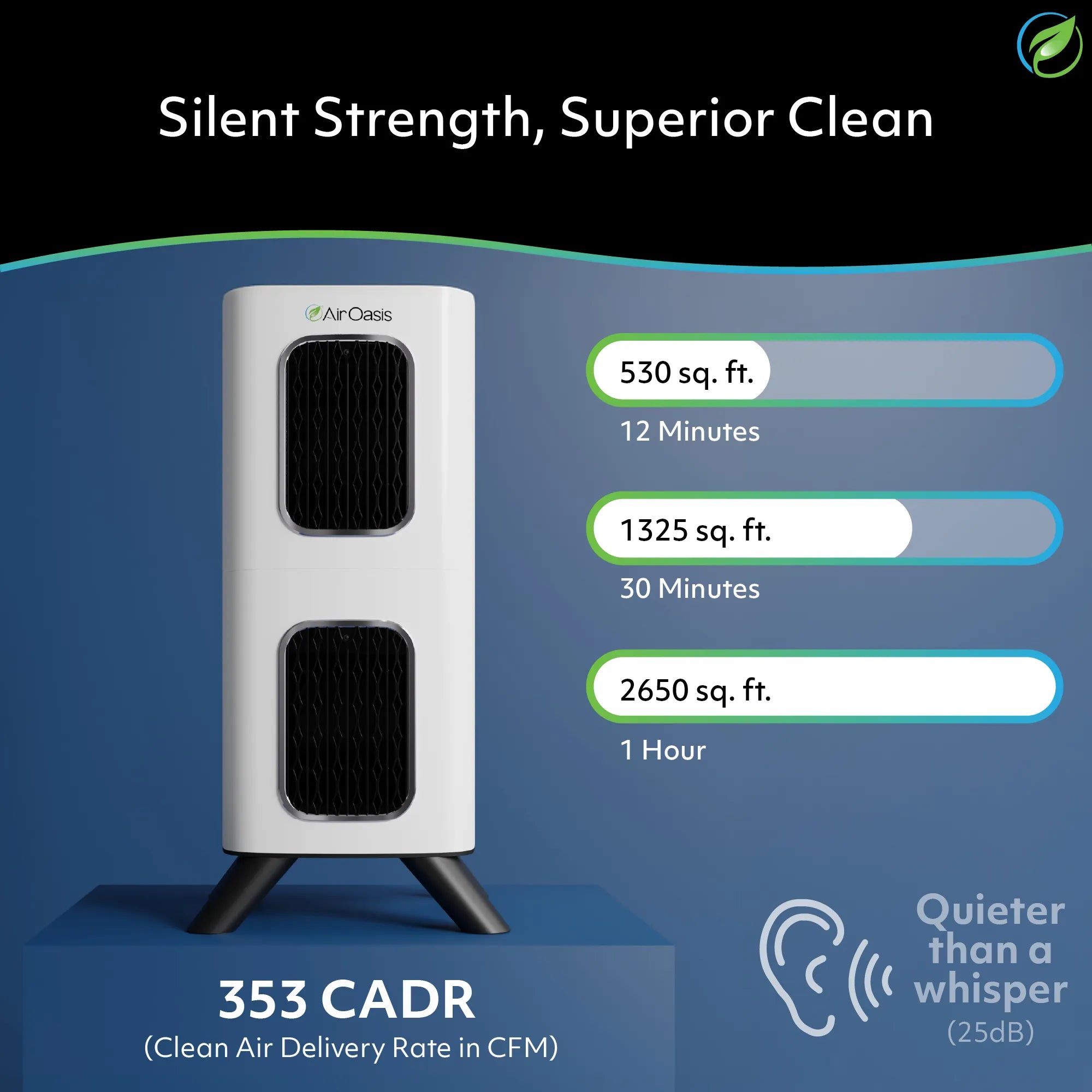
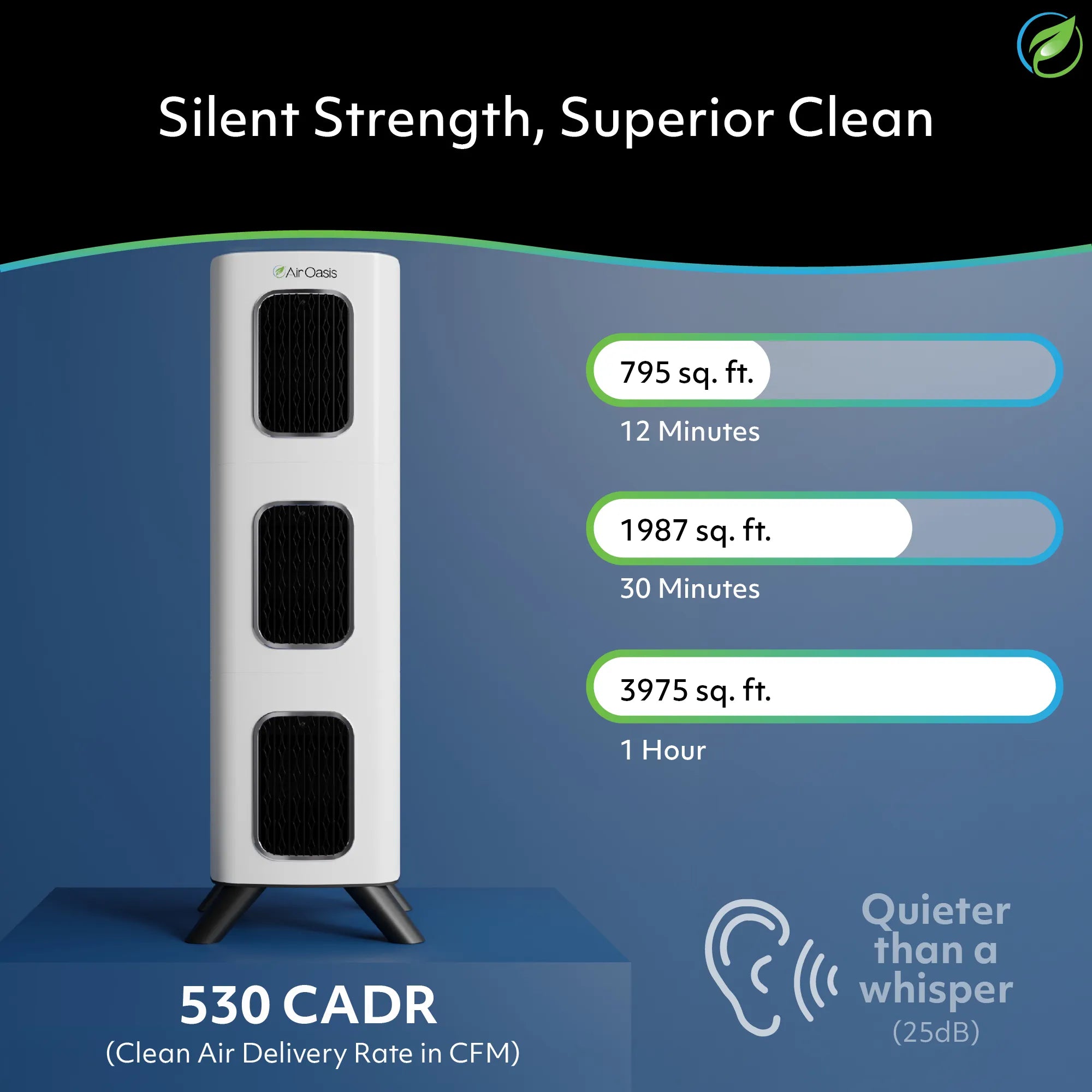
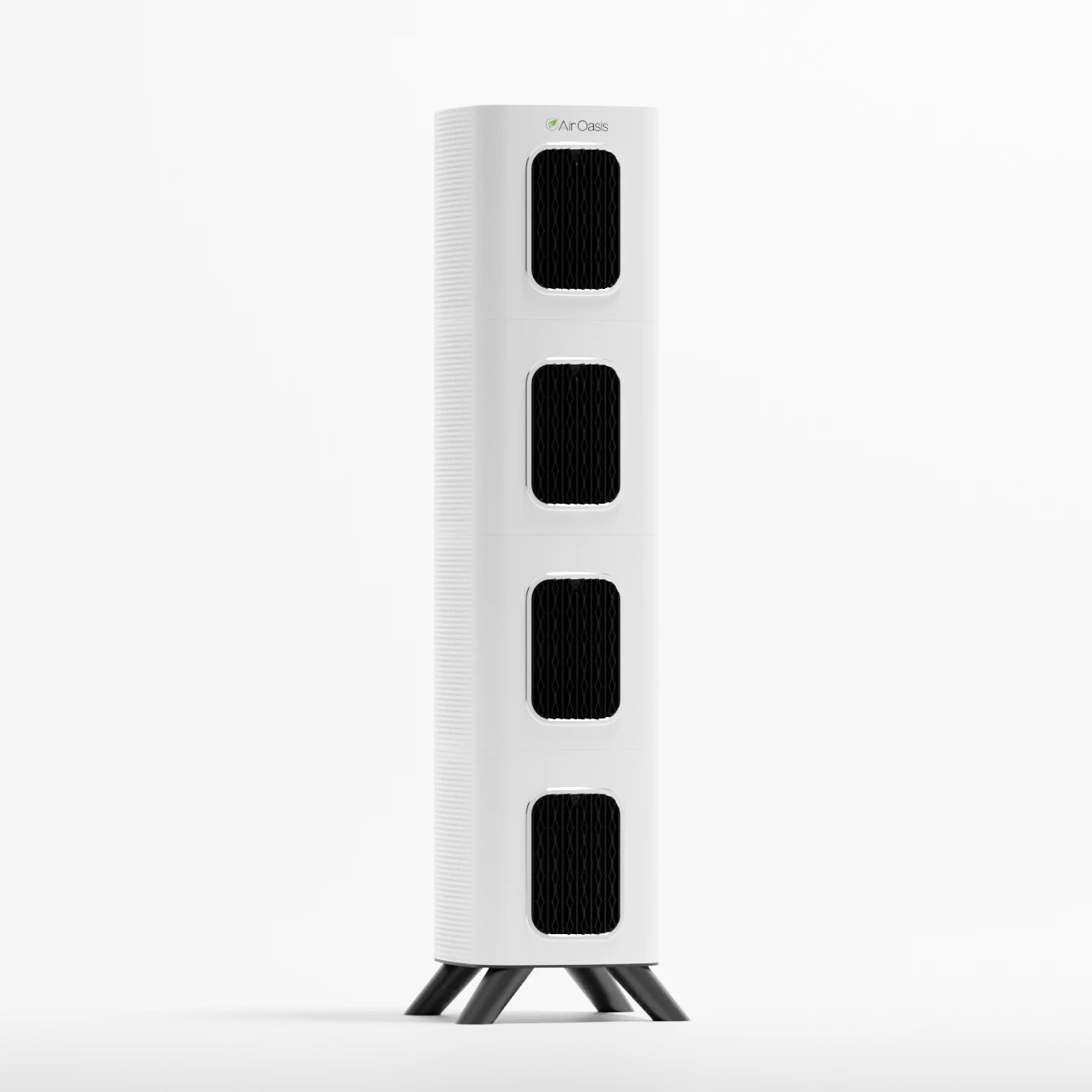
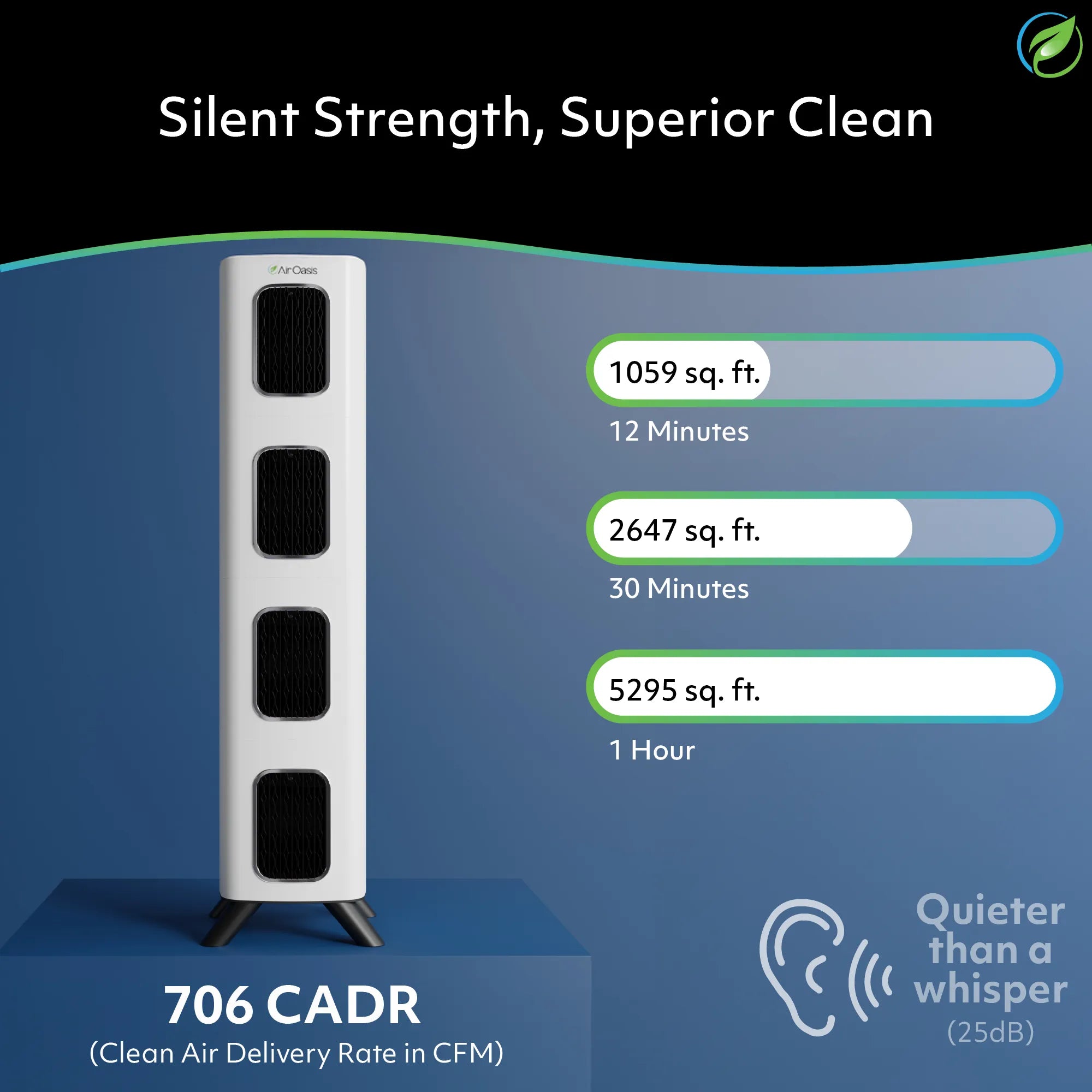
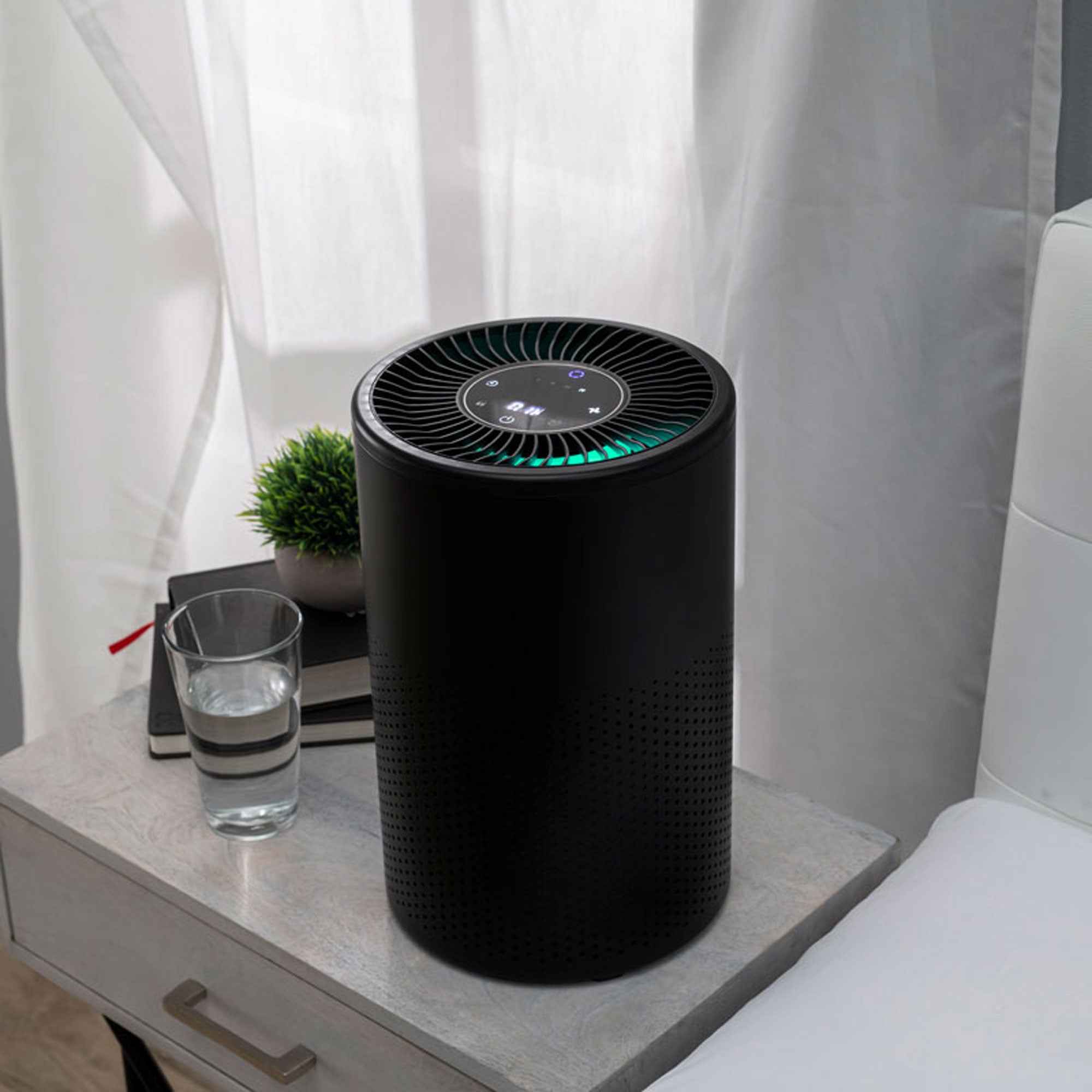
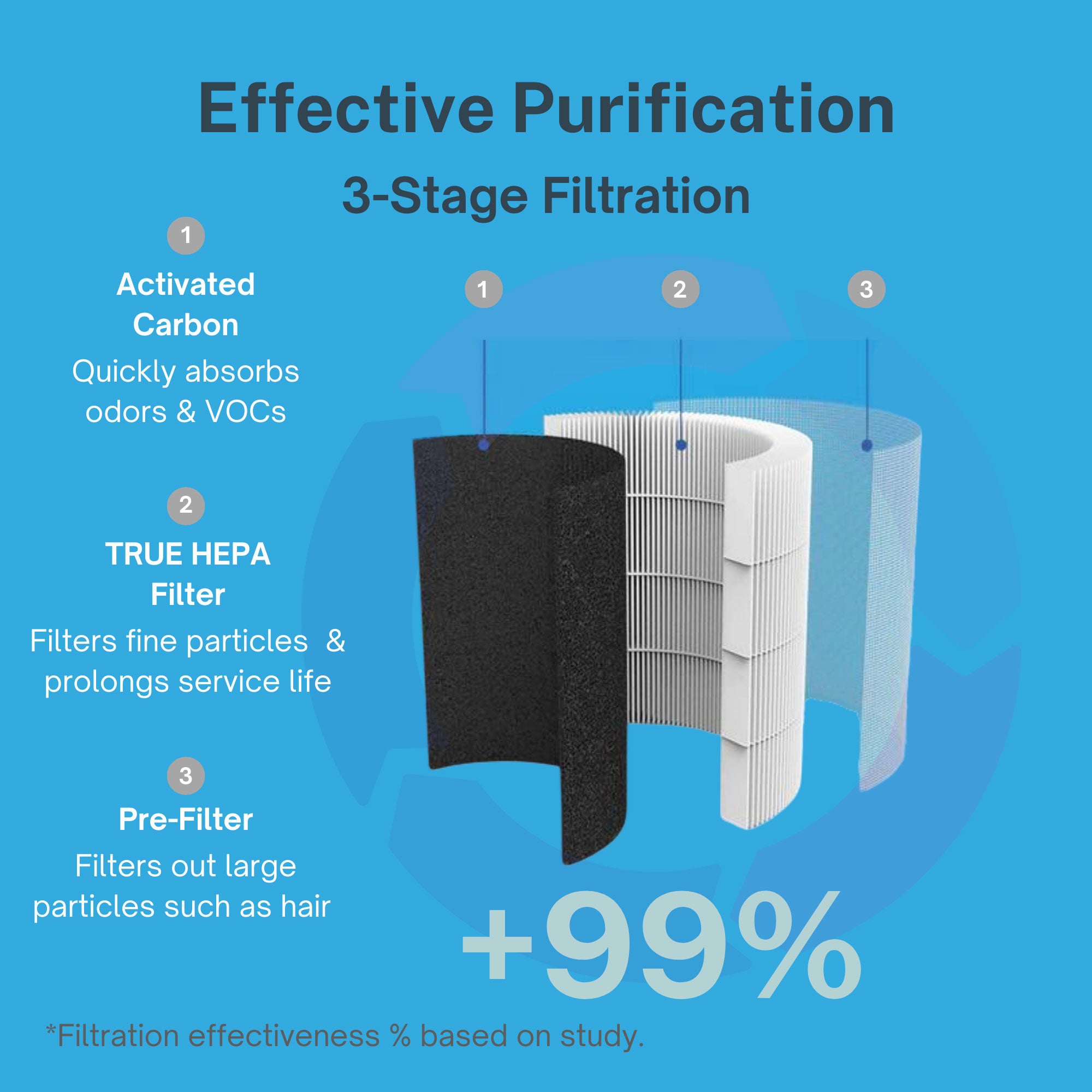
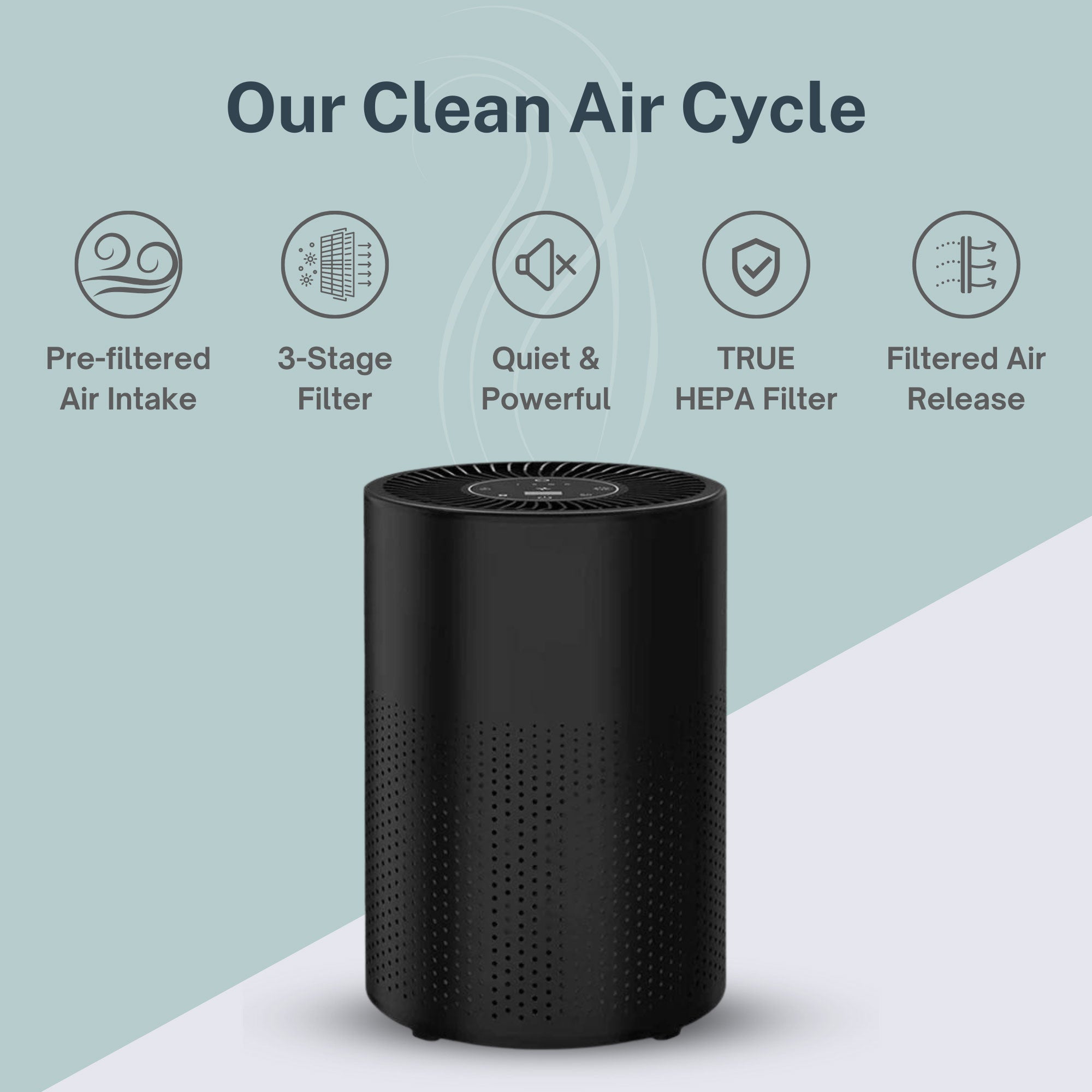
Improve bedroom air quality with proper ventilation and air purification. Opening windows when the weather permits brings in fresh air, which reduces allergen levels. An air purifier with HEPA filtration captures airborne particles, including dust mite debris, mold spores, and pet dander, before they settle onto your mattress and bedding.
Replace your mattress when it shows signs of age or allergen buildup that cleaning can't resolve. Most mattresses should be replaced every seven to ten years, but allergy sufferers may benefit from more frequent replacement. Visible stains, persistent odors, sagging, or worsening allergy symptoms despite proper maintenance indicate it's time for a new mattress.
When selecting a new mattress, look for materials certified for low chemical emissions. These certifications ensure the mattress won't release volatile organic compounds that can irritate sensitive respiratory systems. Dense, hypoallergenic materials provide the best defense against dust mite infiltration.
Creating an Allergy-Free Sleep Environment
Your mattress is just one component of a healthy sleep environment. Extending allergy-prevention strategies throughout your bedroom creates the comprehensive defense necessary for symptom-free rest. Remove dust-collecting items such as heavy drapes, upholstered furniture, and decorative pillows, which can serve as allergen reservoirs.
Keep pets out of the bedroom entirely if possible. Even with regular grooming and cleaning, pet dander will accumulate in areas where pets sleep. If keeping pets out isn't realistic, at minimum keep them off the bed and wash their bedding frequently.
Clean bedroom surfaces weekly to prevent dust from accumulating and eventually settling onto your mattress and bedding. Damp dusting captures particles instead of spreading them into the air, and regular floor cleaning removes allergens before they become airborne.
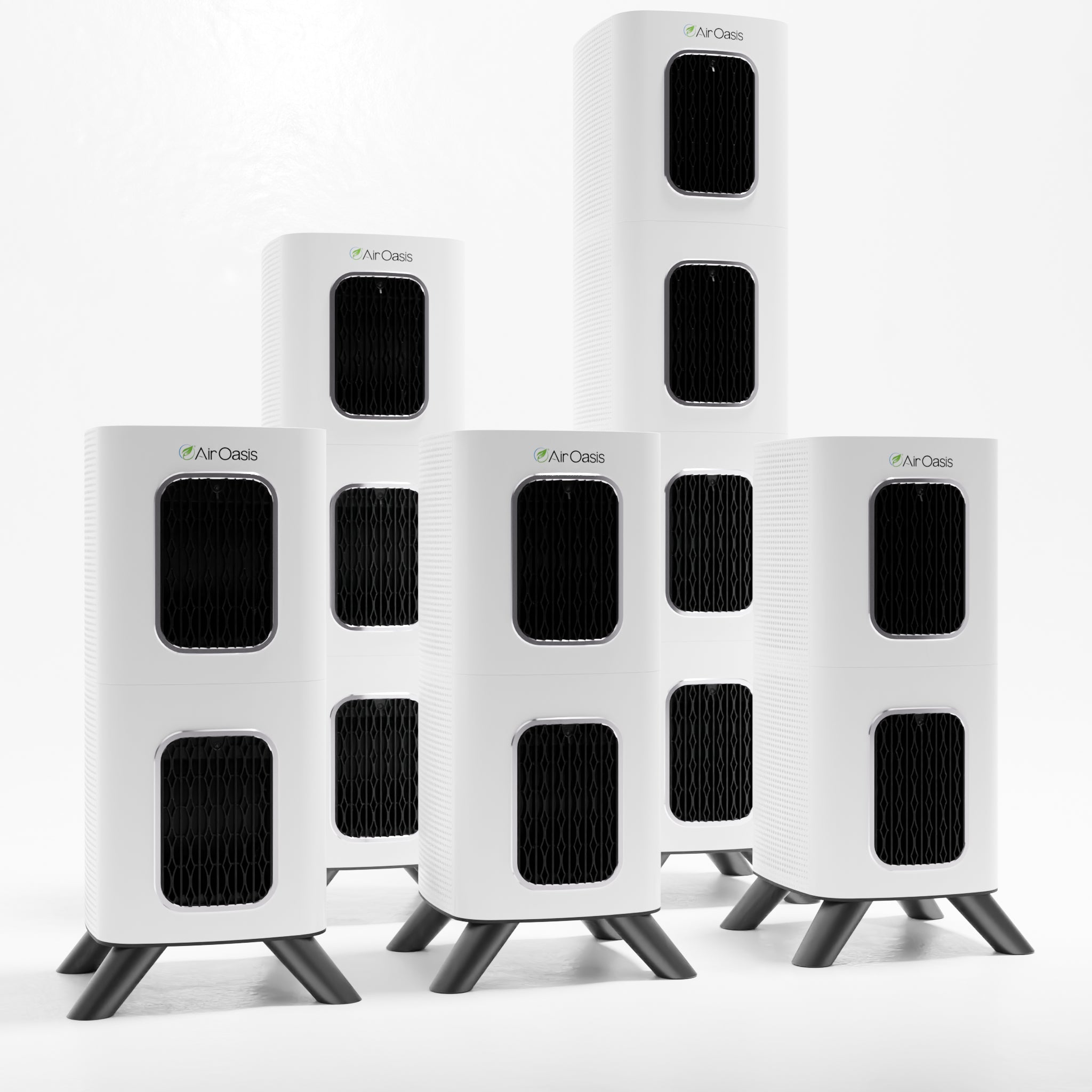
The quality of your indoor air directly impacts the allergen levels in your mattress and throughout your bedroom. Advanced air purification systems with multiple filtration stages capture particles of all sizes, from large pet dander to microscopic dust mite waste. Continuous air cleaning reduces the allergen burden on your mattress by removing particles from the air before they can settle into your mattress's fabric.
Sleep Better, Breathe Easier
Your mattress should support restful sleep and good health, not compromise it. By identifying allergen sources, implementing thorough cleaning practices, and potentially upgrading to more allergen-resistant materials, you can reclaim your bedroom as a true sanctuary. Clean air and a clean mattress work together to provide the foundation for restorative sleep free from allergic irritation. If you're ready to breathe easier and sleep better, shop Air Oasis today and discover how cleaner air transforms your rest.