When most people think about pet allergies, cats and dogs immediately come to mind. But ferrets—those playful, curious mammals that have gained popularity as household pets—can trigger allergic reactions too. If you're considering bringing a ferret into your home or already experiencing symptoms around one, you might wonder whether managing ferret allergies differs from dealing with cat allergies.
Understanding What Causes Ferret Allergies
Ferret allergies stem from proteins found in their saliva, urine, feces, hair, and bedding material. These allergen proteins become airborne as particles dry and circulate through your home's air. When you breathe them in or touch contaminated surfaces, your immune system may mistakenly identify these harmless proteins as threats and launch an allergic response.
The primary culprit appears to be albumin, a blood protein that shows up in various bodily fluids and secretions. Male ferret urine contains particularly potent allergens, making unneutered males more problematic for allergy-prone individuals. Laboratory studies have revealed similarities between certain ferret allergens and cat allergens, suggesting potential cross-reactivity between the two animals.
Common symptoms mirror those of other pet allergies. You might experience sneezing, a runny or stuffy nose, itchy or watery eyes, coughing, and skin rashes where the ferret touched you. People with asthma may suffer from breathing difficulties, wheezing, and chest tightness. These reactions can appear immediately after exposure or develop gradually over hours.
Key Differences Between Ferret and Cat Allergy Management
While ferret and cat allergies share similarities, several important differences affect how you manage each condition. Ferrets produce less dander than cats overall, which can make symptoms less severe for some people. However, this doesn't mean ferret allergies are necessarily easier to manage.
Cats roam freely throughout most homes, spreading allergens continuously to furniture, carpets, bedding, and clothing. Their grooming habits coat their fur with saliva that dries and becomes airborne. Cat allergen Fel d 1 is remarkably sticky and persistent, remaining in homes for months even after cats are removed.
Ferrets, by contrast, typically spend significant time in cages. This containment naturally limits allergen spread compared to free-roaming cats. When properly housed, ferrets create more localized allergen concentrations rather than whole-home contamination. This containment advantage gives you more control over exposure levels.
However, ferret care requires regular direct contact that cat owners can sometimes minimize. Cleaning ferret cages multiple times weekly stirs up concentrated allergen clouds. The bedding material itself harbors allergen proteins that become airborne during changes. Someone must handle the ferret regularly for socialization, creating unavoidable close contact that transfers allergens to skin and clothing.
Practical Management Strategies for Ferret Allergies
Avoidance remains the most effective approach for any pet allergy. If symptoms are severe, finding a new home for your ferret might be necessary. But many ferret owners want to keep their pets despite mild to moderate allergies. Several strategies can reduce allergen exposure while maintaining ferret ownership.
Location matters tremendously. Keep the ferret cage in a dedicated room away from bedrooms and main living areas. Never allow ferrets in sleeping spaces where you'll breathe concentrated allergens for eight hours nightly. Choose a well-ventilated room with a door that closes, preventing allergens from migrating to other areas.
Cage maintenance requires careful execution. Ideally, someone without allergies should handle cleaning duties. If you must do it yourself, wear gloves and a mask, work in a garage or outdoor area, and shower immediately afterward. Clean the cage at least twice weekly to prevent allergen buildup. Choose paper-based bedding over materials that create more dust.
Vacuum frequently using equipment with HEPA filtration. Standard vacuum cleaners can actually worsen allergen problems by blowing fine particles back into the air. HEPA filters capture microscopic allergen proteins, preventing recirculation. Focus on areas where the ferret spends time and anywhere bedding or debris might have traveled.
Wash your hands thoroughly after every interaction with your ferret. Allergen proteins stick to skin and transfer to your face when you touch it. Keep a dedicated set of "ferret care clothes" separate from your regular wardrobe. Change into these before handling your pet, then change back and wash your hands afterward.
The Role of Air Purification in Managing Ferret Allergies
Effective air purification provides continuous protection against ferret allergens circulating in your home. Unlike cats that deposit allergens everywhere, ferrets create more concentrated allergen zones that targeted air purification can effectively address.
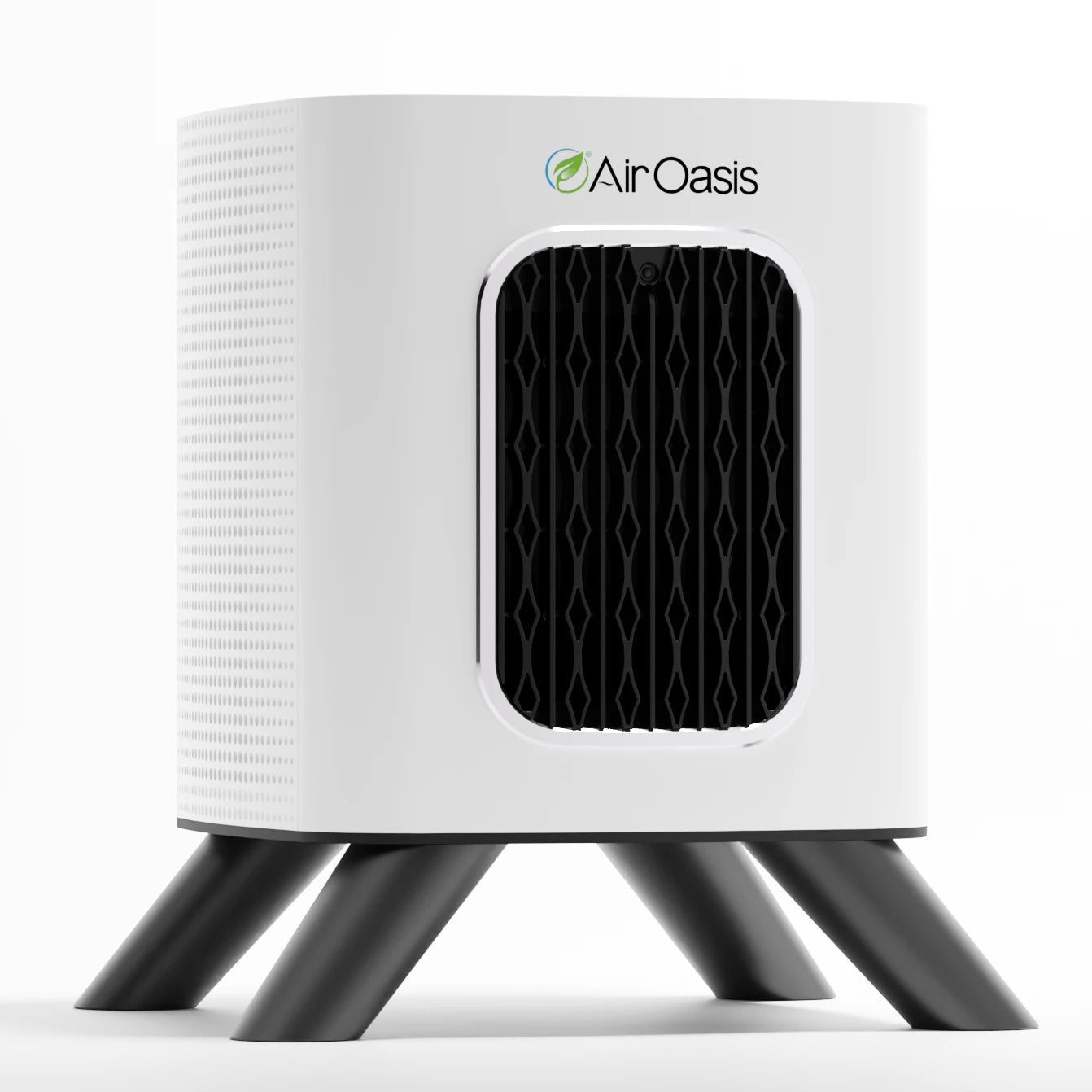
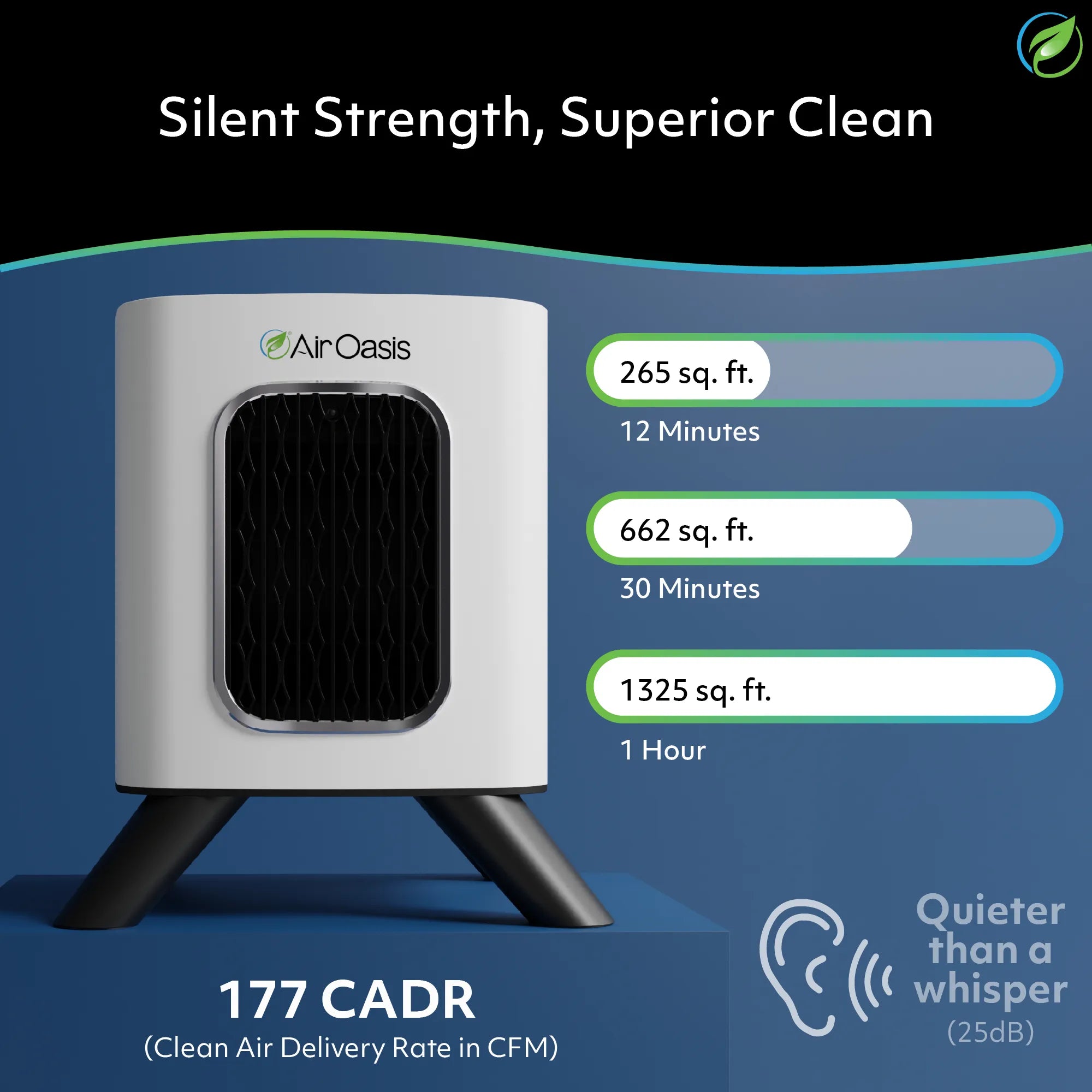
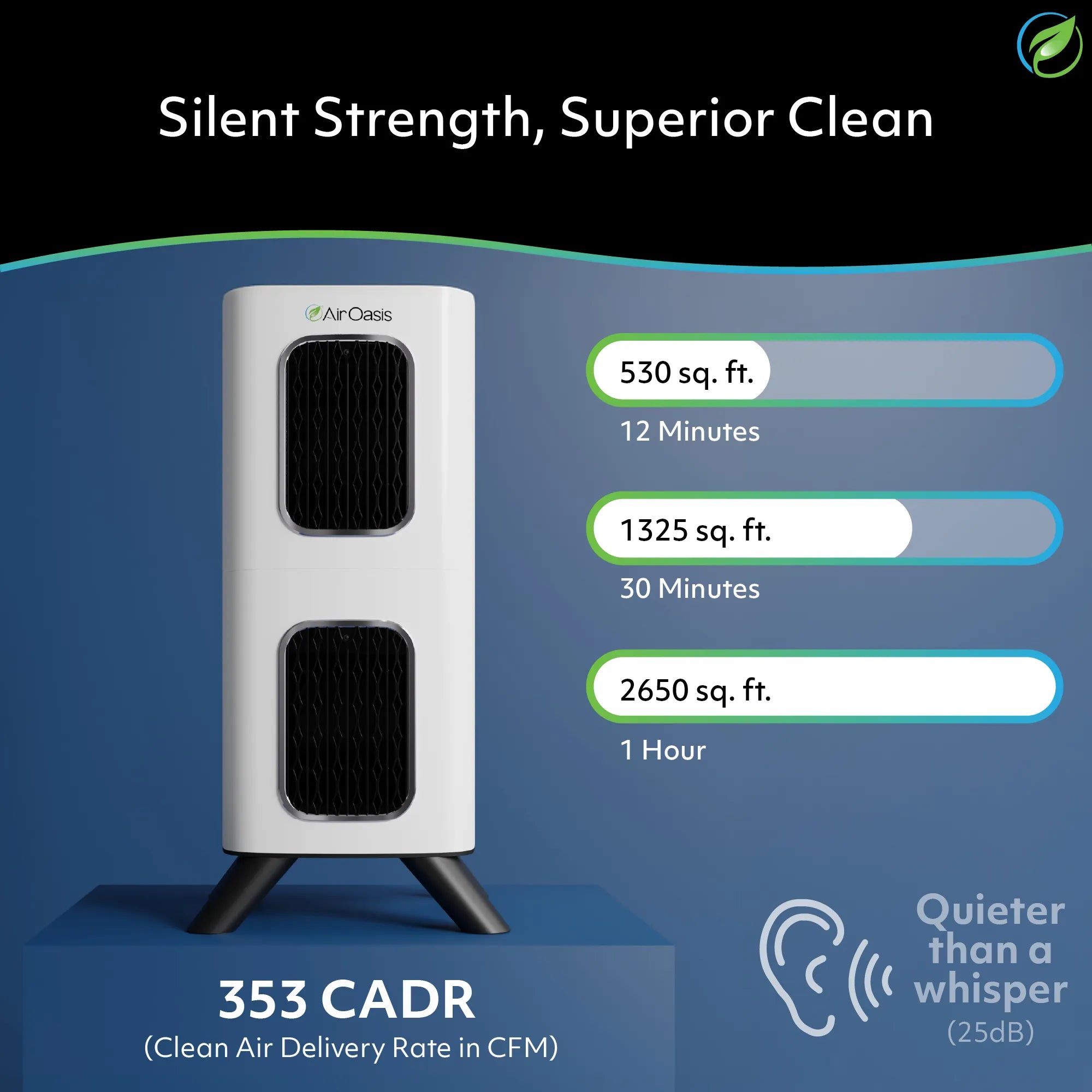
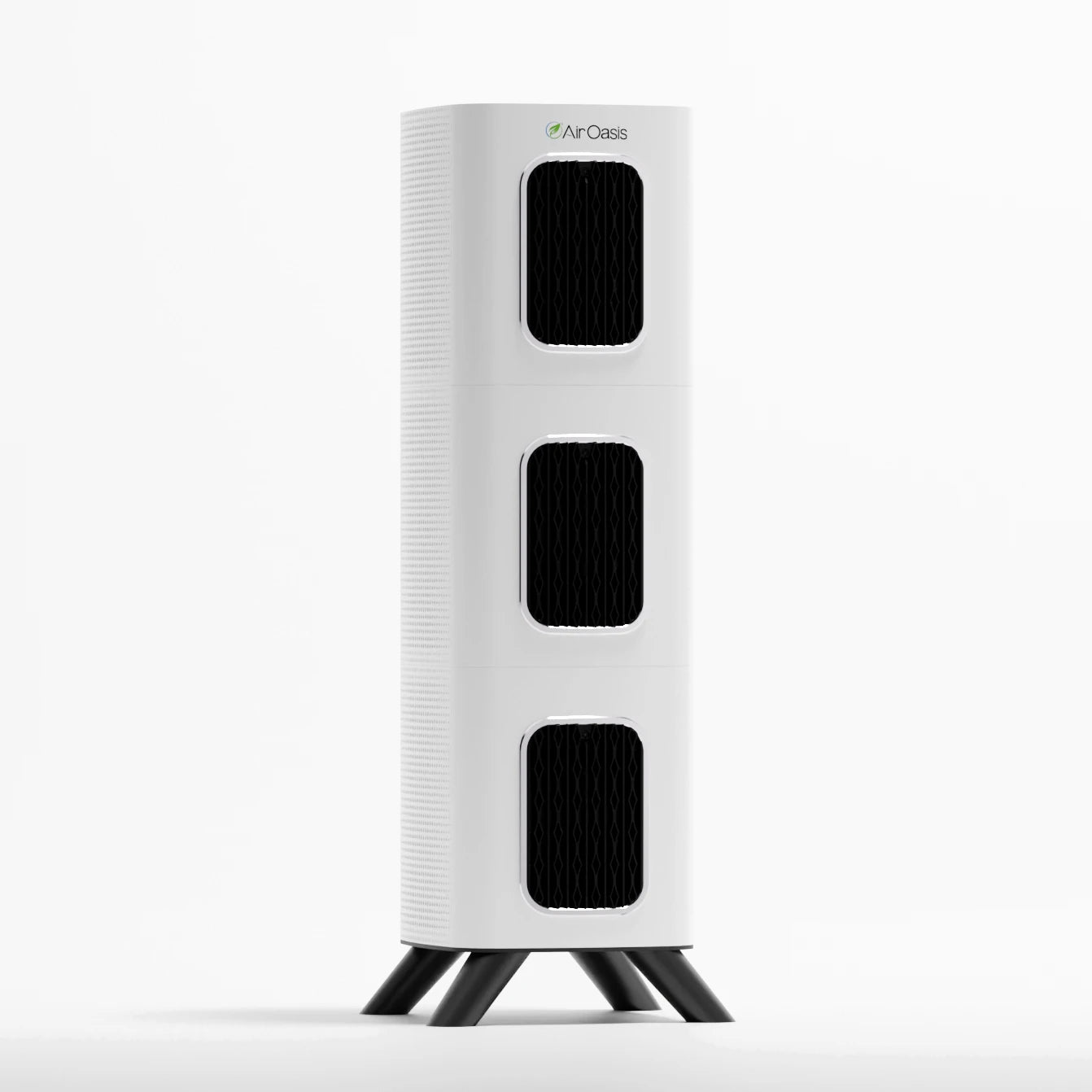
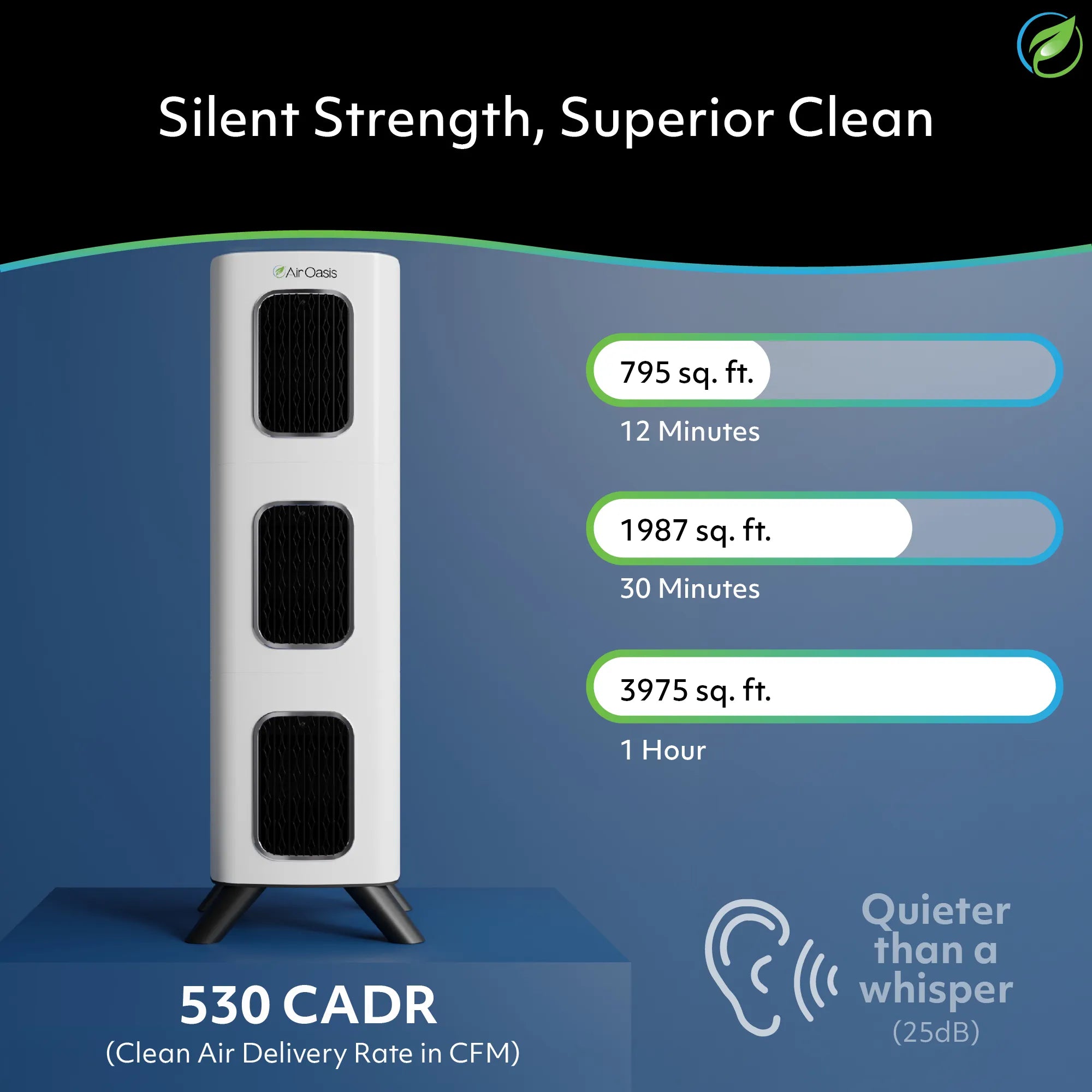
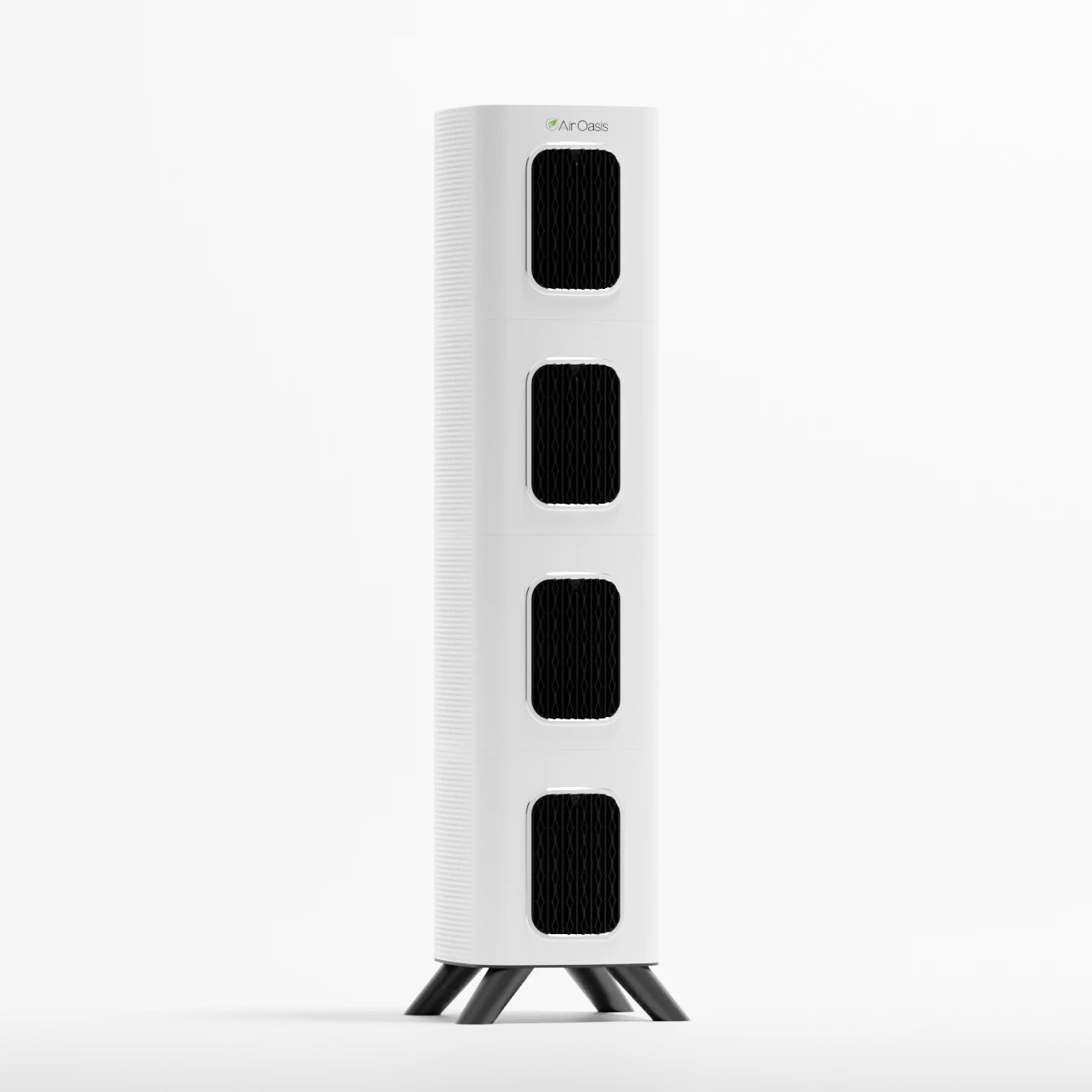
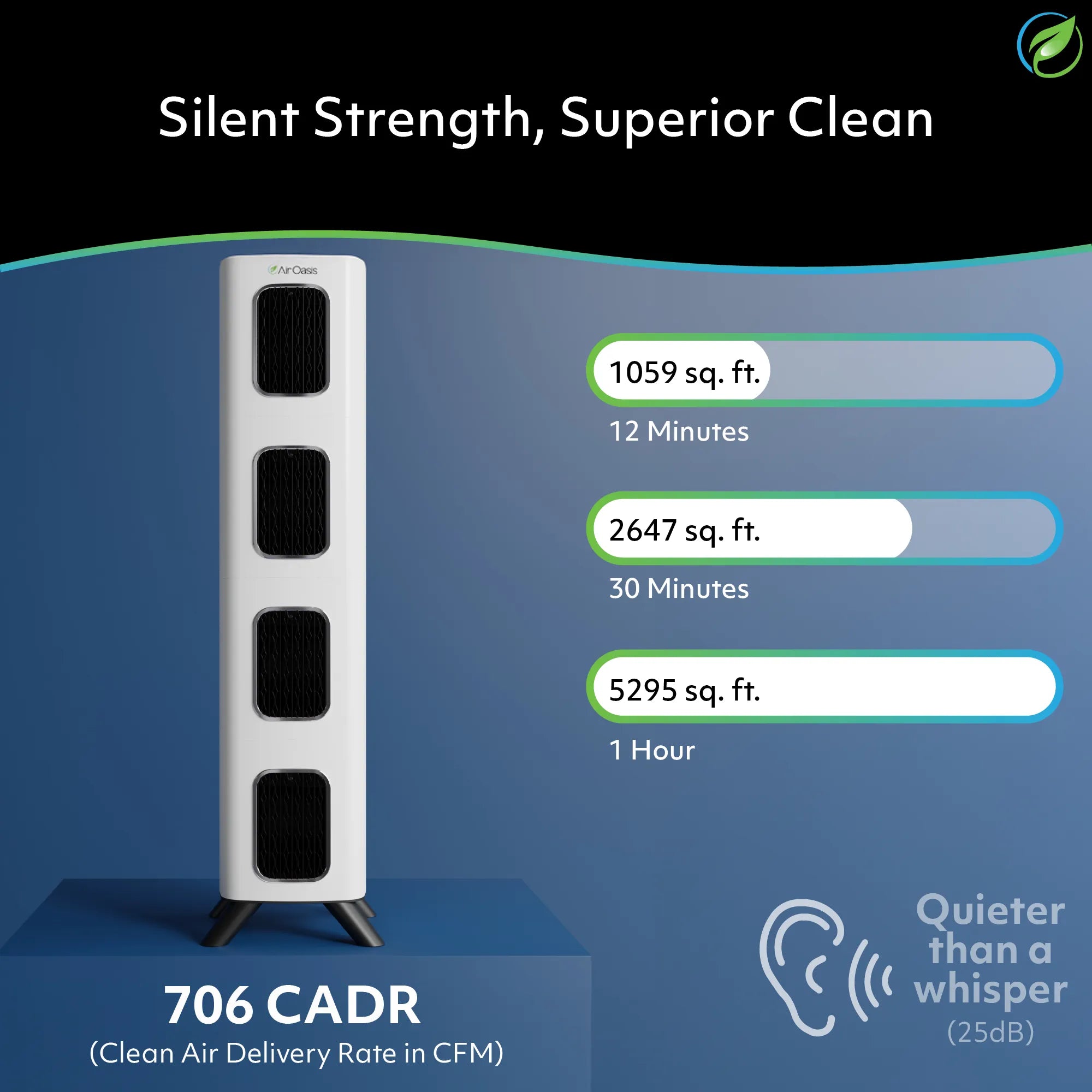
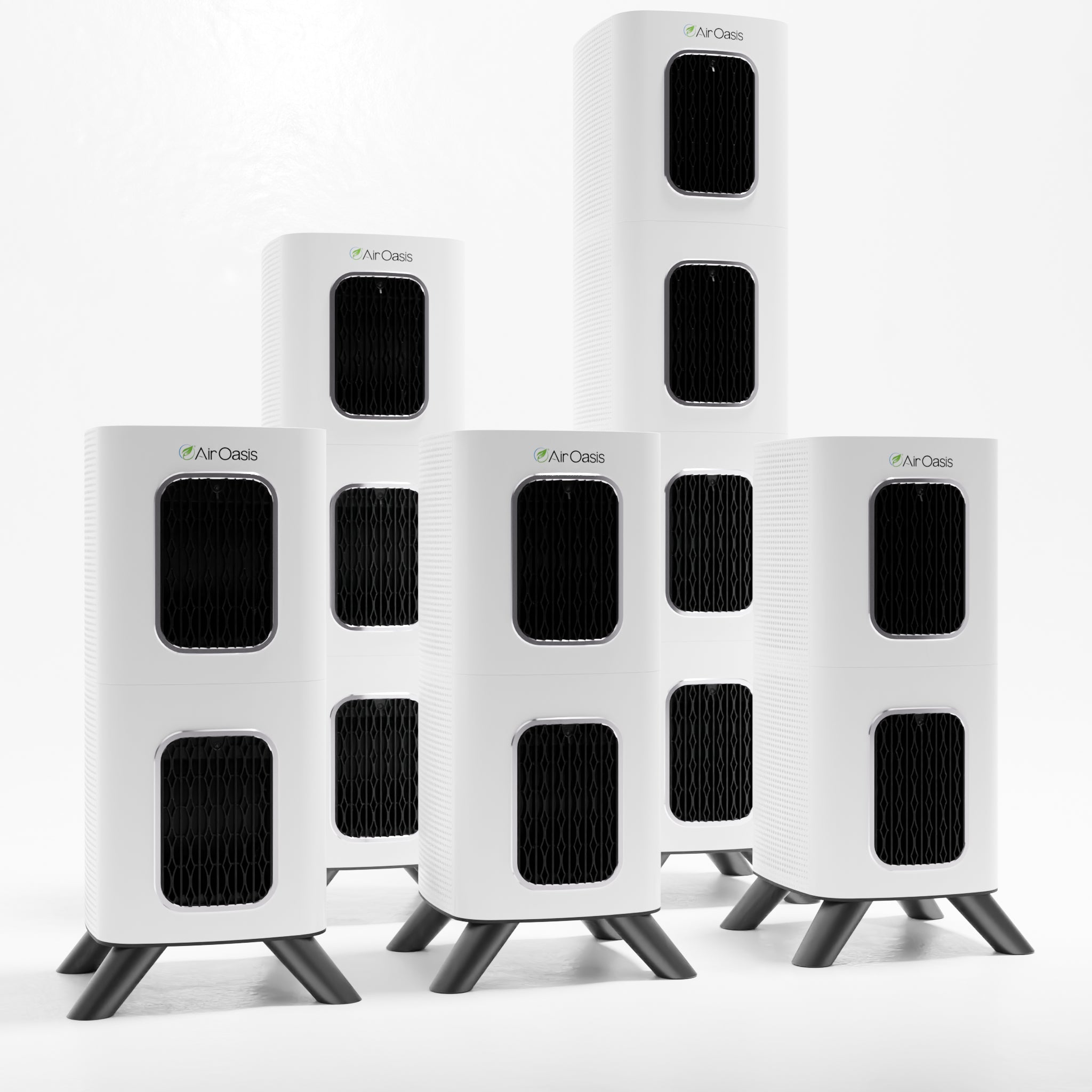
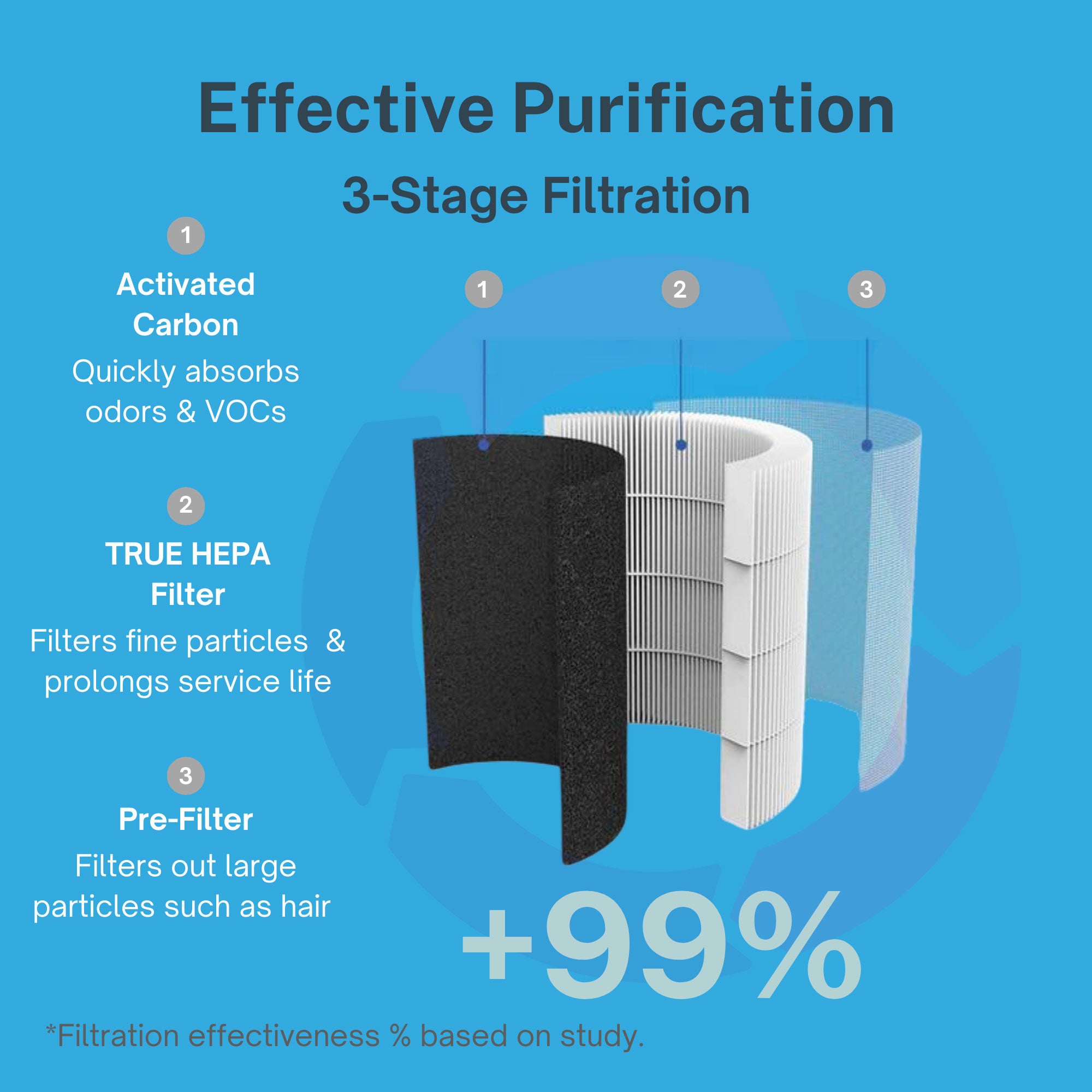
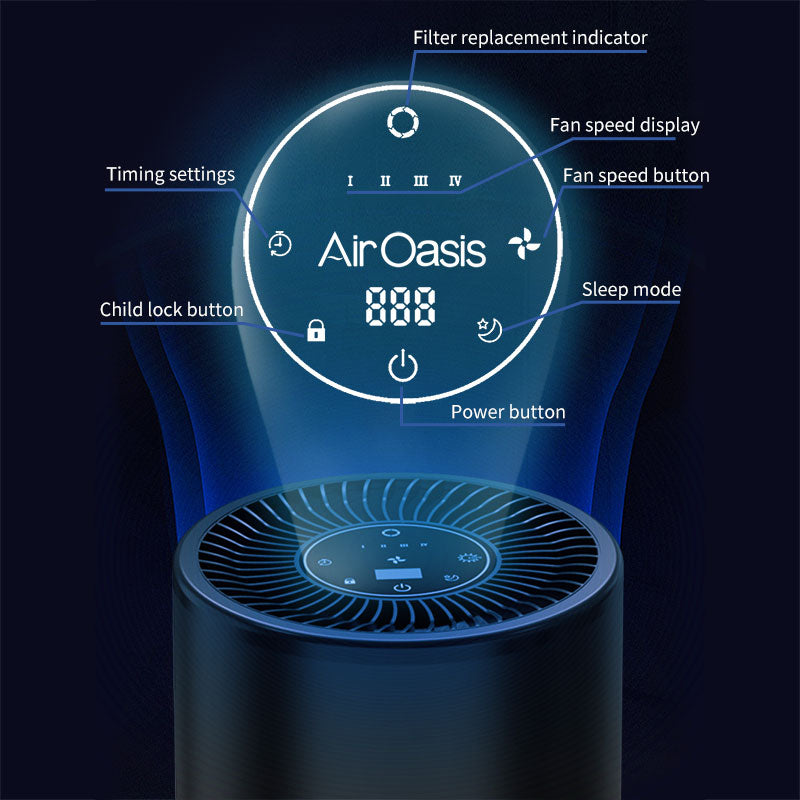
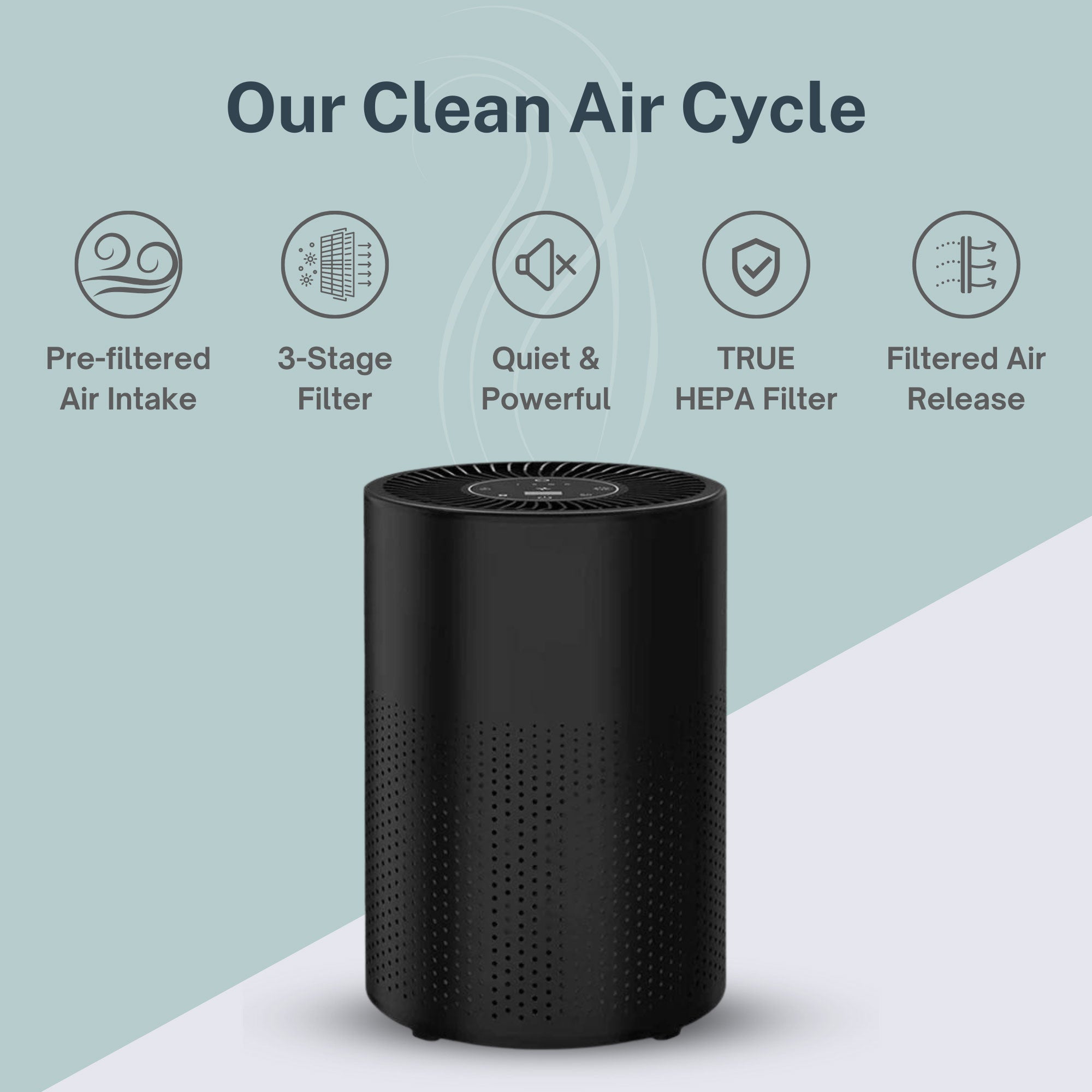
Air Oasis air purifiers use medical-grade HEPA filtration to capture allergen particles as small as 0.3 microns—the size range that includes protein particles from ferret dander, dried saliva, and urine residue. The multi-stage filtration system includes activated carbon that eliminates the musky ferret odor many owners notice, plus UV-C light technology that destroys allergen proteins at the molecular level.
Unlike cat allergens, which can infiltrate your entire home, ferret allergens are more manageable with strategic air purification placement. Running a unit in the ferret's room creates a cleaner air environment that prevents protein particles from migrating to living spaces and bedrooms, where you spend most of your time.
Making Informed Decisions About Ferret Ownership
Testing for ferret allergies before bringing one home saves heartbreak later. Spend time around ferrets at a pet store, rescue, or friend's home. Notice whether symptoms develop during or after exposure. An allergist can perform specific IgE testing for ferret allergies, though these tests aren't as readily available as standard cat and dog panels.
Consider that ferret allergies, while similar to cat allergies, present unique management challenges. The required hands-on care creates unavoidable direct exposure. However, their cage confinement offers control advantages that free-roaming cats don't provide. Your specific sensitivities, living situation, and willingness to implement strict allergen reduction measures all factor into whether ferret ownership remains feasible.
If you choose to keep a ferret despite allergies, commit to comprehensive management strategies. Proper housing, meticulous cleaning protocols, and effective air purification work together to minimize allergen exposure. Don't let pet allergies force impossible choices when smart environmental controls create healthier coexistence.
Discover how Air Oasis delivers the clean air you need to enjoy your unique pets without suffering constant allergy symptoms. Shop Air Oasis today and breathe easier knowing you're protecting your respiratory health while keeping the animals you love.