You step away from the stove for just thirty seconds to answer a text message. When you return, smoke is pouring from the pan, and that unmistakable acrid smell of burnt food fills your kitchen. You open windows, turn on fans, and wave towels frantically, but the smell lingers. Hours later, the burnt odor still hangs in the air. Days later, you catch whiffs of it when you walk into certain rooms. The smell has permeated your home, and you're wondering if you'll ever get rid of it completely.
The burnt food smell is one of the most persistent and unpleasant indoor air quality problems homeowners face. Unlike regular cooking odors that dissipate relatively quickly, burnt food creates complex chemical compounds that stick to surfaces and remain airborne for extended periods. These odor molecules are remarkably stubborn, attaching to curtains, upholstery, carpets, and even paint. Simply airing out your home isn't enough to eliminate them completely.
The smell isn't just annoying—it's a sign of actual particulate matter and volatile organic compounds floating through your air. When food burns, it releases carbon particles, smoke, and chemical byproducts of combustion. These particles are small enough to be inhaled deep into your lungs, where they can irritate respiratory tissue and trigger symptoms in people with asthma or allergies. The longer the smell persists, the longer you're exposed to these airborne contaminants.
How Air Purifiers Eliminate Burnt Food Odors
Air purifiers can absolutely help with burnt-food smells, but effectiveness depends on the right filtration technology. Understanding how burnt-food odors work helps explain why some purifiers succeed while others fail completely.
Burnt food creates two types of airborne problems. First, visible and invisible smoke particles carry the burnt smell throughout your home. These particles range from large ash flakes you can see to submicron particles that remain suspended in air for days. Second, volatile organic compounds and other gas-phase molecules create the distinctive burnt odor. These odor molecules are extremely small and behave differently than solid particles.
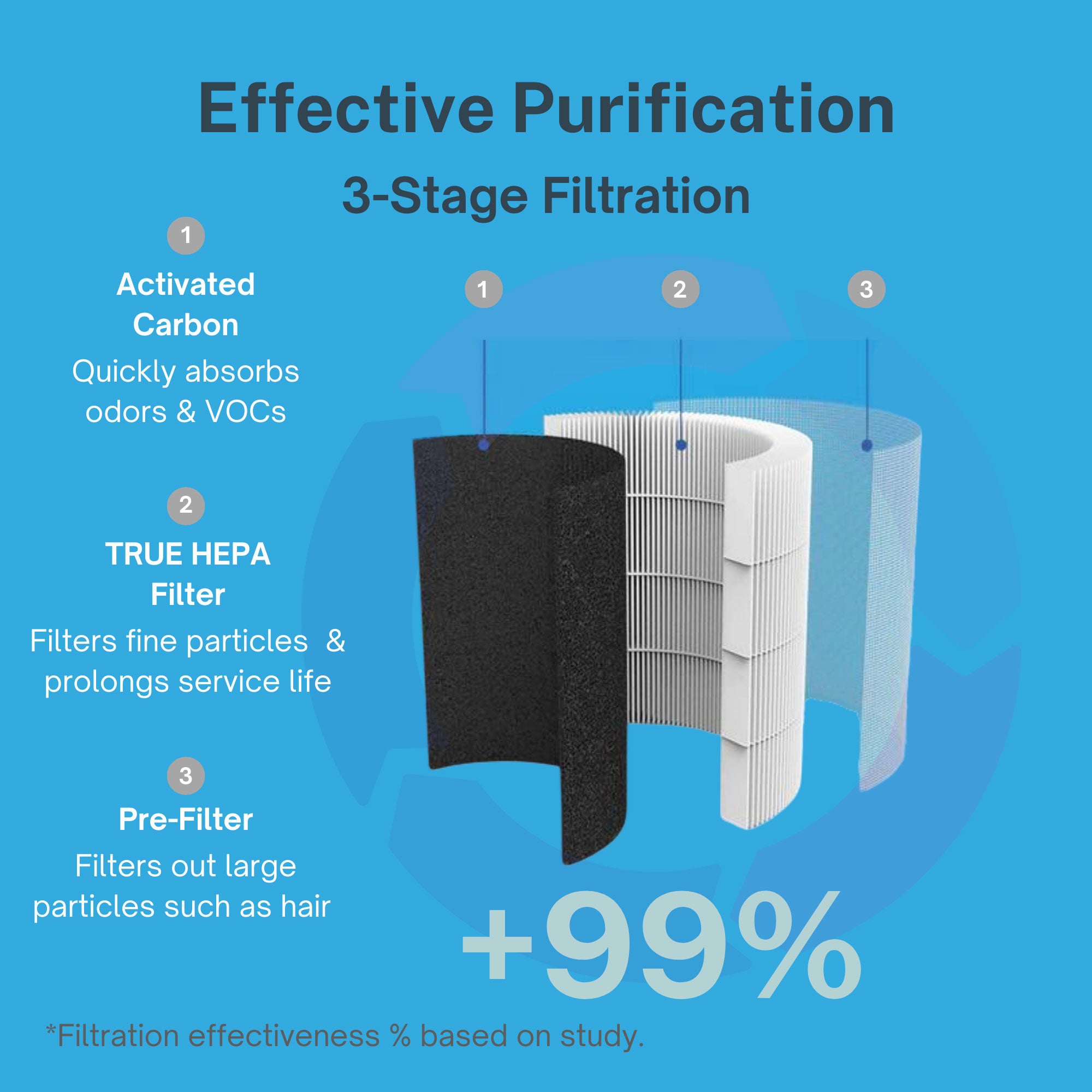
HEPA filtration captures the particulate matter from burnt food smoke. Medical-grade HEPA filters trap 99.97% of particles as small as 0.3 microns, which includes most smoke particles. As contaminated air passes through the dense HEPA material, smoke particles stick to the filter fibers and stop circulating through your home. This removes the physical carriers of burnt smell, but it doesn't address the odor molecules themselves.
Activated carbon is essential for eliminating the actual smell. Carbon is a porous material with an enormous surface area—a single pound of activated carbon has a surface area equivalent to several football fields. When air passes through activated carbon, odor molecules stick to the carbon surface through a process called adsorption. The carbon chemically bonds with volatile organic compounds and odor molecules, permanently trapping them rather than just masking the smell.
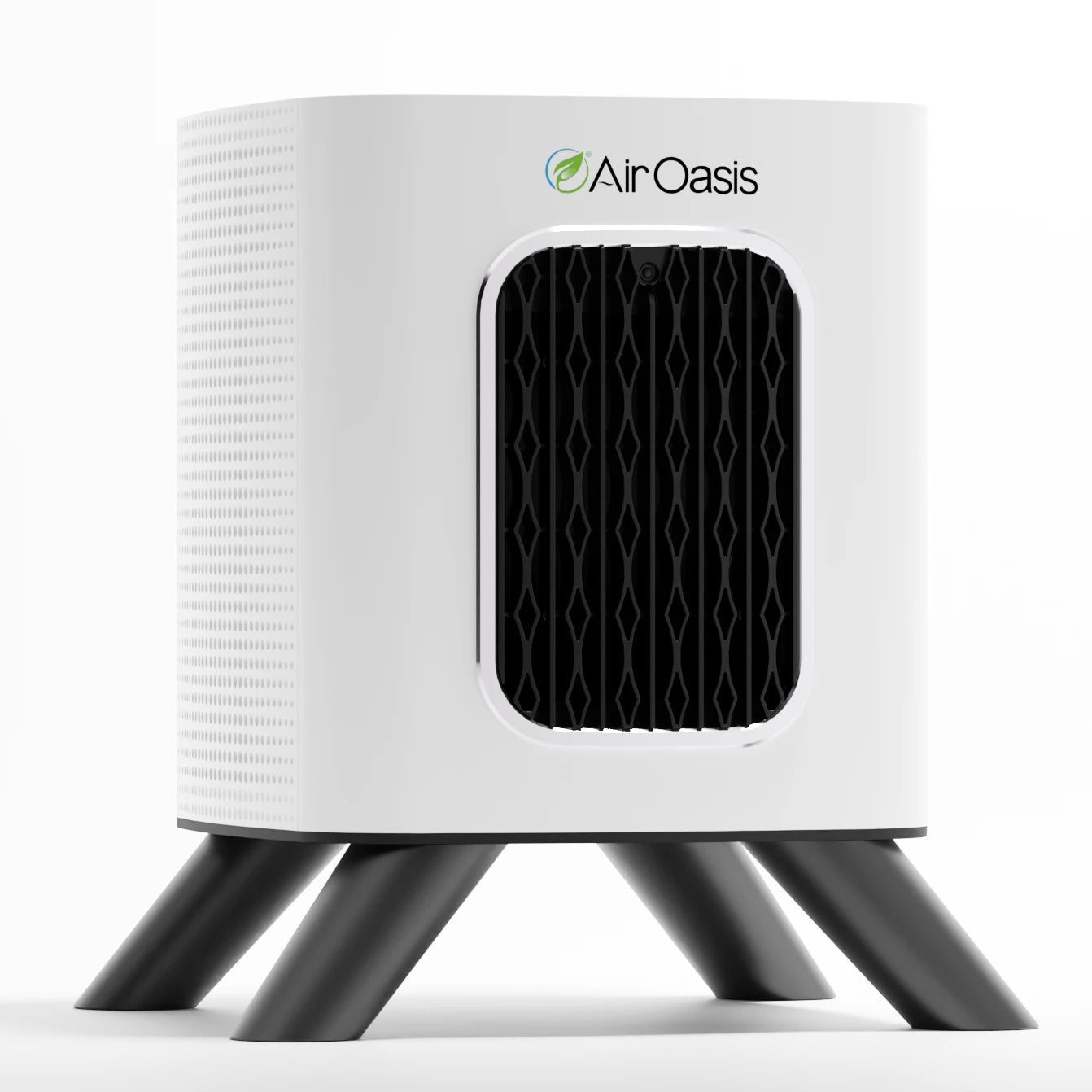
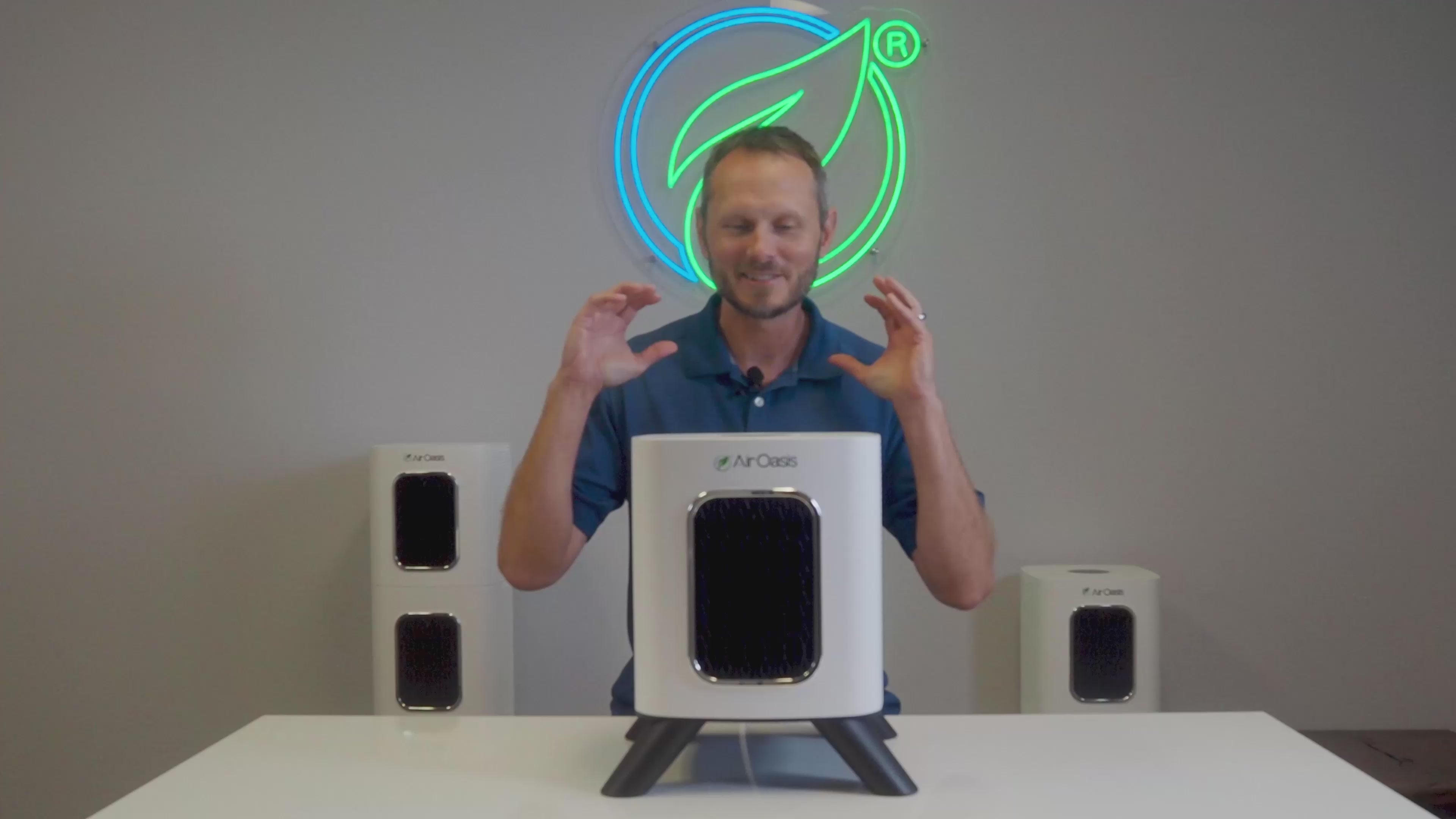
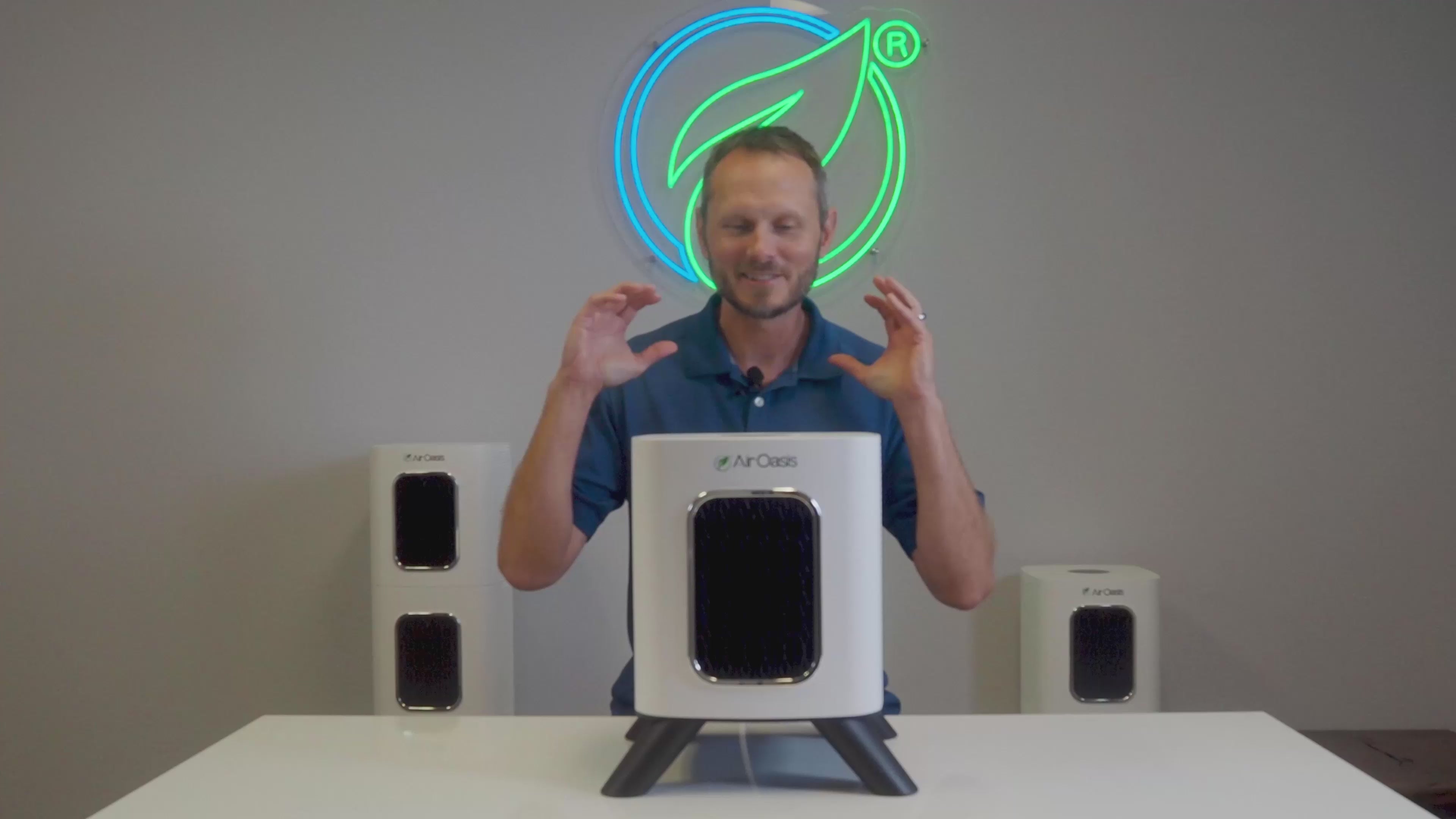
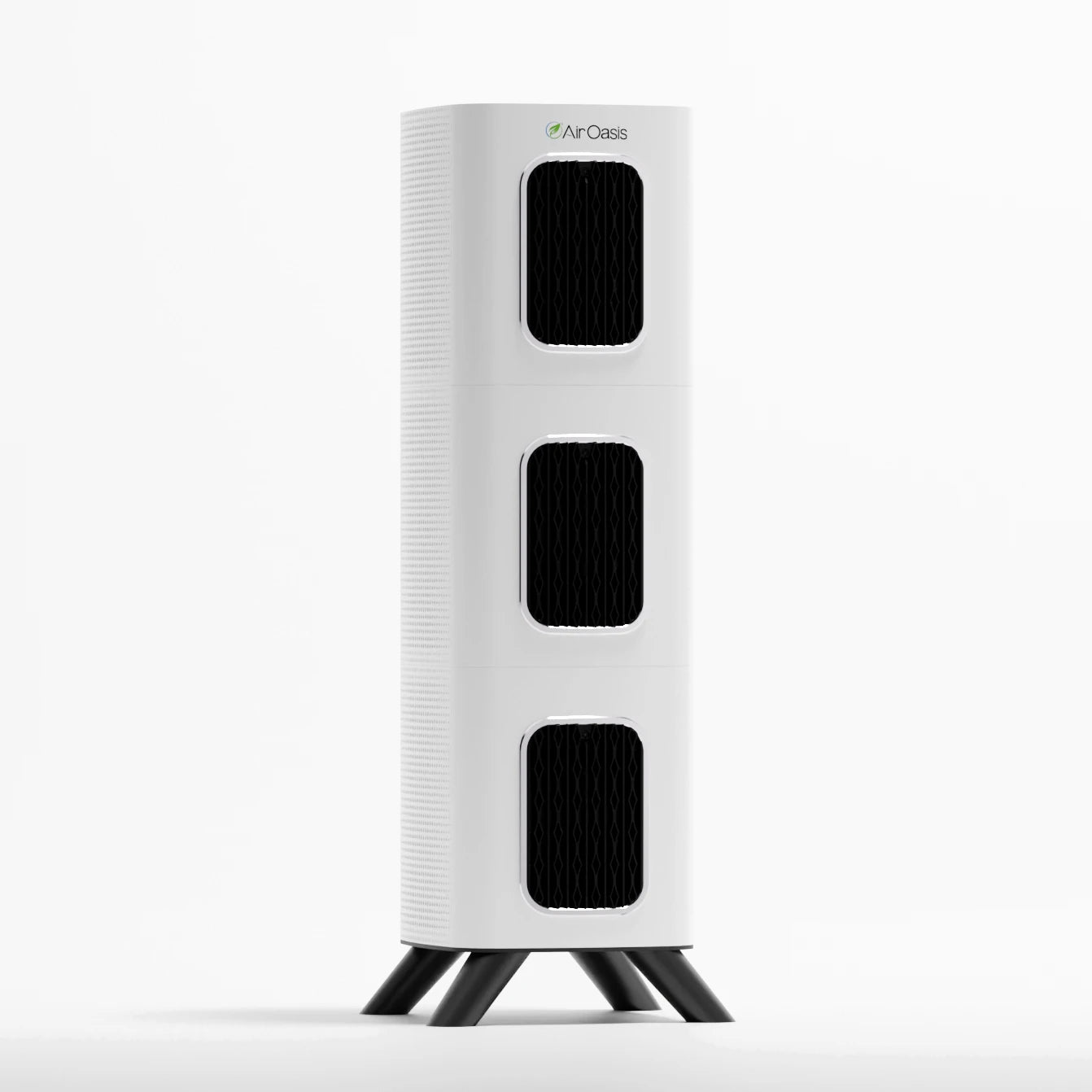
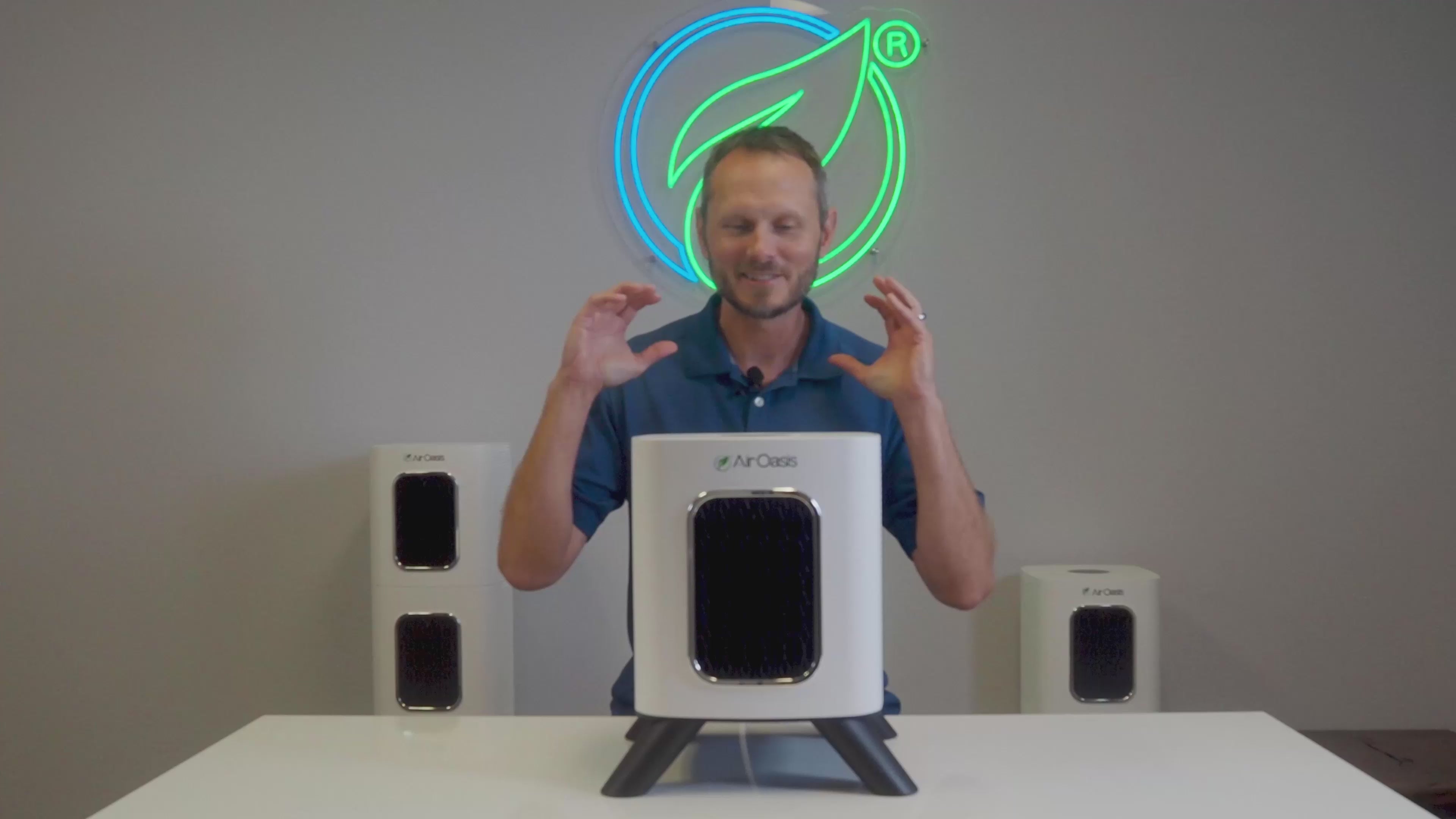
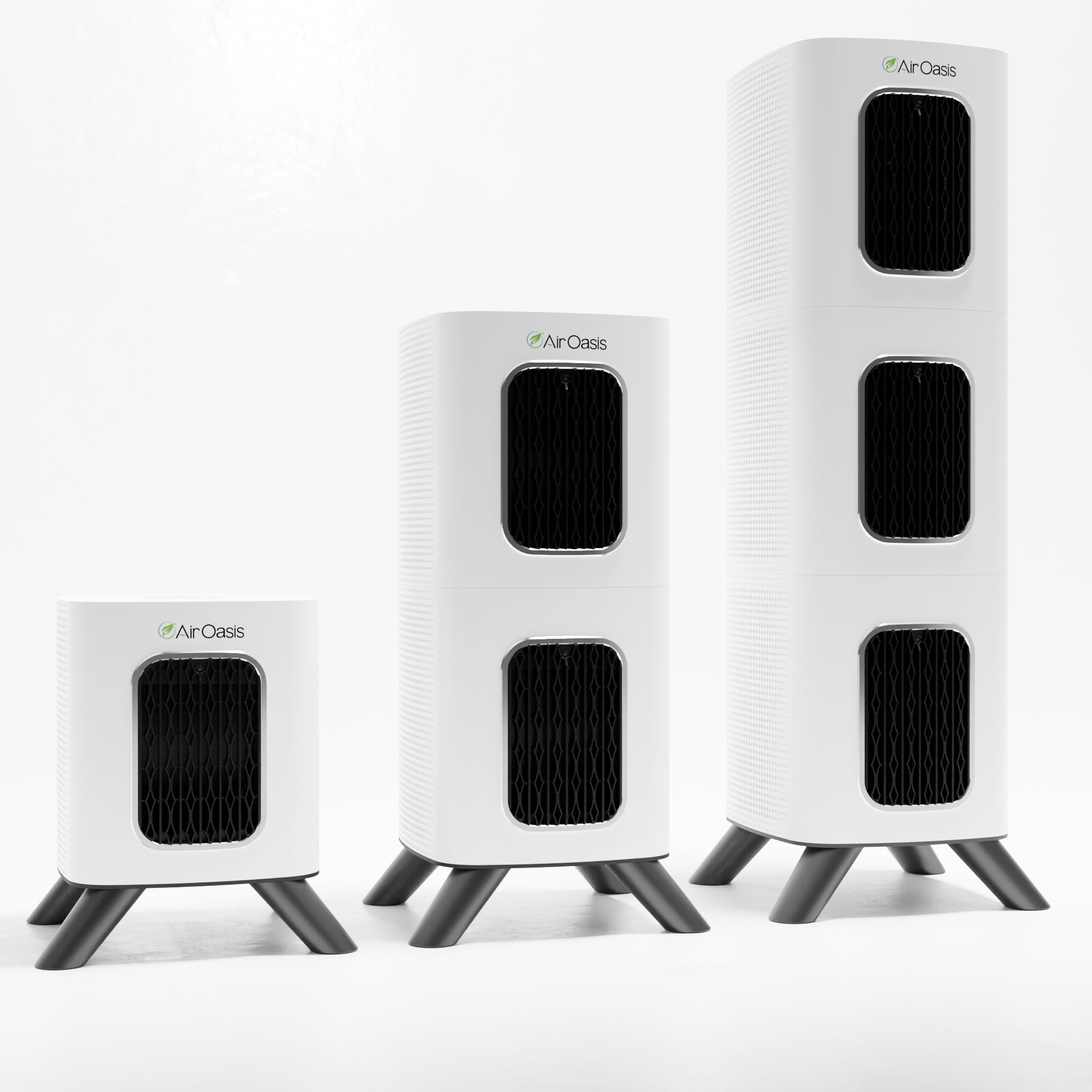
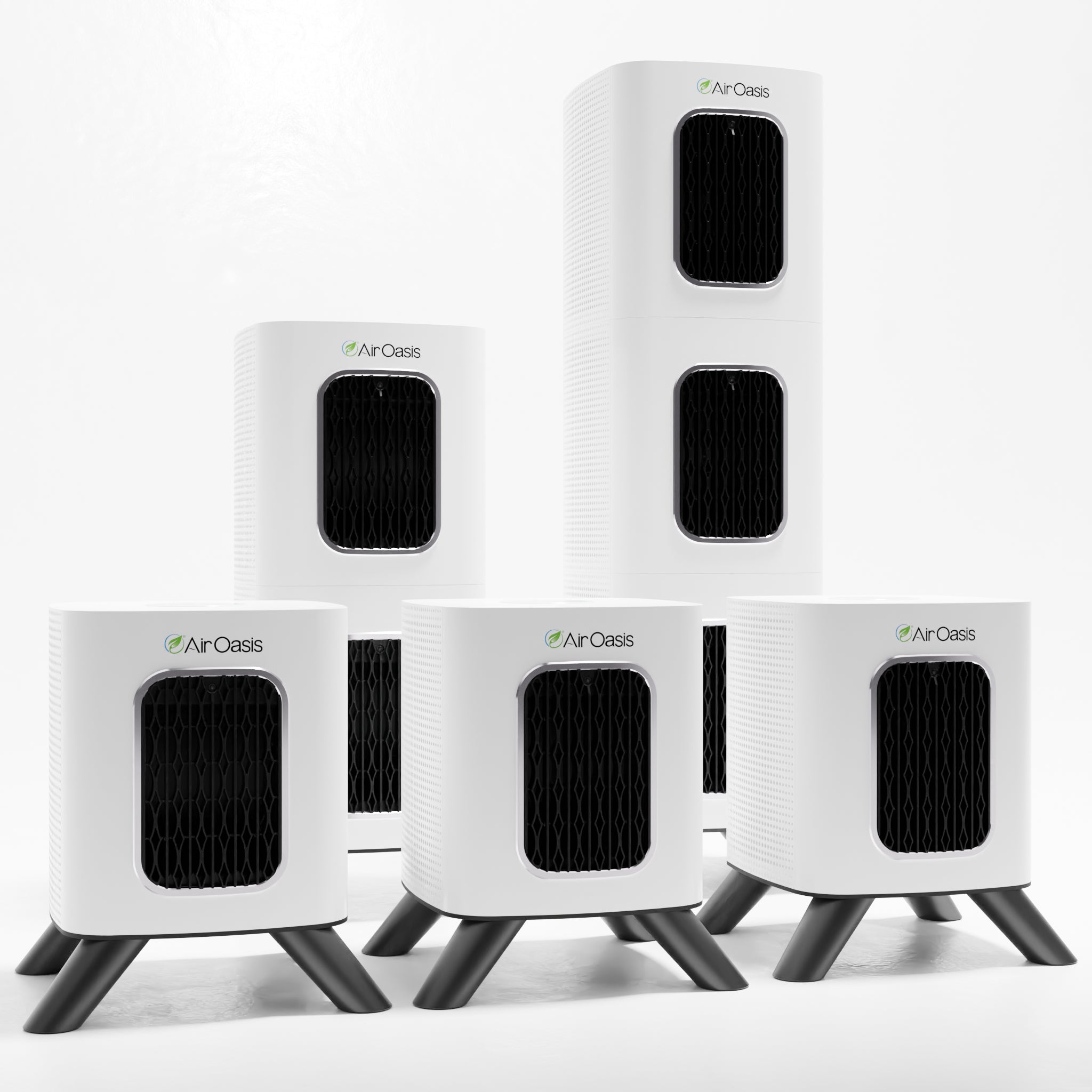
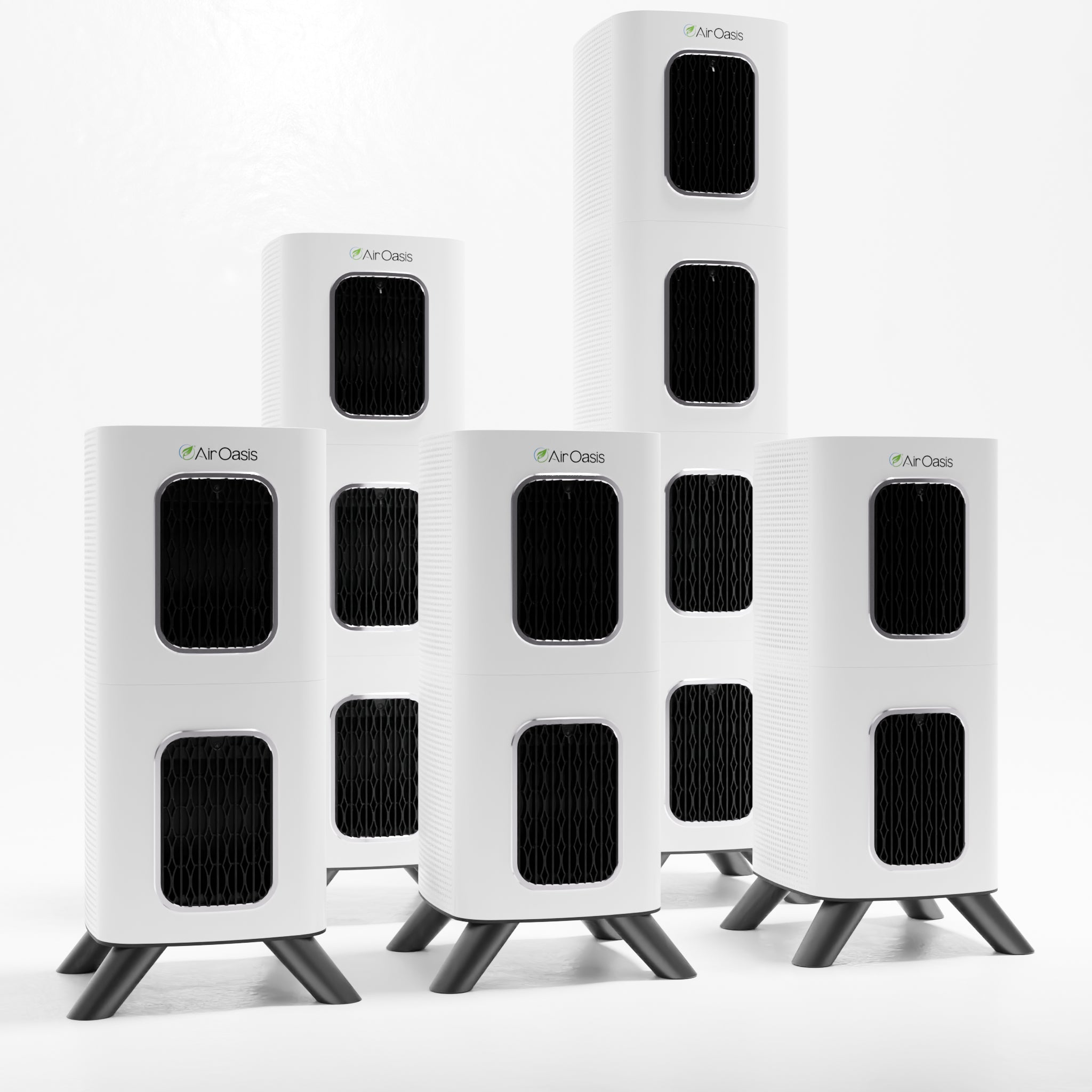
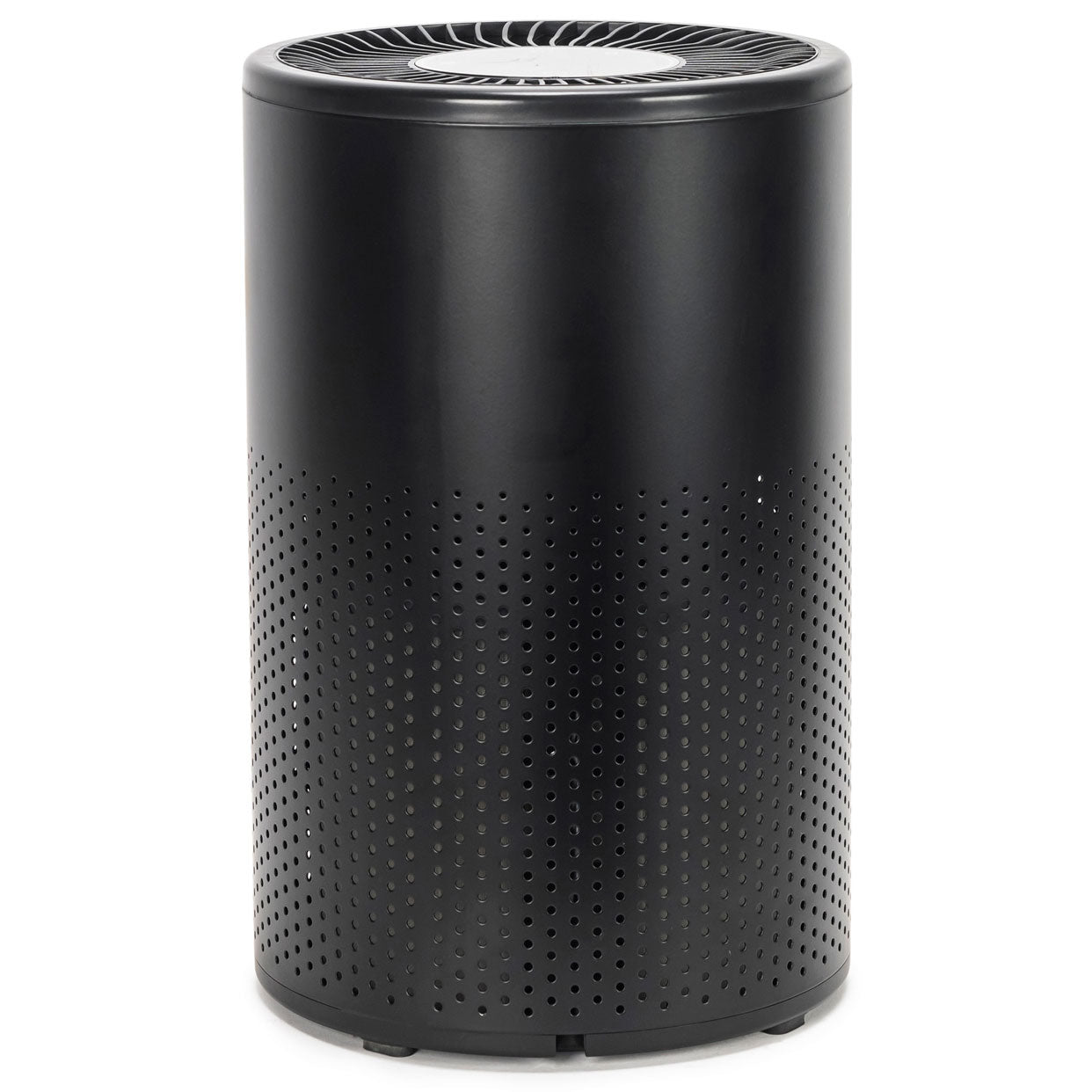
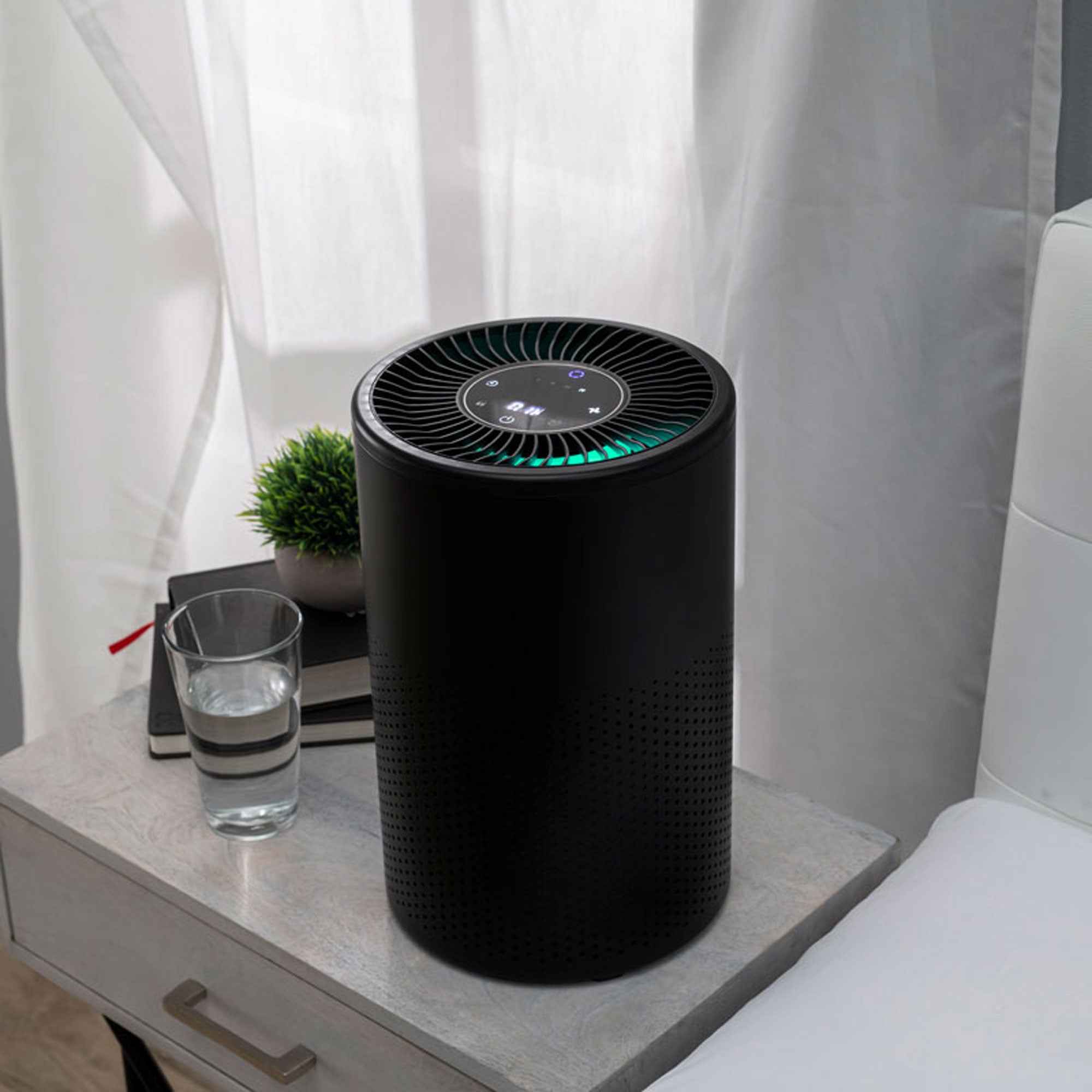
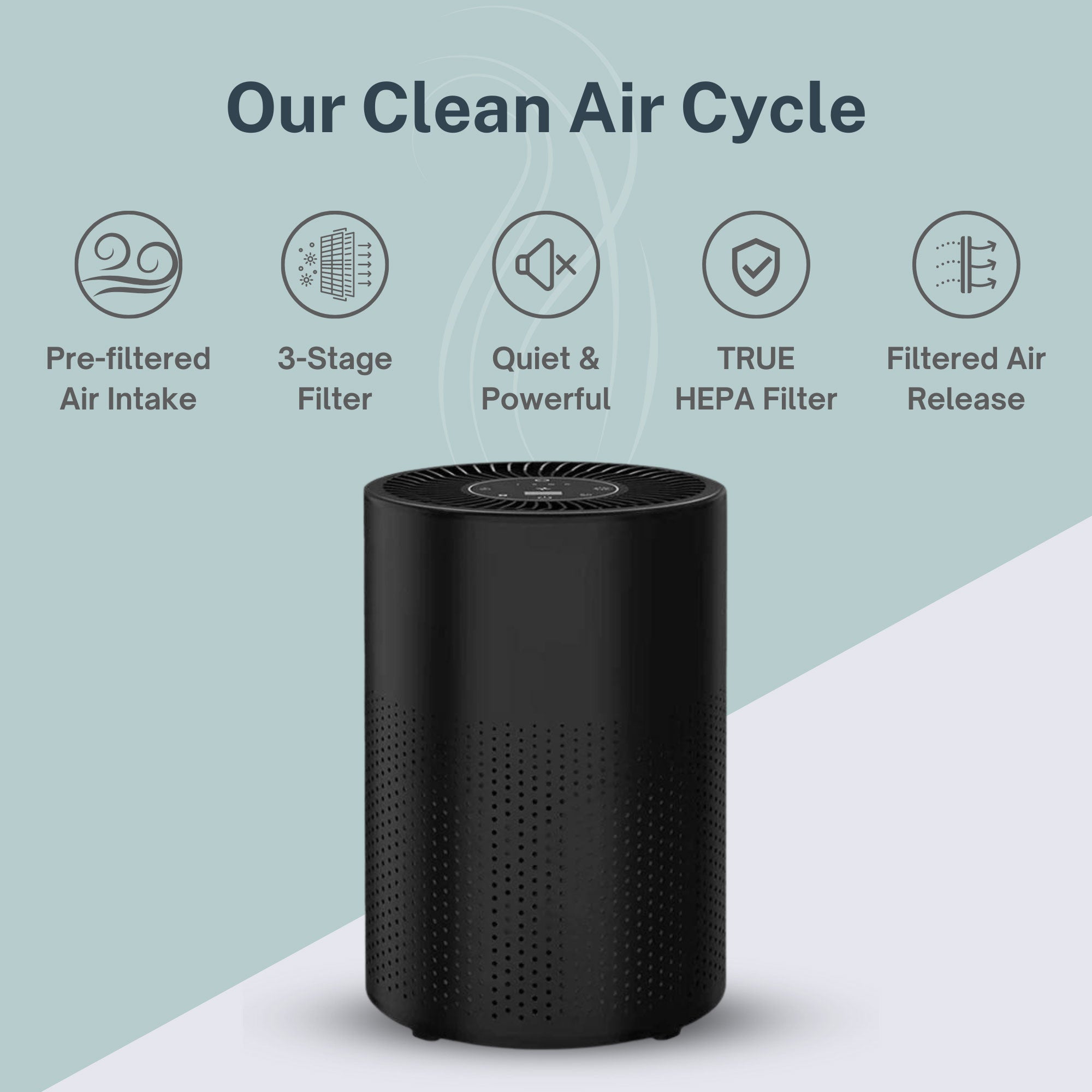
The iAdaptAir systems from Air Oasis combine HEPA filtration with substantial activated carbon to address both aspects of burnt food contamination. The HEPA filter removes smoke particles while the carbon layer eliminates odor molecules. This dual-stage approach attacks the problem from both angles, providing genuine odor elimination rather than temporary masking.
UV-C light technology provides additional benefits after burning incidents. The iAdaptAir units include UV-C light that destroys bacteria and mold spores. While UV-C doesn't directly remove burnt smell, it prevents secondary contamination that can worsen air quality after smoke events. Smoke residue creates sticky surfaces where microorganisms thrive, and UV-C sterilization stops this biological growth before it starts.
Taking Immediate Action After Burning Food
Air purifiers work best when you act quickly after burning food. Time matters significantly because the longer smoke and odor molecules circulate, the more they penetrate porous materials throughout your home. Taking immediate steps maximizes odor removal effectiveness.
Ventilate aggressively as your first response. Open windows and doors to create cross-ventilation that pushes contaminated air outside. Turn on exhaust fans in the kitchen and bathrooms to create negative pressure that pulls smoke out of your home. This initial ventilation removes the highest concentration of smoke and odor molecules before they settle on surfaces.
Turn your air purifier to maximum speed immediately. High fan speeds process more air volume per hour, capturing smoke particles and odor molecules while they're still airborne. Position the purifier near the burnt food source initially to capture the highest concentration, then move it to central locations as the immediate crisis passes.
Remove the burnt food and affected cookware from your home completely. Don't just cover burnt pans or put them in the sink—take them outside. The burnt material continues releasing odor molecules for hours, creating ongoing contamination that overwhelms your air purifier's capacity. Dispose of severely burnt food in outdoor trash bins rather than indoor garbage cans.
Clean all surfaces promptly with appropriate cleaning solutions. Smoke residue settles on counters, stovetops, walls, and cabinets within minutes. This residue re-releases odor molecules into the air for days or weeks if not removed. Wipe down all kitchen surfaces with vinegar solution or commercial degreasers designed for smoke removal. Don't forget upper cabinets, light fixtures, and the ceiling where smoke rises and deposits residue.
Long-Term Odor Management Strategies
Persistent burnt food smell requires sustained air purification. Run your air purifier continuously for at least forty-eight to seventy-two hours after burning food. Many people make the mistake of turning off their purifier once they no longer smell the odor, but smell molecules continue circulating at levels your nose can't detect. Continuous operation ensures complete removal of all odor compounds.
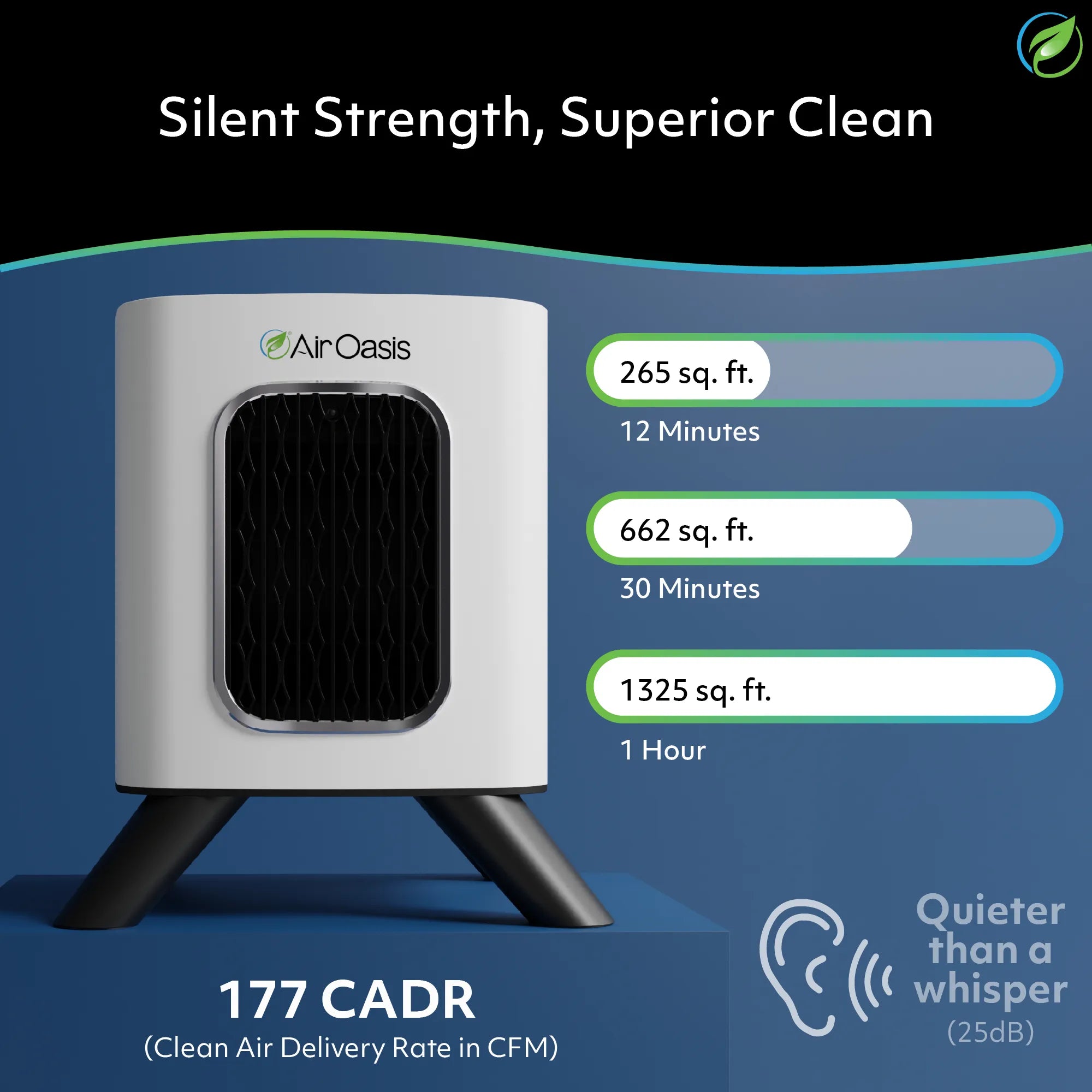
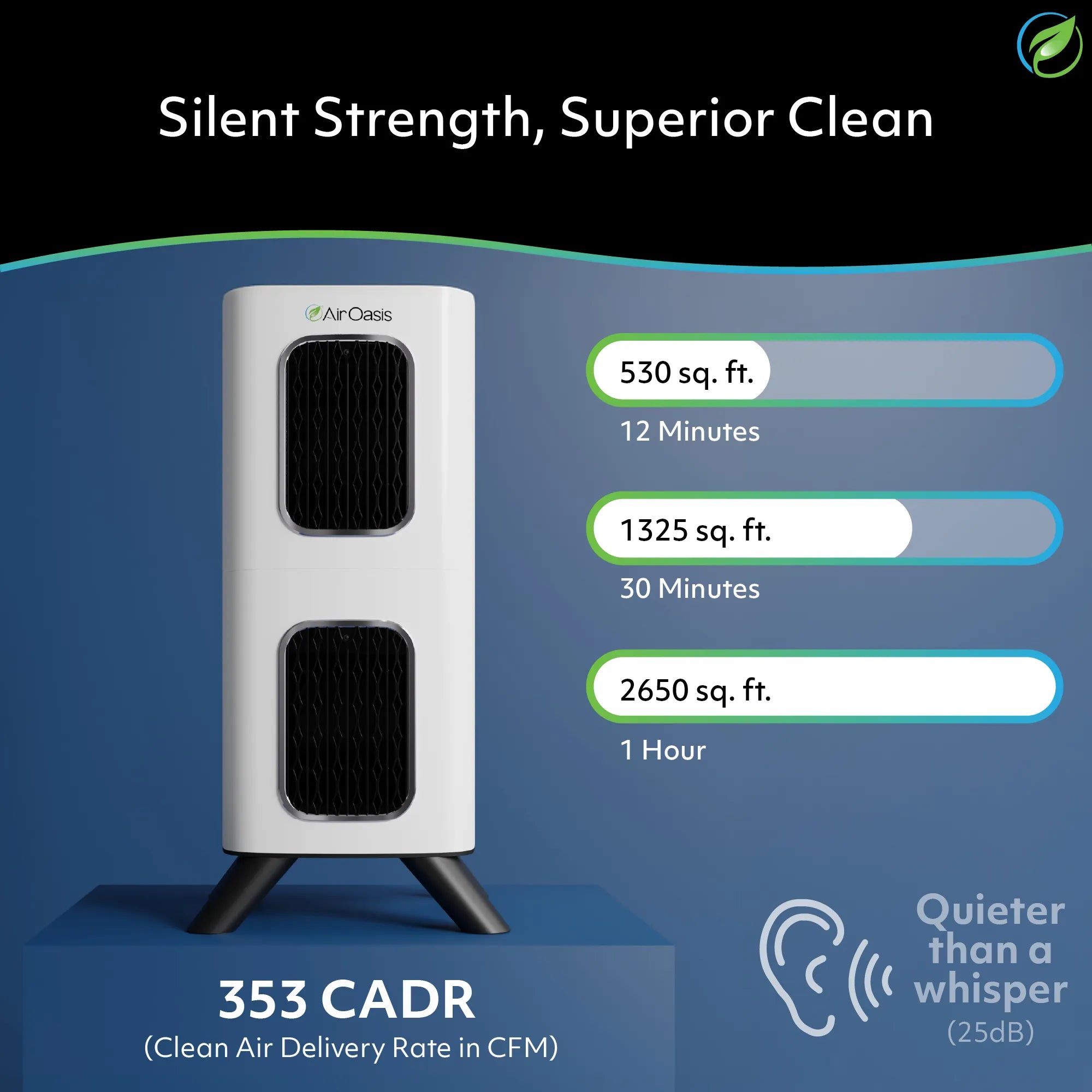
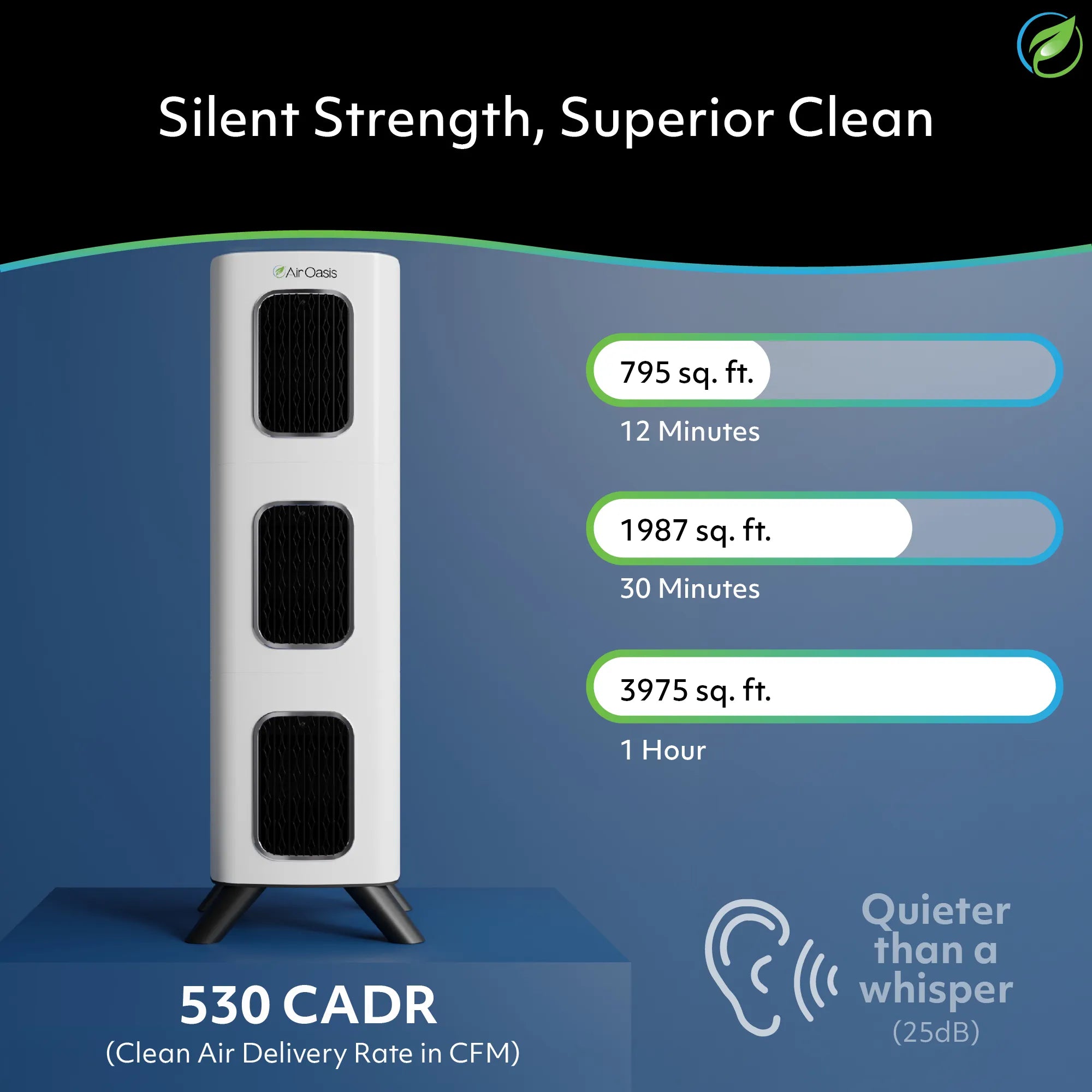
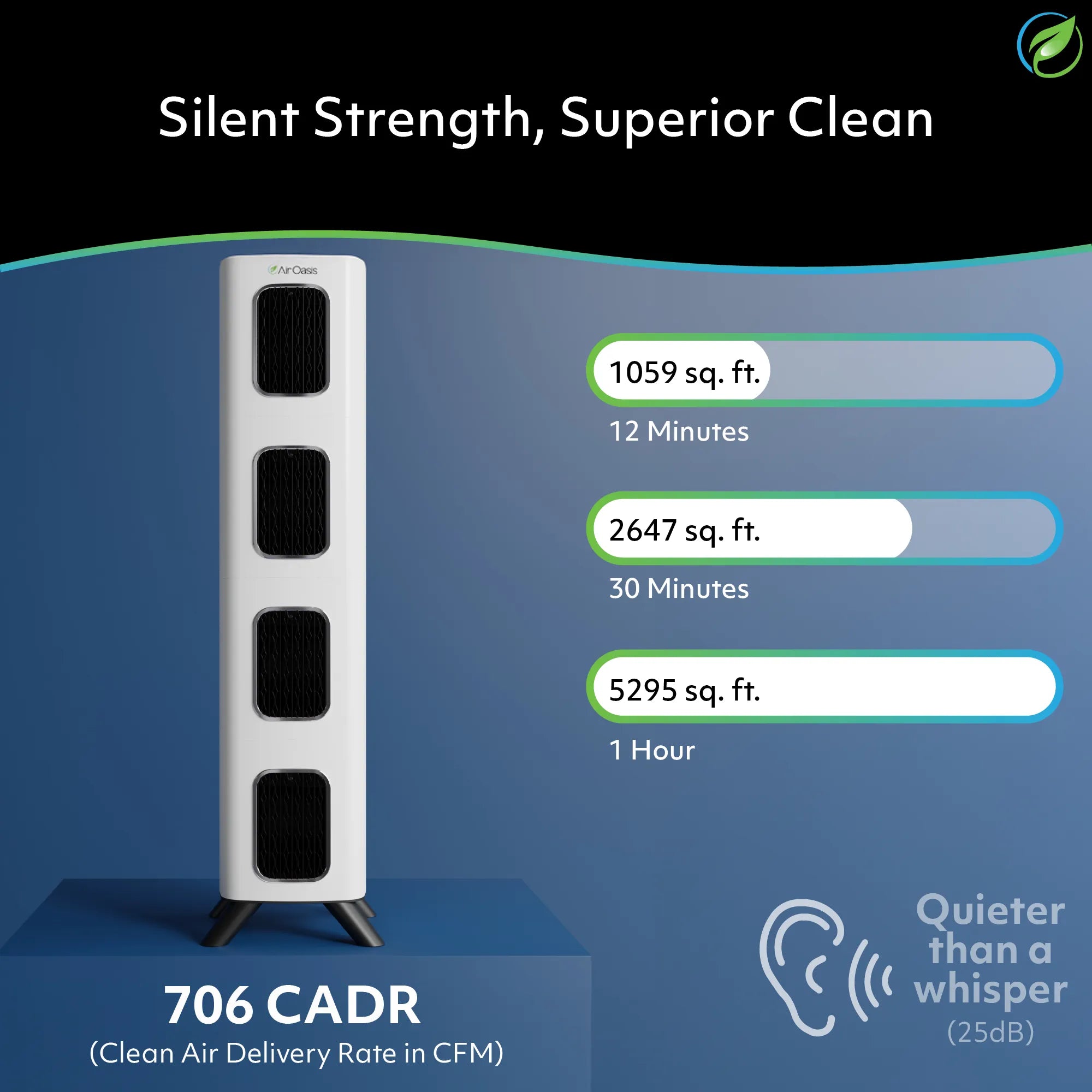
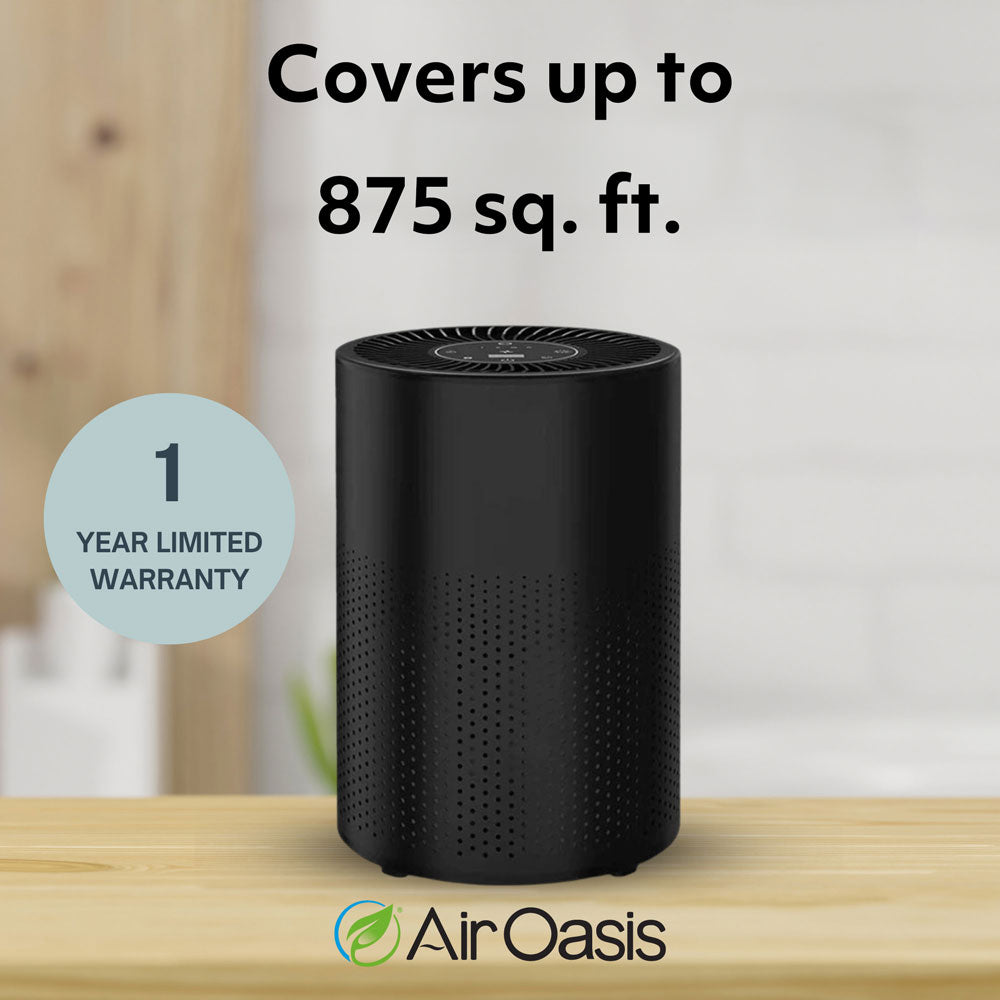
The iAdaptAir 2S handles spaces up to 265 square feet, perfect for containing odor removal efforts in the affected kitchen area. For open-concept layouts where burnt smell spreads throughout connected living spaces, the iAdaptAir 2M covers 530 square feet, the 2L handles 795 square feet, and the 2P manages up to 1,059 square feet. Choosing adequate coverage for your floor plan ensures the purifier can process all contaminated air multiple times per hour.
Address soft surfaces that absorb burnt odors. Wash curtains, throw pillows, and any removable fabric items that were exposed to smoke. Sprinkle baking soda on carpets and upholstered furniture, let it sit for several hours, then vacuum thoroughly. These porous materials trap odor molecules that continue releasing smell into your air even while your purifier runs. Surface treatment combined with air purification provides comprehensive odor elimination.
Replace air purifier filters after major smoke events. Burnt food smoke loads filters with particulate matter and saturates activated carbon faster than normal use. If your home experienced heavy smoke from burning food, check filters within a few days. Darkened filters or persistent smell despite continuous purifier operation indicates the carbon is saturated and needs replacement. Fresh filters restore full odor-removal capacity.
Prevention and Preparedness
While air purifiers effectively eliminate burnt-food smell, prevention lets you avoid the problem altogether. Never leave food cooking unattended, even for a moment. Set timers as reminders when you're cooking items that require extended time. Keep flammable items like towels, paper, and packaging away from heating surfaces where they could accidentally ignite.
Keep an air purifier running continuously in your kitchen, not just when problems occur. Baseline operation maintains clean air during normal cooking and provides immediate response capacity in the event of an accident. The purifier is already processing air at full capacity, capturing smoke the moment burning starts rather than playing catch-up after damage is done.
Maintain your range hood and its filters diligently. Clean grease buildup monthly and replace or clean filters according to manufacturer specifications. A well-maintained range hood captures smoke and odors at the source, reducing the burden on your air purifier and preventing widespread contamination throughout your home.
Clear the Air After Kitchen Accidents
Burnt food smell is both unpleasant and unhealthy, but it's completely manageable with the right air purification technology. Air purifiers equipped with true HEPA filtration and substantial activated carbon effectively remove both smoke particles and odor molecules, restoring clean air to your home after cooking accidents.
The iAdaptAir systems provide the comprehensive filtration needed to eliminate burnt food smell completely.
The combination of medical-grade HEPA, activated carbon, and UV-C light addresses every aspect of smoke contamination, from visible particles to invisible odor compounds.
Whether you're dealing with a minor burning incident or major smoke event, proper air purification makes the difference between days of lingering smell and rapid odor elimination.
Shop Air Oasis today and protect your home's air quality from every cooking mishap.
Frequently Asked Questions About Air Purifiers and Burnt Food Smell
Here are some more interesting points.
How long does it take an air purifier to remove burnt food smell?
With proper ventilation and continuous purifier operation, noticeable smell reduction occurs within a few hours. Complete odor elimination typically takes forty-eight to seventy-two hours depending on smoke severity and your home's size.
Why does burnt food smell linger even with windows open?
Burnt food odor molecules adsorb into porous materials like carpets, curtains, and upholstery. While ventilation removes airborne odors, absorbed molecules continue re-releasing into air for days. Air purifiers with activated carbon capture these persistent molecules.
Can air purifiers remove smoke stains from burnt food?
Air purifiers remove airborne smoke particles and odors but cannot remove stains already deposited on surfaces. You need physical cleaning for visible smoke damage on walls, cabinets, and ceilings combined with air purification for complete remediation.
Do I need to replace my air purifier filter after burning food?
After minor burning incidents, filters should be fine for their normal replacement schedule. Heavy smoke events saturate carbon and clog HEPA filters faster, requiring earlier replacement. Check filters after major smoke exposure.
Will or ozone generators work better for burnt food smell?
No. These technologies can create harmful byproducts when reacting with smoke compounds. HEPA filtration with activated carbon provides safe, effective odor removal without producing secondary pollutants.