It's one of those questions that seem to have a definitive answer. Upstairs or downstairs? Second-floor bedroom or main-level living room? People spend real time thinking about this — and honestly, that energy is better spent elsewhere. Because where your air purifier sits on your home's floor plan matters far less than most people assume. What actually determines whether your purifier is doing its job has nothing to do with stairs.
Air doesn't organize itself by floor
Here's the thing about air: it moves. It doesn't stay neatly on one level of your home. Your HVAC system pulls it up and pushes it down. The stack effect — that natural phenomenon where warm air rises and draws cooler air up from below — keeps air circulating vertically throughout your home all day long. Open a door, run a fan, go up and down stairs, and you're actively mixing the air between levels.
This is good news. It means you don't need to agonize over which floor deserves the purifier. But it also means a purifier on one floor isn't cleaning the air on another. Air purifiers work within the space they're in. They pull room air through their filters, clean it, and return it to the room. They don't reach through ceilings or across stairwells to purify your entire home from a single strategic position.
The real question is: where do you spend your time?
This is the placement question that actually matters. An air purifier delivers its greatest benefit in the room where you're breathing most. For most families, that's a two-part answer — the main living areas during the day, and the bedroom at night.
If you live in a home where you cook, eat, relax, and entertain on the main floor, that's where pollutants accumulate during waking hours. Cooking releases particulates and VOCs. Pets bring in dander. Guests track in outdoor allergens. An air purifier on the main floor addresses all of that in real time, while you're actually there to benefit.
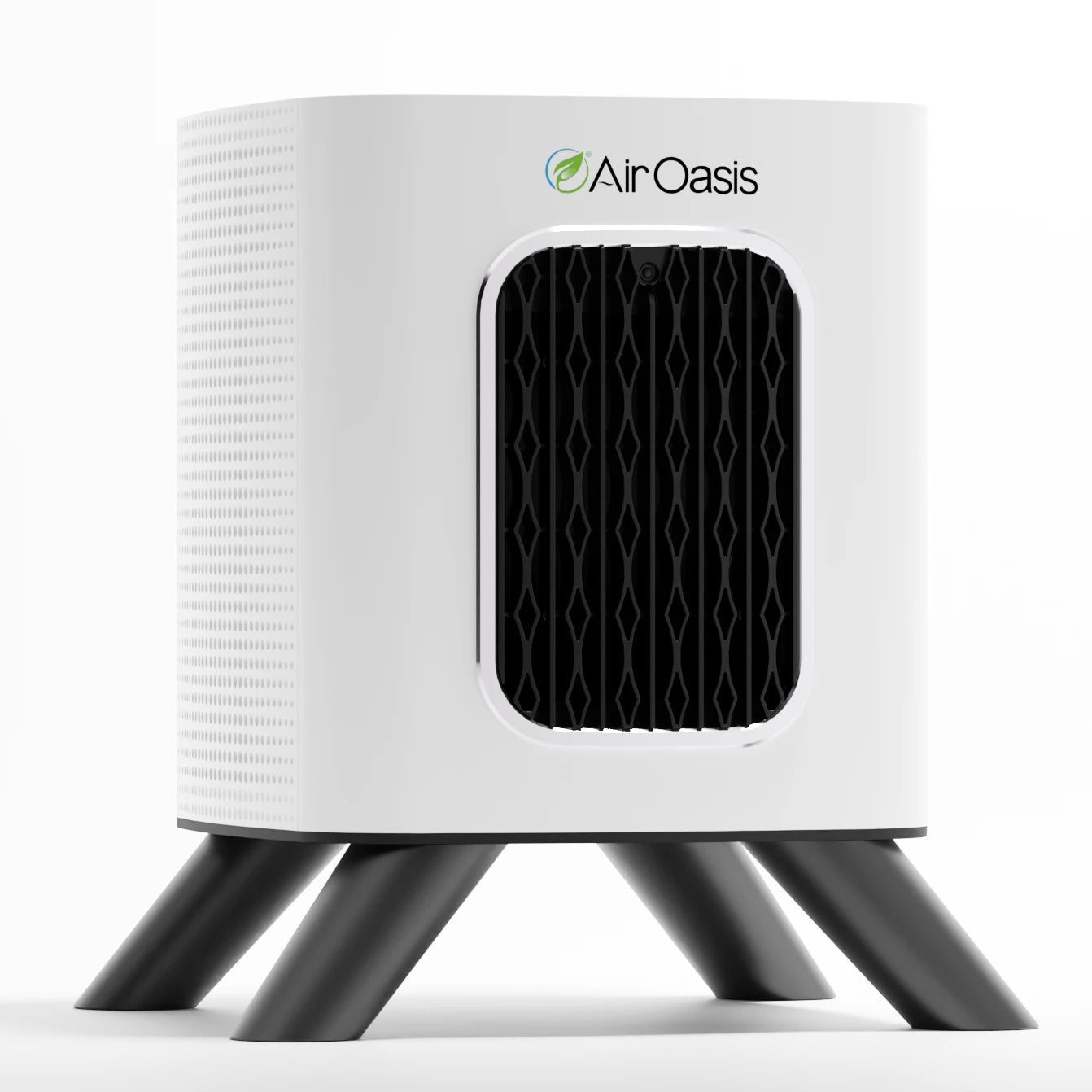
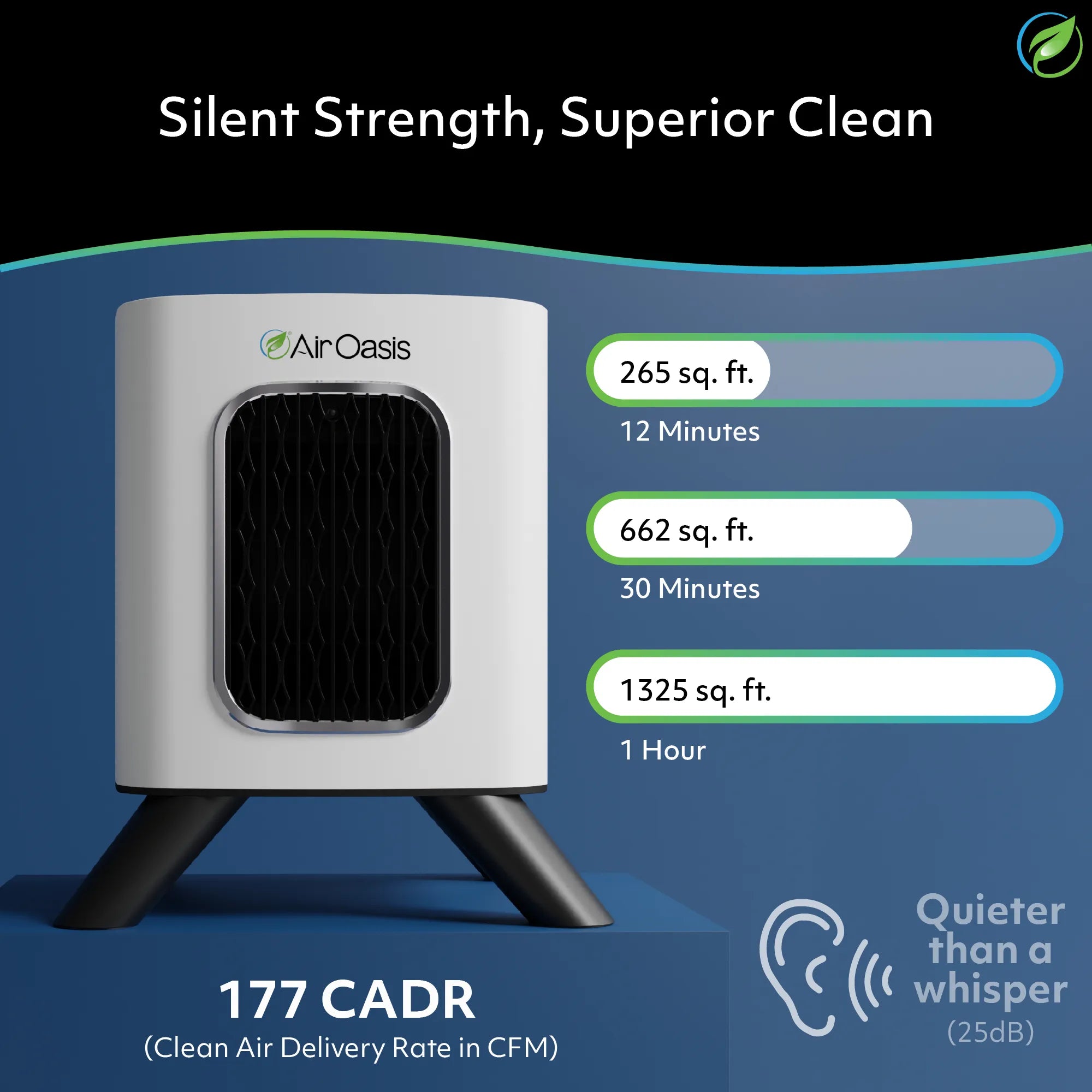
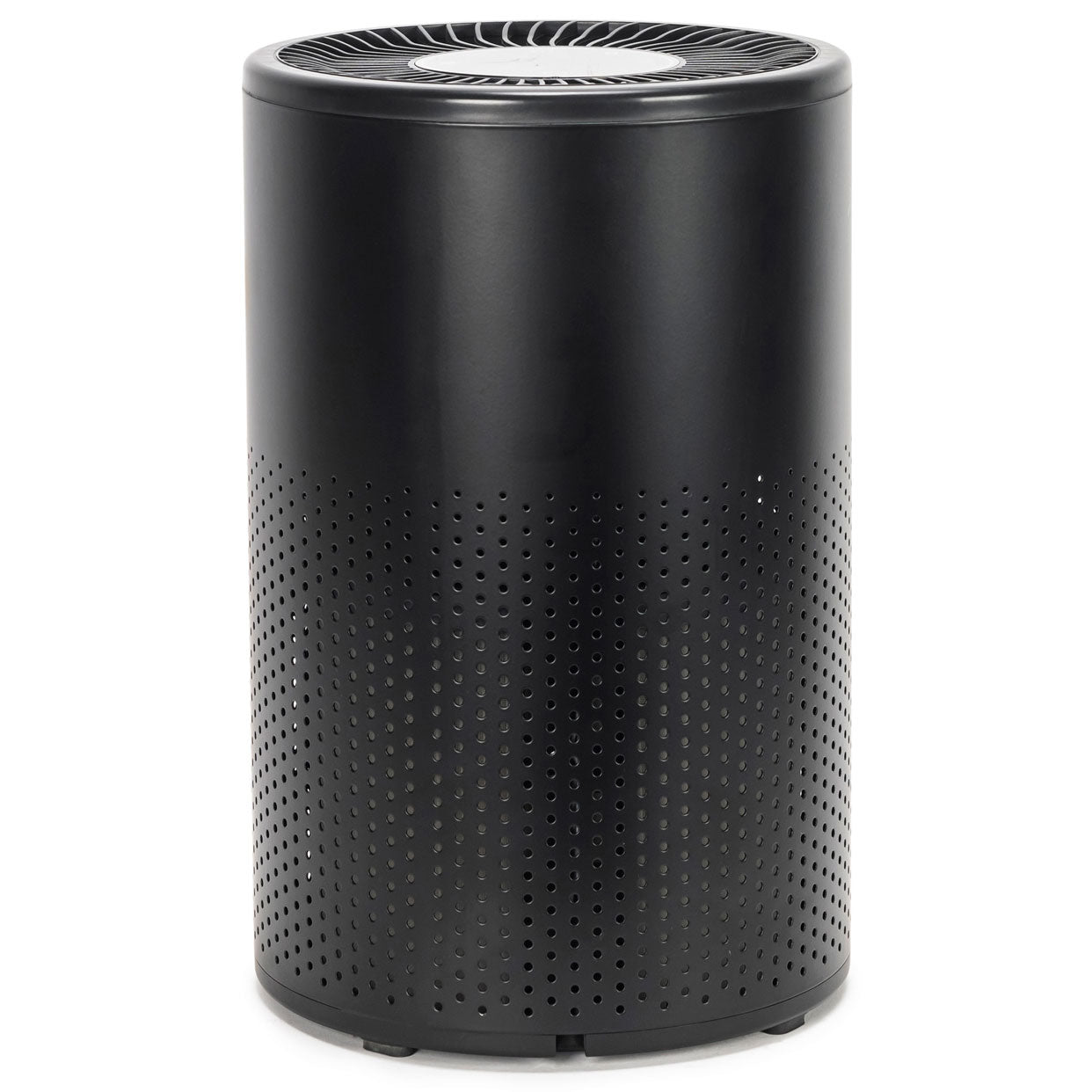
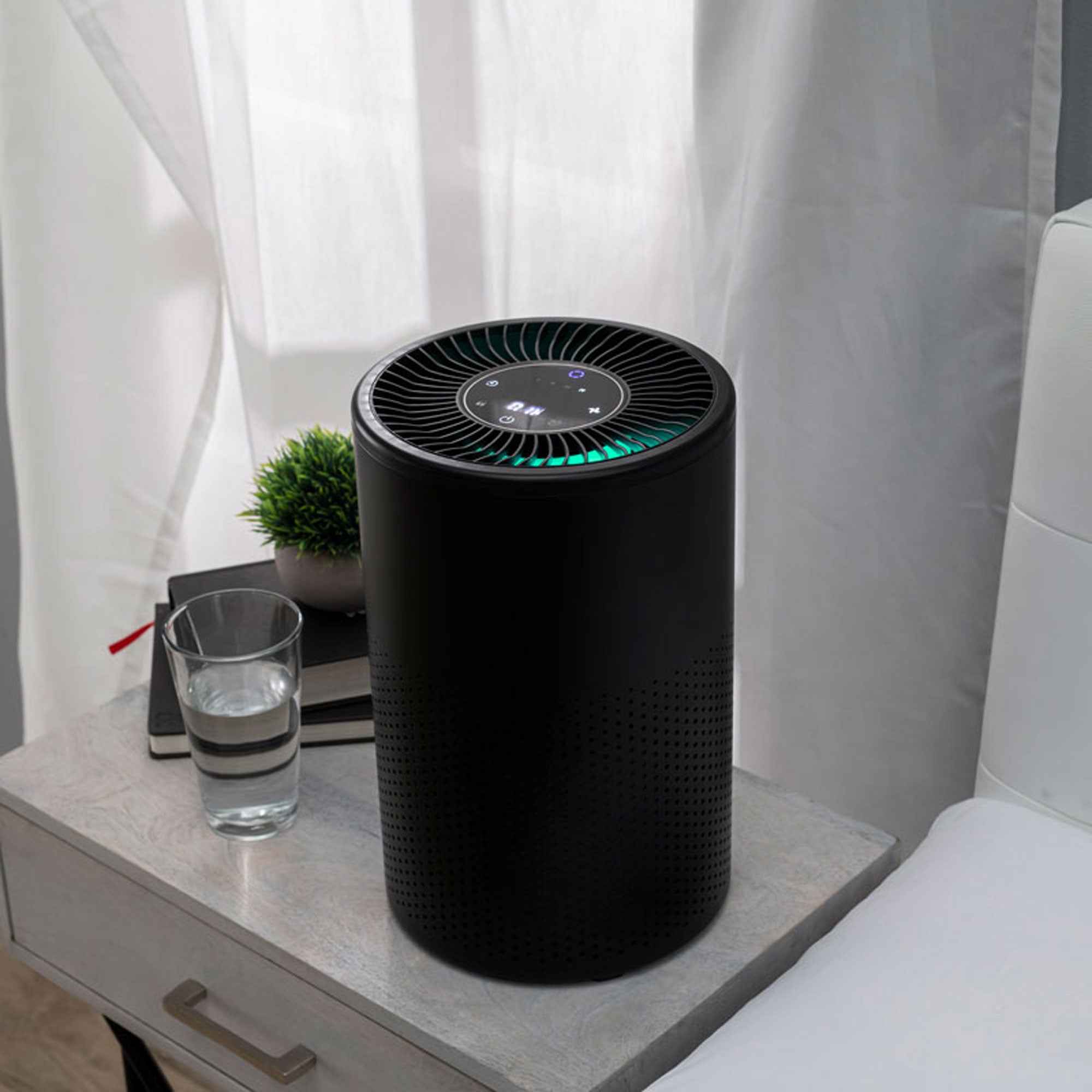
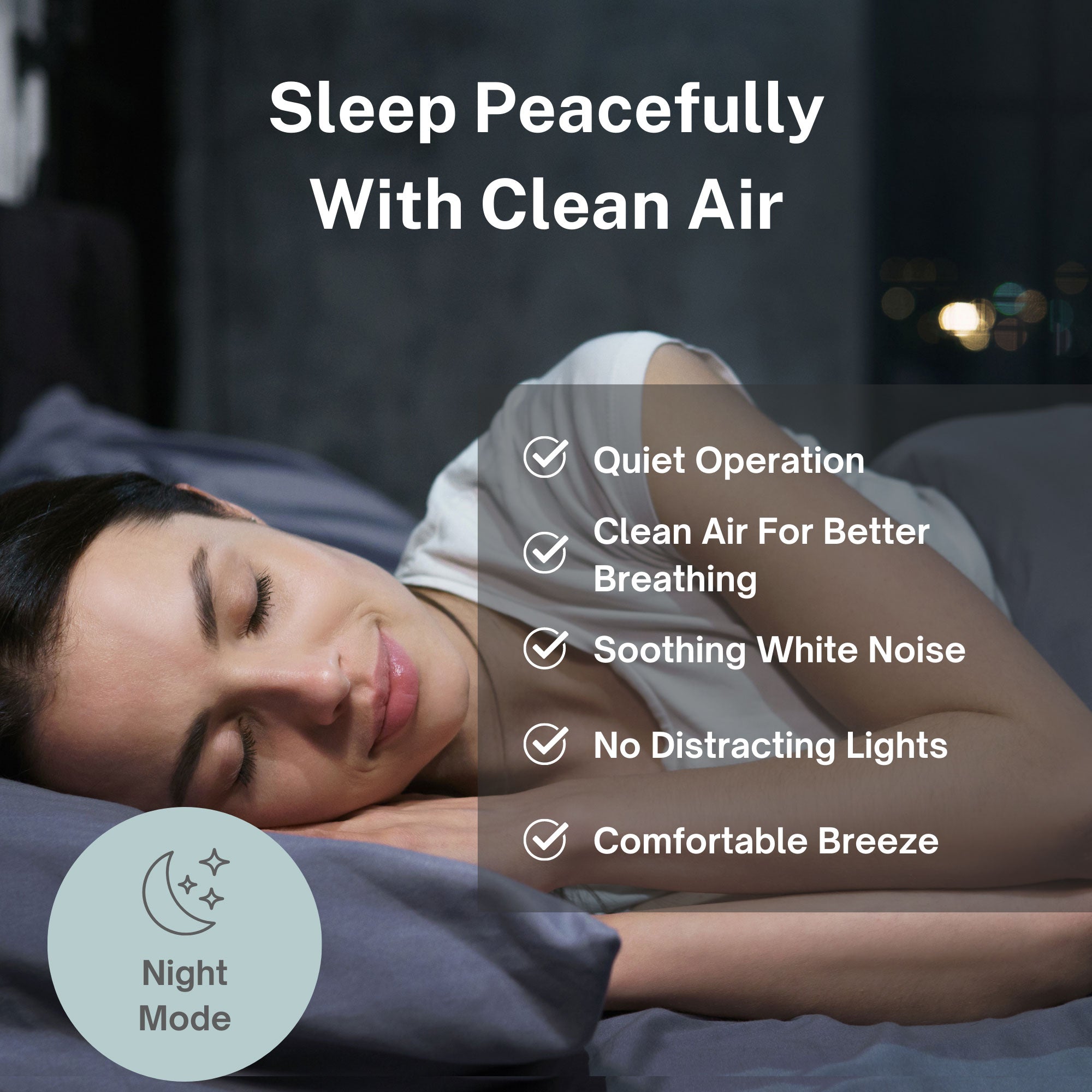
Your bedroom tells a different story. You spend roughly a third of your life there, breathing the same air for seven or eight hours without moving around. Whatever is floating in that room — dust mite particles, mold spores, pet dander, pollen that drifted in through a window — you're inhaling it all night long. Many people find that their allergy symptoms, morning congestion, and sleep quality improve most noticeably when they prioritize bedroom air quality. The iAdaptAir® 2S from Air Oasis, with coverage up to 265 square feet, is sized perfectly for most bedrooms and runs quietly enough to keep from disturbing sleep.
Sizing matters more than location
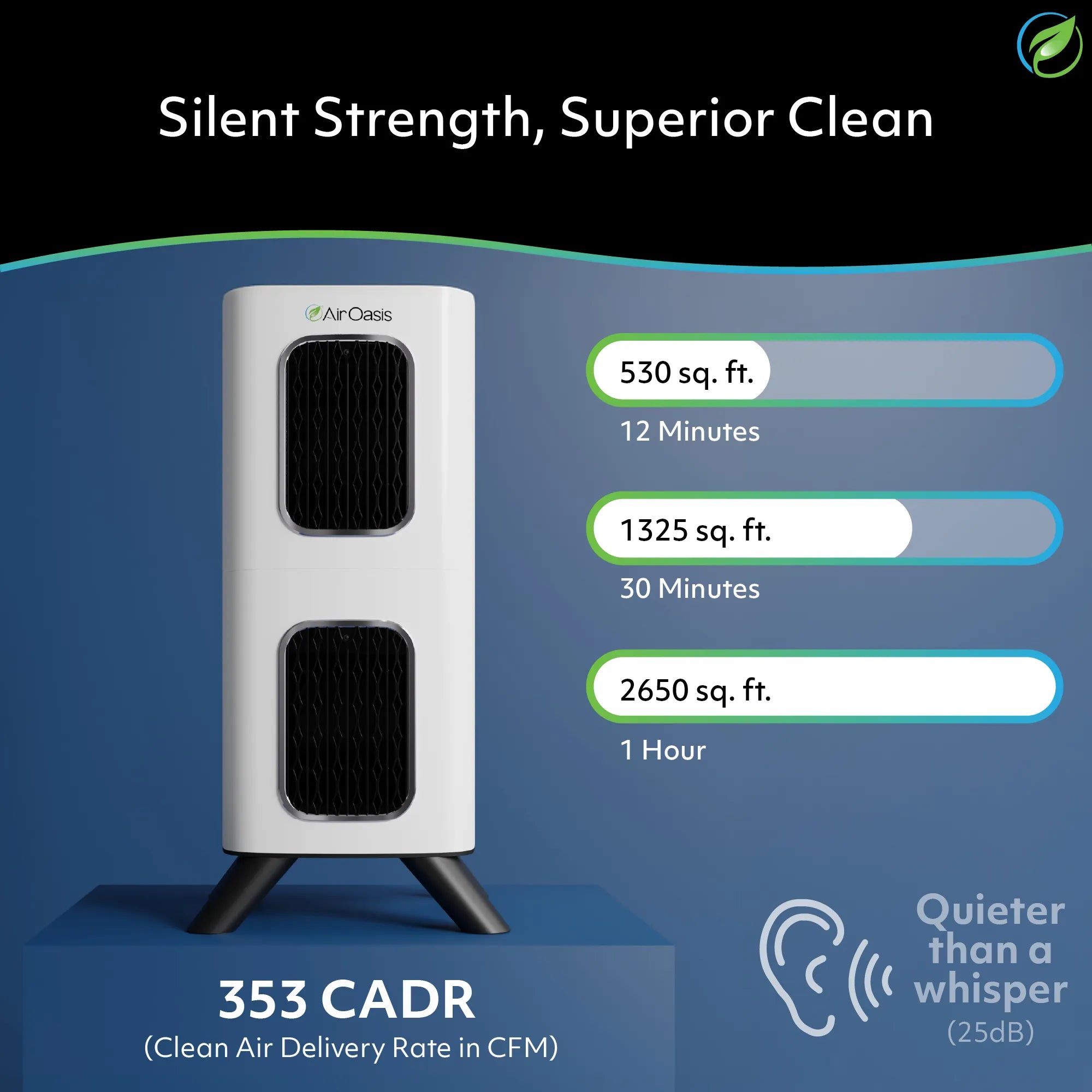
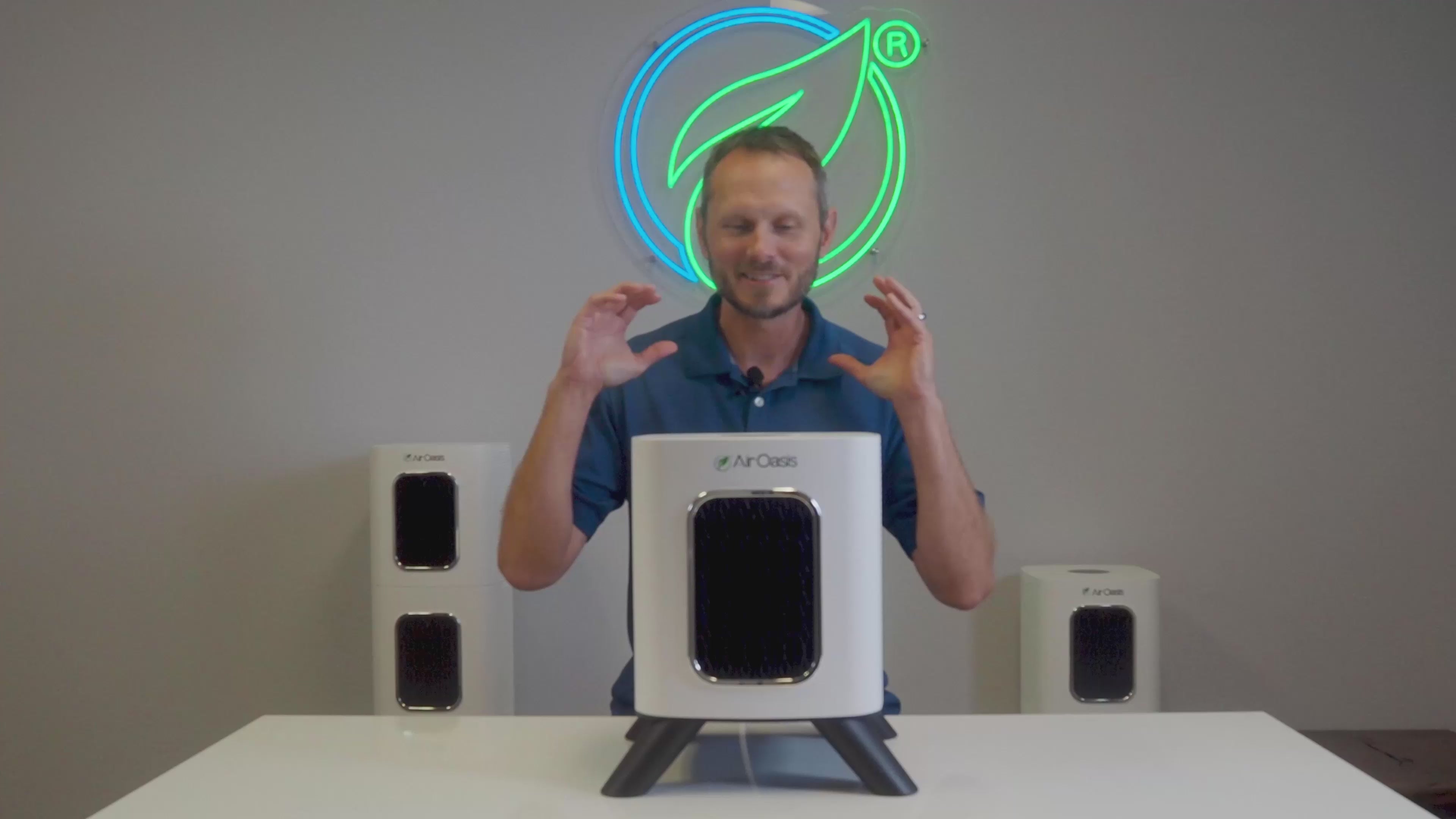
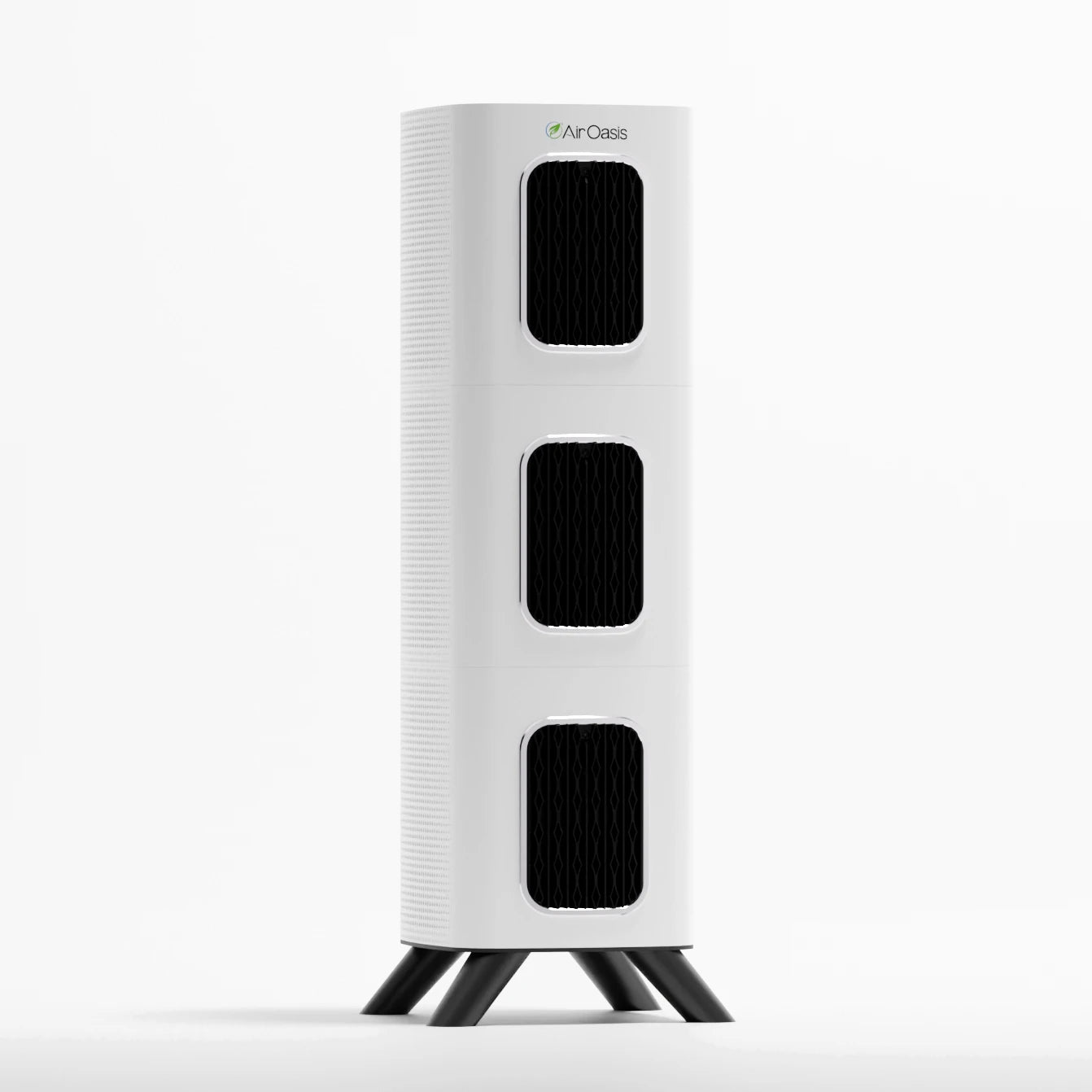
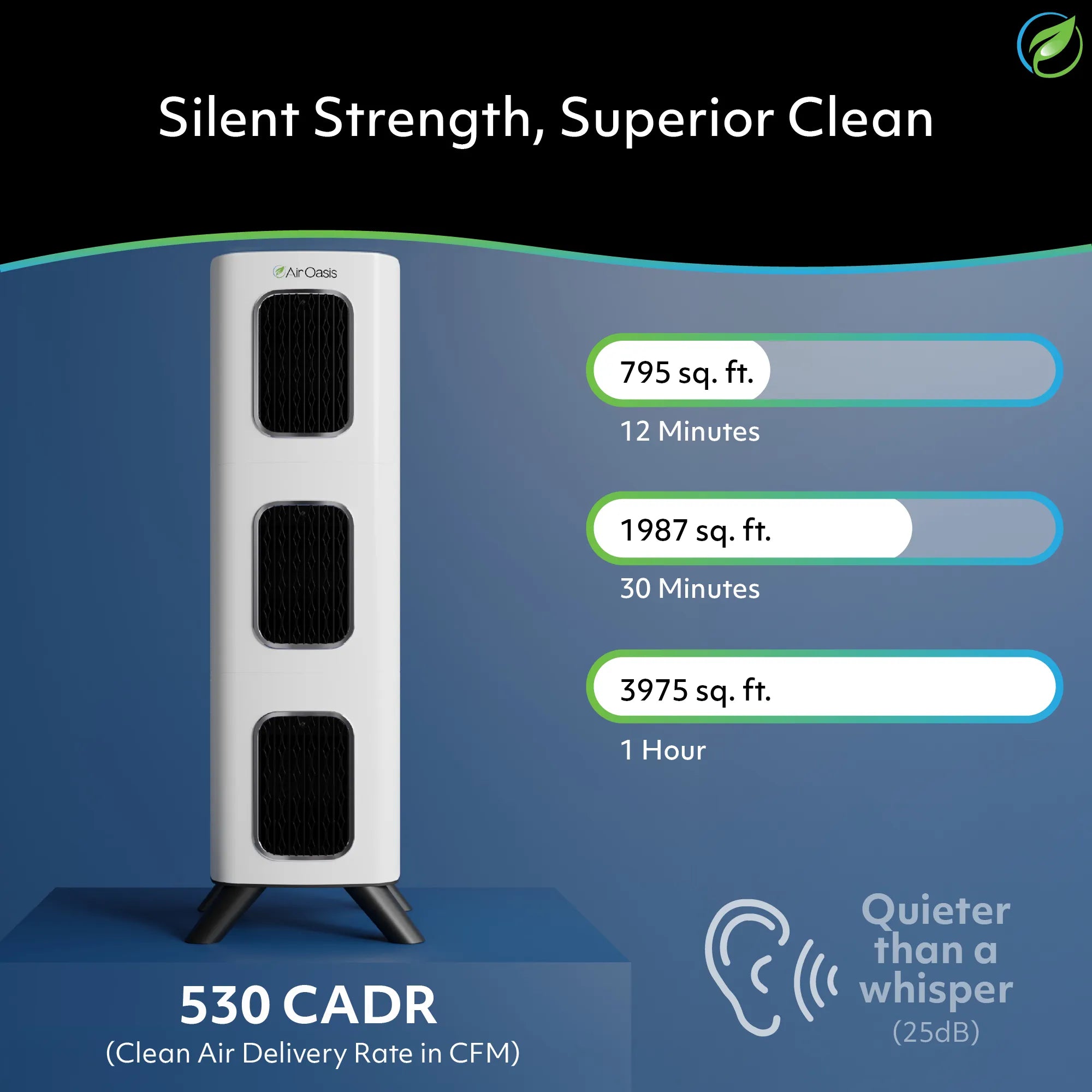
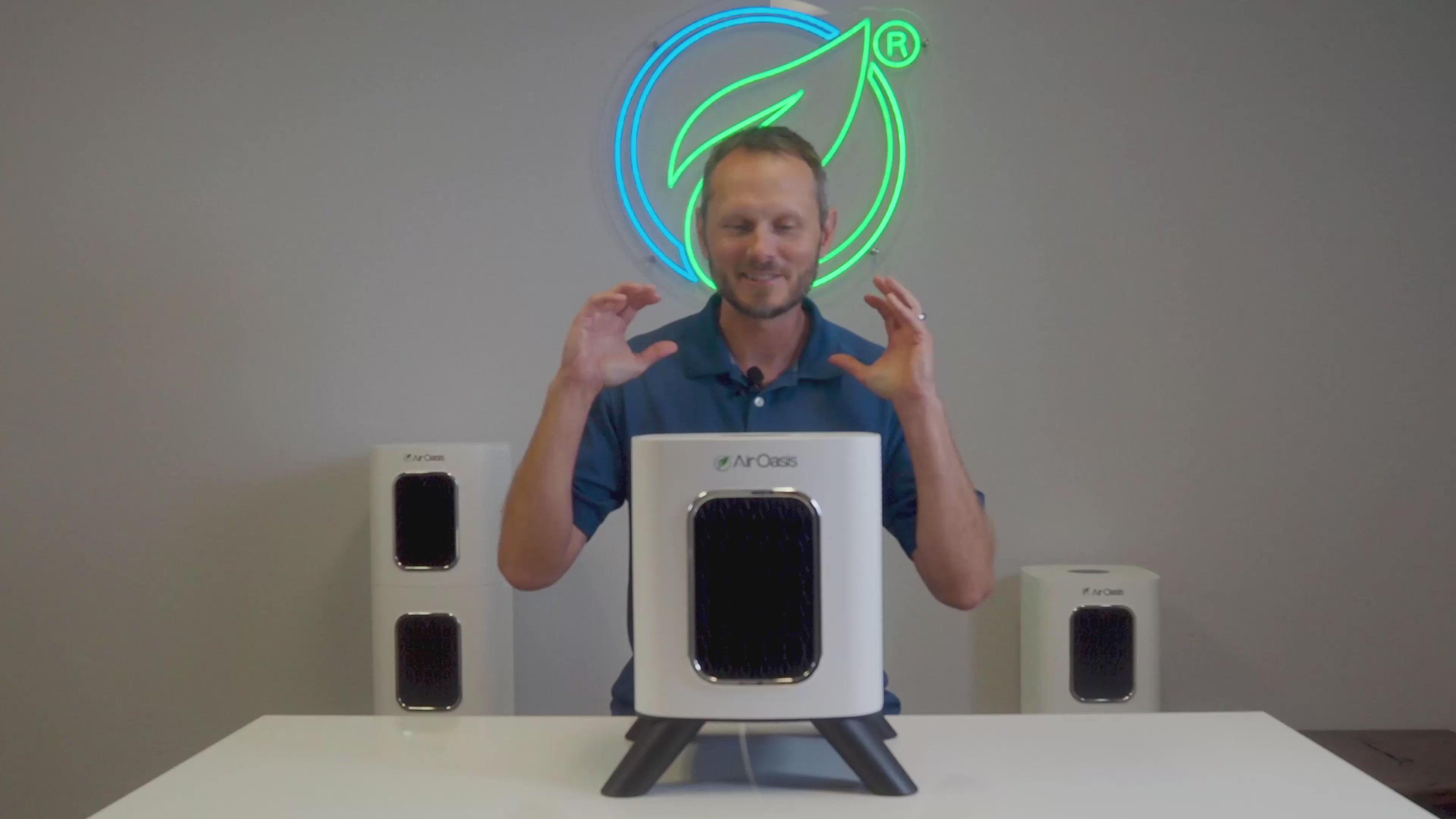
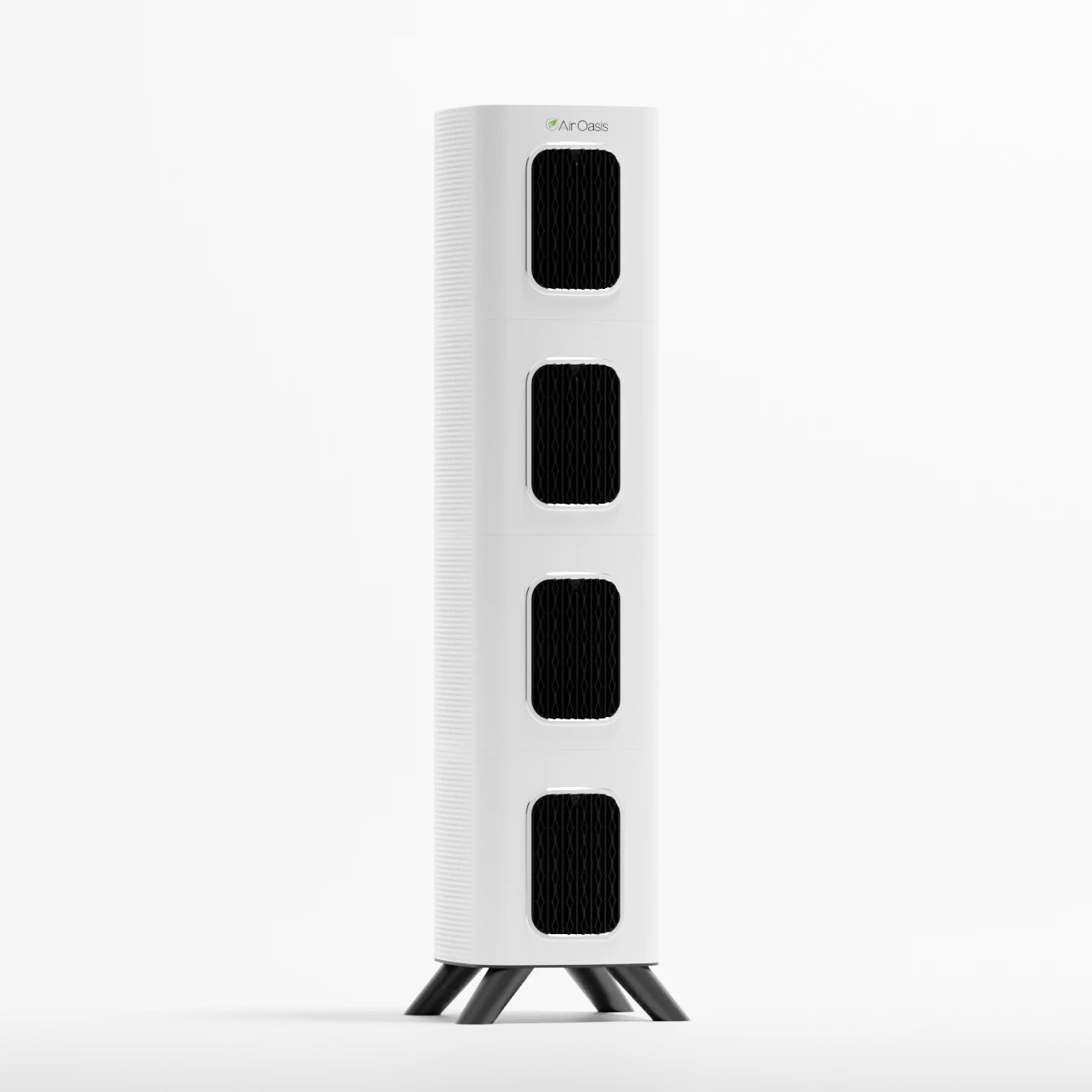
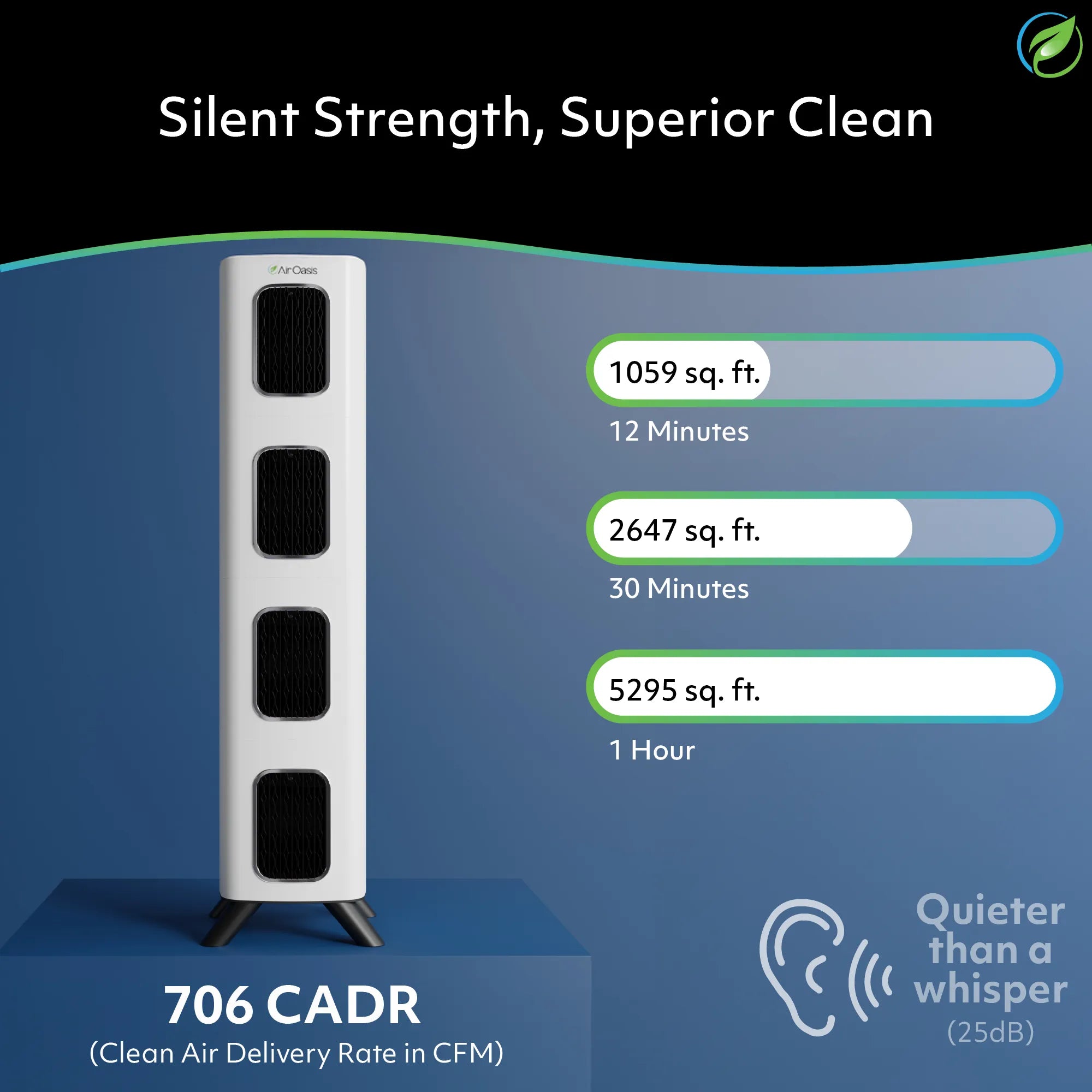
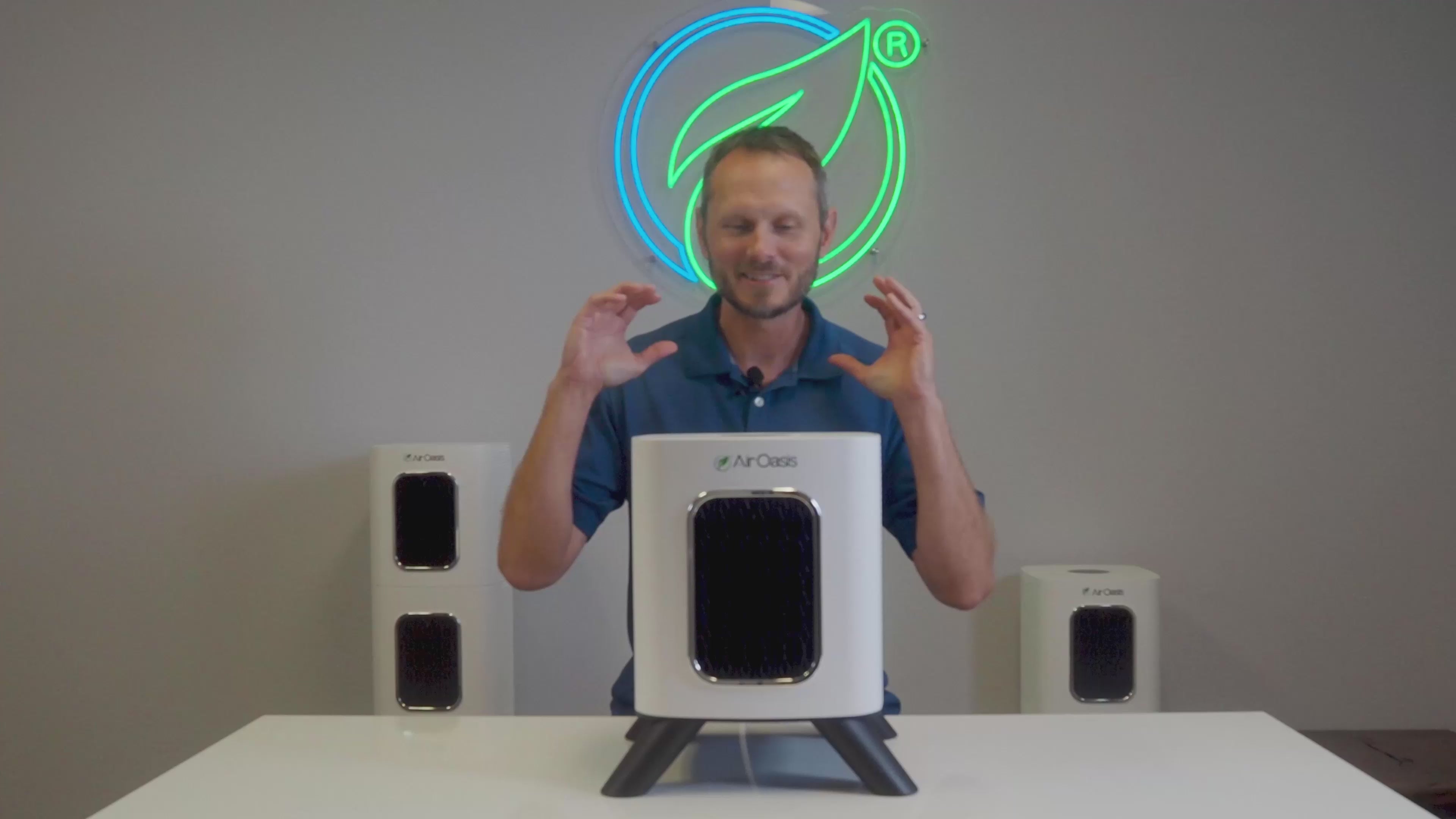
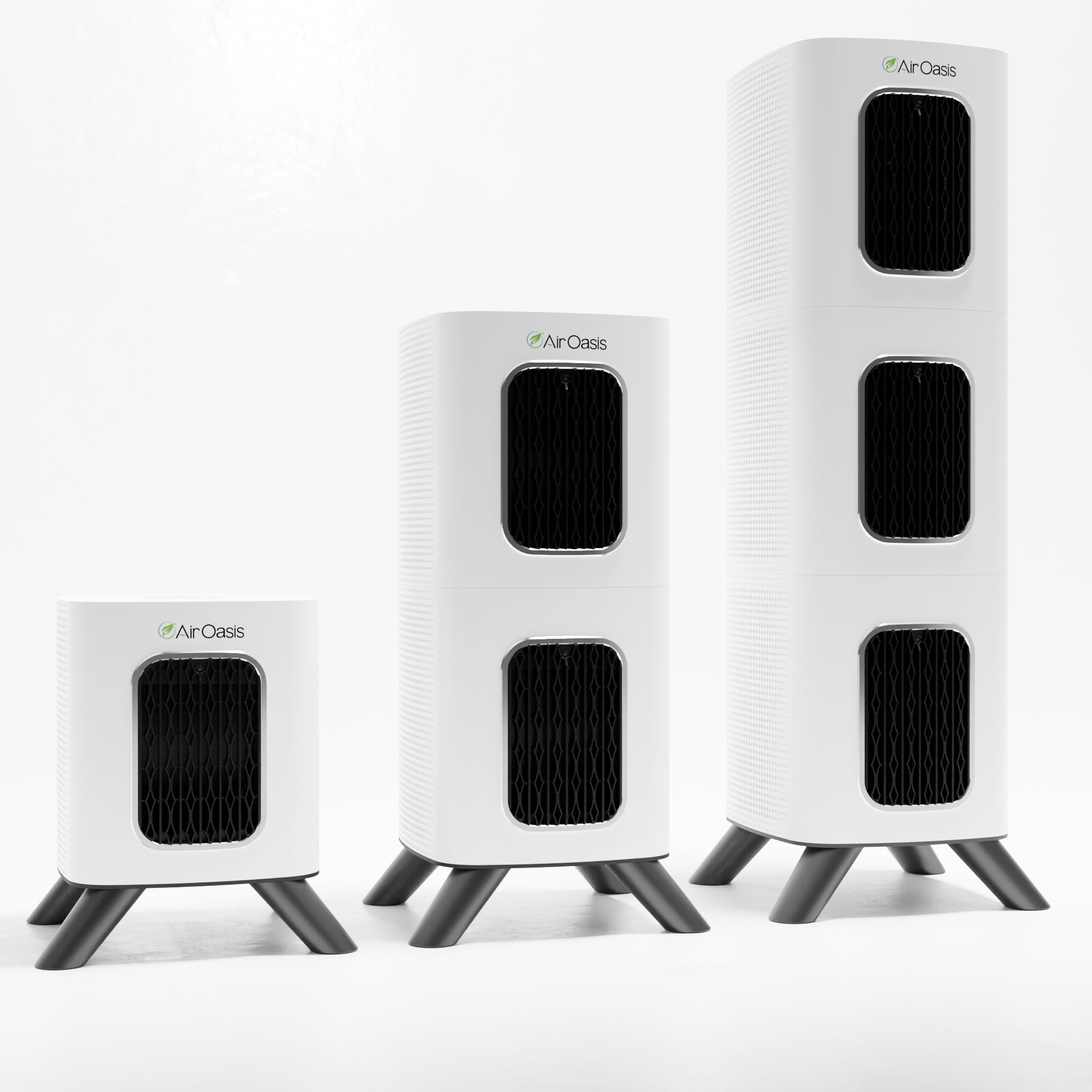
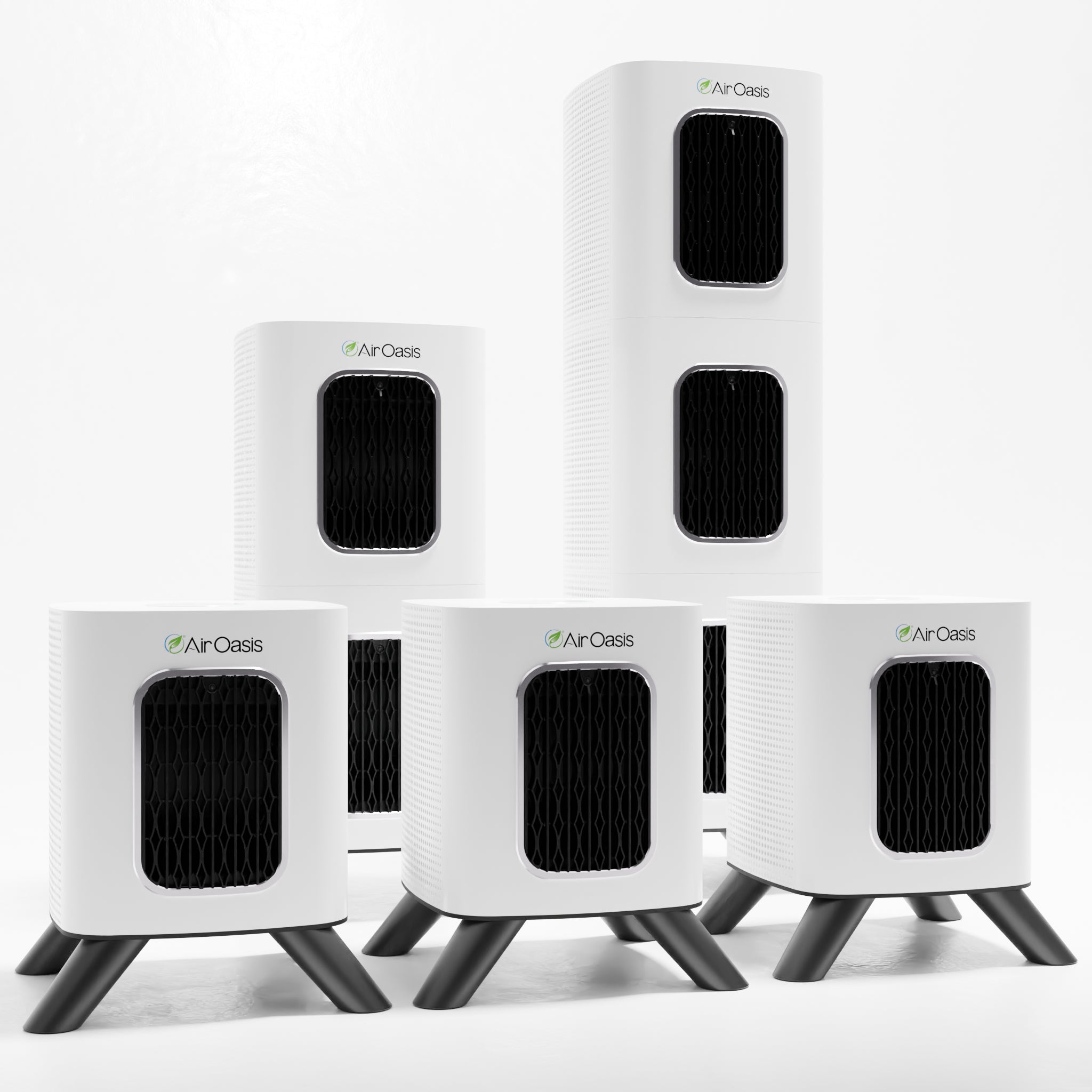
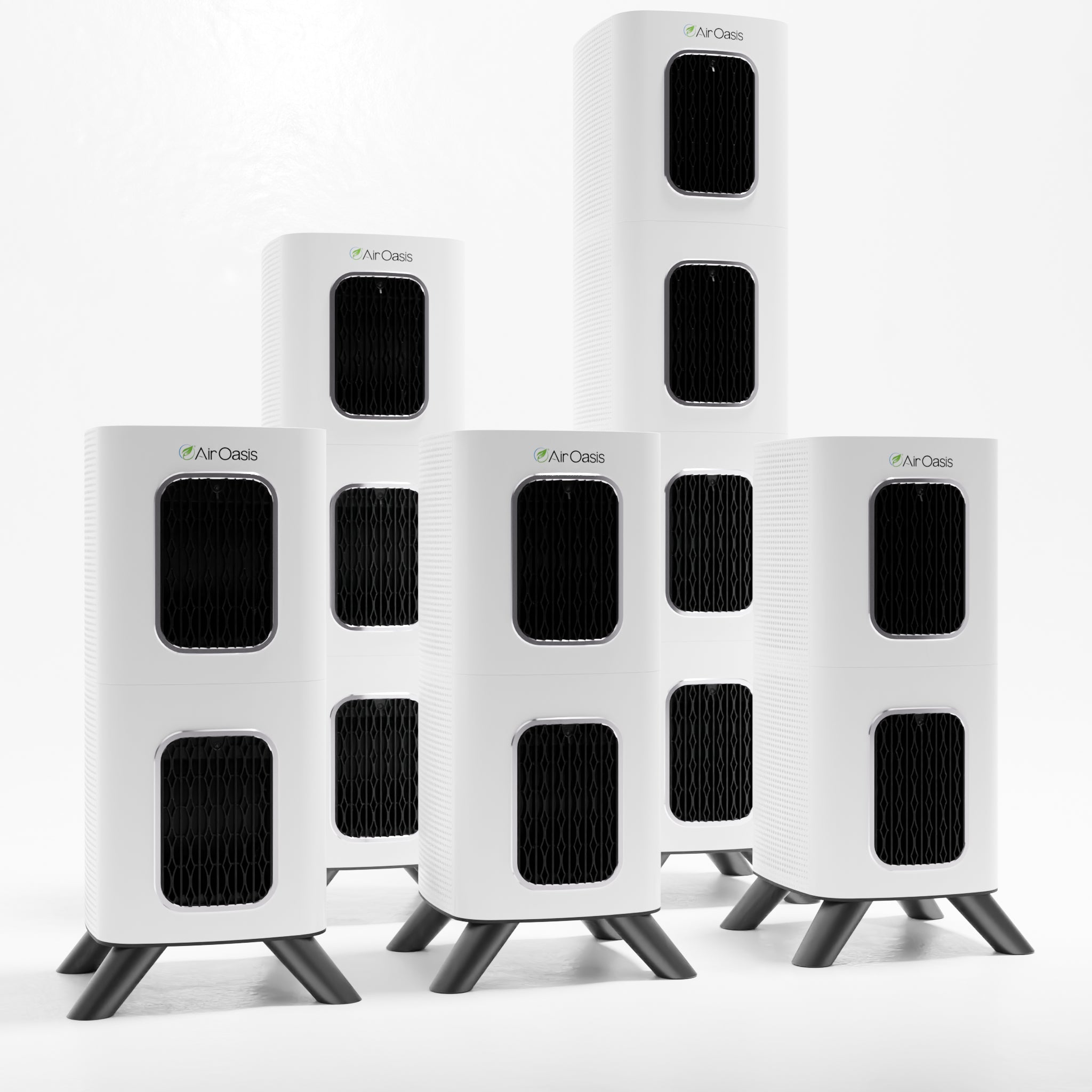
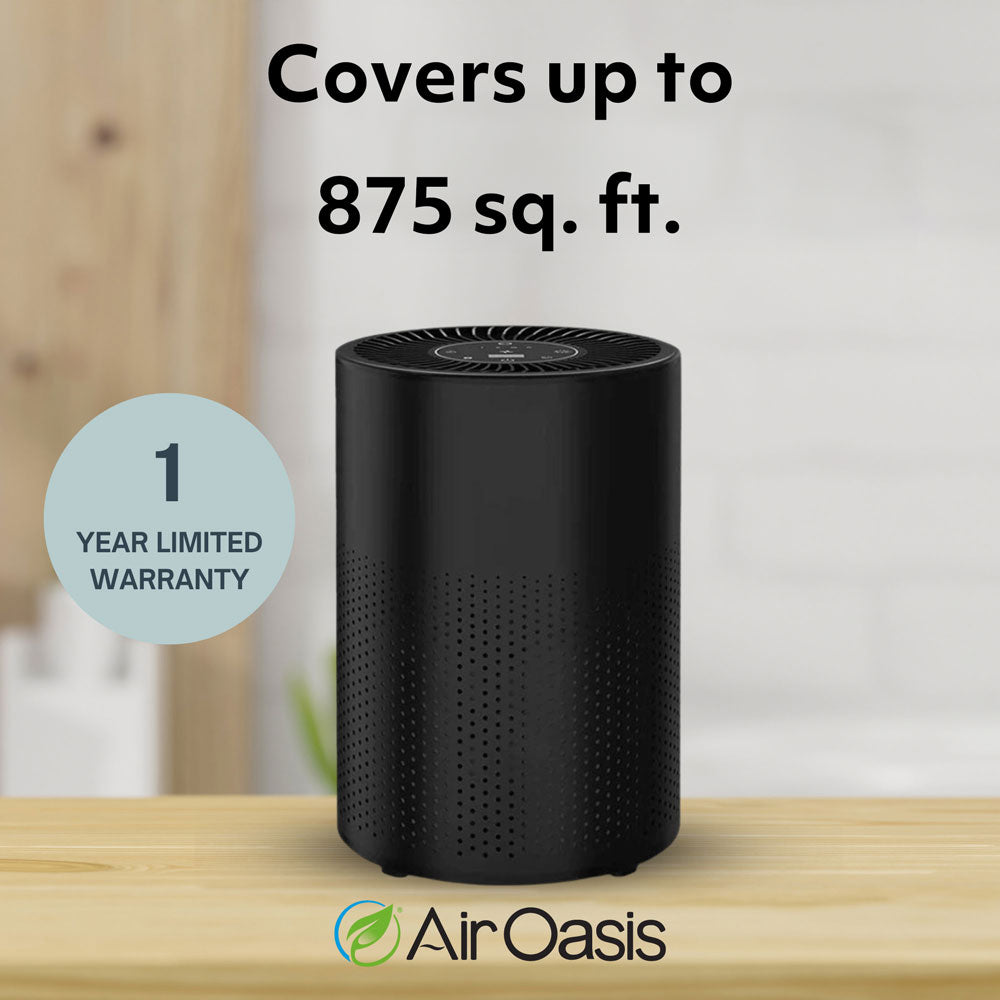
If there's one placement principle worth holding onto, it's this: match the purifier to the room, not the floor. The iAdaptAir® line offers four models — the 2S, 2M, 2L, and 2P — covering 265, 530, 795, and 1,059 square feet, respectively. Running a small model in an oversized great room won't give you meaningful results regardless of which floor that room is on. The purifier simply can't move enough air through its filters to keep up.
The iAdaptAir® manual is straightforward on this point: you need the right size for the room, occupancy, and contaminant load. A larger open-concept main floor space calls for the 2L or 2P. A standard bedroom or home office is well served by the 2S or 2M. Getting that match right matters far more than whether the unit is sitting above or below your staircase.
Clearance matters too. The iAdaptAir® needs at least four inches of space from walls and other objects so air can flow freely through its inlets and outlets. A purifier wedged into a corner or blocked by furniture works harder and delivers less. Keep doors and windows closed when it's running — that keeps the clean air in the room where it's doing good.
One purifier is rarely enough for a whole home
If you're trying to decide between upstairs and downstairs because you only have one unit, the most honest advice is to get a second one. A two-story home has two distinct living environments, each with its own allergen load, humidity level, and air quality needs. One purifier placed strategically on either floor can only address the room it's running in.
The good news is that running two iAdaptAir® units — one in the main living area and one in the master bedroom — is a practical, affordable approach to whole-home air quality improvement. You cover where you spend your days and where you sleep your nights. That's the combination that most consistently leads people to notice real differences in how they feel.
Air purifiers work everywhere
Stop worrying about upstairs versus downstairs. Put your air purifier in the room where you need clean air most, make sure it's the right size for that space, give it proper clearance, and run it consistently. That formula works every time — on any floor, in any home.
Ready to breathe better wherever you are in your home? Shop Air Oasis today and find the iAdaptAir® model that's right for every room that matters to you.