You light a candle, and within minutes your nose is congested, your head is starting to pound, and you're sneezing repeatedly. It feels exactly like an allergy attack. But is it actually an allergy? The answer in most cases is no — and that distinction matters more than you might think, both for how you treat the symptoms and for what it tells you about the air quality in your home.
Chemical Irritation vs. True Allergic Reaction
A true allergic reaction involves the immune system. When a person with an allergy encounters a trigger like pollen or pet dander, the immune system identifies that substance as a threat and releases histamine — the chemical responsible for sneezing, itchy eyes, runny nose, and congestion. Some fragrance chemicals can, over time and with repeated exposure, trigger genuine immune sensitization in some people — meaning a true allergic response does develop. But for most people who react to scented candles, what's actually happening is direct chemical irritation of the nasal passages and airways, not an immune system overreaction.
This is a clinically meaningful difference. When your airways are responding to an irritant rather than an allergen, antihistamines — designed to block histamine — are unlikely to provide meaningful relief. Your body isn't producing histamine in the first place. Taking allergy medication for a candle reaction is treating the wrong mechanism, which is why many people find no relief despite consistent antihistamine use.
WebMD notes that for some people, fragrance symptoms are caused by an allergic reaction where the immune system overreacts, but for others, problems start because scent irritates the airways directly. Both paths lead to similar symptoms. Identifying which applies to you guides which interventions will actually help.
What Scented Candles Actually Release
Most commercial candles, particularly those made from paraffin wax — a petroleum byproduct — emit volatile organic compounds (VOCs) as they burn. These include compounds such as formaldehyde, benzene, and toluene. Phthalates, used to make fragrances more persistent, are commonly present in synthetic scented candles and have been associated with nasal irritation in some studies. The fragrance compounds themselves are complex chemical mixtures, and because manufacturers are not required to disclose individual fragrance ingredients, the specific chemicals in any given candle are often unknown.
Soy and beeswax candles are generally considered cleaner-burning alternatives to paraffin, releasing fewer combustion byproducts. That said, even natural wax candles scented with synthetic fragrance oils carry many of the same VOC concerns as conventional candles. The wax type matters less than the scent formulation.
Candle emissions don't disappear when the flame is extinguished. Chemical residue can linger in indoor air for a measurable period after burning, which is why symptoms can persist beyond the time the candle is actually lit. In small or poorly ventilated rooms, candle emissions can accumulate to levels comparable to those in polluted urban air in confined spaces — a significant consideration for daily home use.
Who Is Most Likely to React
The majority of people can tolerate occasional candle use without noticeable symptoms. People with asthma, chronic sinusitis, or multiple chemical sensitivities are at substantially higher risk of reactions. For those with asthma in particular, scented products are a documented trigger category — the American College of Allergy, Asthma and Immunology advises people with asthma to consider avoiding scented candles and air fresheners. Children, whose airways are still developing, and older adults may also be more sensitive to chemical irritants than healthy adults in their prime.
For people without any pre-existing respiratory conditions, reactions to candles are possible but less common. Research suggests that up to 30 percent of people experience respiratory irritation from scented products. Symptoms that appear consistently in the presence of candles — congestion, headache, eye irritation, sneezing — and resolve when the candle is removed, and the room ventilated, are worth paying attention to, regardless of whether a formal diagnosis applies.
The Indoor Air Quality Dimension
What scented candle sensitivity is often pointing to is a broader indoor air quality issue: the concentration of VOCs and combustion byproducts in the home's air. A single candle burning in a well-ventilated room is a different scenario than multiple candles burning in a closed bedroom or living room. The cumulative chemical load in poorly ventilated spaces is where symptoms are most likely to develop and persist.
Ventilation is the most immediate practical step. Opening windows on opposite sides of a room while candles are burning, limiting burning sessions to 30 minutes or less, and continuing to ventilate for at least 15 minutes after extinguishing a candle all reduce the concentration of airborne chemicals before they accumulate. Choosing unscented candles, LED flameless candles, or beeswax candles with no added fragrance eliminates the chemical source rather than managing it after the fact.
For people who want fragrance in the home, ultrasonic essential oil diffusers produce scent through water vapor rather than combustion, avoiding the VOCs associated with burning wax. Even these should be used with restraint in small spaces for people with known airway sensitivity.
Cleaning the Air Your Candles Contaminate
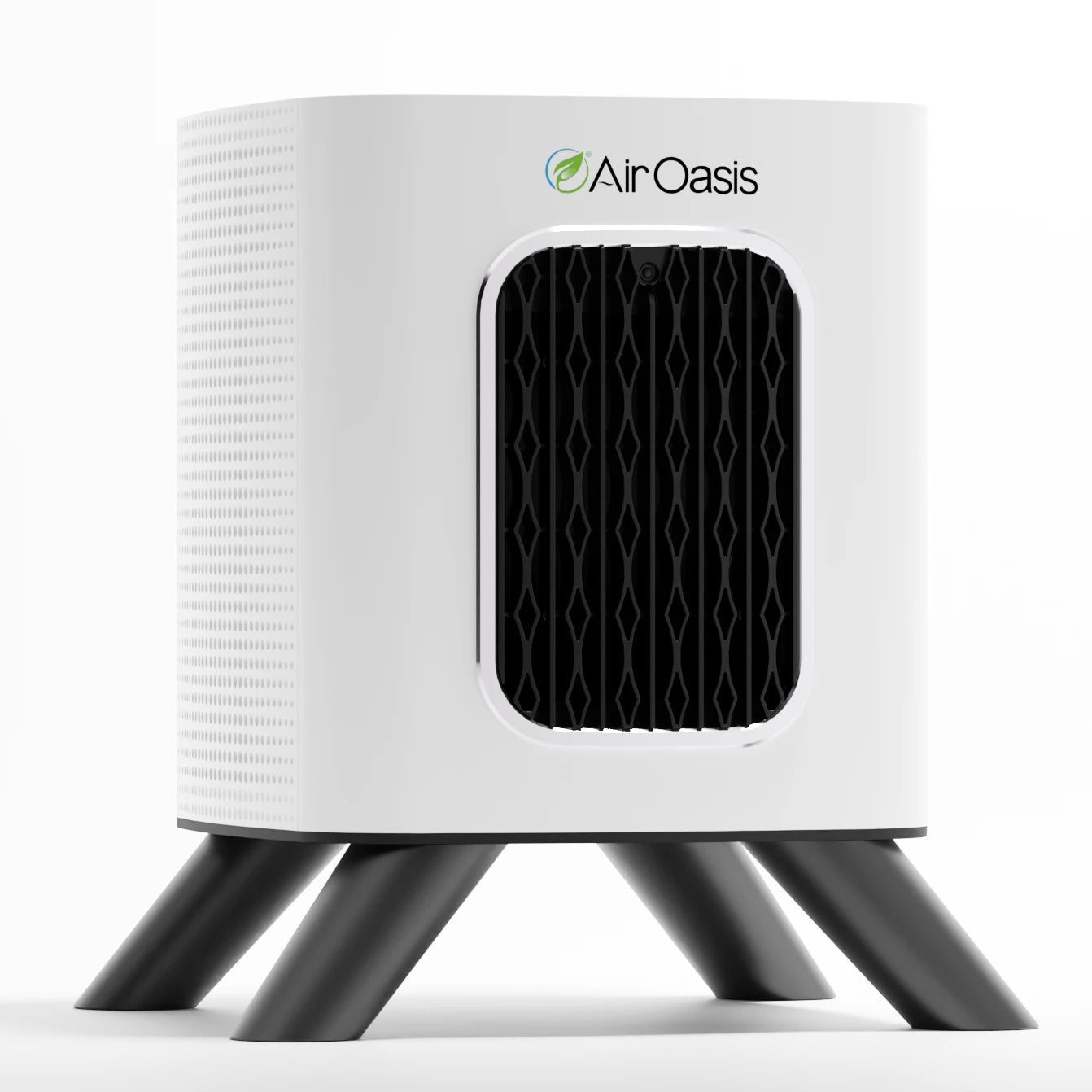
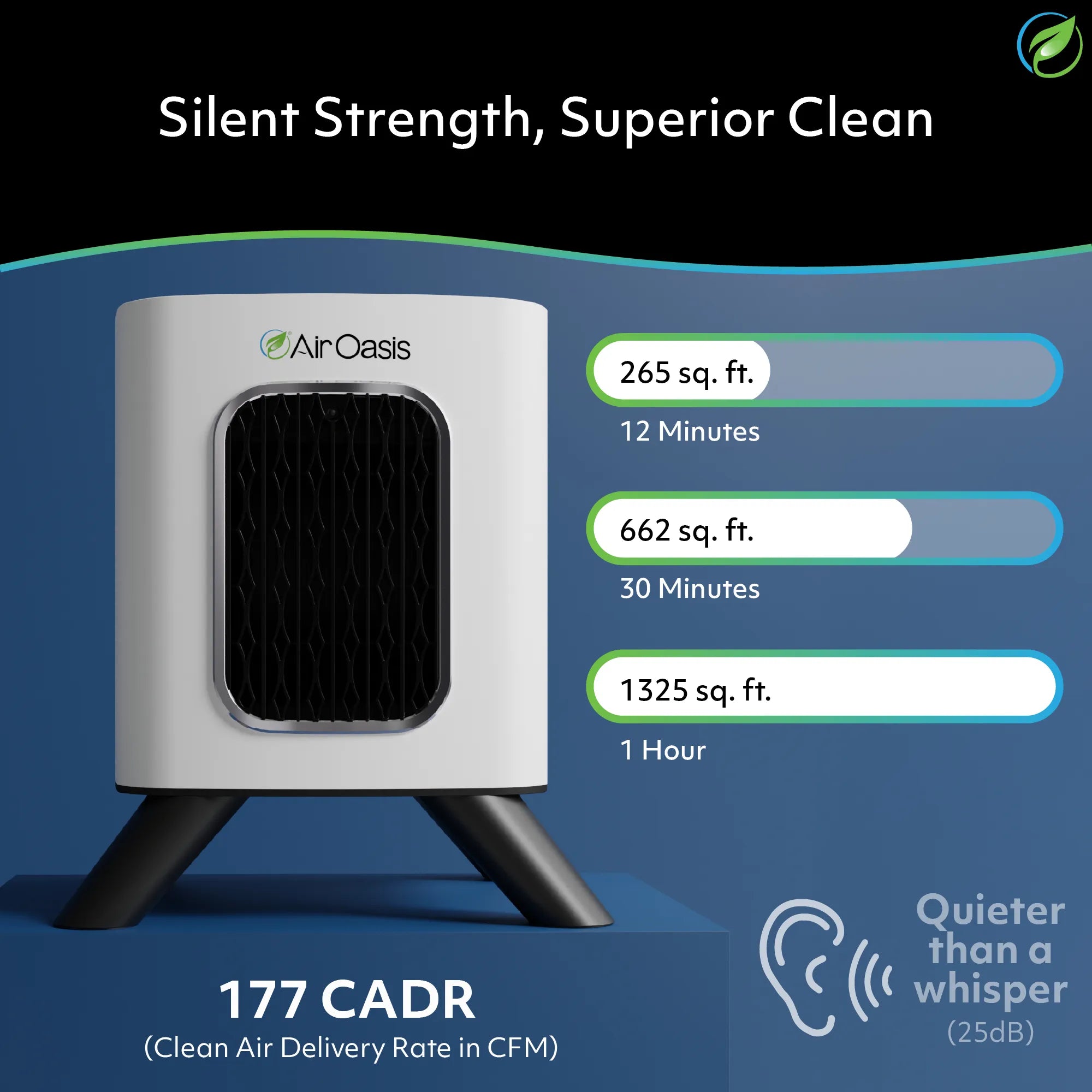
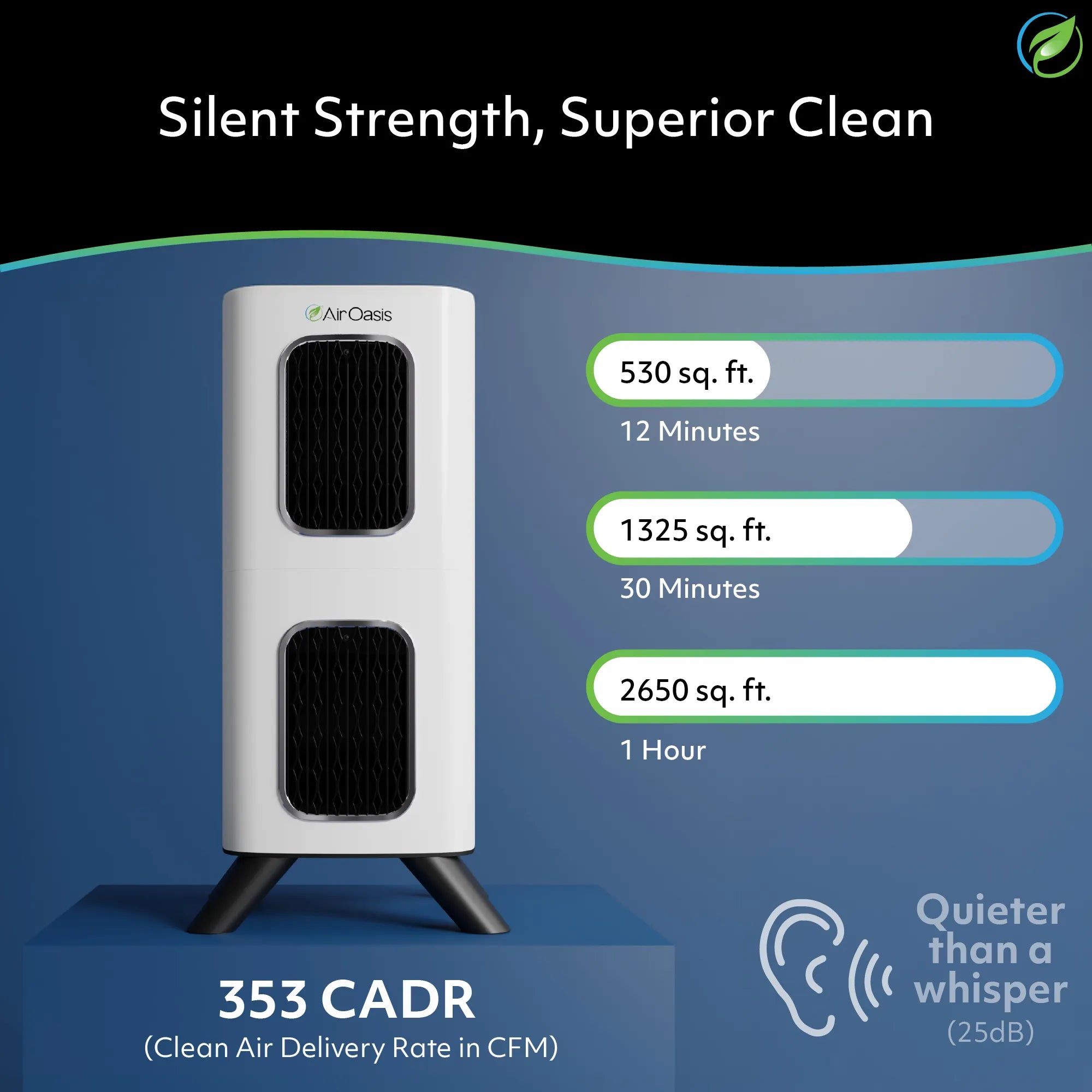
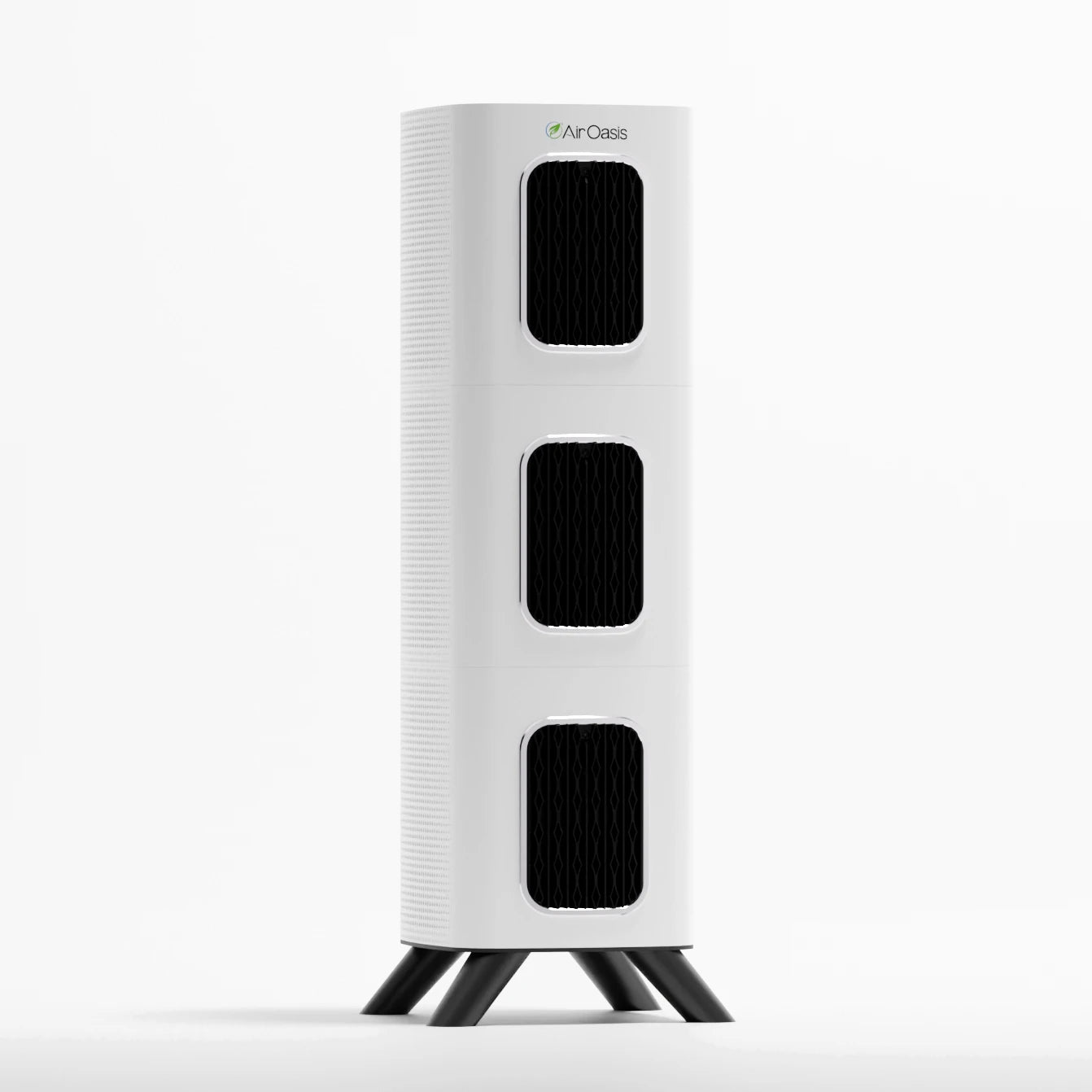
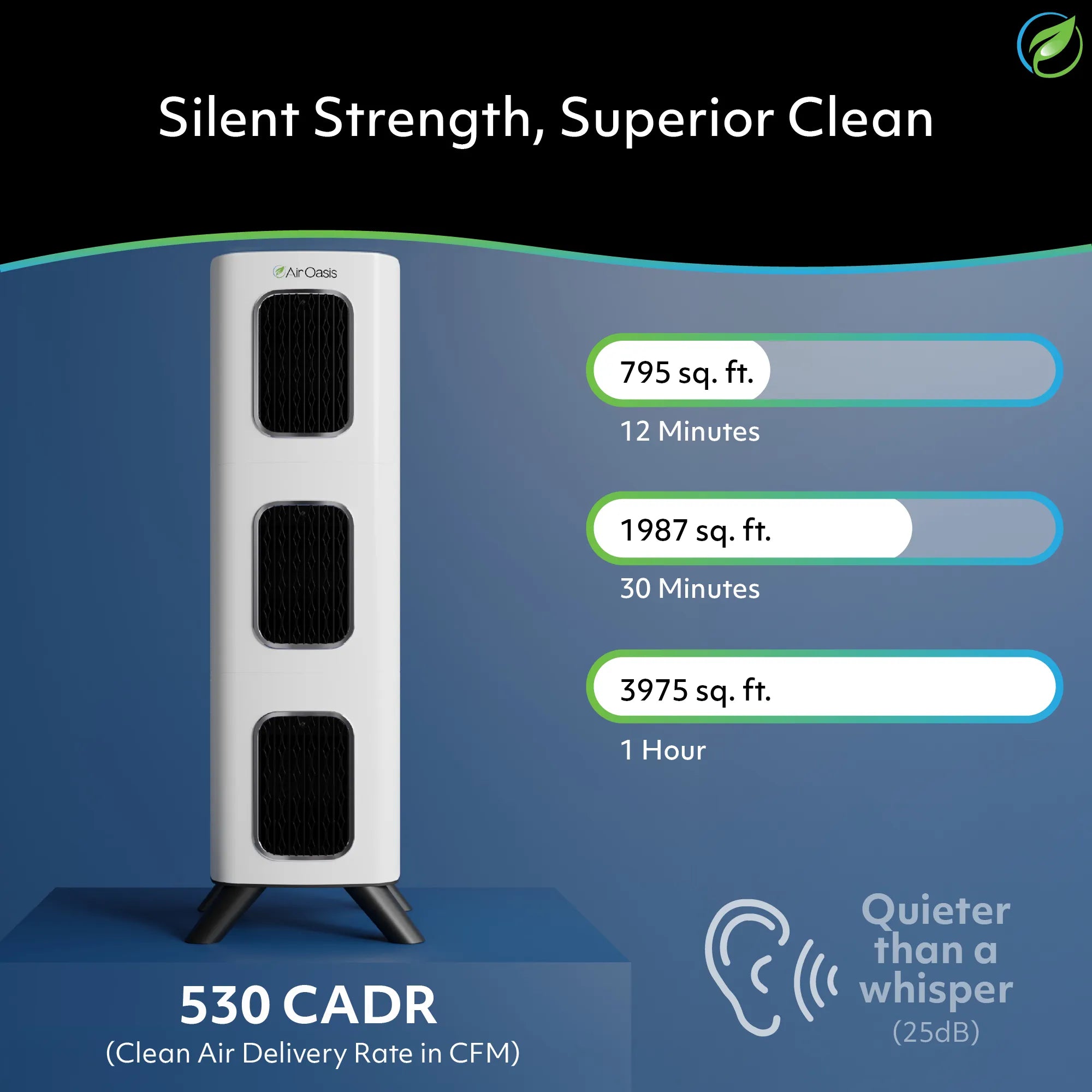
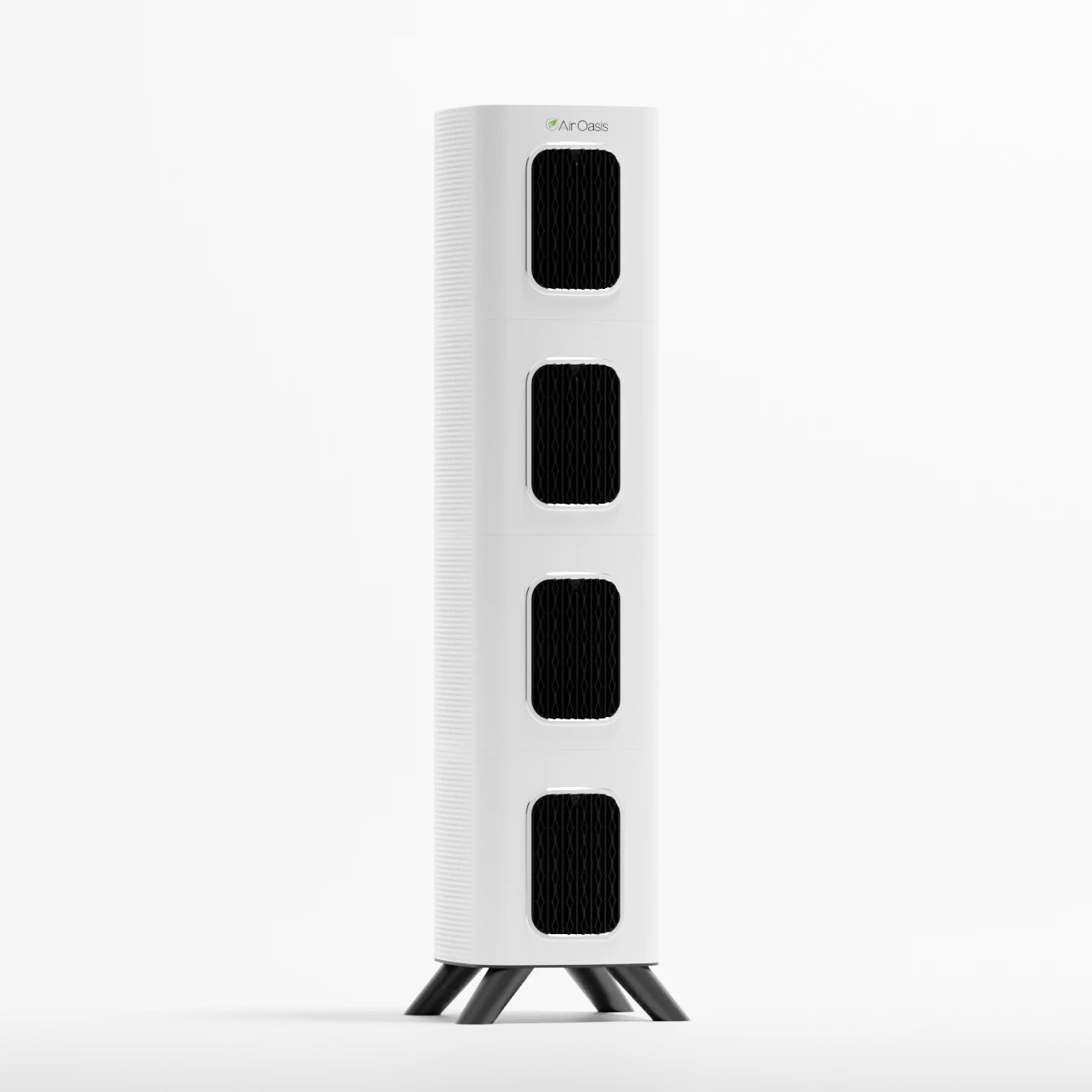
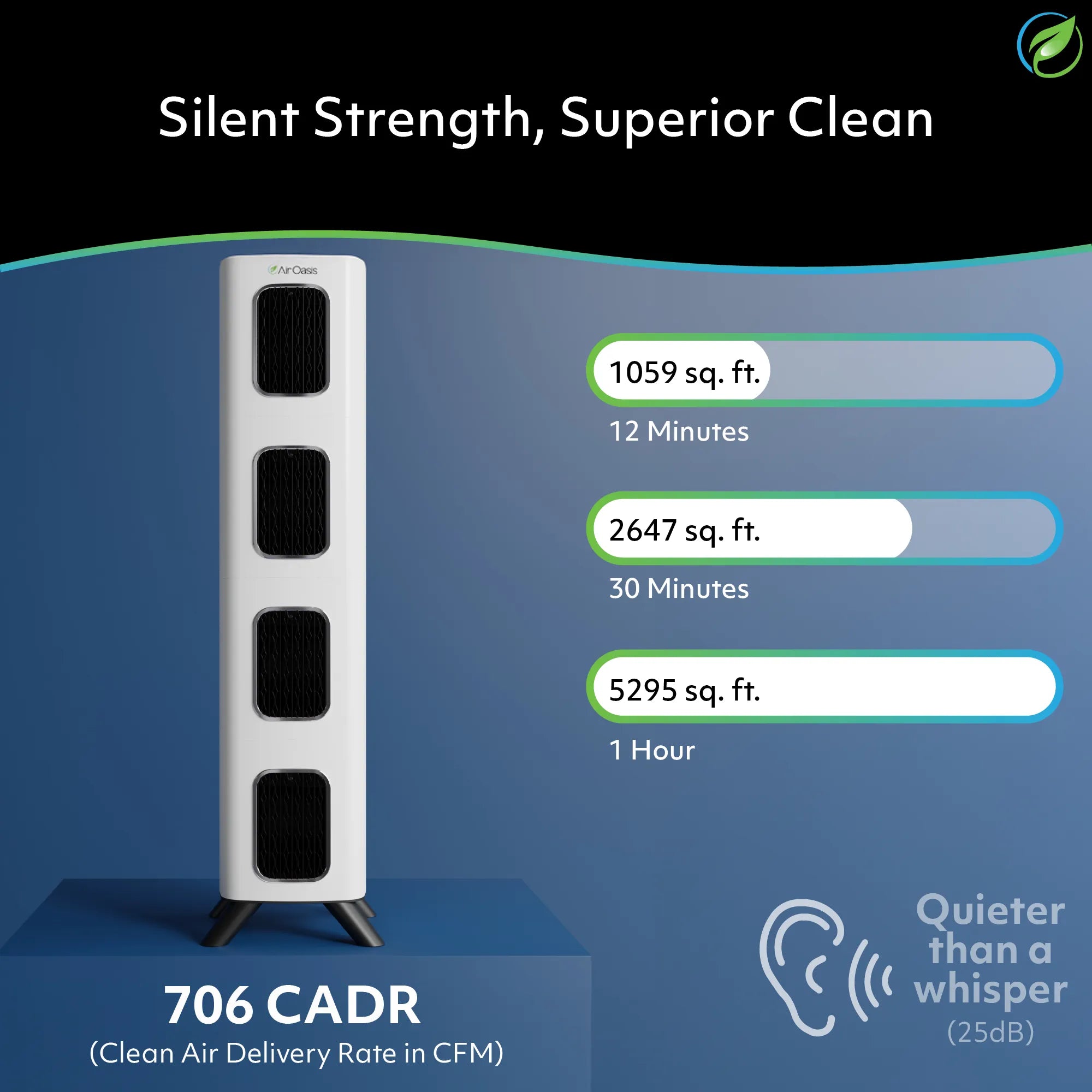
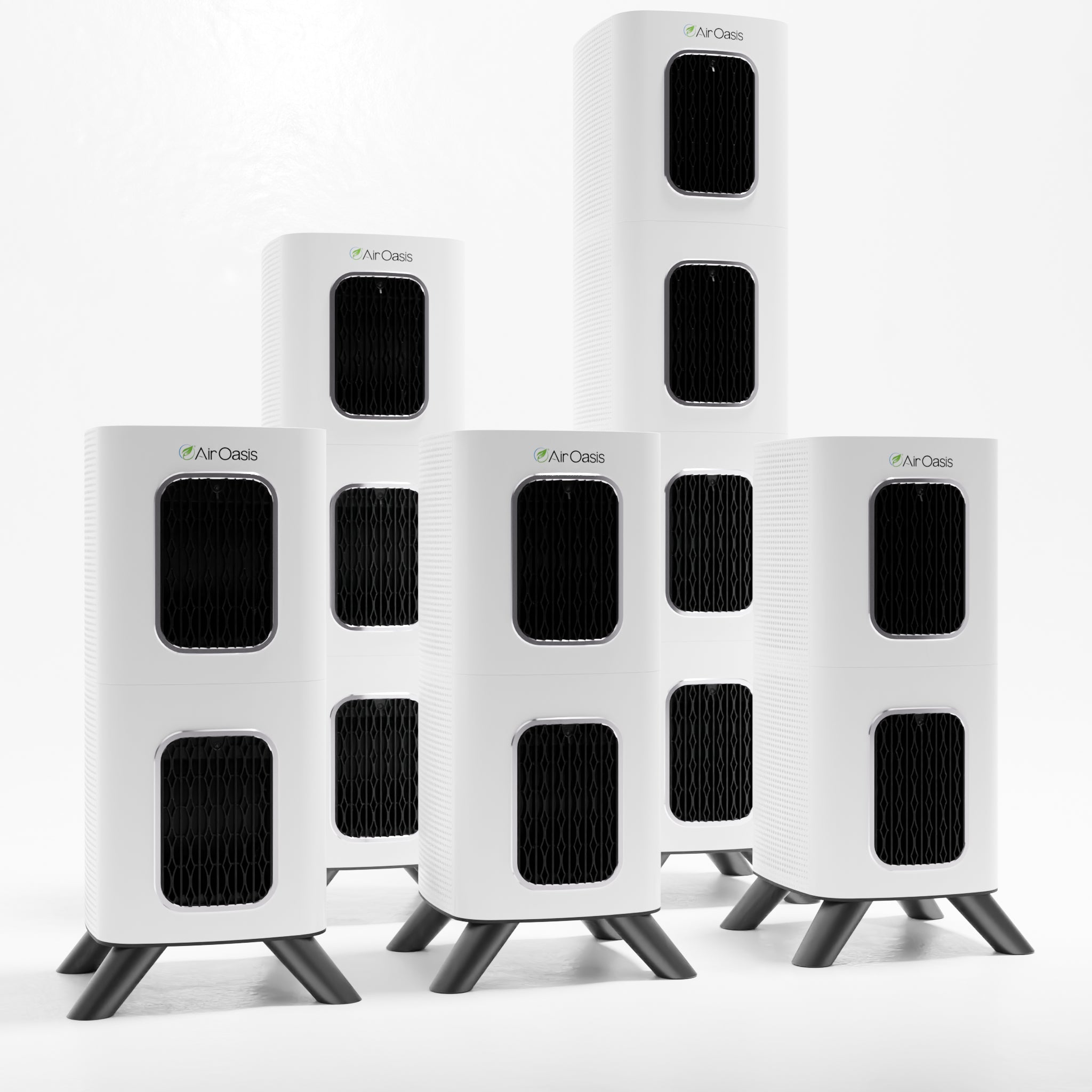
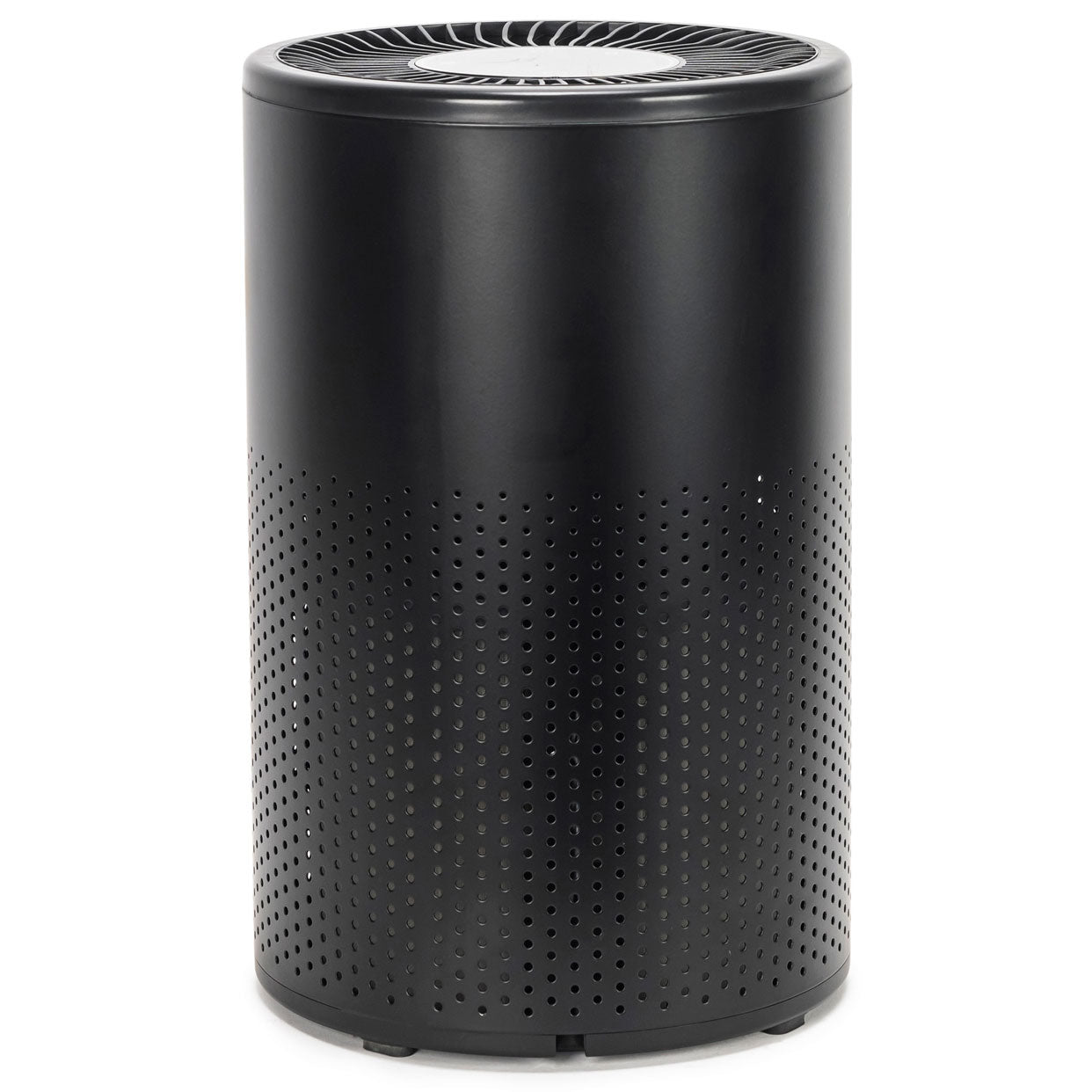
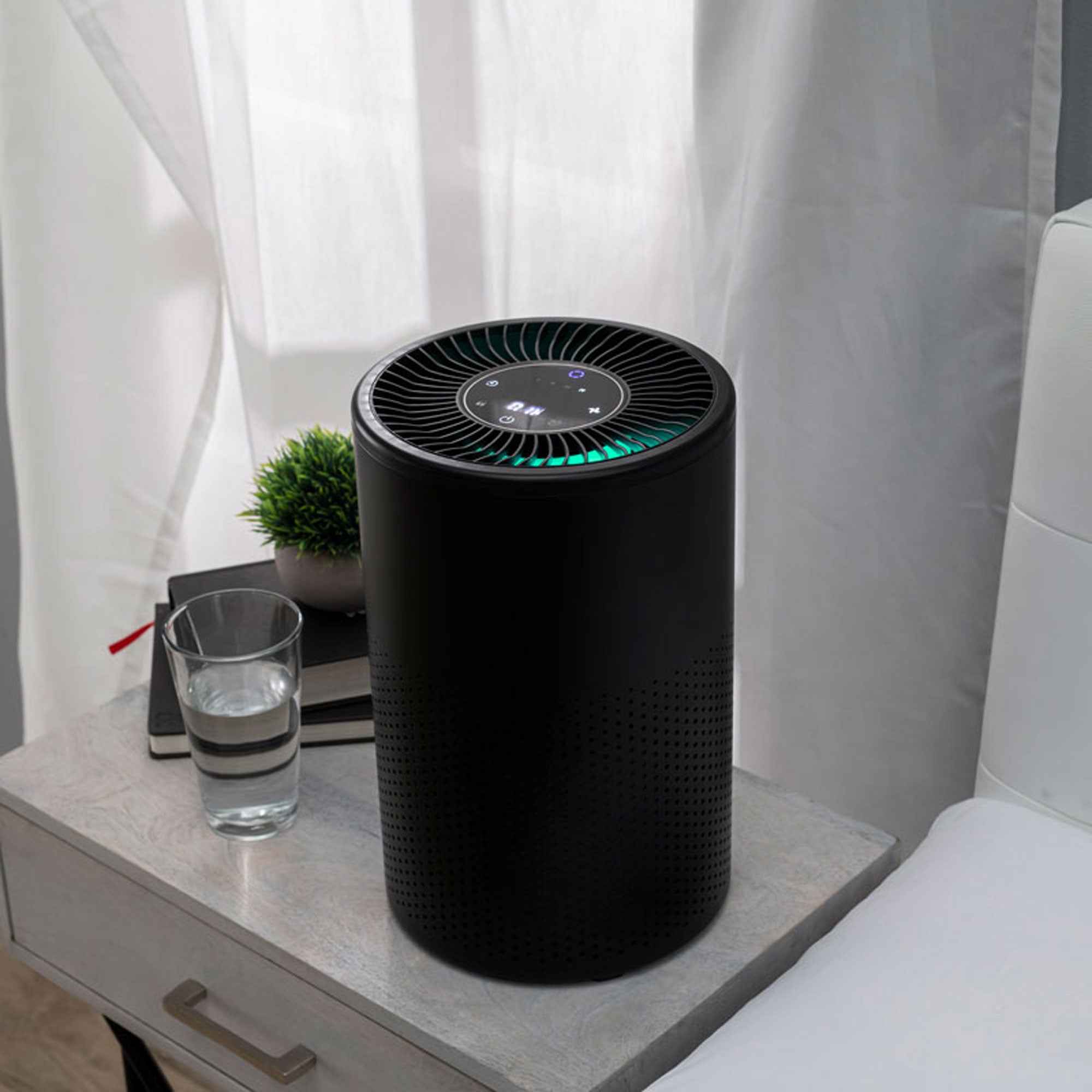
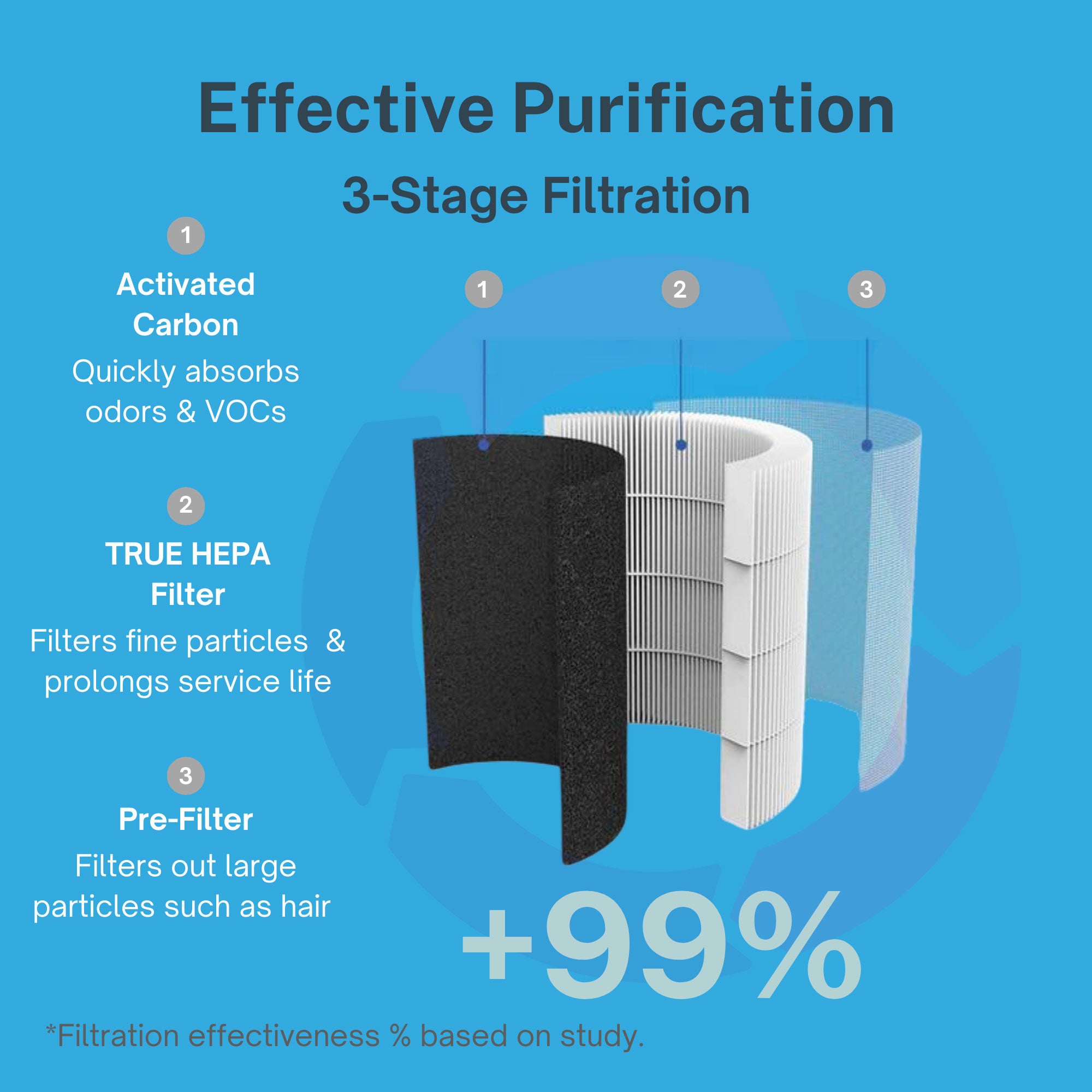
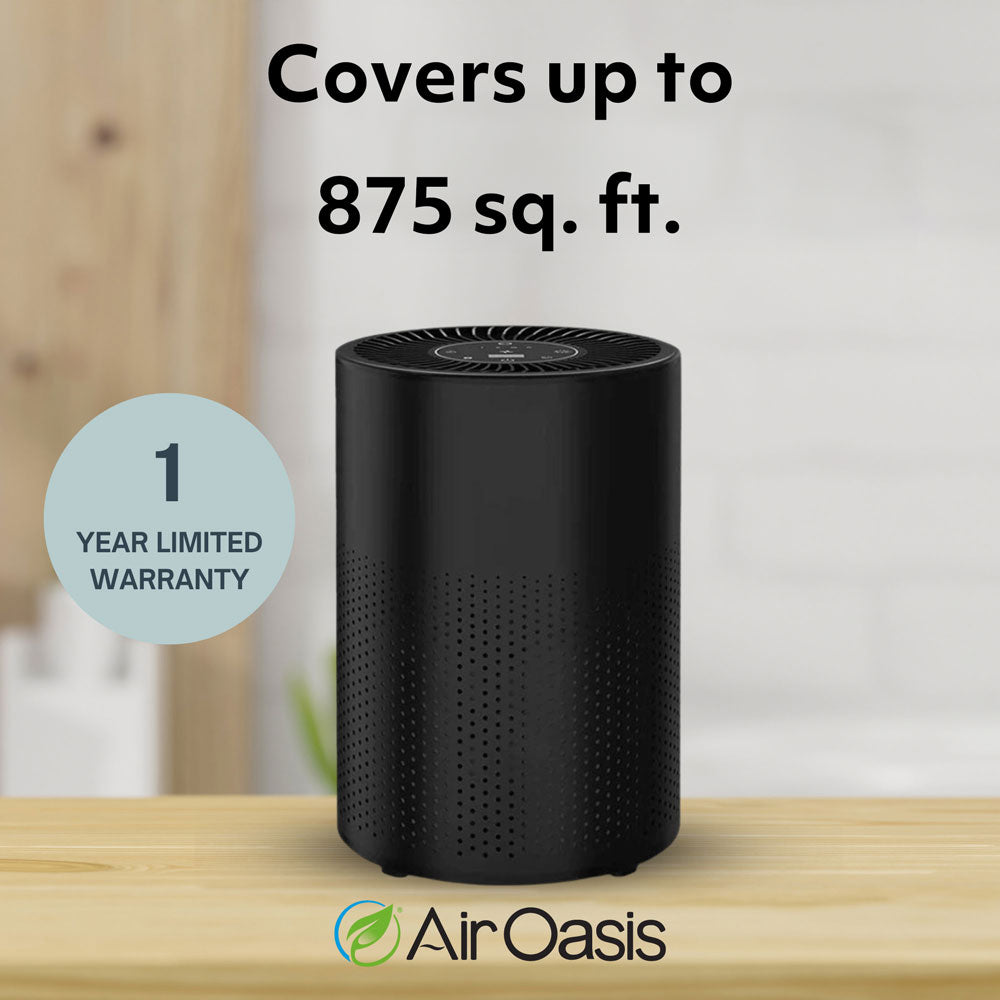
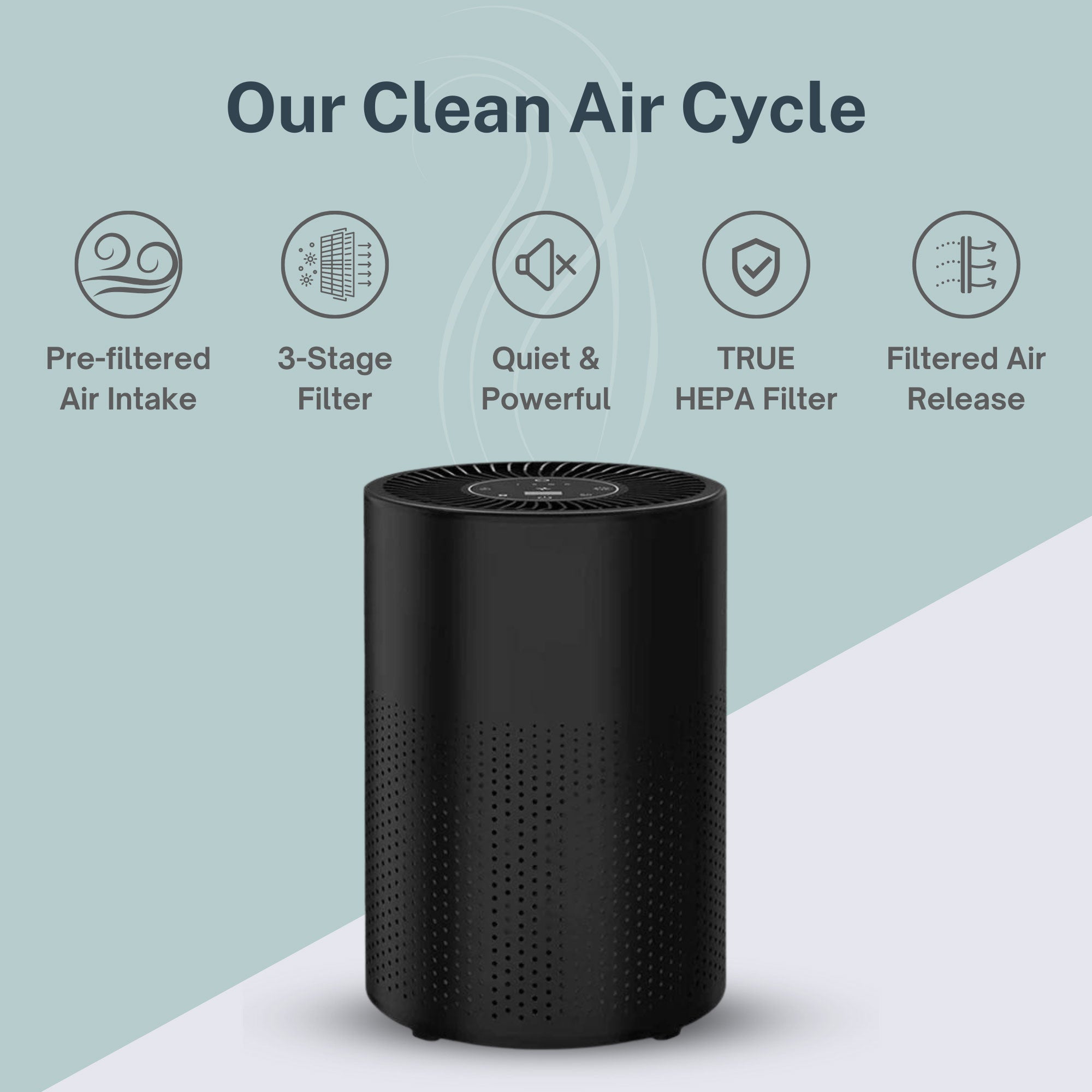
For households that use candles regularly or where someone has respiratory sensitivity, air purification that specifically targets VOCs is the most effective ongoing protection. The iAdaptAir by Air Oasis combines activated carbon filtration — designed to capture chemical gases and VOCs that candle emissions contain — with True HEPA filtration for fine particles, UV-C light, and bipolar ionization. Running an iAdaptAir in the rooms where candles are used reduces the chemical concentration in the air during and after burning, lowering the burden on airways that would otherwise be exposed to unfiltered combustion byproducts throughout the evening.
For anyone who has identified a consistent pattern of symptoms around scented candles, a conversation with a healthcare provider is worthwhile. A specialist can help distinguish between direct chemical irritation and genuine allergic sensitization, which determines whether fragrance avoidance alone is sufficient or whether additional treatment is appropriate.
If Candles Make You Sneeze, It's the Chemistry, Not Just the Scent
Scented candle sensitivity is not usually a classic allergy — but it is a real, chemically driven response that deserves to be taken seriously. The VOCs and combustion byproducts in candle emissions are genuine irritants for sensitive airways, and the indoor air quality implications of regular candle use in enclosed spaces are worth understanding. Clean air at home means knowing what's actually in it. Shop Air Oasis today and love the air you breathe.