You've probably never thought twice about mold growing in your garage. After all, it's just a place to park the car and store tools, right? Wrong. Your garage might be the most vulnerable space in your home to mold growth, and ignoring it could put your family's health at risk.
Why Garages Are Prime Real Estate for Mold Growth
Garages create the perfect storm for mold development. They combine poor ventilation, frequent temperature changes, and organic materials in a space that gets opened and closed multiple times every day. According to the Centers for Disease Control and Prevention, mold needs only three things to thrive: moisture, warmth, and something to feed on. Your garage offers all three in abundance.
Most garages lack adequate natural light. Windows are often small or nonexistent, and artificial lighting gets switched off when you leave. Mold loves darkness. The constant opening and closing of garage doors introduces fresh mold spores each time. Studies show that the average garage door opens three to five times daily, giving mold spores countless opportunities to settle inside.
Temperature fluctuations create another problem. Cold concrete floors meet warm, humid air, especially during spring and summer. This combination produces condensation, leaving surfaces damp enough for mold to establish colonies within 24 to 48 hours. Unfinished garages face even greater challenges since exposed studs, unpainted drywall, and visible insulation all provide food sources for hungry mold spores.
Your storage habits contribute too. Cardboard boxes filled with holiday decorations, old furniture covered in fabric, wooden shelving units, and paper documents all attract mold when exposed to moisture. These organic materials essentially serve as a buffet for mold colonies looking to expand.
Recognizing the Warning Signs Before It's Too Late
Mold doesn't always announce its presence with obvious visual cues. Sometimes you smell it before you see it. A persistent musty or damp odor when you enter your garage signals mold growth somewhere in the space. This smell intensifies in warm weather and after rain.
Visual indicators include fuzzy or slimy patches on walls, ceilings, or floors. Household mold appears black, white, green, grey, or orange with a stain-like appearance. Check corners where walls meet ceilings, areas around windows and doors, and spots where items sit directly on concrete floors. Mold can also grow behind walls and ceilings where you can't easily spot it.
Your body might alert you to mold presence through physical reactions. Increased coughing, sneezing, itchy red eyes, skin irritation, or worsening asthma symptoms when spending time in the garage all point to mold exposure. Children face particular vulnerability since their immune systems haven't fully developed. Research shows that infants and children living in environments with high mold levels face increased risk of developing asthma.
Don't confuse mold with mildew, though both are fungal growths. Mildew typically appears grey, yellow, or white with a powdery texture and grows only on surfaces. Mold penetrates the materials it grows on, making it much harder to remove and potentially more damaging to your property.
Common Causes That Create Mold Problems in Garages
Water damage from burst pipes or flooding creates immediate mold risks if not addressed properly. Even after cleanup, moisture can remain trapped in walls, insulation, or subflooring. A leaky roof allows water to seep in during storms, often going unnoticed until mold appears on ceilings or runs down walls.
Garage doors left open during rain or snow storms invite moisture inside, particularly when wind drives precipitation horizontally. Poorly sealed garage doors let water creep underneath during heavy weather. Missing or inadequate weather stripping around door frames creates gaps where moisture enters.
Floor drainage issues cause water to pool instead of flowing away. Blocked drainage systems can't handle melted snow and ice tracked in by vehicles. Some garages lack proper floor slope, preventing water from moving toward drains. Vehicles bring in significant amounts of rain, ice, and snow that then melt on garage floors, creating standing water if not cleaned up promptly.
Running an old refrigerator in the garage increases condensation levels. Washing cars inside the garage without thoroughly drying the floor afterwards leaves moisture that mold feeds on. Poor ventilation systems fail to remove humid air, allowing moisture to accumulate over time. Your home's HVAC system might even draw mold spores from an attached garage into living spaces.
Practical Prevention Strategies That Actually Work
Start with building materials if you're constructing or remodeling. Wood studs attract mold, so metal studs offer better protection. Never leave drywall unpainted in garages. Use mold and mildew-resistant paint formulations on all wall and ceiling surfaces. Consider water-resistant floor coatings that seal concrete and prevent moisture absorption.
Control humidity levels with a dehumidifier. Most garages should maintain humidity between 35 and 60 percent. Monitor levels with an inexpensive hygrometer and run the dehumidifier whenever humidity climbs too high. This single step prevents the damp conditions that mold requires.
Deal with excess water immediately after detecting it. Use a squeegee, sponge, or mop to remove standing water from floors. After parking vehicles with snow or ice on them, clean up the melted water promptly. Fix plumbing leaks and roof problems right away before water damage creates mold-friendly conditions.
Improve airflow through your garage. Install wall vents or soffit vents to promote air circulation. Use exhaust fans if your garage doubles as a workshop. Open windows and doors when weather permits to exchange stale indoor air for fresh outdoor air. Better ventilation dries out damp areas before mold can establish itself.
Eliminate unnecessary items taking up floor space. Remove cardboard boxes and replace them with plastic storage containers with tight-fitting lids. Get rid of old furniture that's just collecting dust and providing surfaces for mold growth. Keep the garage organized using cabinet systems, overhead storage, and wall-mounted solutions that keep items off the floor and away from moisture.
How Air Purification Addresses Garage Mold Concerns
Even with perfect preventive practices, mold spores still enter your garage whenever you open the door. These microscopic particles float through the air, waiting to land on damp surfaces where they can grow. Traditional cleaning removes visible mold, but it doesn't address airborne spores that cause recurring problems.
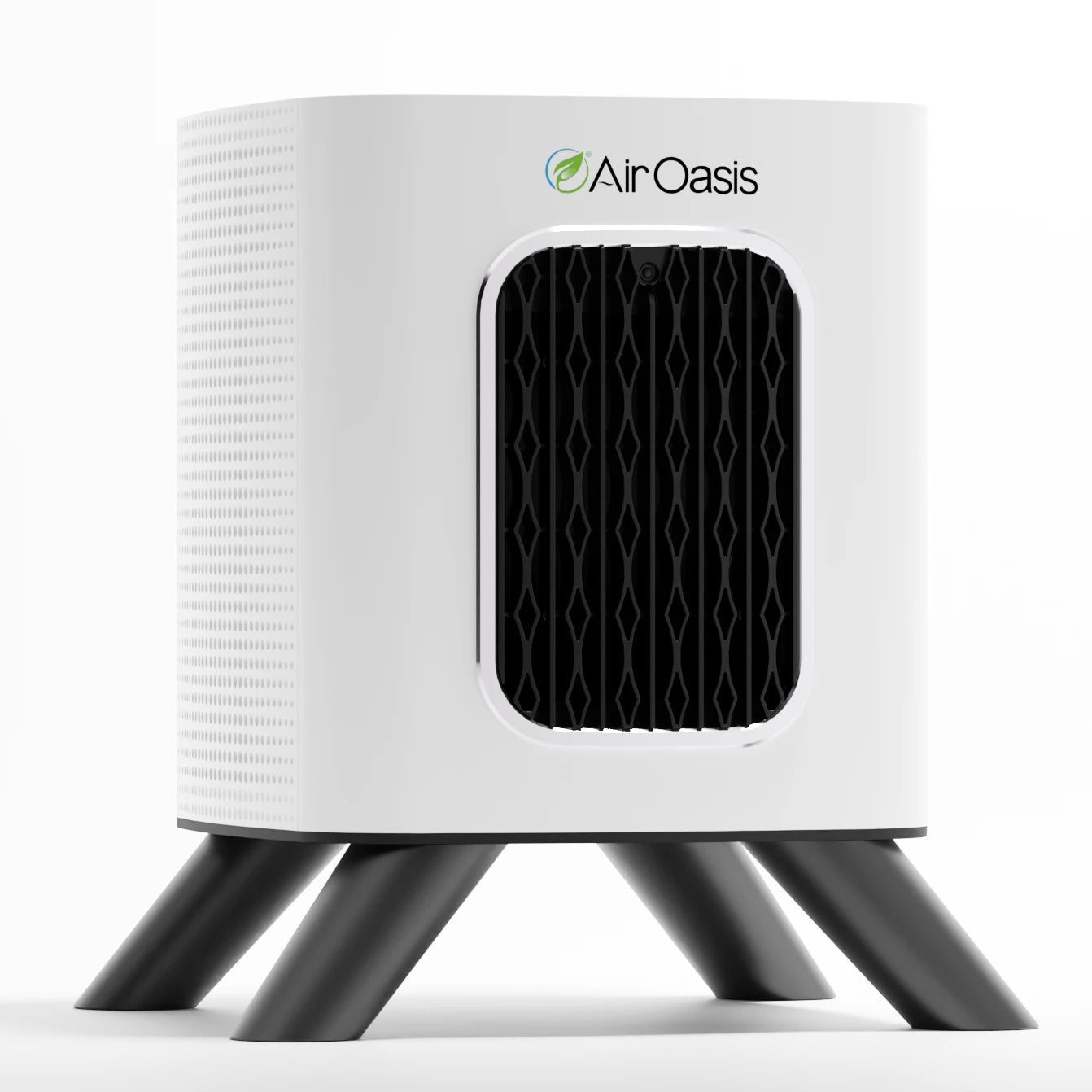
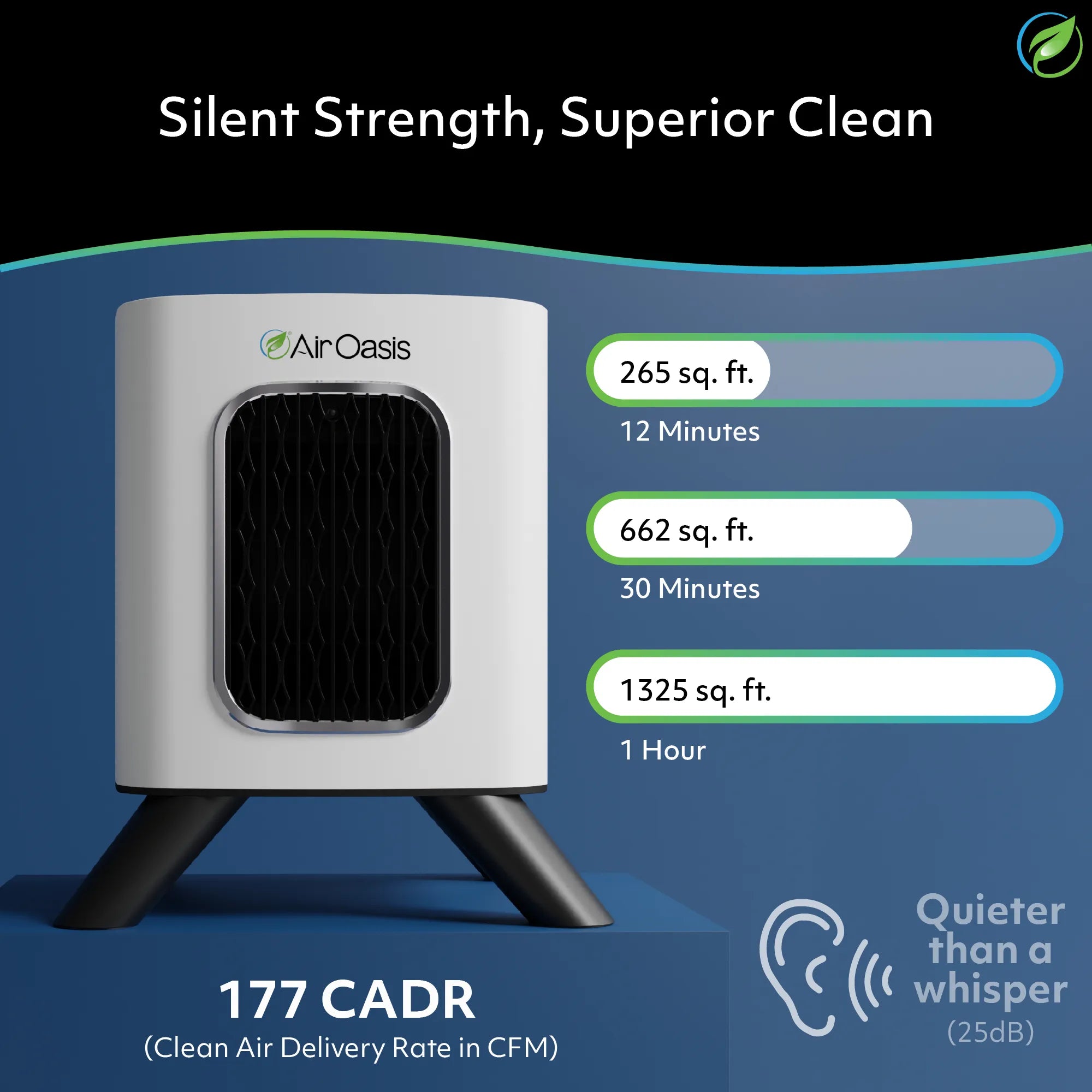
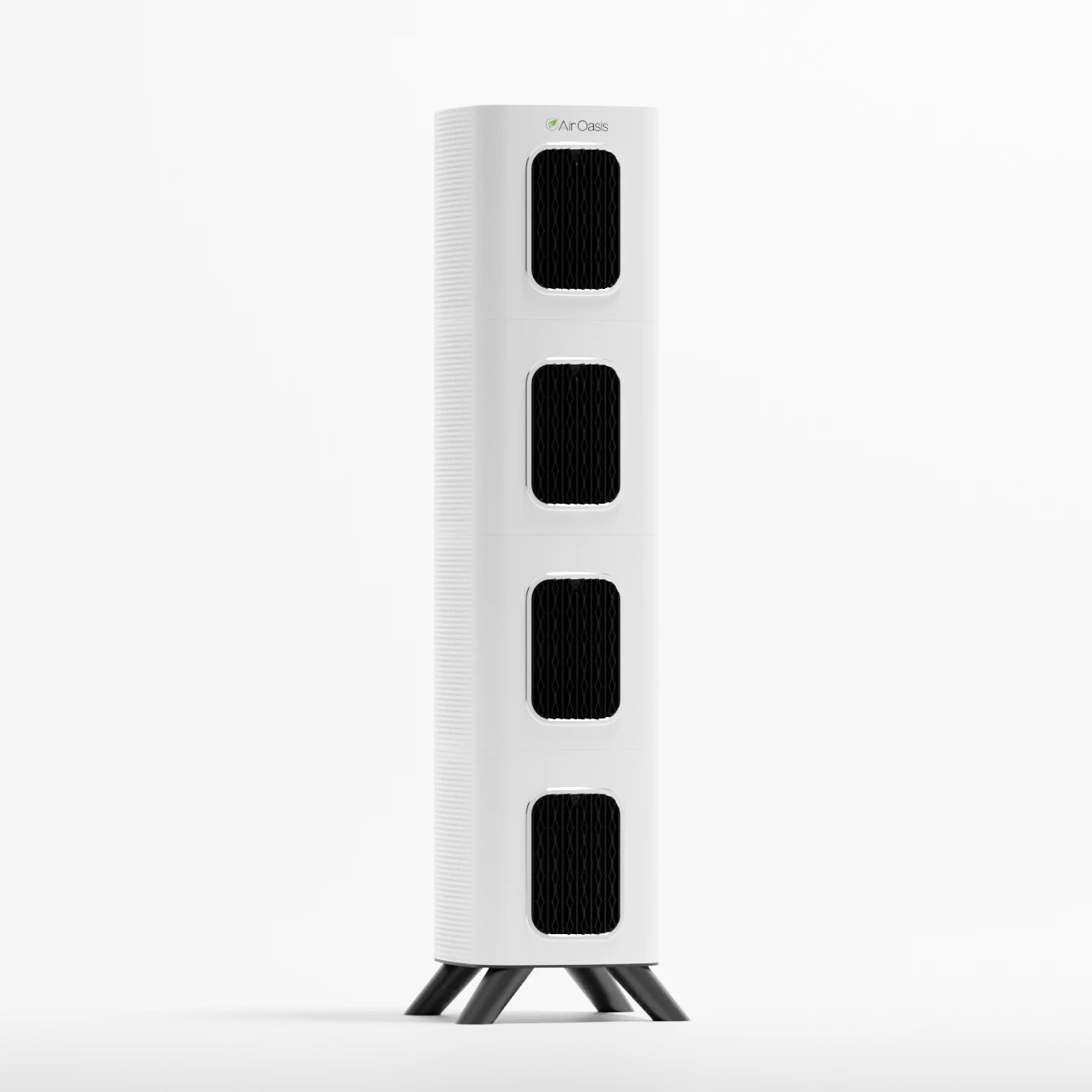
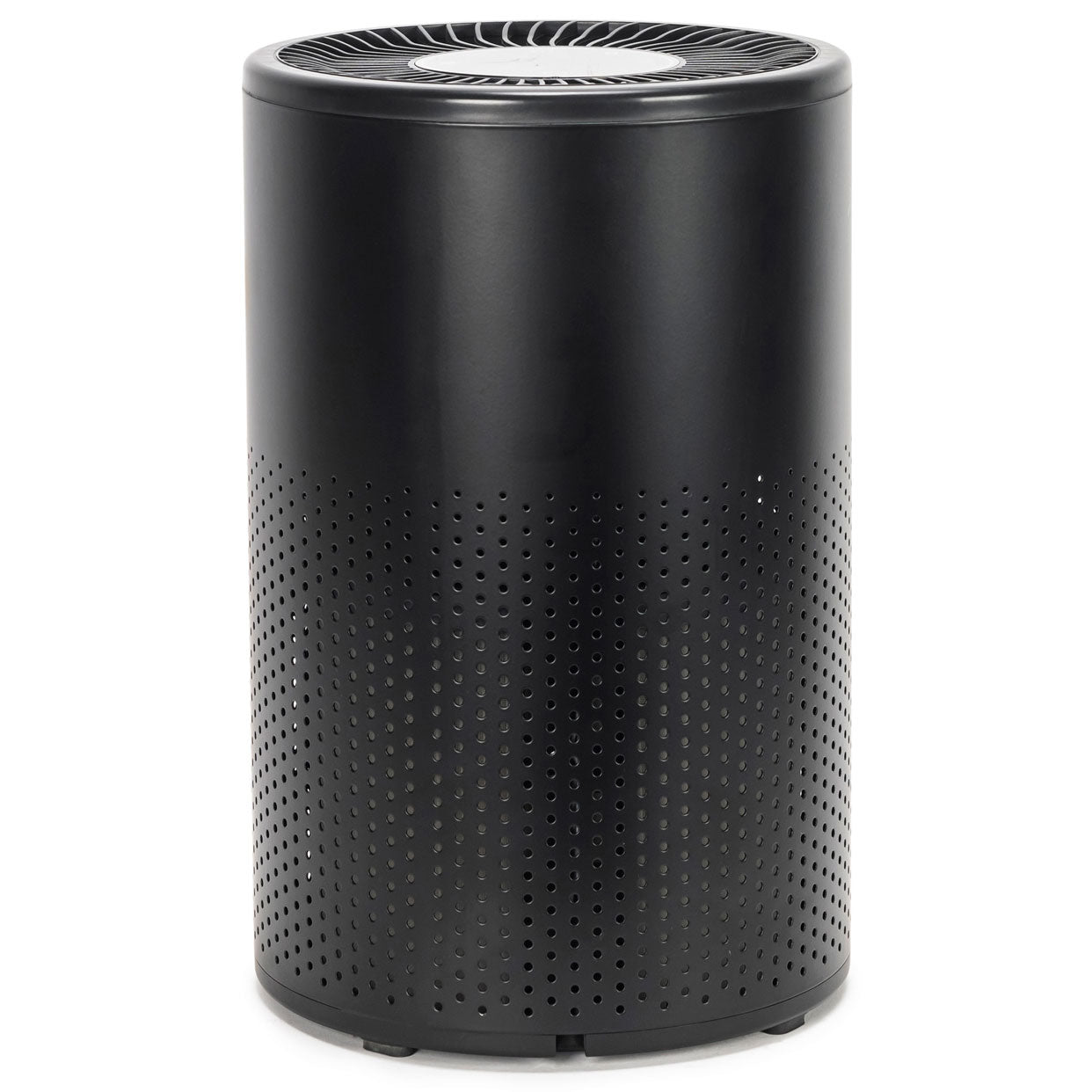
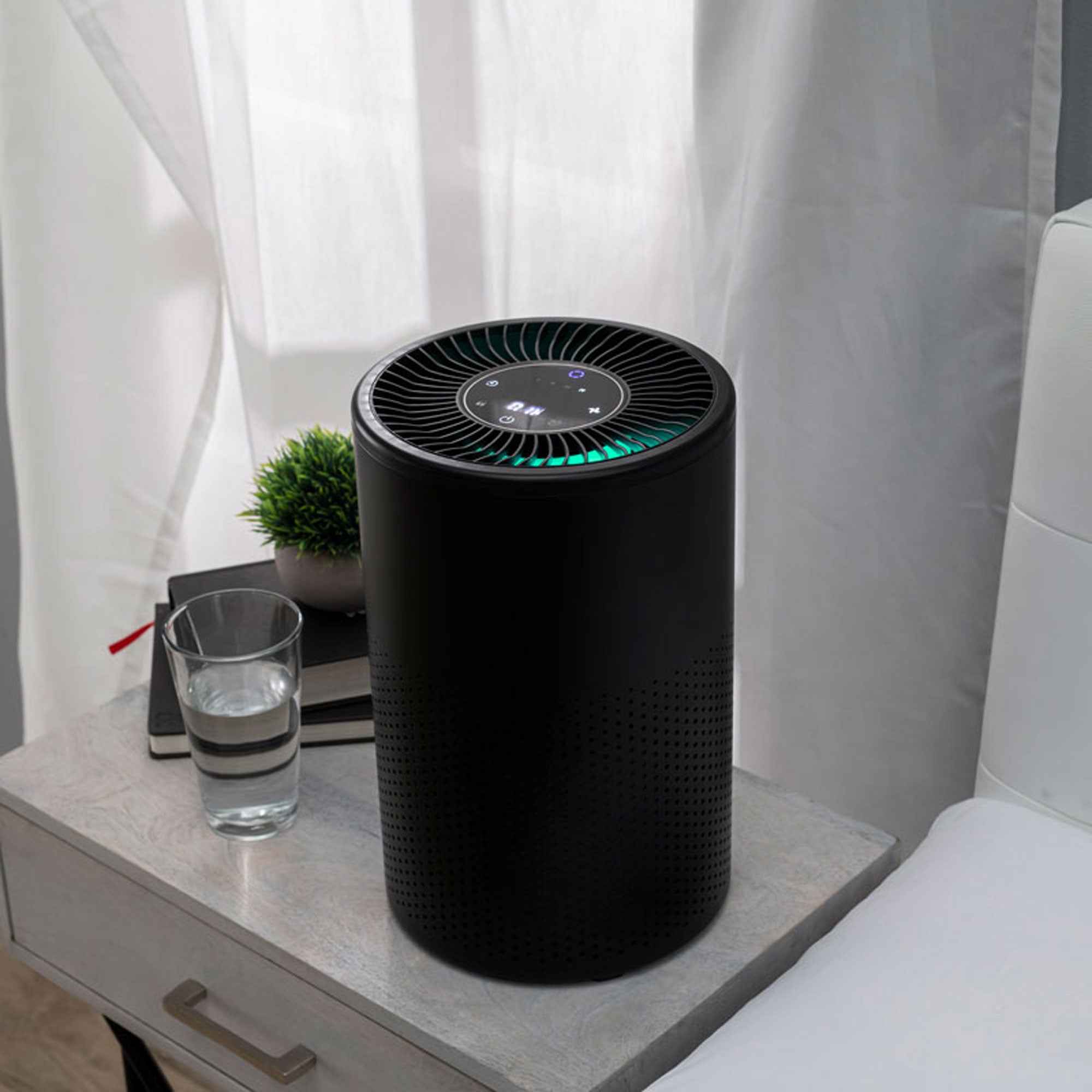
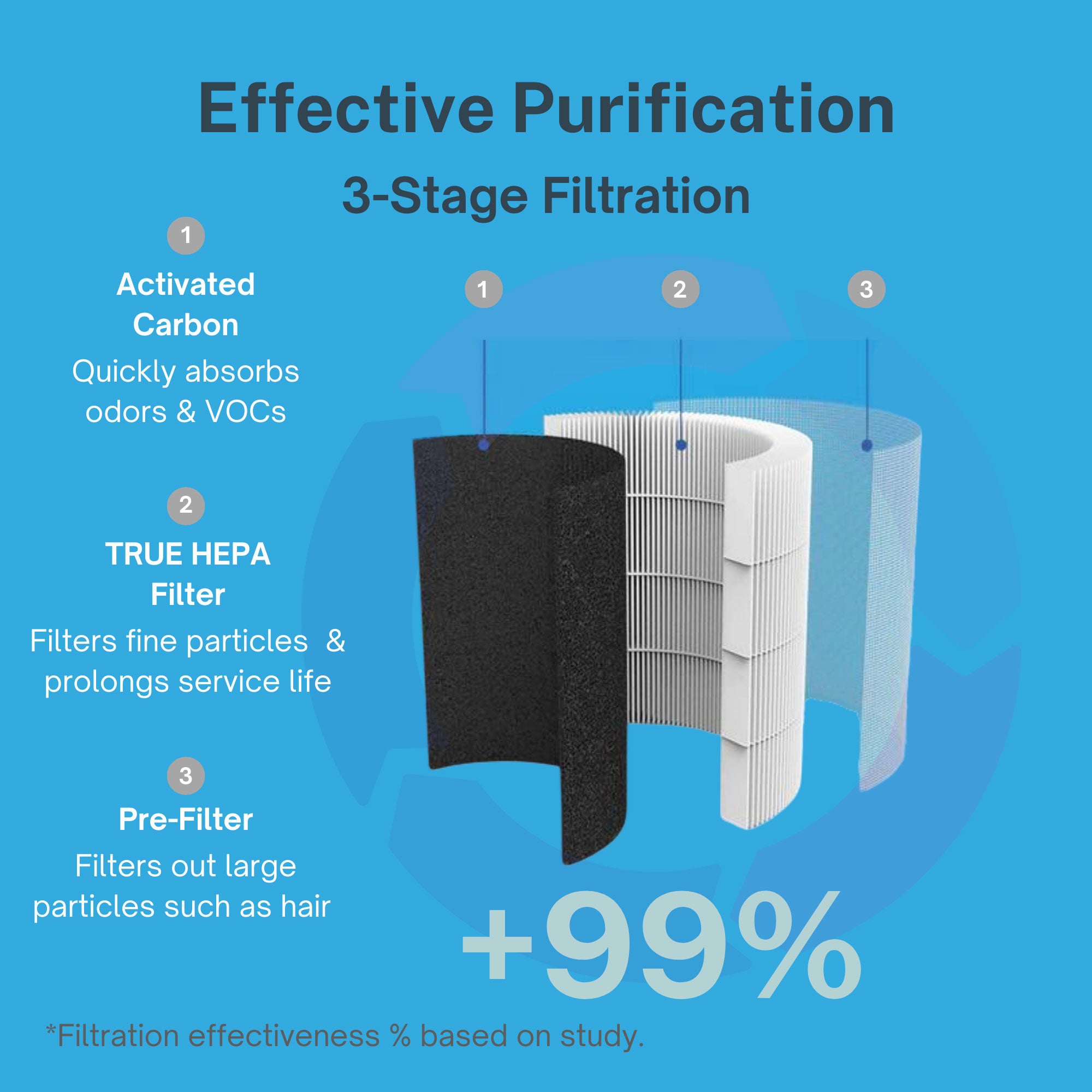
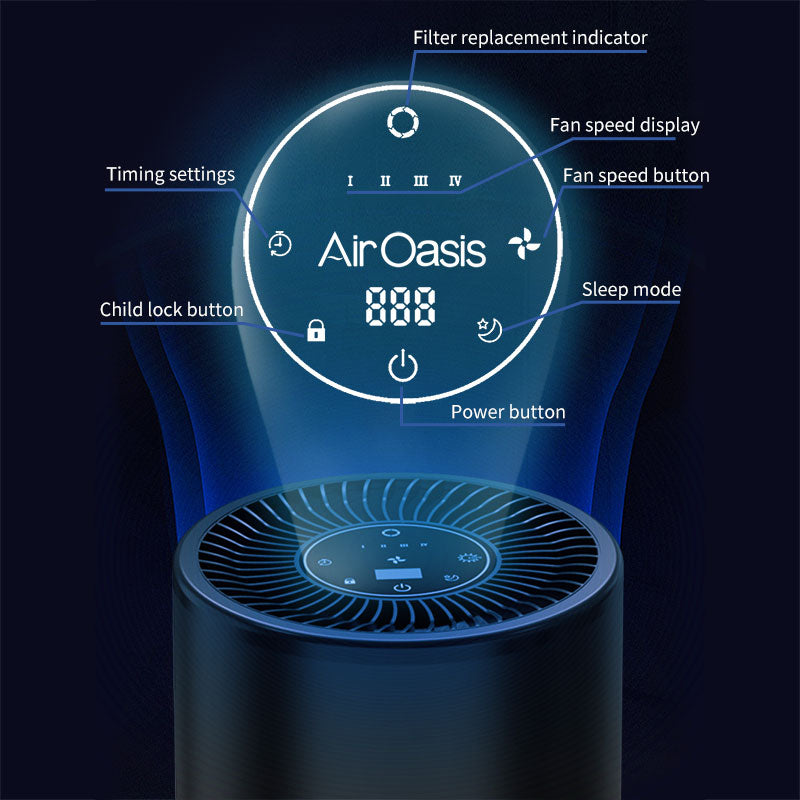
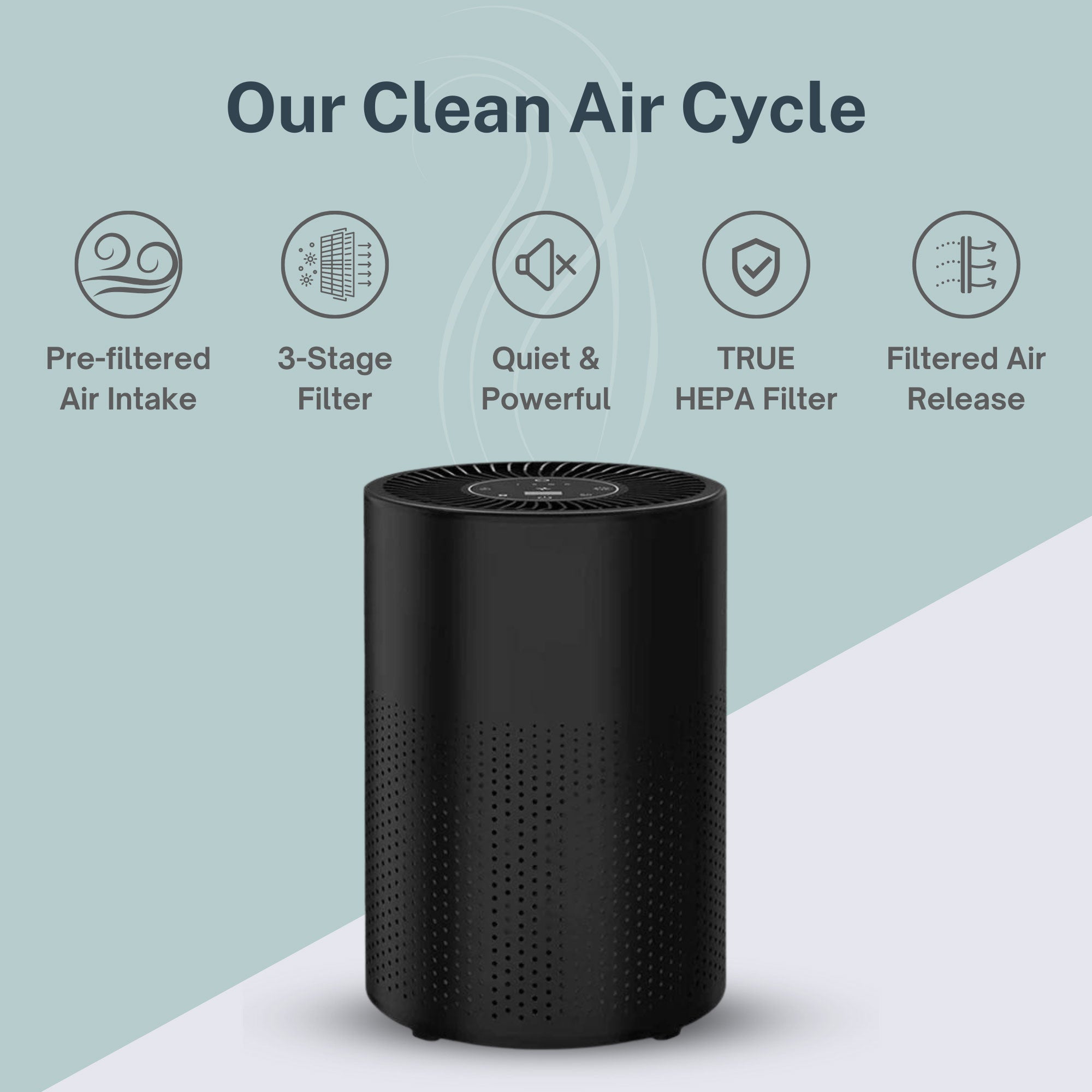
Air purification provides continuous protection against mold spores circulating in your garage. An Air Oasis air purifier captures mold spores before they settle on surfaces. The medical-grade HEPA filtration removes particles as small as 0.3 microns, which includes mold spores along with dust, pollen, and other contaminants.
UV-C light technology in Air Oasis systems destroys mold spores at the DNA level, preventing them from reproducing. This feature works continuously as air cycles through the unit, providing protection even when you're not actively in the garage. The activated carbon filter eliminates musty odors from mold, keeping your garage smelling fresh rather than damp and earthy.
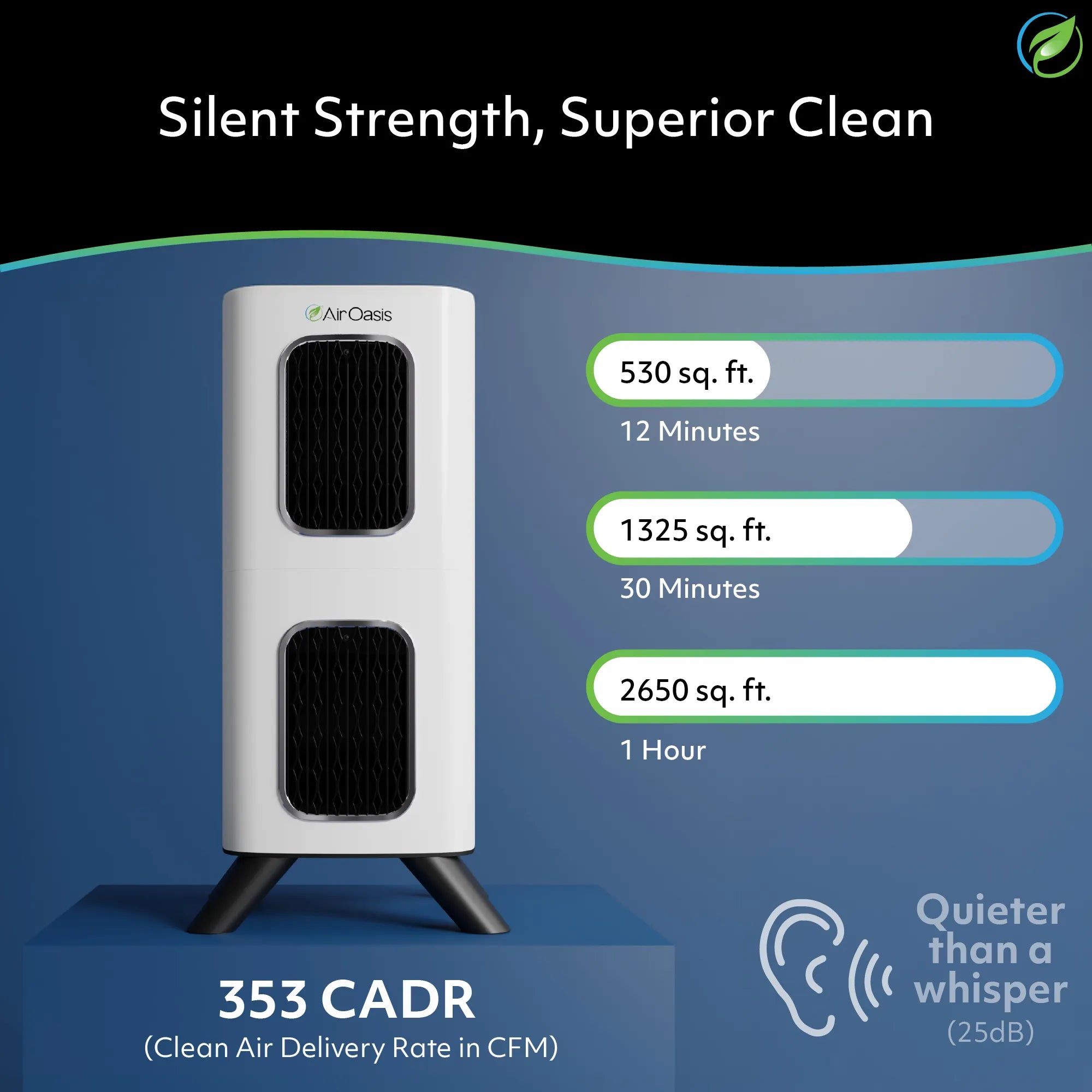
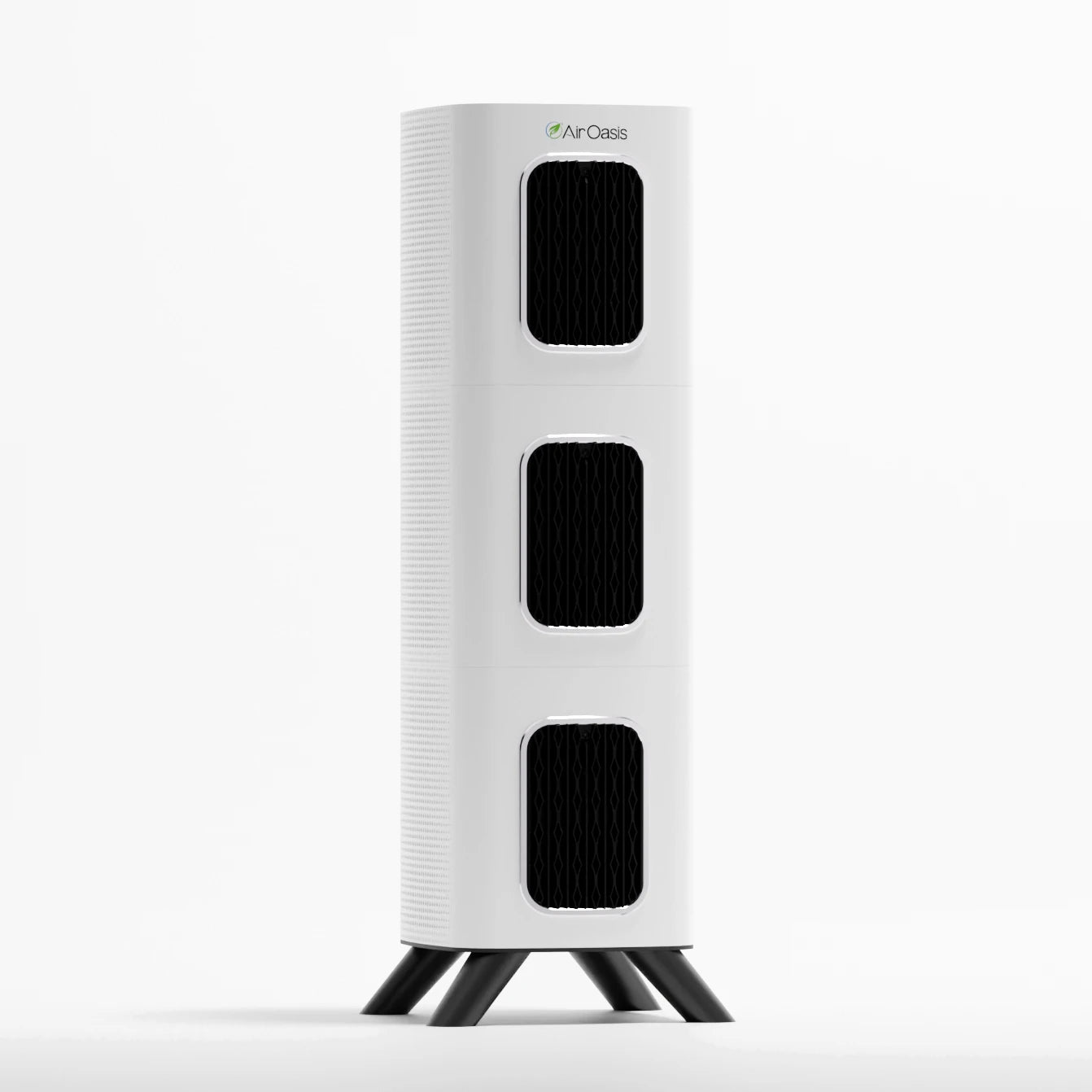
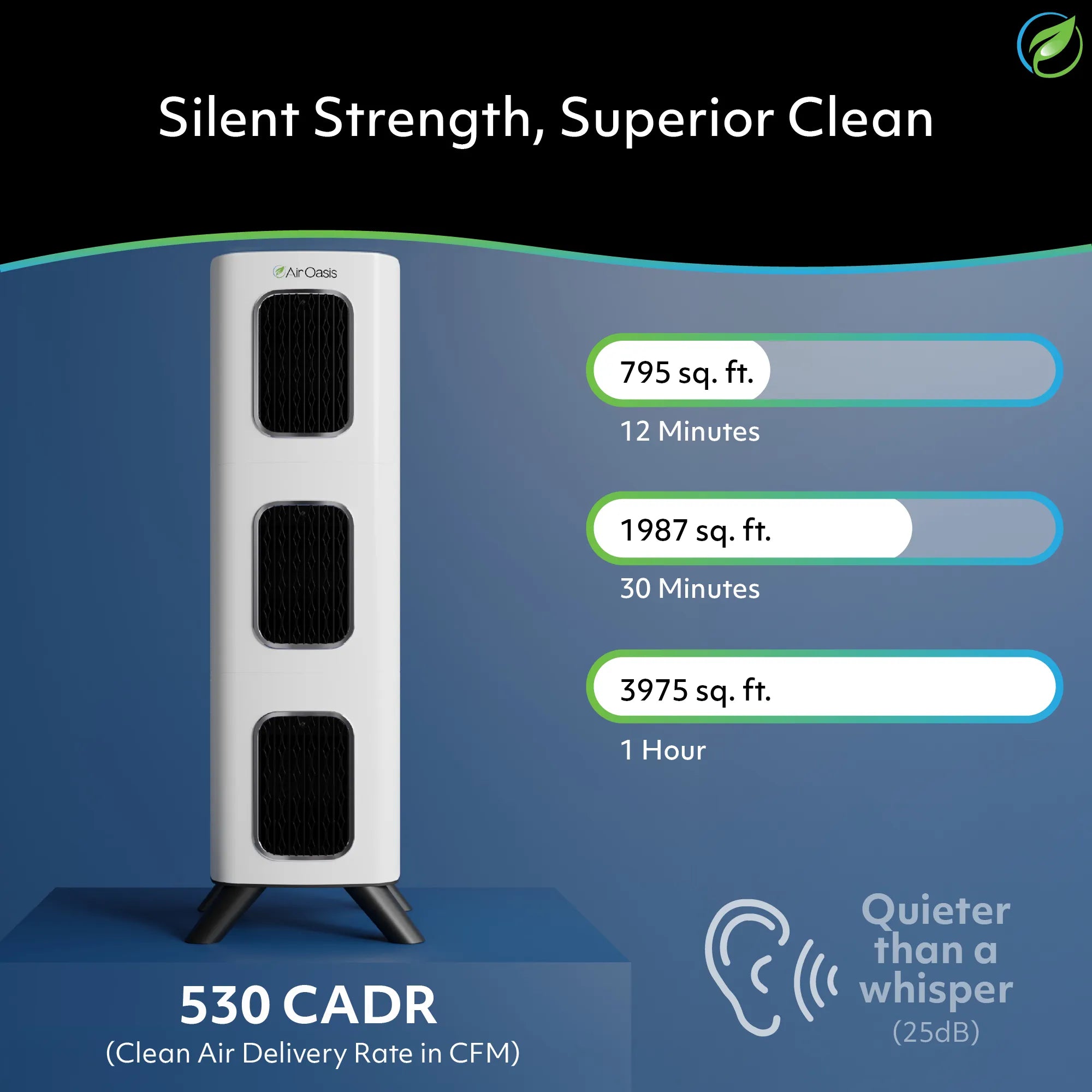
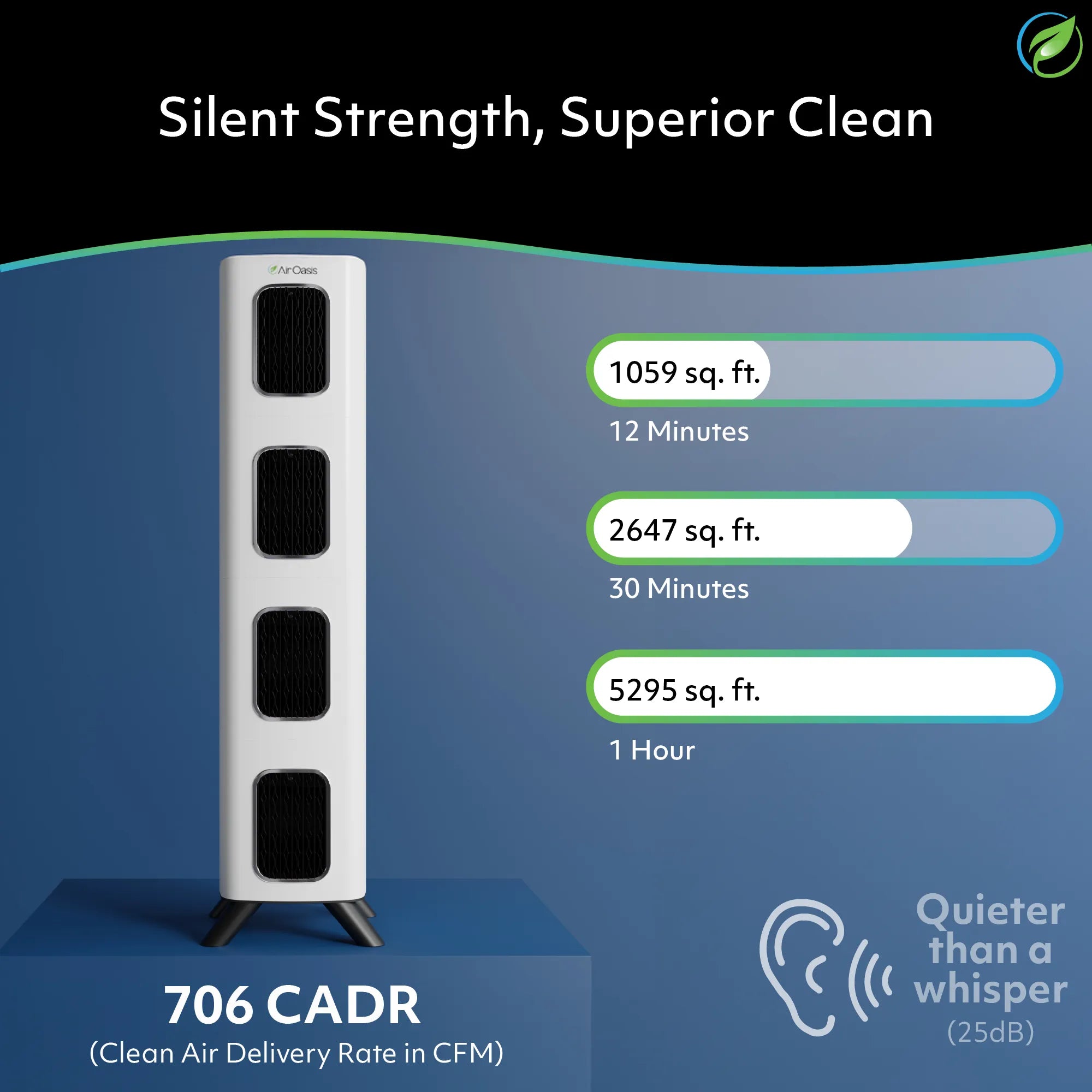
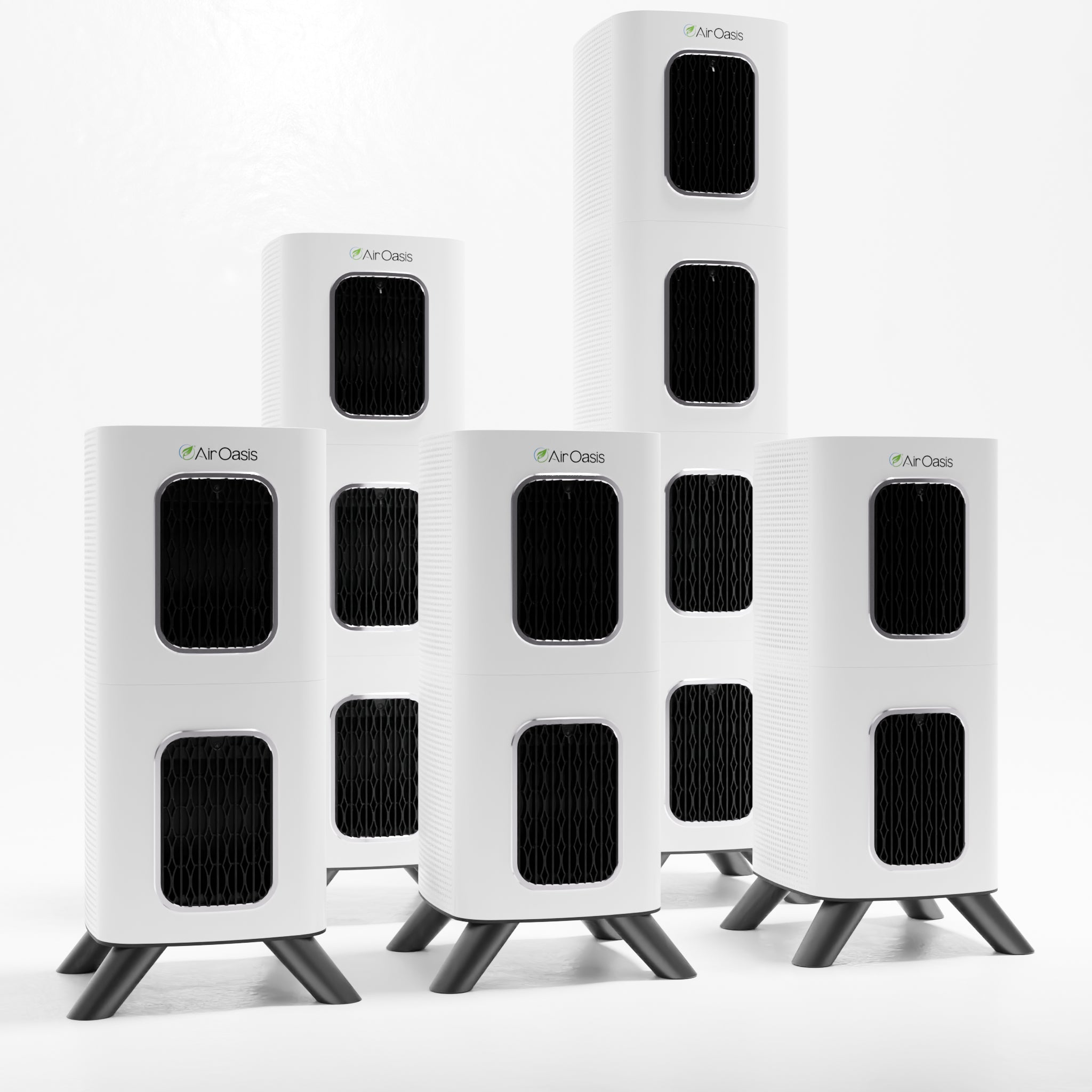
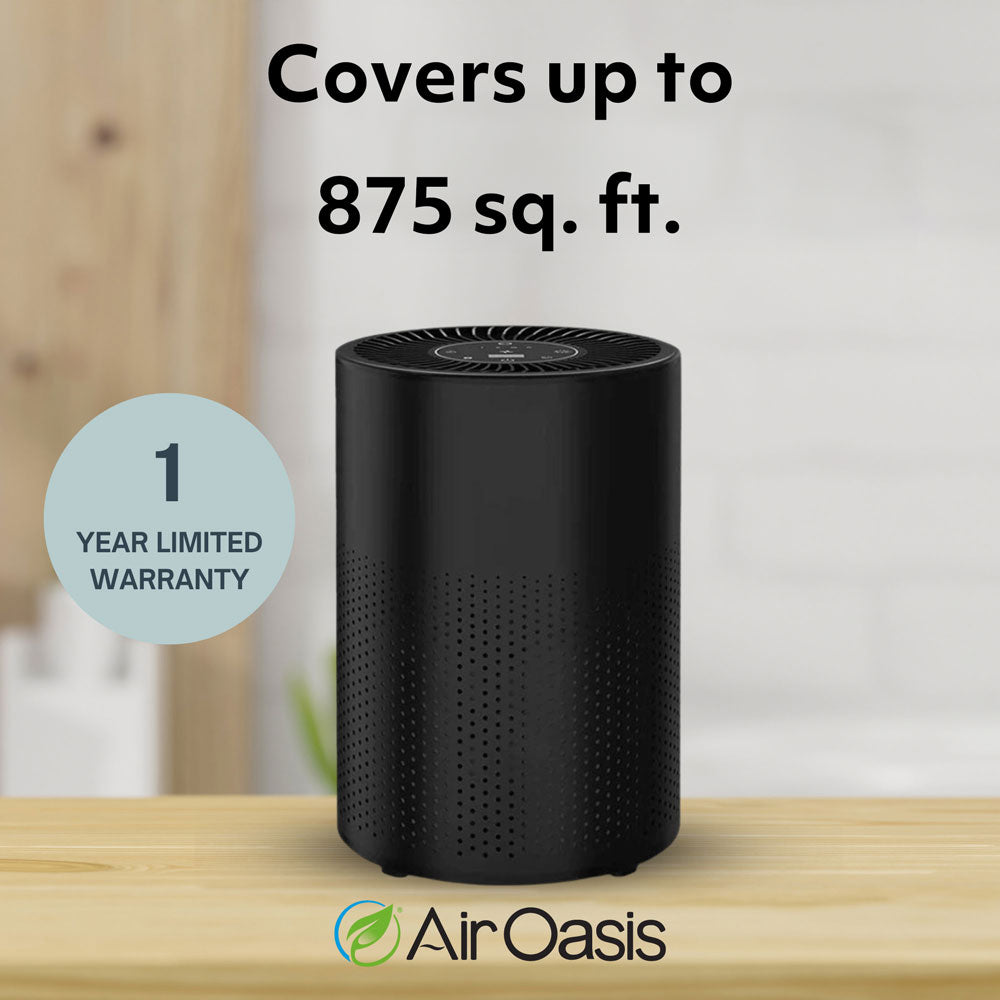
Garage spaces require appropriately sized air purifiers based on their square footage. The iAdaptAir 2M handles spaces up to 530 square feet, making it suitable for standard one- or two-car garages. Larger garages benefit from the 2L model, which covers 795 square feet, or the 2P model, which protects spaces up to 1,059 square feet. Running an air purifier in your garage prevents mold spores from migrating into attached living spaces where they threaten your family's health.
Understanding Health Risks From Garage Mold Exposure
Mold exposure through attached garages affects your entire household. Every time you open the door between your garage and home, you create airflow that carries mold spores inside. These spores settle on furniture, carpets, and clothing, spreading contamination throughout living areas.
Mold exposure can cause nasal stuffiness, throat and eye irritation, coughing, and skin reactions in sensitive people. Those with serious mold allergies may experience fever and shortness of breath. People with chronic lung illnesses, such as obstructive lung disease, may develop lung infections from repeated exposure to mold.
Children face elevated risks from garage mold. Their developing immune systems can't fight off mold exposure as effectively as adult systems. Infants spend time on or near floors where mold spores settle in dust. Children living in high-mold environments are at increased risk of developing asthma. Some studies suggest mold exposure may affect learning, motor skills, and memory development in young children.
Garage mold doesn't stay confined to that space. It travels on shoes, clothing, and shopping bags as you move between your garage and home. Tools and equipment stored in moldy garages carry spores when brought inside for projects. Seasonal items, like holiday decorations, can spread mold spores throughout your home when retrieved from garage storage.
Taking Action to Protect Your Garage and Your Health
You don't need to accept mold as an inevitable garage problem. Simple maintenance routines make a significant difference in mold prevention. Inspect your garage monthly for signs of leaks, condensation, or moisture accumulation. Look carefully at corners, around windows and doors, and anywhere items contact floors or walls.
Clean your garage regularly instead of letting it become a neglected dumping ground. Sweep floors to remove dirt and debris that trap moisture. Wipe down surfaces where dust accumulates. Declutter ruthlessly, keeping only items you actually use and need. The less stuff packed into your garage, the fewer places mold can hide and grow.
Increase natural light wherever possible. Larger windows, garage doors with window panels, or exterior doors with glass inserts all bring more sunlight inside. Use opaque glass for privacy while still allowing light penetration. Mold growth slows significantly in well-lit spaces.
Address drainage problems by ensuring your garage floor slopes properly toward drains. Clear blocked drainage systems that prevent water from flowing away. Install floor drains if your garage currently lacks them. Keep the area around your garage door clear so water doesn't pool when the door opens.
Weatherproof your garage door with proper seals and weather stripping. Check these materials annually and replace them when they show wear. Install door sweeps at the bottom to block water intrusion during storms. These inexpensive improvements prevent moisture problems that lead to expensive mold remediation.
Clean Air for Your Entire Home
Your garage deserves the same attention to air quality as every other space in your home. Protecting it from mold protects your family's health, preserves your belongings, and maintains your property value. Simple prevention strategies combined with effective air purification create a garage environment where mold can't thrive.
Don't let mold turn your garage into a health hazard. Discover how Air Oasis air purifiers deliver medical-grade filtration that captures mold spores, eliminates musty odors, and creates cleaner air throughout your home. Shop Air Oasis today and breathe easier knowing your garage—and your family—are protected.