Your laundry room works hard cleaning your family's clothes, but this essential space may be harboring a dirty secret. Between washing machines that handle gallons of water daily, dryers generating heat and moisture, and the inevitable humidity from damp laundry, your laundry room provides ideal conditions for mold growth. The problem? Much of this contamination hides in places you rarely check, spreading spores throughout your home while you remain completely unaware.
Why Laundry Rooms Are Mold Magnets
Mold requires only four basic elements to establish itself and multiply: moisture, warmth, organic material, and darkness. Your laundry room delivers all four in abundance. High humidity levels from washing and drying cycles create persistent dampness. Warm temperatures from dryer operation provide the heat mold prefers. Lint, dust, and soap residue offer organic material for nutrition. And the enclosed, often windowless nature of many laundry rooms creates the darkness where mold thrives undisturbed.
Poor ventilation compounds these issues. Many laundry rooms lack adequate airflow, meaning moisture from washing machines and dryers lingers in the air rather than dissipating. This trapped humidity settles on walls, ceilings, floors, and hidden surfaces, creating condensation that feeds mold growth. Even brief exposure to these conditions allows mold spores already present in your home to germinate and establish colonies within 24 to 48 hours.
Inside Your Washing Machine
Your washing machine harbors some of the most common yet overlooked mold problems. The rubber door seal on front-loading washers creates a perfect trap for moisture and detergent residue. Water pools in the folds of this gasket after each wash cycle, and without proper drying, mold establishes itself quickly. Check the seal carefully, pulling back the rubber to inspect hidden areas where black or grey mold often accumulates.
The detergent dispenser drawer provides another ideal habitat for mold. Leftover detergent and fabric softener create a sticky film that attracts mold spores. Remove the drawer completely and inspect all surfaces, including the housing where the drawer sits. You may discover significant mold growth in areas you've never examined.
Inside the washing machine drum itself, mold can colonize on surfaces that don't fully dry between uses. If you've noticed a musty smell when opening your washer, mold growing somewhere in the machine is likely the cause. This contamination transfers to your supposedly clean laundry, defeating the entire purpose of washing clothes.
Behind and Beneath Your Appliances
The space behind your washing machine conceals multiple mold risk areas. Water supply hoses develop condensation on their surfaces, especially when cold water runs through them in a warm laundry room. This condensation drips down the hoses and pools at connection points, creating perfect conditions for mold growth on the wall behind the machine and at the base of the appliance.
Washing machine drain hoses also trap moisture and organic material. Lint, soap residue, and standing water inside drain hoses create an ideal environment for mold colonies. Since you rarely see inside these hoses, contamination can become extensive before you discover the problem.
Check beneath your washing machine if possible. Water leaks—even minor drips—accumulate under the appliance where they remain trapped against the flooring. This hidden moisture causes mold growth on subflooring, the underside of the machine, and wall baseboards. The confined space prevents adequate drying, allowing mold to spread extensively before becoming visible.
Dryer Vent Systems
Your dryer vent system poses serious mold risks that many homeowners overlook. The flexible vent hose connecting your dryer to the exterior exhaust releases hot, moisture-laden air with every drying cycle. When this hose develops even small tears, sags, or disconnections, moisture escapes into your laundry room rather than venting outside.
Condensation forms inside dryer vent hoses, particularly in sections that run through cold spaces or where the hose sags, creating low spots where moisture pools. This trapped dampness combined with lint accumulation creates perfect mold habitat. If you notice musty odors when running your dryer or see moisture around vent connections, mold has likely established itself somewhere in the vent system.
The exterior vent opening also requires attention. If the exterior flap doesn't close properly or becomes blocked with lint, humid air backs up into the vent hose where moisture accumulates and mold grows. Clean your dryer vent system thoroughly at least annually, and inspect it for signs of moisture or mold growth during routine maintenance.
Laundry Sink and Plumbing
Many laundry rooms include utility sinks that introduce additional plumbing and moisture sources. The drain pipes beneath these sinks can develop leaks that go unnoticed for extended periods. Water dripping from pipe connections accumulates in the cabinet below, soaking into wood and creating mold habitat.
Check pipe connections carefully for any signs of moisture, corrosion, or water stains. Even minor seepage causes significant mold problems over time. The confined cabinet space prevents adequate ventilation and drying, meaning any moisture that enters remains trapped long enough for mold to establish itself.
The sink basin itself can harbor mold around the drain, faucet base, and in the overflow opening if the sink has one. These areas trap moisture and soap residue, providing everything mold needs to grow. Regular cleaning with attention to these easily missed spots prevents contamination.
Walls, Ceilings, and Floors
Condensation forming on laundry room walls and ceilings indicates serious humidity problems and likely mold growth. When warm, moist air from washing and drying cycles contacts cooler wall and ceiling surfaces, water droplets form. This condensation runs down walls, soaking into drywall and creating hidden mold colonies behind paint or wallpaper.
Check corners where walls meet ceilings particularly carefully. These areas trap moisture and often show the first visible signs of mold growth through discoloration or texture changes in paint or drywall. Baseboards also merit close inspection, as moisture running down walls accumulates at floor level where mold establishes itself on both the baseboard and the wall behind it.
Flooring beneath and around appliances conceals extensive mold problems. If your laundry room has carpet or vinyl flooring, water leaks can soak through to the subfloor where mold grows undetected. Even tile floors can harbor mold in grout lines and beneath tiles if water seeps through.
Warning Signs of Hidden Mold
Even when you can't see mold directly, several warning signs indicate hidden contamination. A persistent musty odor in your laundry room signals active mold growth somewhere in the space. This earthy, unpleasant smell intensifies when you run appliances or enter the room after it's been closed up, as activity disturbs mold colonies and releases more spores into the air.
Condensation or a persistently damp feeling in the air indicates excessive humidity that supports mold growth. If walls feel moist to the touch or you notice water droplets forming on surfaces, you have conditions where mold is almost certainly growing somewhere.
Respiratory symptoms that worsen when you're in the laundry room suggest mold exposure. Coughing, sneezing, throat irritation, or headaches that develop while doing laundry indicate you're breathing air contaminated with mold spores. People with asthma or mold allergies often experience particularly severe reactions in spaces with hidden mold problems.
Protecting Your Home from Laundry Room Mold
Addressing laundry room mold requires eliminating moisture sources and improving ventilation. Fix any plumbing leaks immediately, no matter how minor they seem. Ensure your dryer vents properly to the exterior and clean the vent system regularly. Leave your washing machine door open between uses to allow interior drying, and wipe down the door seal after each wash.
Install a dehumidifier in your laundry room to maintain humidity below 50 percent. Run an exhaust fan during and after laundry activities, or open windows when the weather permits. Never leave damp laundry sitting in the washer or dryer—transfer washed items to the dryer promptly and remove dried clothes right away.
Regular cleaning prevents mold establishment. Wipe down appliance surfaces, clean washing machine seals and dispensers monthly, and inspect hidden areas behind and beneath machines periodically. Address any water stains, discoloration, or musty odors immediately rather than waiting for problems to worsen.
Clean Air Extends Beyond the Laundry Room
When mold grows in your laundry room, spores don't stay contained in that single space. Every time you open the door, walk through the room, or operate appliances, you disturb mold colonies and send spores airborne. These microscopic particles travel throughout your home via air currents and your HVAC system, degrading indoor air quality in every room.
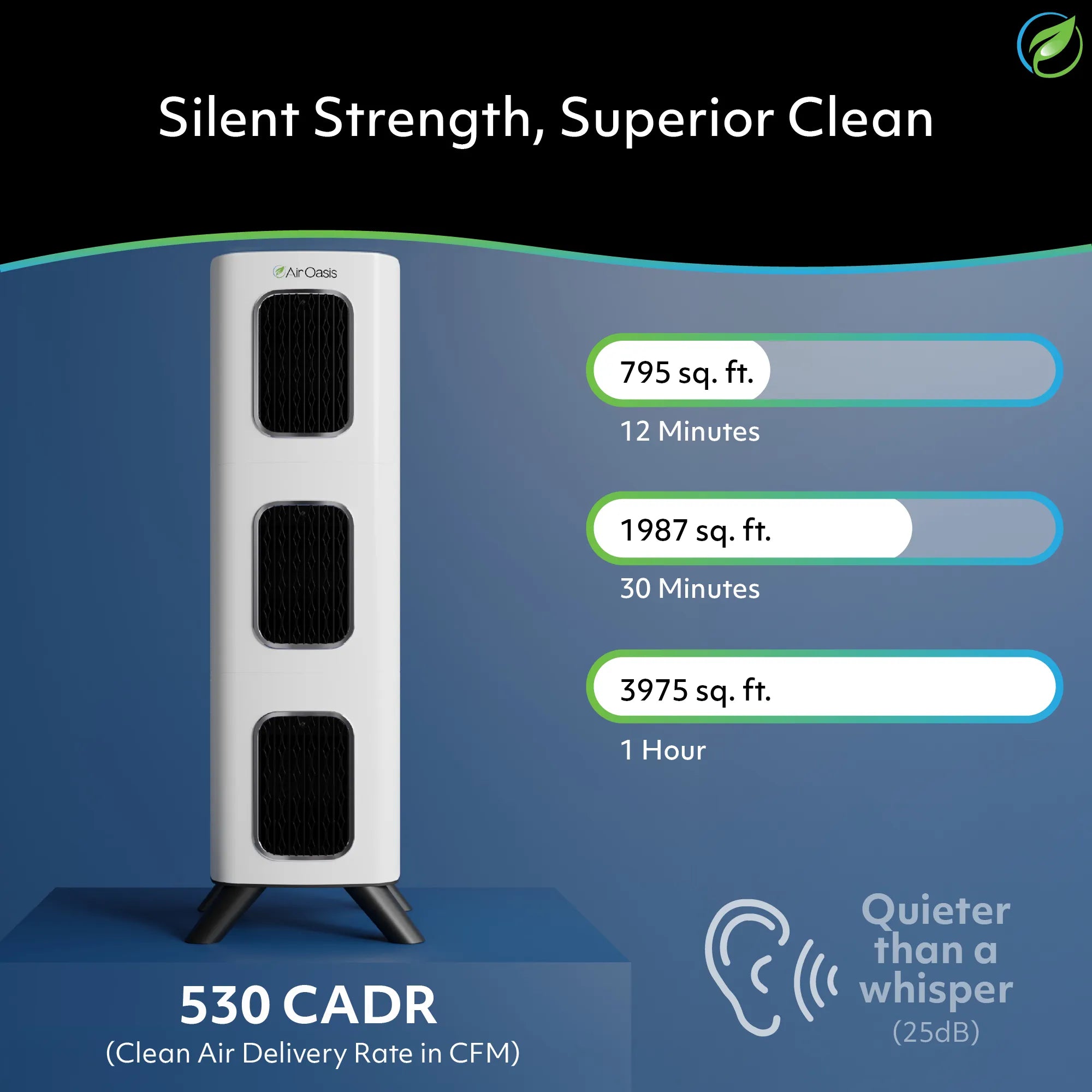
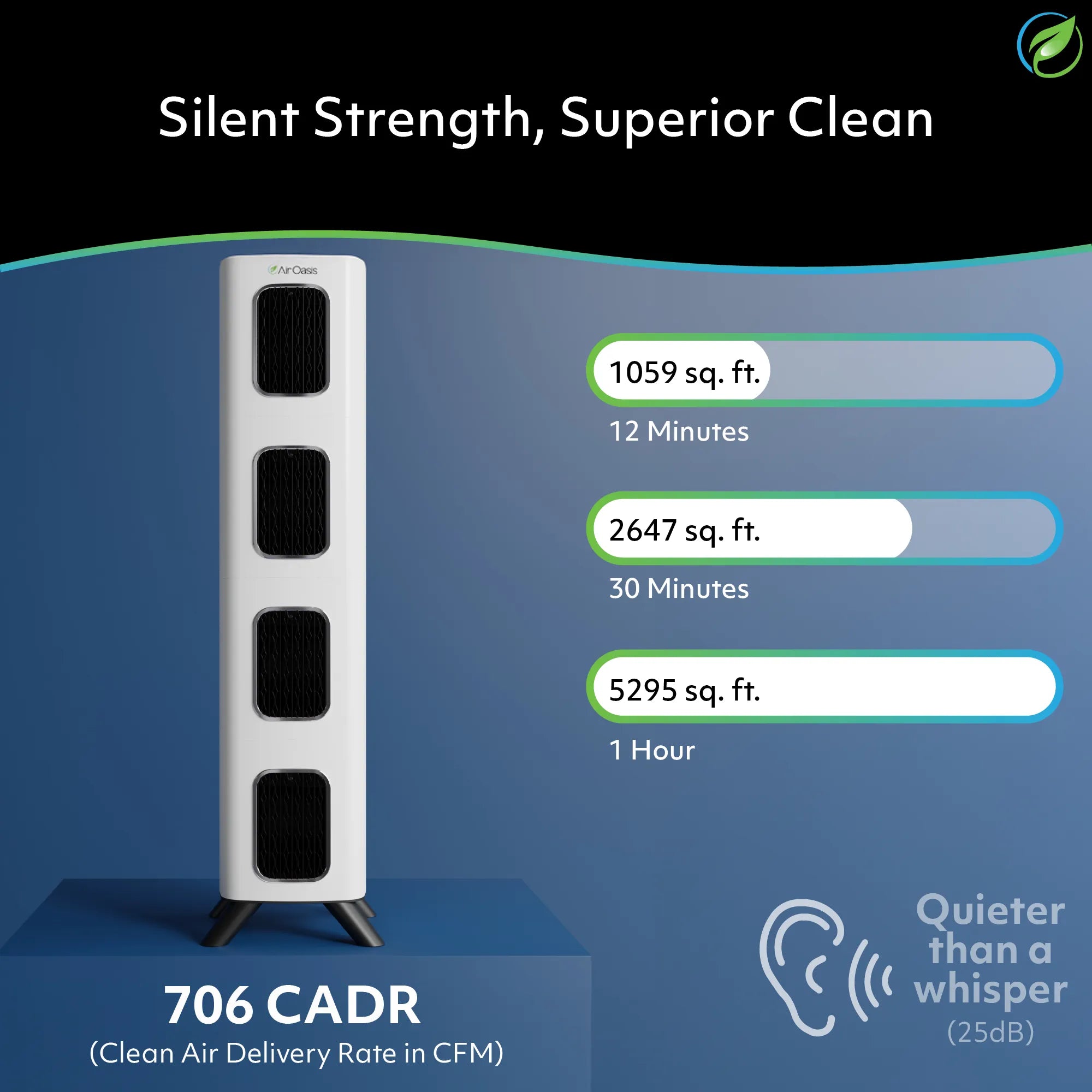
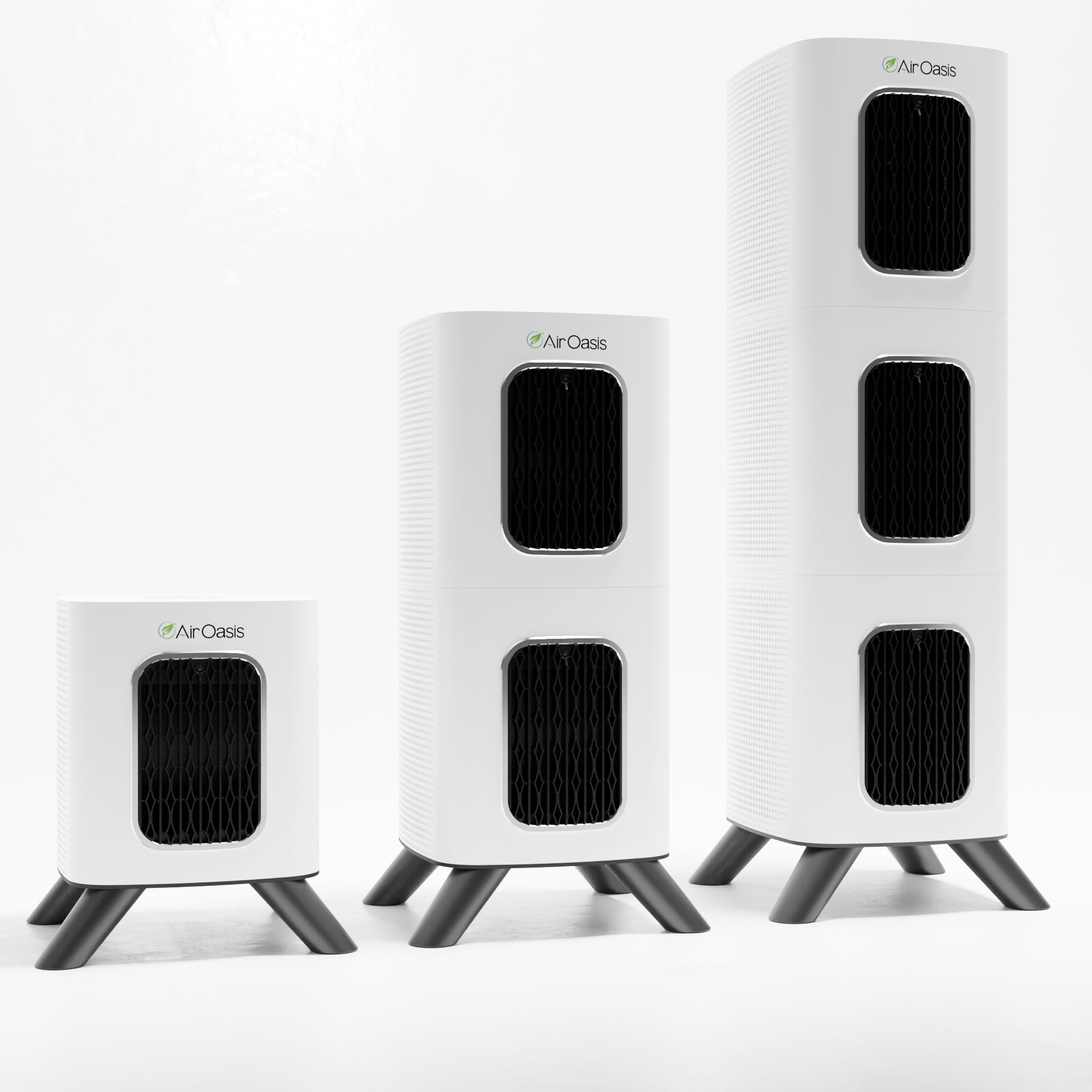
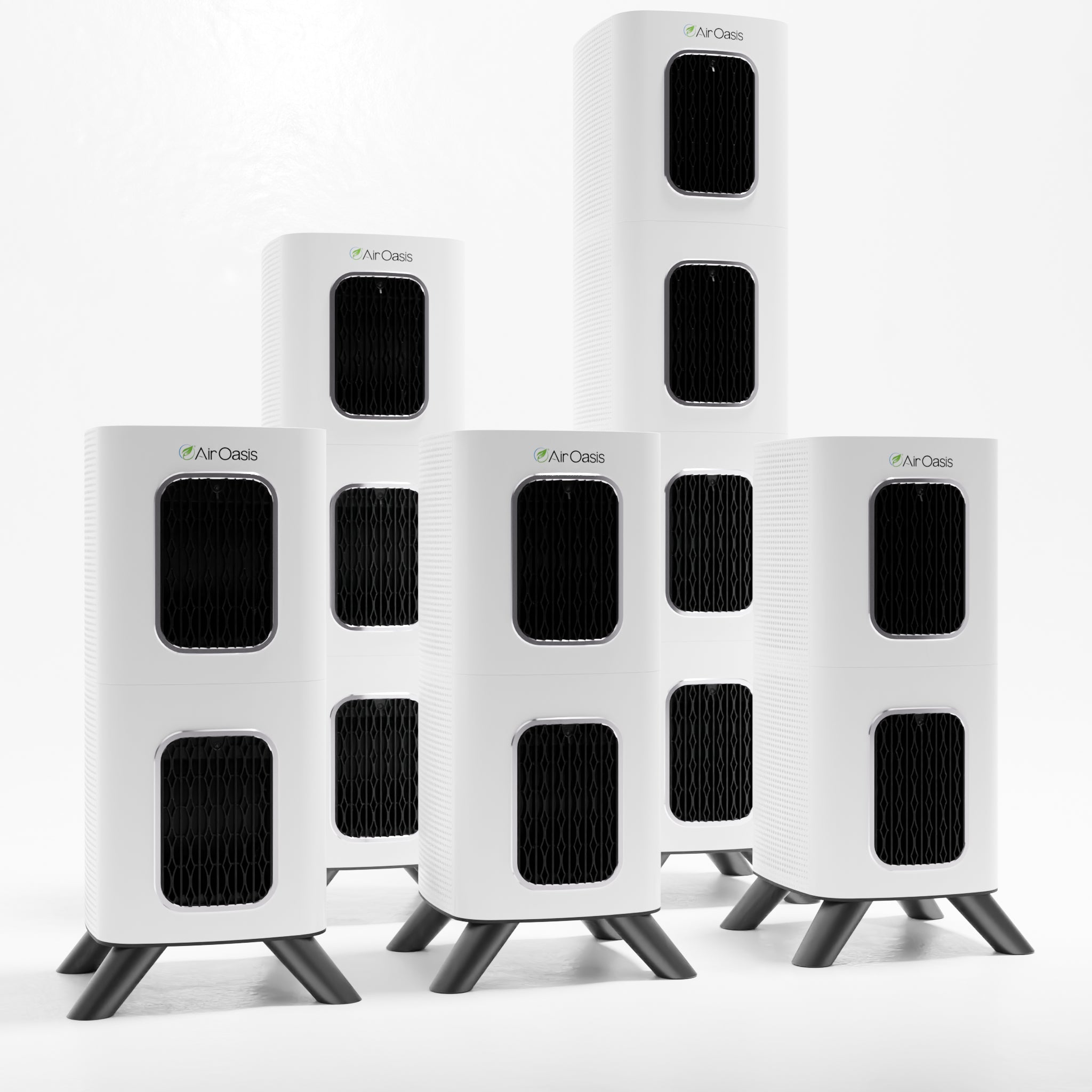
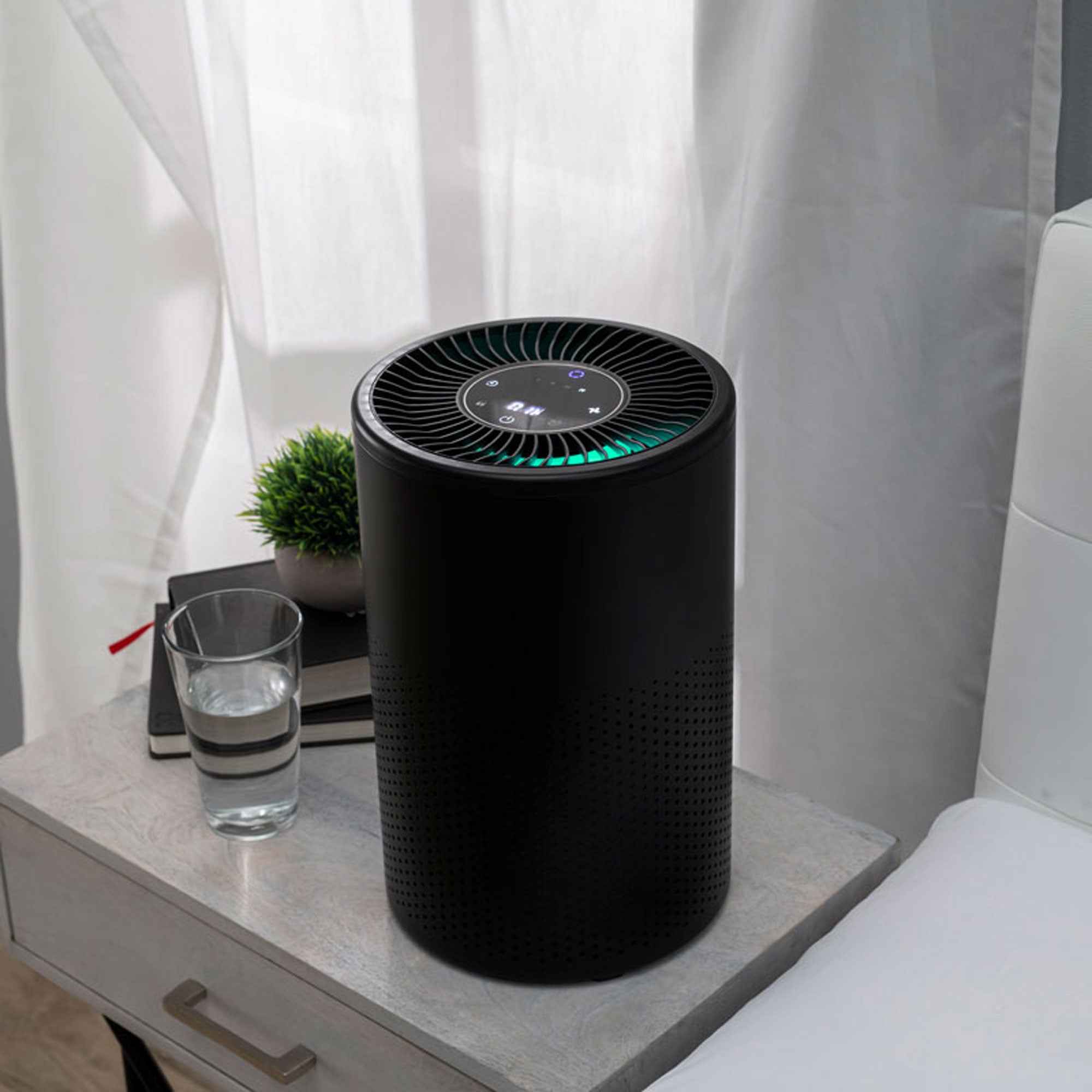
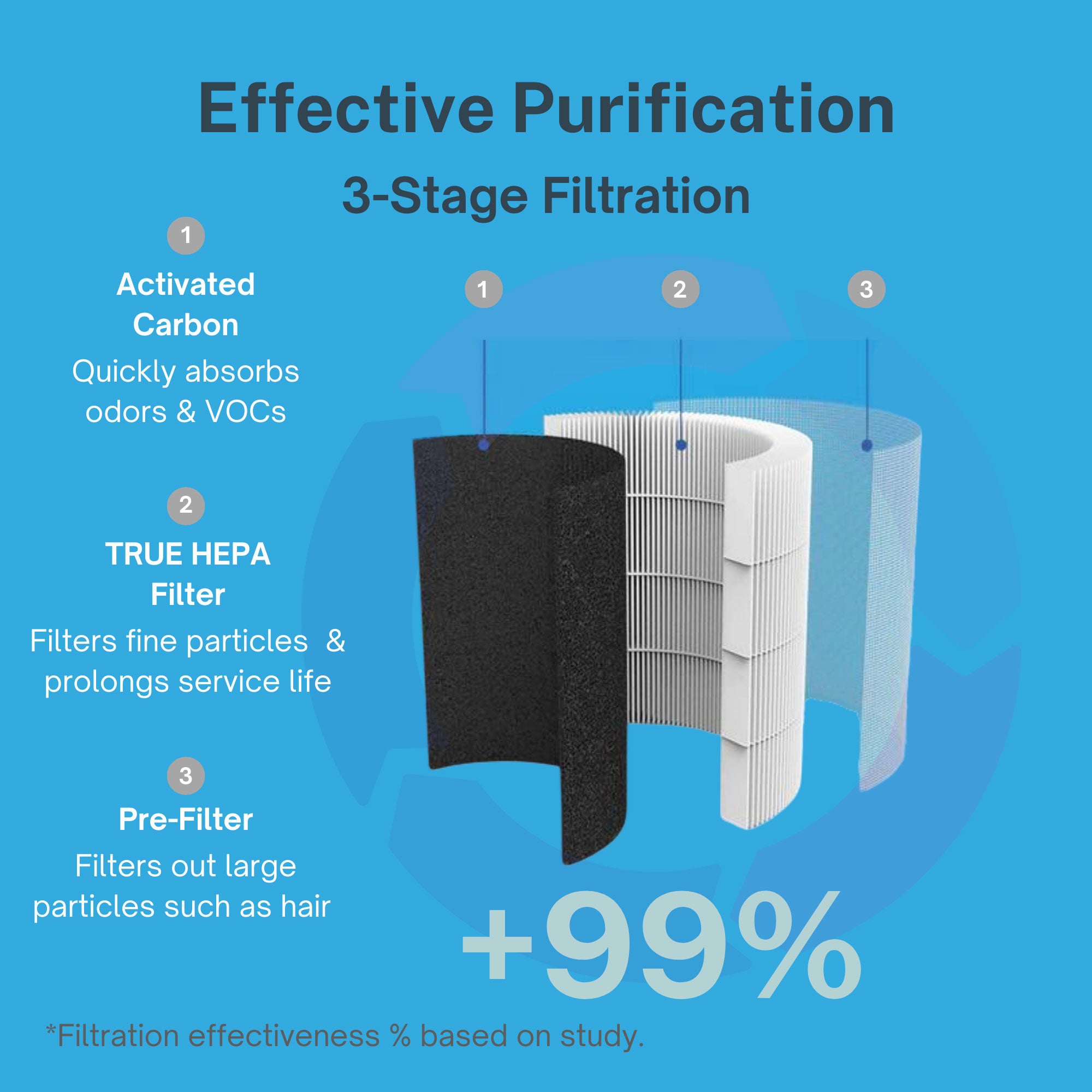
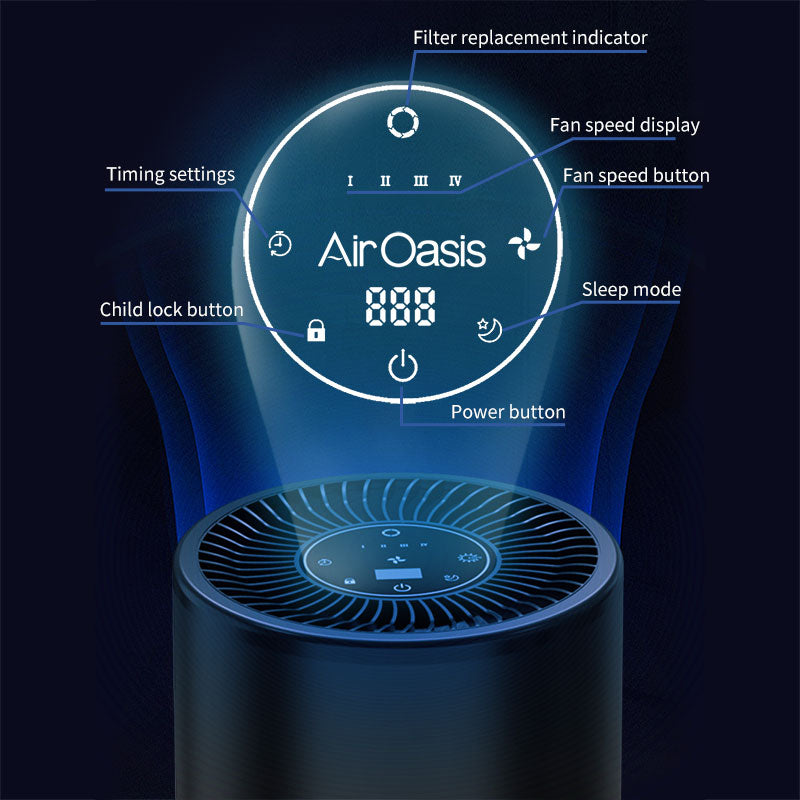
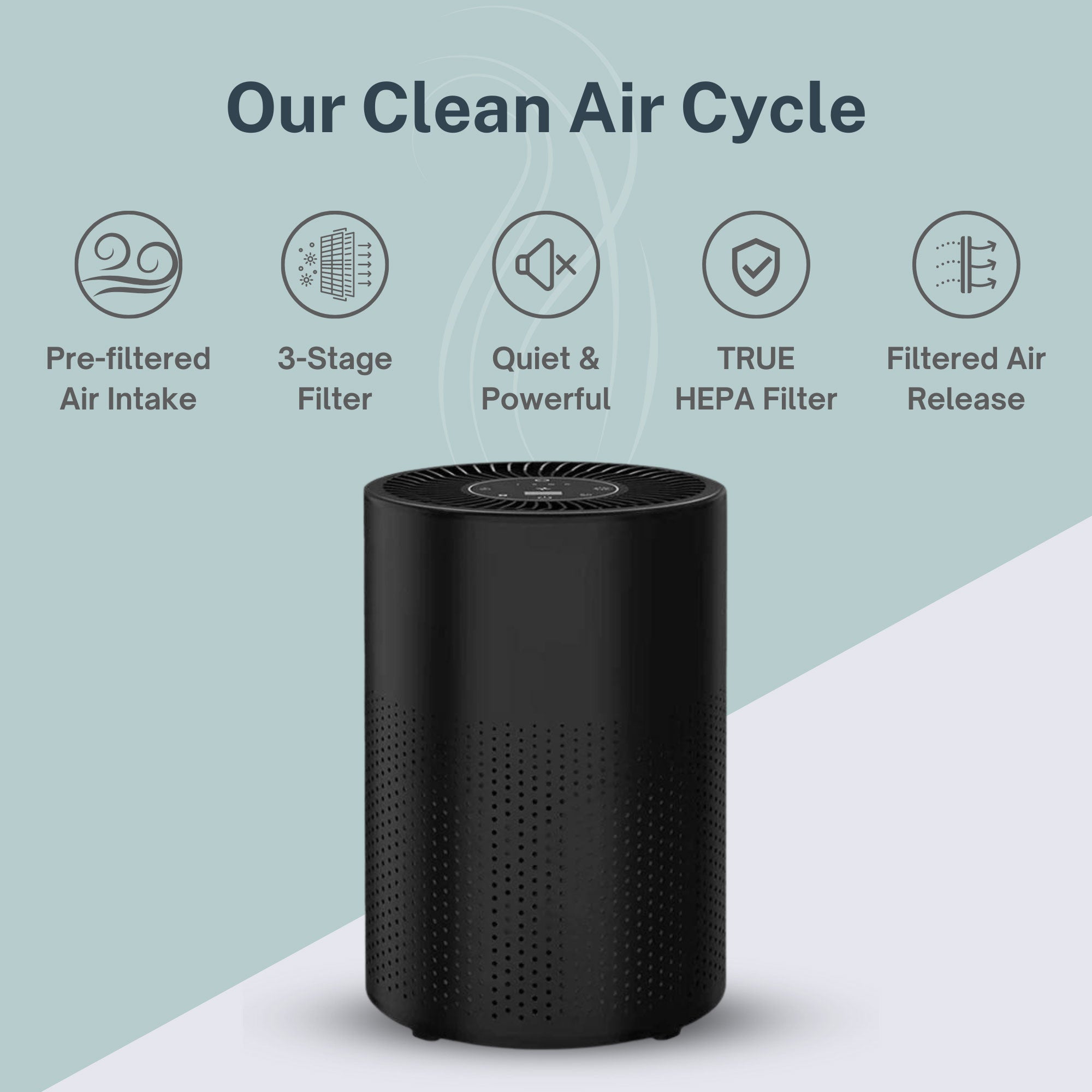
Comprehensive air purification provides essential defense against airborne mold spores from all sources. Advanced filtration systems continuously remove these contaminants from your breathing air, preventing them from settling and establishing new colonies elsewhere in your home. This whole-home approach ensures that even when moisture problems arise in vulnerable spaces like laundry rooms, your family breathes clean, healthy air.
Keep Mold Out of Your Laundry Room
Your laundry room serves an essential household function, but it shouldn't compromise your indoor air quality or your family's health. By regularly checking hidden areas, promptly addressing moisture problems, and maintaining proper ventilation, you prevent mold from establishing itself in this vulnerable space. Combined with effective air purification throughout your home, these strategies ensure your laundry room stays clean and your indoor air remains fresh and healthy. If you're ready to eliminate hidden mold risks and breathe easier throughout your home, shop Air Oasis today and discover how clean air transforms every space.