Poverty doesn't just limit access to food, healthcare, and education. New research from the University of York reveals it also determines the quality of air families breathe in their own homes. A groundbreaking study published in BMC Public Health exposes a disturbing reality—your socioeconomic status may be the strongest predictor of your indoor air quality and, consequently, your family's health.
The INGENIOUS research program monitored 309 families in the Born in Bradford health study. The results were stark. Fine particulate matter (PM2.5) exceeded World Health Organization safety guidelines on 41% of monitored days. But the burden wasn't distributed equally. Families in deprived areas faced consistently higher exposure to dangerous air pollutants than their more affluent counterparts.
Why Poverty Creates Toxic Indoor Environments
The research identified clear socioeconomic patterns that trap vulnerable families in cycles of poor health. Homes in deprived regions showed significantly higher daily average PM2.5 concentrations. Rented homes—where lower-income families disproportionately live—had elevated pollution levels compared to owned properties. This isn't coincidental. It's systemic.
Lower-income families often have less control over their living conditions. They can't afford to choose homes with better ventilation. They can't demand landlords replace gas stoves with electric alternatives. They can't easily relocate from terraced housing with shared walls that trap pollutants. Economic constraints force families into housing situations that compromise their health.
The research also found higher pollution levels in homes where residents smoked and in properties with gas stoves. These factors cluster in lower-income households. Smoking rates are higher among economically disadvantaged populations. Gas stoves, while contributing to indoor pollution, remain common in older, lower-cost housing stock.
The Compounding Health Toll
Professor Nicola Carslaw, who led the INGENIOUS project, emphasized the need for comprehensive solutions. "This research highlights disparities in exposure to common indoor air pollutants," she explained. "We must develop policies that address air pollution from all angles, both inside and outside our homes, to better protect all households."
The health implications extend far beyond immediate respiratory irritation. PM2.5 is a major contributor to premature deaths worldwide. Cardiovascular disease including heart attacks and strokes. Respiratory diseases like asthma and chronic obstructive pulmonary disease. Lung cancer. Potentially dementia and diabetes.
For families already struggling with limited healthcare access, poor nutrition, and economic stress, indoor air pollution adds another devastating burden. Children growing up in these environments face developmental challenges. Adults experience more sick days, lost wages, and mounting medical costs. The cycle perpetuates itself.
An Overlooked Crisis
Rachael Cheung, BiB Principal Research Fellow and co-author, highlighted how this crisis remains hidden. "Since people tend to spend most of their time indoors, this could pose a serious, yet often overlooked, health risk," she noted.
We focus on outdoor air quality. We regulate industrial emissions. We monitor traffic pollution. Meanwhile, families spend 90% of their time breathing air inside homes that may be more polluted than city streets. And the poorest families breathe the worst air of all.
Professor Rosie McEachan, Director of Born in Bradford, framed the findings with urgency and hope. "The levels of pollution that families are exposed to every day indoors are alarming," she stated. "Our findings suggest that if we can clean up the air inside our homes, we can dramatically improve the health of families."
Breaking the Cycle
The research team calls for national policy action. Public awareness campaigns about indoor air quality. Programs addressing socioeconomic inequalities contributing to pollution disparities. Investment in housing improvements for vulnerable communities. These systemic changes take time.
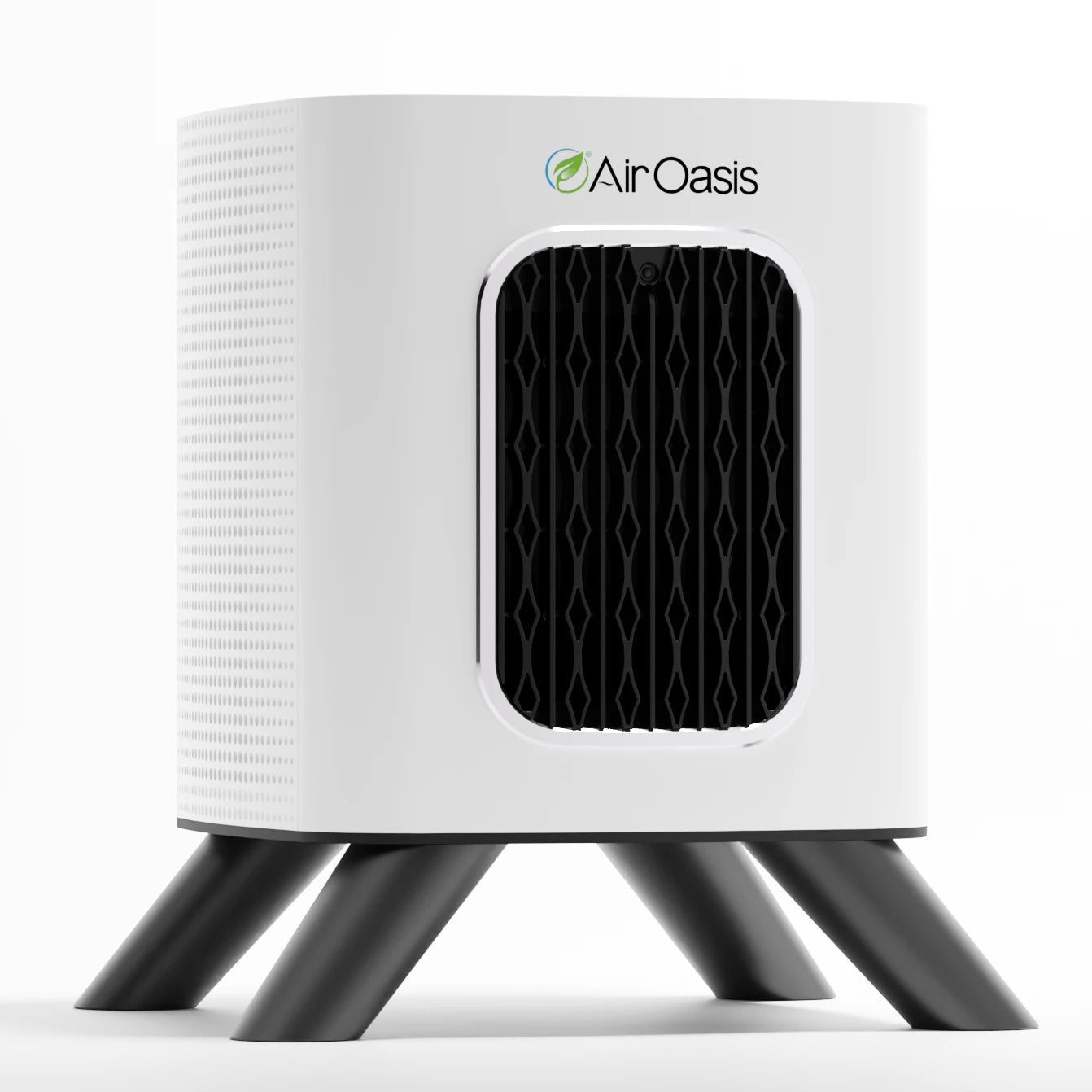
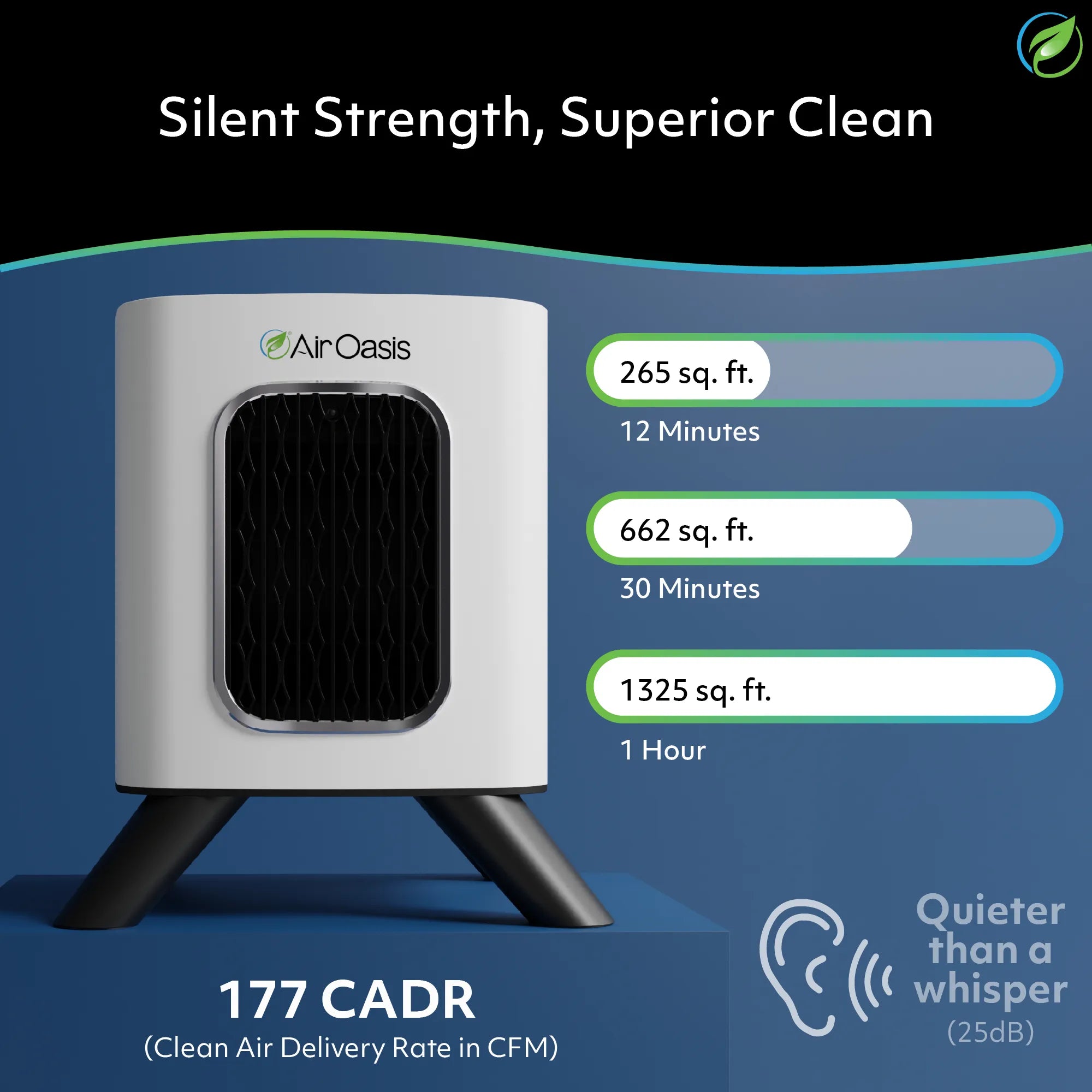
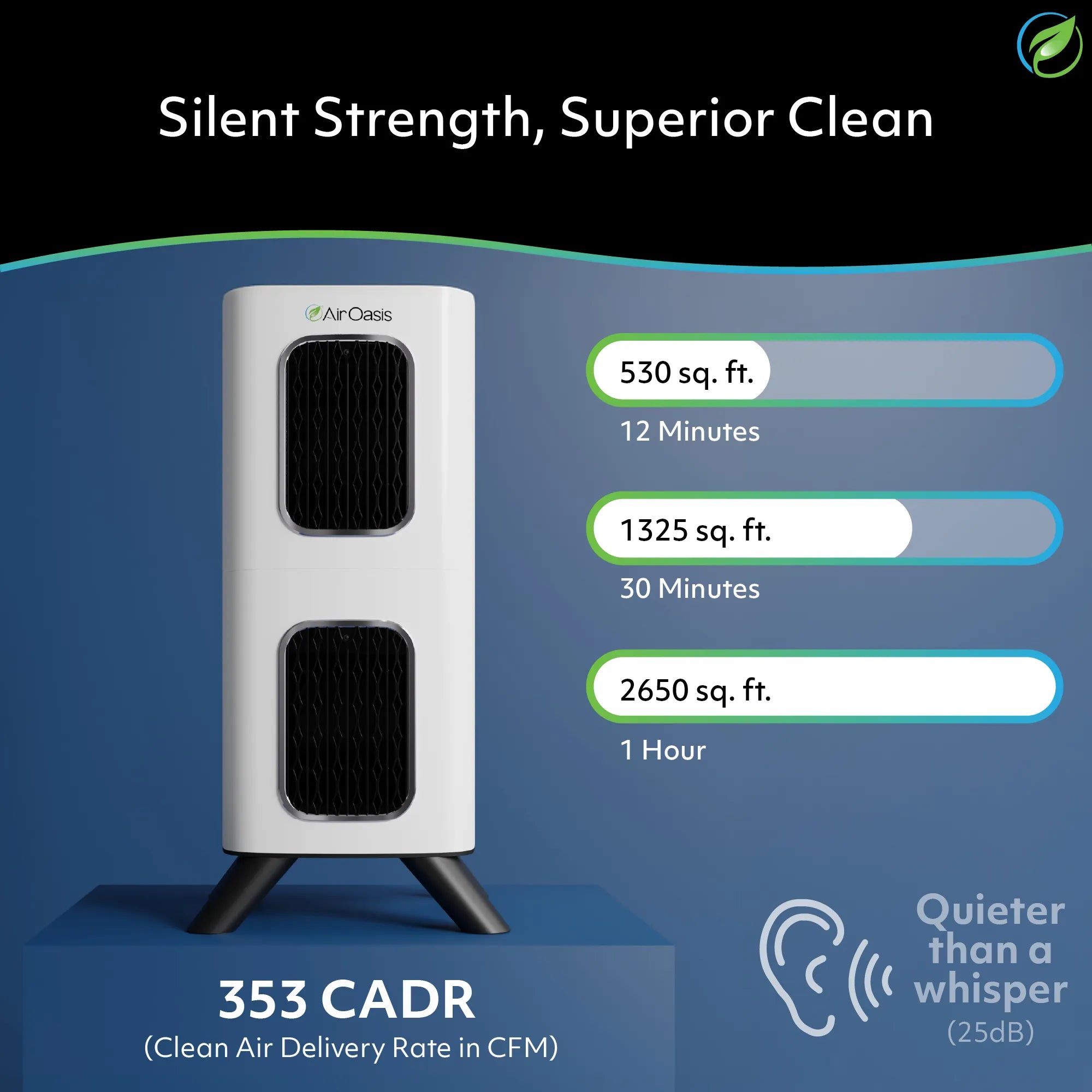
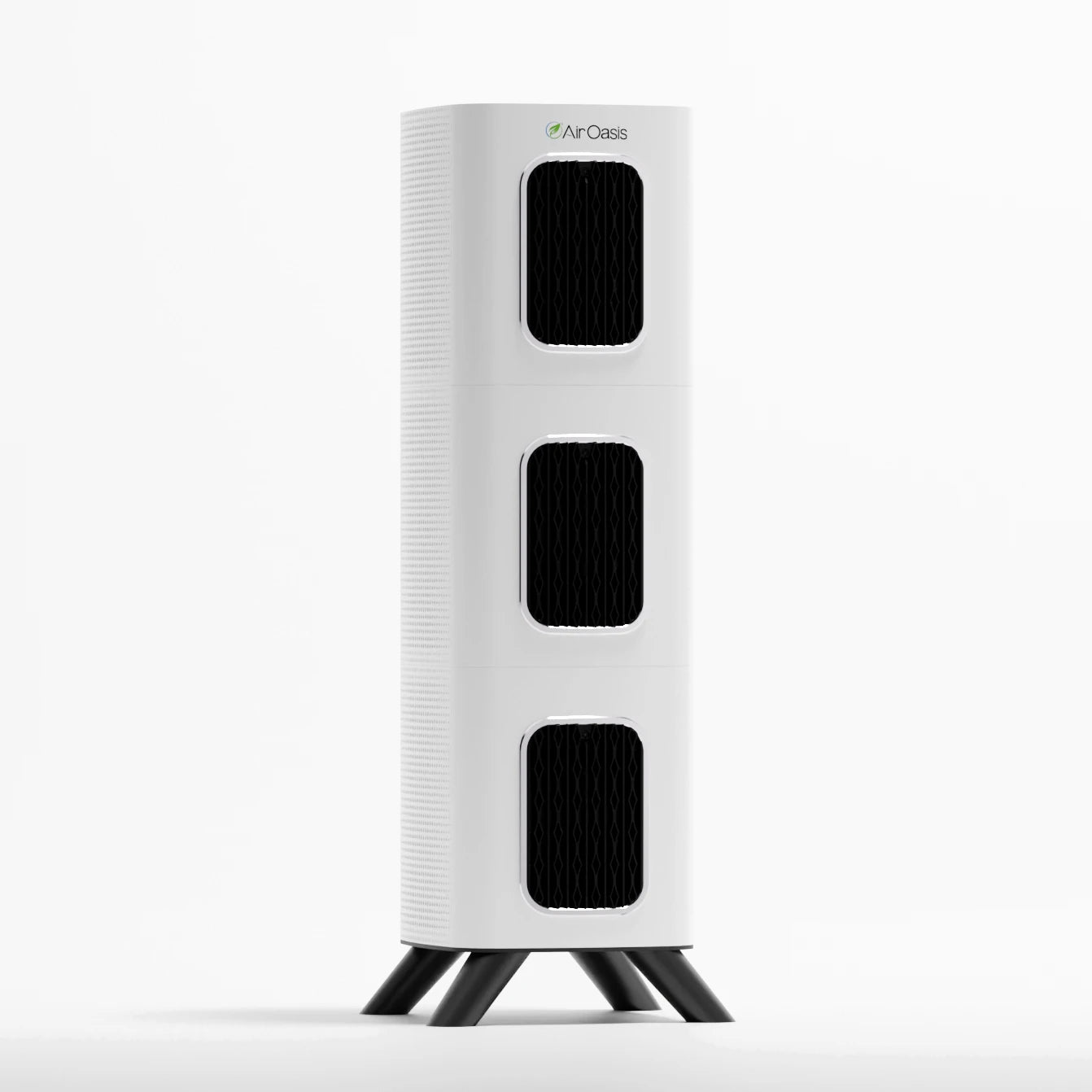
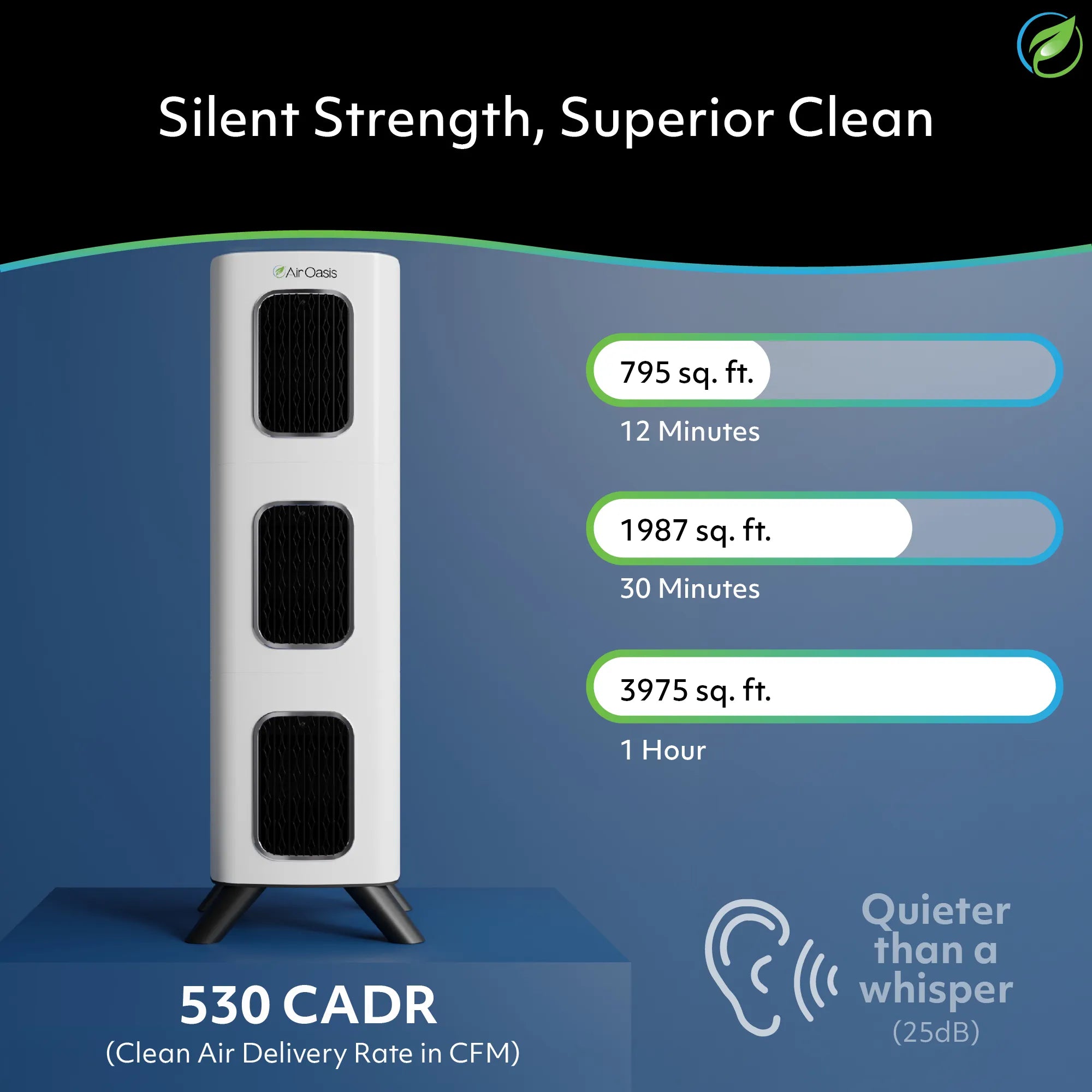
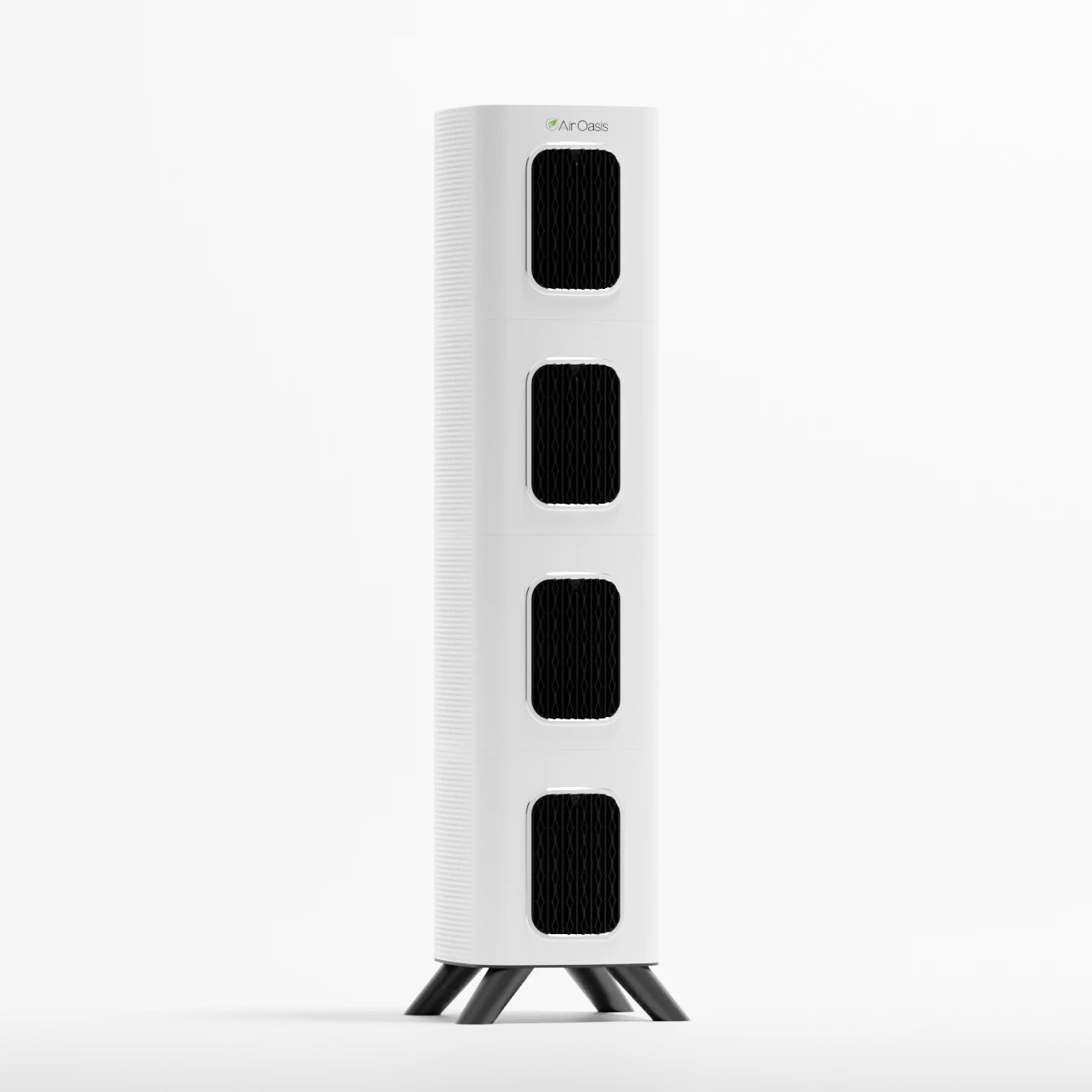
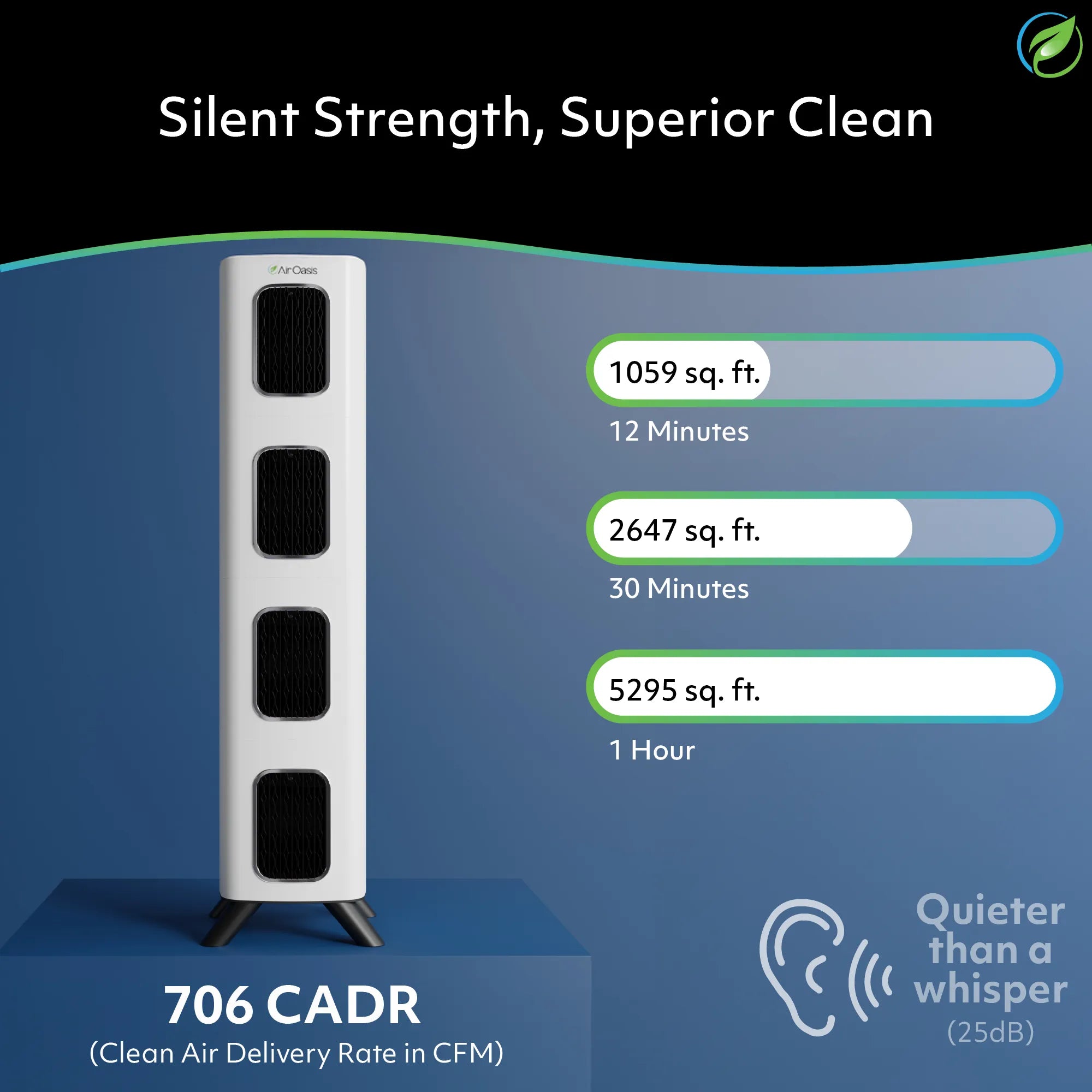
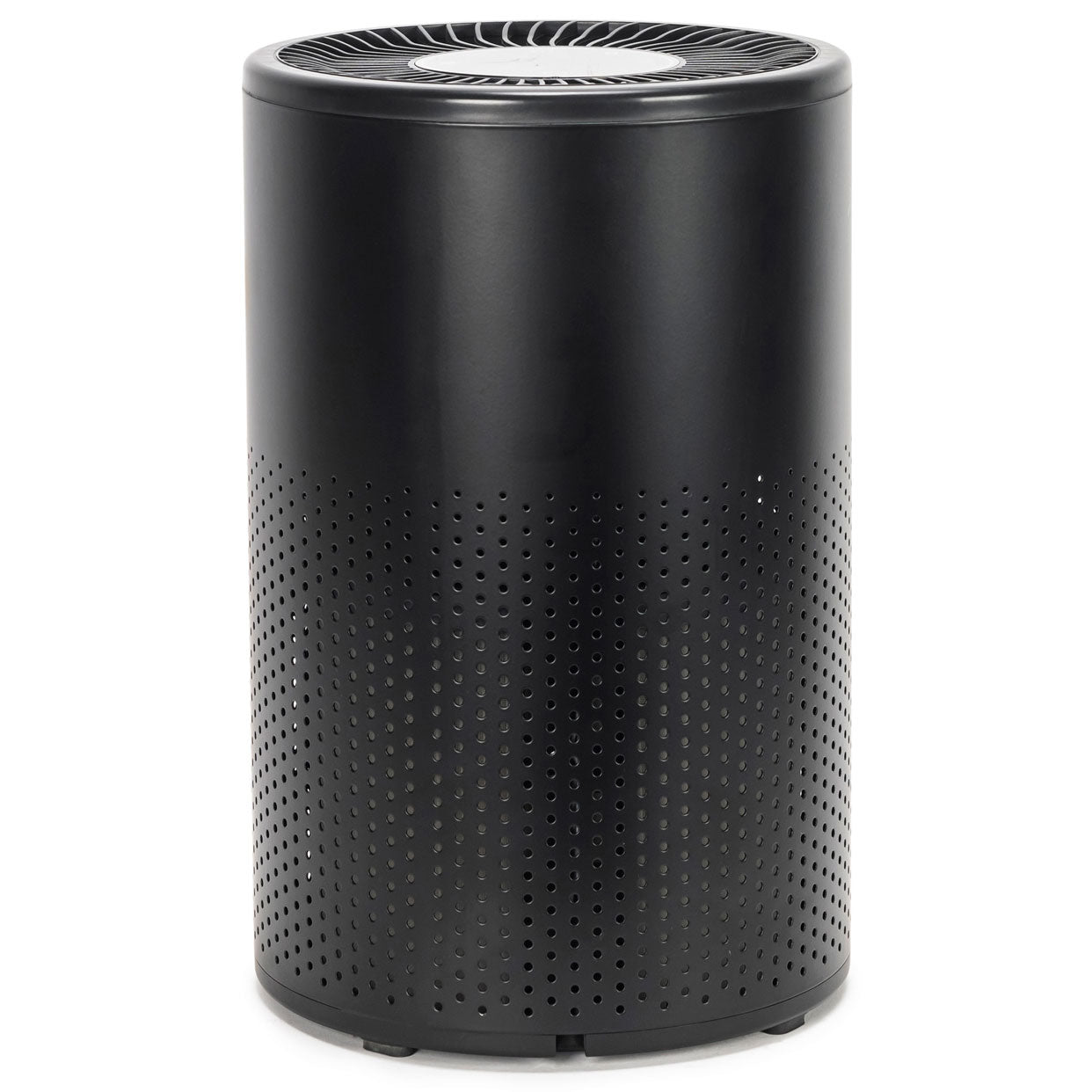
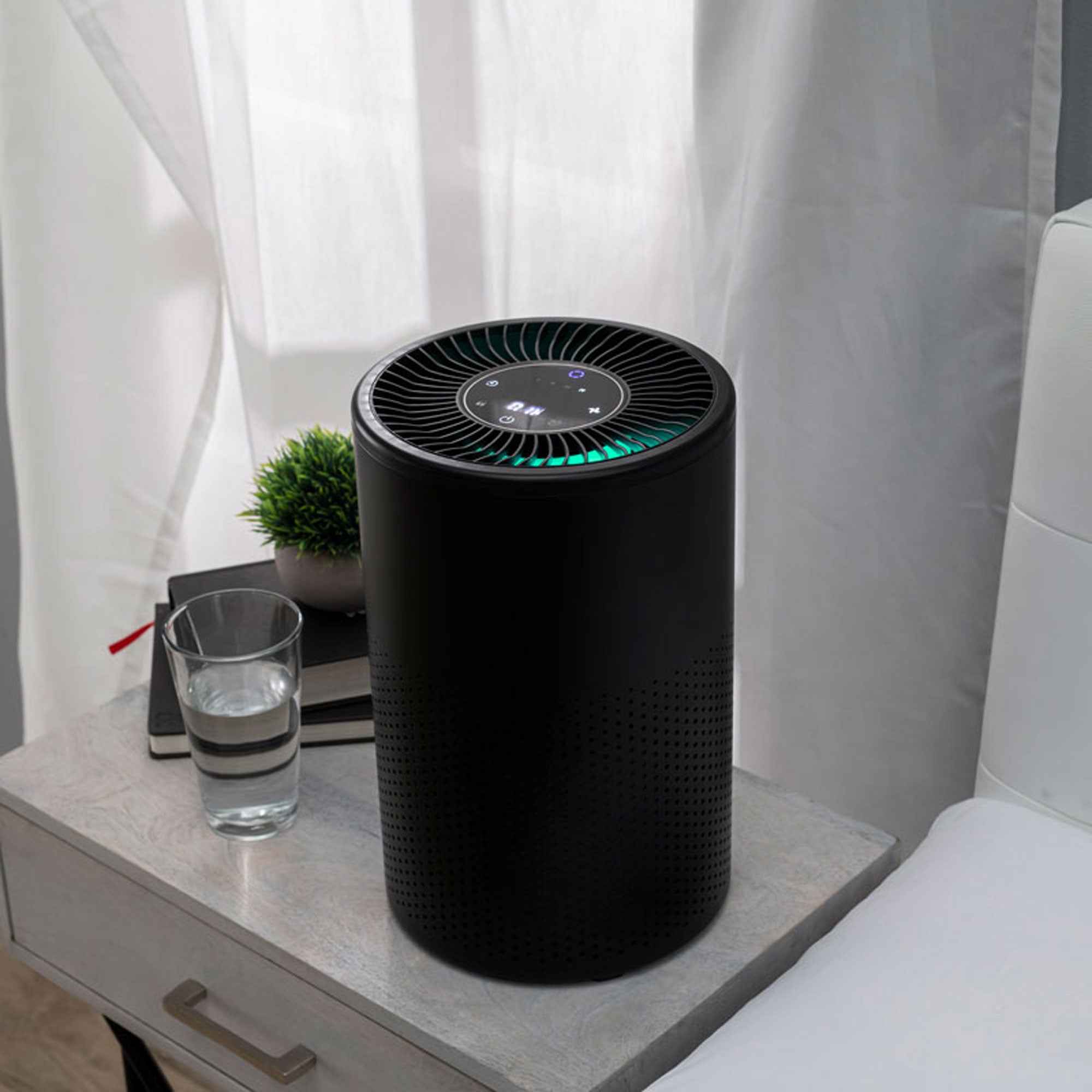
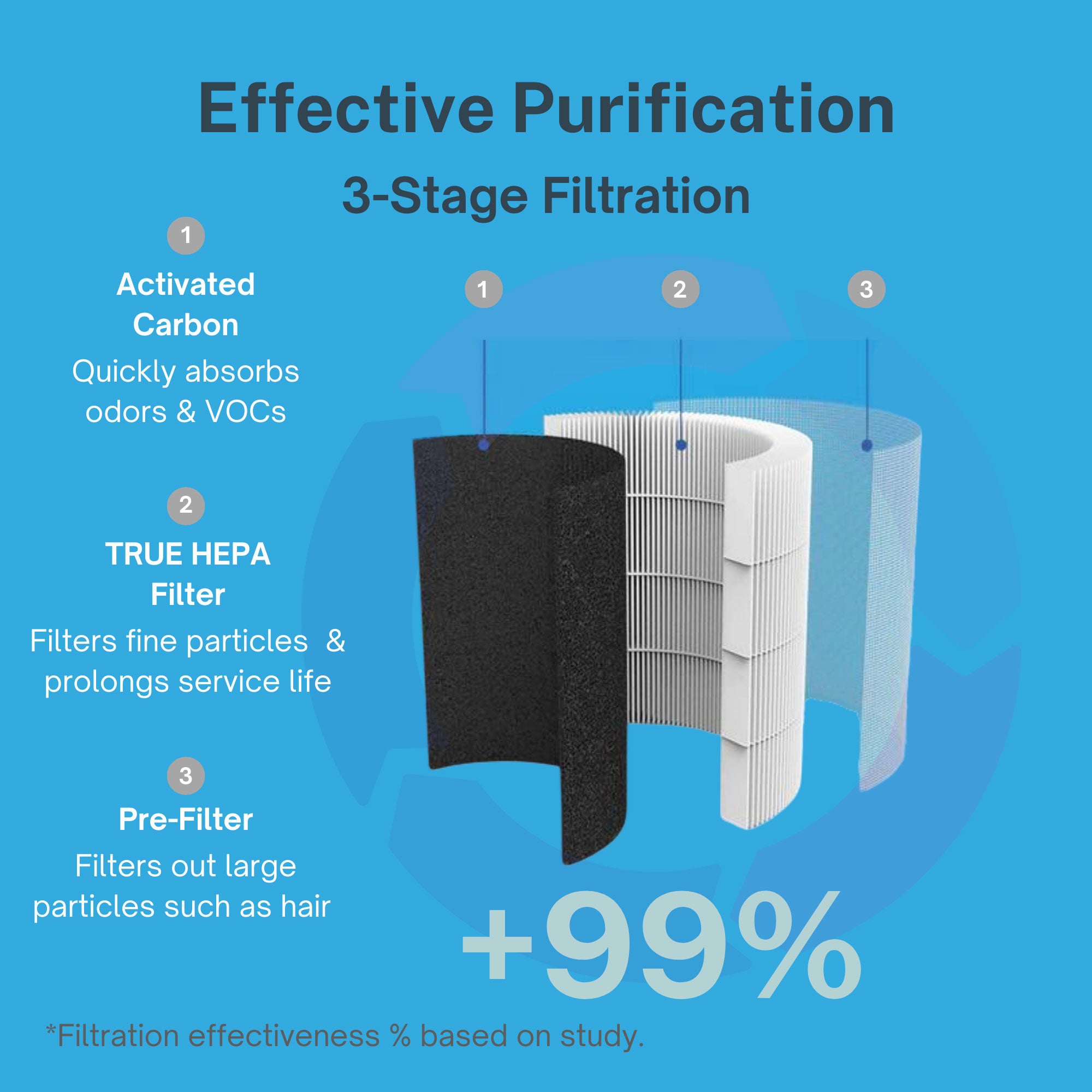
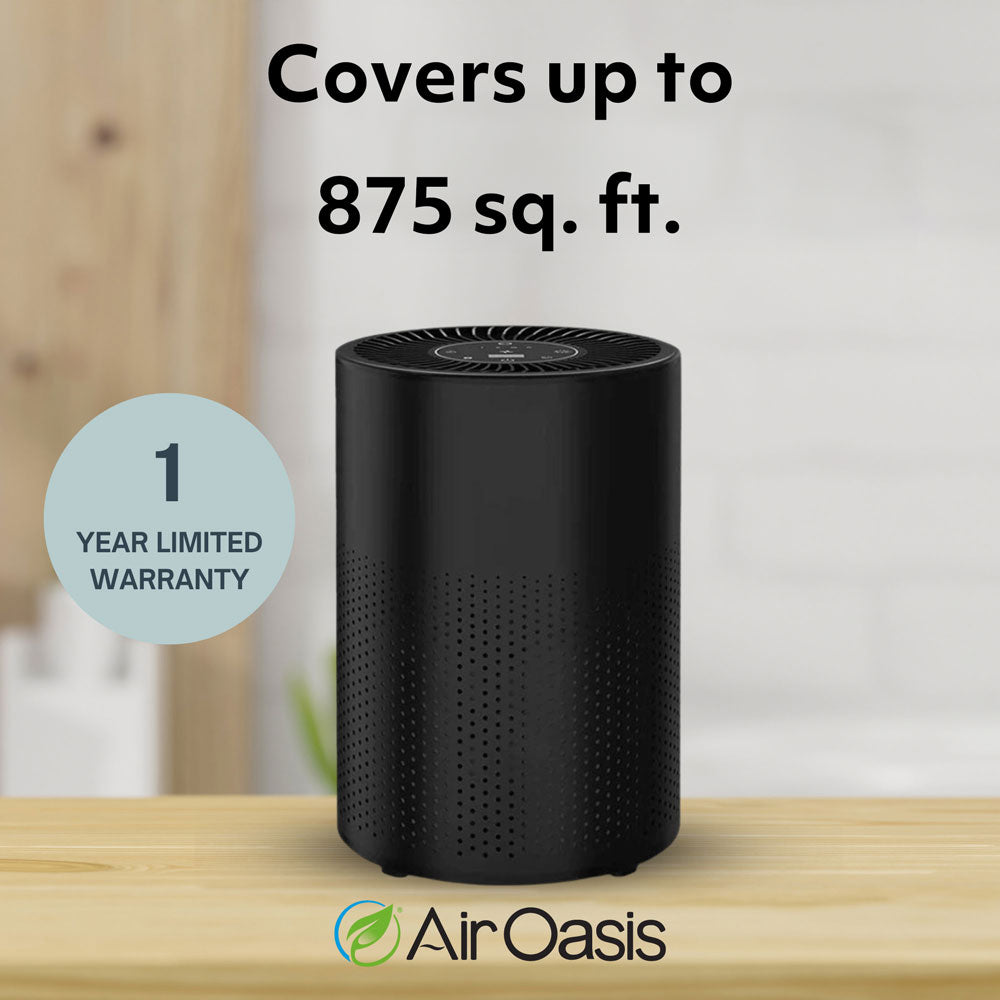
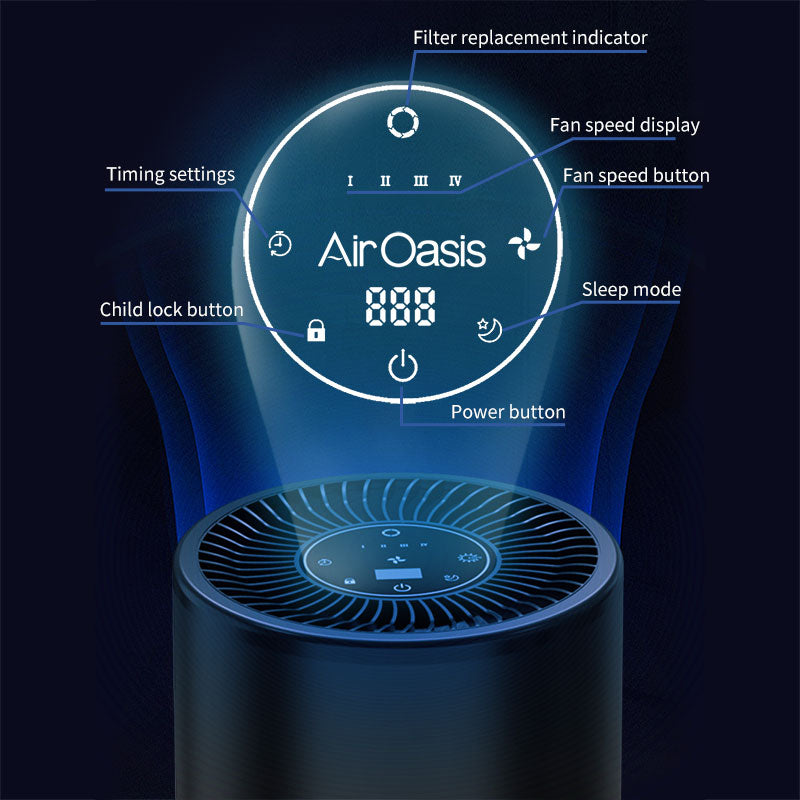
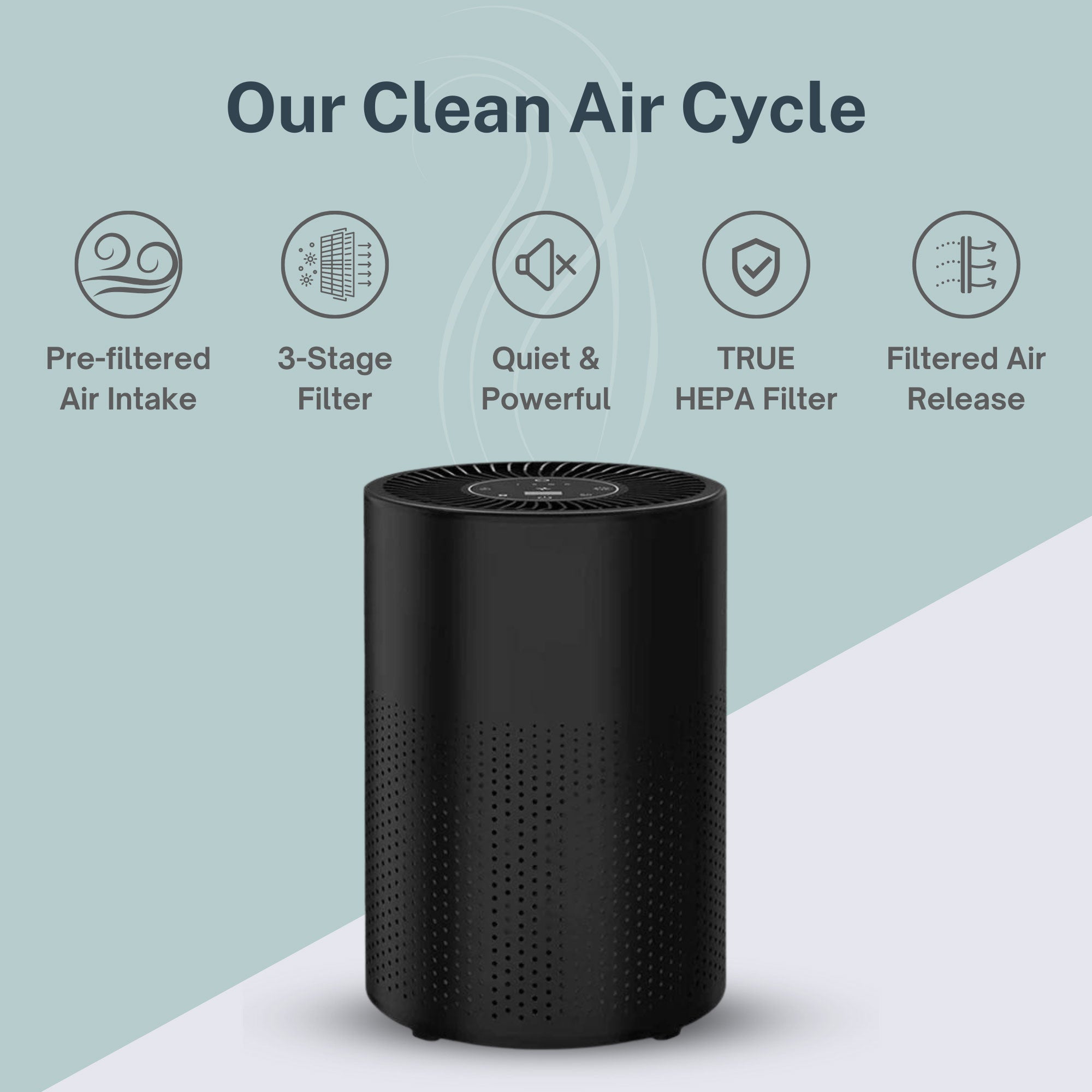
But individual families shouldn't have to wait for policy reforms to protect their health. Medical-grade air purification offers an immediate intervention. Advanced filtration systems remove PM2.5 and other harmful pollutants regardless of housing type, ventilation quality, or socioeconomic circumstances.
Every family deserves to breathe clean air in their own home. Economic status shouldn't determine lung health. Shop Air Oasis today and take control of your indoor environment.