You walk past that same wall every day without giving it a second thought. The wallpaper looks fine from the outside—maybe a little discolored in spots, but nothing alarming. Meanwhile, hidden behind that decorative surface, mold could be quietly spreading across your drywall, releasing spores into the air your family breathes. This scenario plays out in thousands of homes, and most people have no idea until the problem becomes severe.
Wallpaper creates the perfect hiding spot for mold growth. Unlike painted walls where moisture evaporates relatively quickly, wallpaper traps humidity against the wall surface. This trapped moisture combines with the organic materials in wallpaper paste to create an ideal environment for mold colonization. The problem intensifies in rooms with naturally high humidity like bathrooms, kitchens, and basements. Once mold establishes itself behind wallpaper, it can spread rapidly through drywall and insulation without showing any signs on the surface.
Temperature fluctuations make exterior walls particularly vulnerable. When warm indoor air meets cold exterior walls, condensation forms. Wallpaper prevents this moisture from evaporating, and mold spores naturally present in your home quickly take advantage. Leaky pipes hidden inside walls, roof leaks that go unnoticed, or flooding events that seem minor can all introduce enough moisture behind wallpaper to trigger extensive mold growth. The adhesive used to attach wallpaper holds onto moisture for extended periods, giving mold plenty of time to establish colonies that spread far beyond the initial wet spot.
Older homes face additional risks. Vintage wallpaper often contains organic materials that mold finds especially appetizing. Poor ventilation in older construction means moisture has fewer escape routes. If your home was built before modern moisture barriers became standard, condensation problems behind wallpaper are almost inevitable. Even newer homes aren't immune if construction defects allow water intrusion or if ventilation systems can't adequately control humidity levels.
Warning Signs You Shouldn't Ignore
Your wallpaper might look acceptable at first glance, but certain telltale signs reveal what's happening underneath. Discoloration is often the first visible clue. Yellow, brown, or black spots appearing on wallpaper suggest moisture problems beneath the surface. These stains might start small, but typically expand over time as mold colonies grow larger. Dark streaks or blotches that appear without any obvious cause point directly to fungal growth between the wallpaper and the wall.
Texture changes tell an important story. Run your hand gently across wallpaper in suspected areas. Does it feel damp or unusually cool? Moisture trapped behind wallpaper creates these sensations. Bubbling or peeling wallpaper indicates the adhesive has failed, usually because moisture has compromised its bond. When you press lightly on the wall, soft or spongy spots suggest the drywall underneath has absorbed significant water and may harbor active mold growth.
Your nose provides reliable early warning. A persistent musty smell in a room, especially near walls, strongly indicates hidden mold. This earthy, damp odor comes from microbial volatile organic compounds that mold releases as it grows. The smell might intensify during humid weather or when heating systems first turn on in fall. If you notice this odor but can't identify a visible source, mold behind wallpaper should be high on your suspect list.
Pay attention to how you feel in different rooms. Do your allergy symptoms worsen in spaces with wallpapered walls? Does your nose get stuffy or your throat scratchy when you spend time in certain areas? Mold releases spores continuously, and wallpaper does nothing to contain them. These spores circulate through your home's air, triggering reactions even when you can't see the mold source. Children and elderly family members often show symptoms first because their immune systems are more sensitive to mold exposure.
Health Consequences of Breathing Mold Spores
Mold behind wallpaper doesn't stay contained. Spores pass through tiny gaps and circulate throughout your home via HVAC systems and natural air movement. Every breath in a home with hidden mold means inhaling potentially harmful particles. For people with allergies or asthma, this exposure triggers immediate reactions including sneezing, watery eyes, coughing, and breathing difficulties. Even individuals without diagnosed sensitivities often develop symptoms after prolonged exposure to mold spores.
Respiratory problems are the most common health complaint. Mold spores irritate lung tissue, causing persistent coughing and throat irritation. People frequently mistake these symptoms for seasonal allergies or lingering colds, never connecting them to their home environment. Asthma sufferers experience more frequent and severe attacks when exposed to mold. Chronic sinus infections, bronchitis, and reduced lung function all correlate with long-term mold exposure from hidden sources like wallpaper.
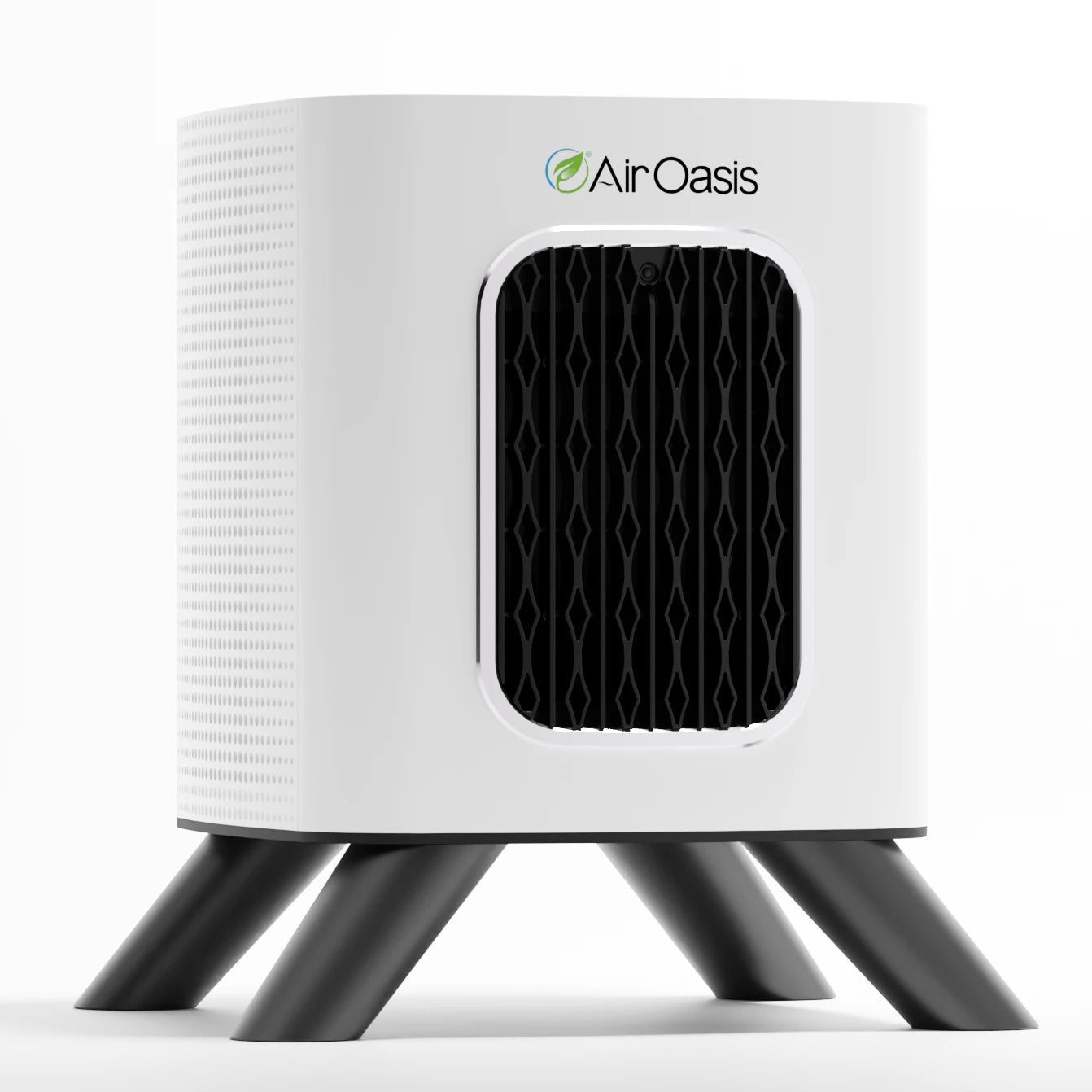
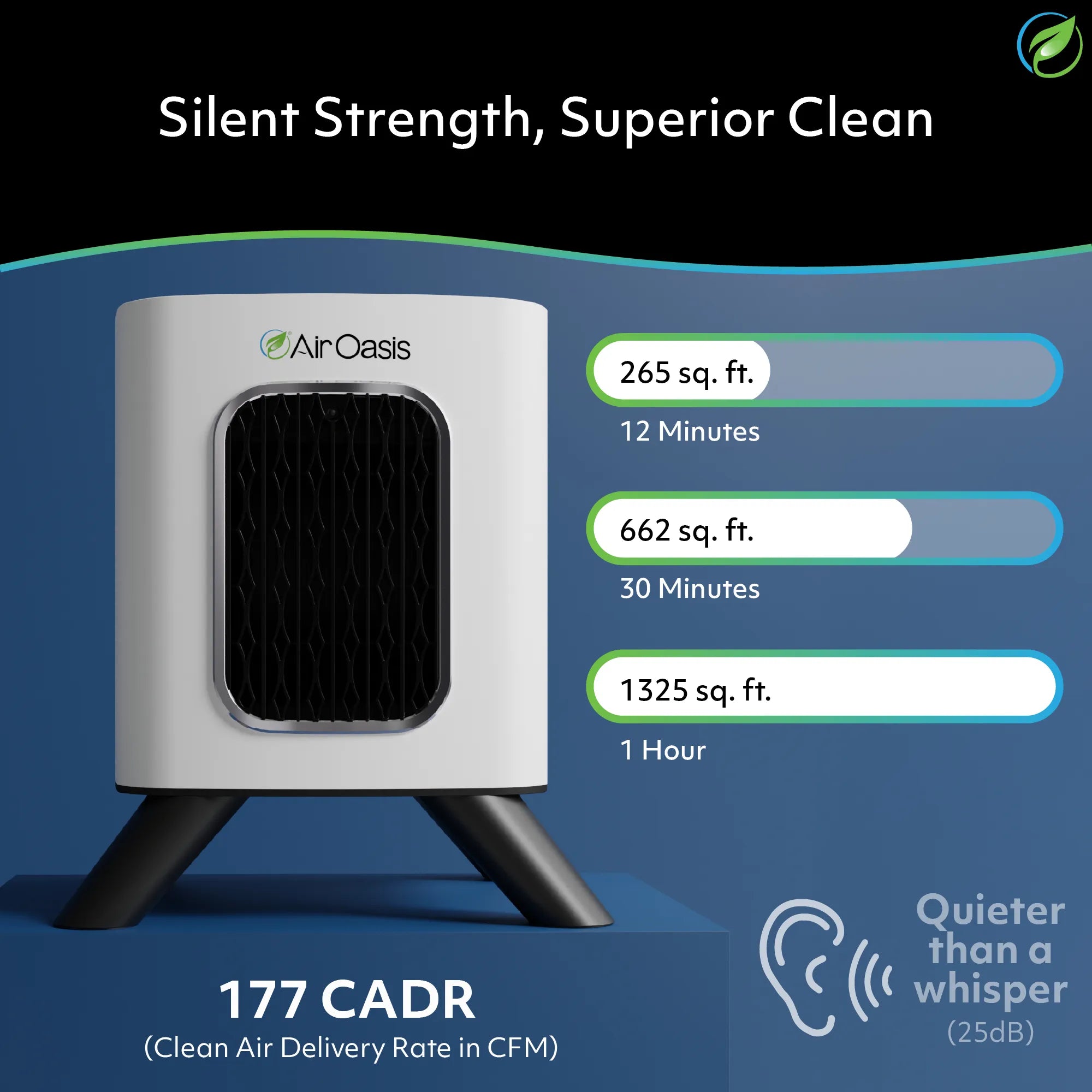
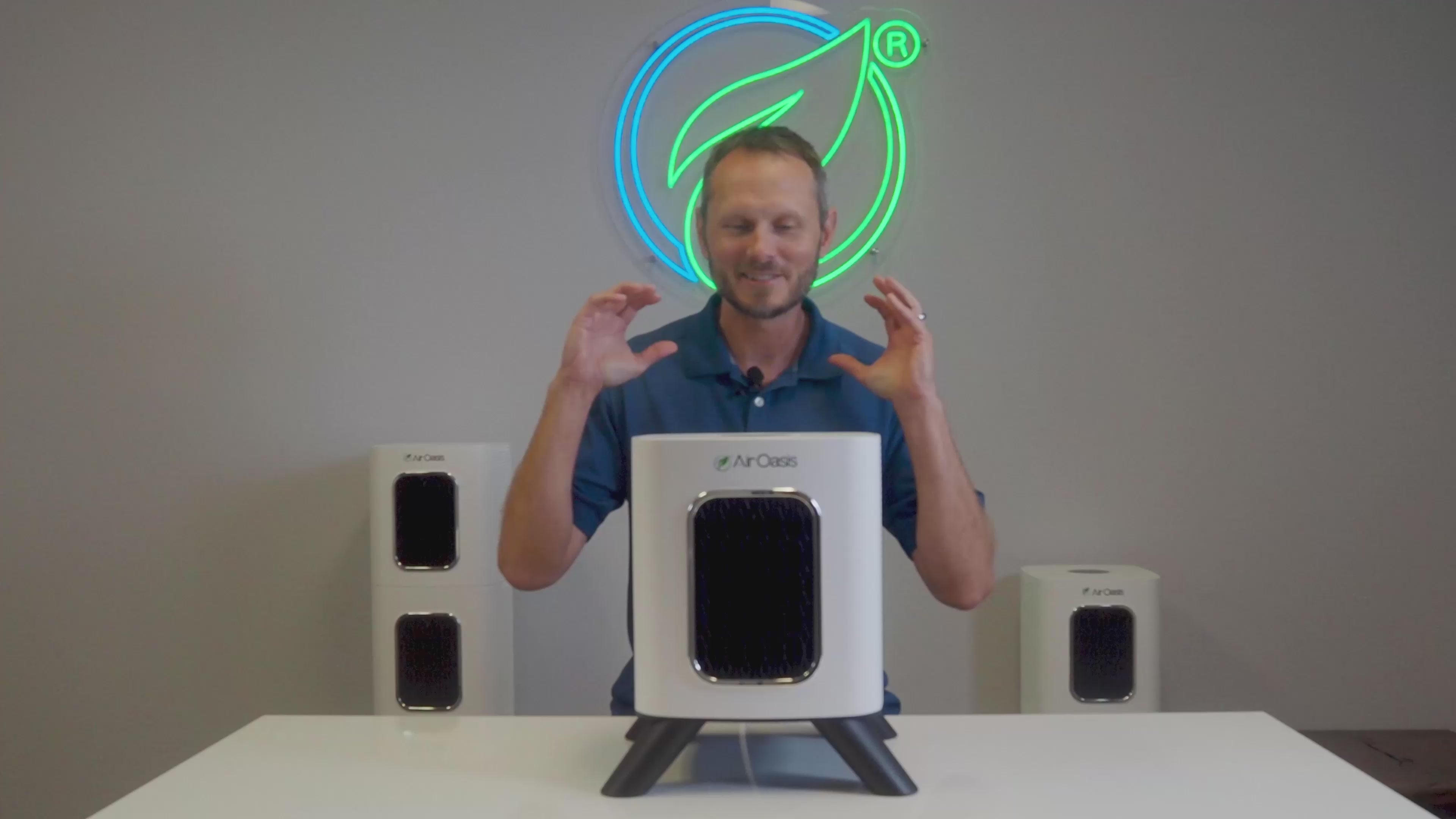
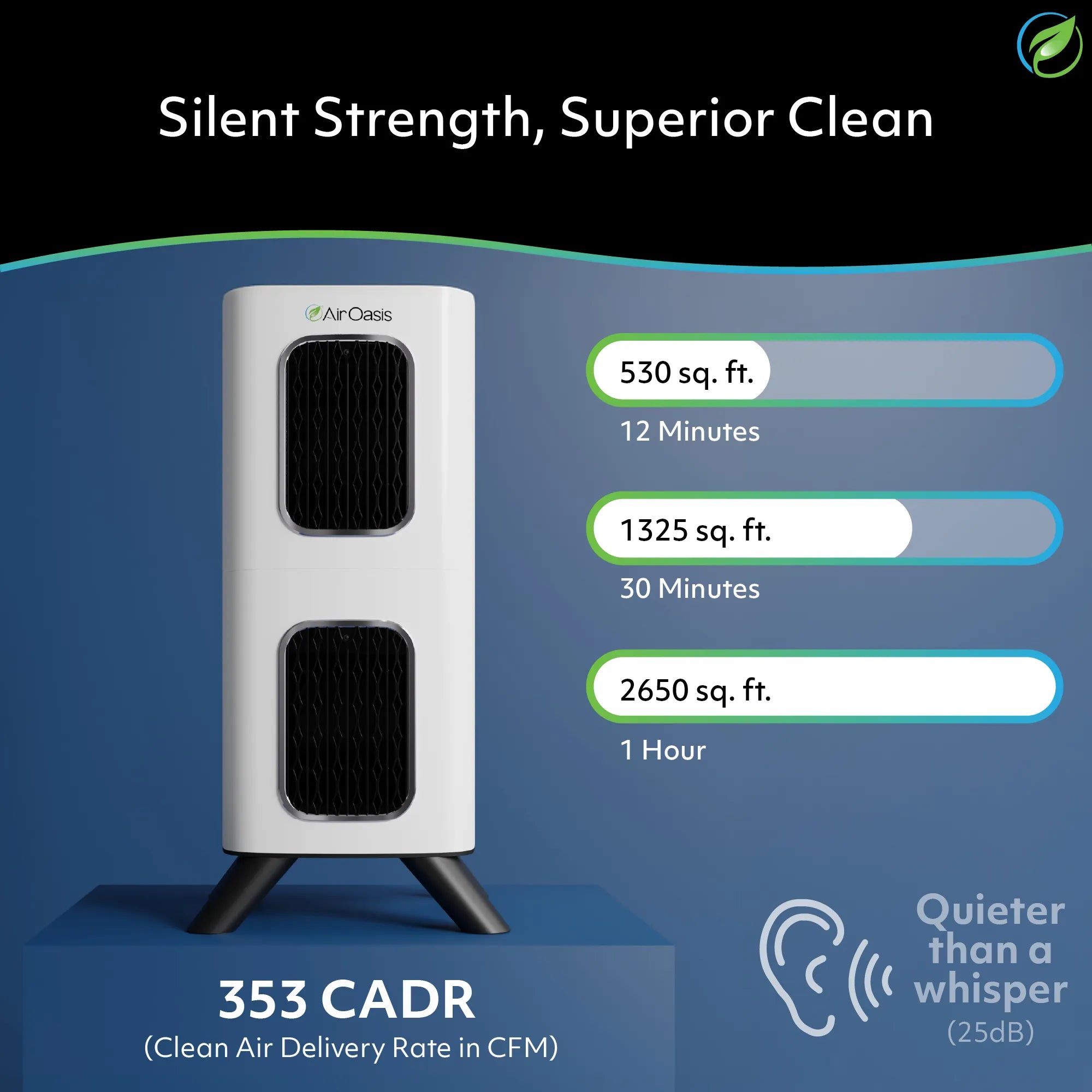
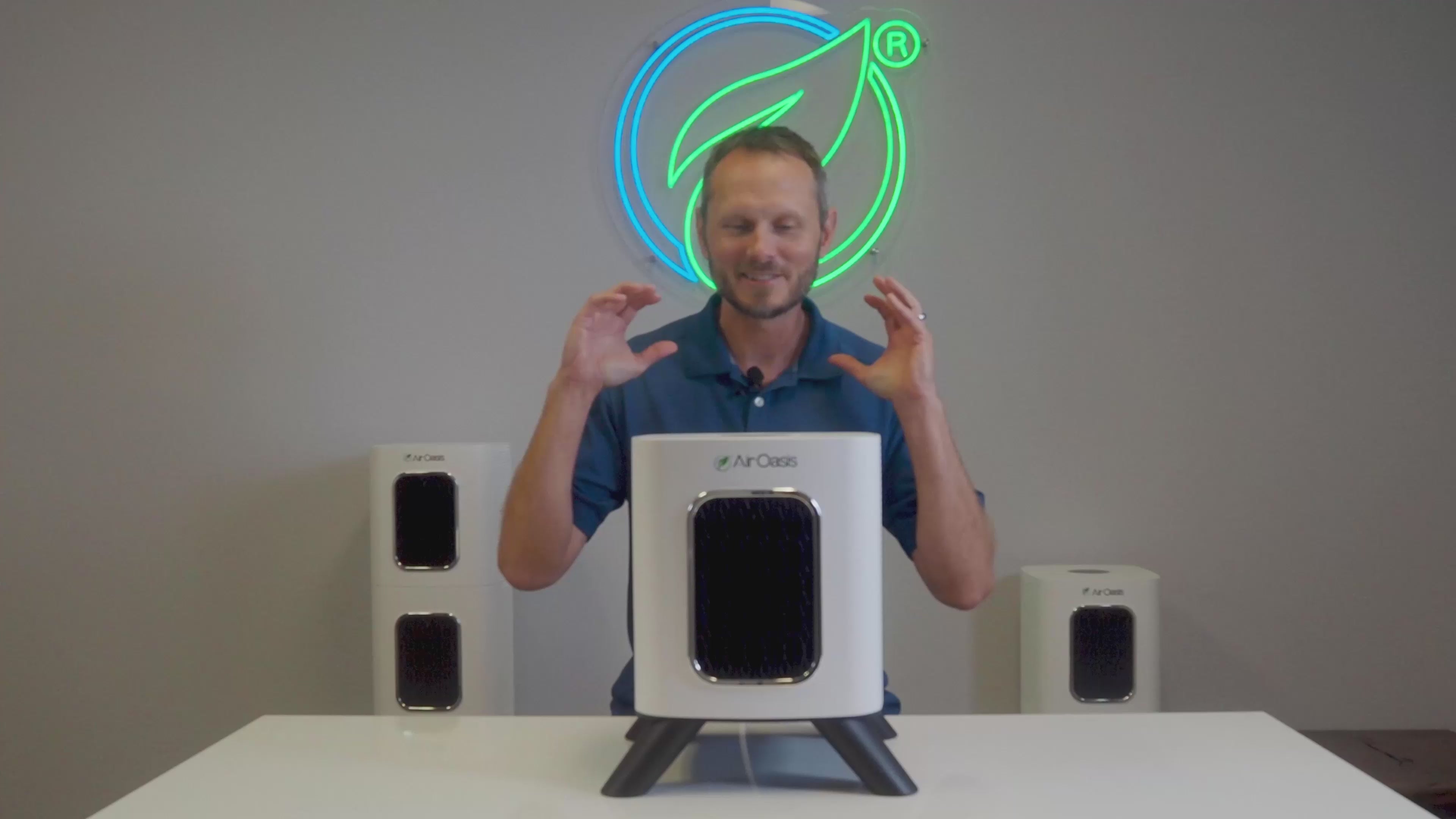
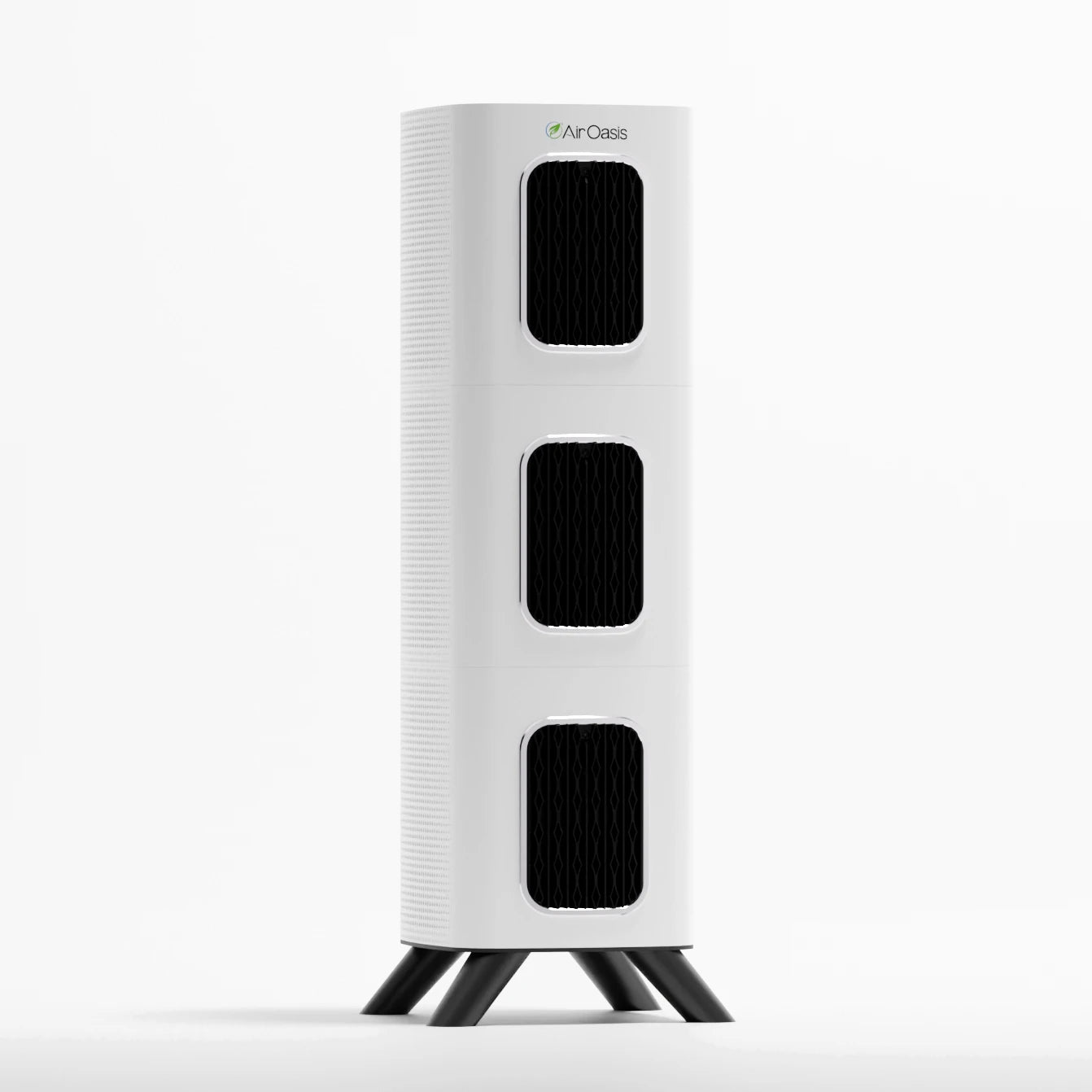
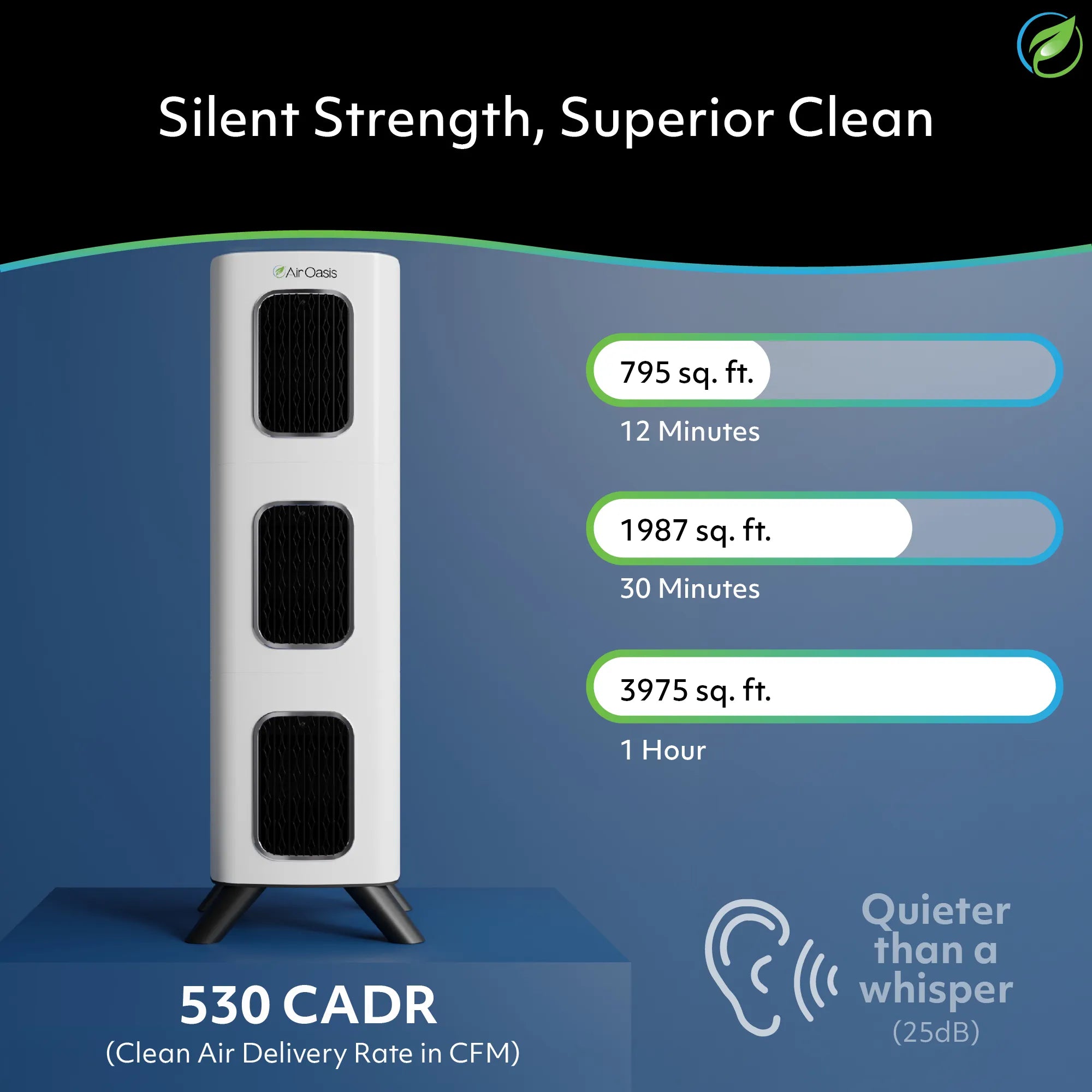
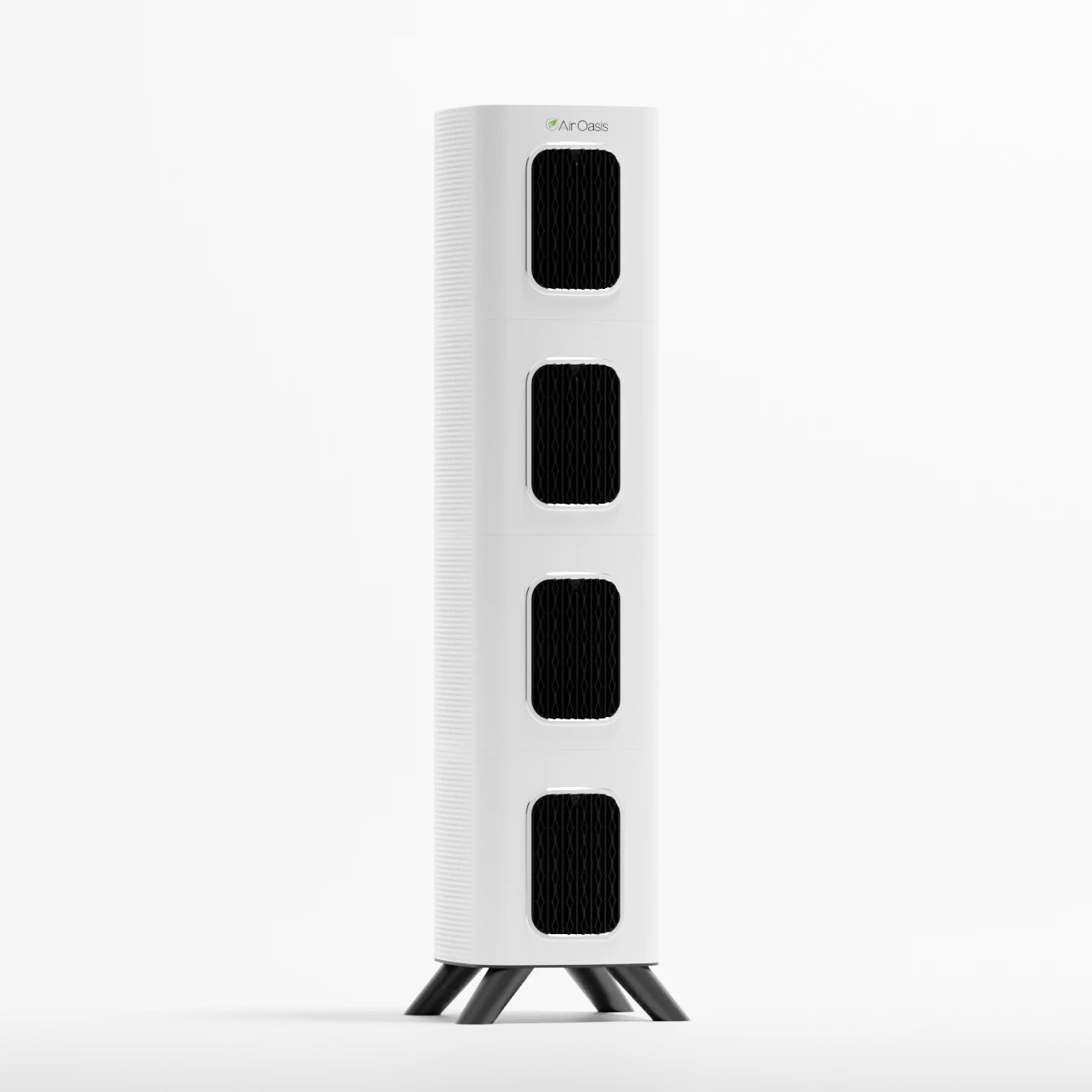
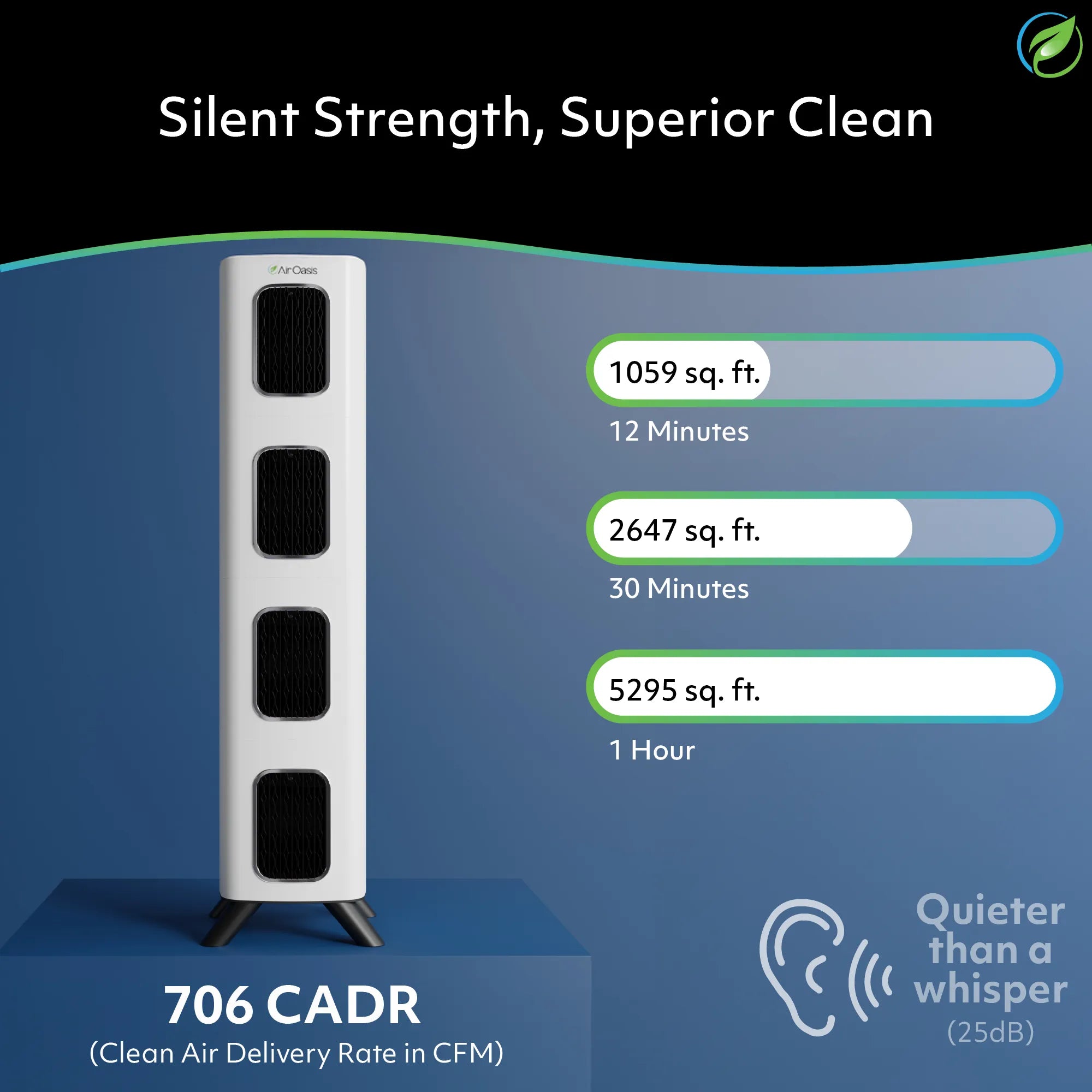
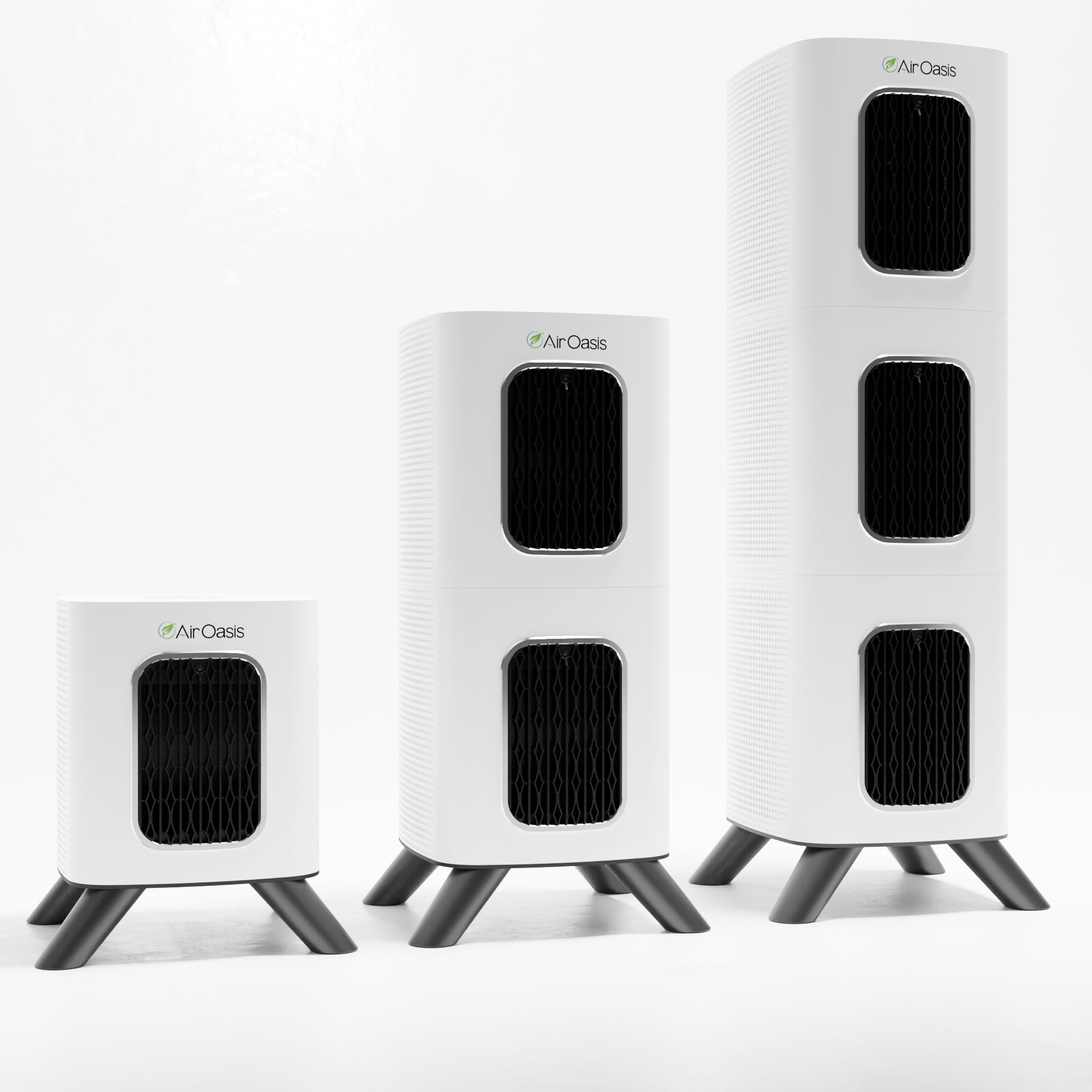
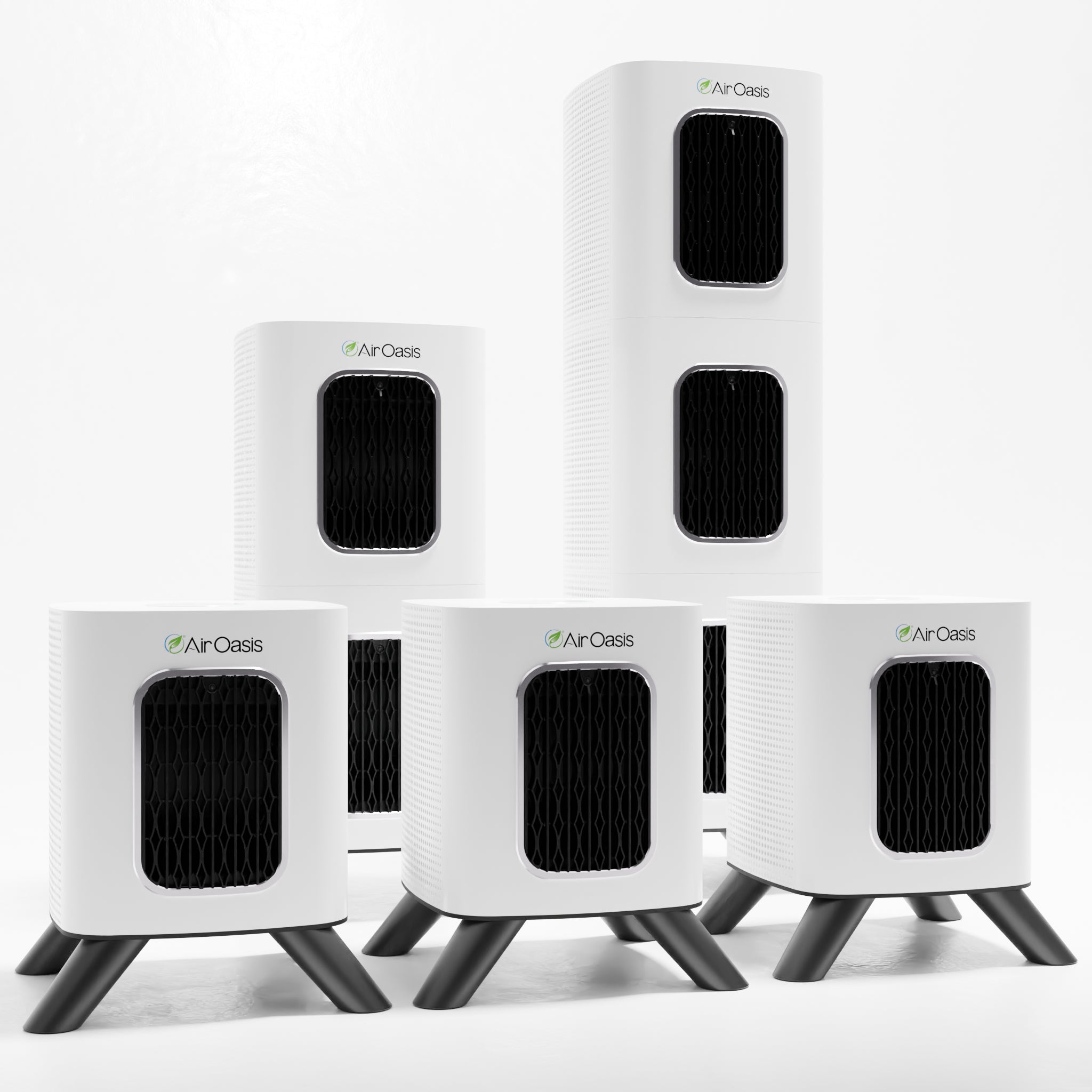
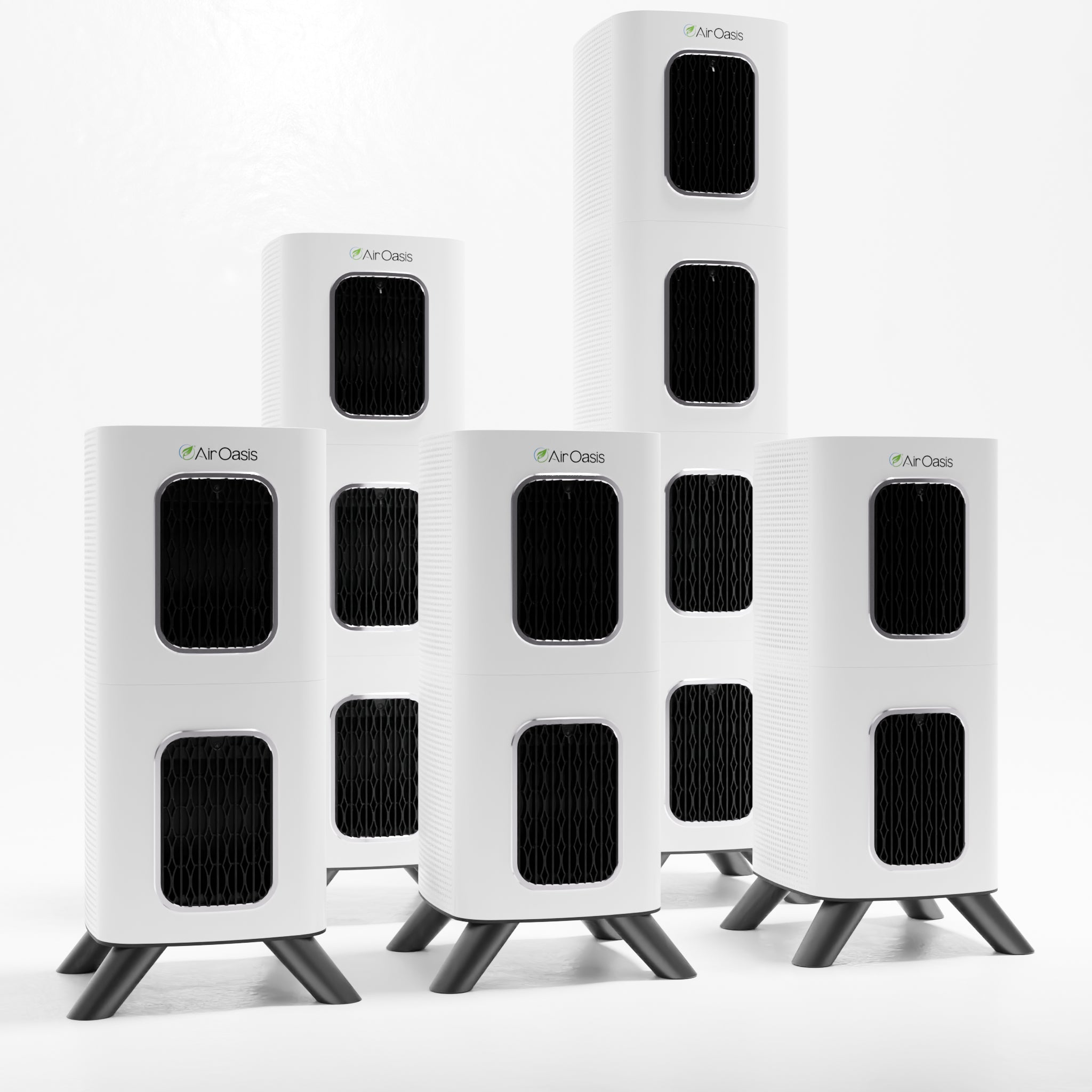
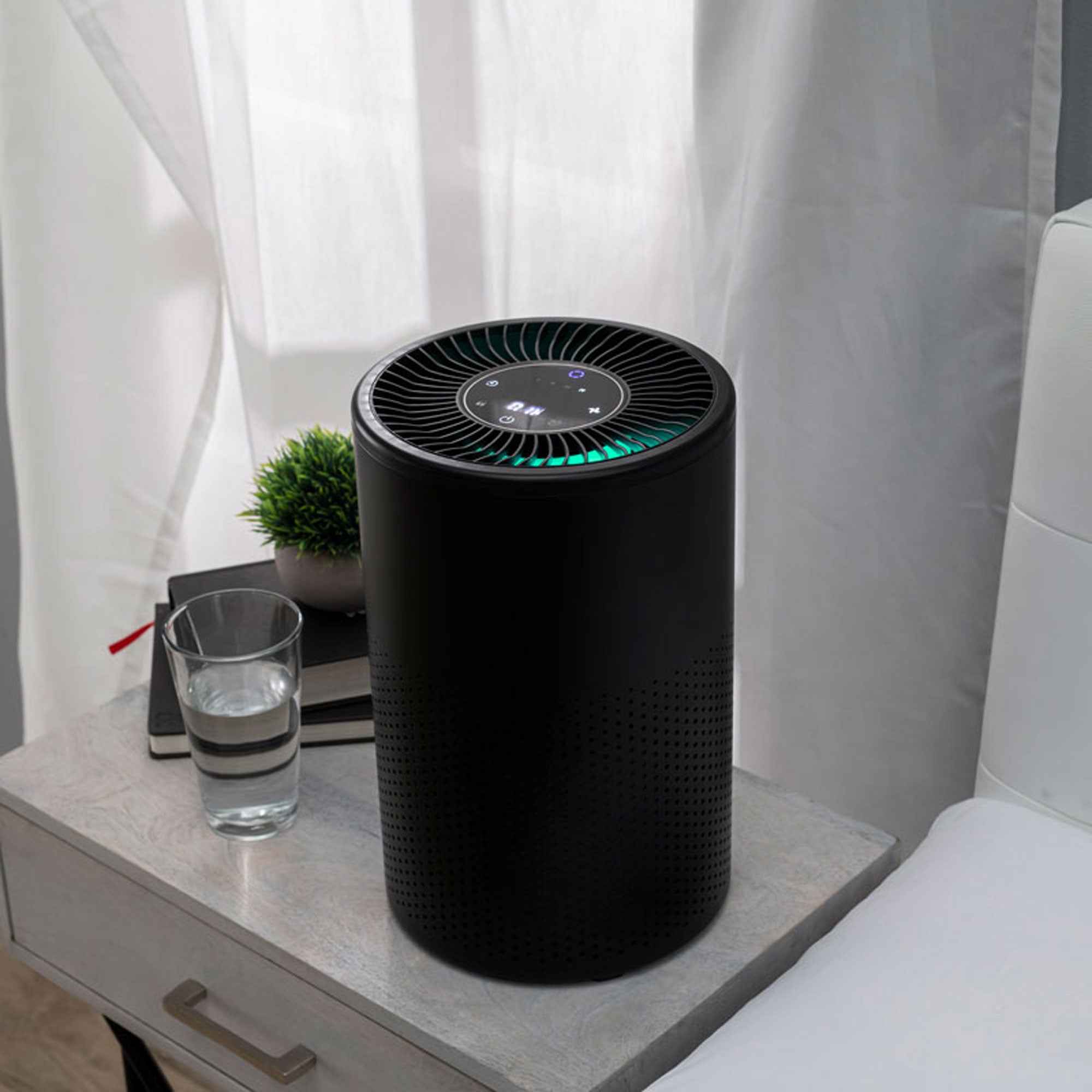
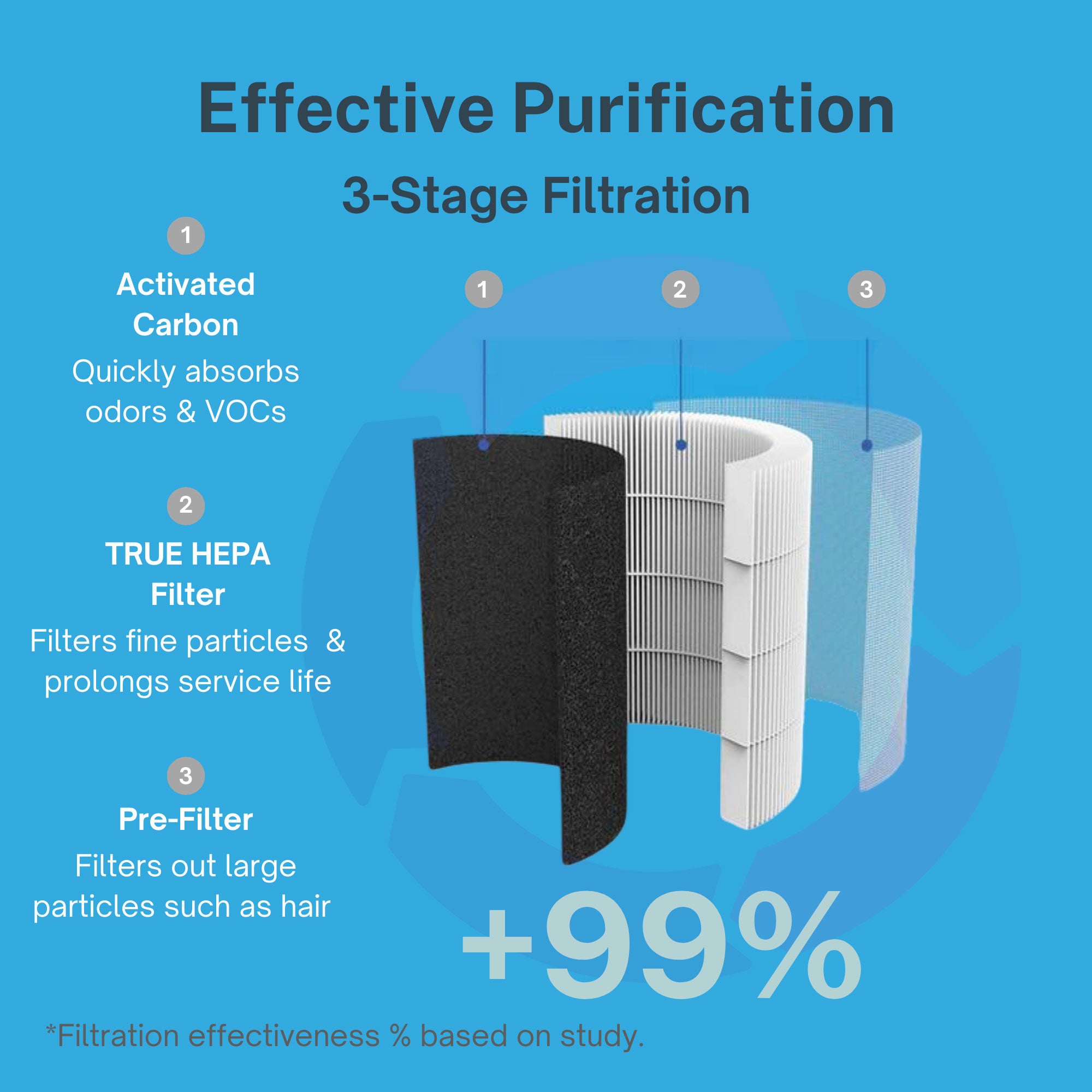
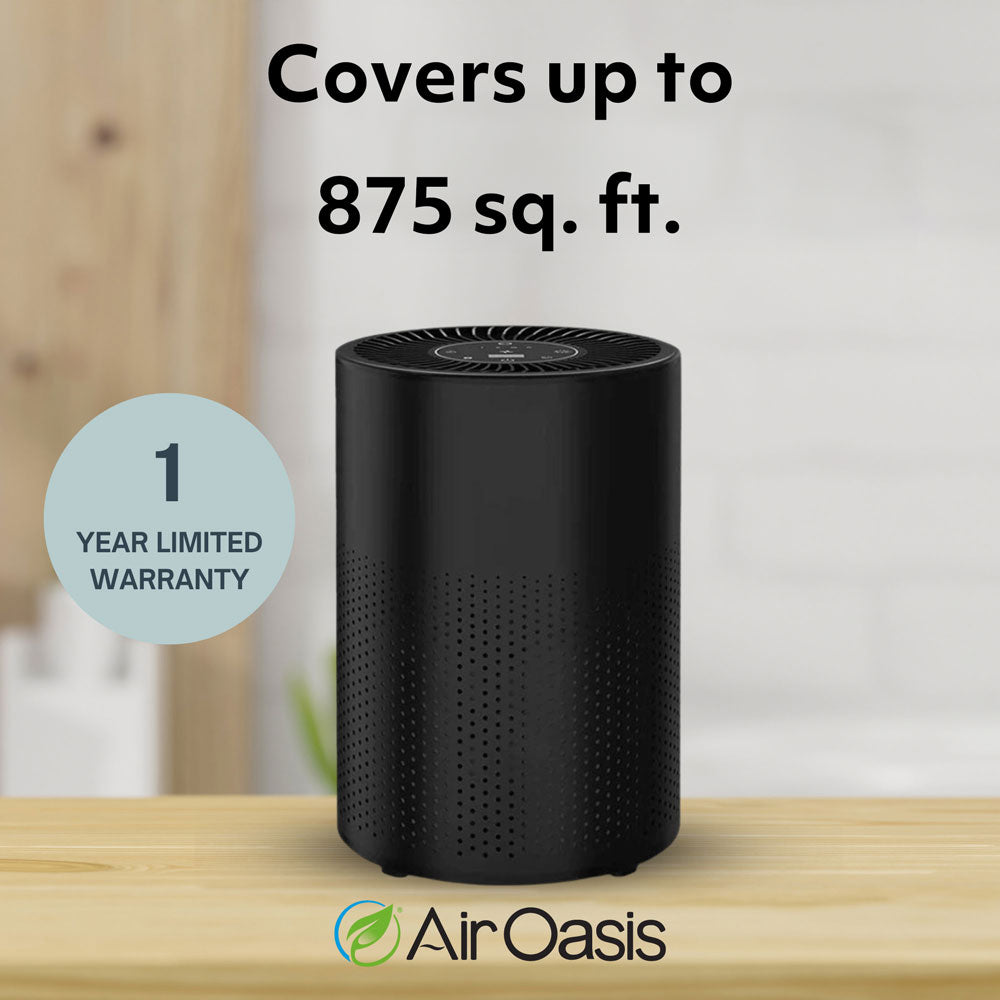
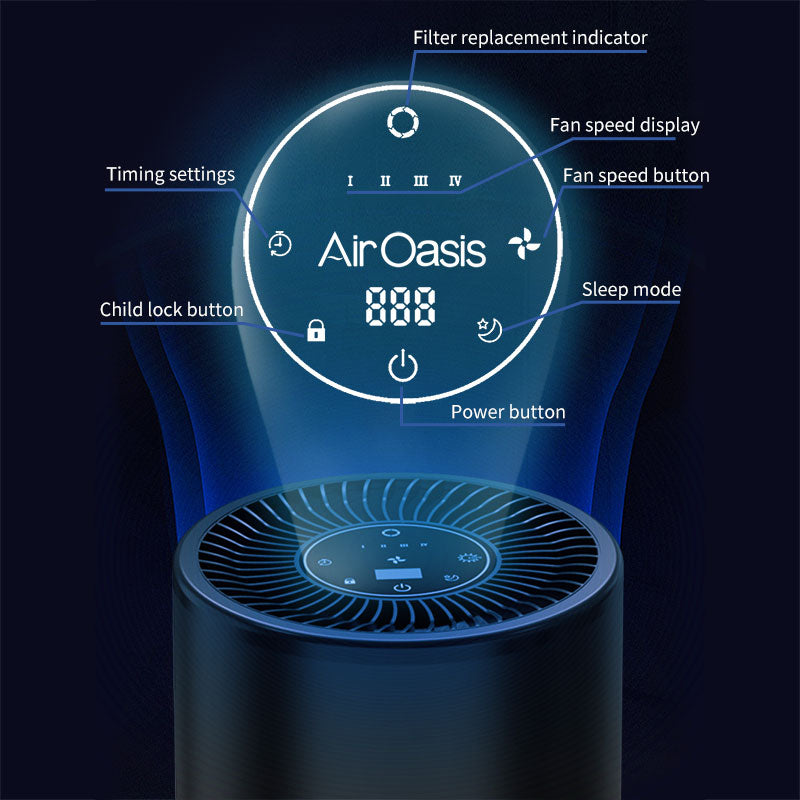
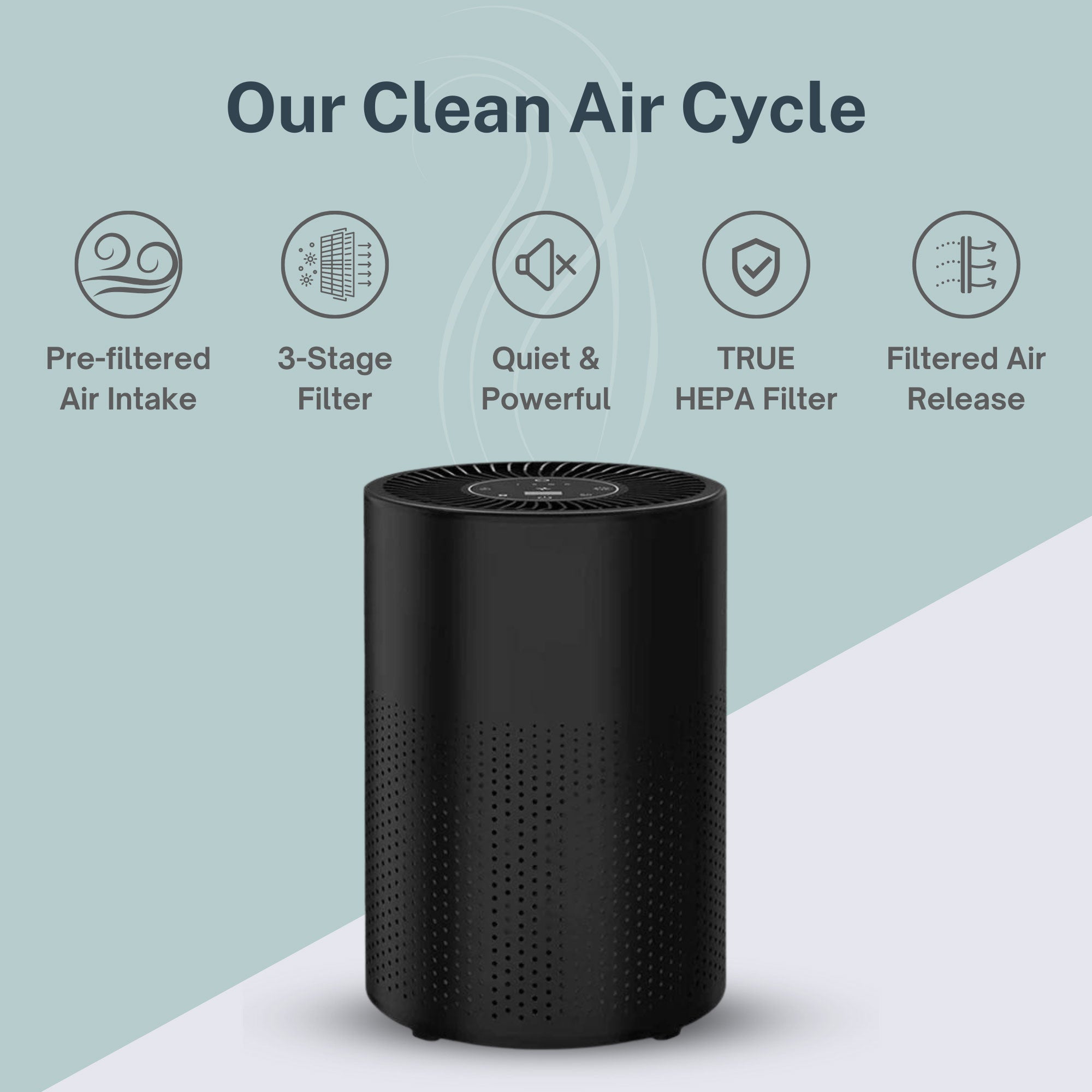
The iAdaptAir system from Air Oasis provides crucial protection against airborne mold spores with medical-grade HEPA filtration that captures particles as small as 0.3 microns. The UV-C light technology destroys mold DNA, preventing spores from reproducing even after they're captured. Activated carbon removes the musty odors associated with mold growth. While air purification can't eliminate mold growing behind wallpaper, it significantly reduces your exposure to airborne spores while you address the source.
Detection Methods That Actually Work
Before tearing down wallpaper, smart detection can confirm your suspicions and identify the extent of contamination. Start with a visual inspection using a bright flashlight. Hold the light at an angle to the wall surface and look for subtle variations in color, texture, or flatness. Mold growth often creates slight bulges or depressions that straight-on lighting misses. Check corners, areas near windows, and sections of wall adjacent to bathrooms or kitchens first, as these locations are most prone to moisture problems.
A moisture meter provides objective data without damaging walls. These inexpensive tools measure moisture content in materials and can detect problems behind wallpaper. Normal readings for interior walls should fall below fifteen percent. Readings above twenty percent indicate active moisture problems and probable mold growth. Take measurements at multiple points across suspected walls to map the extent of moisture intrusion.
Carefully remove electrical outlet covers to inspect behind them. Outlets create small openings that allow you to see the wall cavity and back side of wallpaper without major demolition. Use a flashlight to examine these areas for visible mold growth, moisture stains, or musty odors. If you spot mold in outlet cavities, the problem likely extends throughout that wall section.
Professional mold inspection offers the most comprehensive assessment. Certified inspectors use infrared cameras that detect temperature variations indicating moisture without touching walls. They can identify hidden leaks and map moisture patterns throughout your home. Air quality testing measures mold spore concentrations and identifies specific mold types present. Laboratory analysis of samples collected from suspected areas provides definitive proof of mold growth and helps determine appropriate remediation strategies.
Taking Action When You Find Mold
Discovering mold behind wallpaper requires immediate action to prevent further spread. Start by isolating the affected area. Close doors and seal vents to prevent spores from circulating to other rooms. Open windows in the contaminated space to increase ventilation and help dry the area. Wear protective equipment including gloves, safety goggles, and an N95 respirator mask before disturbing any moldy materials.
Remove the affected wallpaper carefully and methodically. Starting at a seam or loose edge, pull slowly to avoid releasing large quantities of spores into the air. Place removed wallpaper directly into heavy-duty plastic bags and seal them immediately. Once wallpaper is removed, assess the wall surface underneath. Visible mold growth, staining, or soft drywall all indicate serious problems that may require professional remediation.
For minor surface mold on solid walls, cleaning with proper solutions can work. White vinegar kills most mold species and doesn't produce harmful fumes. Spray affected areas thoroughly and let the vinegar sit for at least an hour before scrubbing with a brush. Hydrogen peroxide offers another effective option for mold removal. After cleaning, the wall must dry completely before any repairs or new wallpaper installation. Use fans and dehumidifiers to speed drying and monitor with a moisture meter to confirm the wall has dried thoroughly.
Extensive mold growth requires professional help. If mold covers more than ten square feet, if it has penetrated into drywall or insulation, or if you have health conditions that make mold exposure especially dangerous, hire certified mold remediation specialists. These professionals have the equipment, training, and experience to safely remove contaminated materials and treat affected areas to prevent regrowth.
Prevention Strategies for the Future
Once you've dealt with mold behind wallpaper, prevention becomes your priority. Control indoor humidity levels consistently. Aim for a relative humidity between 30 and 50 percent. Use dehumidifiers in naturally humid areas like basements. Monitor humidity with an inexpensive hygrometer and adjust it as needed to keep levels within a safe range.
Improve ventilation in moisture-prone rooms. Install exhaust fans in bathrooms and kitchens, and actually use them when showering or cooking. Run fans for at least twenty minutes after activities that create moisture to allow complete air exchange. Consider upgrading to fans with humidity sensors that activate automatically when moisture levels rise.
Address water problems immediately. Fix leaky pipes as soon as you notice them. Repair roof damage promptly. Never let water sit against walls or seep into wall cavities. After any water intrusion event, thoroughly dry affected areas within forty-eight hours to prevent mold establishment.
Choose wall coverings wisely. In high-moisture areas, painted walls dry faster than wallpaper and offer fewer places for mold to hide. If you prefer wallpaper, select vinyl or vinyl-coated options that resist moisture penetration better than traditional paper. Consider mold-resistant paints with antimicrobial additives for areas prone to humidity problems.
Breathe Easier with Cleaner Indoor Air
Mold behind wallpaper poses serious risks to both your home's structure and your family's health. The combination of hidden growth, continuous spore release, and difficulty detecting problems early makes this one of the most challenging indoor air quality issues homeowners face. Regular monitoring, quick response to moisture problems, and proper humidity control help prevent mold from taking hold behind wall coverings.
Protecting your indoor air quality requires multiple approaches. Eliminating moisture sources and removing contaminated materials addresses the root problem.
The iAdaptAir purification system from Air Oasis provides ongoing defense against airborne mold spores with multi-stage filtration, including medical-grade HEPA, UV-C sterilization, and activated carbon. Whether you're dealing with existing mold concerns or want to prevent future problems, clean air starts with the right purification technology.
Shop Air Oasis today and create a healthier home environment for your family.
Frequently Asked Questions About Mold Behind Wallpaper
Read on for additional info.
How quickly can mold grow behind wallpaper after water damage?
Mold can begin growing behind wallpaper within twenty-four to forty-eight hours after moisture exposure. Wallpaper traps moisture against walls and prevents evaporation, creating ideal conditions for rapid mold colonization even when the surface appears dry.
Can I just paint over moldy wallpaper instead of removing it?
Never paint over moldy wallpaper. This traps active mold growth and allows it to continue spreading behind the new paint layer. The mold will eventually compromise the paint and continue releasing spores. Complete wallpaper removal and mold remediation are necessary before repainting.
What's the difference between mildew and mold behind wallpaper?
Mildew is actually a type of mold that grows on surfaces. Behind wallpaper, most growth is true mold that penetrates into porous materials like drywall. Both produce similar health effects and require the same removal approaches.
Does all discolored wallpaper mean mold is present?
Not all discoloration indicates mold. Sun fading, age, or staining from other sources can change wallpaper color. However, yellow, brown, or black spots combined with musty odors or texture changes strongly suggest mold growth and warrant investigation.
How much does professional mold testing cost?
Professional mold inspection and testing typically ranges from hundreds to thousands of dollars, depending on your home's size and the extent of testing required. This cost often saves money long-term by accurately identifying problems before they worsen.