While millions of Americans commit to January detox diets and juice cleanses, they overlook a critical health factor: the air they breathe. You take approximately 20,000 breaths each day, and if you're like most people, you spend 90 percent of your time indoors. That means you're breathing indoor air roughly 18,000 times daily. When that air contains volatile organic compounds, allergens, mold spores, and other contaminants, no amount of green smoothies will offset the impact on your health. True detoxification starts with cleaning the air in your home.
Common Indoor Air Toxins You're Breathing
Indoor air pollution often exceeds outdoor pollution levels by two to five times, according to the Environmental Protection Agency. In some cases, indoor air contains contaminant levels up to 100 times higher than outdoor air. These aren't abstract statistics—they represent real chemical exposures happening in your living room, bedroom, and kitchen right now.
Volatile organic compounds are among the most pervasive indoor air threats. VOCs off-gas from countless household items, including paints, varnishes, cleaning supplies, air fresheners, and personal care products. Formaldehyde, a common VOC, releases from pressed wood furniture, cabinets, and flooring for months or even years after installation. Short-term exposure causes eye, nose, and throat irritation, while long-term exposure links to more serious health concerns.
Cleaning products contribute significantly to indoor air contamination. Many conventional cleaners contain chemicals that linger in the air long after use. Spray products are particularly problematic, creating aerosols that remain suspended and continue circulating through your home's ventilation system. Even products marketed as "clean" or "fresh" often contain synthetic fragrances composed of dozens of undisclosed chemical compounds.
Mold spores thrive wherever moisture accumulates—bathrooms, basements, around windows, or in HVAC systems. These microscopic fungi release spores continuously, and inhalation triggers allergic reactions, respiratory irritation, and in sensitive individuals, more severe health responses. Mold exposure causes symptoms ranging from nasal stuffiness to serious lung infections in people with compromised immune systems.
Particulate matter from cooking, candles, fireplaces, and outdoor sources that infiltrate your home creates another layer of contamination. These tiny particles penetrate deep into lung tissue and can enter the bloodstream. Cooking activities, particularly high-heat frying, release substantial particulate matter that many people don't consider when thinking about indoor air quality.
Health Impacts of Poor Indoor Air Quality
The toxins circulating through your home affect virtually every aspect of your health and well-being. Respiratory symptoms represent the most obvious impact. Chronic coughing, throat irritation, shortness of breath, and worsening asthma symptoms all connect to poor indoor air quality. For people with existing respiratory conditions, contaminated indoor air transforms their homes from sanctuaries into continuous sources of symptom triggers.
Cognitive function suffers when you breathe polluted air. Research has demonstrated that elevated indoor CO2 levels and VOC concentrations impair decision-making ability, reduce productivity, and slow response times. If you experience afternoon brain fog or difficulty concentrating while working from home, poor air quality may be contributing more than you realize. Studies examining office workers found measurable improvements in cognitive test scores when air quality improved, even when participants weren't aware any changes had occurred.
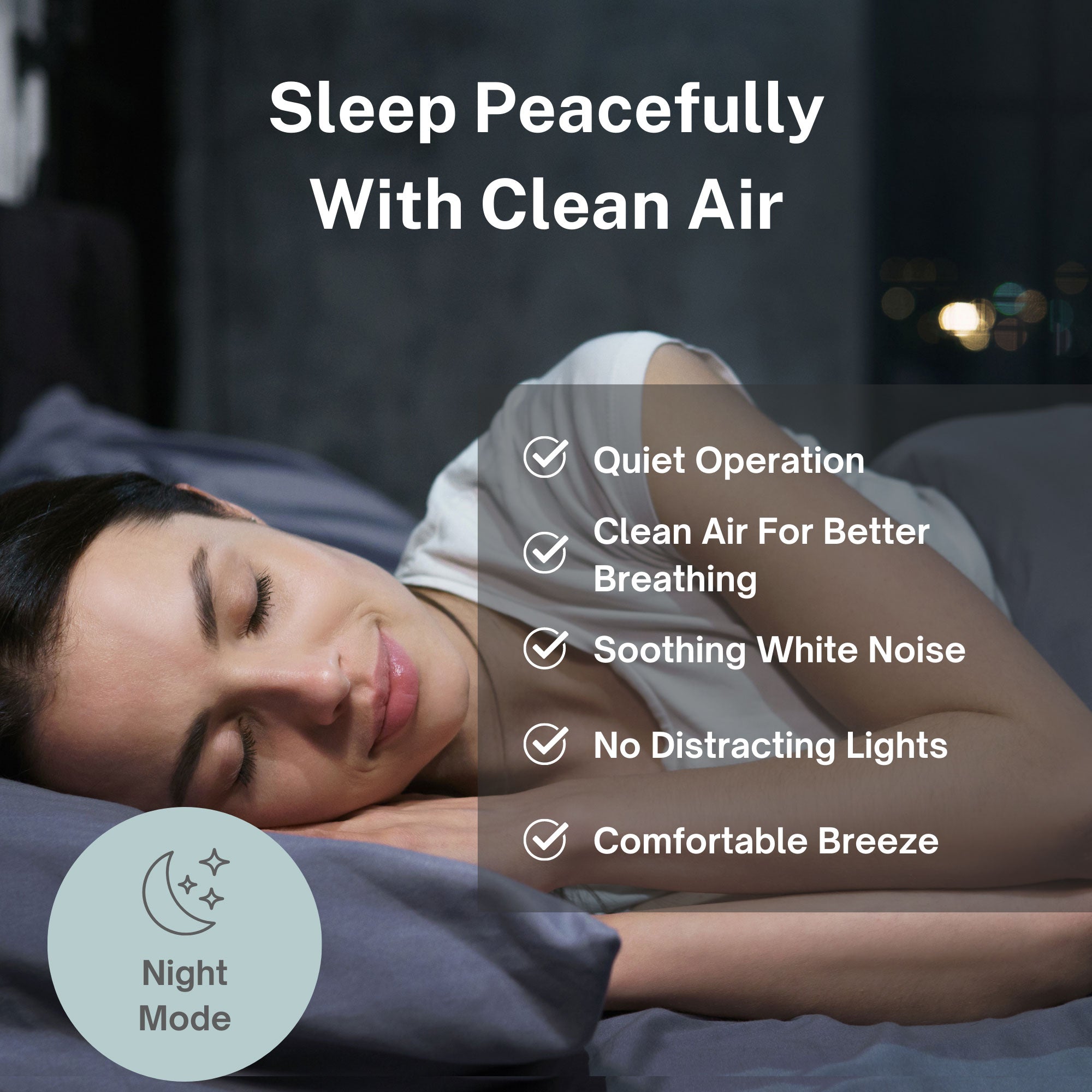
Sleep quality degrades in rooms with poor air circulation and high contaminant levels. Your indoor air quality directly influences how well you sleep, as pollutants can cause nighttime congestion, coughing, and disrupted sleep cycles. When you're trying to achieve January wellness goals, inadequate sleep undermines everything from weight management to mental health.
Headaches, fatigue, and general malaise—symptoms often attributed to other causes—frequently stem from indoor air contamination. The same volatile organic compounds that irritate your respiratory system also trigger headaches and contribute to that perpetually tired feeling that no amount of sleep seems to fix. Many people notice dramatic energy improvements after addressing their indoor air quality, finally understanding why they felt perpetually exhausted in their own homes.
Long-term exposure to indoor air pollutants accumulates health impacts over time. While a single day of breathing contaminated air won't cause lasting damage, years of exposure contribute to chronic health conditions and accelerate age-related decline. This makes January an ideal time to address air quality—you're not just cleaning up from holiday excess, you're investing in decades of better health.
January Deep Clean: Removing Toxin Sources
Effective air detox starts with eliminating or reducing pollution sources. Begin by replacing conventional cleaning products with simple alternatives. White vinegar, baking soda, and hydrogen peroxide handle most household cleaning tasks without releasing harmful chemicals. This single change dramatically reduces VOC levels in your home within days.
Remove synthetic air fresheners, scented candles, and plug-in fragrance devices. These products continuously release chemical compounds into your air under the guise of making your home smell pleasant. True fresh air doesn't require masking with synthetic scents. If you enjoy fragrance, consider essential oil diffusers using pure oils, or simply open windows when weather permits to bring genuinely fresh air indoors.
Address hidden mold growth throughout your home. Check around windows, under sinks, in bathrooms, and in basements for any signs of moisture or musty odors. Fix leaks immediately and improve ventilation in humid areas. Run bathroom exhaust fans during and after showers. In basements or other damp spaces, consider using a dehumidifier to maintain humidity below 50 percent, the level where mold struggles to grow.
Improve natural ventilation when outdoor air quality and temperature allow. Opening windows for even 15 minutes daily brings fresh air exchange that dilutes indoor contaminant concentrations. This works particularly well in January in many climates when outdoor air tends to be crisp and clean. Obviously, adjust based on your local air quality and weather conditions.
Vacuum thoroughly using a machine equipped with HEPA filtration. Regular vacuums can actually worsen air quality by exhausting small particles back into the air. HEPA filters capture these microscopic particles, genuinely removing them from your environment rather than redistributing them. Focus on carpets, upholstered furniture, and any fabric surfaces where particles accumulate.
Wash bedding, curtains, and other textiles that accumulate dust and absorb odors. These fabrics act as reservoirs for allergens and VOCs, continuously releasing them back into your air. Hot water washing removes accumulated contaminants and gives these items a fresh start for the new year.
Long-Term Air Quality Solutions
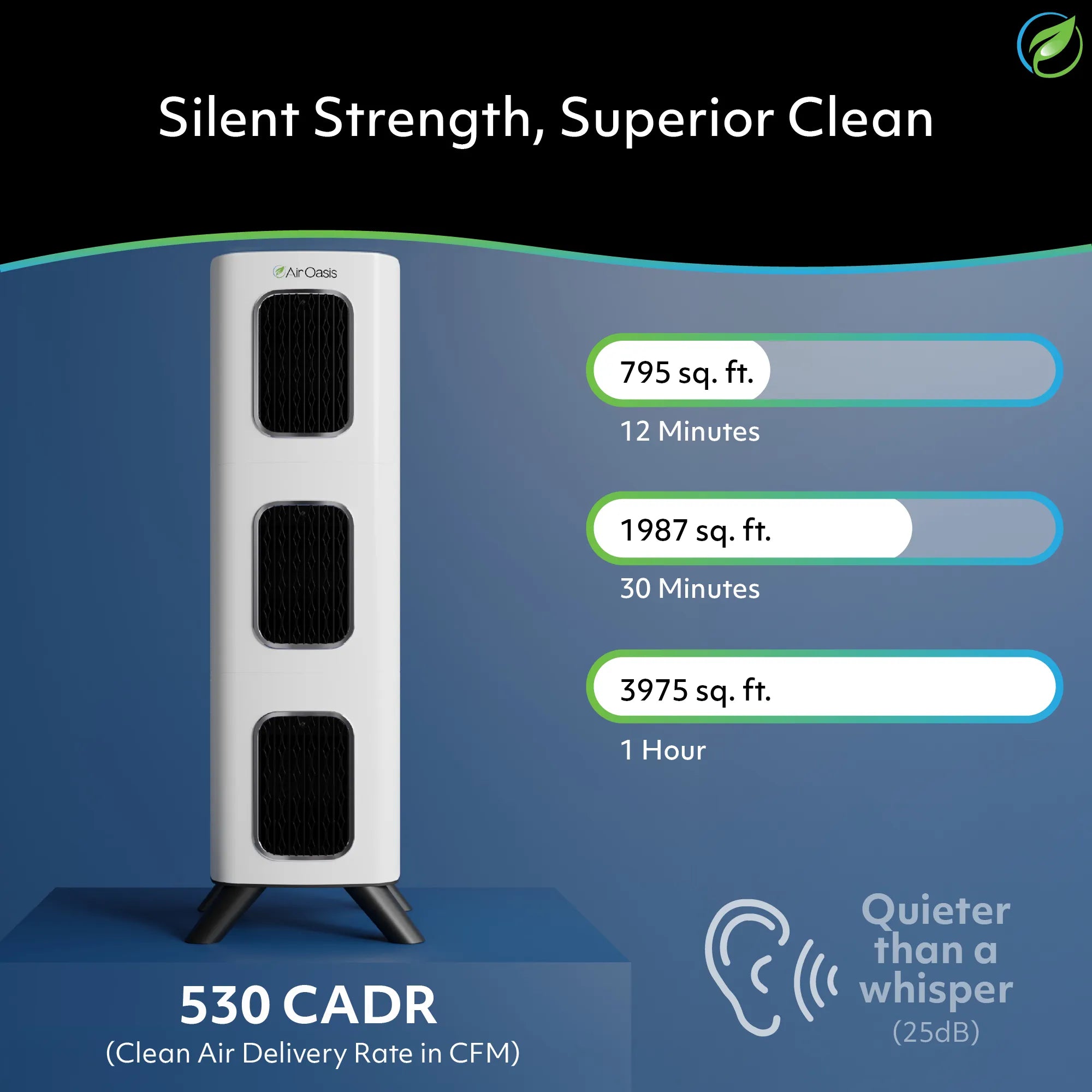
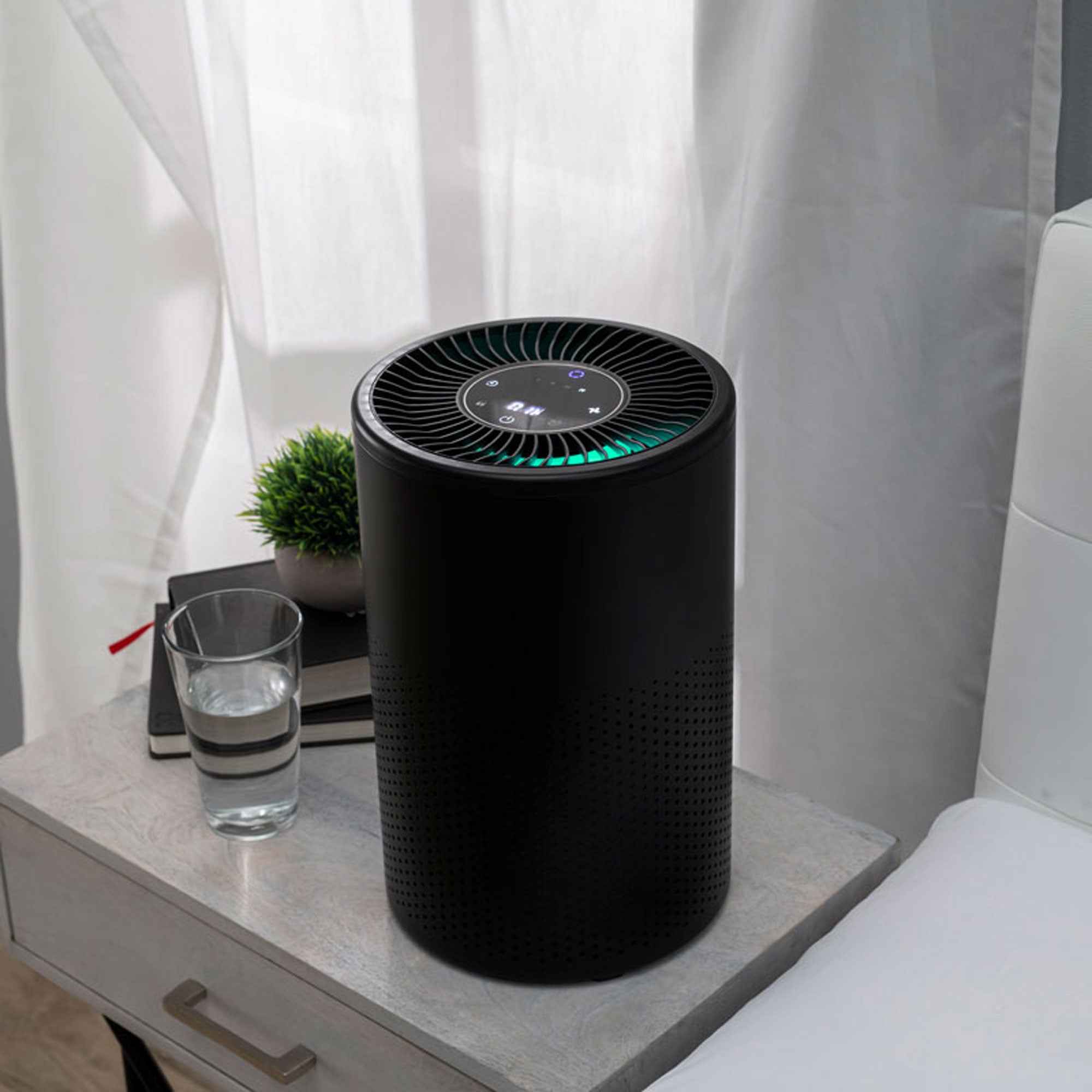
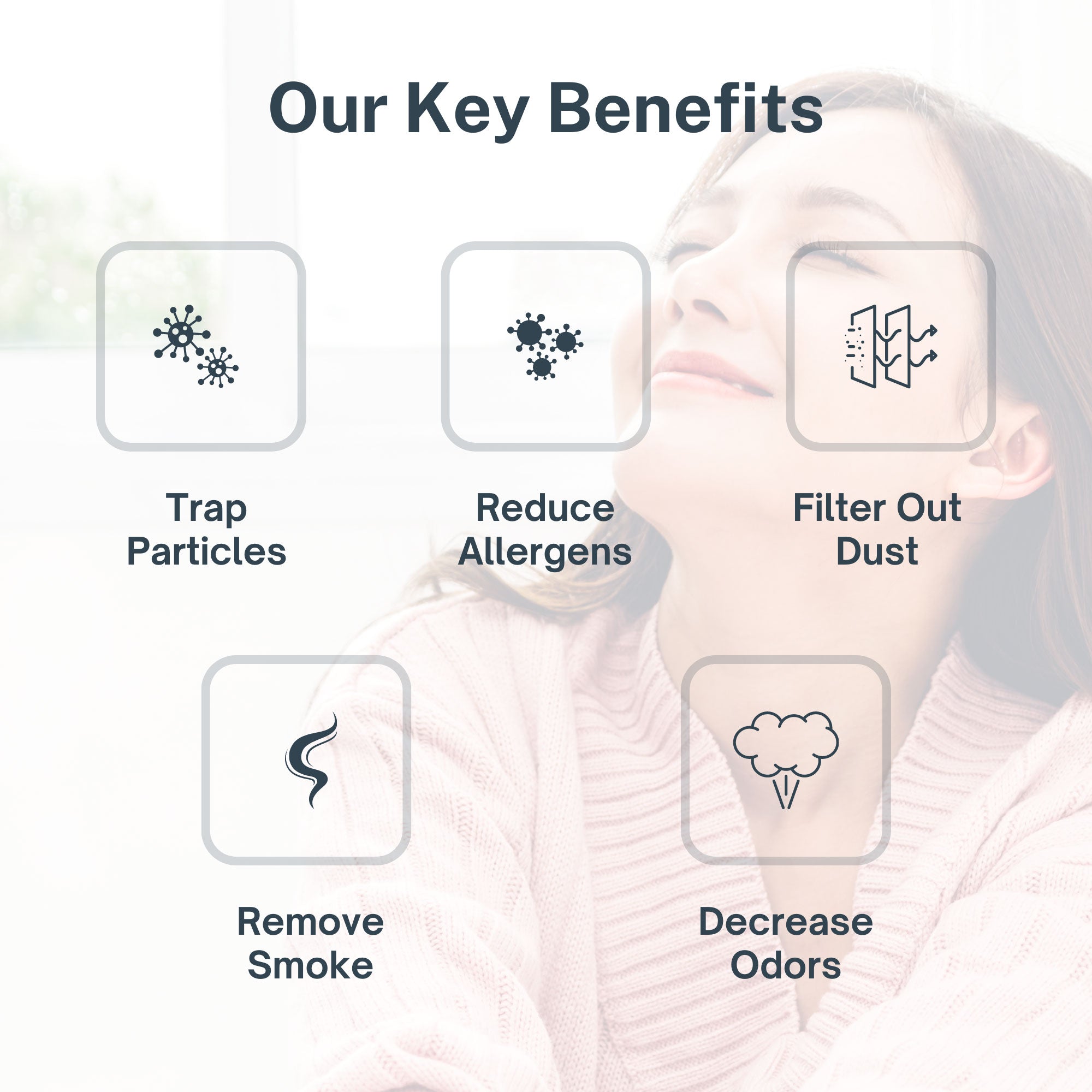
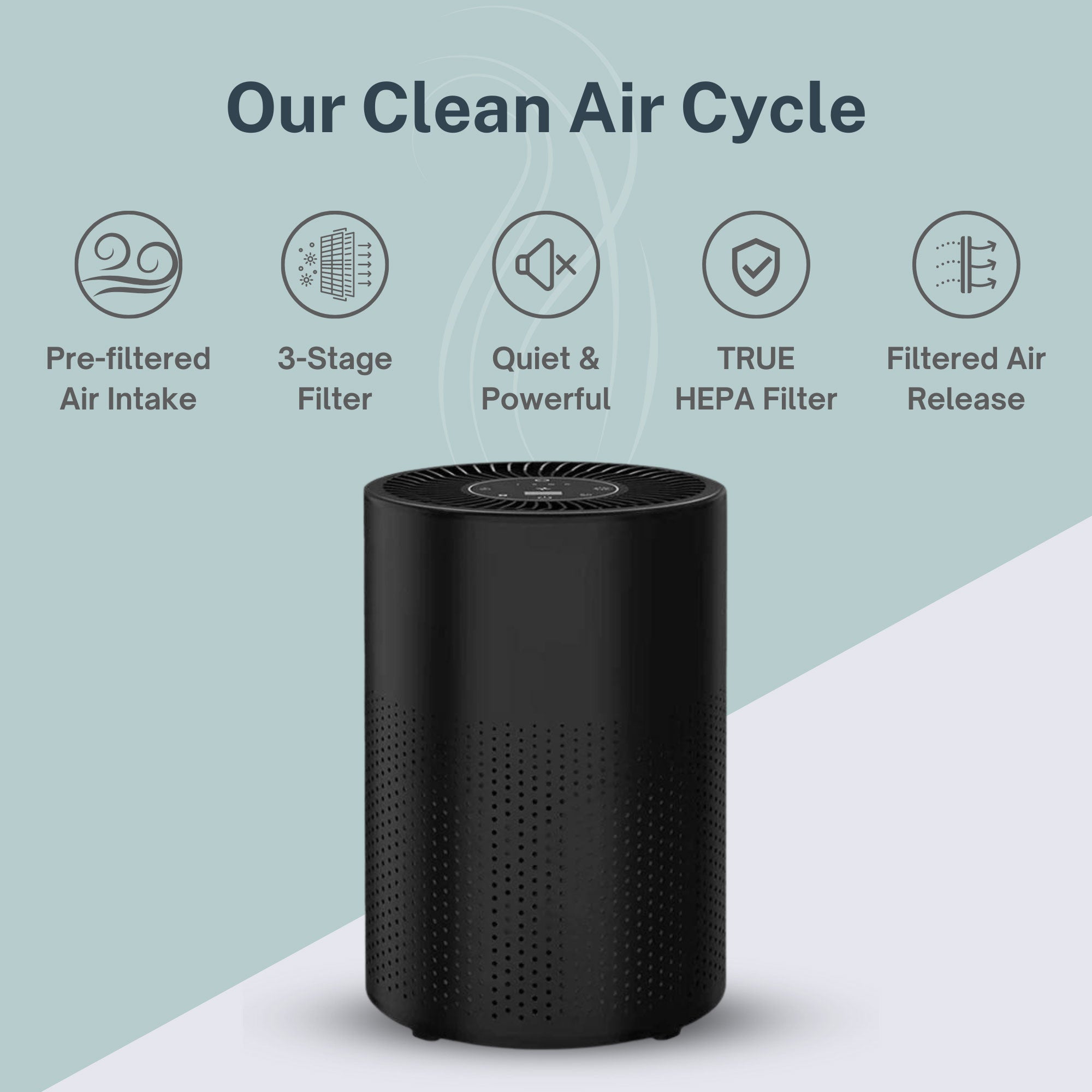
While source elimination provides immediate benefits, comprehensive air quality management requires ongoing strategies. Air purification technology creates continuous defense against airborne contaminants. Advanced systems with multiple filtration stages capture particles of all sizes while also addressing gases, odors, and volatile organic compounds that simple filters miss.
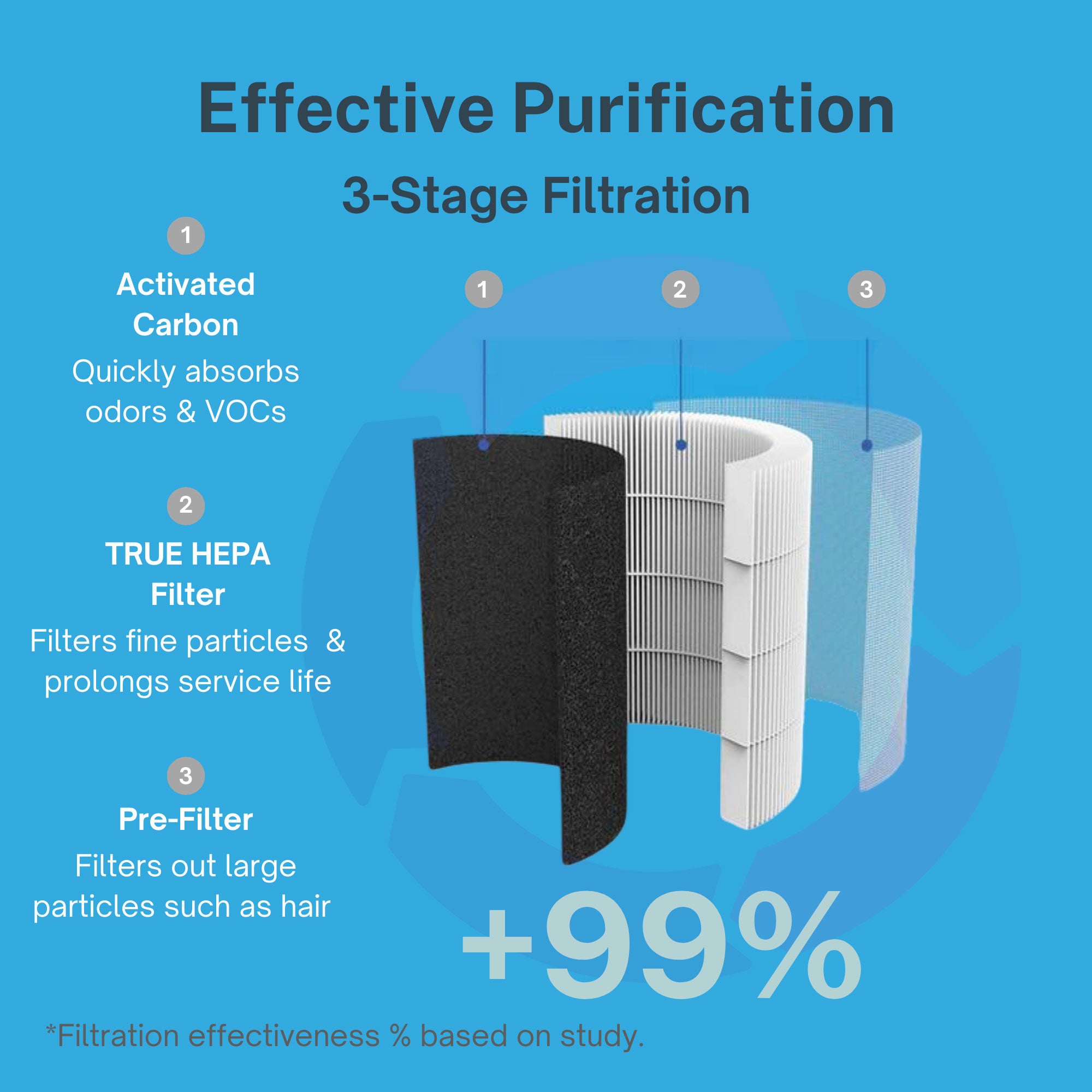
HEPA filtration forms the foundation of effective air purification, capturing 99.97 percent of particles as small as 0.3 microns. This includes dust, pollen, pet dander, and mold spores. However, HEPA alone doesn't address gaseous pollutants or odors, which is why comprehensive systems incorporate activated carbon filtration to adsorb VOCs and chemical contaminants.
UV-C light technology adds another layer of protection by neutralizing biological contaminants including bacteria, viruses, and mold spores. When integrated into air purification systems, UV-C light treats air as it passes through, providing continuous disinfection that reduces your exposure to airborne pathogens—particularly relevant during cold and flu season.
HVAC maintenance contributes significantly to indoor air quality. Change air filters regularly—monthly during heavy use seasons. Have your heating system professionally serviced before winter peaks, and ensure ductwork remains clean. Dirty ducts distribute accumulated dust, allergens, and even mold spores throughout your home every time your system runs. Professional duct cleaning every few years prevents this contamination cycle.
Humidity control matters year-round but becomes particularly important during winter when heating systems dry indoor air. Proper humidity levels between 30 and 50 percent prevent both mold growth and the respiratory irritation caused by overly dry air. Monitor humidity with an inexpensive hygrometer and adjust as needed with humidifiers or dehumidifiers.
Creating sustainable habits ensures your January air detox extends throughout the year. Establish weekly routines for vacuuming, washing bedding, and checking for moisture issues. Make conscious choices about products you bring into your home, reading labels and choosing low-VOC or VOC-free options whenever possible. Consider your air purification system essential home infrastructure rather than optional equipment, and run it consistently rather than only when you notice problems.
Your Complete January Air Detox Plan
Week one focuses on assessment and immediate source removal. Walk through your home identifying pollution sources. Dispose of harsh chemical cleaners, synthetic air fresheners, and old or moldy items. Purchase natural cleaning alternatives and HEPA vacuum bags if needed. Check all faucets, pipes, and moisture-prone areas for leaks or water damage. This week establishes your baseline and removes the most obvious contamination sources.
Week two emphasizes deep cleaning. Wash all bedding, curtains, and removable fabric items in hot water. Vacuum thoroughly throughout your home, including furniture, curtains, and any upholstered surfaces. Wipe down all hard surfaces with damp cloths to capture dust rather than spreading it. Clean or replace HVAC filters. If you discover mold during cleaning, address it immediately with appropriate cleaning solutions and eliminate the moisture source.
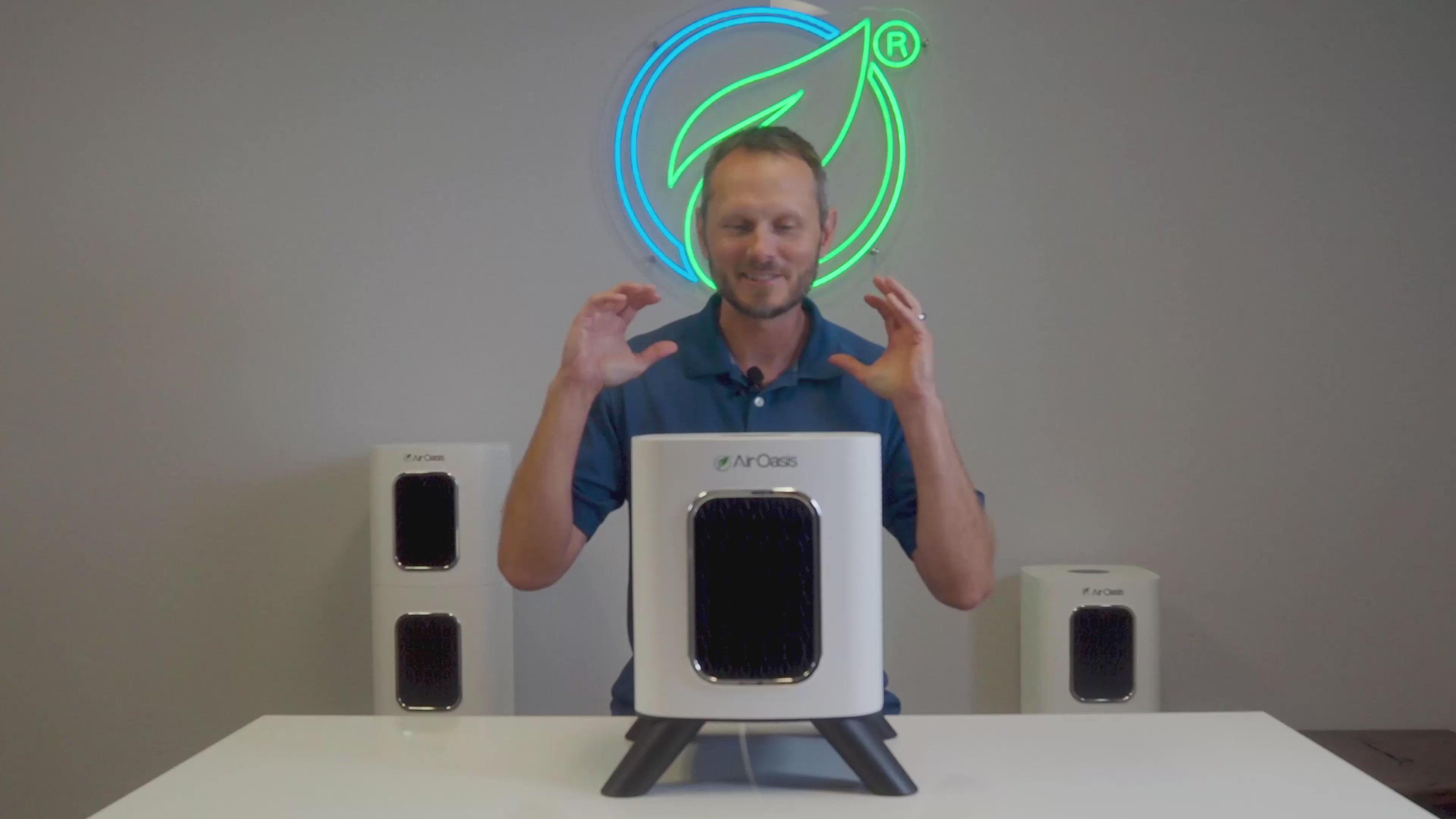
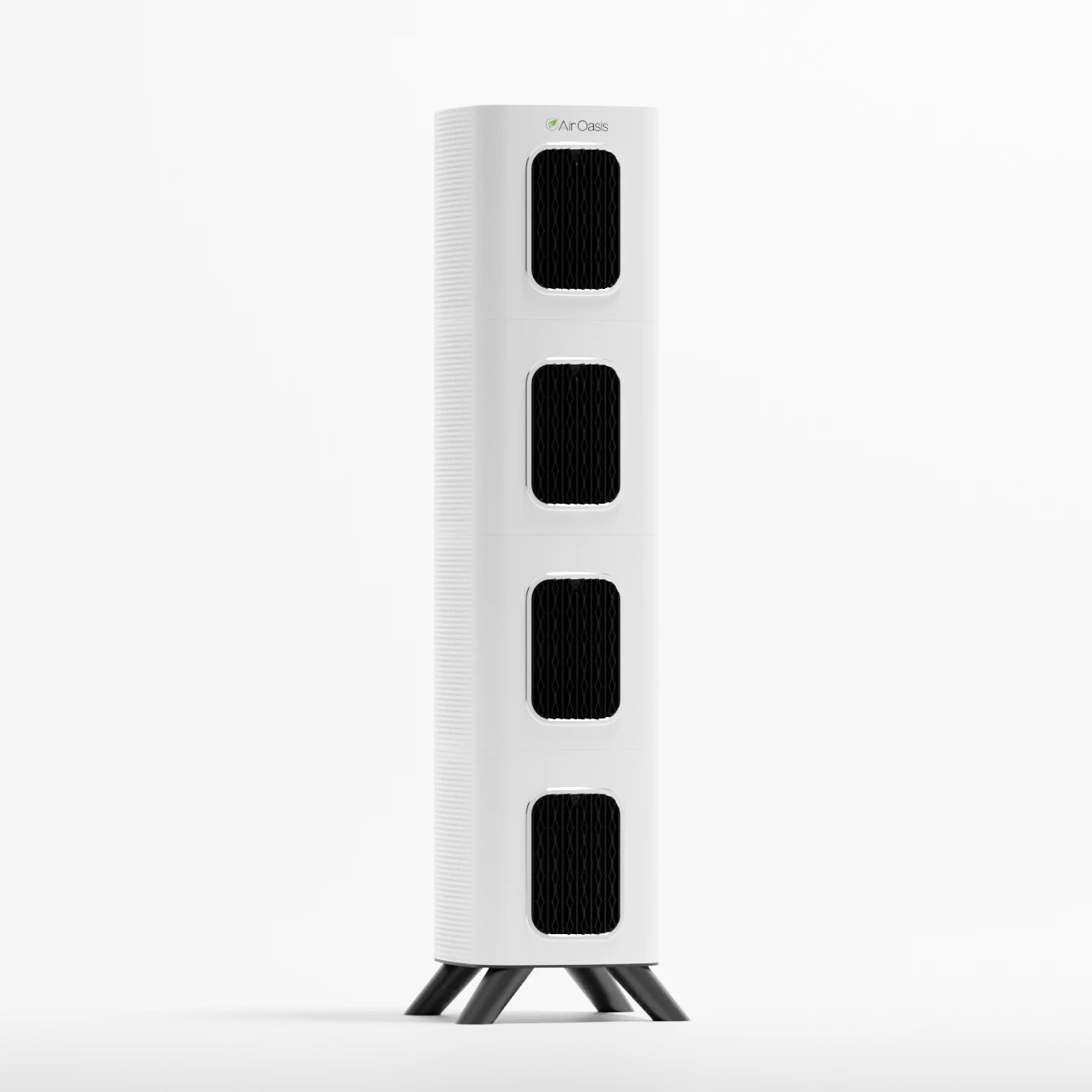
Week three introduces air purification and ongoing monitoring. If you don't already have air purifiers, research options appropriate for your space and needs. Place air purifiers in bedrooms and main living areas where you spend the most time. Begin monitoring indoor humidity levels and make adjustments as needed. Establish ventilation routines based on your climate and outdoor air quality. Improved indoor air quality produces measurable cognitive and health benefits, making this investment in air purification worthwhile.
Week four solidifies new habits and evaluates progress. Establish regular cleaning schedules that maintain your January progress. Assess how you feel—many people notice improved energy, better sleep, and fewer respiratory symptoms within a month of air quality improvements. Document your routines so that maintaining clean air becomes automatic rather than requiring constant attention. Consider this week your transition from detox mode to a sustainable clean air lifestyle.
Breathe Clean, Live Better All Year Long
January detox culture focuses on temporary restriction and dramatic gestures, but genuine health improvement comes from creating environments that support wellbeing every single day. Your indoor air quality affects you with every breath, making it far more consequential than any week-long juice cleanse. By removing toxin sources, implementing effective filtration, and establishing sustainable habits, you create a home environment that supports rather than undermines your health goals.
This January, commit to breathing cleaner air and discover how profoundly it impacts your energy, focus, sleep, and overall vitality. If you're ready to transform your indoor environment and breathe easier all year long, shop Air Oasis today and make clean air the foundation of lasting wellness.
Frequently Asked Questions About Indoor Air Detox
Here's some additional info.
How long does it take to notice improvements after cleaning indoor air?
Many people experience noticeable improvements within days of addressing major pollution sources and implementing air purification. Respiratory symptoms like congestion and coughing often improve within the first week, while energy levels and sleep quality may take two to three weeks to show significant change as your body clears accumulated irritants.
Can indoor plants effectively detox my air?
While indoor plants provide aesthetic benefits and produce oxygen, research shows their air purification impact is minimal in real-world conditions. You would need hundreds of plants to achieve the purification level that a single quality air purifier provides. Plants can be part of a healthy home but shouldn't be relied upon as your primary air cleaning strategy.
What's the biggest indoor air quality mistake people make?
The most common mistake is assuming their indoor air is fine because they can't see or smell contaminants. Many harmful pollutants including VOCs, fine particulate matter, and mold spores are invisible and odorless. The second biggest mistake is using synthetic air fresheners to mask odors rather than eliminating their source and improving actual air quality.
How often should I run my air purifier?
For maximum benefit, run air purifiers continuously. Air contamination is constant—you're continuously shedding skin cells, cooking releases particles, outdoor pollutants infiltrate, and products off-gas VOCs. Running purifiers only when you notice problems means you're breathing contaminated air most of the time. Continuous operation maintains consistently clean air and provides the best health outcomes.
Is winter or summer worse for indoor air quality?
Winter typically presents greater indoor air quality challenges because homes are sealed against cold weather, reducing natural ventilation. Heating systems dry the air and circulate dust. However, summer brings humidity that encourages mold growth, and air conditioning can harbor biological contaminants. Both seasons require attention to air quality, just with different specific concerns.