You've decided to get serious about indoor air quality. You've looked at the specs, compared coverage numbers, and now you're staring down a question that doesn't have an obvious answer: is it better to buy one powerful unit for your main living area, or spread several smaller ones across multiple rooms? Both approaches can work. Which one works better depends on your home and how you live in it.
Why air purifier coverage numbers don't tell the whole story
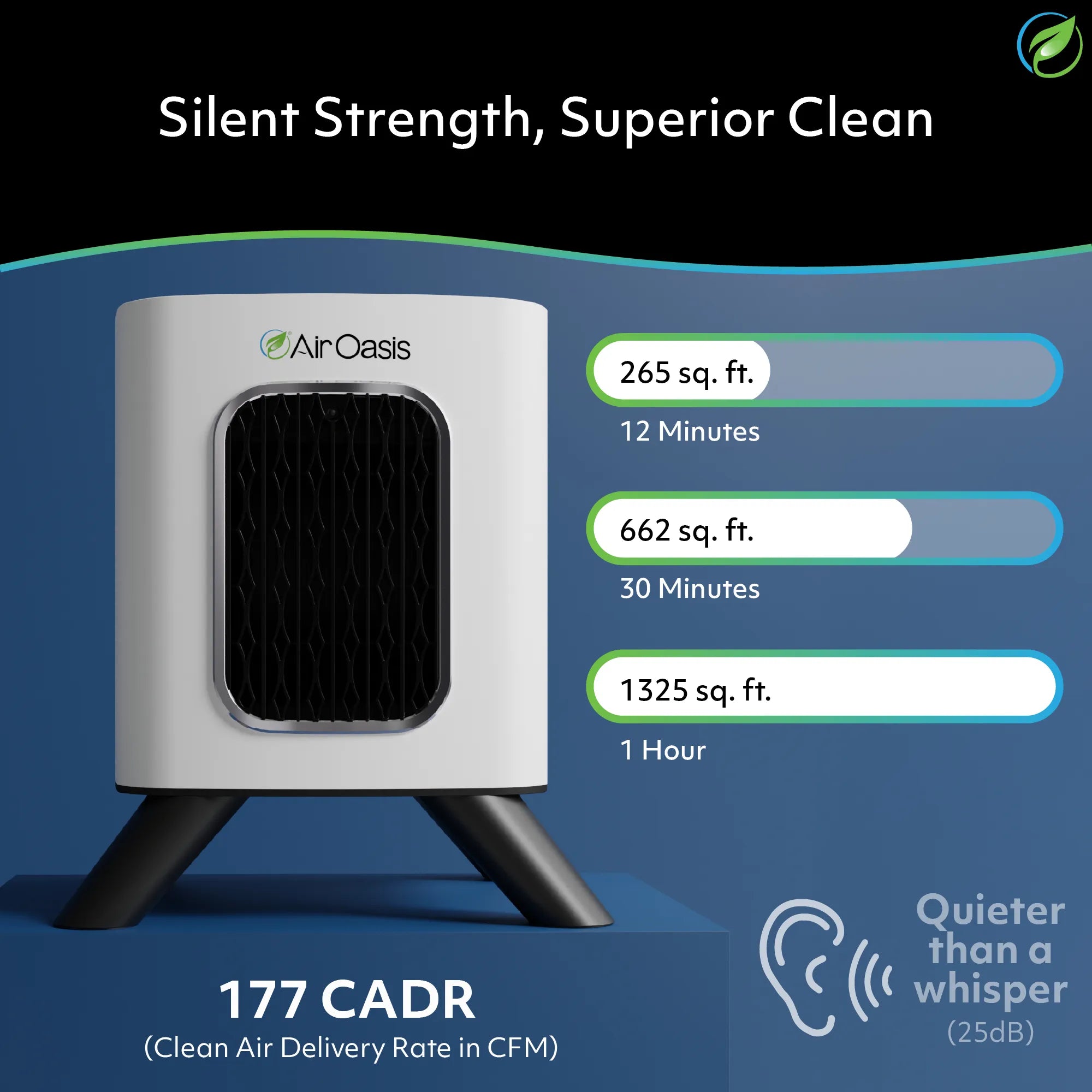
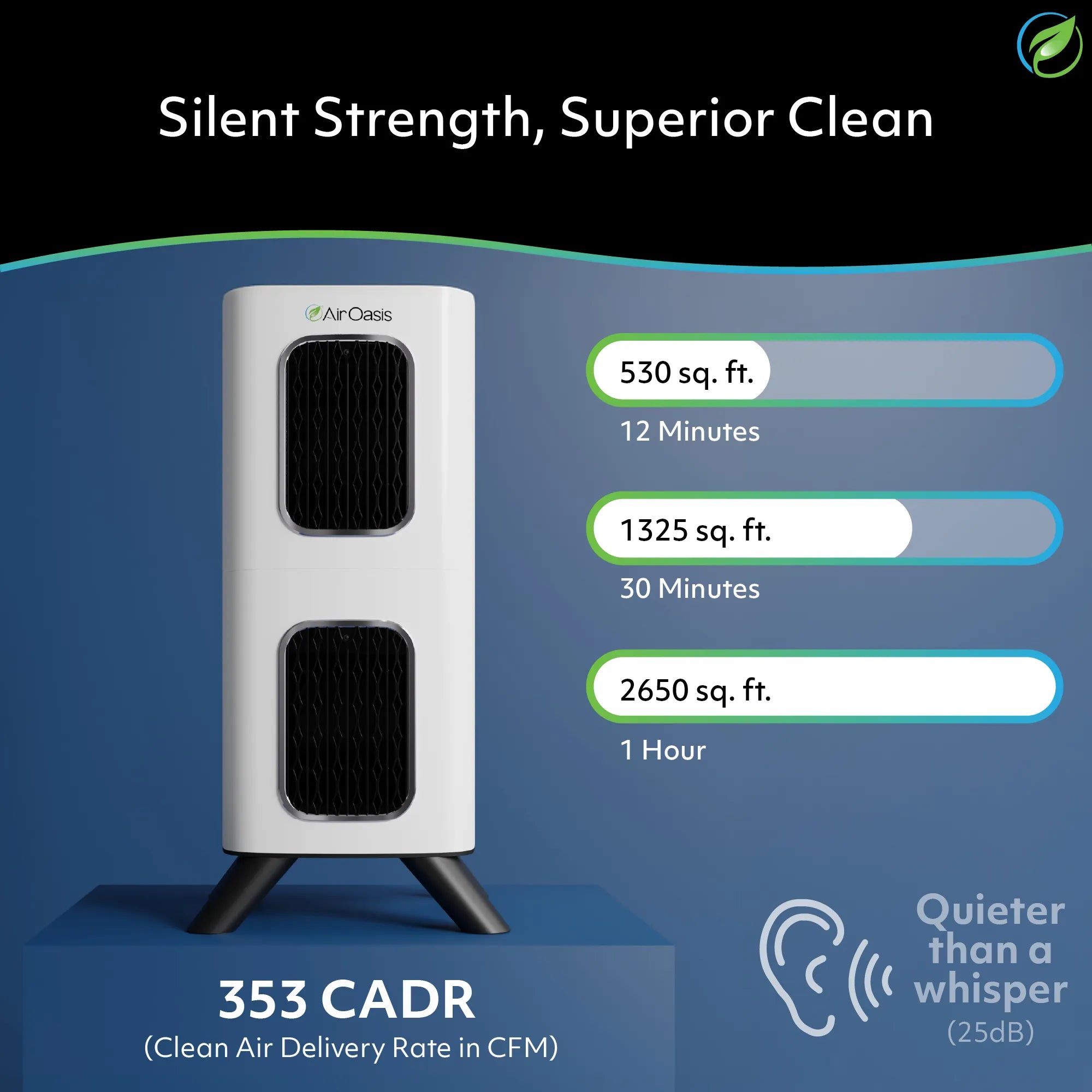
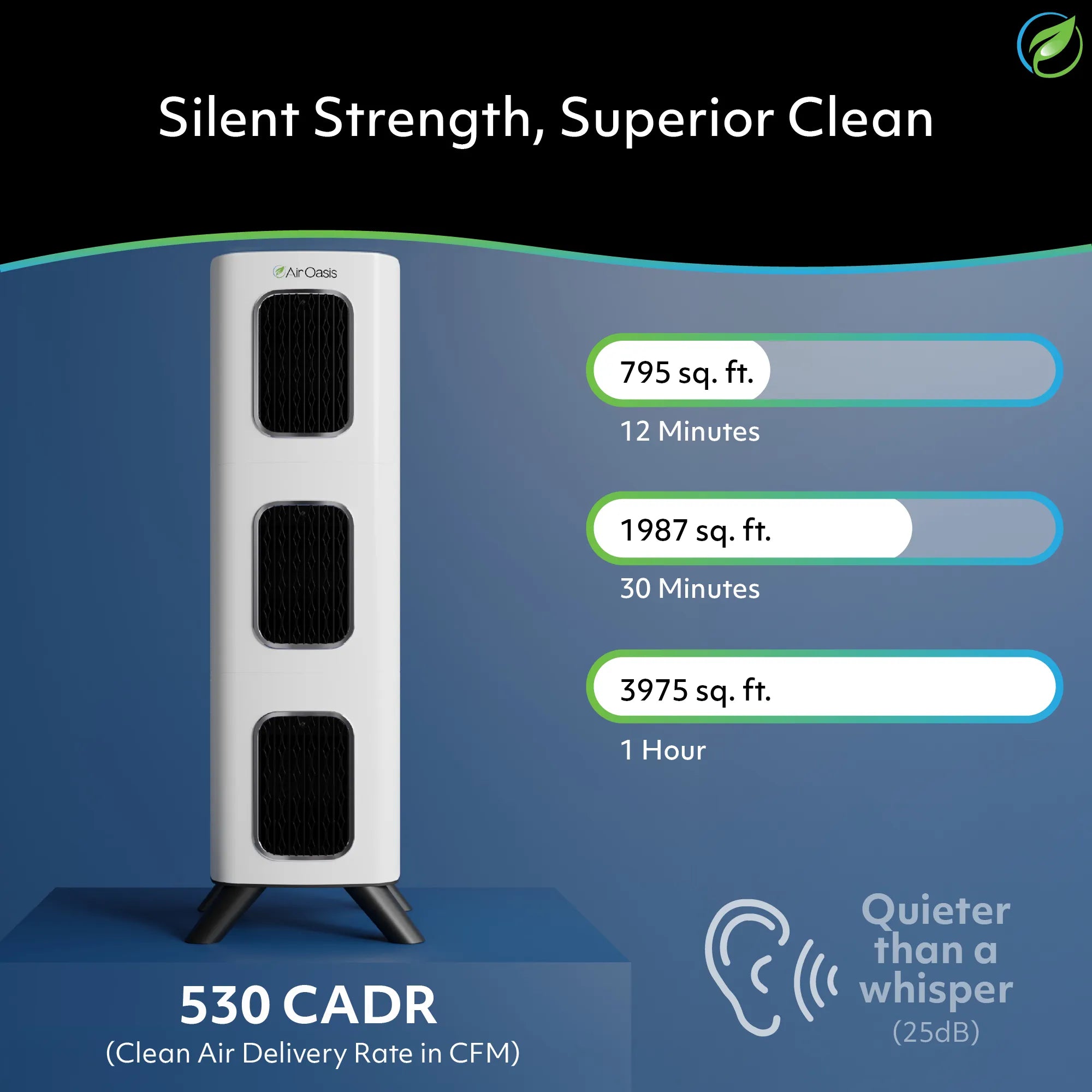
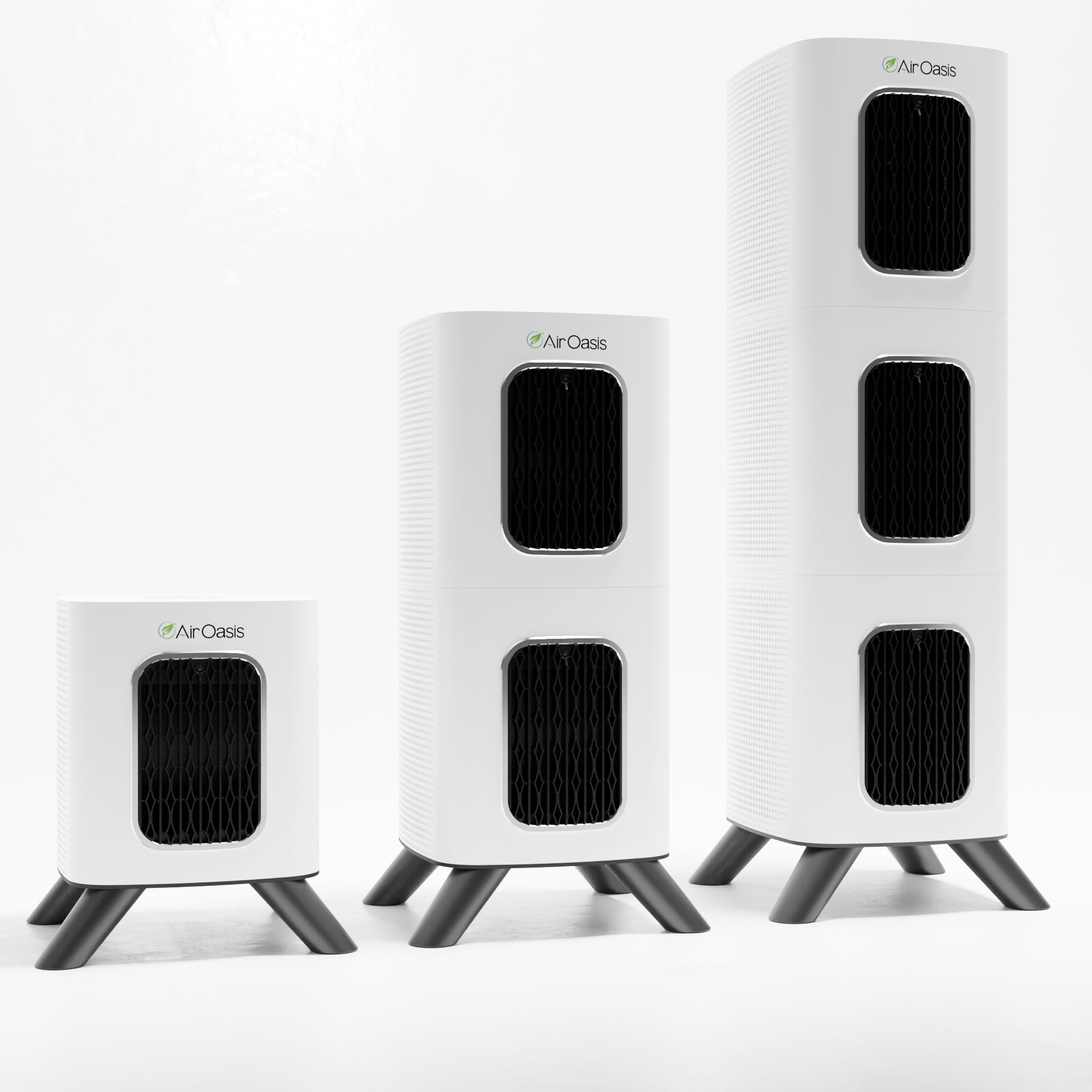
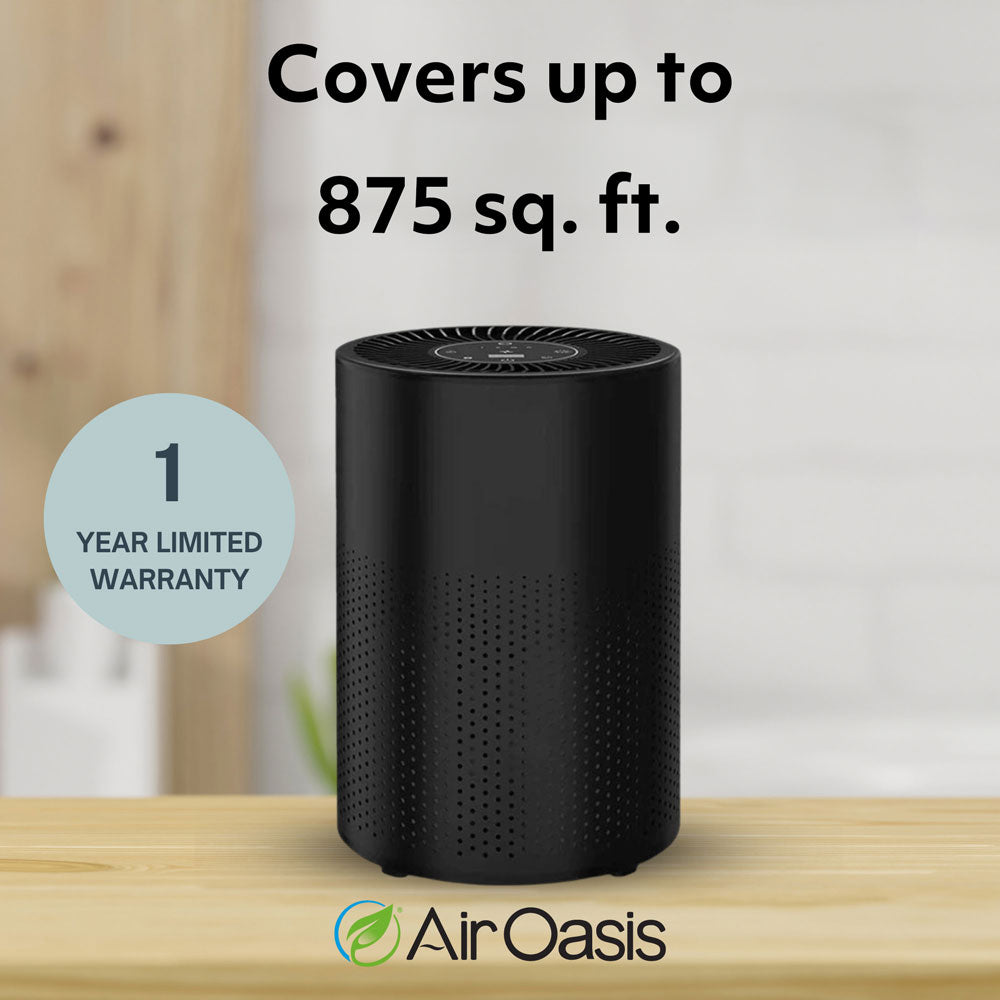
Every iAdaptAir model lists a square footage rating based on a specific set of conditions: an 8-foot ceiling height and a 12-minute air cycle. The 2S covers 265 sq ft under those parameters. The 2M covers 530 sq ft. The 2L covers 795 sq ft. The 2P covers 1,059 sq ft.
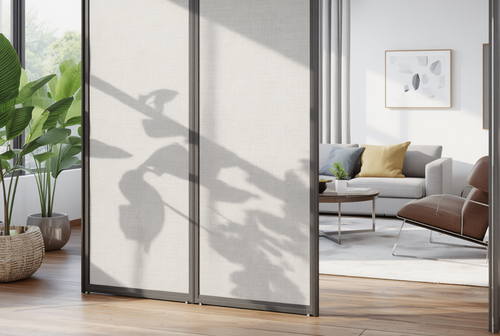
Those numbers are real and useful, but they assume something that your home probably isn't: a single open, unobstructed space. The moment you introduce walls, closed doors, hallways, and furniture, the math changes. A unit rated for 795 sq ft does not clean 795 sq ft of air if that square footage is divided across three separate rooms with doors between them.
This is the fundamental thing to understand before choosing a strategy. Air purifiers clean the air in the space they're in. They don't push clean air through walls.
When one large air purifier makes sense for whole-room coverage
A single larger unit is a genuinely good solution in the right setting. Open-concept floor plans are the clearest example. If your living room, dining area, and kitchen are one connected space with no walls dividing them, a properly sized unit can continuously circulate and filter air throughout the space.
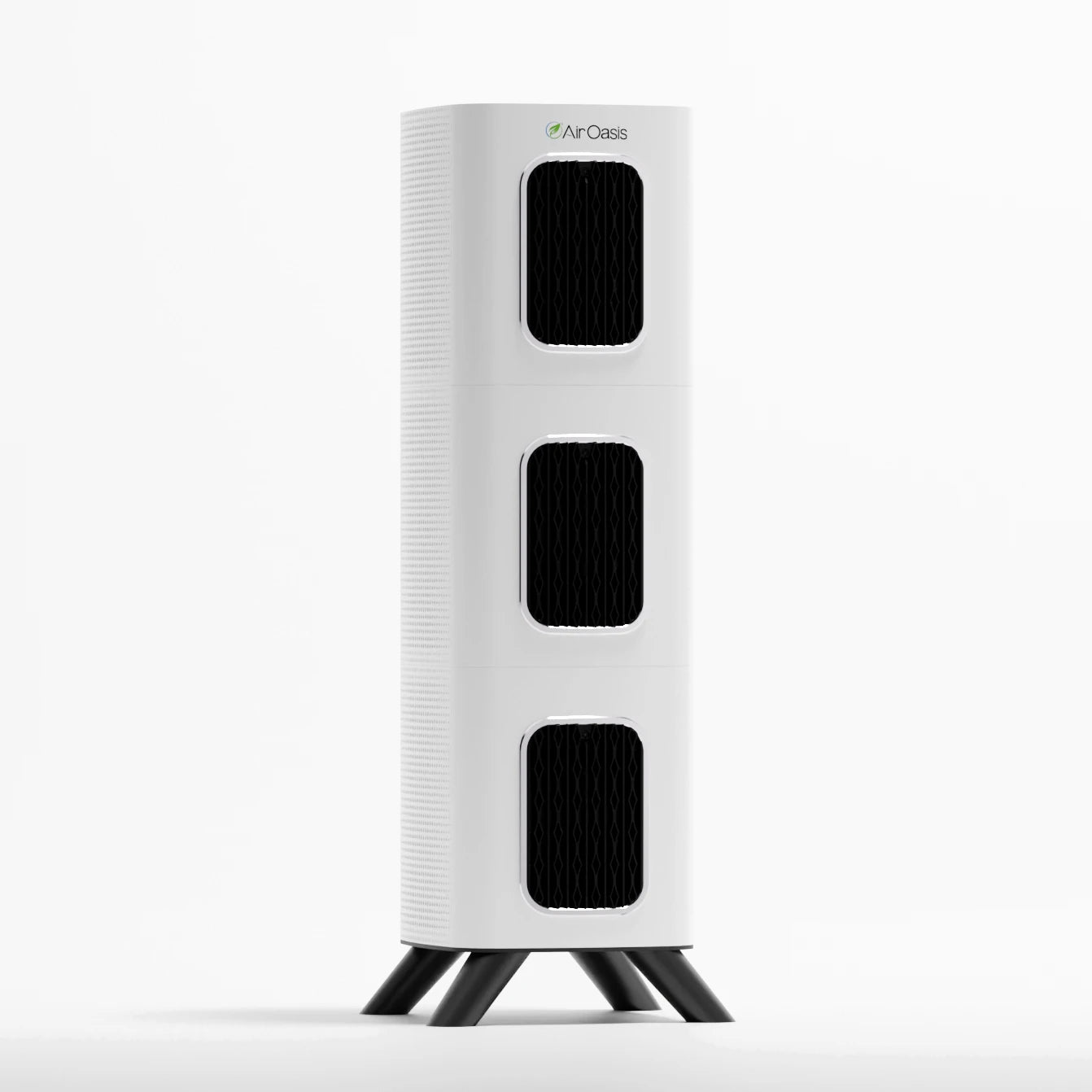
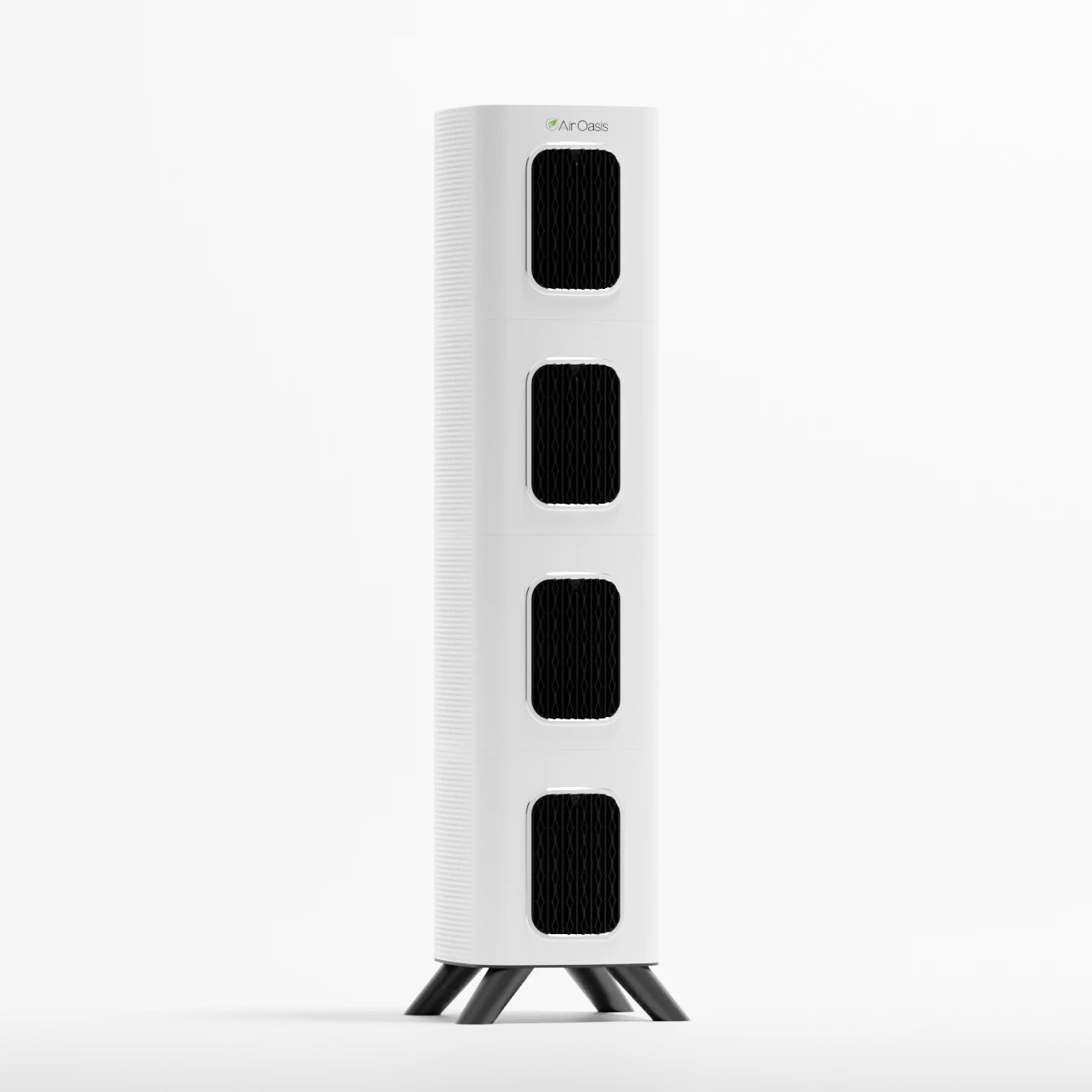
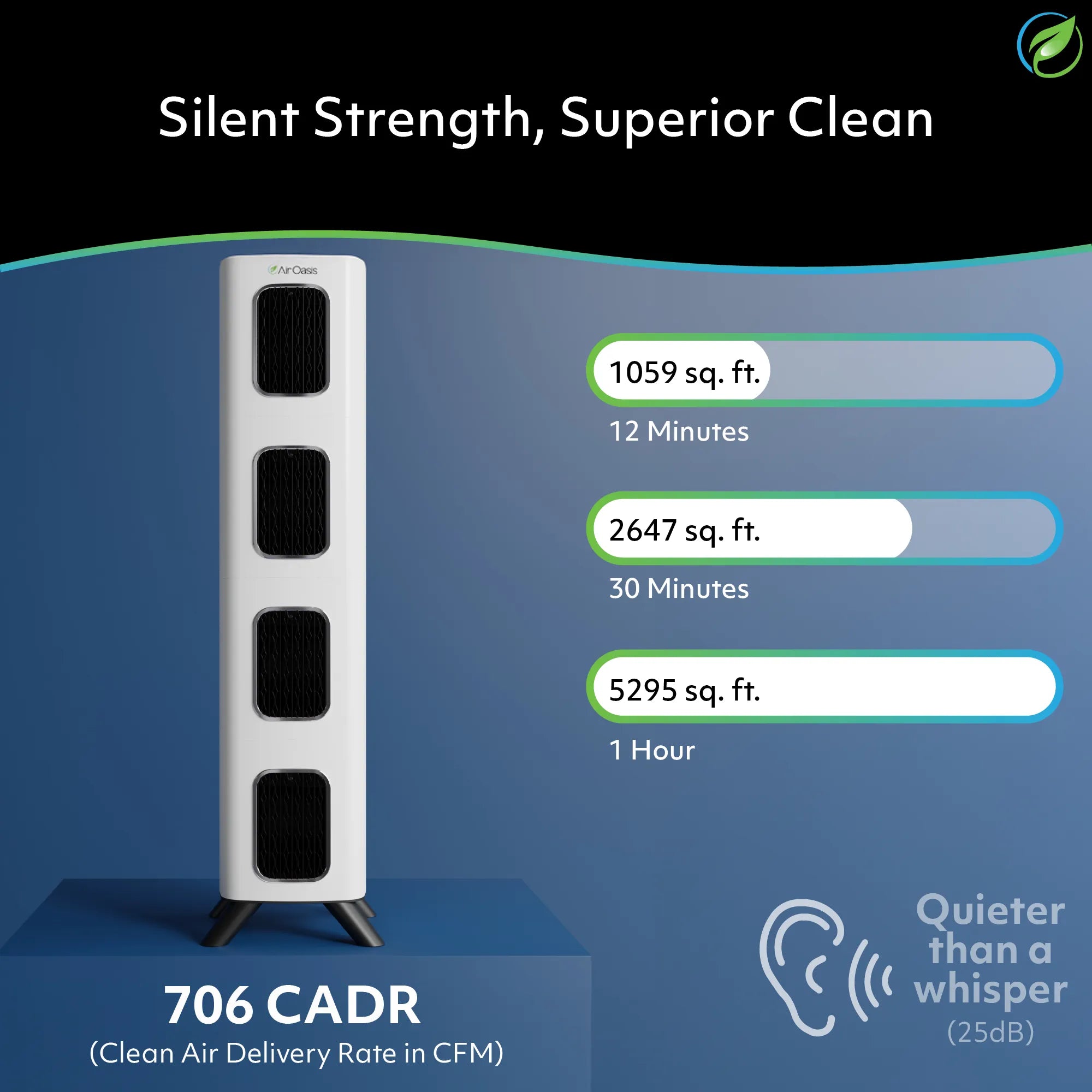
The iAdaptAir 2P, at 706 CFM and coverage up to 1,059 sq ft, is built for exactly this kind of space. One well-placed unit in a large open-plan room delivers consistent air cycling throughout the area, which is often more effective than two smaller units competing for airflow in the same room.
A large unit also makes sense when your priority is one specific room. If you have allergies that primarily disrupt your sleep, putting a correctly sized unit in your bedroom, sized for that room's actual square footage, is more effective than spreading smaller units around the house. You're protecting the space where you spend the most hours and where clean air has the most direct impact on how you feel.
One unit is also simpler to maintain. One filter replacement schedule. One set of settings. One device to monitor.
When multiple smaller air purifiers outperform a single large one
Multiple smaller units win in homes with separate rooms. If your family members sleep in different bedrooms, spend time in a home office, or have a child with asthma who needs clean air in their room specifically, no single unit placed in the hallway or living room is going to reliably clean the air behind closed doors.
This is where the multi-unit approach isn't just more convenient. It's more effective. An iAdaptAir 2S in a 250 sq ft bedroom will cycle that room's air far more thoroughly than a large unit running in an adjacent space. The physics is simple: the unit operates on a contained volume of air, cycling through it repeatedly.
Multiple units also let you match the technology to each room's specific needs. A bedroom benefits from quiet, continuous operation overnight. A home office might run at higher speed during work hours. A basement with humidity concerns might need different settings than the main floor. With separate units, each room gets what it actually needs.
For families managing health conditions such as allergies, asthma, or mold sensitivity, comprehensive room-by-room coverage often matters more than a single exceptional unit in a common area. The bedroom where a child sleeps eight hours needs its own unit, full stop.
The real tradeoff: flexibility versus simplicity
Here's the honest comparison. One large unit costs less upfront, uses less total energy, and requires less maintenance overhead. Multiple smaller units cost more in total, but they protect more of the home, work independently of each other, and can be tailored to each room's specific demands.
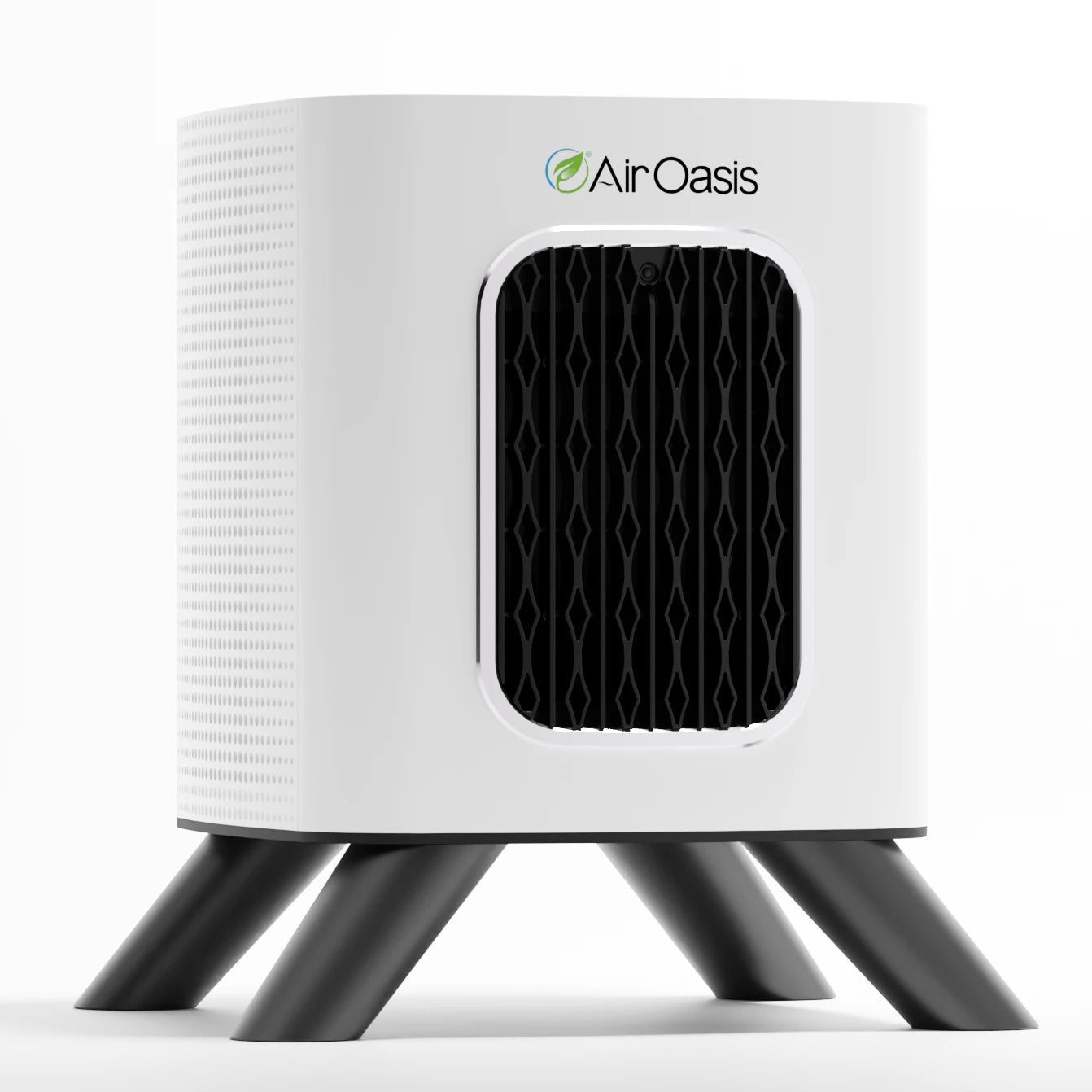
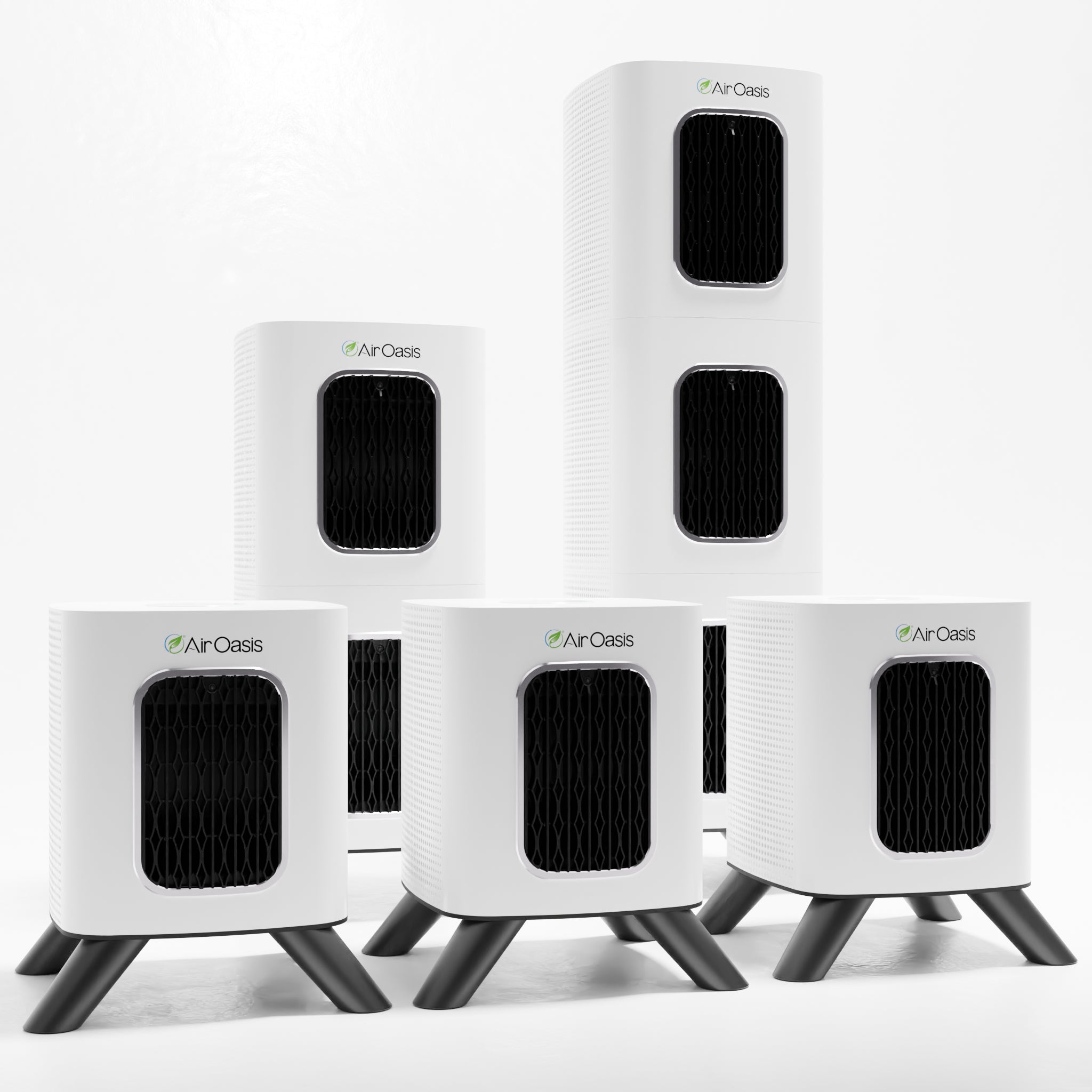
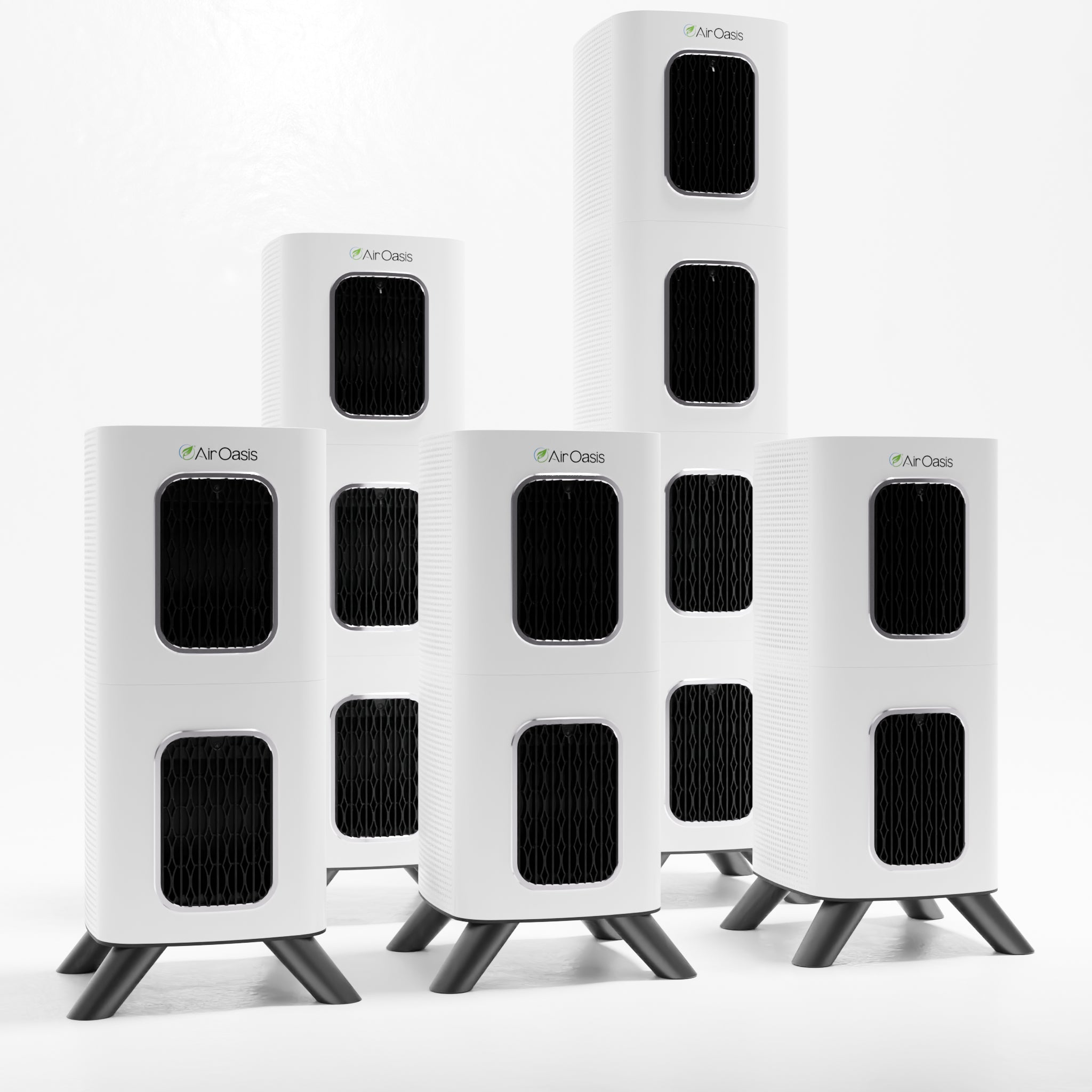
There's a middle path worth considering. Air Oasis offers bundle configurations that pair units of different sizes for multi-room coverage. The Clean Air Starter Bundle includes a 2S, 2M, and 2L, covering three rooms at different sizes. The Whole Home Healthy Air Bundle includes five units. These bundle configurations are designed around exactly this decision, giving you matched coverage across your most-used spaces without having to piece it together yourself.
How to choose the right air purifier strategy for your home layout
Start by identifying where you spend the most time and where your air quality concerns are most acute. That's where purification matters most.
Then ask two questions. First, are those spaces open to each other or separated by doors? Open and connected: a single appropriately sized unit may be sufficient. Separated by walls and closed doors: each space needs its own unit.
Second, what are you protecting against? General air quality maintenance in a single primary space can be handled by one well-sized unit. Multiple health concerns across multiple household members in multiple rooms call for distributed coverage.
A few practical placement reminders regardless of which approach you choose. Every iAdaptAir unit needs at least four inches of clearance on all sides so inlets and outlets aren't blocked. Close doors and windows during operation so the unit isn't working against fresh outdoor air constantly entering the space. Don't place units in direct sunlight. And match the unit to the room, not to some general sense of "bigger is better." A 2P running in a 200 sq ft bedroom isn't twice as effective as a 2S. It's the same filtration in a room it dominates, with no meaningful benefit from the extra capacity.
Choosing between one large or multiple small air purifiers
Neither approach is universally superior. A single large unit is the right answer for open, connected spaces and for households protecting one primary area. Multiple smaller units are the right choice for multi-room homes where family members are in separate spaces and each room needs its own clean-air environment.
Most families end up with some combination of both over time, starting with the bedroom or main living area and adding coverage as needs grow. That's a reasonable approach. The important thing is that each unit you place is properly sized for the space it occupies and positioned to allow air to circulate freely throughout the room.
Shop Air Oasis to find the right model for your space, or explore bundle options built for whole-home coverage. Breathe Better, Live Better.