The sizzle of onions in hot oil. The aroma of garlic hitting the pan. The char marks on grilled vegetables. Cooking creates sensory experiences that make a house feel like a home. It also generates smoke, grease particles, combustion byproducts, and VOCs that compromise your indoor air quality. Running your air purifier while cooking isn't just recommended—it's essential for protecting your respiratory health.
What Cooking Releases Into Your Air
Every cooking method produces airborne pollutants. High-heat cooking like frying, sautéing, and grilling generates the most. When oil reaches its smoke point, it breaks down and releases fine particulate matter. These particles are small enough to penetrate deep into your lungs and even enter your bloodstream.
Grease aerosolizes during cooking. Tiny fat droplets become airborne and remain suspended in your kitchen air. They settle on every surface—cabinets, countertops, walls, and inside your respiratory system. These particles carry absorbed flavors and odors throughout your home long after the meal ends.
Gas stoves produce nitrogen dioxide, carbon monoxide, and formaldehyde during combustion. These gases irritate the airways and exacerbate asthma. Studies consistently show that homes with gas stoves have higher indoor air pollution levels than homes with electric ranges. Even properly functioning gas appliances release these combustion byproducts with every use.
Electric cooking isn't pollution-free either. High temperatures cause food to release VOCs as proteins and fats break down. Burning or charring food produces polycyclic aromatic hydrocarbons—compounds linked to cancer risk. When toast burns in the toaster, it releases acrylamide. Overheated non-stick pans emit perfluorinated compounds.
Spices, herbs, and aromatic ingredients release terpenes and other organic compounds when heated. While these create appealing aromas, they're still airborne chemicals your lungs must process. For people with chemical sensitivities or respiratory conditions, even pleasant cooking smells can trigger symptoms.
Why Exhaust Fans Aren't Enough
Range hoods help, but don't solve the problem completely. Many exhaust fans simply recirculate air through basic filters rather than venting outdoors. Even vented hoods miss pollutants that spread beyond the immediate cooking area. Air currents carry particles throughout your kitchen and into adjacent rooms before the hood can capture them.
Most people don't use exhaust fans consistently. They forget to turn them on before cooking starts. They turn them off too soon after finishing. They avoid using them because of the noise. These habits allow cooking pollutants to circulate freely through your home.
Range hood filters require regular cleaning that many homeowners neglect. Grease-saturated filters lose effectiveness and may even release previously trapped particles back into your air. Even well-maintained hoods can't capture the ultra-fine particles that pose the greatest health risks.
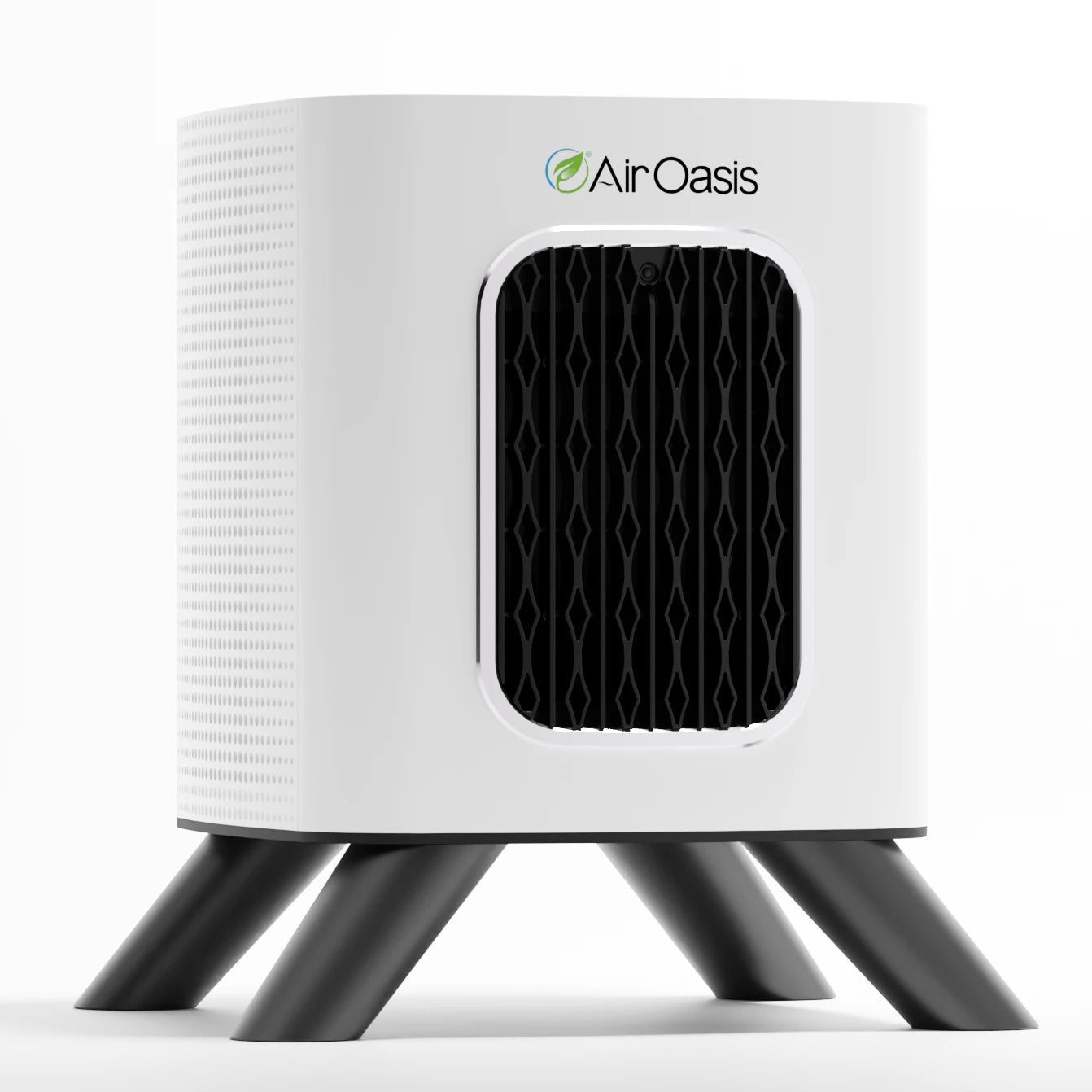
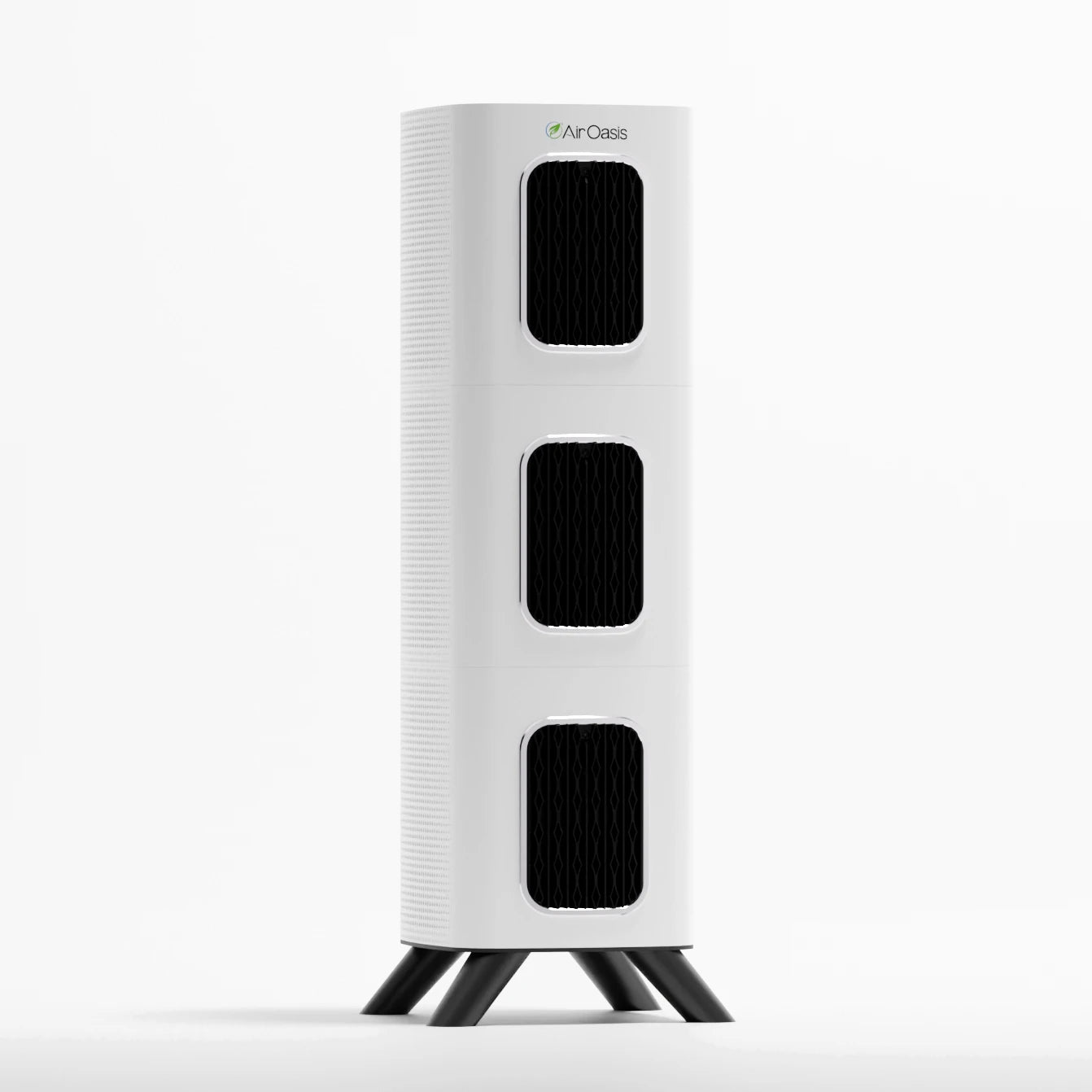
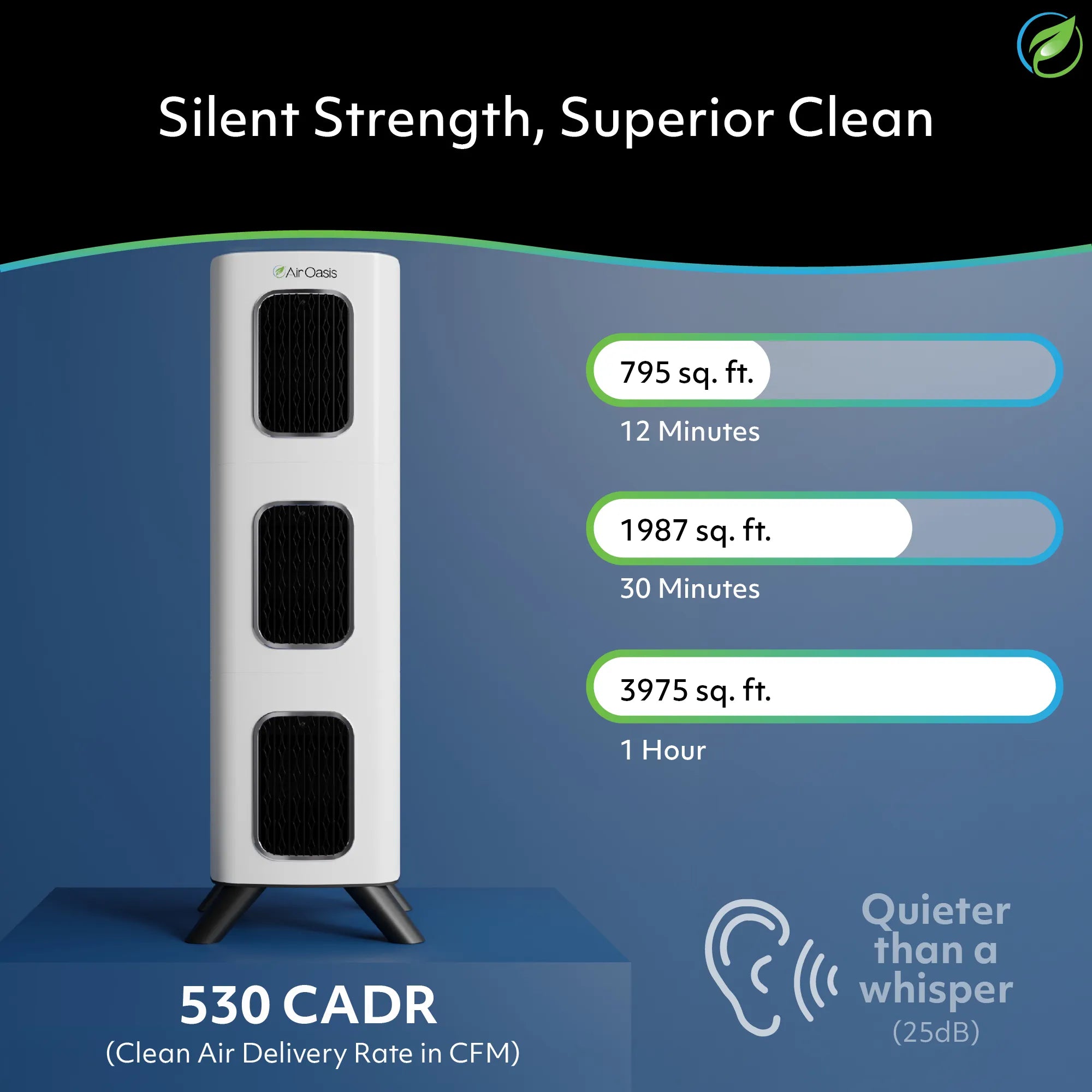
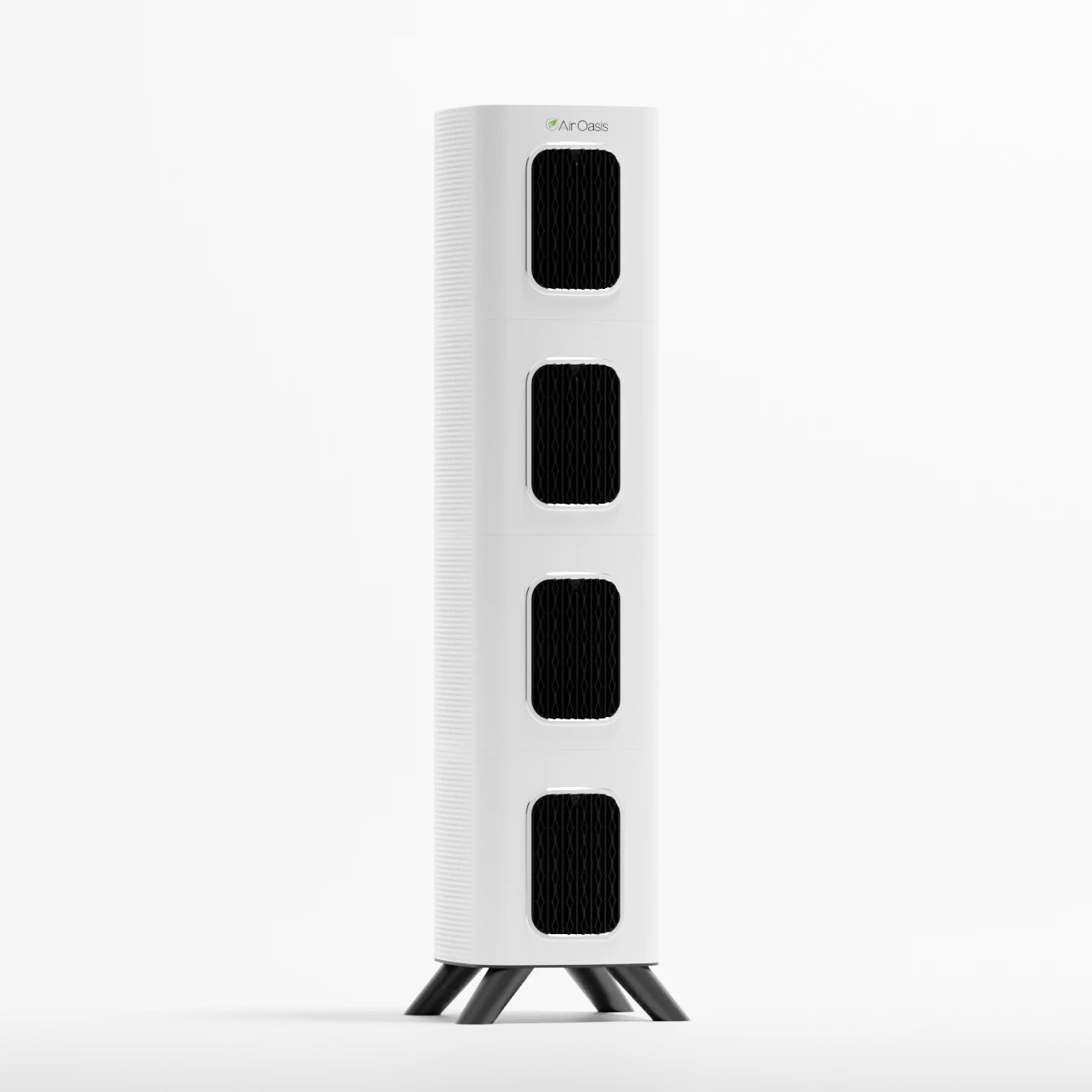
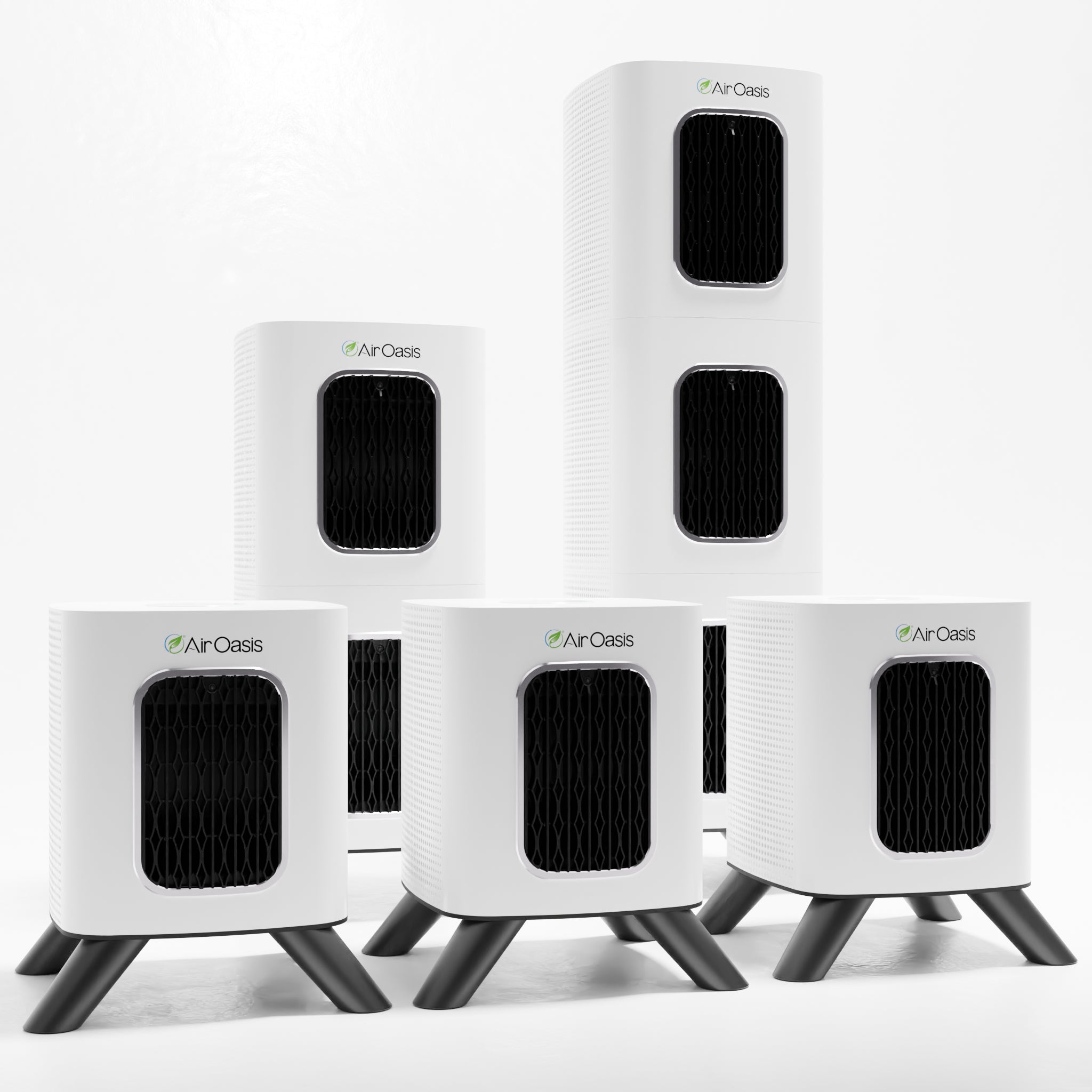
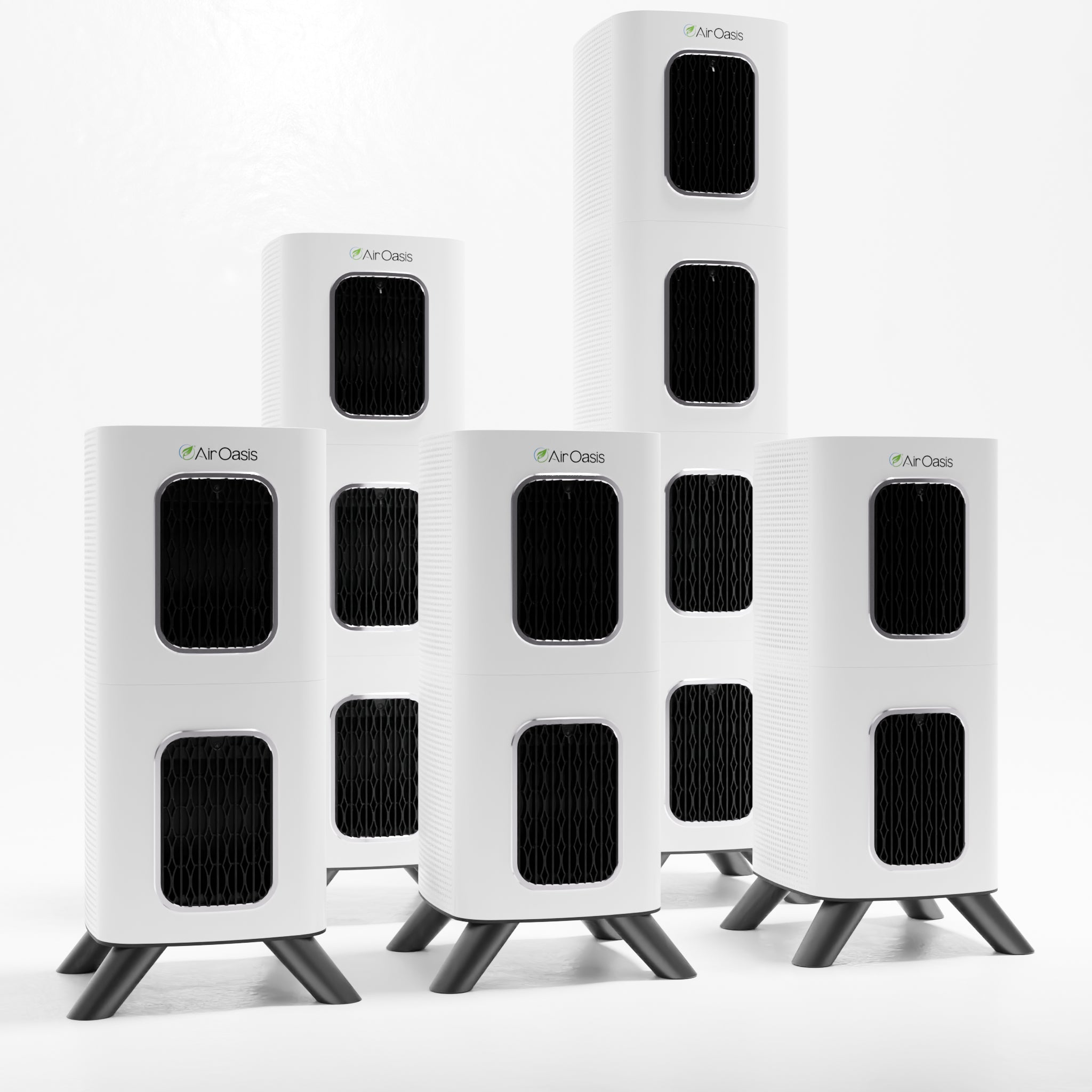
The iAdaptAir system complements your exhaust hood by capturing pollutants throughout the kitchen space, not just directly above the stove. Its multiple filtration stages address the full spectrum of cooking-related contaminants that range hoods miss.
How Air Purifiers Address Cooking Pollutants
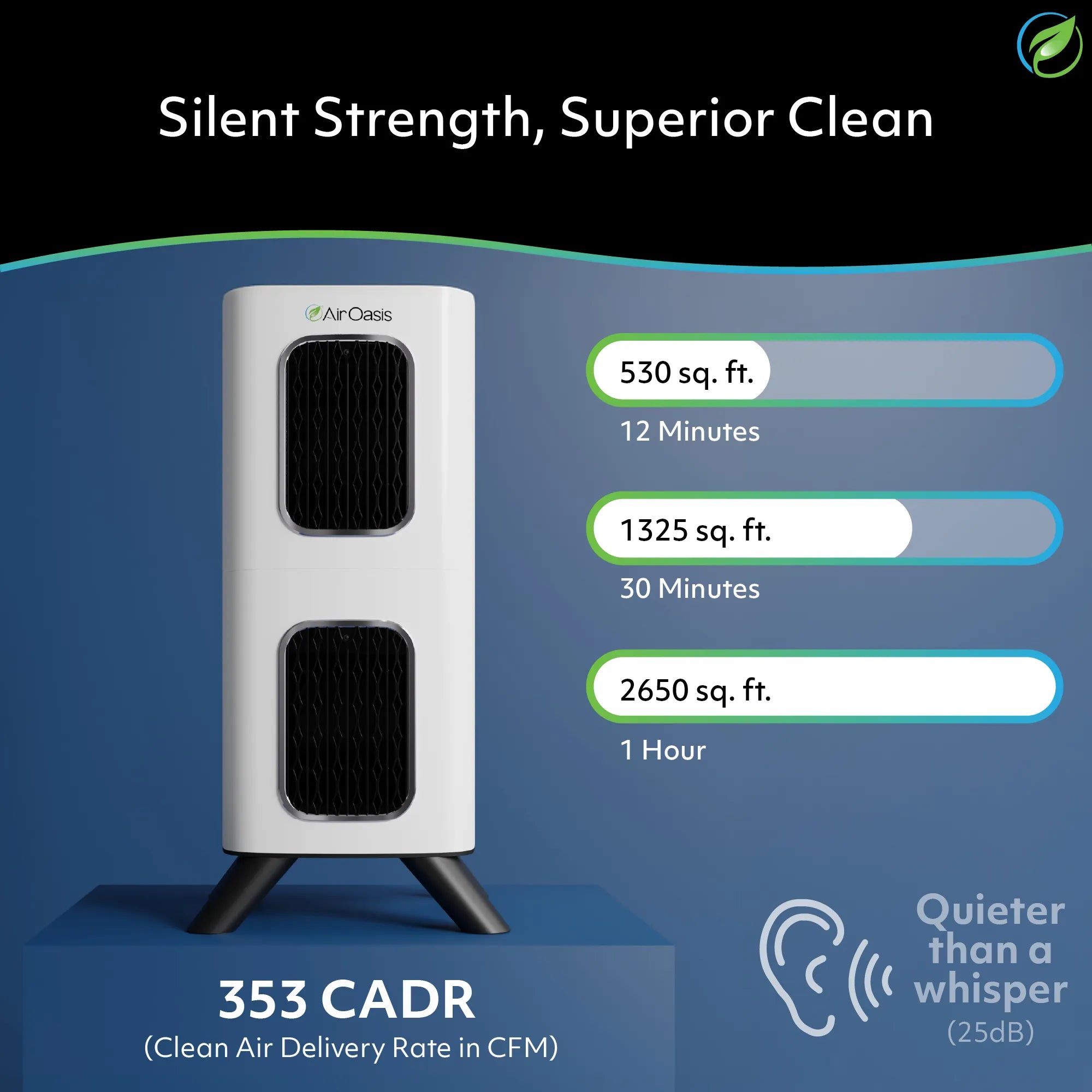
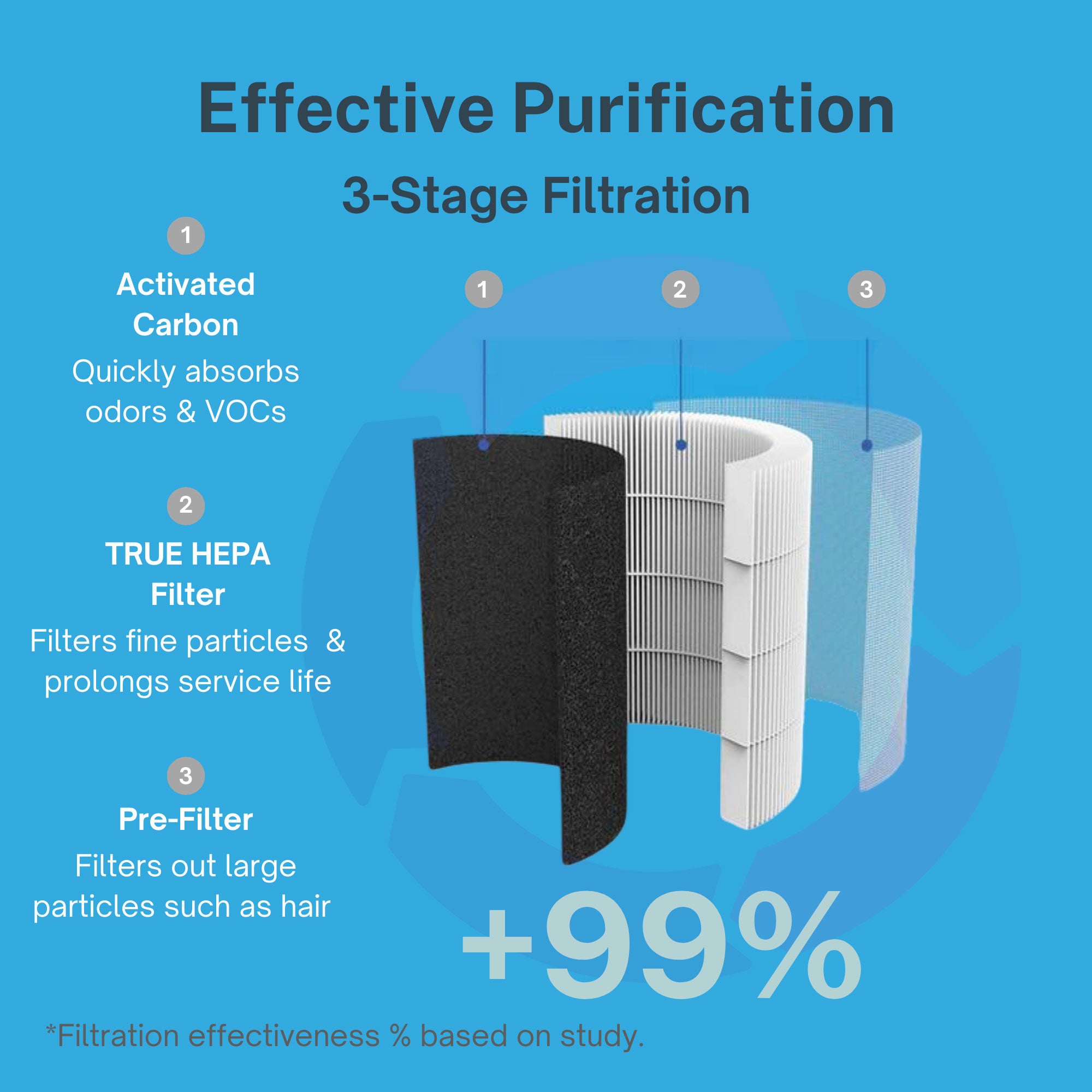
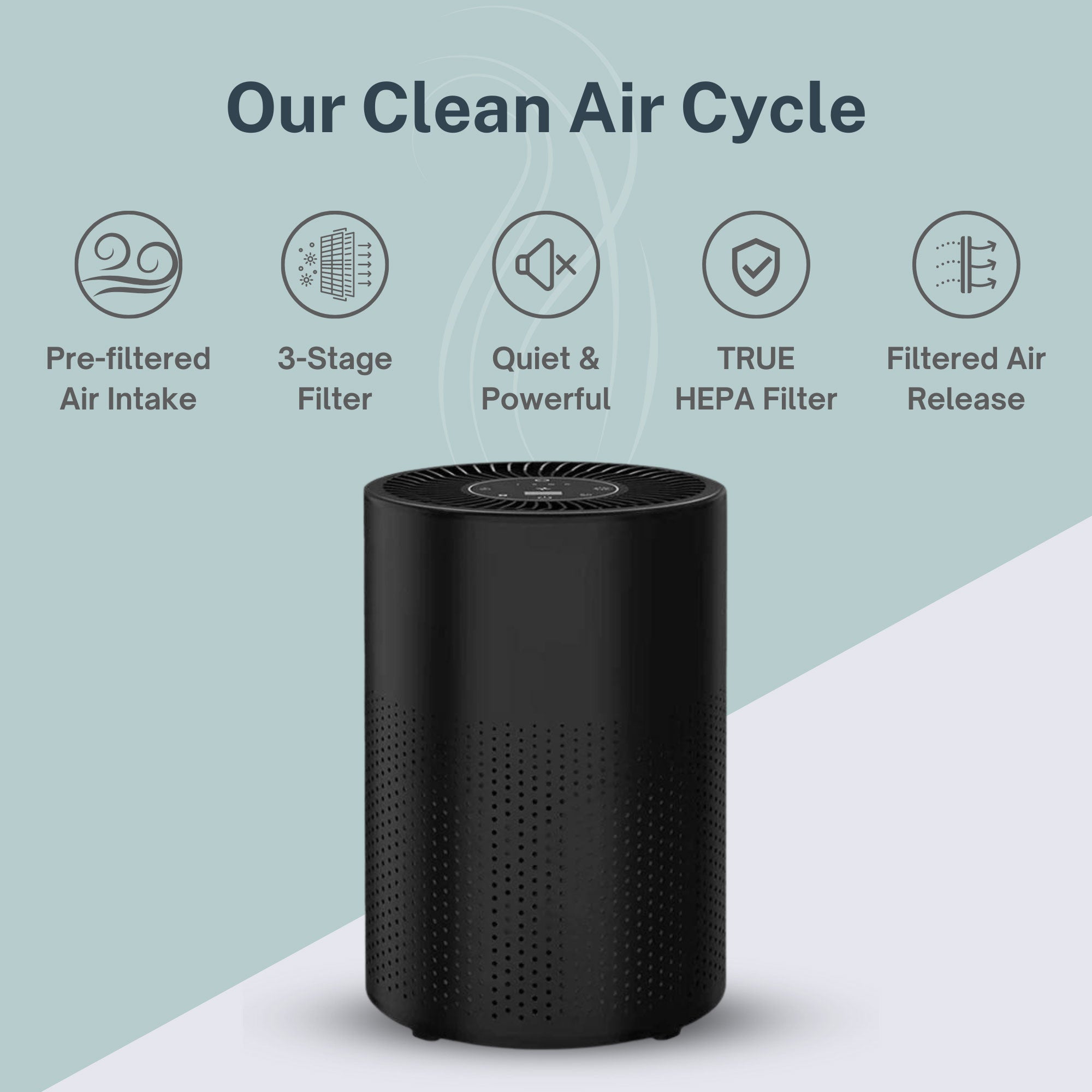
HEPA filtration captures airborne grease particles and smoke before they settle on surfaces or enter your lungs. These microscopic droplets would otherwise coat everything in your kitchen and spread to other rooms. The iAdaptAir removes 99% of particles as small as 0.3 microns—smaller than most cooking-generated pollutants.
Activated carbon filtration excels at absorbing cooking odors and VOCs. Carbon's porous structure traps organic compounds that create lingering smells. This prevents last night's fish dinner from affecting today's breakfast atmosphere. It also removes the chemical compounds you shouldn't be breathing, regardless of how they smell.
UV-C light in the iAdaptAir neutralizes bacteria and mold spores that proliferate in warm, humid kitchen environments. Cooking creates moisture that promotes microbial growth. Food particles landing on surfaces become contamination sources. UV treatment prevents these biological threats from circulating through your home.
The bipolar ionization technology causes particles to clump together, making them easier for filters to capture. This enhancement is particularly valuable during cooking when particle concentrations spike rapidly. Larger particle clusters drop out of the air faster and are more efficiently trapped by filters.
Strategic Kitchen Placement for Cooking
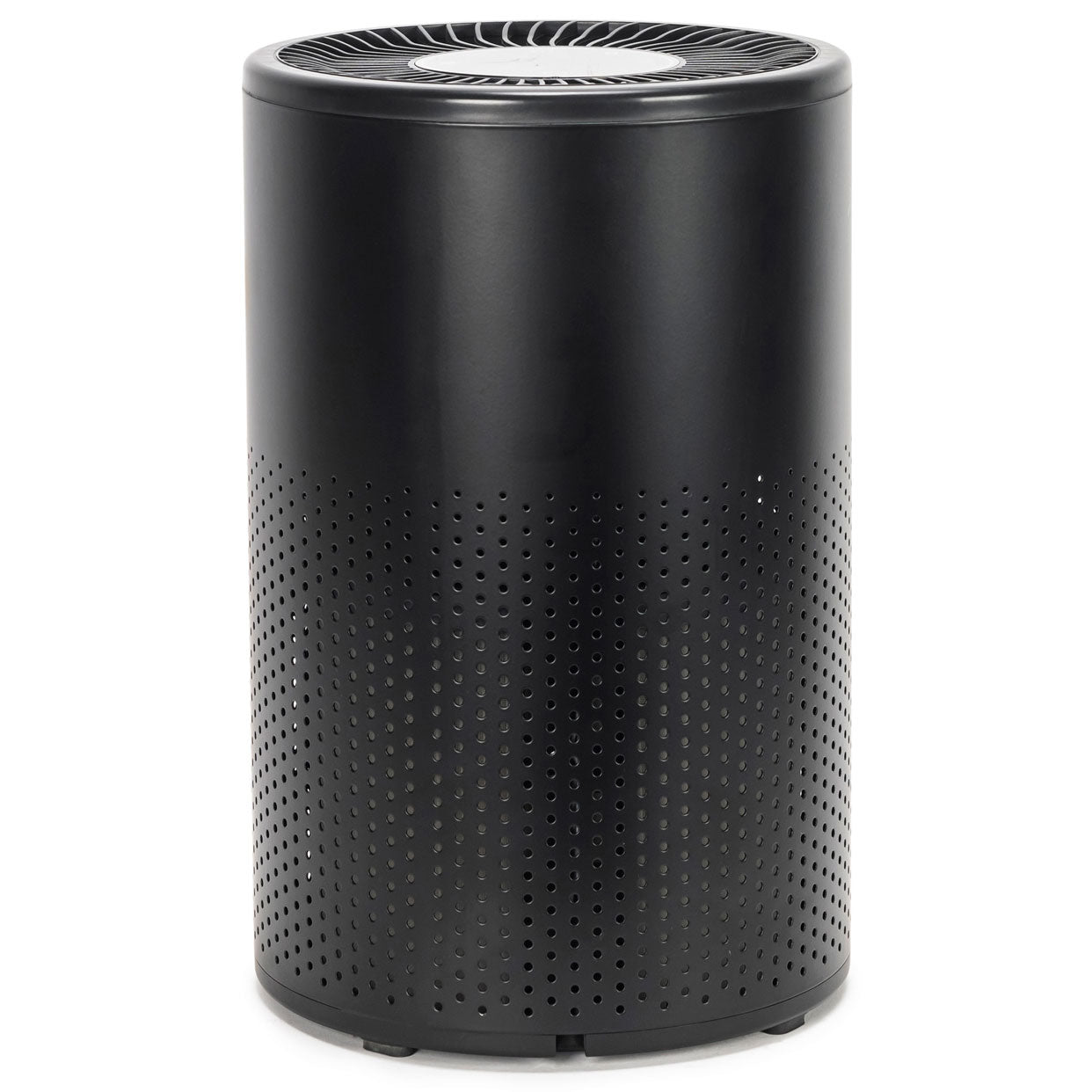
Position your air purifier in the kitchen, but not directly next to the stove. Heat and grease exposure can damage electronics and clog filters prematurely. Place the unit 6-10 feet from cooking surfaces where it can capture airborne pollutants without direct exposure to heat and splatter.
Counter placement works well if you have space away from prep areas. The purifier sits at the level where cooking pollutants initially disperse. Elevated placement on shelving or the top of cabinets also works, though you'll need to ensure it's securely positioned.
Never place air purifiers where they block traffic flow or create fire hazards near open flames. Maintain clear space around the unit for proper airflow. Keep the purifier away from areas where it might be splashed with water or knocked over during busy cooking.
Open floor plan homes benefit from positioning the purifier between the kitchen and living areas. This placement intercepts pollutants before they spread throughout your home. The air flowing from the kitchen to the living room passes through the purifier's filtration system.
Timing Your Air Purifier Operation
Start your air purifier before you begin cooking. Preheating the filtration system ensures maximum effectiveness when pollution generation begins. The AUTO mode will detect air quality changes immediately and adjust fan speed to address emerging contaminants.
Run the purifier at higher speeds during active cooking. Many users manually increase fan speed when frying, grilling, or preparing particularly aromatic meals. The increased airflow captures more pollutants during peak generation periods. Accept the slightly louder operation as temporary protection during high-pollution activities.
Continue running the purifier for at least 30 minutes after cooking ends. Particles remain airborne long after you turn off the stove. Odor molecules continue off-gassing from hot surfaces. The purifier needs time to process these lingering contaminants and restore baseline air quality.
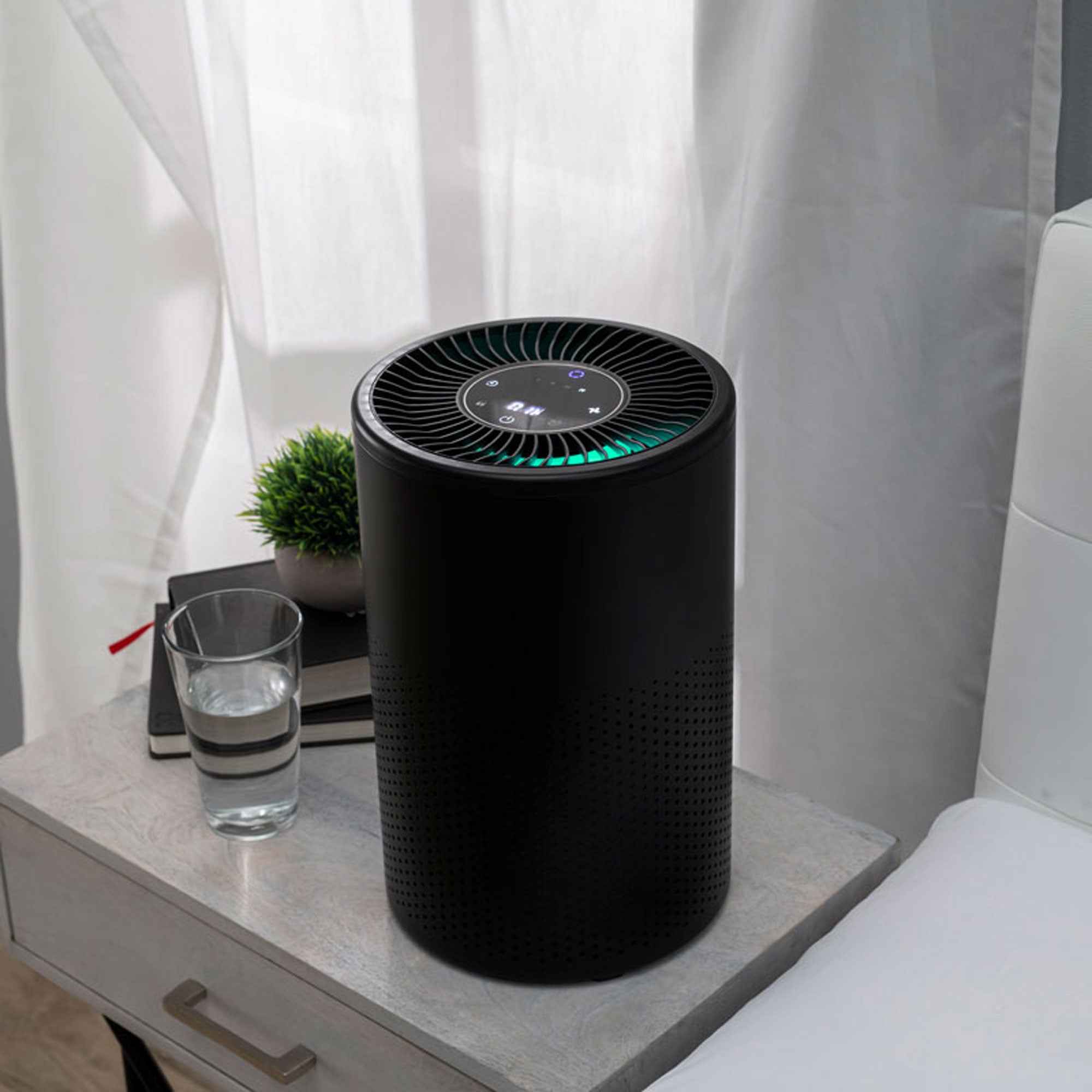
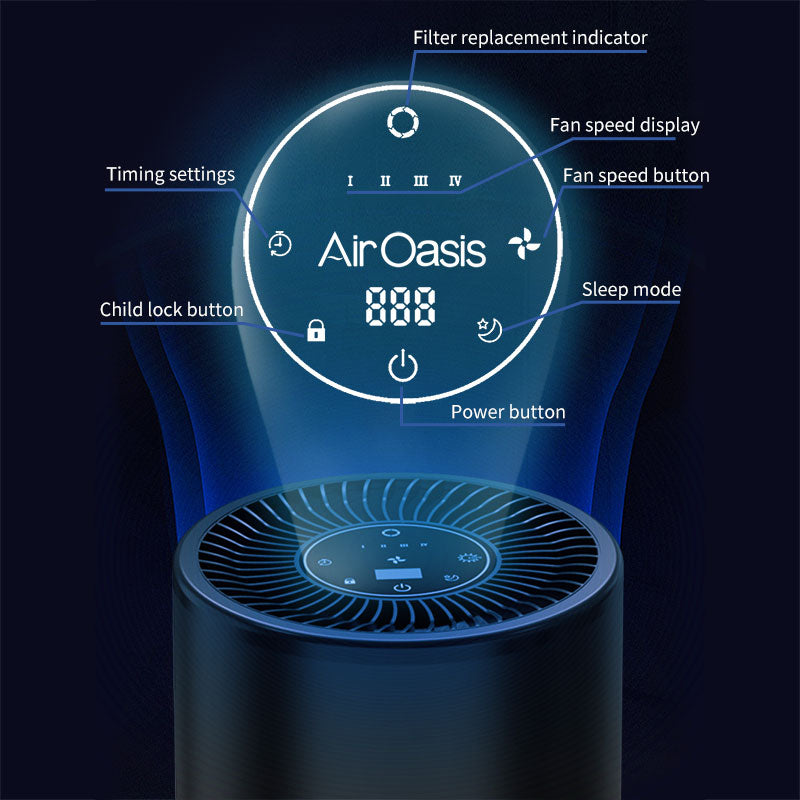
The iAdaptAir's air quality indicator ring shows you when the air has returned to excellent conditions. Watch for the ring to shift from orange or red back to green. This visual feedback tells you when the cooking pollution has been adequately addressed.
Special Considerations for Different Cooking Styles
High-temperature cooking, such as stir-frying, searing steaks, or grilling indoors, generates the most pollutants. These methods benefit most from air purification. The combination of high heat, aerosolized fats, and rapid cooking results in particle generation that peaks quickly and intensely.
Baking and roasting produce fewer airborne particles but can release significant VOCs from browning reactions. Sweet baked goods caramelize sugars. Roasting vegetables develops char. These processes create compounds that smell wonderful but represent airborne chemicals your purifier should capture.
Boiling and steaming generate humidity and food particles in the steam. While these methods produce fewer pollutants than frying, the moisture can affect air quality. Steam carries microscopic food particles throughout your kitchen. Air purification helps manage these water-borne contaminants.
Meal prep and raw food preparation release fewer airborne pollutants but can spread bacteria. Cutting raw meat or washing produce creates opportunities for pathogen aerosolization. The iAdaptAir's UV-C light addresses biological contaminants that other air-cleaning methods miss.
Filter Maintenance in Kitchen Environments
Cooking accelerates filter saturation compared to typical household use. Grease particles coat HEPA filters. VOCs fill activated carbon pores faster. The iAdaptAir calculates remaining filter life based on actual air quality and runtime—factors heavily influenced by cooking frequency and methods.
Check your filter life indicator regularly if you cook daily or prepare elaborate meals frequently. Don't be surprised if kitchen purifiers need filter replacement more often than bedroom units. The pollution load differs dramatically between spaces.
Pre-filters, if your model includes them, capture larger grease particles before they reach the HEPA filter. These pre-filters may need monthly cleaning or replacement in kitchens with heavy cooking activity. Maintaining pre-filters extends the life of your more expensive HEPA filters.
Never attempt to wash HEPA filters to extend their life in kitchen environments. Grease-saturated filters cannot be cleaned effectively, and washing them damages the delicate filter media. Replace filters according to the indicator schedule to maintain purification effectiveness.
The Health Benefits Beyond Odor Control
Many people run air purifiers while cooking primarily to manage odors. But the real value lies in removing invisible health threats. You can't smell the ultra-fine particulate matter that reaches your alveoli. You don't detect the nitrogen dioxide irritating your airways. You can't see the grease particles coating your lung tissue.
People with asthma and COPD experience fewer symptoms when cooking pollutants are controlled. These individuals have airways that are highly responsive to irritants. Reducing exposure during cooking prevents coughing, wheezing, and shortness of breath that can otherwise occur during meal preparation.
Children's developing respiratory systems benefit from lower exposure to cooking pollution. Kids have faster breathing rates and smaller airways than adults. They breathe in more air per unit of body weight. This means they receive higher doses of cooking-related pollutants. Air purification during meals protects their developing lungs.
Long-term exposure to cooking pollutants increases the risk of cardiovascular disease and lung cancer. These aren't immediate effects, but cumulative damage from years of breathing grease particles, combustion byproducts, and VOCs. Daily air purification during cooking reduces lifetime exposure to these harmful compounds.
Making Clean Air Part of Your Cooking Routine
Turn on your air purifier while preheating the oven. This simple habit ensures protection throughout the cooking process. The purifier becomes as automatic as setting out cutting boards or gathering ingredients.
Position your purifier's control panel where you can see the air quality indicator while cooking. Watch the ring change color as you sauté or fry. This real-time feedback connects your cooking activities to their impact on air quality, reinforcing the importance of purification.
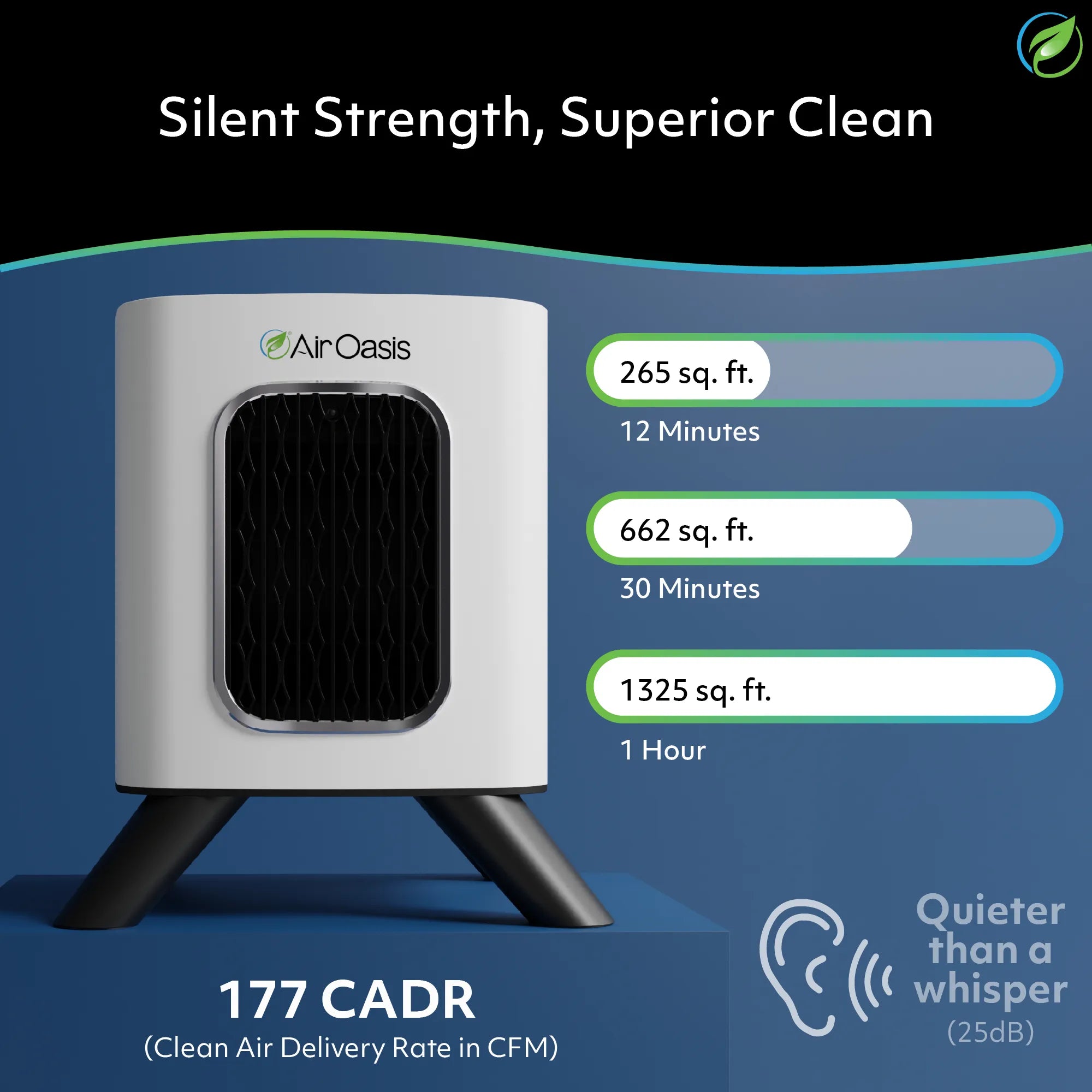
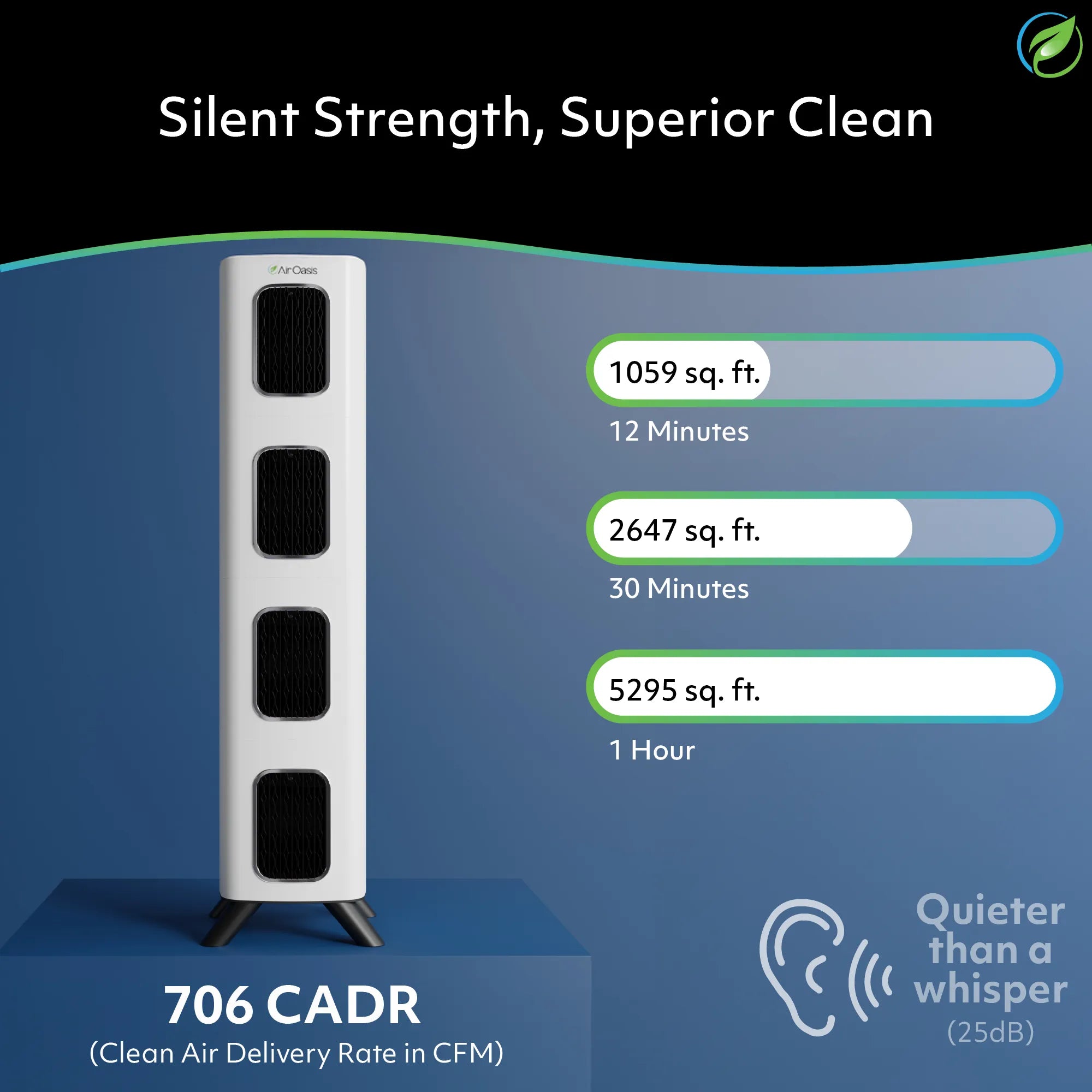
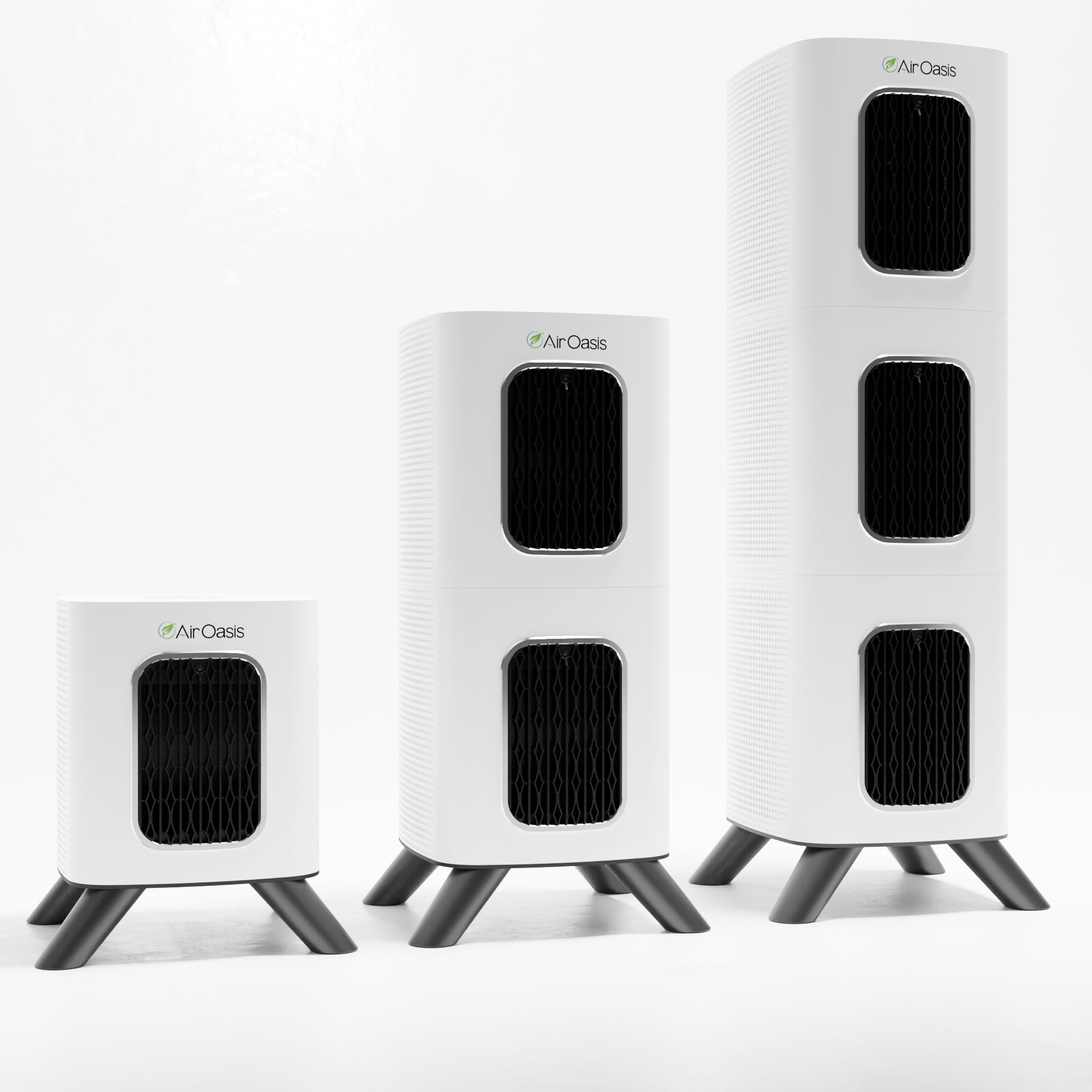
Consider upgrading to larger capacity models if your kitchen connects to the main living spaces in an open floor plan. The AOIA-2M or AOIA-2L provides coverage for combined kitchen-living areas where cooking pollutants spread quickly beyond the kitchen boundaries.
The joy of cooking shouldn't compromise your family's respiratory health. Every meal you prepare deserves clean air protection. The iAdaptAir system captures the invisible pollutants generated by cooking while letting the wonderful aromas and family connections that make cooking meaningful remain. Shop Air Oasis today and breathe easier while creating the meals that nourish your family.