The new year brings fresh starts and clean slates. Your home's air quality deserves the same attention you give to organizing closets and setting fitness goals. January presents unique challenges for indoor air that make this month ideal for resetting your approach to the air you breathe.
Winter weather keeps windows closed and heating systems running constantly. Your home becomes sealed tight against cold outdoor temperatures. This energy efficiency traps indoor air pollutants with nowhere to go. The air you breathed yesterday gets recycled today and tomorrow without meaningful refreshment.
Holiday aftermath adds to the problem. Weeks of cooking, guests, burning candles, and increased activity leave lingering pollutants throughout your home. Dust settled on decorations now circulates as you pack them away. Food particles from entertaining become airborne during cleanup.
Taking control of your indoor air quality now sets the foundation for a healthier year ahead.
Quick Wins: Immediate Air Quality Improvements
Start with actions you can take today that deliver noticeable results. These quick fixes require minimal effort but create immediate air quality improvements.
Open windows for 10 to 15 minutes even in cold weather. This brief ventilation exchanges stale indoor air for fresh outdoor air. Choose mid-morning when outdoor air quality typically rates best. Avoid high-traffic times when vehicle emissions peak. Close windows before your home loses significant heat.
Change your HVAC filter immediately if you haven't replaced it in the past two months. Holiday cooking, increased heating system use, and guest traffic all clog filters faster than normal. A fresh filter improves airflow and captures particles more effectively. Mark your calendar for the next change in 60 to 90 days.
Vacuum thoroughly with a HEPA-filtered machine. Standard vacuums blow fine particles back into the air through their exhaust. HEPA-filtered vacuums trap these particles instead of redistributing them. Focus on high-traffic areas, under furniture, and along baseboards where dust accumulates.
Wash all bedding including sheets, pillowcases, blankets, and comforters. You spend eight hours nightly breathing air near these fabrics. They collect dead skin cells, dust mites, and other allergens that become airborne with movement. Hot water washing removes these contaminants and provides immediate sleeping environment improvement.
Run bathroom exhaust fans for 20 minutes after every shower. Winter heating creates temperature differences that promote condensation. This moisture feeds mold growth in bathrooms. Proper ventilation removes humidity before mold can establish.
Deep Clean for Better Air
Surface cleaning makes rooms look better but doesn't address air quality. Deep cleaning targets the hidden sources that continuously release pollutants into your breathing space.
Dust ceiling fans, light fixtures, and the tops of tall furniture. These elevated surfaces accumulate dust that becomes airborne when air currents shift. Use a damp cloth rather than dry dusting, which simply relocates particles from surfaces to the air.
Clean or replace air vent covers throughout your home. These grilles collect dust that blows directly into rooms when heating systems operate. Remove covers and wash them in hot, soapy water. Vacuum inside ducts as far as you can reach to remove accumulated debris.
Wash curtains, throw pillows, and other fabric items that rarely get cleaned. Textiles trap odors, allergens, and particles. They release these pollutants gradually over time. Many decorative pillows and curtains are machine washable despite appearing delicate. Check care labels and wash everything possible.
Address areas where moisture collects. Check under sinks, around windows, and in basements for signs of water damage or mold growth. Small mold patches can be cleaned with soap and water. Larger infestations require professional remediation. Fix leaks promptly to prevent recurring problems.
Steam clean carpets and upholstered furniture. These items harbor dust mites, pet dander, and trapped particles that vacuuming alone cannot remove. Professional steam cleaning penetrates deep into fibers and sanitizes while removing contaminants. Schedule this service every six to twelve months.
Declutter to Reduce Dust Traps
Clutter creates surfaces where dust settles and accumulates. Each item in your home collects particles that eventually become airborne. Reducing clutter simplifies cleaning and decreases the total dust load in your air.
Start with flat surfaces, such as countertops, dressers, and shelves. Remove decorative items you don't actively use or enjoy. Each knick-knack requires dusting and provides hiding spots for allergens. Keep only items you genuinely value.
Clear under beds and furniture. These hidden spaces collect dust bunnies that grow larger over time. When air currents shift or you move furniture, these accumulated particles disperse throughout your room. Use storage containers with lids rather than open boxes that allow dust infiltration.
Organize closets to improve air circulation. Packed closets trap stale air and prevent proper ventilation. Leave space between hanging clothes and stack folded items loosely. This spacing allows air to move through storage areas and prevents musty odors from developing.
Remove books and magazines you won't read again. Paper products absorb odors and collect dust between pages. They also provide food for dust mites. Keep favorite books but recycle or donate items taking up space without adding value.
Paper clutter on desks and counters creates dust magnets. File important documents in closed drawers or cabinets. Recycle junk mail immediately rather than letting it pile up. Digital solutions for bills and statements eliminate paper entirely.
Evaluate Your Cleaning Products
Conventional cleaning products contribute to indoor air pollution rather than solving it. Many contain volatile organic compounds that evaporate into your air during and after use. These chemicals linger for hours or days, creating ongoing exposure.
Read ingredient labels on current cleaning products. Avoid products that list fragrance, which contains dozens of undisclosed chemicals. Skip cleaners containing ammonia, chlorine bleach, or petroleum distillates. These ingredients release fumes that irritate the respiratory system.
Switch to simple, natural cleaning solutions. White vinegar mixed with water cleans most surfaces effectively. Baking soda scrubs tough stains without chemical additives. Castile soap diluted in water handles general cleaning tasks. These basic ingredients cost less than commercial cleaners while protecting air quality.
Eliminate air fresheners, scented candles, and plug-in fragrances completely. These products don't clean air despite marketing claims. They mask odors with synthetic fragrances while releasing particulate matter and chemicals. True fresh air has no scent. Odors indicate problems requiring source removal, not masking.
Choose unscented laundry detergent and skip fabric softeners entirely. Scented products release fragrances continuously from clothing, bedding, and towels. You breathe these chemicals constantly because they coat fabrics that touch your skin and face. Unscented products clean just as effectively without the chemical exposure.
Test new products in small amounts before committing to full-size purchases. Some "natural" products still contain ingredients that bother sensitive individuals. Buy travel sizes or make small batches of homemade cleaners to test them in your household before investing in larger quantities.
Create a Bedroom Air Quality Sanctuary
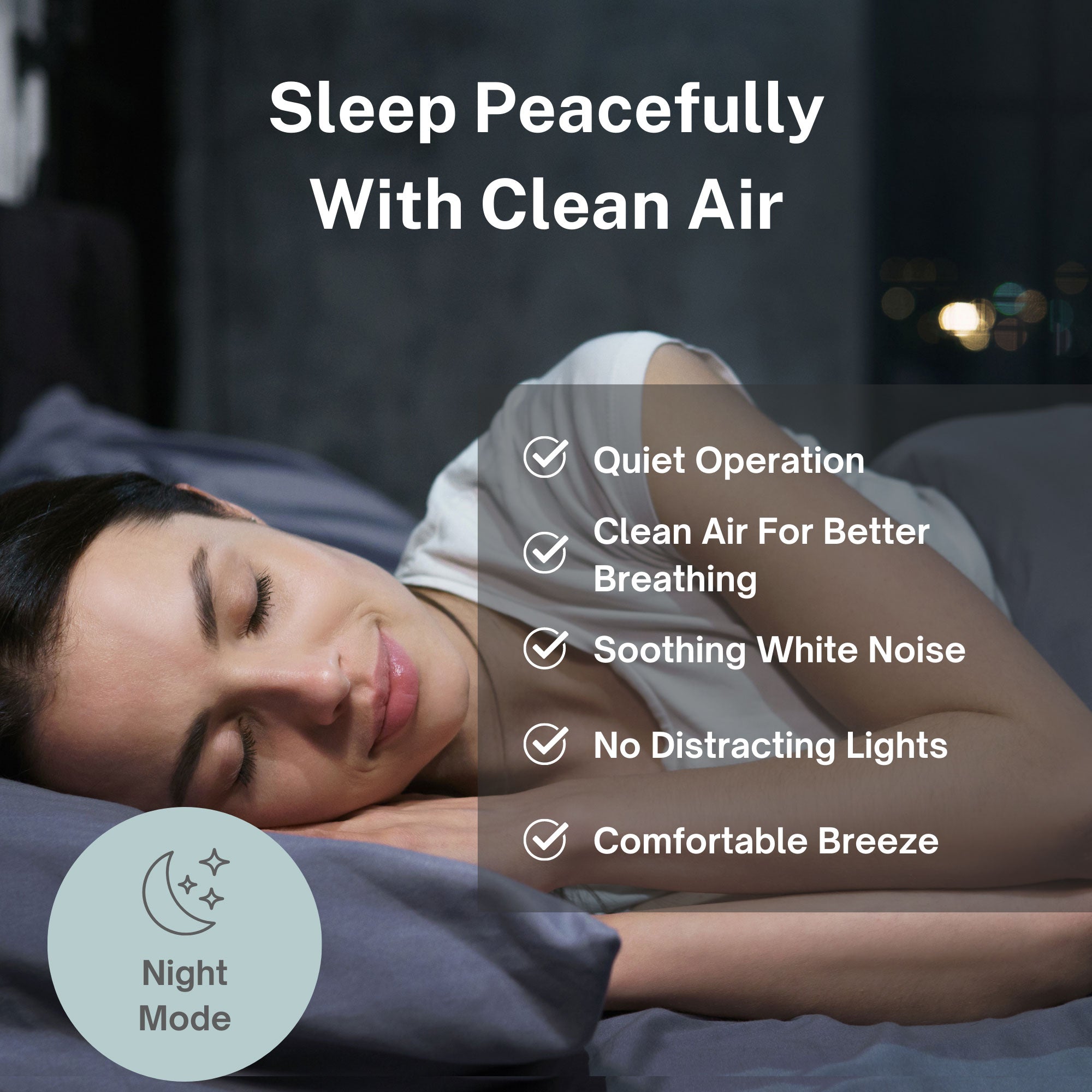
Bedrooms deserve special attention because you spend approximately one-third of your life sleeping. The air quality in this room directly affects sleep quality, respiratory health, and how you feel each morning.
Remove all non-essential electronics from your bedroom. Computers, televisions, and exercise equipment release heat and collect dust. They also tempt you to engage in stimulating activities when you should be winding down. Keep bedrooms dedicated to sleep and intimacy only.
Wash mattress covers and pillows according to the manufacturer's instructions. These items harbor dust mites that feed on dead skin cells. Allergen-proof covers prevent mites from colonizing bedding while keeping existing populations contained. Wash these covers monthly in hot water.
Keep pets out of bedrooms if anyone in your household has allergies or asthma. Pet dander becomes airborne and settles on every surface. Sleeping in air contaminated with allergens prevents restful sleep and triggers symptoms. Create comfortable pet sleeping areas elsewhere in your home.
Long-Term Solutions for Sustained Clean Air
Quick fixes and deep cleaning provide immediate improvements, but lasting air quality requires ongoing systems and habits. Building these practices into your routine ensures clean air throughout 2026 and beyond.
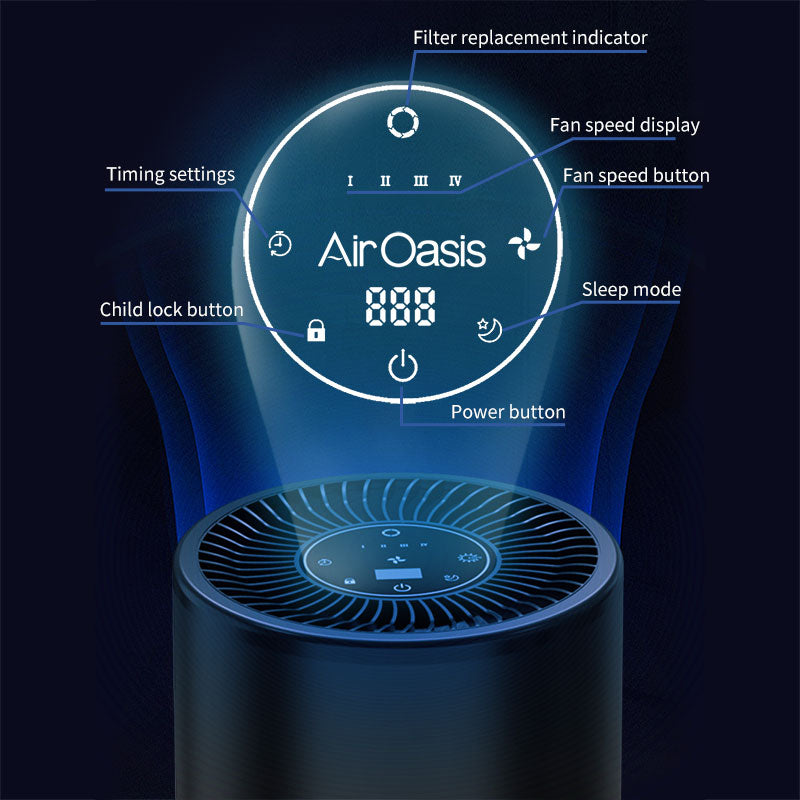
Establish a regular filter replacement schedule. Set calendar reminders for HVAC filter changes every 60 to 90 days. The iAdaptAir 2.0 includes built-in filter life monitoring that alerts you when replacement is needed. Keep spare filters on hand so you never delay changes due to lack of supplies.
Create a cleaning routine that maintains rather than catches up. Vacuum high-traffic areas twice weekly. Dust surfaces weekly using damp cloths. This consistent attention prevents the accumulation that requires intensive deep cleaning sessions.
Monitor indoor humidity throughout the year. Winter heating dries air while summer humidity increases moisture levels. Address issues promptly by adjusting humidifiers, dehumidifiers, or ventilation. Proper humidity control prevents mold growth and maintains comfortable breathing conditions.
Invest in quality doormats for all exterior entrances. Place mats on both sides of each door, inside and out. These barriers trap dirt, pollen, and outdoor pollutants before they enter your home. Clean or shake out mats weekly to maintain their effectiveness.
Institute a no-shoes-indoors policy. Shoes track in pesticides, lead dust, and countless outdoor contaminants. Provide a designated area for removing and storing shoes near entrances. Keep slippers or indoor-only shoes available for family members and guests.
Schedule annual professional HVAC maintenance. Technicians clean system components, check for issues, and ensure optimal operation. Well-maintained systems circulate air more effectively and filter contaminants more efficiently. This service prevents costly repairs while improving air quality.
Monitoring Your Progress
Air quality improvements aren't always immediately obvious. Tracking changes helps you recognize progress and identify areas needing additional attention.
Pay attention to how you feel indoors versus outdoors. Improved indoor air quality typically results in better sleep, fewer allergy symptoms, reduced respiratory irritation, and increased energy levels. Note these changes even if they seem subtle at first.
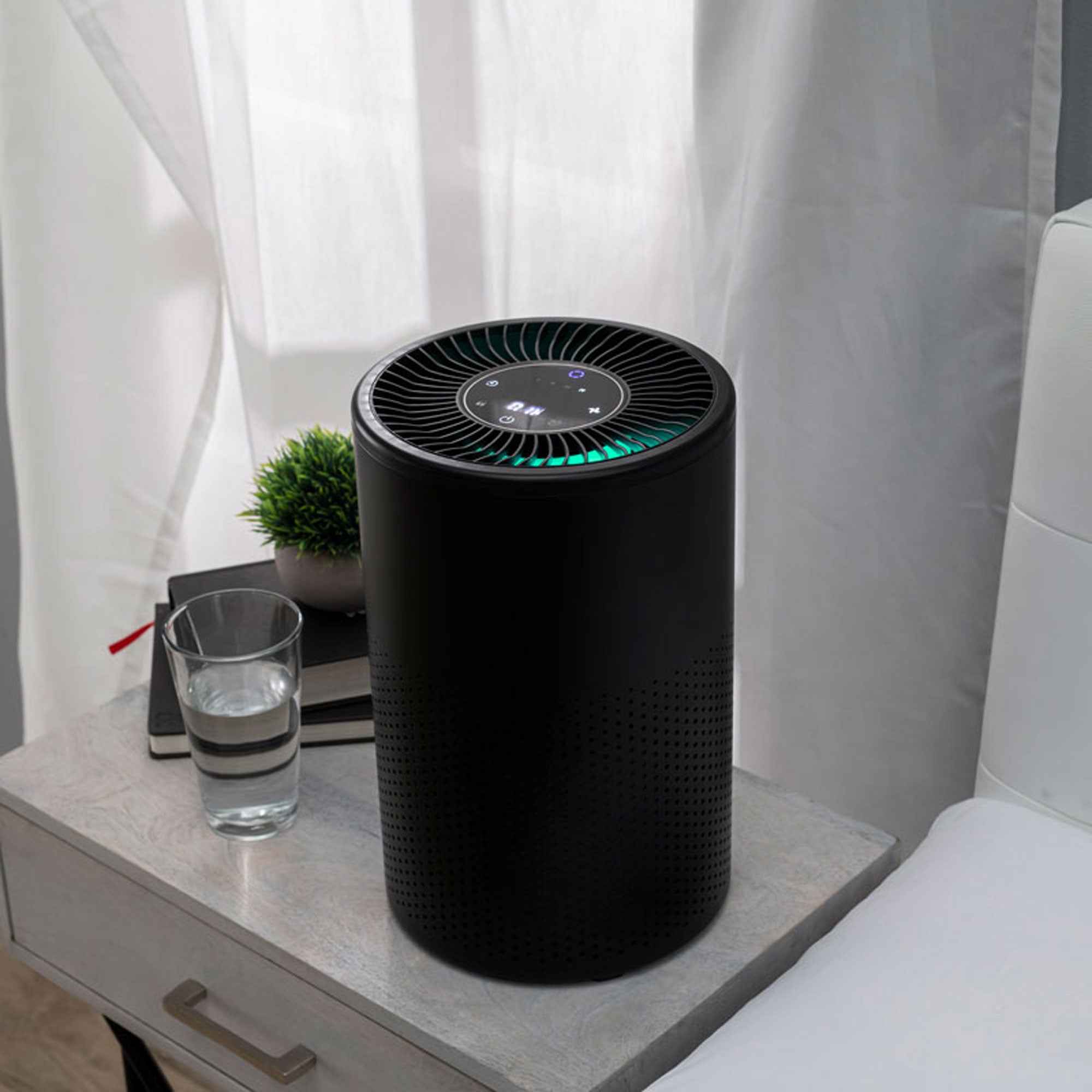
The iAdaptAir 2.0 air quality indicator ring provides visual feedback about your environment. Watch for more time spent in the green zone indicating excellent air quality. Notice when the system shifts to orange or red and identify what activities triggered the change. This awareness helps you adjust habits that compromise air quality.
Track allergy medication use and symptom frequency. Many people find they need less medication as indoor air quality improves. Reduced nighttime congestion, fewer morning headaches, and decreased daytime symptoms all indicate cleaner air.
Monitor how often you need to dust and vacuum. Cleaner air means fewer particles settle on surfaces. If you're cleaning as frequently but accumulating less visible dust, your air filtration is working effectively.
Start Your Air Quality Reset Today
January provides the perfect opportunity to reset your home's air quality. The combination of post-holiday cleanup, winter air sealing, and new year motivation creates ideal conditions for making meaningful changes.
Start with quick wins that deliver immediate results. Progress to deep cleaning that addresses hidden pollutant sources. Evaluate products and habits that compromise air quality. Create a bedroom sanctuary optimized for clean air and restful sleep. Establish long-term systems that maintain improvements throughout the year.
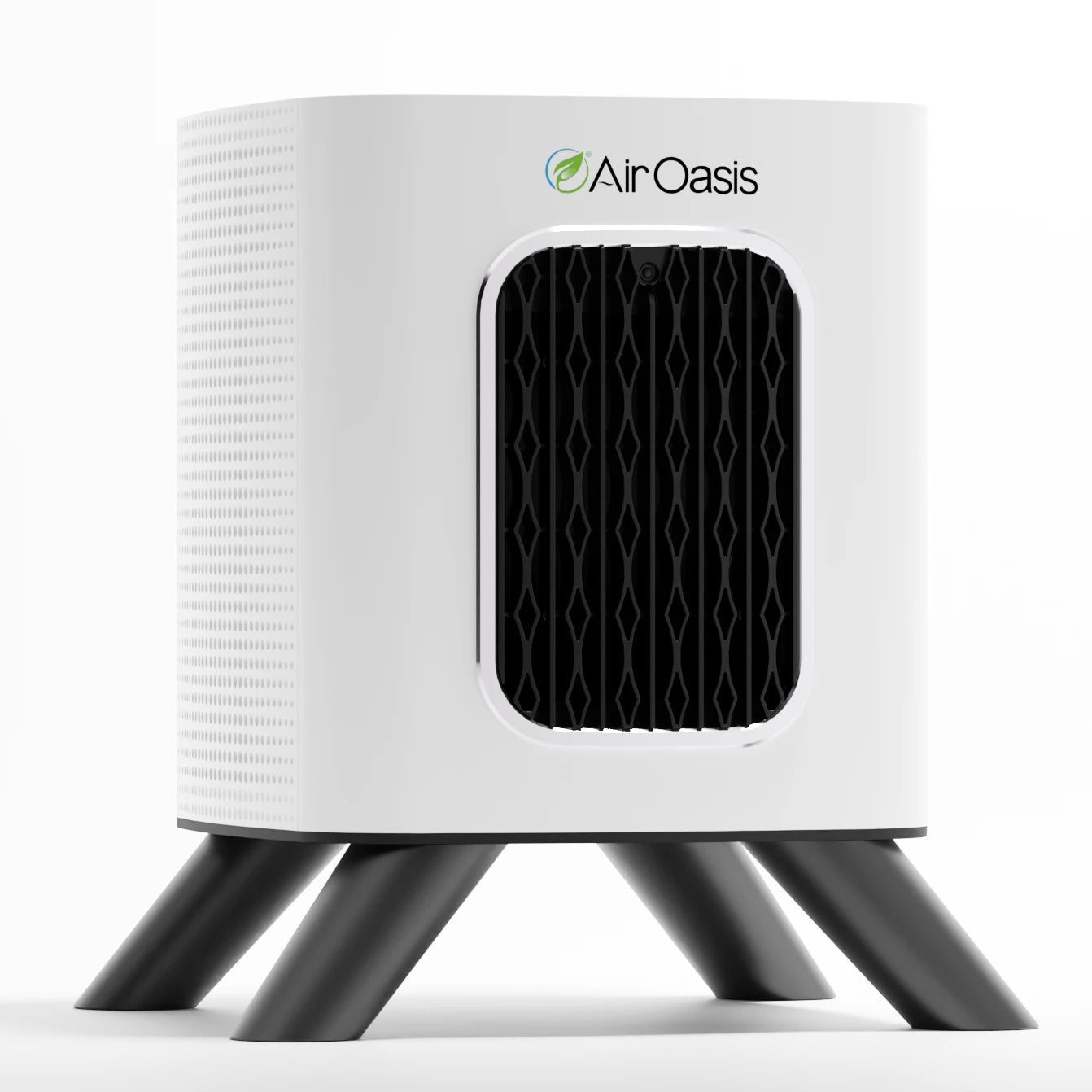
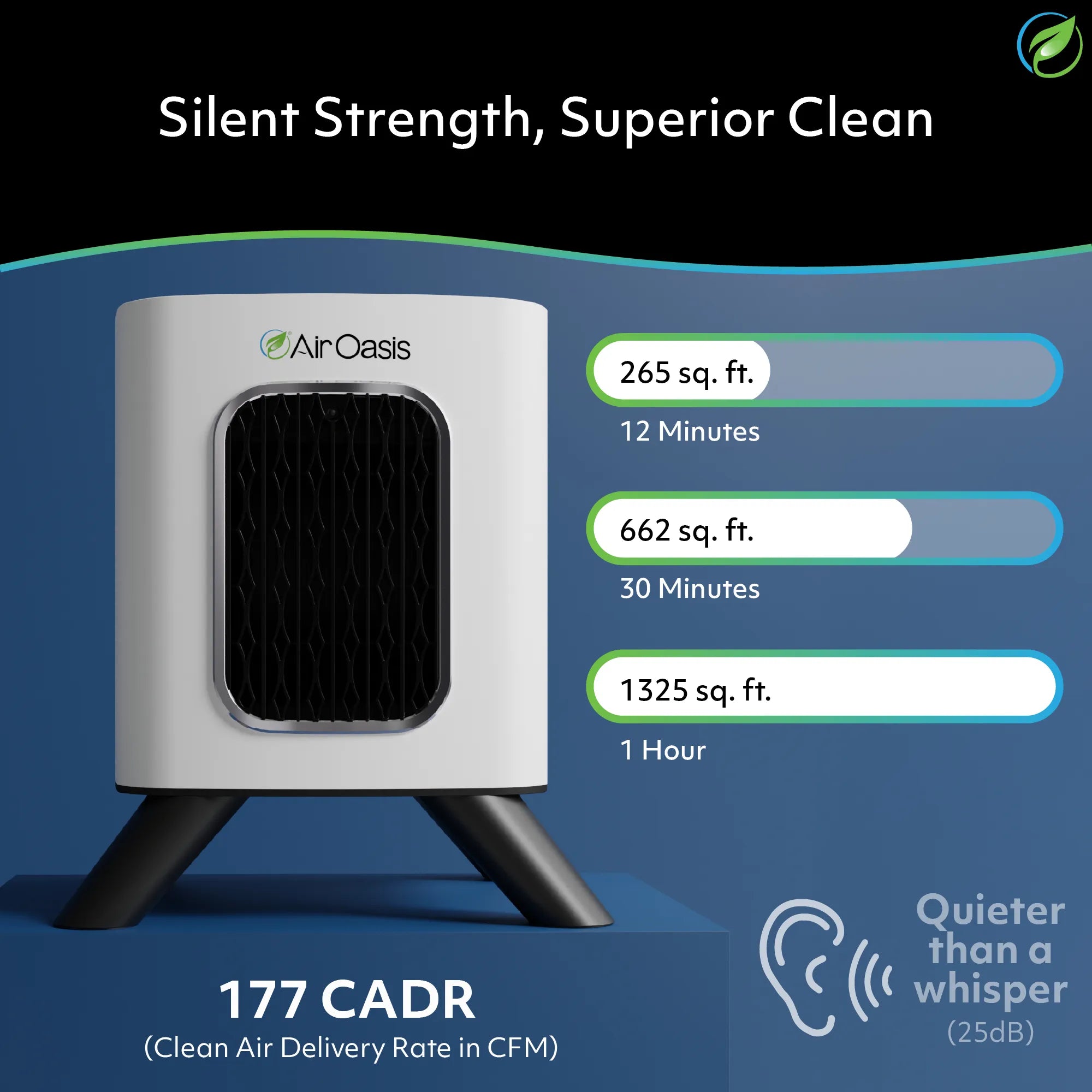
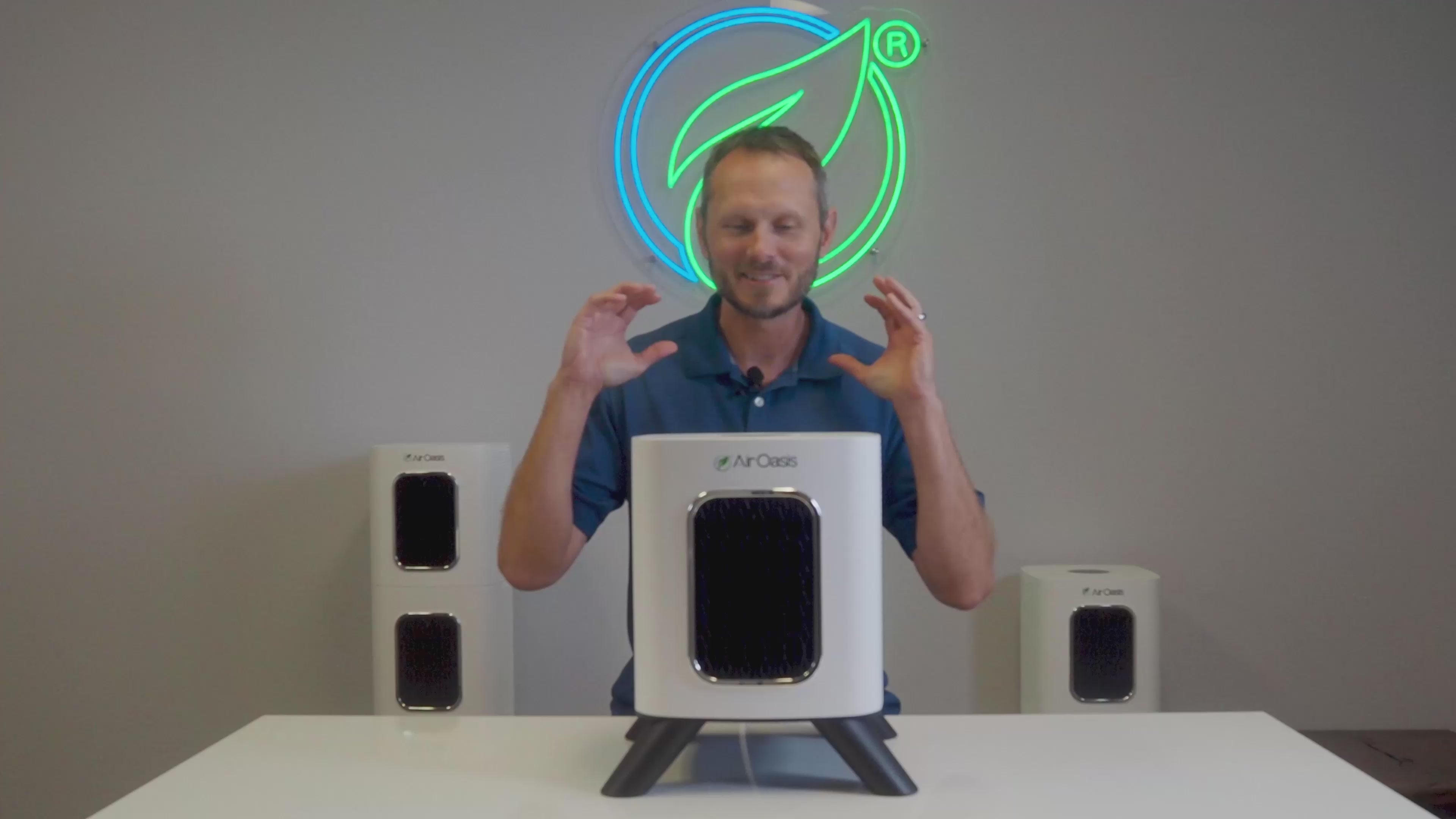
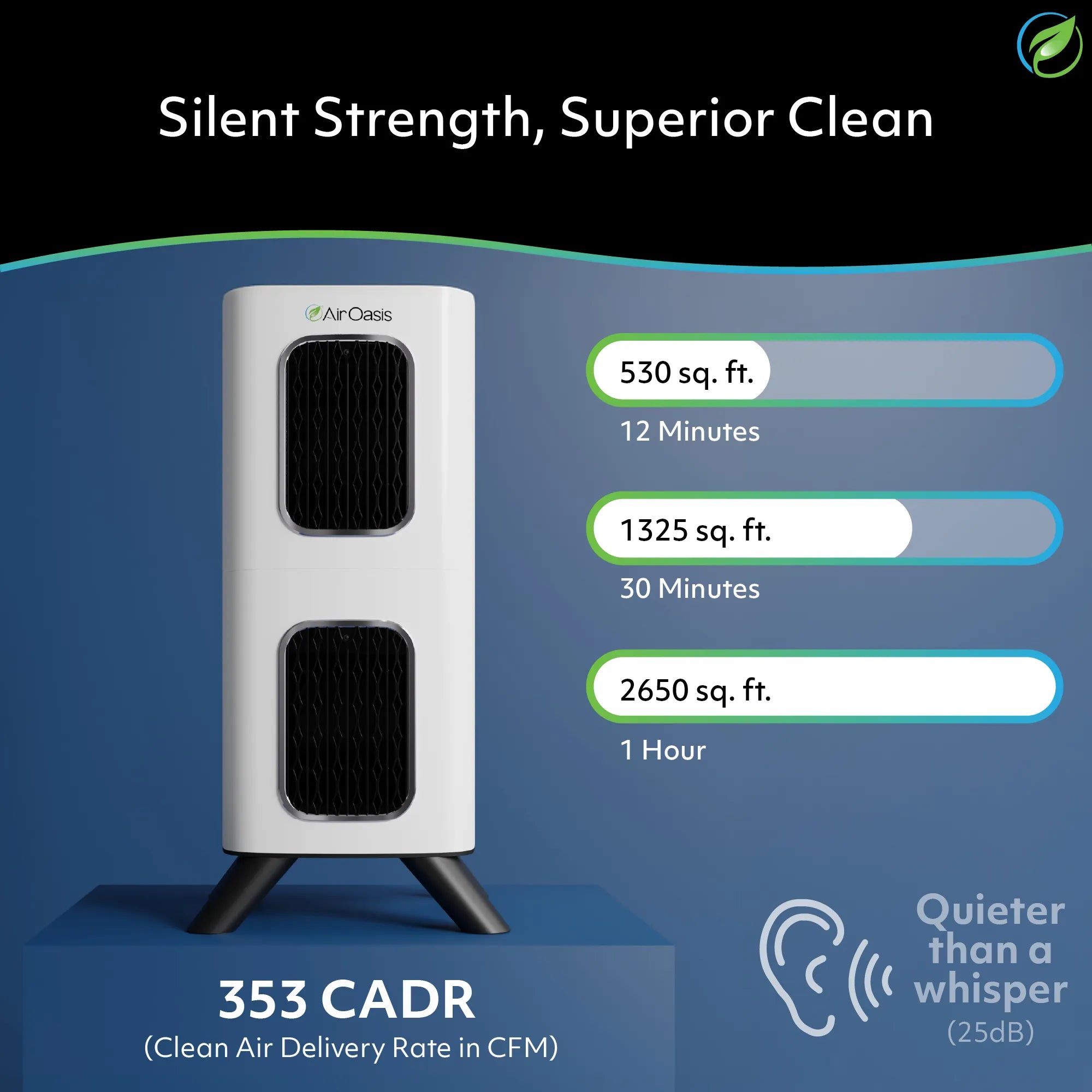
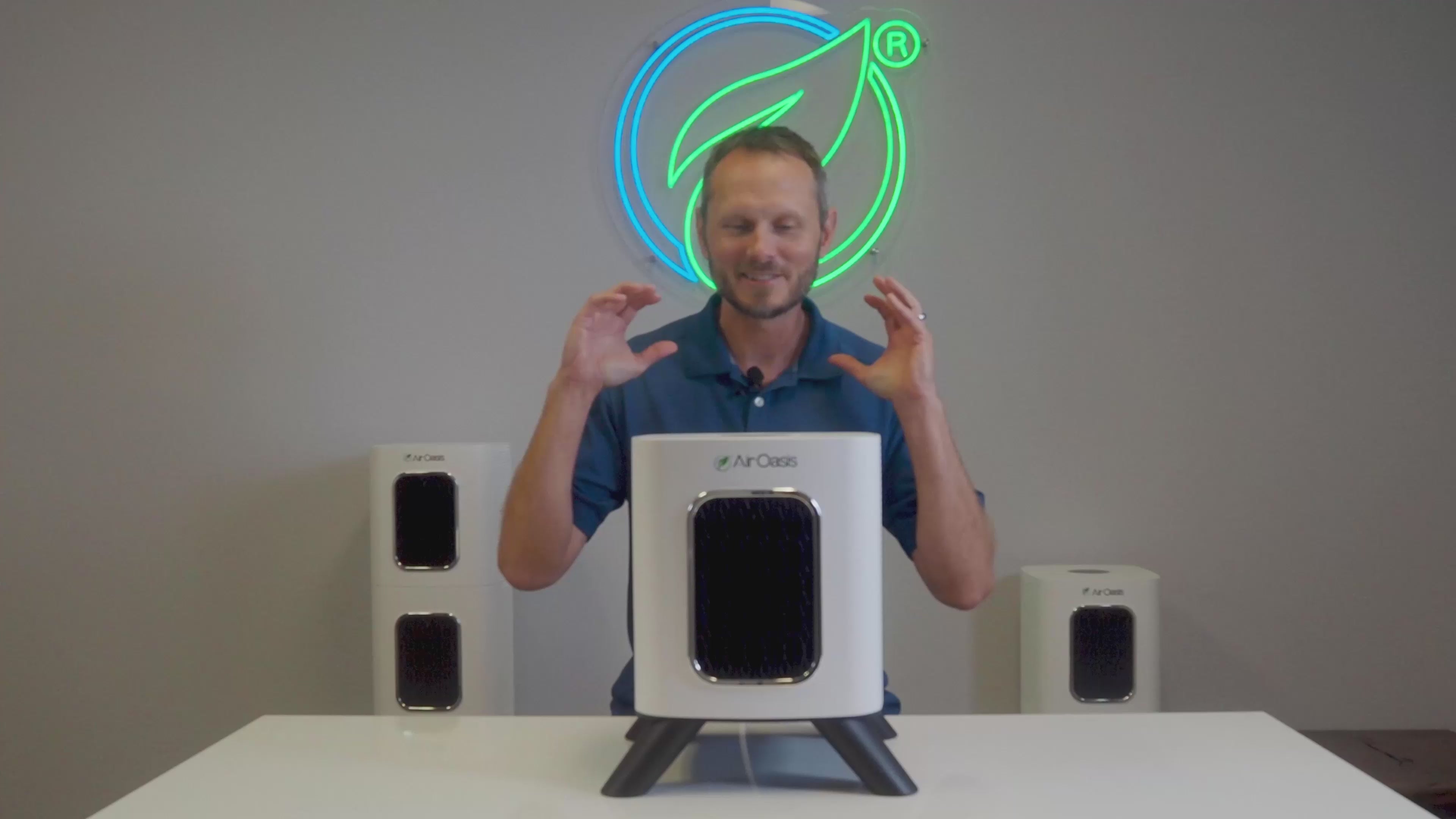
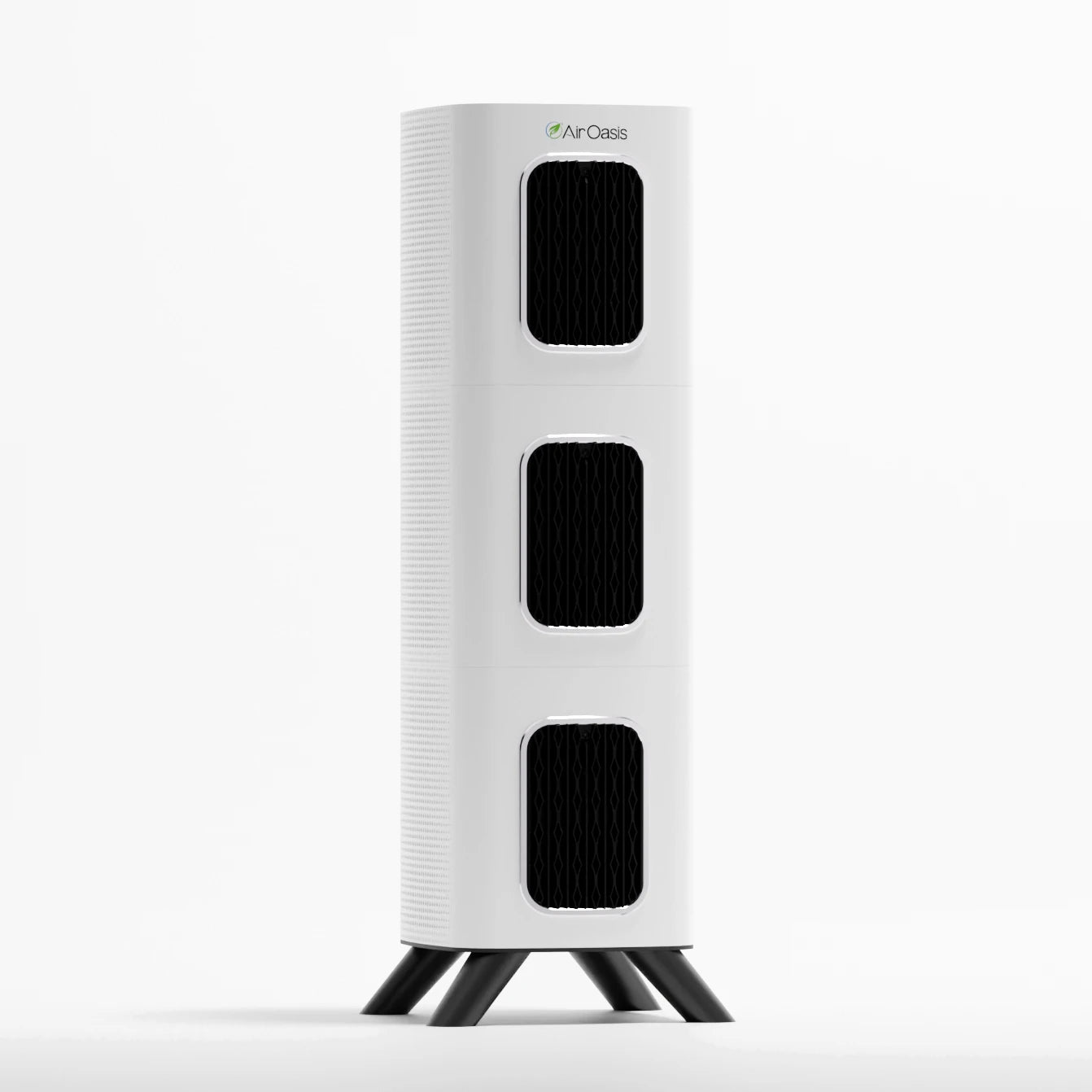
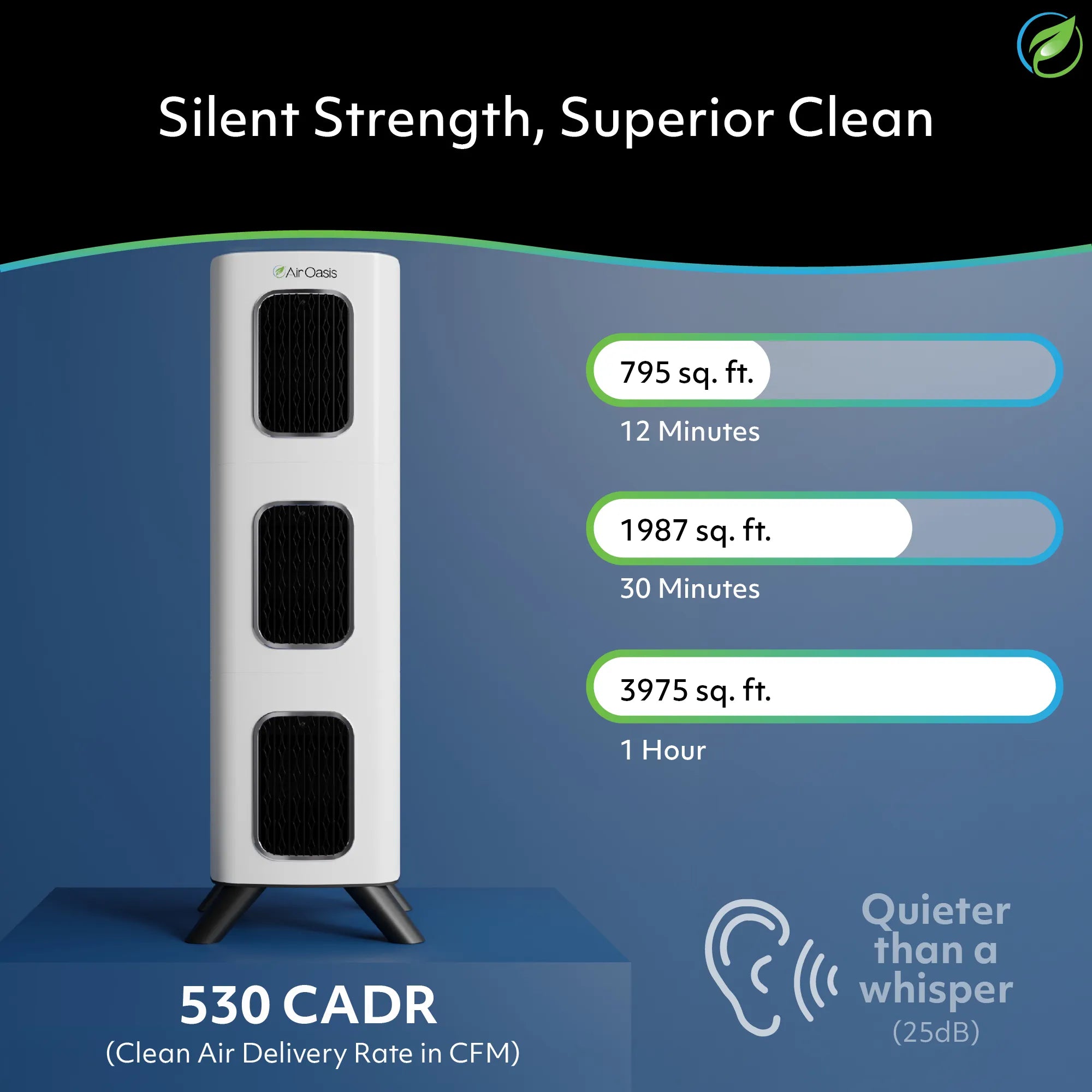
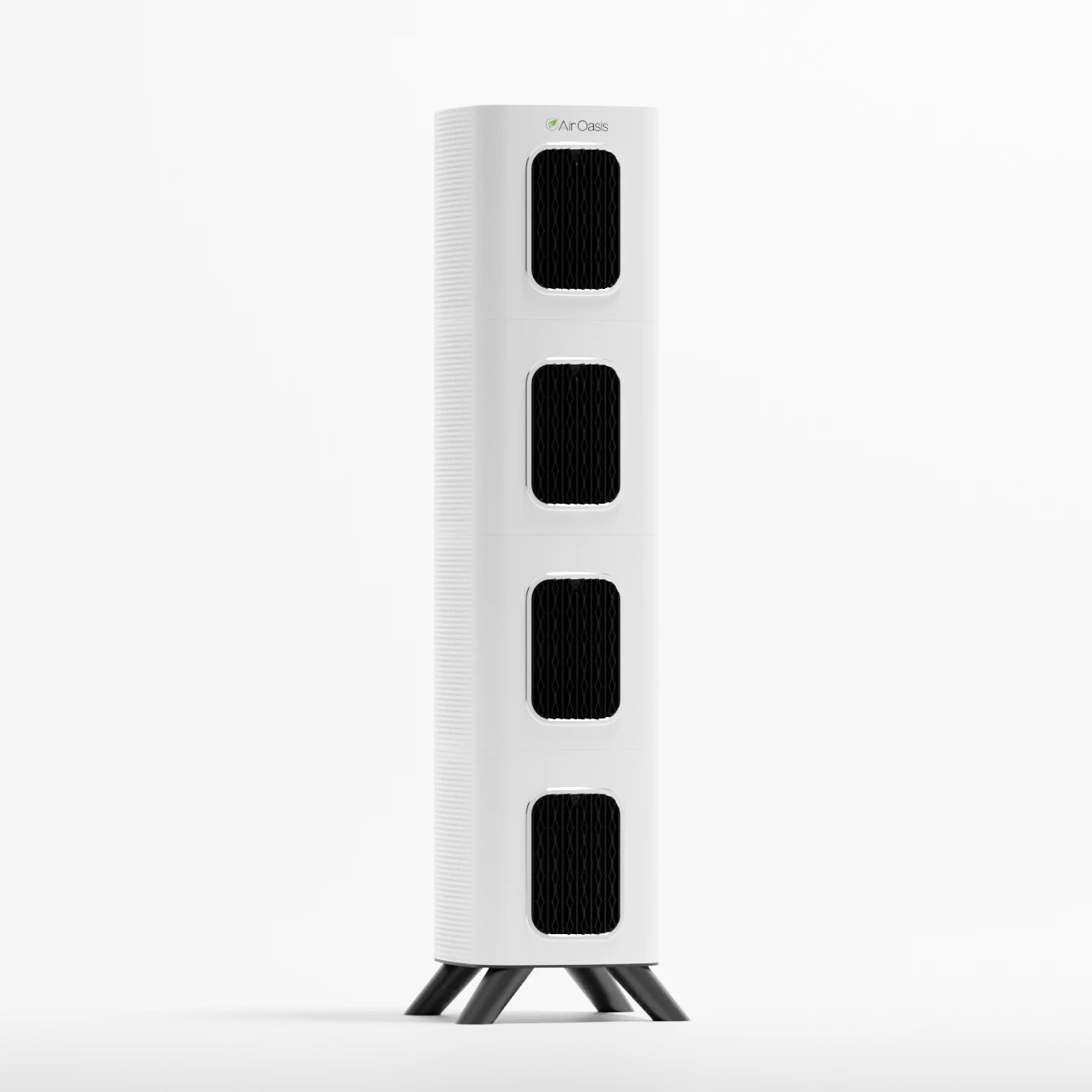
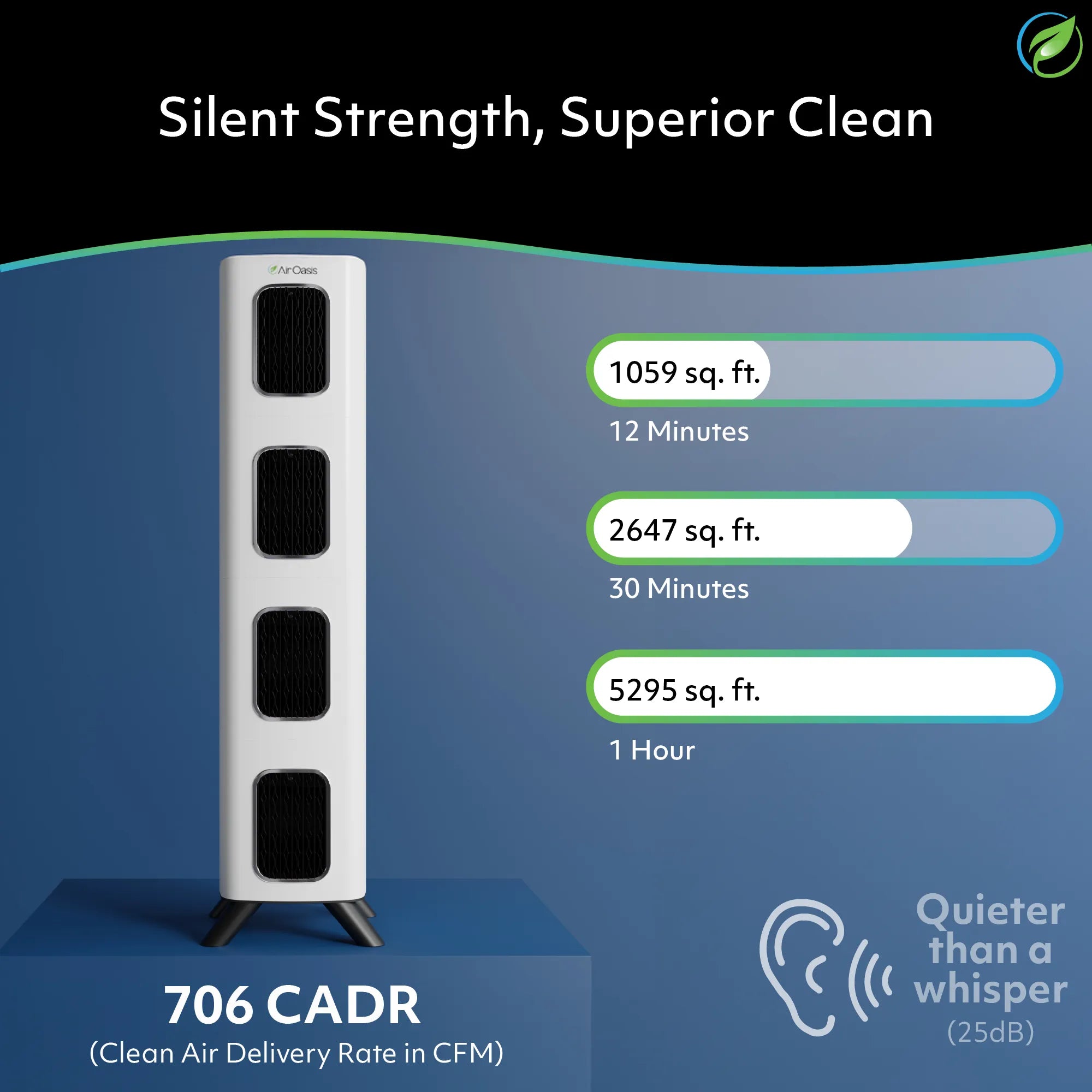
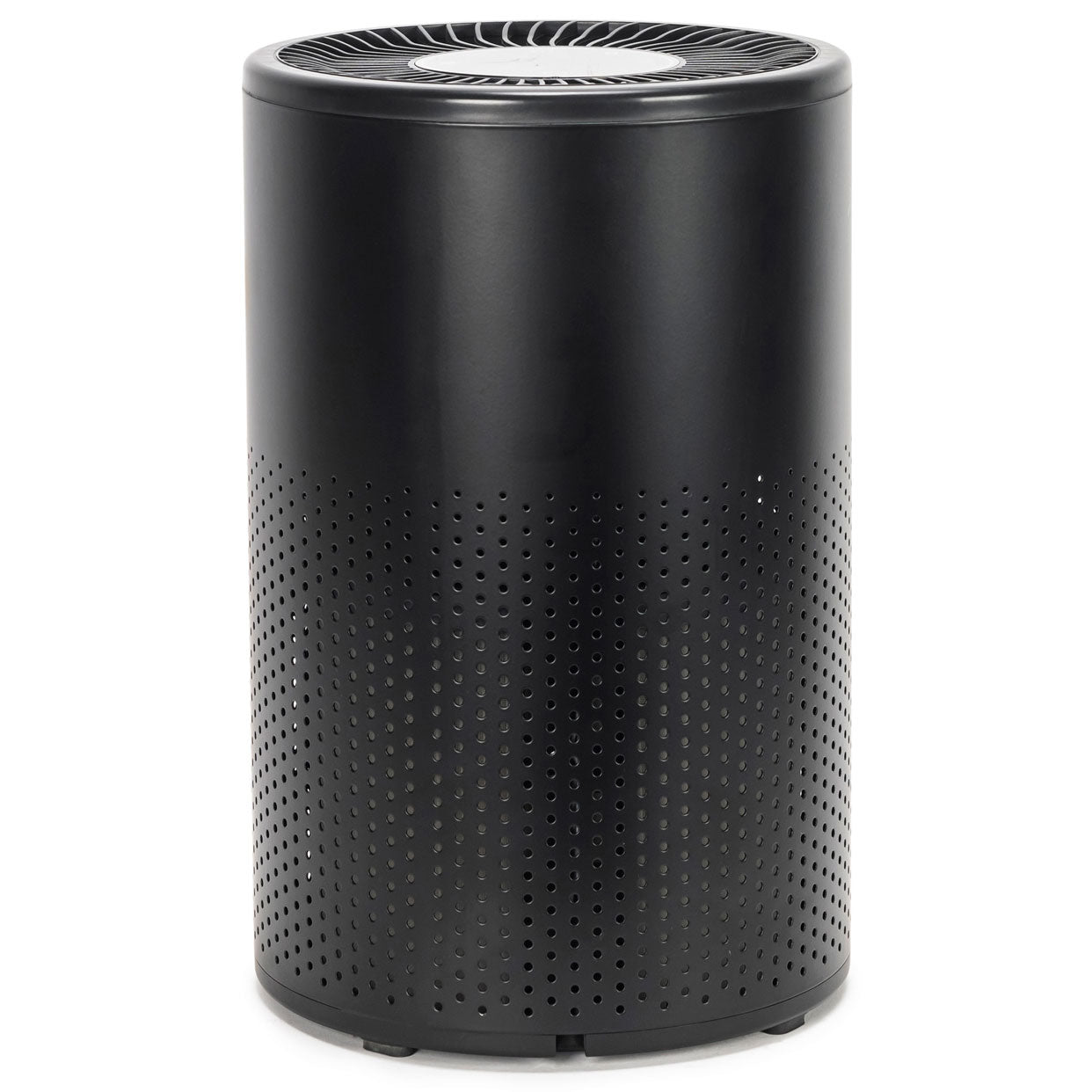
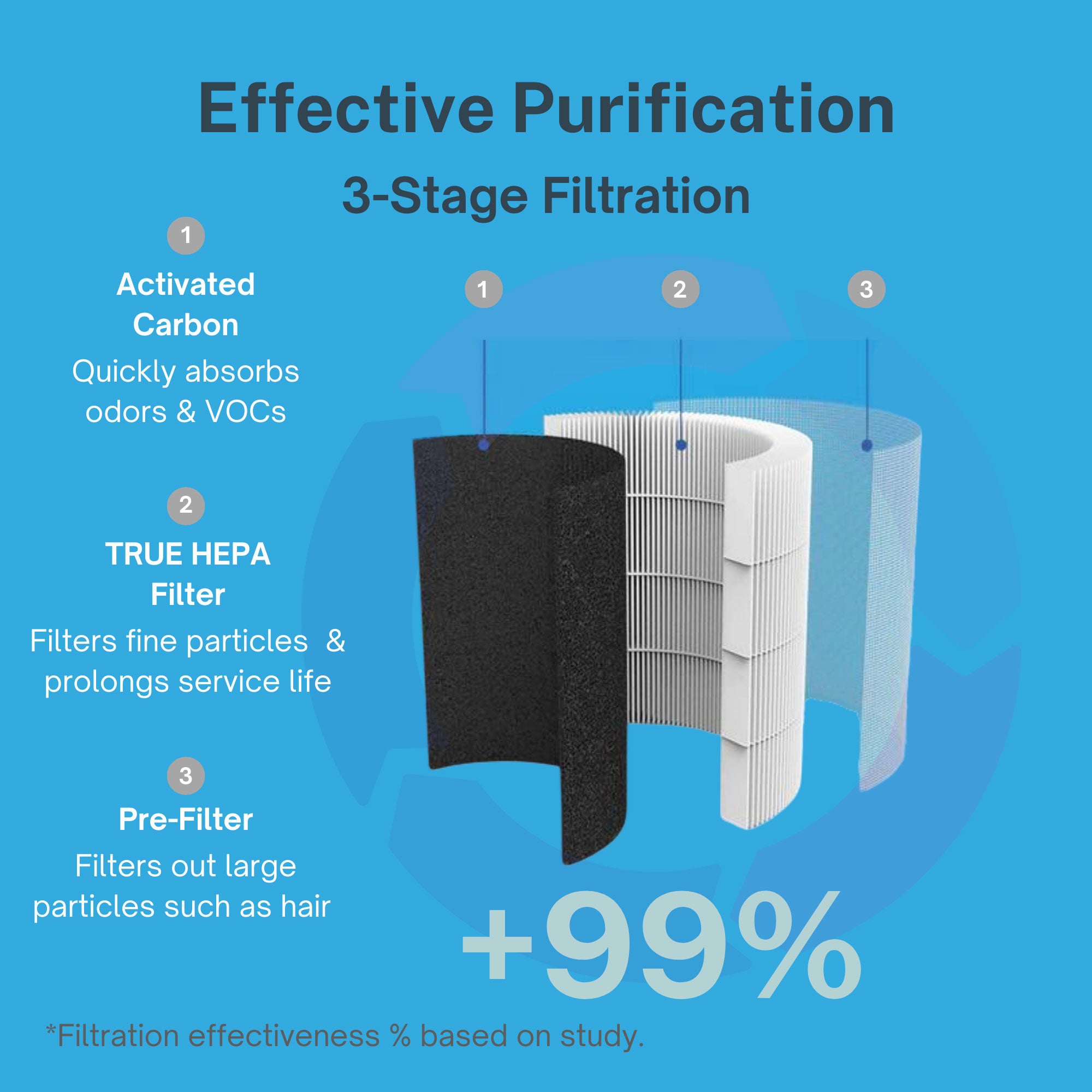
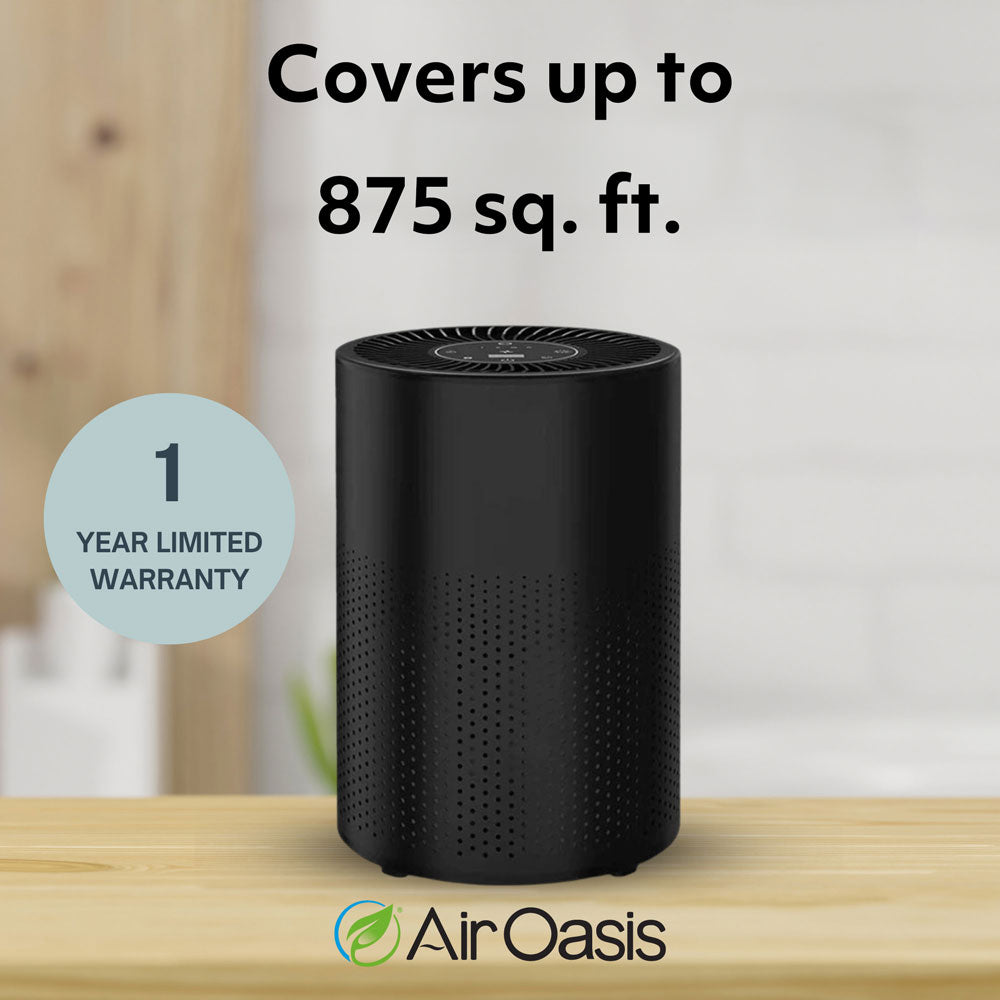
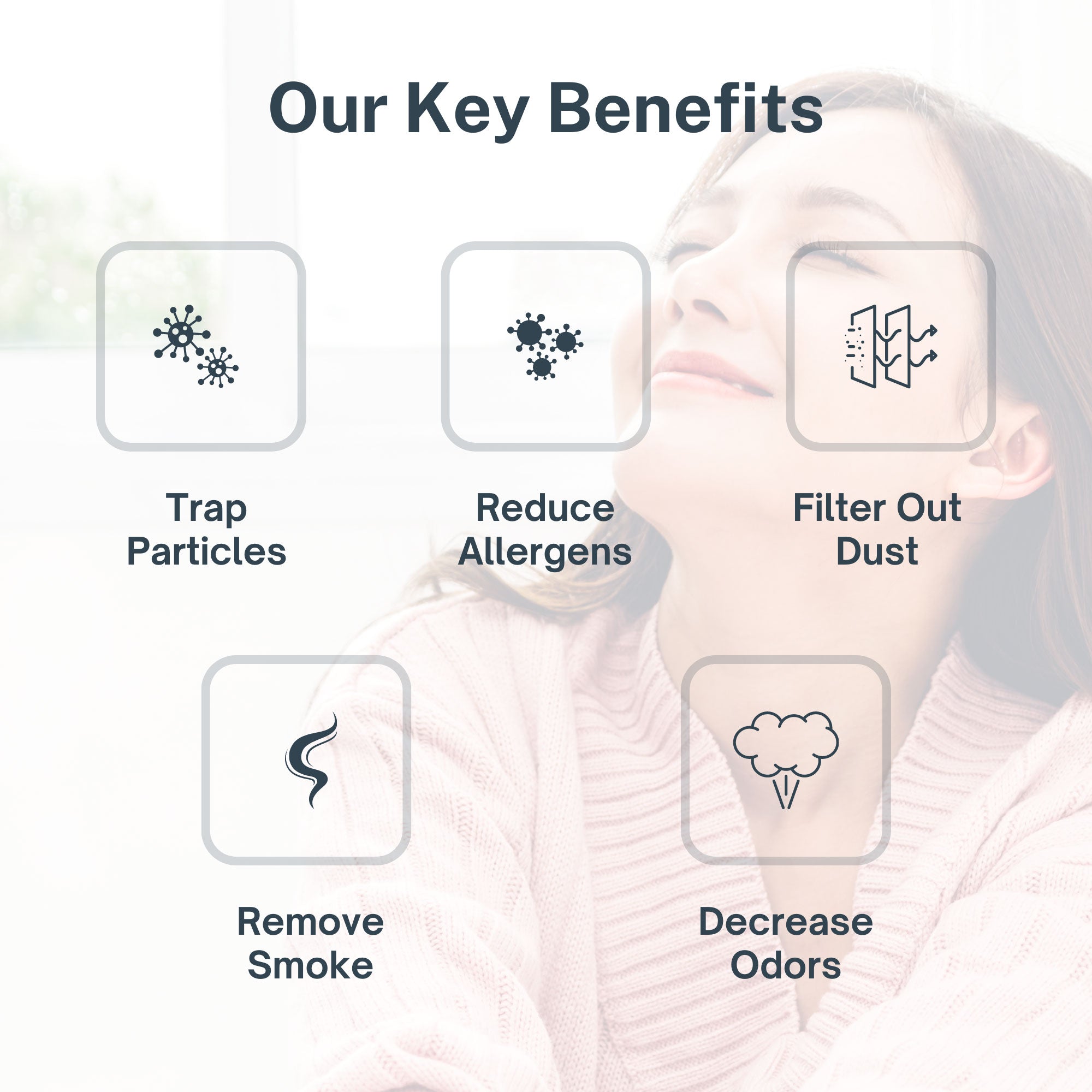
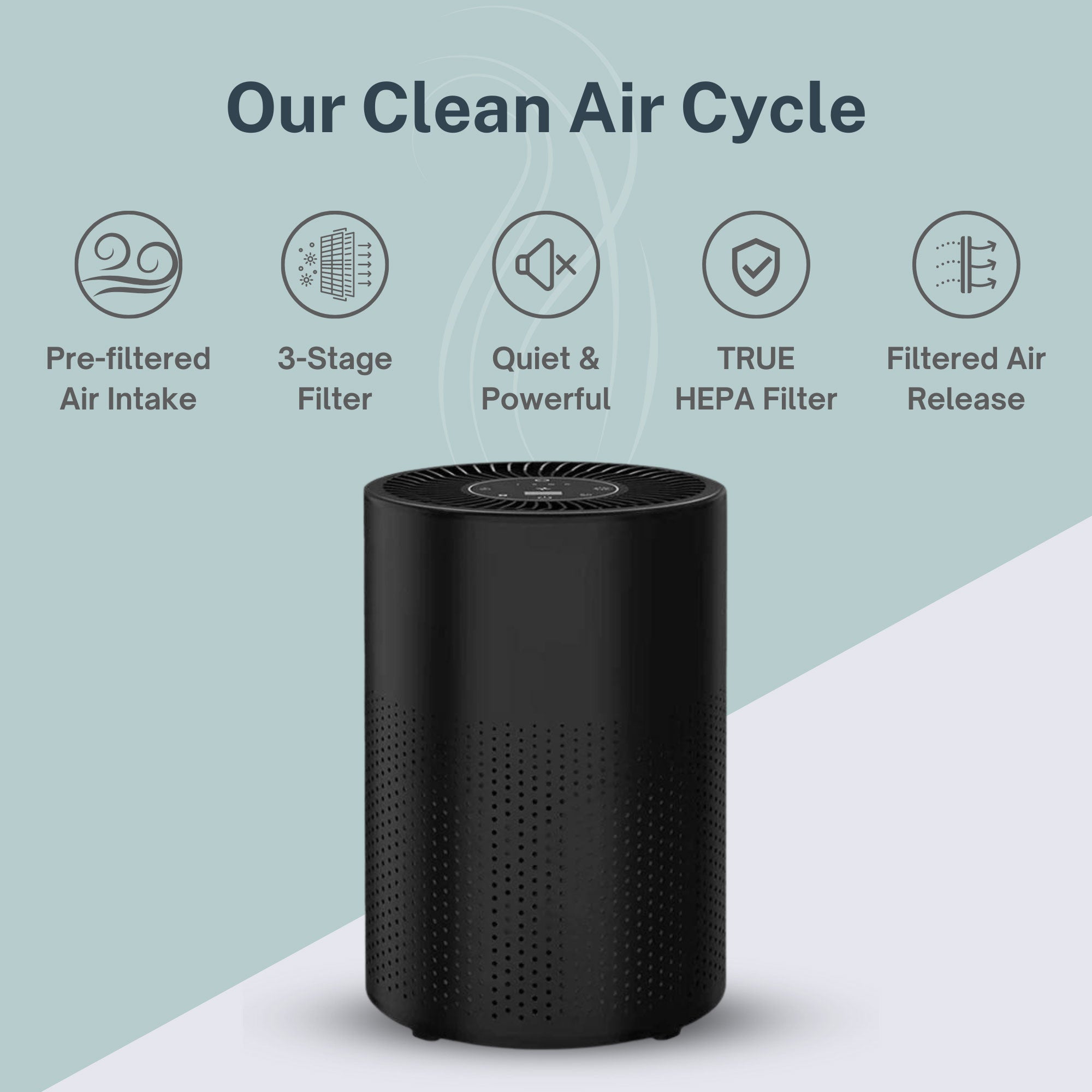
Air Oasis iAdaptAir 2.0 systems provide medical-grade air purification, removing 99% of airborne contaminants. Our multi-stage filtration combines HEPA filters, activated carbon, UV-C light, and bipolar ionization for comprehensive air cleaning. Built-in air quality monitoring and intelligent Auto Mode maintain optimal conditions automatically. Start 2026 with genuinely fresh air in your home. Shop Air Oasis today and breathe easier all year long.