Tehran's air pollution has reached a critical threshold. Iranian Vice President Mohammad Jafar Ghaempanah issued a stark warning on Friday: "If air pollution gets worse than this, it will kill."
The statement isn't hyperbole. Schools and universities across the capital shut down as air quality readings hit dangerous levels. The Tehran Air Quality Control Company confirmed the city remains deep in the red zone, with health advisories issued for all residents.
A recent report ranked Tehran as the world's most polluted city. That designation comes with devastating consequences for the more than 15 million people who call the Iranian capital home.
Understanding Tehran's Air Quality Emergency
The numbers tell a sobering story. Tehran's air quality index climbed to 200, a level considered unhealthy for all groups. Other Iranian cities face similar conditions. Mashhad recorded an index of 160. Isfahan averaged 159, with several monitoring stations reporting even higher readings.
What makes these numbers particularly alarming is their impact on human health. Visibility reductions and transportation disruptions affect daily life. But the real danger lies in what residents can't see: elevated particulate matter that poses direct risks even to healthy individuals.
Authorities have urged residents to limit outdoor time. Those with respiratory, vascular, or cardiac conditions received orders to remain indoors. Hospitals prepare for potential surges if conditions persist.
Why Tehran Became the World's Most Polluted City
Tehran now ranks ahead of Baghdad, Delhi, and Kolkata in pollution levels. The crisis stems from multiple factors working together.
Industrial emissions and heavy traffic create a constant stream of pollutants. But geography makes the situation worse. Tehran sits in a mountain valley. This location creates an inversion, trapping polluted air close to the ground. Smog has nowhere to go. Pollutants can't disperse naturally.
The combination of human activity and natural geography has created what experts call a perfect storm of air pollution.
The Human Cost of Poor Air Quality
Iran's Health Ministry recently estimated that almost 59,000 Iranians die each year from illnesses linked to poor air quality. These deaths stem from respiratory and cardiovascular diseases that develop or worsen due to prolonged exposure to polluted air.
The economic impact matches the human toll. Poor air quality costs Iran more than $17 billion annually. That figure exceeds the country's entire health budget. It represents lost productivity, increased healthcare costs, and reduced quality of life for millions of people.
These aren't just statistics. They represent families dealing with asthma attacks, elderly residents struggling to breathe, children missing school due to respiratory illness, and workers unable to perform their jobs.
What This Means for Indoor Air Quality Worldwide
Tehran's crisis offers important lessons for people everywhere. Outdoor air pollution directly impacts indoor air quality. Pollutants from traffic, industry, and environmental conditions find their way into homes, schools, and offices.
You can't control outdoor air quality in your city. But you can take steps to protect the air inside your home. Understanding the connection between outdoor pollution and indoor air helps families make informed decisions about their health.
The situation in Tehran demonstrates what happens when air quality deteriorates unchecked. It shows why proactive measures matter, especially for vulnerable populations including children, elderly residents, and those with existing respiratory conditions.
Protecting Your Indoor Air Quality
While Tehran's situation seems extreme, air quality concerns affect cities worldwide. Wildfire smoke, industrial emissions, vehicle exhaust, and seasonal allergens all contribute to poor outdoor air that seeps indoors.
The air inside your home can be two to five times more polluted than outdoor air, even in cities with better air quality than Tehran. Indoor pollutants accumulate from cooking, cleaning products, pet dander, mold spores, and outdoor air that enters through windows and doors.
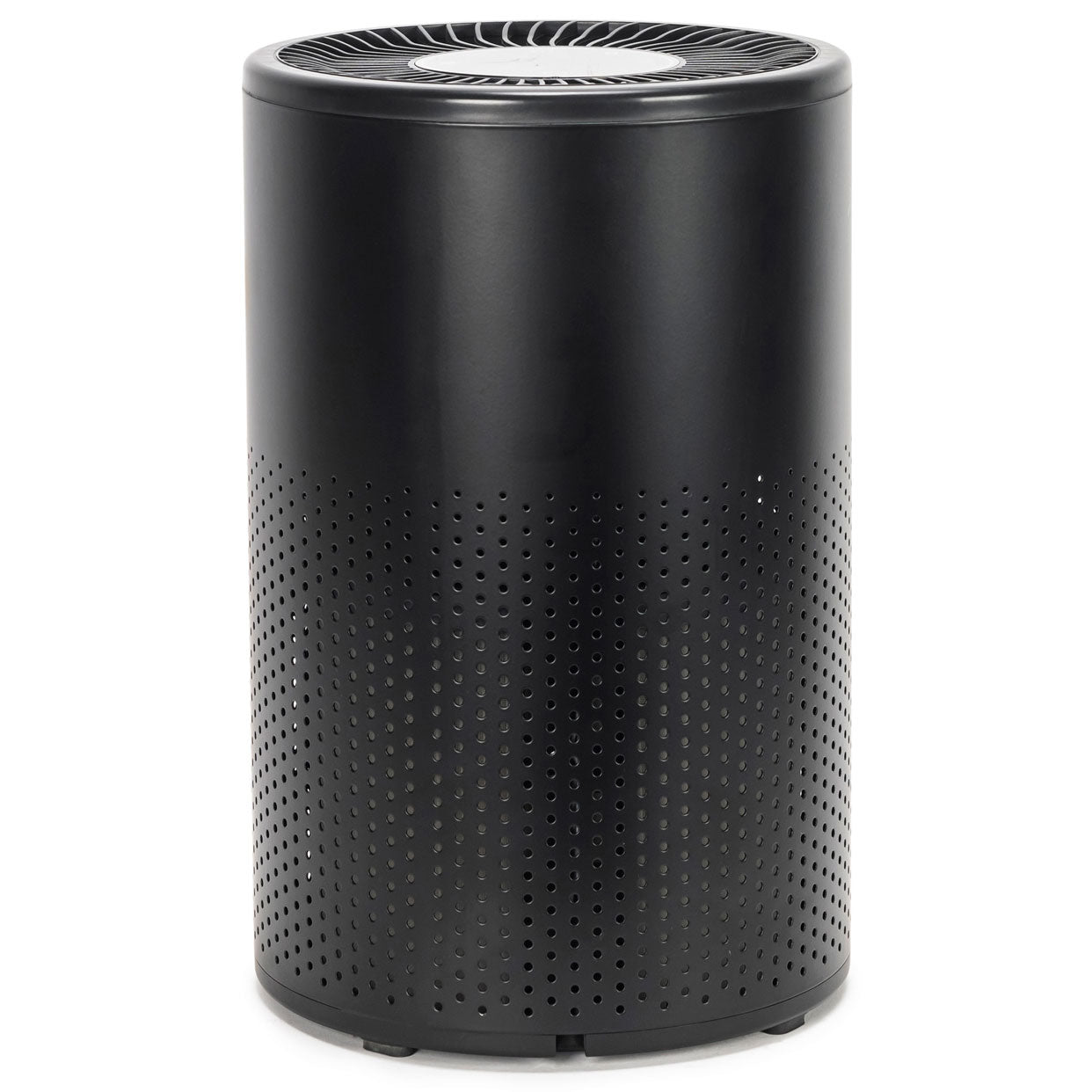
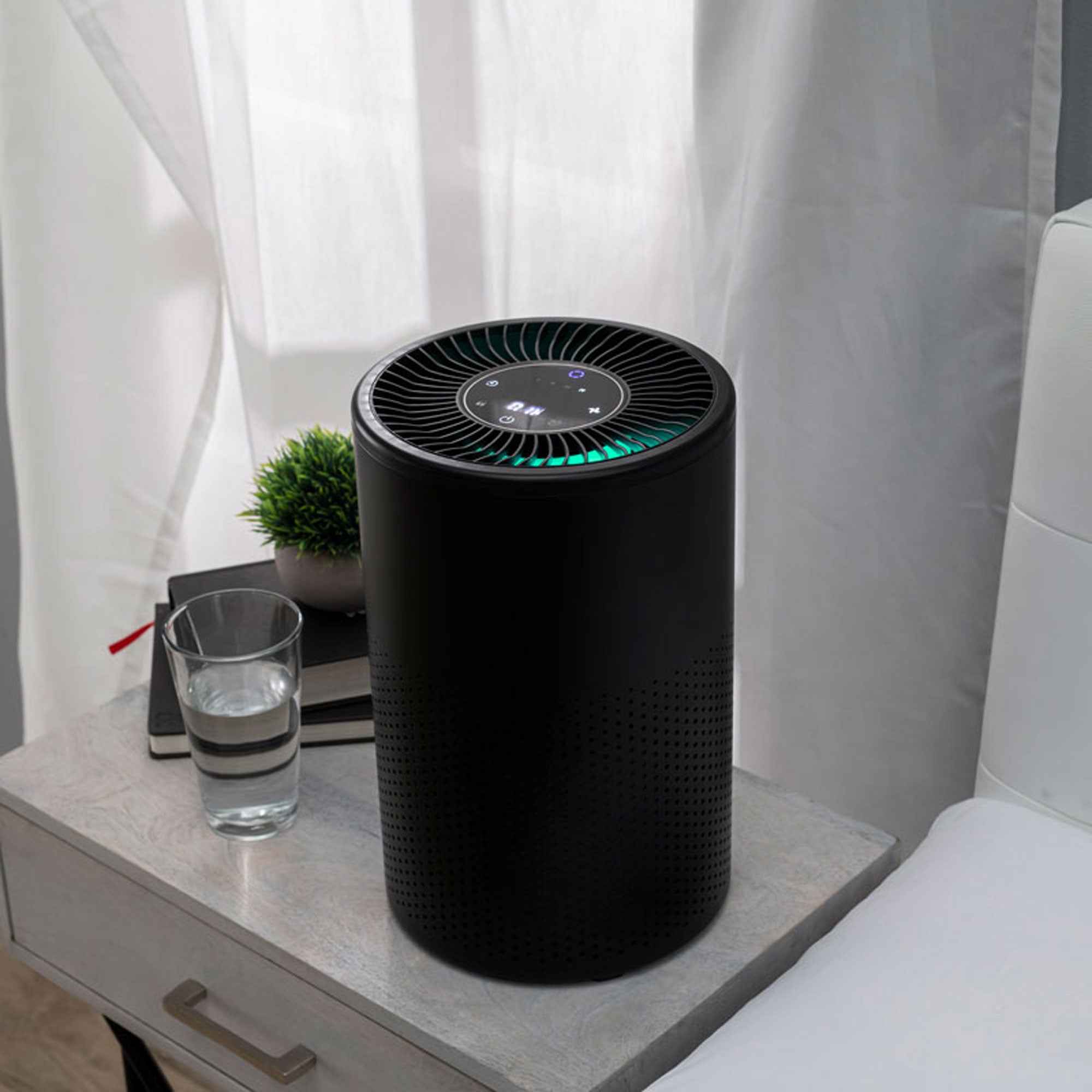
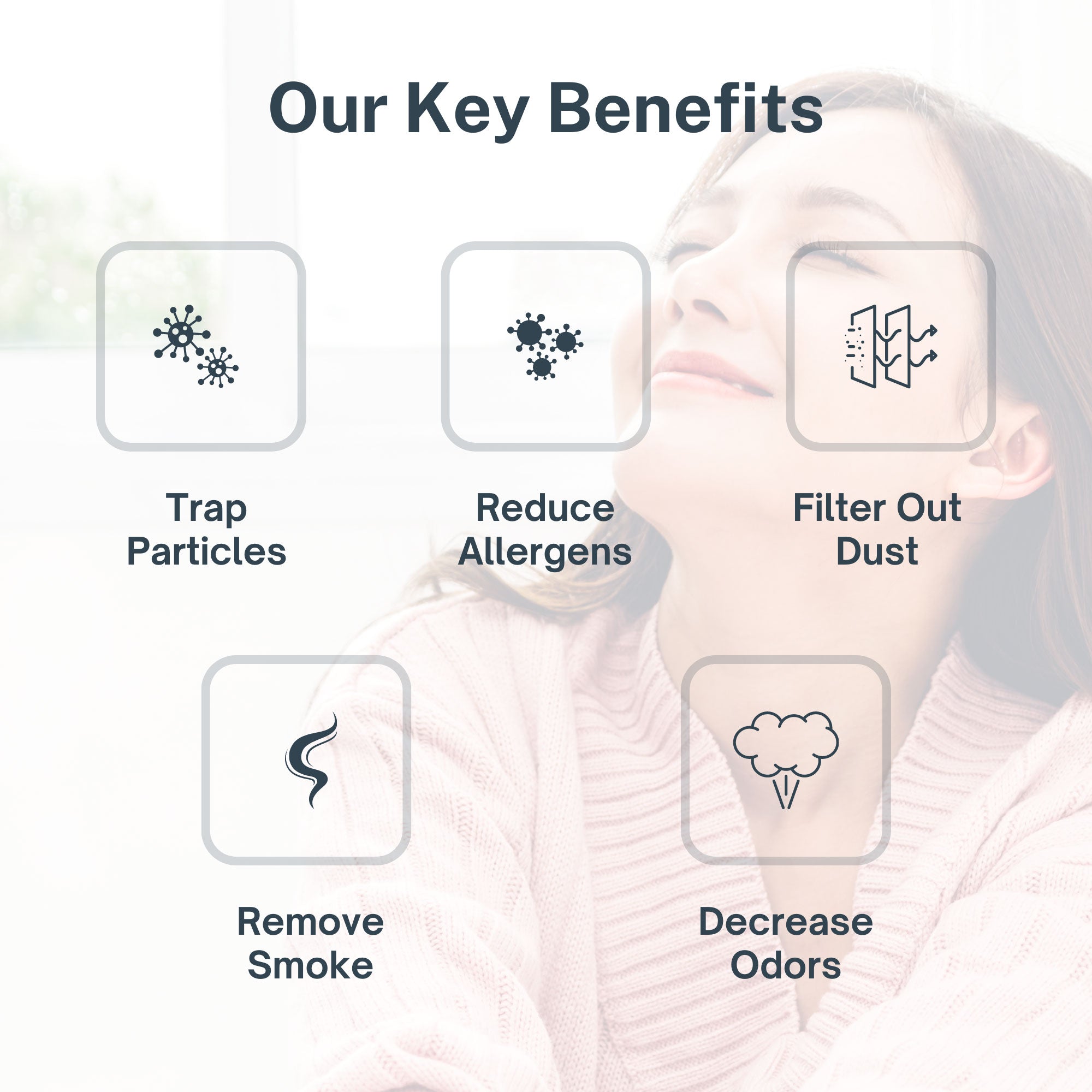
Taking control of your indoor environment protects you and your family. Medical-grade air purification removes harmful particles, allergens, and pollutants that compromise respiratory health.
Breathe Cleaner Air at Home
Tehran's air crisis reminds us that clean air isn't guaranteed. While you can't change the air quality in your city, you can create a healthier environment inside your home.
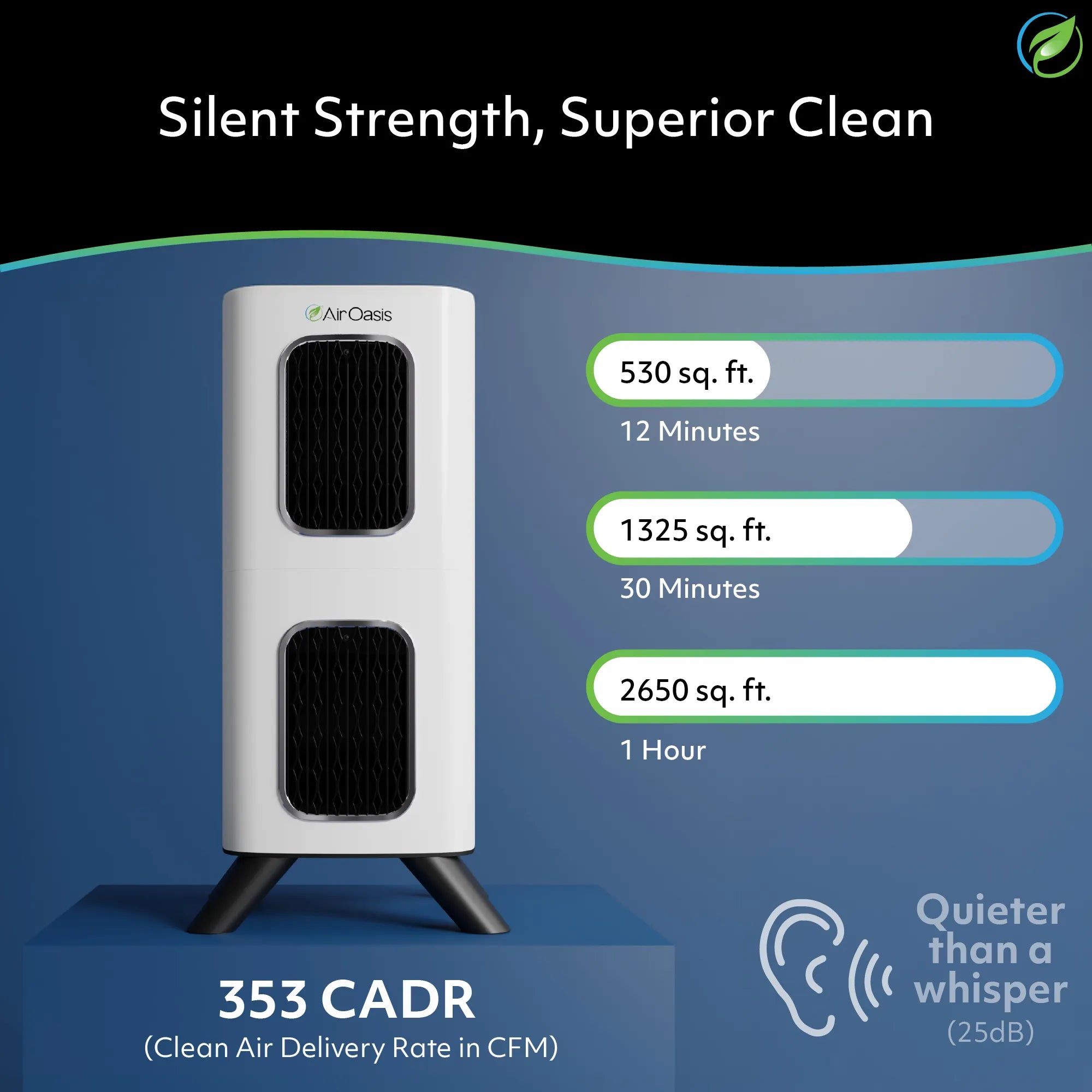
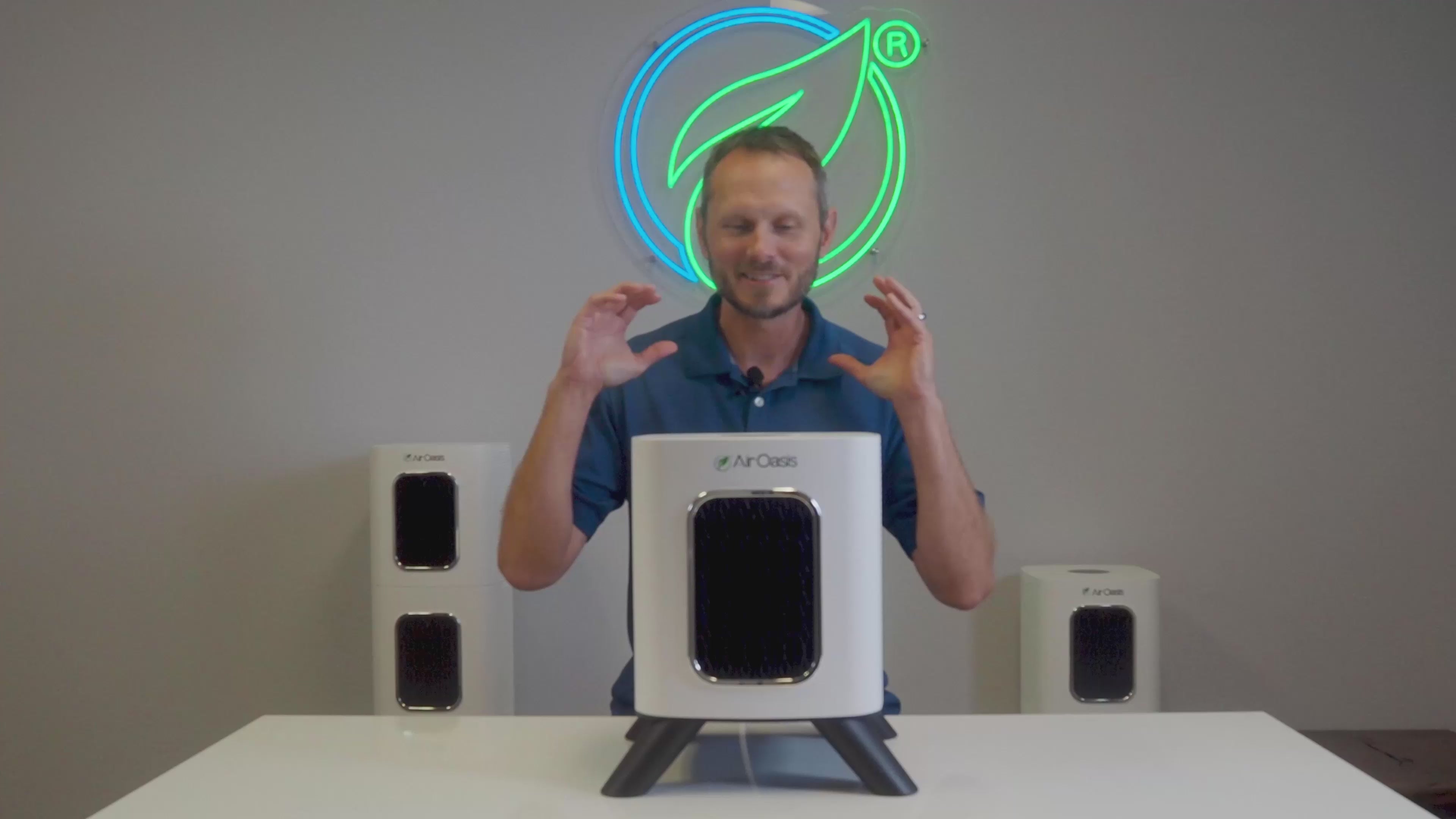
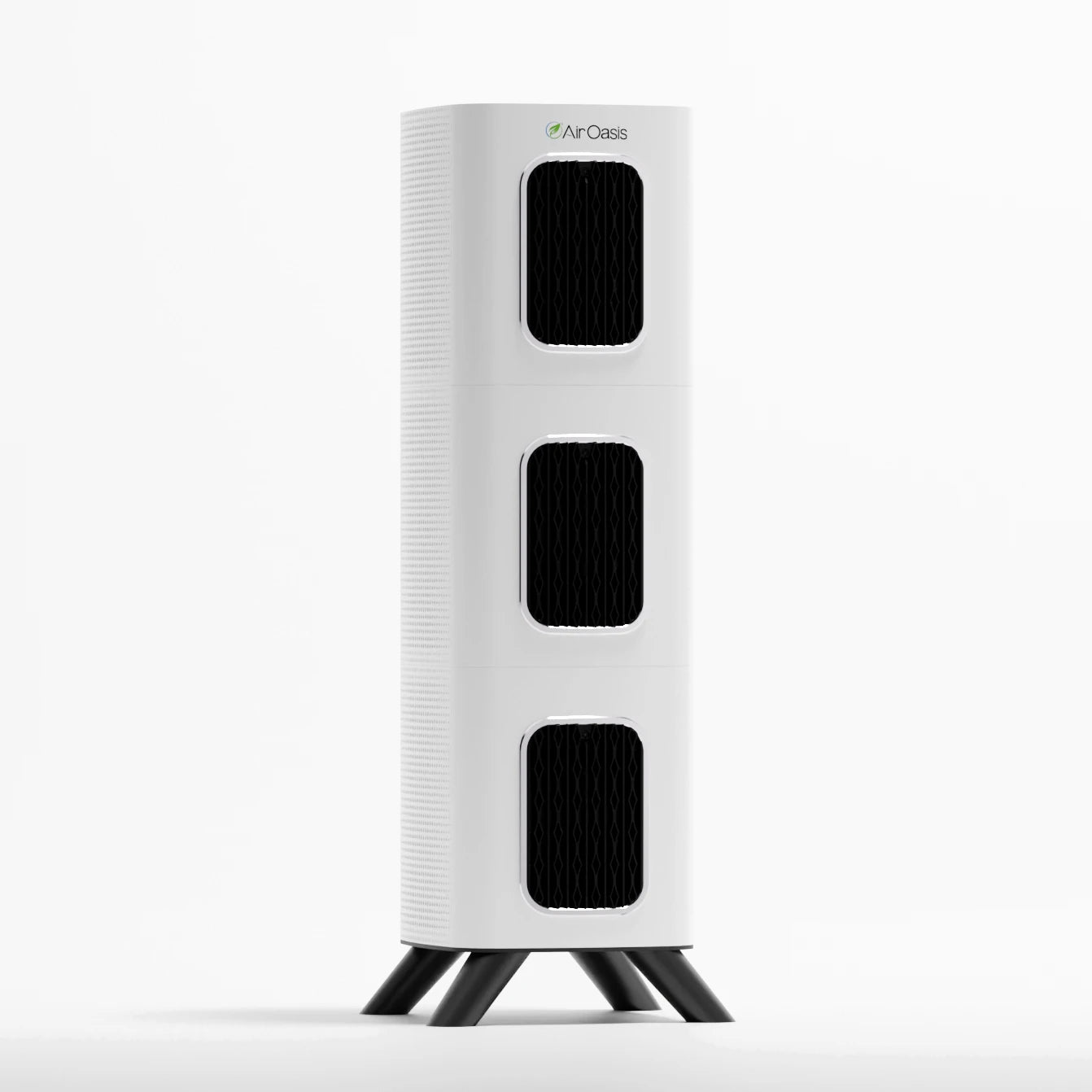
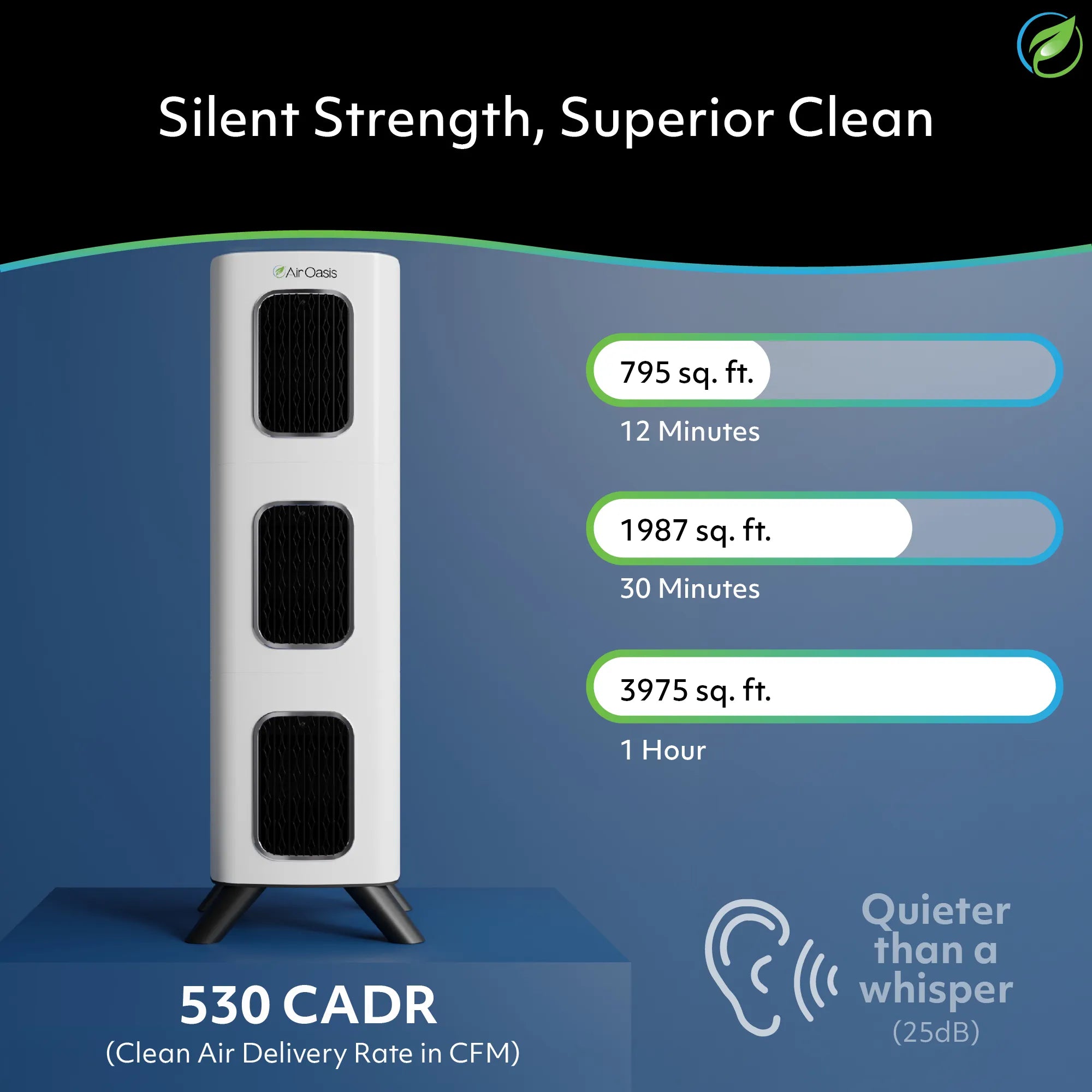
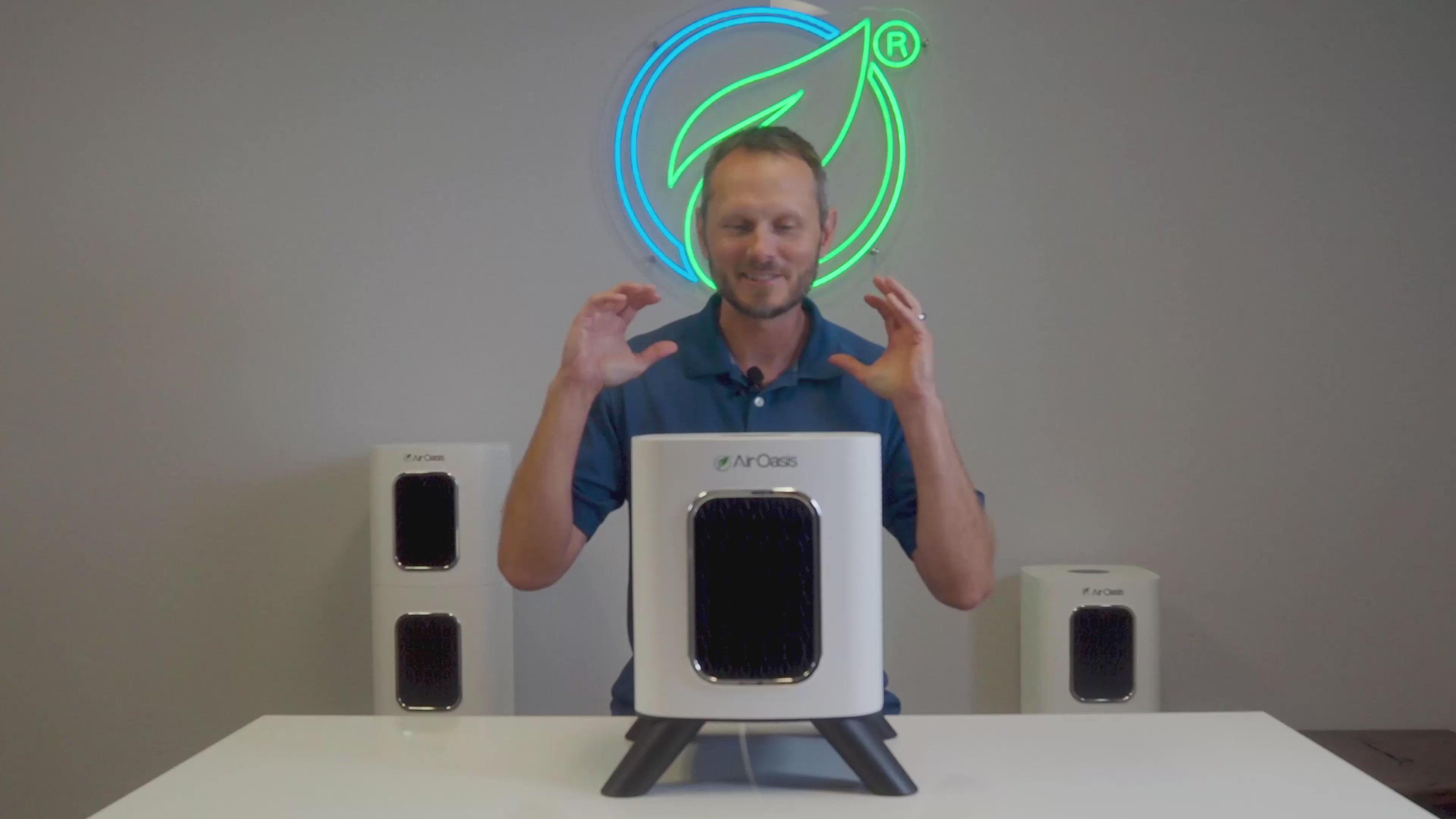
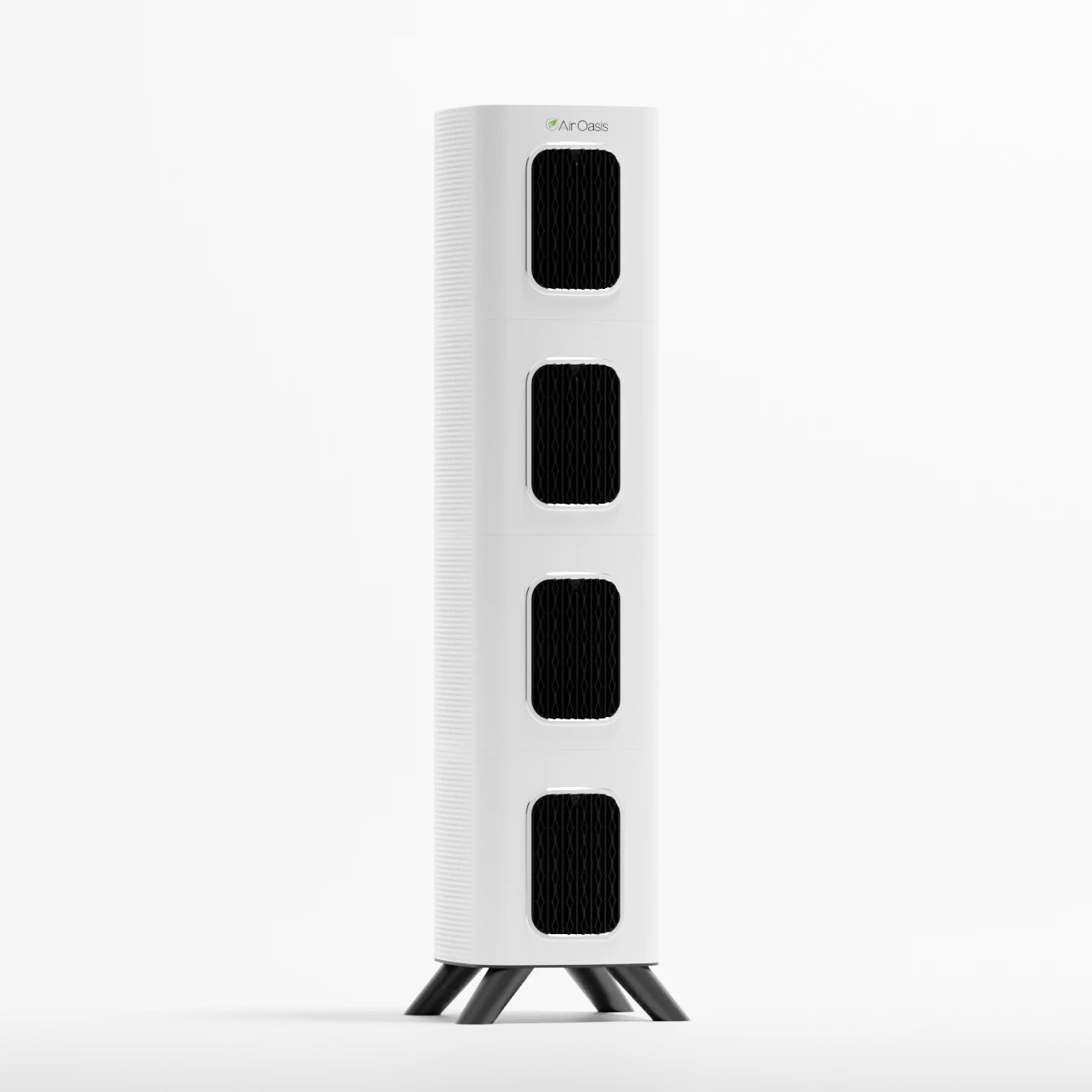
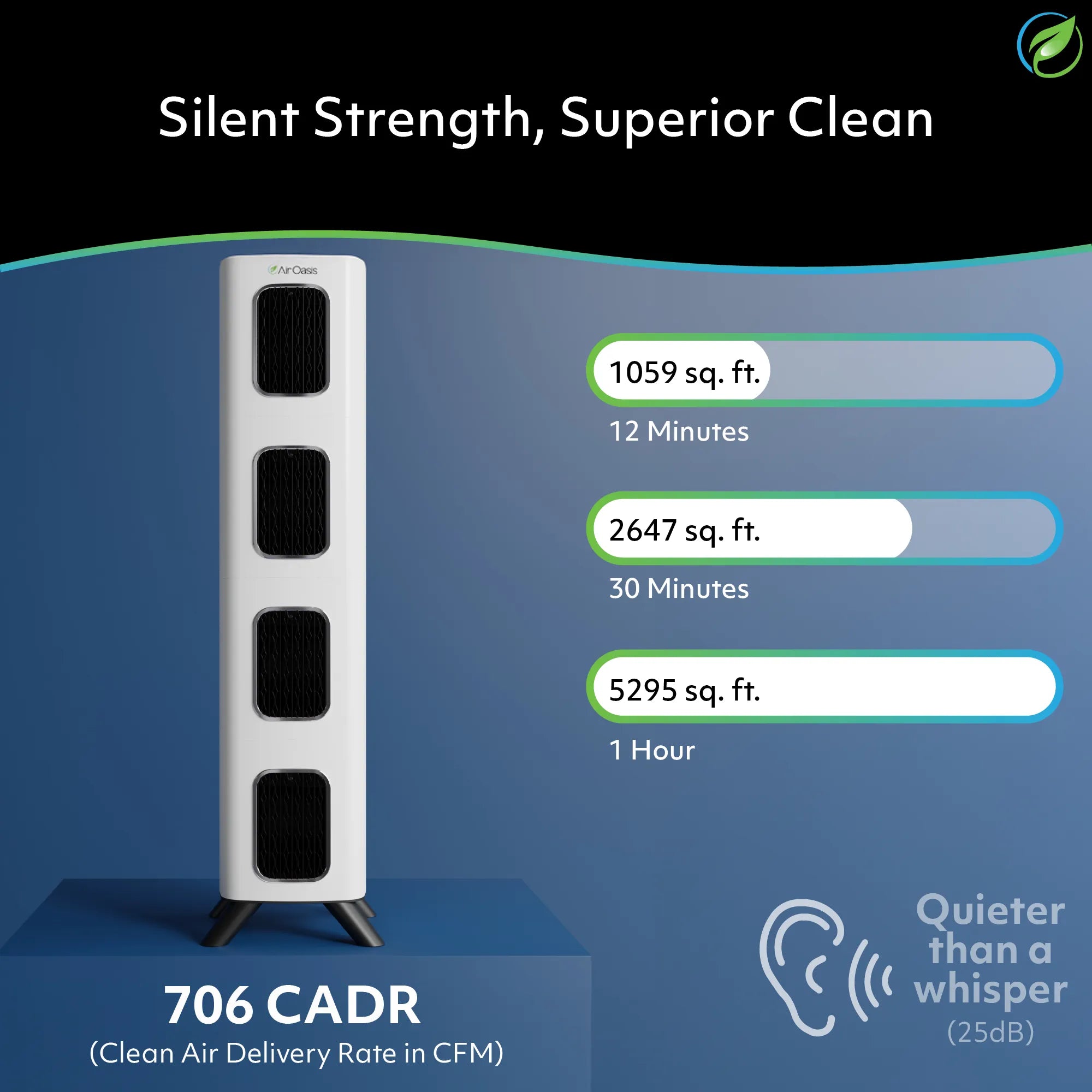
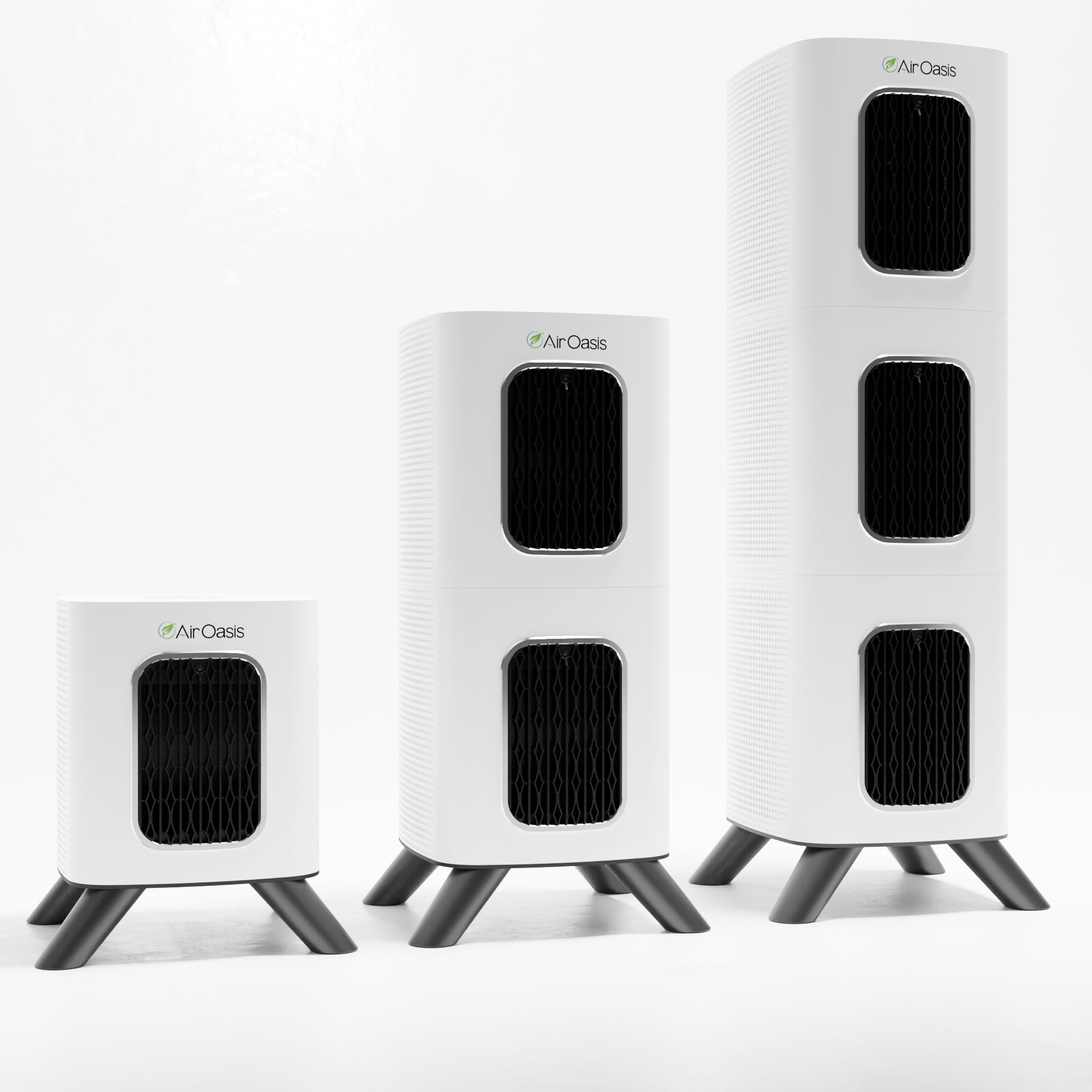
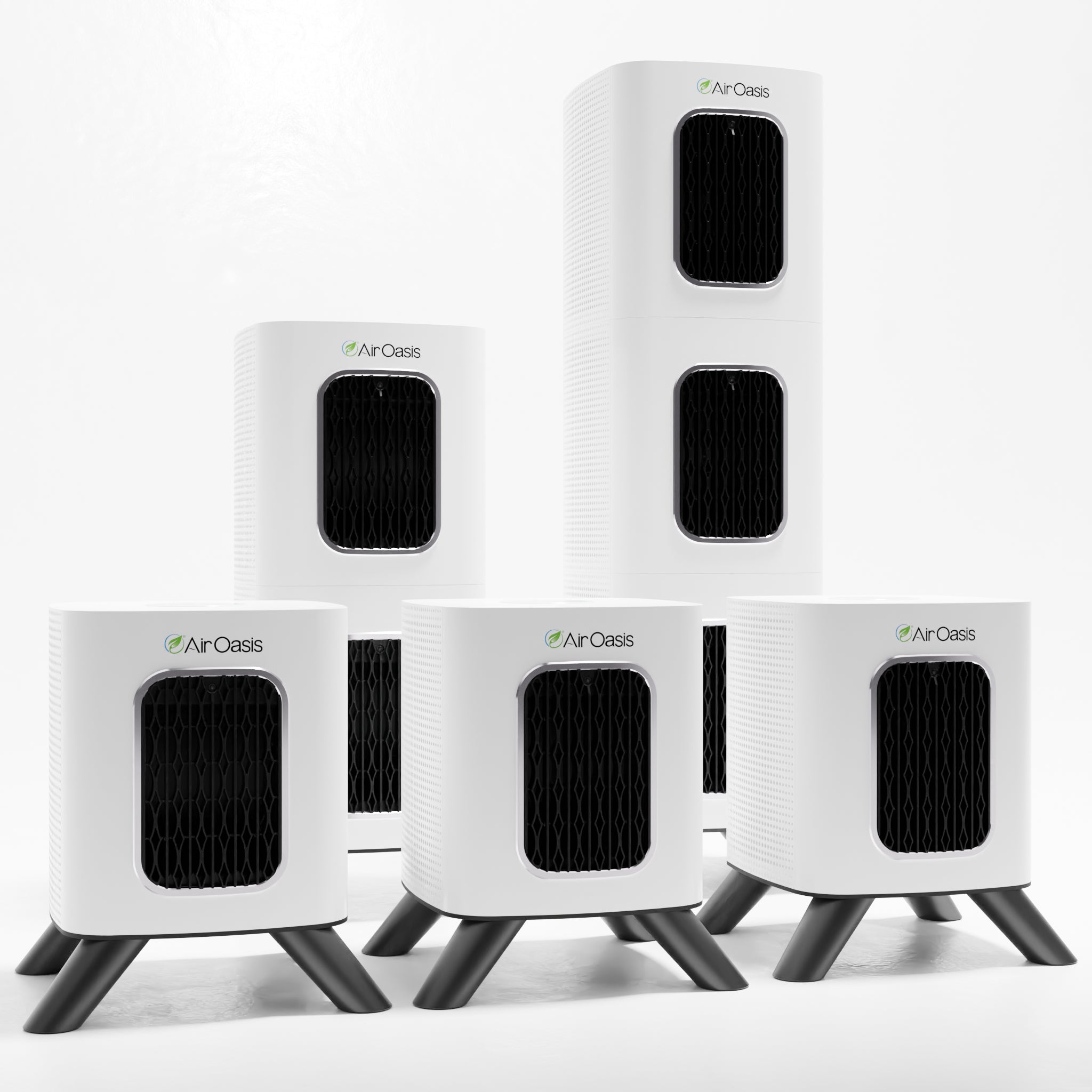
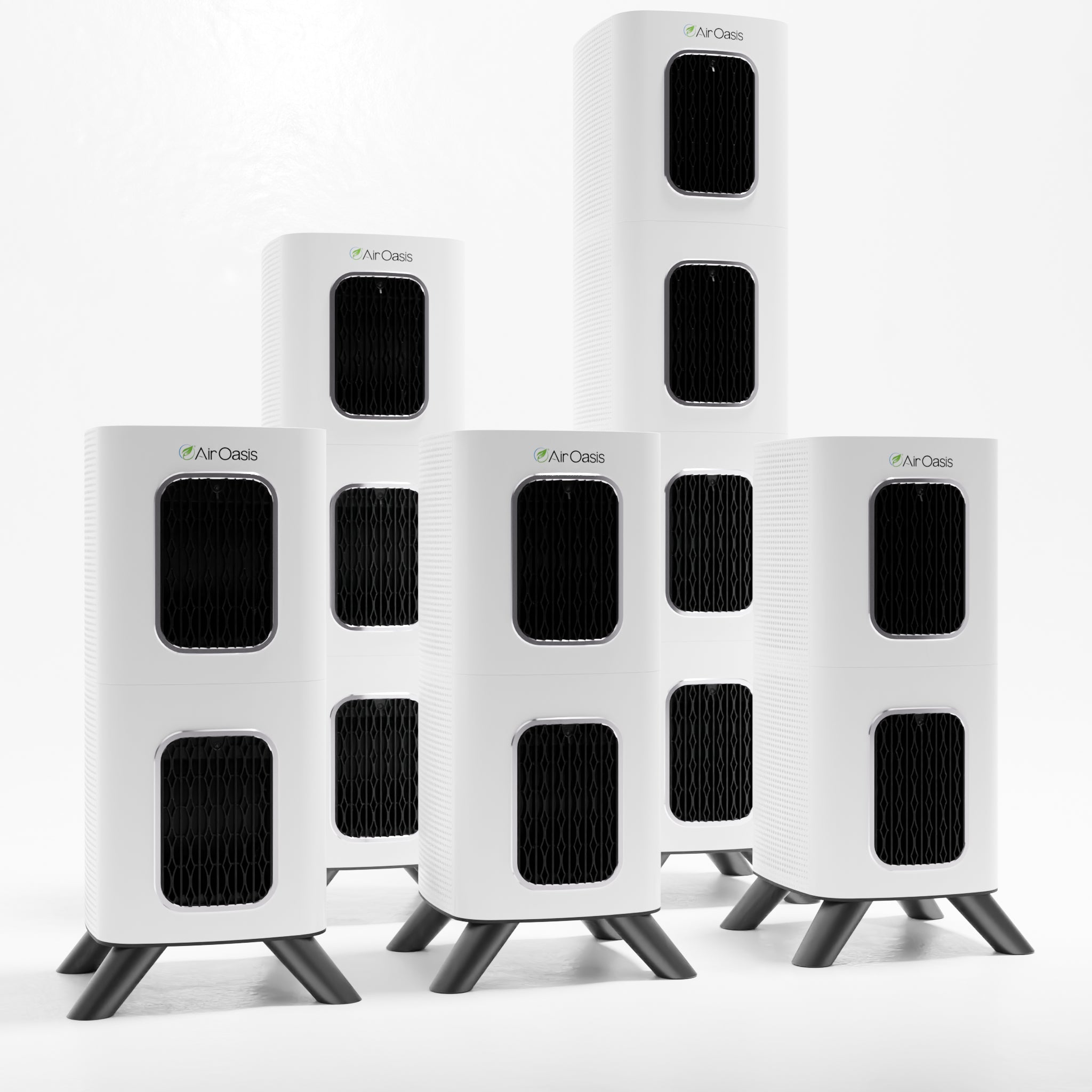
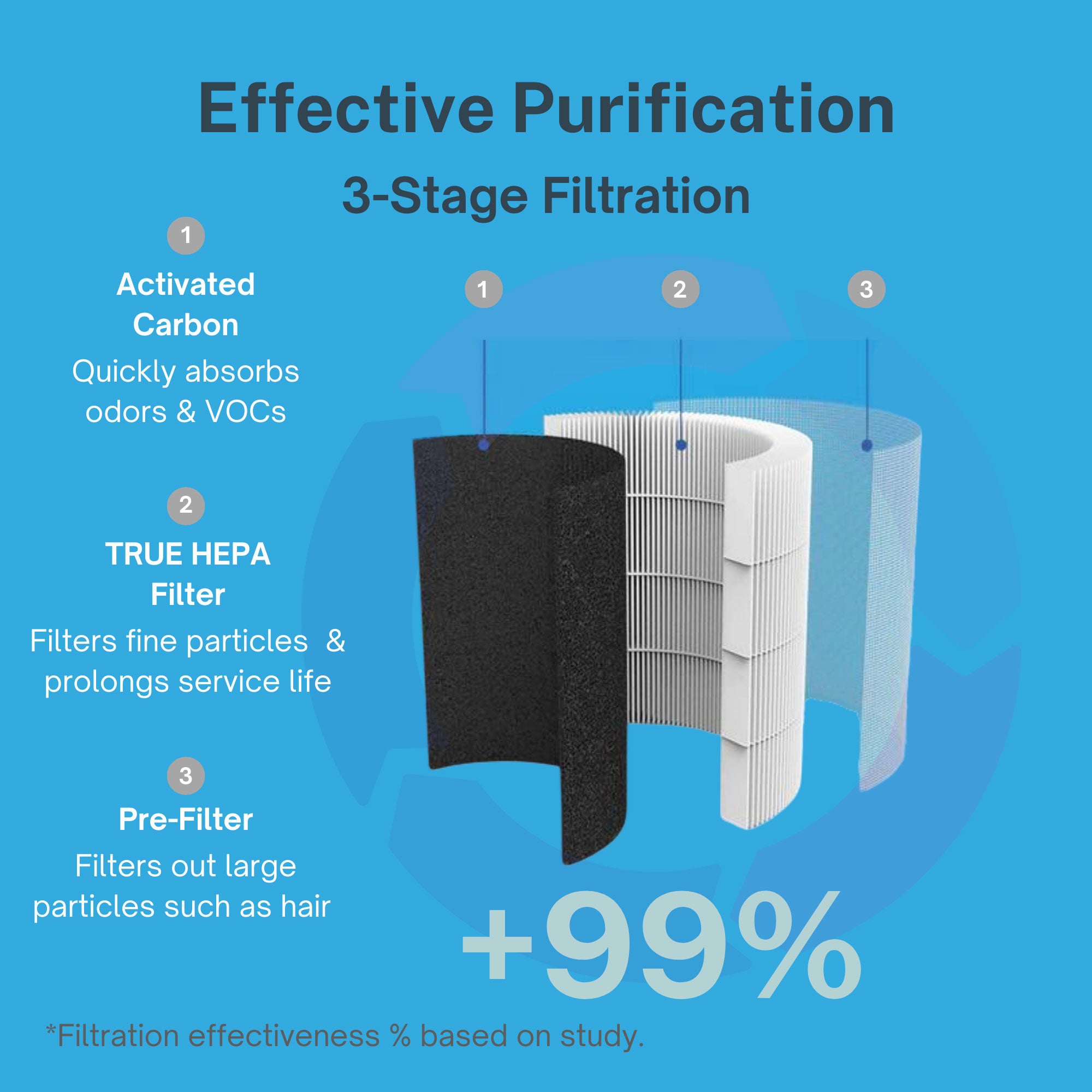
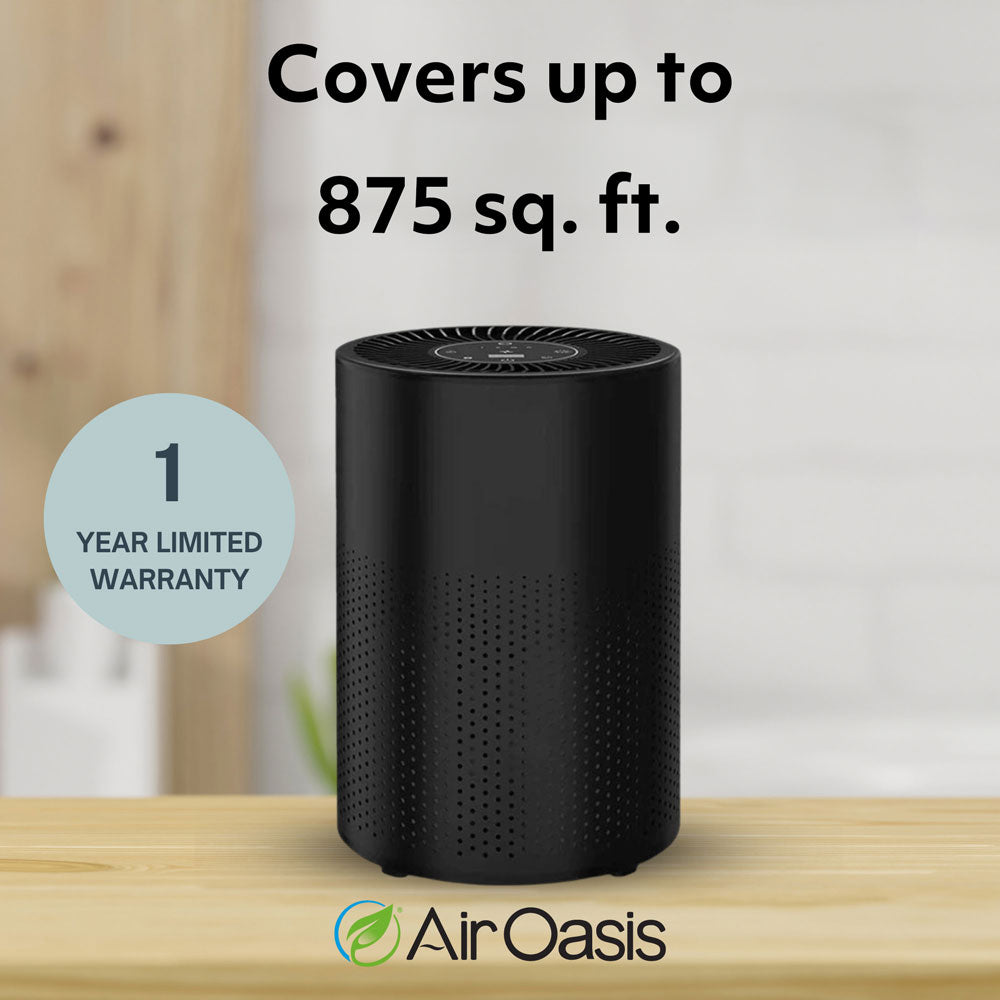
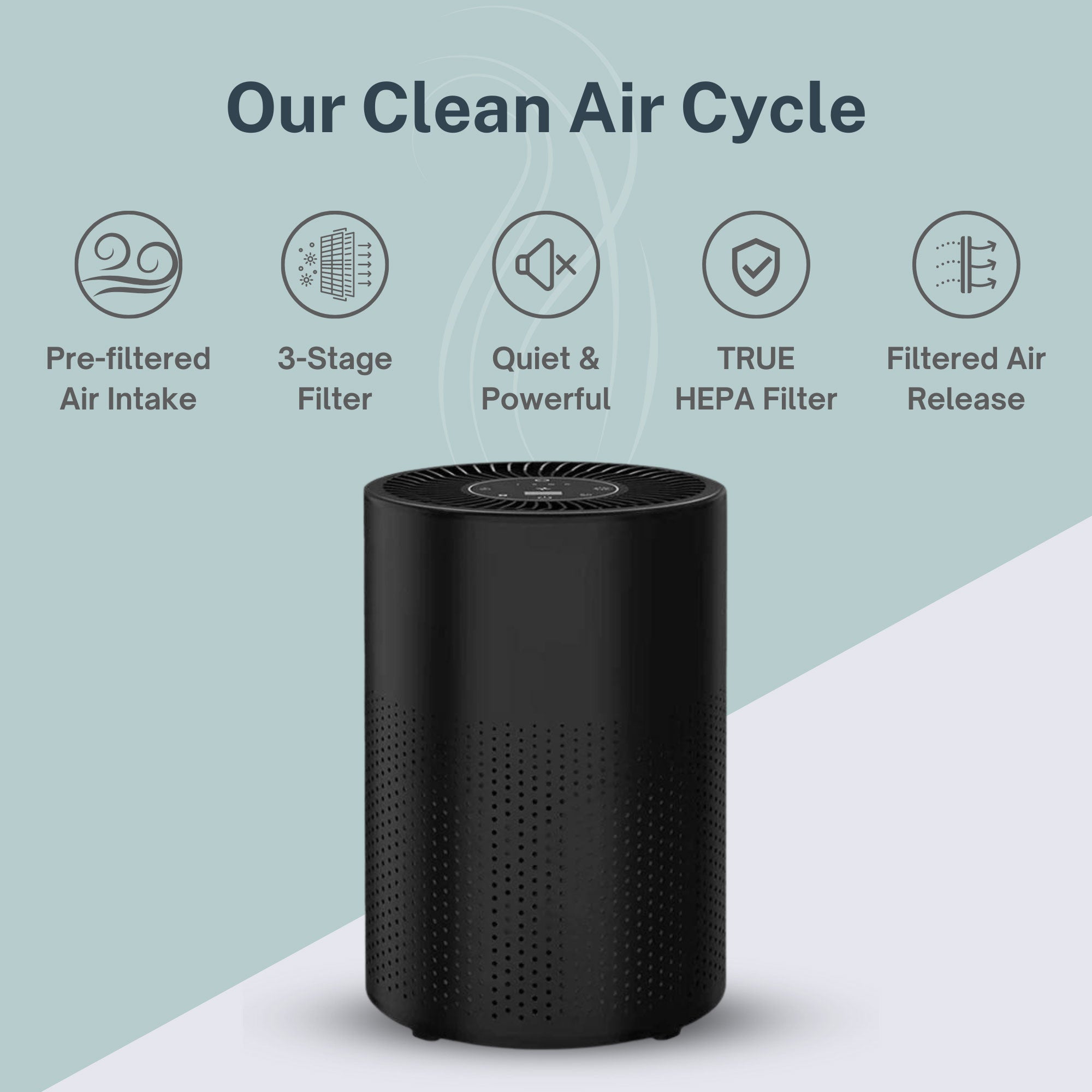
Air Oasis offers medical-grade air purification systems that remove 99% of airborne contaminants. Our multi-stage filtration technology combines HEPA filters, activated carbon, UV-C light, and ionization to protect your family from harmful particles and pollutants.
Don't wait for an air quality crisis to take action. Protect your health and your family's wellbeing with proven air purification technology. Shop Air Oasis today and create a sanctuary of clean air in your home.