You've picked the crib. You've chosen the paint color. You've washed every little onesie in fragrance-free detergent. You are trying so hard to get this right.
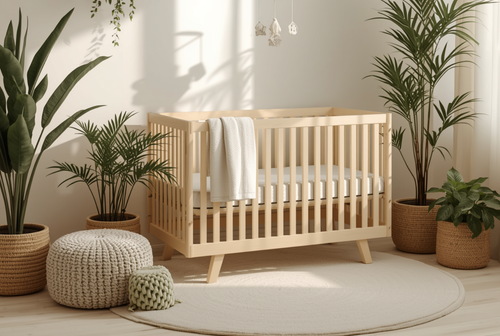
That instinct is good. Newborns spend up to 18 hours a day sleeping, which means they spend most of their lives in that one room. The air they breathe, the surfaces they touch, the light that wakes them — all of it shapes how they feel, how they sleep, and how they develop. A healthy baby nursery isn't just about cute choices. It's about giving your child the cleanest possible start.
Here's what actually matters.
Zero-VOC paint — the first decision that affects every breath
Before anything goes into the nursery, something goes on the walls. And conventional paint is one of the biggest sources of volatile organic compounds — VOCs — in the home. These are chemical gases that off-gas from paint for weeks or months after application, and some studies have found elevated indoor VOC levels following painting that persist long after the smell fades.
Newborns are especially vulnerable because their livers are still developing the enzyme pathways needed to process chemical exposures. For a healthy baby nursery, choose paint labeled zero-VOC, not just low-VOC. Zero-VOC formulations have come a long way — they cover beautifully and hold up well. Paint the room several weeks before your due date if possible, and ventilate thoroughly before the baby comes home. Open windows, run fans, and let the room air out fully before you consider it finished.
Solid wood or GREENGUARD Gold-certified furniture
Here's something most registries don't tell you: a lot of baby furniture is made from particleboard or MDF — engineered wood products that use formaldehyde-based glues. Formaldehyde is a known human carcinogen. It off-gasses continuously, and cribs, dressers, and changing tables made from these materials can be a persistent source.
The better options are solid wood furniture or pieces that carry GREENGUARD Gold certification, which means they've been independently tested and verified to meet strict chemical emissions limits. GREENGUARD Gold is specifically designed to account for the sensitivities of children and people in healthcare environments. It's a label worth seeking out.
An organic mattress — where your baby spends most of their time
Your baby will spend more time on their mattress than anywhere else on earth for the first year of life. Conventional crib mattresses often contain polyurethane foam treated with synthetic flame retardants. Several of these compounds — particularly certain polybrominated diphenyl ethers (PBDEs) — have been associated with developmental and hormonal concerns in animal studies, and researchers continue to study their effects on infants.
A GOTS-certified organic mattress uses organic cotton, natural latex, or wool fill in place of synthetic materials. Wool is naturally flame-resistant, which is why many organic mattresses meet federal flammability requirements without added chemicals. Look for GOTS (Global Organic Textile Standard) or OEKO-TEX certification — these verify both material composition and manufacturing standards.
Organic cotton bedding — GOTS-certified is the standard
The same logic applies to what goes on the mattress. Conventional cotton is one of the most pesticide-intensive crops in the world, and those residues can persist in finished textiles. For your newborn's fitted sheets and swaddles, GOTS-certified organic cotton is the clearest benchmark of purity. It means the cotton was grown without synthetic pesticides and processed without harmful chemical finishing agents.
You'll see bamboo marketed heavily in the baby space. Bamboo fiber can be soft and breathable, but bamboo fabric is almost always processed as rayon or viscose — a chemically intensive process that strips the plant's natural properties. If you choose bamboo, look for bamboo lyocell, which uses a closed-loop, lower-impact process. Otherwise, GOTS cotton is the more straightforward choice.
A natural fiber rug — skip the synthetics
Synthetic rugs — polypropylene, nylon, polyester — can off-gas VOCs and collect allergens: dust mites, pet dander, tracked-in particles. For a nursery floor where a baby will eventually roll, crawl, and play, a natural fiber rug is a meaningful upgrade.
Wool is the gold standard. It's naturally durable, resists moisture, doesn't off-gas, and has natural flame resistance. Organic cotton and jute are also good options. Whatever you choose, look for rugs with no added stain-resistant or antimicrobial treatments — these are often chemical finishes. A washable cotton rug with a simple latex-free backing is practical and clean.
Circadian-friendly lighting
This is a newer category in baby wellness, and the science behind it is solid. Babies don't have a mature circadian rhythm at birth — they develop one over the first few months of life, partly through light cues. Blue-spectrum light, which is emitted heavily by standard LED bulbs, suppresses melatonin production and signals the brain to stay awake. Exposing a baby to bright, cool-toned light in the hours before sleep can disrupt that fragile circadian development.
For the nursery, choose warm-toned, dimmable bulbs in the 2700K range for nighttime use. A soft amber nightlight supports nighttime feeds without sending a wake-up signal. During the day, natural light is ideal. The goal is a room where the light environment shifts naturally with the time of day — supporting the biological rhythms your baby is just beginning to build.
Non-toxic cleaning products — because everything gets cleaned constantly
A nursery gets wiped down constantly. The changing table surface, the crib rails, the floors. Conventional cleaning sprays and disinfectants often contain compounds that linger in the air — quaternary ammonium compounds ("quats"), synthetic fragrances, and chlorine-based chemicals that can irritate small airways.
For a healthy baby nursery, choose fragrance-free, plant-based cleaners with simple, disclosed ingredient lists. EWG's Guide to Healthy Cleaning is a free, searchable resource for evaluating specific products. Avoid aerosol sprays in the nursery — the fine droplets they create stay suspended in the air far longer than liquids applied with a cloth. Ventilate the room after cleaning whenever possible.
A white noise machine
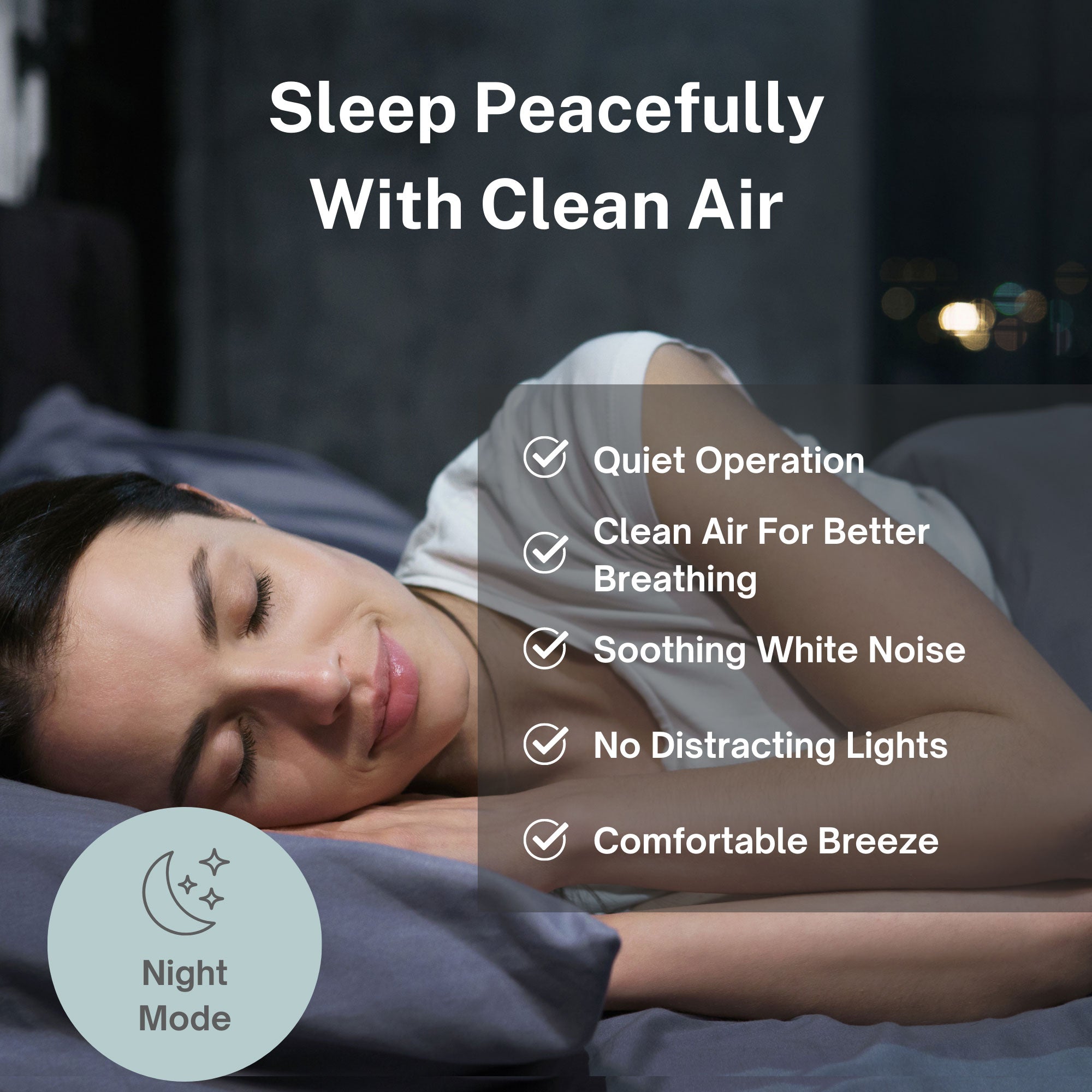
This one is practical wellness. Research published in Pediatrics has found that white noise helps newborns fall asleep and stay asleep by masking the household sounds that cause arousal. Better sleep means better cortisol regulation, better feeding patterns, and frankly, more sleep for you.
Choose a machine with a physical volume cap or keep the volume at a conversational level — around 50 to 60 decibels. The AAP has recommended keeping white noise machines at a reasonable distance from the crib and using them at moderate volumes. A simple, fan-based machine without lights or extra features is all you need.
An air purifier — the foundation the whole room depends on
All of the above choices reduce the pollutant load in your baby's nursery. But even in a carefully curated room, particles, VOCs, and biological contaminants still find their way in — through HVAC vents, on clothing, from other rooms in the house.
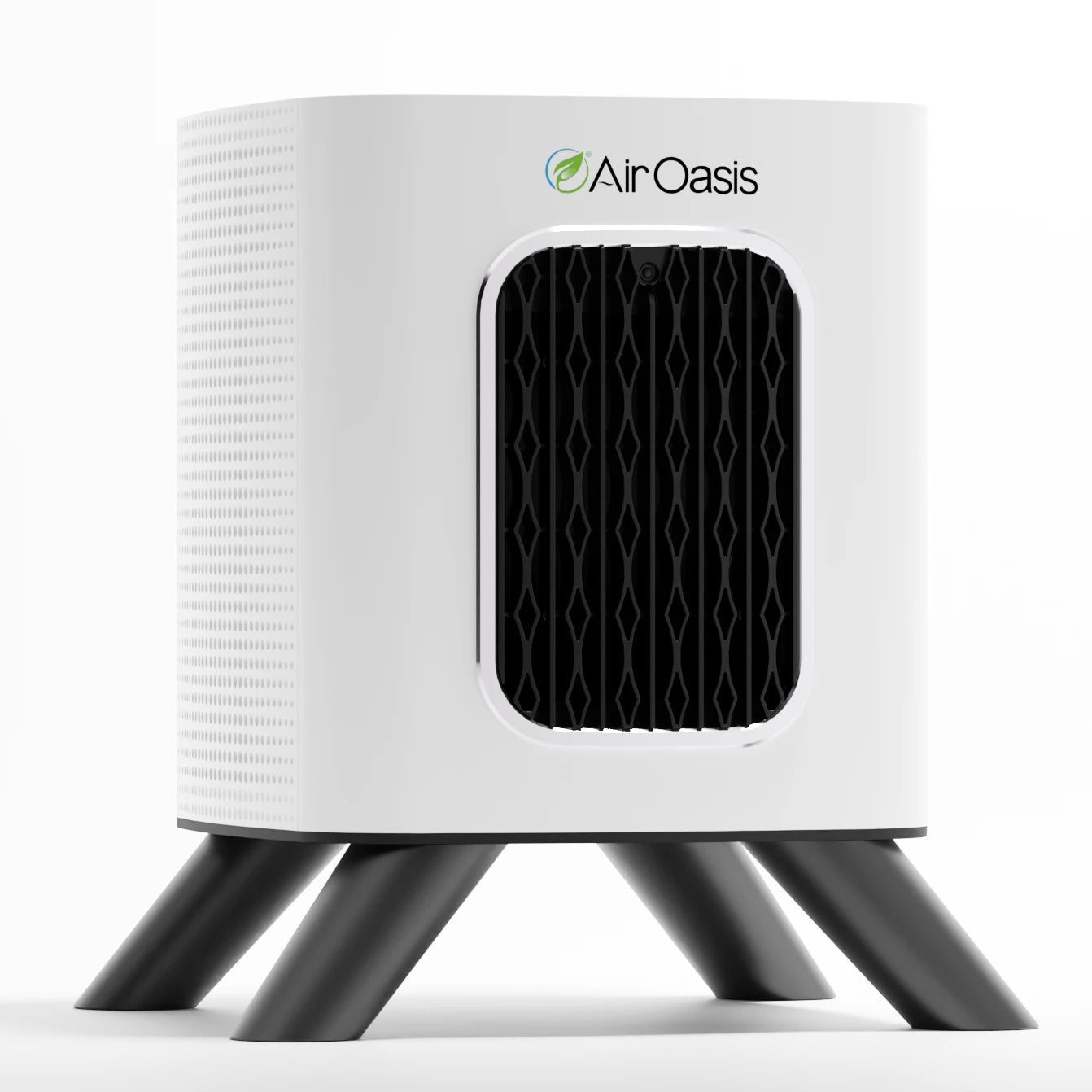
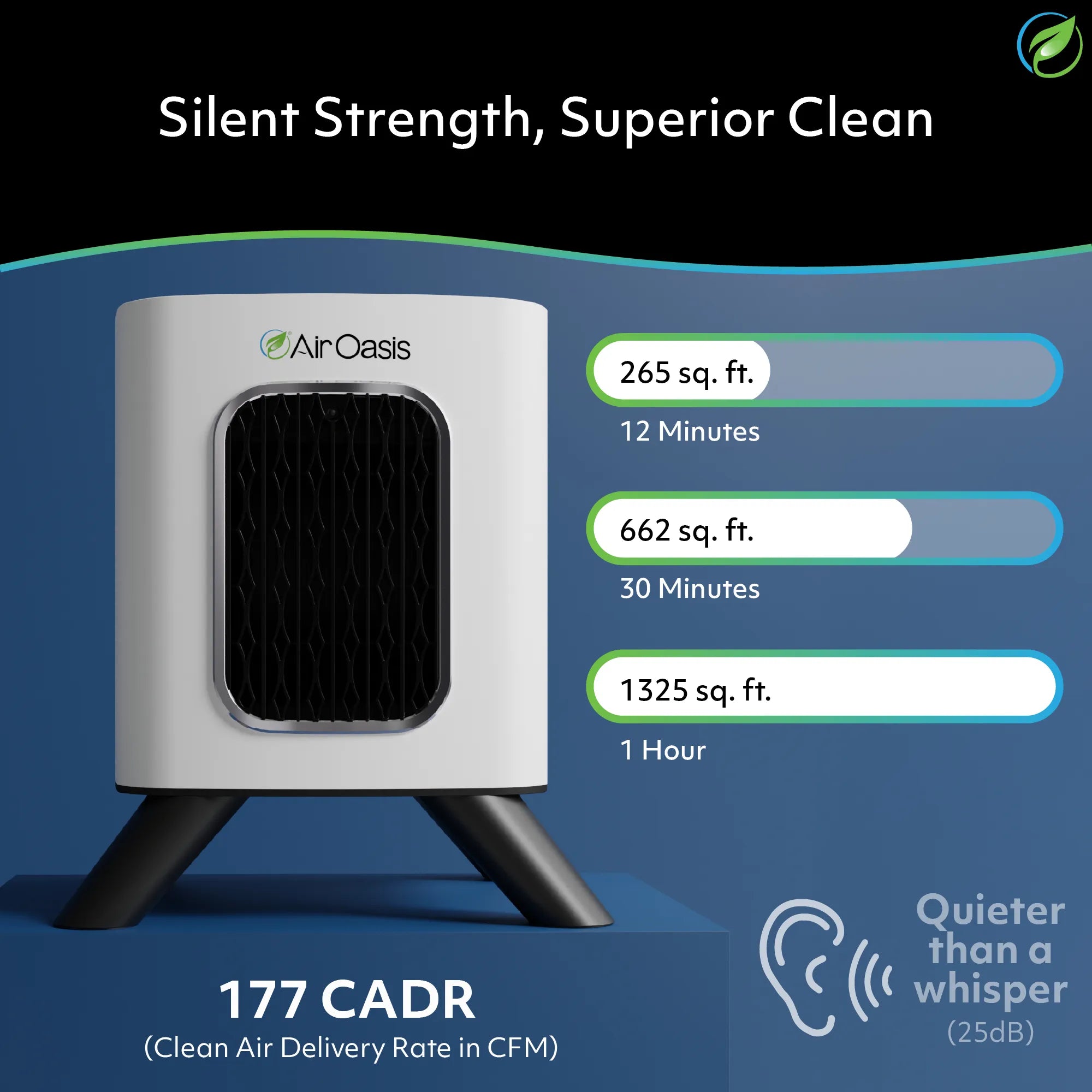
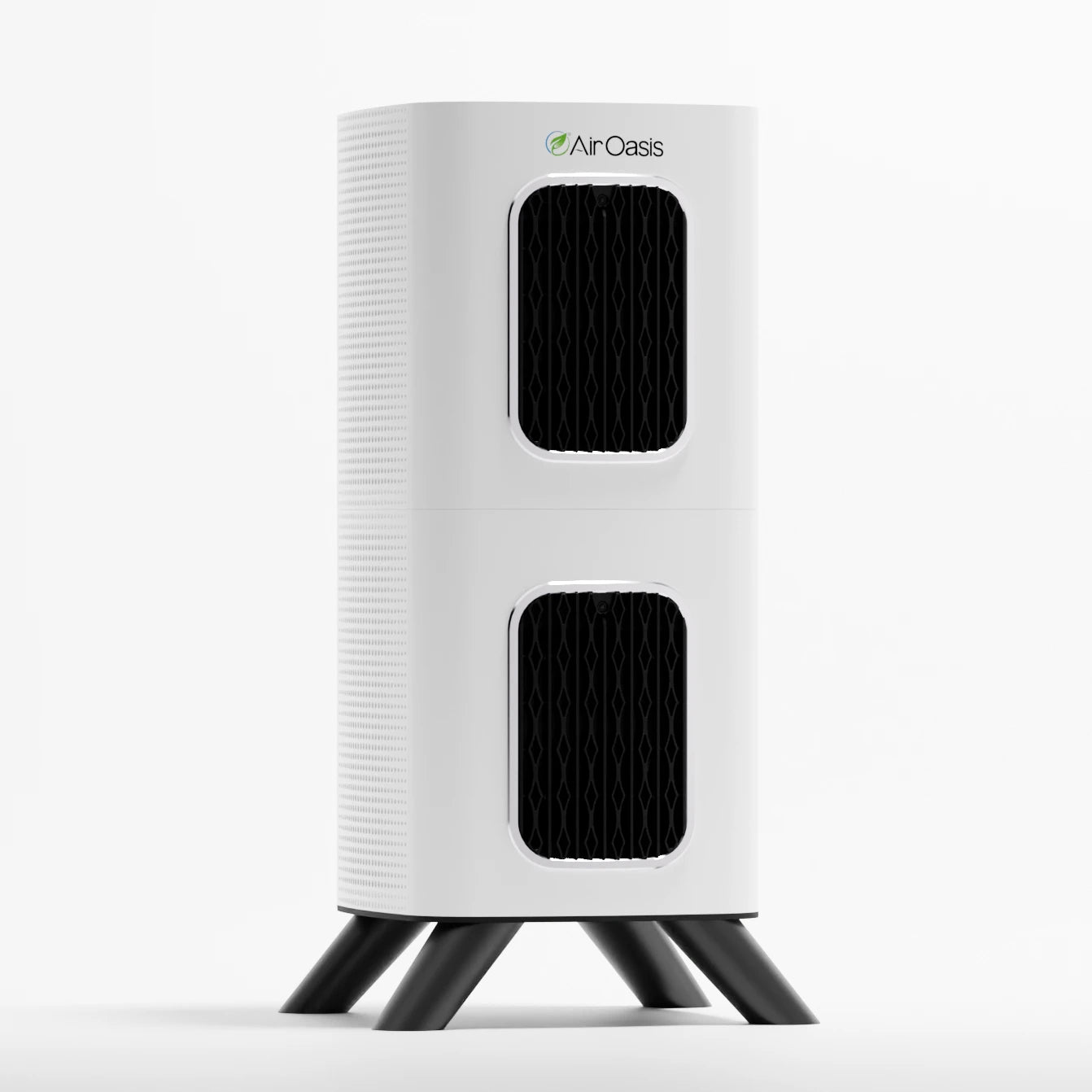
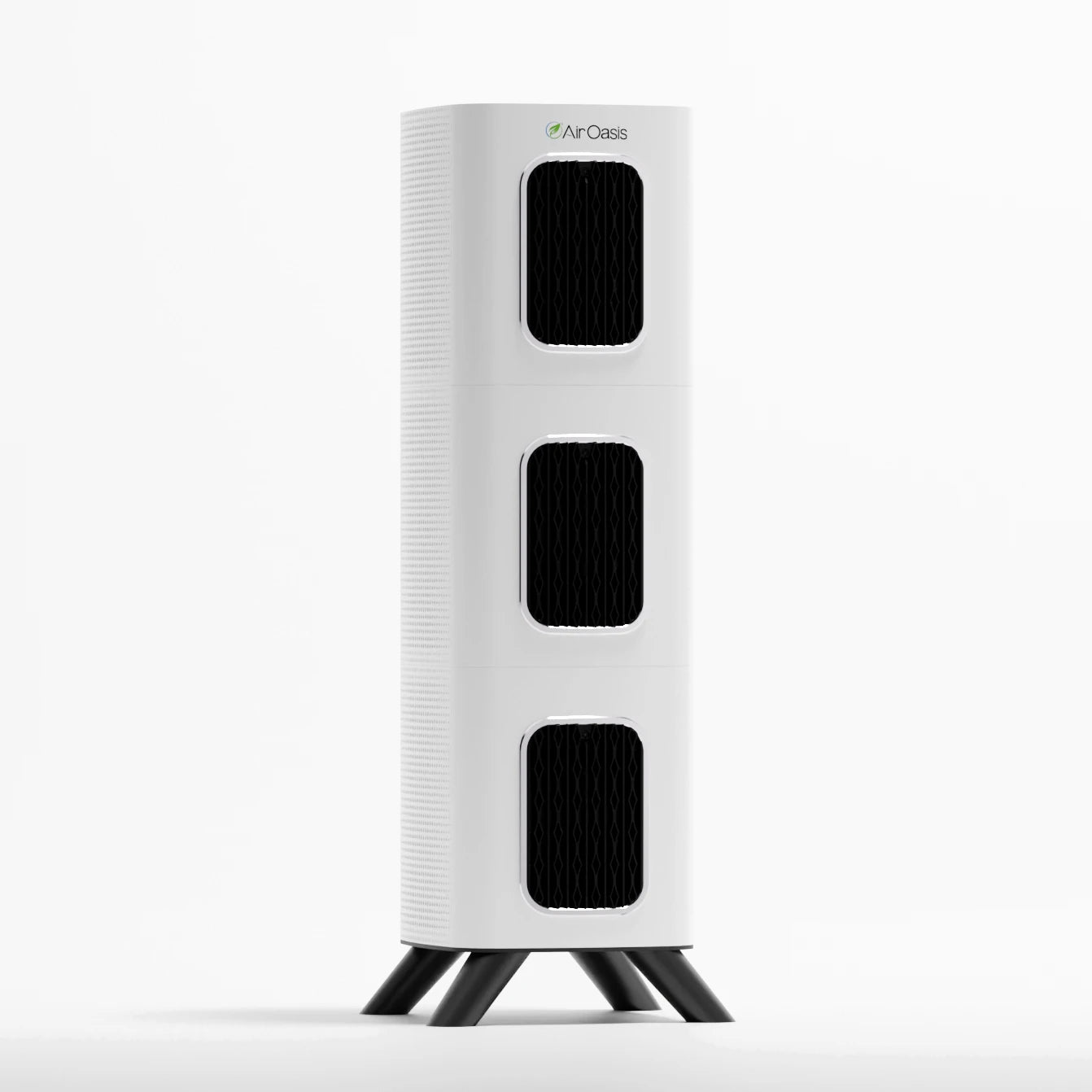
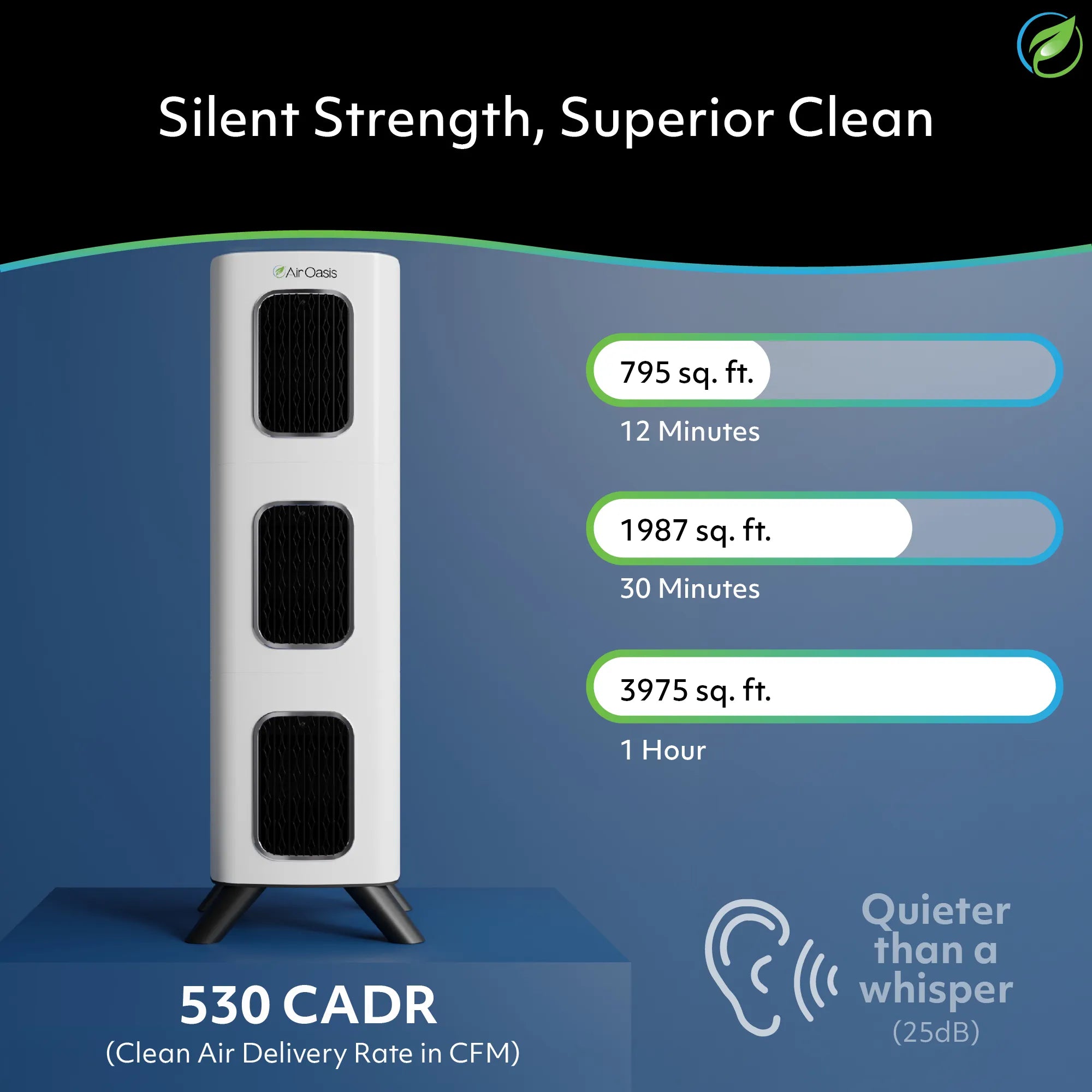
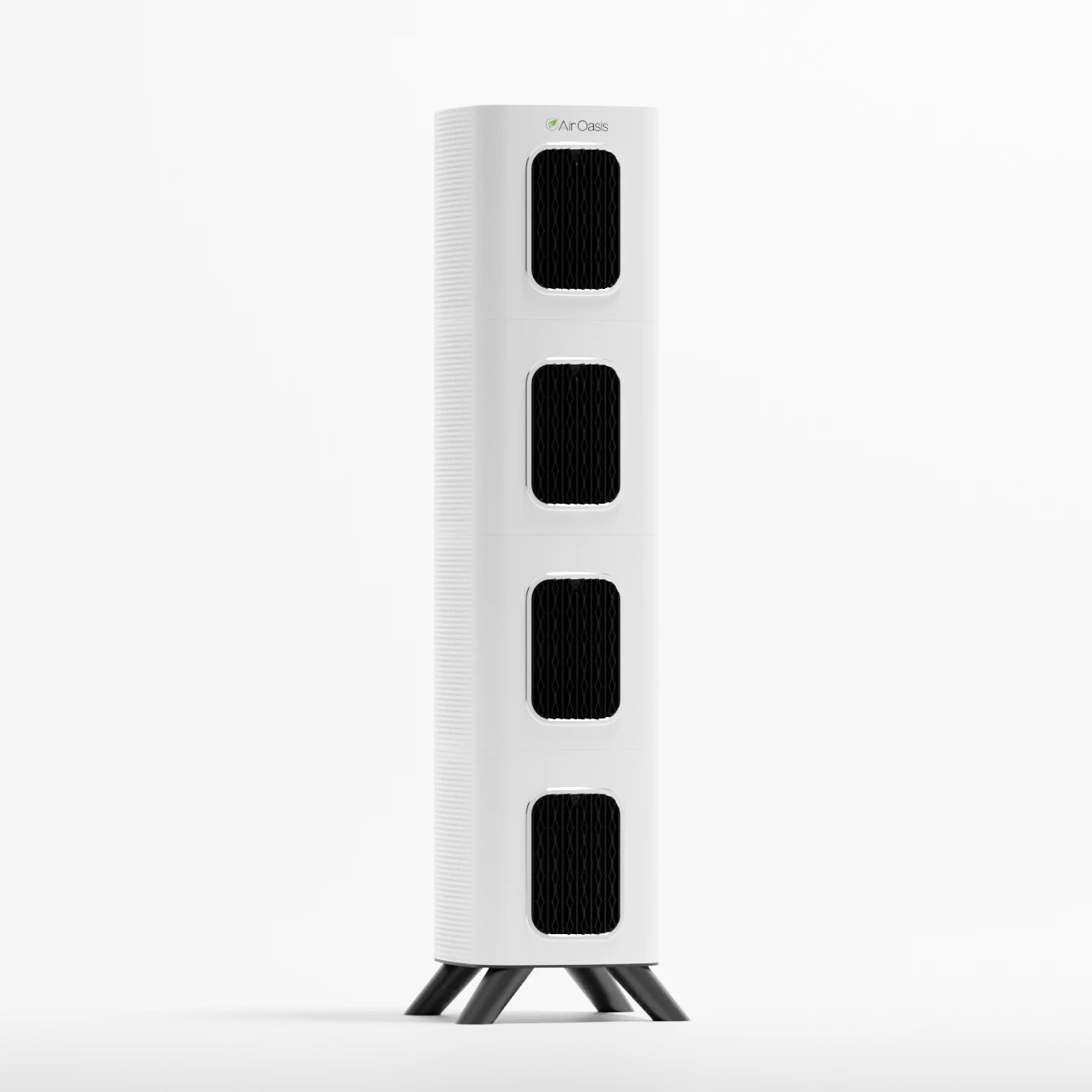
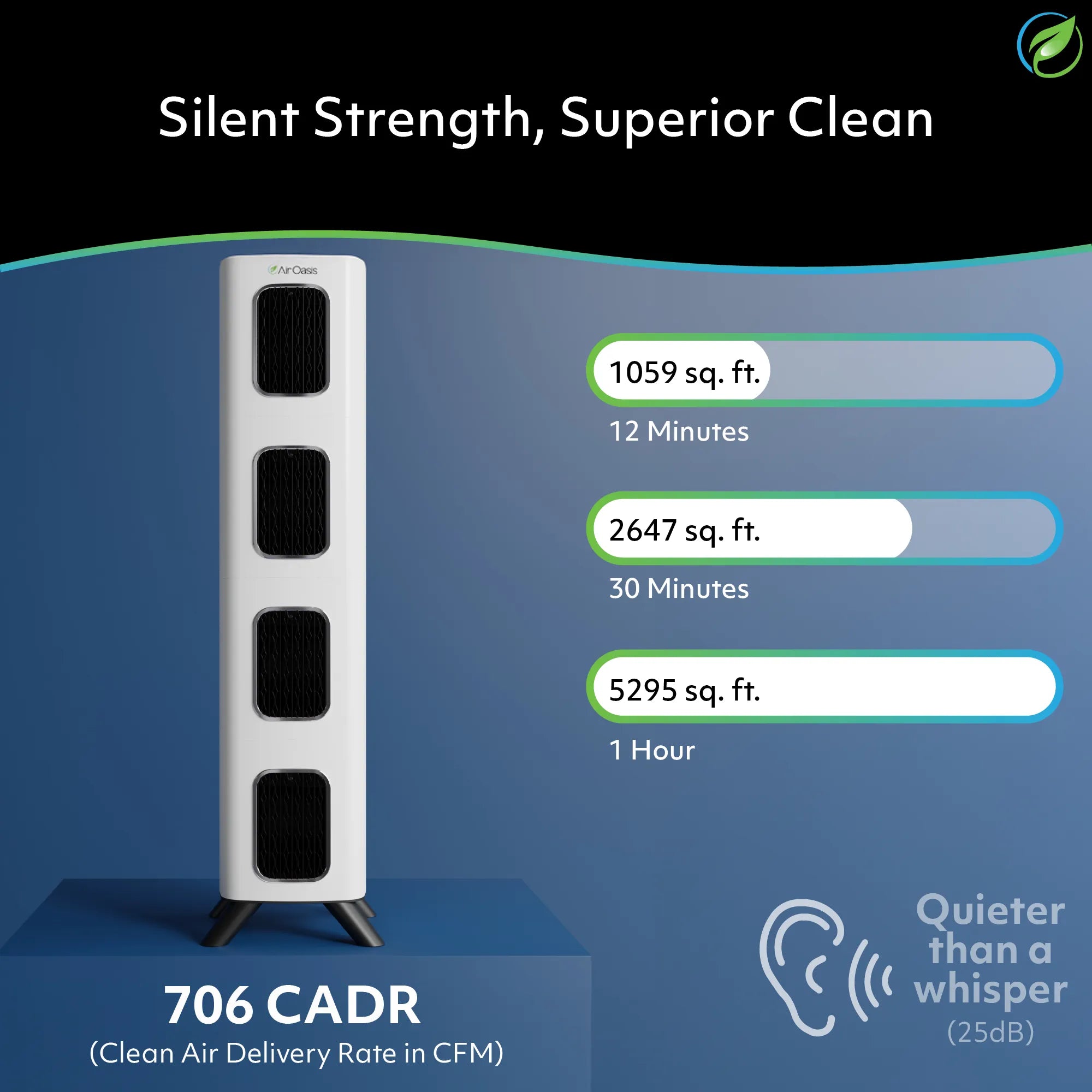
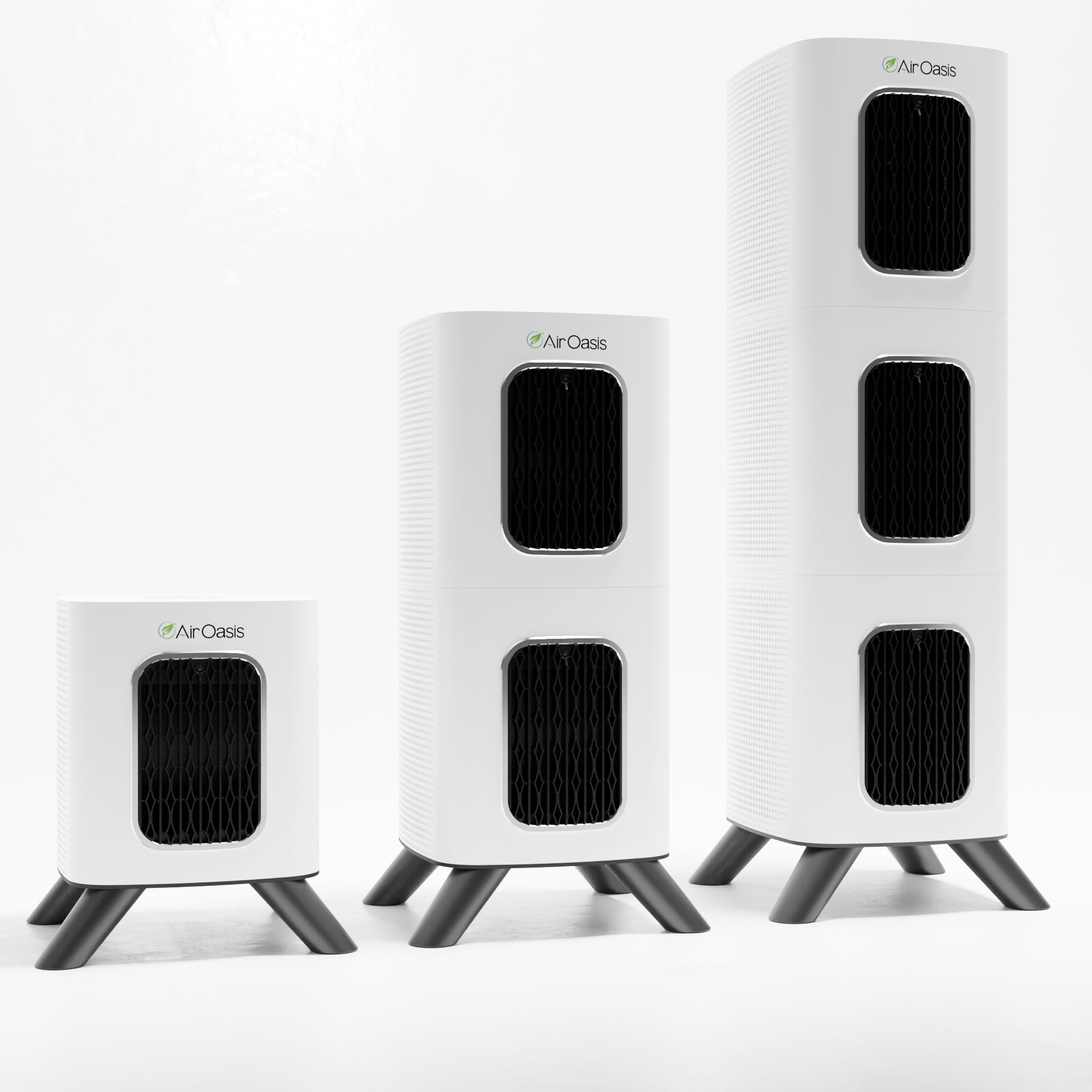
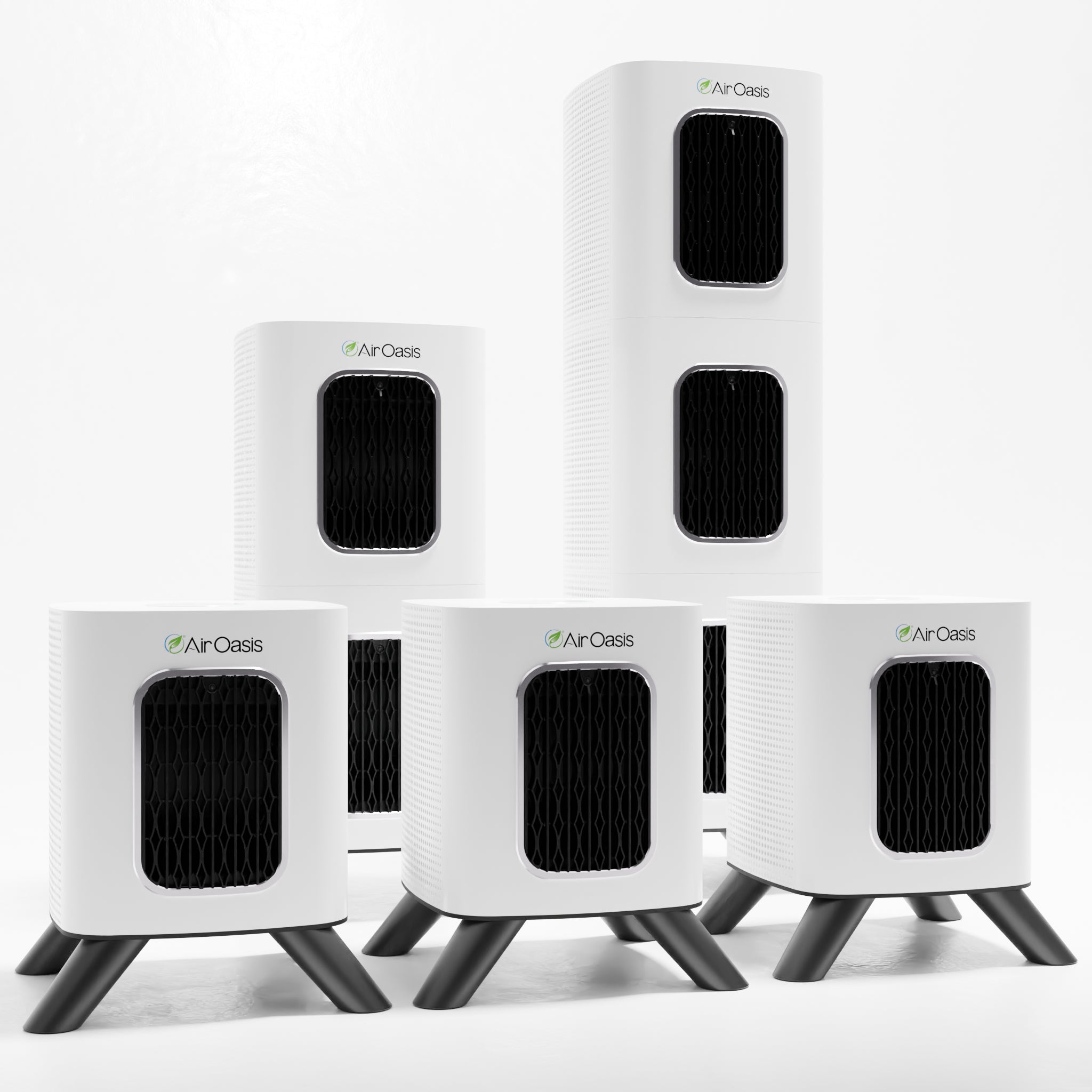
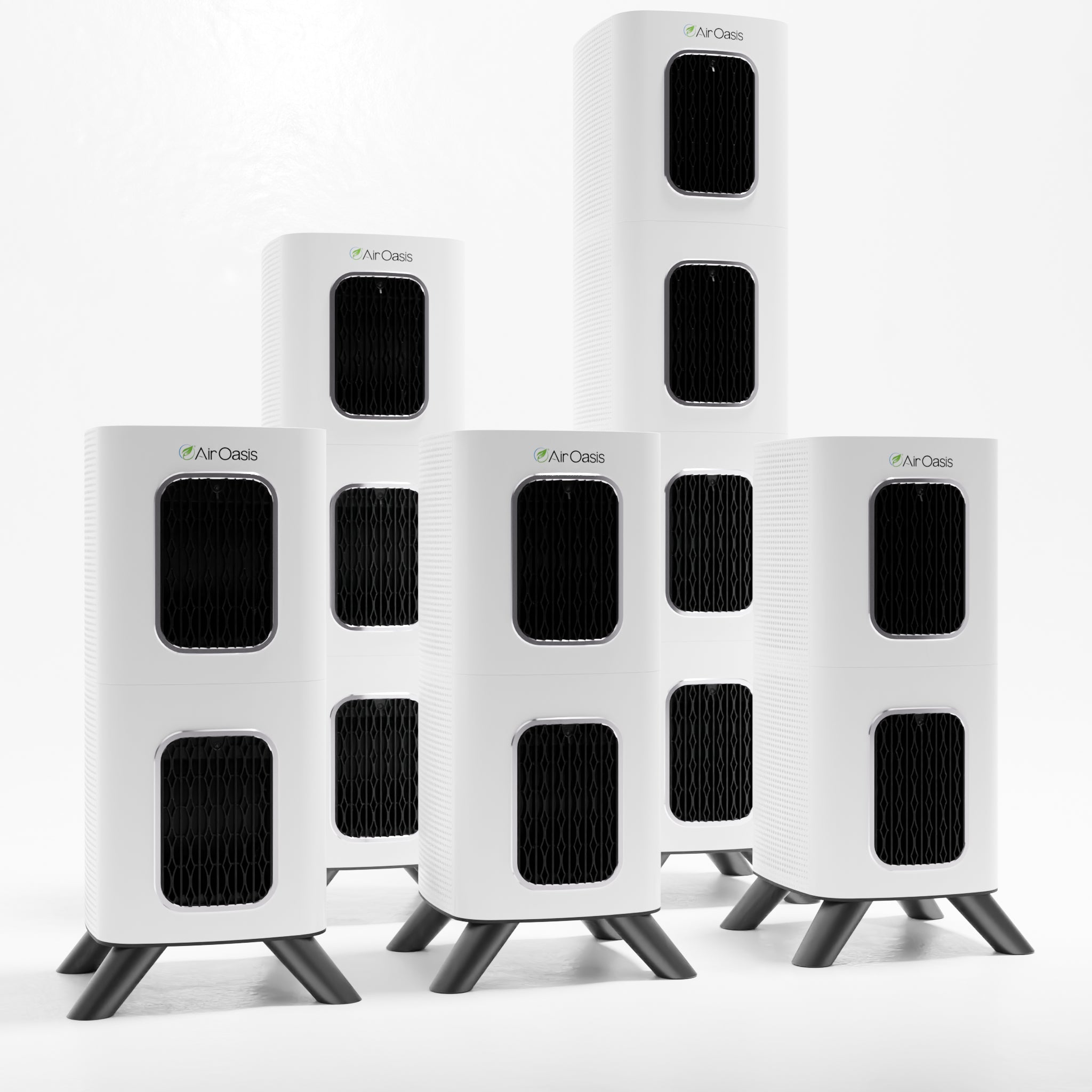
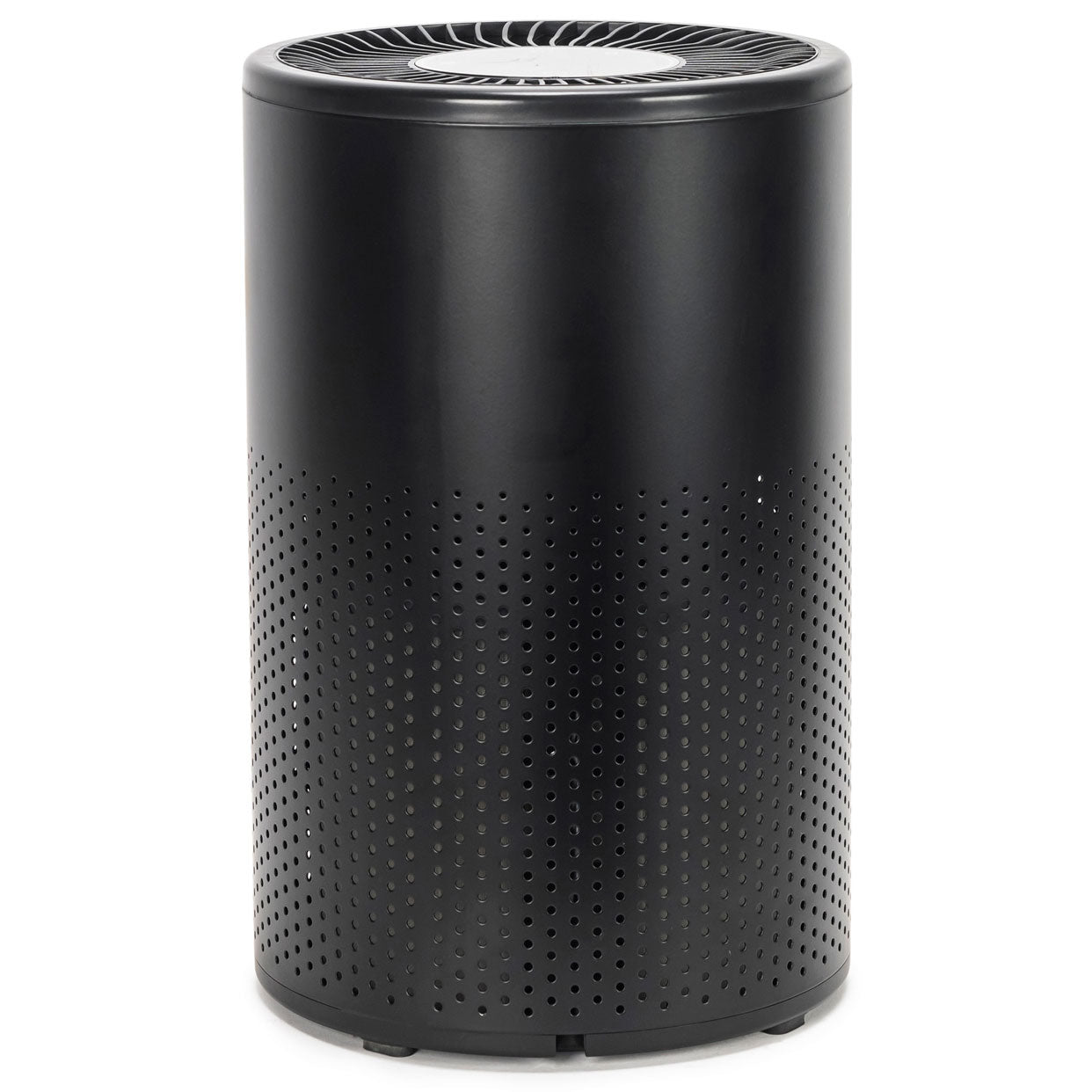
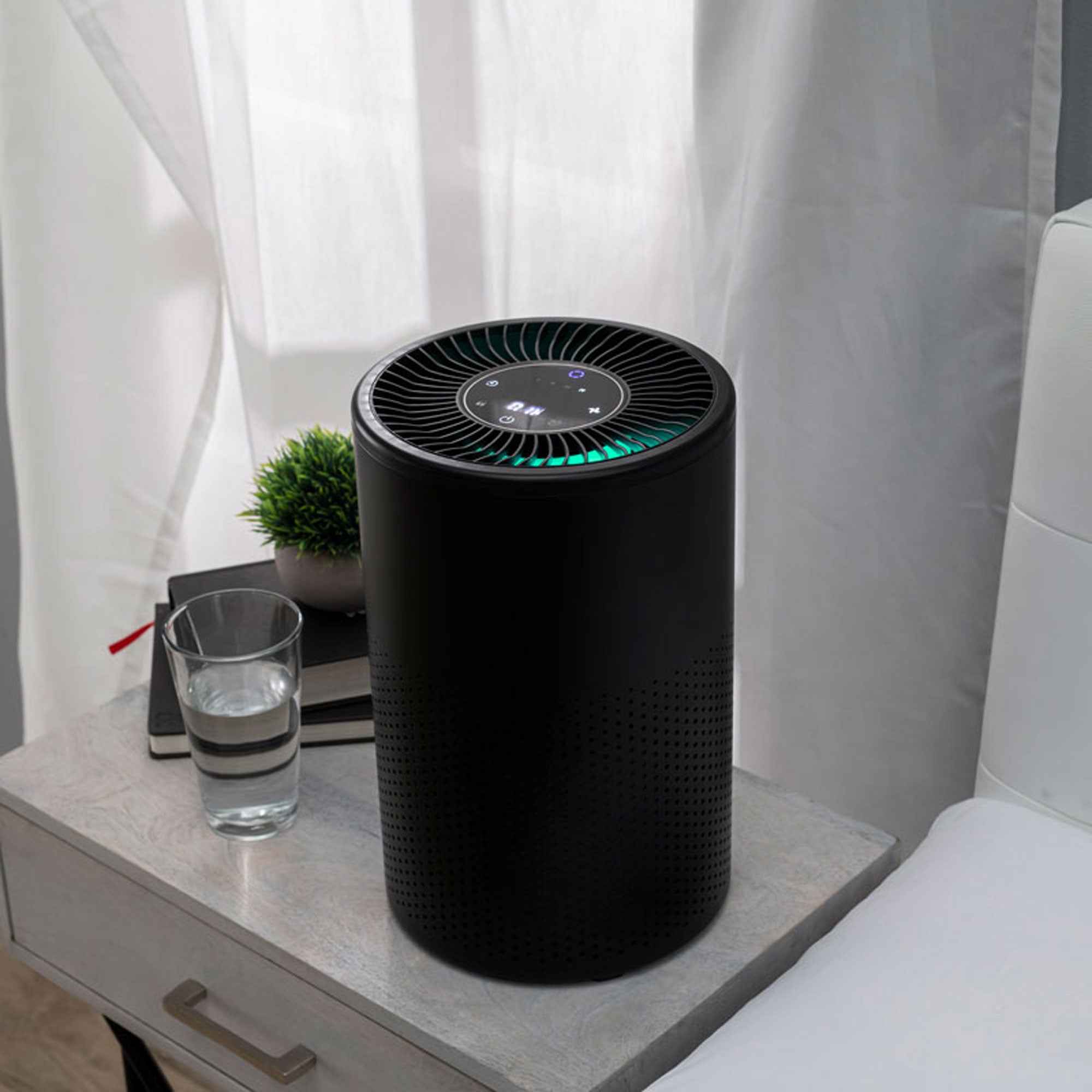
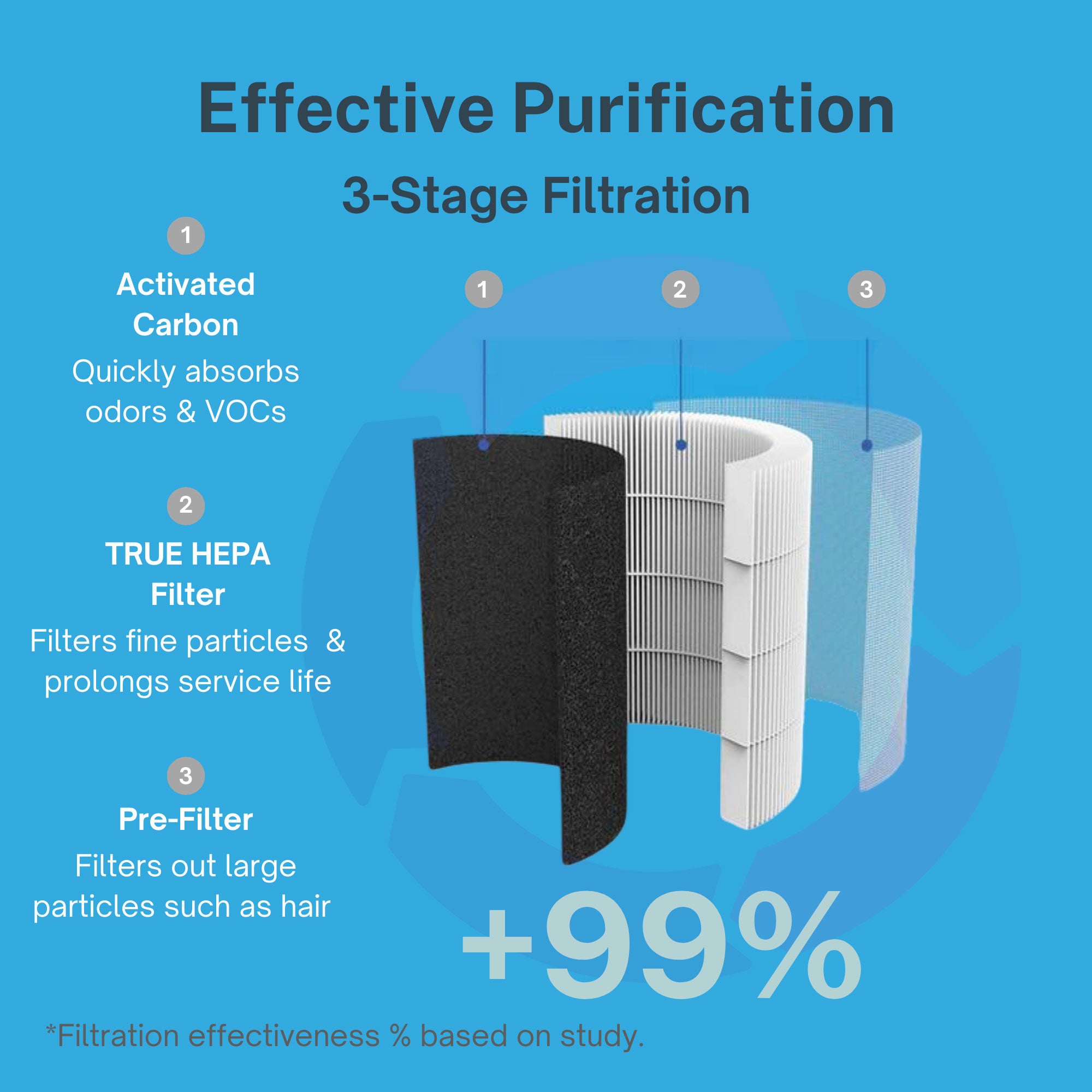
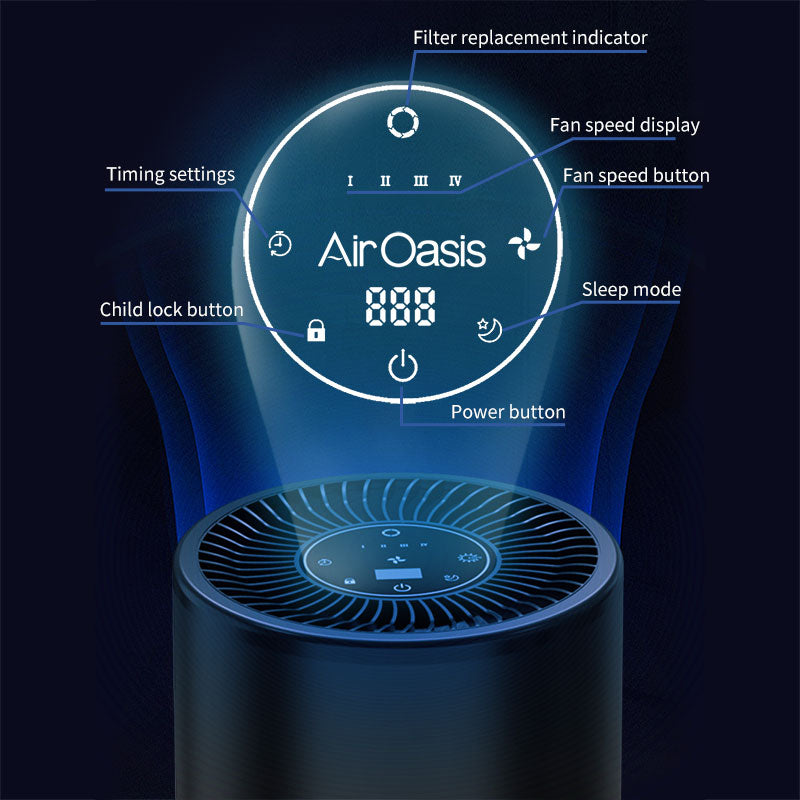
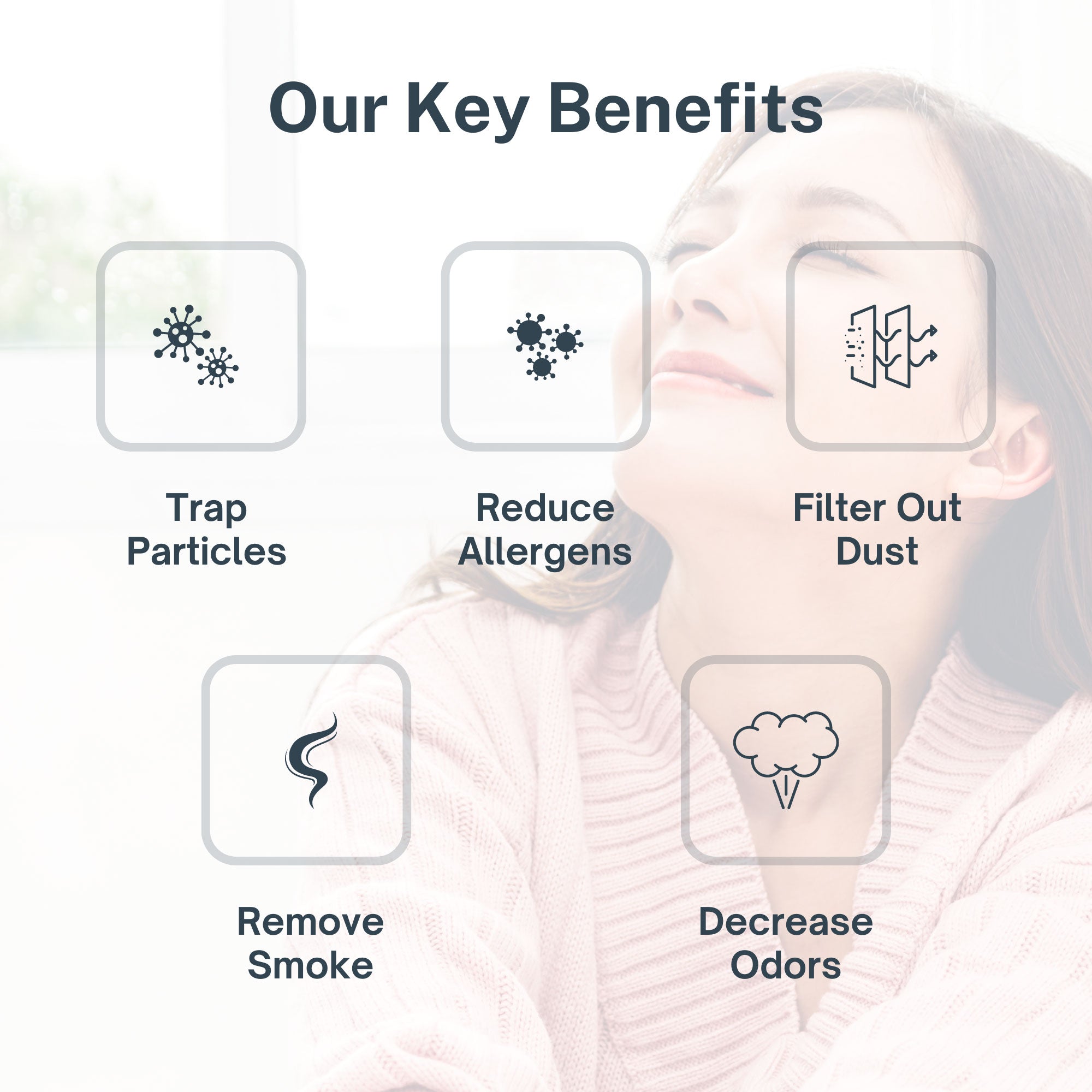
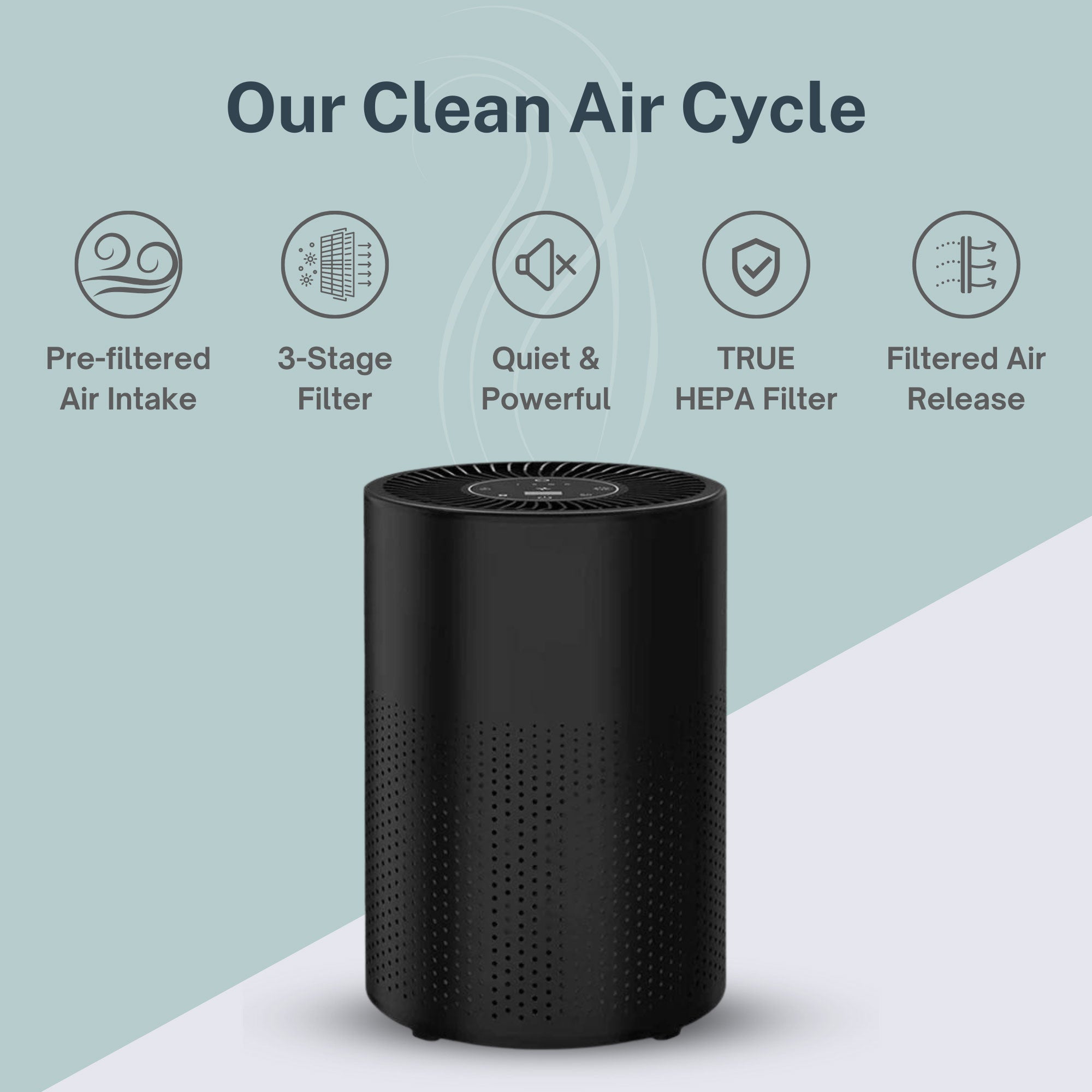
This is where an air purifier becomes the silent foundation of everything else. The iAdaptAir by Air Oasis runs continuously in the background, cycling the room's air through True HEPA filtration that captures particles down to 0.3 microns — including fine dust, allergens, and mold spores. Its activated carbon layer addresses VOCs and chemical gases, including any residual off-gassing from new furniture or finishes. UV-C light and bipolar ionization provide additional protection against airborne pathogens. And it's CARB-certified ozone-free, which matters enormously for a newborn's developing lungs — no ozone byproduct, ever.
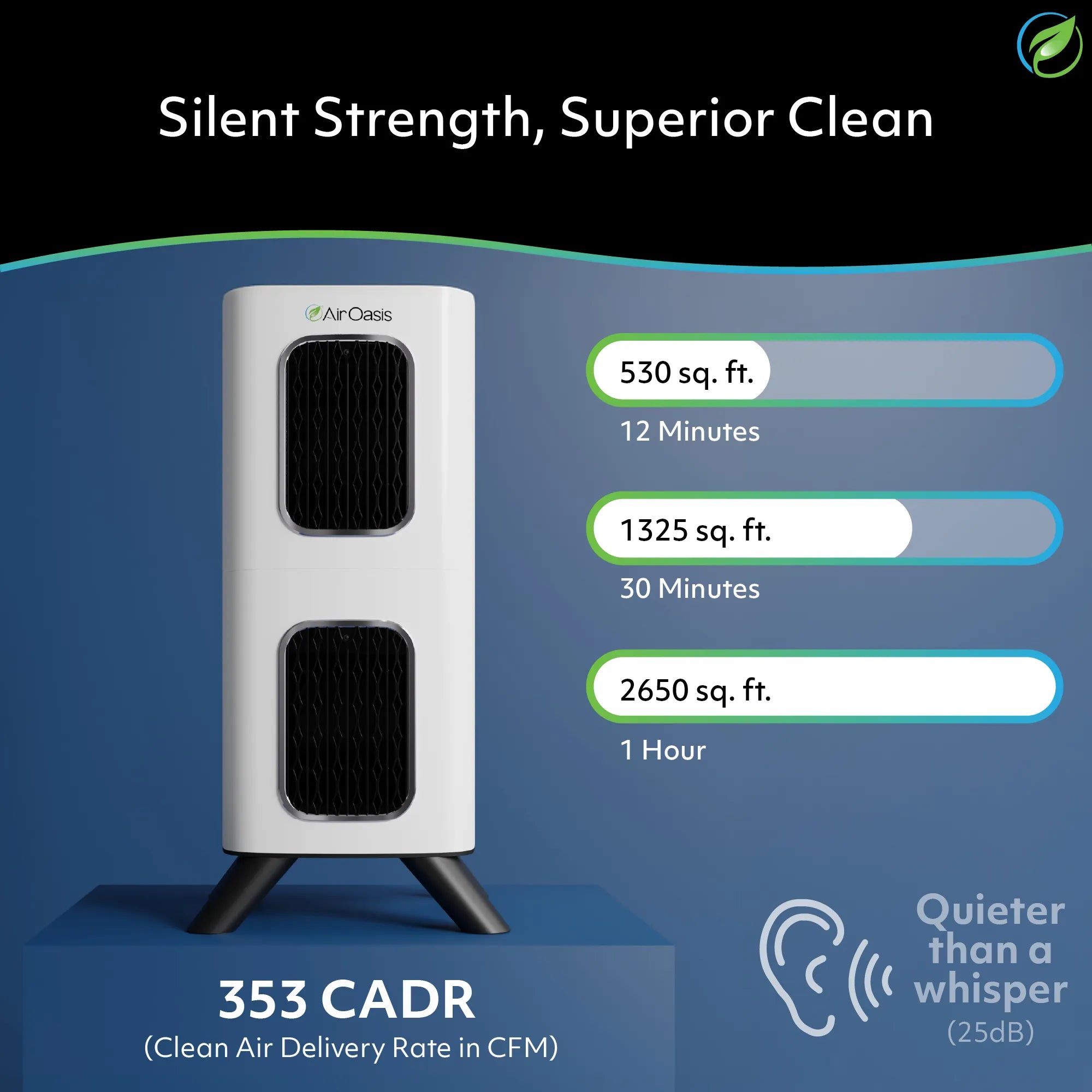
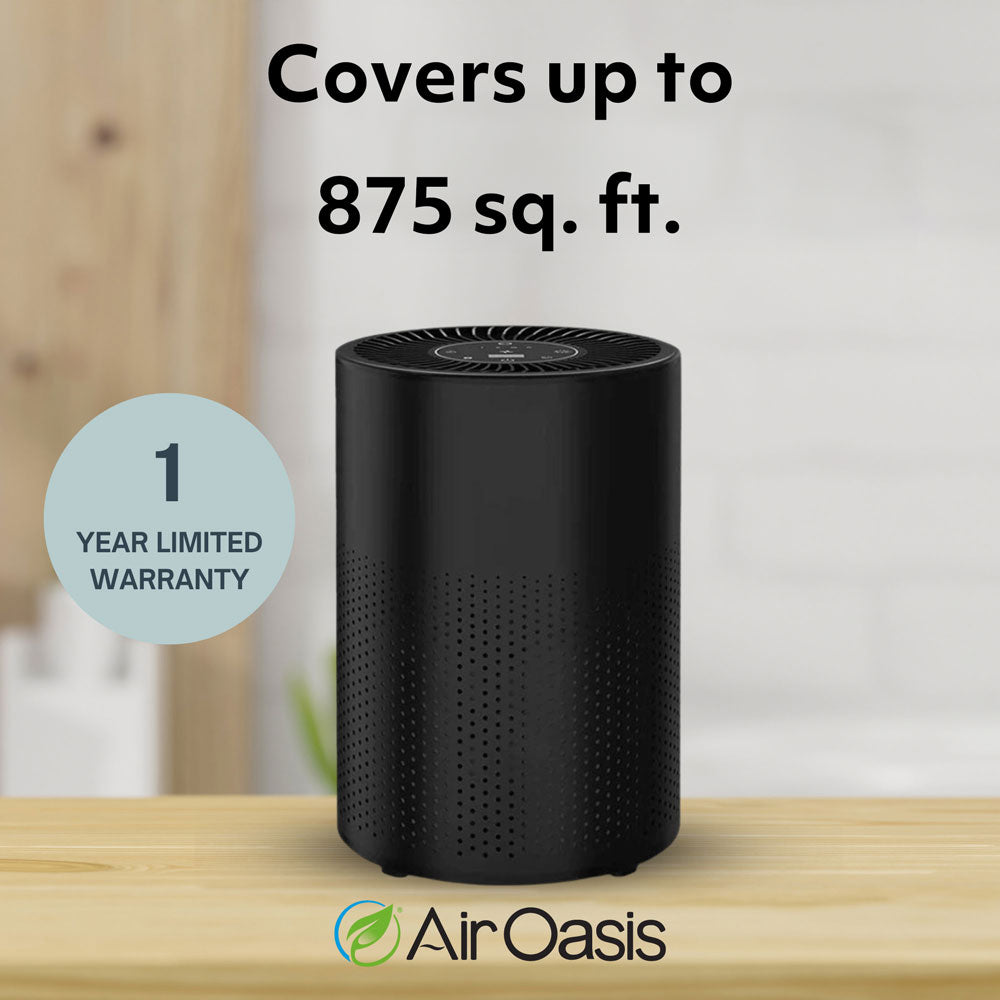
Most nurseries fall between 150 and 300 square feet. The iAdaptAir 2S covers up to 265 square feet; the 2M covers up to 530 square feet. For most nurseries, the 2S is the right fit, though sizing up to the 2M is a sound choice if the nursery connects to an open living area or if you want faster air cycling. Place the unit with at least four inches of clearance on all sides, keep doors and windows closed during operation, and let it run around the clock. That's the whole strategy.
Build the healthy baby nursery from the ground up
You don't have to do all of this at once, and you don't have to be perfect. But the choices you make for this room matter more than almost any other room in your home — because your baby will spend more time here, breathing this air, than anywhere else for the first year of life.
Start with the paint before anything else goes in. Add the mattress and bedding next. Build from there. And let an iAdaptAir run in the background, taking care of what you can't see or control. That's how a healthy baby nursery actually works.
Ready to start with the foundation? Shop Air Oasis and give your nursery the clean air it deserves.