Most people get a mosquito bite, scratch it for a day or two, and forget about it. But for some people, a single bite turns into something far more dramatic — significant swelling, warmth, redness that spreads well beyond the bite site, and symptoms that linger for days. If that sounds familiar, you may have heard the term skeeter syndrome. Or maybe you've never heard it at all, and you've spent years wondering why mosquitoes seem to hit you so much harder than everyone else.
You're not imagining it. And you're not being dramatic.
What skeeter syndrome actually is
Skeeter syndrome is a term used to describe a heightened allergic reaction to mosquito bites, specifically to the proteins in mosquito saliva. When a mosquito bites, it injects saliva into the skin. That saliva contains proteins that help prevent blood from clotting. For most people, the immune system mounts a mild response — the familiar small welt, some itching, gone in a day or two. For people with skeeter syndrome, the immune response is significantly more pronounced.
The reaction is an IgE-mediated allergic response, the same immune pathway involved in reactions to bee stings, certain foods, and other environmental allergens. The body identifies one or more proteins in the mosquito's saliva as threats, and the immune response it mounts is disproportionate to the exposure.
Skeeter syndrome is documented in the medical literature but is not as widely recognized in clinical practice as it deserves to be. It is sometimes misdiagnosed as a skin infection, particularly cellulitis, because the redness, swelling, and warmth can look similar. This matters because the two conditions require different treatments — an antihistamine and anti-inflammatory approach for an allergic reaction, versus antibiotics for a bacterial infection. Treating an allergic reaction with antibiotics it doesn't need, or missing an actual infection, both carry real consequences.
What the symptoms actually look like
A typical mosquito bite reaction — a small, raised welt with localized itching — is considered normal. Skeeter syndrome is characterized by a reaction that goes well beyond this. The swelling may be substantial, sometimes involving an entire limb segment. The affected area may feel warm, look red, and remain swollen and tender for days rather than hours.
Some individuals also experience systemic symptoms: low-grade fever, fatigue, or general malaise following a bite. In more sensitive individuals, particularly young children, symptoms can be more pronounced. In rare cases, severe allergic reactions, including hives or anaphylaxis, have been reported in association with mosquito bites, though this is uncommon.
The range of individual experience is significant. Some people with skeeter syndrome have moderate, manageable reactions. Others find that even a single bite causes swelling that is dramatic enough to interfere with daily activities. As with other allergic conditions, the severity can vary based on which mosquito species is involved, where on the body the bite occurs, and how sensitized the individual's immune system has become over time.
Who tends to be most affected
Children are disproportionately affected by more pronounced mosquito bite reactions. This is thought to be partly due to immune sensitization to mosquito salivary proteins that builds over time with repeated exposure. Young children haven't yet accumulated the same history of exposure as adults, so their immune systems may react more vigorously when encountering these proteins. Many people find that their reactions become less severe with age, though this isn't universal.
People with underlying immune system conditions may also be more susceptible to significant mosquito bite reactions. There is documented research linking severe mosquito-bite hypersensitivity to Epstein-Barr virus infection and related conditions in some populations, though this is a distinct, less common presentation that warrants evaluation by a specialist.
Individuals who already carry a high allergic load — meaning they have multiple environmental sensitivities, asthma, or atopic dermatitis — may find that their immune systems are more primed to mount larger reactions to additional allergens, including insect proteins.
Getting a proper diagnosis
If you consistently experience reactions to mosquito bites that seem outsized compared to what others around you experience, it's worth raising with an allergist. Standard allergy testing may or may not capture mosquito salivary protein sensitivity depending on what panels are used, so it helps to describe your specific symptoms clearly and mention that mosquito reactions have been a pattern.
Keeping a basic log of reactions — where the bite was, how large the swelling became, how long it lasted, whether you had any systemic symptoms — gives your doctor useful information. It also helps distinguish a pattern of allergic response from isolated incidents.
Managing reactions and reducing exposure
There's no cure for skeeter syndrome, unlike a simple infection. Management focuses on reducing exposure and treating reactions promptly when they occur. Oral antihistamines can help reduce the allergic response. Topical corticosteroids may be recommended for significant local swelling. For individuals with a history of more serious reactions, an allergist may discuss whether carrying emergency medication is appropriate.
Reducing mosquito exposure at home is worth taking seriously. Eliminating standing water around your property is the most effective single step, as this is where mosquitoes breed. Window screens in good repair, appropriate clothing, and using EPA-registered repellents are all part of a practical prevention strategy.
The indoor air quality connection
Mosquito bite reactions don't involve airborne allergens the way dust mite or pet dander reactions do. But there's a reason indoor air quality still matters for anyone dealing with heightened immune sensitivity.
When your immune system is already primed, already managing reactions to mosquito proteins or other allergens, the total burden it's carrying matters. An indoor environment with elevated levels of airborne allergens, mold spores, or volatile organic compounds continuously adds to that burden. For someone with a reactive immune system, keeping the air in their home clean is a practical way to reduce the cumulative load their body is working against every day.
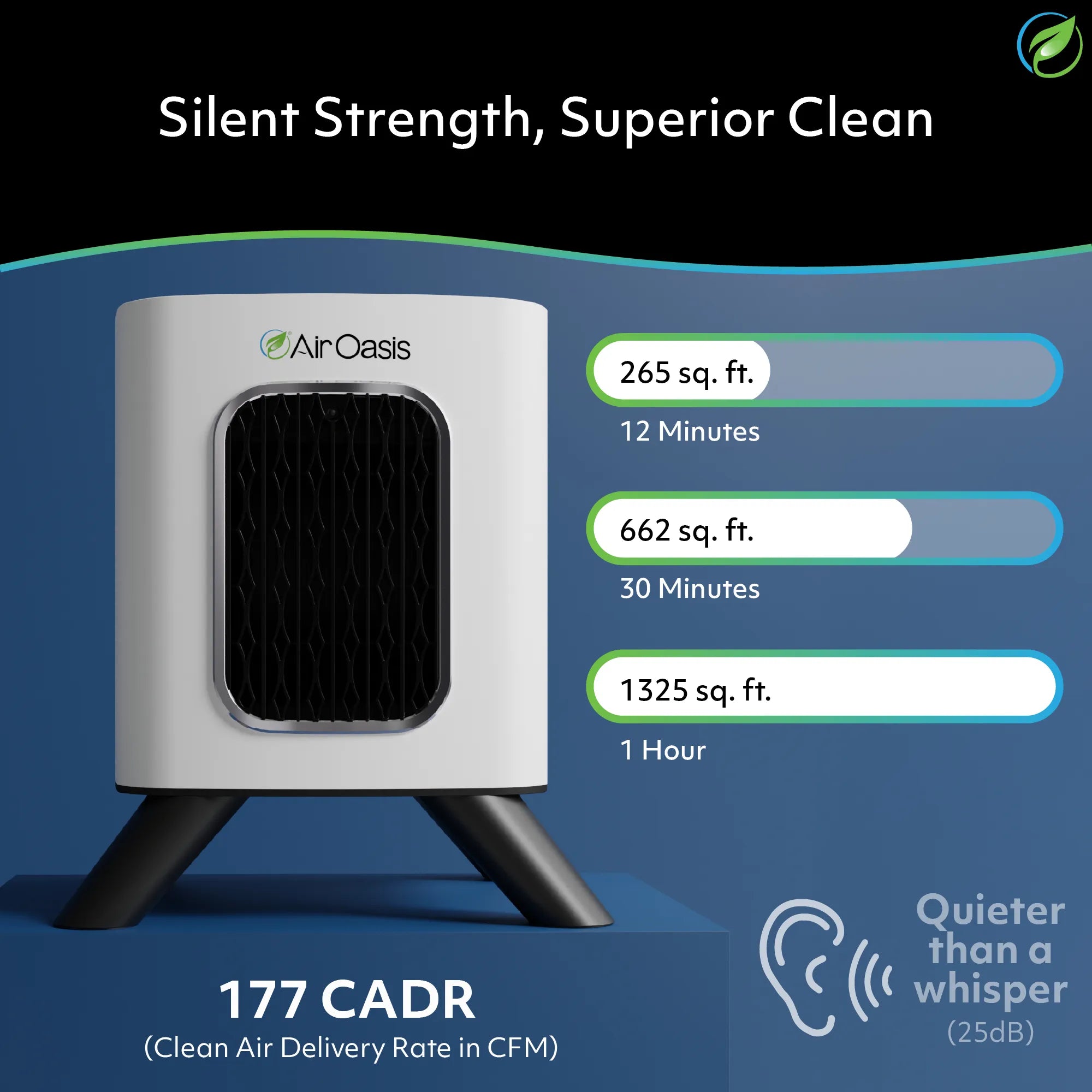
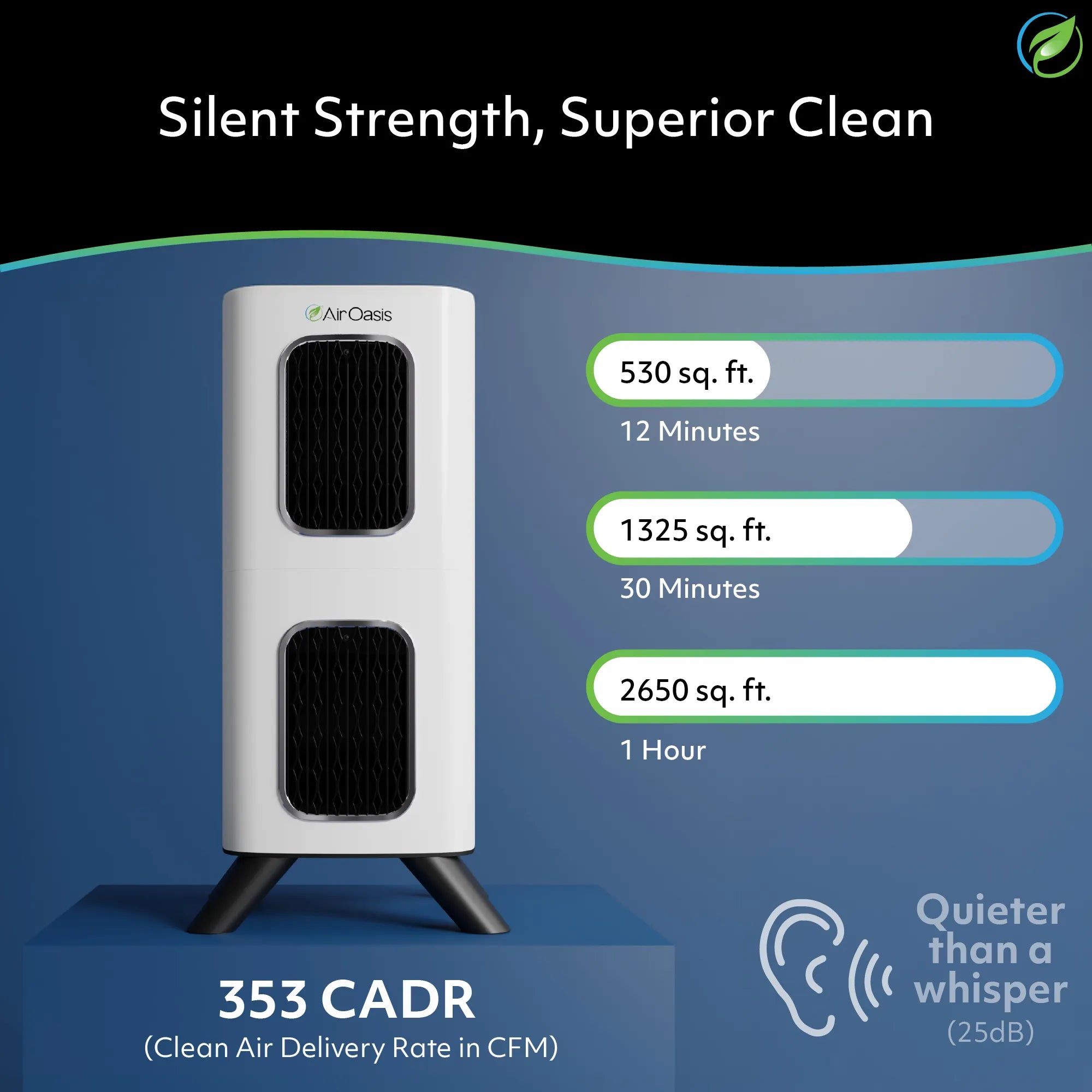
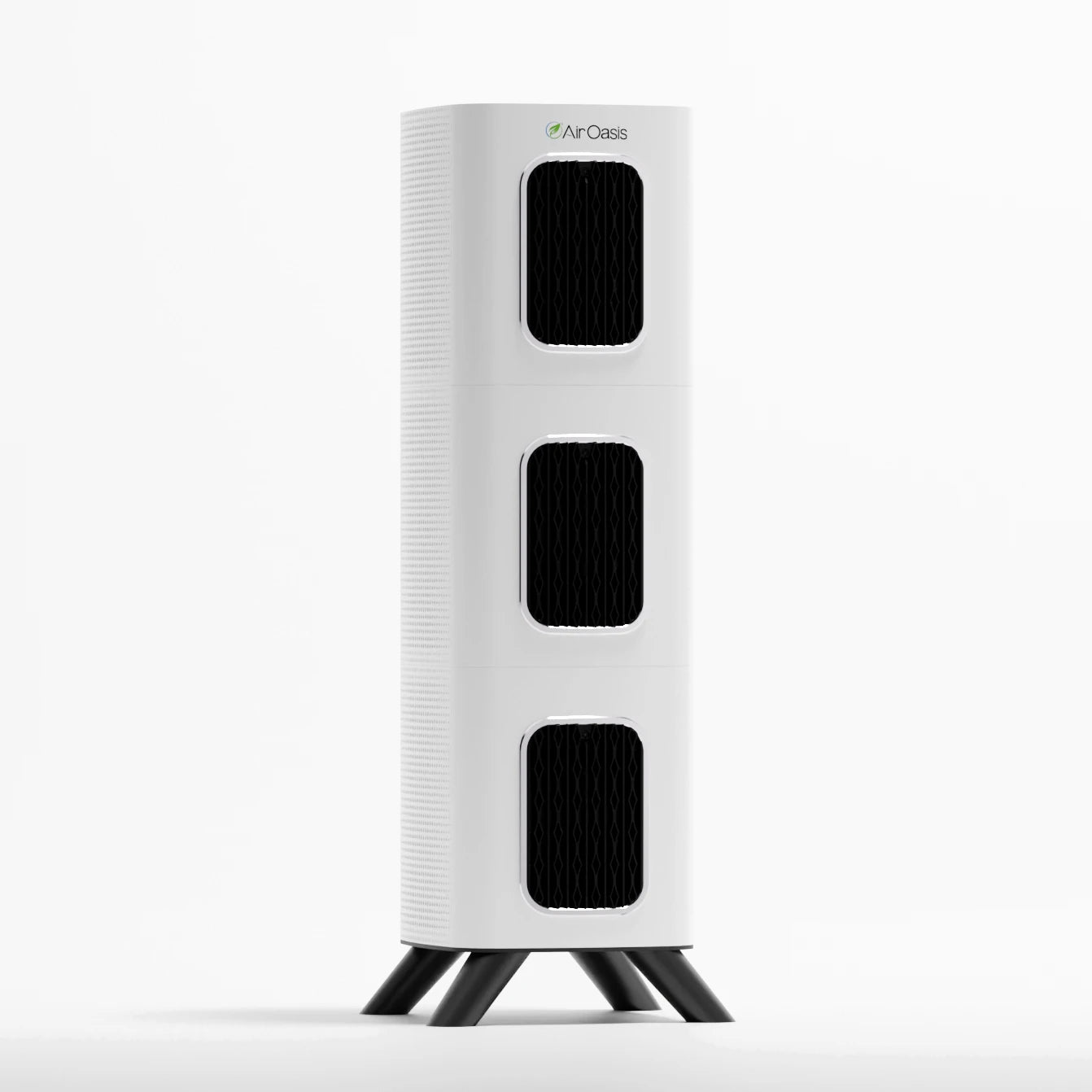
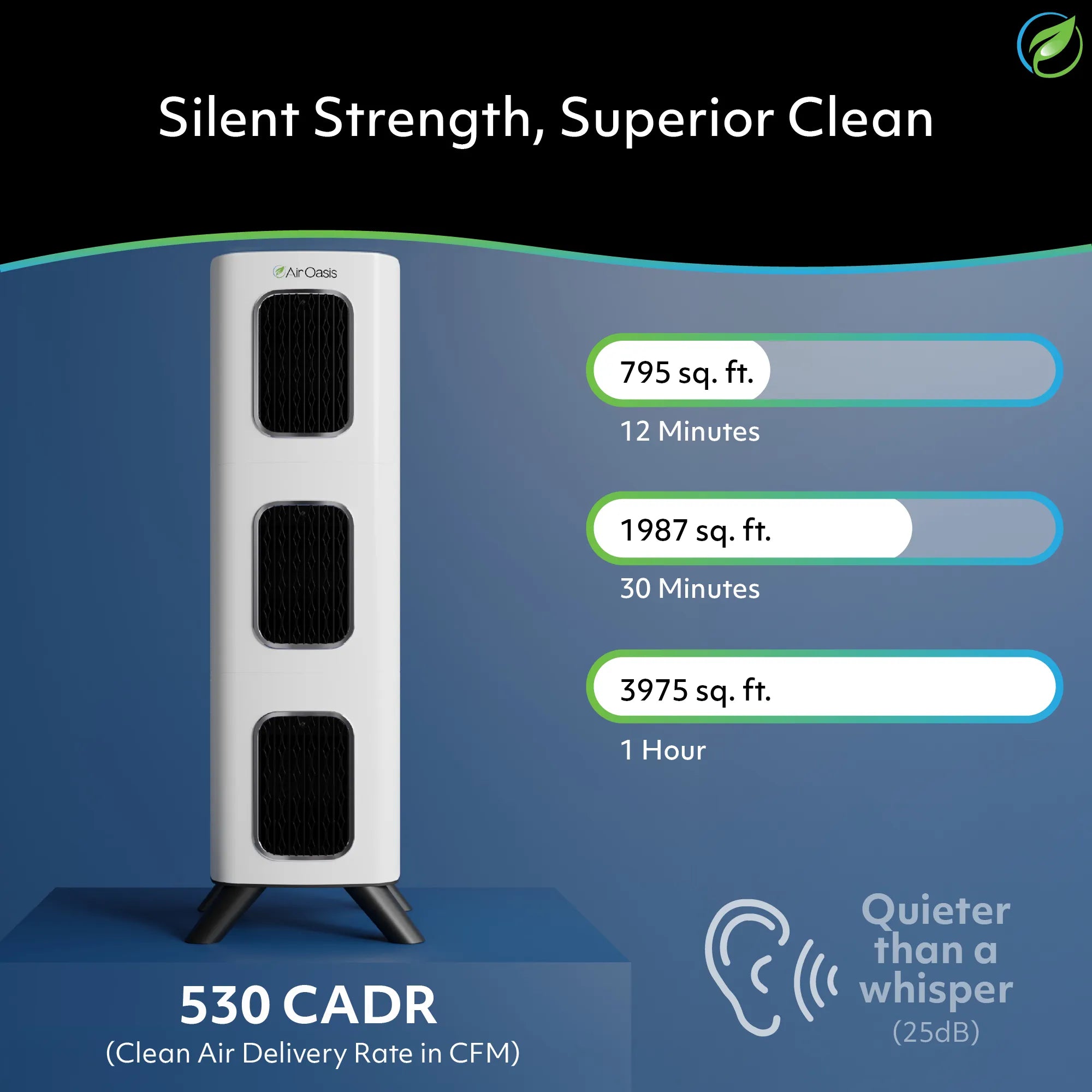
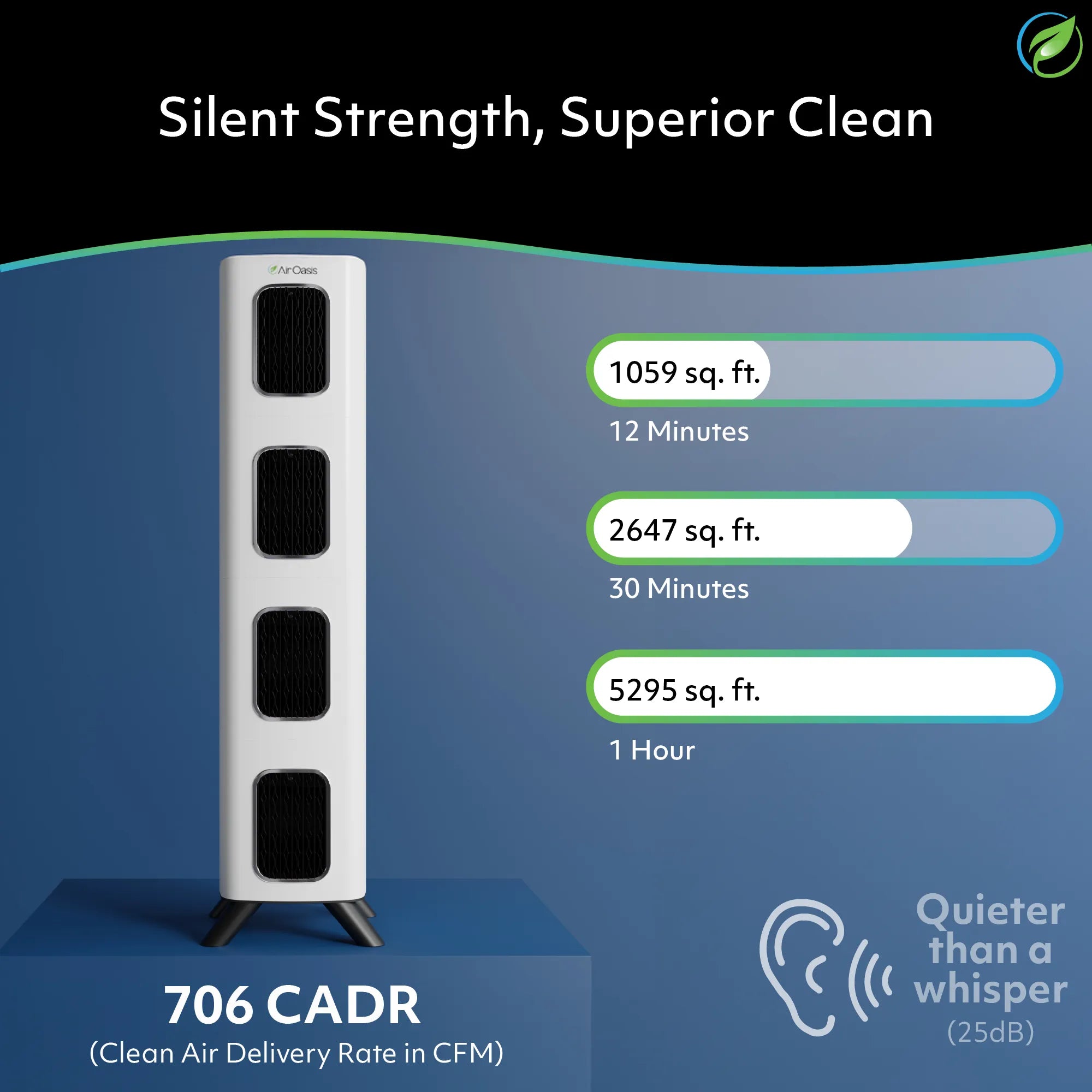
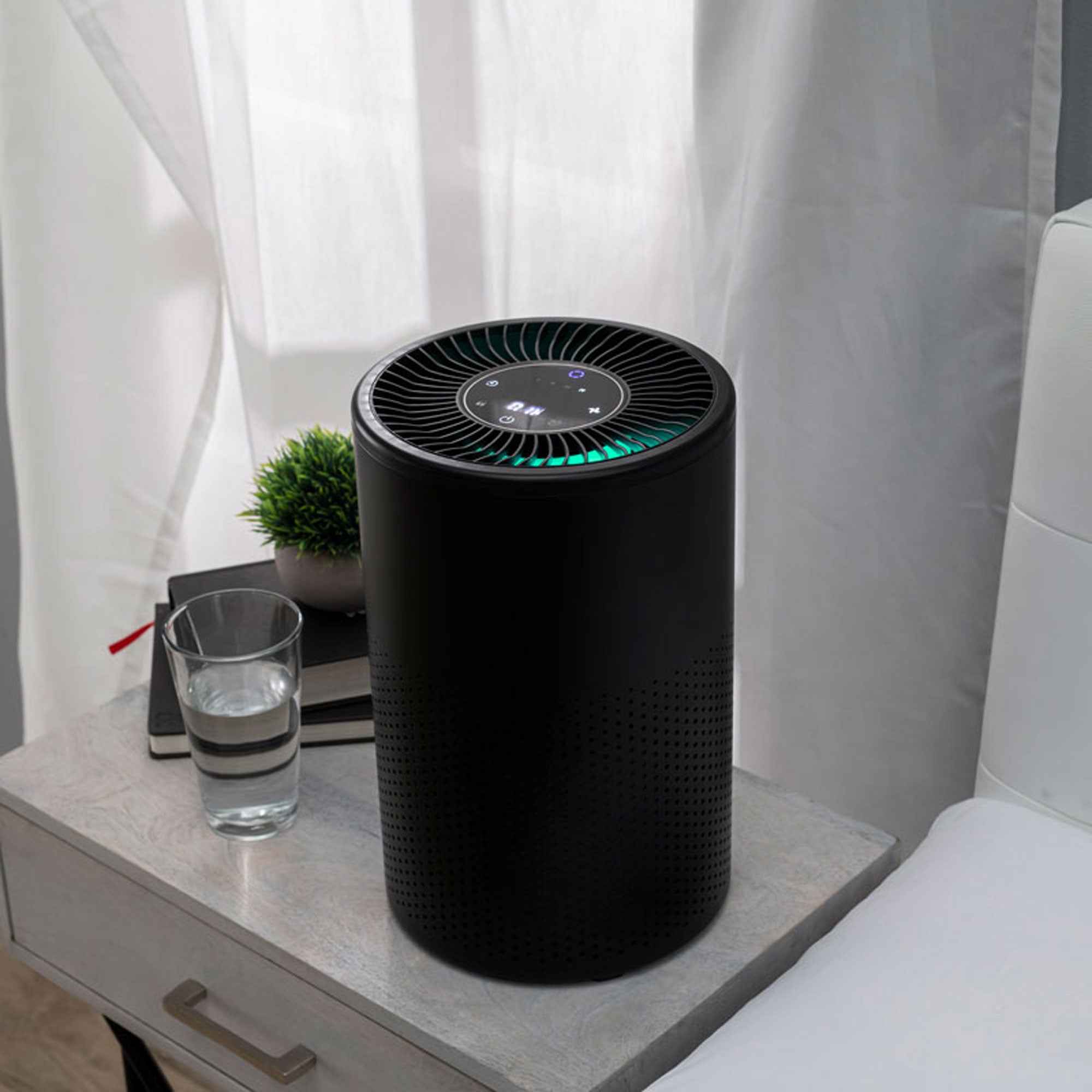
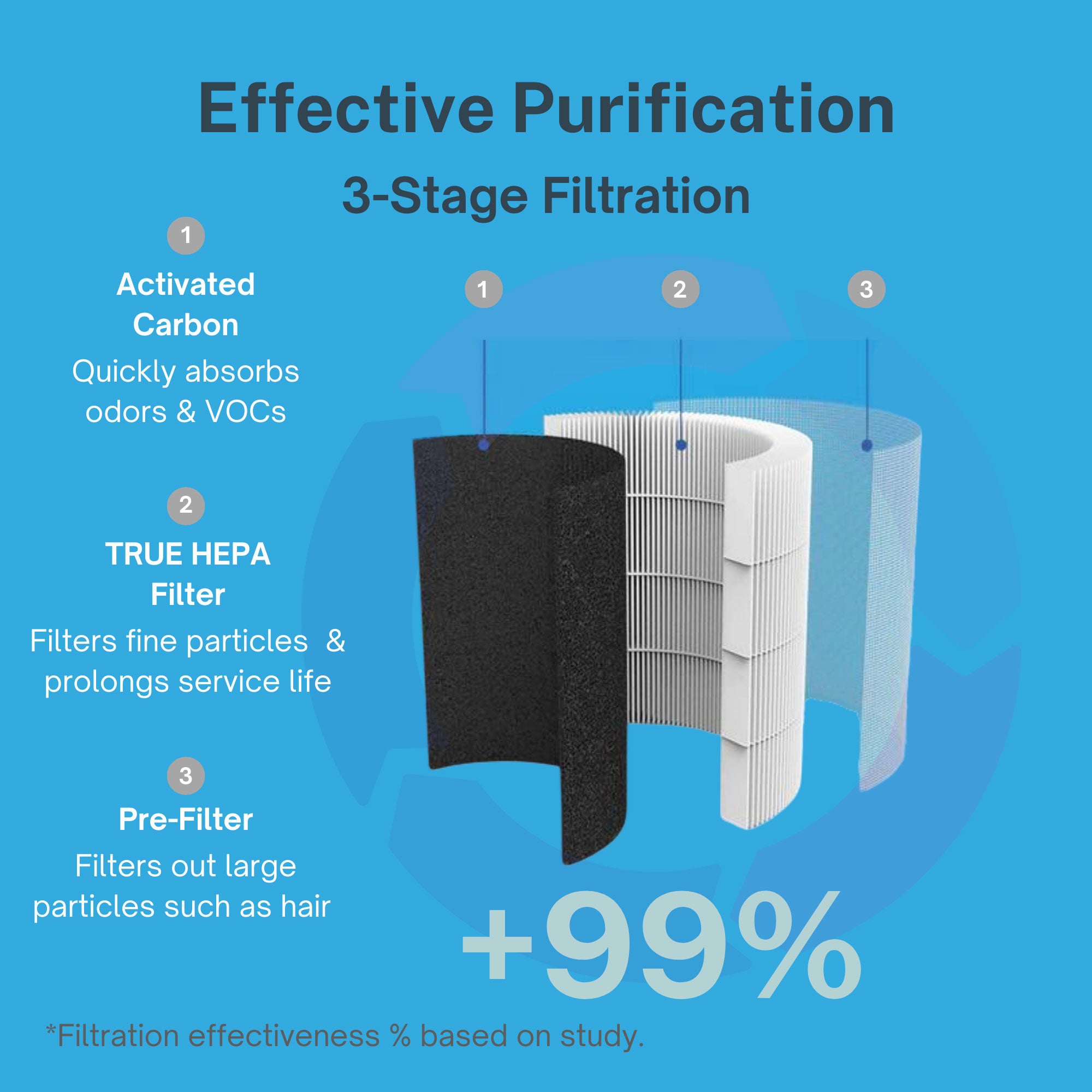
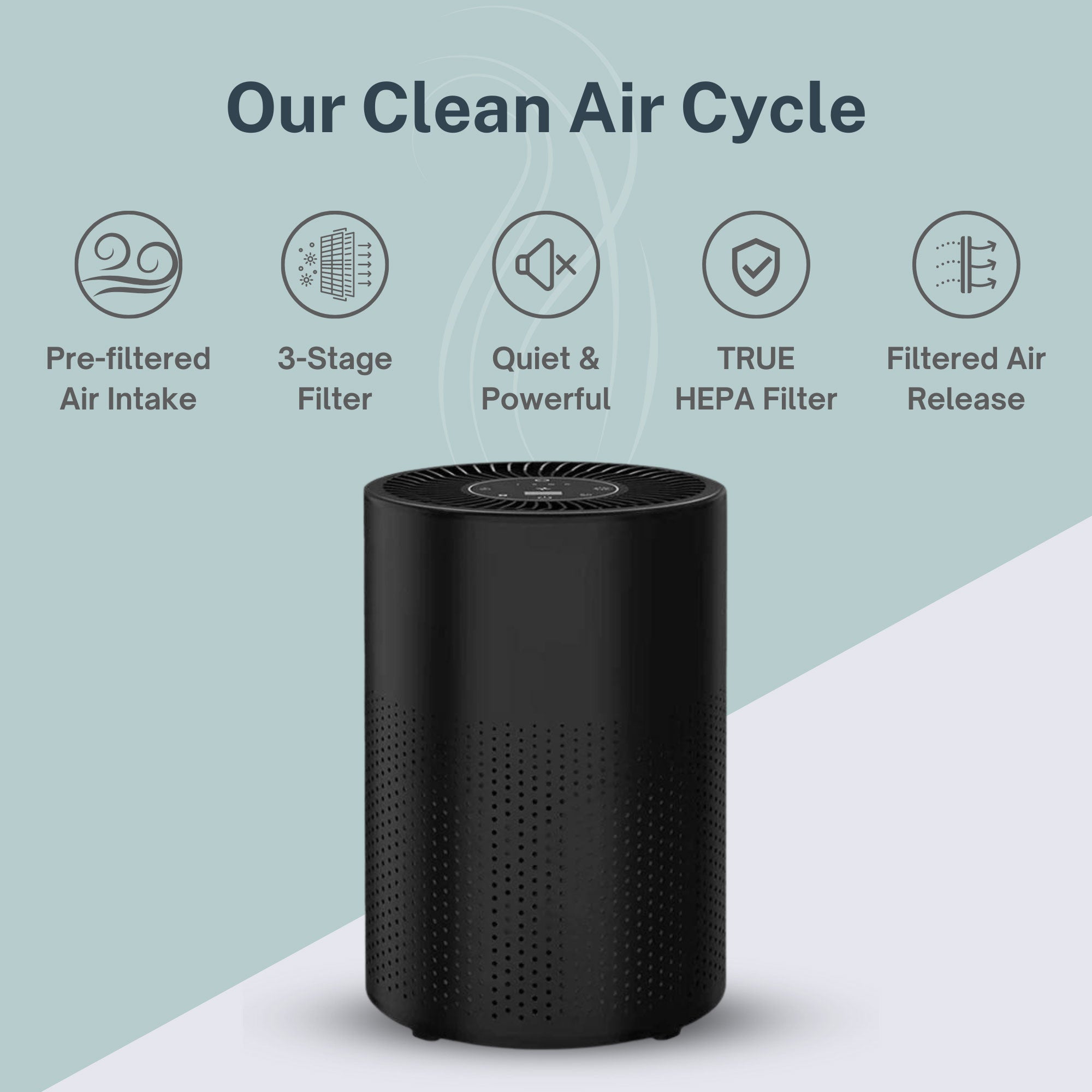
The iAdaptAir uses True HEPA filtration to capture particulate allergens as small as 0.3 microns, along with activated carbon to address chemical compounds and VOCs in indoor air. It's CARB-certified ozone-free, which matters for anyone with respiratory sensitivities. While it won't change how your skin responds to a mosquito bite, it can help ensure that what you're breathing at home isn't adding to your immune system's workload.
Your reactions deserve to be taken seriously
If mosquito bites consistently cause you significant discomfort, swelling, or systemic symptoms, that experience is real and worth investigating. Skeeter syndrome isn't well known outside allergy medicine circles, and that means many people go years without understanding why their reactions look so different from those of the people around them.
Talk to an allergist. Document your reactions. And take seriously the environments where you spend the most time. For cleaner indoor air that supports a healthier immune baseline, shop Air Oasis and Breathe Better, Live Better.