You've had sinusitis for months. Maybe years. You've taken antibiotics, tried nasal sprays, perhaps even had surgery. And yet you keep getting sick. If you've also had exposure to a water-damaged building, a question worth asking is this: could mold be playing a longer role in your sinus problems than anyone has explored?
It's a question that a small but serious body of research has begun to examine.
Mold and chronic sinusitis: what research has found
Chronic rhinosinusitis, or CRS, affects a significant portion of the U.S. population and is one of the most common reasons people seek medical care. It's typically attributed to bacteria, structural problems, or persistent inflammation. But mold has been on researchers' radar for decades.
In a landmark study conducted at the Mayo Clinic and published by Ponikau et al. in 1999, researchers found fungi in the nasal mucus of 96 percent of CRS patients tested. Importantly, the fungi recovered included species known to produce mycotoxins, including Aspergillus and Penicillium. A separate European study by Braun et al. found similar results, identifying fungi in the nasal passages of 91 percent of CRS patients and 91 percent of healthy controls, concluding that "nearly everybody has fungi in his or her nose."
So fungi in the sinuses are common. What makes the difference, then, between someone with no symptoms and someone with debilitating chronic sinusitis? That question doesn't yet have a settled answer. What researchers do point to is the distinction between passive fungal presence and active fungal colonization in susceptible individuals, particularly those with certain immune profiles.
Why symptoms may persist even after leaving a moldy environment
Here's where the research gets more specific, and more relevant for people who have been exposed to water-damaged buildings.
A 2014 paper by Brewer, Thrasher, and Hooper, published in the journal Toxins, explored a hypothesis that many clinicians working in this space have observed: some patients with chronic illness following mold exposure continue to test positive for mycotoxins in their urine even years after leaving the contaminated environment. Mycotoxins, the toxic compounds produced by certain molds, should theoretically clear from the body over time. Their persistence raised a question: could there be an internal source?
The authors proposed that the sinuses may serve as a reservoir. Fungi lodged in the sinus cavity can form biofilms, dense communities of microorganisms protected by a self-produced extracellular matrix. Biofilms are notoriously resistant to both the body's immune defenses and to antifungal treatments. They allow fungi to persist chronically, and research has shown that biofilm conditions can upregulate the very metabolic pathways that produce mycotoxins.
The researchers reviewed three case studies of patients with chronic illness following water-damaged building exposure. All three had documented fungal organisms in their sinuses, including Aspergillus niger, Aspergillus fumigatus, and Penicillium species. All three tested positive for mycotoxins in their urine and nasal secretions. In one case, a patient had been symptomatic for more than four decades.
This is preliminary and observational research, not a large clinical trial. But for people who have been told their sinus problems are unexplained, or who have struggled with ongoing systemic symptoms after mold exposure, it's a research direction worth understanding.
The role of ultrafine particles
One detail from this research often goes unnoticed, even by people who've done considerable reading on mold illness.
When mold colonies grow, they shed not only spores but also ultrafine fragments, sometimes called nanoparticles, that range from 0.03 to 0.3 microns. Research cited by Brewer et al. indicates that these fine fragments are shed in quantities at least 500 times greater than visible spore counts. They are deposited in the nasal cavity at rates approximately 230 times higher than spores.
Critically, these fragments are not detected by standard air quality testing, which typically relies on spore counts. And they carry the same antigens and toxins as the mold itself. This means that conventional mold testing can significantly underestimate actual exposure, and that the sinus cavity may receive a much heavier ongoing burden than spore sampling would suggest.
What this means if you're dealing with chronic sinus problems
If you have persistent sinusitis that hasn't responded to standard treatment, and you have a history of exposure to a water-damaged building, it may be worth discussing this research with an ear, nose, and throat specialist or a physician familiar with mold-related illness. The hypothesis of internal fungal persistence is not universally accepted in mainstream medicine, but it is grounded in peer-reviewed literature and taken seriously by a growing number of clinicians.
A few practical things worth knowing: standard mold spore counts in the air may not capture your actual exposure level. Symptoms like fatigue, cognitive difficulties, and systemic inflammation alongside chronic sinusitis have been documented in people with confirmed fungal sinus involvement. And genetic factors, particularly certain HLA-DR immune variants, may make some individuals significantly more susceptible to these effects than others.
None of this means mold is the explanation for every stubborn sinus infection. It means that for some people, especially those with prior exposure to water-damaged buildings, it may be a factor that warrants investigation rather than dismissal.
Reducing ongoing airborne exposure at home
Whatever the source of sinus inflammation, reducing the load of airborne mold spores, fragments, and associated particulates in your home environment is a reasonable step, especially while your body is recovering.
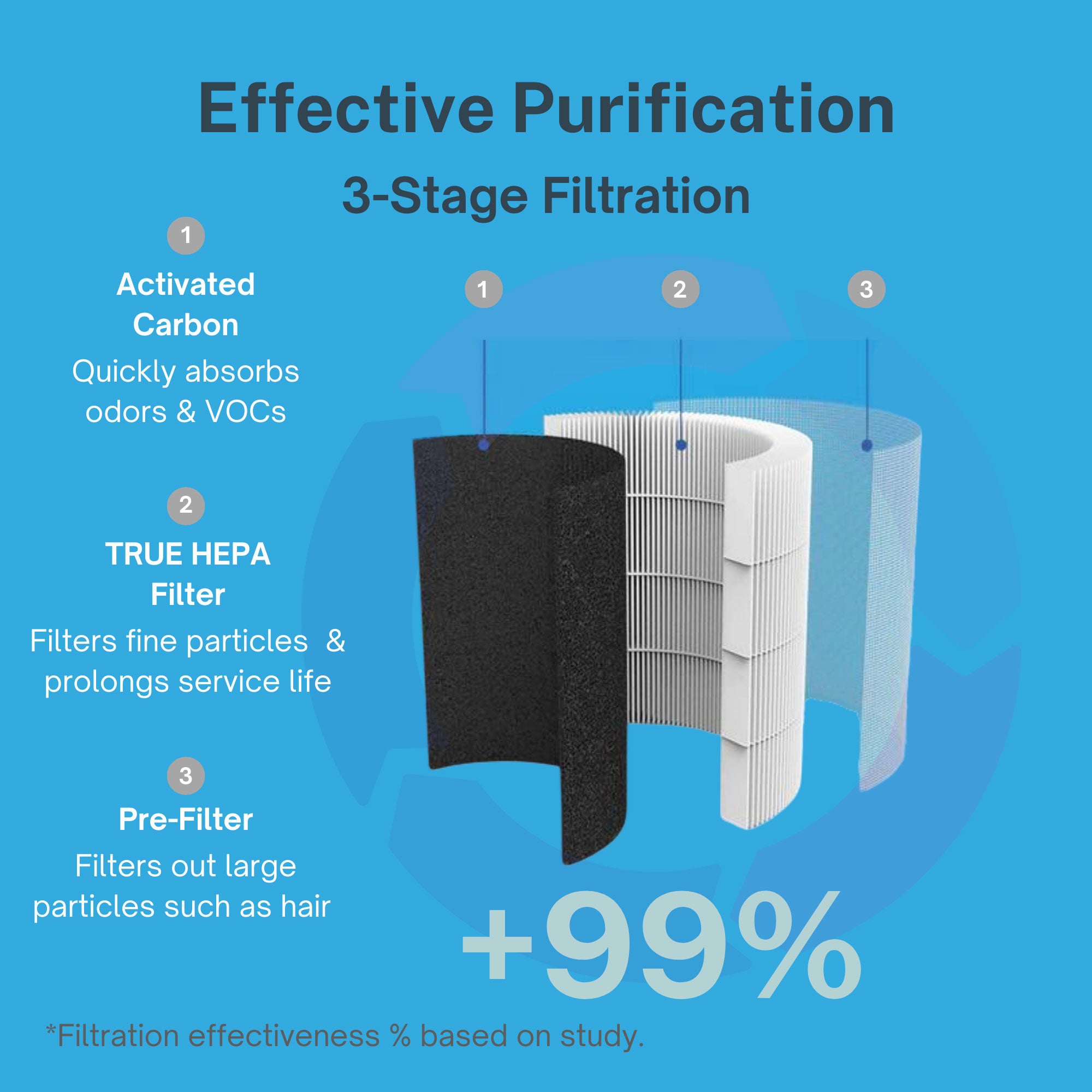
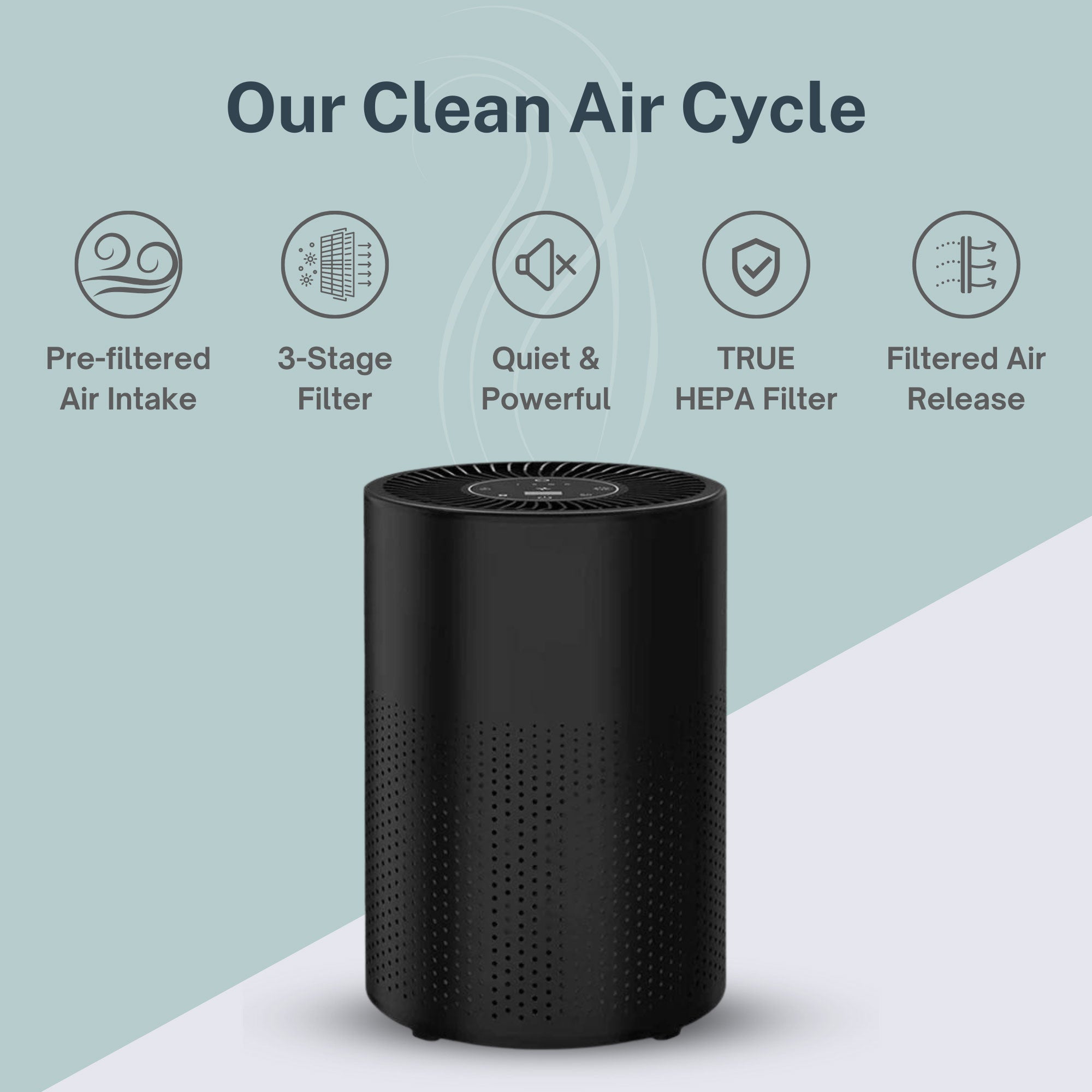
The challenge is that many of the ultrafine mold fragments documented in the research are smaller than what most standard filters capture. True HEPA filtration, which captures particles down to 0.3 microns, addresses the lower end of the spore size range. For even finer fragments, multi-technology approaches that combine filtration with active air treatment can help reduce the total airborne burden more meaningfully.
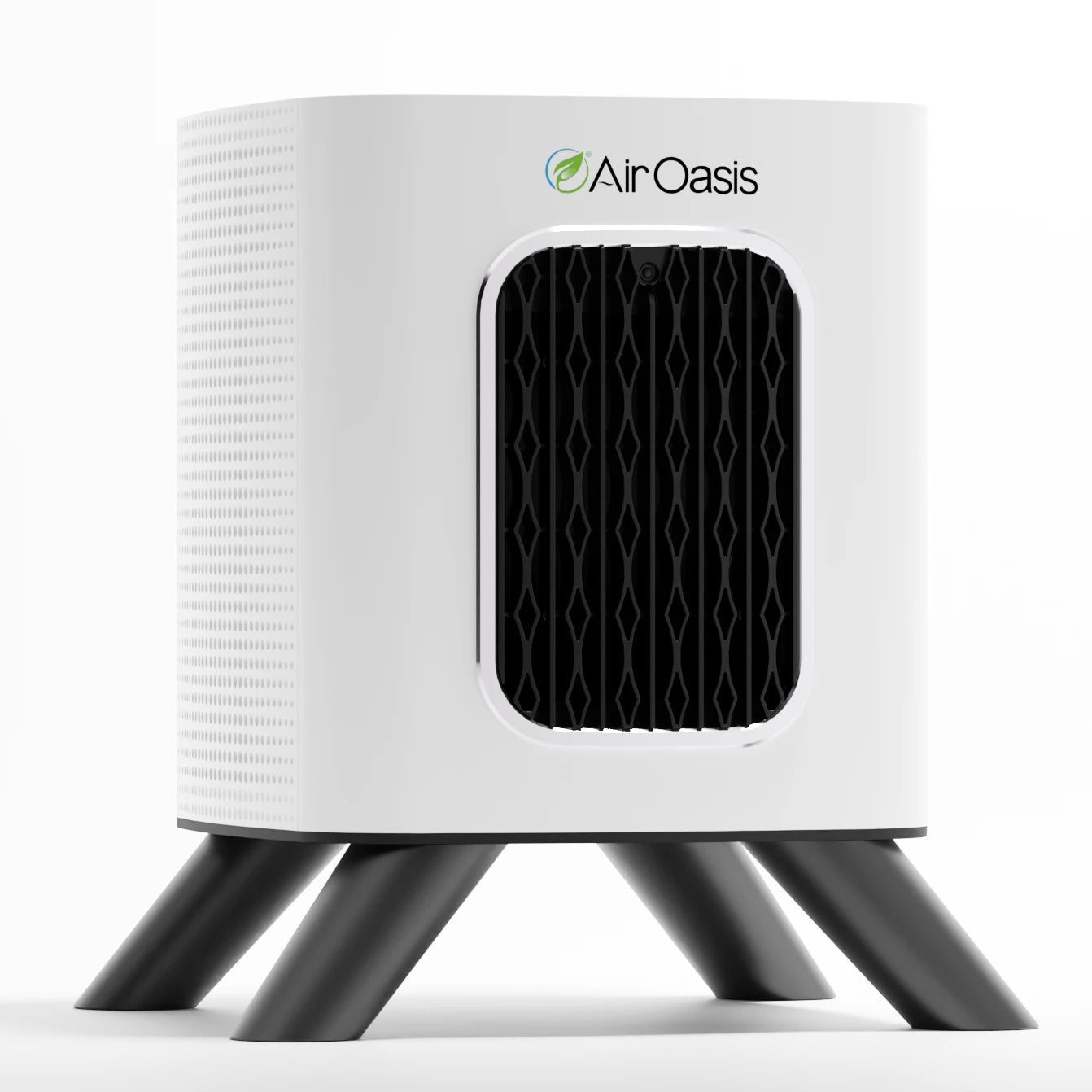
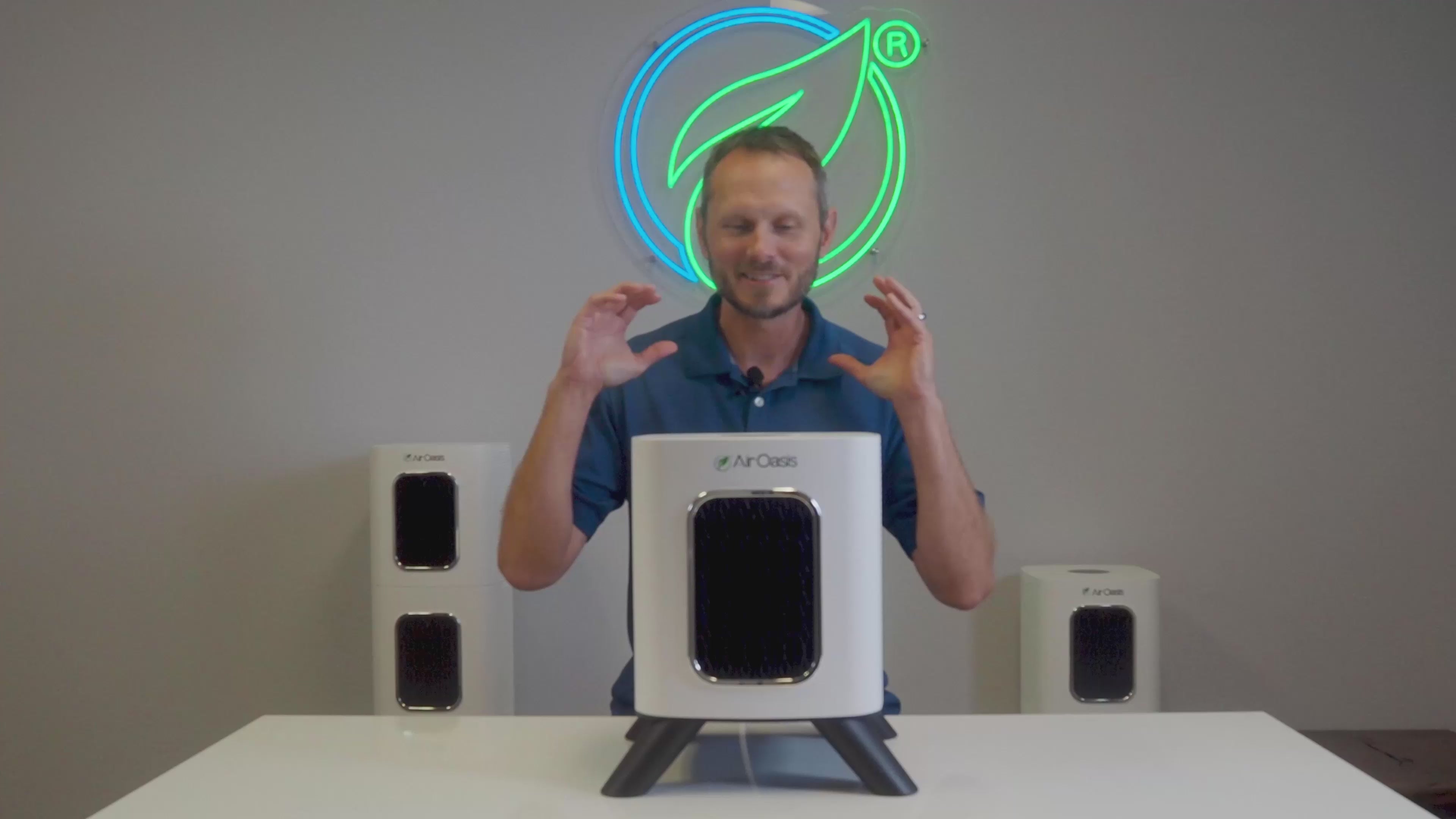
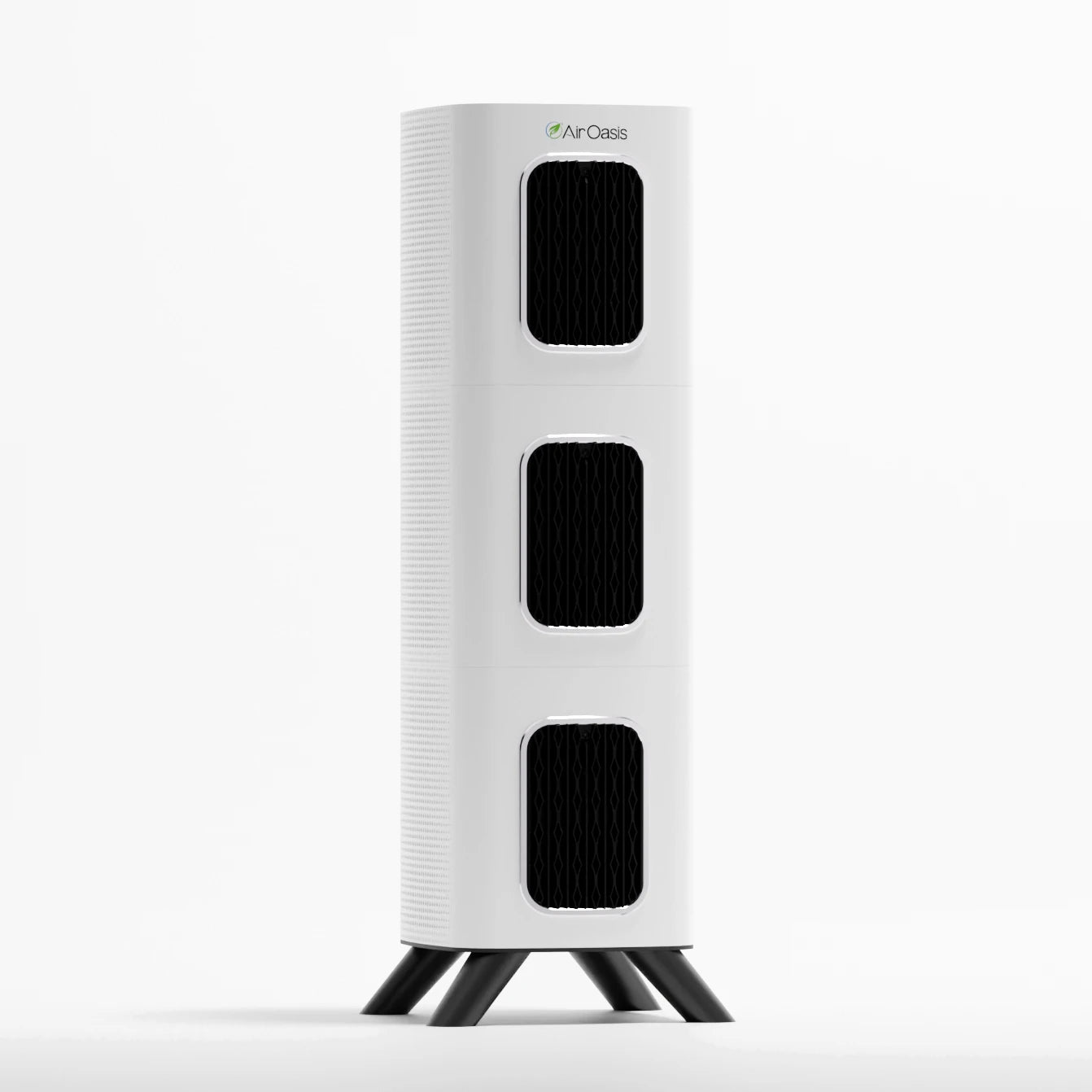
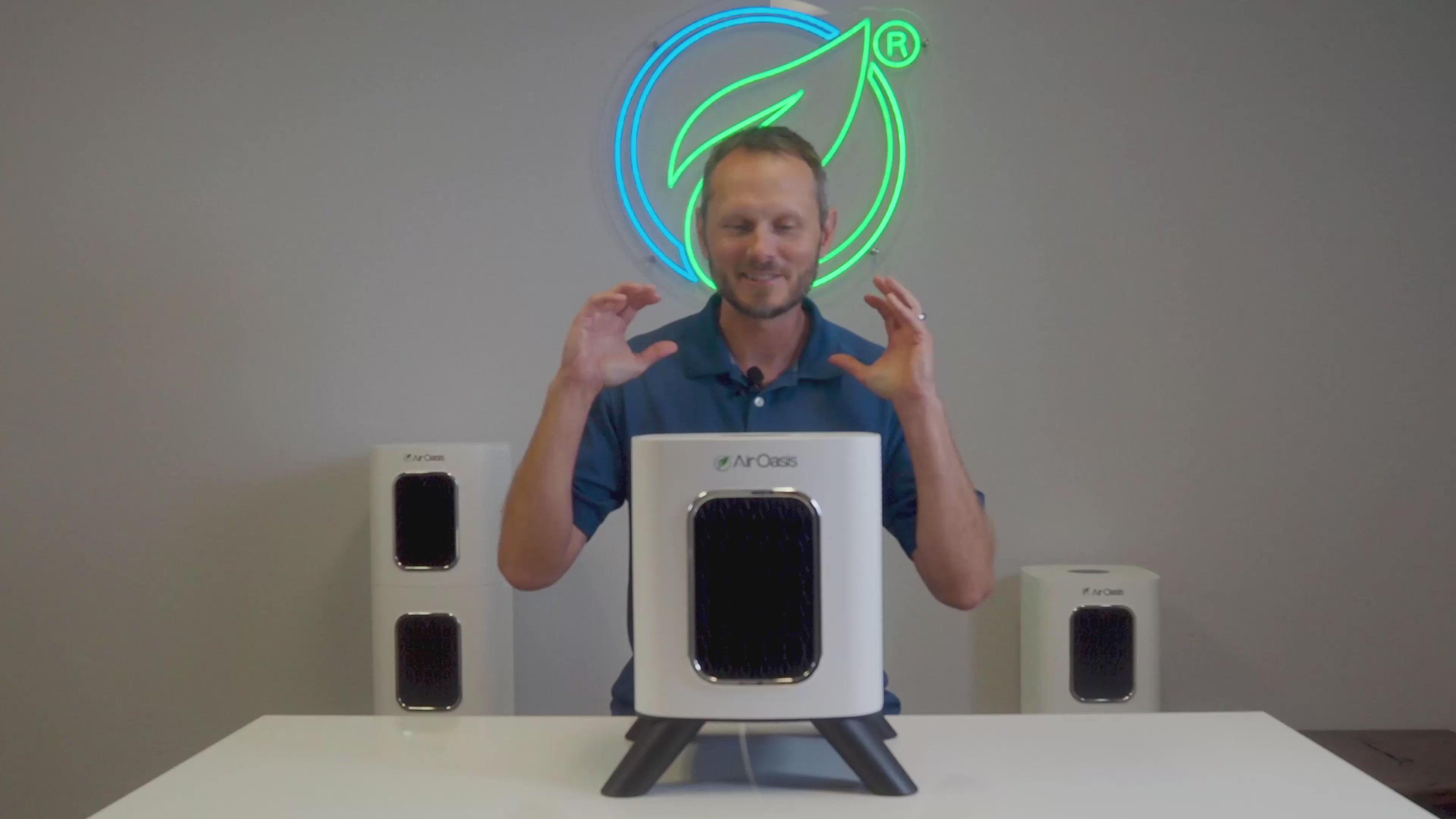
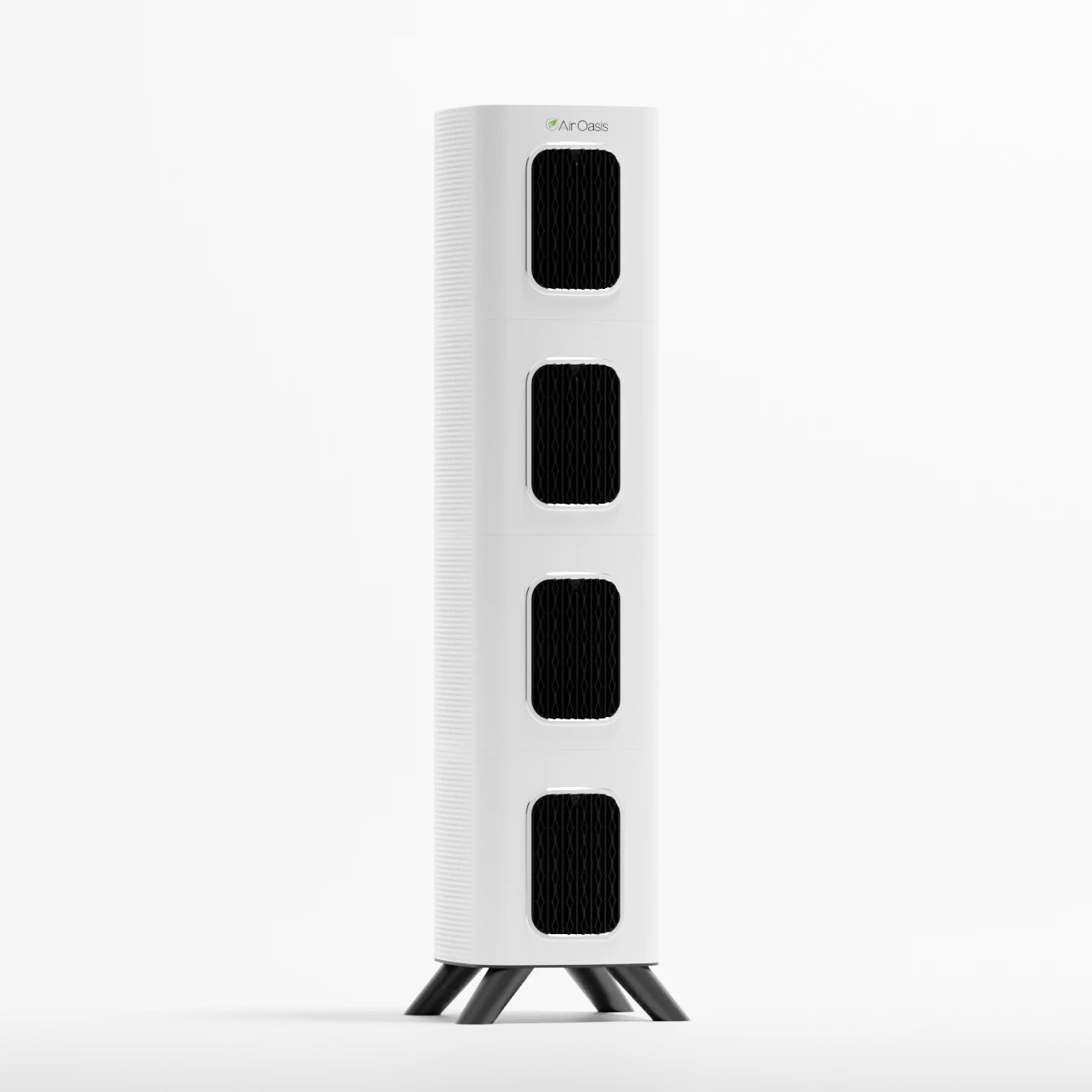
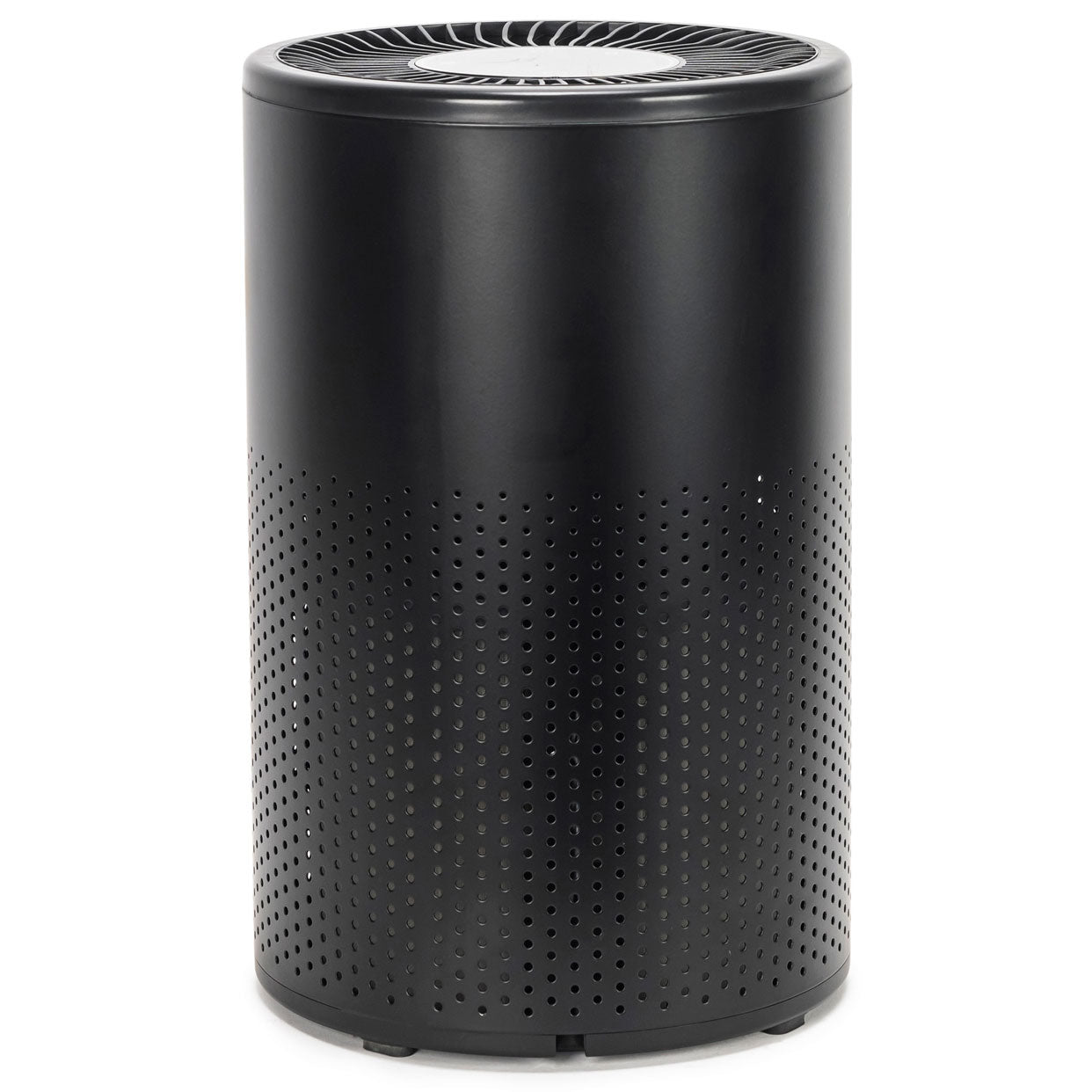
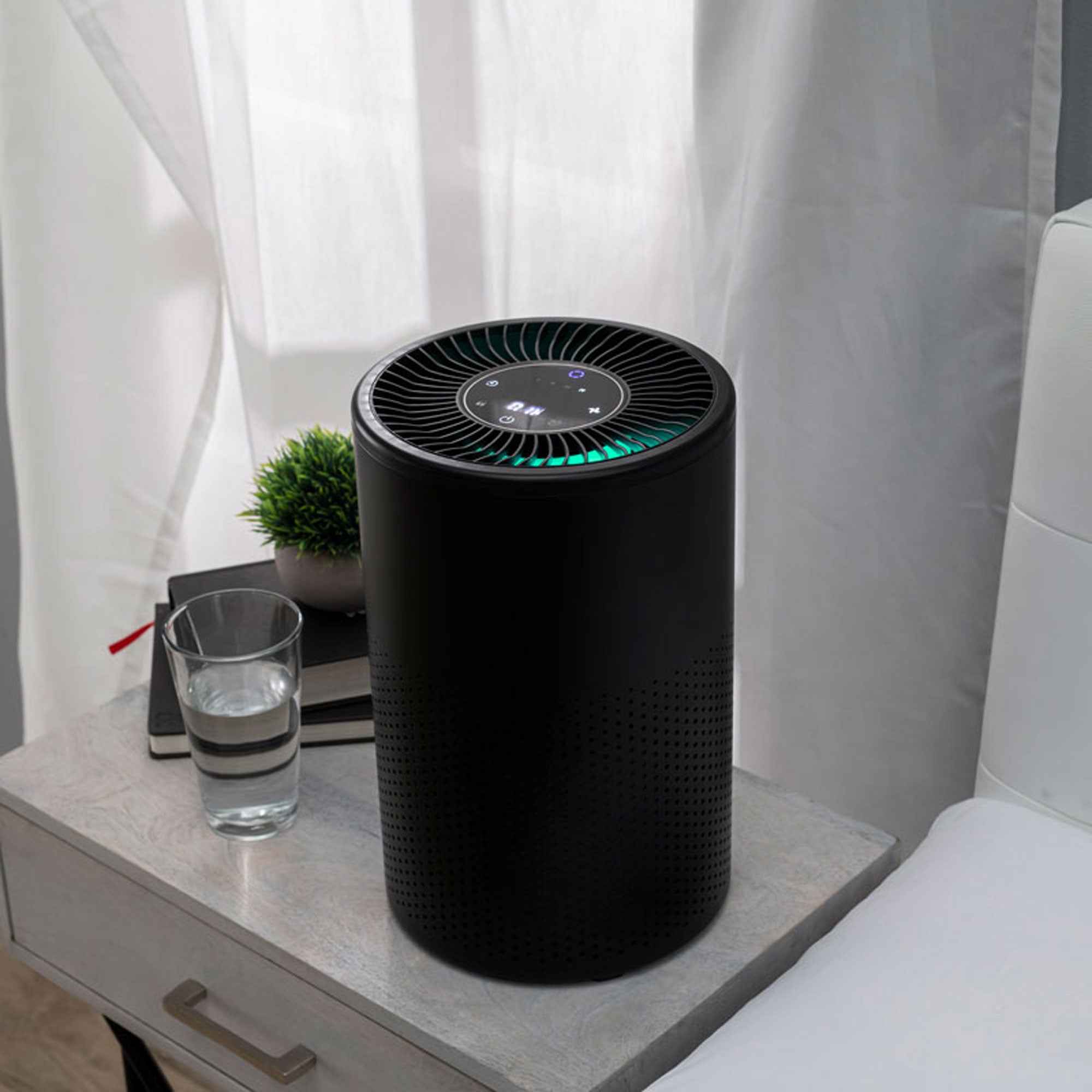
The iAdaptAir combines True HEPA filtration with activated carbon, UV-C light, and bipolar ionization. That layered approach matters when the concern isn't just visible mold spores but the full spectrum of mold-related particulates. The activated carbon layer also addresses the volatile organic compounds associated with mold-affected environments. For anyone managing symptoms connected to mold exposure, keeping the air in your home as clean as possible is one part of a broader environmental management strategy.
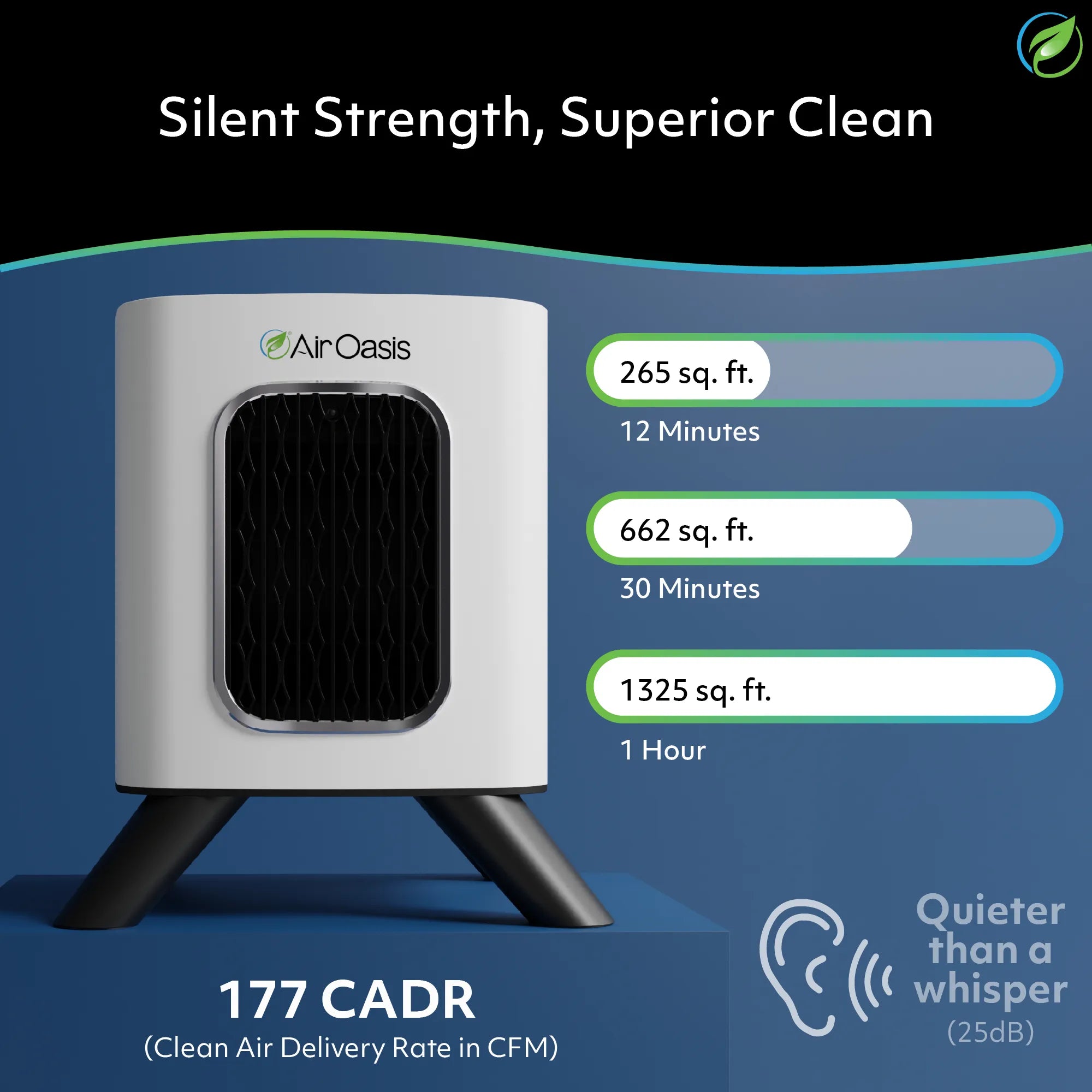
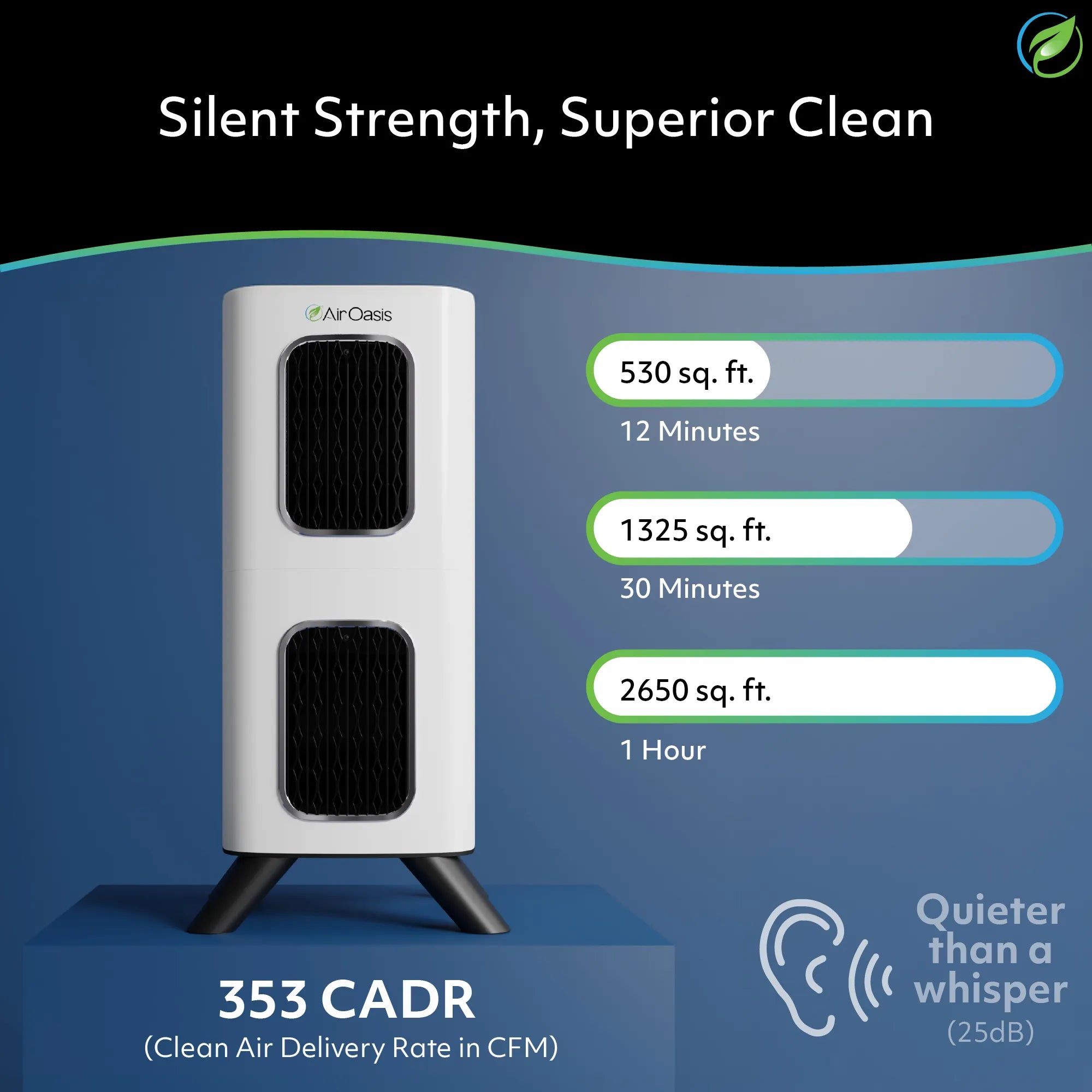
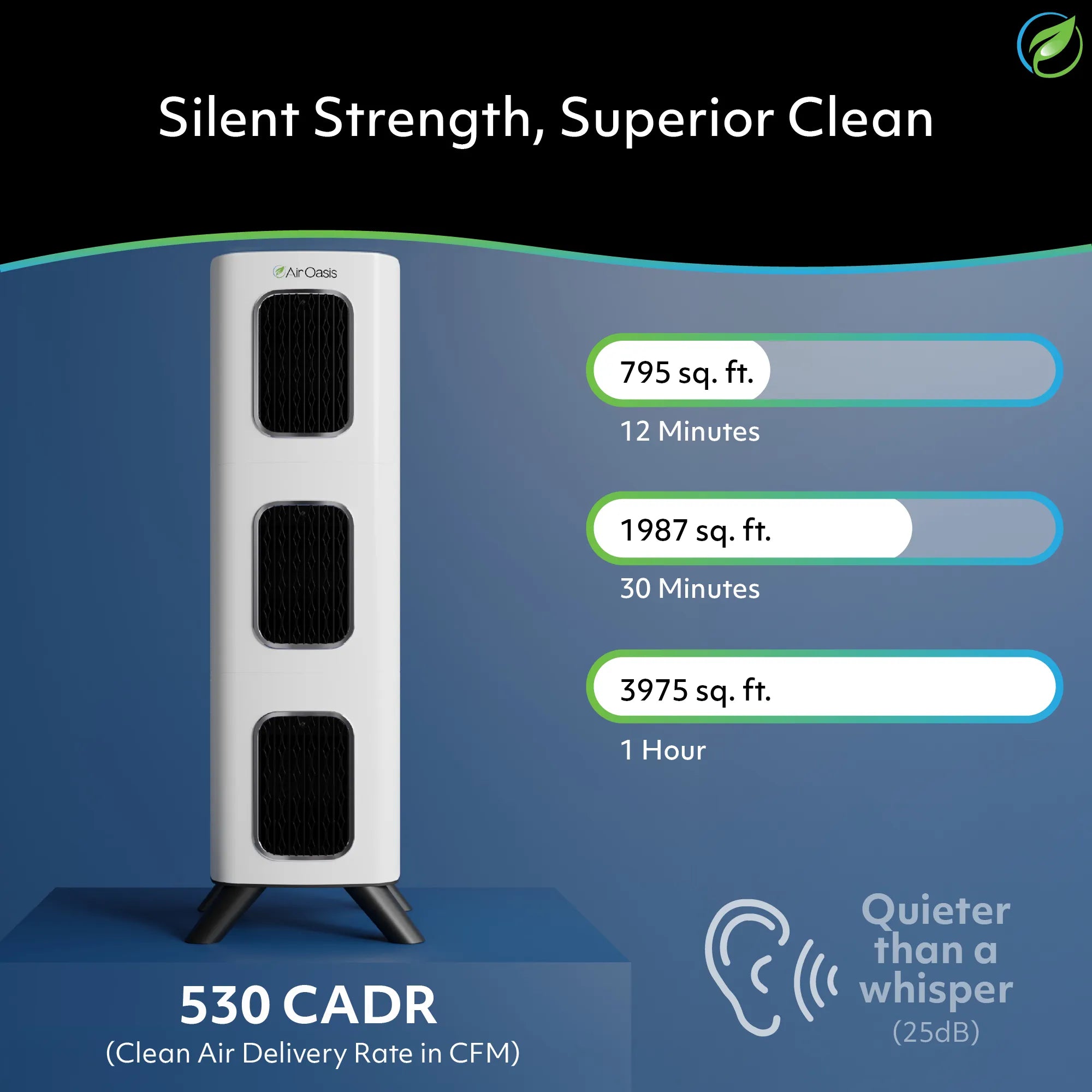
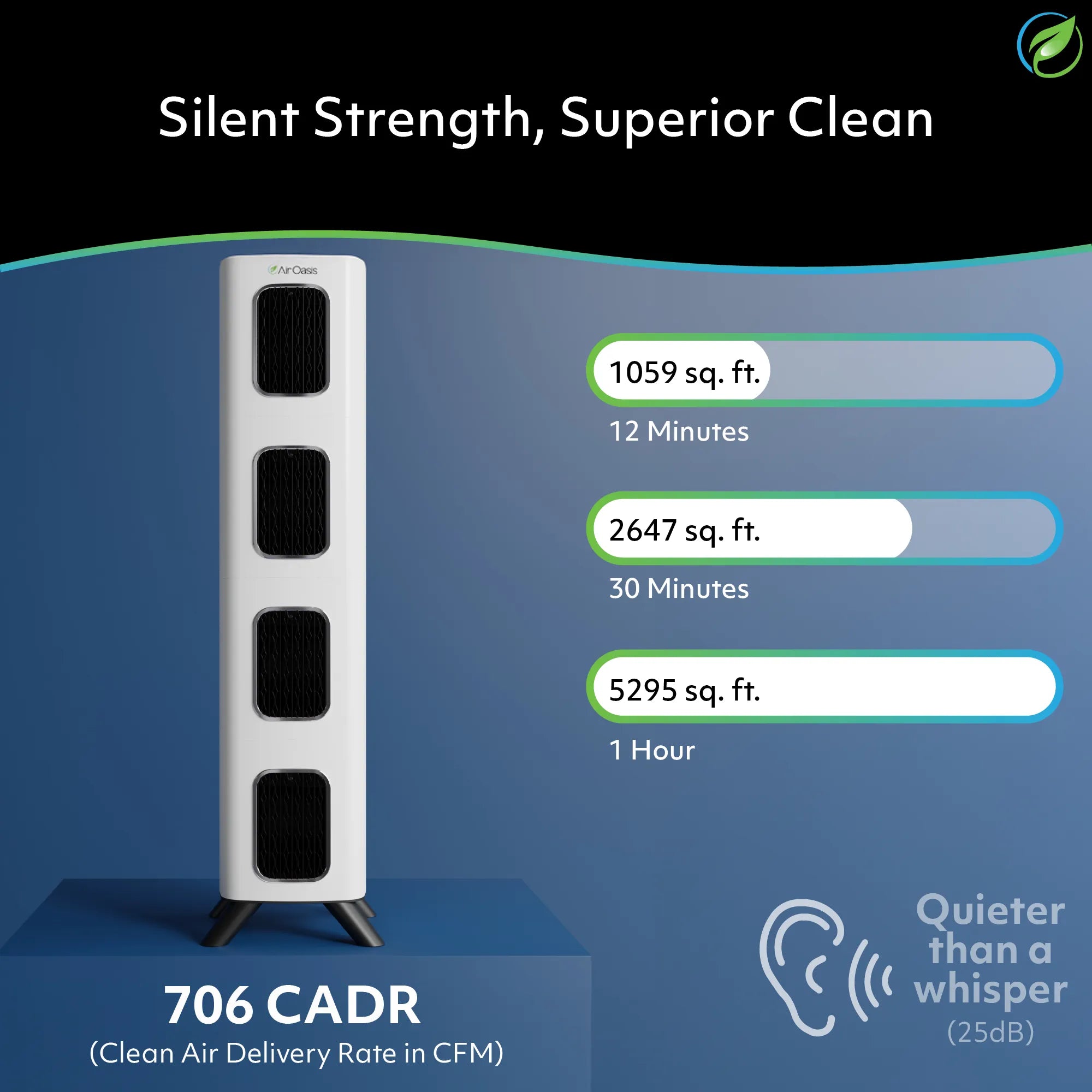
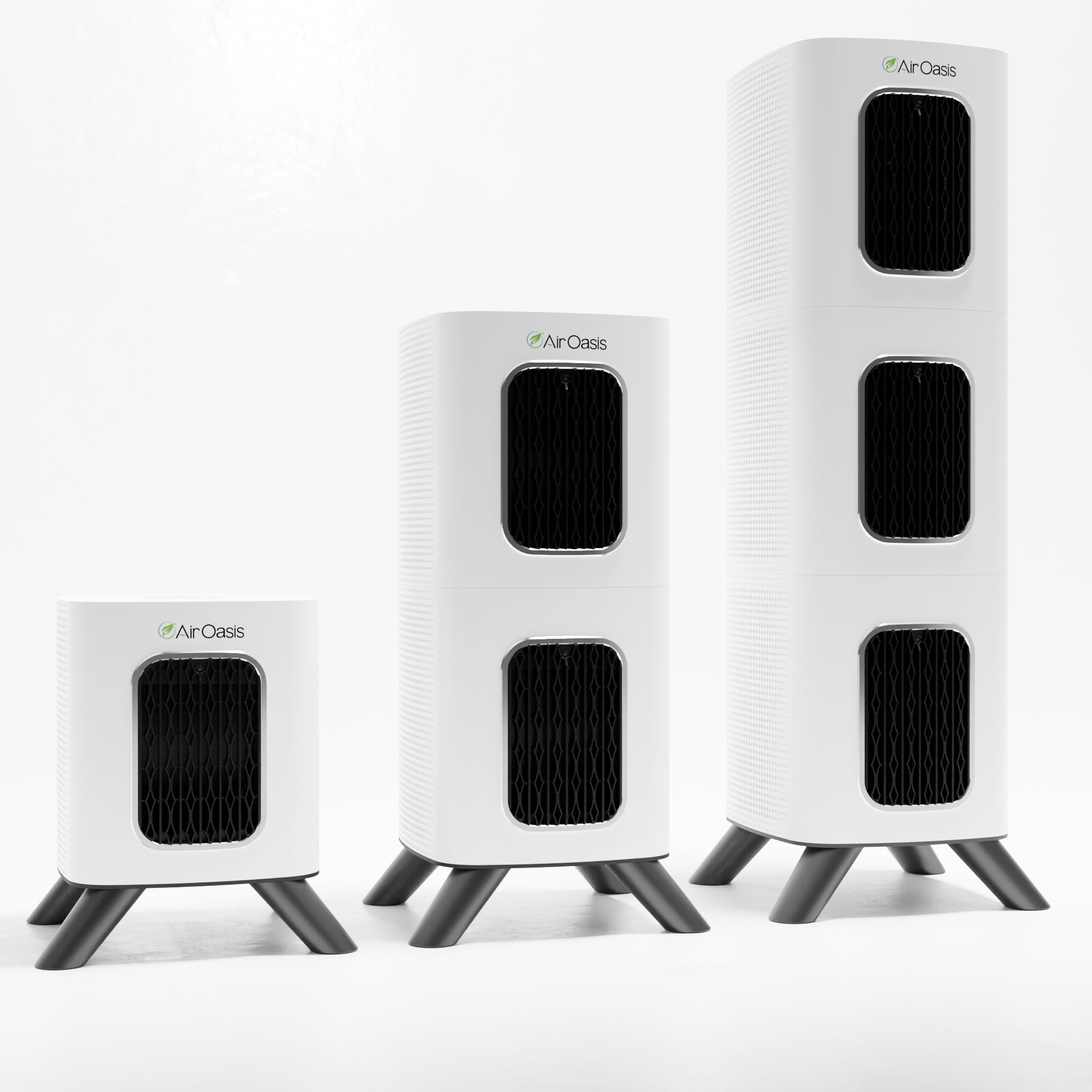
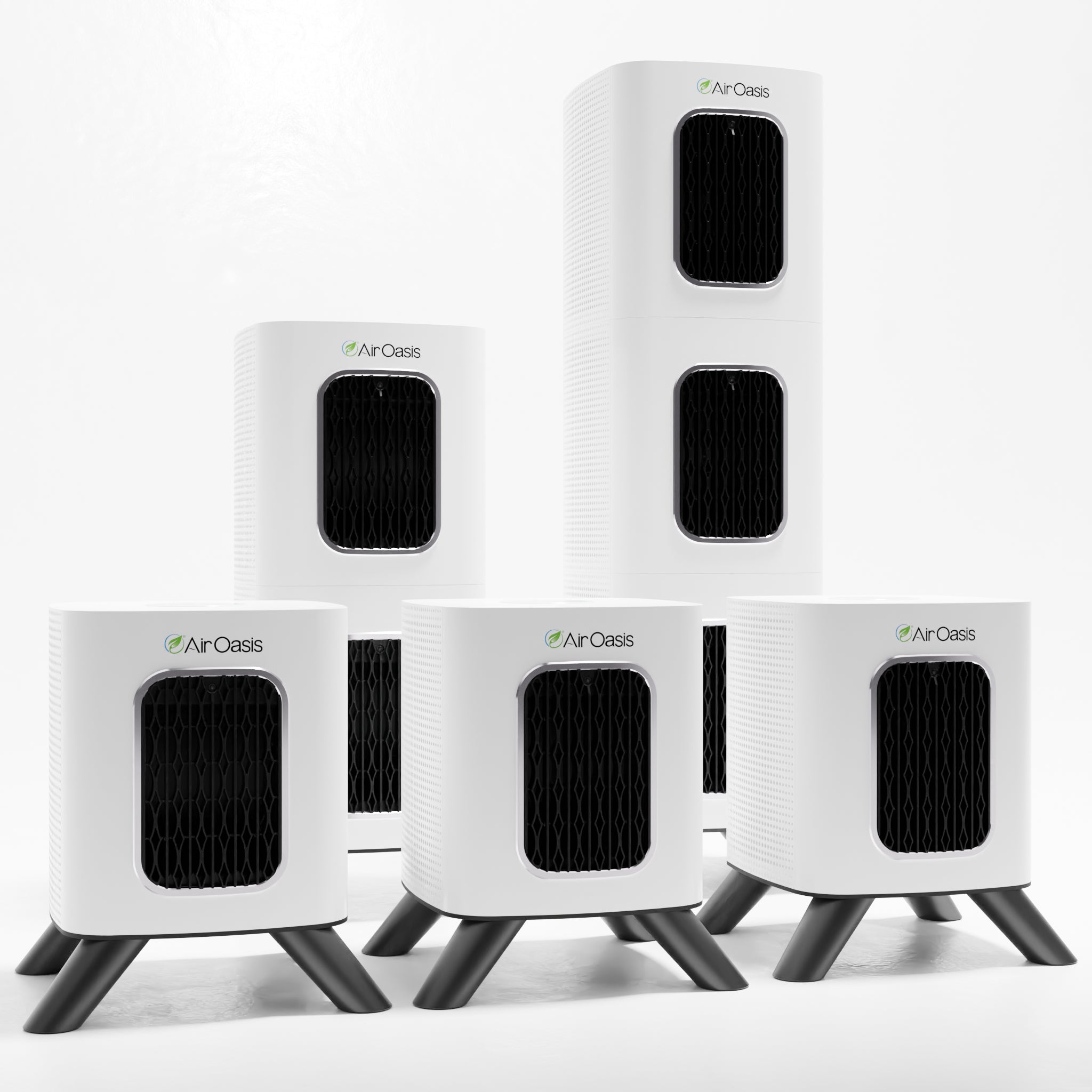
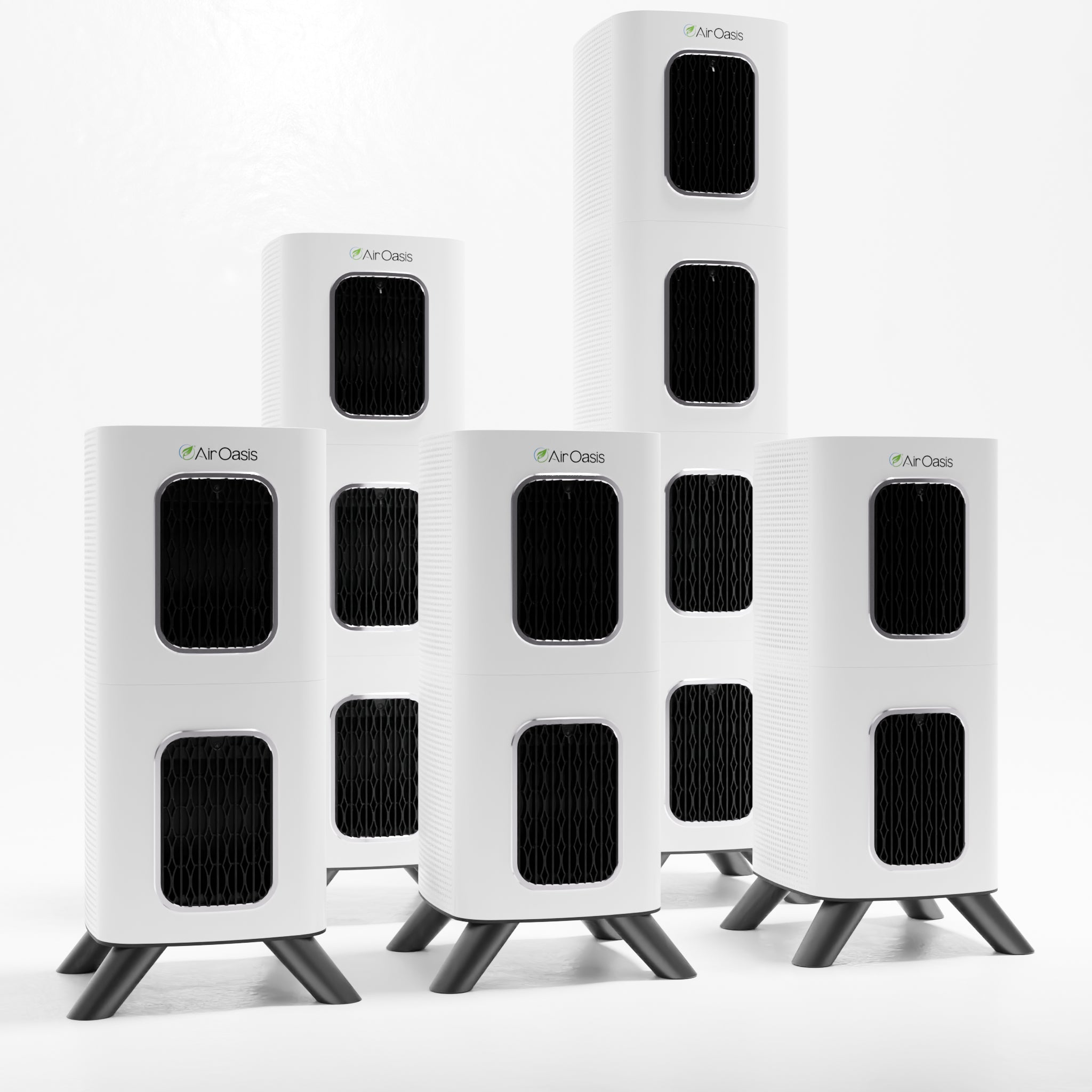
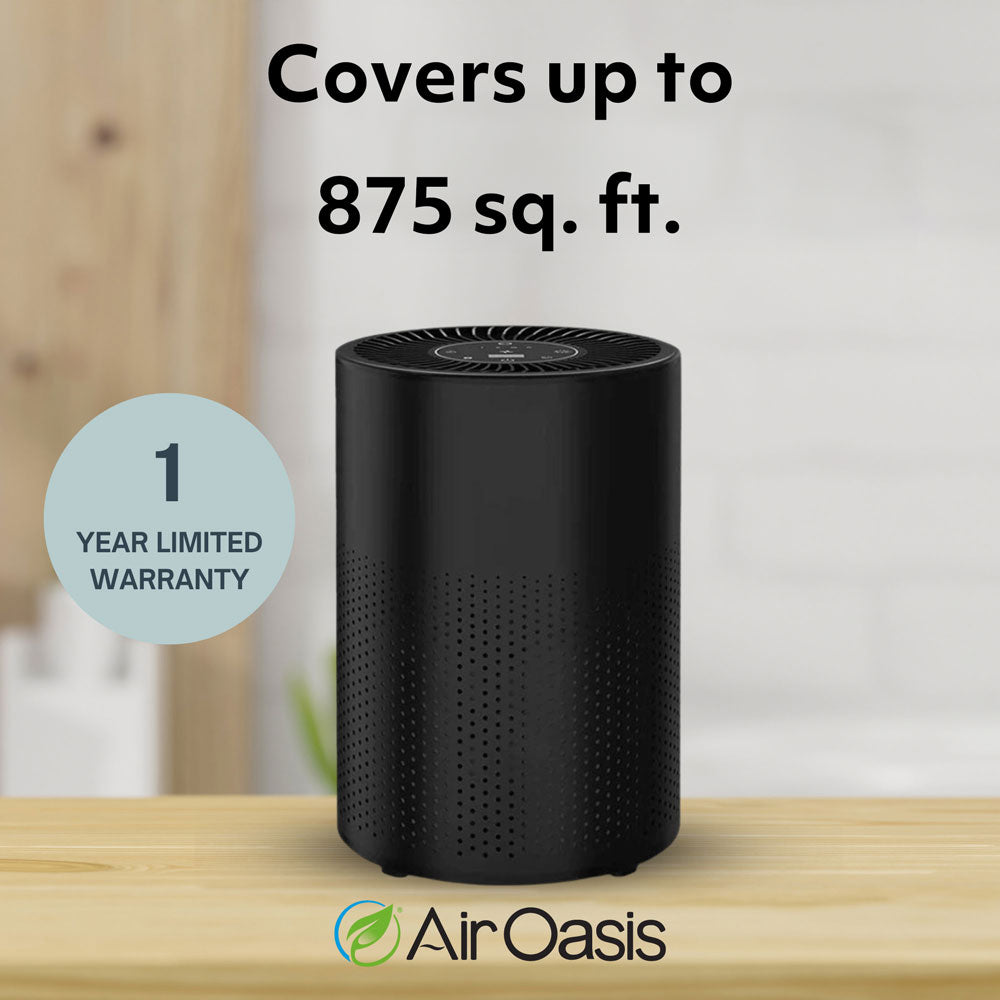
Choose a model sized for the room you're treating. The iAdaptAir 2S covers up to 265 sq ft, the 2M up to 530 sq ft, the 2L up to 795 sq ft, and the 2P up to 1,059 sq ft. For best results, close doors and windows during operation and ensure at least four inches of clearance around all sides of the unit.
Mold and sinus infections
Mold's relationship to chronic sinus infections is more nuanced than a simple cause-and-effect story. What the research suggests, carefully, is that in some individuals, particularly those with documented exposure to water-damaged buildings, fungi may persist in the sinuses in ways that are difficult to detect and difficult to treat. And that this persistence may contribute to both ongoing sinus symptoms and, potentially, to systemic effects that extend beyond the nose and throat.
That doesn't mean catastrophizing. It means taking the possibility seriously, asking better questions, and working with qualified medical providers who are familiar with this area of research. Clean air at home is a reasonable foundation to build on.
Shop Air Oasis and breathe a little easier while you navigate what comes next. Breathe Better, Live Better.