You lace up your running shoes, step outside for your morning workout, and immediately notice a hazy sky. Should you proceed with your planned run or head back inside? The answer depends on air quality, and understanding why polluted air affects exercise differently than rest can help you make smarter decisions about when and where to work out.
How Exercise Changes Your Air Exposure
Exercise fundamentally changes how your body interacts with the air around you. During physical activity, your breathing rate increases dramatically to meet your muscles' oxygen demands. At rest, you breathe approximately 15 times per minute, inhaling about 12 liters of air. During moderate to intense exercise, that rate jumps to 40 to 60 breaths per minute, pulling in roughly 100 liters of air. This eight-fold increase in air volume means you're exposed to significantly more pollutants when exercising compared to sitting still.
The way you breathe during exercise compounds the problem. Many people naturally transition from nasal breathing to mouth breathing as exercise intensity increases. While your nose contains intricate filtration mechanisms designed to trap particles and warm incoming air, mouth breathing bypasses these defenses entirely. This allows particulate matter and other pollutants direct access to your airways and lungs, increasing your exposure to harmful contaminants with every breath.
Understanding Particulate Matter and Exercise
Particulate matter represents the primary concern for people exercising outdoors. These microscopic particles come from vehicle emissions, industrial activities, construction dust, and wildfire smoke. Particles smaller than 10 micrometers can penetrate deep into your lungs, while particles under 2.5 micrometers pose the greatest health risk because they can enter your bloodstream. For perspective, a human hair measures about 70 micrometers in diameter, making it 30 times larger than the most dangerous fine particles.
When you exercise in polluted air, these particles trigger immediate physical responses. Your eyes may burn and water. Your throat feels scratchy and raw. You might cough or wheeze more than usual during the workout. These acute symptoms signal that your respiratory system is struggling to manage the pollutant load while simultaneously meeting the increased oxygen demands of exercise.
Cardiovascular Impact of Poor Air Quality During Workouts
The cardiovascular system is affected differently by exercising in poor air quality. Research has shown that exposure to particulate matter before and during exercise can alter cardiac rhythm, even with relatively short exposure periods of 1 to 4 hours. Your heart works harder to compensate for reduced oxygen efficiency and the inflammatory responses triggered by inhaled pollutants. Studies examining athletes exercising in polluted conditions found evidence of platelet activation, a form of inflammatory response that occurs during exercise but not at rest, indicating that physical activity amplifies pollution's harmful effects.
How Air Pollution Reduces Athletic Performance
Performance declines measurably when you exercise in contaminated air. Laboratory studies have demonstrated that short-term exposure to high levels of fine particulate matter impairs aerobic capacity and reduces the total work athletes can perform during maximal effort tests. If you've noticed that workouts feel harder on hazy days or your usual pace seems impossible to maintain, poor air quality likely explains the struggle. Your body is simultaneously trying to fuel exercise and defend against inhaled pollutants, leaving fewer resources for performance.
Timing Your Workouts Based on Air Quality
Certain pollutants create time-specific risks. Ground-level ozone, commonly known as smog, forms when sunlight triggers chemical reactions between pollutants from vehicles and industrial sources. Ozone levels typically peak in the hot afternoon hours, making early morning the safer time for outdoor exercise during summer months. Ozone irritates airways, reduces lung function, and can trigger asthma attacks even in people without diagnosed respiratory conditions.
Using the Air Quality Index for Exercise Decisions
The Air Quality Index provides essential guidance for exercise decisions. This color-coded system rates air pollution severity on a scale from zero to 500. Green indicates good air quality safe for all outdoor activities. Yellow suggests moderate air quality where sensitive individuals should consider reducing prolonged exertion. Orange warns that sensitive groups should limit outdoor exercise. Red means everyone should avoid outdoor workouts. Purple and maroon levels indicate very unhealthy, hazardous conditions, requiring everyone to stay indoors with windows closed.
Understanding your personal risk factors matters when interpreting AQI ratings. People with asthma, cardiovascular disease, or other chronic conditions face greater danger from exercising in polluted air. Children, older adults, pregnant women, and people with diabetes also fall into higher-risk categories. These groups should limit outdoor activity whenever the AQI exceeds 100, while healthy adults can safely exercise outdoors until the AQI reaches 150.
Smart Strategies for Exercising Safely
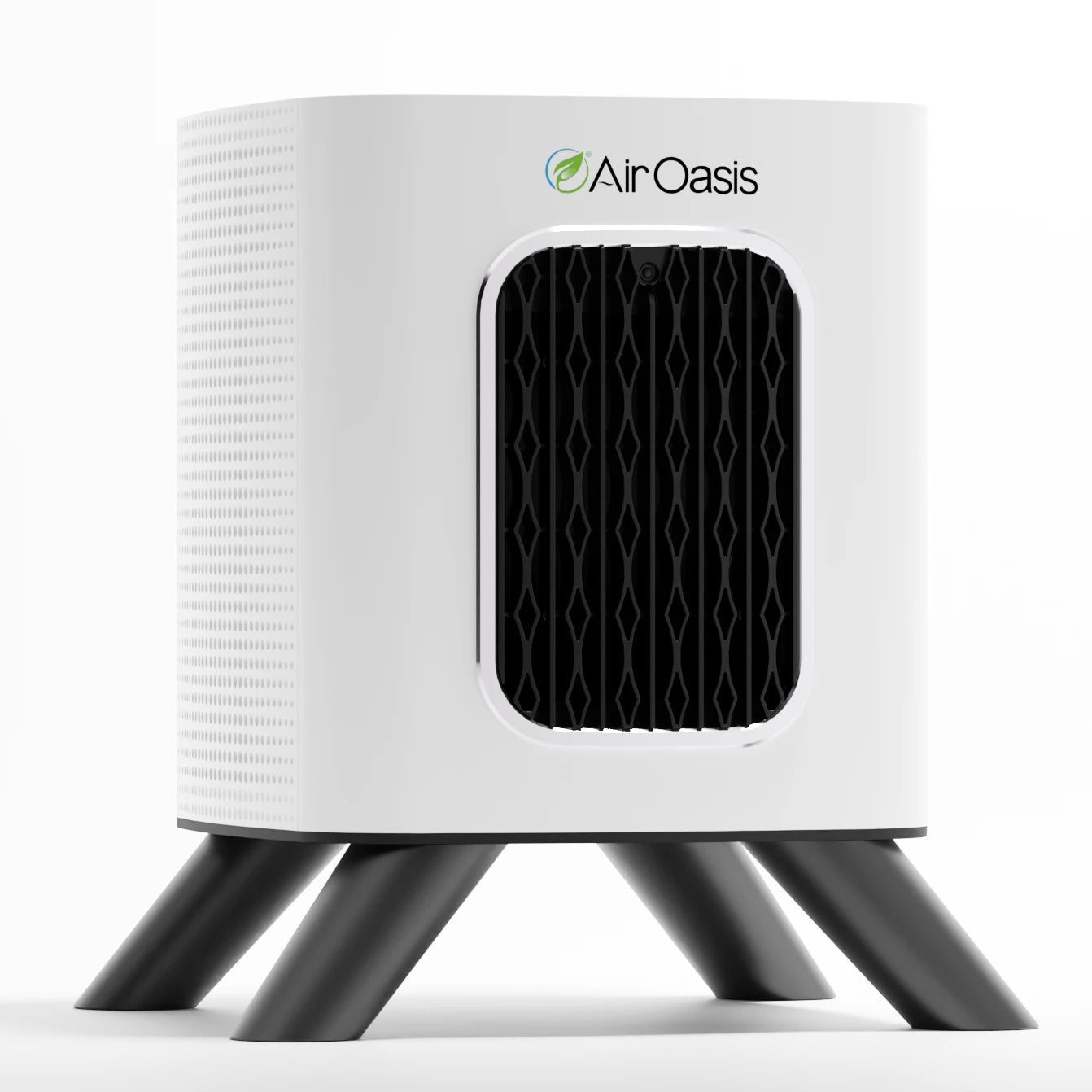
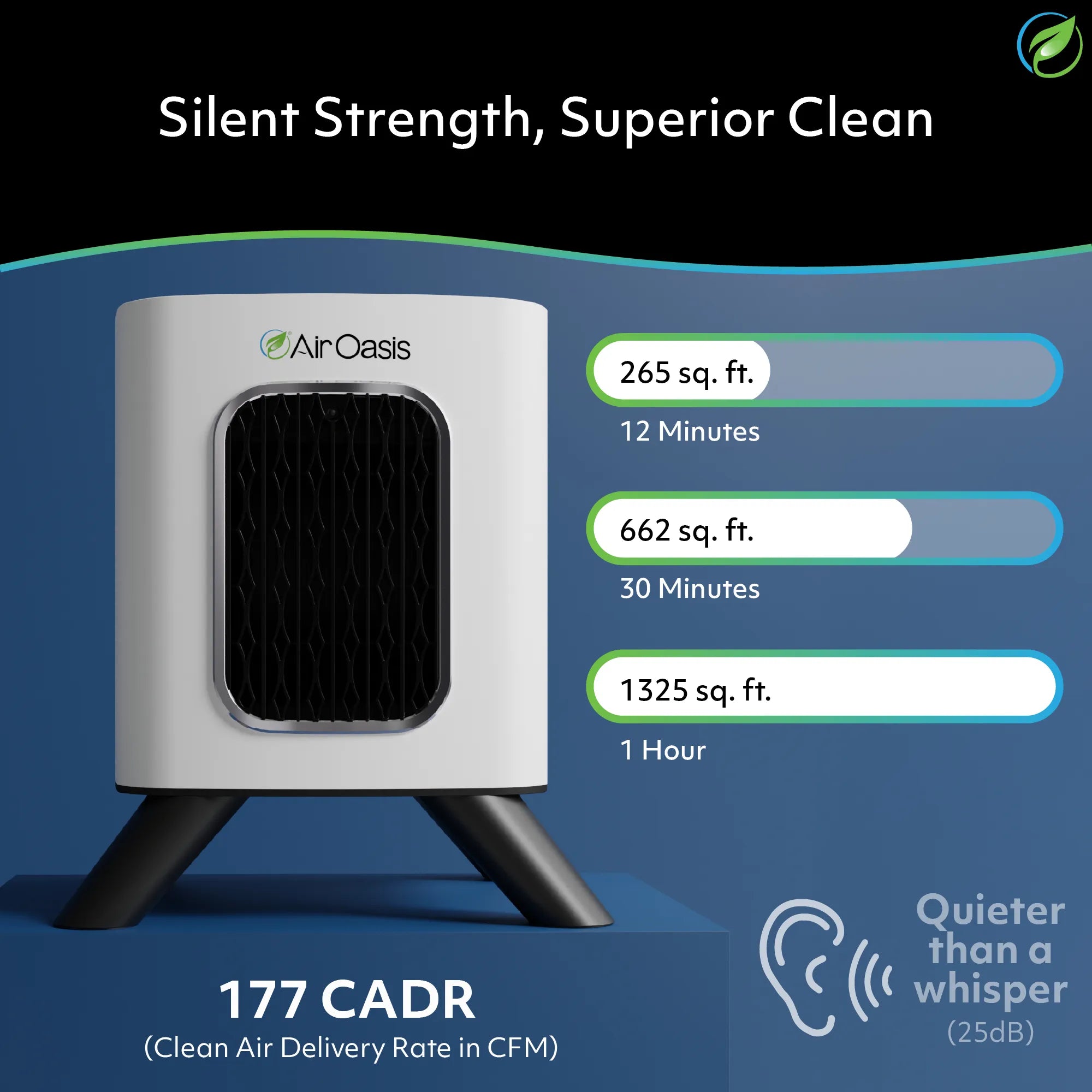
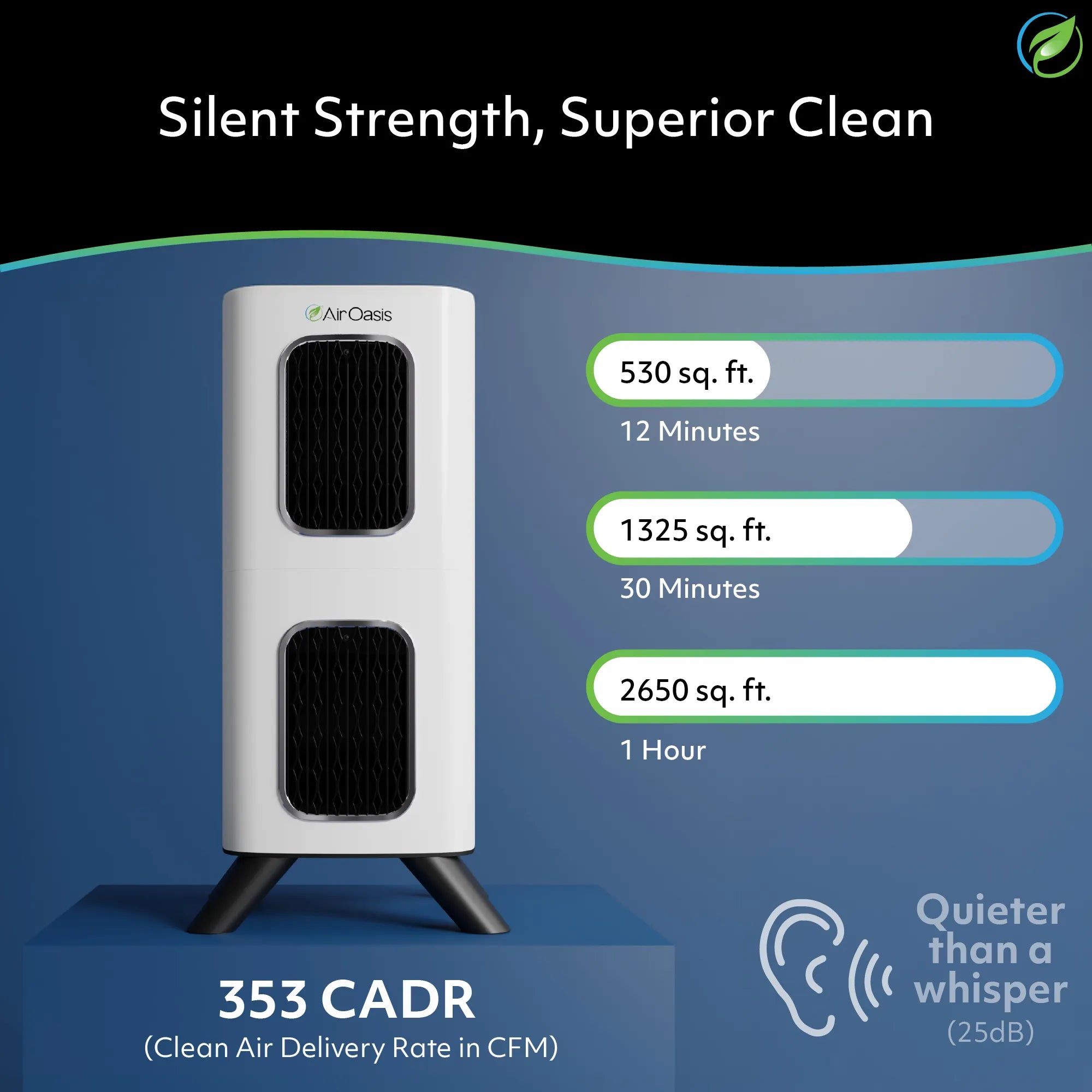
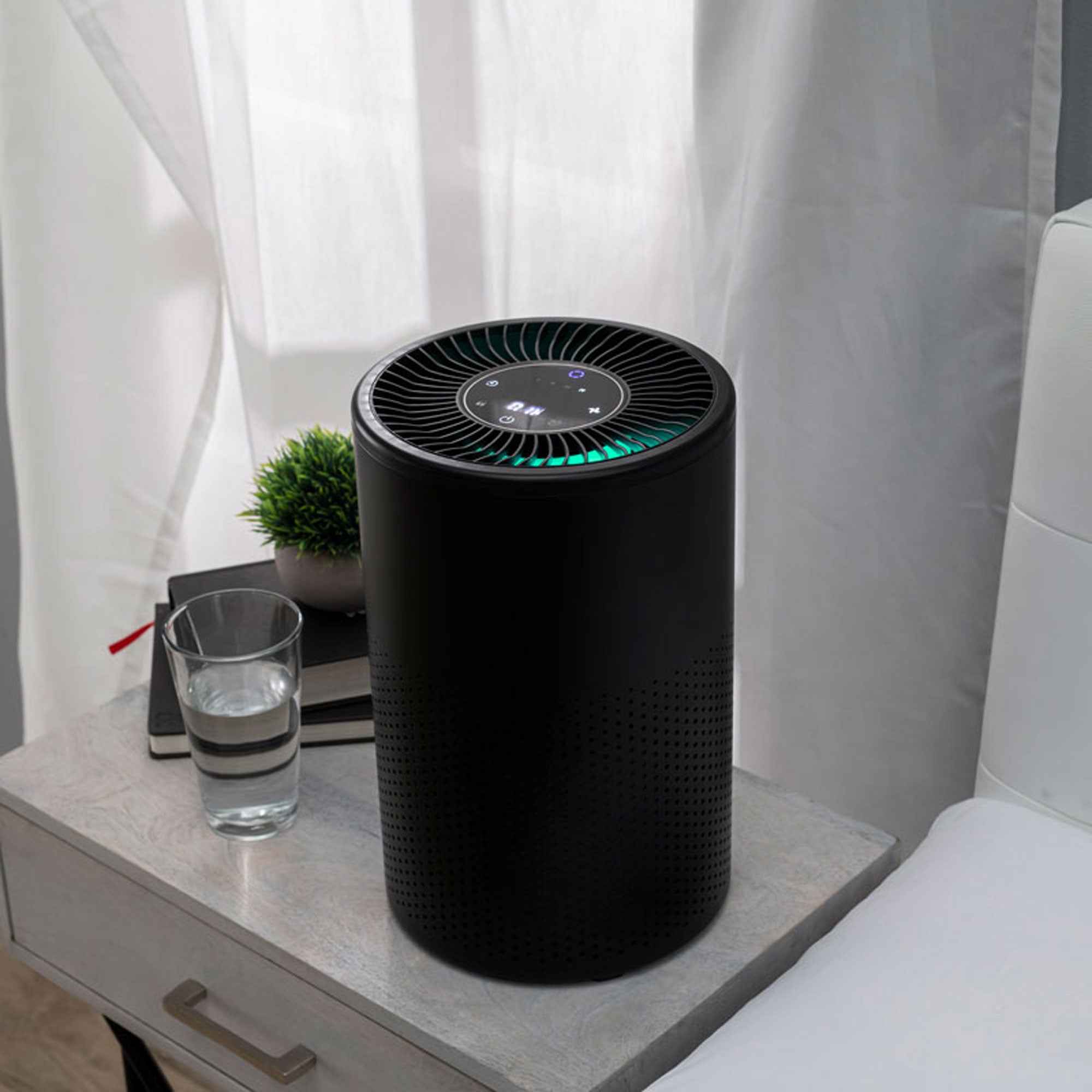
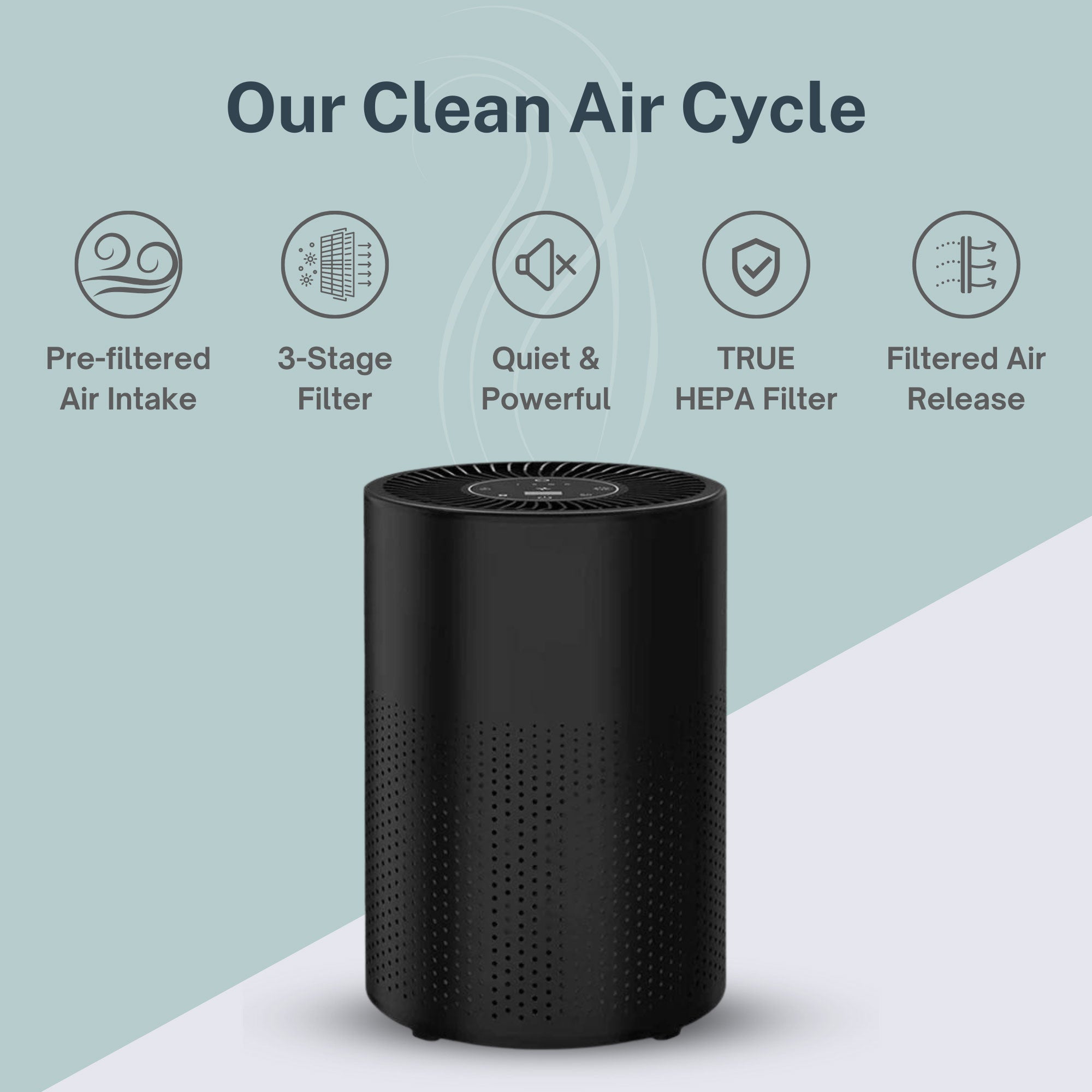
Smart exercise planning protects your health without sacrificing fitness goals. Check air quality before heading outside using resources like AirNow.gov. Schedule workouts for early morning when pollution levels are typically lower. Stay away from major highways and heavy traffic areas where vehicle emissions concentrate. When air quality deteriorates, shift workouts indoors where air purification systems maintain clean breathing conditions. High-quality indoor air lets you maintain training consistency regardless of outdoor conditions, ensuring pollution doesn't derail your fitness progress.
Air quality shapes more than just outdoor comfort—it determines whether exercise promotes health or creates additional stress on your body. By monitoring conditions, understanding your risk level, and adjusting plans accordingly, you protect your respiratory and cardiovascular health while maintaining the active lifestyle you value. When outdoor air quality suffers, investing in clean indoor air through effective purification ensures you can continue training safely. Shop Air Oasis today and create an indoor environment where every breath supports your fitness goals.