You walk into a meeting and can't remember what you planned to say. Simple tasks take twice as long. Your thoughts feel sluggish and disorganized. You blame lack of sleep or stress, but the real culprit might be hiding in plain sight: your allergies.
Brain fog from allergies affects millions of people, yet many don't connect their mental cloudiness to their sneezing and congestion. Understanding why allergies impair cognitive function helps you address both the physical symptoms and the mental fatigue that comes with them.
What Brain Fog Actually Feels Like
Brain fog isn't a medical diagnosis. It's a collection of cognitive symptoms that make normal thinking difficult. People describe it as mental cloudiness, like trying to think through a thick haze.
Specific symptoms include difficulty concentrating on tasks for extended periods. Your attention drifts constantly. Information that should be easy to retain slips away moments after you hear it. Processing speed slows dramatically. Decisions that normally take seconds require minutes of deliberation.
Memory problems become noticeable. You forget where you put your keys, miss appointments, or lose track of conversations midway through. Finding the right words during discussions becomes frustrating. You know what you want to say but can't retrieve the vocabulary.
Mental fatigue sets in even without physical exertion. Your brain feels exhausted after minimal effort. Confusion and disorientation occur more frequently. Organizing thoughts into coherent sequences becomes challenging.
The Inflammation Connection
Your immune system causes brain fog when it overreacts to allergens. Pollen, pet dander, dust mites, and mold aren't actually dangerous. But if you have allergies, your body treats these harmless substances as serious threats.
When allergens enter your system, immune cells release chemicals to fight them. Histamine leads this response, but your body also produces leukotrienes, prostaglandins, and cytokines. These inflammatory molecules flood your bloodstream to combat the perceived invaders.
This inflammation doesn't stay localized to your nose and eyes. The chemicals circulate throughout your entire body, including your brain. Inflammatory molecules disrupt normal neurotransmitter function. Communication between brain cells becomes impaired.
The blood-brain barrier normally protects your brain from harmful substances. But inflammatory molecules from allergic reactions can cross this barrier. Once inside, they interfere with the delicate chemical balance your brain needs for optimal function.
Inflammation also affects blood flow to the brain. Nasal congestion and sinus pressure restrict oxygen delivery. Your brain requires constant oxygen supply to function properly. Even slight reductions in oxygen availability impair cognitive performance.
Sleep Disruption Impact
Allergies destroy sleep quality in multiple ways. Nasal congestion makes breathing difficult when you're lying down. You wake repeatedly throughout the night, struggling to breathe through your nose. Postnasal drip triggers coughing fits that disrupt deep sleep.
Itchy, watery eyes prevent you from falling asleep initially and wake you during the night. The constant need to rub your eyes or blow your nose fragments your sleep into short, unsatisfying segments. You might spend eight hours in bed but only get four hours of actual restorative sleep.
Sleep deprivation directly causes brain fog symptoms. Your brain consolidates memories during deep sleep stages. Without reaching these stages, memory formation fails. Processing speed drops. Attention span shrinks. Decision-making becomes impaired.
The combination of allergy-induced inflammation and sleep deprivation creates compounding cognitive effects. Each problem worsens the other. Inflammation disrupts sleep, which increases sensitivity to inflammation, which further disrupts sleep. Breaking this cycle requires addressing both issues simultaneously.
Medication Side Effects
First-generation antihistamines like diphenhydramine cause significant drowsiness and cognitive impairment. These medications cross the blood-brain barrier easily. Once inside your brain, they don't just block histamine from allergens. They also block histamine that your brain uses for alertness and memory formation.
Taking these older antihistamines creates brain fog symptoms that add to the fog from allergies themselves. You're trying to treat one problem but accidentally creating another. Memory impairment, forgetfulness, slowed thinking, and difficulty concentrating all worsen with these medications.
Decongestants can also affect mental clarity. While they help breathing by constricting blood vessels in your nasal passages, they also increase heart rate and blood pressure. These cardiovascular effects can make you feel jittery, anxious, or mentally scattered.
Newer second-generation antihistamines like loratadine, cetirizine, and fexofenadine cause less drowsiness. They're designed to stay out of your brain while still blocking histamine in your body. However, even these "non-drowsy" medications can cause some cognitive effects in sensitive individuals.
Nasal steroid sprays generally don't cause systemic brain fog because they work locally in your nose. The medication stays in your nasal passages rather than circulating through your bloodstream to your brain. This makes them a better option for people, particularly sensitive to cognitive side effects.
Sinus Pressure and Headaches
Fluid buildup in your sinuses creates physical pressure on surrounding tissues. Your sinuses are air-filled cavities in your skull. When allergies cause inflammation, these cavities fill with mucus instead of air. The pressure from accumulated fluid affects your equilibrium and causes facial pain.
Sinus headaches create a heavy, pressure-like sensation across your forehead, cheeks, and around your eyes. This constant discomfort makes concentration nearly impossible. You can't focus on tasks when your face hurts and your head feels like it's in a vice.
The pressure also affects your inner ear balance system. You might feel slightly dizzy or off-balance without recognizing the cause. This disrupted equilibrium adds to feelings of mental confusion and disorientation.
Chronic sinus pressure triggers tension headaches. Your body tenses facial and neck muscles in response to sinus pain. These tense muscles create additional headache pain. The cycle of pressure, pain, and tension keeps your brain in a constant state of distress, impairing normal cognitive function.
Different Allergen Types
Seasonal allergies from pollen typically cause intermittent brain fog. You experience clear thinking during the winter months when pollen counts drop. Spring and fall bring predictable cognitive decline as trees, grasses, and weeds release pollen. The timing helps you identify the connection between allergens and mental symptoms.
Year-round indoor allergens create persistent brain fog. Dust mites, mold spores, and pet dander expose you continuously. Without seasonal variation, you might not realize your chronic mental fatigue stems from allergies. You assume this foggy feeling is normal or blame other factors.
Food allergies and sensitivities trigger systemic inflammation that affects your brain. Unlike respiratory allergies, which primarily affect your nose and airways, food reactions trigger whole-body inflammatory responses. Gastrointestinal inflammation from food sensitivities can produce cognitive symptoms, including significant brain fog.
Mold allergies deserve special attention because mold exposure causes particularly severe cognitive effects. Certain molds produce mycotoxins that directly affect brain function. People with mold sensitivities often report profound brain fog, memory problems, and difficulty concentrating that exceeds symptoms from other allergens.
Managing Allergy Brain Fog
Identifying your specific triggers helps you avoid allergens proactively. Allergy testing reveals exactly which substances cause your reactions. Armed with this information, you can minimize exposure through environmental controls.
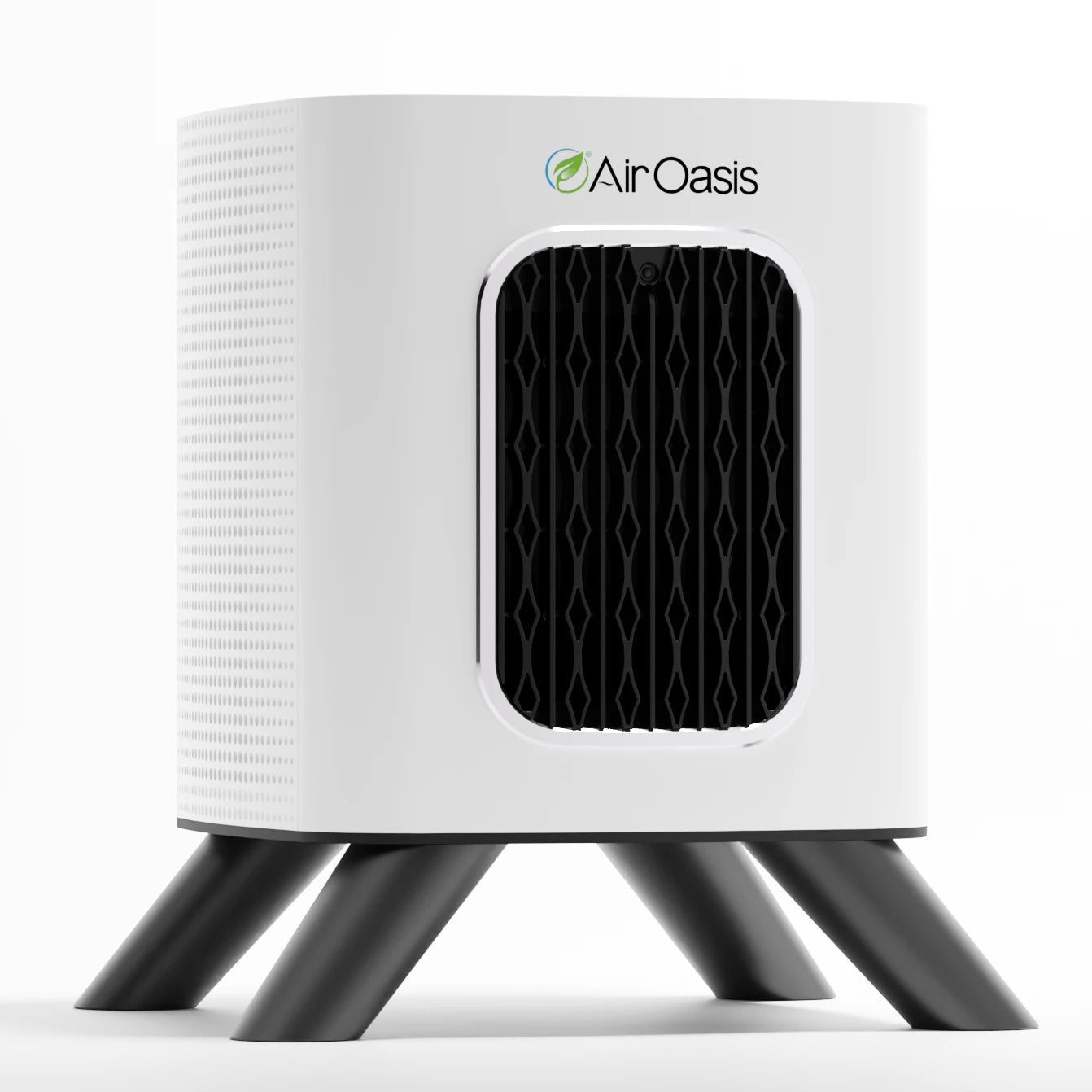
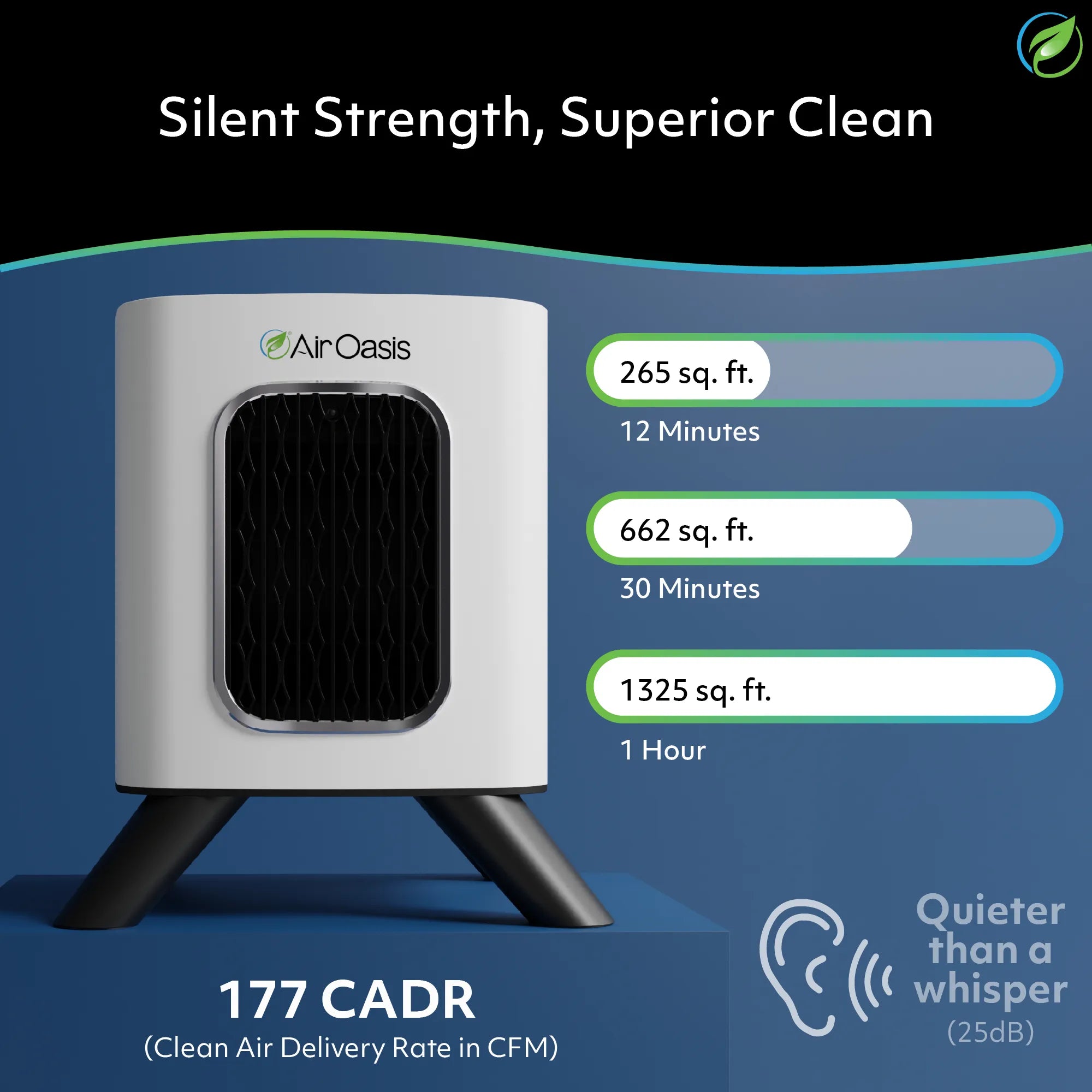
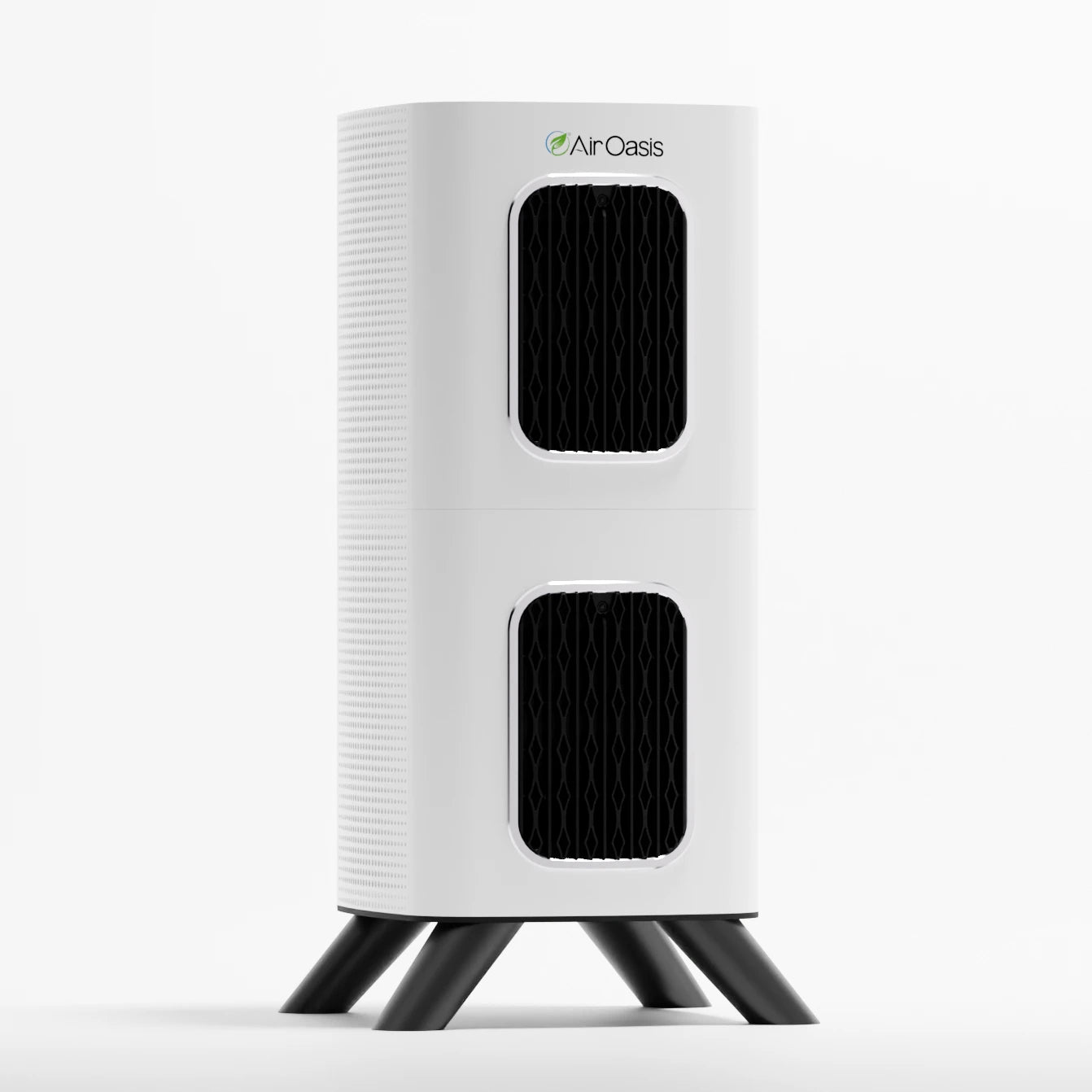
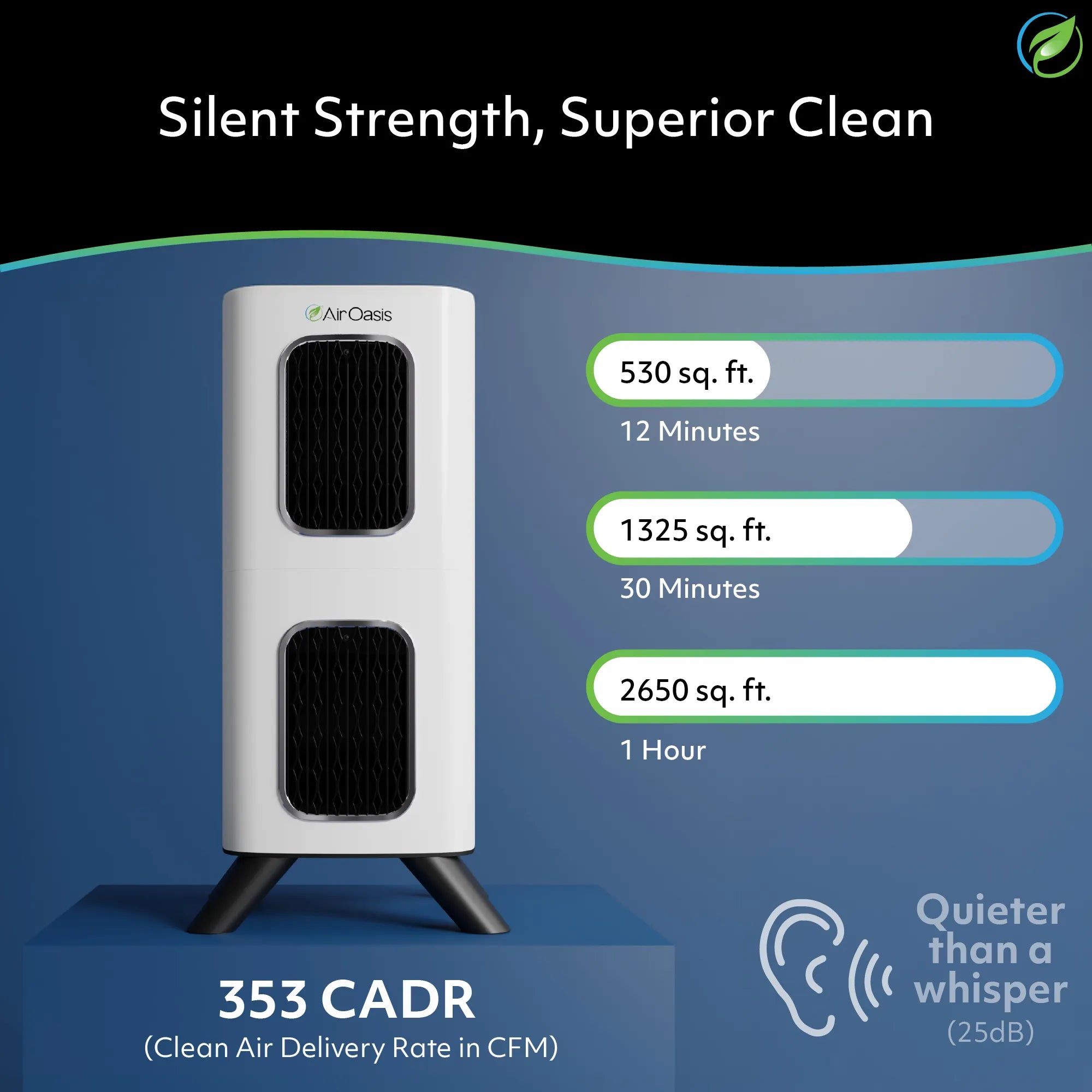
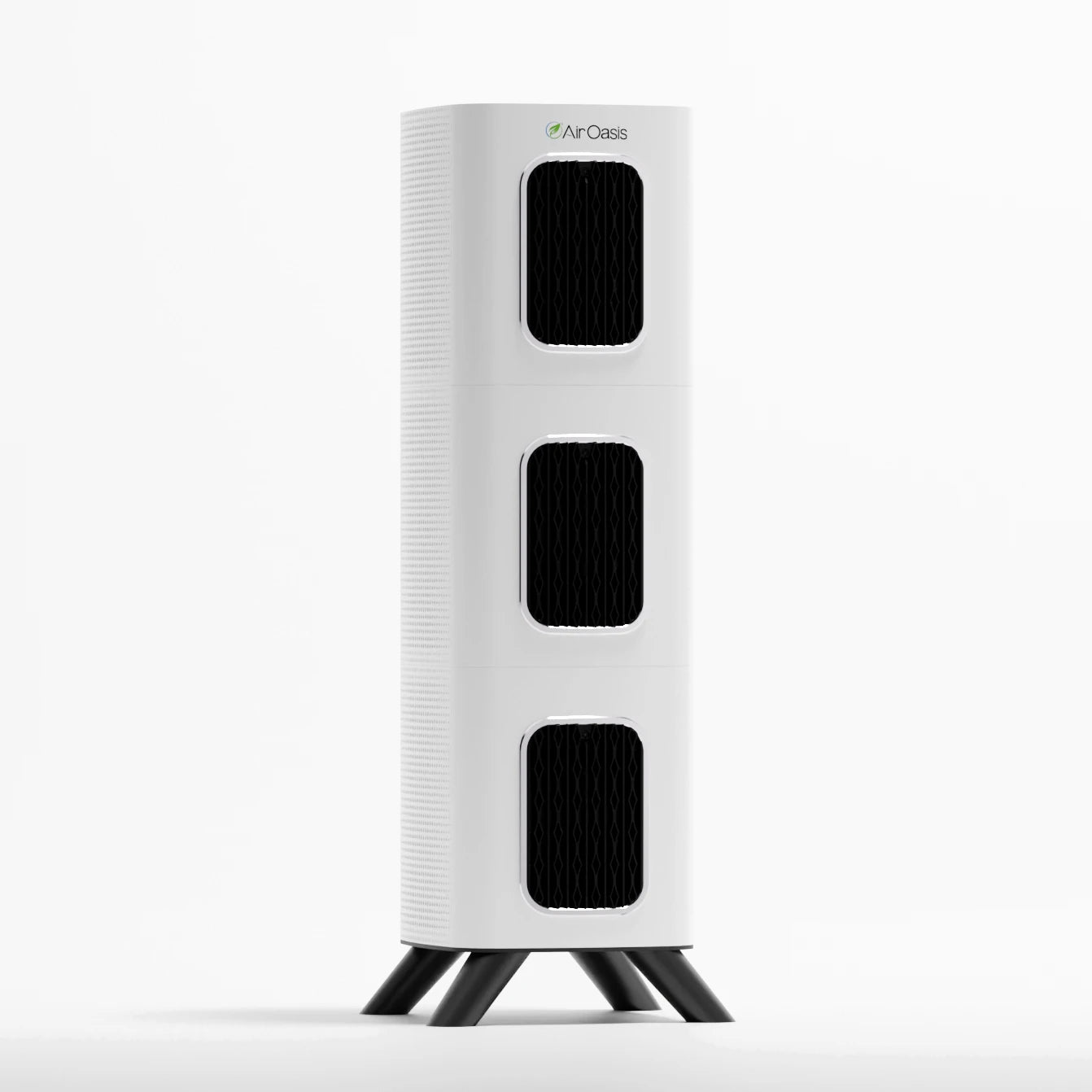
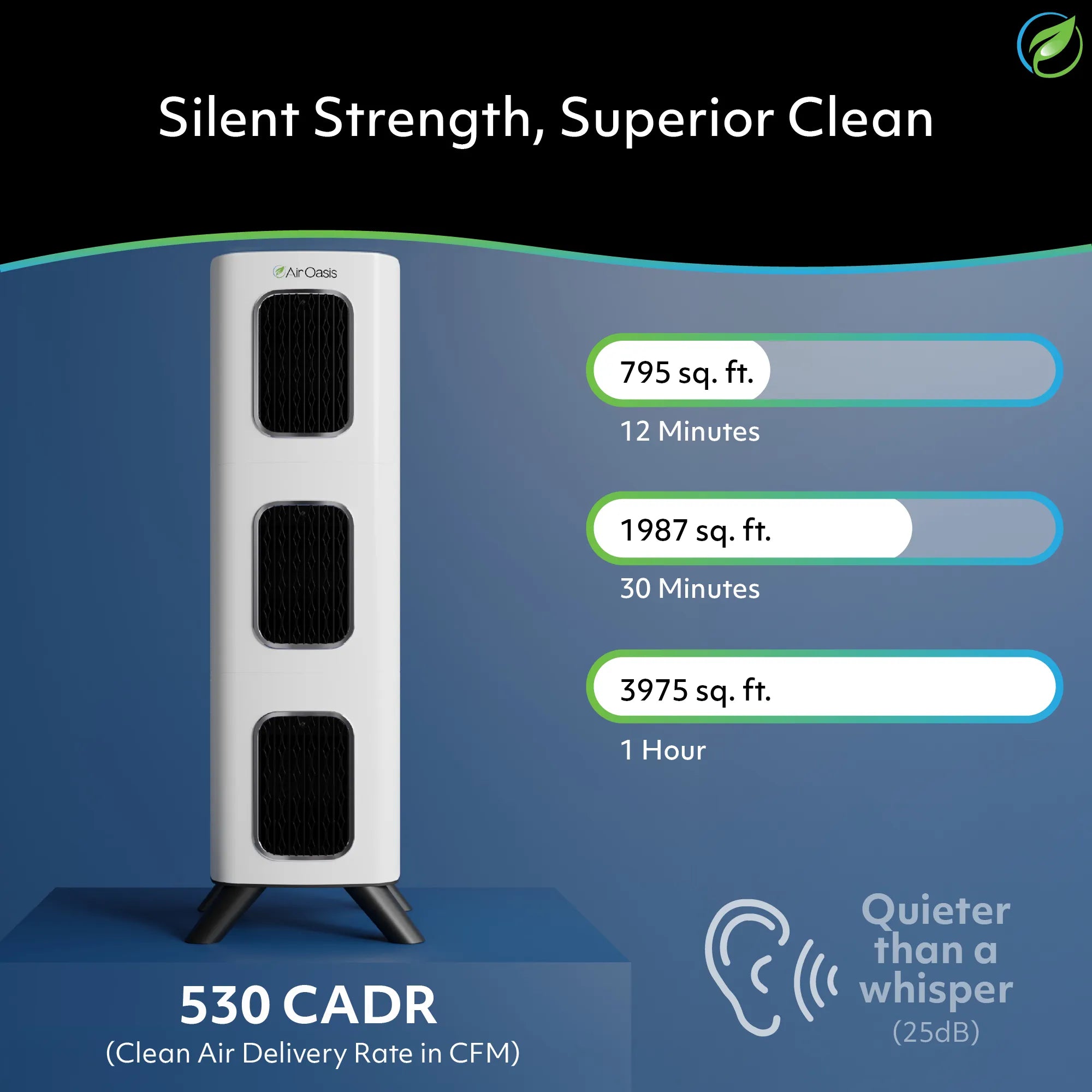
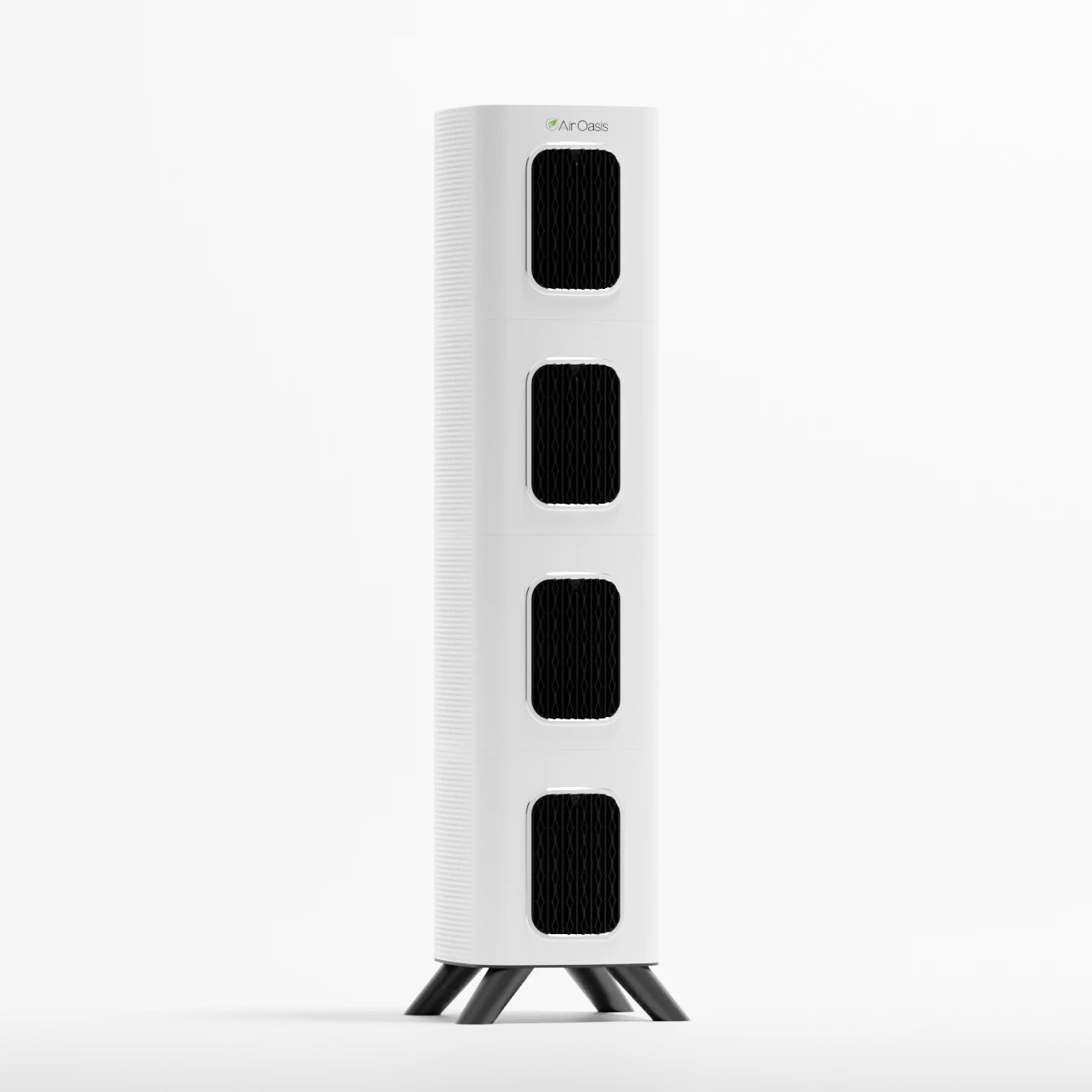
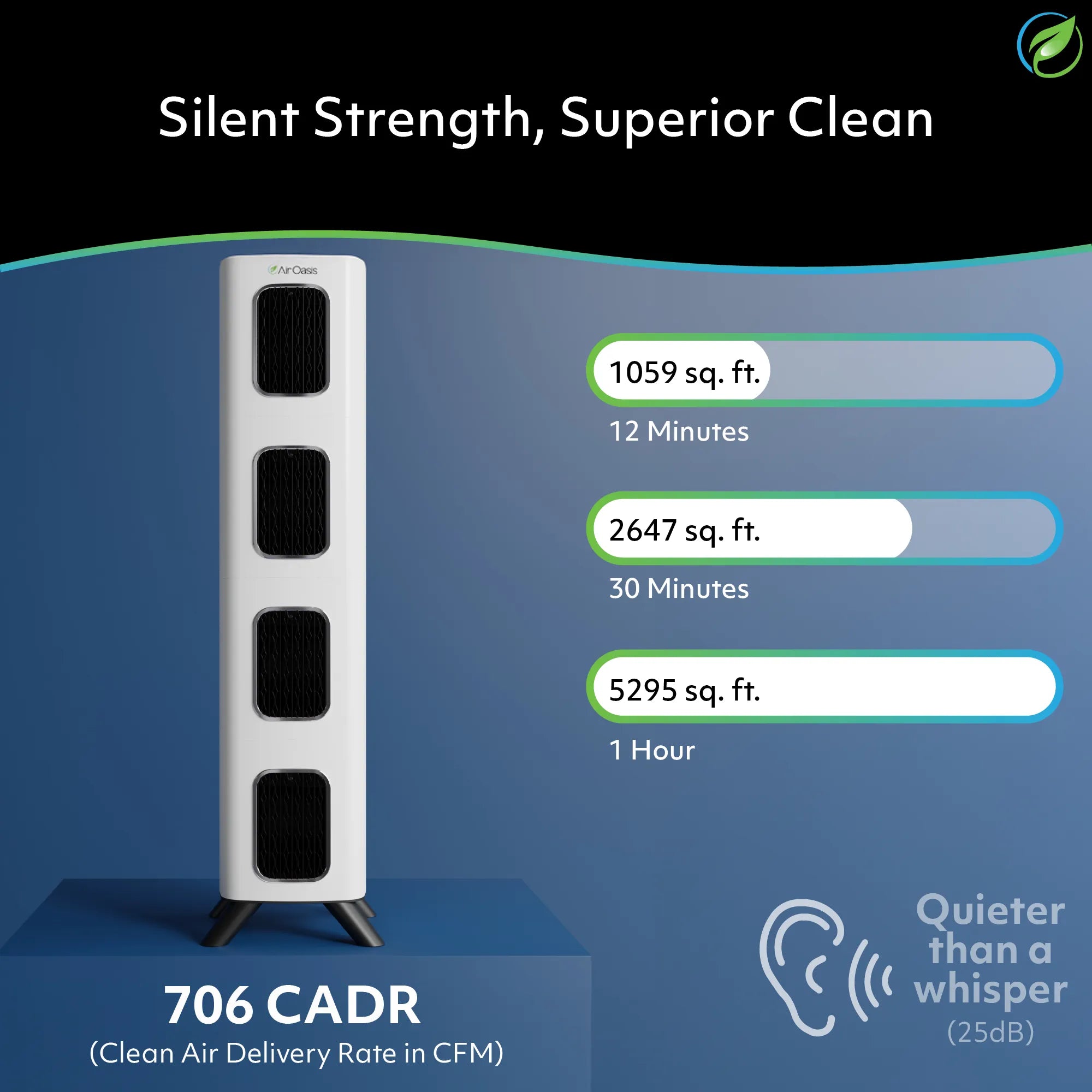
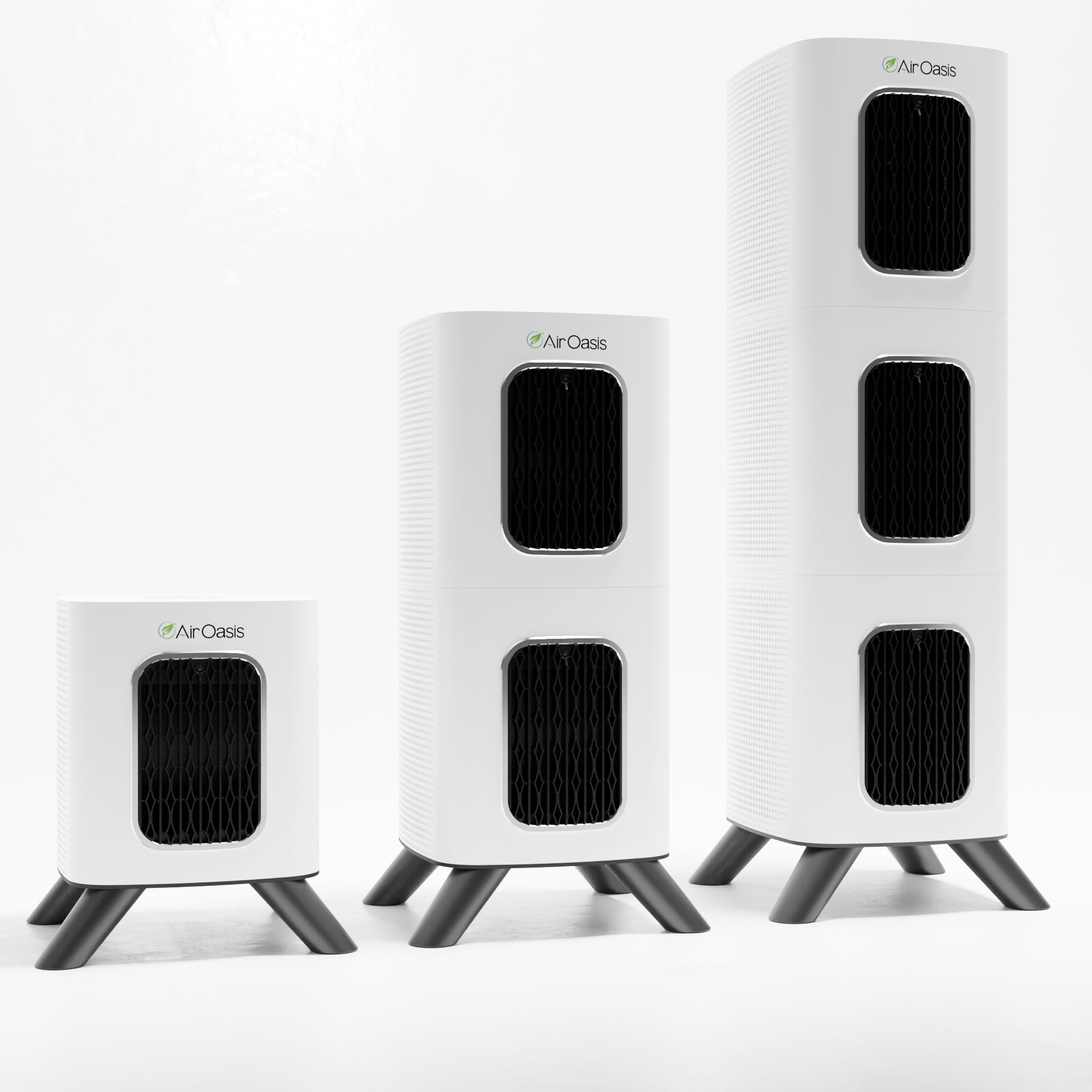
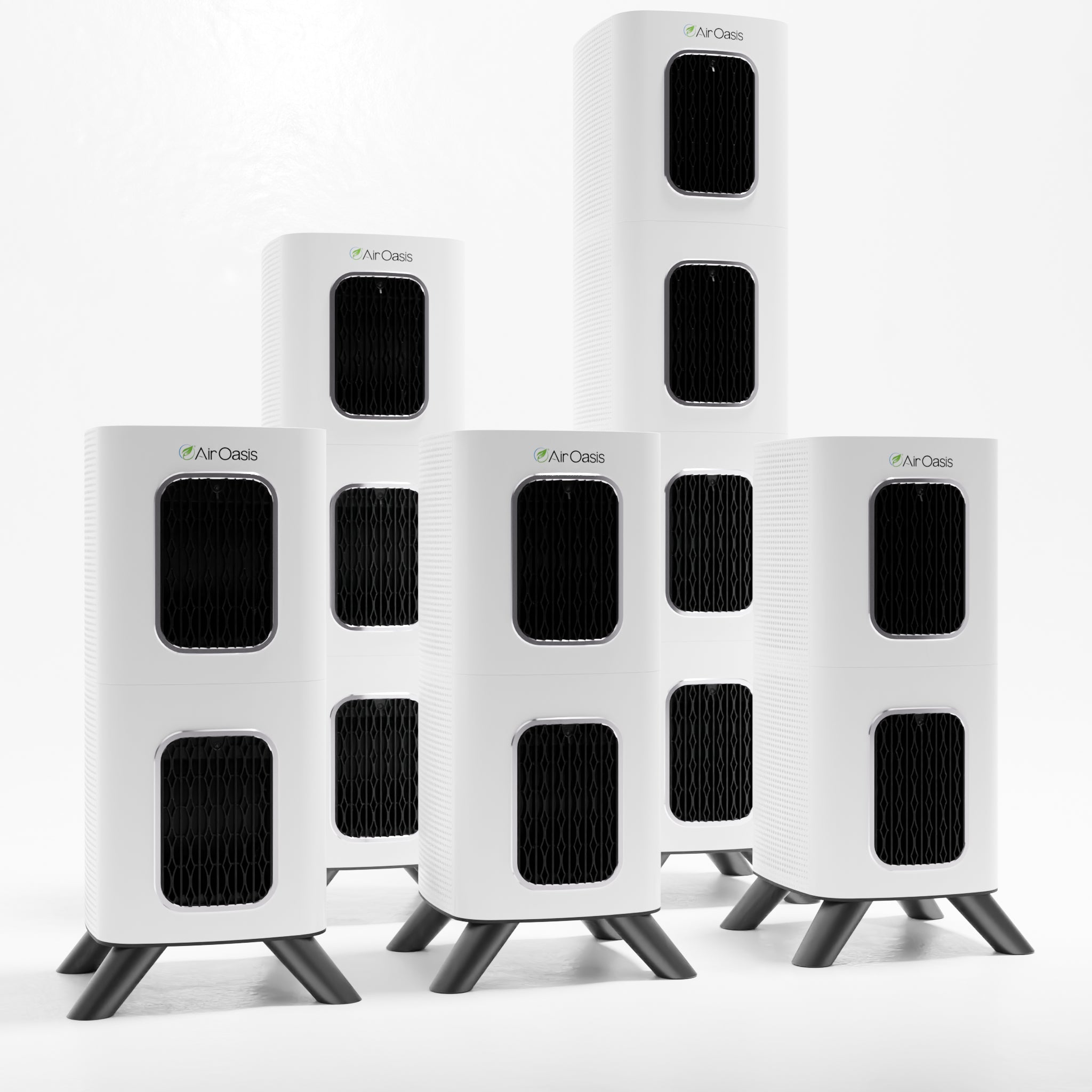
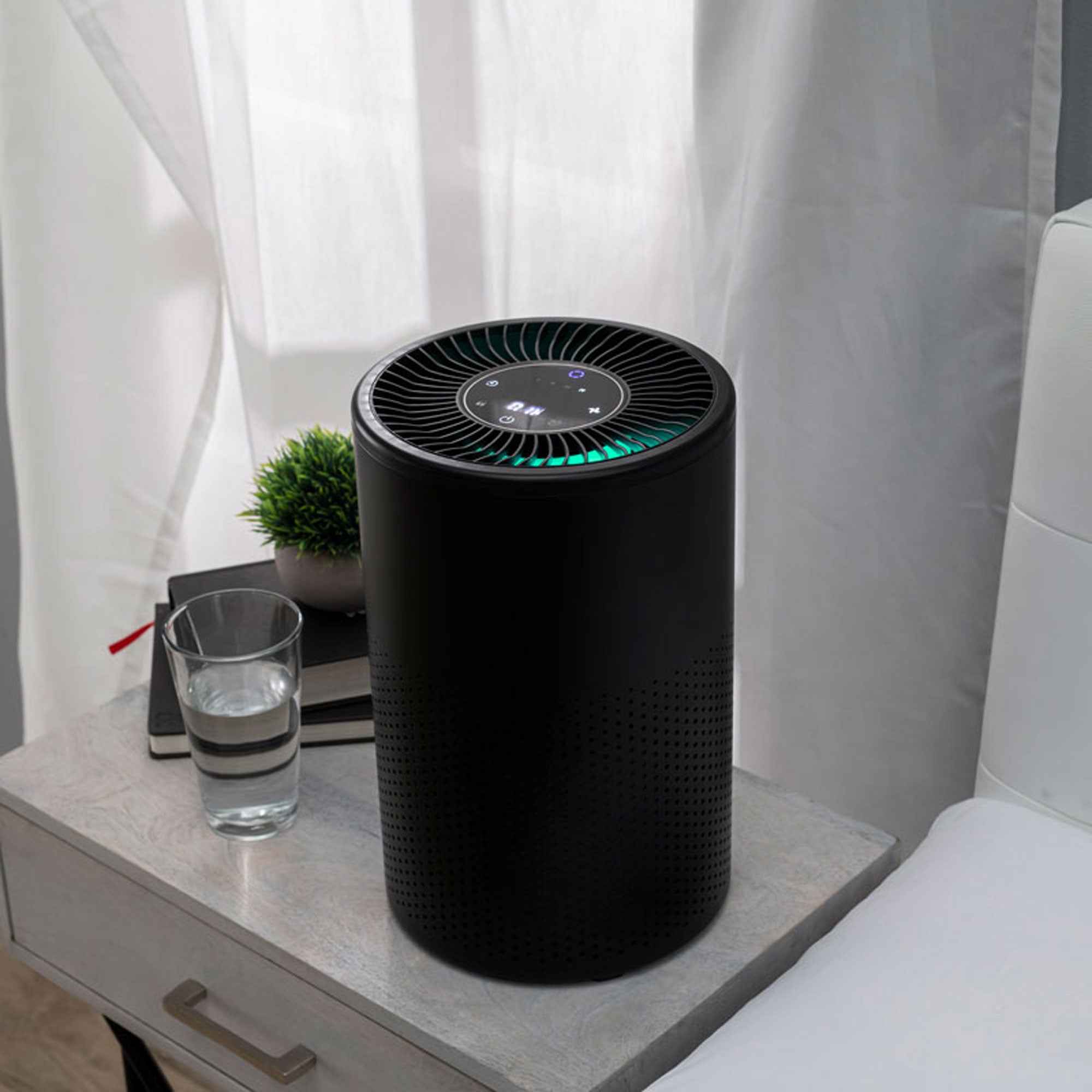
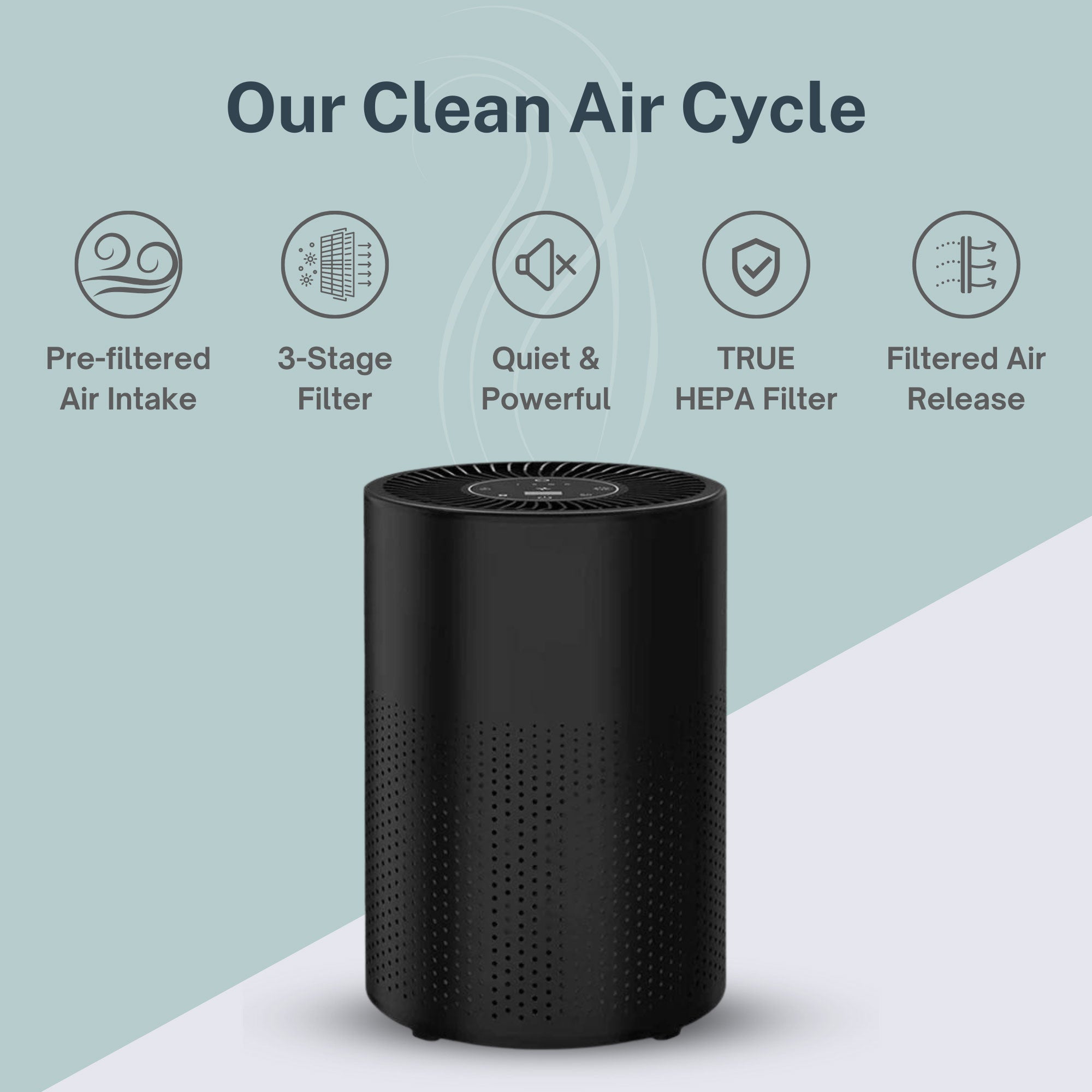
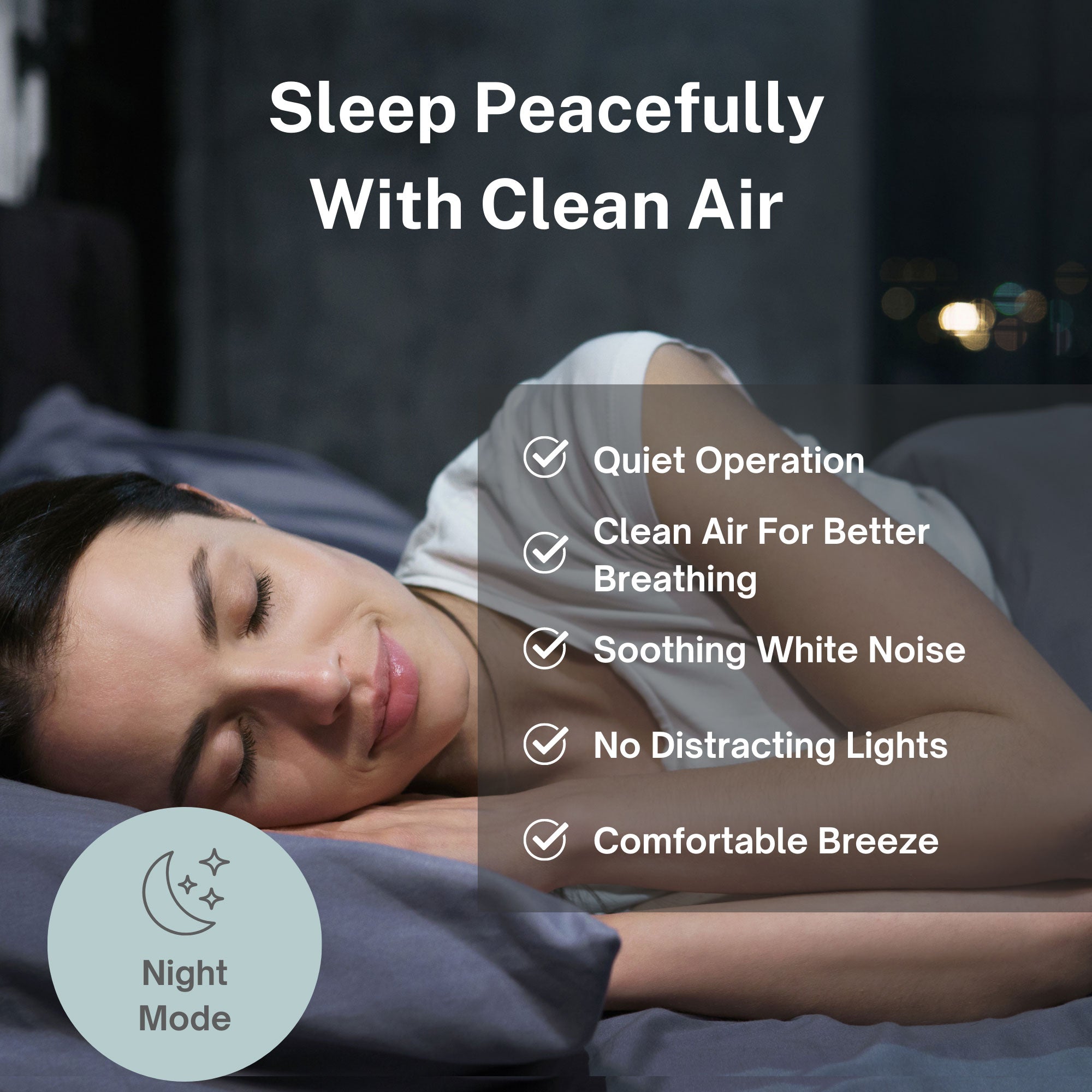
Indoor air quality dramatically affects allergy brain fog. HEPA air purification removes airborne allergens continuously. Running air purifiers in your bedroom ensures you breathe clean air during sleep, protecting those crucial restorative hours your brain needs.
Hydration helps thin mucus and supports overall brain function. Drinking adequate water throughout the day helps your body process and eliminate inflammatory molecules. Dehydration worsens both allergy symptoms and cognitive impairment.
Choosing the right medications makes a significant difference. Non-drowsy antihistamines prevent adding medication-induced fog to allergy-induced fog. Nasal steroid sprays address inflammation directly without systemic cognitive effects. Working with your doctor to find medications that control symptoms without impairing mental clarity is essential.
Lifestyle modifications support cognitive function during allergy season. Regular exercise improves blood flow to your brain and helps regulate immune responses. Stress management through meditation or yoga reduces inflammation that worsens both allergies and brain fog. Prioritizing sleep quality allows your brain to recover despite allergy disruptions.
Clear Your Mind
Brain fog from allergies isn't inevitable. Understanding the mechanisms behind cognitive impairment helps you address the root causes effectively. Inflammation, poor sleep, and medication side effects all contribute, but each has solutions.
Managing allergen exposure through air purification provides continuous protection against the particles that trigger your inflammatory response. Clean indoor air means less histamine production, better sleep quality, and clearer thinking throughout allergy season.
Ready to eliminate the allergens causing your brain fog? Medical-grade air purification removes pollen, pet dander, and mold spores before they trigger cognitive symptoms. Shop Air Oasis today and reclaim the mental clarity allergies have stolen from you.