You'd think stepping inside would offer relief from allergy symptoms, but for millions of Americans, home is where the sneezing, congestion, and itchy eyes actually get worse. If you find yourself reaching for tissues more often indoors than out, you're not imagining things. Your home may be harboring invisible allergens that trigger year-round misery.
The Hidden Allergens Making You Miserable at Home
Indoor allergies affect an estimated 50 million Americans annually, making them one of the most common chronic conditions in the United States. Unlike seasonal pollen allergies that come and go, indoor allergens persist year-round, causing persistent symptoms that many people mistake for recurring colds.
The primary culprits are surprisingly common. Dust mites top the list as a major source of allergies worldwide. These microscopic creatures thrive in warm, humid environments and live in your bedding, carpets, and upholstered furniture. Dust mite allergens become airborne during normal household activities, such as making the bed or vacuuming, and inhalation is the most common exposure route.
Pet dander ranks as another frequent trigger. Contrary to popular belief, no dog or cat breed is truly hypoallergenic. The allergens come from proteins in pet saliva, skin flakes, and urine rather than fur itself. Mold spores flourish in damp basements, bathrooms, and anywhere moisture accumulates. Even cockroach droppings silently contribute to indoor allergy symptoms, with the World Health Organization identifying 12 distinct allergens carried by these pests.
Why Fall and Winter Make Indoor Allergies Worse
When temperatures drop, families seal their homes against the cold. Windows stay shut, heating systems kick on, and indoor air circulation decreases dramatically. This creates the perfect storm for allergen concentration. Your HVAC system can actually make things worse by pulling allergens from ducts and distributing them throughout your home every time the heat runs.
The difference between indoor and outdoor allergies is significant. Seasonal hay fever affects you only during specific times of year when particular plants pollinate. Indoor allergies persist regardless of season, though symptoms often intensify during colder months when you spend 90% or more of your time indoors. Your body is constantly exposed to triggers without the natural ventilation that warmer months provide.
Reduced humidity from heating systems also dries out nasal passages, making them more susceptible to irritation from airborne particles. Meanwhile, dust mites and mold continue thriving in bedrooms and bathrooms where humidity levels remain higher. This combination of sealed environments and active allergens creates conditions where symptoms never truly resolve. Improving your indoor air quality becomes essential for relief during these months.
Recognizing the Signs of Indoor Allergies
Indoor allergy symptoms closely resemble those of seasonal allergies: sneezing, runny nose, nasal congestion, itchy or watery eyes, and general stuffiness. The key difference lies in duration and timing. A cold typically clears within seven to ten days. Indoor allergies produce symptoms that last weeks or months without improvement.
Year-round symptoms are the primary telltale sign of indoor rather than outdoor allergies. If you notice your symptoms worsen at home, improve when you're away for extended periods, or intensify during activities like vacuuming or changing sheets, indoor allergens are likely to blame.
Many people also experience what feels like recurring sinus infections. When allergy-triggered inflammation blocks sinus drainage, bacteria can accumulate, leading to genuine infections. Breaking this cycle requires addressing the underlying allergen exposure rather than just treating individual infections.
Breathe Easier: Taking Control of Indoor Air Quality
Reducing indoor allergens requires a multi-faceted approach. Wash bedding weekly in water hotter than 130°F to kill dust mites. Use allergen-resistant covers on pillows and mattresses. Vacuum frequently with a HEPA-filter vacuum and consider replacing wall-to-wall carpeting in bedrooms with hardwood or tile.
Control moisture with dehumidifiers in damp areas, fix leaks promptly, and ensure bathrooms have adequate ventilation. If you have pets, keep them out of bedrooms, bathe them regularly, and wash your hands after handling them. Address cockroach problems with baits and traps rather than chemical sprays, and seal entry points around windows and doors.
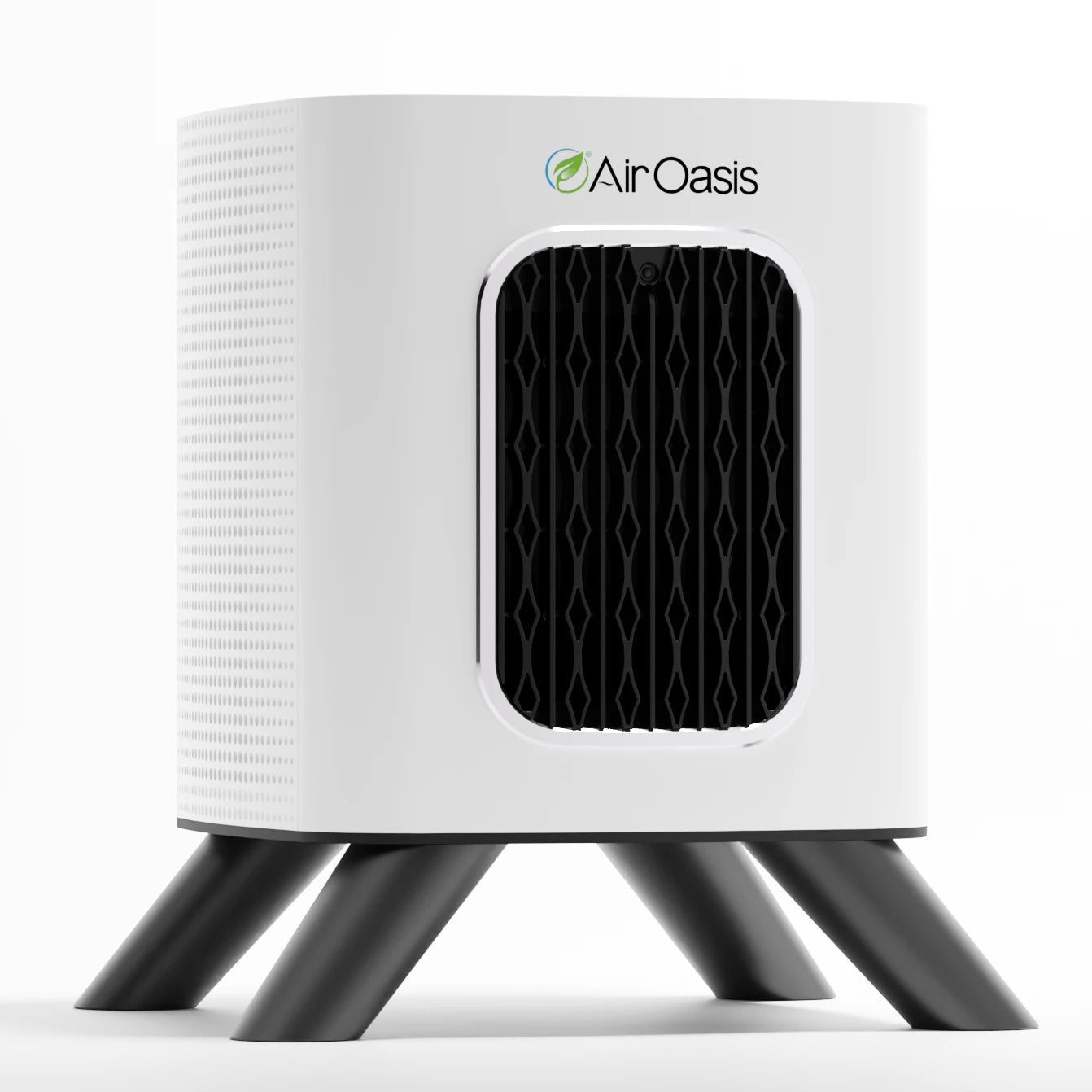
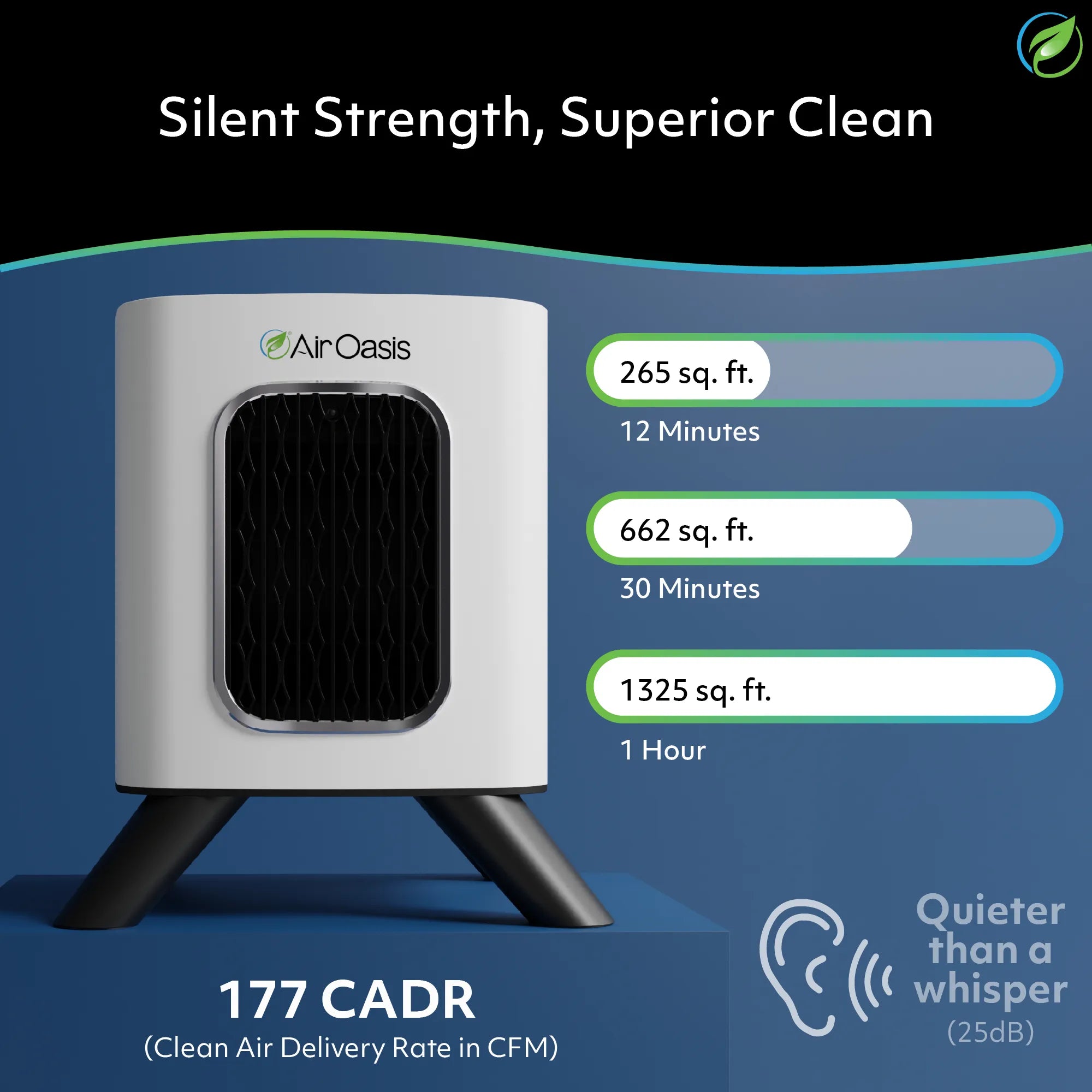
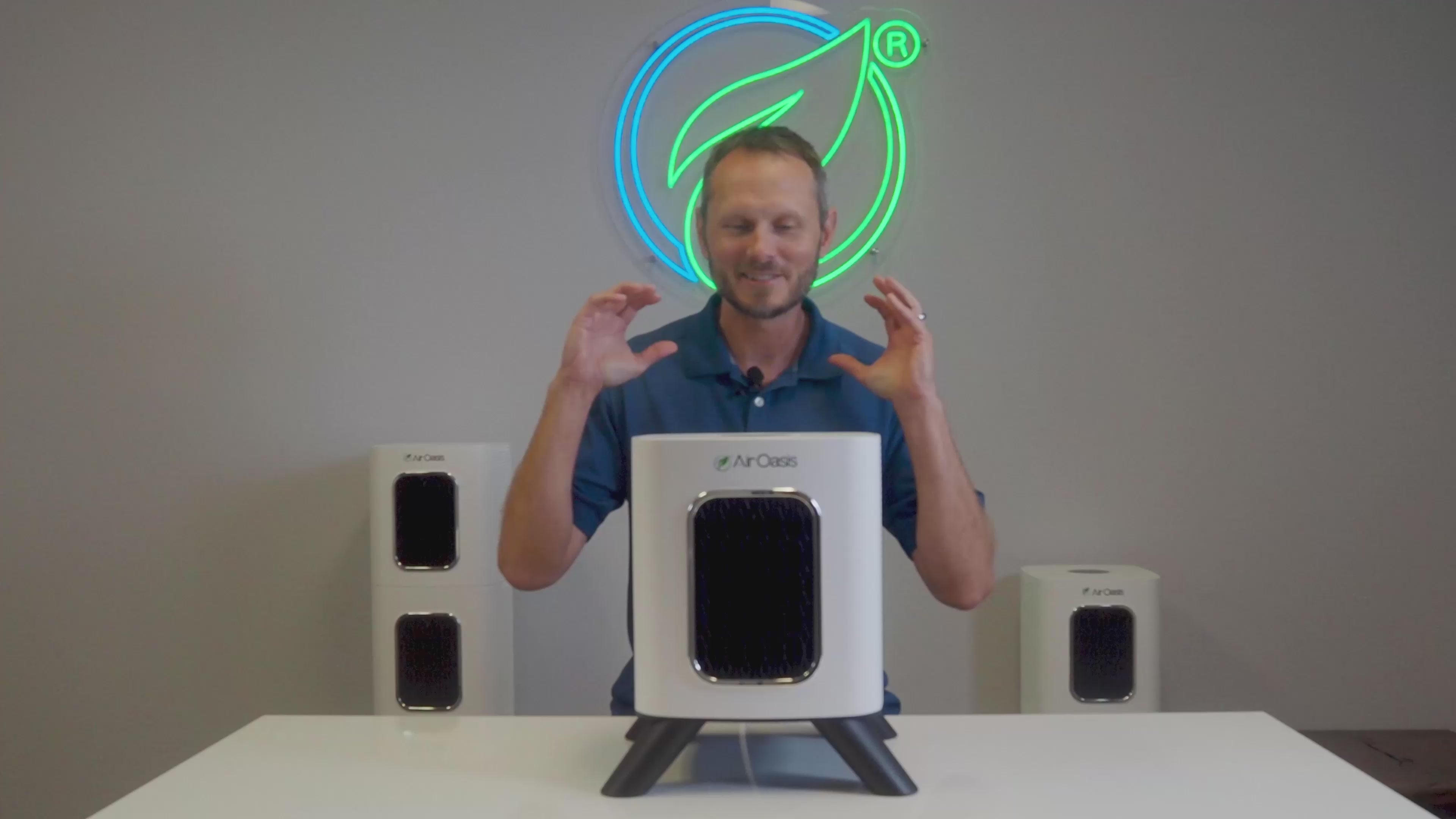
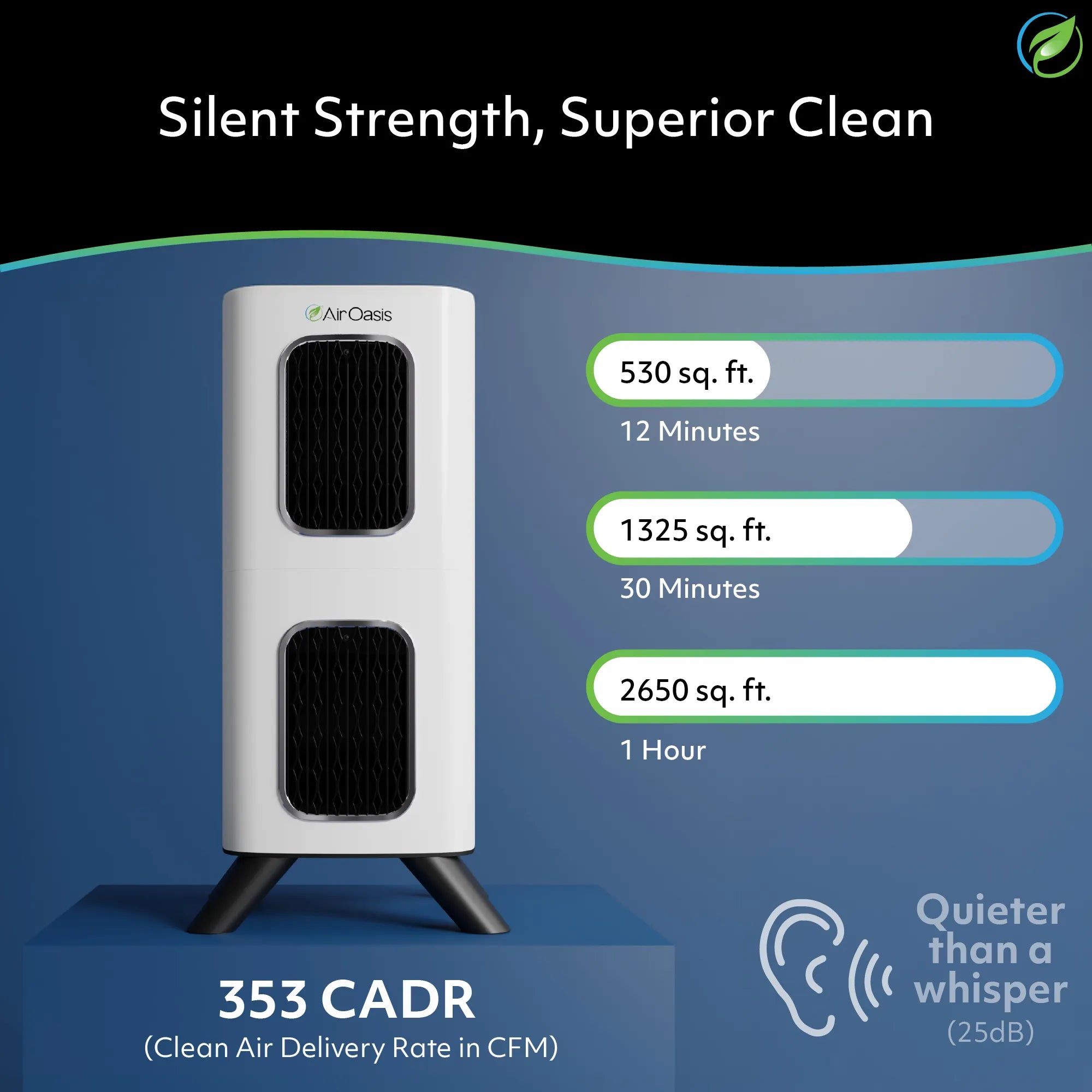
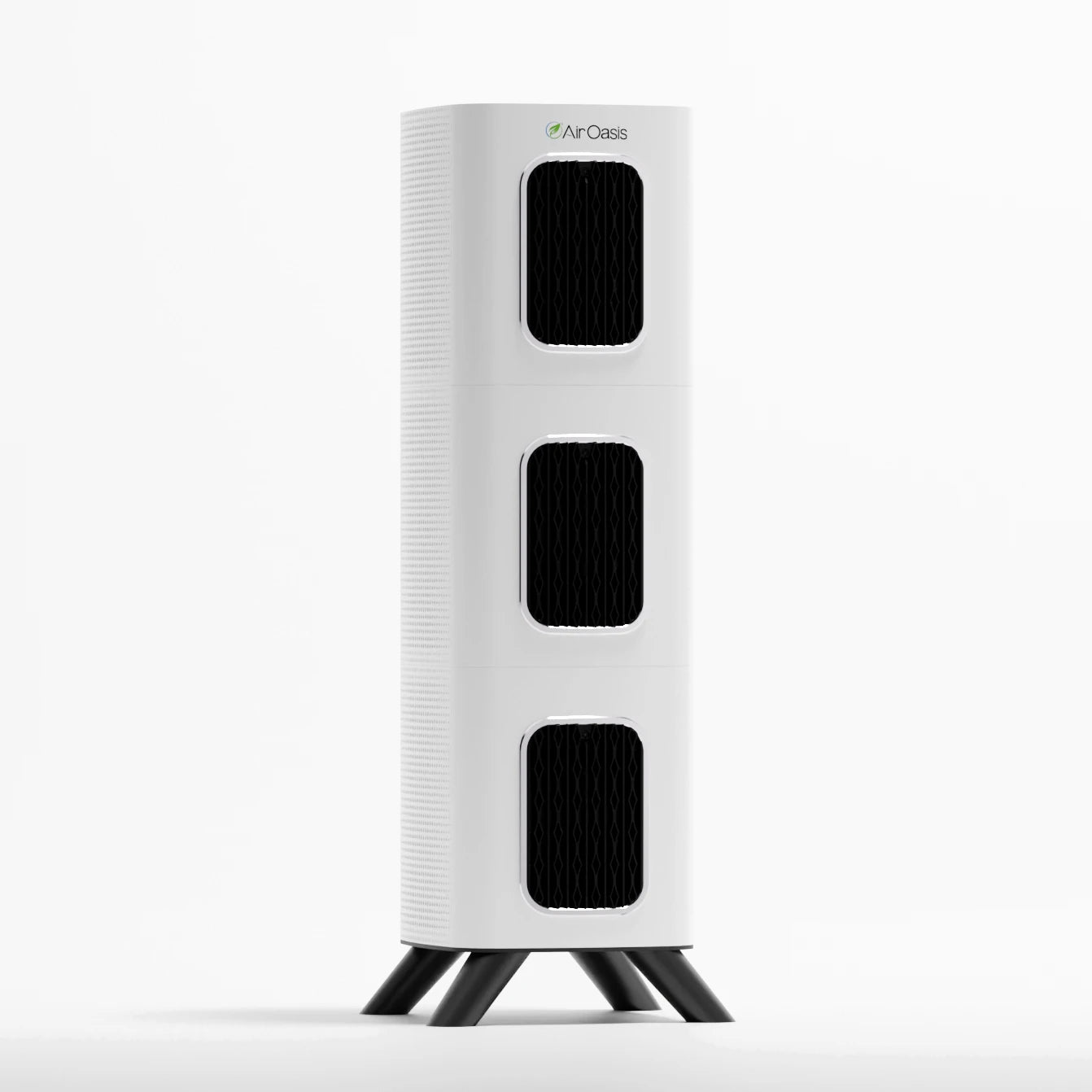
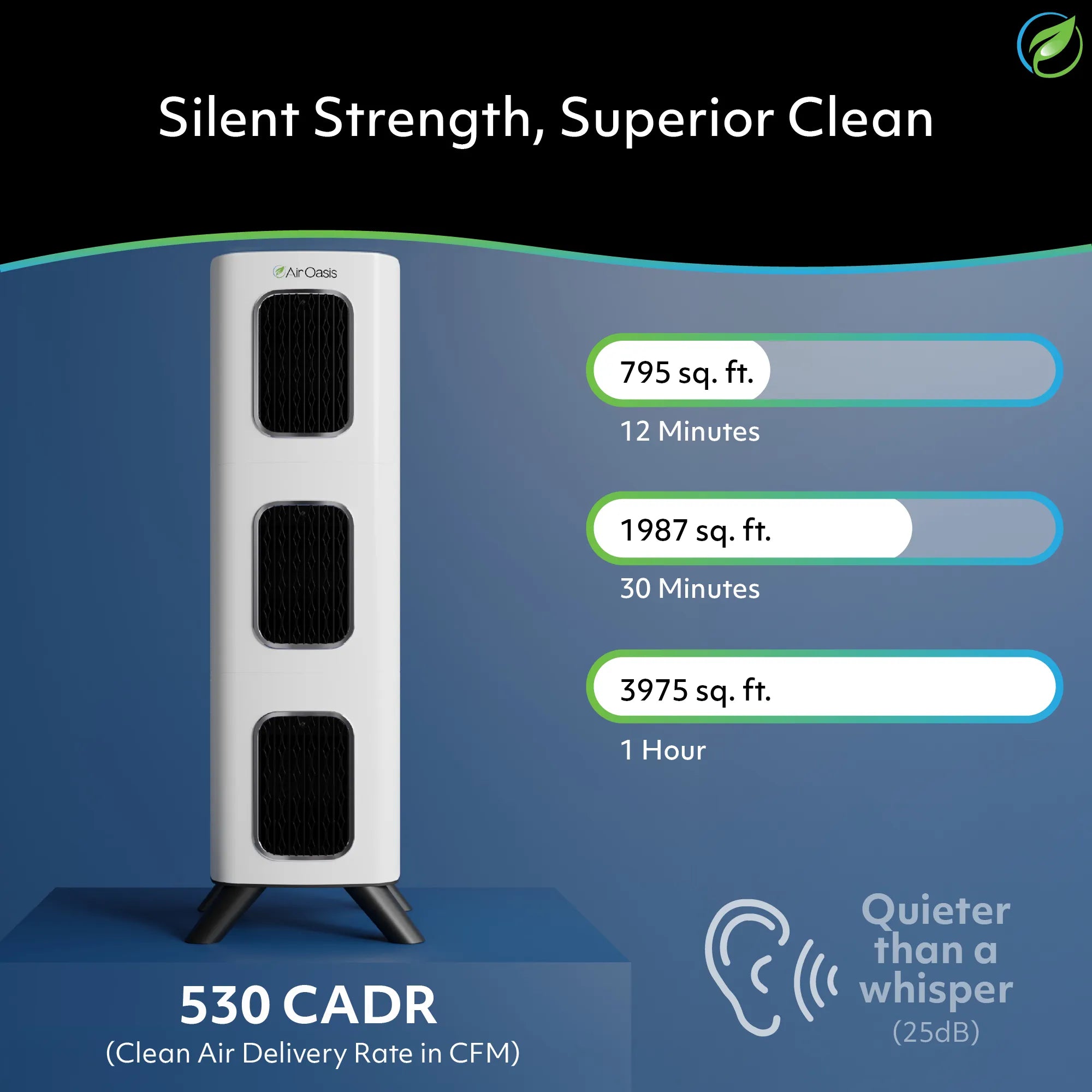
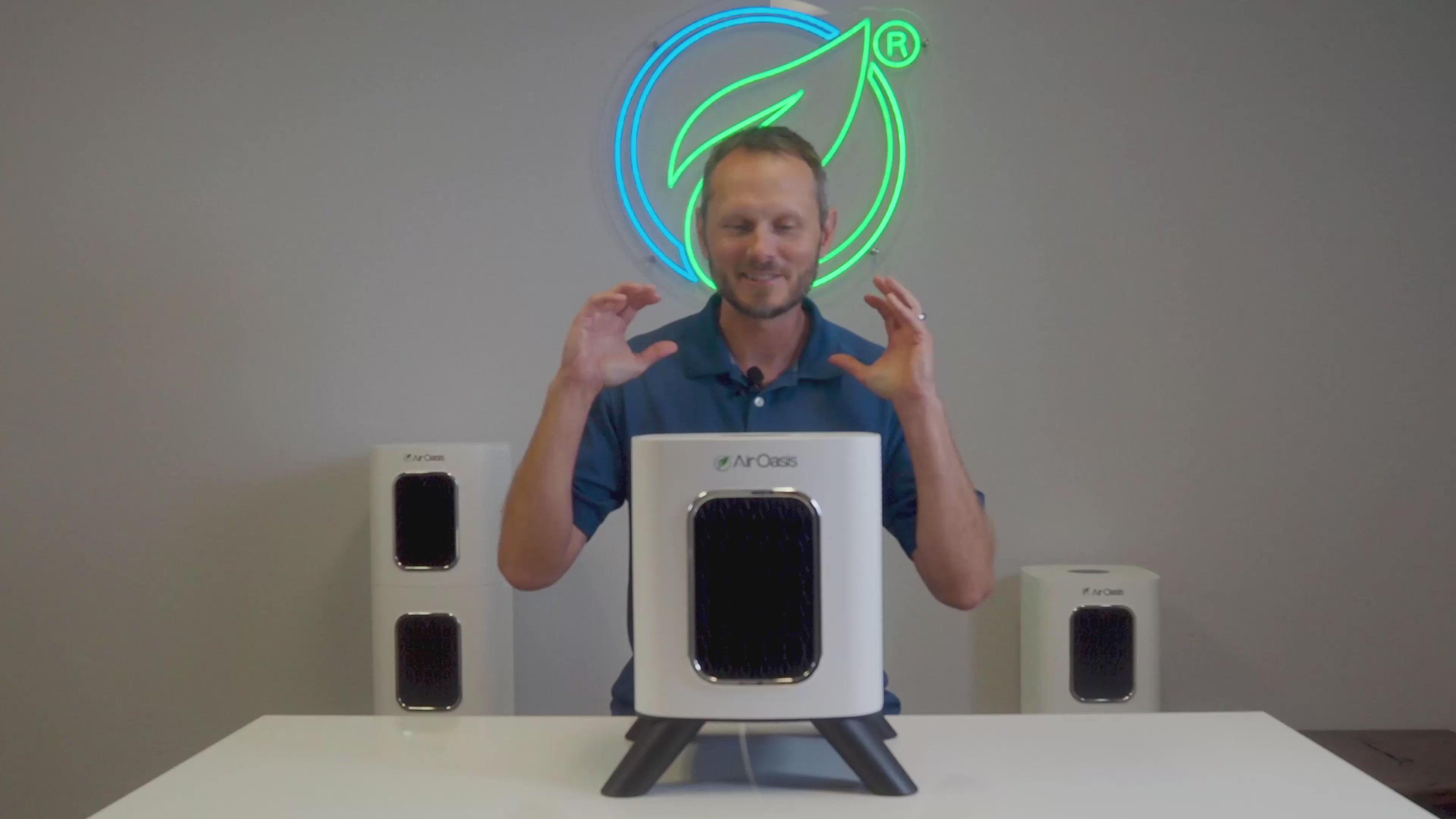
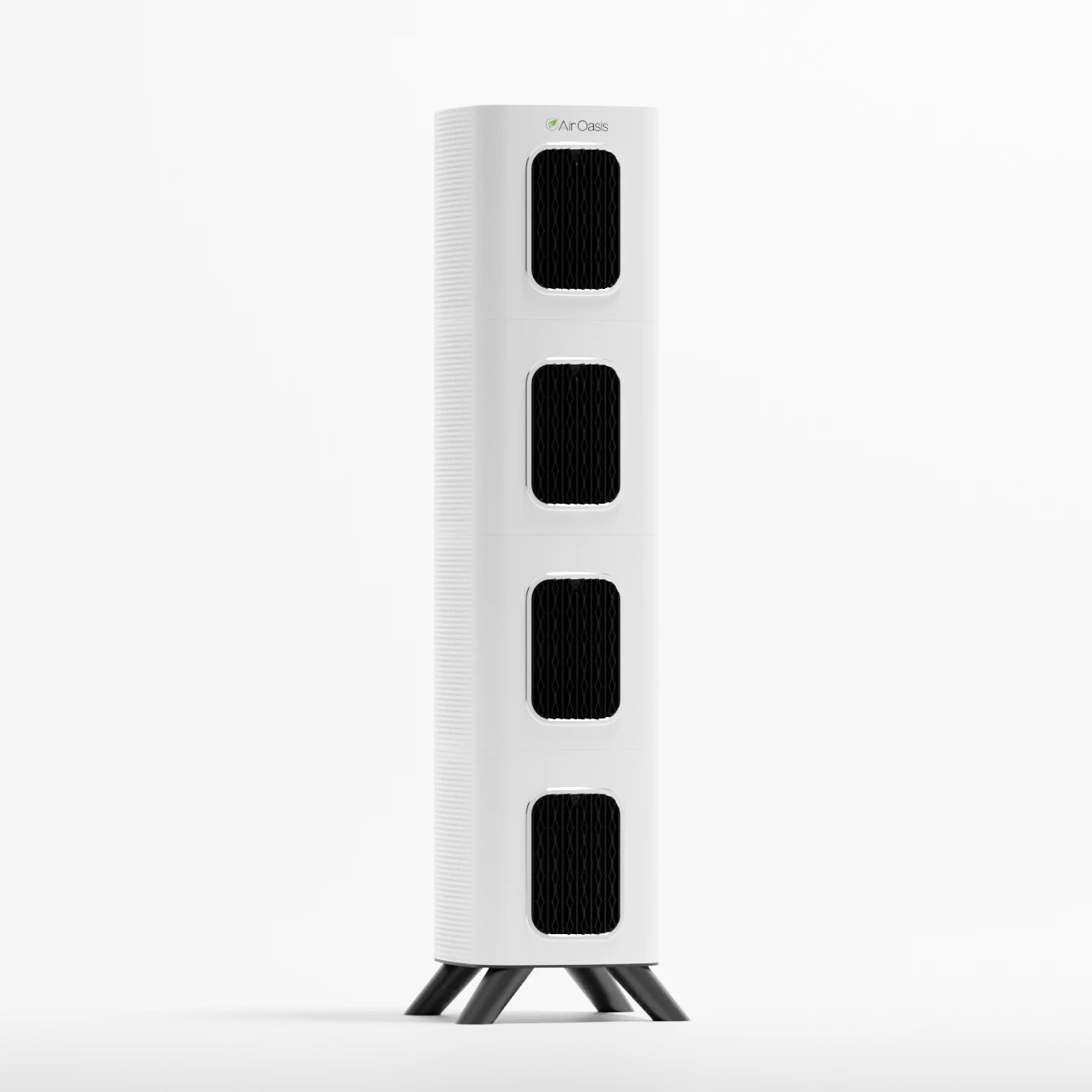
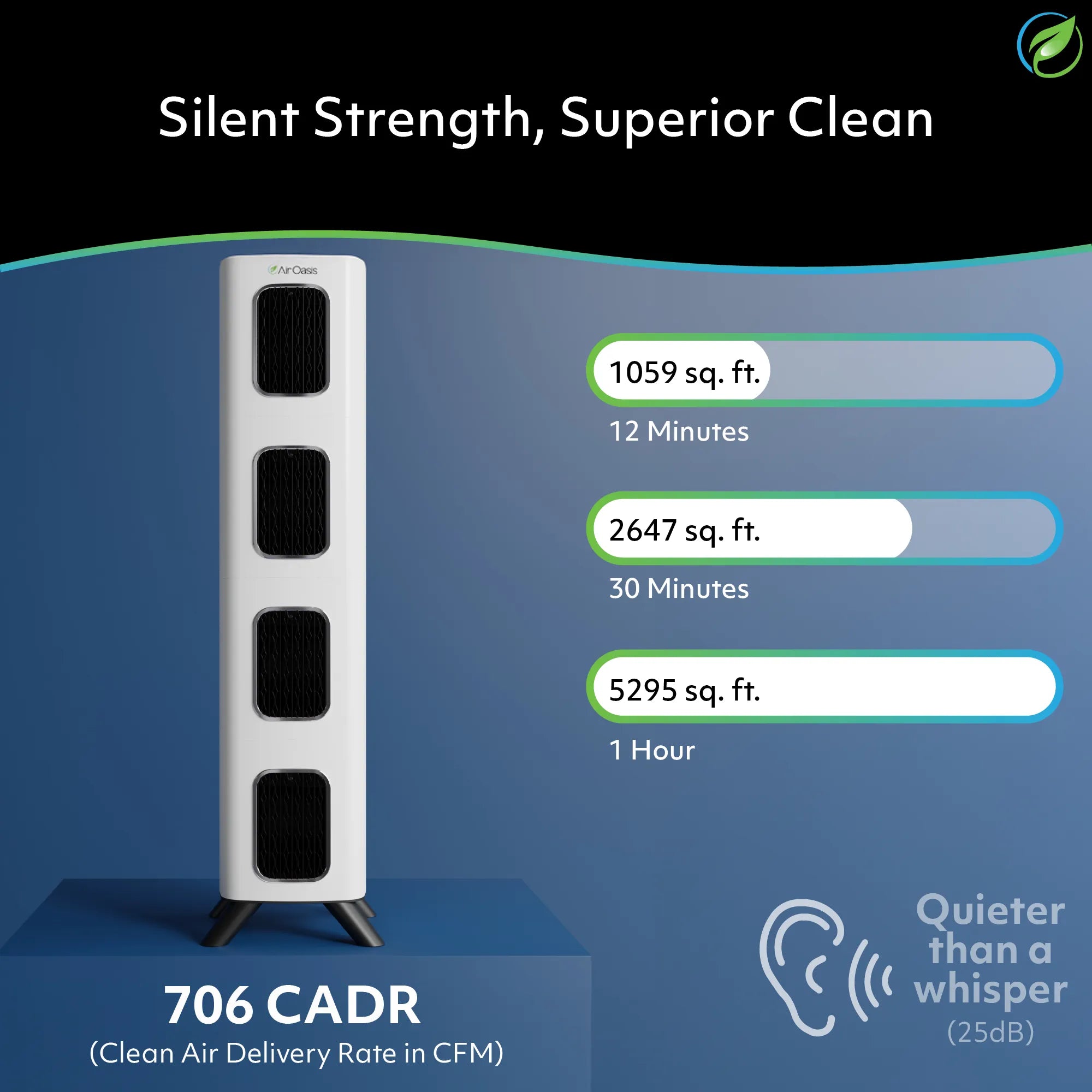
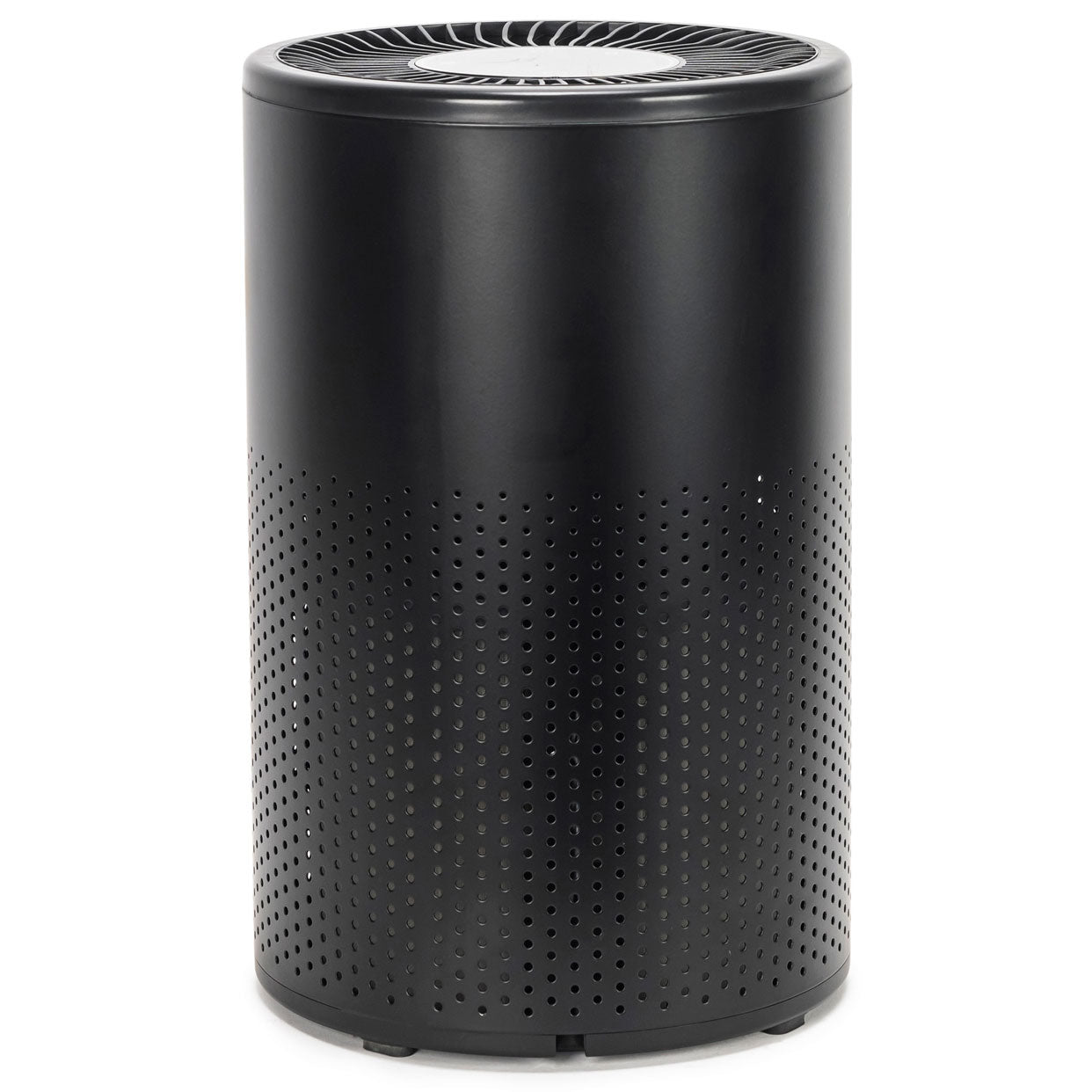
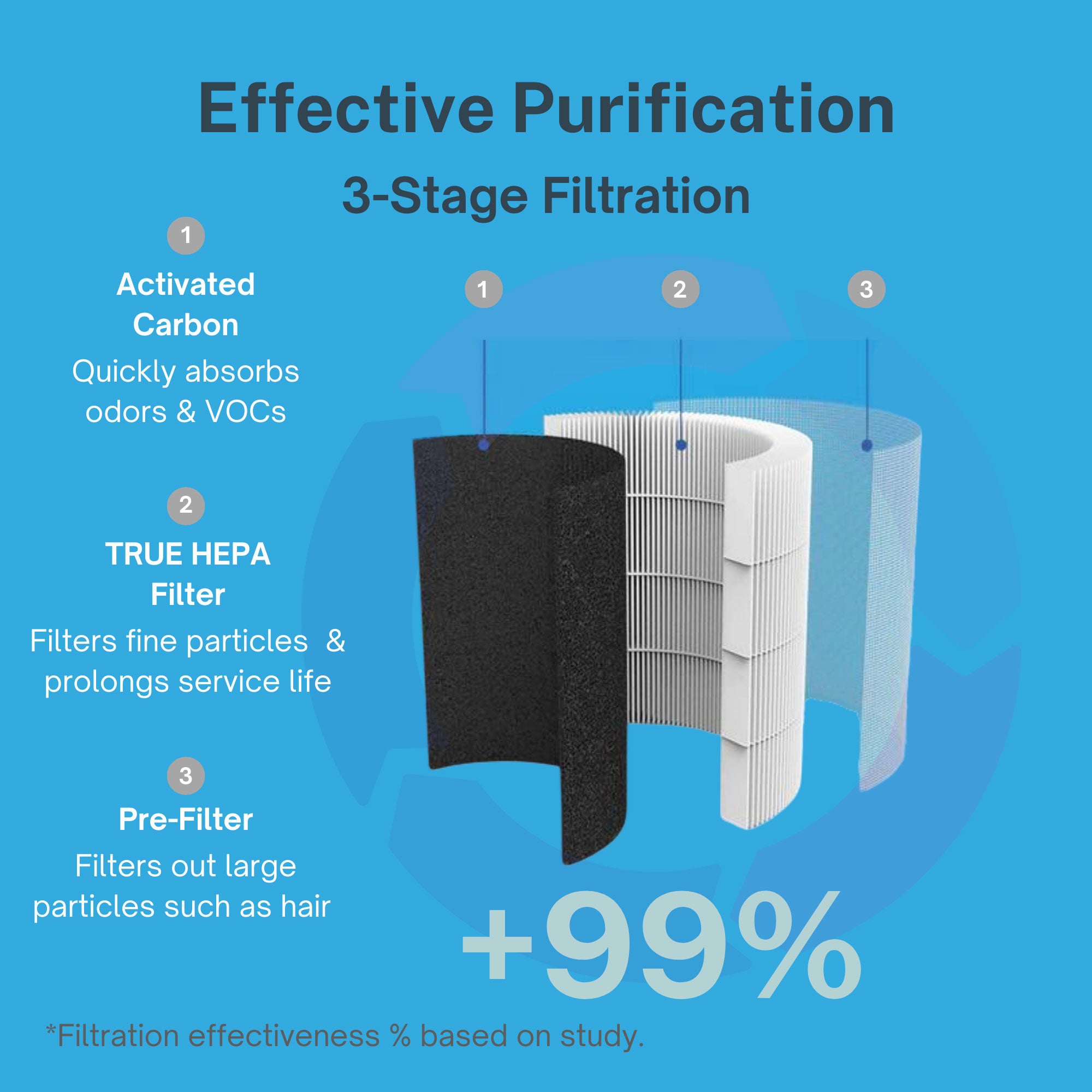
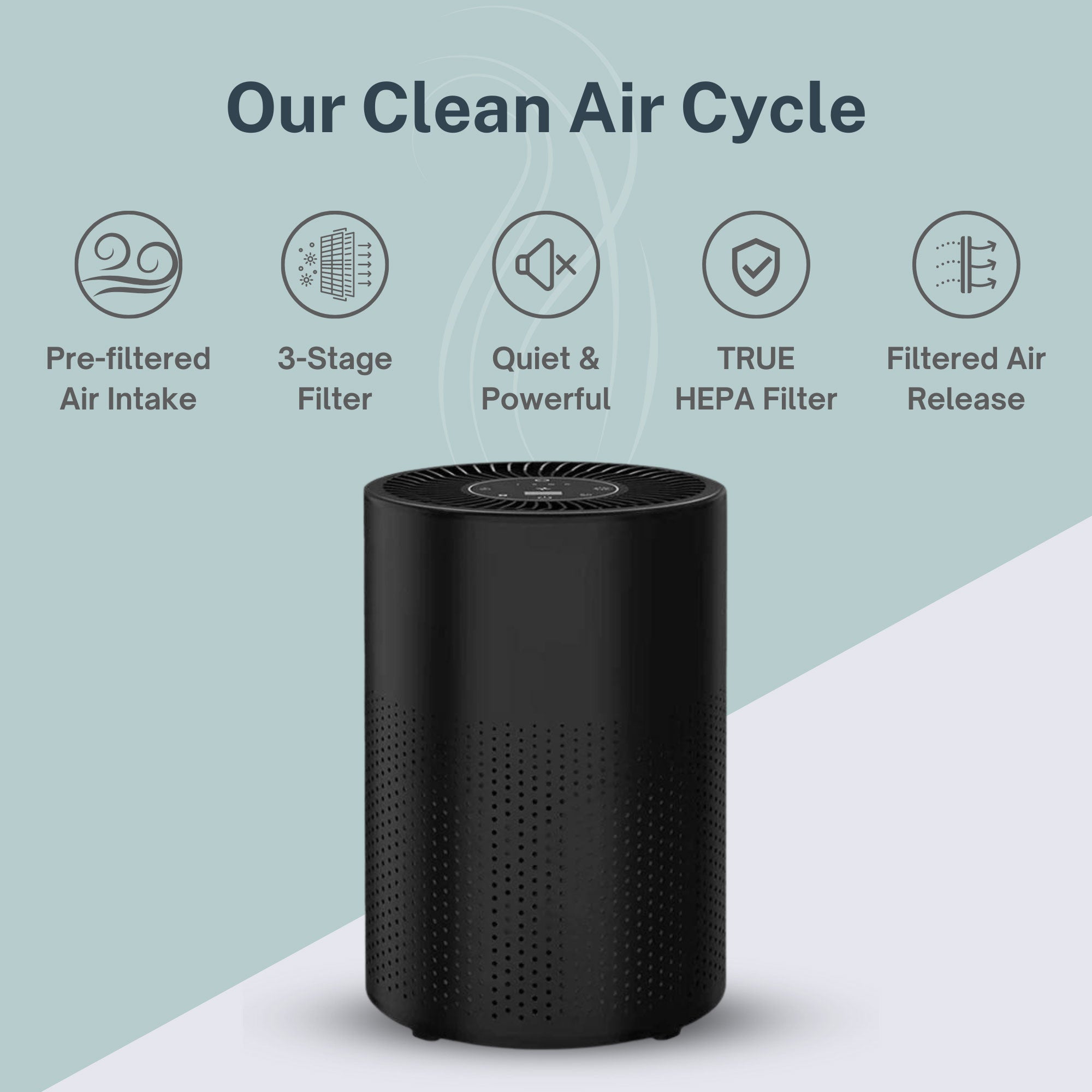
Air purification provides another powerful defense against indoor allergens. Advanced filtration systems capture dust mites, pet dander, mold spores, and other particles before they reach your lungs, creating cleaner air throughout your home.
Create an Allergy-Friendly Home This Season
Indoor allergies don't have to control your comfort at home. By identifying your specific triggers and taking consistent steps to reduce exposure, you can breathe easier year-round. Combining environmental changes with effective air filtration can significantly reduce symptom severity and frequency. If you're ready to reclaim your home from indoor allergens, shop Air Oasis today and discover the relief that truly clean air provides.
Frequently Asked Questions About Indoor Allergies
Here's some additional info.
How do I know if I have indoor allergies or just keep catching colds?
Indoor allergies produce year-round symptoms that persist for weeks or months, while colds typically resolve within seven to ten days. If your symptoms worsen at home and improve when you're away, or if antihistamines provide relief, allergies are the likely culprit.
Can indoor allergies develop suddenly in adulthood?
Yes, you can develop new allergies at any age. Changes in your immune system, moving to a new home with different allergen exposures, or getting a pet can all trigger allergies that weren't present before.
What's the most effective way to reduce dust mites in my home?
Wash bedding weekly in hot water (130°F or higher), use allergen-proof covers on pillows and mattresses, reduce humidity below 50%, and replace carpeting with hard flooring where possible. Regular vacuuming with HEPA filtration also helps.
Do air purifiers really help with indoor allergies?
Air purifiers with HEPA filters effectively capture airborne allergens like dust mites, pet dander, and mold spores. When properly sized for your room and run consistently, they can significantly reduce allergen exposure and improve symptoms.