There's that one room. The bedroom at the end of the hall. The home office is tucked into the corner. The finished basement room that always feels heavier than the rest of the house. You open a window, you wait. It still feels off.
It probably has nothing to do with how clean the air is. It has to do with how that air moves, and in some rooms, it barely moves at all.
Why stuffy rooms aren't always a ventilation problem
The instinct when a room feels stuffy is to blame ventilation — not enough fresh air getting in. That's sometimes right. But a lot of stuffy rooms have adequate airflow on paper. The HVAC vent is open, the return is unblocked, and fresh air is theoretically reaching the space. It still feels like a sealed jar.
What's happening in those cases is an airflow distribution problem, not an airflow volume problem. The air is reaching the room. It's just not reaching every part of it.
What a dead zone actually is
Airflow inside a room isn't uniform. Air coming through a vent follows the path of least resistance. It moves in relatively straight patterns from supply to return, and anything that disrupts that path, a wall, a piece of furniture, a doorway positioned at the wrong angle, creates areas where air barely circulates at all.
These are dead zones. Areas where the air sits, stagnates, and accumulates whatever is floating in it: fine particles, humidity, CO2, VOCs off-gassing from materials in the room. The rest of the house might be cycling air normally. That corner isn't.
You've probably experienced this without naming it. The far corner of a living room that always smells a little musty. The area behind a large sectional sofa. The space between a dresser and an exterior wall. These locations are almost structurally guaranteed to have worse air quality than the center of the room.
How room shape makes this worse
Not all room shapes are equal for air circulation. Rooms that create dead zones most reliably share a few characteristics:
- Long, narrow layouts where air enters at one end and returns at the other, leaving the middle relatively stagnant
- L-shaped or irregularly shaped rooms where one "arm" is cut off from direct airflow
- Rooms with doorways positioned close to the supply vent, which lets air short-circuit from supply to return without mixing into the room
- Spaces with very high ceilings, where air stratifies vertically and the occupied zone near the floor may see very little actual air movement
- Corner rooms, which have two exterior walls and often reduced HVAC attention relative to rooms closer to mechanical equipment
Basements are a particular case. Finished basement rooms often sit at the far end of duct runs, which means reduced air pressure by the time supply air reaches them. Combined with below-grade humidity and minimal natural air movement, this is why basements so consistently feel heavy and close, even well-finished ones.
What furniture does to airflow
Furniture is one of the most underappreciated factors in room stuffiness, because people arrange it for the room's function, not its airflow. A sofa pushed against the wall beneath a supply vent interrupts how air enters the room. A large bookcase or armoire positioned perpendicular to an exterior wall can essentially divide a room into two airflow zones, one that circulates normally and one that doesn't.
This matters most in bedrooms, because you spend seven or eight hours there breathing in a relatively static position. If your bed happens to be positioned in the room's least-circulated area — which is common, since beds often go along the wall farthest from the door — the air you're breathing all night is not the room's best air. It's whatever has settled into that corner.
Why air purifier placement matters more than most people realize
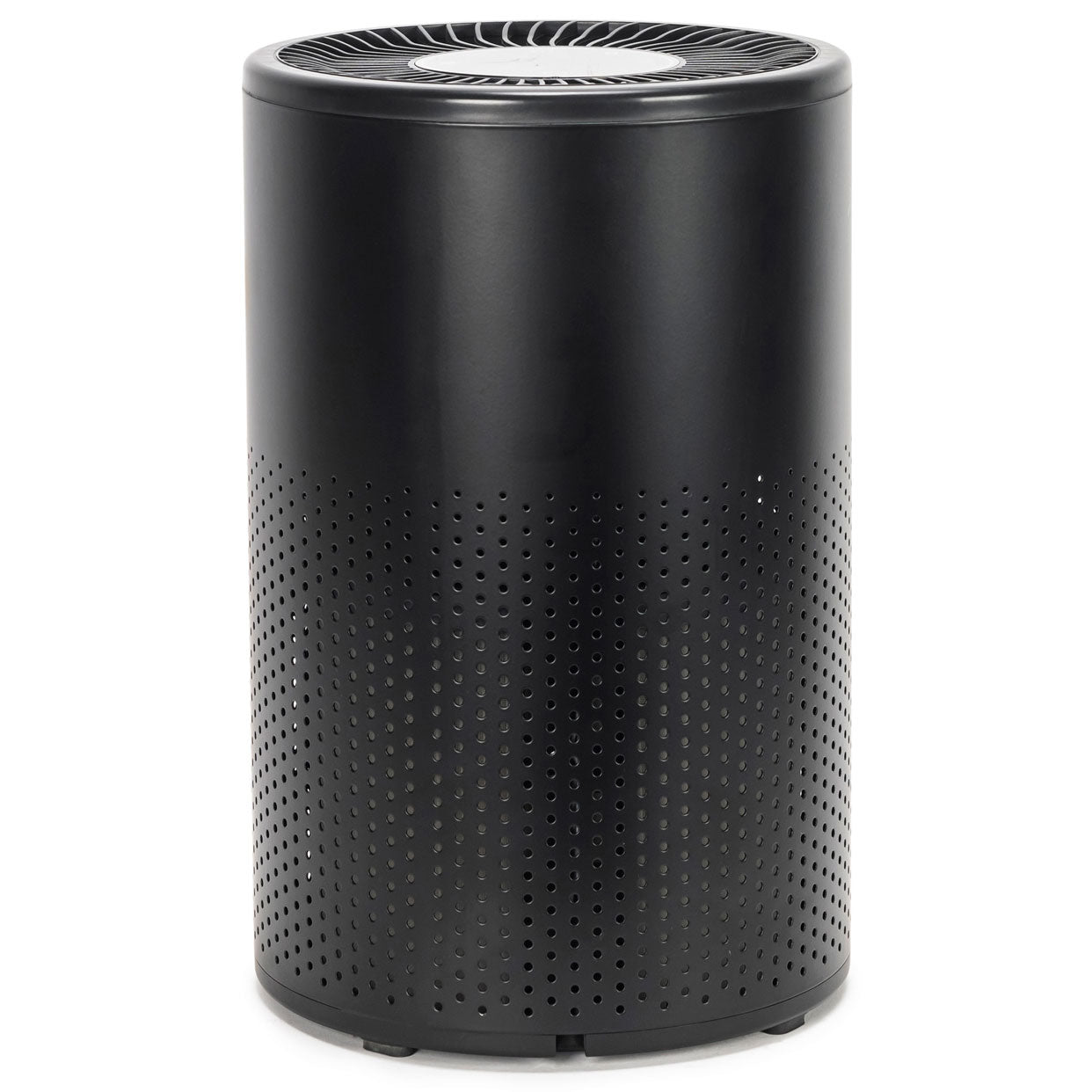
An air purifier doesn't fix dead zones on its own. It cleans the air that passes through it. If the air in the dead zone isn't reaching the unit, the unit isn't cleaning it.
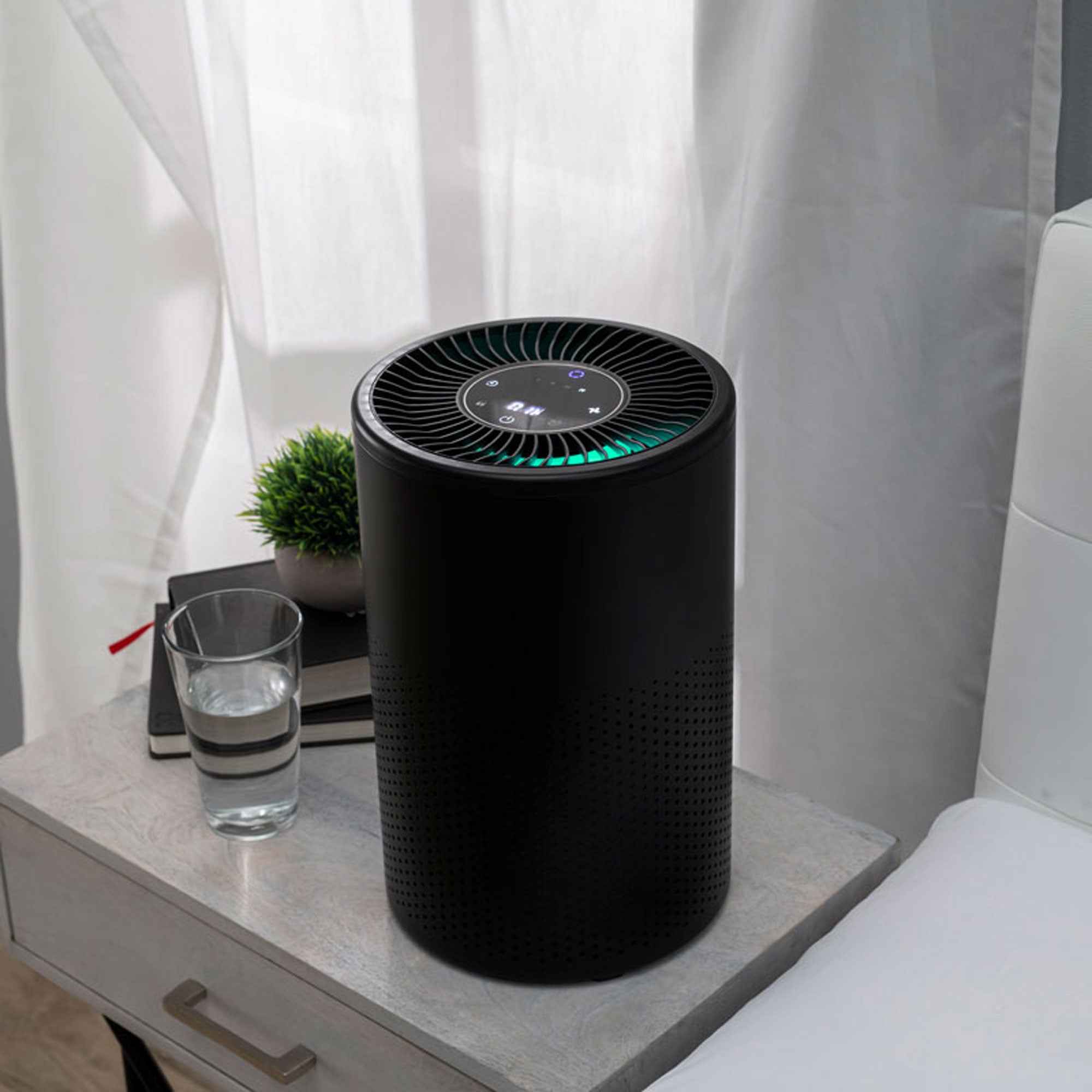
This is why placement makes a real difference. An air purifier tucked into a corner, behind furniture, or against a wall isn't just facing clearance problems at its intake — it's also likely sitting in one of the room's least-circulated areas. The unit will clean a small bubble of air around itself and not much else.
The better approach is to position the purifier where air is actually moving: near the center of the room, or along the primary airflow path between supply vent and return. This puts it in the flow rather than fighting against the room's geometry.
If the dead zone is the problem area, and you want the purifier working on that specific air, consider pairing it with a small standalone fan aimed toward the dead zone. The fan creates movement; the purifier captures what that movement brings to it. These two things work better together than either does alone.
What to do about a stuffy room
Most dead zone problems have practical fixes that don't require renovation:
- Pull furniture six or more inches away from walls to allow air to circulate behind and beneath it
- Ensure supply vents are fully open and not blocked by rugs, furniture bases, or draped fabric
- Check that returns aren't obstructed — a blocked return starves the whole room of circulation
- For L-shaped or irregular rooms, position a ceiling or floor fan to push air into the cutoff section
- In basements, have an HVAC technician check static pressure at the far registers — low pressure is fixable with a balancing damper adjustment
None of these are dramatic. Collectively, they can change how a room feels significantly.
Where the iAdaptAir fits in
A room that has been stuffy for years usually has a combination of problems: poor circulation, accumulated particles, and sometimes elevated humidity or VOCs from materials and off-gassing. Addressing the airflow problem is the first step. Cleaning what's in the air is the second.
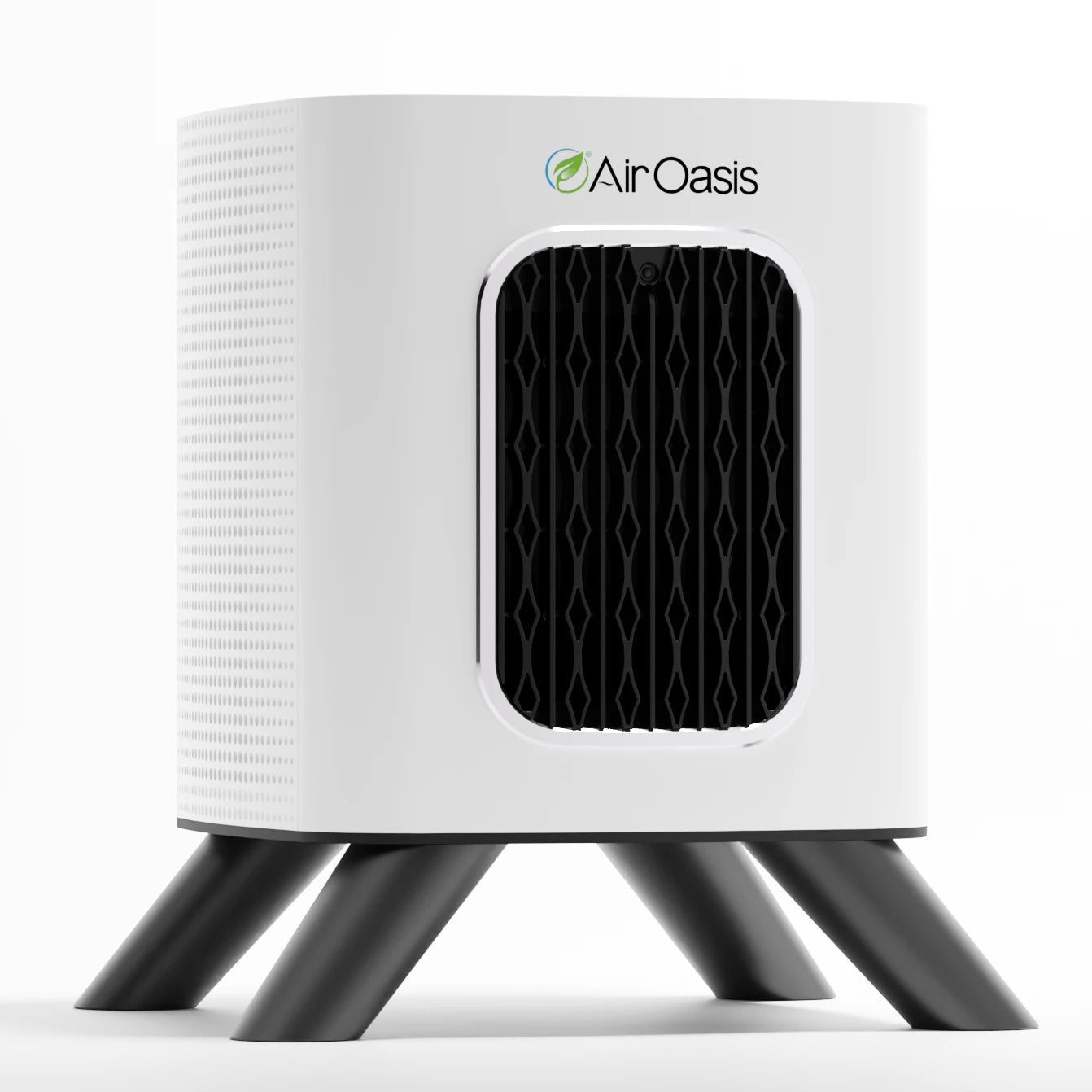
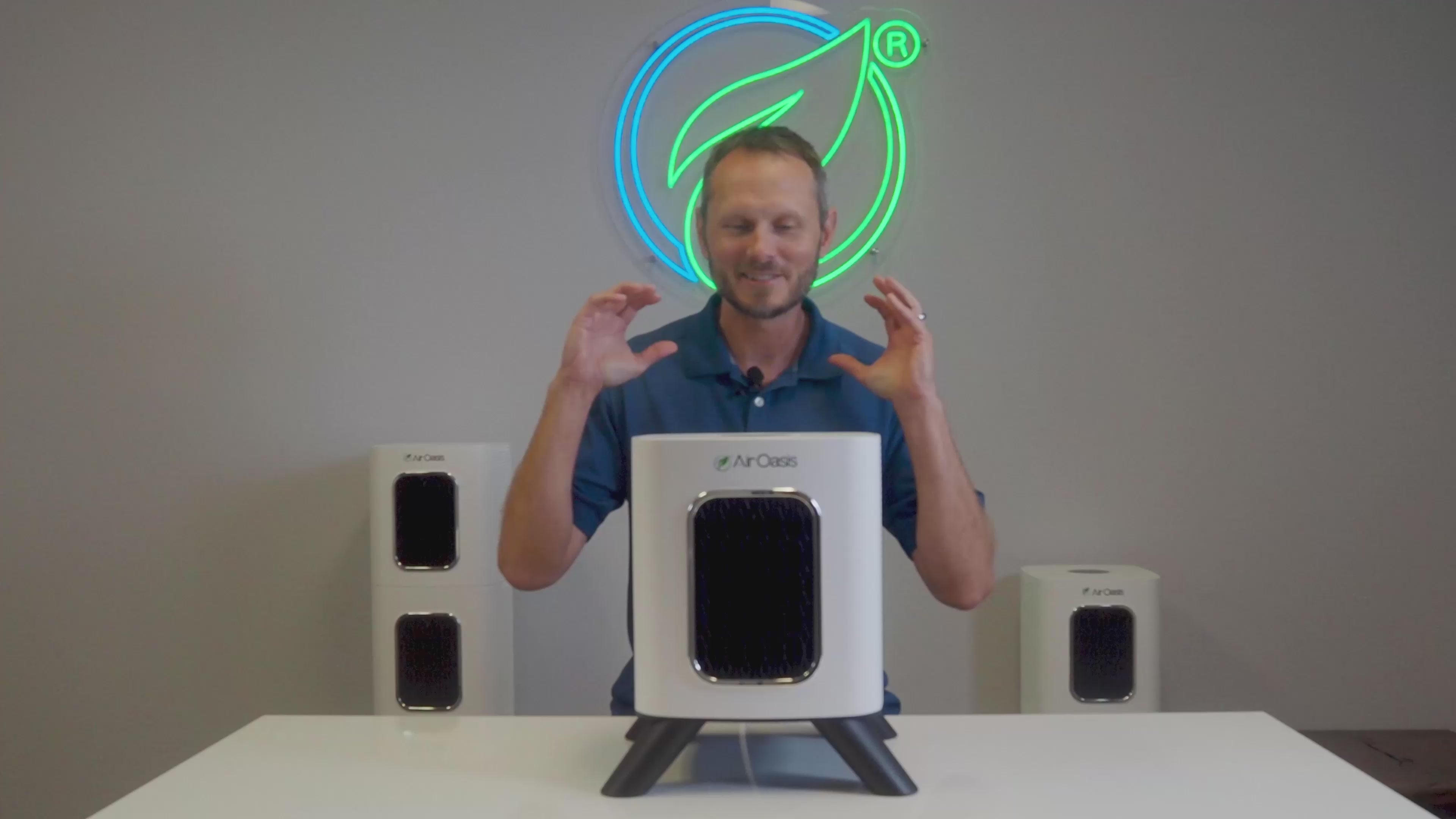
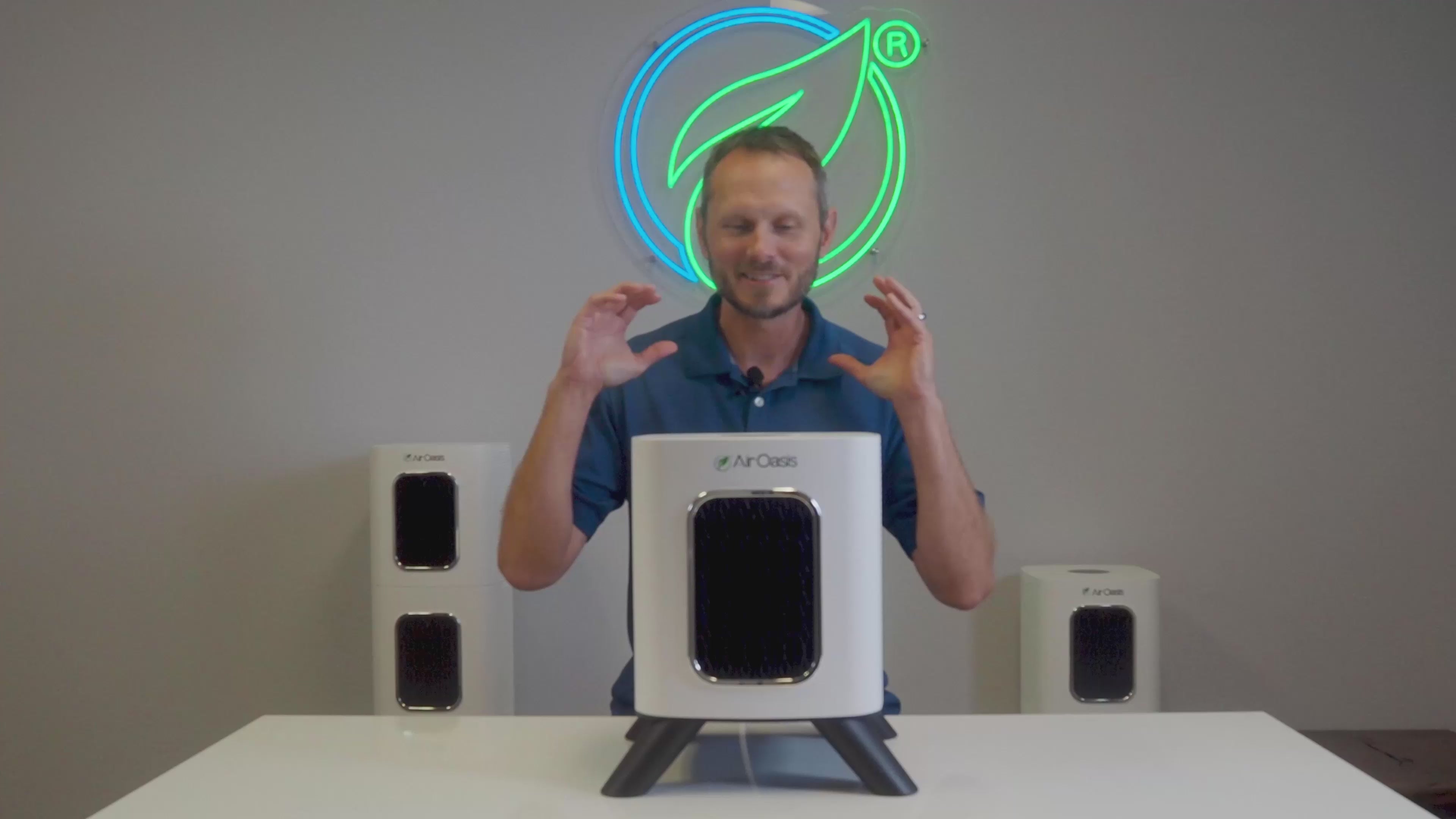
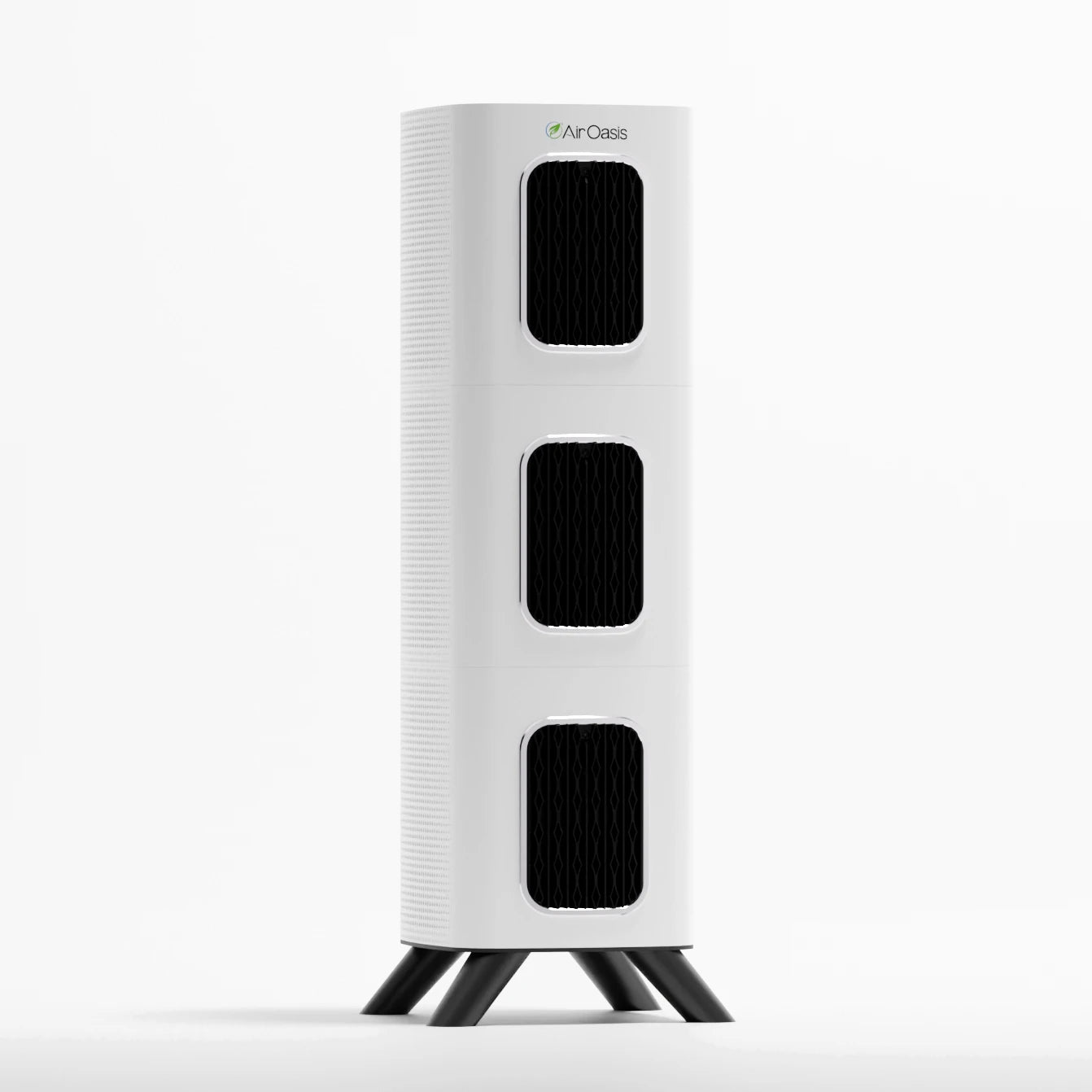
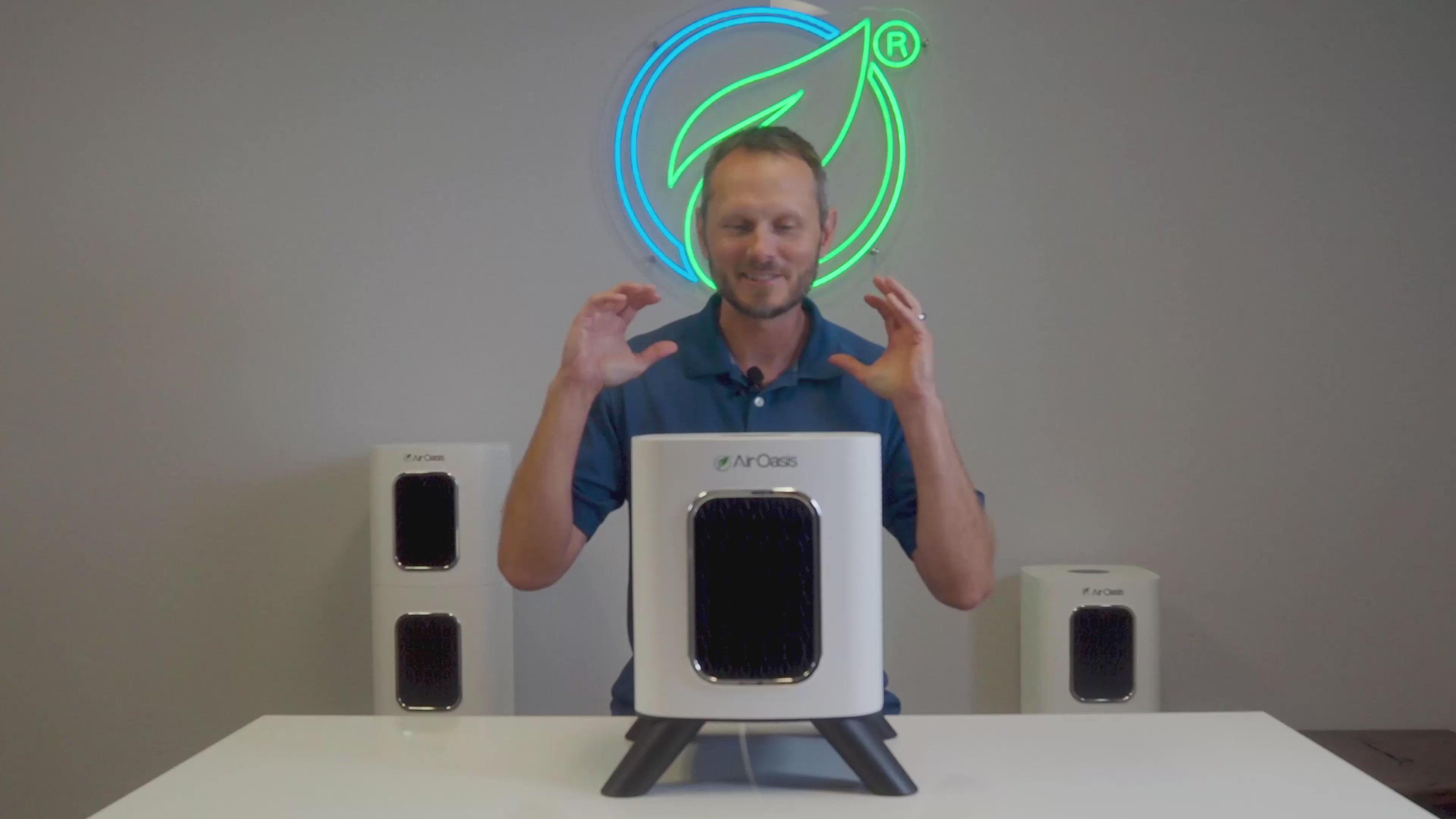
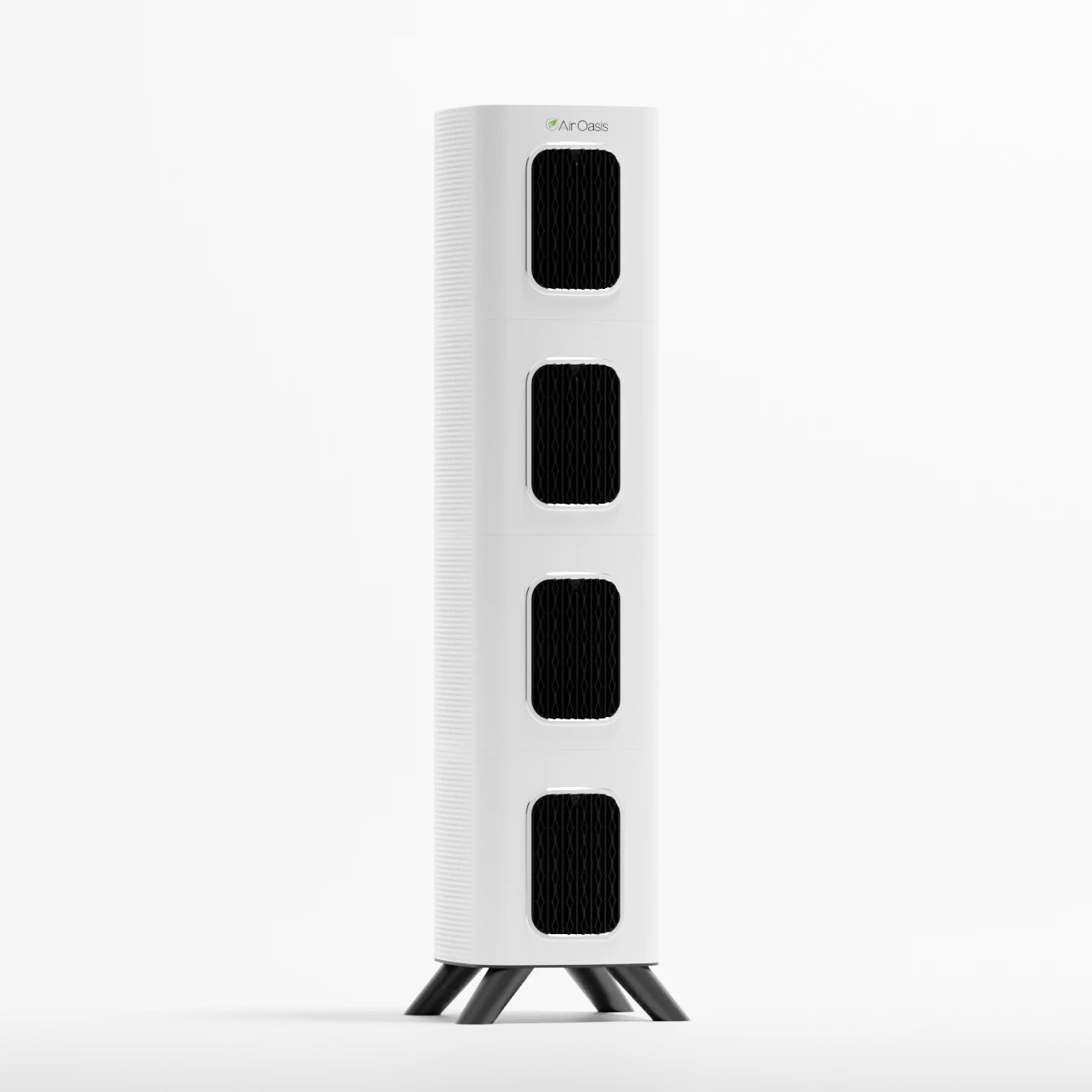
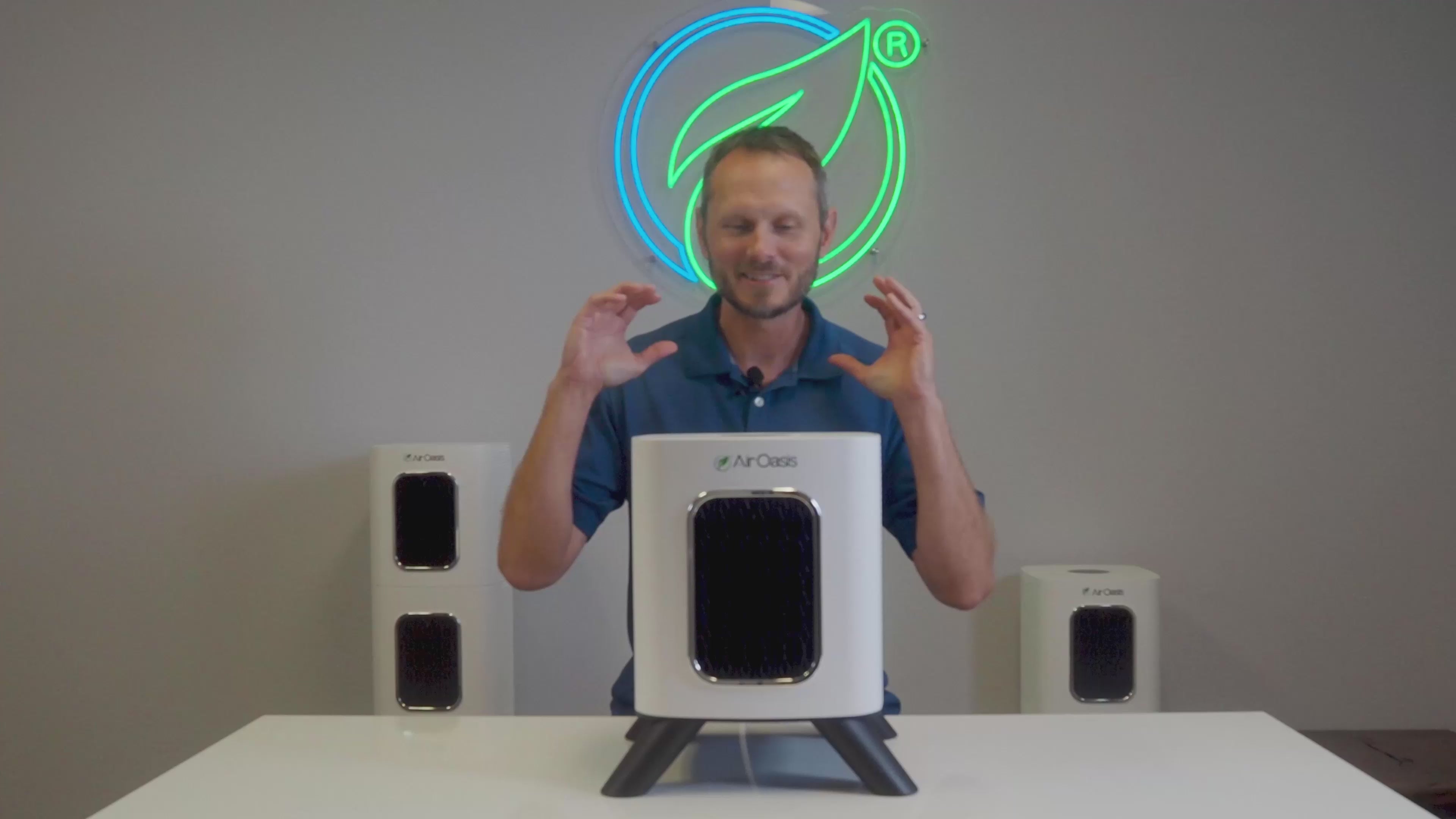
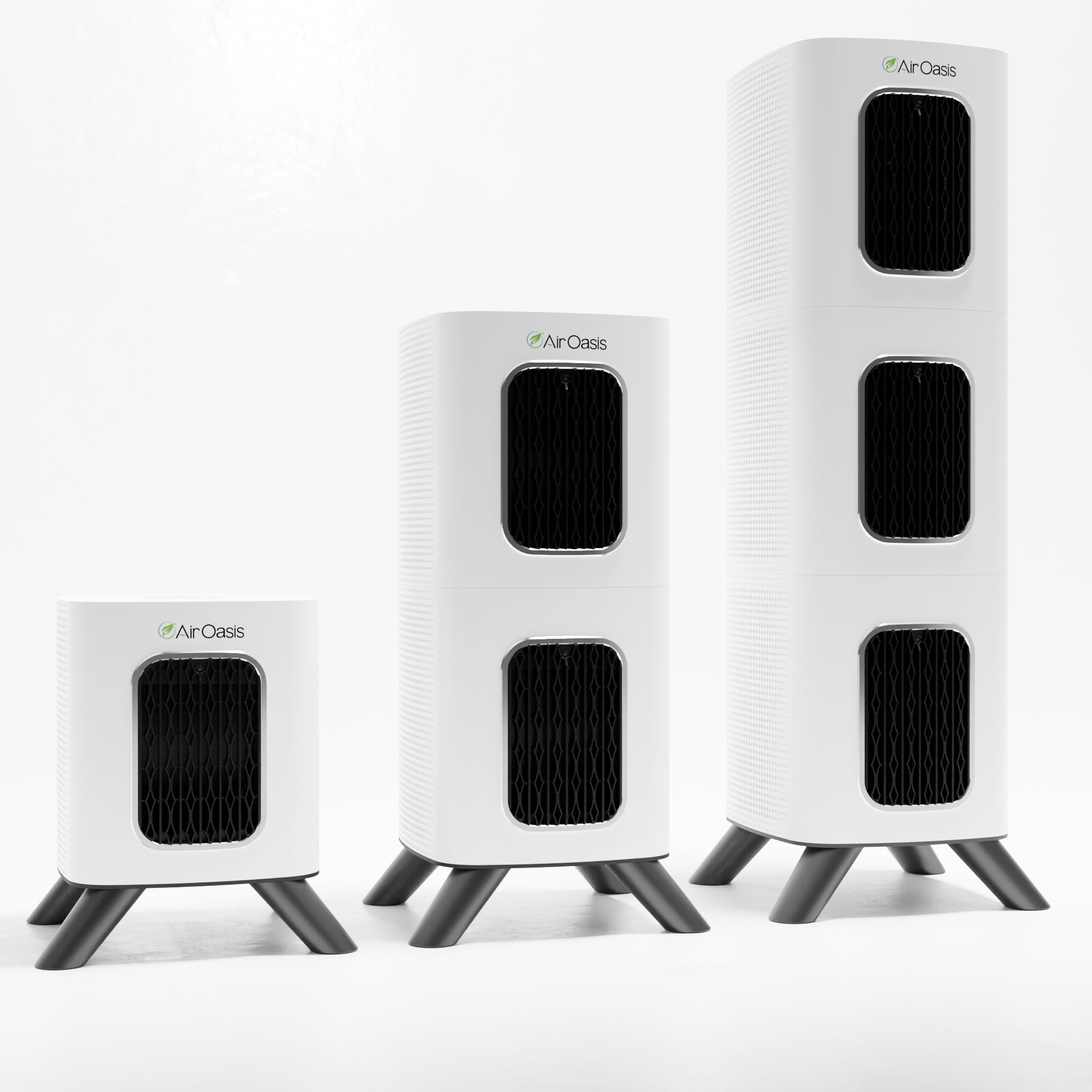
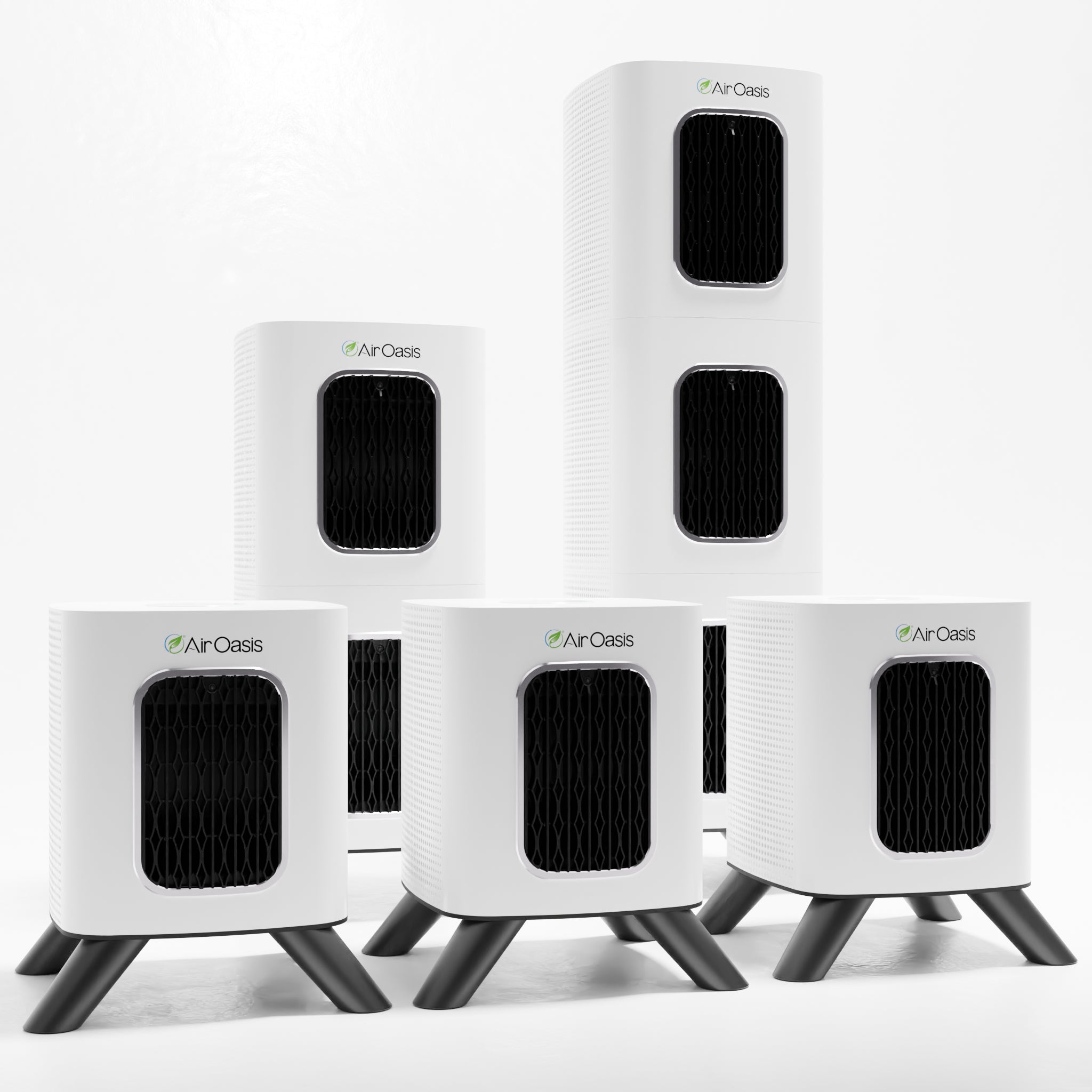
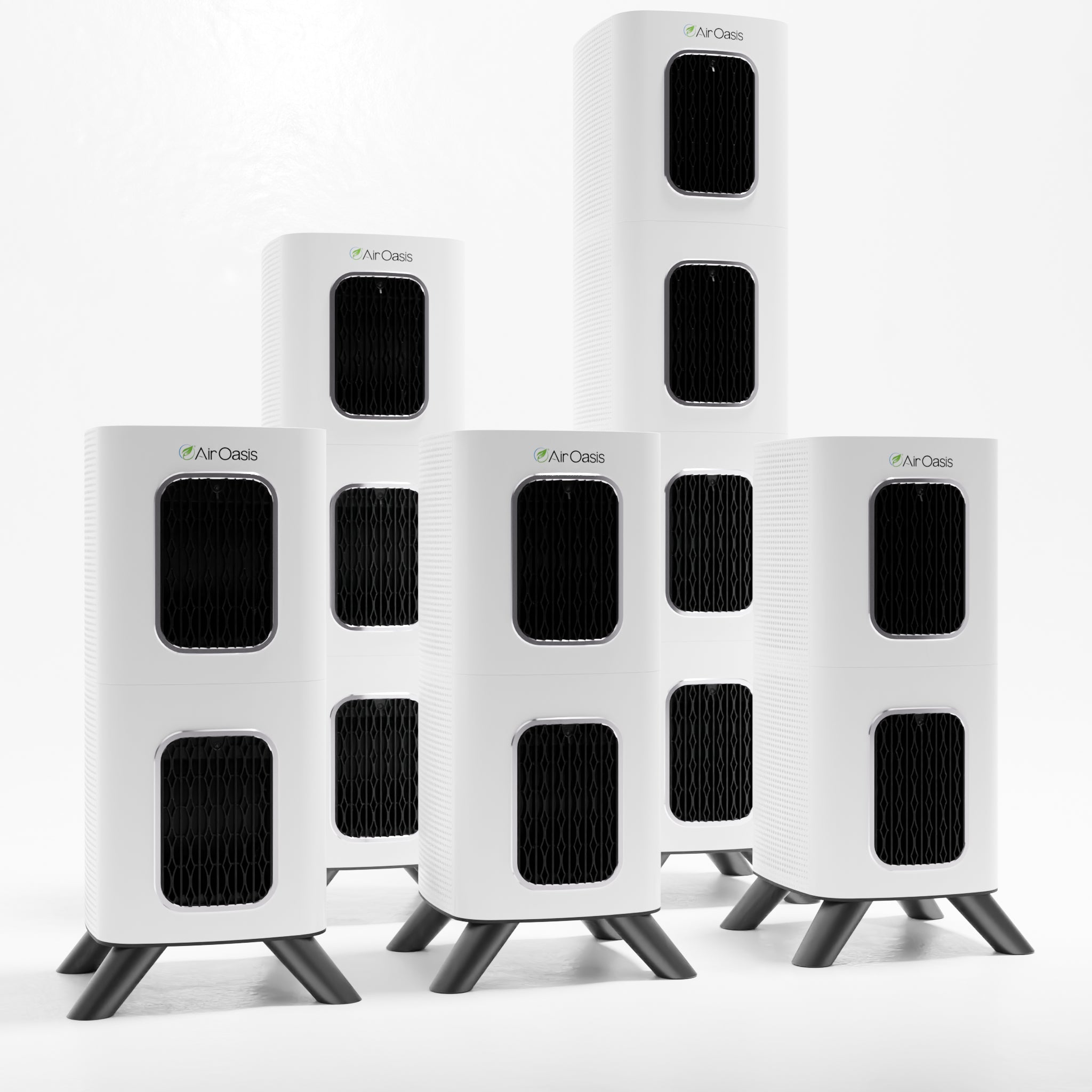
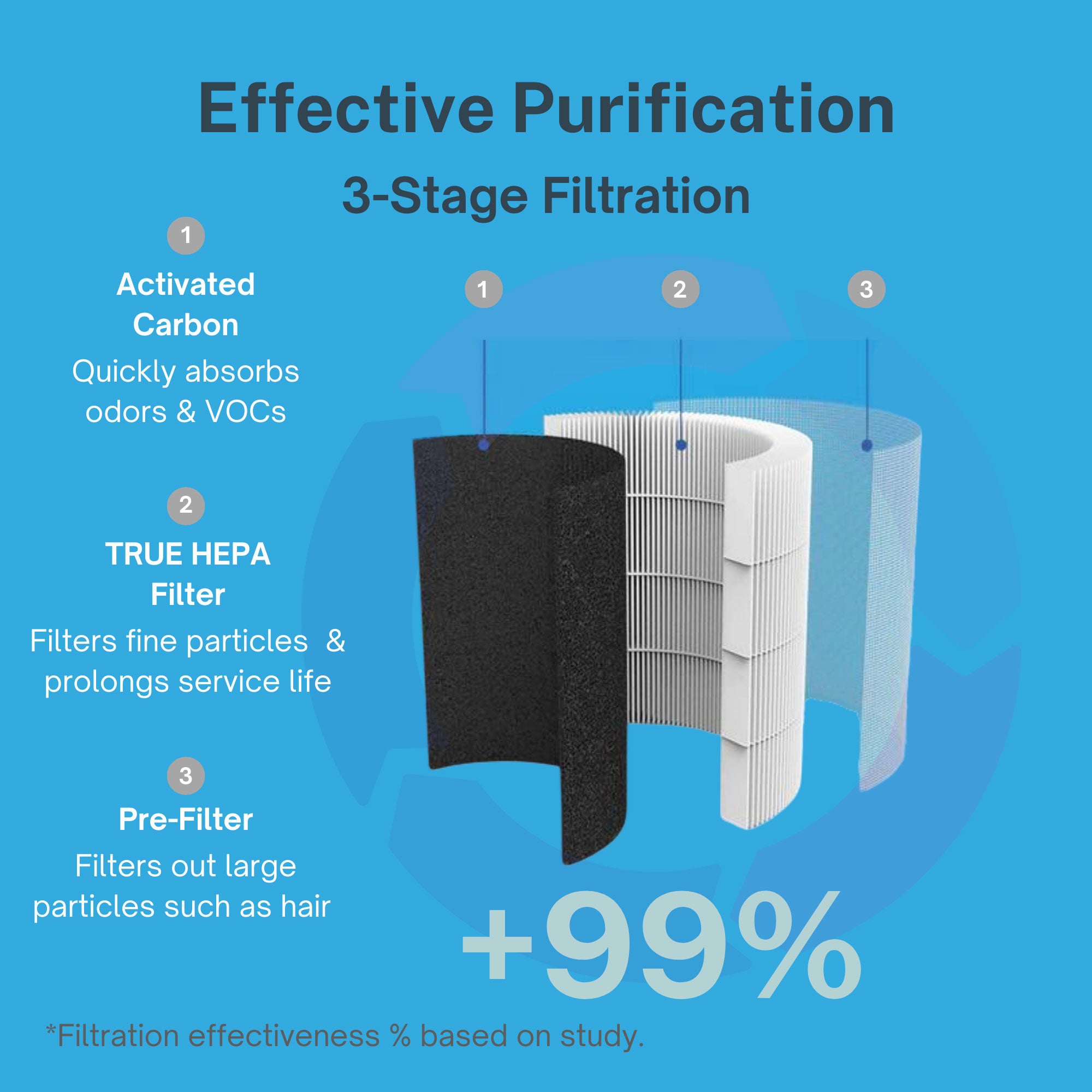
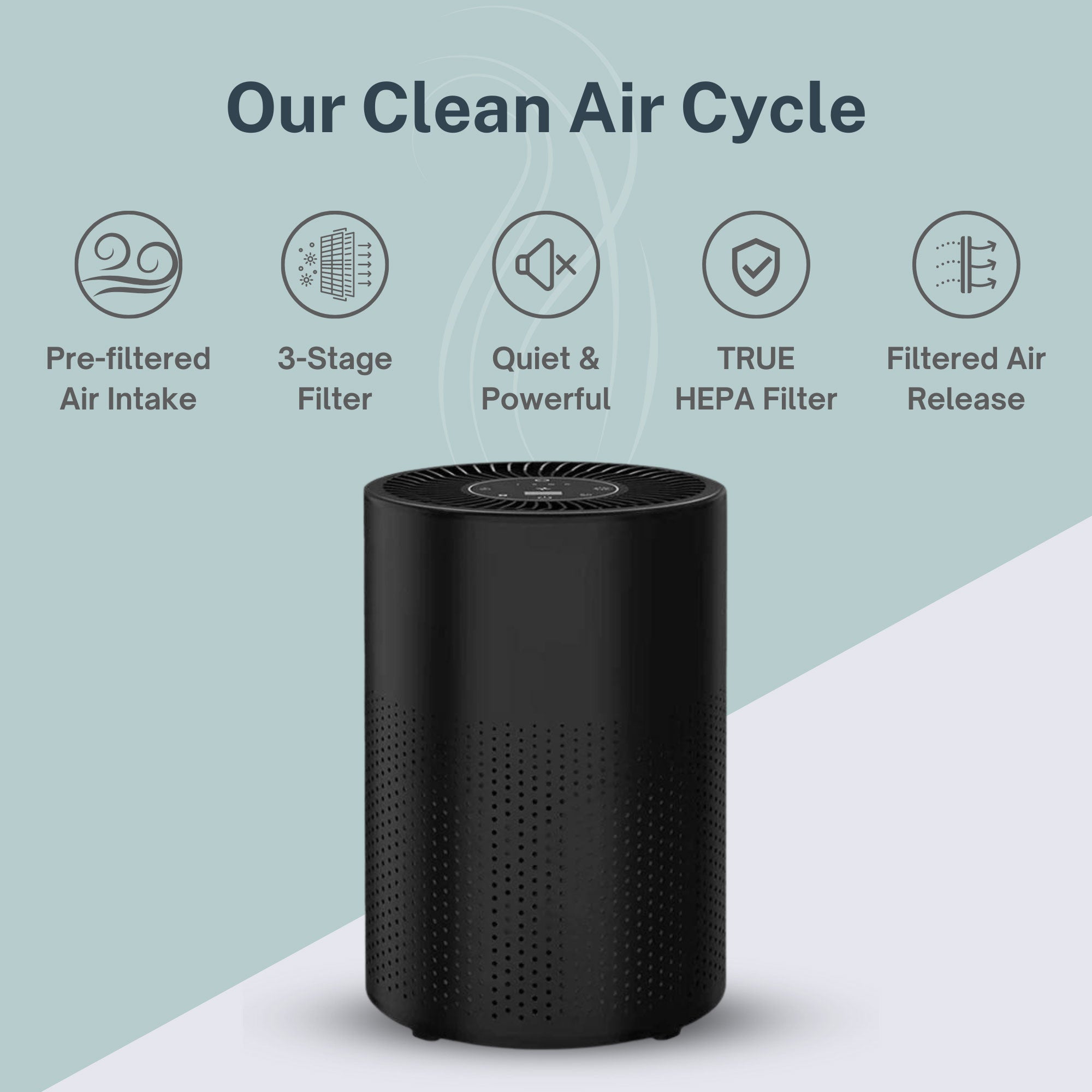
The iAdaptAir by Air Oasis uses True HEPA filtration to capture fine particles down to 0.3 microns, activated carbon to address gases and odors that settle in stagnant areas, and bipolar ionization to help particles clump and get captured before they recirculate. Running it with room for air to actually reach the unit, positioned away from walls and furniture, it cycles the room's air continuously, which matters especially in spaces that don't get much natural air movement.
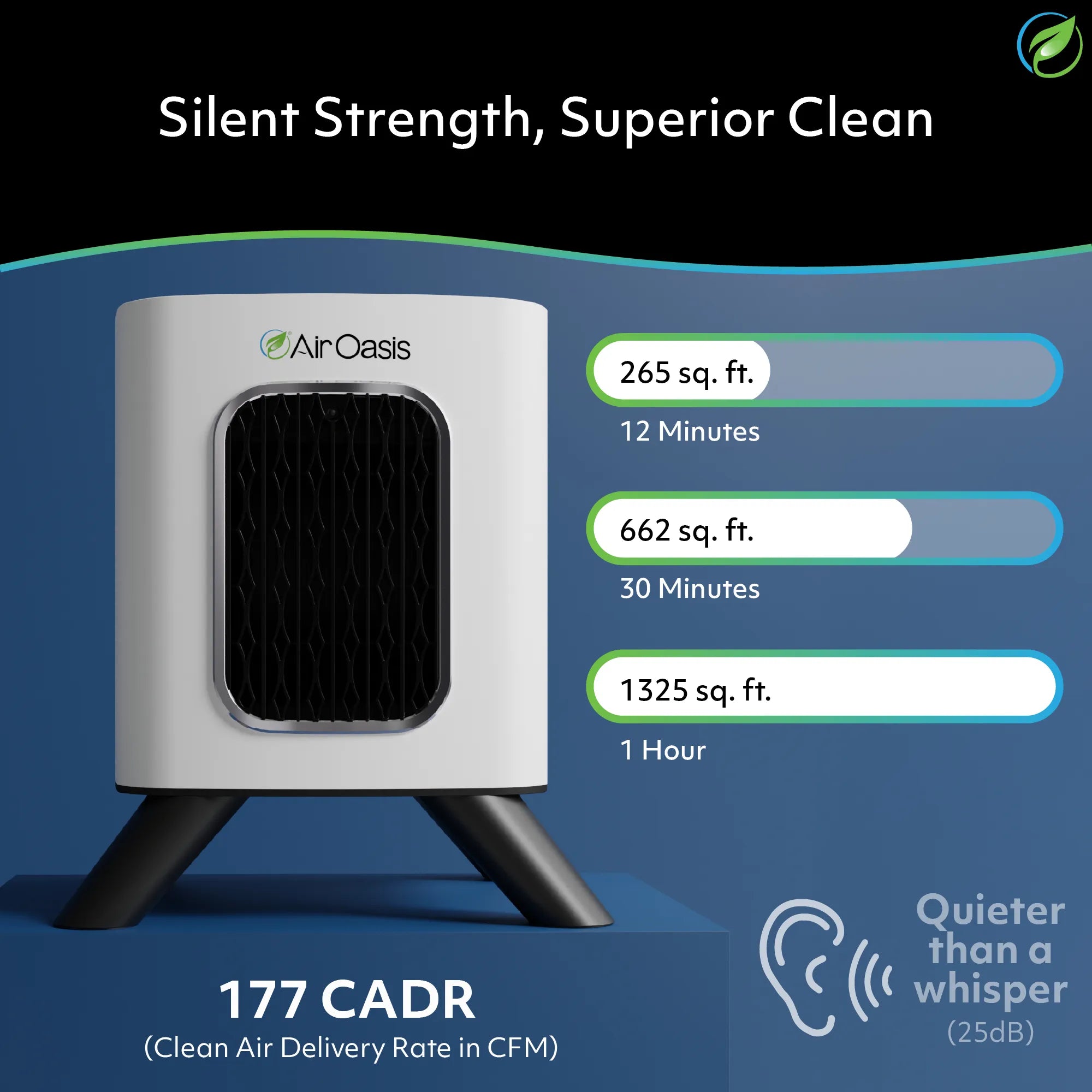
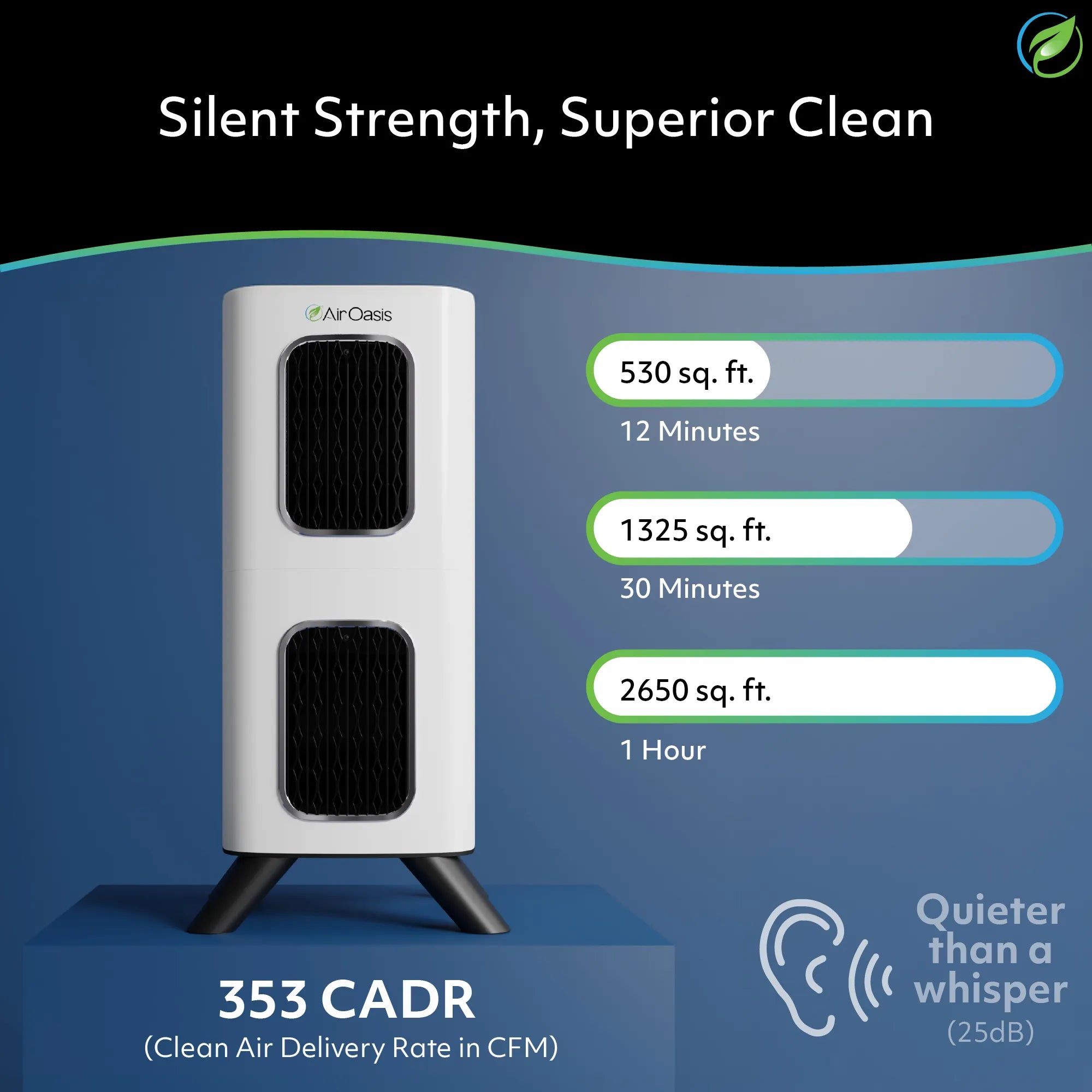
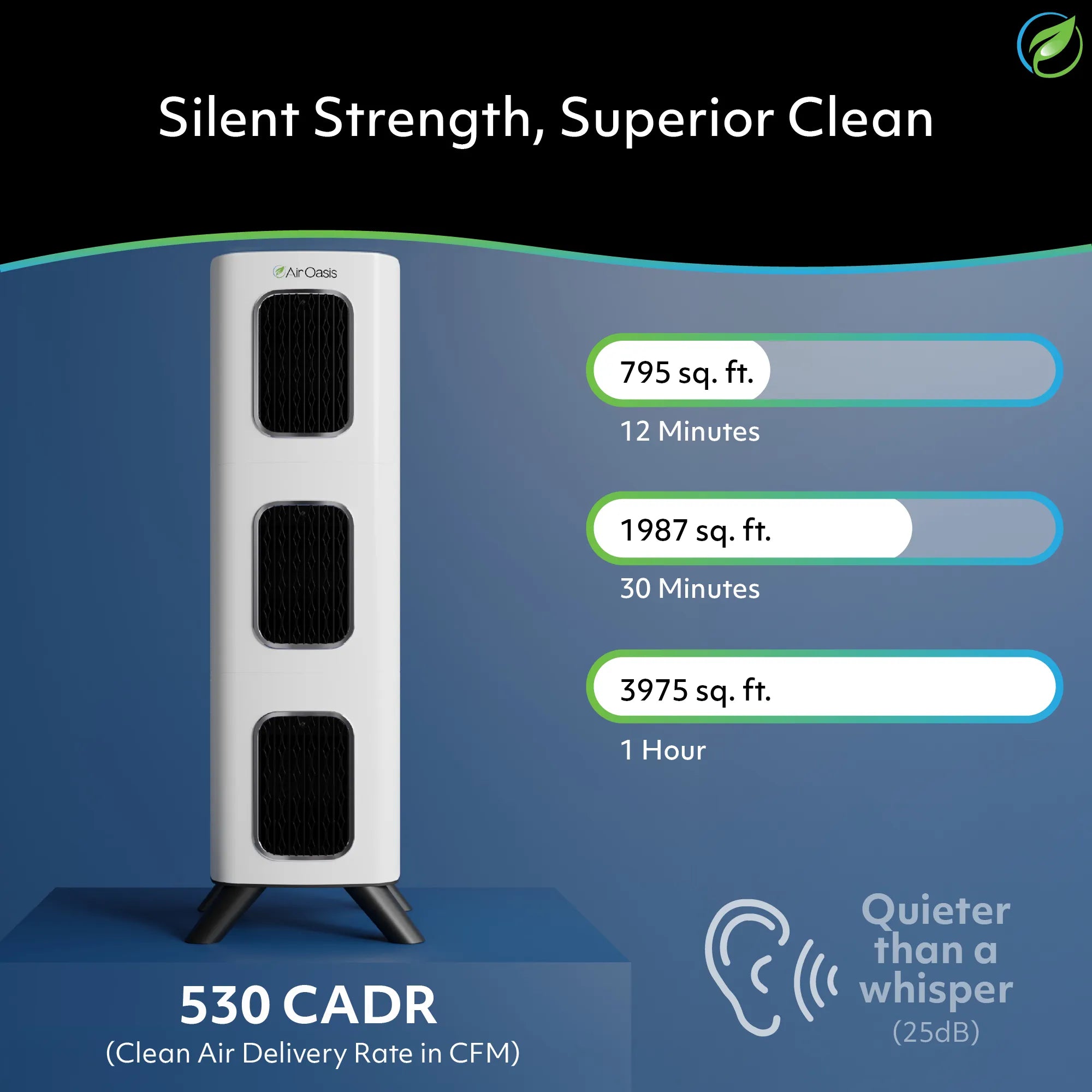
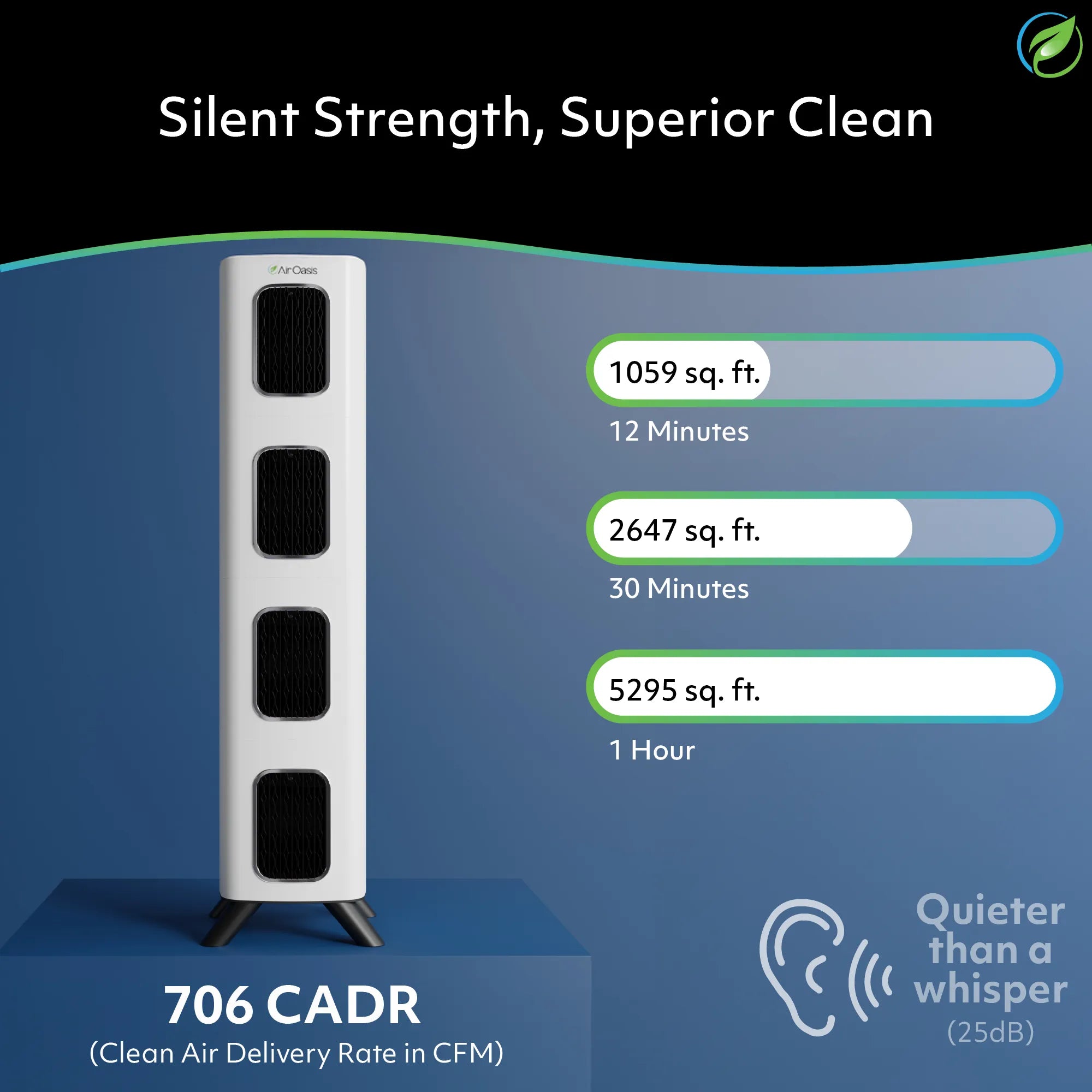
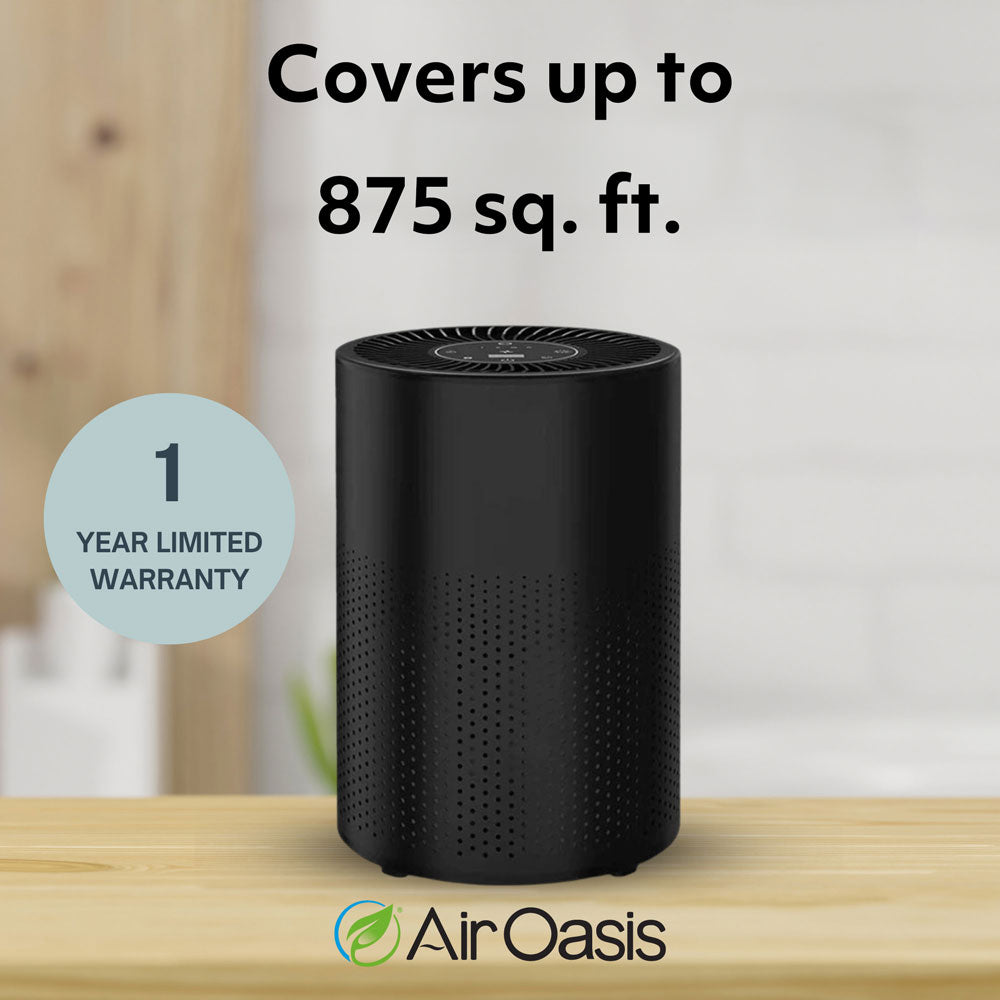
Sizing it correctly to the room ensures the air exchange rate is high enough to compensate for a room that doesn't circulate well on its own:
- 2S — up to 265 sq ft (bedrooms, offices)
- 2M — up to 530 sq ft (kitchens, larger bedrooms)
- 2L — up to 795 sq ft (living rooms)
- 2P — up to 1,059 sq ft (large open spaces)
For a room that's been chronically stuffy, sizing up is worth considering. A unit with more capacity running at moderate speed will turn air over faster than a smaller unit working at its limit.
The room that's always felt off probably has a solvable problem at its root. Fix the geometry, fix the placement, and give the air somewhere to go.
Shop Air Oasis and find the iAdaptAir sized for your space. Breathe Better, Live Better.