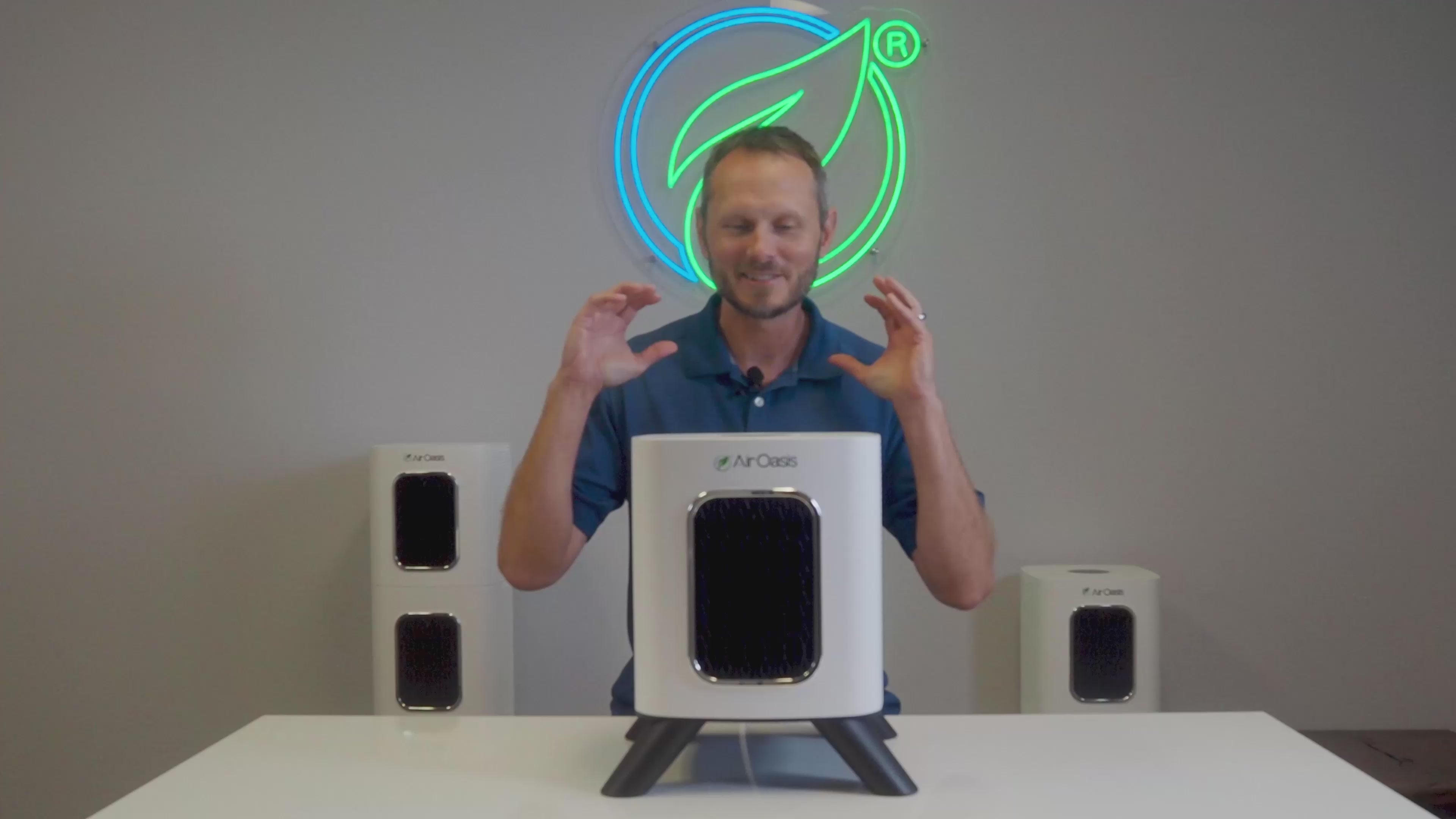
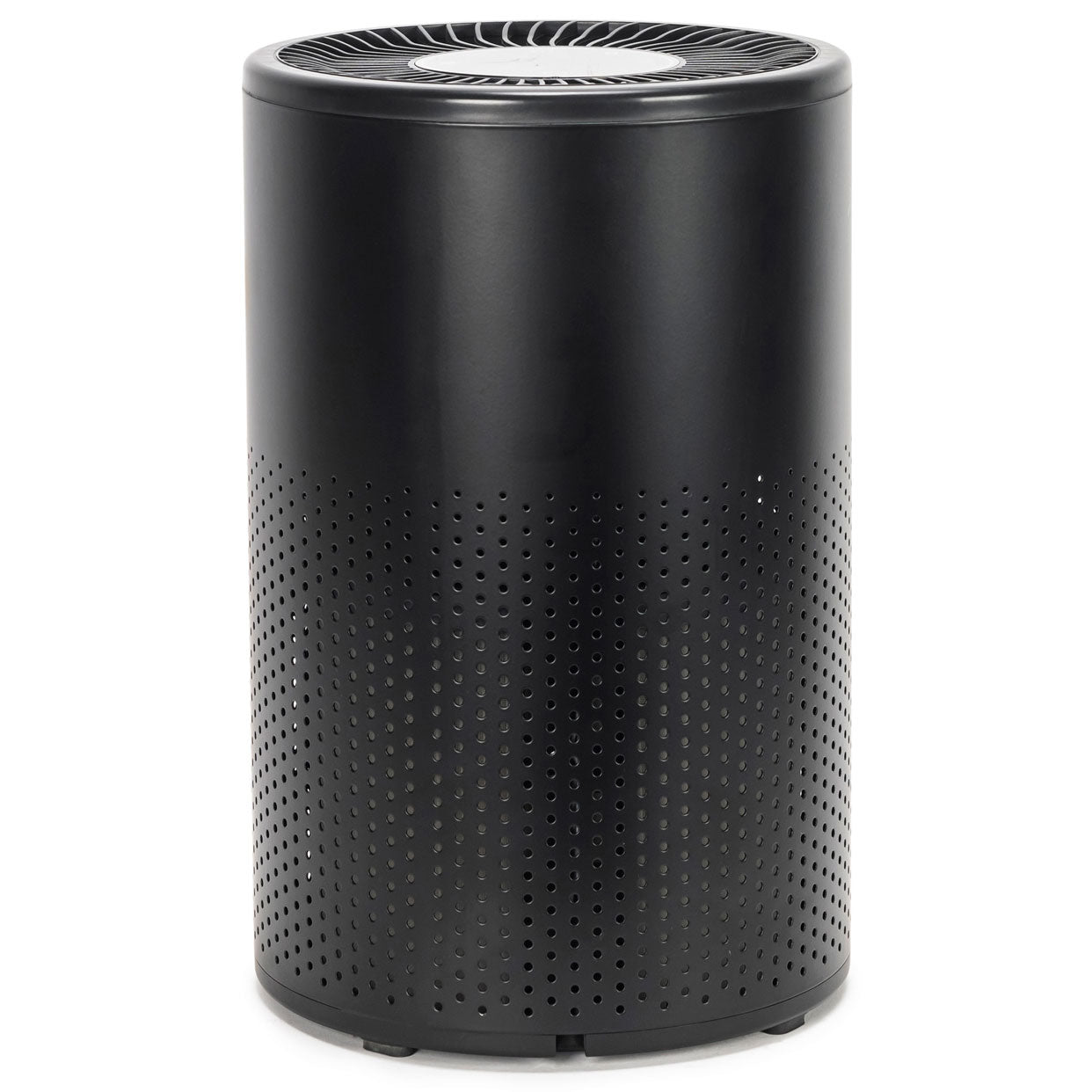
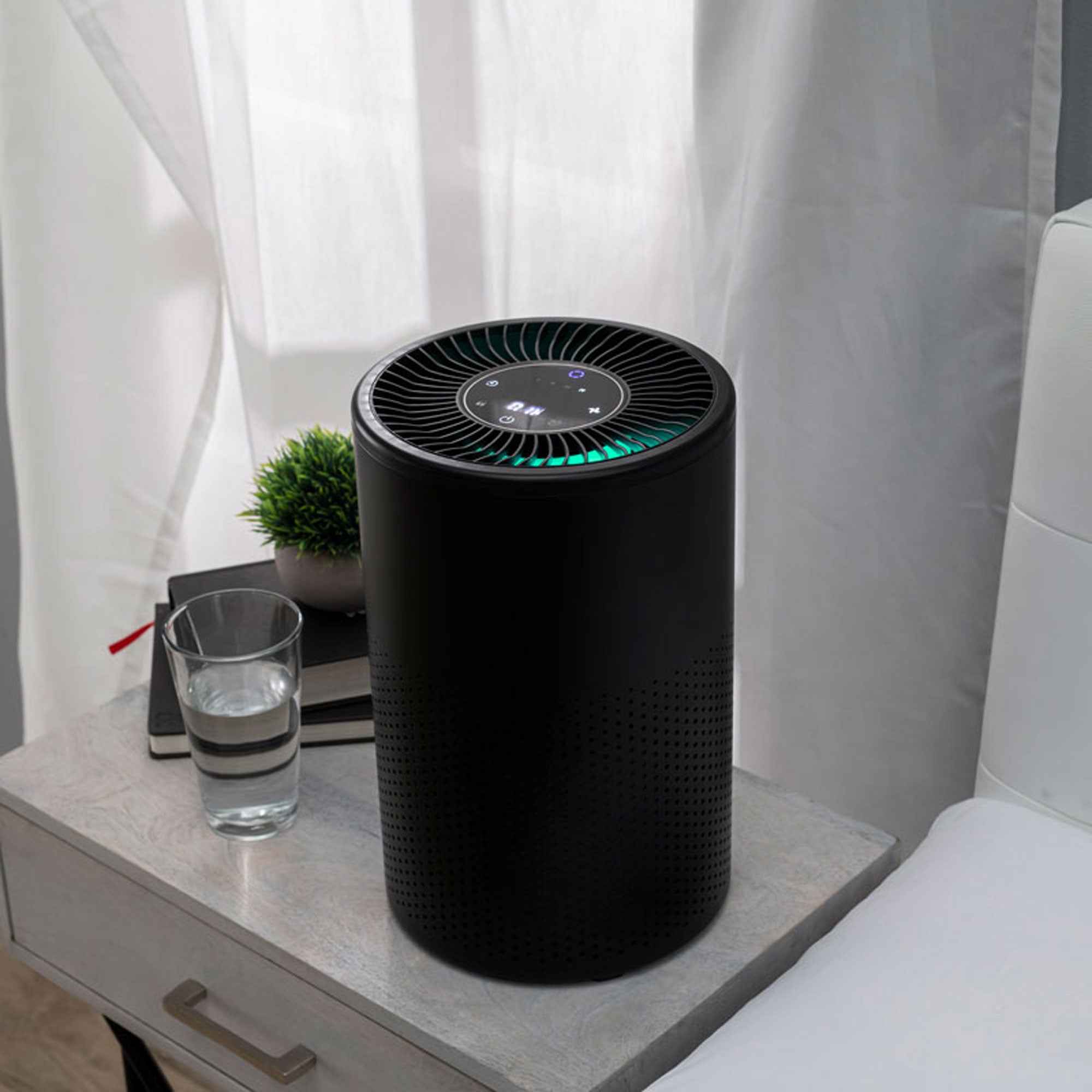
You finally bought an air purifier, but the only open outlet is behind the sofa. Or the unit fits neatly in the corner behind a bookcase, out of sight and out of the way. It's running — so it must be doing something, right? The honest answer is: yes, something, but significantly less than it should be. Where you place an air purifier matters as much as which one you buy, and tucking it behind furniture is one of the most common ways to undercut an otherwise good investment.
How Air Purifiers Actually Move Air
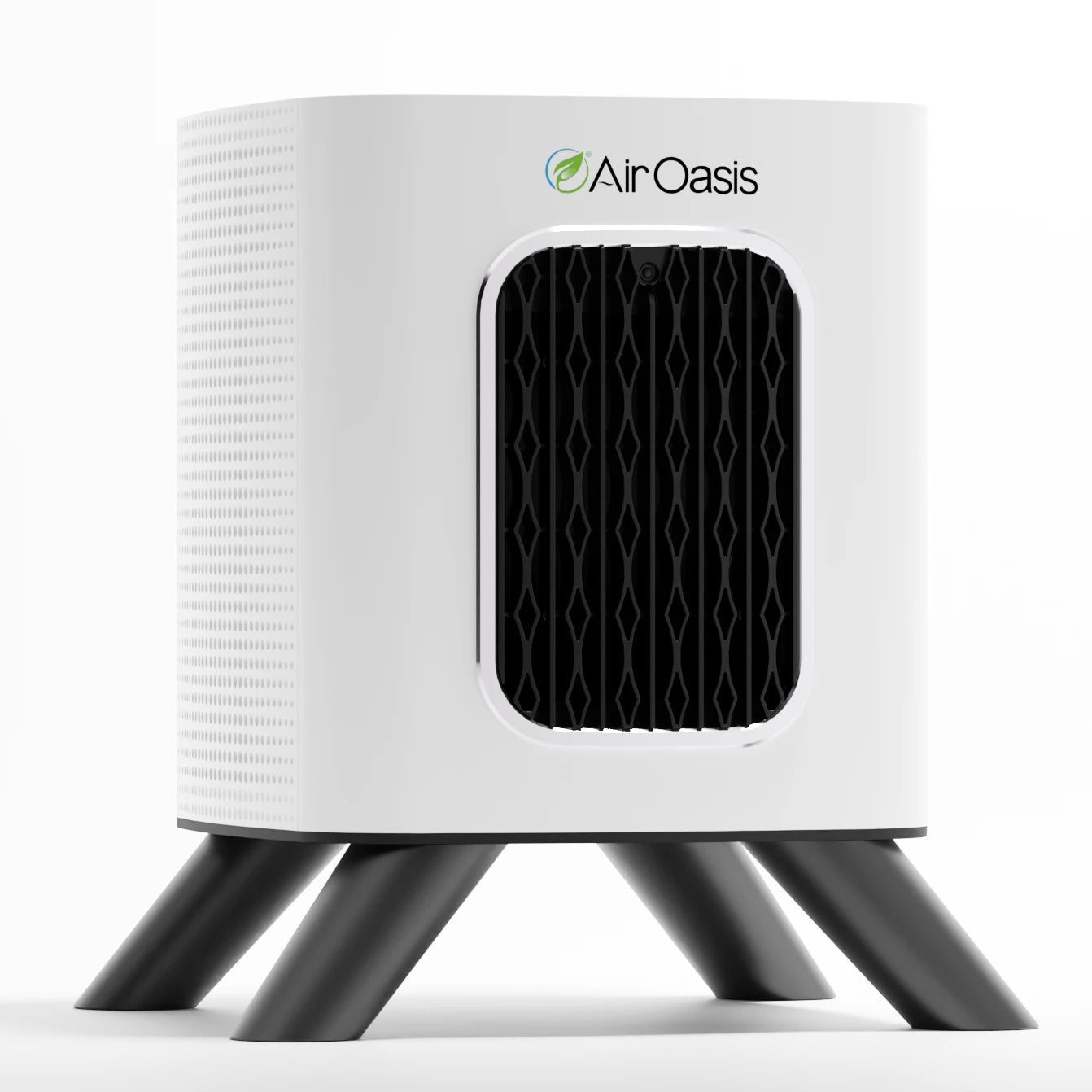
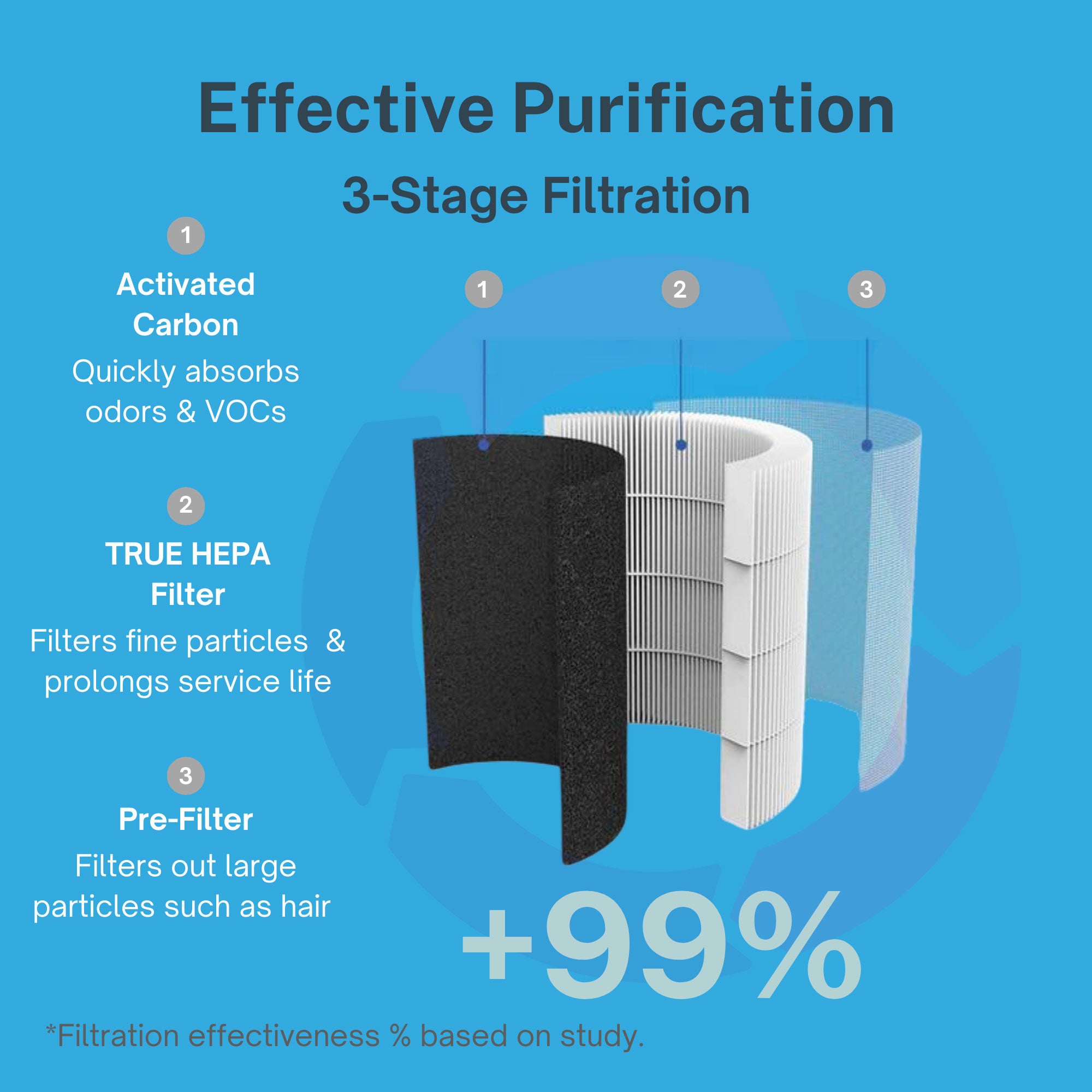
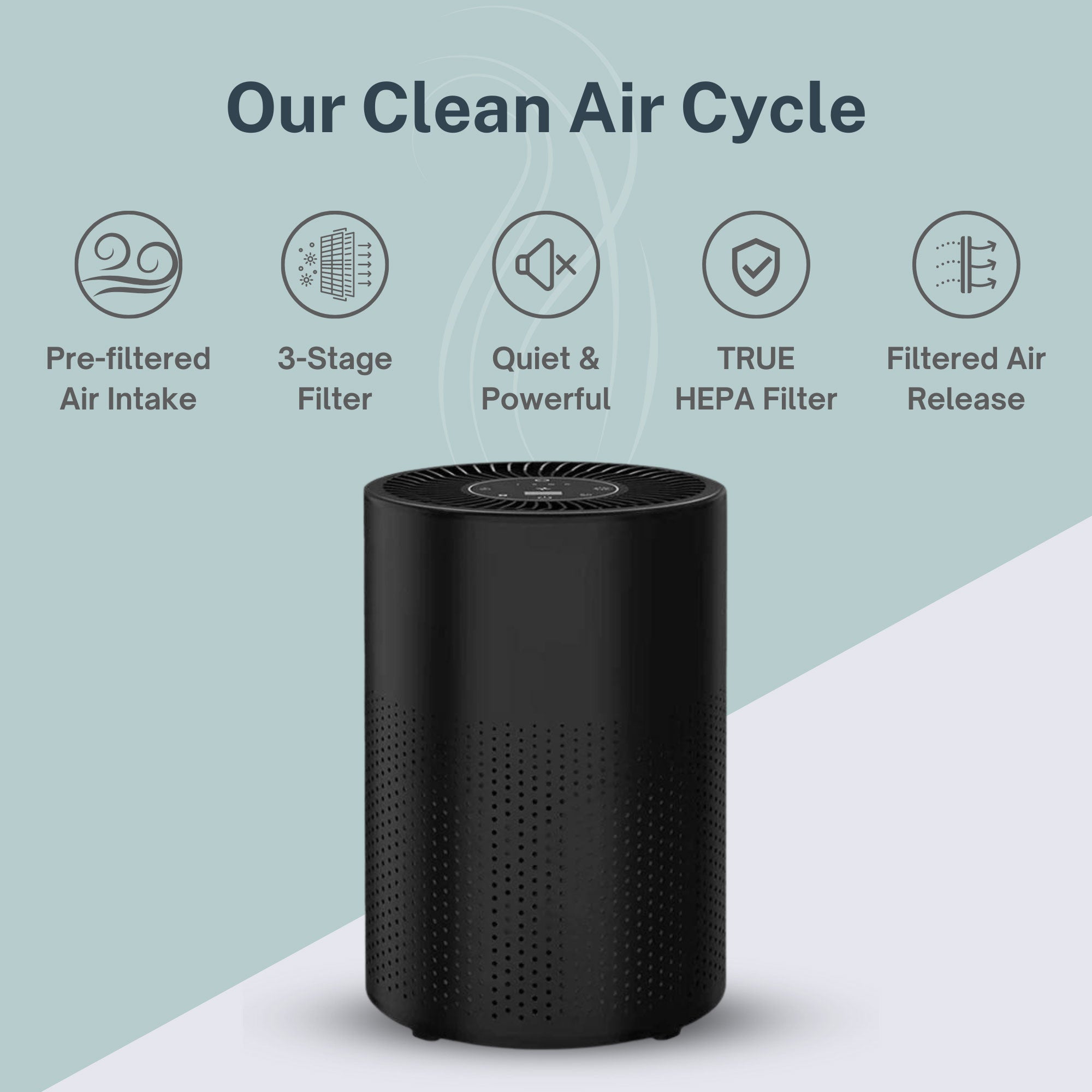
To understand why placement matters, it helps to know what an air purifier is physically doing. It draws air in through its inlets, passes that air through a series of filtration stages — in the iAdaptAir, that includes True HEPA filtration, activated carbon, UV-C light, and bipolar ionization — and then pushes the cleaned air back out through its outlets. This creates a circulation pattern within the room. Contaminated air gets pulled in, cleaned air gets pushed out, and over time, the full volume of air in the room cycles through the unit repeatedly.
That process depends entirely on unrestricted airflow. The unit needs to draw from the room and return to the room. When furniture blocks the inlets or outlets — even partially — the unit starts recycling a small pocket of air around itself instead of pulling from and distributing to the whole room. It's still running. The filters are still doing their job on whatever air manages to reach them. But the effective coverage area shrinks dramatically, and the air you're actually breathing may not be reaching the unit at all.
The 4-Inch Rule — and Why It Exists
The iAdaptAir manual is specific on this point: for maximum air cleaning efficiency, air inlets and outlets should be kept at least 4 inches from walls or other obstructions at all times during operation. That minimum clearance is not a suggestion. It's the threshold below which airflow becomes meaningfully restricted.
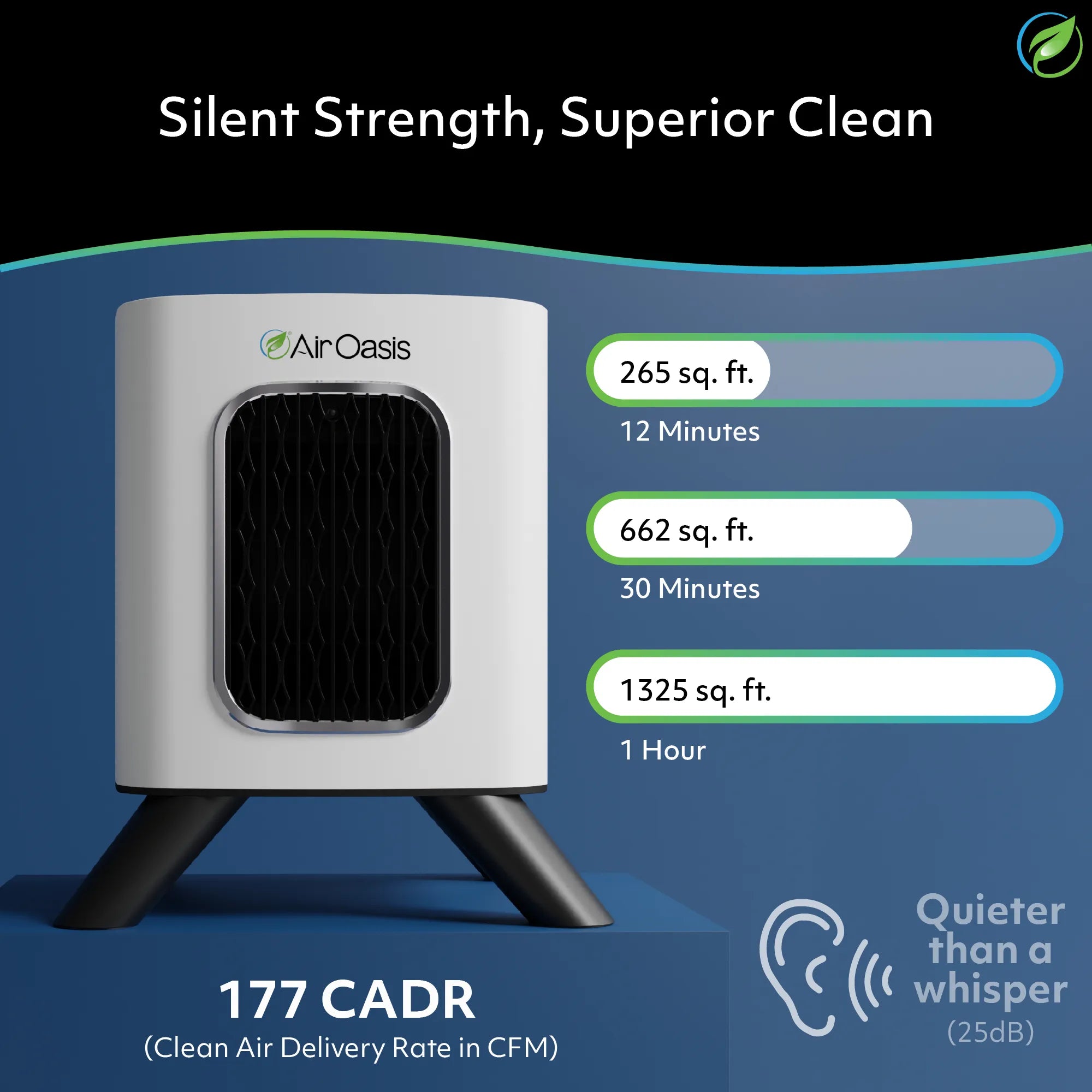
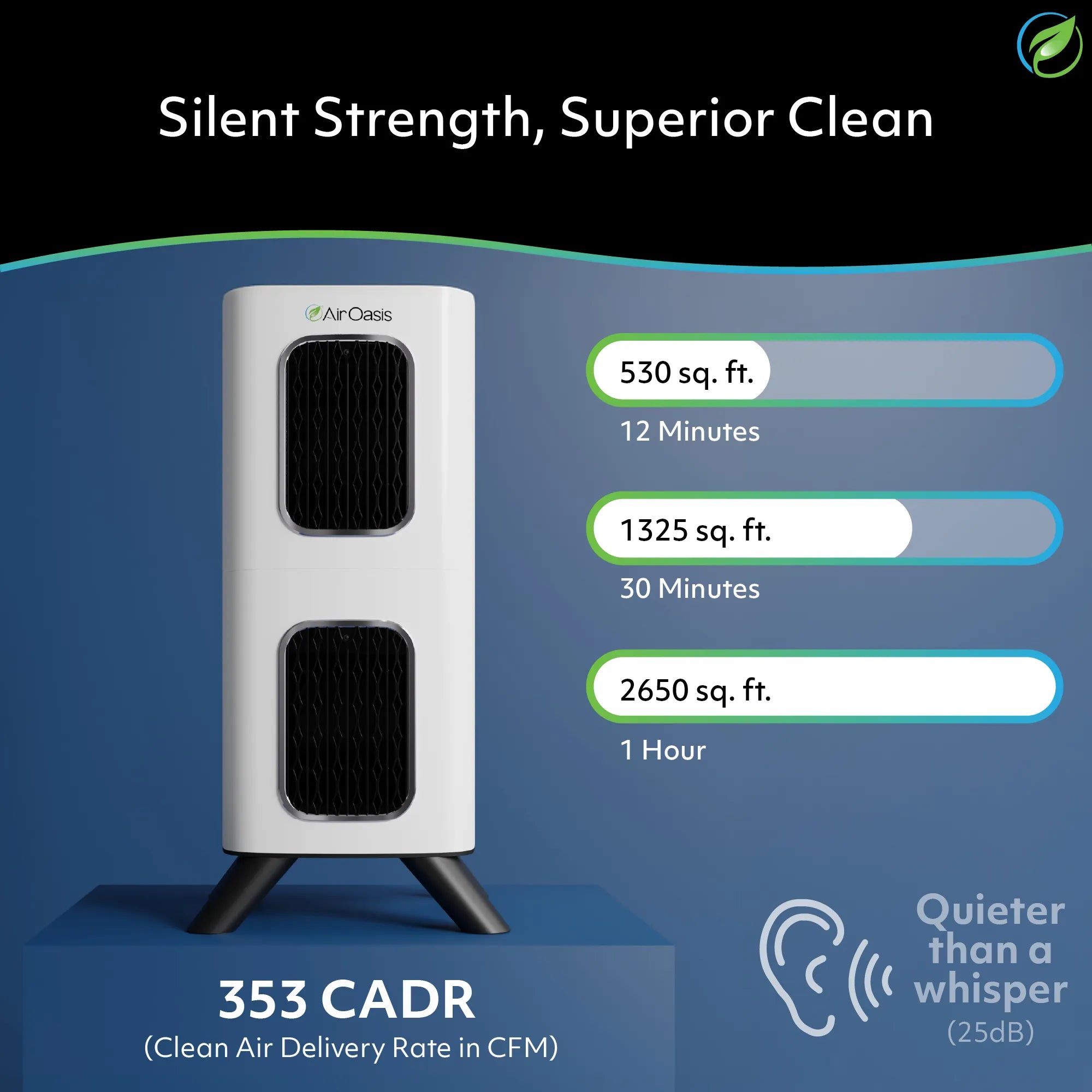
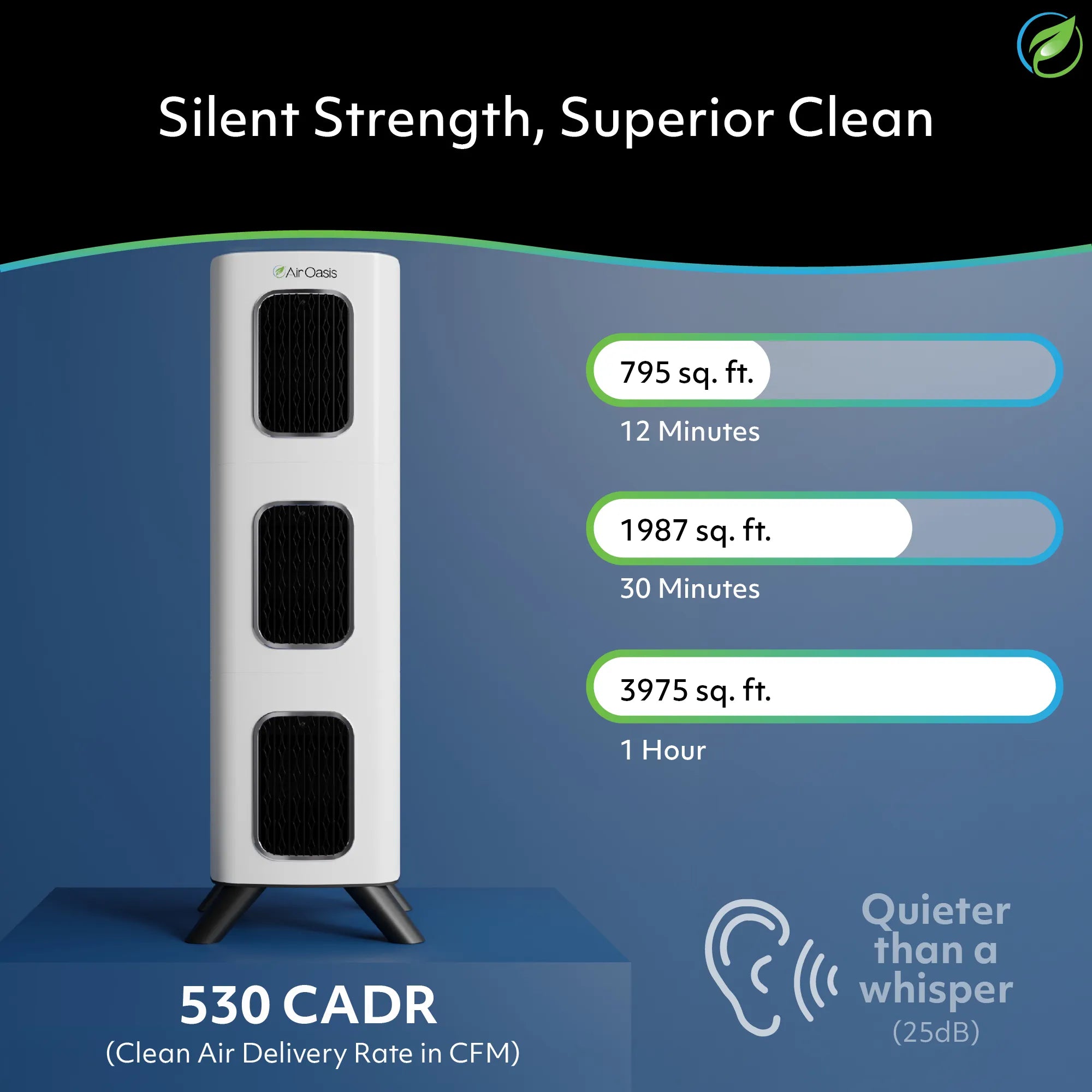
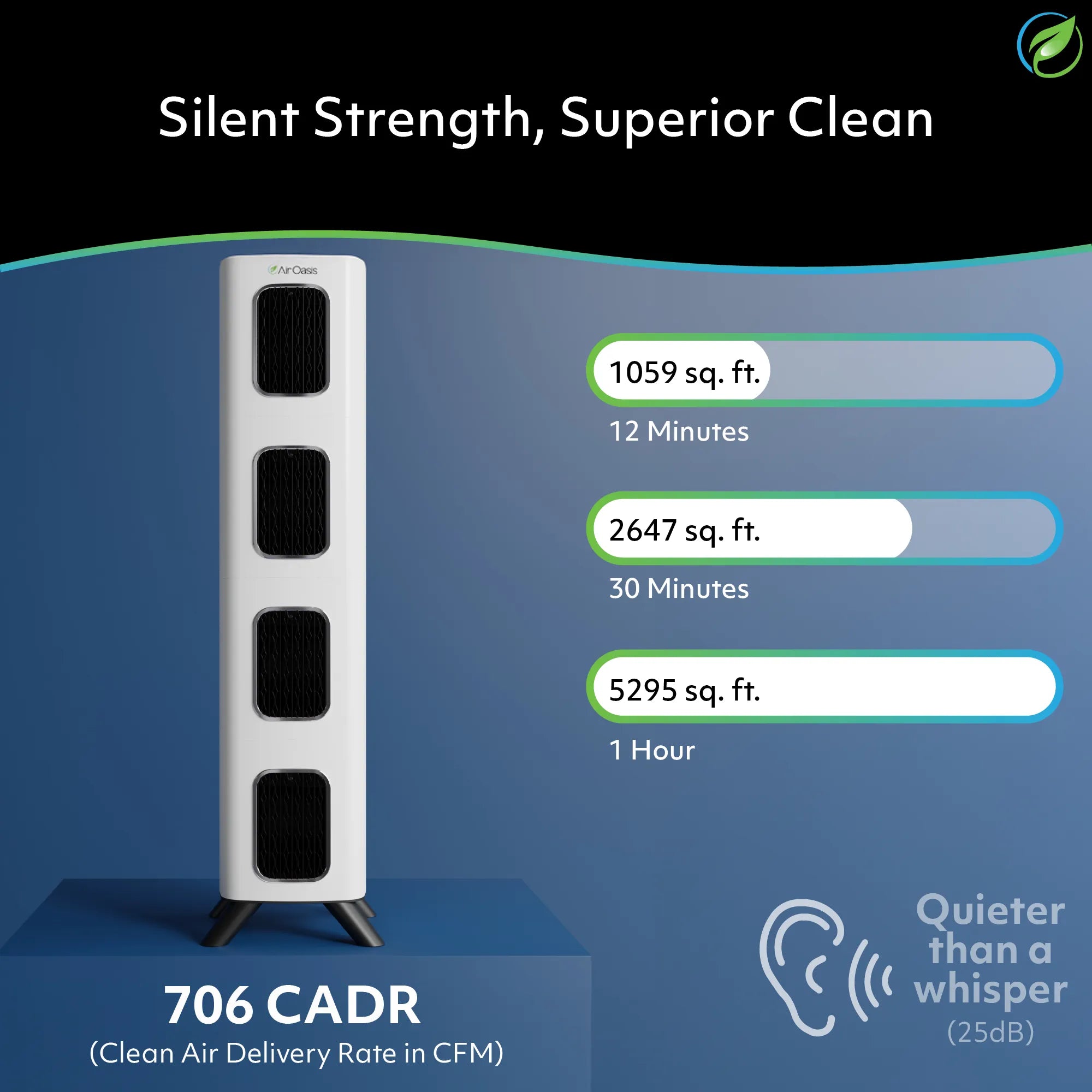
A sofa pushed against the back of the unit, a bookshelf flanking both sides, or a dresser sitting in front of the outlet — any of these reduces the open space through which air can freely move. The unit's fan motor still runs, still draws power, still sounds like it's working. But restricted airflow means the air exchange rate drops. The iAdaptAir's coverage ratings — 265 square feet for the 2S, 530 for the 2M, 795 for the 2L, 1,059 for the 2P — are based on a full air cycle every 12 minutes in unobstructed conditions. Block the inlets or outlets and that cycle time stretches out. In a heavily obstructed placement, the effective coverage can be a fraction of the rated capacity.
The manual also flags poor air circulation as a direct cause of poor performance, noting that the purifier requires proper airflow to cycle through and clean the air effectively.
What Happens to the Air Behind Furniture Anyway
There's a secondary issue worth understanding. The space behind large furniture pieces — sofas, bookcases, dressers, and entertainment centers — tends to be a low-airflow zone. Dust accumulates there undisturbed. If there's any moisture in that area, mold can develop on baseboards or the backs of furniture, where little ventilation allows it to dry out. Placing an air purifier in that zone doesn't fix those conditions — it just means the unit is filtering a stagnant pocket rather than the active air in the room where you're actually sitting, sleeping, or breathing.
Practical Solutions for Tight Spaces
The goal is unobstructed access to room air. That doesn't necessarily mean the purifier needs to sit in the middle of the floor. It does mean it needs breathing room on all sides around the inlets and outlets. A few practical approaches work well in real homes.
Placing the unit at the end of a sofa rather than behind it preserves clearance on all sides while keeping it close to a wall outlet. Positioning it in an open doorway between two rooms, or in a corner where it faces into the room rather than into the corner, maintains airflow while staying out of foot traffic. If the unit needs to be near furniture for practical reasons, pulling the furniture several inches away from the wall to create a passage — even a narrow one — is better than direct contact.
For rooms where aesthetics matter and a visible purifier feels intrusive, the better answer is usually to choose the right-size unit for the room and let it sit in the most open, available position, even if it's more visible than you'd like. A purifier that's running well in a visible spot does far more for your air quality than one hidden behind a couch cushion doing a fraction of its job.
Placement Is Half the Performance
An air purifier is only as effective as the air it can reach. The filtration technology inside the iAdaptAir is genuinely capable — True HEPA, activated carbon, UV-C, and bipolar ionization working together to address particles, VOCs, pathogens, and odors. But all of that capability depends on unobstructed airflow cycling the room's air through the unit consistently. Give it the clearance it needs and it performs as designed. Tuck it behind furniture and you're running a great purifier at a fraction of its potential. Shop Air Oasis today and breathe better, starting with where you place it.
Frequently Asked Questions About Air Purifier Placement
Here's some more info.
Can I put an air purifier behind a couch?
It's not recommended. Furniture that blocks the air inlets or outlets restricts airflow and significantly reduces the unit's ability to clean the room's air. The iAdaptAir requires at least 4 inches of clearance around all air inlets and outlets for proper operation.
Does it matter which direction an air purifier faces?
Yes. The unit should be positioned so that both inlets and outlets have unobstructed access to room air. Facing the outlet toward the center of the room rather than into a wall or piece of furniture helps distribute cleaned air more effectively across the space.
What is the best place to put an air purifier?
The best placement is an open area with at least 4 inches of clearance on all sides, away from walls, furniture, and corners that would restrict airflow. Central placement in the room or along an interior wall facing into the space typically gives the best coverage.
Does furniture placement affect what size purifier I need?
Indirectly, yes. If your room layout makes truly open placement difficult, sizing up to a model with a higher CADR helps compensate for any minor airflow restrictions — but it doesn't replace the need for adequate clearance around the unit itself.