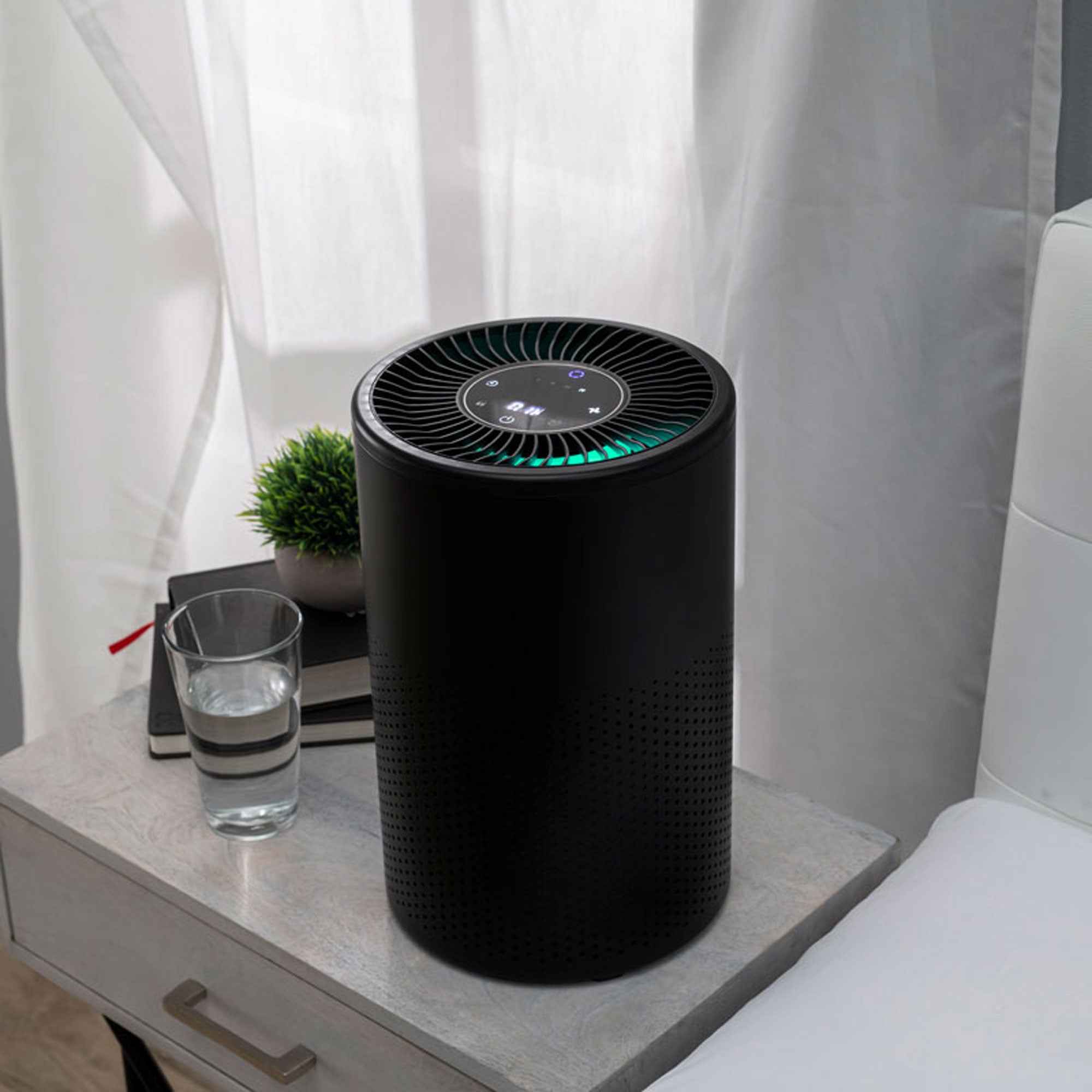
You've got a room full of plants. Maybe a fiddle-leaf fig by the window, a row of pothos on the shelf, some herbs on the sill. You've also got an air purifier running nearby, and you're wondering: are these two things working together, working against each other, or just coexisting?
It's a genuinely good question. And the answer involves some real nuance about how air purifiers work, what plants do to the air around them, and what placement actually means for performance.
What an air purifier actually needs to do its job
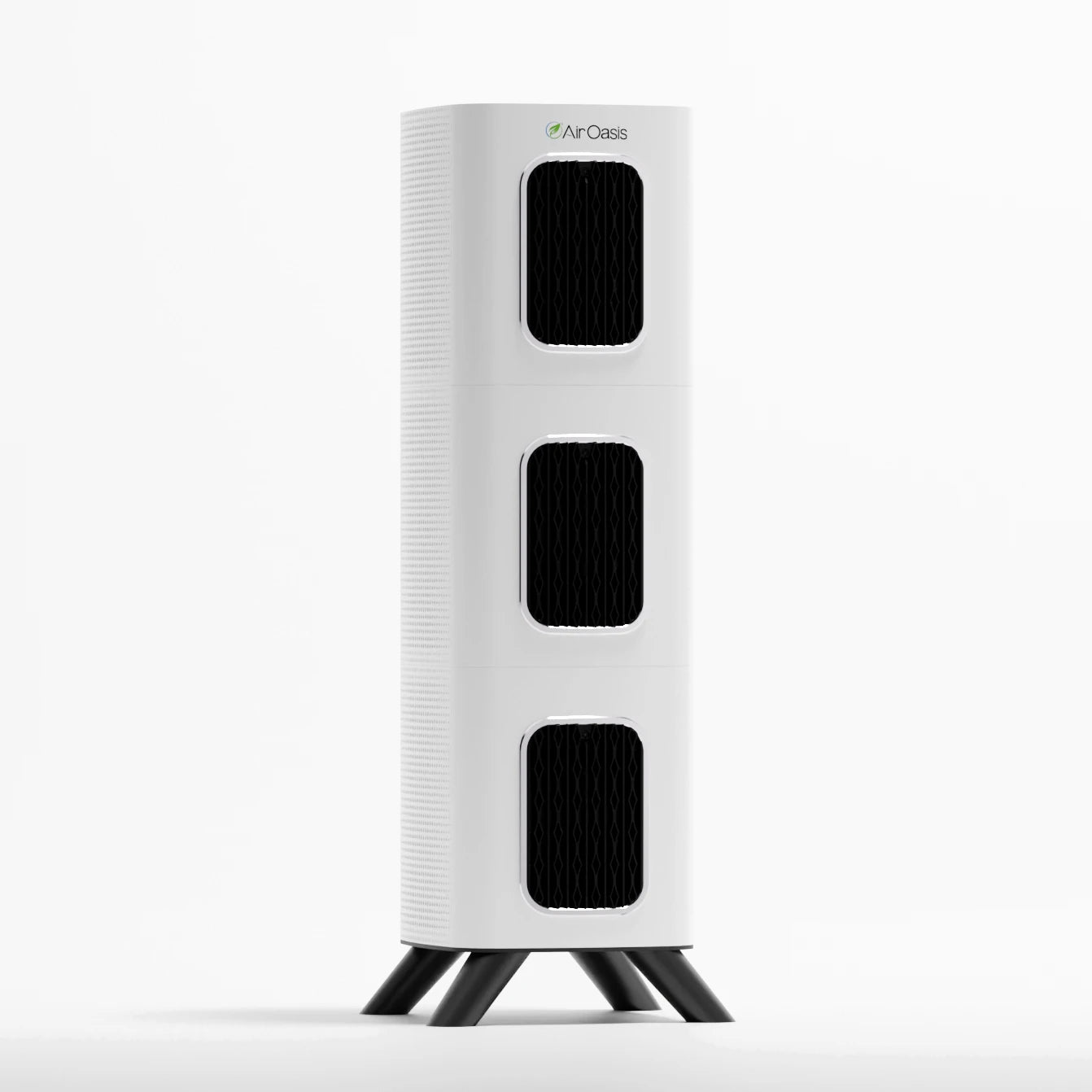
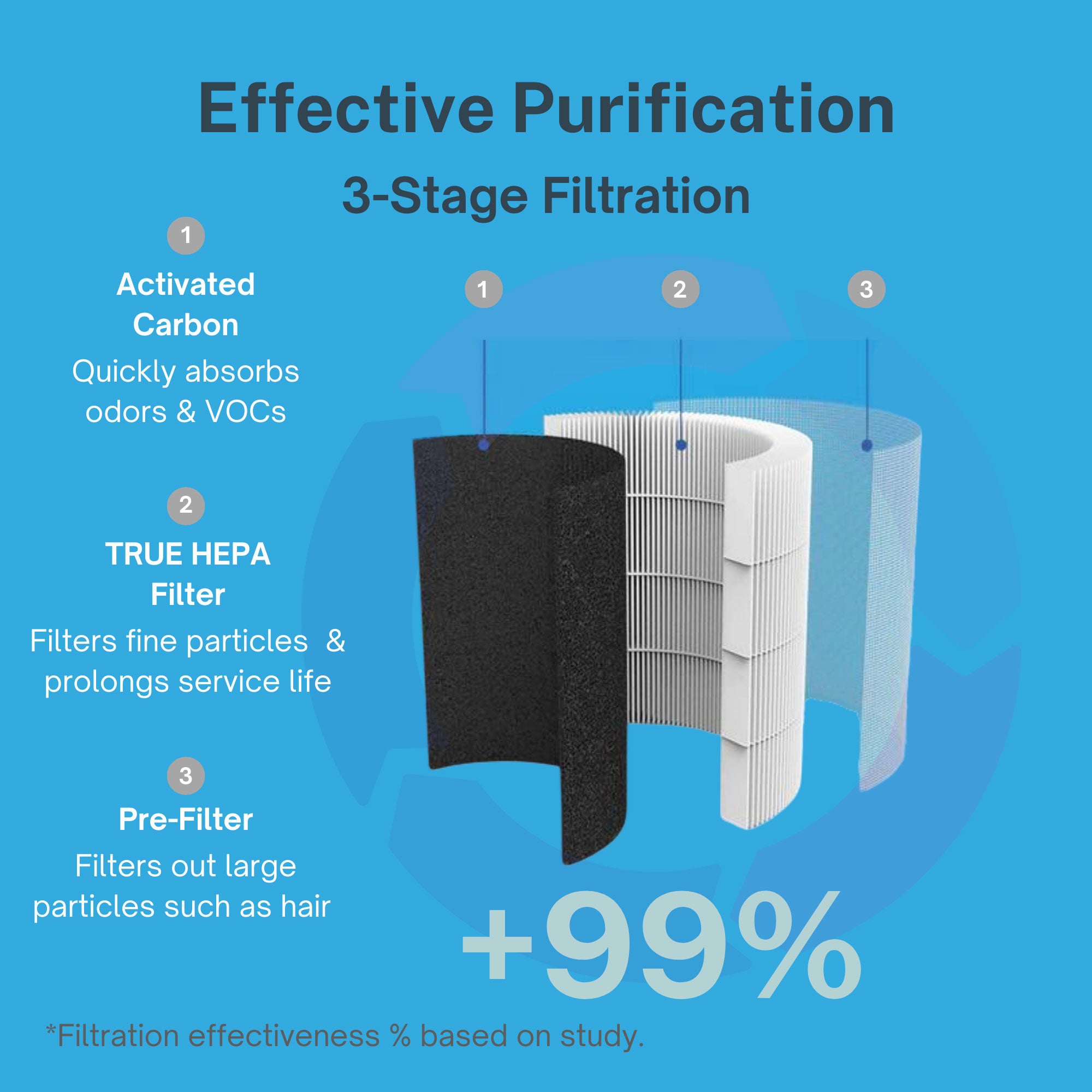
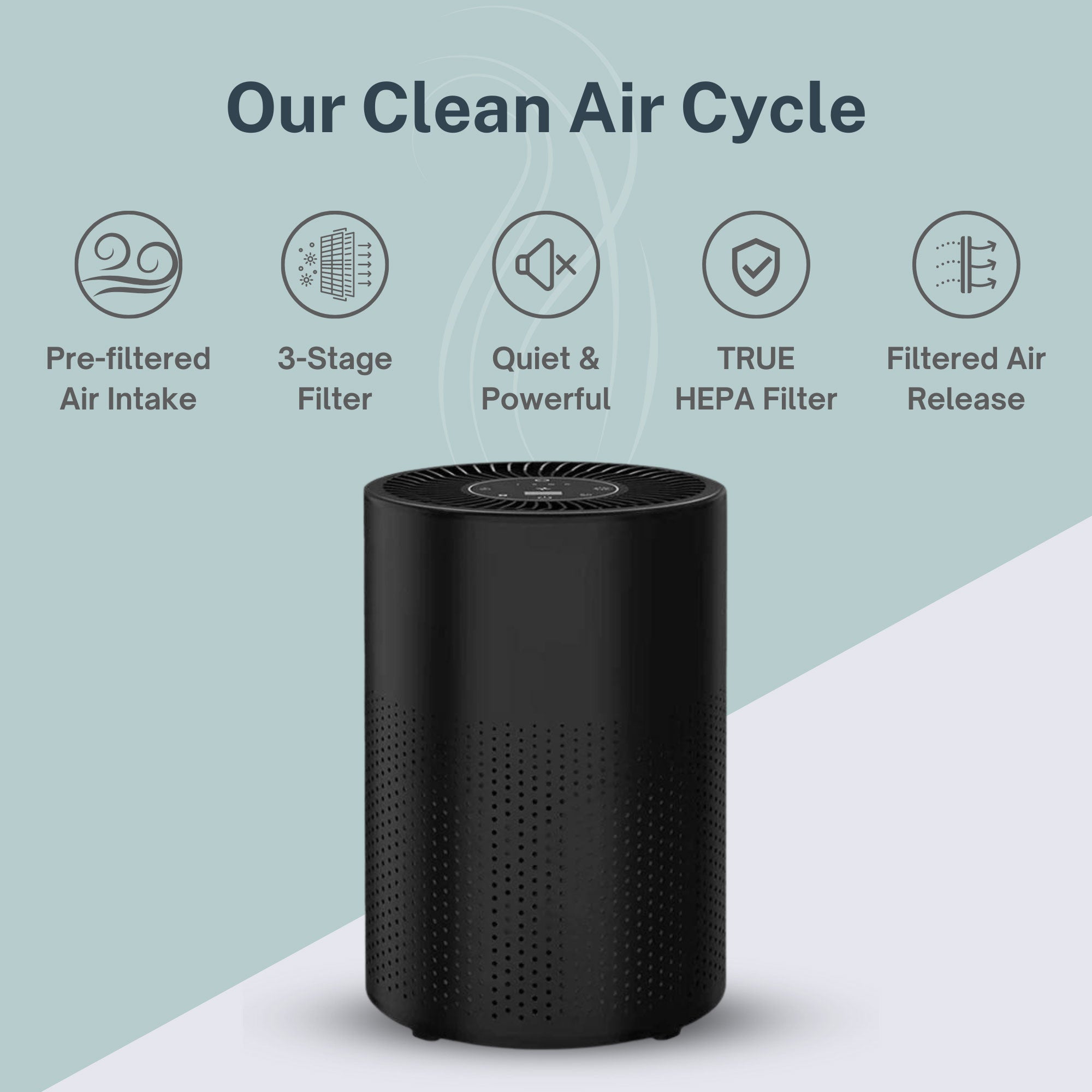
First, the basics. An air purifier works by drawing room air through a filtration system, cleaning it, and returning it to the space. It's a continuous cycle. The iAdaptAir, for example, uses True HEPA filtration to capture particles down to 0.3 microns, activated carbon to absorb gases and odors, UV-C light to address biological material, and bipolar ionization to cause fine particles to clump and fall out of the air or be captured by the filter.
For any of that to happen effectively, the unit needs to move air freely. The iAdaptAir manual is clear on this: keep a minimum of four inches of clearance around all air inlets and outlets during operation. Block those, and you reduce the amount of air cycling through the unit — which directly reduces how well it cleans the room.
This is where plants come in.
The physical problem with placing a purifier among plants
Plants take up space, and they're often arranged in clusters. A collection of medium-to-large plants packed around an air purifier can easily restrict airflow to the inlets. Leaves drape, pots crowd, and what looks like a pretty arrangement from across the room may be quietly strangling the unit's ability to draw air.
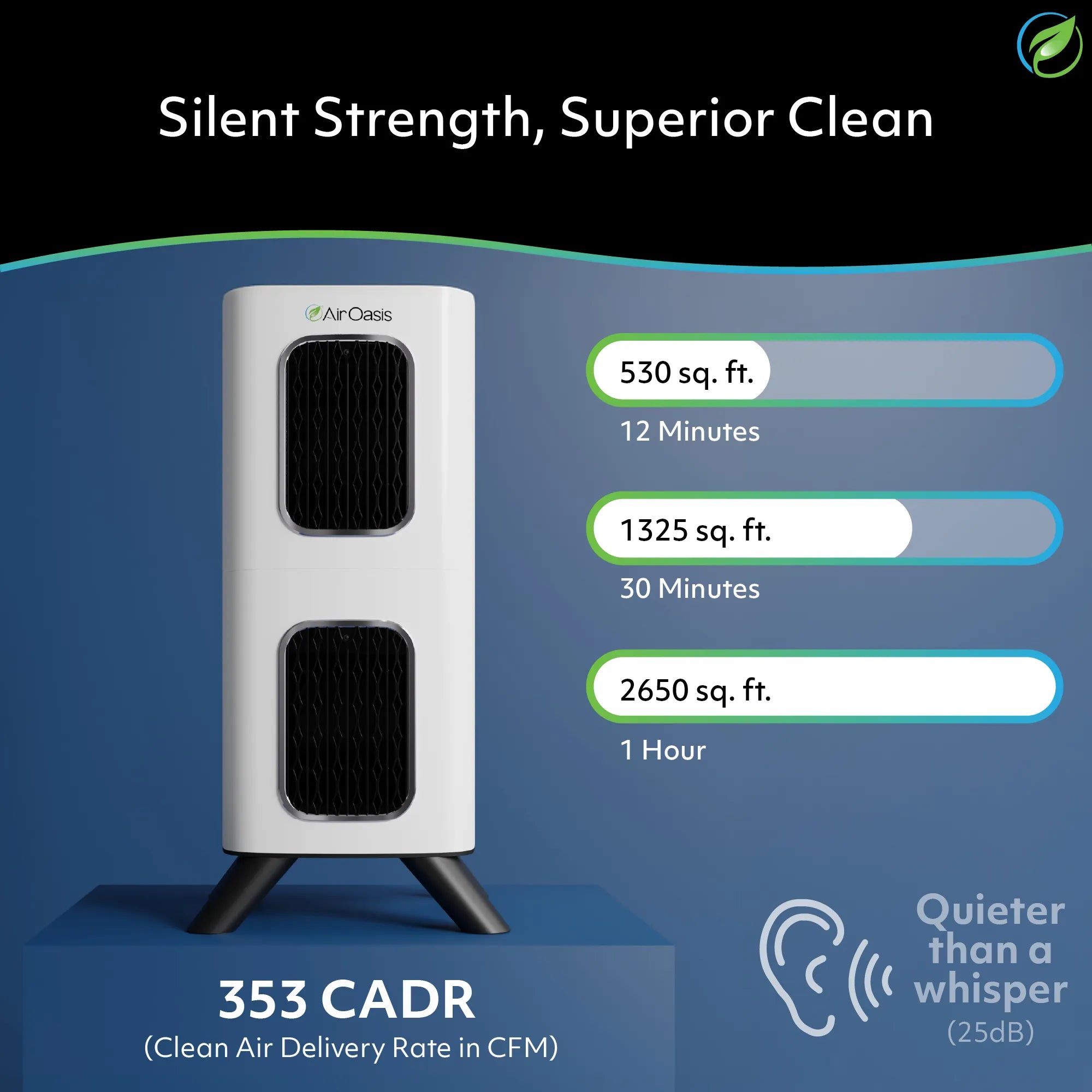
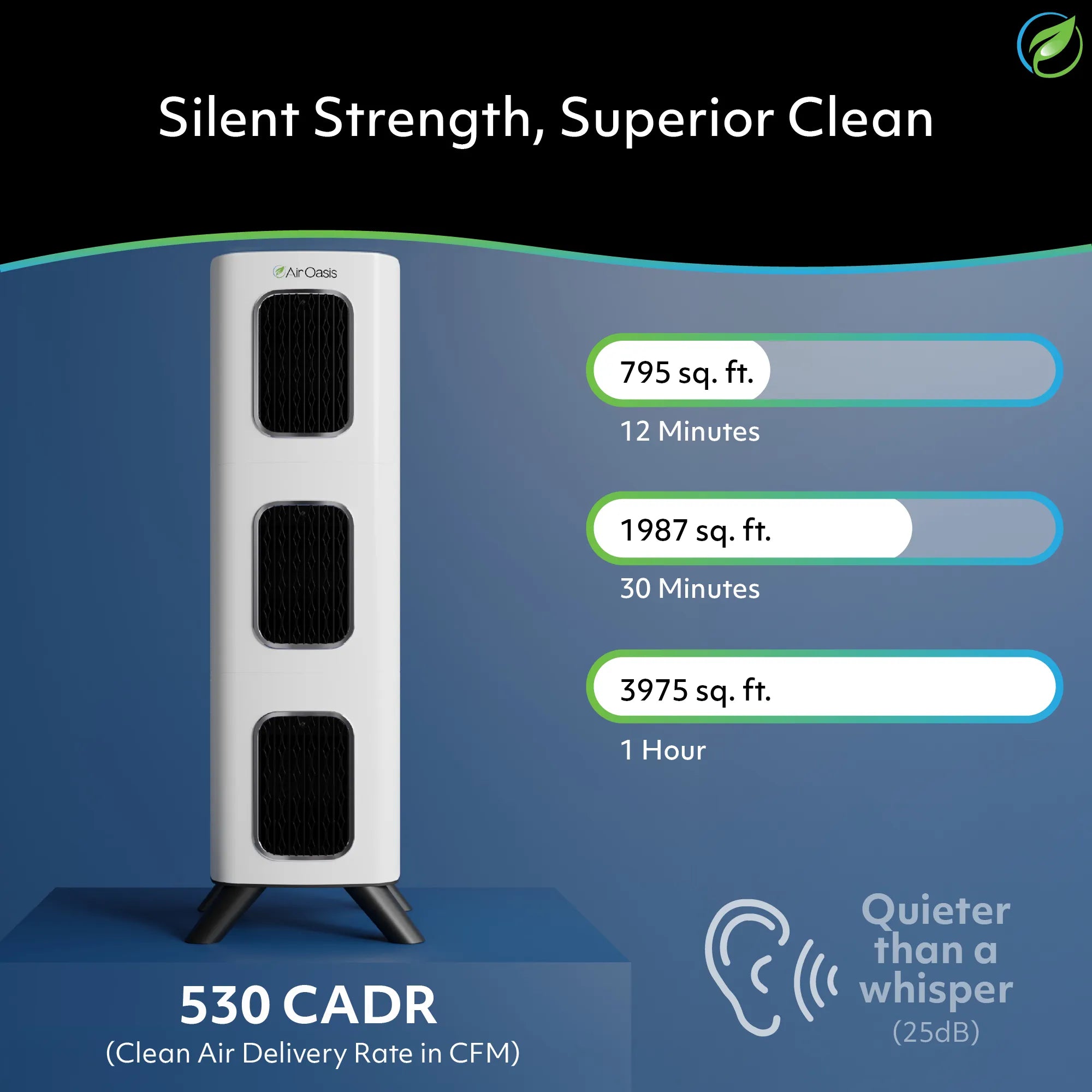
If a plant is positioned so that its foliage presses against or hangs into the purifier's intake zone, that's an obstruction. The unit will still run. It just won't move as much air as it should. In a room-coverage context, that matters — a unit rated for 530 square feet performing at reduced airflow is no longer delivering on that rating.
The practical rule is simple: the four-inch clearance requirement applies to walls, furniture, and yes, plants. If your purifier is sitting inside or directly adjacent to a dense arrangement, it's worth shifting it or the plants so that air can move into and out of the unit without interference.
The moisture question
Houseplants raise indoor humidity. They release water through their leaves in a process called transpiration, and moist soil adds to that effect. A moderate collection of plants in a well-ventilated room usually doesn't push humidity to problematic levels. A large collection in a smaller, less ventilated space can.
This matters for your air purifier in a few ways. The iAdaptAir is rated for operating humidity between 10% and 90% non-condensing, so elevated humidity from plants alone won't damage the unit under normal circumstances. However, consistently high indoor humidity has a secondary effect worth knowing: it's the condition in which mold thrives. Mold grows in damp soil, on plant debris, and in the moisture that accumulates around overwatered pots.
If mold is present near your plants — even low-level growth in the soil or on saucers — the air purifier is working against a continuous source of spores. True HEPA filtration will capture mold spores, and activated carbon will help address the musty VOCs mold produces. But an air purifier capturing spores from an active, nearby mold source will go through filters faster and work harder than one in a drier, cleaner environment. The spore load has to be addressed at its source — through proper watering practices and plant maintenance — not just in the air.
The sunlight rule and why it matters for plant placement
One placement rule from the iAdaptAir manual is easy to overlook: do not place the unit in direct sunlight. Plants, of course, are usually positioned to get good light. A sunny windowsill or south-facing corner might be ideal for your monstera but problematic for a purifier placed nearby. If you're considering putting a purifier among plants to address the air quality in that area of the room, check that the chosen spot doesn't expose the unit to direct sun.
This isn't a plant-specific rule — it applies to any purifier placement. But it's worth thinking through before you decide on a location, because the spots that work well for plants (bright, light-filled) don't always work well for electronics.
What plants don't do — and why that matters
You may have heard that certain houseplants purify the air. This idea became popular after a NASA study decades ago found that plants could remove some VOCs under controlled lab conditions. What that research didn't replicate was a real home environment.
In actual residential conditions, the rate at which plants remove airborne pollutants is far too slow to make a meaningful difference. You'd need hundreds of plants in a relatively small space to approach the air cleaning rate of a properly sized mechanical air purifier. A single iAdaptAir 2M moves 353 cubic feet of air per minute through multi-stage filtration. No reasonable number of houseplants comes close to that rate of pollutant removal.
This is worth knowing because it means plants and air purifiers aren't doing the same job, even partially. They don't compete, but they also don't combine into something better than the purifier alone. The plants are in the room for other reasons — aesthetics, humidity, personal enjoyment. The air purifier is doing the heavy lifting on air quality.
How to make them coexist well
You don't have to choose between your plants and your purifier. A few practical adjustments make both work better.
Give the purifier breathing room. Position it so that no plants, leaves, or pots encroach on the four-inch clearance zone around the inlets and outlets. If your plant collection is dense, place the purifier at the edge of the arrangement rather than inside it, or in an open area of the room where it can draw and circulate air freely.
Keep plants healthy and well-maintained. Remove dead leaves and debris promptly. Don't overwater. If you notice visible mold on soil surfaces, address it before it becomes an ongoing source of airborne spores. A well-maintained plant collection is a much smaller air quality burden than a neglected one.
Don't put the purifier in direct sunlight, even if the plants nearby are in a bright spot.
Keep doors closed during operation. The iAdaptAir performs best in a closed room, where it can cycle the air in that space fully rather than continuously drawing in new, unfiltered air from adjacent areas. This is true regardless of what else is in the room.
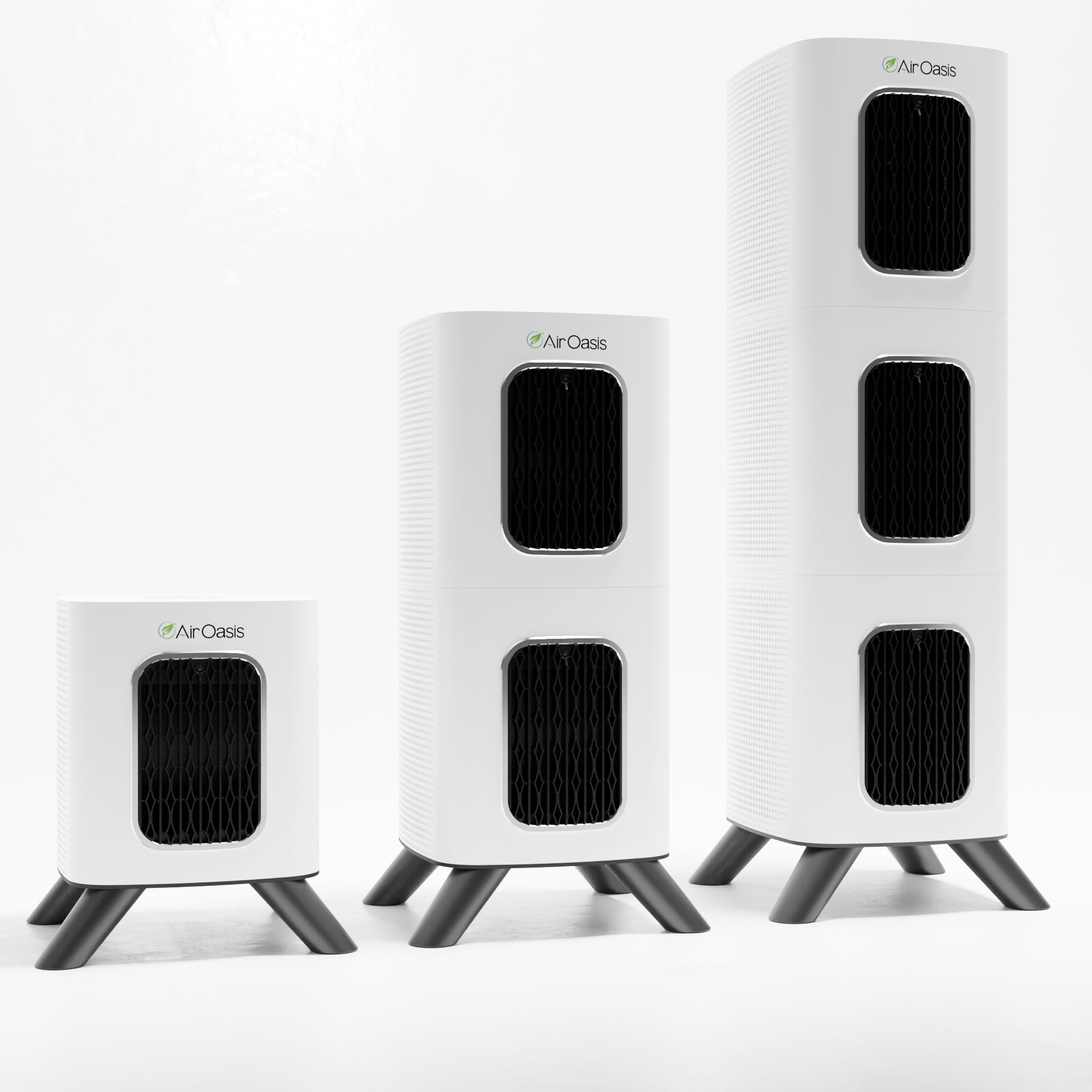
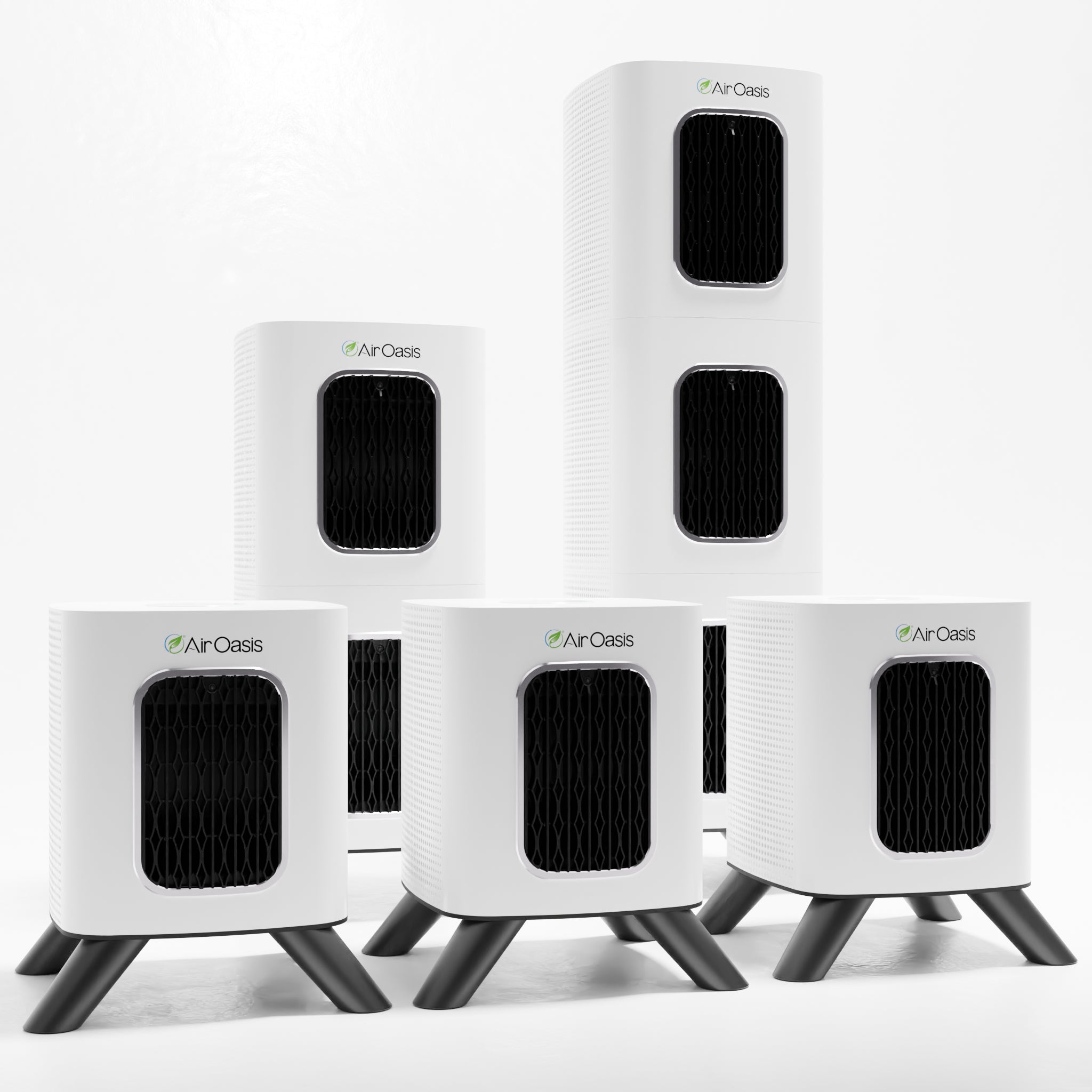
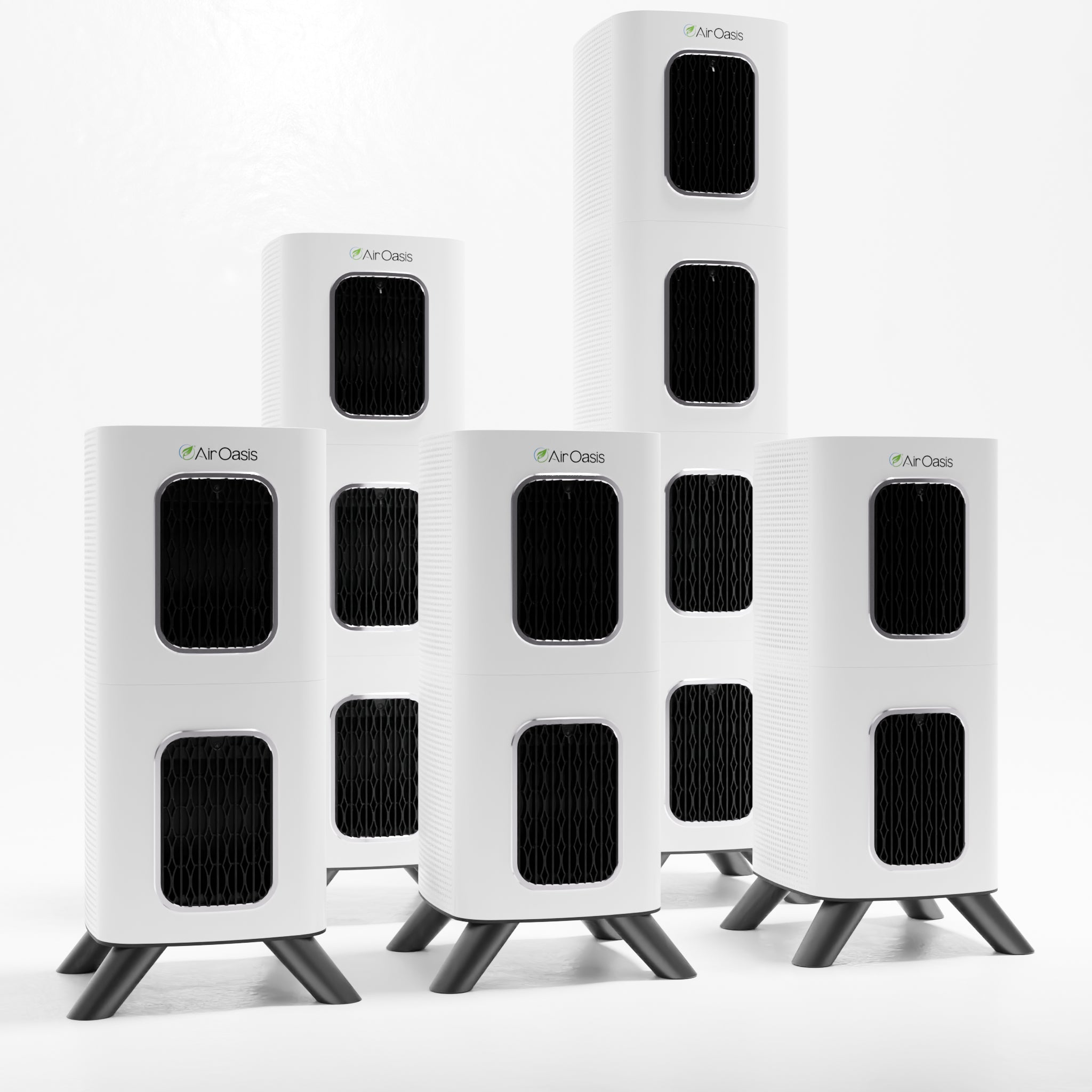
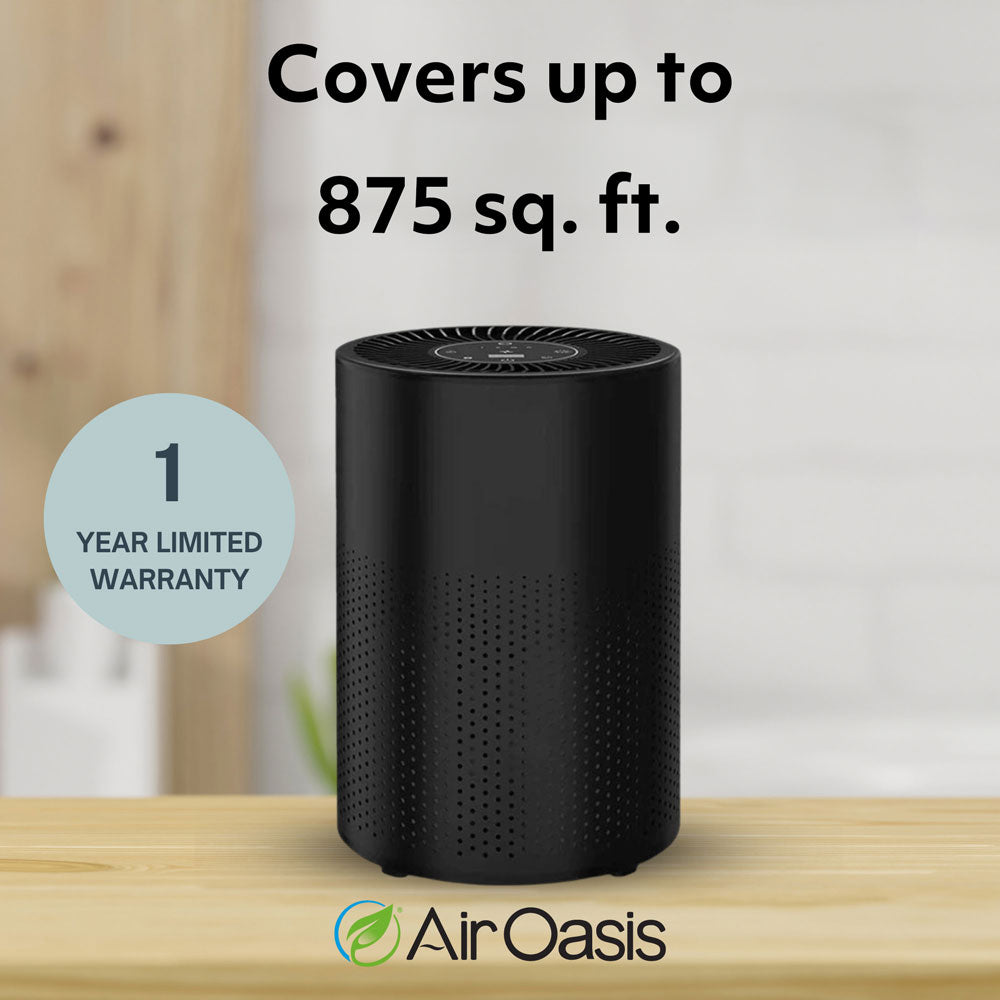
Size the purifier to the room, not to the corner where the plants live. Air purification works by cleaning the total air volume of a space. The iAdaptAir 2S covers up to 265 square feet, the 2M up to 530, the 2L up to 795. Choose based on room size, with the understanding that a heavily planted room with elevated humidity and higher mold spore potential may benefit from the next size up.
Plants and clean air can share a room
The short answer to the original question: yes, an air purifier will work near houseplants, provided it has adequate clearance, isn't in direct sunlight, and the plants are well-maintained enough that they don't create a constant source of mold spores. The longer answer is that the placement details genuinely matter — and getting them right makes the difference between a purifier that's doing its job and one that's doing a fraction of it.
If you're ready to breathe better in every room, including the ones full of greenery, shop Air Oasis and Breathe Better, Live Better.