Your child begs for a pet. You've ruled out cats and dogs because of allergies, so you research small animal alternatives. Guinea pigs seem perfect—they're gentle, easy to care for, and small enough for apartment living. You bring one home, confident you've made a safe choice. Within days, your child is sneezing constantly, rubbing itchy eyes, and complaining about breathing problems. You're stunned. Nobody warned you that guinea pigs could trigger allergic reactions just as severe as traditional pets.
This scenario plays out in homes across the country more often than most parents realize. Guinea pigs are marketed as hypoallergenic alternatives to cats and dogs, but the reality is far more complex. While guinea pig allergies are less common than reactions to cats and dogs, they absolutely occur in children. When they do, the symptoms can range from mild sniffles to serious respiratory distress that requires immediate medical attention.
The assumption that small pets equal small allergy problems is dangerously misleading. Guinea pigs produce allergens that become airborne and circulate throughout your home just like larger pets. The confined spaces where guinea pigs live—cages with bedding and hay—actually concentrate these allergens. Your child doesn't need direct contact with the guinea pig to experience symptoms. Simply being in the same room can trigger reactions.
Understanding Guinea Pig Allergens
Guinea pig allergies work differently than most parents expect. The allergens come primarily from three sources: urine, saliva, and dander. When guinea pigs groom themselves, their saliva dries on their fur and becomes airborne particles. Their urine contains proteins that evaporate and float through the air. Dander, which is essentially dead skin cells, sheds constantly and attaches to everything in your home.
These allergen particles are incredibly small, measuring less than one micron in diameter. This tiny size allows them to penetrate deep into the lower respiratory tract when your child breathes. Larger particles get trapped in the nose and upper airways, but guinea pig allergens bypass these natural filters and reach the lungs directly. This explains why children often develop asthma symptoms rather than just sneezing and congestion.
The allergens don't stay contained in the cage area. They spread throughout your home on air currents, stick to clothing and furniture, and persist for months even after the guinea pig is removed. Your child's bedroom, the living room, even the car—anywhere the guinea pig has been or you've been after handling the guinea pig—becomes contaminated with allergen particles.
Guinea pig allergens are species-specific, meaning they differ molecularly from cat and dog allergens. A child severely allergic to cats might tolerate guinea pigs without problems. Conversely, a child who has no issues with dogs could have severe reactions to guinea pigs. You cannot predict guinea pig allergies based on reactions to other pets. Each animal produces unique proteins that trigger different immune responses.
The Hidden Allergy: Timothy Hay
Here's what catches most parents completely off guard. Your child might not be allergic to the guinea pig at all. The real culprit is often Timothy hay, the primary food guinea pigs need for proper nutrition. Guinea pigs require unlimited access to hay, which means your home constantly contains hay dust floating in the air and settling on surfaces.
Timothy hay is literally dried timothy grass, and timothy grass pollen is one of the most common allergens affecting children. If your child has seasonal allergies that flare up in late spring and summer, they're probably allergic to grass pollen. Bringing hay into your home creates year-round exposure to the exact allergen that makes them miserable outdoors.
Hay dust becomes airborne every time the guinea pig eats, burrows, or moves around their cage. This fine particulate matter is lighter than air and travels throughout your home via HVAC systems. Children inhale hay dust constantly without realizing it. For kids with grass allergies, this creates chronic exposure that can worsen over time rather than improve.
Different hay types affect children differently. While timothy hay triggers the most reactions, orchard hay and oat hay might be tolerated better. However, switching hay types isn't always successful. The guinea pig might refuse to eat unfamiliar hay, or your child might still react to alternative varieties. You're left choosing between your child's health and the guinea pig's nutritional needs.
Common Symptoms in Children
Guinea pig allergies in children manifest in predictable patterns. Nasal symptoms typically appear first—constant sneezing, runny nose with clear discharge, and nasal congestion that won't respond to over-the-counter cold medicines. Your child might develop dark circles under their eyes from chronic sinus inflammation. They'll rub their nose frequently in an upward motion, creating a crease across the bridge of their nose.
Eye symptoms follow closely. Red, watery, itchy eyes that your child can't stop rubbing signal allergic conjunctivitis. The eyes might swell, particularly upon waking in the morning. Vision can become temporarily blurry from excess tearing. These symptoms worsen after your child spends time near the guinea pig cage or in rooms where the guinea pig has been.
Respiratory symptoms are the most concerning. Wheezing, chest tightness, shortness of breath, and persistent coughing—especially at night—indicate the allergens are reaching your child's lower airways. Children might describe feeling like they can't take a deep breath or like something is sitting on their chest. These symptoms can progress rapidly from mild to severe, particularly in children who already have asthma.
Skin reactions also occur. Direct contact with guinea pigs can cause hives, redness, and intense itching where the animal touched your child's skin. Some children develop eczema flare-ups triggered by guinea pig allergens in the environment even without direct contact. The skin becomes dry, cracked, and inflamed, particularly on the hands, arms, and face.
Long-Term Health Considerations
Ongoing exposure to guinea pig allergens can cause lasting health problems in children. Repeated respiratory inflammation from allergen exposure can lead to the development of asthma in children who previously had no breathing problems. Studies show children exposed to allergens they're sensitive to have significantly higher rates of asthma development compared to unexposed children.
Chronic sinus inflammation from guinea pig allergies creates breeding grounds for bacterial infections. Your child might experience frequent sinus infections requiring antibiotics. These infections can spread to the ears, causing painful ear infections that interfere with hearing and speech development in younger children. The cycle of inflammation and infection can persist for months or years if the allergen source isn't removed.
Sleep disruption from allergy symptoms affects children's development and daily functioning. Nasal congestion forces mouth breathing during sleep, reducing oxygen levels and leading to fragmented sleep. Children wake up feeling tired, regardless of how many hours they spend in bed. School performance suffers as concentration and memory decline from poor sleep quality.
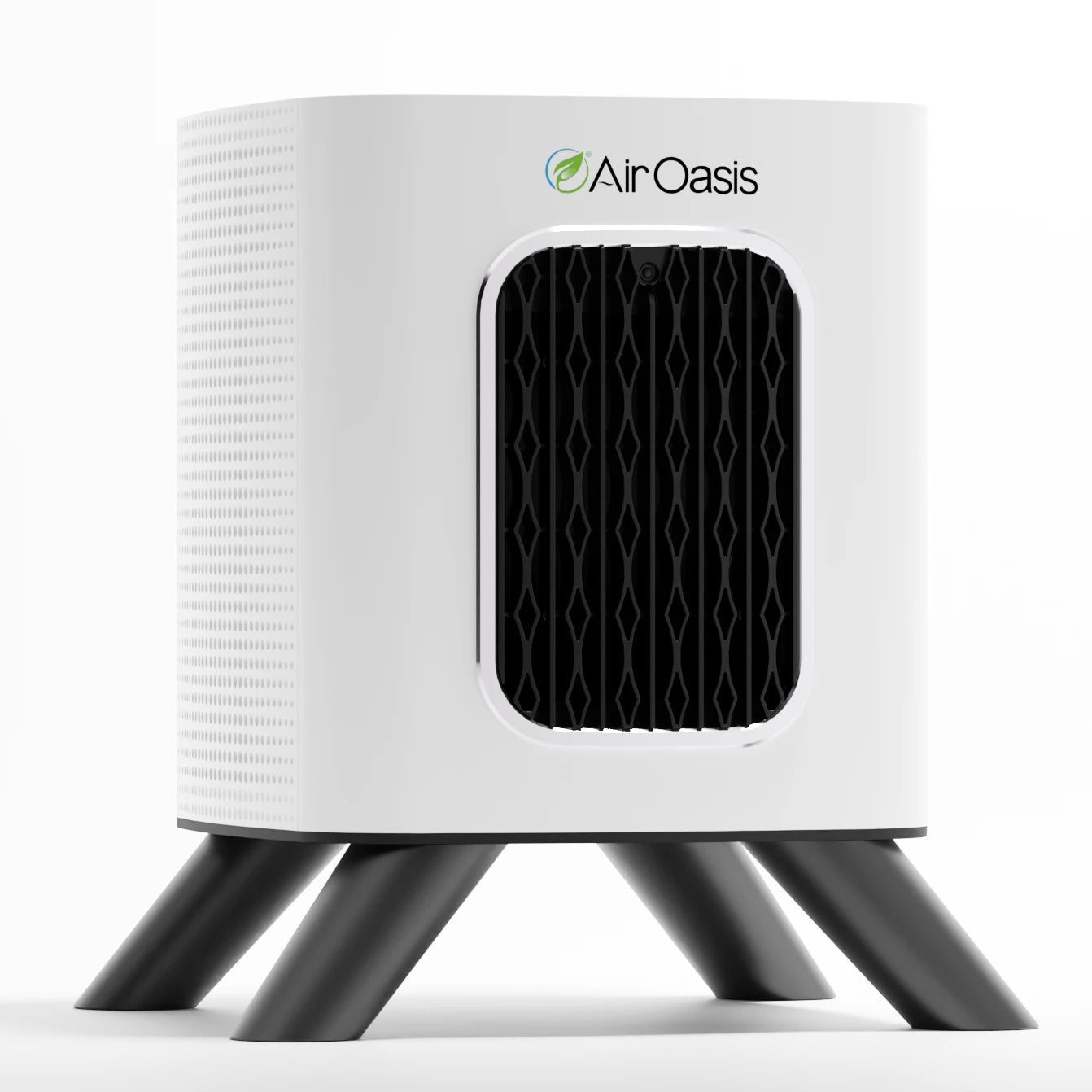
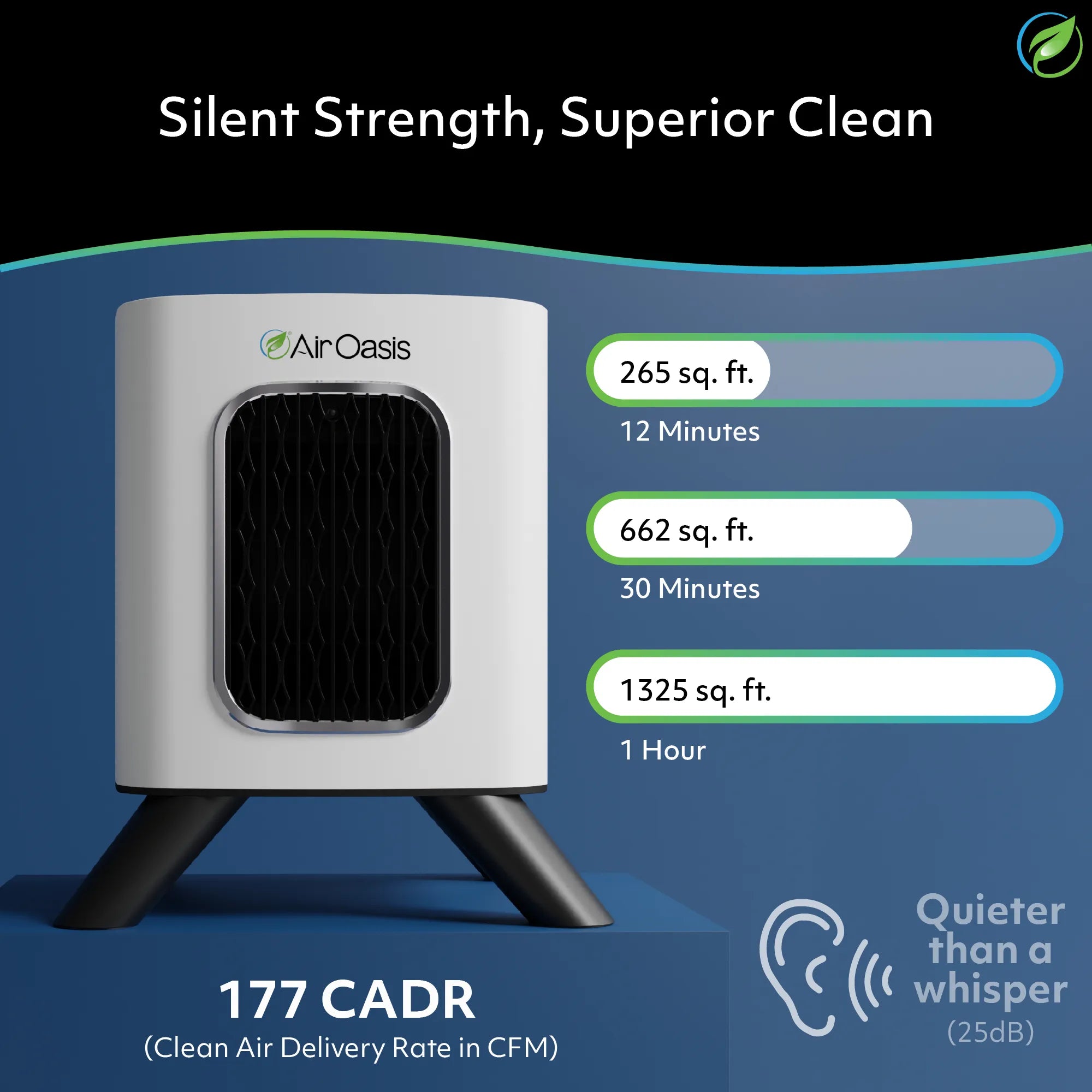
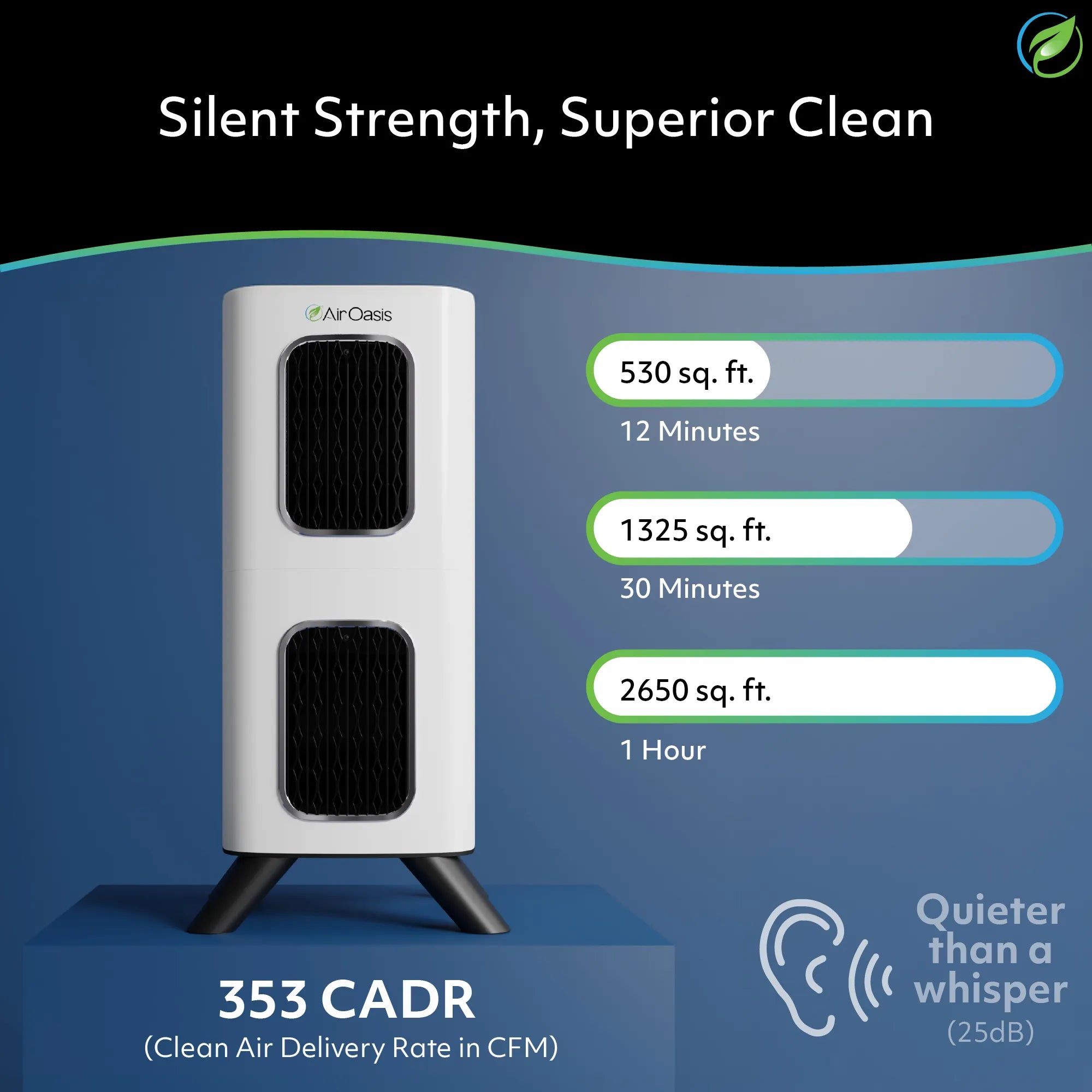
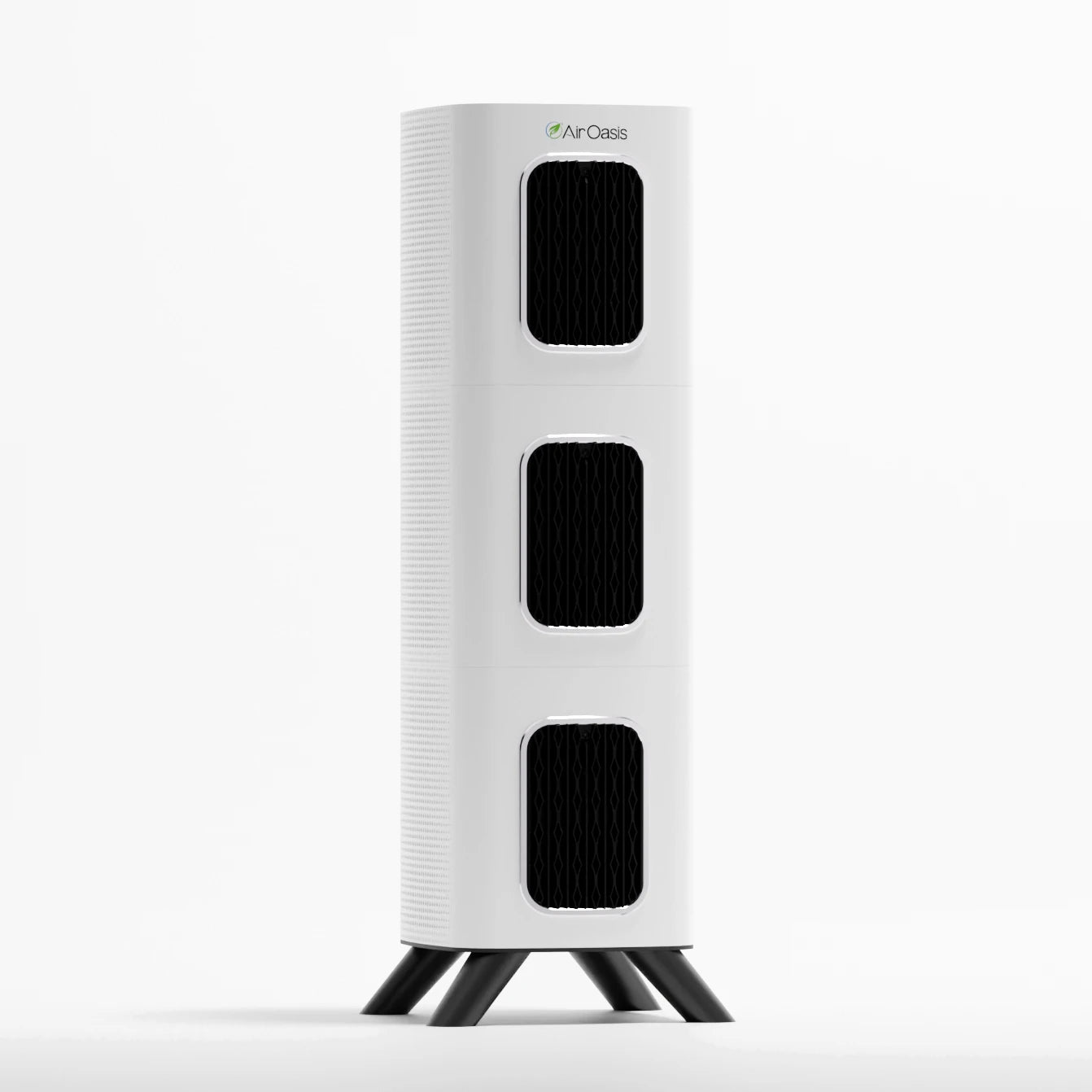
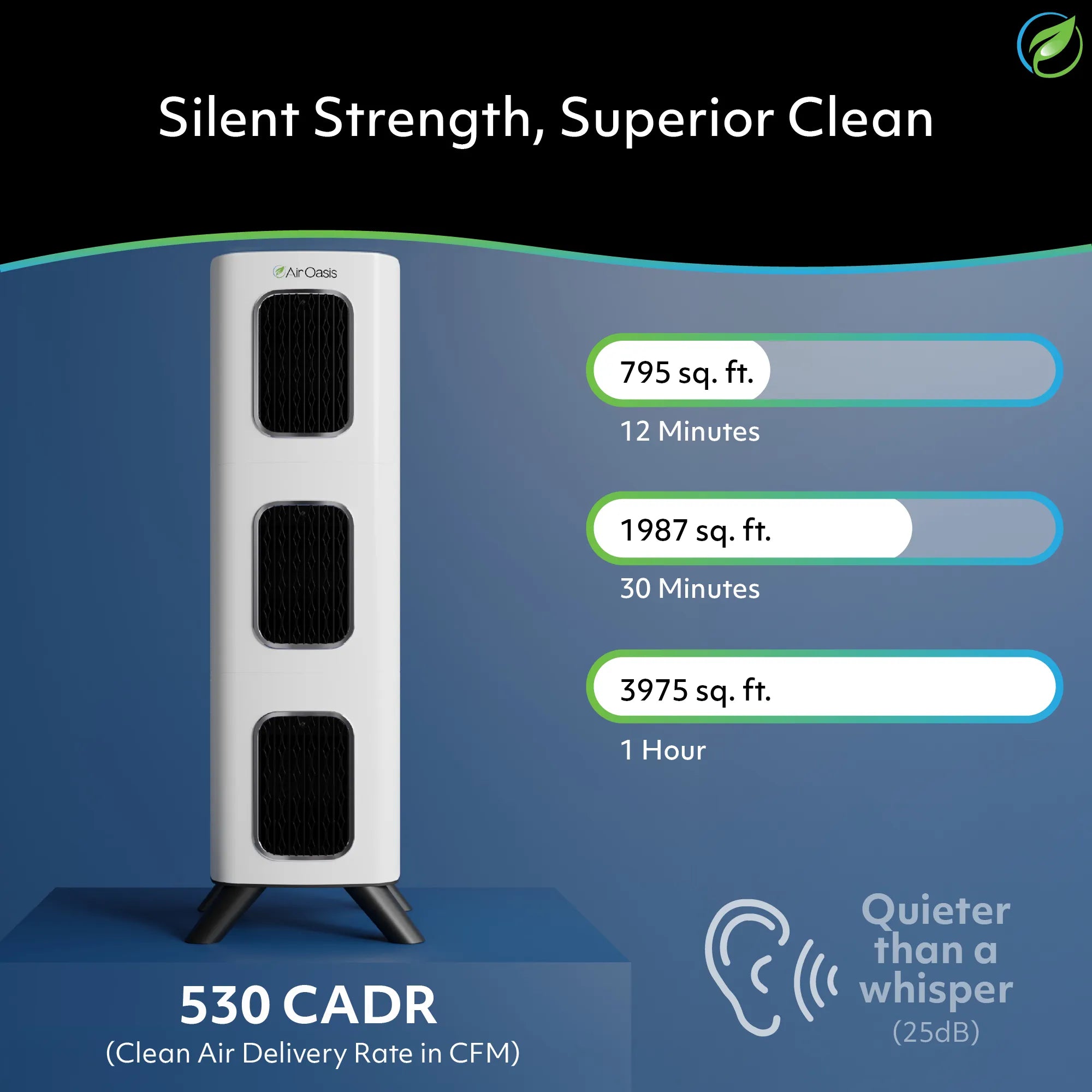
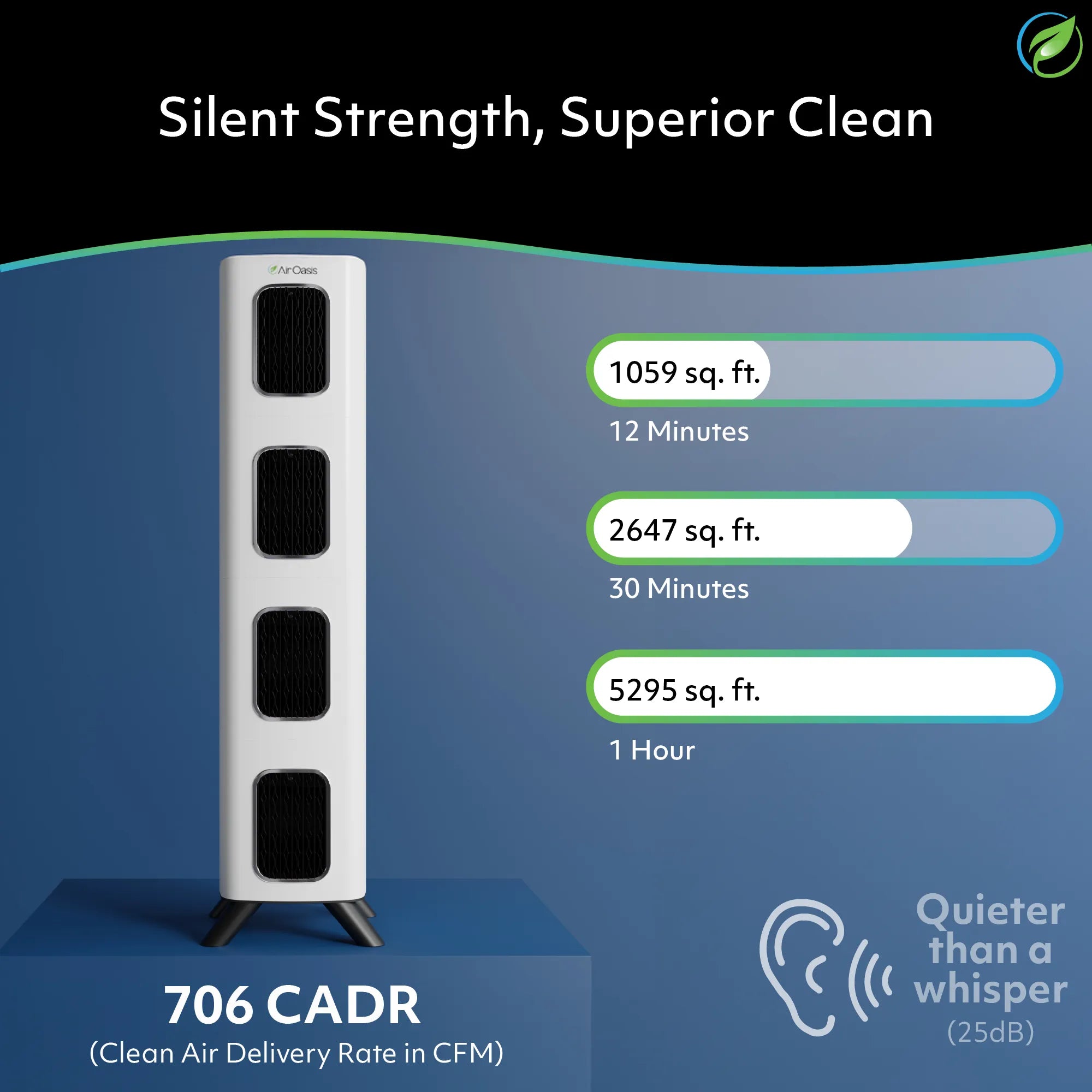
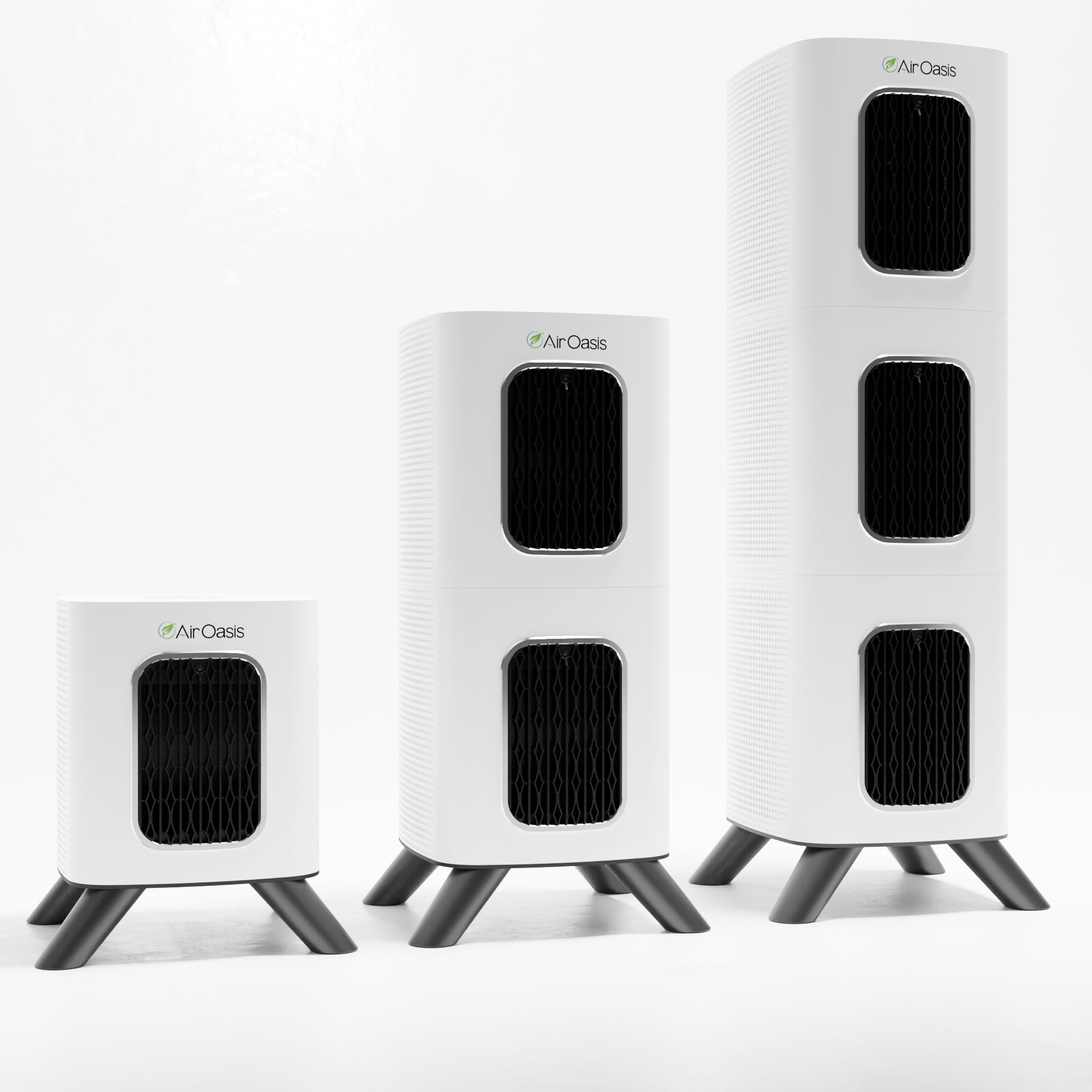
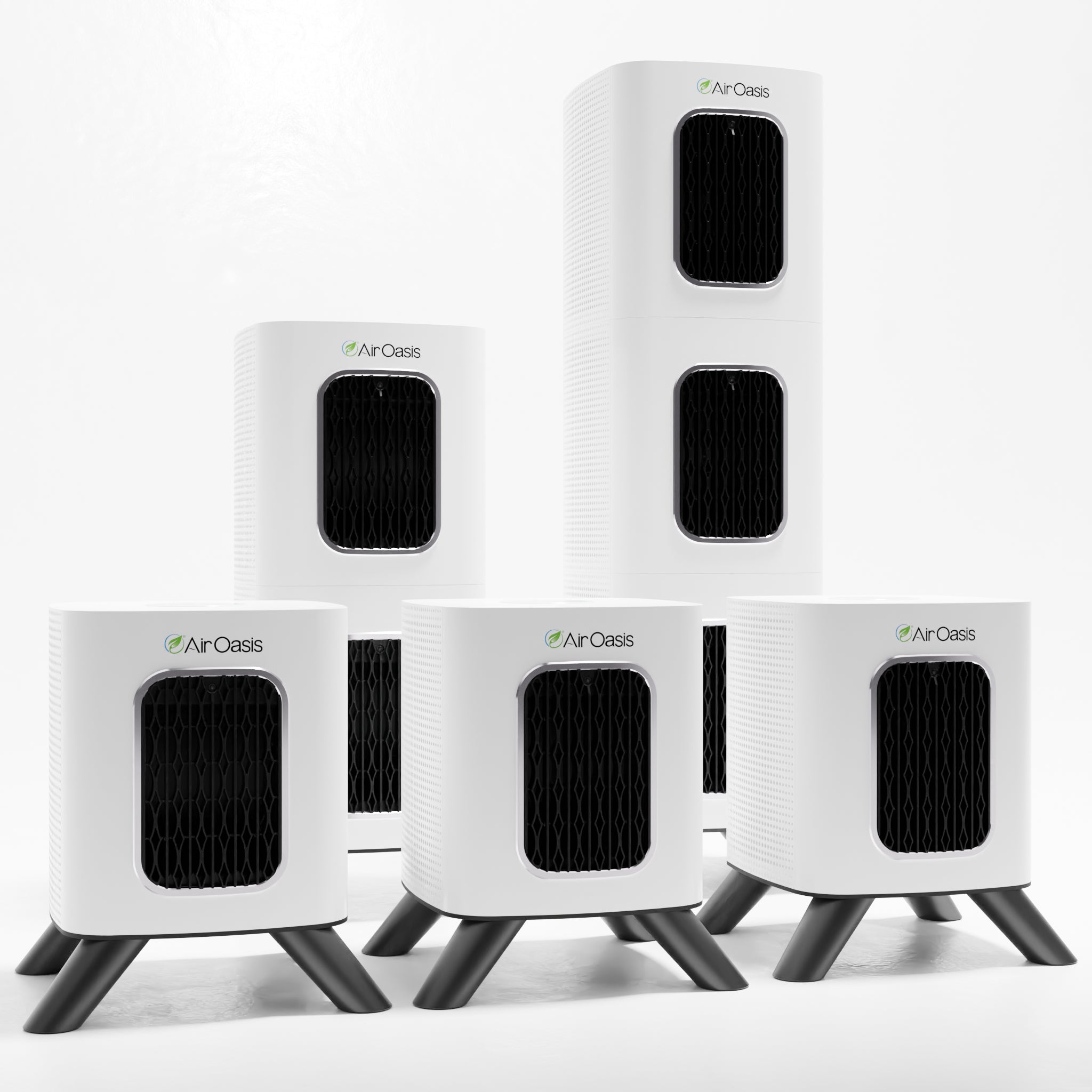
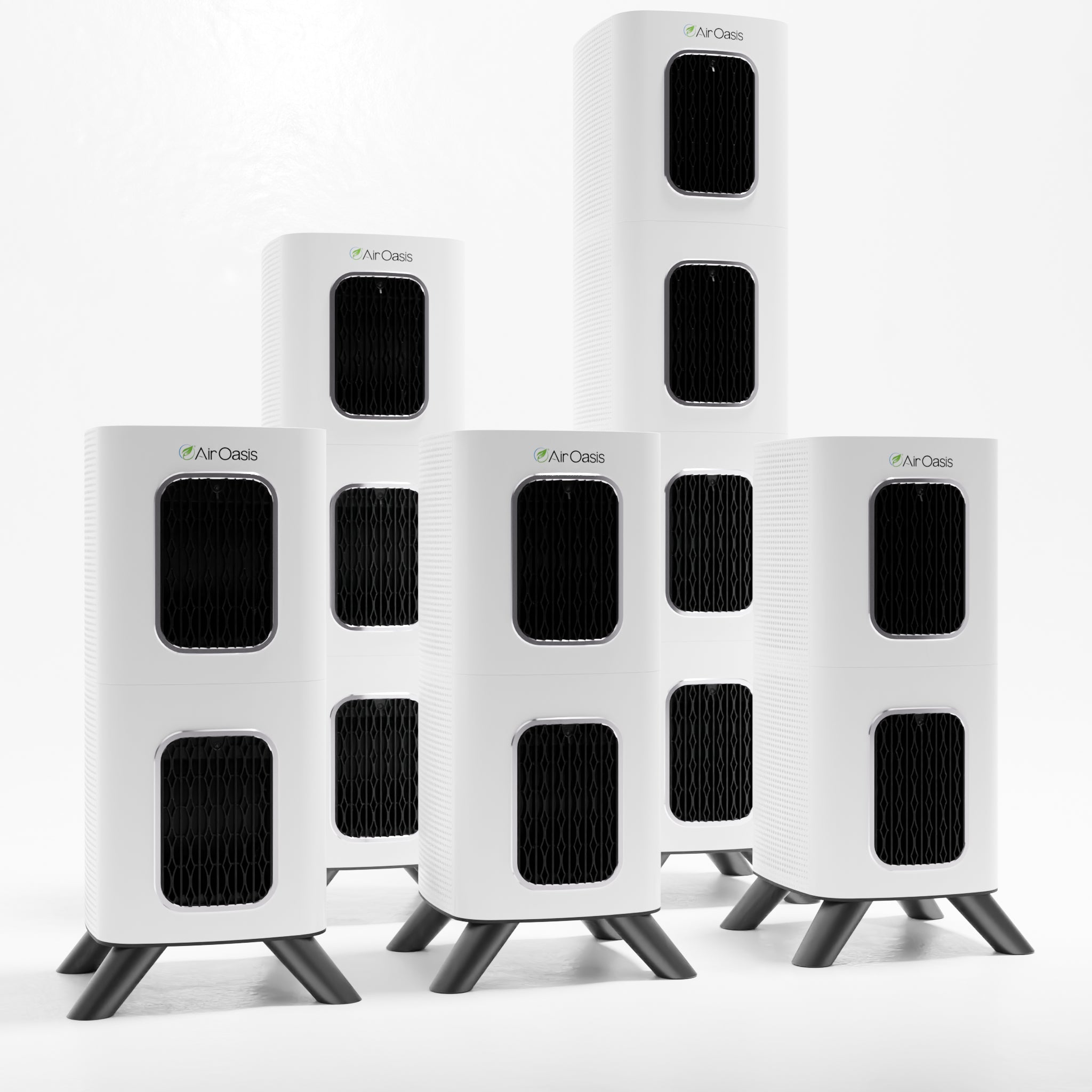
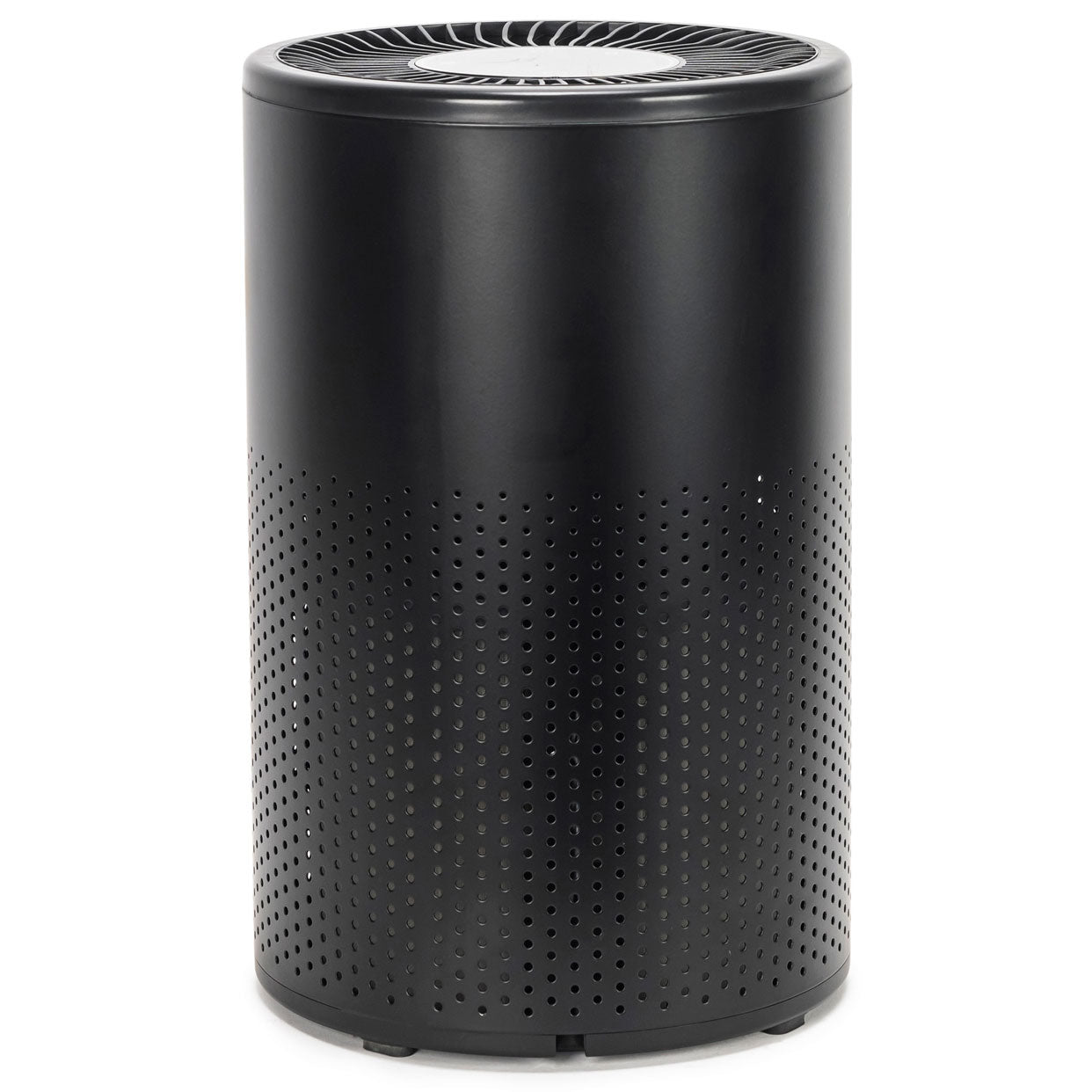
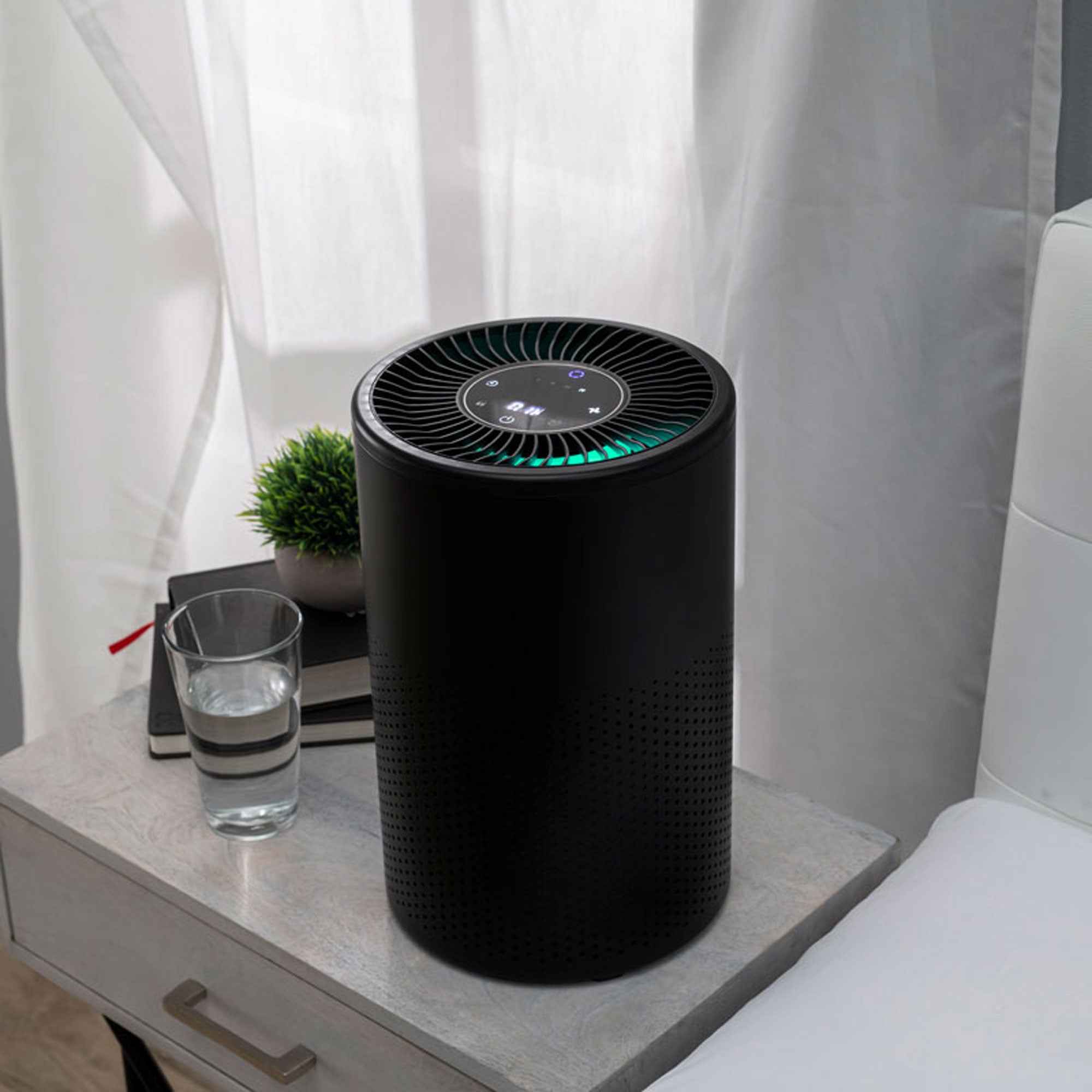
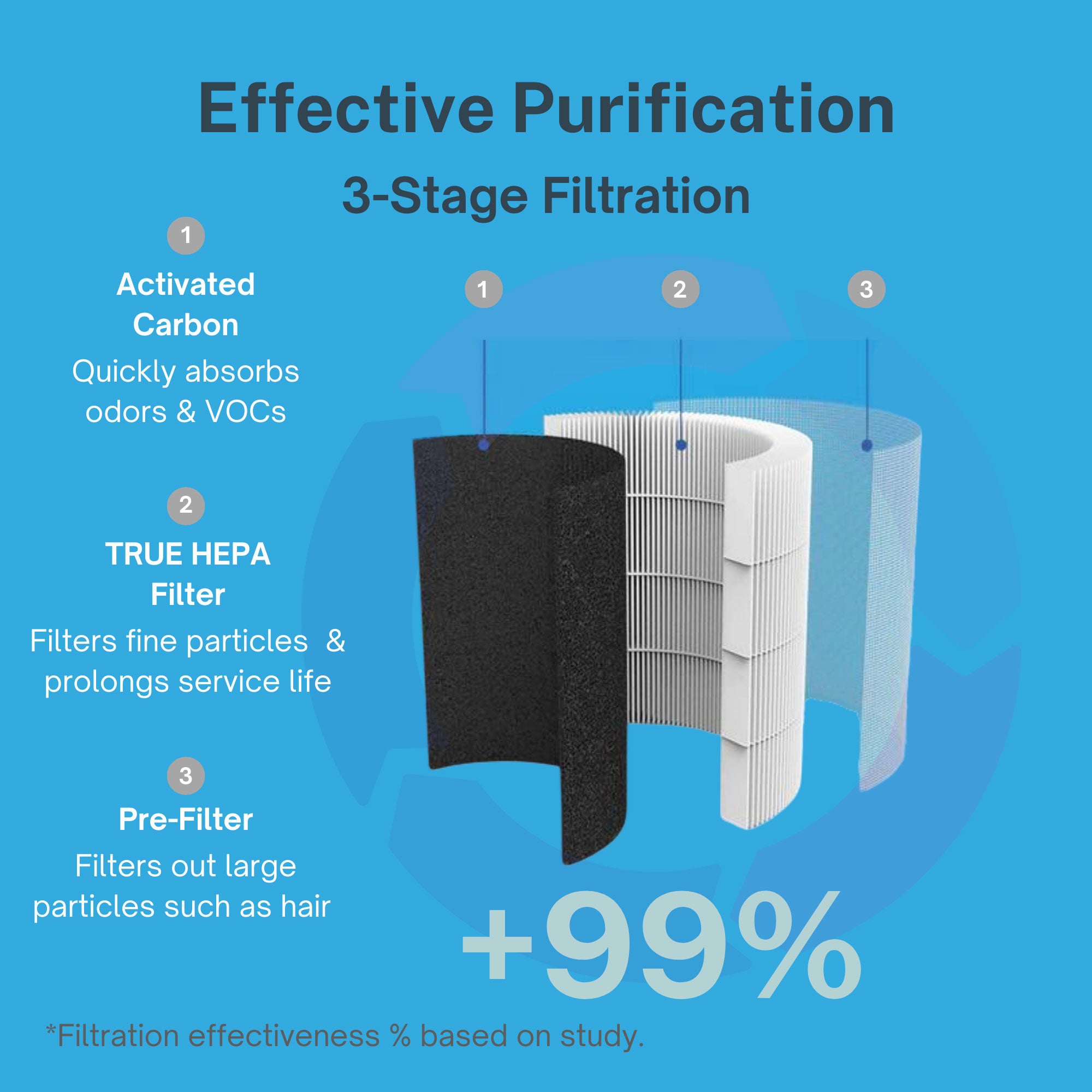
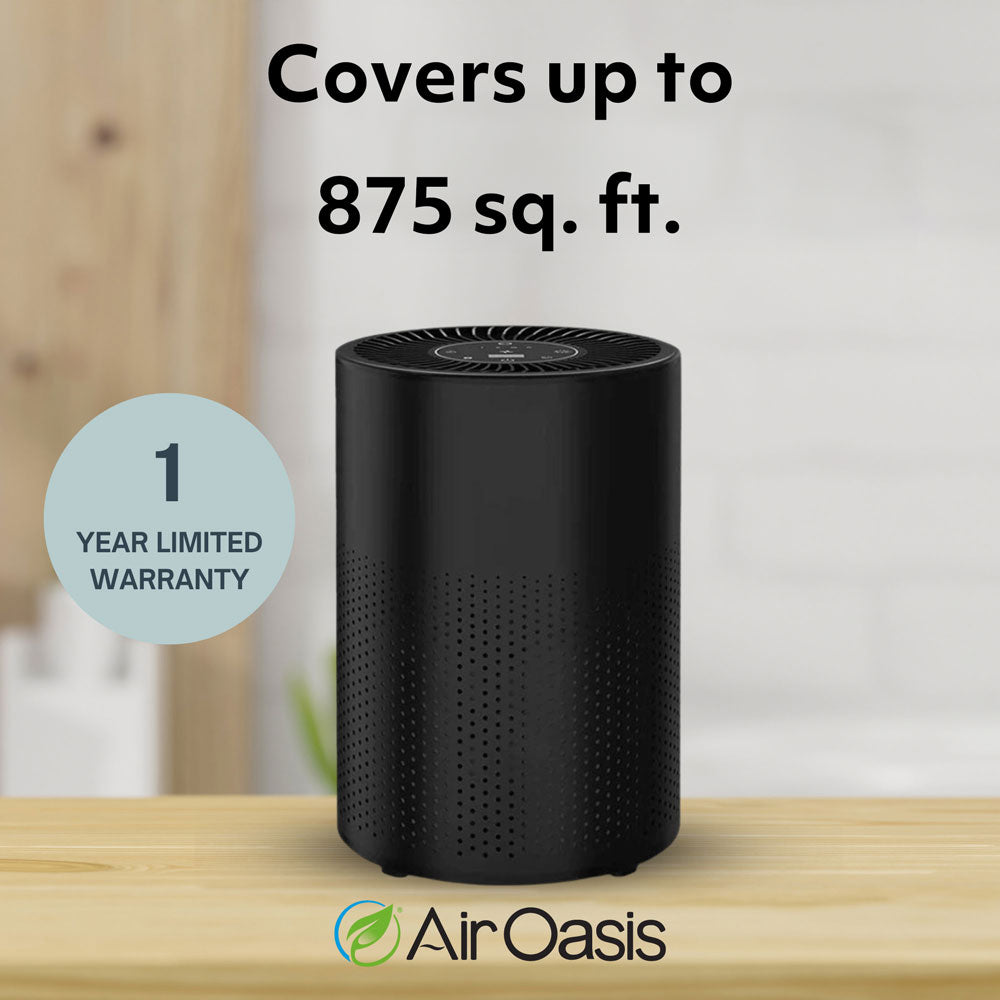
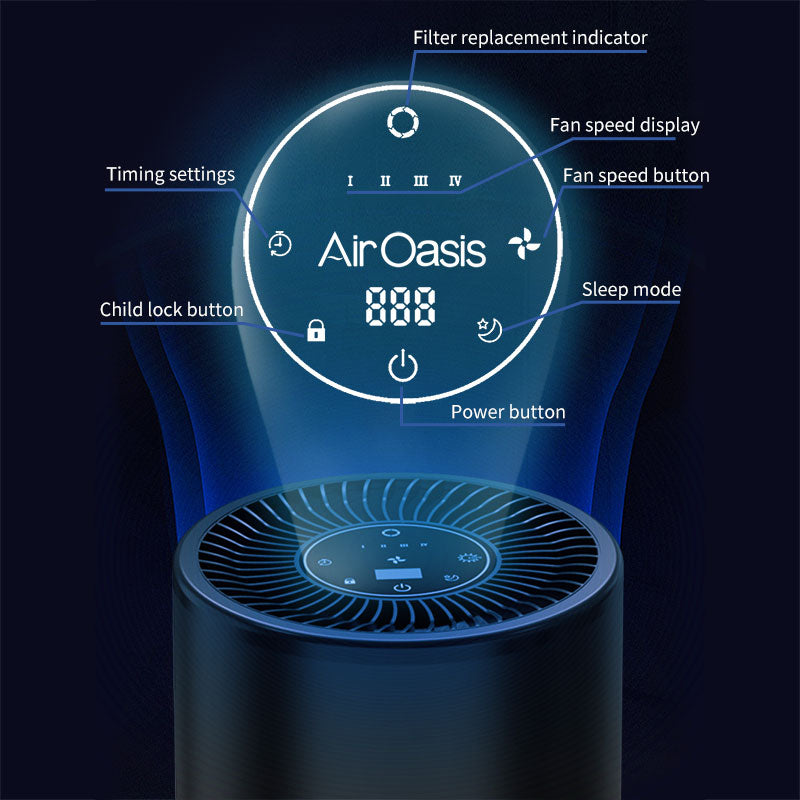
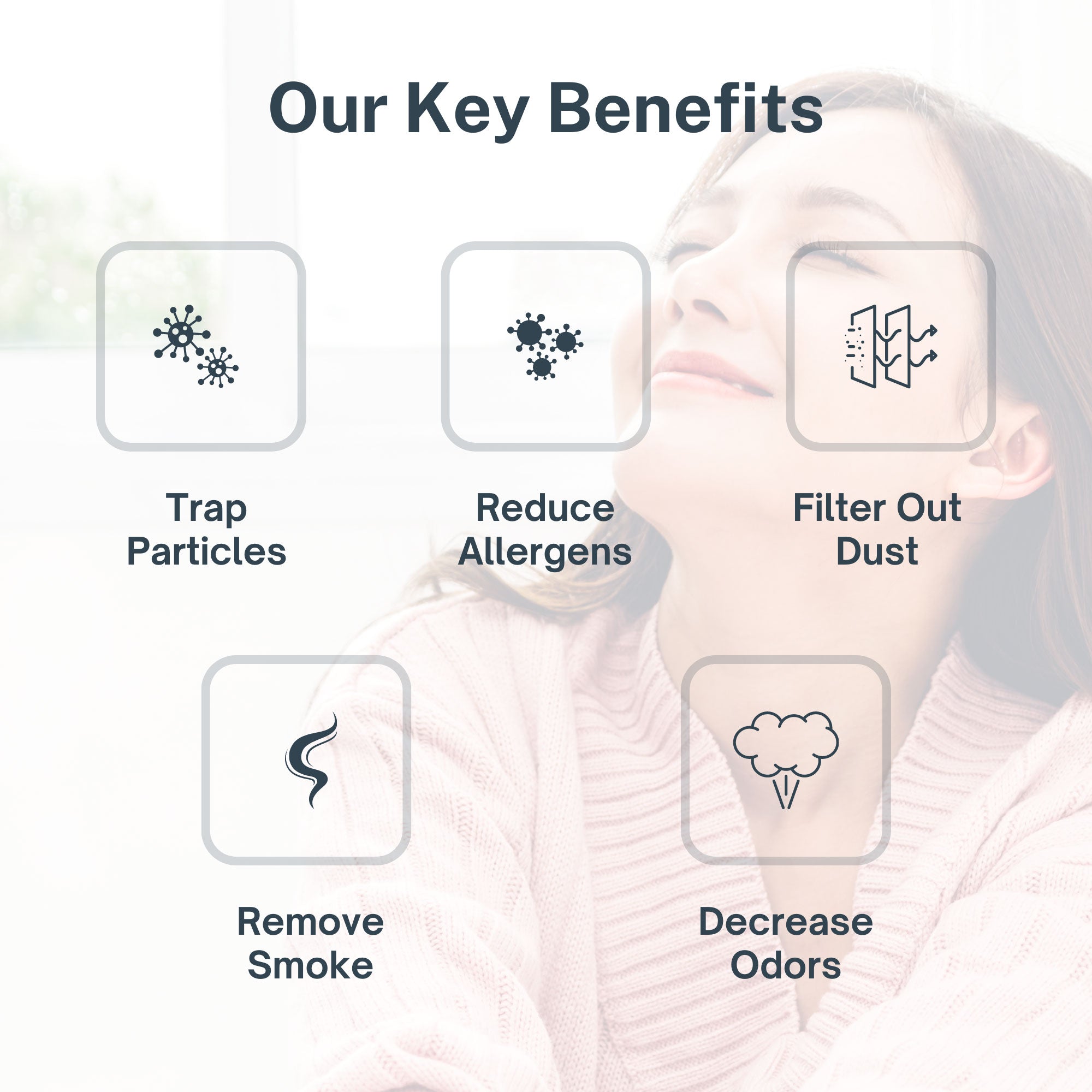
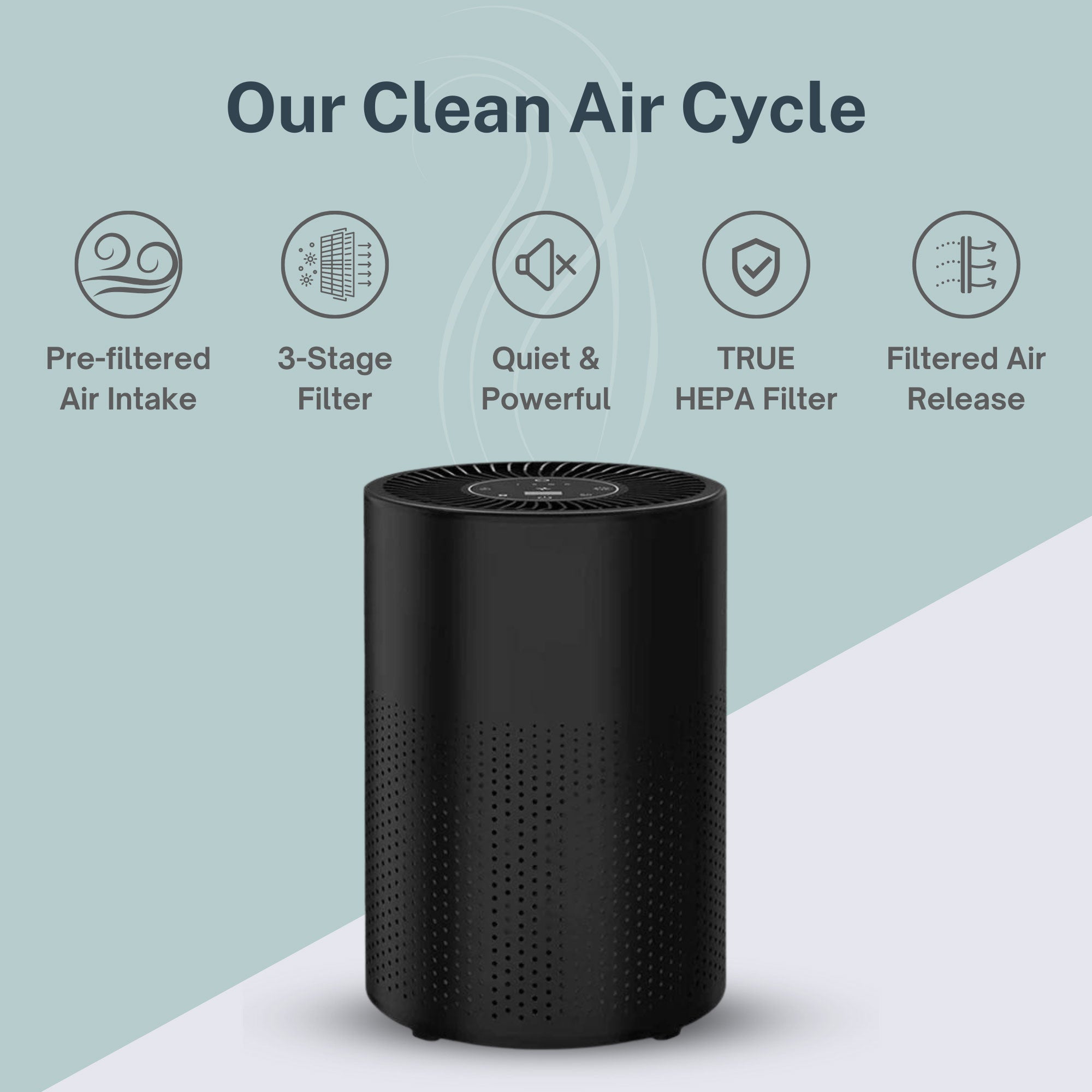
Protecting your child's respiratory health requires addressing airborne allergens comprehensively. The iAdaptAir system from Air Oasis provides medical-grade HEPA filtration that captures guinea pig dander, urine particles, and hay dust as small as 0.3 microns. UV-C light technology destroys the DNA of captured allergens, preventing them from triggering reactions even after filtration. Activated carbon removes the distinctive hay smell that many children find irritating. While air purification cannot replace removing the allergen source if allergies are severe, it significantly reduces exposure for children with mild sensitivities.
Making Informed Pet Decisions
Before bringing a guinea pig home, have your child spend extended time around these animals. Visit friends who own guinea pigs or volunteer at animal shelters that house them. Pay attention not just to reactions around the guinea pig, but also to symptoms in rooms where hay is stored and used. Your child's body will reveal their sensitivity through observable symptoms.
Consider allergy testing if you're uncertain. Allergists can perform skin prick tests or blood tests to identify specific sensitivities to guinea pig proteins and timothy grass. These tests aren't perfect—they can produce false negatives or positives—but they provide useful information for decision-making. Testing becomes especially important if your child has existing allergies or asthma.
If your child is mildly allergic but determined to have a guinea pig, strict management protocols might make it possible. Keep the guinea pig in one designated room with a door that stays closed. Never allow the guinea pig in your child's bedroom. Store hay in sealed containers and open them only when necessary. Have a non-allergic family member handle all cage cleaning and feeding tasks. Use air purifiers with true HEPA filters continuously in the guinea pig's room and your child's bedroom.
Alternative pets deserve consideration for children with significant allergies. Reptiles and amphibians, such as turtles, lizards, and frogs, don't produce dander or require hay. Fish provide entertainment without any allergen concerns. Even birds, though they produce dander, might be better tolerated than guinea pigs, depending on your child's specific sensitivities. The key is matching the pet to your child's unique allergy profile rather than making assumptions based on animal size.
Creating Healthier Indoor Air
Guinea pig allergies in children are more common and more serious than many parents anticipate. The combination of animal-derived allergens and hay creates a dual exposure that can trigger severe symptoms in sensitive children. While guinea pigs make wonderful pets for many families, they're not the hypoallergenic pets they're often portrayed as.
If you already have a guinea pig and your child is showing symptoms, consult with a pediatric allergist before making decisions. Testing can confirm the allergy source and help you understand the severity. Some children can manage mild symptoms with medication and environmental controls, while others need complete allergen removal to protect their respiratory health.
Clean air provides the foundation for managing pet allergies effectively. The iAdaptAir purification system targets the specific particles that trigger allergic reactions in children, offering relief while you determine the best path forward. Whether you're considering a guinea pig, managing existing allergies, or looking for solutions after discovering sensitivities, proper air purification makes a measurable difference in your child's daily comfort and long-term health. Shop Air Oasis today and give your child the clean air they need to thrive.
Frequently Asked Questions About Guinea Pig Allergies in Children
Read on for more pet allergy info.
At what age do guinea pig allergies typically develop in children?
Guinea pig allergies can develop at any age, but symptoms often appear within days to weeks of first exposure. Some children show immediate reactions while others develop sensitivities after months or years of living with guinea pigs.
Can children outgrow guinea pig allergies?
Most children do not outgrow pet allergies. While some allergies diminish with age, sensitization to guinea pigs typically persists into adulthood. Continued exposure can actually worsen symptoms over time rather than building tolerance.
Is it the guinea pig or the hay causing my child's symptoms?
Both can trigger allergies. If your child has seasonal grass allergies, timothy hay is likely the main culprit. Allergy testing can distinguish between guinea pig protein sensitivity and hay allergy, helping you identify the specific trigger.
Are long-haired guinea pigs worse for allergies than short-haired ones?
Hair length doesn't significantly affect allergen levels. The allergens come from urine, saliva, and dander rather than the hair itself. All guinea pig breeds produce similar amounts of allergenic proteins regardless of coat type.
How long do guinea pig allergens stay in a home after the pet is removed?
Guinea pig allergens can persist in homes for six months or longer after removal. Thorough cleaning including carpet replacement, HEPA vacuuming, and air purification helps reduce allergen levels more quickly.