Testosterone levels in American men have been declining for decades. Doctors point to obesity, sedentary lifestyles, and stress as culprits. But a major factor might be floating invisibly in the air you breathe every day. Recent research examining nearly 73,000 men in Beijing reveals that air pollution directly reduces testosterone levels, with effects appearing within hours of exposure and persisting for weeks.
The Beijing Study That Changed Our Understanding
Researchers analyzed blood hormone data from 72,917 men aged 20 to 55 years over a six-year period from February 2014 through December 2019 in Beijing, China. Participants underwent comprehensive hormone testing measuring testosterone, follicle stimulating hormone, luteinizing hormone, estradiol, and prolactin levels. Scientists correlated these measurements with daily air pollution data including particulate matter, nitrogen dioxide, sulfur dioxide, carbon monoxide, and ozone levels.
The findings revealed clear dose-response relationships between air pollution exposure and testosterone reduction. For every 10 microgram per cubic meter increase in PM2.5 concentration on the current day, testosterone levels decreased by 1.6 percent. PM10 exposure at the same concentration increment produced a 1.1 percent testosterone decline. These effects weren't temporary blips. The decreasing tendency persisted across accumulated exposure periods extending 30 days.
Sulfur dioxide exposure also demonstrated significant associations with altered sex hormone levels. Both immediate same-day exposure and short-term cumulative exposure over multiple days correlated with measurable testosterone reductions. The study used generalized linear mixed models accounting for individual variations and temporal factors, establishing robust statistical associations between pollution exposure and hormonal changes.
The research specifically noted that particulate matter and sulfur dioxide showed the strongest relationships with testosterone suppression compared to other pollutants measured. This suggests specific mechanisms through which these particles and gases interfere with male reproductive hormone production.
How Air Pollution Disrupts Hormone Production
Particulate matter smaller than 2.5 micrometers penetrates deep into lung tissue where it triggers inflammatory responses. These microscopic particles enter the bloodstream and circulate throughout the body, reaching endocrine organs including the testes where testosterone production occurs. The inflammatory cascade initiated by particle exposure interferes with normal hormonal synthesis pathways.
Oxidative stress represents another mechanism linking pollution to testosterone decline. Air pollutants generate reactive oxygen species that damage cellular structures and disrupt mitochondrial function in Leydig cells, the specialized testicular cells producing testosterone. When these cells experience oxidative damage, their hormone manufacturing capacity decreases proportionally to the damage severity.
Heavy metals and toxic compounds adhering to particulate matter exert direct toxic effects on reproductive tissues. Lead, cadmium, and other metals commonly found in urban air pollution accumulate in testicular tissue where they interfere with enzymatic processes required for testosterone synthesis. These metals also disrupt the hypothalamic-pituitary-gonadal axis that regulates hormone production.
Endocrine disrupting chemicals present in air pollution mimic or block natural hormones. Polycyclic aromatic hydrocarbons from vehicle exhaust and industrial emissions bind to hormone receptors, interfering with normal signaling pathways. Some compounds act as estrogen mimics, shifting the testosterone-to-estrogen ratio unfavorably by introducing false hormonal signals.
The Dose-Response Relationship
The Beijing study demonstrated that testosterone reduction correlates directly with pollution concentration. Higher particulate matter levels produce proportionally larger hormone decreases. A 10 microgram per cubic meter increase represents relatively modest pollution elevation, yet it produced measurable testosterone declines. Urban areas frequently experience pollution spikes ten times this magnitude during smoggy conditions.
Men living in heavily polluted cities face cumulative exposure exceeding clean-air rural areas by substantial margins. Daily exposure to elevated particulate matter creates persistent hormone suppression rather than isolated incidents. The 30-day cumulative effect documented in the study suggests chronic exposure produces sustained testosterone reduction beyond temporary fluctuations.
Individual susceptibility varies based on baseline health status, age, and genetic factors. Men with pre-existing respiratory conditions, cardiovascular disease, or metabolic syndrome may experience amplified effects from identical pollution exposures. Younger men typically maintain more robust hormone production that may better withstand pollution impacts compared to older men already experiencing age-related testosterone decline.
The threshold concept becomes important when considering these findings. While the study found effects at relatively low pollution levels, severe pollution episodes during temperature inversions or wildfire events expose populations to particulate concentrations many times higher. These acute exposures likely produce more pronounced temporary hormone disruptions.
Geographic and Seasonal Patterns
Urban air pollution varies dramatically by location and season. Cities with heavy traffic congestion, industrial activity, and unfavorable wind patterns concentrate pollutants at levels far exceeding rural areas. Men living in metropolitan centers face daily exposures that rural residents encounter only during occasional poor air quality episodes.
Winter months typically bring elevated pollution due to heating systems, thermal inversions trapping pollutants near ground level, and reduced atmospheric mixing. Summer ozone formation creates different pollution profiles with distinct health impacts. These seasonal variations mean testosterone suppression effects fluctuate throughout the year, with winter potentially producing more sustained hormone reductions.
Proximity to pollution sources matters significantly. Men living near major highways, industrial facilities, or airports experience elevated exposure compared to residents in residential neighborhoods distant from these sources. Indoor air quality reflects outdoor conditions but concentrates certain pollutants when ventilation systems pull contaminated air inside without adequate filtration.
Occupational exposure adds another layer for men working outdoors or in environments with poor air quality. Construction workers, traffic police, delivery drivers, and outdoor laborers face higher cumulative exposures than office workers in climate-controlled buildings. These occupational differences likely produce disparities in testosterone levels between professions.
Broader Health Implications Beyond Testosterone
Testosterone plays crucial roles beyond reproductive function. The hormone influences muscle mass maintenance, bone density, cognitive function, mood regulation, and cardiovascular health. When pollution reduces testosterone levels, these systems all experience downstream effects that compound over years of chronic exposure.
Muscle mass and strength decline accelerate when testosterone drops. Men experiencing pollution-related hormone suppression may notice reduced workout recovery, decreased muscle gains despite training, and gradual loss of lean body mass. These changes affect physical performance, metabolic rate, and overall vitality.
Bone health deteriorates with prolonged low testosterone. The hormone stimulates bone formation and maintains bone mineral density. Chronic testosterone suppression from air pollution exposure potentially contributes to earlier osteoporosis onset and increased fracture risk, particularly when combined with other risk factors like poor nutrition or sedentary lifestyle.
Cognitive effects include reduced mental clarity, impaired memory formation, and difficulty concentrating. Testosterone influences neurotransmitter activity and brain structure. Men experiencing pollution-related hormone reduction may attribute cognitive symptoms to stress or aging without recognizing environmental contributions.
Mood disturbances and depression correlate with low testosterone levels. The hormone affects dopamine and serotonin systems regulating emotional wellbeing. Air pollution's documented mental health impacts may partially operate through testosterone suppression alongside direct neurological effects.
Protecting Yourself From Air Pollution Effects
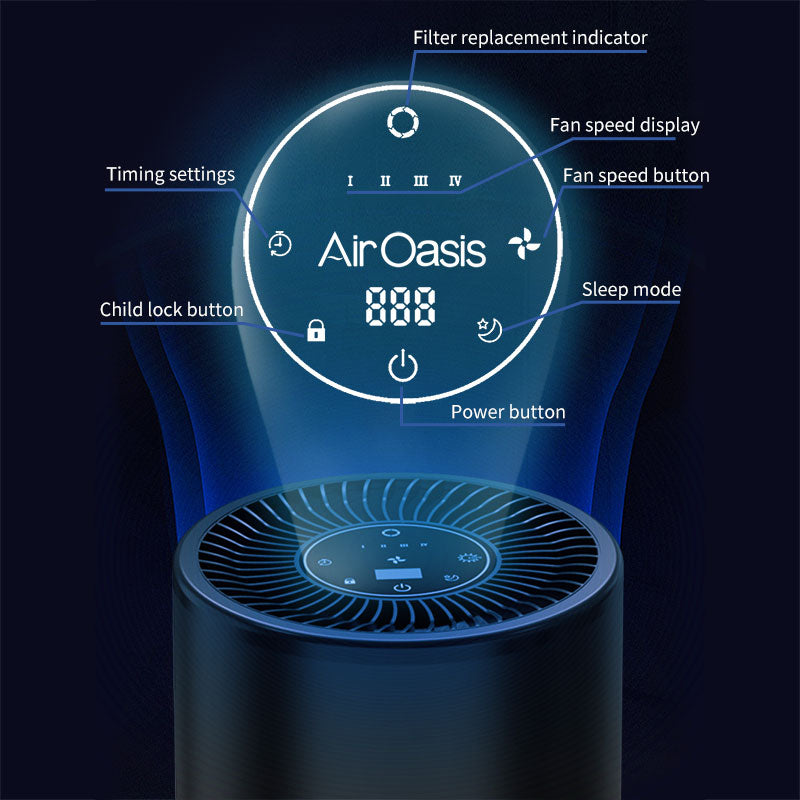
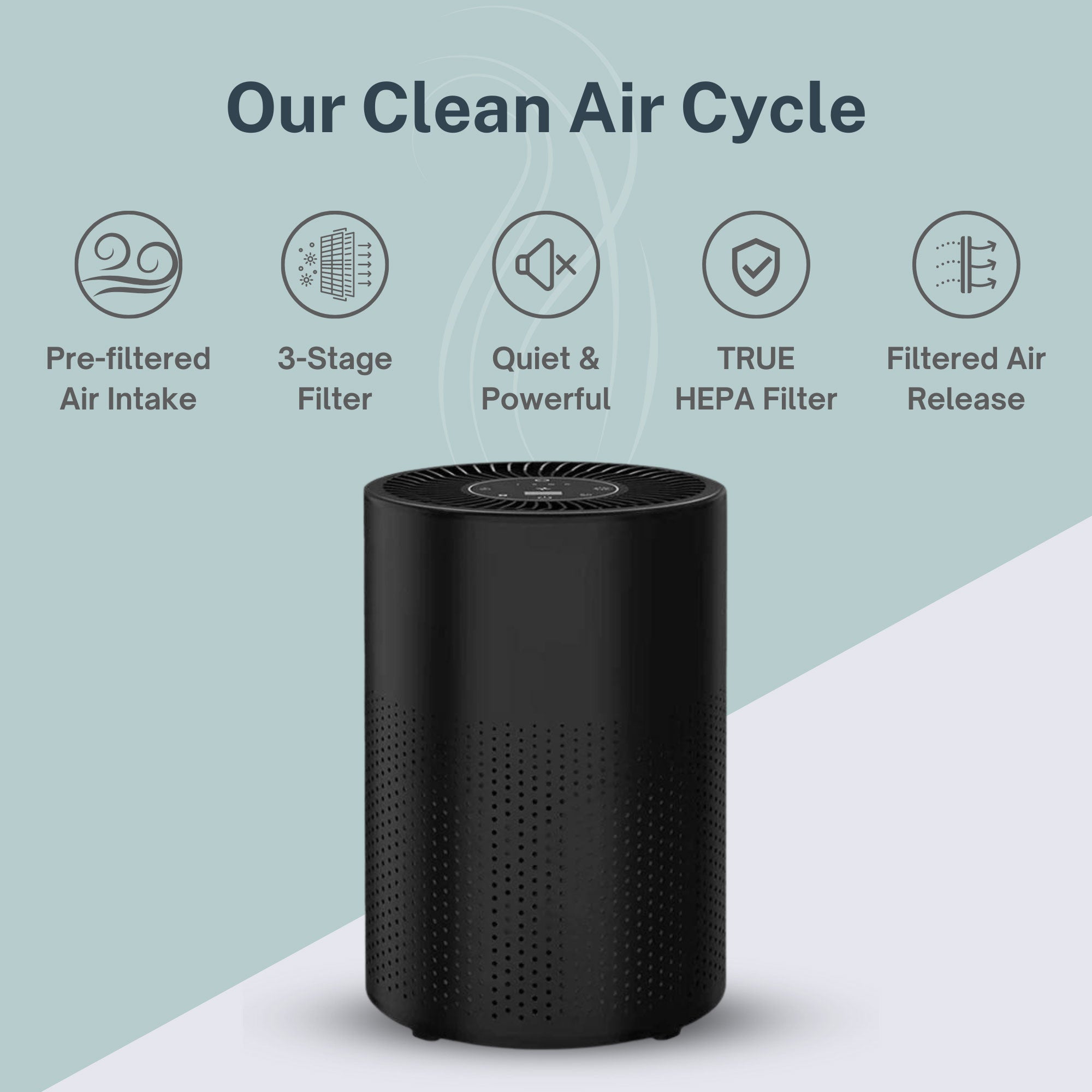
Indoor air quality control provides the most practical protection strategy since people spend roughly 90 percent of time indoors. High-efficiency air purification removes particulate matter before it enters your lungs and bloodstream. This intervention directly reduces the pollution exposure causing testosterone suppression documented in research.
Timing outdoor activities around air quality improves protection. Check local air quality indexes before exercising outdoors, scheduling runs or bike rides during periods when pollution reads at lower levels. Early morning often provides cleaner air than afternoon rush hours when traffic emissions peak. Avoid outdoor exertion during air quality alerts.
Exercise location selection matters significantly. Parks distant from major roadways offer cleaner air than routes along busy streets where vehicle exhaust concentrates. Indoor exercise facilities with proper ventilation and filtration protect against outdoor pollution while maintaining fitness routines essential for testosterone production through other mechanisms.
Nutritional strategies support the body's detoxification and antioxidant systems. Diets rich in cruciferous vegetables, berries, and omega-3 fatty acids provide compounds that counteract oxidative stress from pollution exposure. While nutrition can't eliminate pollution effects entirely, adequate antioxidant intake helps mitigate cellular damage.
Take Control of Your Hormonal Health
Men concerned about testosterone levels should consider environmental exposures alongside lifestyle modifications. Air quality monitoring, strategic outdoor activity timing, and especially comprehensive indoor air purification reduce cumulative pollution exposure that research proves suppresses hormone production.
Don't ignore this controllable factor affecting your hormonal health, energy levels, and long-term wellbeing. Shop Air Oasis today and protect yourself from the invisible threat lowering testosterone levels in millions of men breathing polluted air.