Your child struggles in school despite working with tutors. Homework takes hours instead of minutes. Teachers mention attention and memory problems. Meanwhile, black spots spread across your bathroom ceiling, and that musty basement smell won't go away. Could these problems be connected? Research suggests they might be.
What Studies Show About Mold and Learning
A six-year study in Poland tracked 277 children from birth, monitoring mold exposure and cognitive development. Researchers documented visible mold patches larger than one square meter on interior walls throughout childhood. At age six, children took standardized intelligence tests.
Children living in moldy homes for more than two years scored about ten points lower on IQ tests than unexposed children. After accounting for family education, breastfeeding, and tobacco smoke, the mold-related IQ deficit was 9.16 points. These children faced three-and-a-half times higher odds of scoring below the 25th percentile, indicating significant learning impairment.
Timing mattered. Prenatal mold exposure showed no effect, but exposure during early childhood correlated with measurable deficits. The developing brain during the first years of life appears especially vulnerable.
How Mold Harms Developing Brains
Mold releases microscopic particles, including mycotoxins, volatile compounds, and fungal fragments smaller than ten micrometers. Children inhale these particles during normal breathing. Young children breathe more rapidly than adults relative to body size, increasing their exposure.
The blood-brain barrier, which protects the nervous system, develops gradually during childhood. This incomplete protection leaves young brains vulnerable to circulating toxins. Mycotoxins crossing into brain tissue trigger inflammation and oxidative stress, affecting neural development.
Animal studies show mold exposure decreases new neuron production in the hippocampus, the brain region handling memory and learning. When neuron production slows, memory retention and learning capacity decline. The hippocampus also converts short-term memories into long-term storage, which helps explain why mold-exposed children struggle to remember information.
Mold components trigger immune responses that elevate inflammatory molecules in the bloodstream. These molecules enter the brain and disrupt normal development and function.
Learning Problems Linked to Mold Exposure
Memory problems appear most commonly. Children struggle to retain classroom information, forget instructions given moments earlier, and can't recall learned material during tests. Memory impairments affect both verbal and visual processing across all subjects.
Attention and focus difficulties emerge frequently. Children can't concentrate during lessons, get distracted easily, and experience mental fatigue throughout the school day. These attention problems resemble ADD but stem from inflammation and neurotoxicity rather than attention regulation deficits.
Processing speed slows. Children struggle with timed tests, fall behind during normal-paced lessons, and need extended time for assignments. This creates cascading problems as they miss information and fall further behind.
Executive function problems affect planning, organization, and task management. Children can't break assignments into steps, organize materials and schedules, or start work without prompting. These difficulties compound other learning challenges.
How Mold Effects Differ From Learning Disabilities
Traditional learning disabilities like dyslexia or dyscalculia stem from neurological processing differences that persist regardless of environment. They respond to specialized educational interventions targeting specific skills.
Mold-related problems result from toxic exposure. When exposure ends, cognitive improvements often occur. Case reports show children whose symptoms diminished after leaving moldy environments, a pattern inconsistent with permanent disabilities.
Symptom patterns differ. Children with learning disabilities show isolated deficits in specific areas while maintaining strengths elsewhere. Mold-exposed children show global slowing affecting multiple domains simultaneously, plus physical symptoms like headaches, fatigue, and respiratory problems.
Neuropsychological testing reveals different patterns. Mold exposure causes reductions in processing speed, attention problems, and memory deficits across multiple tests. Specific learning disabilities produce characteristic profiles with pronounced weaknesses in particular areas alongside preserved functioning.
Who Faces Higher Risk
Exposure duration matters. Significant effects appeared only in children exposed for more than two years, suggesting cumulative toxin buildup drives cognitive decline. Brief or intermittent contact produces fewer effects.
Age during exposure critically influences outcomes. The most dramatic brain development occurs during the first three years when neural connections form rapidly. Exposure during this period disrupts foundational development, affecting all later learning.
Genetic differences affect detoxification capacity. Some children metabolize and eliminate mycotoxins more efficiently based on liver enzyme variations. Immune system genetics influences the intensity of the inflammatory response. Children with less efficient detoxification or stronger inflammatory responses face elevated risks.
Nutritional status modifies vulnerability. Children with adequate antioxidant intake through fruits and vegetables may better neutralize oxidative stress. Those with compromised immune systems from chronic illness or poor nutrition experience amplified effects.
Protecting Children's Brain Development
Mold exposure affects cognitive development through inflammation, neurotoxicity, and disruption of brain maturation. Research documents IQ reductions, increased learning disability risks, and specific impairments, including memory problems, attention difficulties, and slowed processing, associated with prolonged childhood mold exposure.
If your child struggles academically and you notice home moisture problems, investigate mold contamination. Professional inspection and remediation protect developing brains from ongoing exposure. Children may need extended recovery time and supportive interventions after removal from moldy environments.
Educational accommodations help during recovery. Extended time on tests, reduced homework, memory aids, and modified pacing provide support without stigmatizing labels. Teachers' understanding that difficulties stem from environmental exposure can provide appropriate help.
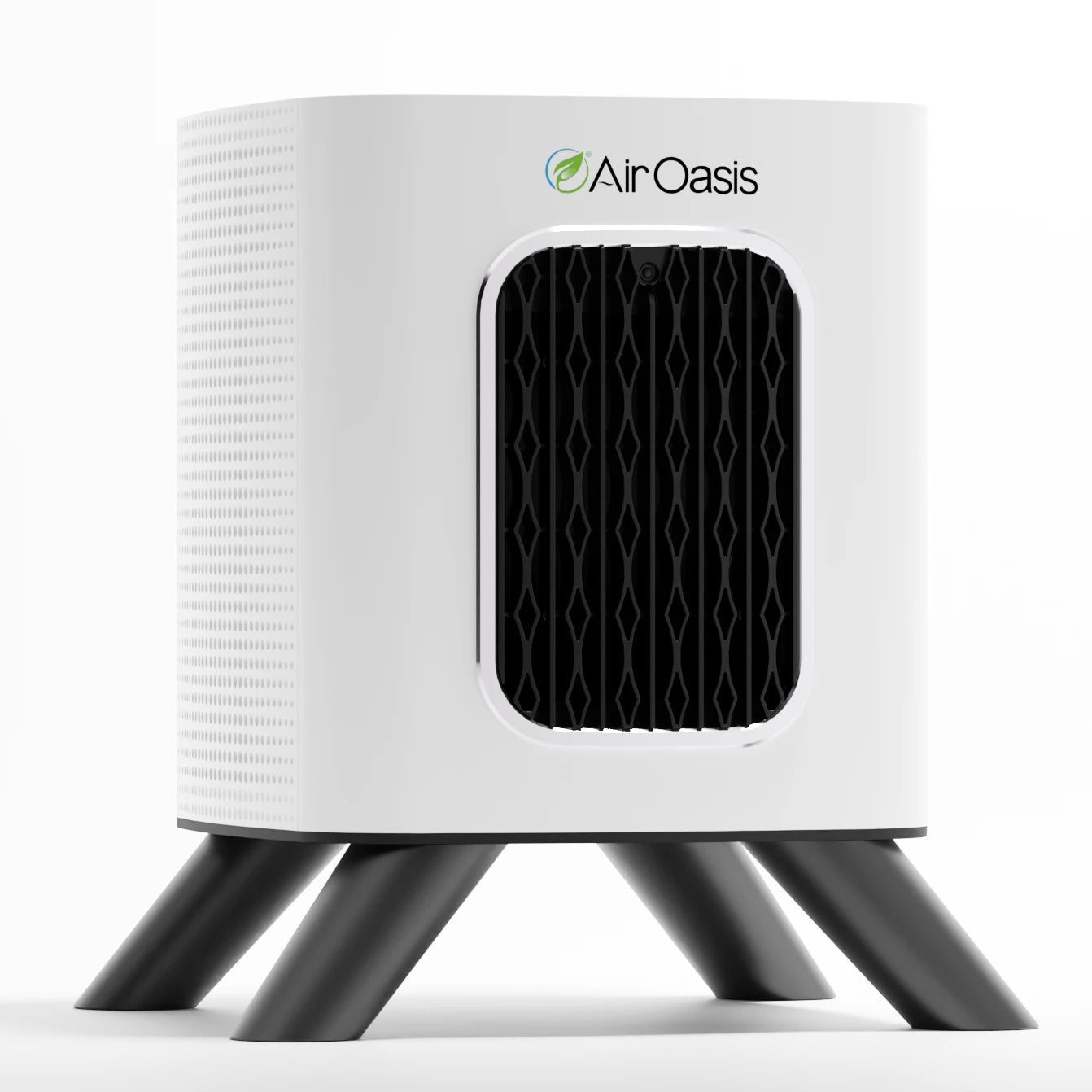
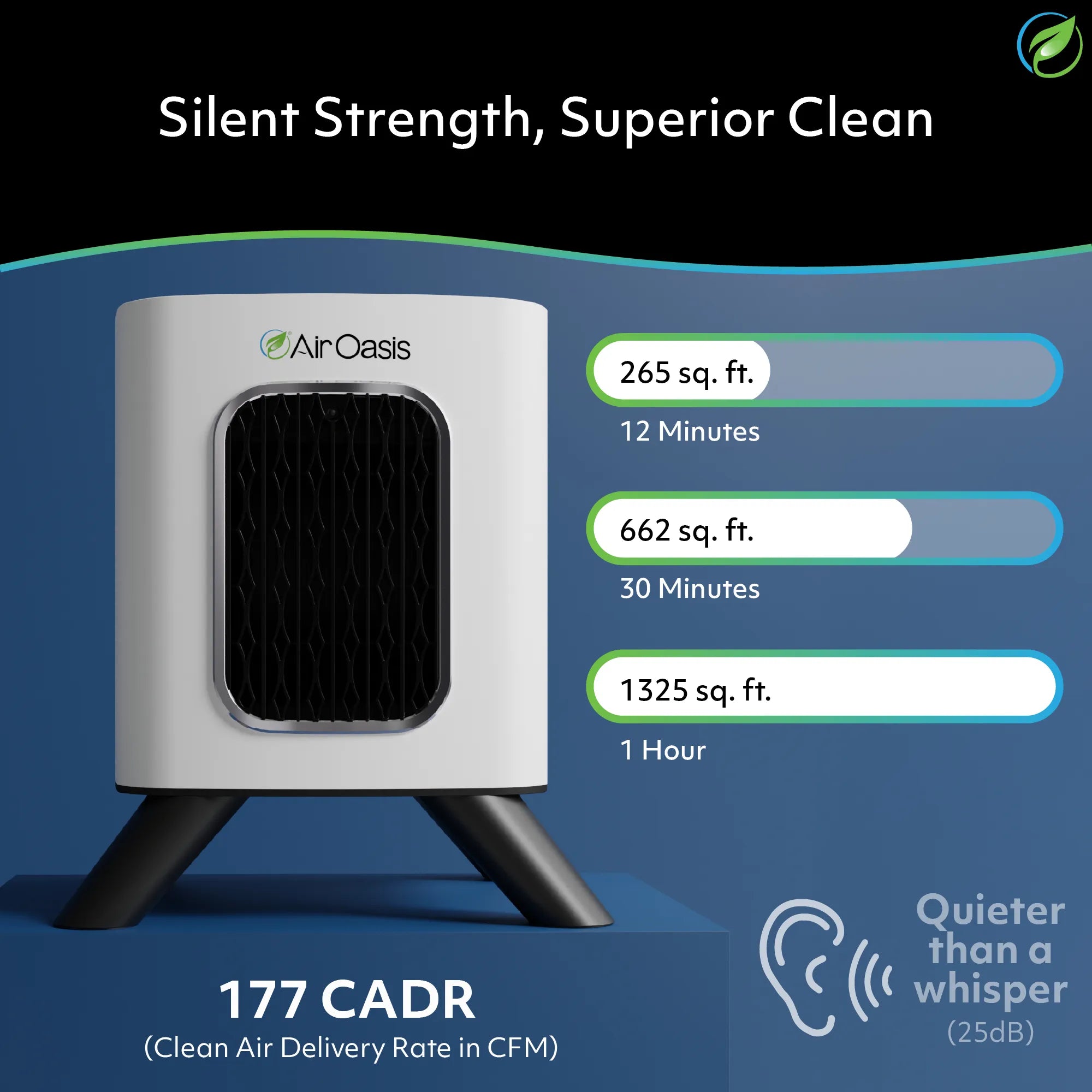
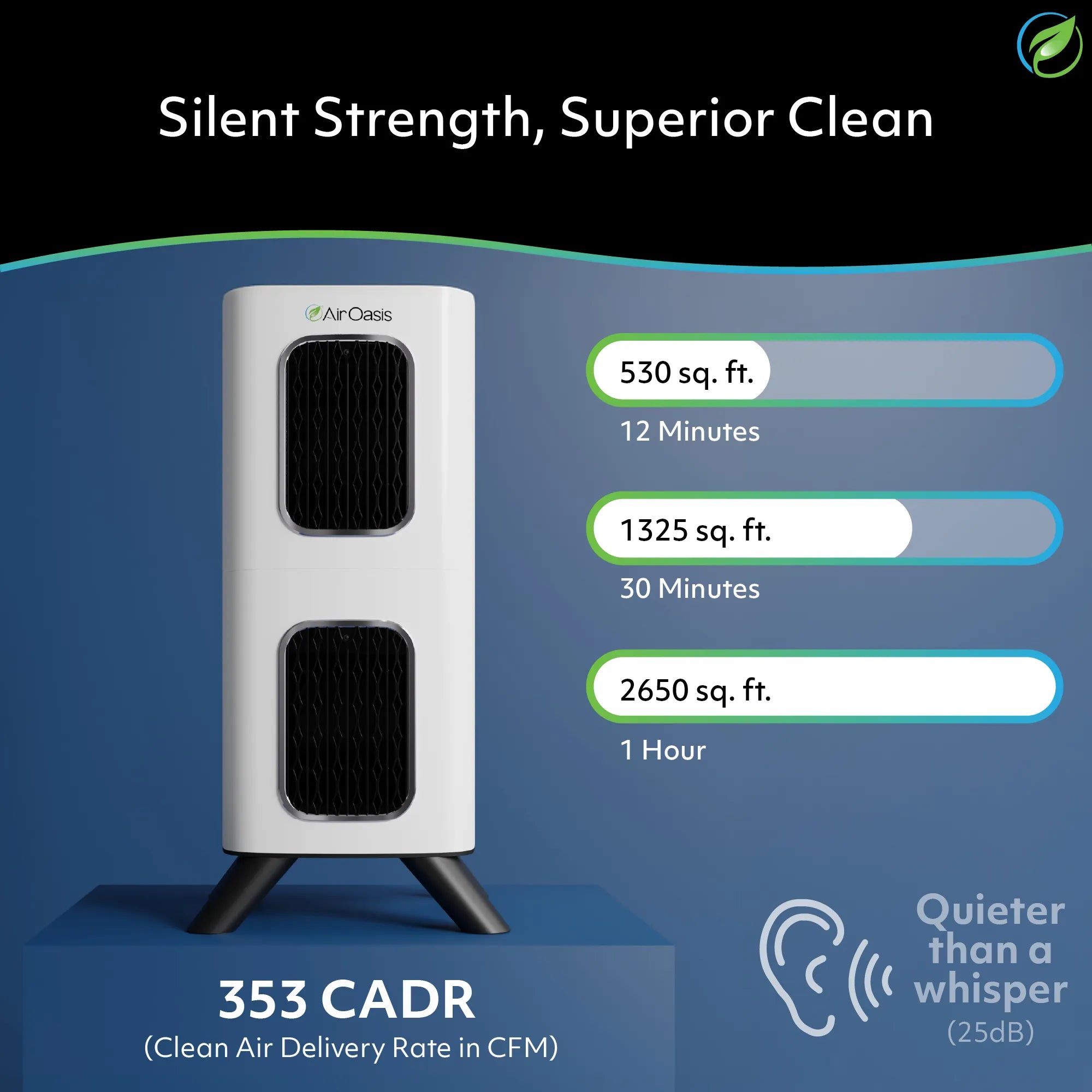
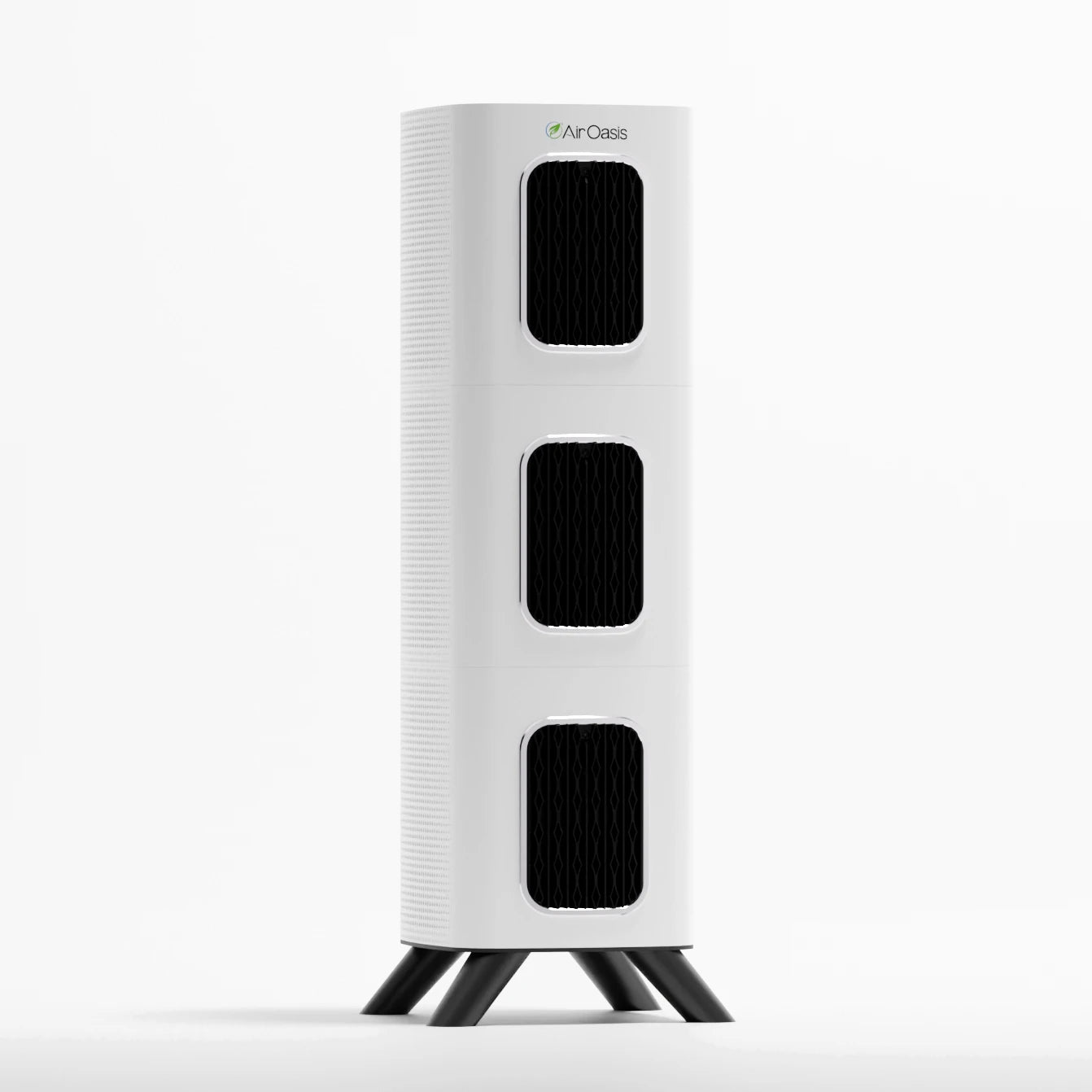
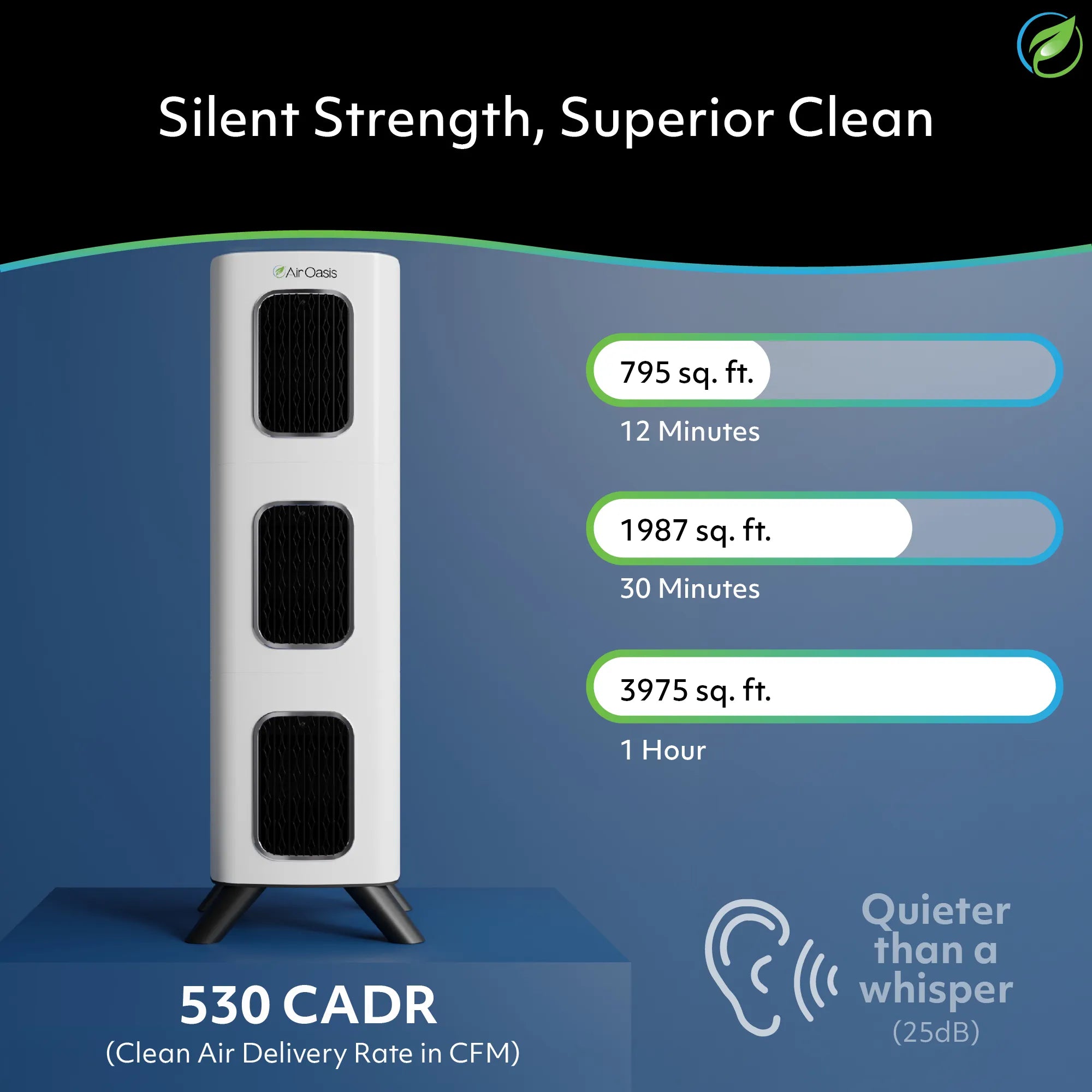
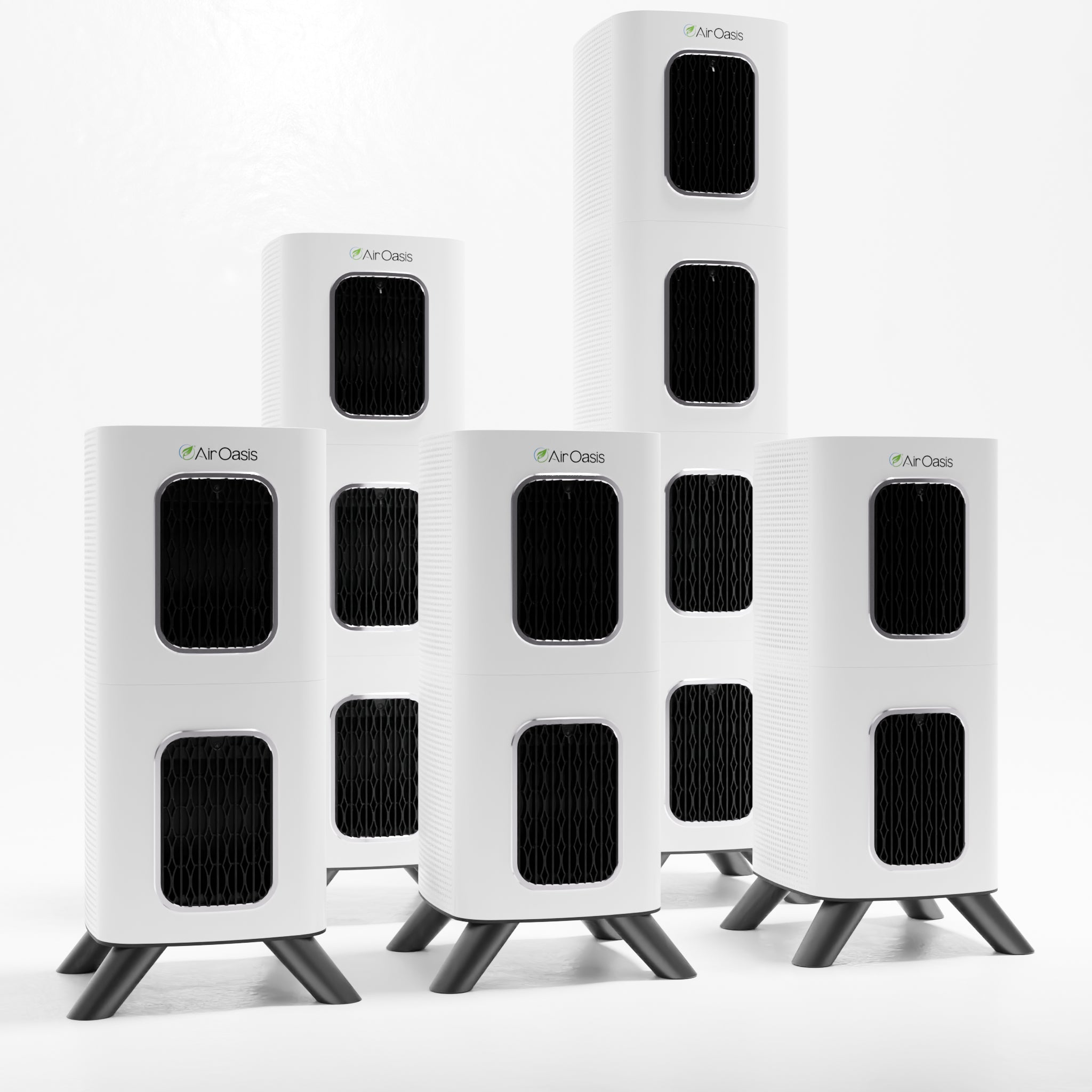
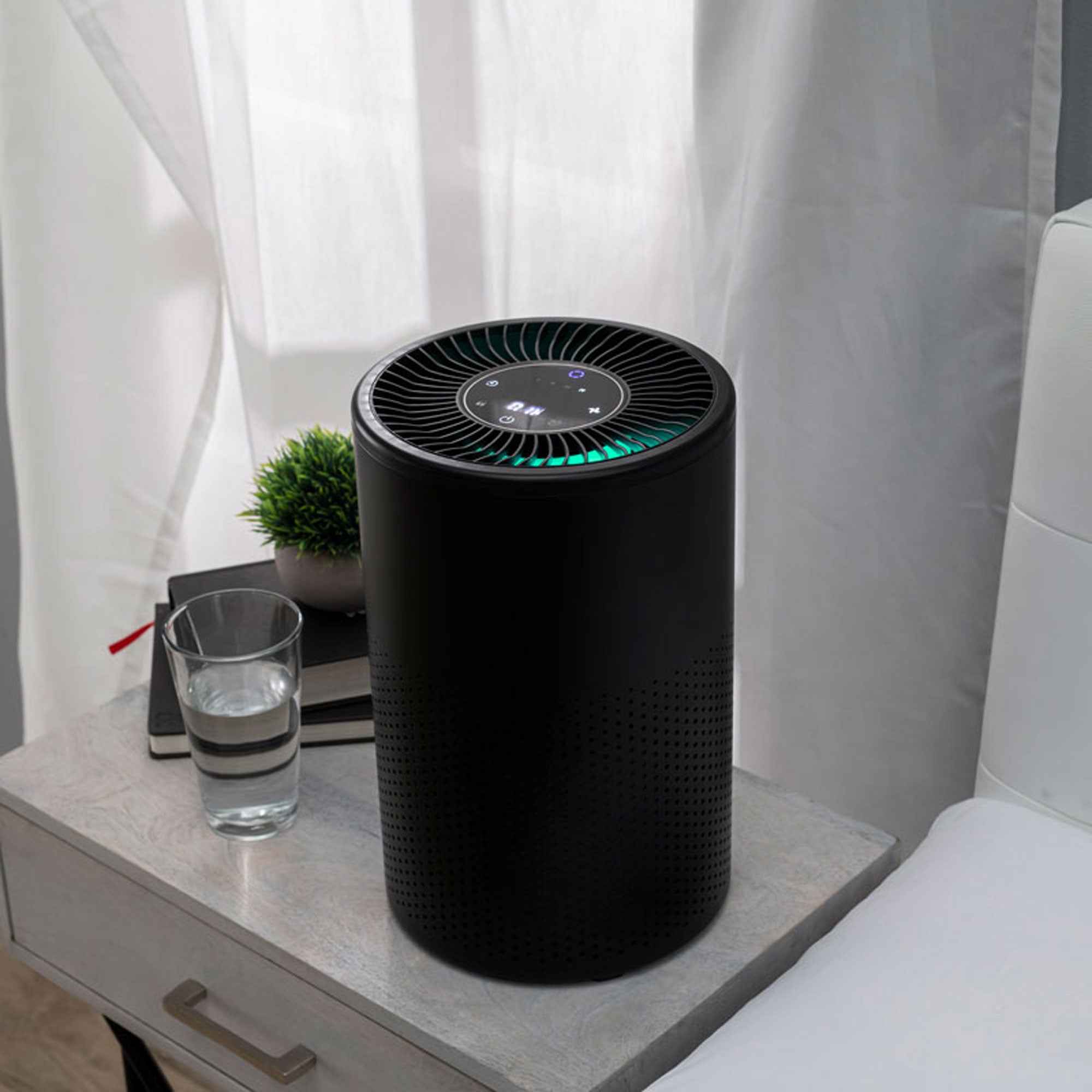
Air purification removes residual spores after remediation. Air Oasis systems feature HEPA filtration that captures microscopic mold fragments while UV-C light and bipolar ionization destroy airborne particles and toxins. The iAdaptAir series covers spaces from 265 to 1,059 square feet, protecting homes where children learn and sleep.
Don't dismiss learning struggles when home air quality might undermine brain function. Address moisture problems immediately, thoroughly remediate mold, and invest in continuous air purification. Shop Air Oasis today and create the clean environment your children need to reach their full potential.