You've struggled with brain fog, memory problems, and difficulty concentrating for months after living in a water-damaged building. Your doctor dismisses these symptoms as stress or aging. Could mold exposure actually be damaging your brain, and is this damage permanent?
Understanding CIRS Brain Effects
Chronic Inflammatory Response Syndrome occurs when genetically susceptible people cannot properly clear biotoxins from mold, bacteria, or other organisms. Approximately 25% of the population carries genetic markers that prevent efficient biotoxin elimination. Their immune systems remain chronically activated, producing continuous inflammation that affects multiple organ systems.
The brain proves particularly vulnerable to this persistent inflammatory assault. Neuroinflammation develops when the body's immune response produces inflammatory cytokines that cross into brain tissue. The blood-brain barrier, normally protecting the brain from harmful substances, becomes more permeable under prolonged inflammation. This allows inflammatory molecules to enter and damage neural tissue.
Microglia, the brain's specialized immune cells, become overactivated in response to systemic inflammation. Once activated, these cells produce their own inflammatory signals that affect surrounding neurons. This creates a self-perpetuating cycle where inflammation triggers more inflammation, progressively damaging brain tissue.
Advanced imaging reveals the structural impact of CIRS on the brain. MRI scans analyzed with NeuroQuant software document measurable changes in brain structure among CIRS patients. Studies show shrinkage in specific brain regions and enlargement of fluid-filled spaces. These physical changes correspond to the cognitive and emotional symptoms patients experience.
Cognitive Symptoms That Signal Brain Involvement
Brain fog represents the most common neurological complaint in CIRS patients. This term describes difficulty concentrating, processing information, and thinking clearly. Tasks requiring mental effort become exhausting. Simple decisions feel overwhelming. The cognitive slowness creates frustration and impacts work performance and daily functioning.
Short-term memory problems appear early in CIRS brain involvement. Patients forget recent conversations, misplace objects frequently, and struggle to recall information they just learned. They may read paragraphs multiple times without retaining content. Appointments slip their minds despite careful planning.
Word-finding difficulty creates embarrassing social situations. Mid-sentence, the intended word vanishes. Patients describe knowing what they want to say but being unable to retrieve the specific vocabulary. They substitute approximate words or resort to describing what they mean rather than naming it directly.
Executive function deteriorates under CIRS-related brain inflammation. Planning, organizing, and completing multi-step tasks become challenging. Patients make impulsive decisions they later regret. They struggle to prioritize competing demands. Time management skills decline noticeably from previous functioning levels.
Sleep disturbances compound cognitive problems. CIRS patients report difficulty falling asleep, frequent nighttime awakenings, and unrefreshing sleep regardless of hours spent in bed. The inflammatory disruption of neurotransmitters interferes with normal sleep architecture, preventing the deep restorative sleep necessary for brain health.
The Inflammatory Mechanism Behind Brain Damage
Cytokines drive the inflammatory cascade that damages brain tissue. These chemical messengers coordinate immune responses but become destructive when produced chronically. In CIRS patients, cytokine production continues indefinitely as long as biotoxin exposure persists or the body cannot clear accumulated toxins.
Specific inflammatory markers correlate with neurological symptoms. Transforming growth factor beta-1 (TGF-β1) elevation appears consistently in CIRS patients with cognitive complaints. C4a, another inflammatory marker, increases during active brain inflammation. Matrix metalloproteinase-9 (MMP-9) rises when the blood-brain barrier loses integrity.
Neurotransmitter disruption explains many CIRS psychiatric symptoms. Chronic inflammation interferes with serotonin production and signaling, contributing to depression and anxiety. Dopamine pathways suffer disruption, affecting motivation, pleasure, and executive function. GABA and glutamate balance shifts, influencing anxiety levels and cognitive processing speed.
Melanocyte-stimulating hormone (MSH) deficiency represents a hallmark feature of CIRS. This regulatory hormone normally controls inflammation, maintains circadian rhythms, supports gut barrier function, and influences mood. CIRS patients typically show severely reduced MSH levels, compounding their neurological and systemic symptoms.
Oxidative stress accelerates neural damage in CIRS. The inflammatory environment generates reactive oxygen species that attack cell membranes, proteins, and DNA. Neurons prove particularly vulnerable to oxidative damage due to their high metabolic demands and limited regenerative capacity compared to other tissues.
Distinguishing Reversible From Permanent Damage
The critical question becomes whether CIRS brain changes represent reversible inflammation or permanent structural damage. Current evidence suggests most neurological effects prove reversible with proper treatment, though recovery timelines vary significantly among patients.
Studies tracking CIRS patients through treatment document measurable brain changes reversing over time. Follow-up MRI scans show brain regions regaining volume after successful inflammation reduction. NeuroQuant analysis reveals fluid-filled spaces shrinking back toward normal ranges. These structural improvements correlate with symptom resolution.
However, duration and severity of exposure influence recovery potential. Patients enduring years of untreated CIRS before diagnosis may face longer recovery periods or incomplete symptom resolution. The cumulative inflammatory burden potentially causes some irreversible changes, particularly if treatment begins only after extensive damage occurs.
Age at exposure onset matters for recovery prognosis. Children and adolescents experiencing CIRS during critical developmental periods may sustain lasting impacts on brain development. Conversely, younger patients often show more complete recovery than older adults once treatment begins, reflecting greater neural plasticity.
The genetic component of CIRS complicates outcome predictions. The HLA-DR gene variants that predispose to CIRS may also influence recovery capacity. Some genetic profiles associate with more severe neurological involvement and potentially slower or incomplete recovery even with optimal treatment.
Treatment Approaches and Recovery Evidence
Successful CIRS treatment follows a sequential protocol developed through clinical research. The first absolutely critical step involves eliminating ongoing biotoxin exposure. Patients must leave water-damaged environments or complete comprehensive remediation. Continuing exposure prevents any meaningful recovery regardless of other treatments.
Toxin binding medications help remove accumulated biotoxins from the body. Cholestyramine and Welchol bind toxins in the digestive tract, preventing reabsorption and facilitating elimination. Studies document objective improvement in inflammatory markers and symptom resolution when these binders effectively clear biotoxin burden.
Vasoactive intestinal peptide (VIP) specifically addresses neurological symptoms in CIRS. This treatment targets the hormonal dysregulation and inflammation affecting brain tissue. Research shows VIP therapy restores volume to affected brain regions and improves cognitive function. Patients report clearer thinking, better memory, and improved mood with VIP treatment.
Recovery timelines extend over months rather than weeks. Inflammatory markers typically normalize within 3-6 months of proper treatment. Cognitive symptoms improve more gradually, with noticeable gains appearing around 6-12 months. Complete symptom resolution may require 18-24 months in severe cases.
Published research demonstrates treatment effectiveness through objective measures. Studies using standardized cognitive testing show statistically significant improvements following CIRS protocol treatment. Visual contrast sensitivity testing, which assesses neurological function, normalizes in successfully treated patients. Blood biomarkers return to healthy ranges.
Long-Term Outlook and Prognosis
Most CIRS patients experience substantial improvement with proper treatment. Published case series document symptom resolution and biomarker normalization in the majority of treated individuals. Cognitive function returns to pre-illness levels or near-baseline in patients who achieve complete toxin elimination and follow the full treatment protocol.
However, complete recovery requires diligent adherence to all treatment steps. Patients who achieve partial improvement but discontinue treatment prematurely often experience symptom recurrence. Those who return to mold-contaminated environments invariably relapse, sometimes more severely than their initial presentation.
Some patients face persistent symptoms despite optimal treatment. These individuals may have sustained more extensive damage before diagnosis, possess particularly aggressive genetic variants, or have concurrent conditions complicating recovery. Ongoing supportive care helps manage residual symptoms even when complete resolution proves elusive.
Re-exposure risk remains permanent for genetically susceptible individuals. Even after successful treatment and full recovery, these patients remain vulnerable to CIRS if exposed to biotoxins again. Future mold exposure triggers the same inflammatory cascade, potentially causing similar or worse neurological effects.
Prevention becomes paramount after CIRS diagnosis. Patients must develop vigilance about indoor air quality, recognize early warning signs of water damage, and respond immediately to potential exposures. This permanent sensitivity requires lifestyle adjustments to minimize future risk.
The Misdiagnosis Problem
CIRS frequently receives misdiagnosis as chronic fatigue syndrome, fibromyalgia, depression, anxiety, or simply stress. These incorrect diagnoses delay proper treatment, allowing continued biotoxin exposure and progressive brain damage. Patients spend years seeing multiple specialists without receiving appropriate care.
Conventional medical training rarely includes CIRS recognition. Most physicians remain unfamiliar with the condition despite its affecting millions of Americans. Standard neurological testing typically shows no abnormalities, leading doctors to dismiss patient symptoms as psychological rather than physiological.
The overlap between CIRS and chronic fatigue syndrome creates particular diagnostic confusion. Most patients diagnosed with ME/CFS likely actually have CIRS according to researchers familiar with both conditions. However, ME/CFS has no proven treatment protocol, leaving patients managing symptoms indefinitely rather than addressing root causes.
Psychiatric misdiagnosis proves especially harmful. Patients presenting with anxiety, depression, or emotional dysregulation receive psychotropic medications without investigation of potential medical causes. These medications may provide modest symptom relief but never address the underlying inflammation driving neurological dysfunction.
Protecting Your Brain After Exposure
Indoor air quality becomes non-negotiable for CIRS patients and recovered individuals. Even brief exposures to water-damaged buildings can trigger symptom flares. Patients must assess potential mold situations before entering buildings and leave immediately if musty odors or visible water damage appear.
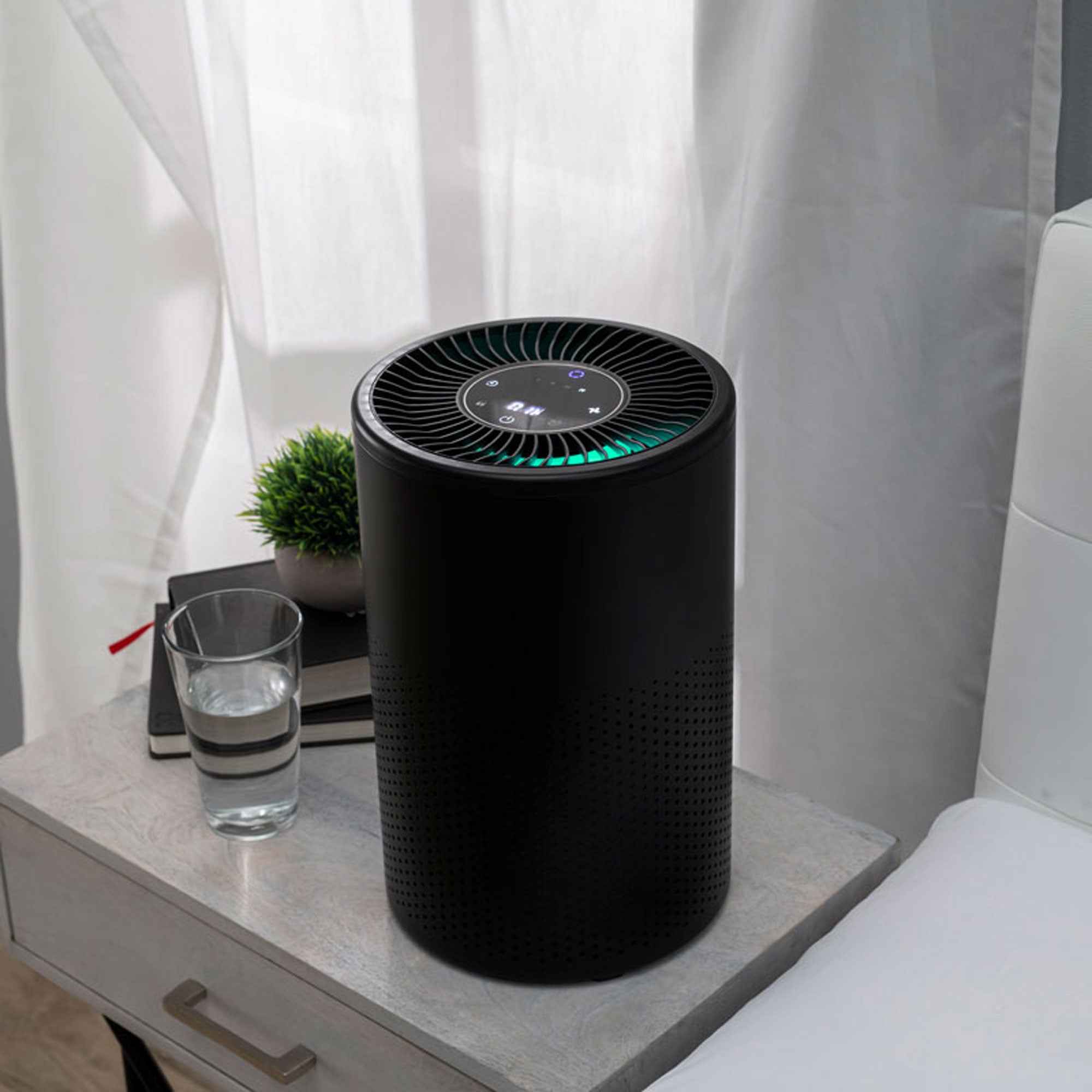
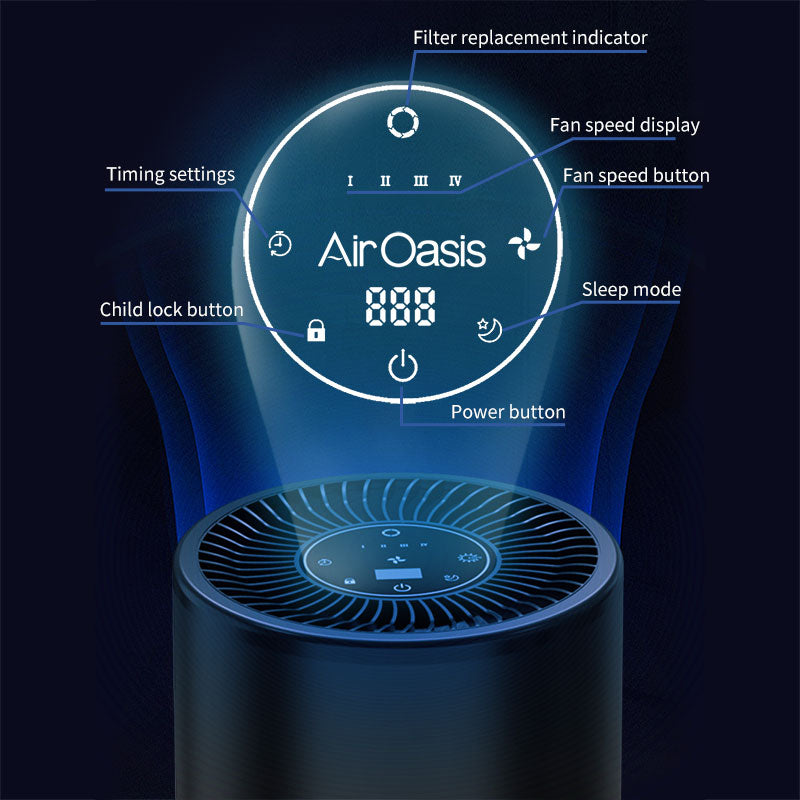
Home air purification provides essential protection for ongoing recovery. Clean indoor air allows the brain to heal without continued inflammatory assault. Medical-grade filtration systems remove mold spores, fragments, and other biotoxins that might impede recovery or trigger relapses.
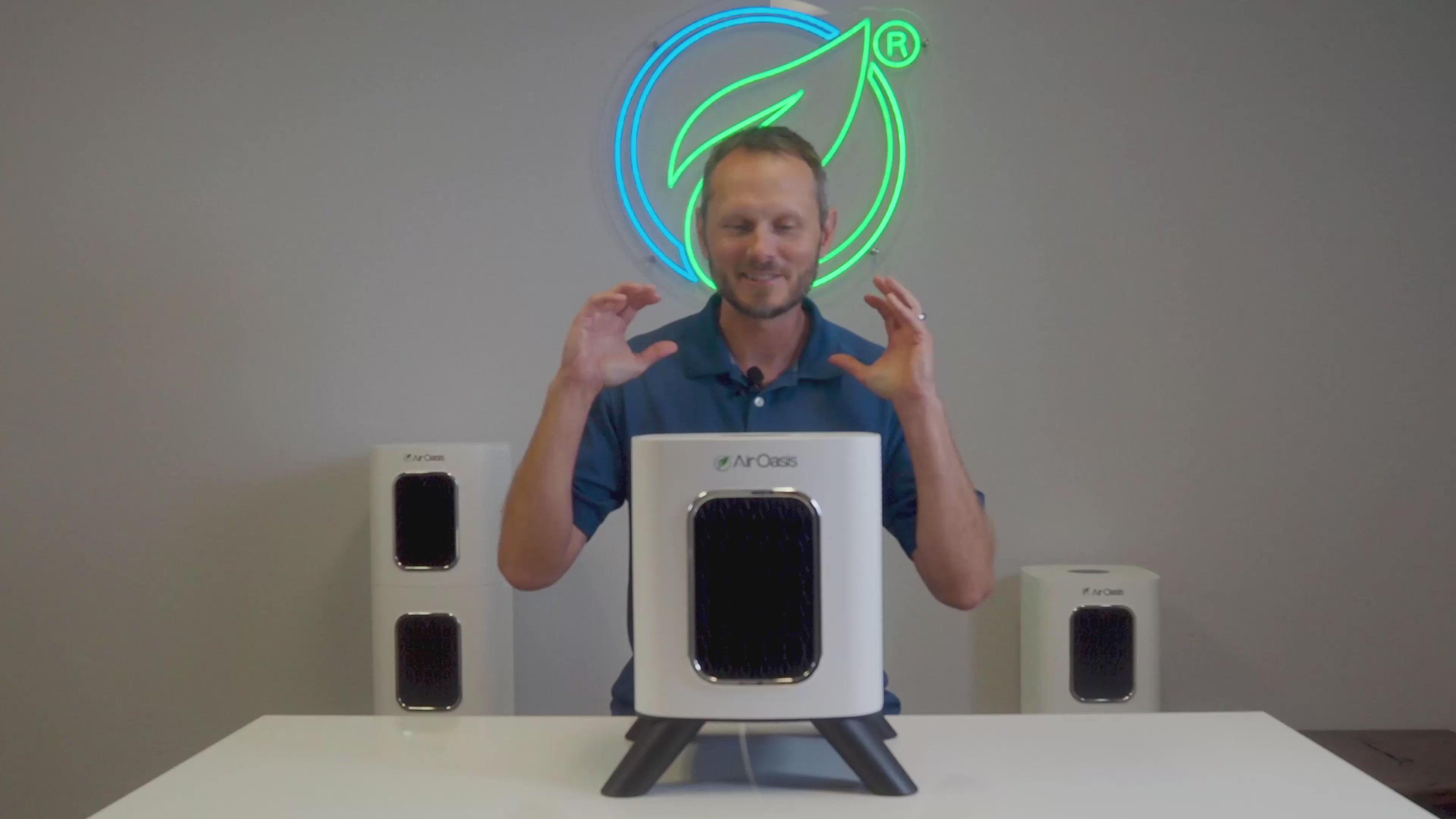
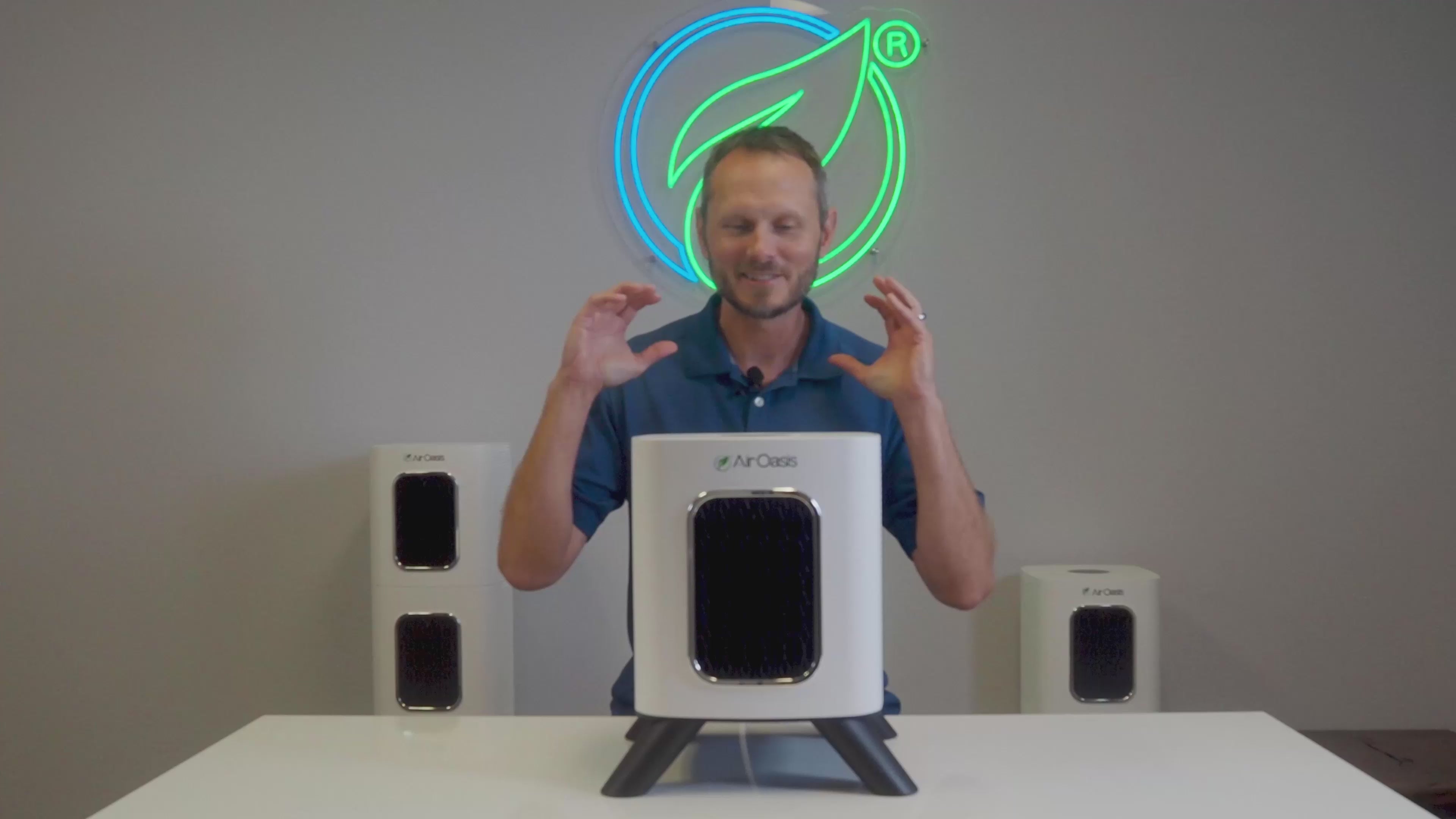
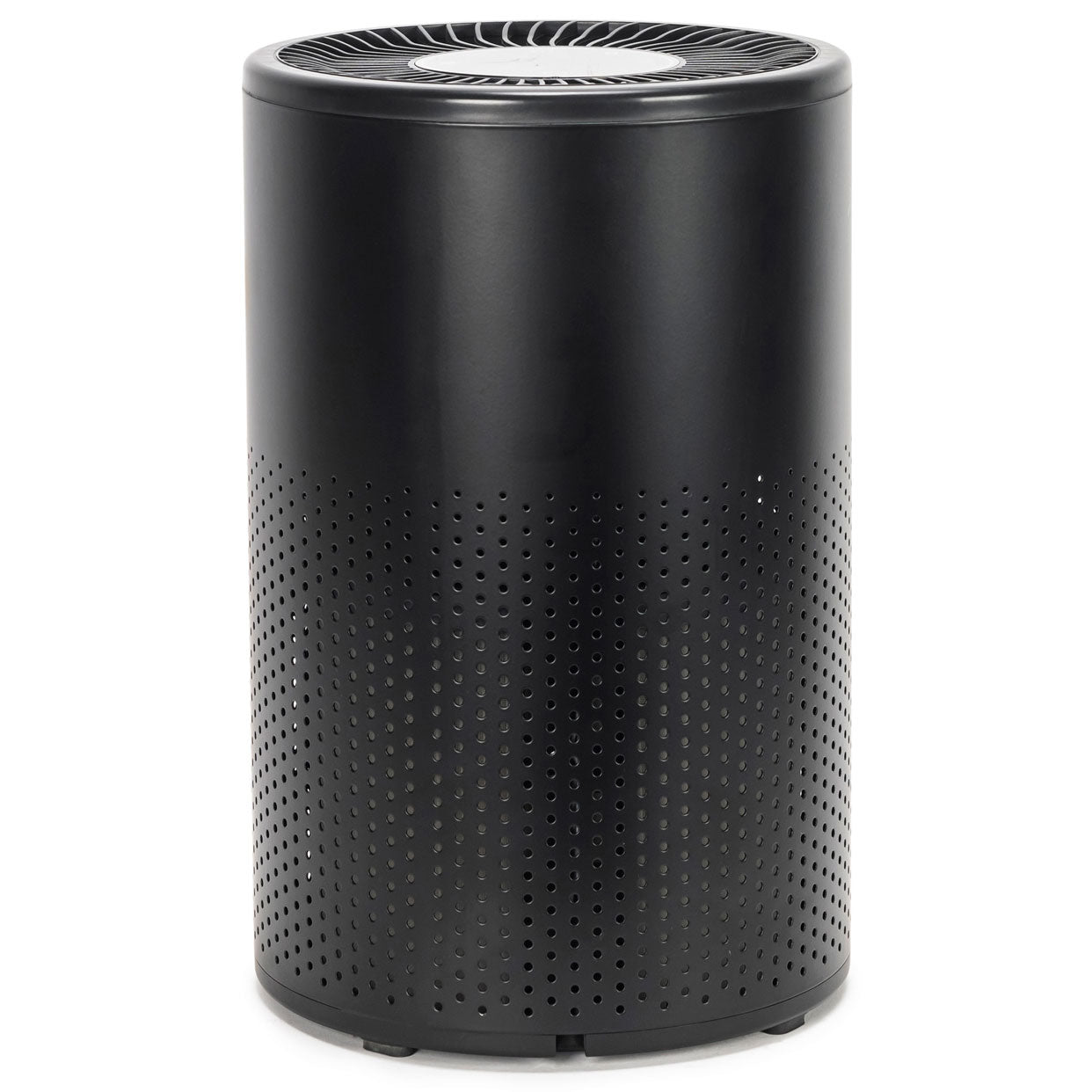
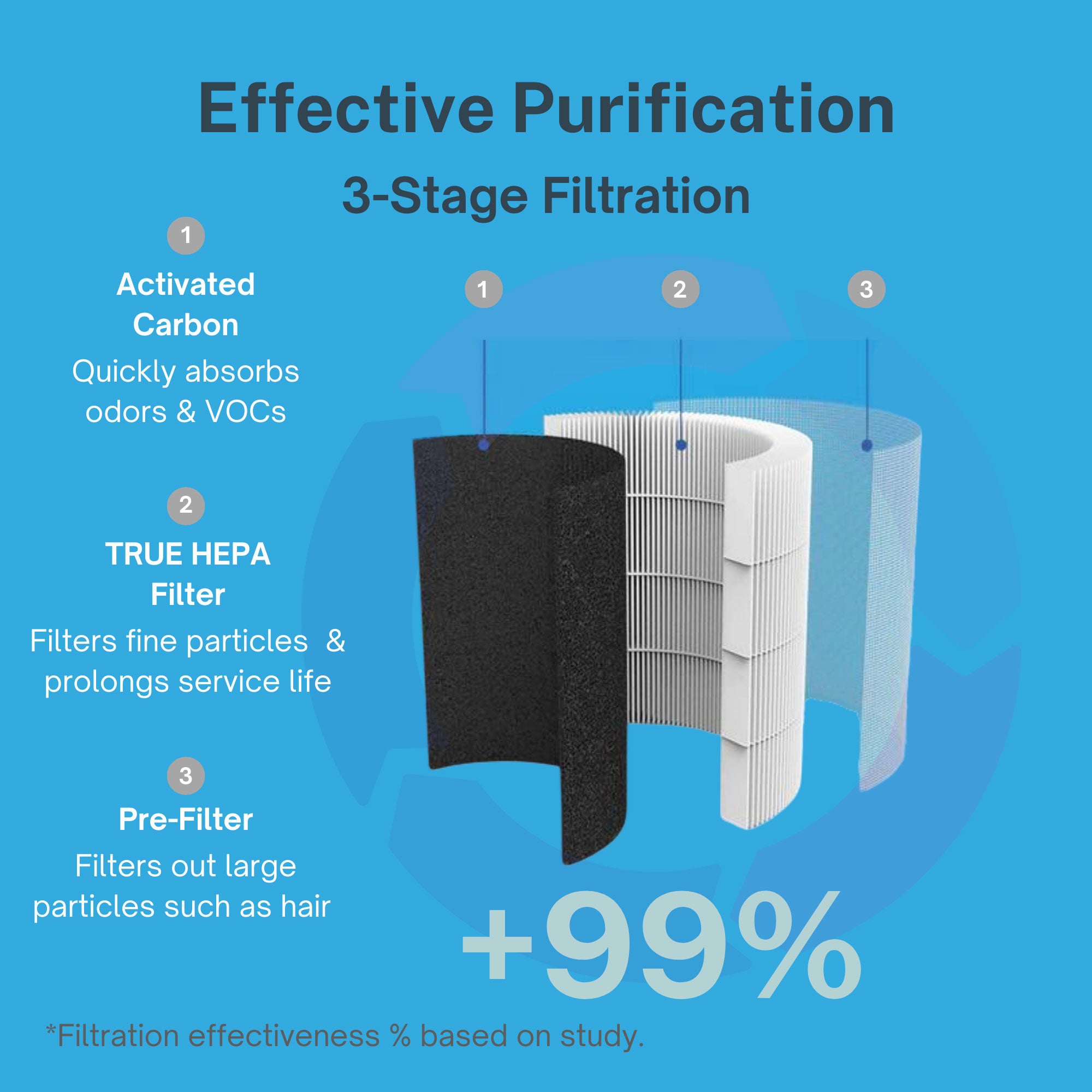
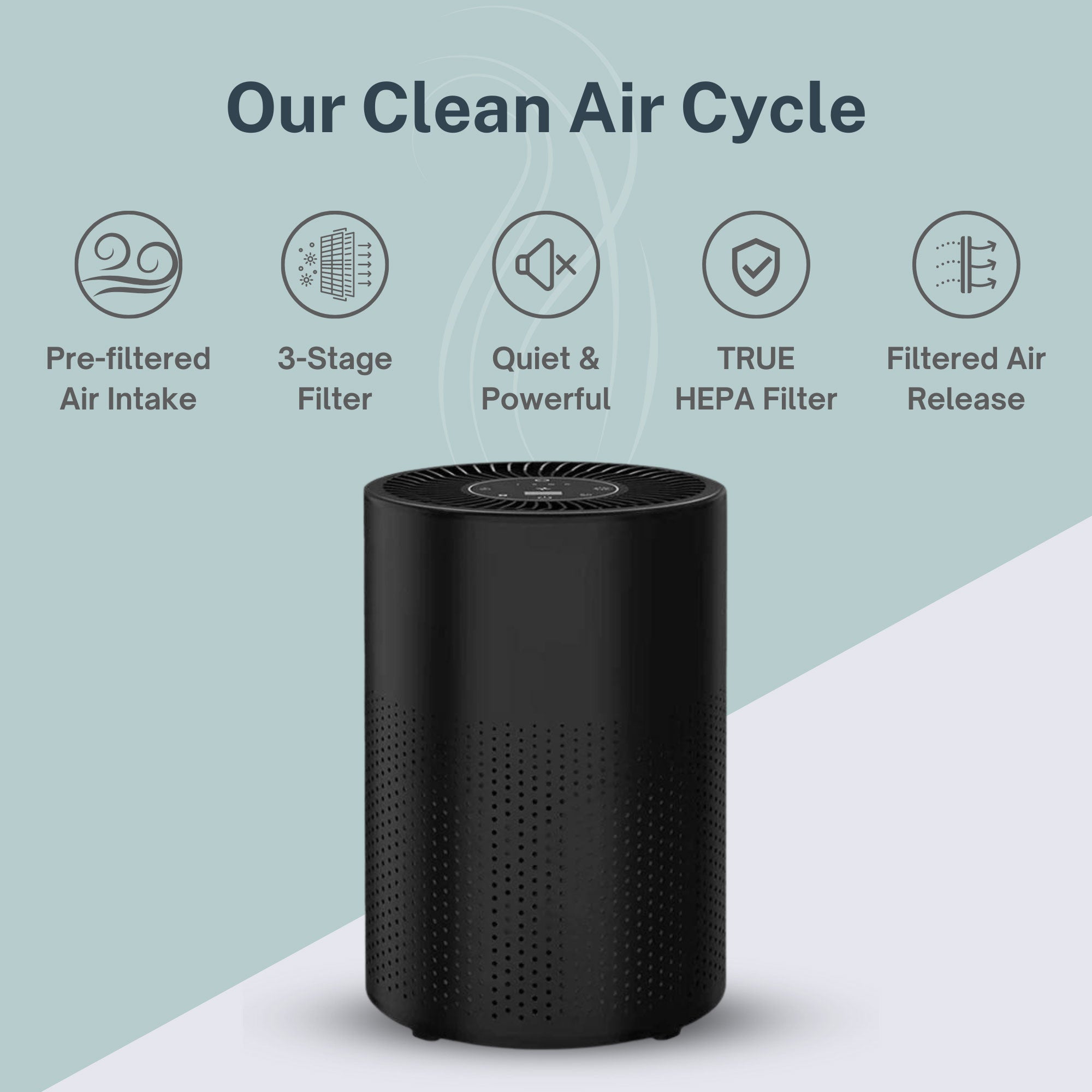
The iAdaptAir series delivers comprehensive air purification addressing the specific threats CIRS patients face. HEPA filtration captures 99.97% of particles down to 0.3 microns, including mold spores and fragments. Activated carbon removes volatile organic compounds and odors associated with mold growth and water damage.
Multi-stage filtration proves crucial for CIRS protection. UV-C light technology inactivates airborne microorganisms. Bipolar ionization reduces particles and neutralizes pollutants. This layered approach addresses the complex mixture of biotoxins present in indoor environments.
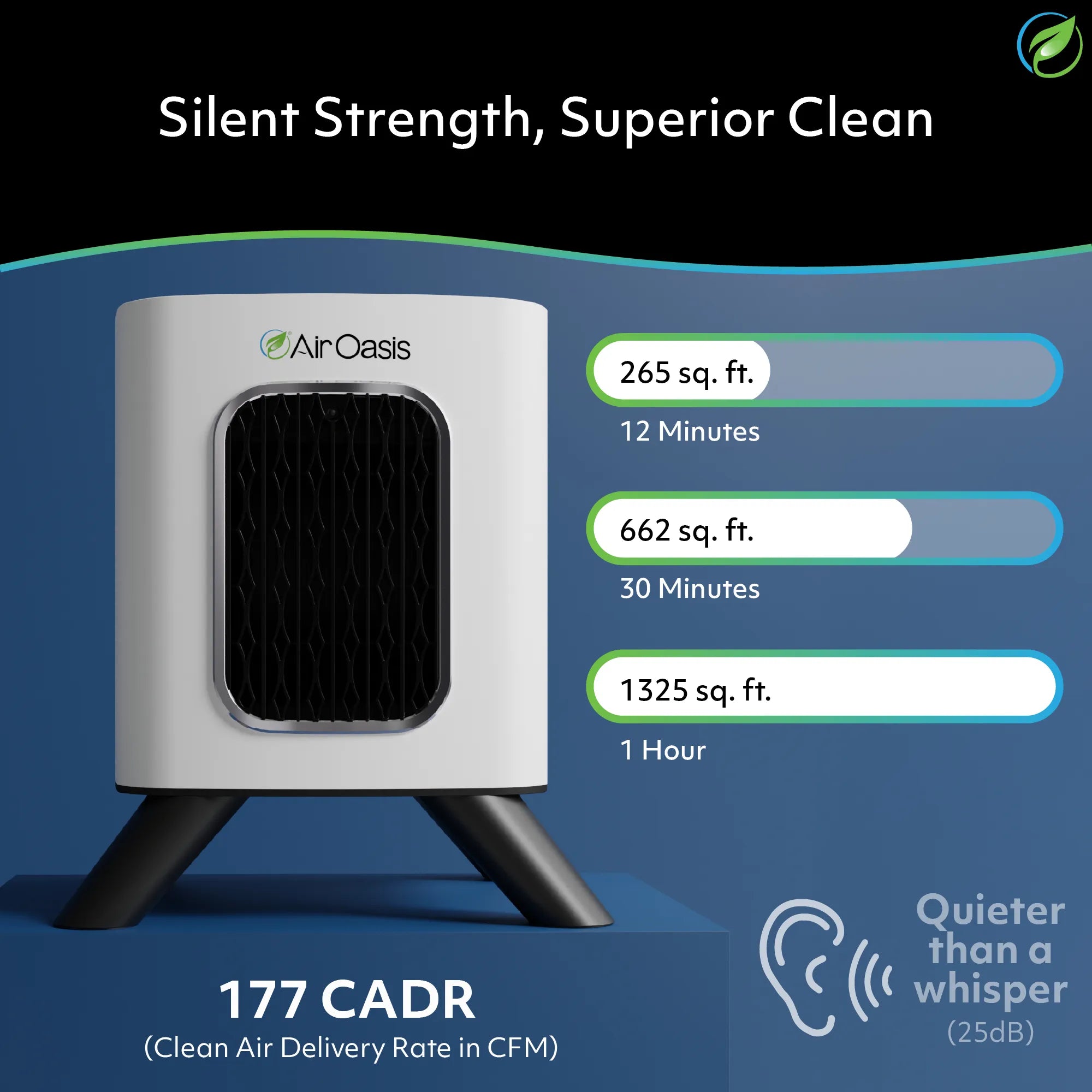
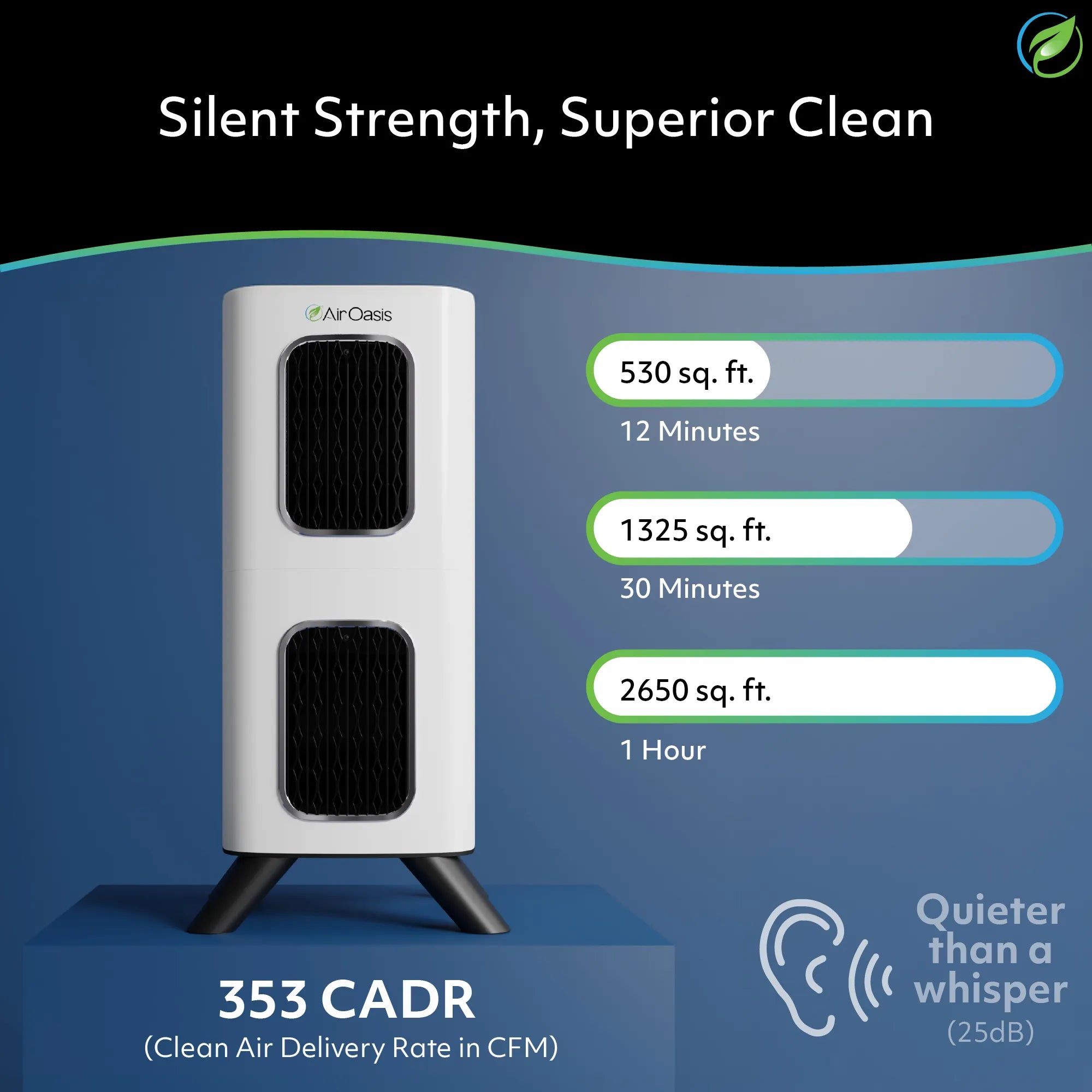
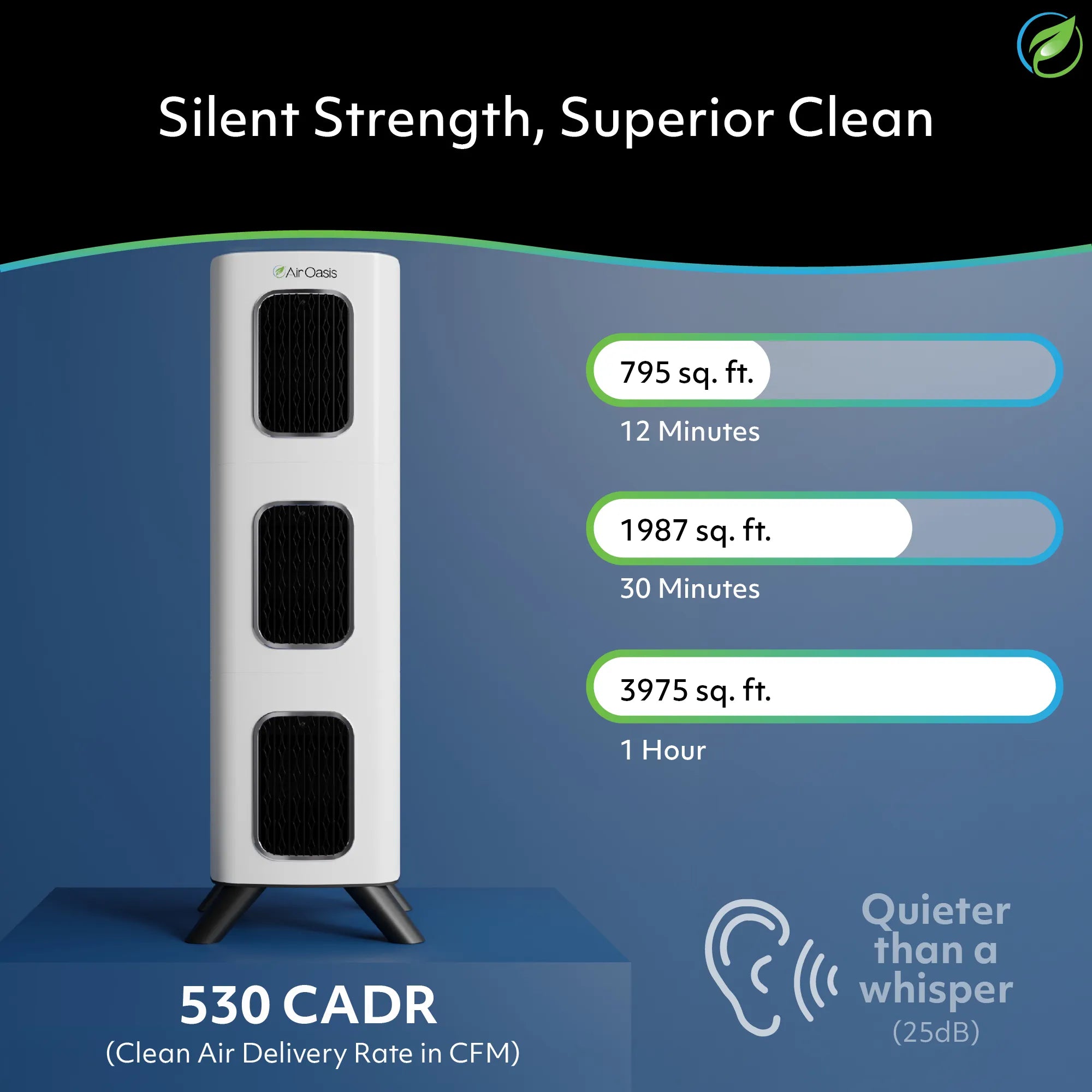
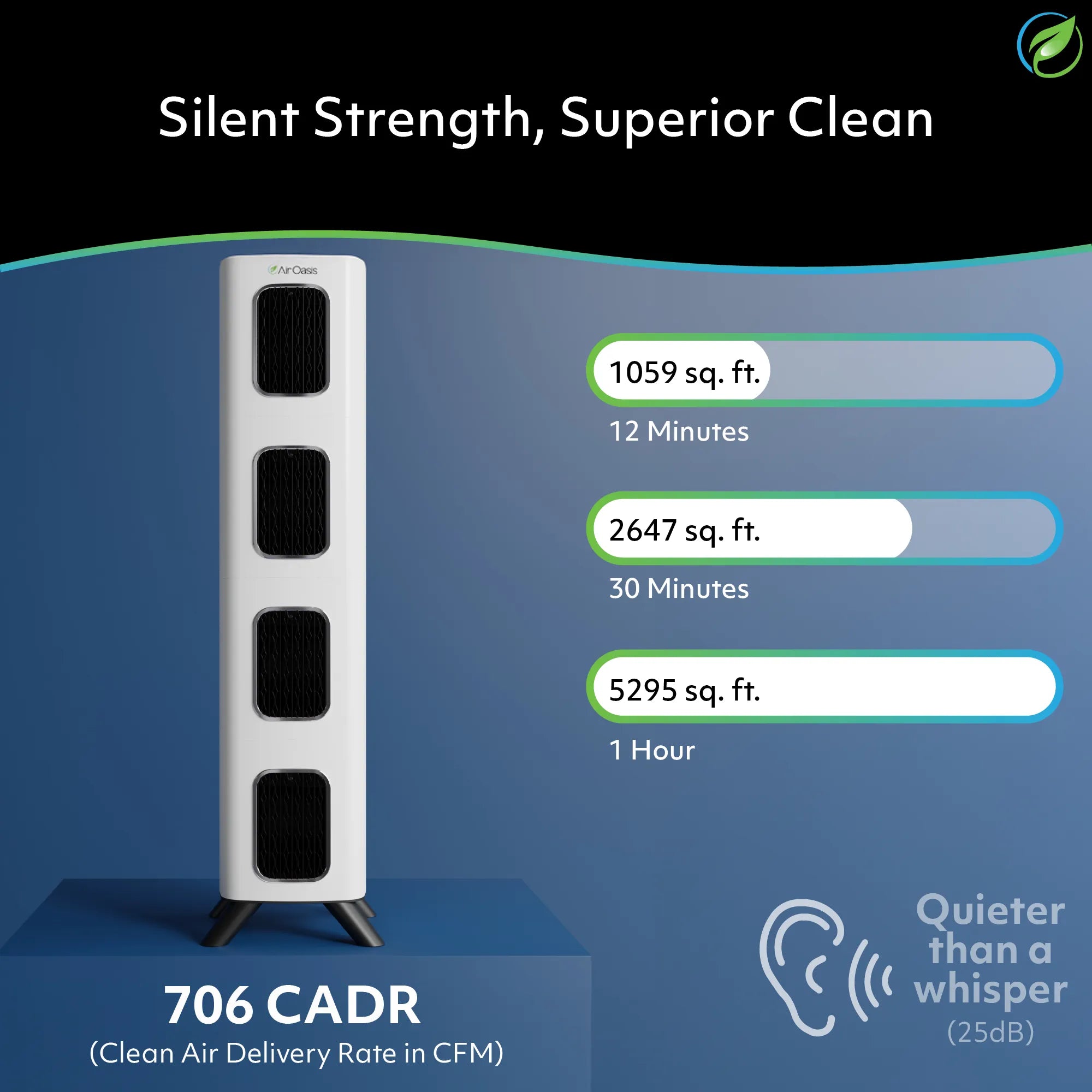
Choose appropriate coverage for your living space. The iAdaptAir 2S purifies 265 sq ft, the 2M handles 530 sq ft, the 2L covers 795 sq ft, and the 2P serves areas up to 1,059 sq ft. Adequate air purification throughout your home supports complete recovery and prevents re-exposure.
Taking Action on CIRS Symptoms
CIRS brain inflammation rarely resolves without proper diagnosis and treatment. The condition progressively worsens with continued exposure, potentially causing increasingly severe neurological damage. Early intervention dramatically improves outcomes and reduces the risk of permanent effects.
Seek evaluation from practitioners trained in CIRS diagnosis and treatment. Standard medical workups miss this condition because conventional testing appears normal. Specialized testing for inflammatory markers, genetic susceptibility, and visual contrast sensitivity reveals CIRS when present.
Document your exposure history carefully. Note any water damage in homes, schools, or workplaces. Record the timeline of symptom onset relative to specific buildings or environments. This information proves invaluable for accurate diagnosis.
Recovery remains possible even after years of symptoms if treatment begins early. Published research documents successful outcomes in patients with long-standing illness. While recovery may take longer for those with extensive damage, meaningful improvement typically occurs with diligent adherence to treatment.
Your brain can heal from CIRS inflammation, but only in a clean air environment. Quality air purification provides the foundation for neurological recovery. Shop Air Oasis today and create the pristine indoor air quality essential for healing from mold-related brain inflammation.