Summer brings sunshine, vacations, and, unfortunately, the perfect conditions for mold growth in your air ducts. While most homeowners worry about mold in bathrooms and basements, your HVAC system may be harboring a hidden problem that affects every room in your house.
Why Summer Creates Perfect Conditions for Duct Mold
Yes, mold absolutely can grow in air ducts during the summer months. In fact, summer often creates the worst conditions for mold growth in your HVAC system. The combination of warm outdoor temperatures, high humidity, and constant air conditioning use sets the stage for a serious air quality problem.
Your air conditioning system works by removing heat and moisture from indoor air. As warm, humid air passes over the cold evaporator coils, condensation forms. While your AC is designed to drain this moisture away, problems occur when drainage systems get clogged or when humidity levels overwhelm your system's capacity to remove moisture effectively.
During summer, your air conditioner runs more frequently and for longer periods. Each cooling cycle introduces more opportunities for condensation to form inside your ductwork. If your ducts have poor insulation or small leaks, warm humid air from your attic or walls can seep in, creating additional moisture inside the system.
Mold needs three things to grow: moisture, warmth, and organic material to feed on. Summer provides all three. Dust and debris that accumulate in your ducts serve as food sources for mold spores. The warm temperatures keep mold active and reproducing rapidly. And the moisture from condensation or high humidity gives mold exactly what it needs to thrive.
Recognizing the Warning Signs
The most obvious sign of mold in your air ducts is a musty, earthy smell that appears when your AC kicks on. This isn't the typical dusty smell you might expect from an older system. Mold produces a distinct organic odor that many people describe as smelling like damp basement or rotting wood. If the smell disappears when your system shuts off and returns each time it runs, mold in your ductwork is the likely source.
Watch for unexplained allergy symptoms among family members during summer months. Sneezing, coughing, itchy eyes, throat irritation, and congestion that seem to worsen indoors may indicate you're breathing in mold spores every time your AC runs. Children, elderly family members, and anyone with existing respiratory conditions like asthma typically show symptoms first and most severely.
Check your vent covers and registers for visible signs of mold growth. Look for black spots, discoloration, or fuzzy growth around the edges of vents. While surface mold on vents represents just a small portion of the problem, it's a clear indicator that more extensive contamination exists deeper in your ductwork.
Excessive dust accumulation throughout your home, especially if it appears faster than normal or has an unusual texture or color, can signal mold spores circulating through your system. As mold grows in ducts, spores become airborne and settle on furniture, floors, and other surfaces.
Prevention Strategies for Homeowners
The good news is that summer mold growth in air ducts is preventable with proper maintenance and attention. Start by changing your air filters regularly throughout the cooling season. A clogged filter restricts airflow and can trap moisture, creating ideal conditions for mold. During peak summer months, check filters monthly and replace them as needed.
Keep your drain lines clear and functioning properly. Your AC's condensate drain removes moisture from the system, but these lines can become clogged with algae, dust, and debris. Flush your drain lines periodically or have a professional inspect them during routine maintenance.
Monitor indoor humidity levels and keep them below 50 percent. Use a simple hygrometer to track humidity throughout your home. If levels consistently run high, consider using a dehumidifier in conjunction with your air conditioning system. Lower humidity means less moisture available for mold growth.
Schedule professional HVAC maintenance before summer begins. A technician can inspect your ductwork for leaks, check insulation, clean components, and identify potential moisture problems before they lead to mold growth. Regular maintenance catches small issues before they become major headaches.
Ensure proper ventilation in humid areas of your home like bathrooms, kitchens, and laundry rooms. Run exhaust fans when showering or cooking to remove excess moisture before it enters your HVAC system. Proper ventilation reduces the overall humidity burden on your air conditioning.
Protecting Your Home's Air Quality This Summer
Don't let summer mold growth compromise your family's health and comfort. While prevention is your first line of defense, adding continuous air purification provides an extra layer of protection against mold spores and other airborne contaminants.
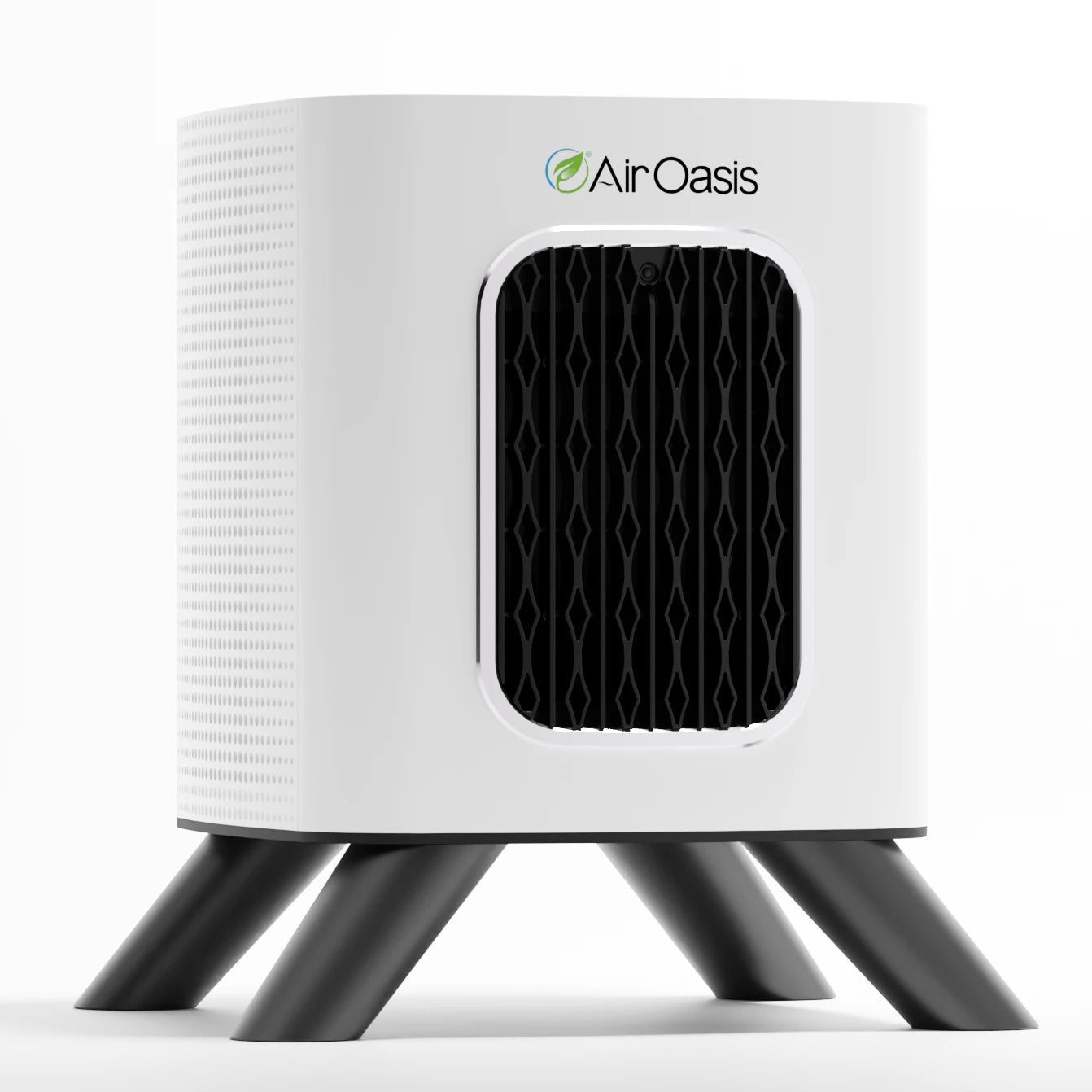
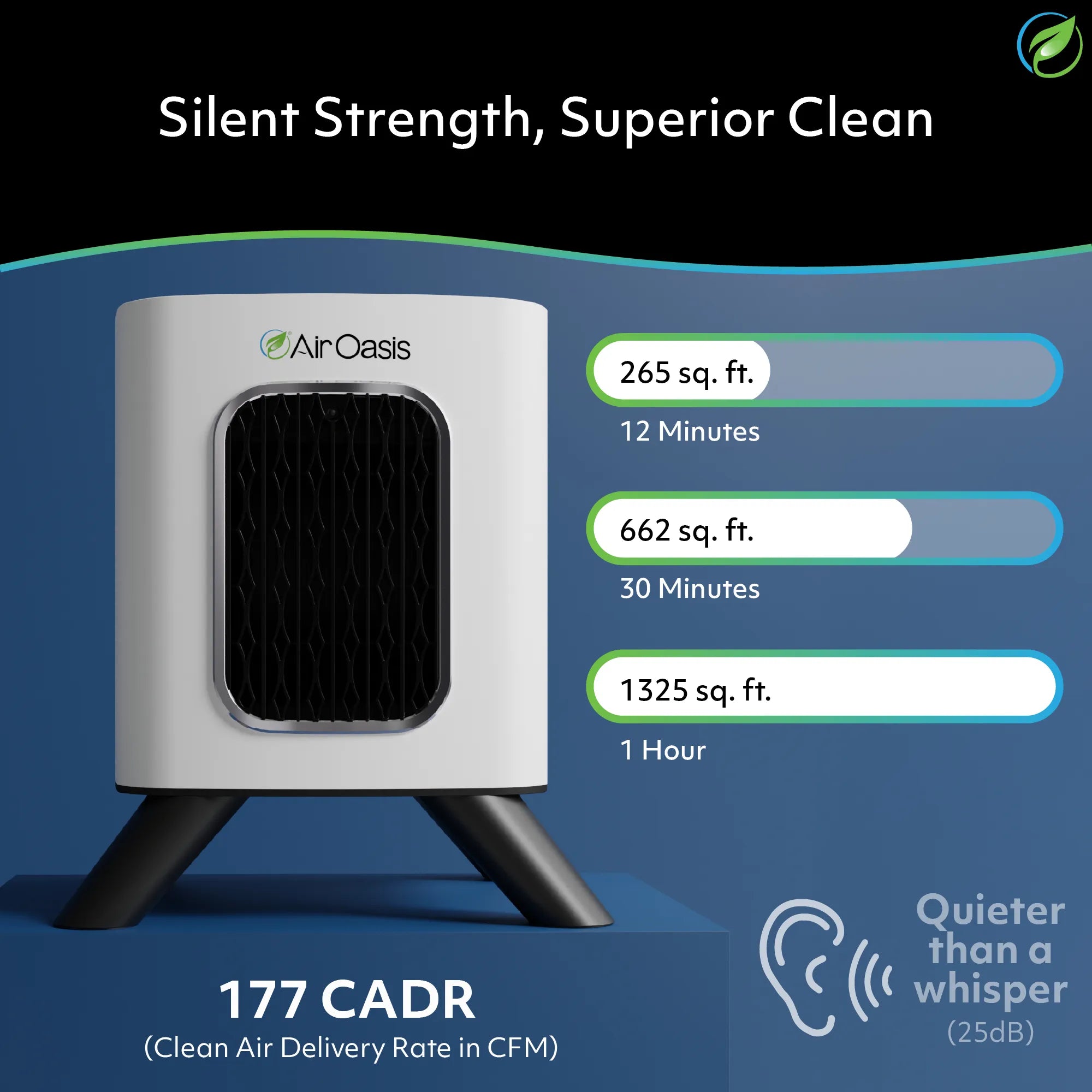
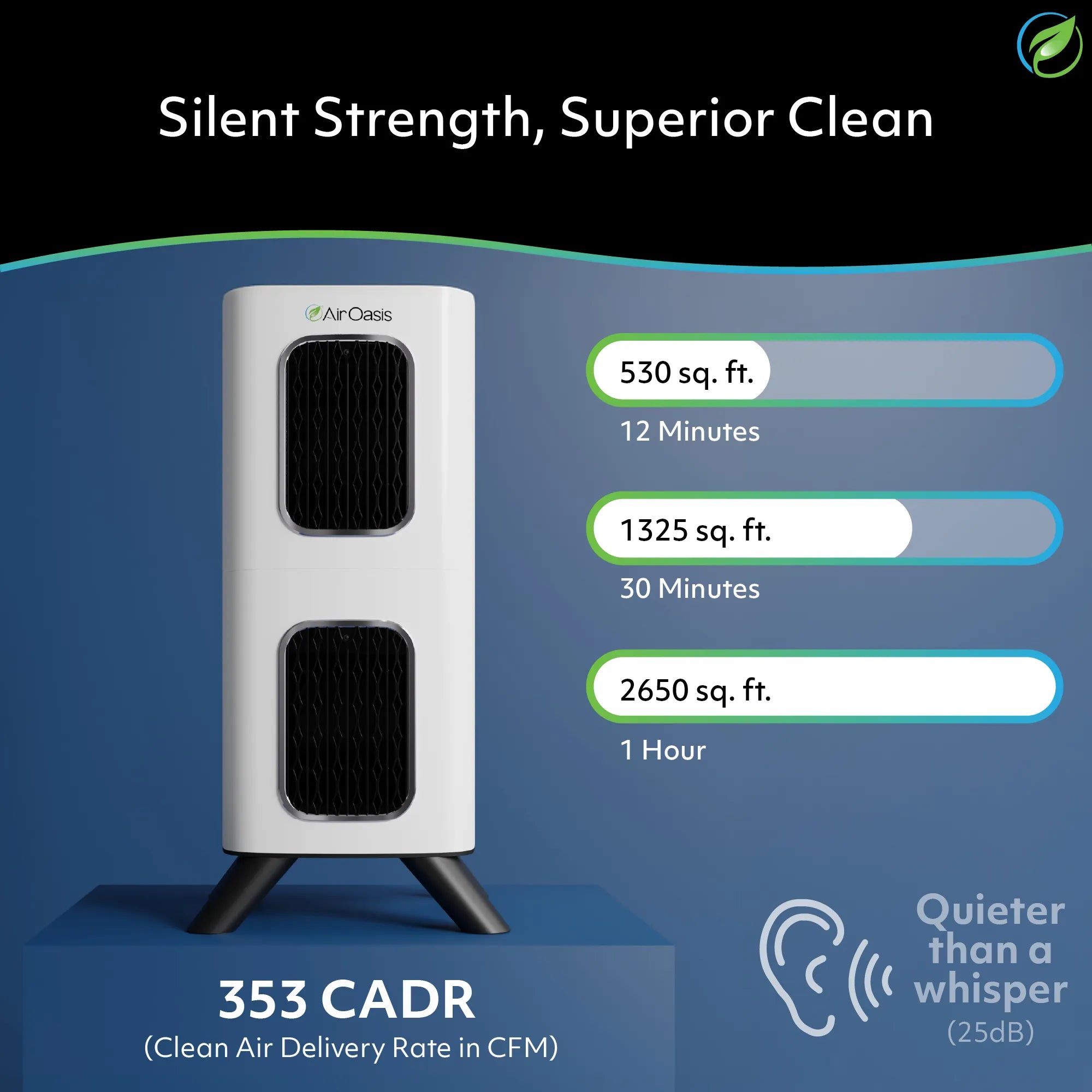
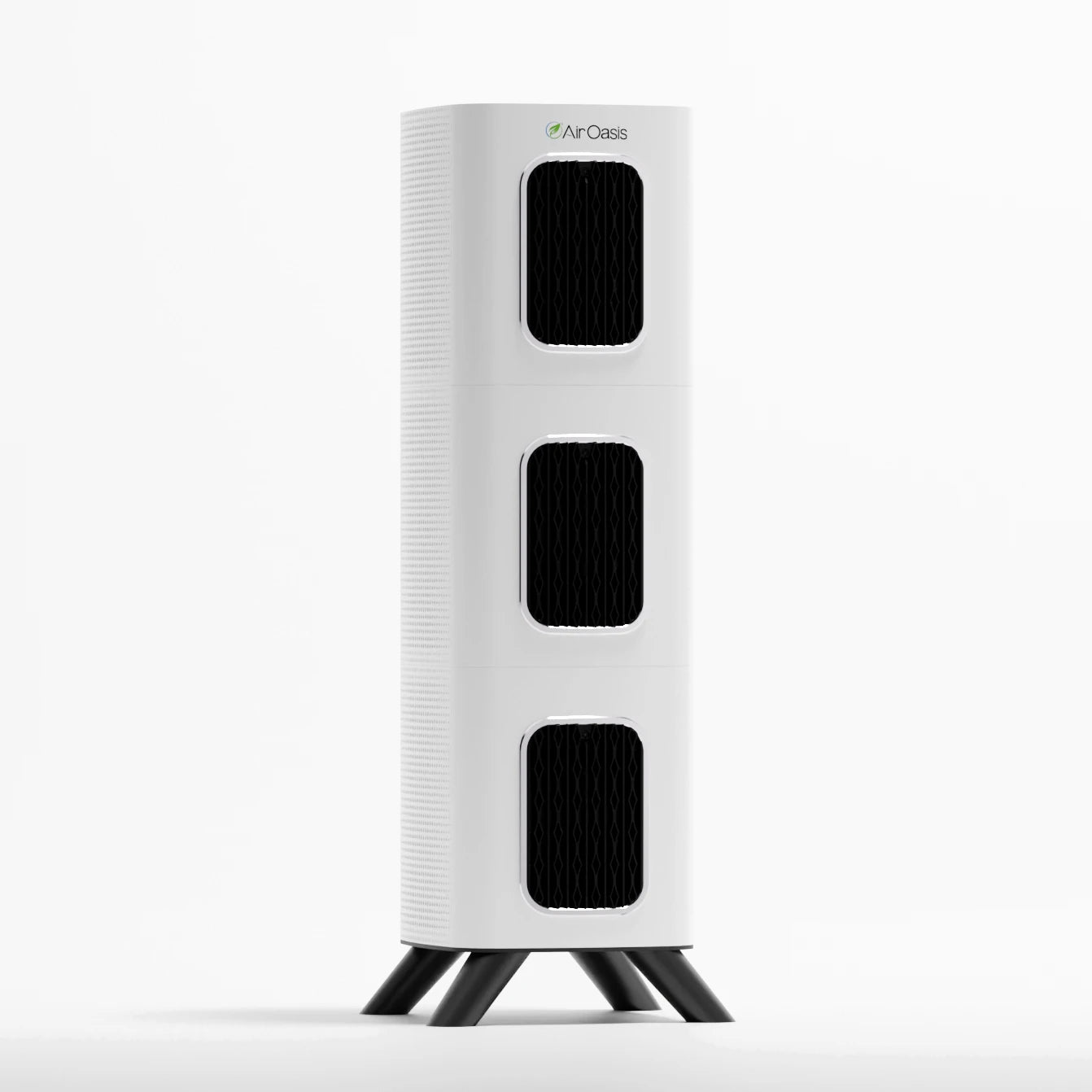
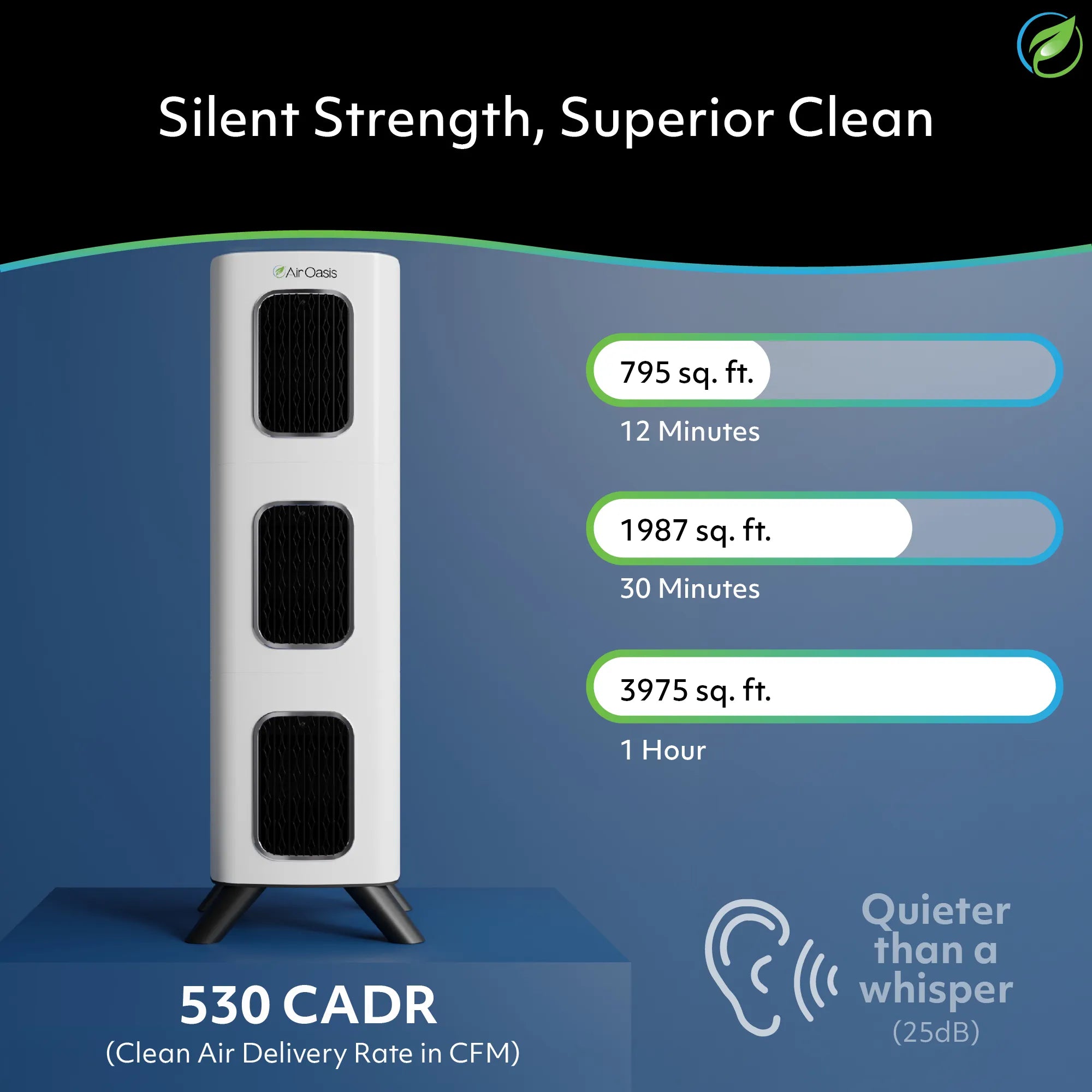
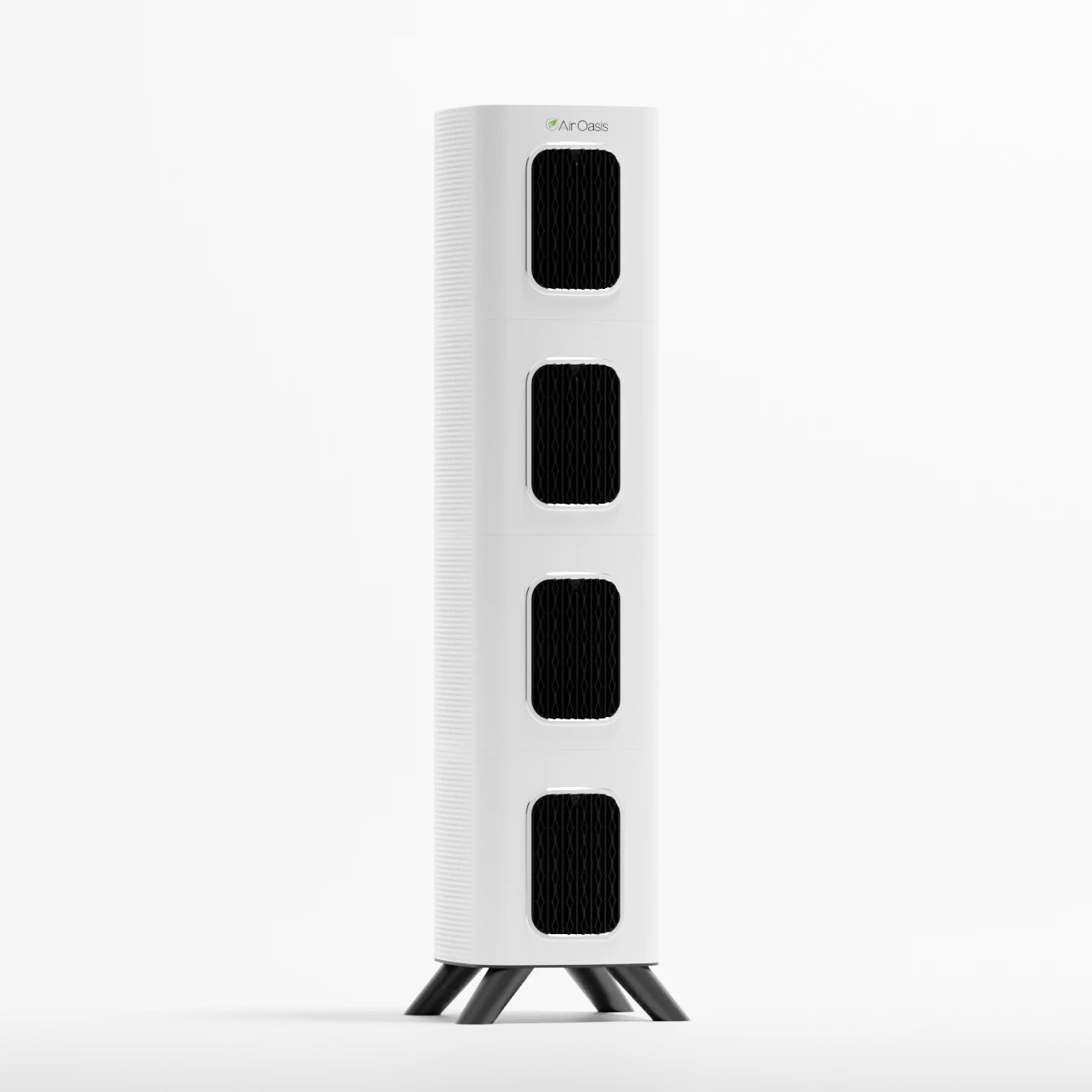
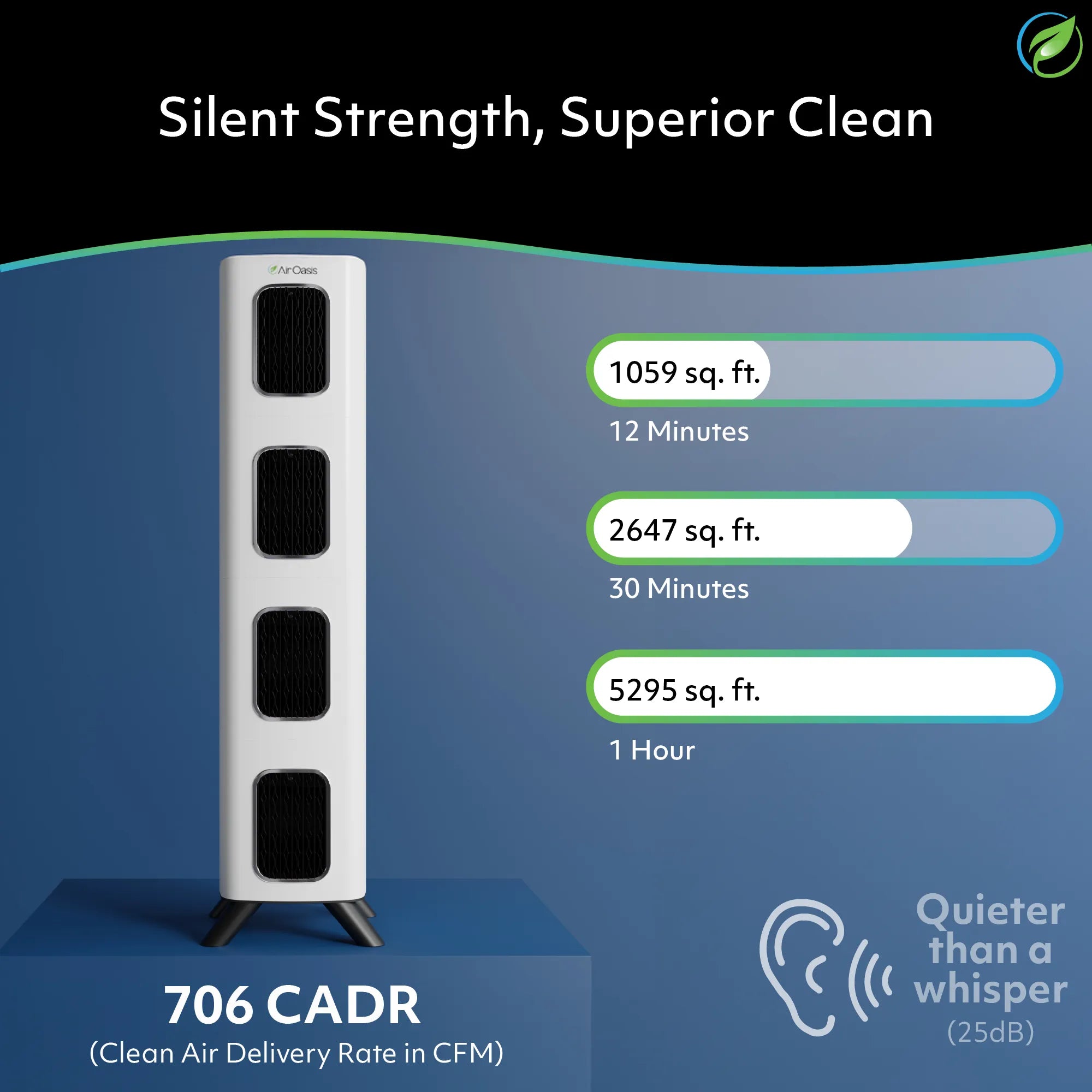
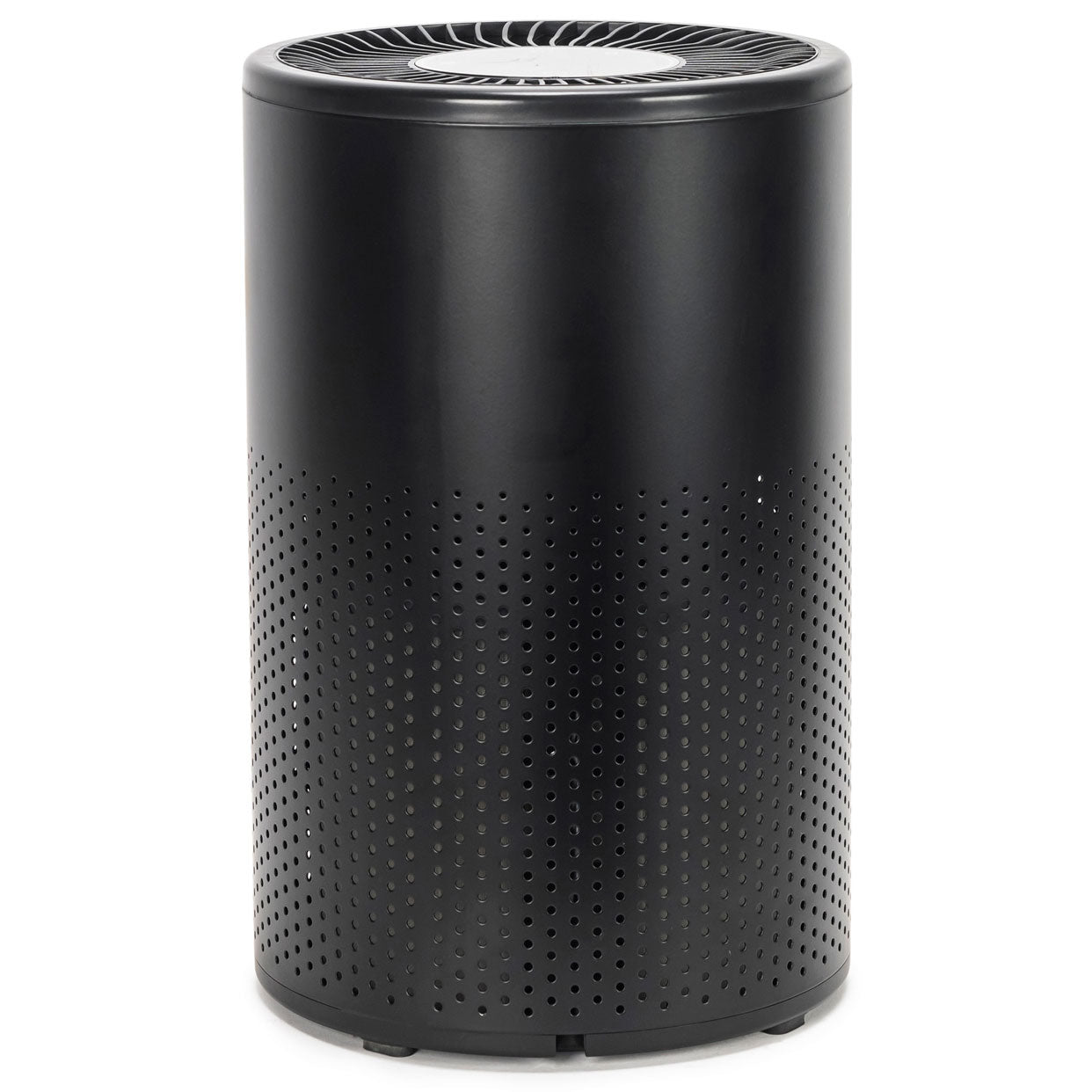
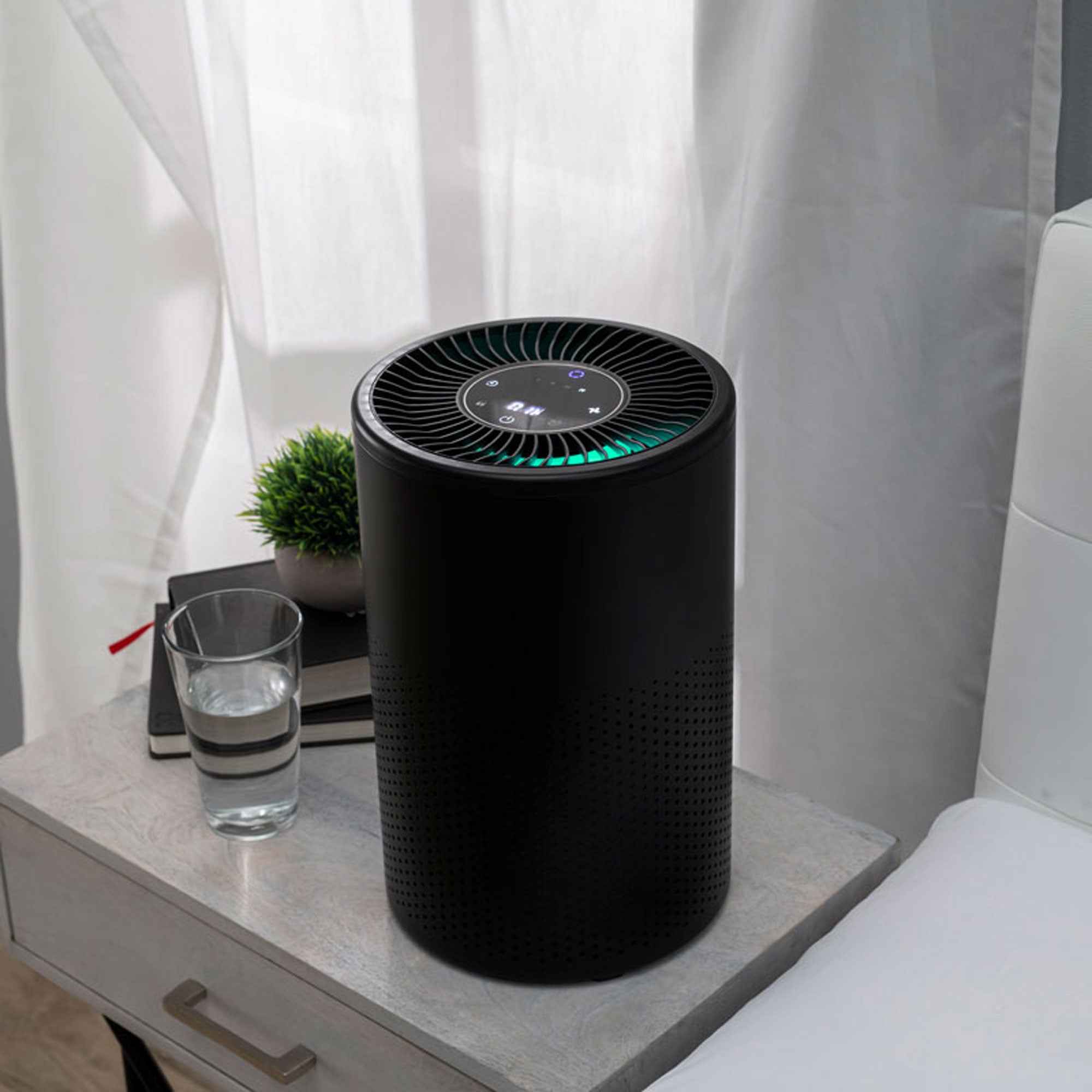
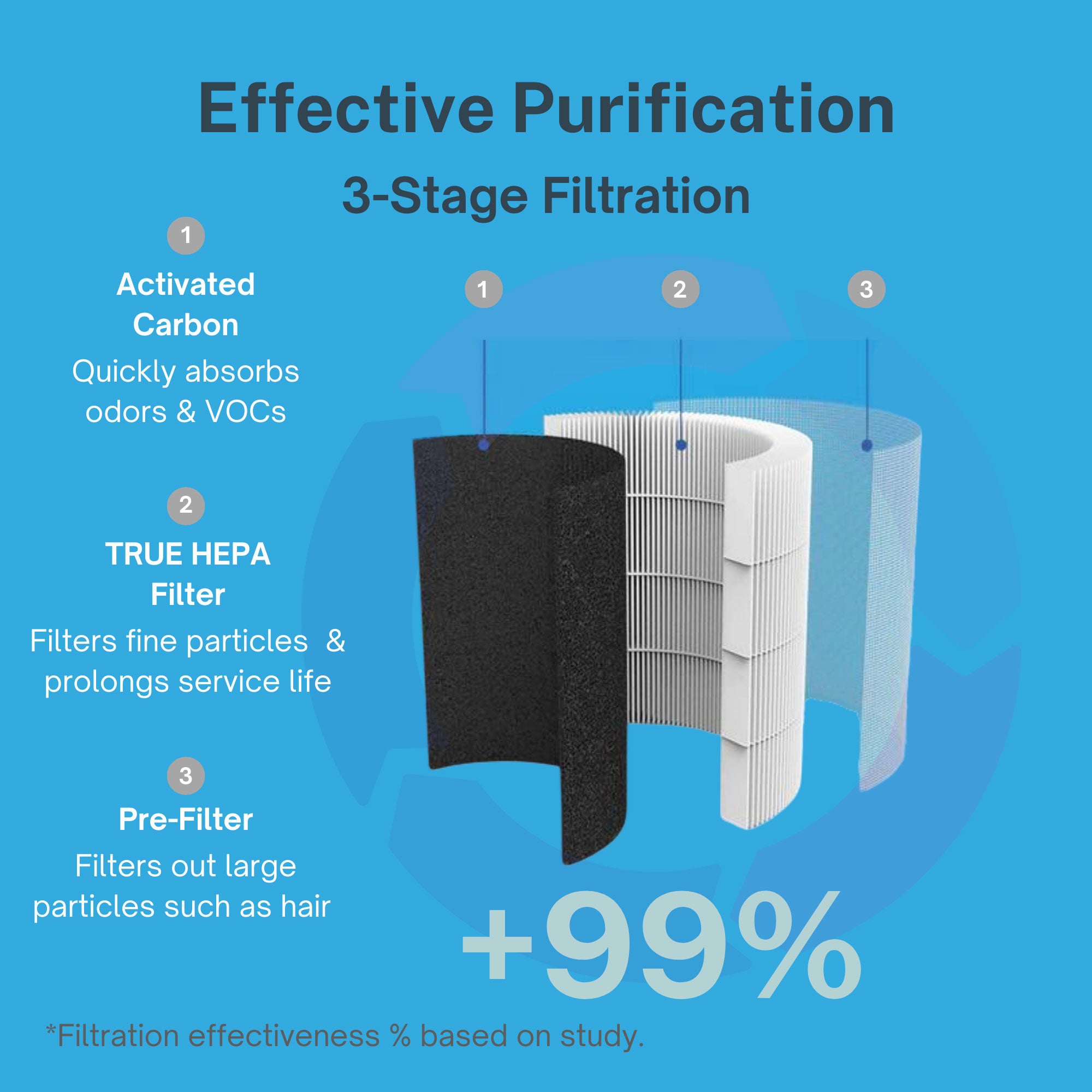
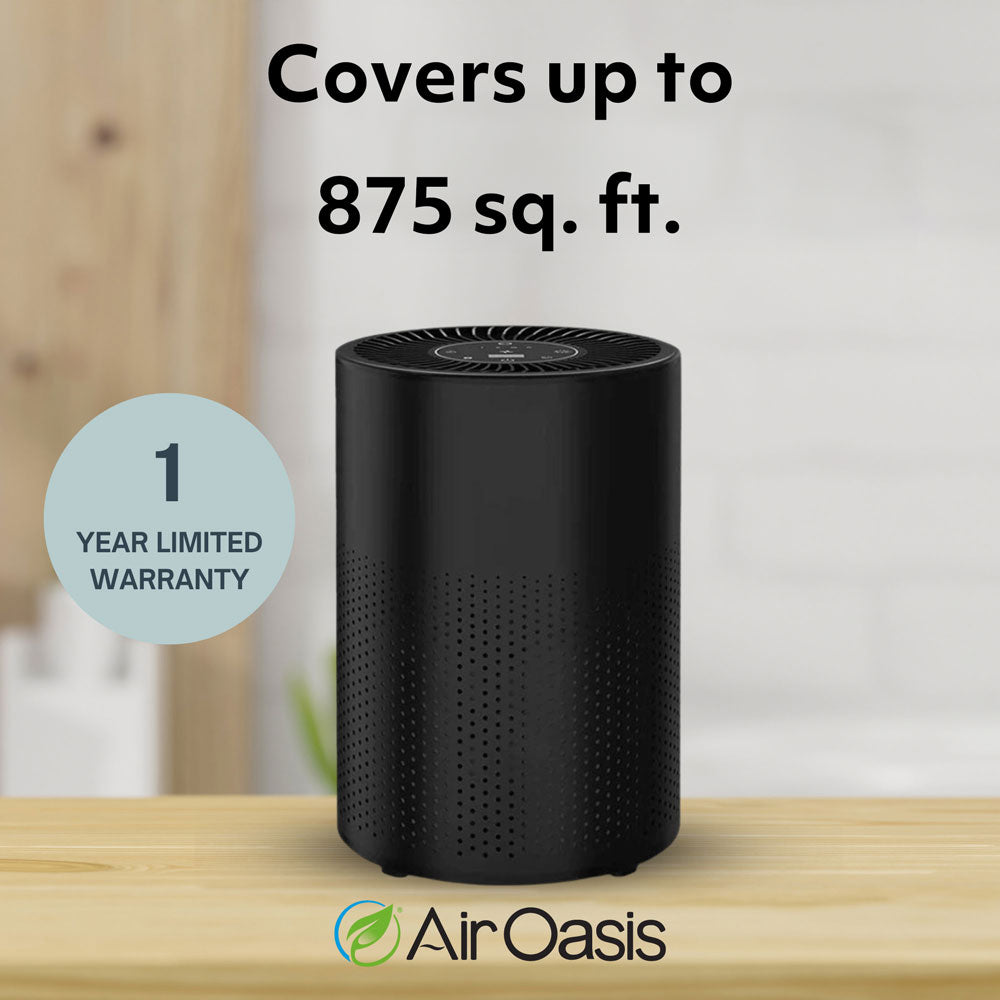
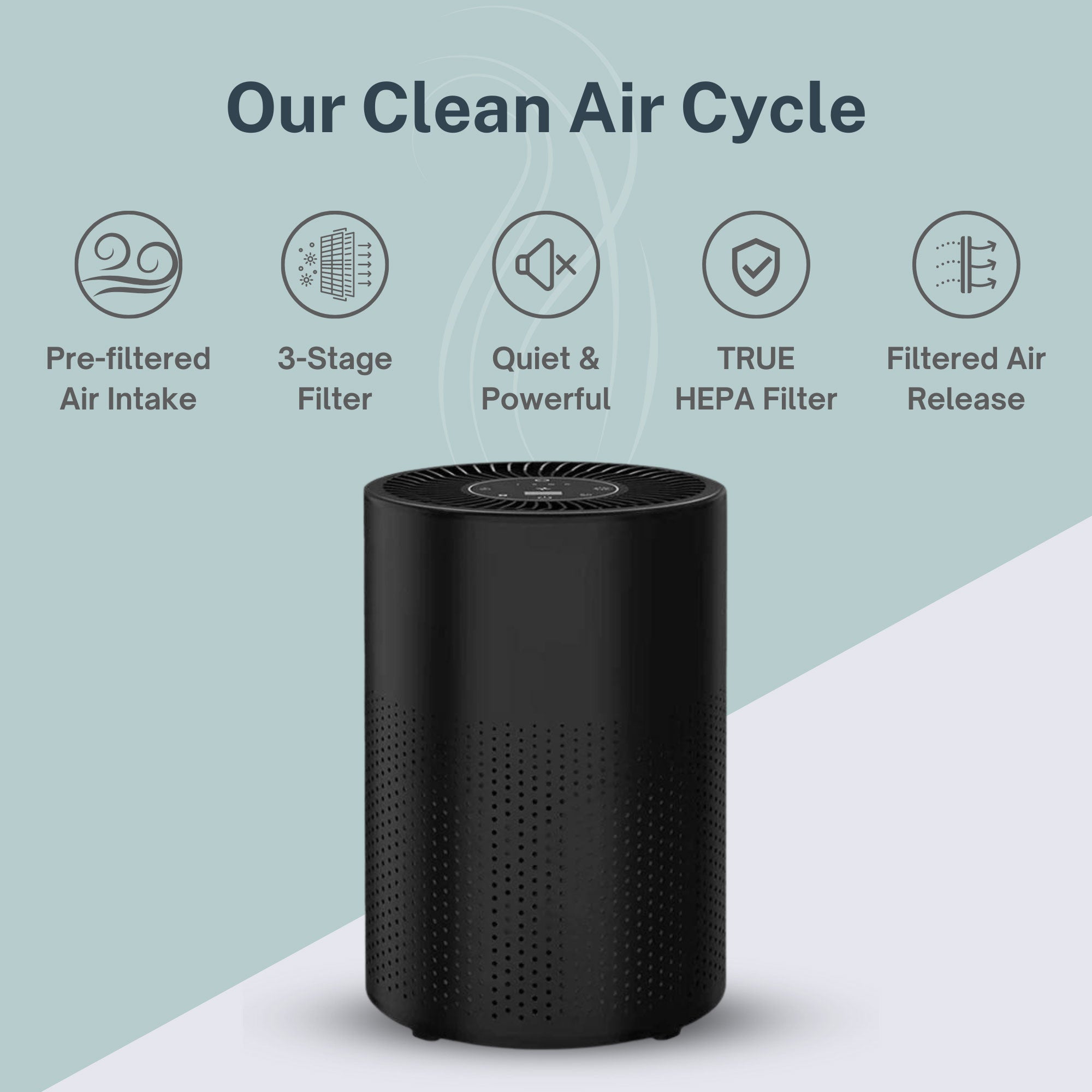
Air Oasis air purifiers use advanced filtration technology, including HEPA filters, activated carbon, and UV-C light, to capture and neutralize mold spores before they can circulate through your home. Our systems work alongside your HVAC to provide clean, healthy air throughout the cooling season.
If you're ready to breathe easier this summer, protect your home with an Air Oasis air purification system. Shop Air Oasis today and create a healthier indoor environment for your family.