Morning sickness affects up to 80 percent of pregnant women, causing nausea and vomiting typically during the first trimester. While researchers have identified some risk factors and potential causes, the relationship between air quality and the severity of morning sickness remains largely unexplored in the scientific literature.
The question of whether indoor or outdoor air pollution affects morning sickness is one that current research cannot definitively answer. Understanding what we do and don't know helps pregnant women make informed decisions about their environment.
What Research Actually Shows About Air Quality and Pregnancy
Extensive research has examined how air pollution affects pregnancy outcomes. Studies consistently link exposure to fine particulate matter (PM2.5) and other pollutants with serious complications, including preterm birth, low birth weight, gestational diabetes, and preeclampsia. Research has also demonstrated links between prenatal exposure to air pollution and long-term developmental effects in children.
However, these studies focus on measurable clinical outcomes rather than symptoms like nausea and vomiting. The scientific literature lacks substantial research specifically examining whether air quality affects the frequency or severity of morning sickness.
A 2024 Harvard study found that PM2.5 exposure during pregnancy alters immune responses and increases inflammation in both mother and fetus. A 2023 USC study linked air pollution exposure during a critical window from five weeks before to five weeks after conception with increased gestational diabetes risk. A 2016 Johns Hopkins study documented that even low levels of air pollution during pregnancy increased risk of intrauterine inflammation.
These findings establish that air pollution affects pregnant women's bodies in measurable ways. Whether these inflammatory and immune changes also influence nausea and vomiting specifically has not been studied.
Why Morning Sickness Research Is Limited
Research on morning sickness faces several challenges that may explain why connections to air quality remain unexplored. The condition varies dramatically among individuals in terms of timing, severity, and duration. Some women experience mild nausea while others suffer debilitating vomiting requiring medical intervention. This variability makes controlled studies difficult.
The exact causes of morning sickness are still not fully understood. Theories include hormonal changes, particularly rising levels of human chorionic gonadotropin and estrogen, evolutionary protective mechanisms that discourage consumption of potentially harmful foods, and enhanced sensitivity to smells and tastes. Genetic factors also appear to play a role, as morning sickness tends to run in families.
Studying environmental factors, such as air quality, in relation to morning sickness would require tracking both pollution exposure levels and symptom severity among large numbers of pregnant women. Researchers would need to control for numerous confounding variables including hormone levels, stress, diet, and genetic predisposition. No published studies have undertaken this specific investigation.
What We Know About Odor Sensitivity and Air Quality
Heightened smell sensitivity is common during pregnancy and appears to be associated with nausea severity. Many pregnant women report that certain odors trigger or worsen nausea episodes. This observation has led to practical advice about avoiding strong smells, though it doesn't directly address air pollution.
Poor indoor air quality can introduce various odors and irritants into living spaces. Volatile organic compounds from paints, cleaning products, furniture, and personal care items release chemical odors that may affect anyone, potentially including pregnant women with heightened sensitivities. Mold growth in damp areas produces musty odors. Cooking emissions, pet dander, and tobacco smoke all contribute odors and particles to indoor air.
Whether exposure to these airborne contaminants specifically worsens morning sickness remains unanswered. The connection between odor sensitivity and nausea in pregnancy is acknowledged, but whether removing airborne pollutants reduces nausea has not been scientifically tested.
Common sense suggests that reducing exposure to irritating odors and chemicals during pregnancy may improve comfort, even if direct effects on morning sickness have not been proven.
Practical Considerations for Pregnant Women
Pregnant women seeking to reduce environmental exposures can take practical steps to improve indoor air quality without needing specific evidence about morning sickness. These measures support overall health during pregnancy, based on established research on the effects of pollution.
Minimize exposure to volatile organic compounds by choosing low-VOC paints, avoiding harsh cleaning chemicals, and ensuring good ventilation when using any products with strong odors. Many pregnant women already avoid strong smells due to nausea triggers, which also reduces chemical exposure.
Address any moisture problems or visible mold growth promptly. While mold exposure effects on pregnancy are not well studied in the available literature, mold can cause respiratory symptoms in many people and produce odors that may be particularly bothersome during pregnancy.
Ensure adequate ventilation in living spaces, particularly in kitchens and bathrooms where moisture and odors accumulate. Use exhaust fans when cooking or bathing to remove contaminants before they spread throughout your home.
Consider that outdoor air quality varies by location and season. Checking local air quality indices helps pregnant women plan outdoor activities during times when pollution levels are lowest.
Supporting Healthy Pregnancy Through Clean Air
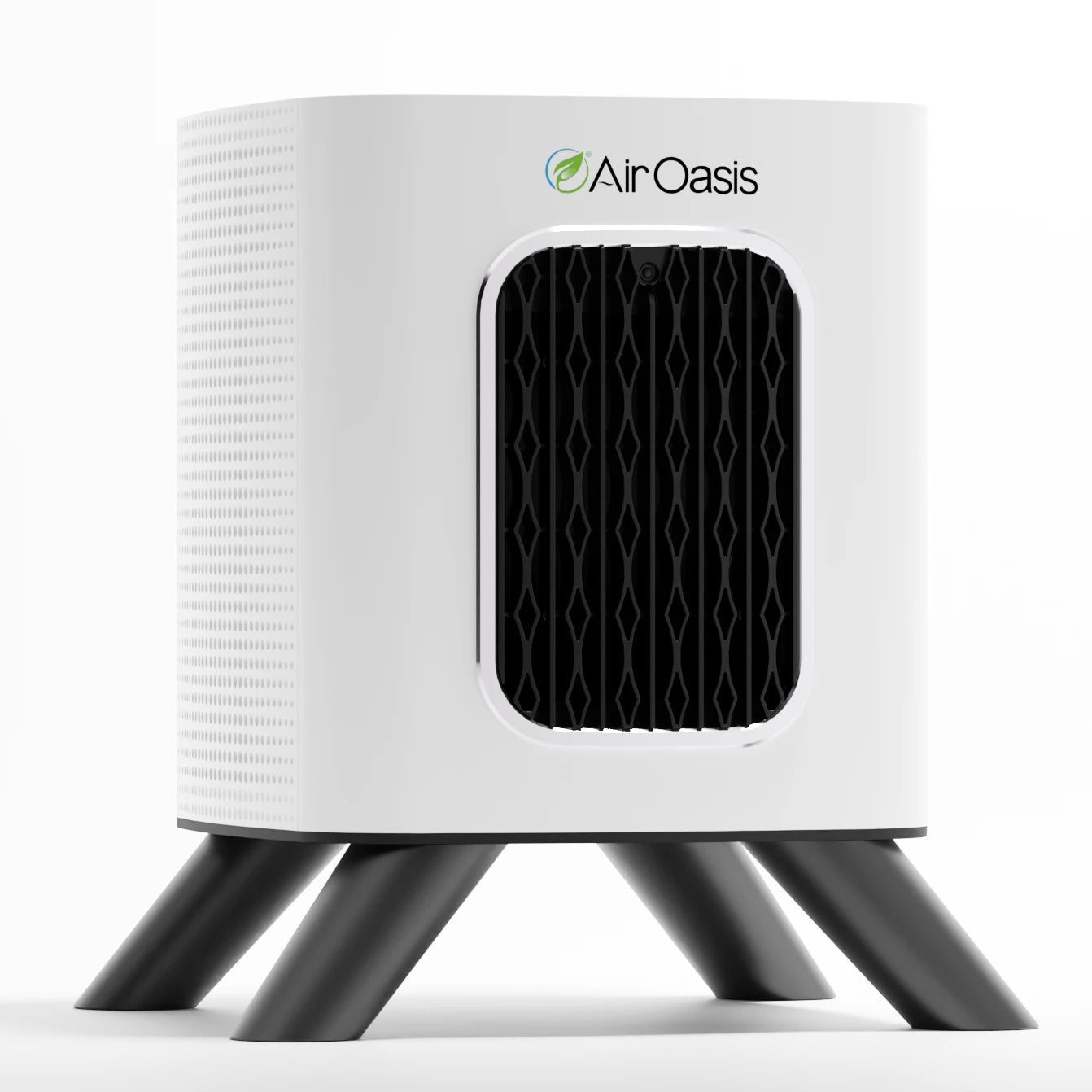
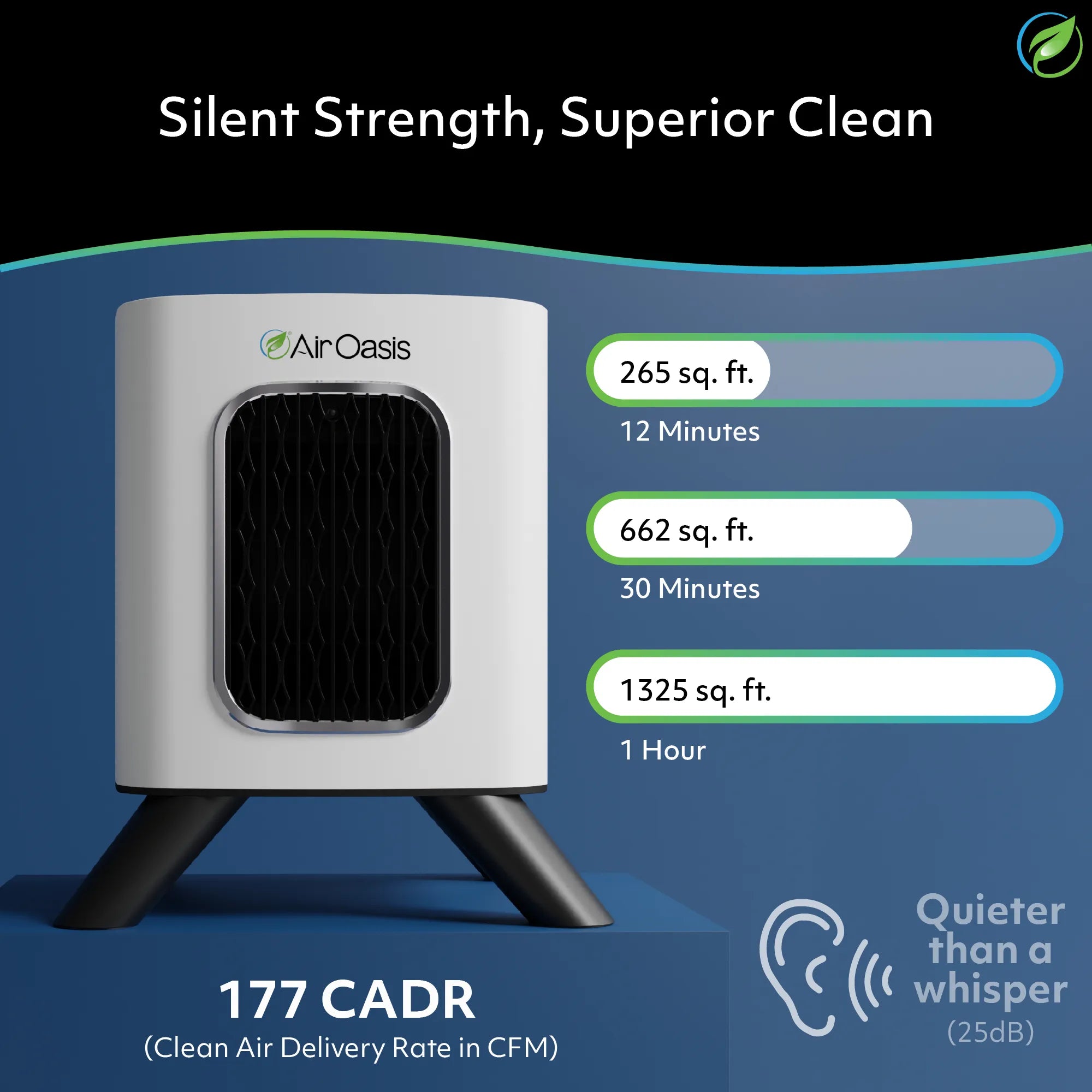
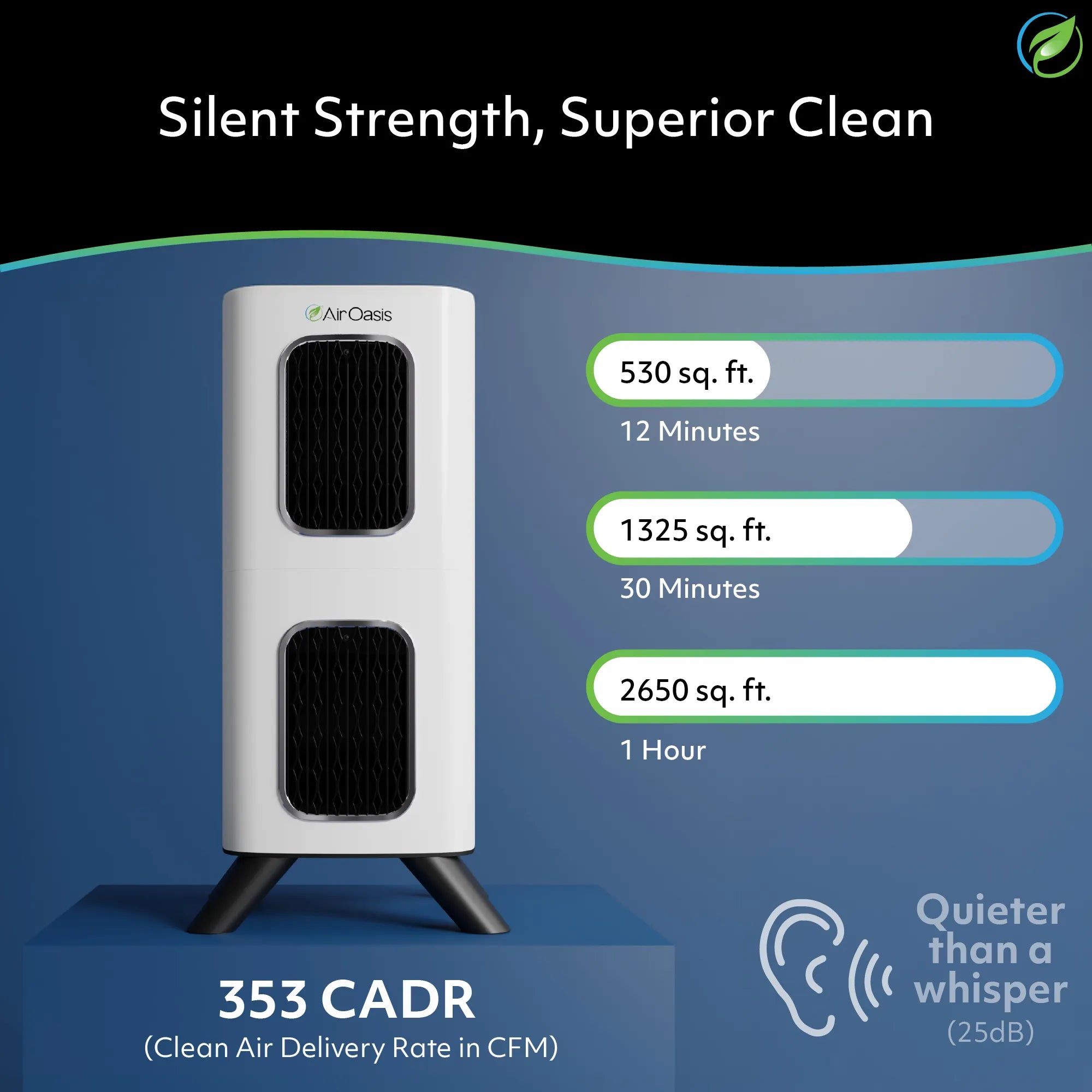
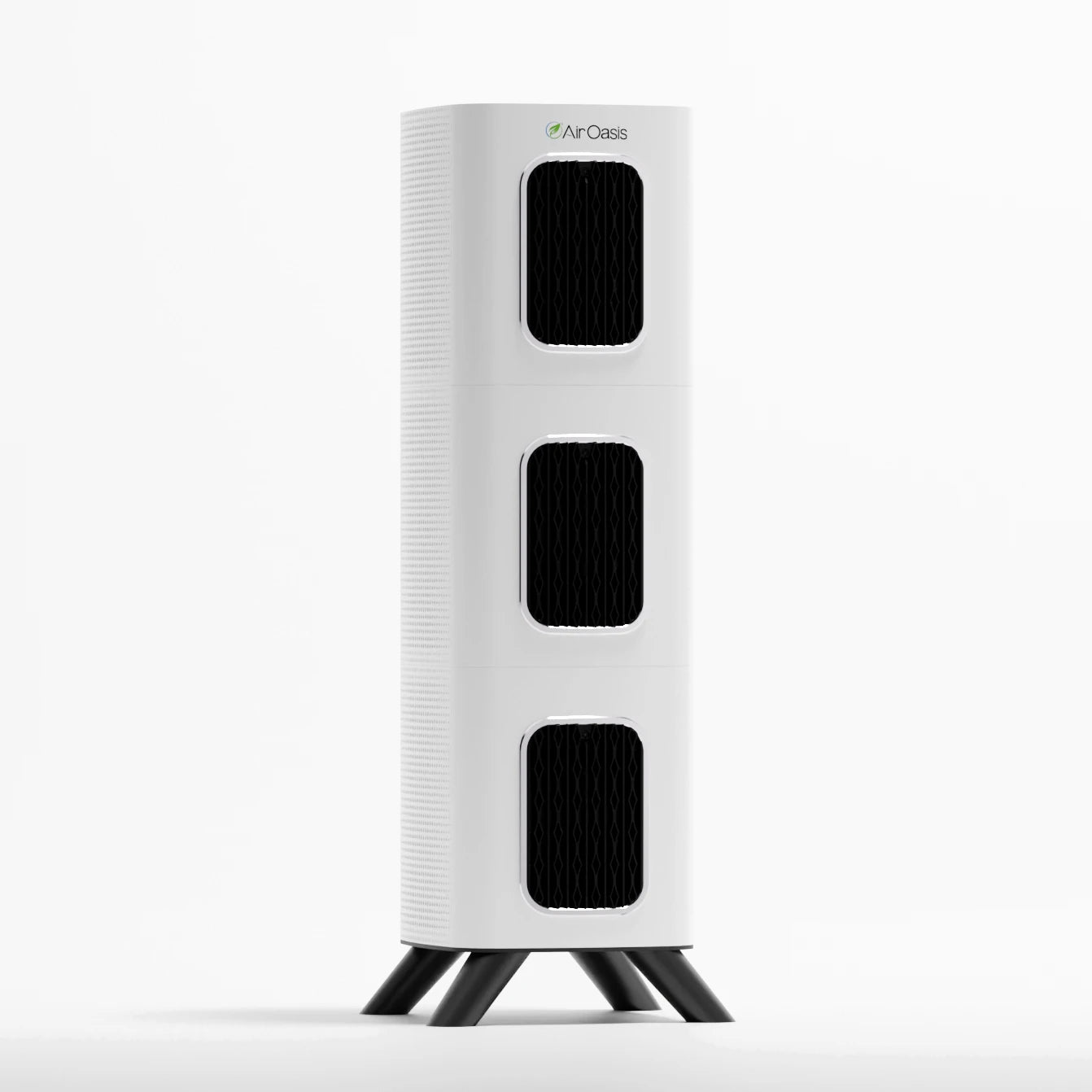
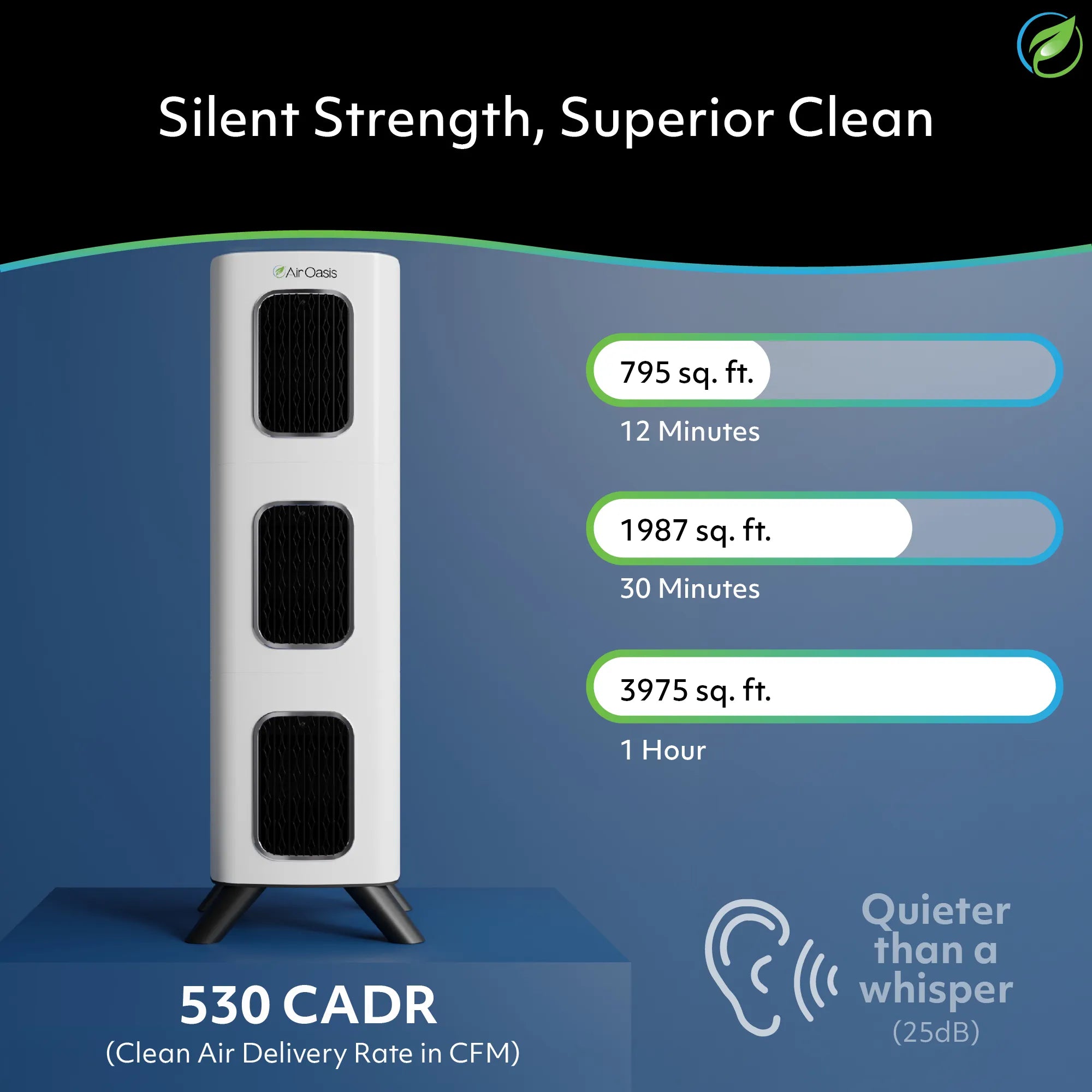
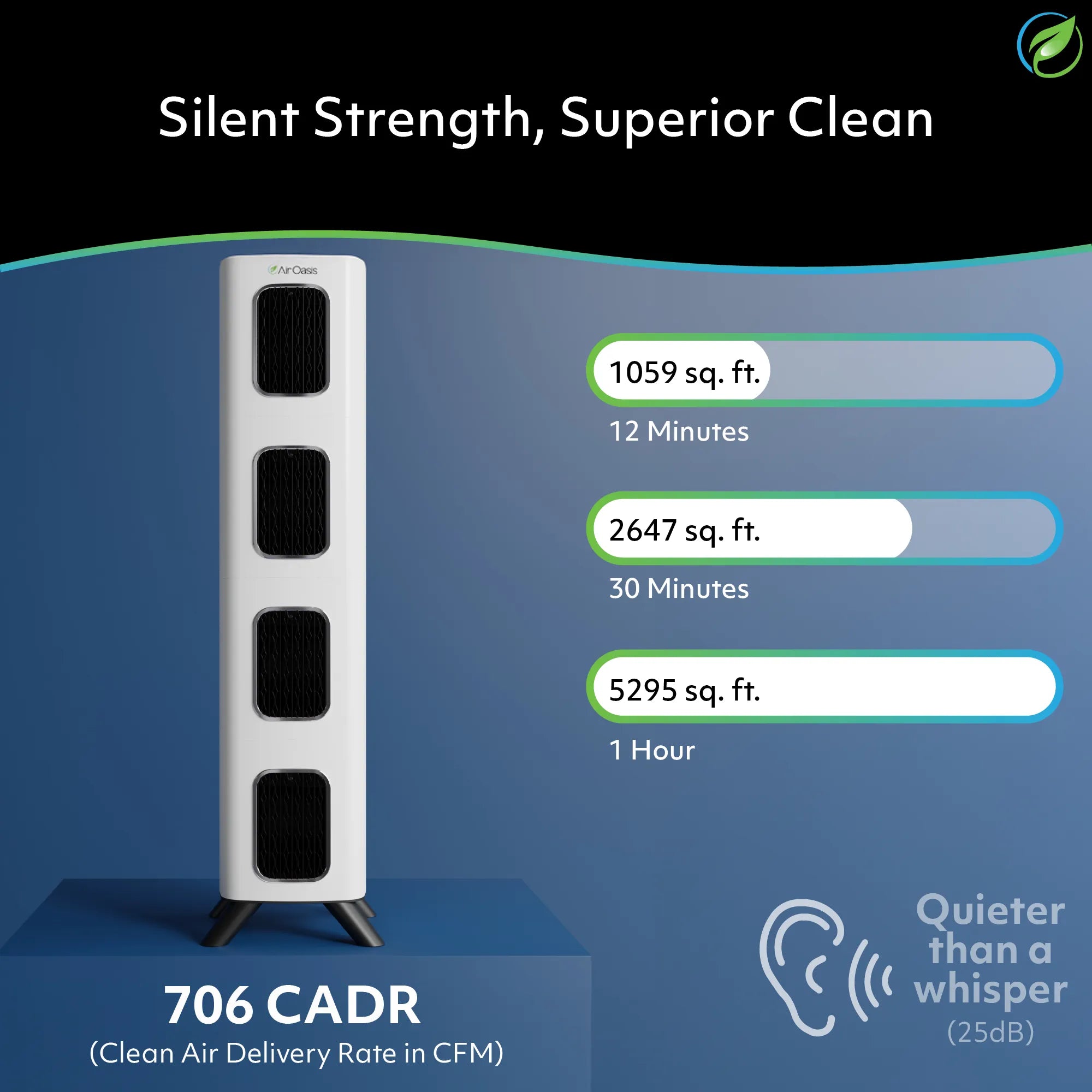
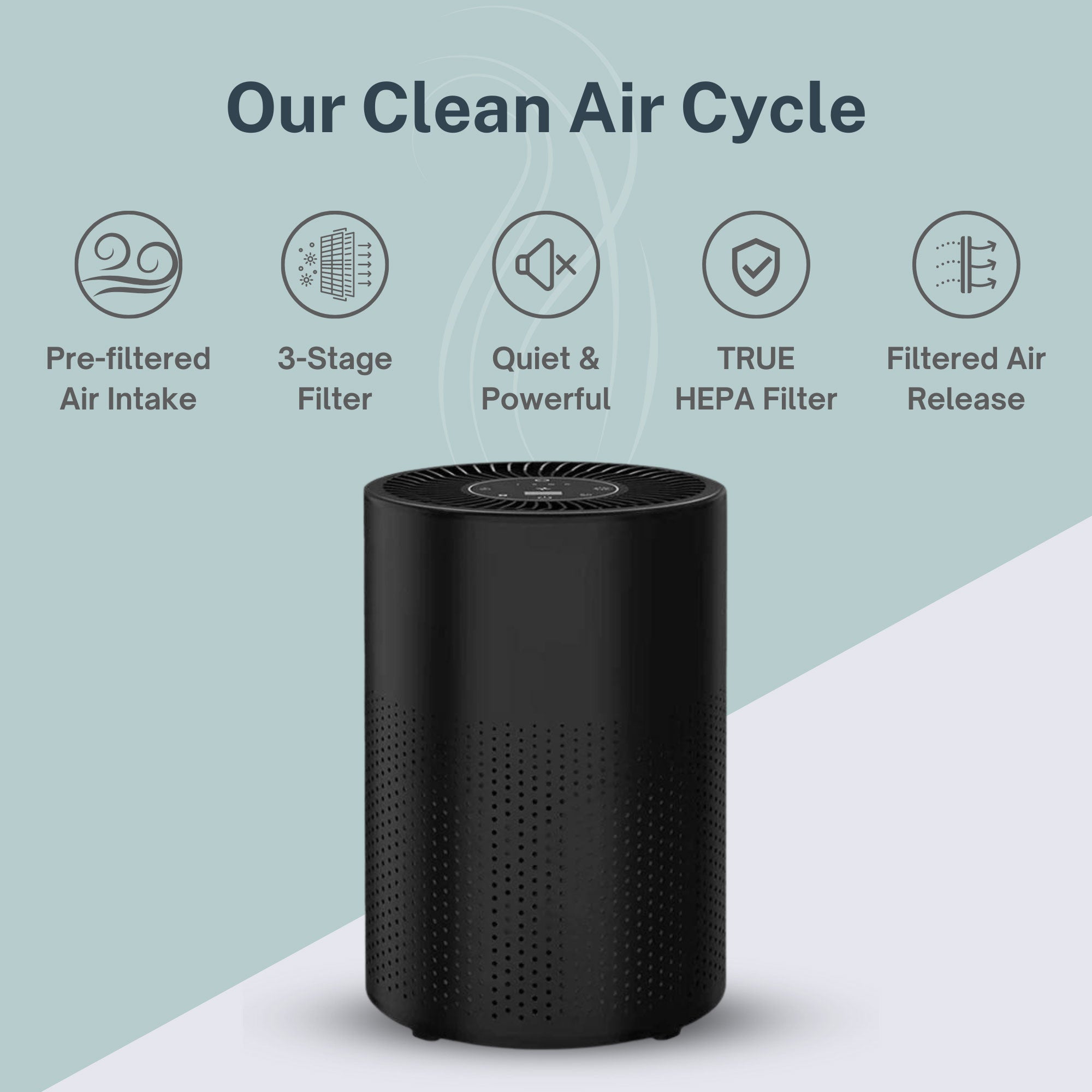
While research has not specifically examined whether air purification affects morning sickness, maintaining clean indoor air supports pregnancy health through documented mechanisms. Air Oasis air purifiers remove the particulate matter, volatile organic compounds, and other pollutants that research has linked to pregnancy complications.
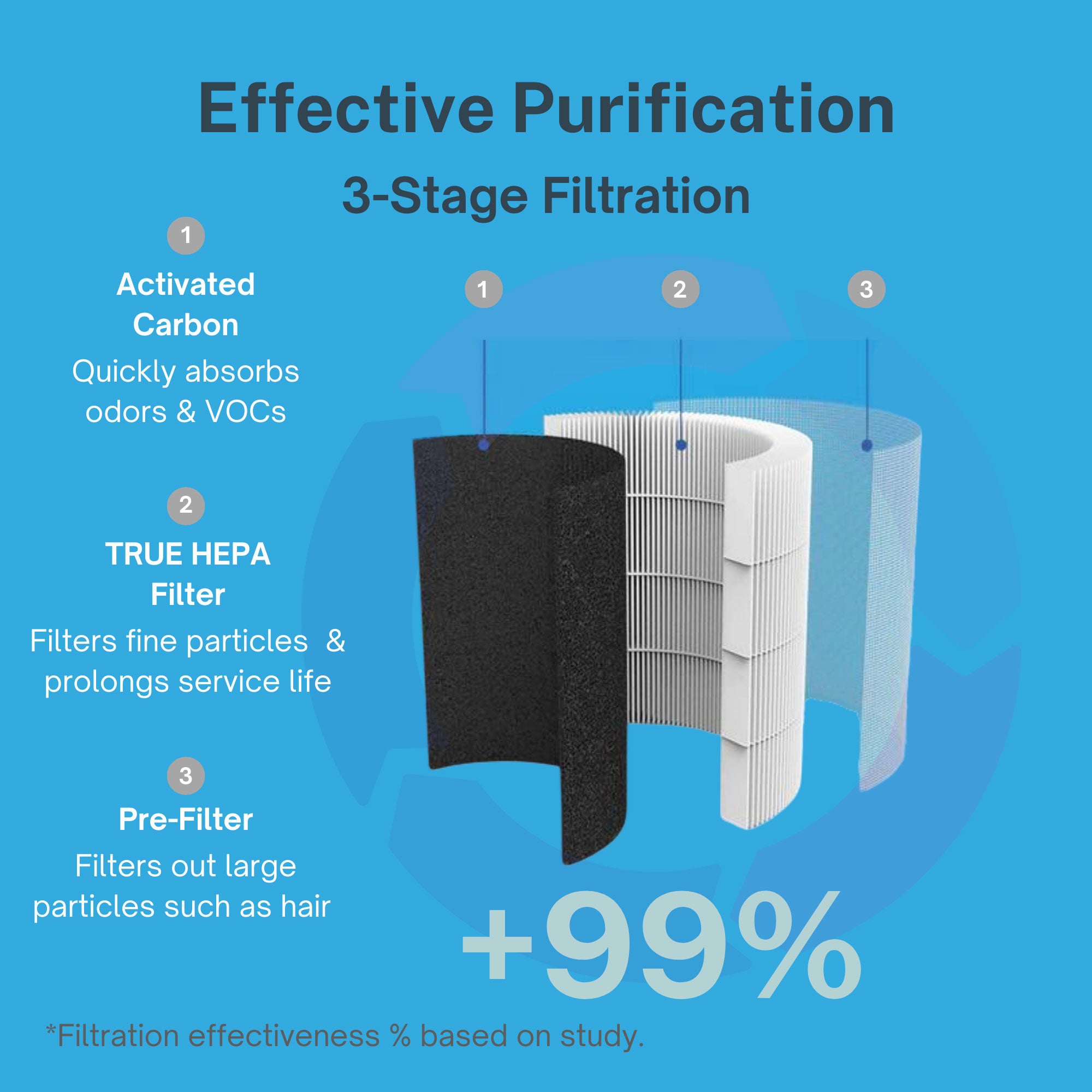
Our multi-stage filtration systems combine HEPA filters to capture 99 percent of fine particles, activated carbon to absorb chemical odors and VOCs, and UV-C light technology to neutralize airborne microorganisms. This comprehensive approach addresses the various air quality concerns pregnant women face.
Whether you're managing morning sickness, protecting against documented pregnancy risks from air pollution, or simply creating the healthiest possible environment for your growing baby, Air Oasis provides proven air purification technology.
Support your pregnancy health with cleaner indoor air. Shop Air Oasis today and create a healthier home for you and your developing baby.