Peripheral neuropathy causes numbness, tingling, weakness, and pain in hands and feet. While diabetes and vitamin deficiencies commonly cause these symptoms, some people with neuropathy have no clear underlying condition. Research suggests that for certain individuals, biotoxin exposure from water-damaged buildings may contribute to peripheral nerve problems.
Understanding the connection between environmental biotoxin exposure and neuropathy symptoms requires careful examination of available research while acknowledging the limitations of current scientific understanding.
What Research Shows About Biotoxins and Nerve Function
A study published in Archives of Environmental Health examined 119 patients exposed to high levels of mold in water-damaged buildings who developed symptoms of peripheral neuropathy. Researchers found that 83 percent of these patients showed significantly impaired function in one or more motor or sensory nerves, compared with only 5 percent of healthy controls.
The same research group reported that serum samples from mold-exposed patients with neuropathy symptoms showed elevated levels of antibodies to neural-specific antigens. These included antibodies to myelin basic protein, myelin-associated glycoprotein, and other components of nerve tissue. The presence of these autoantibodies suggests an immune response that may target peripheral nerve structures.
A case report documented two brothers who both developed chronic inflammatory demyelinating polyneuropathy after living in a severely water-damaged home with very high airborne mold concentrations. Both experienced tingling, numbness, and weakness in their extremities, beginning months after exposure. Environmental testing confirmed mold levels 50 to 195 times higher than outdoor samples.
These studies establish an association between biotoxin exposure and neuropathy symptoms, but they do not prove causation. The research indicates that exposure to biotoxins in water-damaged buildings may increase risk for peripheral nerve problems in susceptible individuals.
How Biotoxins Might Affect Peripheral Nerves
Mycotoxins are toxic substances produced by certain molds that grow in water-damaged buildings. Animal studies provide some insight into potential mechanisms, though extrapolating these findings to humans requires caution.
Research on rats exposed to fumonisin B1, a mycotoxin produced by Fusarium species, found evidence of demyelinating disorders affecting nerve sheaths. Similar nerve damage has been documented in monkeys and cattle exposed to diplodiatoxin from Diplodia maydis in contaminated feed. Laboratory studies using cultured human nerve cells exposed to satratoxin from Stachybotrys mold showed nerve cell inflammation, oxidative damage, and excessive cell death.
These animal and cell culture findings suggest mycotoxins can damage myelin sheaths that insulate nerve fibers. However, the doses, exposure routes, and biological responses in these studies may not accurately represent human exposure scenarios in water-damaged buildings.
Some researchers theorize that biotoxin exposure triggers an autoimmune response in which the body's immune system mistakenly attacks peripheral nerve tissue. The elevated neural autoantibodies found in mold-exposed patients support this possibility, though the exact relationship between biotoxin exposure and autoantibody development remains unclear.
Recognizing Potential Neuropathy Symptoms
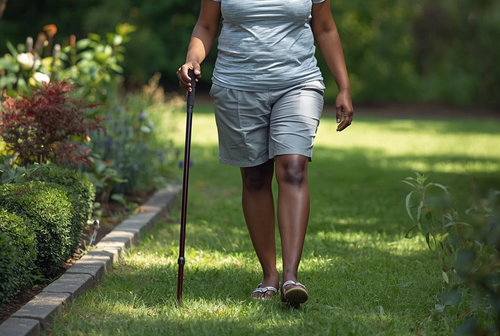
Peripheral neuropathy symptoms vary depending on which nerve types are affected. Sensory nerve damage causes numbness, tingling, burning sensations, and increased sensitivity to touch, particularly in hands and feet. Motor nerve problems result in muscle weakness, difficulty with coordination, and trouble performing tasks requiring fine motor control.
Some people experience mixed sensory-motor neuropathy affecting both sensation and movement. Balance problems and difficulty walking can develop when nerves controlling coordination become impaired. Pain ranging from sharp, stabbing sensations to constant burning or aching may accompany nerve damage.
In documented cases of neuropathy associated with water-damaged building exposure, symptoms developed gradually over weeks to months following biotoxin exposure. Patients often reported additional health problems, including chronic fatigue, cognitive difficulties like memory and concentration problems, and respiratory symptoms.
The onset of new neurological symptoms after moving into or spending significant time in water-damaged buildings warrants medical evaluation. However, many conditions cause similar symptoms, so proper diagnostic testing is essential.
Diagnosing Nerve Function Problems
Nerve conduction studies measure how quickly electrical signals travel through peripheral nerves. These tests can detect slowed conduction velocity, reduced signal amplitude, and delayed responses, all characteristic of nerve damage. Electromyography assesses electrical activity in muscles and can detect abnormalities resulting from nerve dysfunction.
In research studies of mold-exposed patients with neuropathy, nerve conduction tests revealed various patterns of nerve impairment. Some showed mixed sensory-motor polyneuropathy affecting multiple nerves, while others exhibited predominantly motor or sensory nerve problems. These objective measurements confirmed that symptoms correlated with measurable nerve function abnormalities.
Blood tests can detect autoantibodies against nerve tissue components. While elevated neural autoantibodies were found in mold-exposed patients with neuropathy, these antibodies also occur in other conditions. Their presence supports but does not definitively prove biotoxin-related nerve damage.
Thorough medical evaluation should include assessment for more common neuropathy causes including diabetes, vitamin B12 deficiency, thyroid disorders, and medication side effects. A detailed environmental history documenting water damage, visible mold growth, and timing of symptom onset relative to building exposure provides important diagnostic context.
Environmental Factors and Exposure Assessment
Water-damaged buildings create conditions that allow mold proliferation and mycotoxin production. Flooding, roof leaks, plumbing failures, and excessive humidity all contribute to moisture problems. Molds require sustained moisture to grow and produce mycotoxins.
The documented cases of neuropathy associated with biotoxin exposure occurred in buildings with severe, long-term water damage. Environmental sampling in these cases showed extremely elevated airborne mold concentrations far exceeding typical indoor levels. One study reported total mold spore levels 50 to 195 times higher than outdoor air.
Not everyone exposed to water-damaged buildings develops neuropathy symptoms. Individual susceptibility likely plays a role, though specific risk factors remain poorly understood. Duration and intensity of exposure appear relevant based on available case reports, but threshold exposure levels have not been established.
If you suspect biotoxin exposure may be contributing to neurological symptoms, professional environmental assessment can document water damage and mold contamination in your living or work spaces. This information helps physicians evaluate whether environmental factors warrant consideration in diagnosis.
Managing Air Quality Concerns
While research on biotoxin-related neuropathy is limited, reducing exposure to mold and mycotoxins represents a logical precautionary approach for people with unexplained neuropathy symptoms and documented water damage exposure. Proper remediation of water damage and mold contamination by qualified professionals addresses the source of biotoxin production.
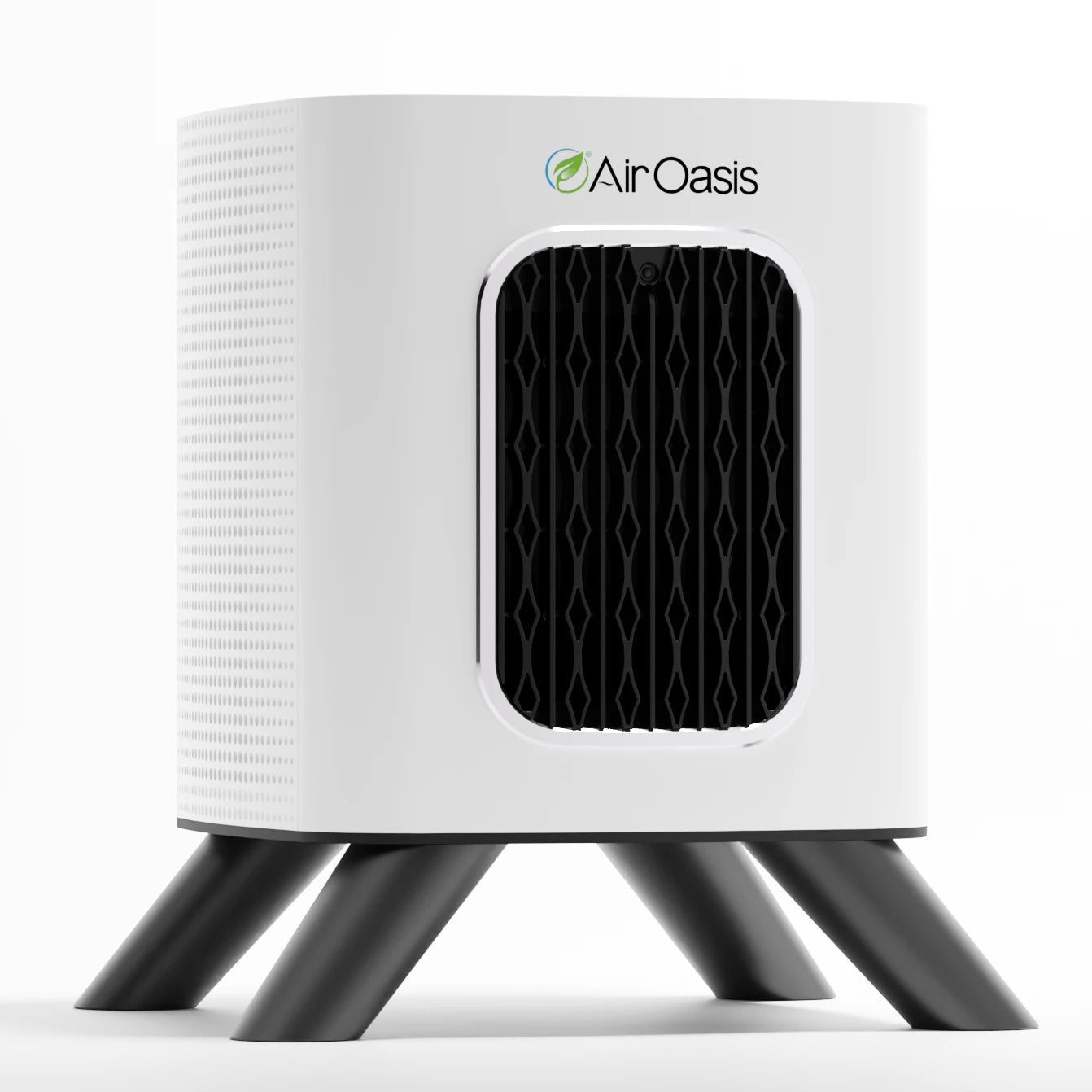
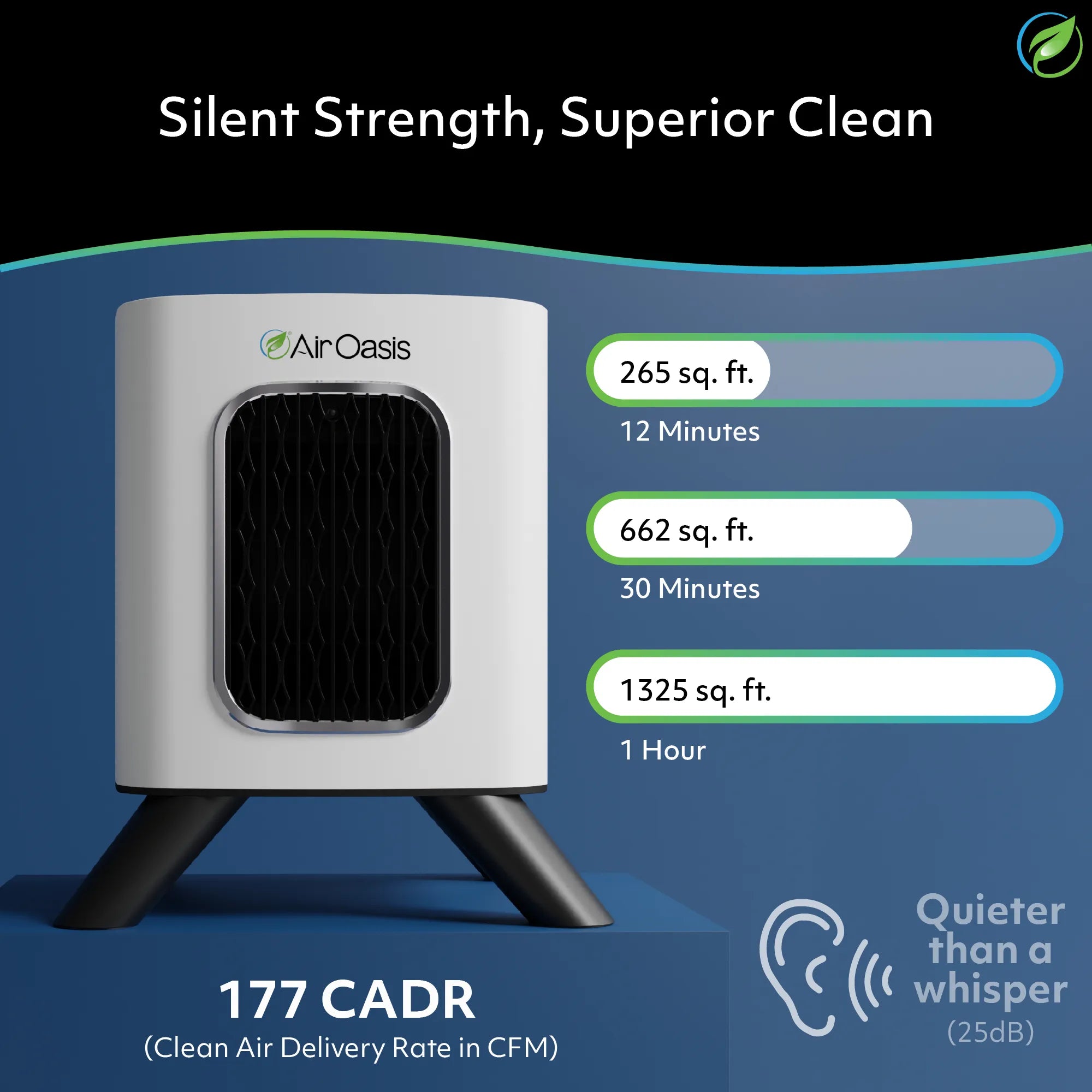
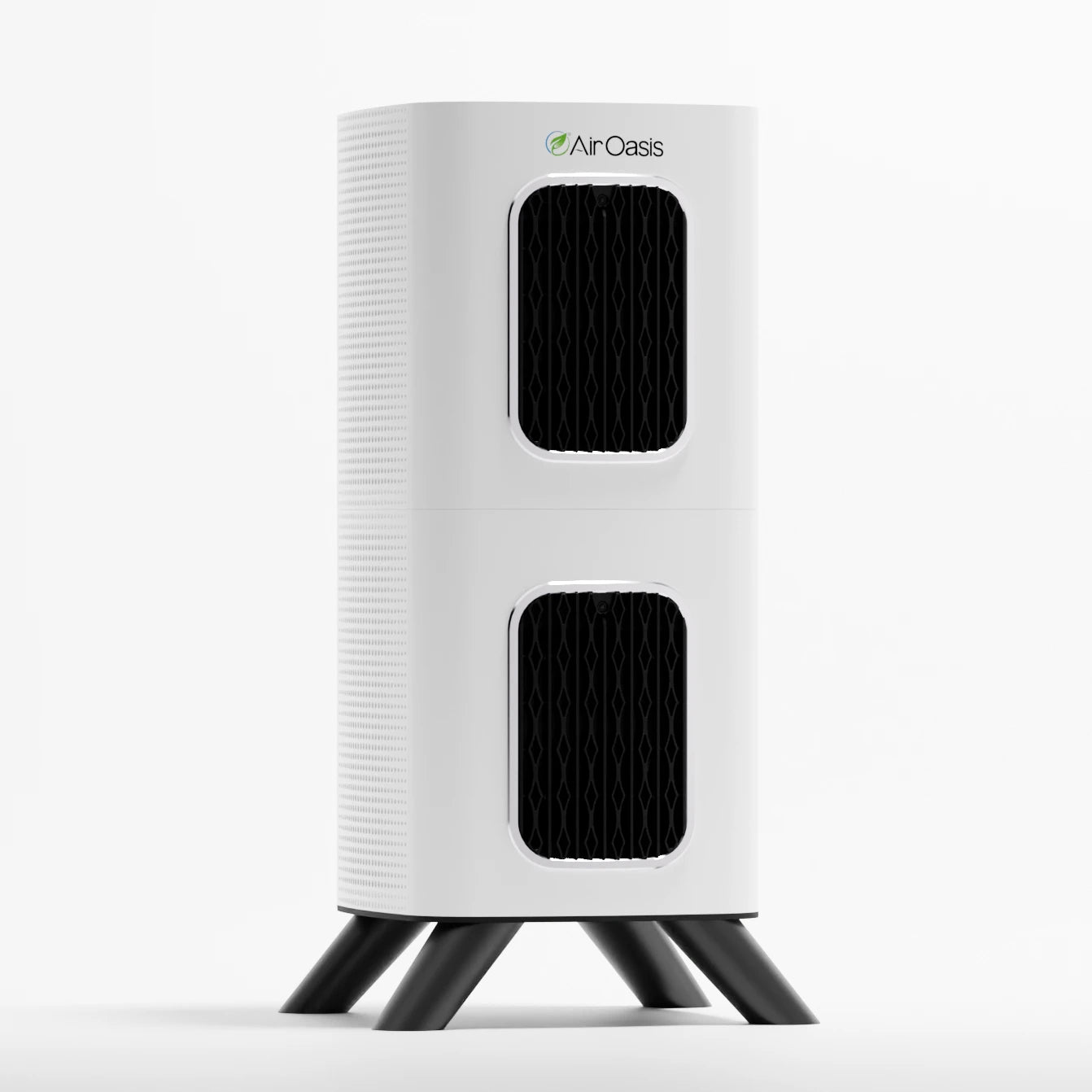
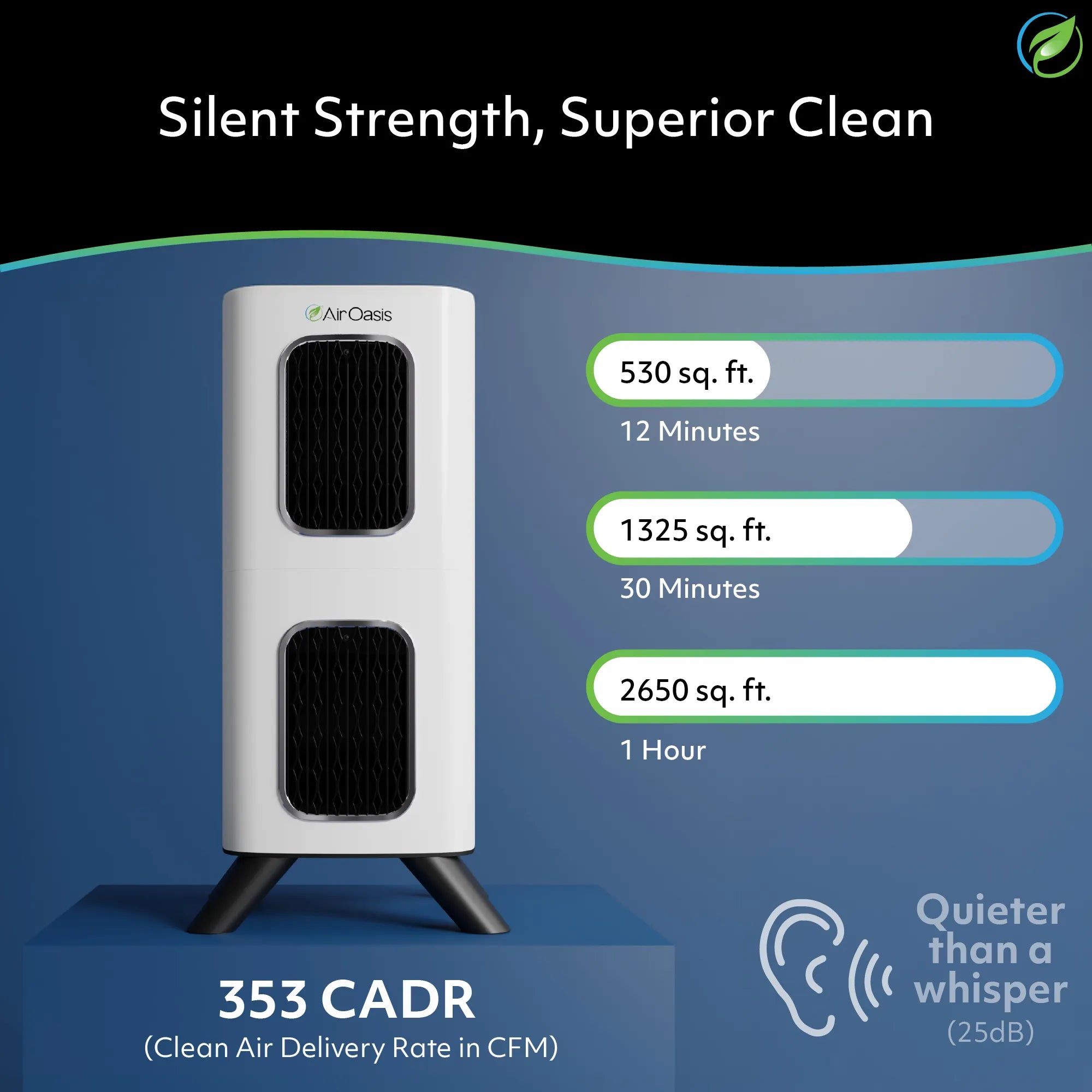
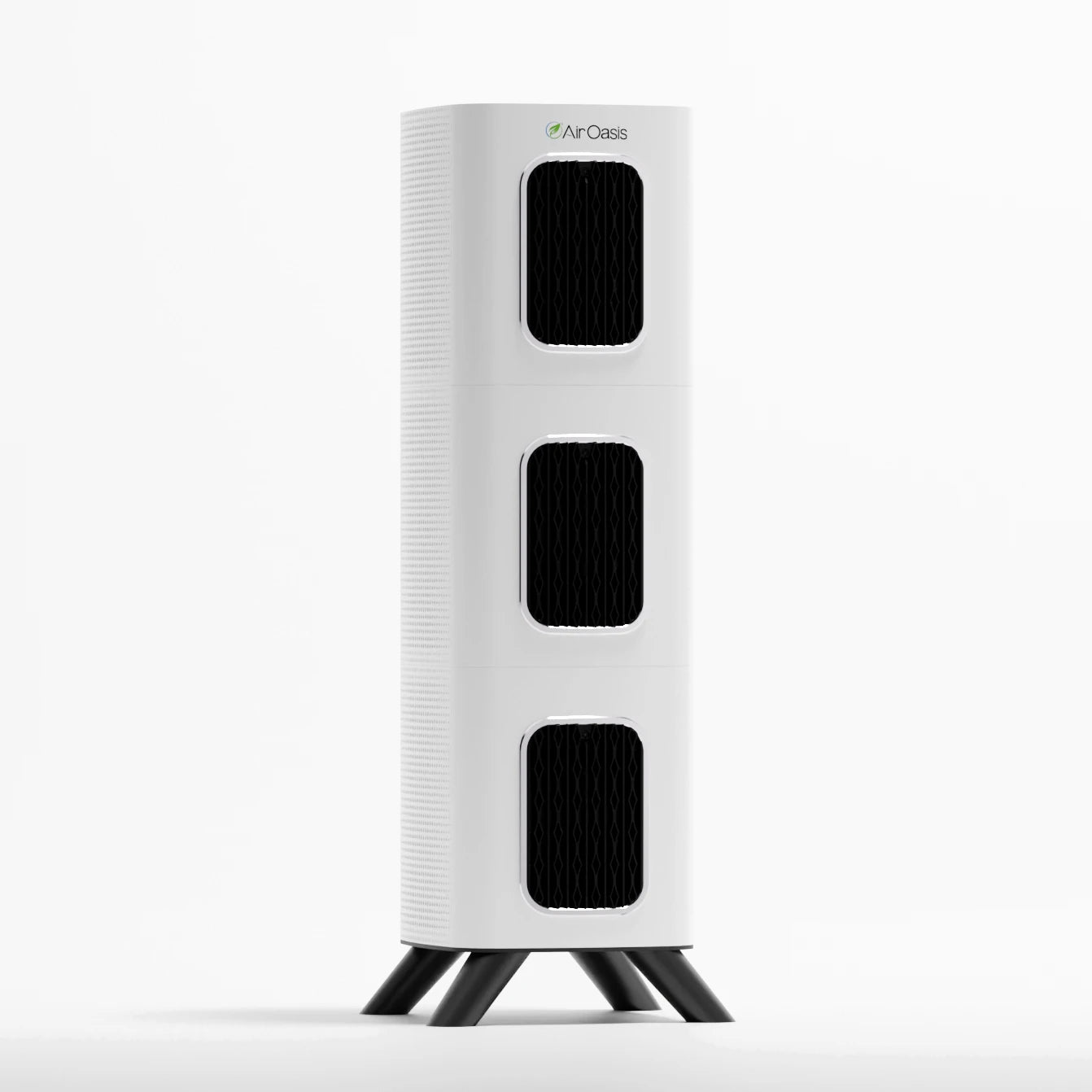
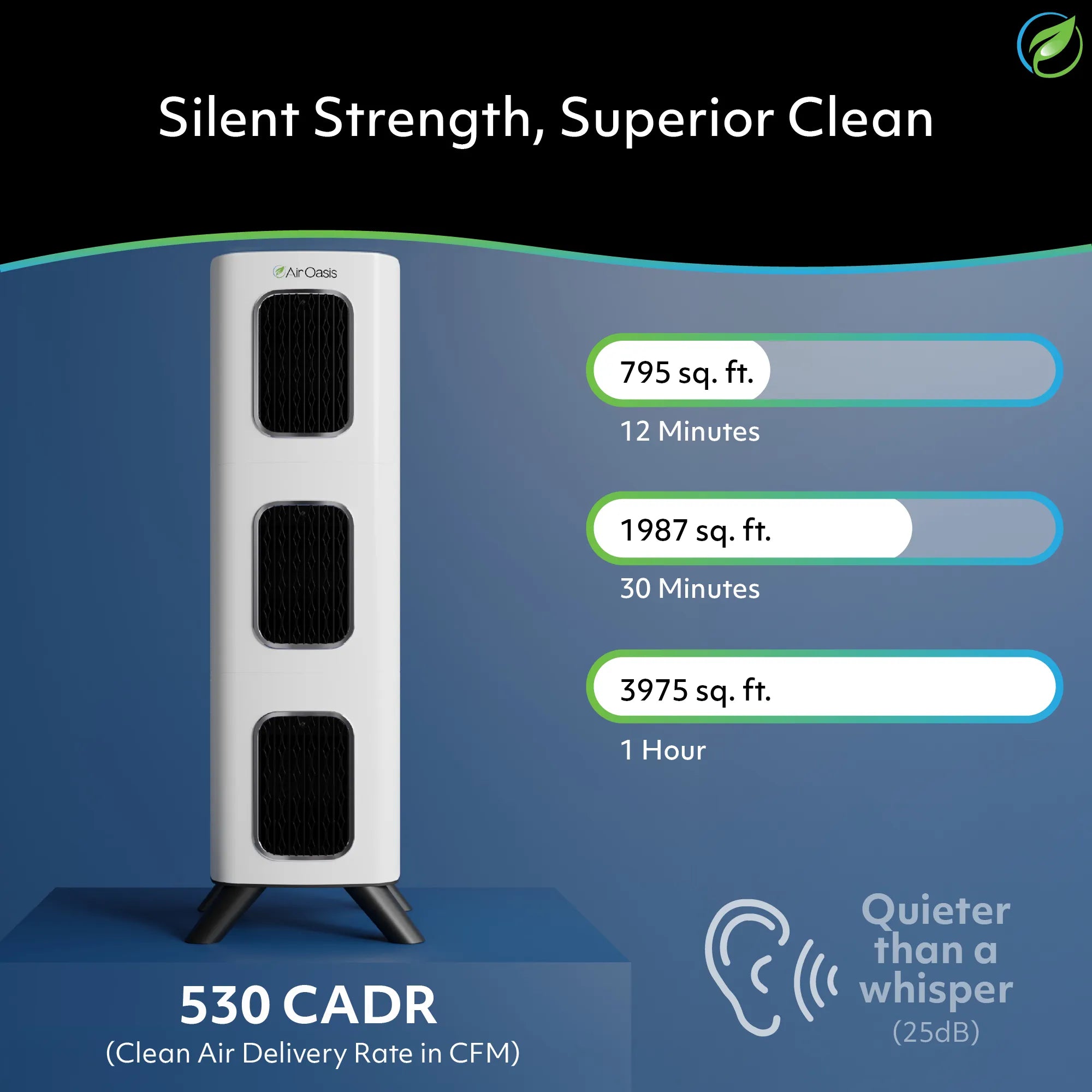
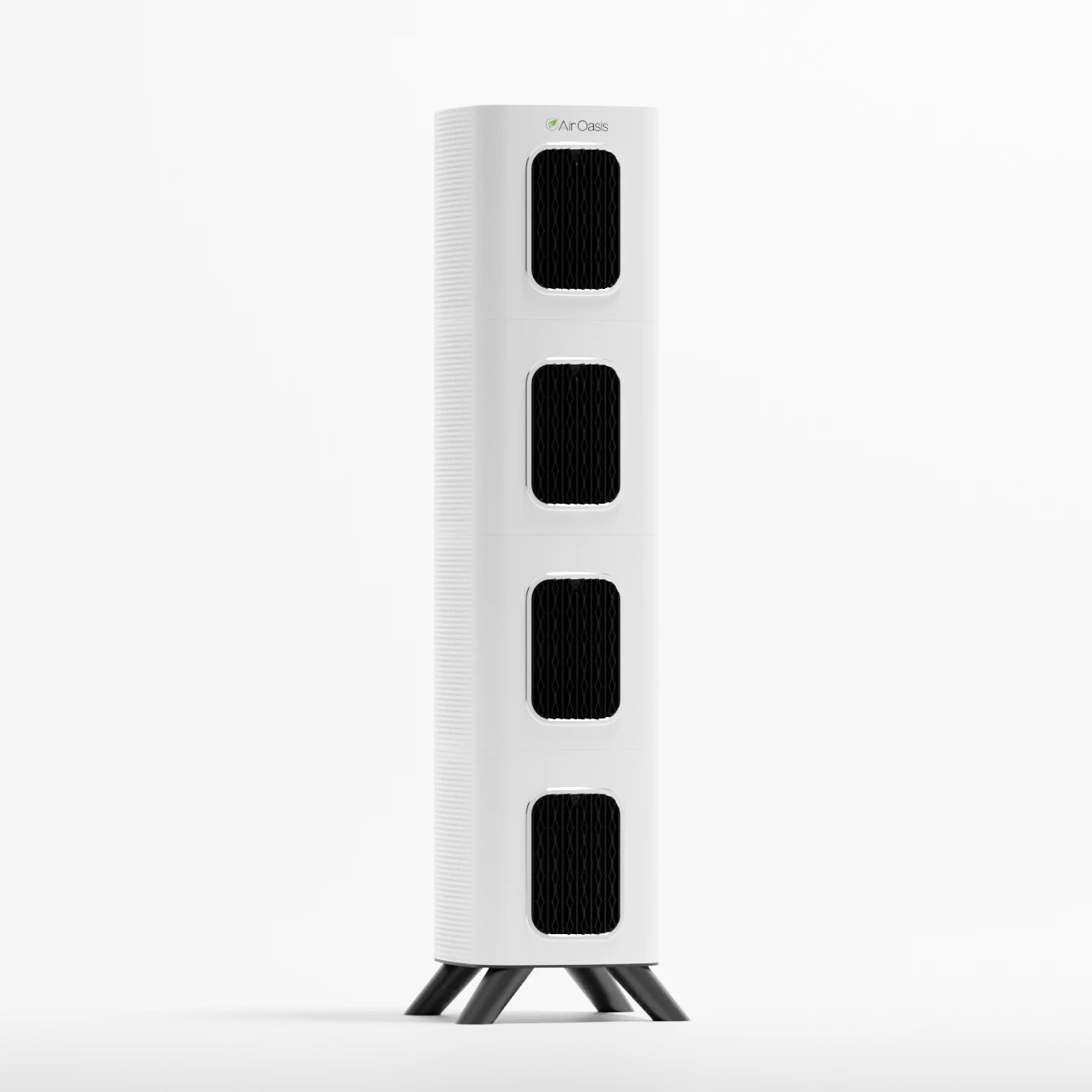
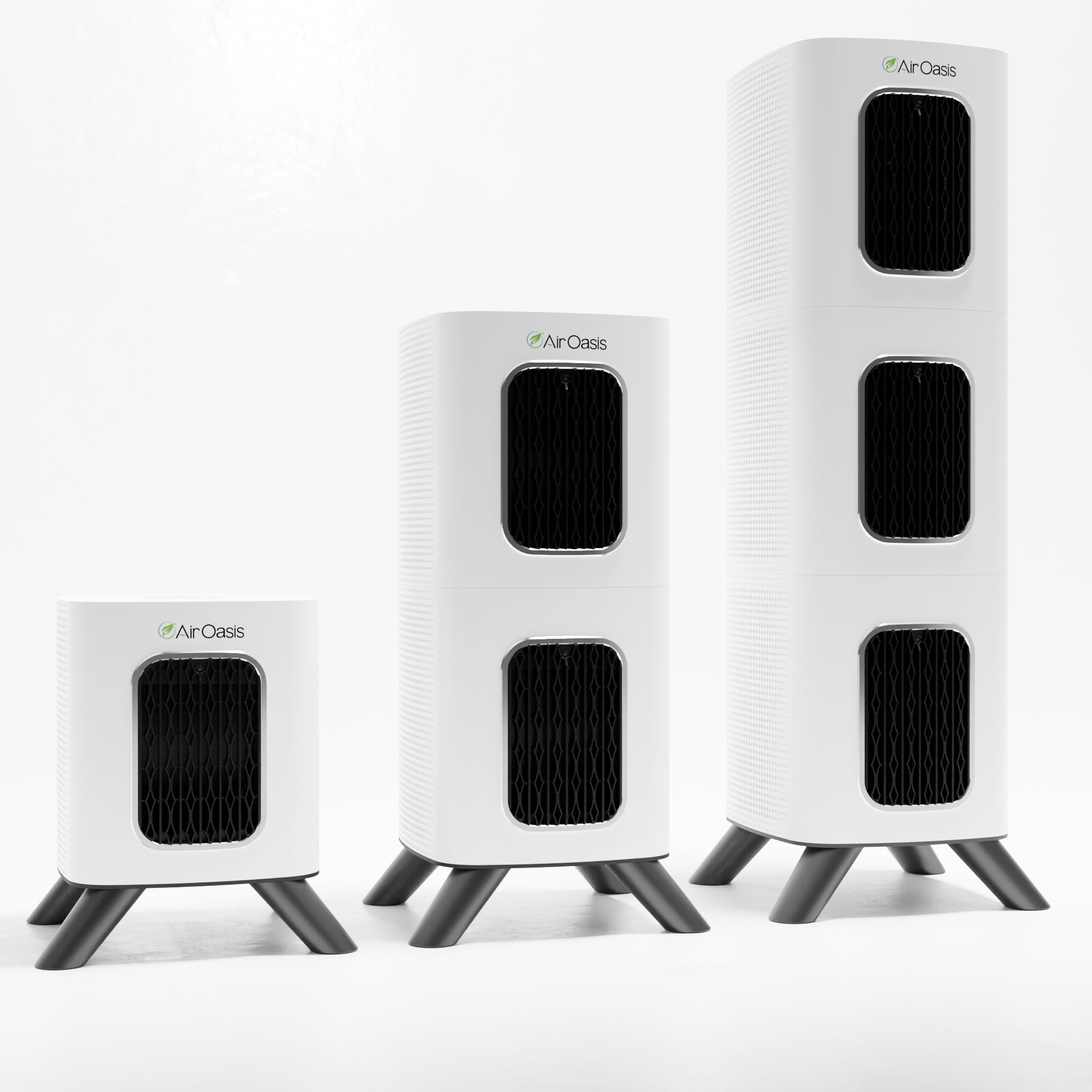
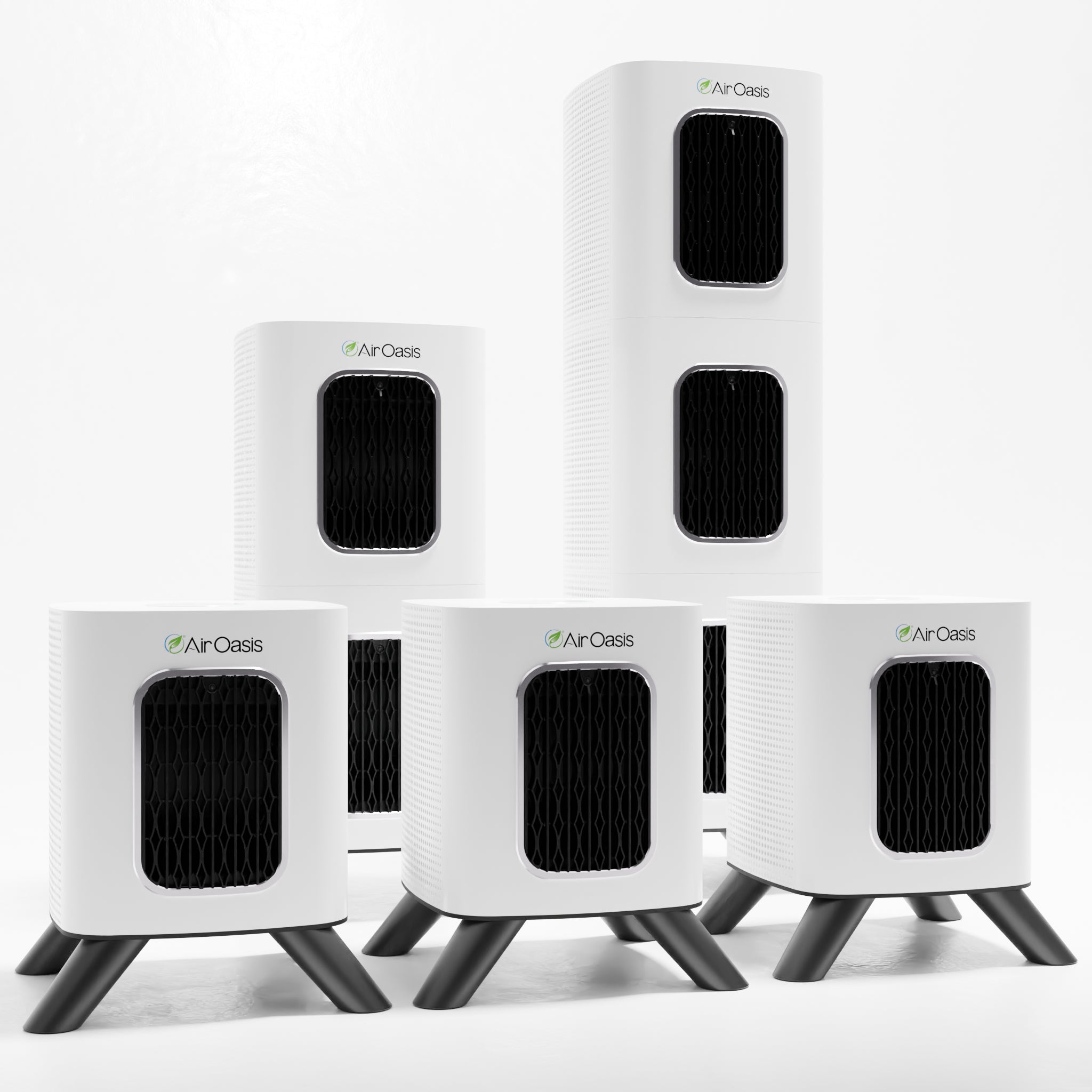
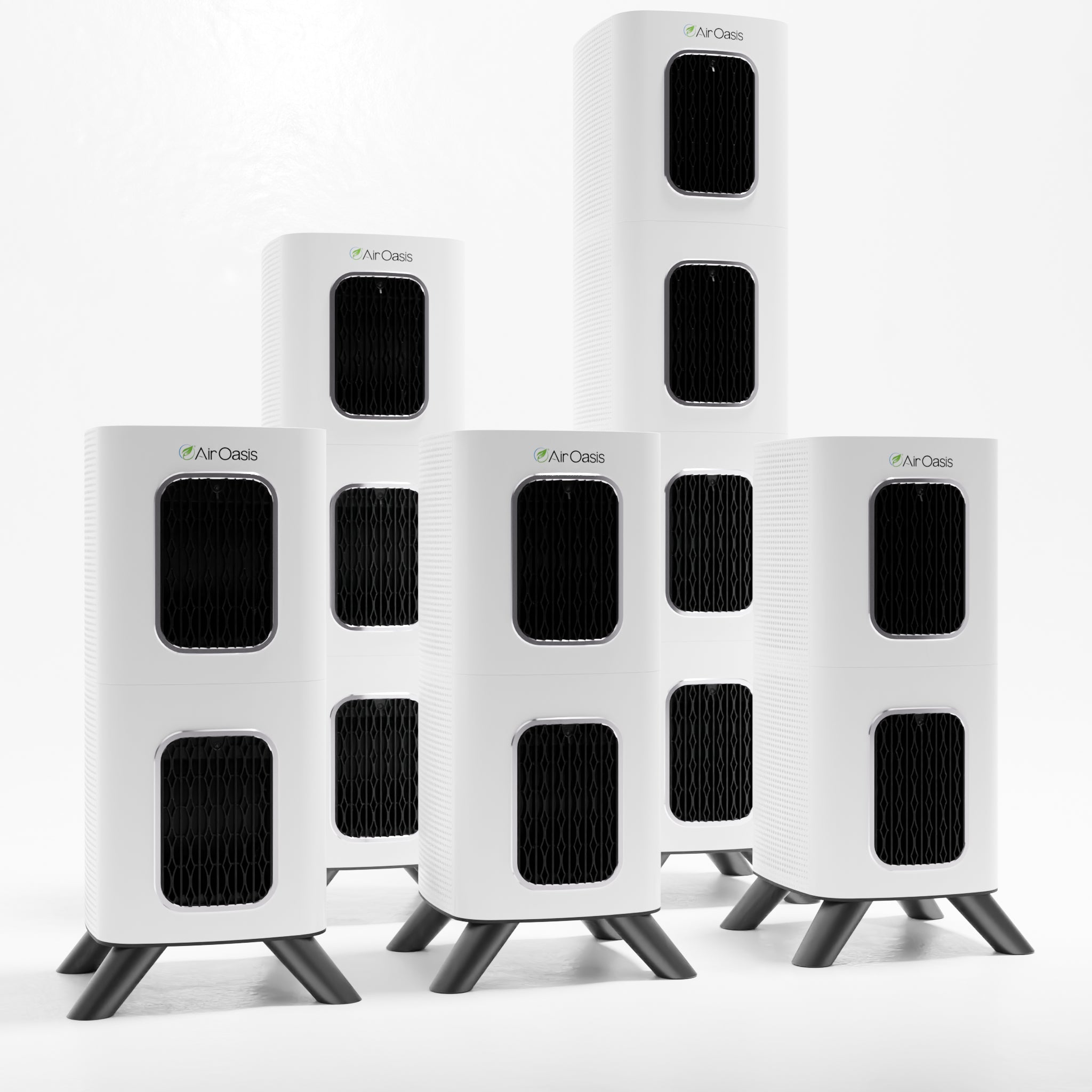
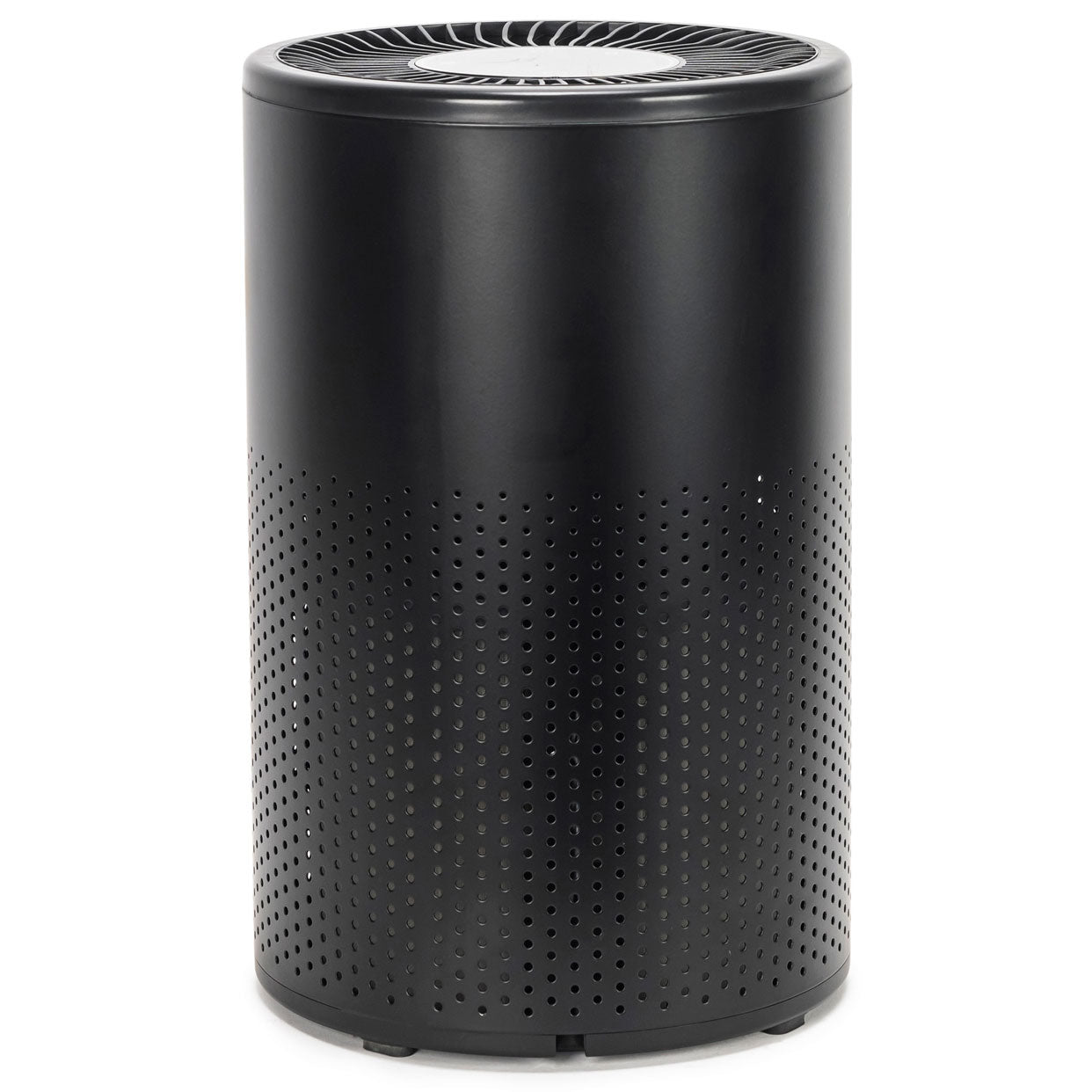
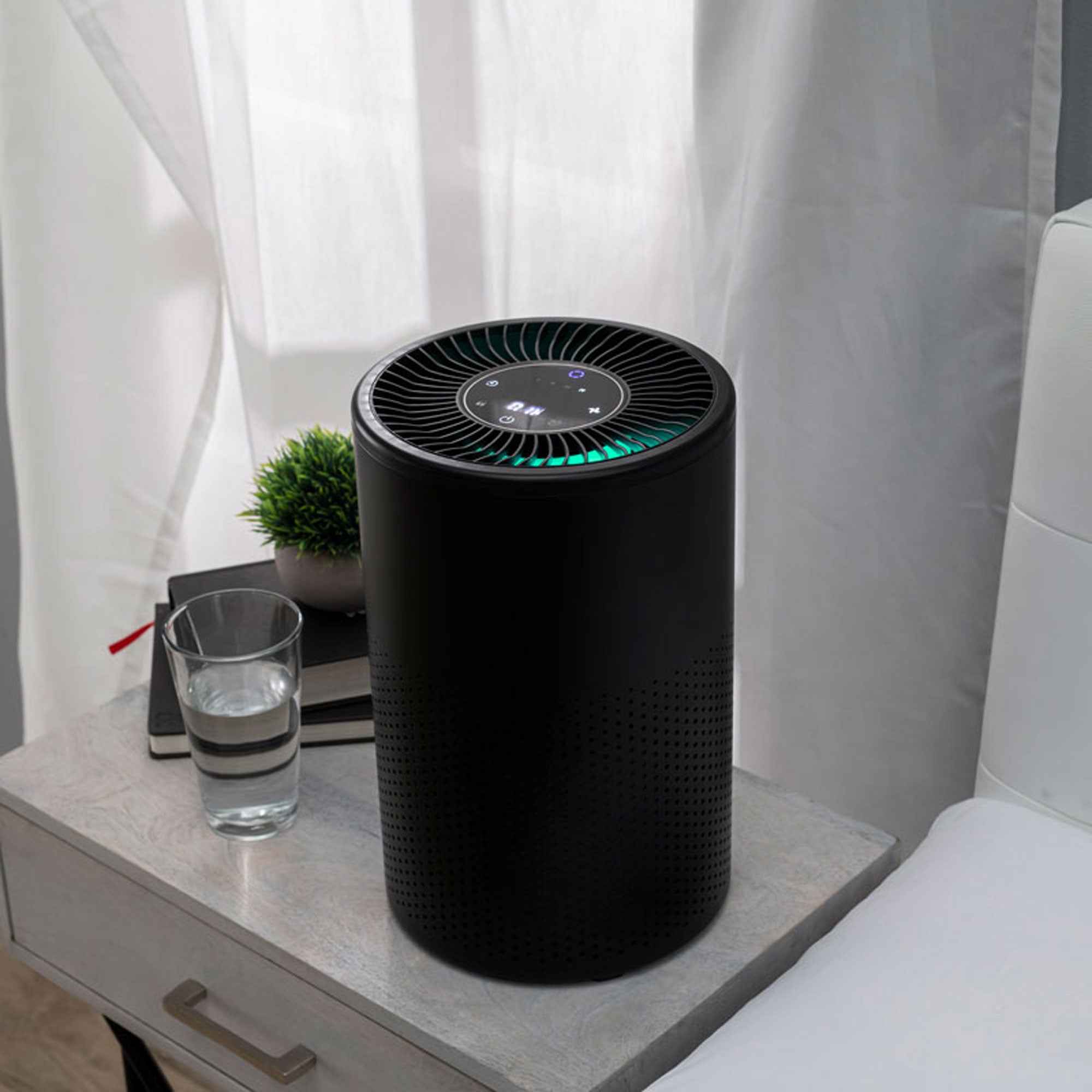
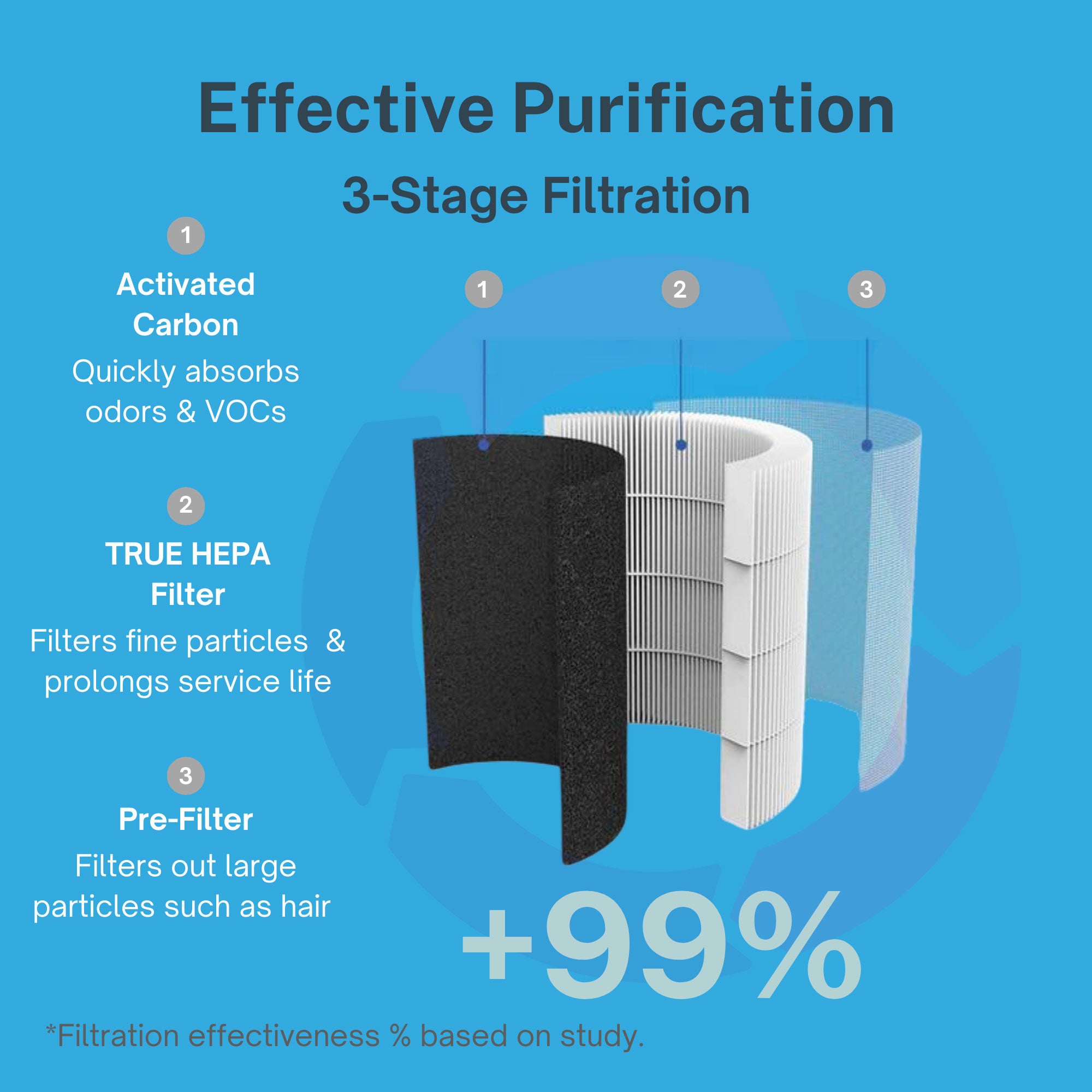
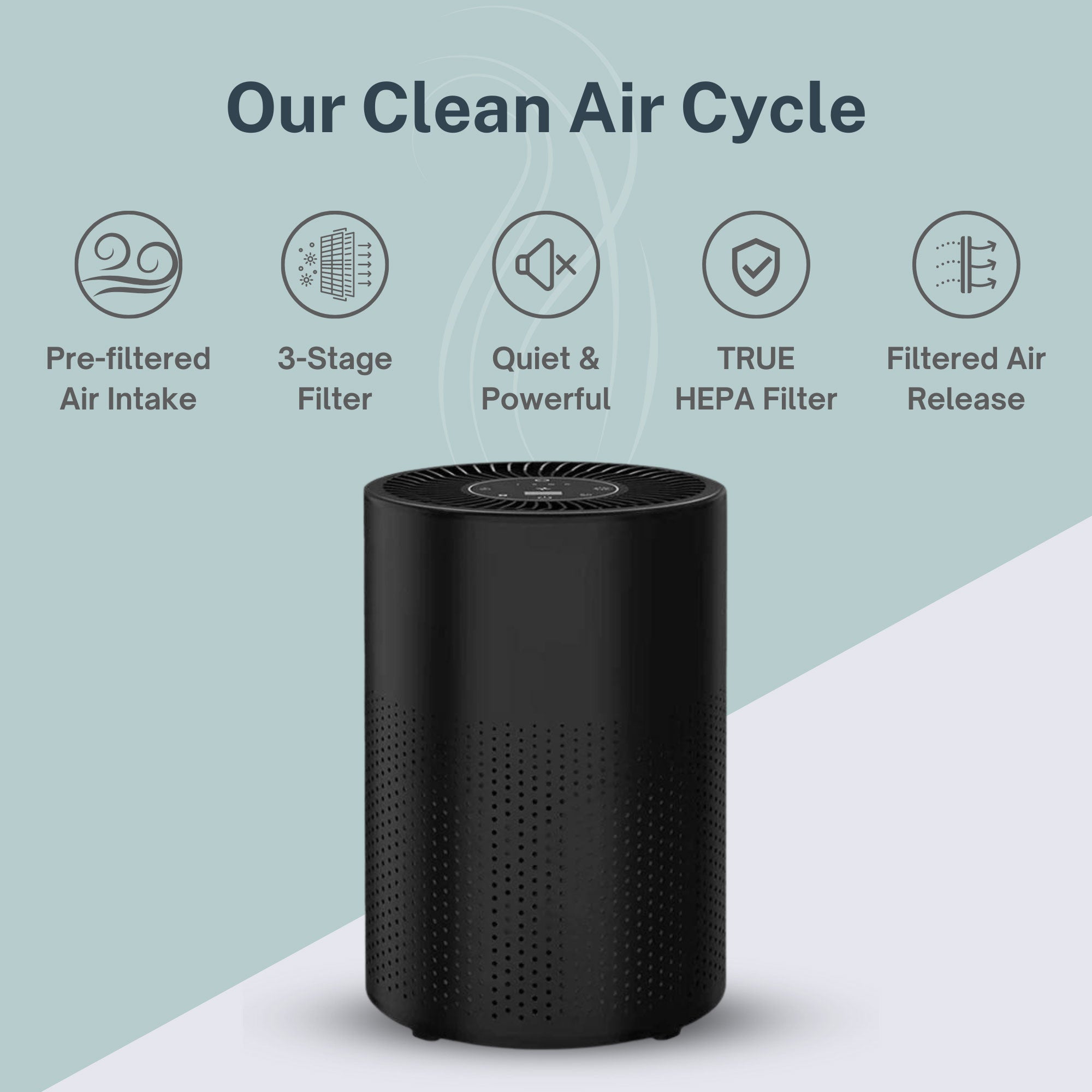
Air purification provides an additional layer of protection by reducing airborne mold spores and mycotoxins in indoor environments. Air Oasis purifiers use medical-grade HEPA filtration to capture 99 percent of mold spores, combined with activated carbon filters that absorb mycotoxins and other volatile organic compounds.
UV-C light technology in Air Oasis systems neutralizes mold spores at the cellular level, preventing them from reproducing. Bipolar ionization helps particles cluster for more effective removal. This multi-stage approach addresses the various forms in which biotoxins exist in indoor air.
For individuals concerned about biotoxin exposure or managing health conditions potentially linked to exposure to water-damaged buildings, maintaining excellent indoor air quality supports overall wellness. While air purification alone does not treat neuropathy, it reduces ongoing exposure to airborne contaminants.
Supporting Your Neurological Health
If you're experiencing unexplained numbness, tingling, or weakness in your extremities, consult with a healthcare provider for proper evaluation. Be sure to mention any history of living or working in water-damaged buildings, as this information may be relevant to diagnosis.
Air Oasis provides comprehensive air purification solutions designed to remove mold spores, mycotoxins, and other airborne contaminants. Our multi-stage filtration systems combine HEPA technology, activated carbon, UV-C light, and bipolar ionization for maximum effectiveness against biotoxins.
Whether you're addressing documented water damage or simply want to maintain the cleanest indoor air possible, Air Oasis offers proven solutions for homes of every size. Protect your respiratory and overall health with medical-grade air purification. Shop Air Oasis today and breathe cleaner air.