You made it through childhood allergy-free. You never needed antihistamines during pollen season. You never worried about pet dander or dust mites. Then suddenly in your thirties, forties, or even fifties, you start sneezing uncontrollably. Your eyes itch. Your nose runs constantly. You're confused and frustrated because allergies weren't part of your life before now.
Adult-onset allergies are not only possible—they're increasingly common. Your immune system can develop new sensitivities at any age. Understanding why this happens helps you manage symptoms and regain control over your respiratory health.
Your Immune System Never Stops Evolving
Allergies develop when your immune system misidentifies harmless substances as dangerous threats. It produces antibodies called immunoglobulin E in response to allergens like pollen, dust mites, or pet dander. These antibodies trigger the release of histamine and other chemicals that cause allergy symptoms.
This misidentification process can occur at any point in life. Your immune system constantly encounters new substances and makes decisions about how to respond. Sometimes it incorrectly categorizes a harmless protein as dangerous even after decades of benign exposure.
Repeated exposure over years can eventually tip your immune system into allergic response. You might have tolerated cats for thirty years before suddenly developing reactions. The cumulative exposure finally triggered antibody production that now causes symptoms every time you encounter cat dander.
Environmental Changes Trigger New Sensitivities
Moving to a new geographic location exposes you to different pollen, mold, and other environmental allergens. Your immune system encounters plants, grasses, and trees that it has never processed before. This novel exposure can spark allergic responses that weren't possible in your previous environment.
Climate change is expanding pollen seasons and introducing new plant species to regions where they didn't previously grow. You might develop allergies to ragweed that has recently established itself in your area or respond to longer exposure periods as pollen seasons extend from weeks to months.
Occupational exposures create new allergy risks. Starting a job with chemical exposure, working with animals, or spending time in moldy buildings can introduce allergens that your immune system may eventually reject. Healthcare workers develop latex allergies. Bakers develop flour allergies. Office workers develop sensitivities to mold in poorly maintained buildings.
Hormonal Changes Affect Immune Function
Pregnancy dramatically alters immune system behavior. Some women develop new allergies during or after pregnancy that persist indefinitely. Hormonal fluctuations affect how the immune system processes allergens and can trigger the development of sensitivity.
Menopause brings hormonal shifts that influence immune response. Women in their forties and fifties frequently report new allergy symptoms coinciding with perimenopausal changes. The relationship between hormones and immune function means life stage transitions can unmask or create allergic tendencies.
Thyroid disorders and other hormonal imbalances affect immune system regulation. Treating these conditions sometimes reveals underlying allergic sensitivities that hormonal dysfunction previously masked.
Stress and Health Status Impact Allergies
Chronic stress weakens immune system regulation. When you're constantly stressed, your body produces inflammatory compounds that make allergic responses more likely and more severe. Years of accumulated stress can eventually trigger allergy development where none existed before.
Viral infections can sometimes permanently alter immune function. A severe respiratory infection can change how your airways respond to irritants. Some people develop new allergies or asthma after significant illnesses such as pneumonia or severe flu.
Gut health influences immune system behavior. Changes in your microbiome from antibiotics, dietary shifts, or digestive disorders can affect how your immune system processes allergens. Emerging research suggests gut bacteria play crucial roles in preventing or promoting allergic sensitization.
Recognizing Adult-Onset Allergy Symptoms
New allergies often start gradually. You might notice mild symptoms that worsen over months or years. Occasional sneezing becomes daily congestion. Slight eye irritation progresses to intense itching. These escalating patterns suggest developing allergic sensitivity rather than temporary irritation.
Seasonal patterns indicate allergic responses. If symptoms appear every spring or fall, you're likely reacting to pollen. Year-round symptoms suggest indoor allergens like dust mites, mold, or pet dander. Tracking when symptoms occur helps identify triggers.
Don't dismiss symptoms as just getting older or assume they're frequent colds. Adult-onset allergies are real medical conditions requiring proper diagnosis and treatment. An allergist can perform testing to identify specific allergens triggering your symptoms.
Managing Your New Reality
Confirming specific allergens through testing allows targeted avoidance strategies. If you're newly allergic to dust mites, focus on controlling allergens in your bedroom. If pet dander is the culprit, limit animal exposure. If pollen triggers symptoms, monitor pollen counts and adjust outdoor activities accordingly.
Medications help manage symptoms but don't address the underlying allergen exposure. Antihistamines reduce histamine effects. Nasal corticosteroids decrease inflammation. These treatments work better when combined with environmental control that reduces allergen exposure.
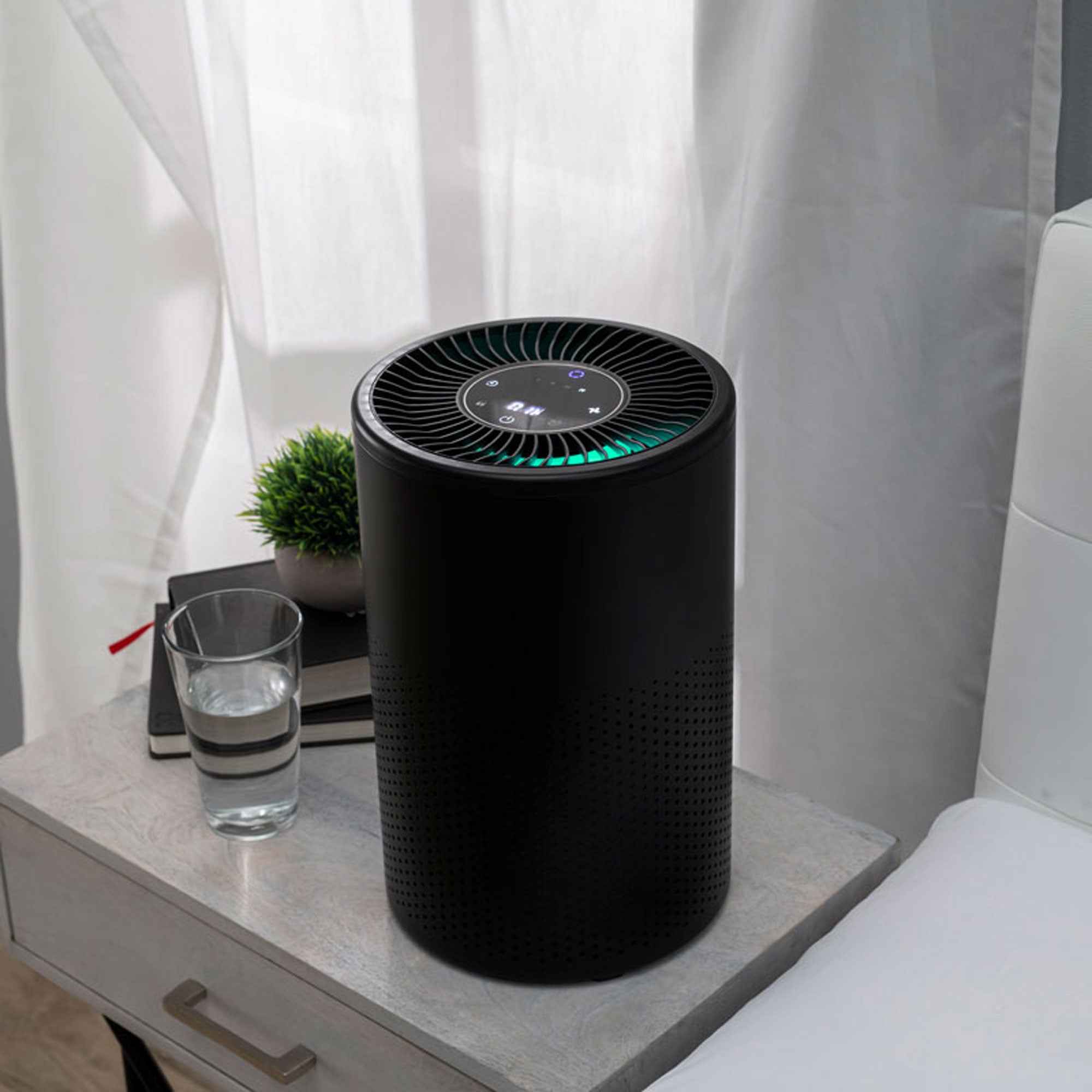
Indoor air quality control becomes essential when you develop allergies later in life. You can't change pollen seasons or eliminate outdoor allergens. But you can create a clean air sanctuary in your home where your respiratory system gets relief from constant allergen bombardment.
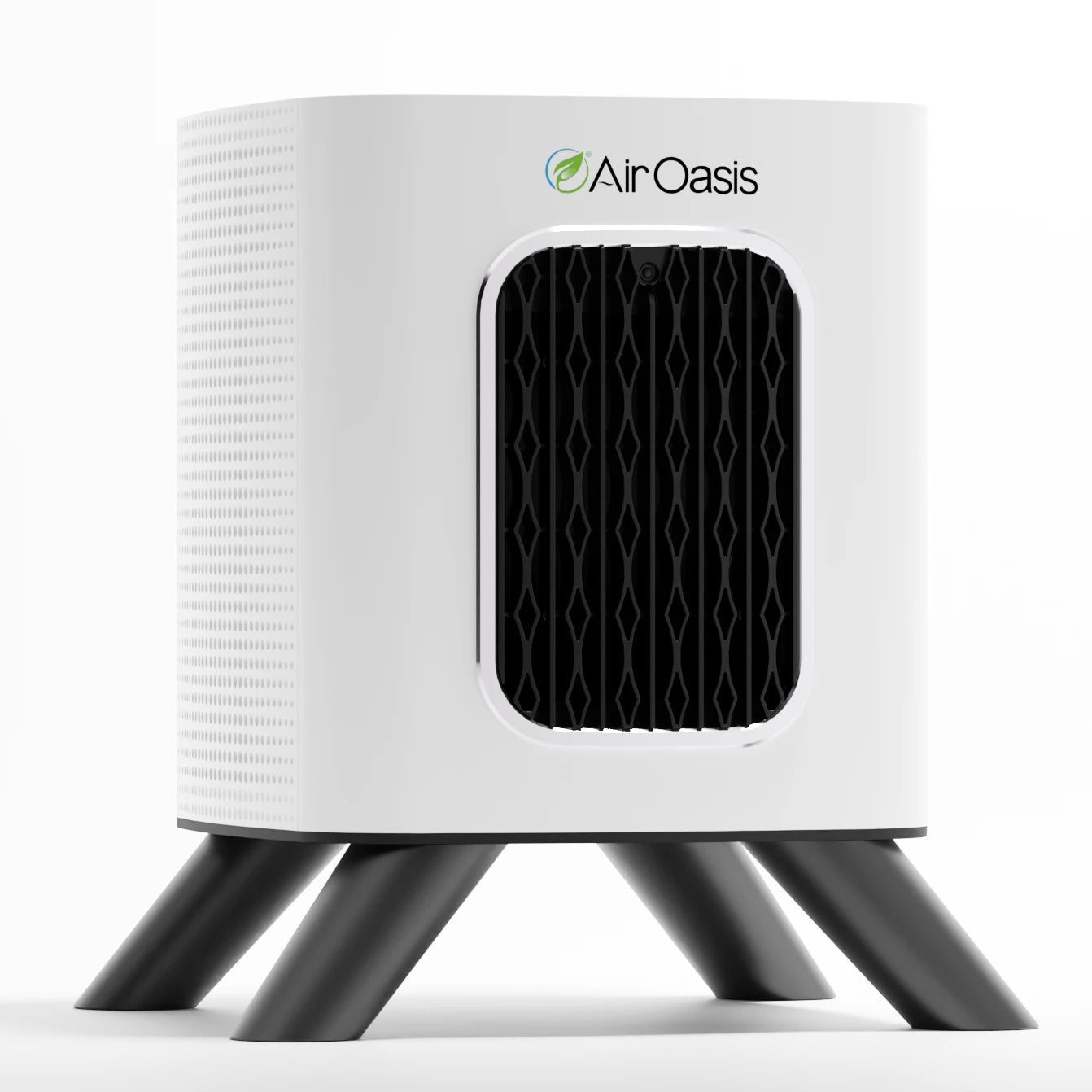
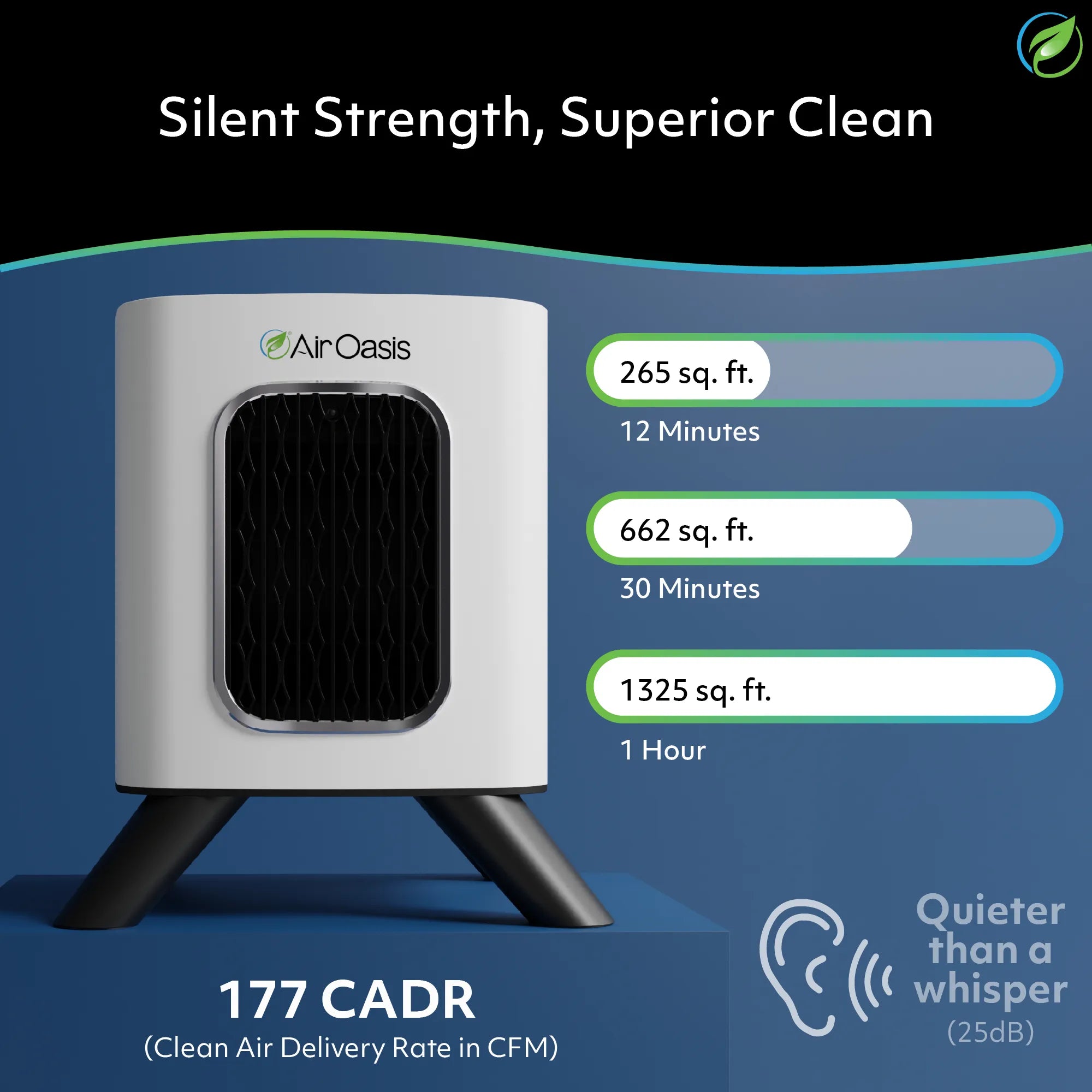
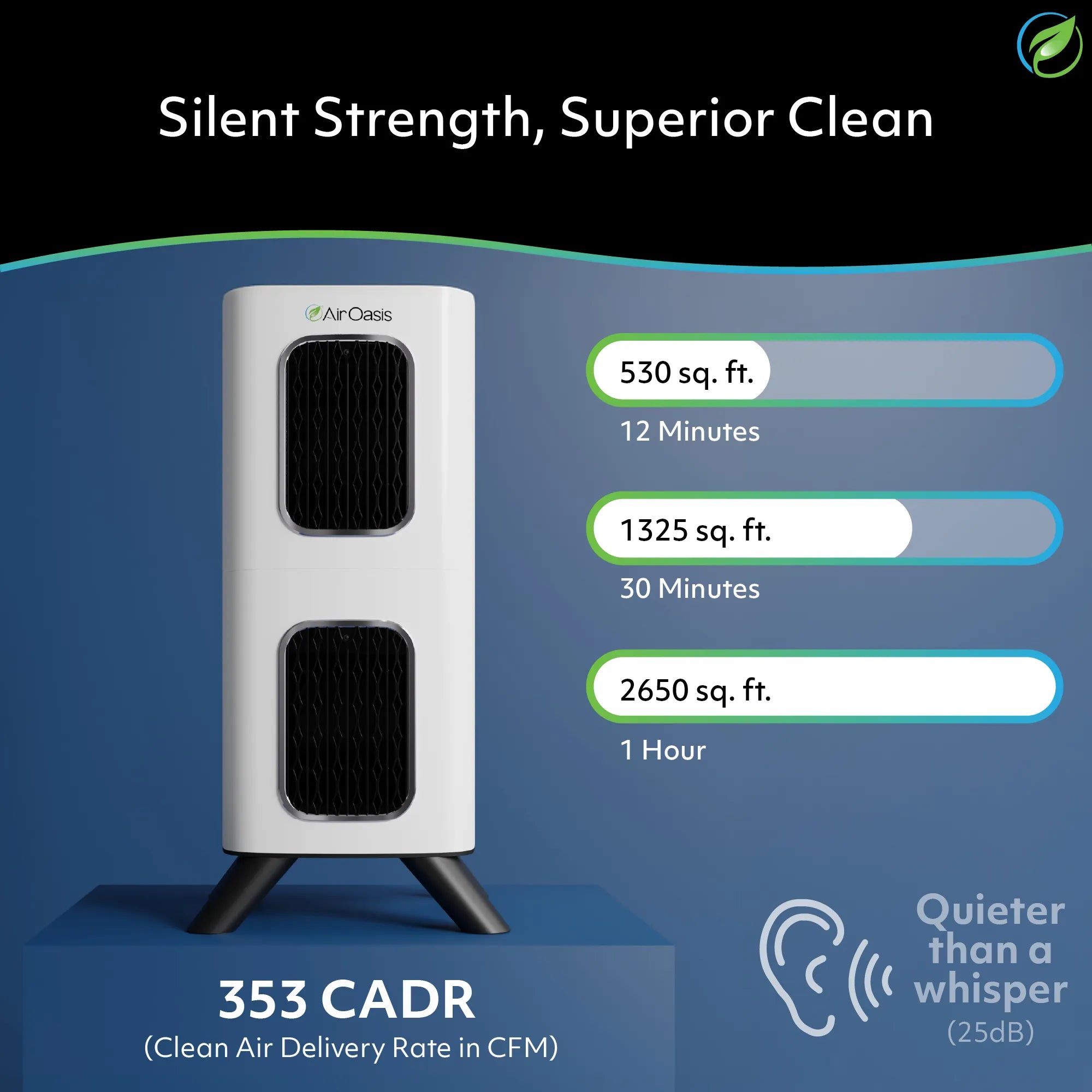
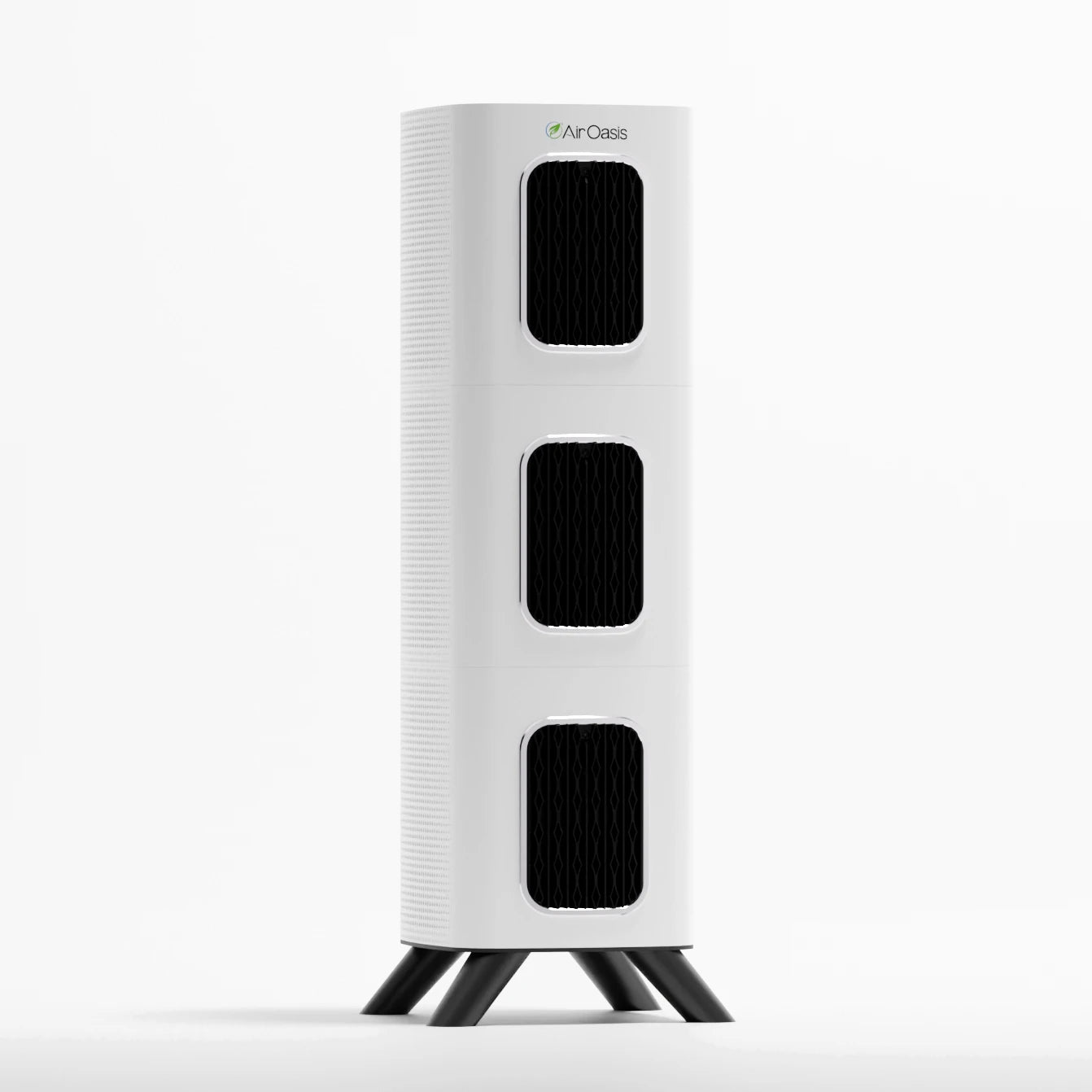
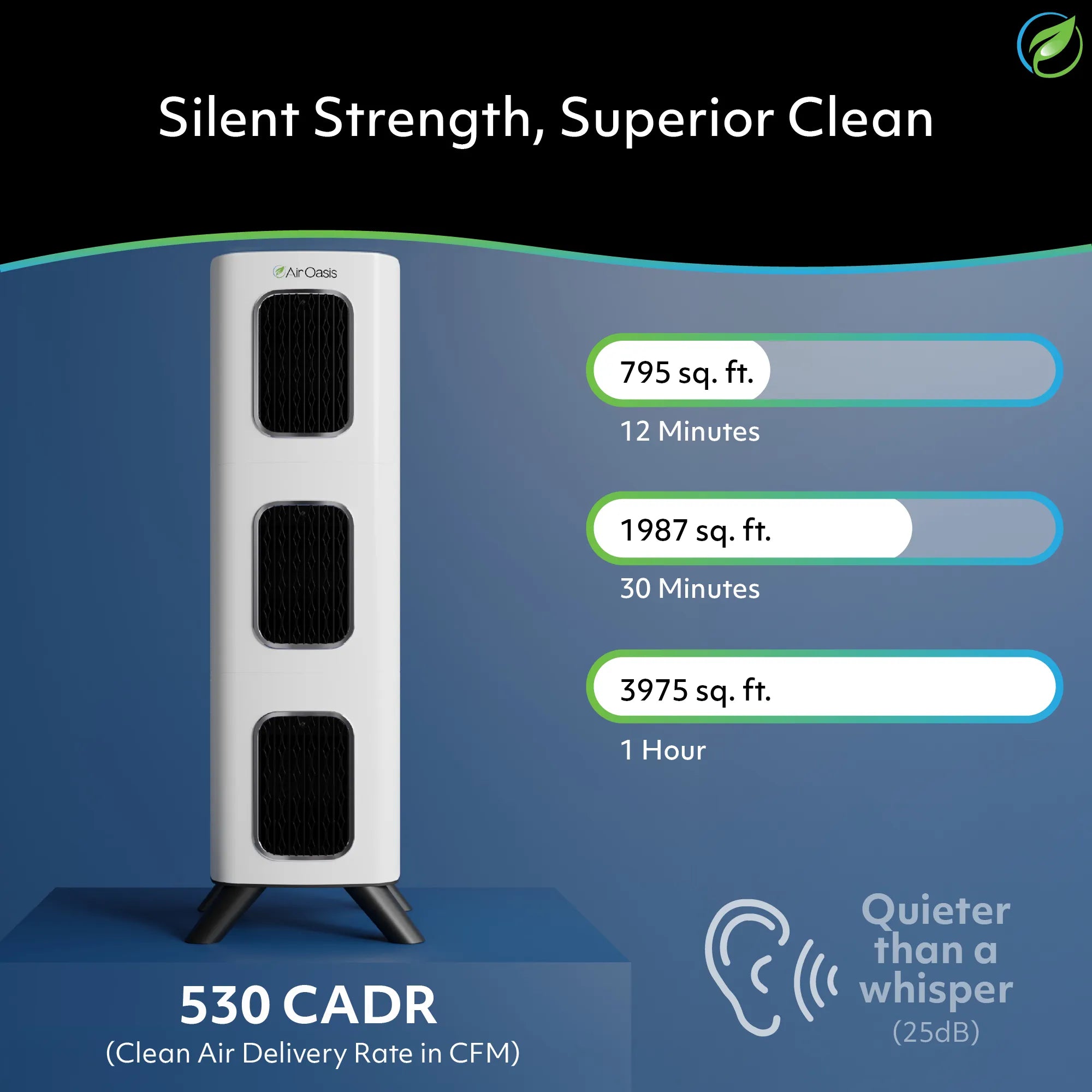
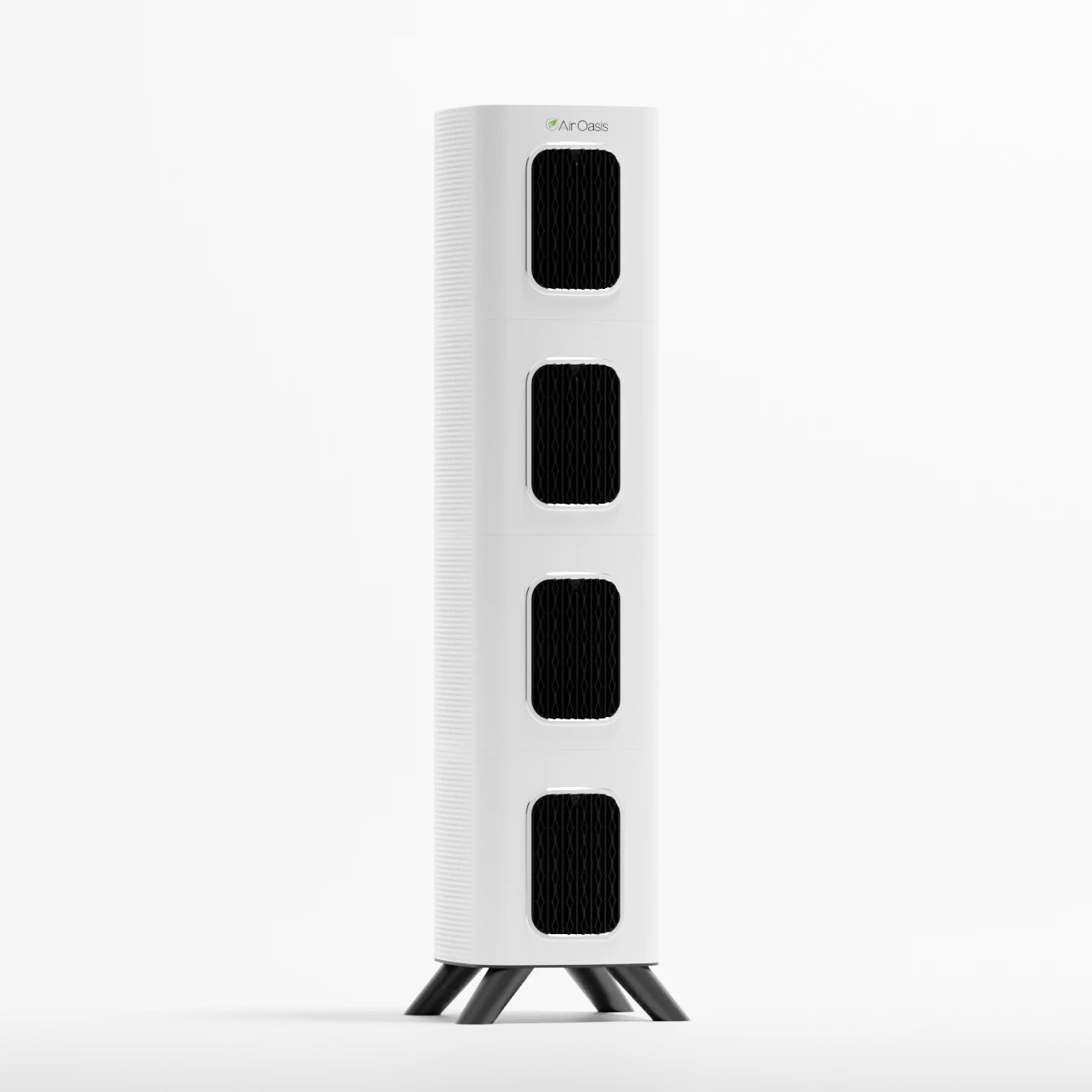
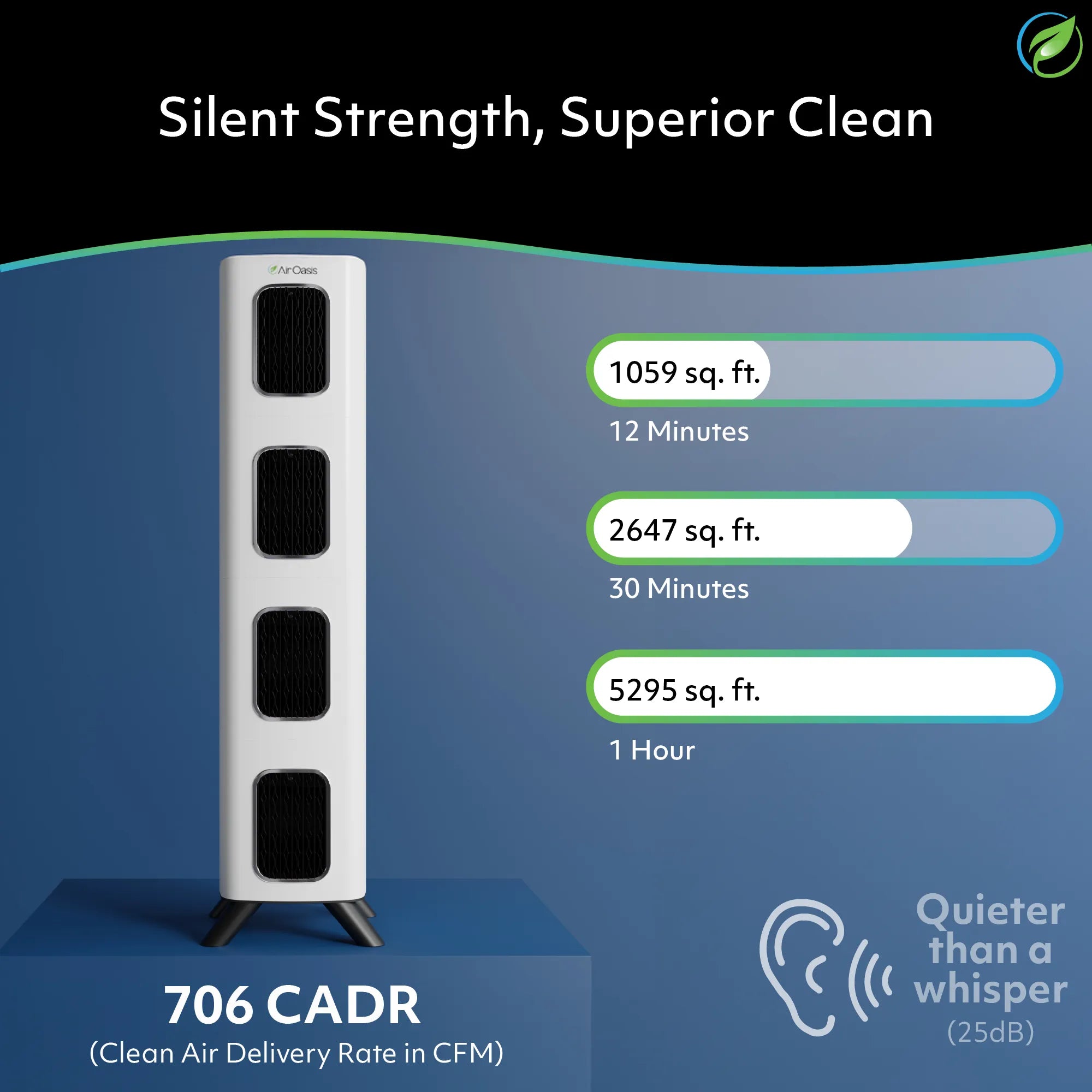
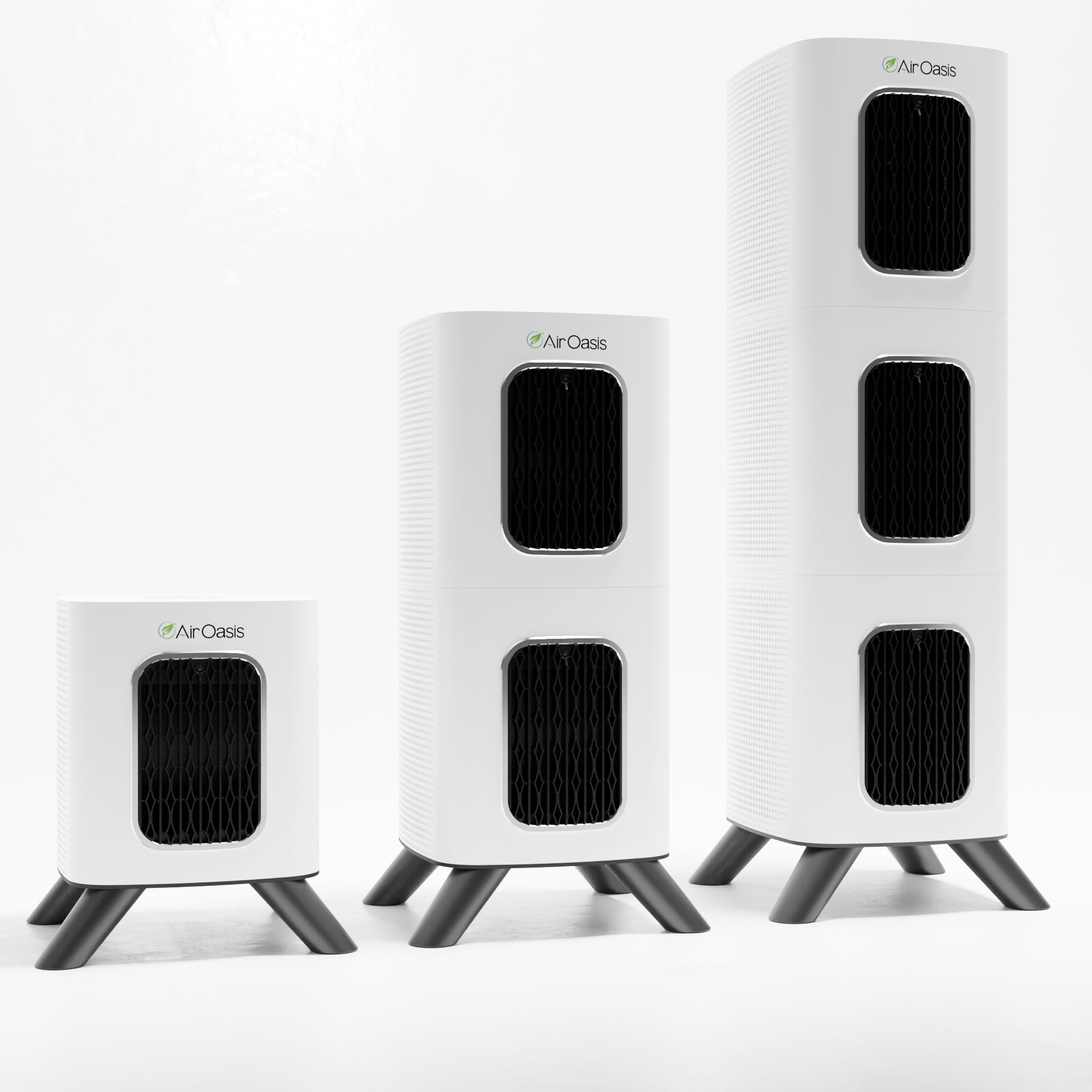
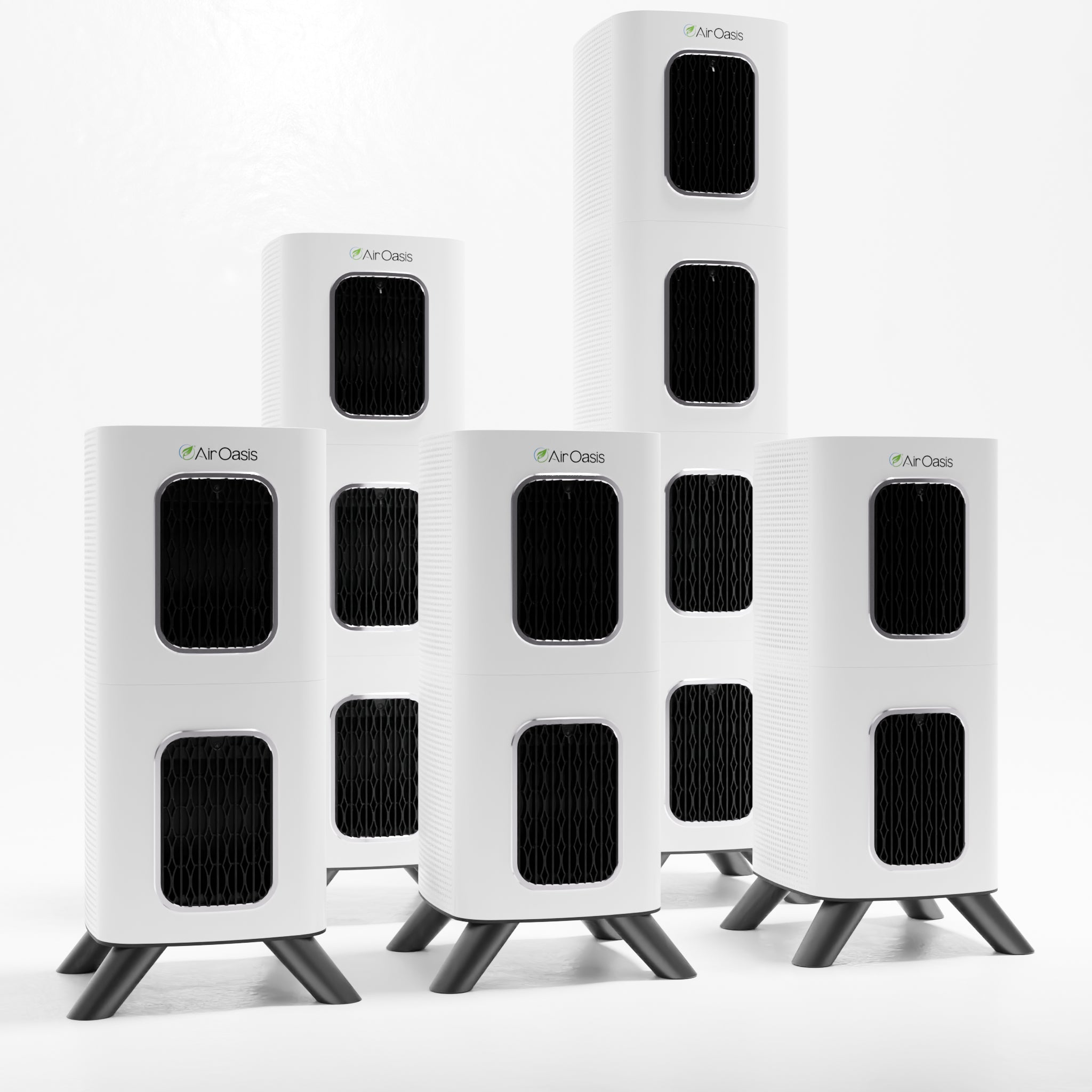
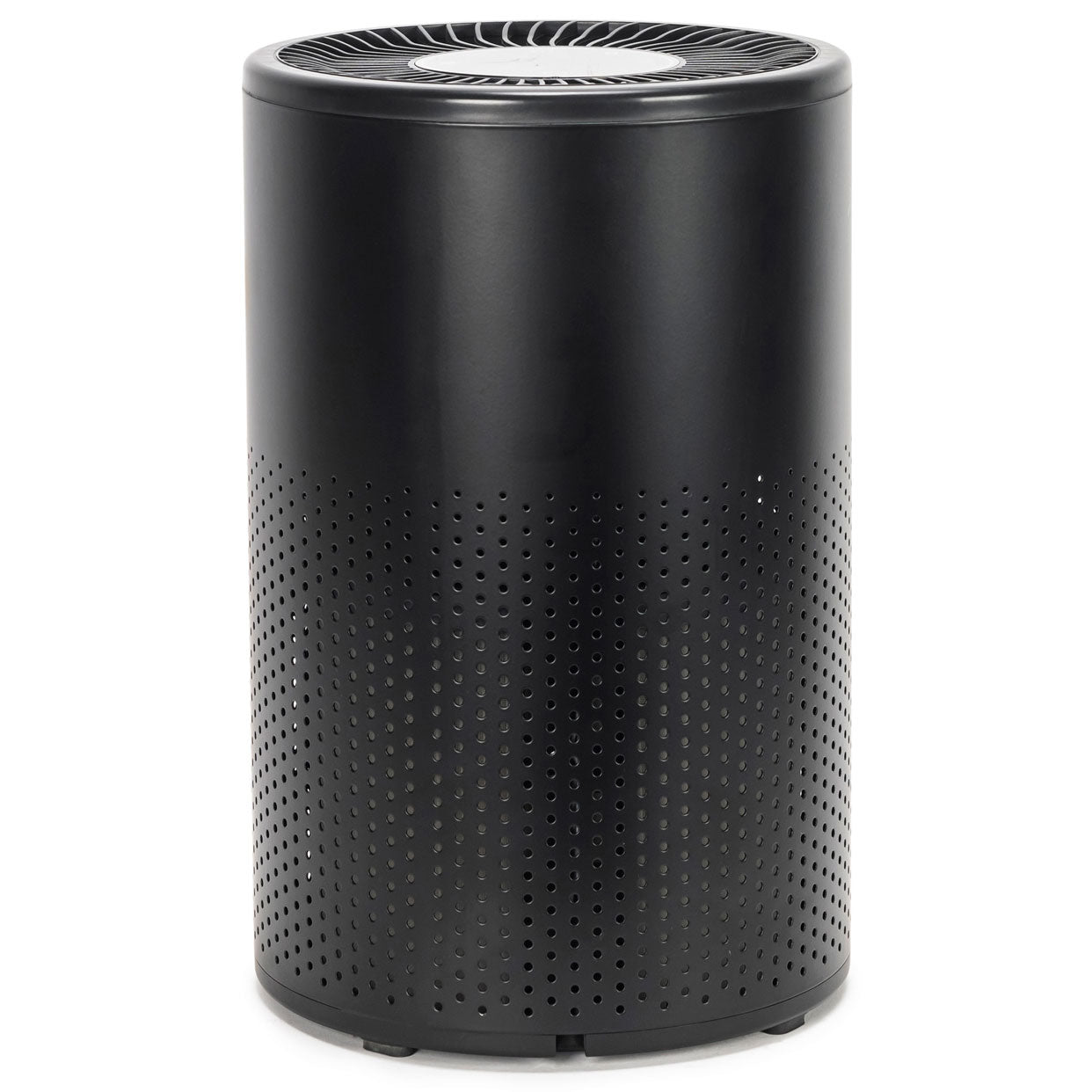
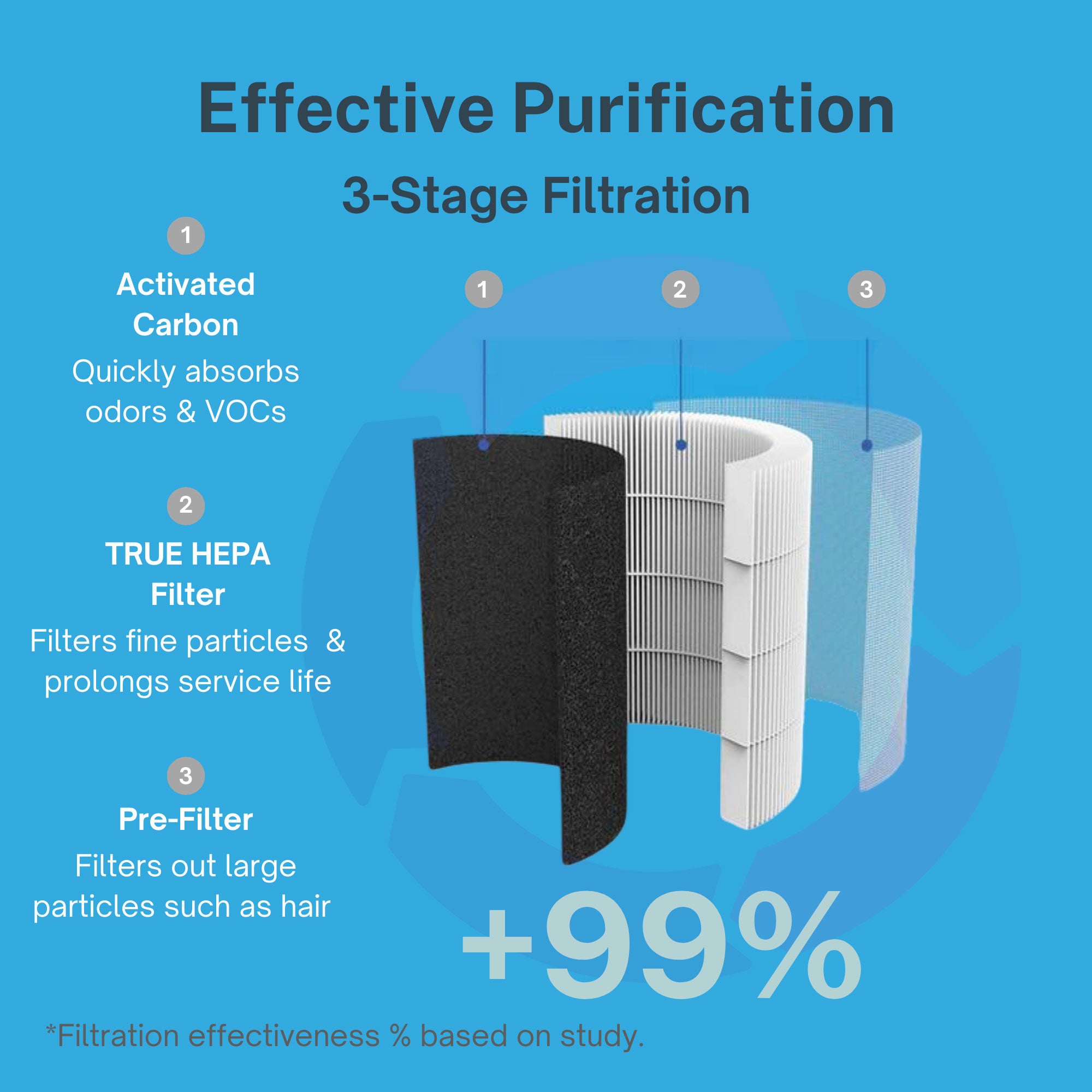
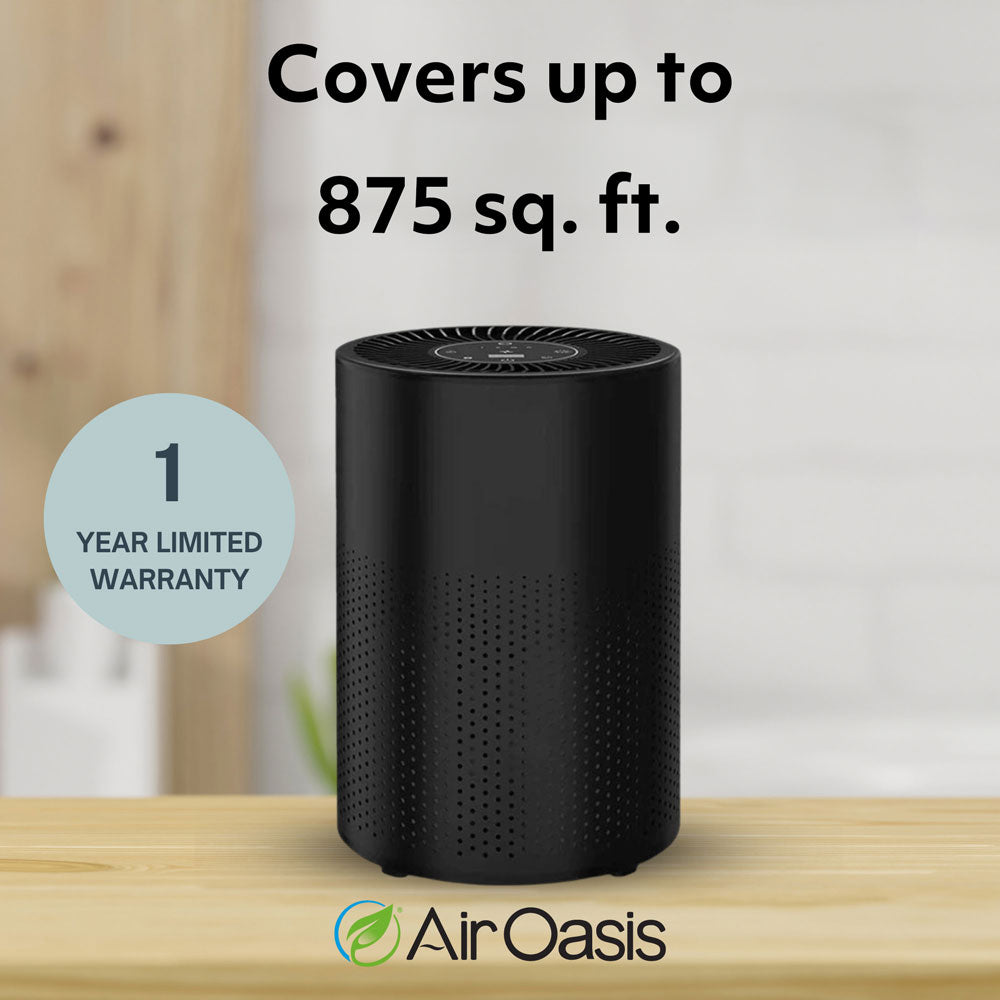
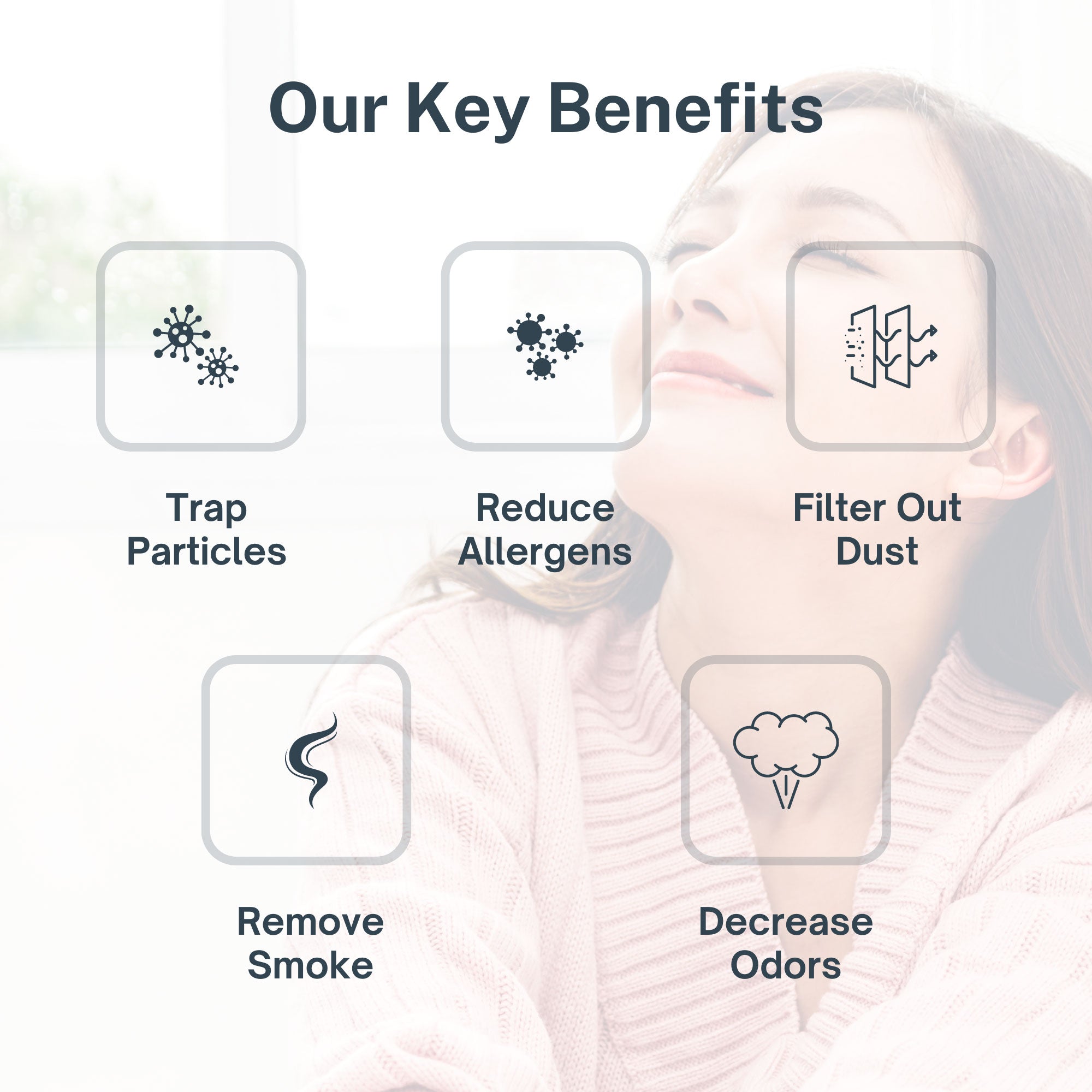
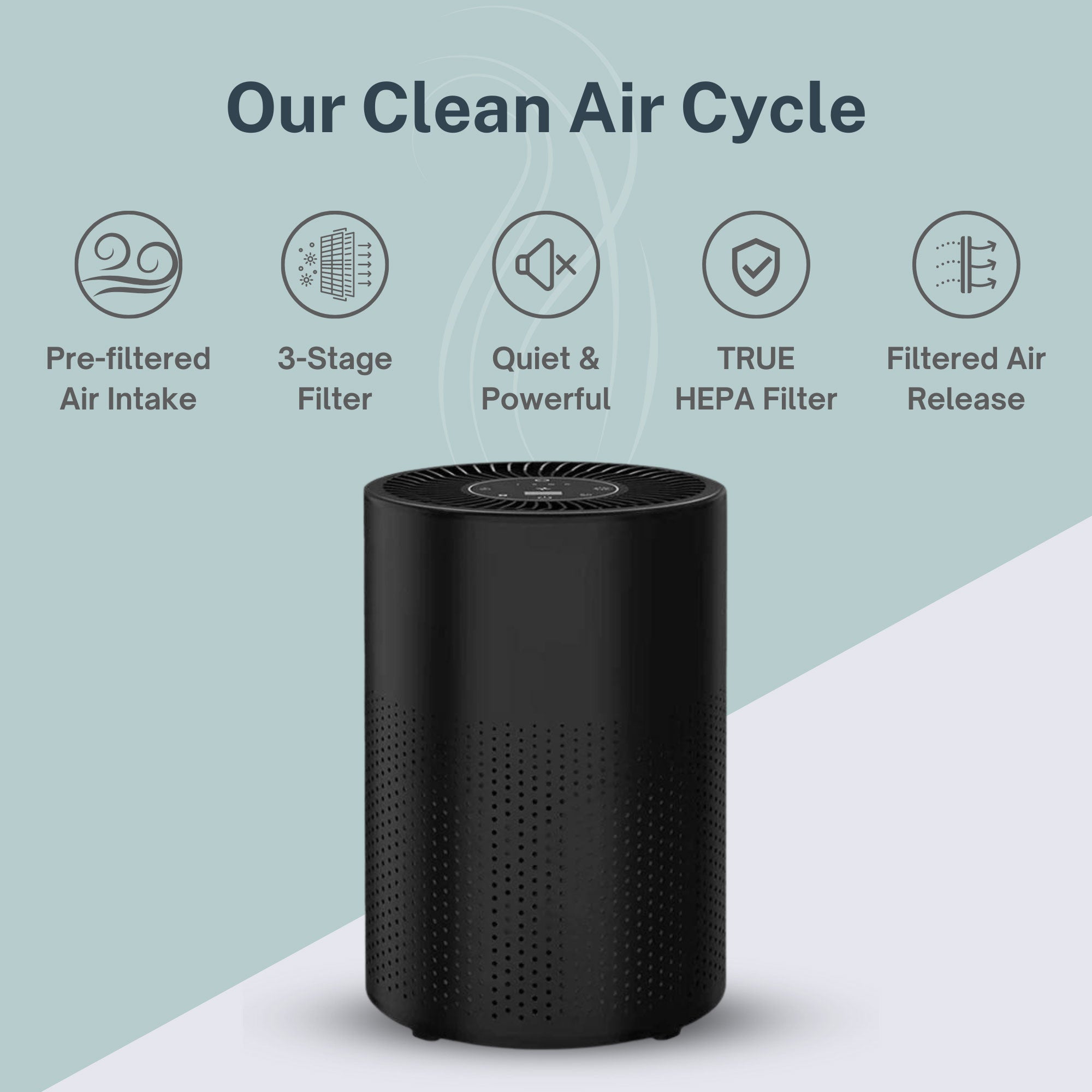
Medical-grade air purification removes the allergens triggering your newly developed sensitivities. The iAdaptAir system captures 99% of airborne particles including pollen, dust mites, pet dander, and mold spores. HEPA filtration traps the microscopic allergens your immune system now identifies as threats.
Your body changed. Your immune system developed new sensitivities you can't reverse. But you can control the air you breathe. You can reduce allergen exposure. You can minimize symptoms even though the allergies themselves remain.
Adult-onset allergies don't have to diminish your quality of life. Clean indoor air provides the relief your changing immune system needs. Shop Air Oasis today and reclaim comfortable breathing despite your body's new sensitivities.