You wake up with a stuffy nose, itchy eyes, and sneezing fits before your feet even hit the floor. Your allergies feel manageable by afternoon, but in the mornings they're miserable. This pattern isn't coincidental. Several factors converge during nighttime hours to make morning allergy symptoms significantly worse than at any other time of day.
Dust Mites Peak During Sleep
Dust mites thrive in bedding where you spend eight hours every night. These microscopic creatures feed on dead skin cells you shed while sleeping. Your pillows, mattress, sheets, and blankets harbor millions of dust mites producing allergenic proteins in their waste.
When you lie down, your face stays in close proximity to these allergen concentrations for hours. You breathe in dust mite particles with every breath throughout the night. By morning, your nasal passages and airways have accumulated significant allergen exposure, triggering the inflammatory response you experience as congestion and sneezing.
Body heat and moisture from breathing create ideal conditions for dust mites. Your warm body raises bedding temperature. Your exhaled breath adds humidity. These conditions allow dust mite populations to flourish right where you sleep.
Lying Down Changes Sinus Drainage
Gravity affects how your sinuses drain. During the day, when you're upright, mucus drains naturally down the back of your throat. You swallow it without noticing. At night, when you're horizontal, drainage patterns change dramatically.
Mucus accumulates in your sinuses rather than draining efficiently. This pooling allows allergens and irritants to remain in contact with sensitive sinus tissue for extended periods. Inflammation increases throughout the night. By morning, your sinuses are swollen and congested from hours of impaired drainage and exposure to allergens.
Postnasal drip worsens in horizontal positions. Mucus that would normally drain away instead triggers coughing and throat irritation. You wake with a sore throat and the need to clear thick mucus that accumulated overnight.
Cortisol Levels Drop at Night
Your body produces cortisol, a natural anti-inflammatory hormone, on a circadian rhythm. Cortisol levels peak in the early morning to help you wake up. They drop to their lowest point during nighttime hours when you sleep.
This cortisol dip means your body has less natural control over inflammation precisely when allergen exposure from bedding is highest. Without cortisol's dampening effect, your immune system responds more aggressively to allergens. Inflammation increases. Symptoms intensify.
When cortisol rises again in the early morning, it takes time for the anti-inflammatory effects to reduce the swelling and congestion that built up overnight. You experience peak symptoms in those early morning hours before cortisol fully kicks in.
Bedroom Air Quality Deteriorates Overnight
Closed bedroom doors and windows trap allergens in a sealed environment. Pet dander circulates if animals sleep in your room. Dust particles settle on surfaces overnight then become airborne again with morning movement. Mold spores from humidity concentrate in poorly ventilated spaces.
You breathe this increasingly contaminated air for eight consecutive hours. By morning, allergen concentrations in your bedroom air reach their highest levels. Your first deep breaths upon waking deliver a concentrated dose of particles that trigger immediate symptoms.
Taking Control of Morning Allergies
You can't eliminate cortisol fluctuations or change sinus drainage mechanics. But you can dramatically reduce bedroom allergen exposure. Wash bedding weekly in hot water to kill dust mites. Use allergen-proof mattress and pillow covers. Keep pets out of the bedroom. Maintain humidity below 50 percent to discourage dust mite reproduction.
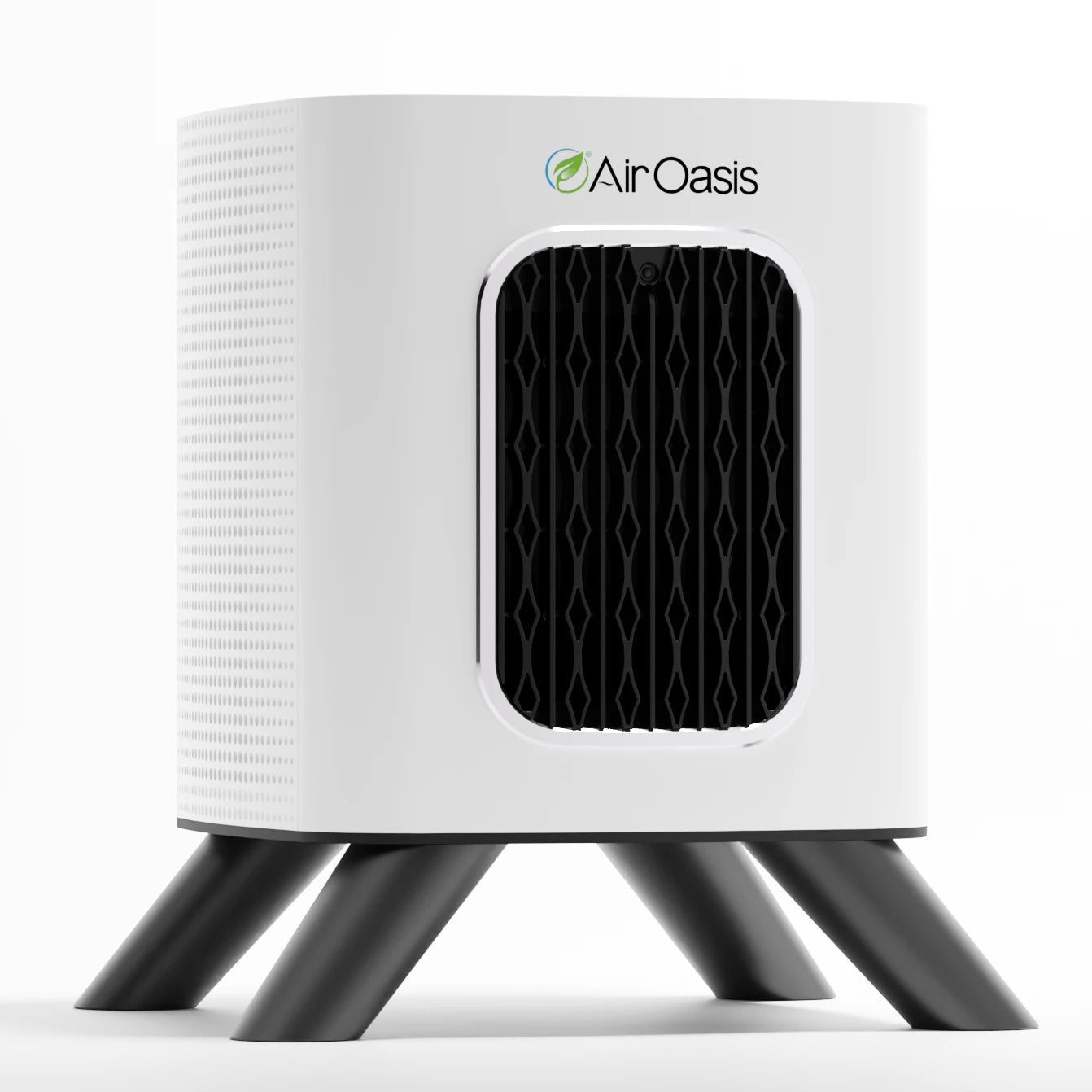
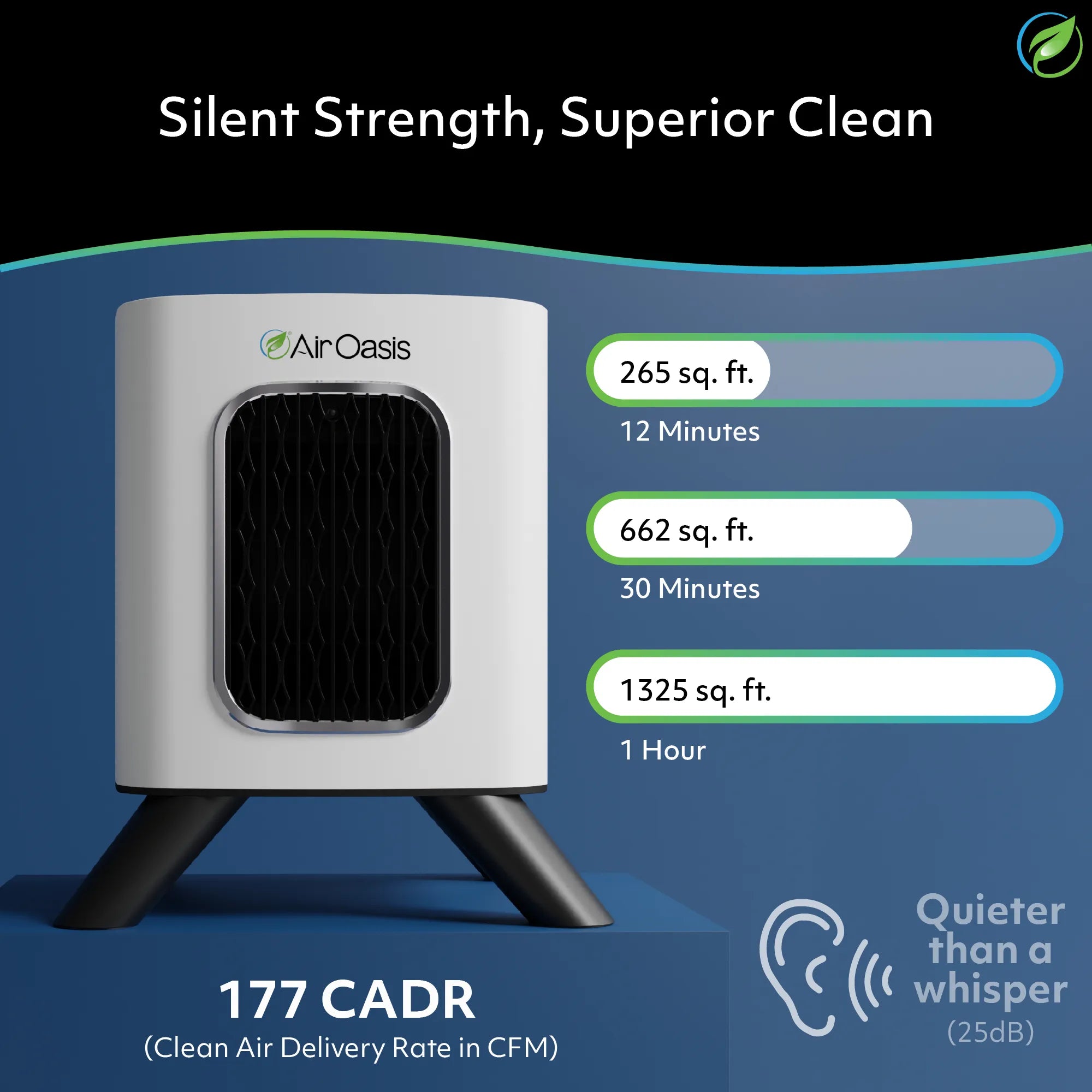
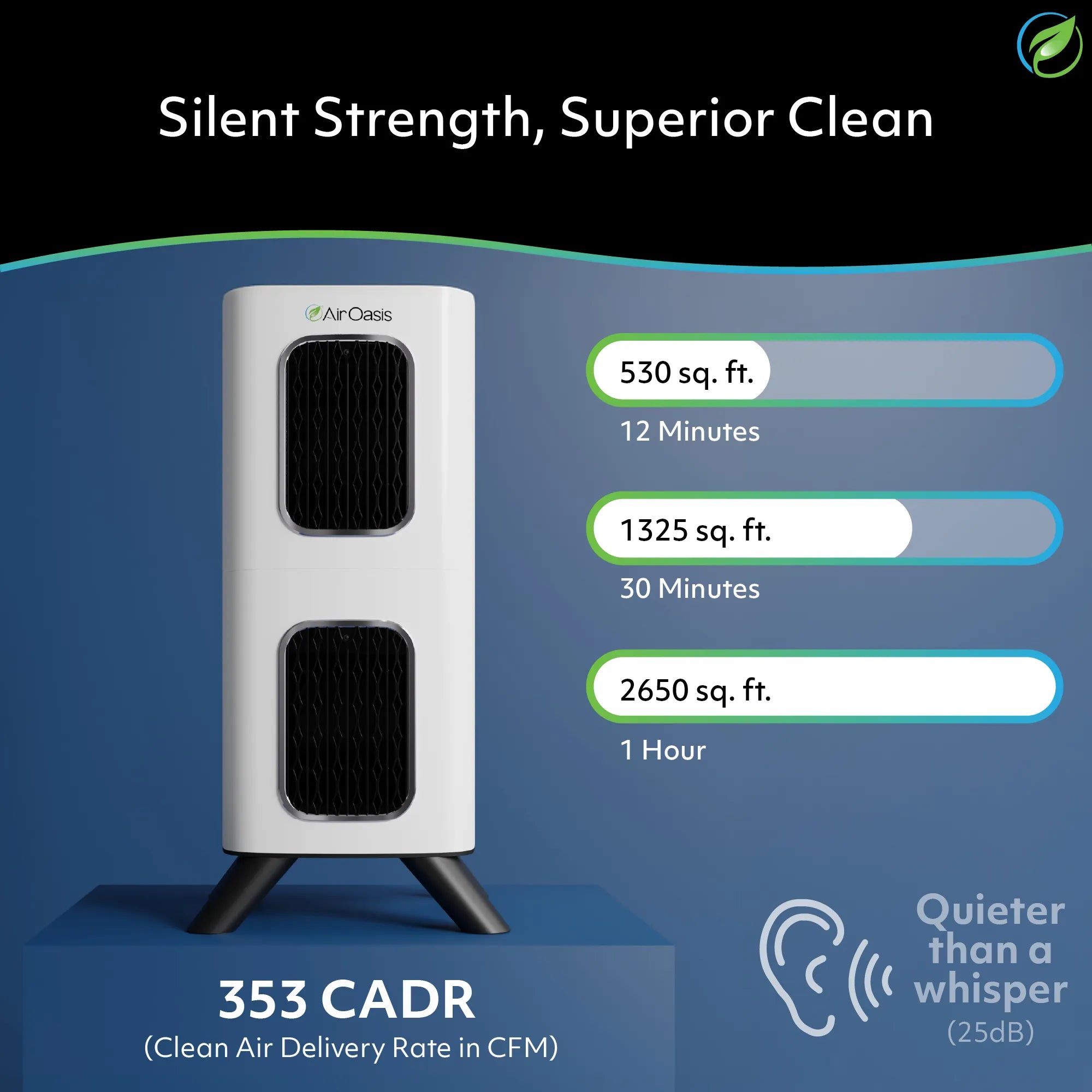
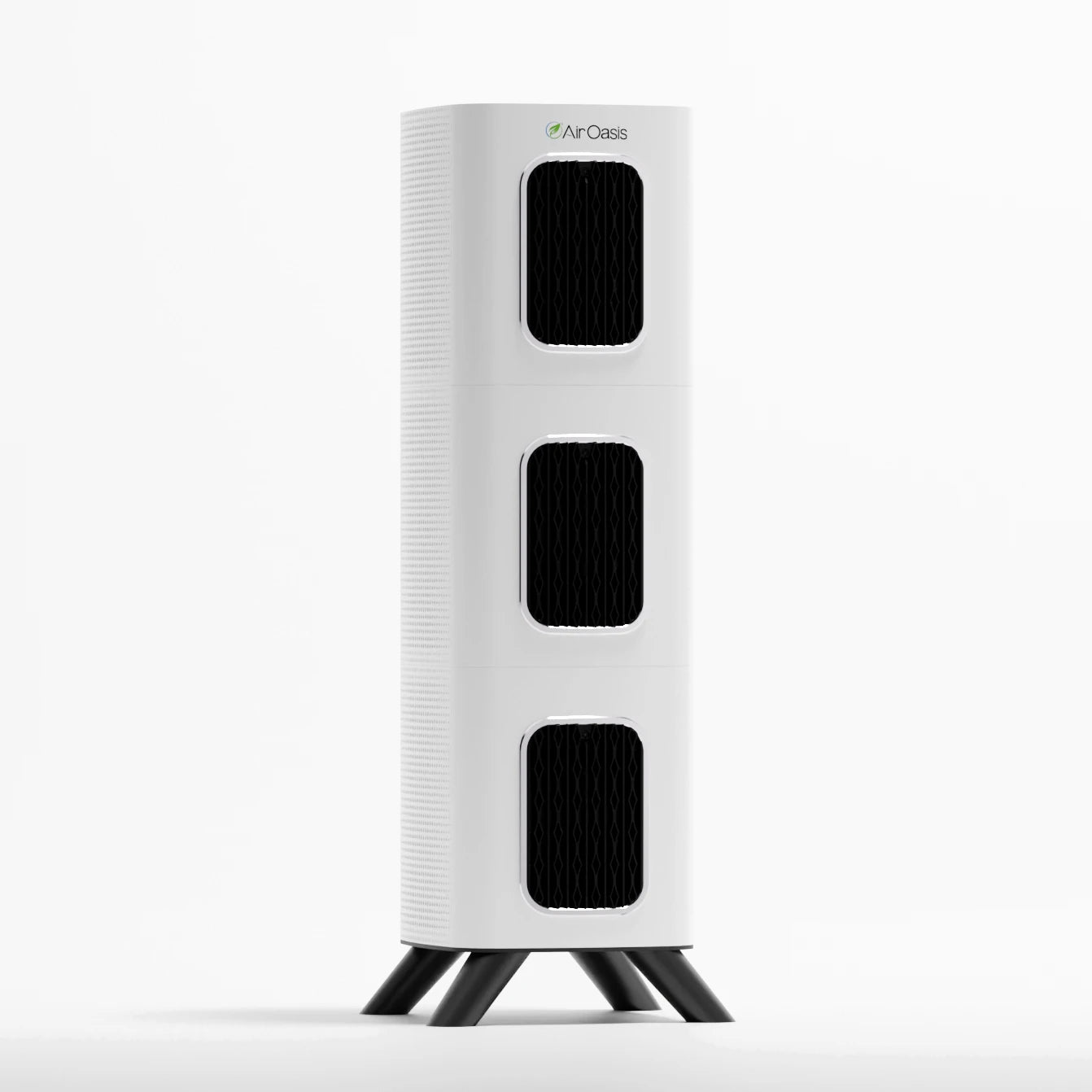
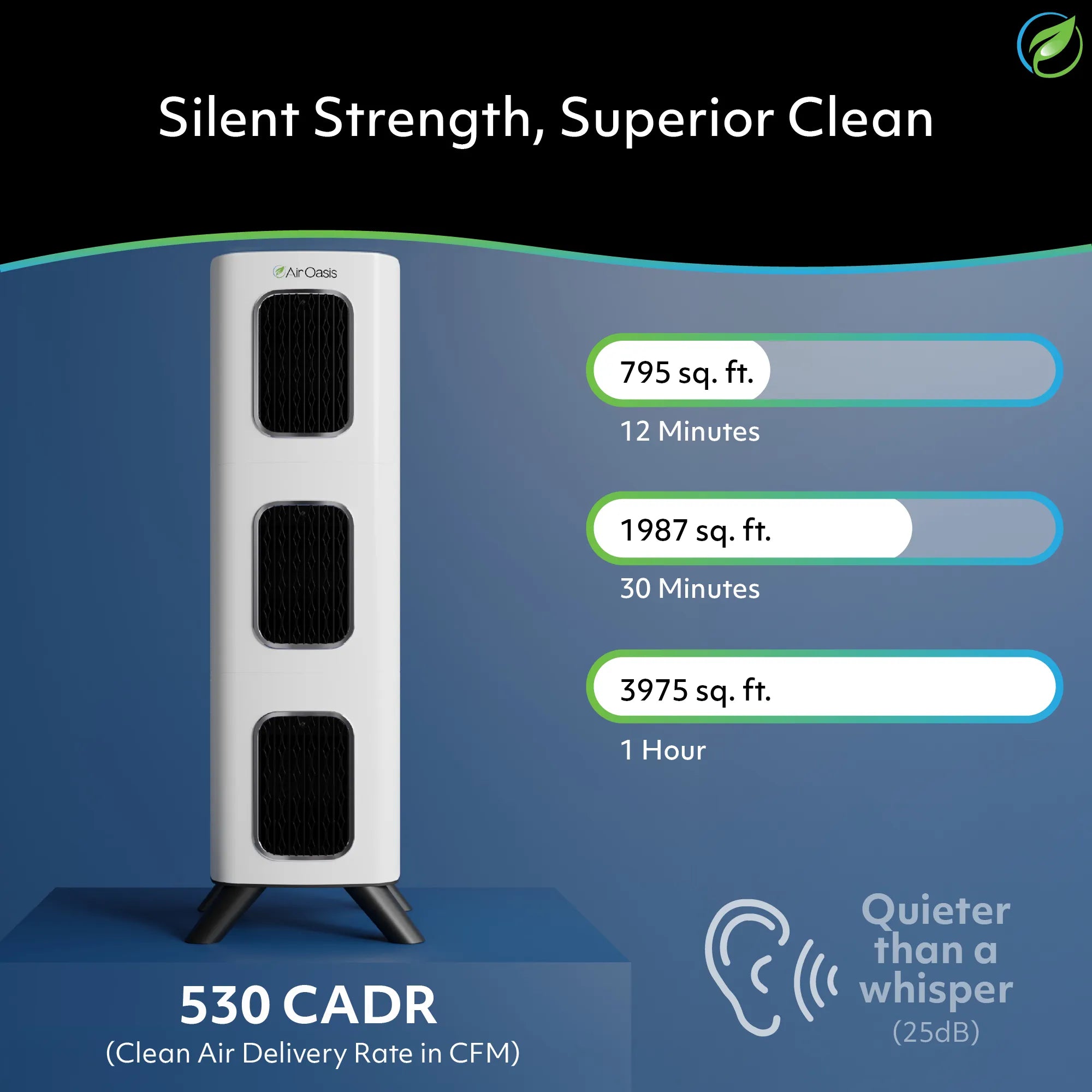
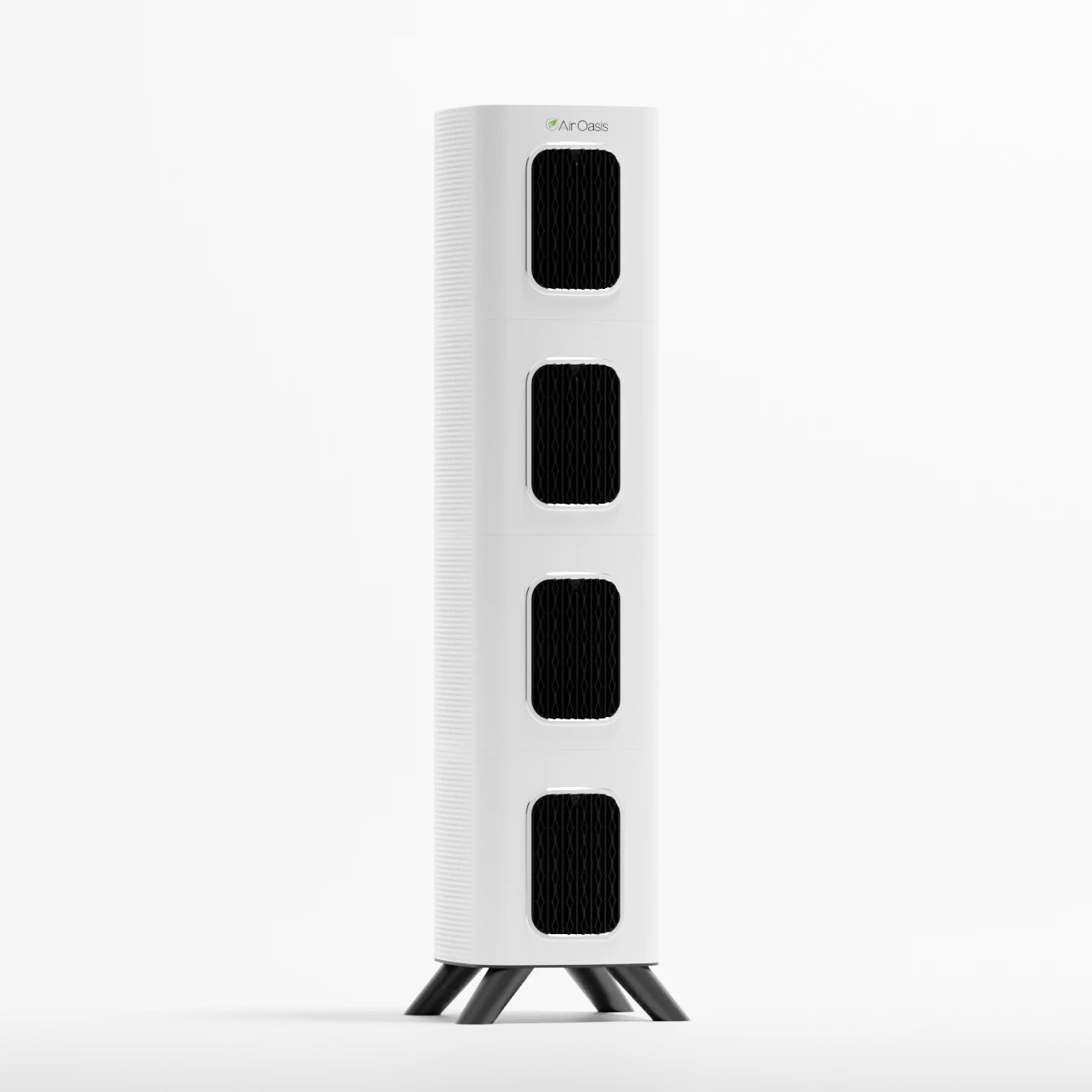
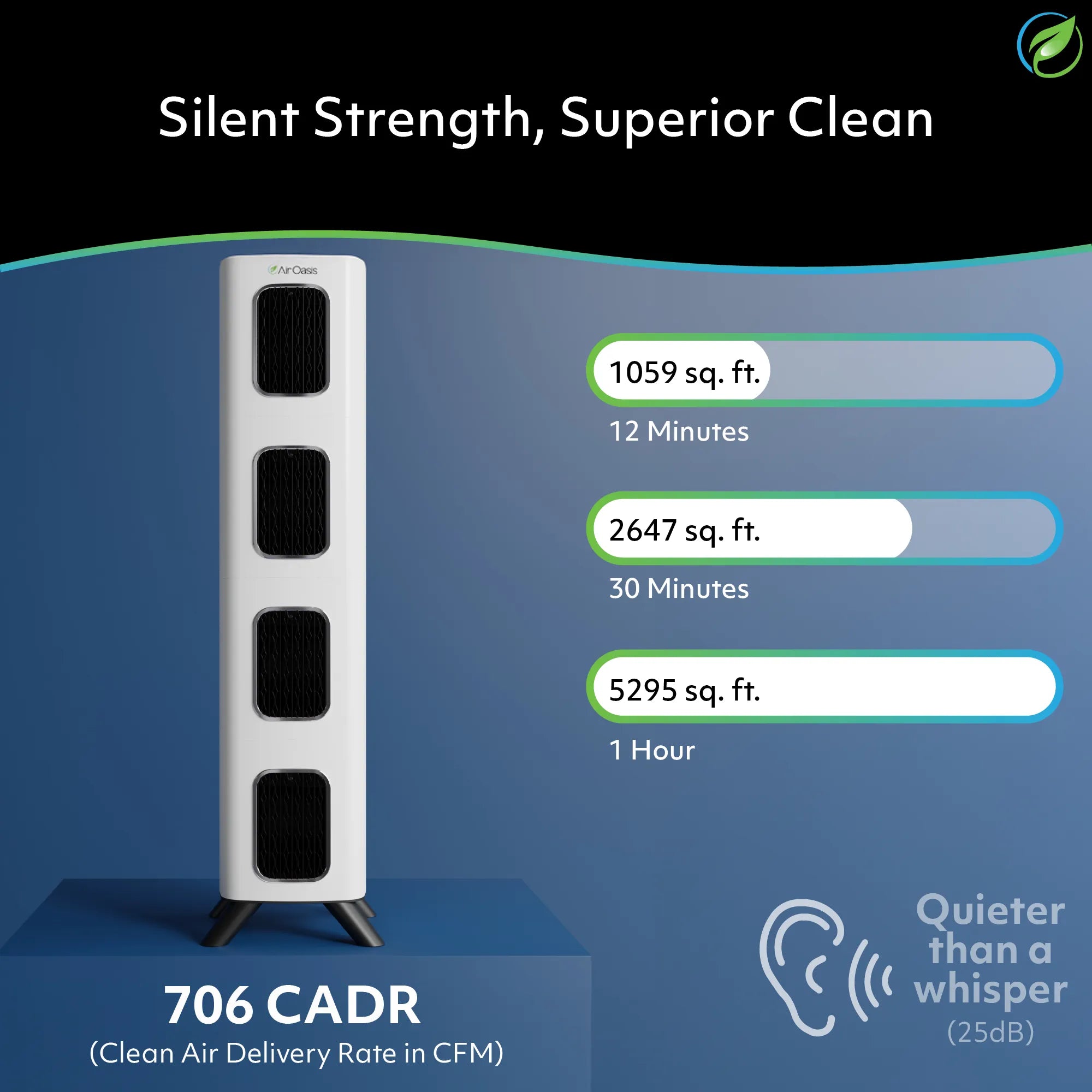
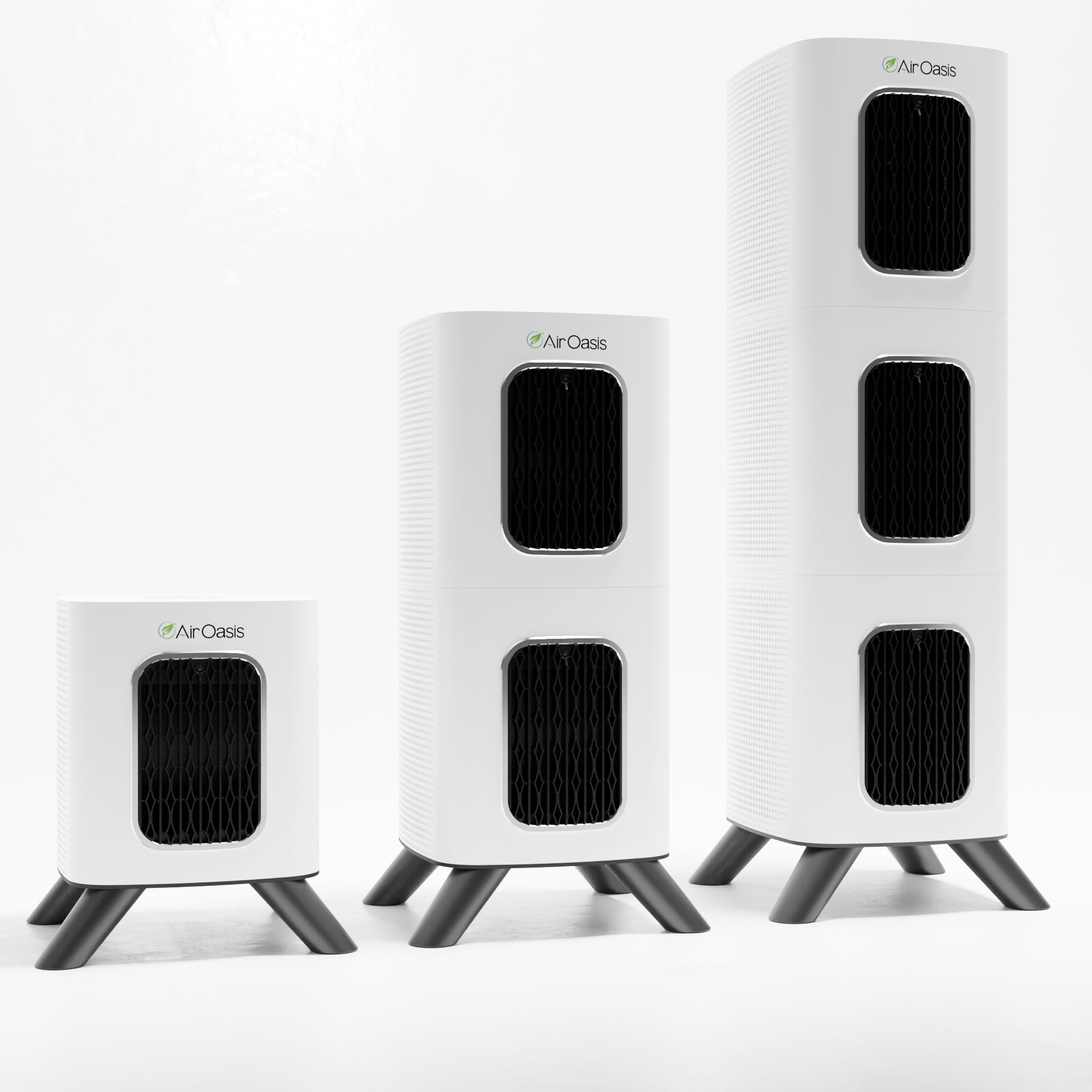
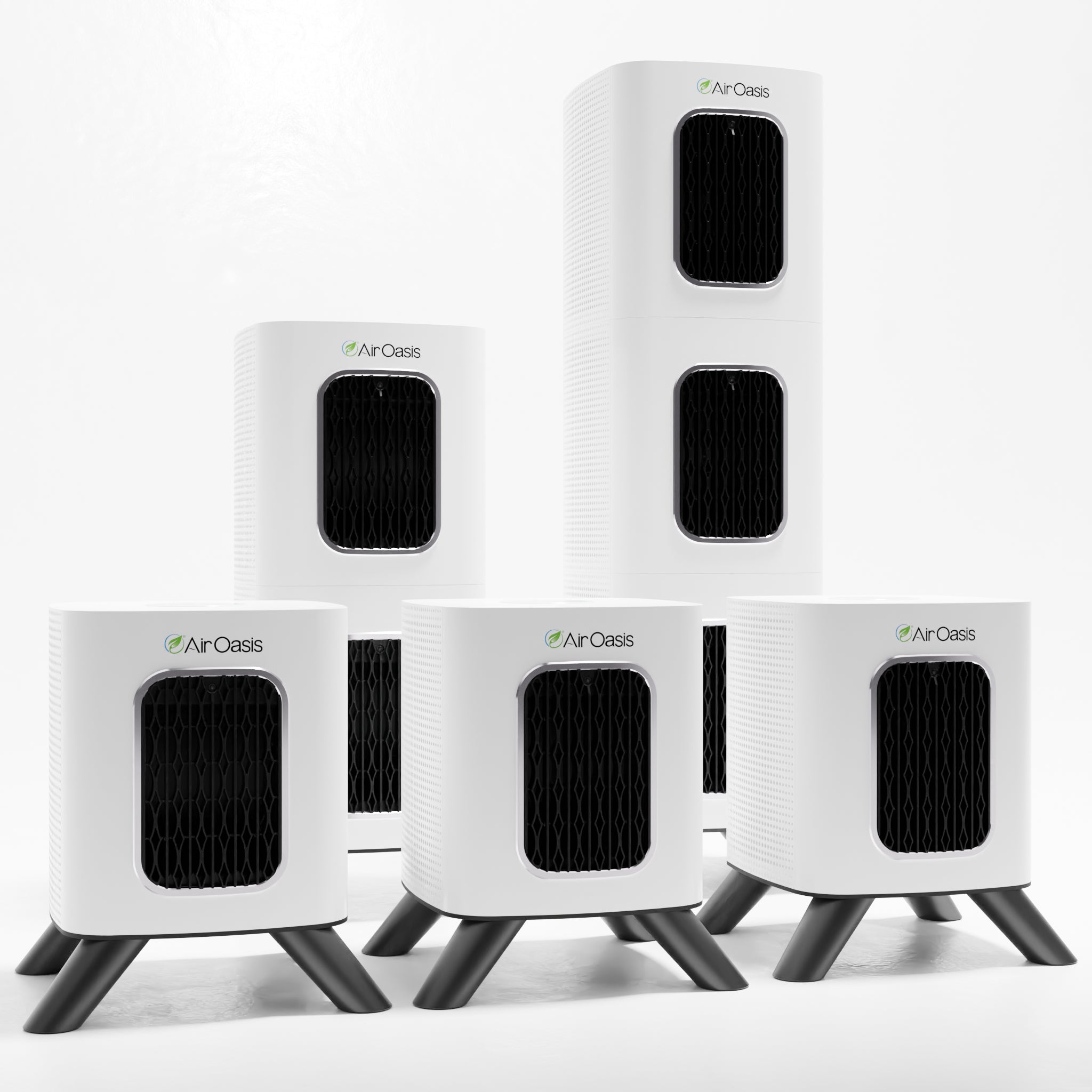
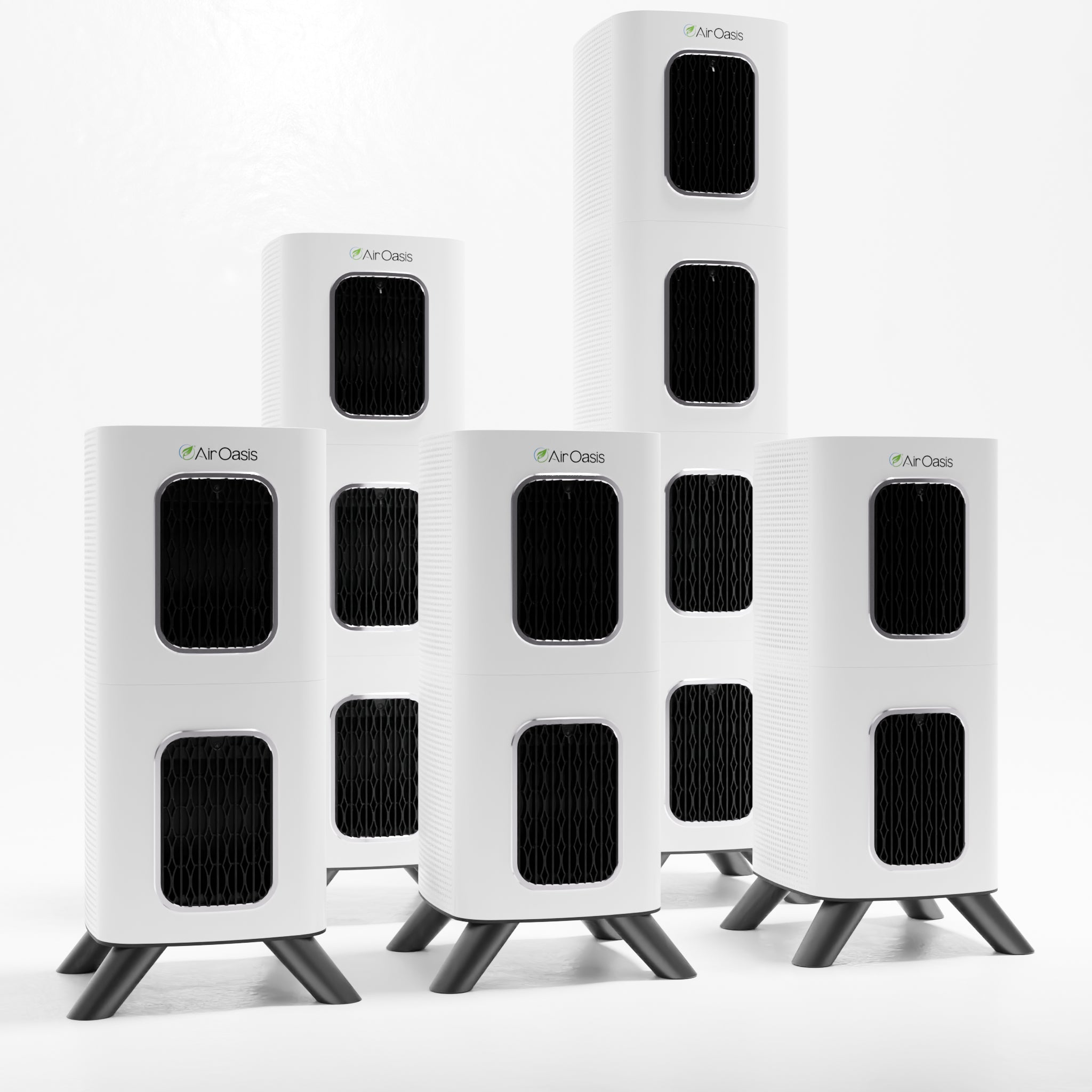
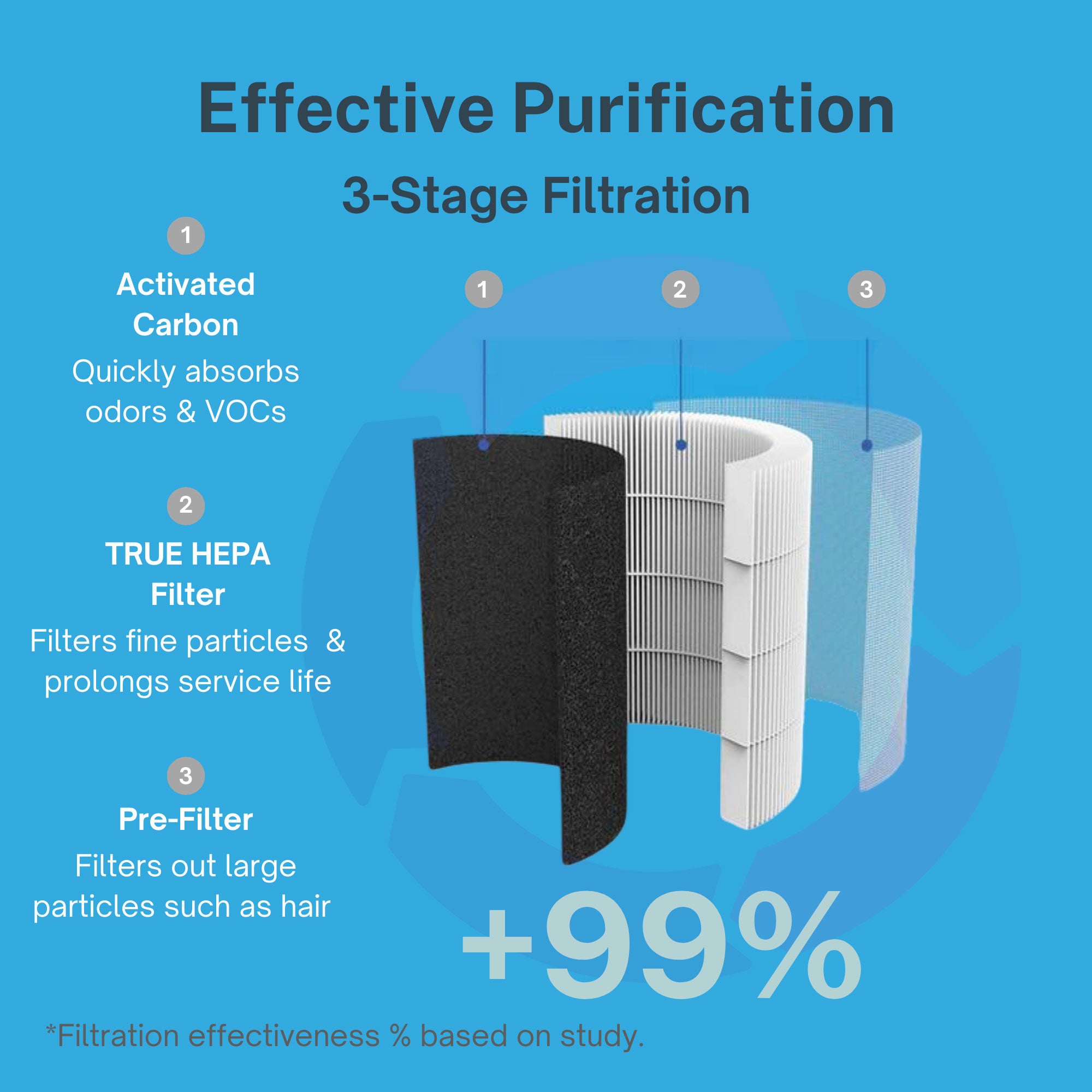
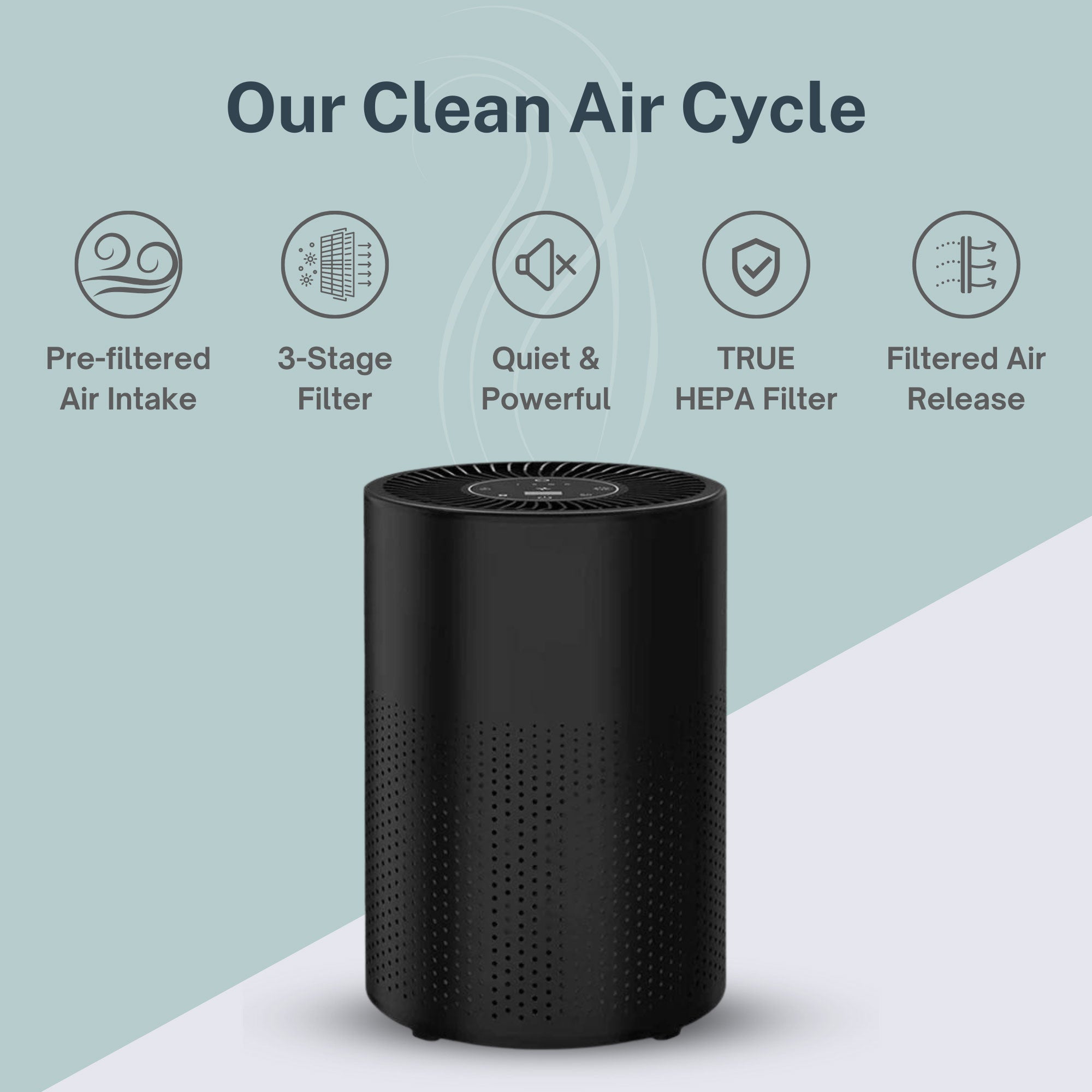
Medical-grade air purification addresses the root cause of morning allergy symptoms—contaminated bedroom air loaded with dust mites, pet dander, mold spores, and other allergens. The iAdaptAir system removes 99% of airborne allergens before they reach your respiratory system during those vulnerable nighttime hours.
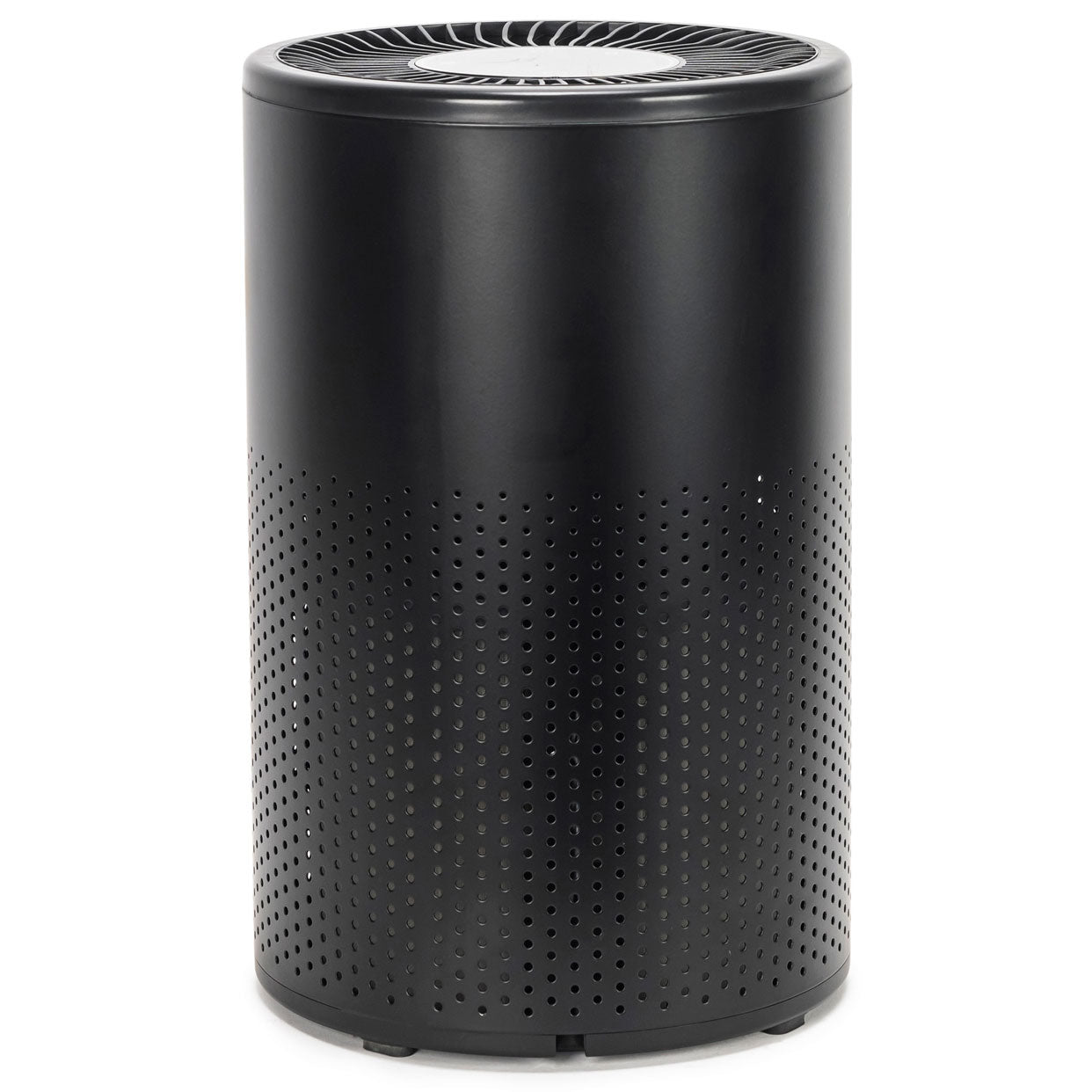
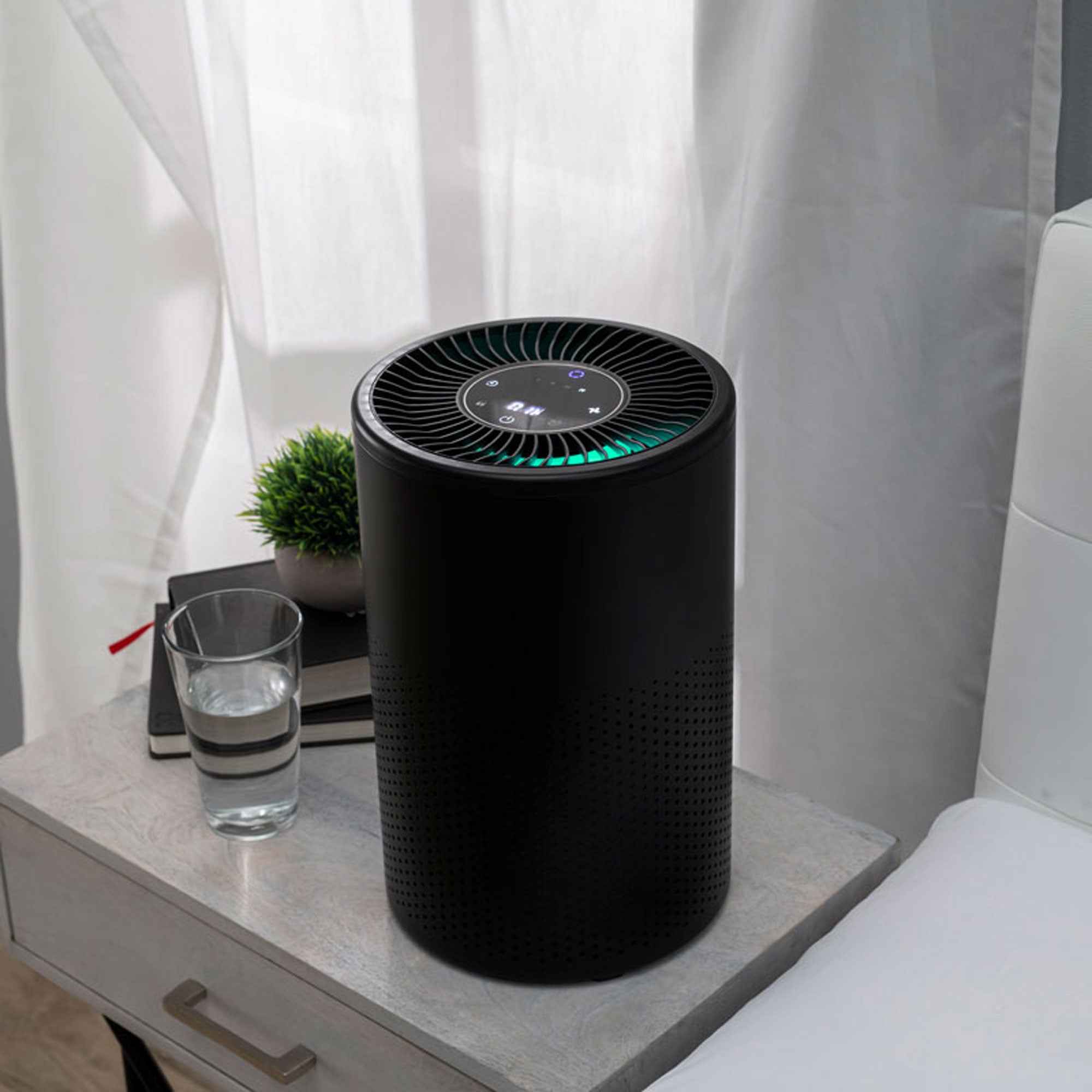
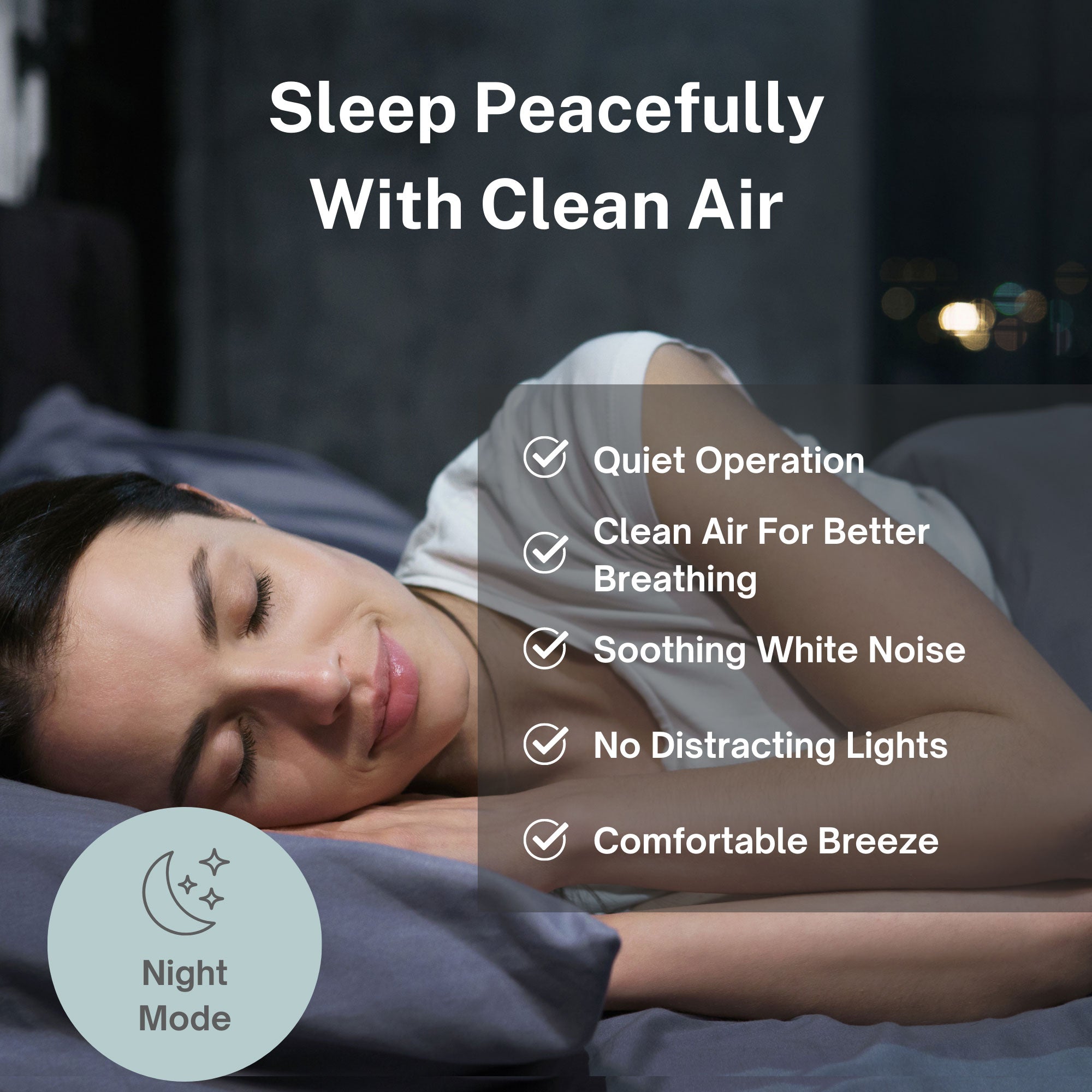
Run your air purifier in your bedroom. Let it work through the night, removing the particles that would otherwise accumulate and trigger morning misery. You'll wake breathing easier with clear sinuses and no sneezing fits.
Stop accepting morning allergy symptoms as inevitable. Clean bedroom air transforms how you start each day. Shop Air Oasis today and wake up breathing clearly tomorrow.