You're dealing with allergies and feeling miserable. Your antihistamine isn't working as well as usual. Your symptoms seem worse than they should be. Before you blame pollen counts or pet dander alone, check your water intake.
Dehydration affects your body's ability to handle allergens. When you're not drinking enough water, your allergy symptoms can intensify. The connection isn't obvious, but it's scientifically sound.
How Water Affects Histamine
Your body produces histamine when it encounters allergens. Histamine causes the sneezing, itching, and congestion you experience during allergic reactions. But histamine also plays another role in your body that most people don't know about.
Histamine helps regulate water distribution in your body. When you're dehydrated, your body increases histamine production to help retain whatever water you have left. This means you're producing more of the exact chemical that causes allergy symptoms.
Higher baseline histamine levels make you more reactive to allergens. Your body is already producing extra histamine from dehydration. Add allergen exposure, and your total histamine load becomes excessive. The result is worse symptoms than you'd experience if you were properly hydrated.
Think of it like filling a bucket. Dehydration fills your histamine bucket halfway. Allergen exposure adds more. The bucket overflows faster, triggering more intense symptoms. Proper hydration keeps the baseline level lower, giving you more capacity before symptoms appear.
Mucus Production Changes
Your mucus serves a critical protective function. It traps allergens, dust, and other particles before they can penetrate deeper into your respiratory system. Healthy mucus is thin enough to flow properly but thick enough to capture particles effectively.
Dehydration thickens your mucus dramatically. Without enough water, your body can't produce the thin, flowing mucus that efficiently traps and removes allergens. Instead, you get thick, sticky mucus that doesn't move well. This thick mucus clogs your sinuses and nasal passages.
Allergens that would normally get trapped and expelled instead sit in your airways longer. The extended exposure time means more allergen particles contact your mucous membranes. More contact equals stronger allergic reactions.
Thick mucus also creates the perfect environment for bacteria growth. While this doesn't directly worsen allergies, it can lead to sinus infections that compound your misery. You end up dealing with both allergic symptoms and bacterial complications.
Nasal Passage Irritation
Your nasal passages need moisture to function properly. The membranes lining your nose contain tiny hair-like structures called cilia that sweep particles and mucus out of your airways. These cilia depend on adequate hydration to work effectively.
Dehydration dries out these delicate membranes. Dry nasal passages become irritated and inflamed even without allergen exposure. Add allergens to already irritated tissues and you get amplified symptoms. The inflammation from dehydration plus the inflammation from allergies creates a compounding effect.
Dry nasal passages also crack and develop tiny abrasions. These microscopic injuries make your tissues more permeable to allergens. Particles that would normally bounce off healthy membranes can penetrate damaged tissue more easily, triggering stronger immune responses.
Immune System Function
Your immune system requires proper hydration to function optimally. Water helps transport nutrients to immune cells and removes waste products from cellular metabolism. Dehydration impairs both processes.
When dehydrated, your immune system becomes less discriminating. It overreacts to threats, including harmless substances like pollen or pet dander. This exaggerated response translates to worse allergy symptoms. Your body is essentially on high alert, responding more aggressively to every trigger.
Blood becomes thicker when you're dehydrated. This viscosity change affects circulation and slows the delivery of immune system components to where they're needed. Paradoxically, this can lead to both slower allergen clearance and more intense localized reactions.
Sleep Quality Impact
Dehydration disrupts sleep quality. Poor sleep weakens your immune system and makes you more susceptible to allergic reactions the following day. You enter a cycle where dehydration causes poor sleep, which worsens allergies, which disrupts sleep further.
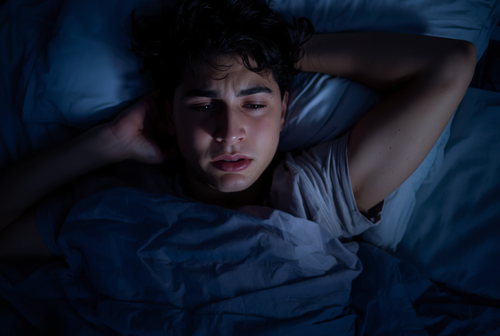
Nighttime dehydration is particularly problematic for allergy sufferers. Your body performs important repair and immune regulation during sleep. Without adequate hydration, these processes don't work efficiently. You wake up with worse congestion and more severe symptoms than you went to bed with.
How Much Water Do You Need
The old "eight glasses a day" rule provides a general guideline, but individual needs vary based on body size, activity level, climate, and overall health. A better indicator is your urine color. Pale yellow indicates good hydration. Dark yellow or amber suggests you need more water.
During allergy season, you might need more water than usual. Your body uses extra fluids to produce the increased mucus that helps trap allergens. Antihistamines can be dehydrating, requiring additional water intake to compensate.
Spread your water consumption throughout the day rather than chugging large amounts at once. Steady intake maintains consistent hydration levels. Drinking too much too fast just sends excess water straight to your bladder without hydrating your tissues effectively.
Signs Your Allergies Are Dehydration-Related
Certain patterns suggest dehydration is worsening your allergies. Symptoms that spike in the afternoon often indicate inadequate water intake earlier in the day. Feeling worse after exercise or time outdoors in heat suggests fluid loss is contributing to symptoms.
Dry mouth, decreased urination, headaches, and fatigue alongside allergy symptoms point to dehydration as a contributing factor. If increasing water intake noticeably improves your allergy symptoms within a day or two, dehydration was likely playing a significant role.
Beyond Just Drinking Water
Humidity levels in your home affect your hydration status through your respiratory system. Dry indoor air pulls moisture from your nasal passages and airways. Using humidifiers during heating season helps maintain respiratory hydration even if you're drinking adequate water.
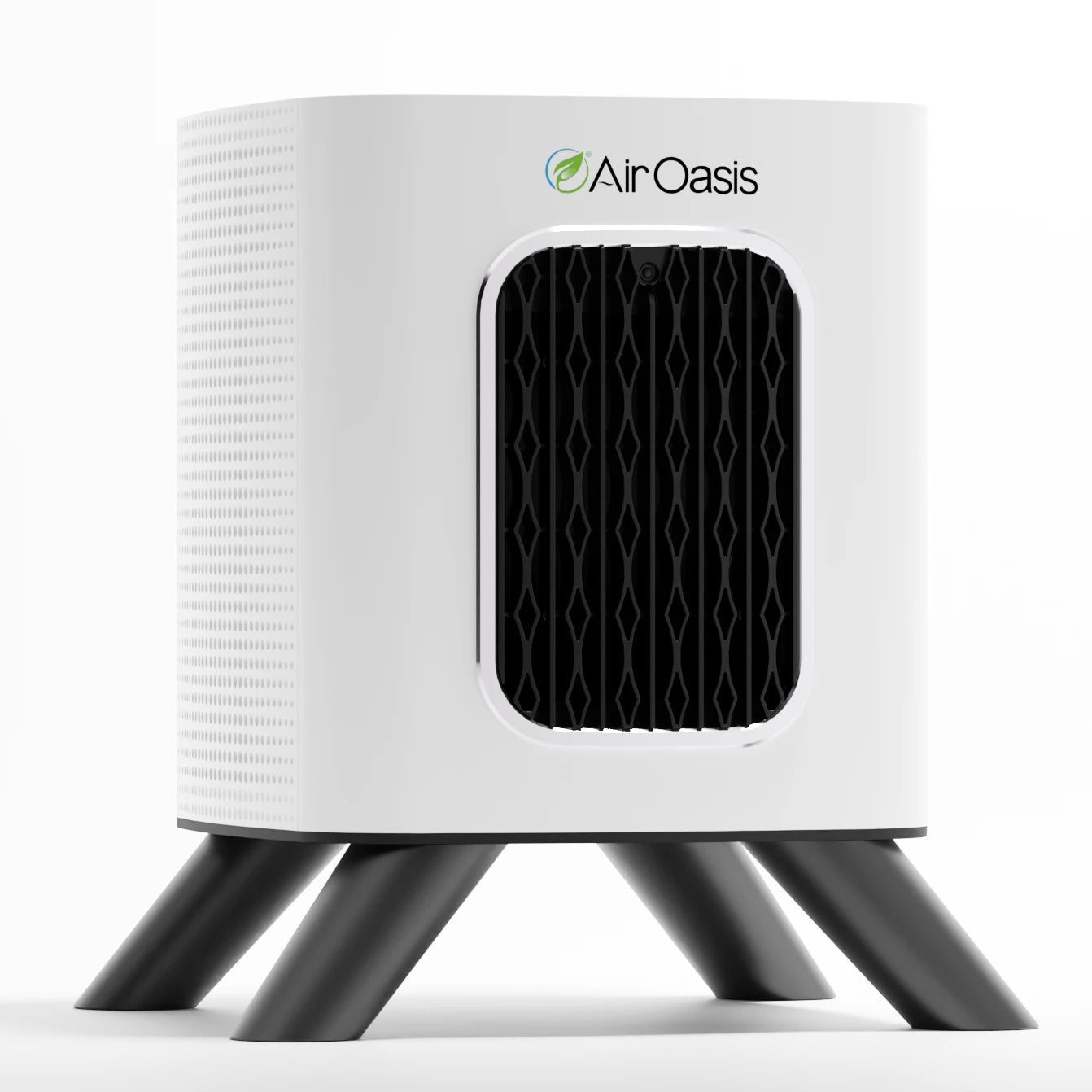
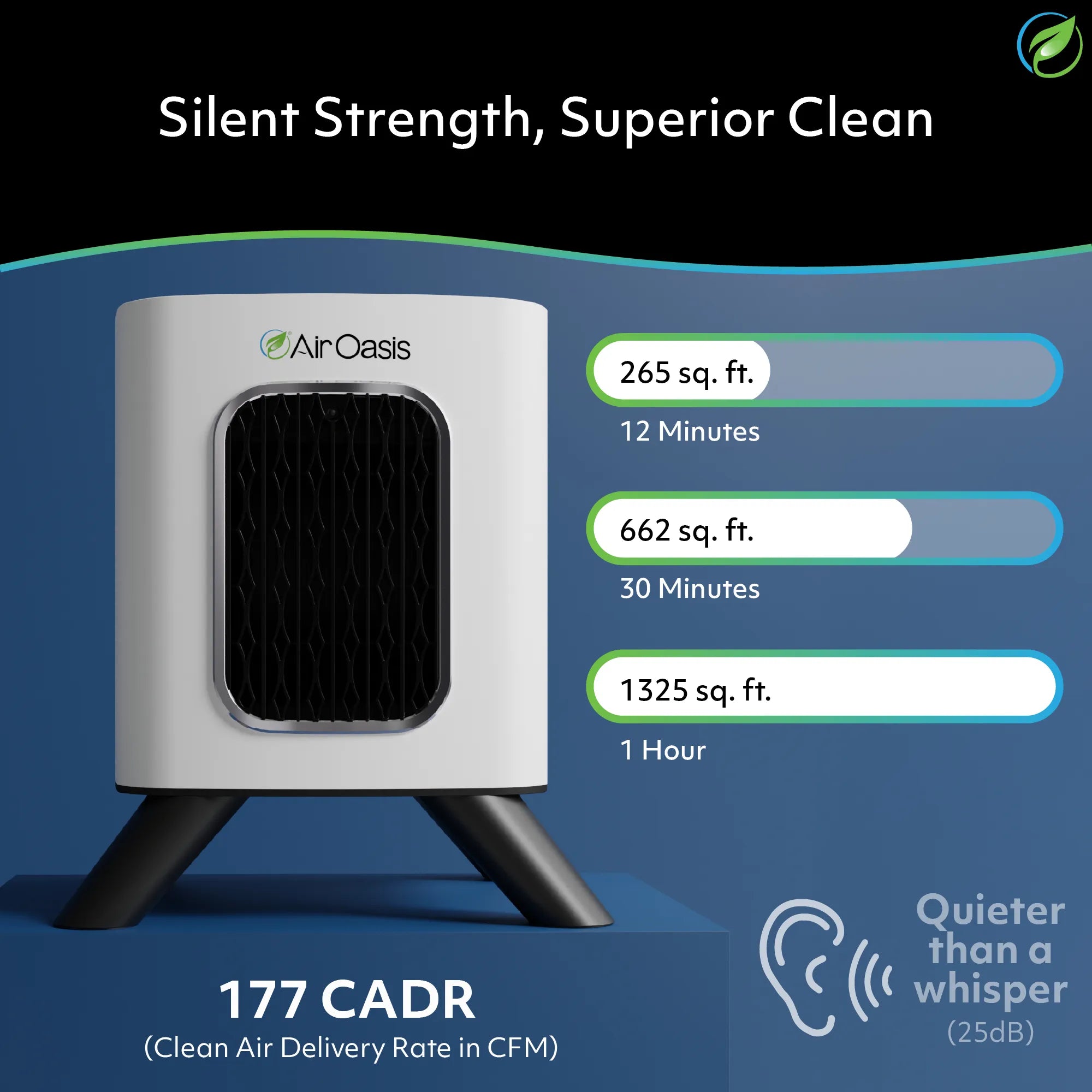
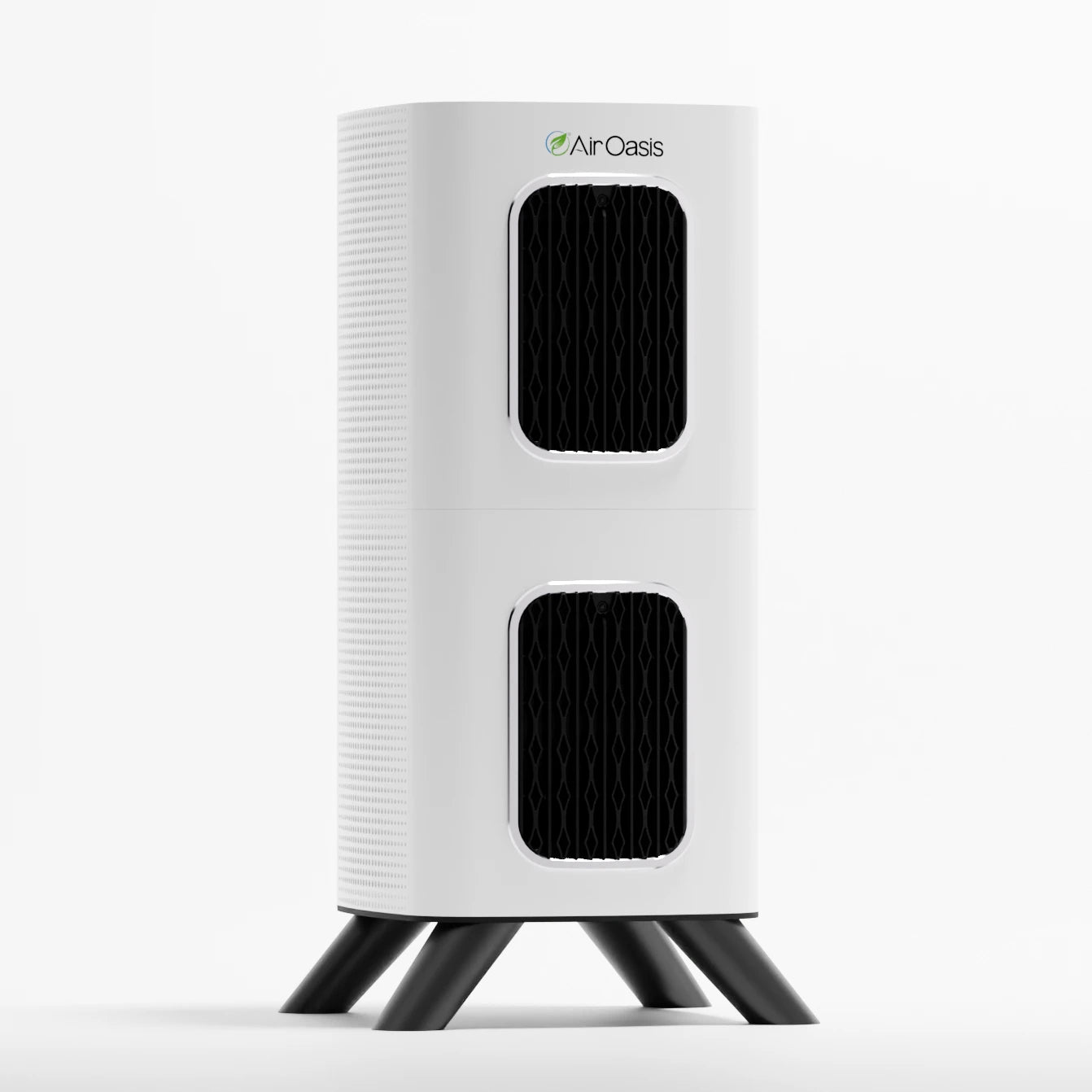
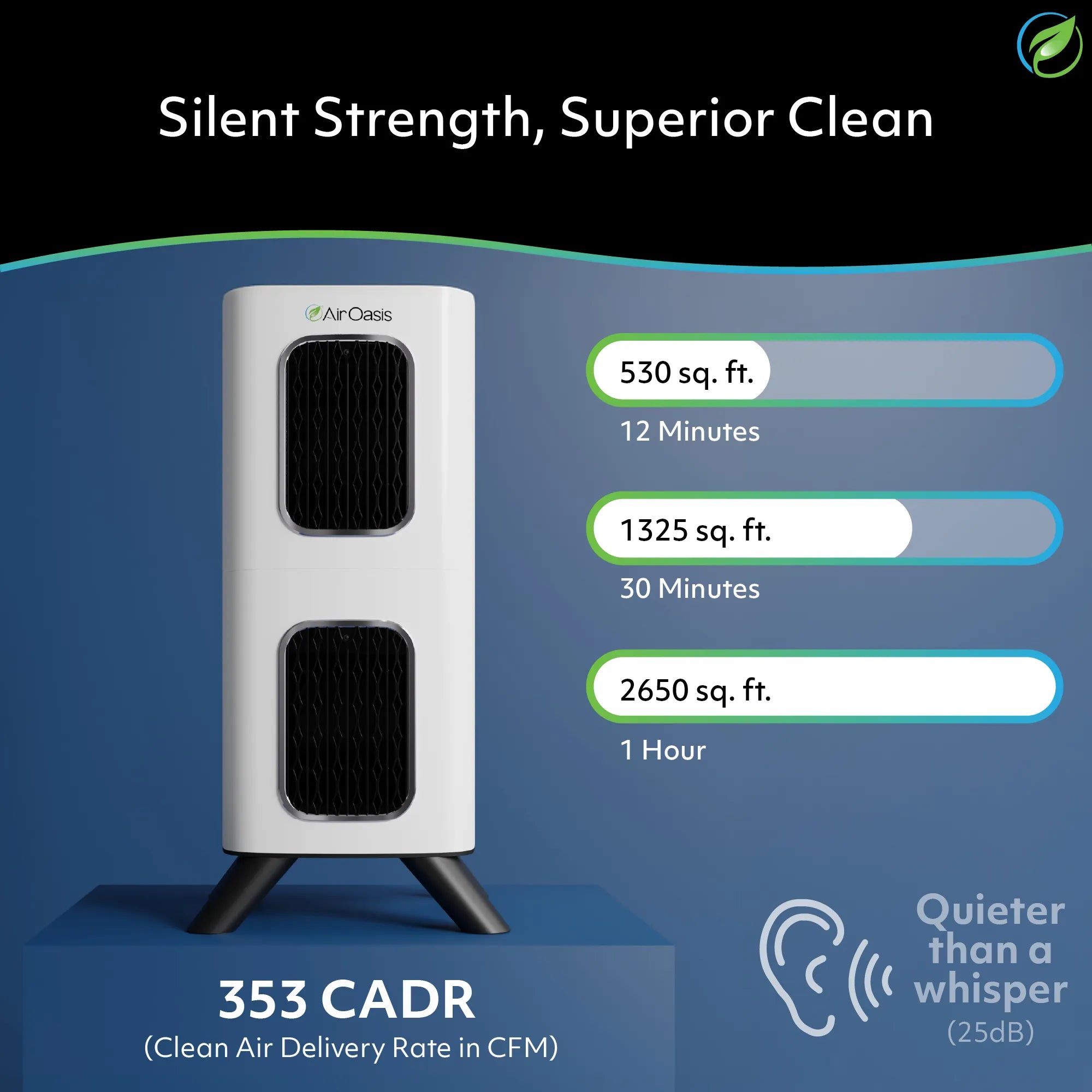
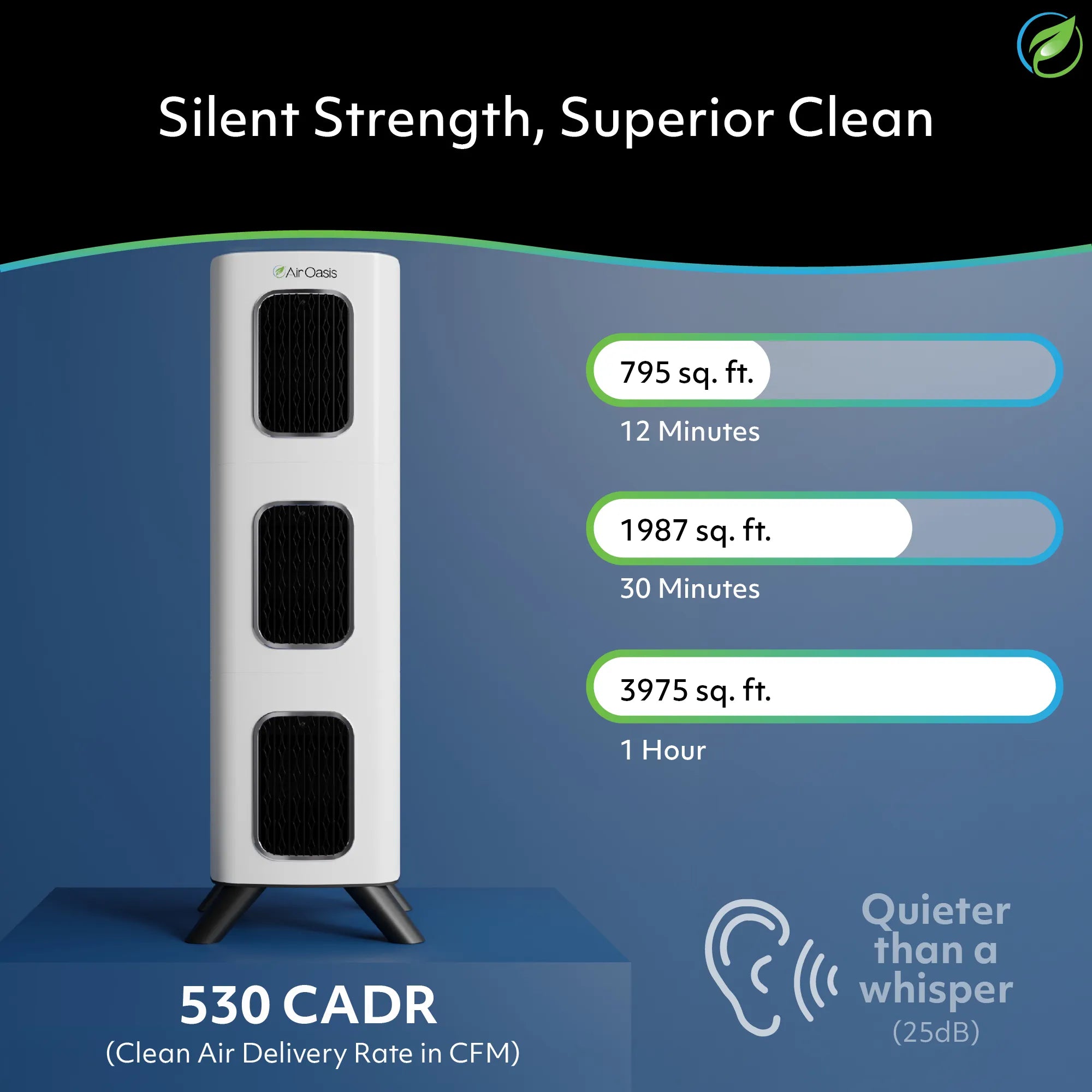
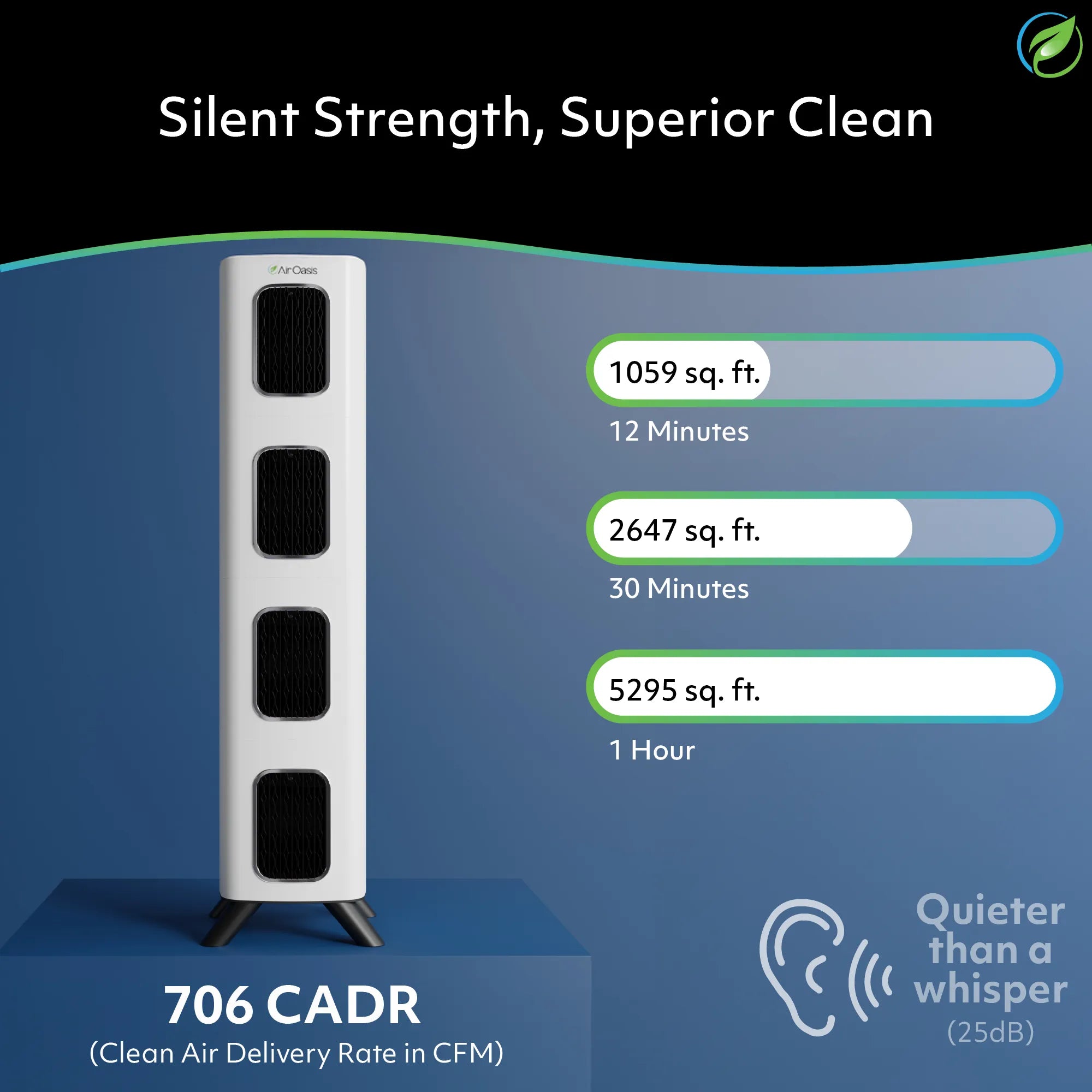
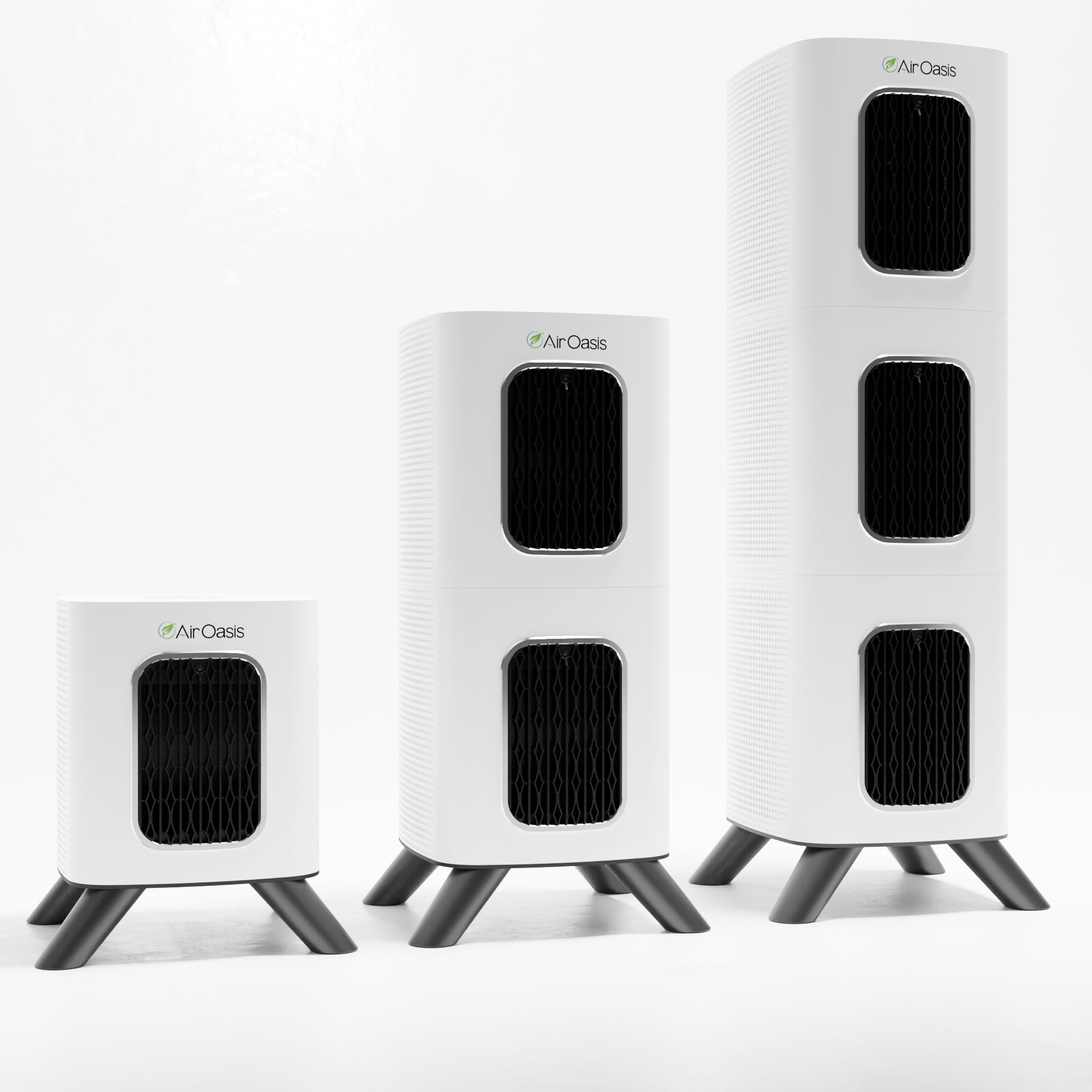
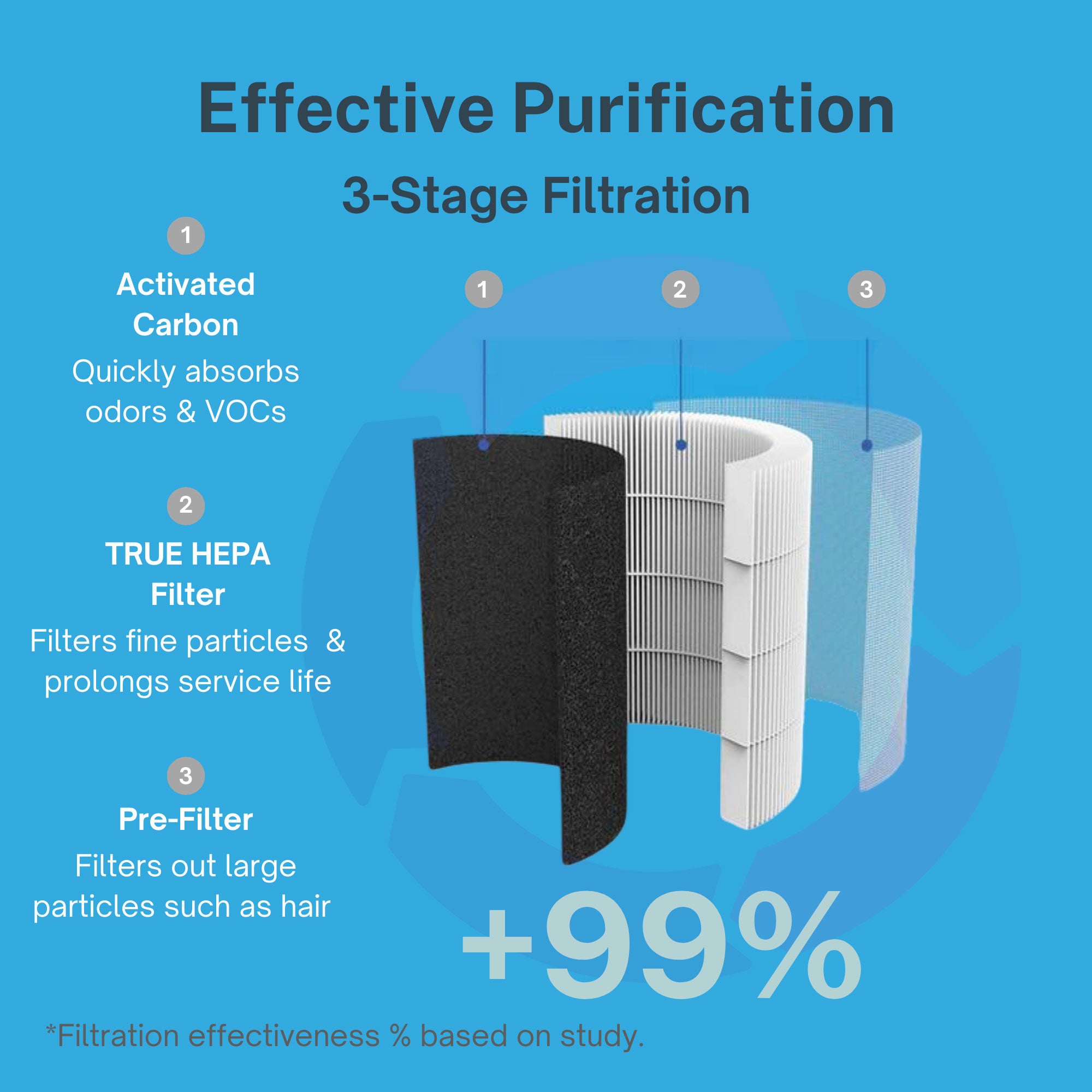
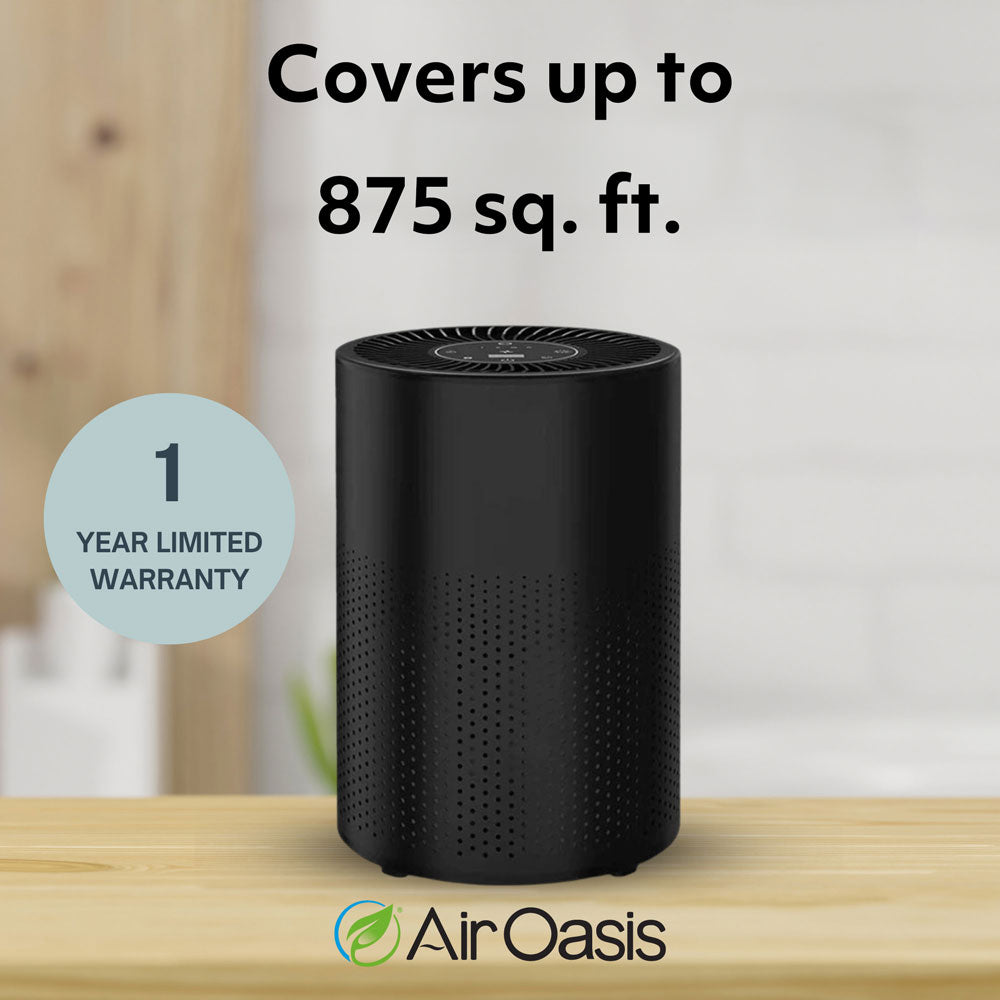
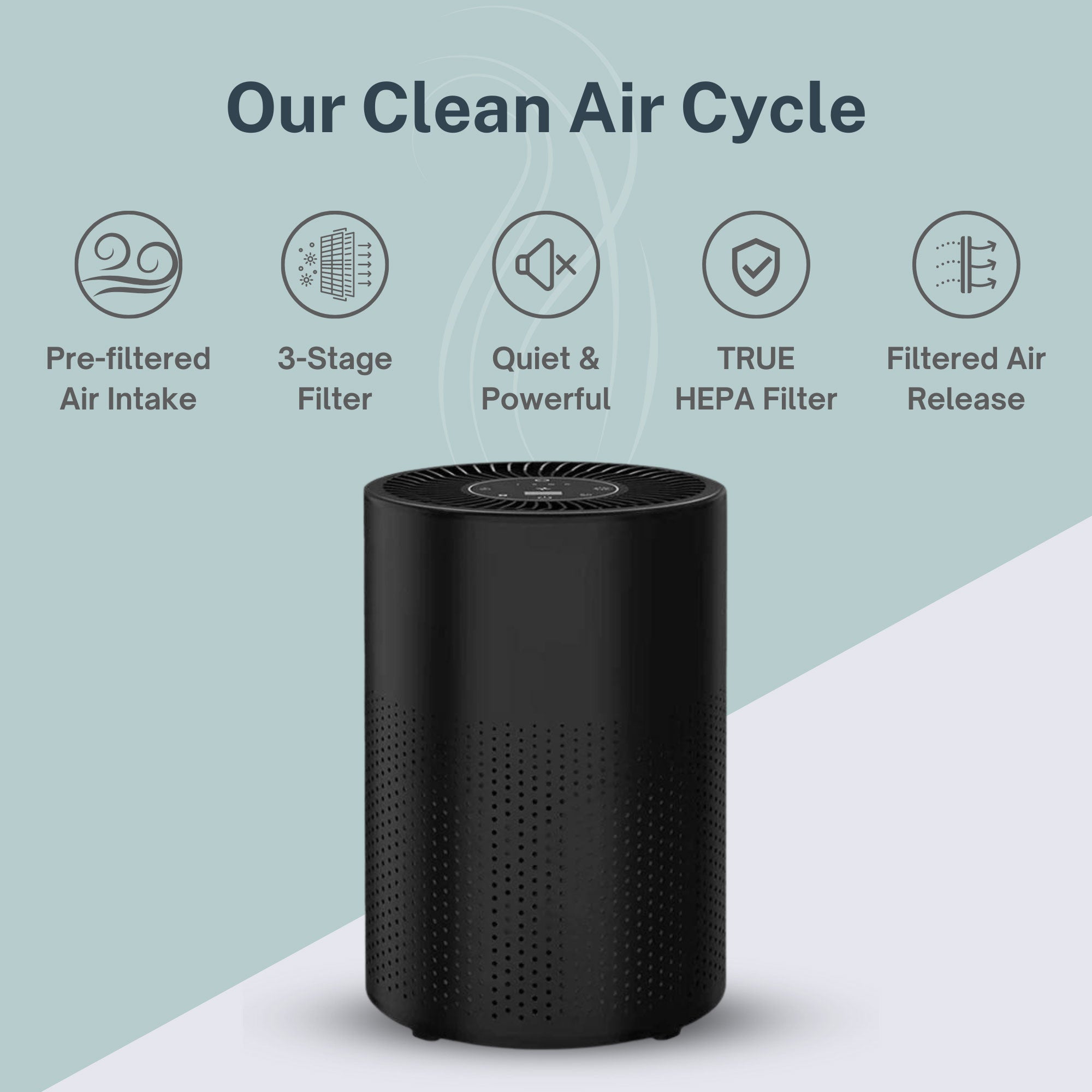
Air purification works alongside proper hydration to manage allergies effectively. While water helps your body handle allergens better, removing allergens from your air reduces the total load your body must process. Clean air means fewer particles for your mucus to trap and your immune system to fight.
The Hydration-Allergy Connection
Dehydration doesn't cause allergies, but it absolutely makes them worse. Your body needs water to produce effective mucus, regulate histamine properly, and maintain healthy immune function. Without adequate hydration, even minor allergen exposure can trigger disproportionate symptoms.
Managing allergies effectively requires a comprehensive approach. Proper hydration supports your body's natural defenses. Clean indoor air reduces allergen exposure. Together, these strategies provide better symptom control than either approach alone.
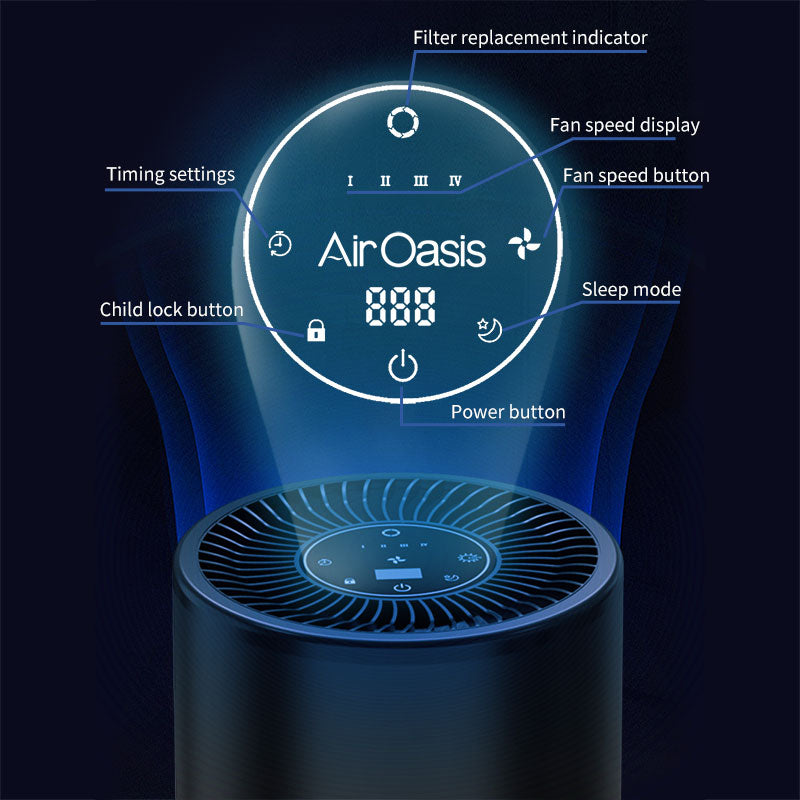
Ready to breathe easier this allergy season? Combine proper hydration with medical-grade air purification that removes allergens before they trigger symptoms. Shop Air Oasis today and give your body the clean air it needs to function at its best.