You're having a terrible week at work. Deadlines are piling up. Your boss is demanding. Sleep is scarce. And suddenly, your allergies are unbearable. Your nose won't stop running. You're sneezing constantly. Your eyes are itching more than usual.
This isn't a coincidence. Stress directly impacts how your body responds to allergens. The connection between your emotional state and your physical allergy symptoms is real and scientifically documented.
The Stress-Allergy Research
A study published in Annals of Allergy, Asthma & Immunology established the first clear link between emotional stress and allergy flares. Researchers at Ohio State University tracked 179 employees over 12 weeks, monitoring their stress levels and allergy symptoms daily.
The results were striking. Thirty-nine percent of participants reported allergy symptoms during the study. This group consistently showed higher perceived stress scores than people without allergies. More importantly, participants who recalled higher emotional stress levels from the preceding week experienced significantly more days of allergy flares.
The connection wasn't immediate. High stress on a single day didn't necessarily trigger allergies that same day. Instead, persistent stress over time created a cumulative effect. The longer people experienced elevated stress, the more frequent their allergy symptoms became.
Negative mood also correlated strongly with allergy flares. People experiencing more allergy symptoms felt more upset, irritable, and afraid over the course of the study. While allergies clearly affect mood, researchers couldn't rule out that negative emotions might also help trigger symptoms.
How Stress Amplifies Allergies
Your stress response exists to protect you from danger. When your brain perceives a threat, it signals your adrenal glands to release stress hormones, including cortisol and adrenaline. Your heart pounds faster. Blood pressure rises. Blood vessels constrict to send more blood to your brain and muscles. Your breathing quickens to deliver oxygen where it's needed.
This response helps you handle immediate threats. But chronic stress keeps these hormones elevated continuously. Your body stays in a heightened state of alert. This constant activation profoundly affects your immune system.
Stress hormones ramp up immune responses. Your immune system becomes hypervigilant, overreacting to everything it encounters. When you're stressed and encounter allergens, your already-activated immune system launches an exaggerated attack. The battle becomes fiercer. The symptoms become worse.
Higher histamine production under stress makes this worse. Histamine is the chemical that causes your allergy symptoms. Stress increases baseline histamine levels before you even encounter allergens. Add pollen or pet dander on top of stress-elevated histamine, and your total histamine load becomes overwhelming.
The Psychological Component
Stress amplifies your emotional reaction to symptoms. Harvard Medical School researchers note that stress intensifies your reaction to physical discomfort. When you're stressed about work, relationships, or finances, everything feels worse, including your allergies.
This psychological effect is separate from the physical worsening of symptoms. You're not imagining that your allergies are worse. They actually are worse physiologically. But stress also makes you less able to cope with the discomfort. You have less patience, less resilience, and less capacity to handle symptoms that might only mildly annoy you on a calm day.
Quality of life deteriorates when stress and allergies collide. You're dealing with reduced sleep from congestion. You're managing work pressure despite brain fog from antihistamines. You're trying to concentrate while sneezing constantly. Each stressor compounds the others, creating a cycle that's hard to escape.
Breaking the Cycle
Reducing stress may directly improve allergy symptoms. While research hasn't definitively proven that lowering stress reduces physical allergy responses, the mind-body connection suggests it should. Lower stress means lower stress hormone levels. Lower stress hormones should mean less immune system overdrive.
Exercise is one of the most effective methods for reducing stress. Physical activity that gets your heart and lungs working helps naturally lower stress hormone levels. Regular exercise also improves sleep quality, which further reduces stress and potentially eases allergy symptoms.
The relaxation response offers another powerful tool. This physiological state is the opposite of the stress response. You can trigger it through meditation, deep breathing exercises, or progressive muscle relaxation. Regular practice lowers blood pressure, heart rate, breathing rate, and cortisol levels.
Mindfulness practices help many people manage both stress and allergies. The Ohio State study was actually part of a larger investigation into how meditation affects health symptoms. While the specific effects on allergies weren't the primary focus, mindfulness generally helps people respond to stressors more effectively.
Therapy provides benefits when stress stems from specific life situations. Talking through problems with a professional helps you develop coping strategies. Cognitive behavioral therapy specifically teaches you to recognize and change thought patterns that increase stress.
Practical Stress Management
Setting boundaries protects you from unnecessary stress. Learn to say no to additional commitments when your plate is already full. Delegate tasks when possible. Ask for help before you're drowning. These simple actions prevent stress from accumulating to levels that worsen your allergies.
Sleep becomes even more critical when you're dealing with both stress and allergies. Aim for seven to nine hours nightly. Poor sleep increases stress hormones and makes allergy symptoms worse. Congestion from allergies disrupts sleep, which increases stress, which worsens allergies. Breaking this cycle requires prioritizing sleep quality.
Time management reduces daily stress significantly. Planning ahead, maintaining organized systems, and tackling important tasks when you have the most energy prevents the panic of last-minute rushes. Chronic rushing and deadline pressure keep stress hormones elevated continuously.
Social connections buffer against stress. Spending time with friends and family provides emotional support that helps you handle difficult situations. Isolation increases stress and removes one of your natural stress-management resources.
Managing Both Together
Treating allergies properly while addressing stress creates the best results. Use recommended allergy medications consistently rather than waiting until symptoms are severe. Corticosteroid nasal sprays work best when used daily throughout allergy season, not just on bad days.
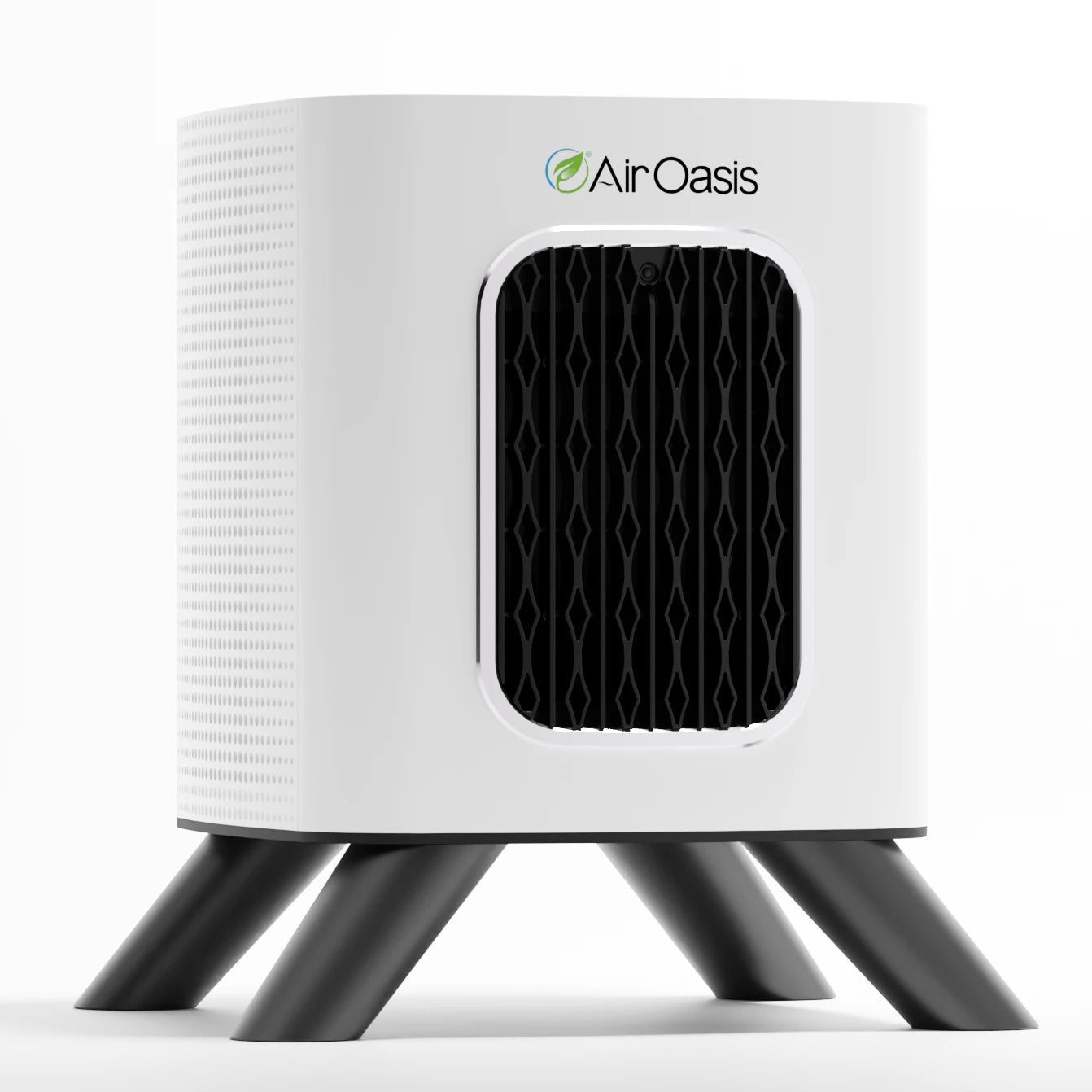
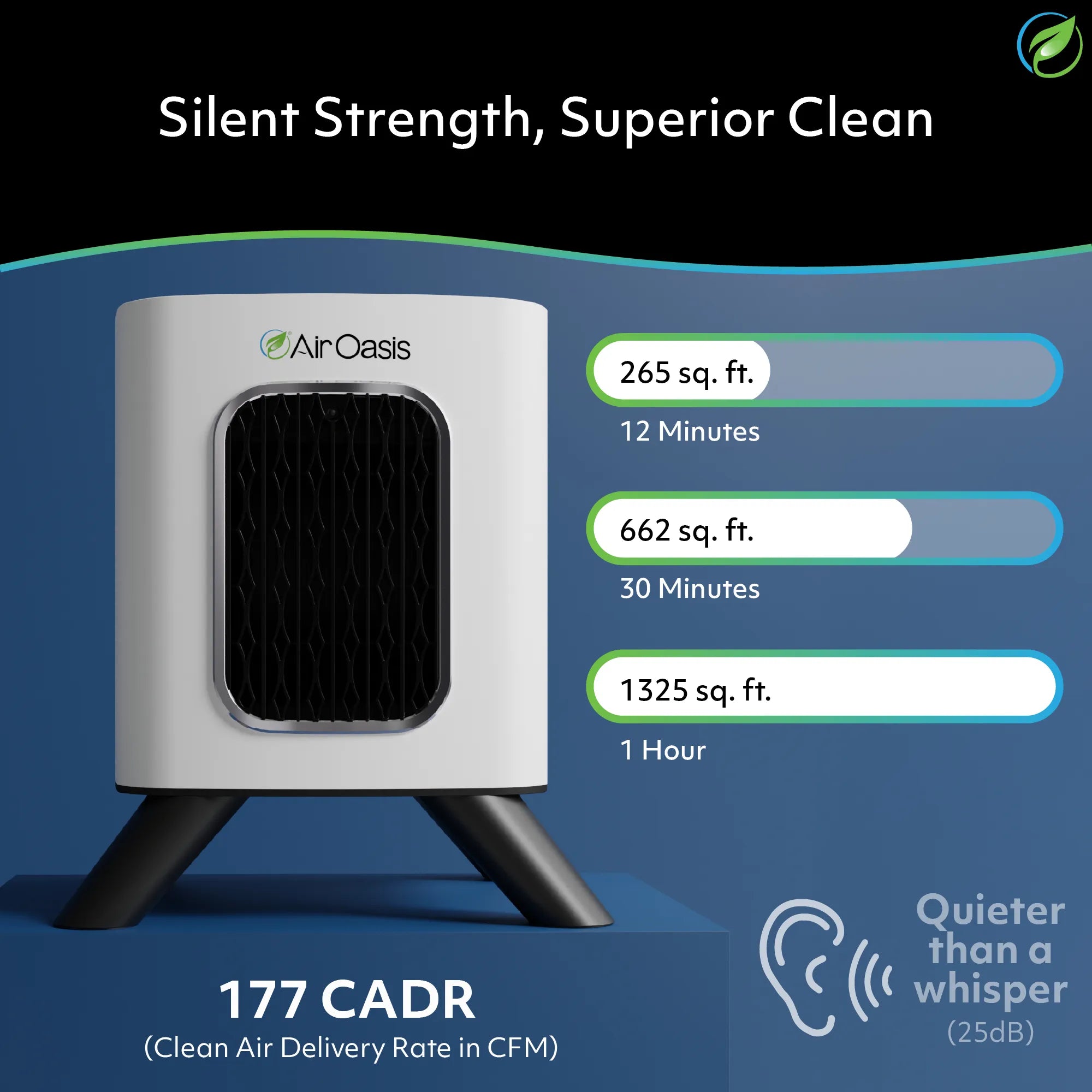
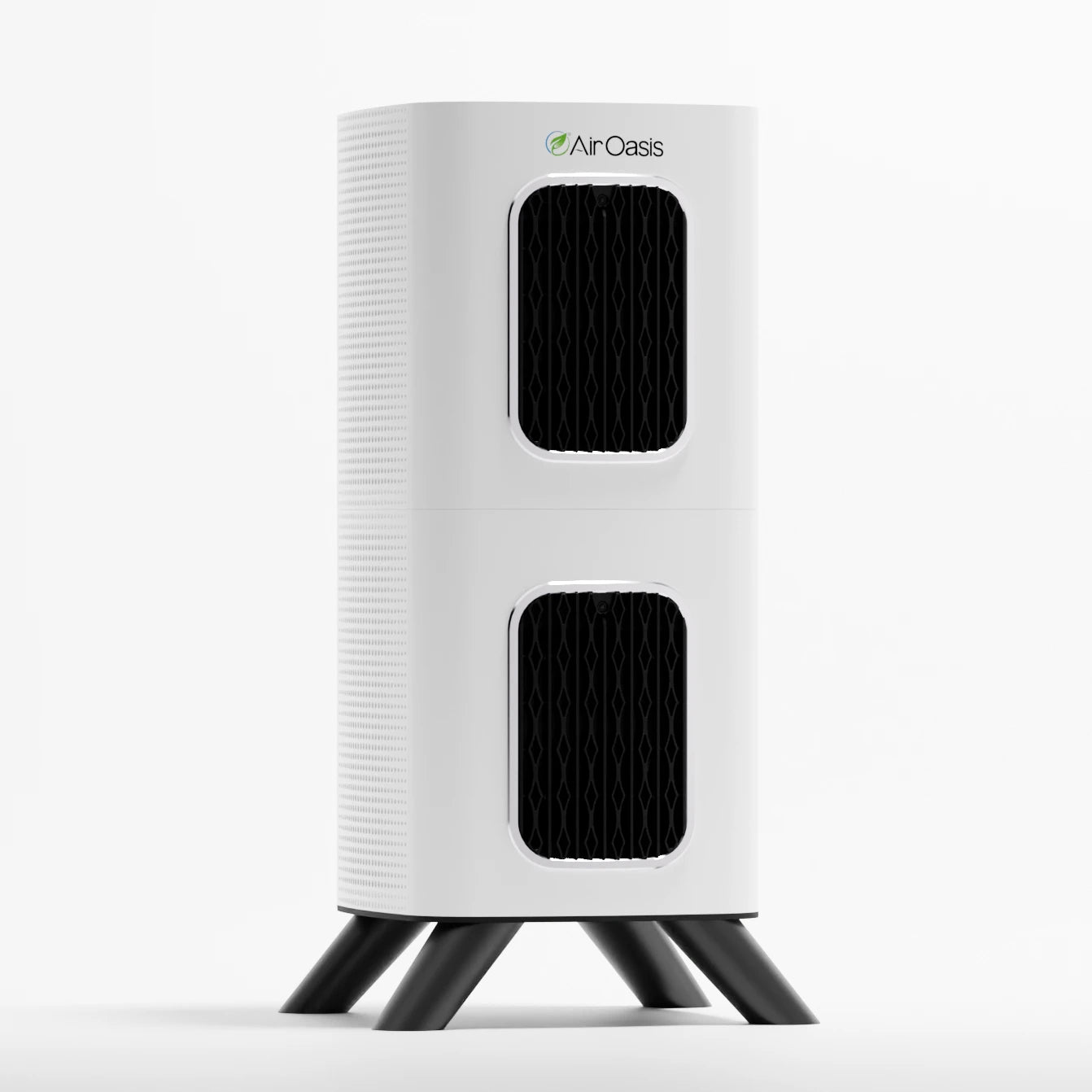
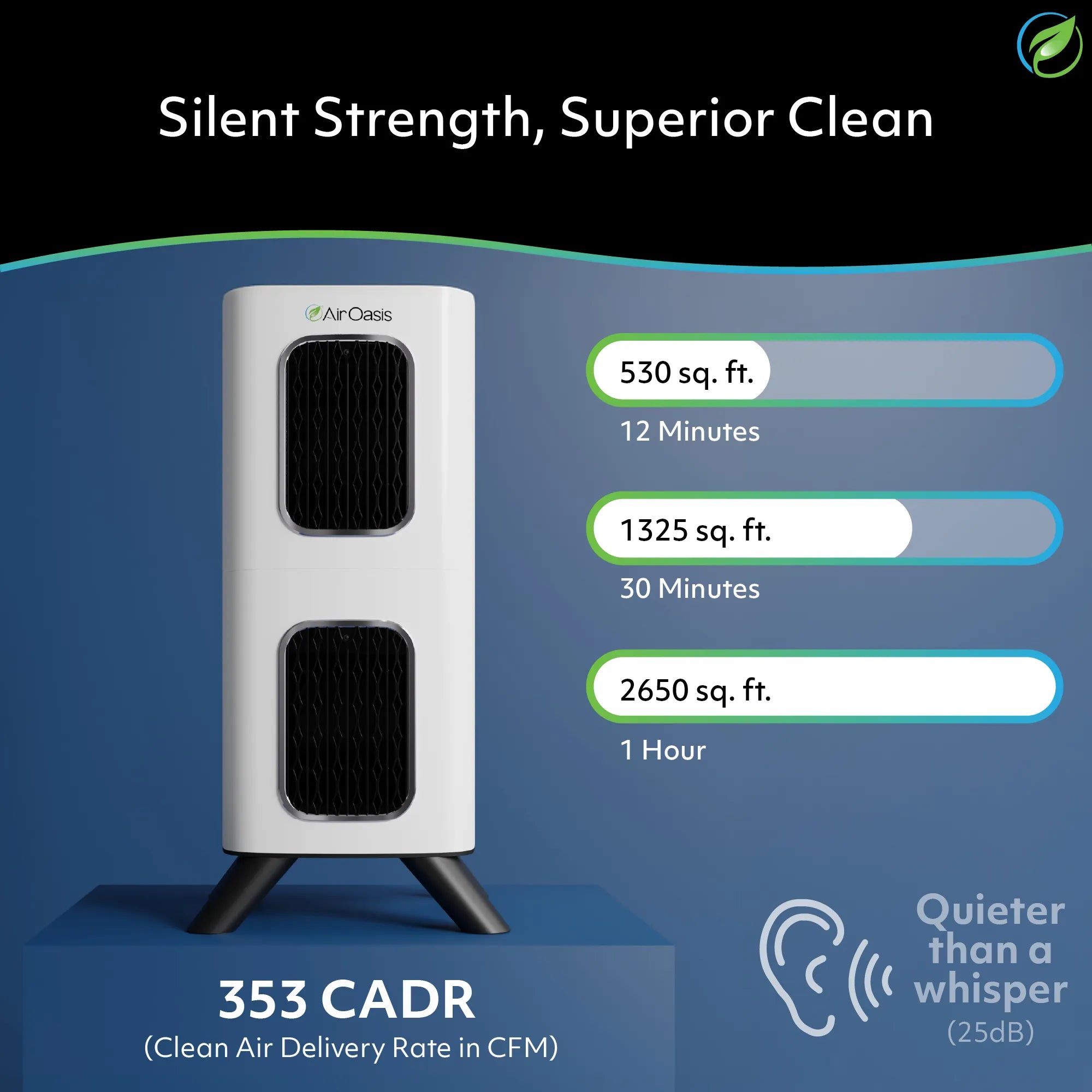
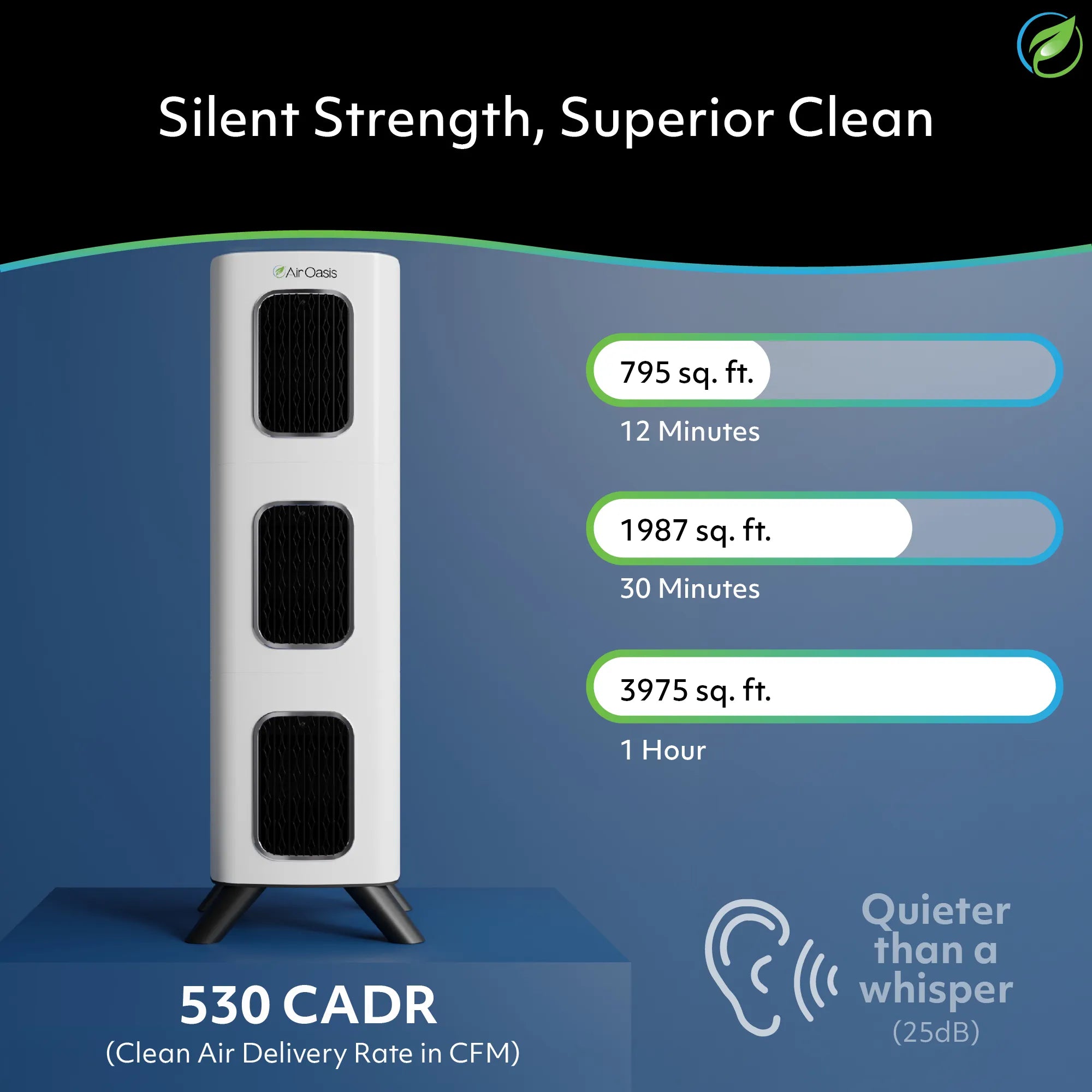
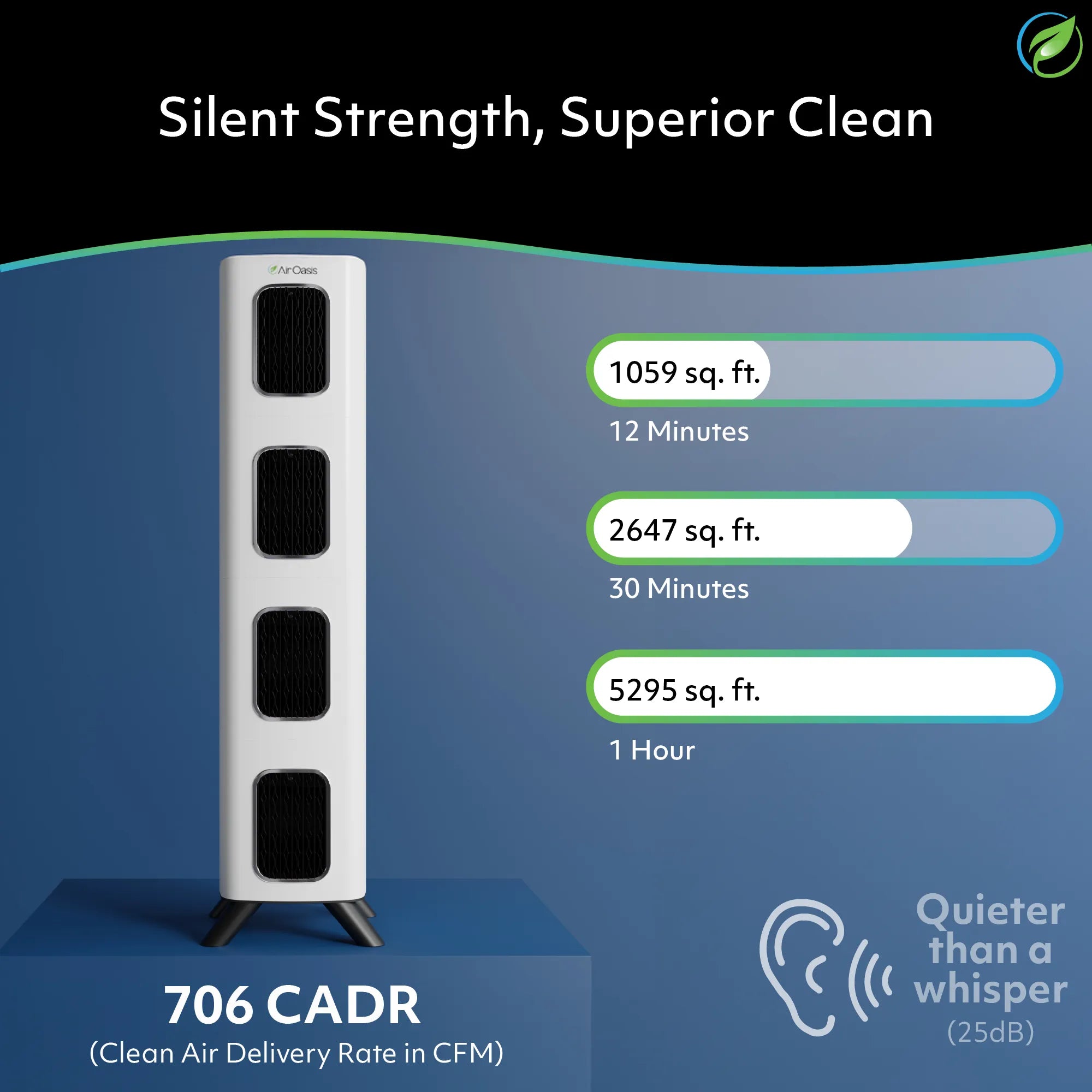
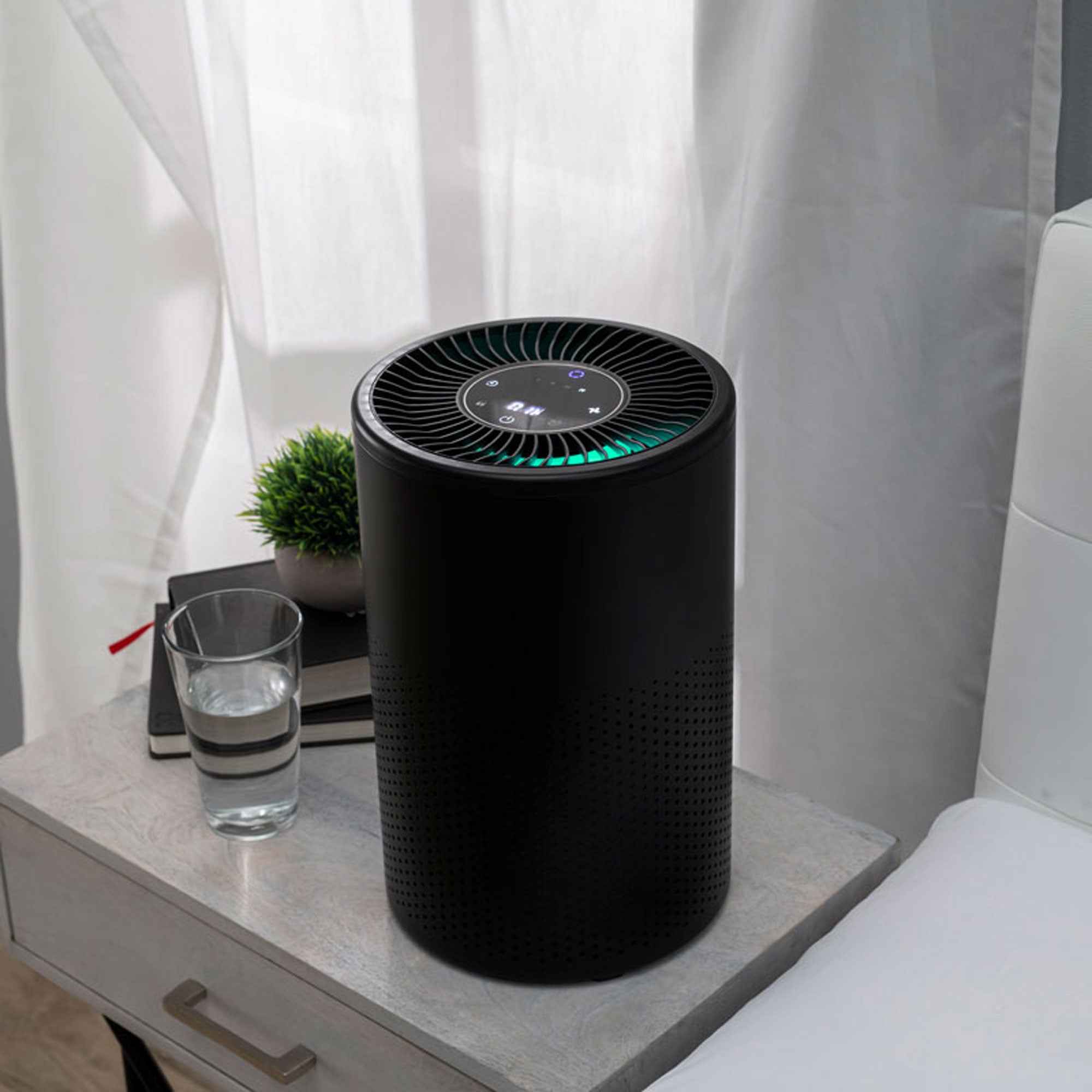
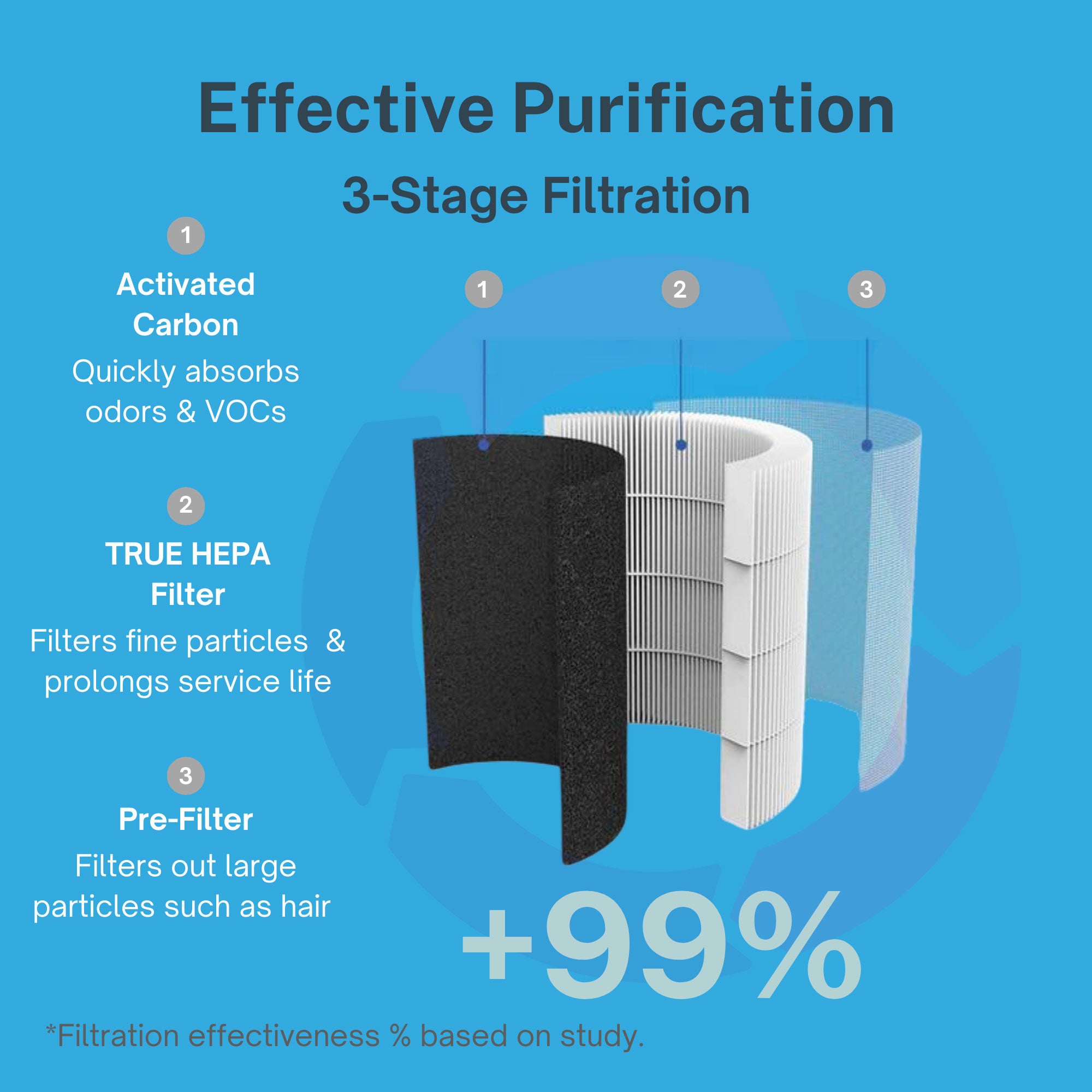
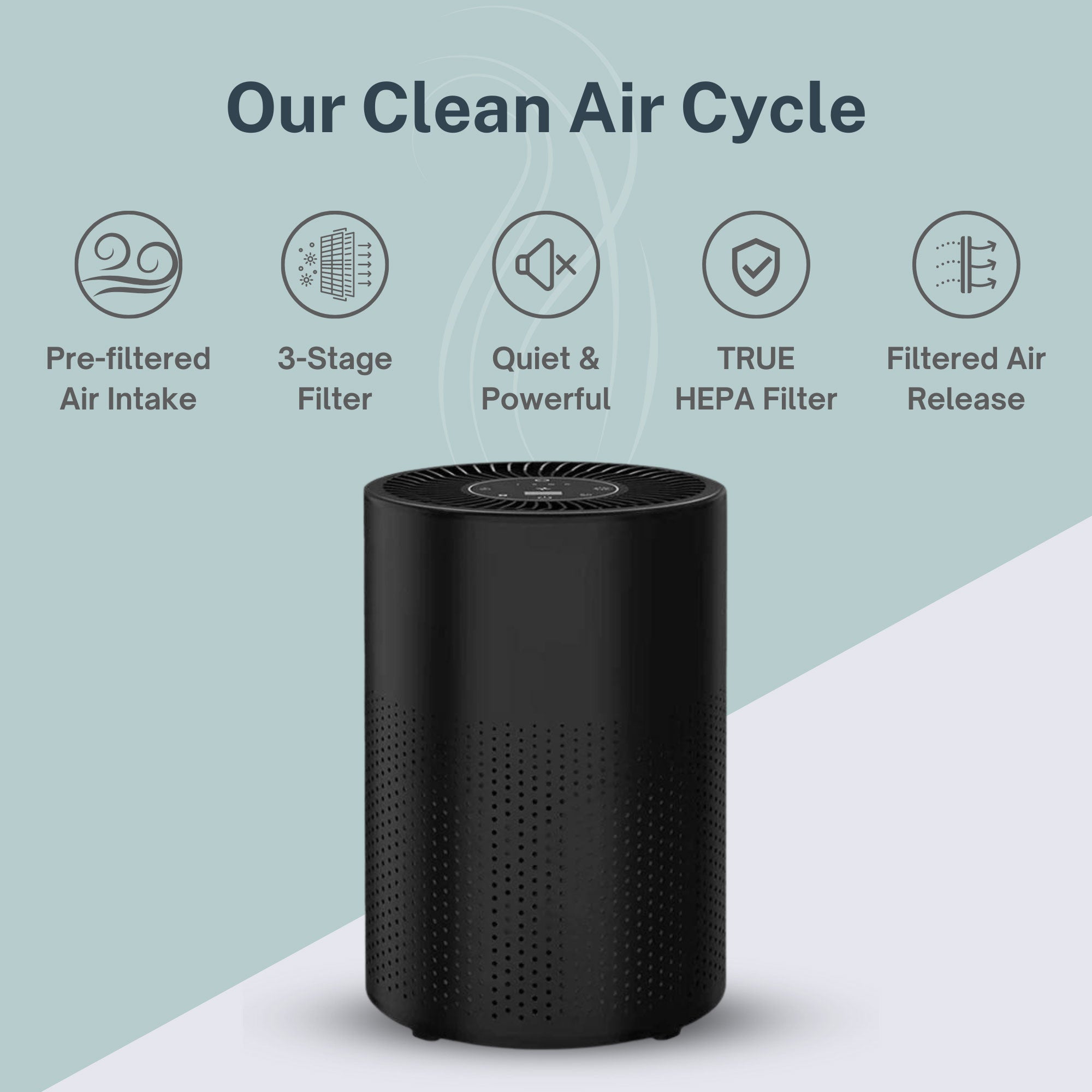
Avoid allergens when possible to reduce the overall burden on your immune system. Keep windows closed during high pollen days. Use air purification to continuously remove allergens from indoor air. Shower and change clothes after outdoor exposure. These strategies reduce the number of allergens your stressed immune system must handle.
Track patterns between your stress levels and allergy symptoms. Some people notice clear connections. High-stress work weeks consistently bring worse allergies. Family conflicts trigger symptom flares. Recognizing your personal patterns helps you prepare for and potentially prevent stress-related allergy worsening.
The Combined Approach
You can't eliminate stress completely from your life. You can't avoid every allergen. But you can manage both more effectively. Reducing stress helps your immune system respond more appropriately to allergens. Controlling allergen exposure reduces the burden on your stress-affected immune system.
Clean indoor air removes one major source of allergen exposure that your stressed body must handle. When you're already dealing with work pressure or personal challenges, reducing the allergens in your breathing space gives your immune system a break.
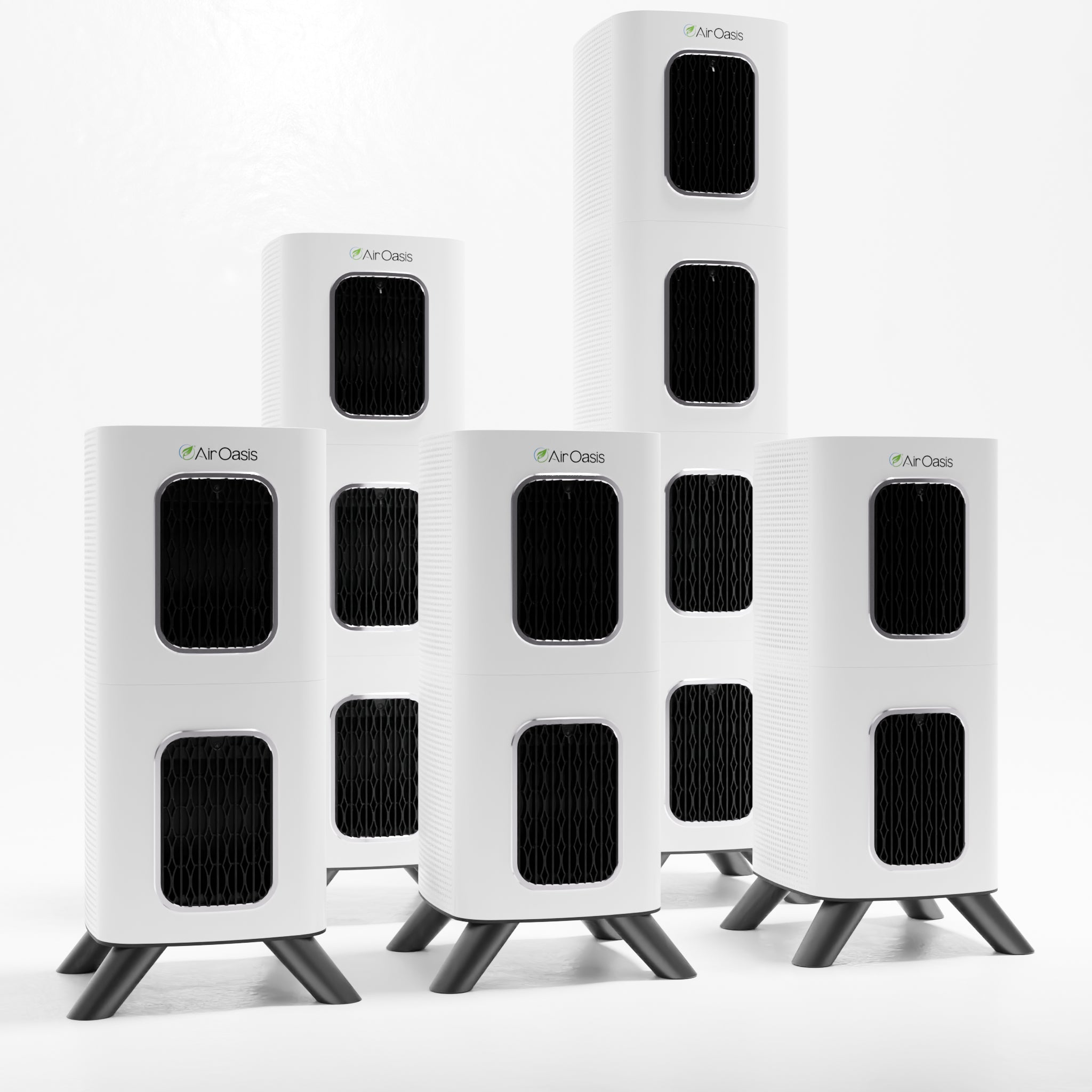
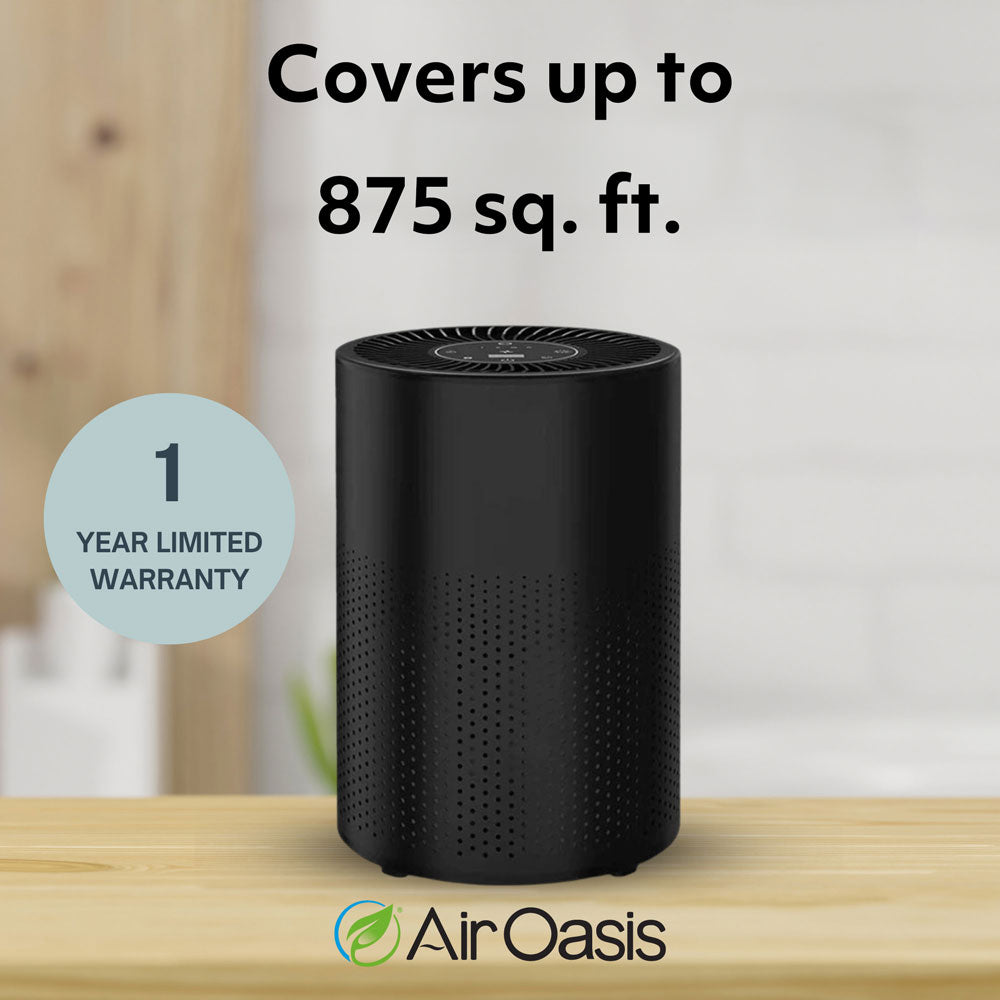
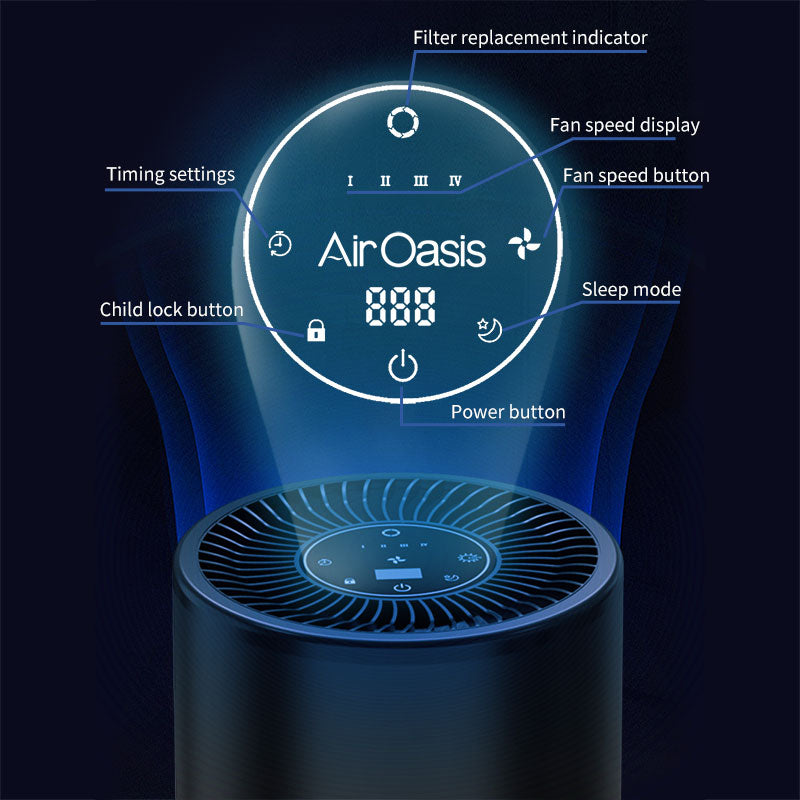
Ready to breathe easier even during stressful times? Medical-grade air purification removes allergens continuously, reducing the total load your body must process. Shop Air Oasis today and give yourself one less thing to stress about this allergy season.