People living in areas with elevated air pollution face more serious sleep apnea events. A large new study spanning multiple countries reveals a significant link between air quality and sleep apnea severity.
The research analyzed data from 19,325 obstructive sleep apnea patients across 25 cities in 14 European countries. The findings show that being aware of your air quality means you can take steps to mitigate risk and improve your sleep and health.
Martino Pengo, an associate professor at the University of Milano-Bicocca in Madrid, led the research team. They matched patient information about age, sex, BMI, and smoking habits with detailed sleep study data. Then they measured this against long-term air quality records from the Copernicus Atmosphere Monitoring Service.
Understanding the Research Methodology
The study examined air quality data featuring longitudinal records of PM10 concentration specific to where each patient lived. PM10 concentration measures tiny particles 10 micrometers or smaller released into the air by vehicle exhausts and industry.
Pengo explained the motivation behind the research: "We know that OSA is more common in people who are older or overweight, but there's growing concern that air pollution also might make the condition worse. However, previous studies, mostly focused on just one country, have produced mixed results. We wanted to look at this on a larger scale, across several European cities, to better understand if and how air pollution affects OSA."
The comprehensive approach allowed researchers to control for multiple variables. They accounted for factors known to affect sleep apnea including age, weight, and smoking status. Even after these adjustments, the connection between air pollution and sleep apnea severity remained clear.
Small Individual Impact, Major Population Effect
The team found that for every one-unit rise in PM10 levels, there was an average increase of 0.41 breathing disruptions per hour of sleep. This number seems small on an individual scale but becomes significant at a population level.
People in low-pollution areas had milder sleep apnea scores. Those in higher-pollution regions fared considerably worse. The difference shifts many people into higher-severity categories, making it meaningful from a public health perspective.
Pengo confirmed the findings: "We confirmed a statistically significant positive association between average long-term exposure to air pollution, specifically fine particles known as PM10, and the severity of obstructive sleep apnea. Even after we took account for other factors that we know have an effect on OSA, we still found an average increase in the number of respiratory events per hour of sleep of 0.41 for every one unit increase in PM10."
The study adds to growing evidence that environmental factors play a more important role in sleep apnea severity than previously thought. Air quality, seasonal shifts, and temperature all contribute to how severely the condition affects individuals.
Regional Differences Reveal Complex Patterns
One of the most interesting findings was that the link between air pollution and sleep apnea severity varied by location. In some cities, the impact was stronger. In others, it was weaker or even absent.
These regional differences might stem from several factors. Local climate affects how pollutants behave in the atmosphere. The types of pollution vary by region, depending on industrial activity and transportation patterns. Healthcare systems also differ in how they detect sleep apnea, which could influence reported severity.
Observational research found significant associations between pollution and increased prevalence of sleep apnea in many cities. The team suggests this data can help improve day-to-day lives and lower the risk of more severe outcomes from the condition. More regional air quality studies of this kind are needed.
The Serious Health Consequences of Sleep Apnea
Obstructive sleep apnea extends far beyond snoring and disturbed sleep. The condition carries serious health consequences that affect multiple body systems.
Sleep apnea elevates the risk of high blood pressure, heart attack, stroke, and heart failure. Left untreated, it can lead to type 2 diabetes, depression, and cognitive deficits. Daytime accidents from sleepiness pose additional dangers.
Each breathing disruption during sleep stresses the cardiovascular system. The repeated oxygen drops trigger inflammation and hormonal changes. Over time, these effects accumulate and damage vital organs.
Professor Sophia Schiza, Head of the European Respiratory Society's expert group on sleep disordered breathing at the University of Crete, emphasized the research implications: "For doctors caring for people with OSA, this research highlights the need to consider environmental factors like air quality alongside other risk factors. This study strengthens the connection between environmental health and sleep medicine. It reminds us that tackling air pollution isn't just good for the planet, it's also vital for our lungs and our sleep quality too."
Taking Control of Your Sleep Environment
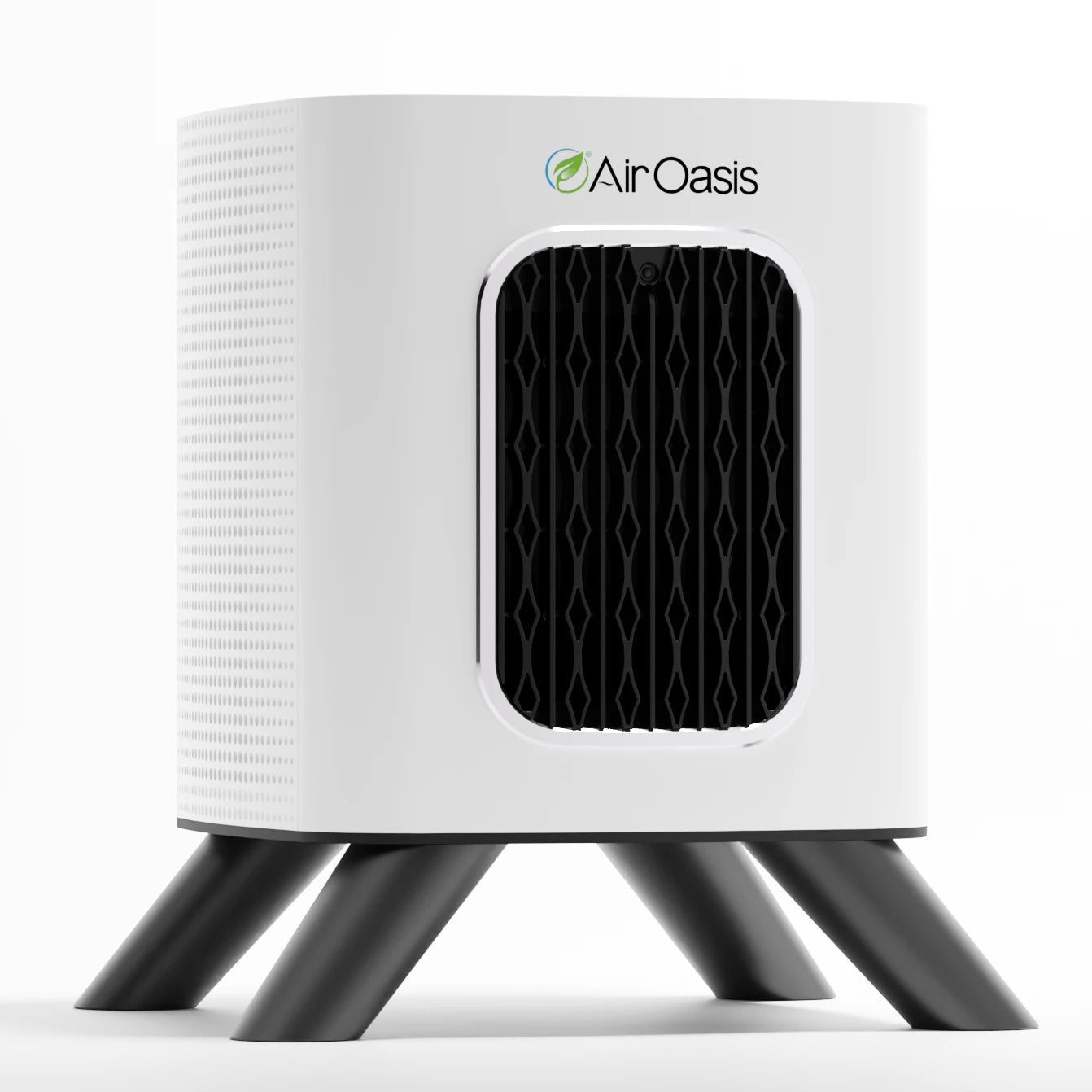
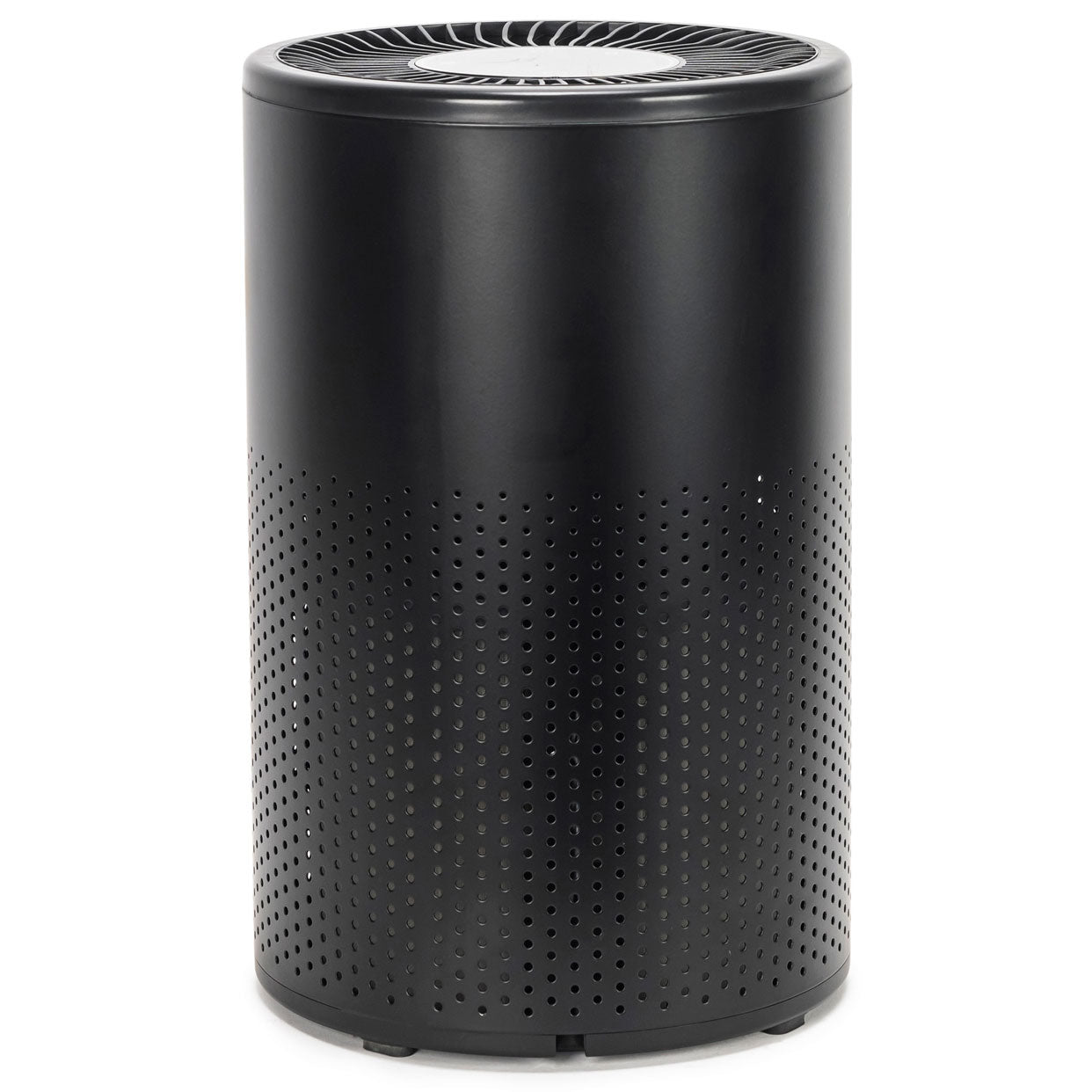
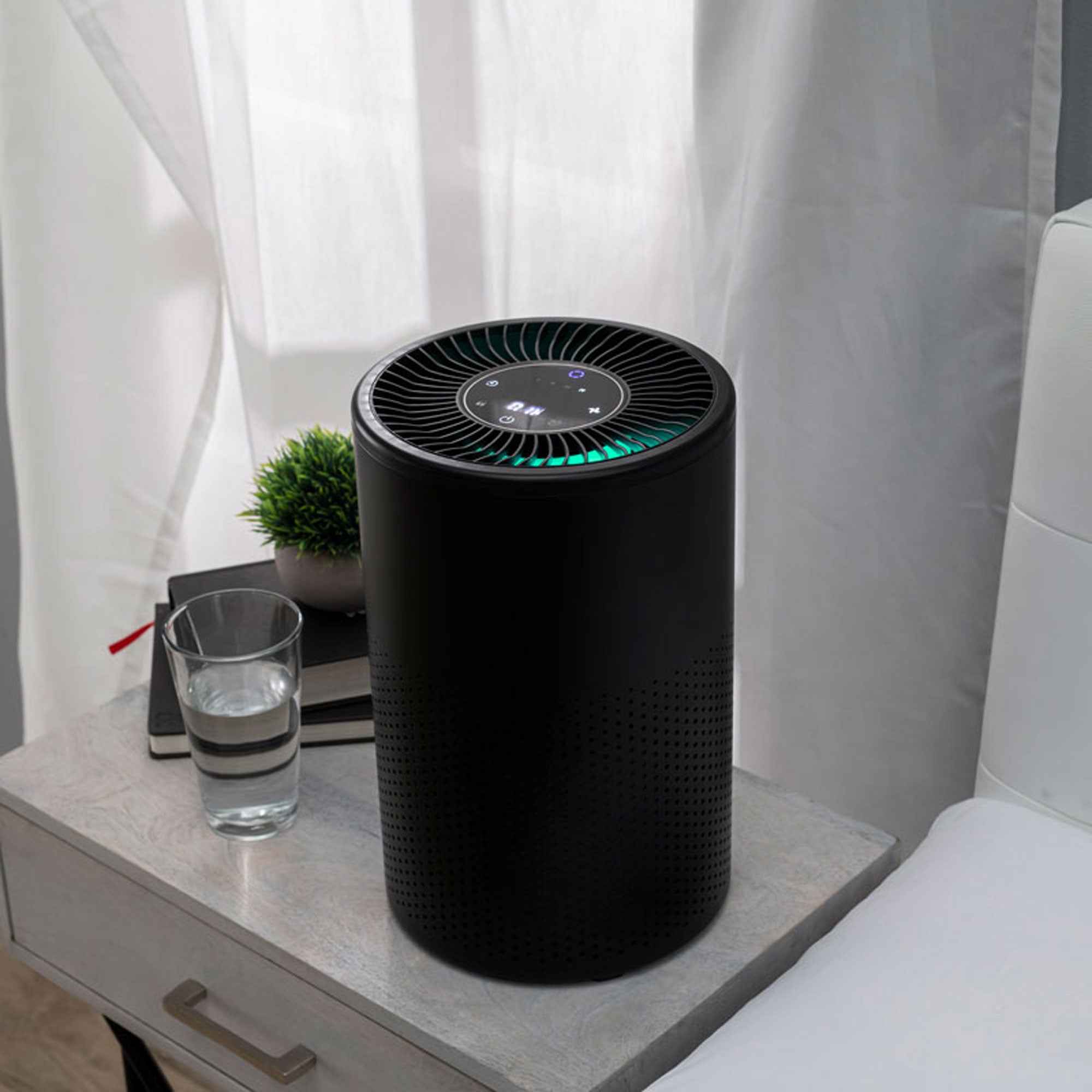
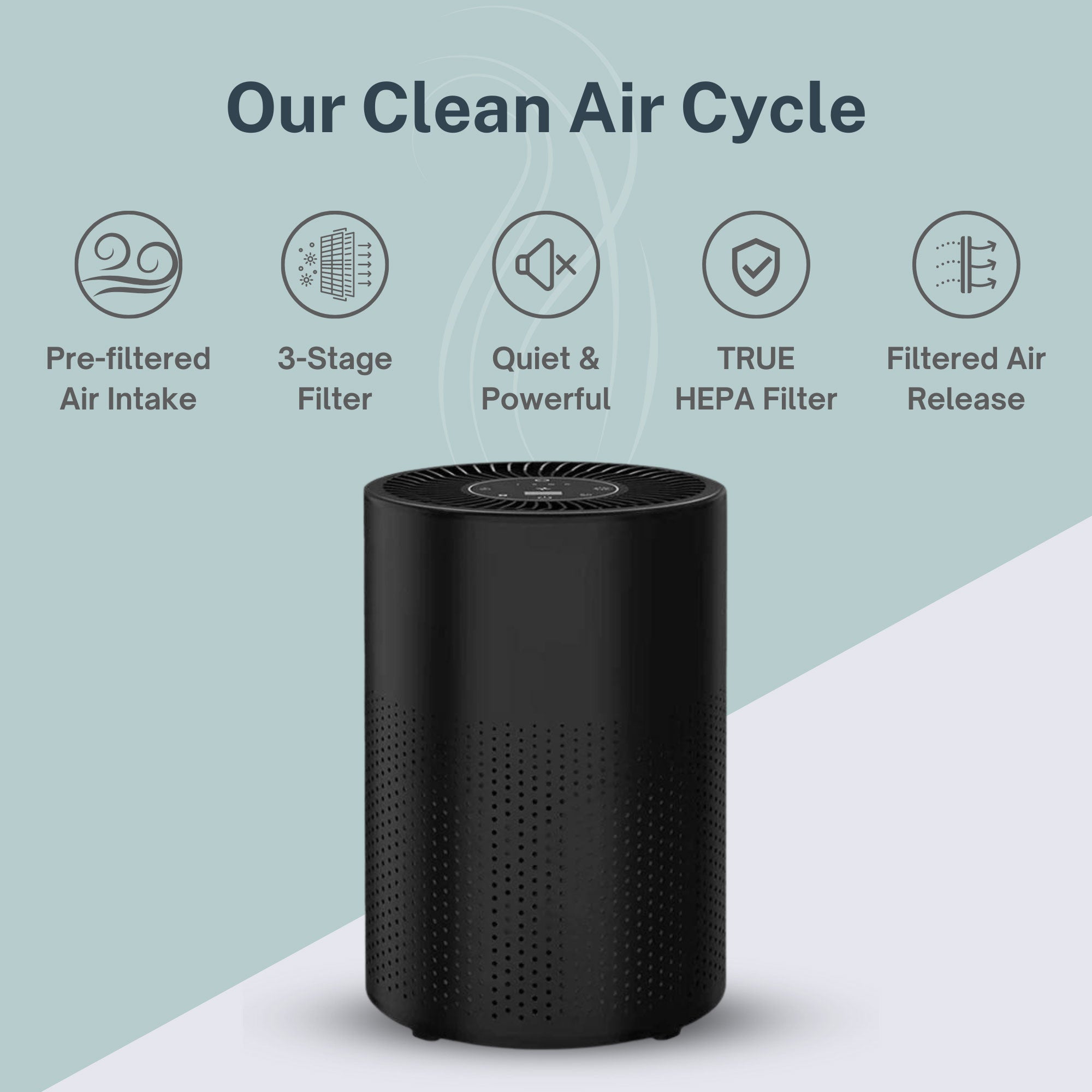
The research suggests that intervening with indoor air purifiers could help reduce the risk of severe sleep apnea triggered by pollution. While you can't control outdoor air quality, you can create a clean air sanctuary in your bedroom.
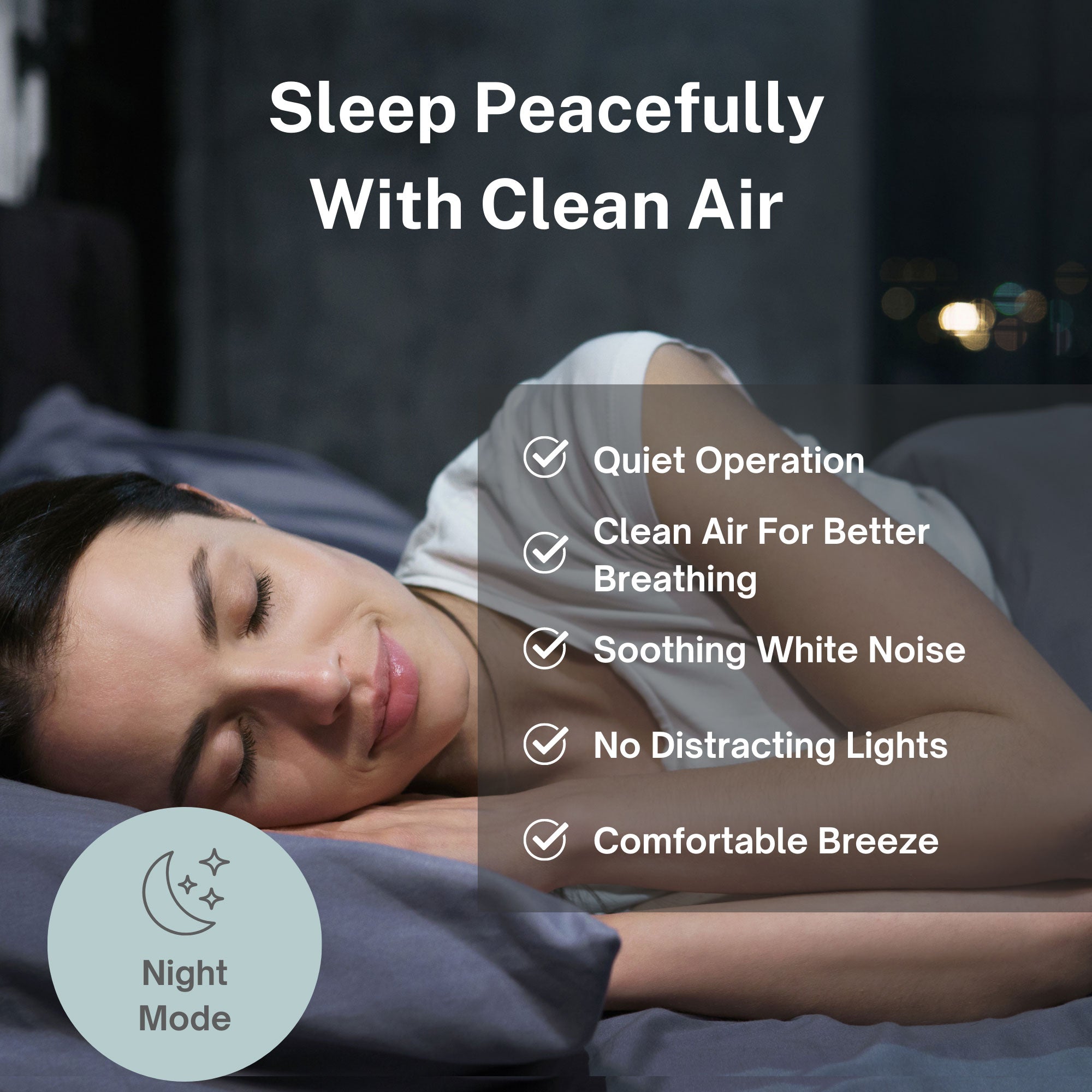
Sleep apnea patients spend eight hours each night breathing bedroom air. If that air contains elevated levels of PM10 and other pollutants, it worsens breathing disruptions throughout the night. Clean bedroom air reduces this additional burden on already compromised airways.
The researchers plan to investigate why some populations appear more vulnerable. They also want to study whether cutting air pollution levels could help alleviate sleep apnea symptoms. In the meantime, individuals can take immediate action to improve their sleep environment.
Protect Your Sleep with Clean Air
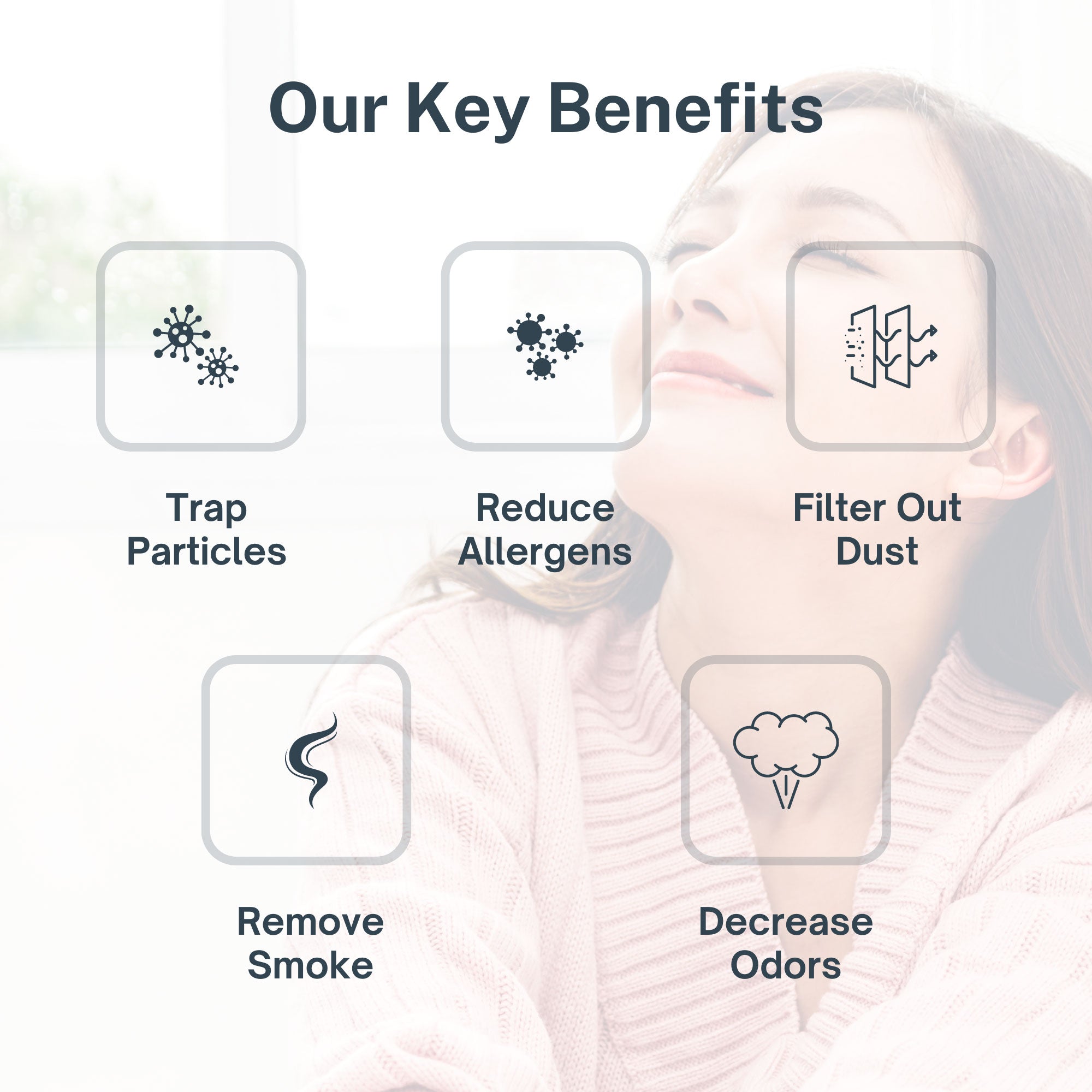
If you have sleep apnea or suspect you might, air quality deserves serious attention. The connection between pollution and sleep-breathing disruptions is clear. Creating clean indoor air can reduce the environmental factors that worsen your condition.
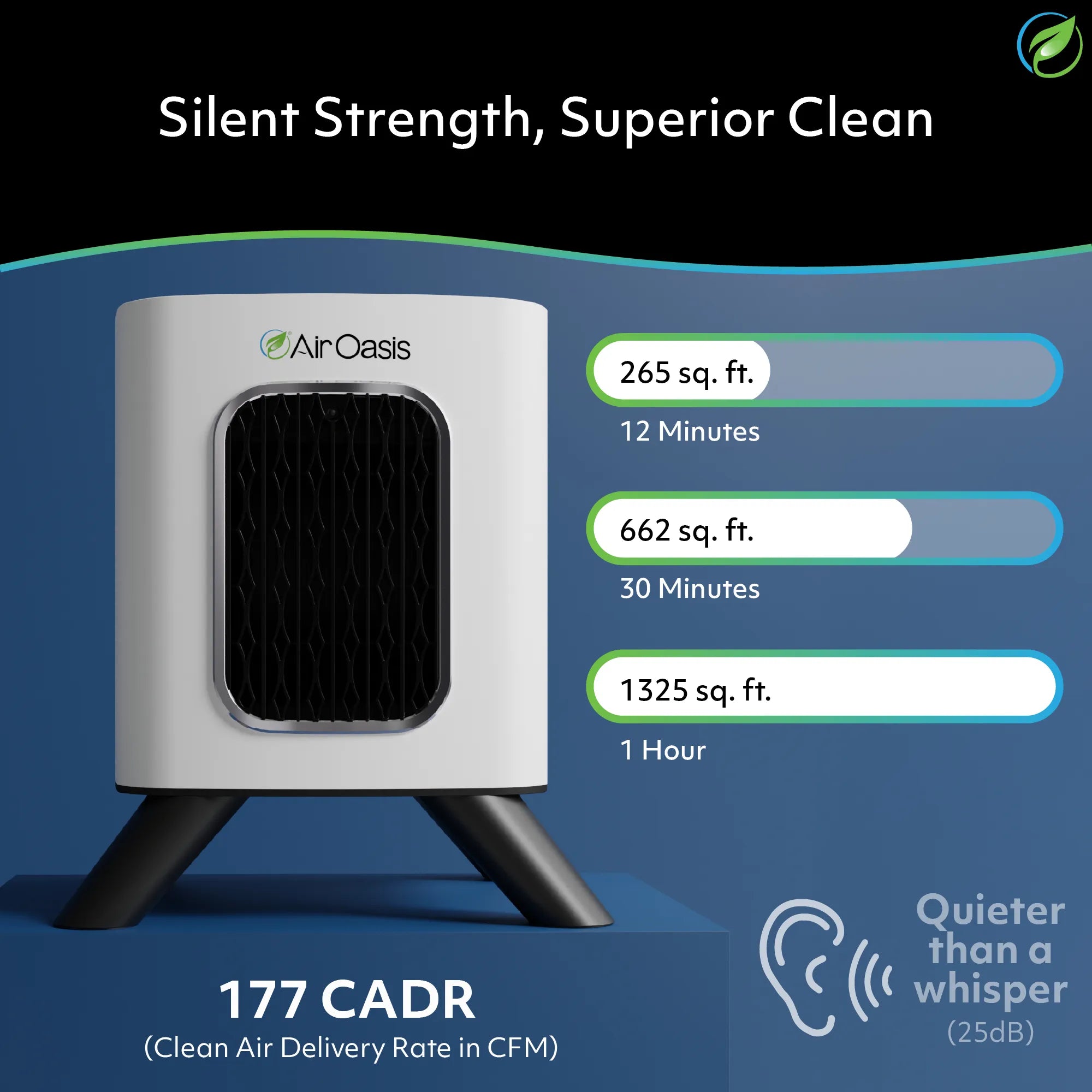
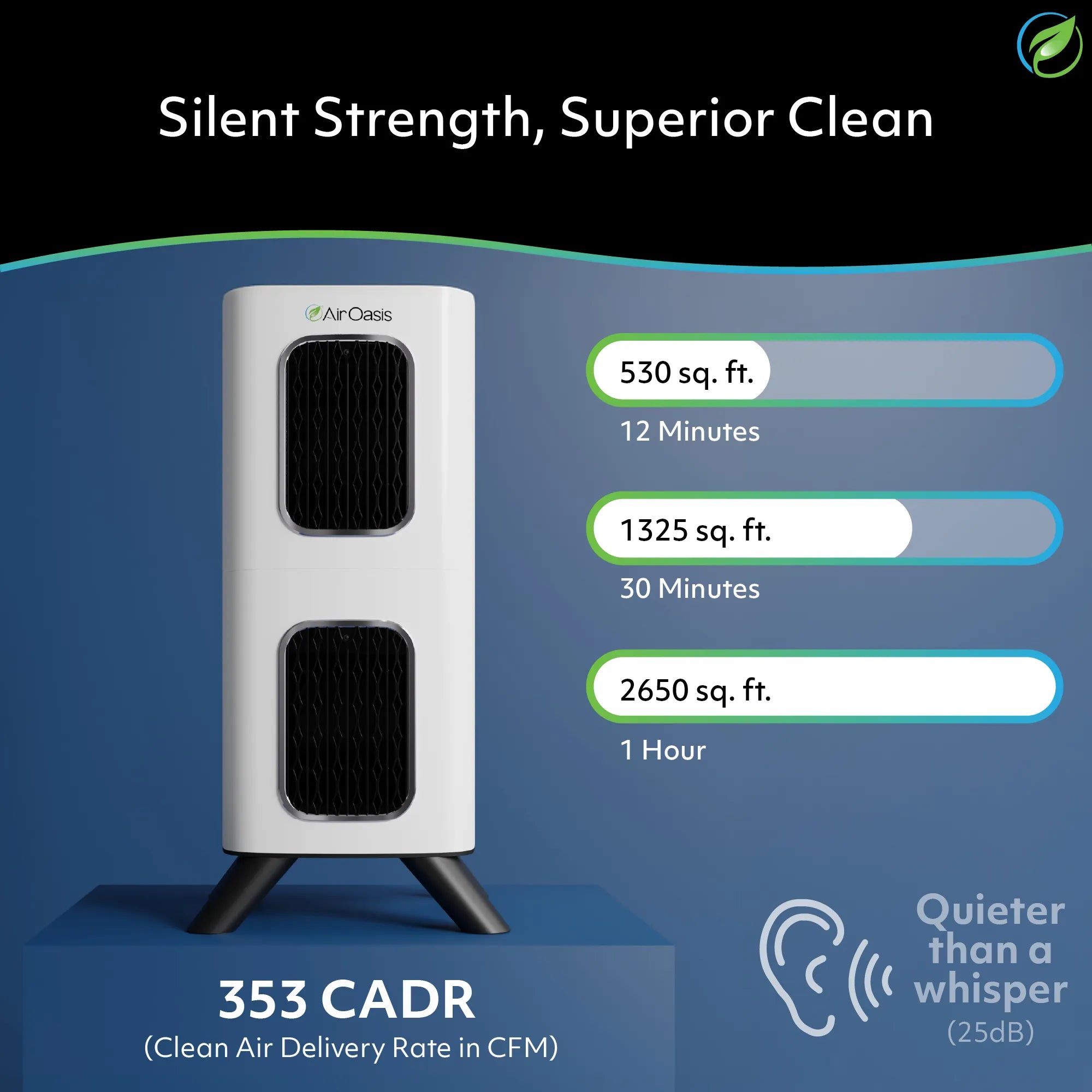
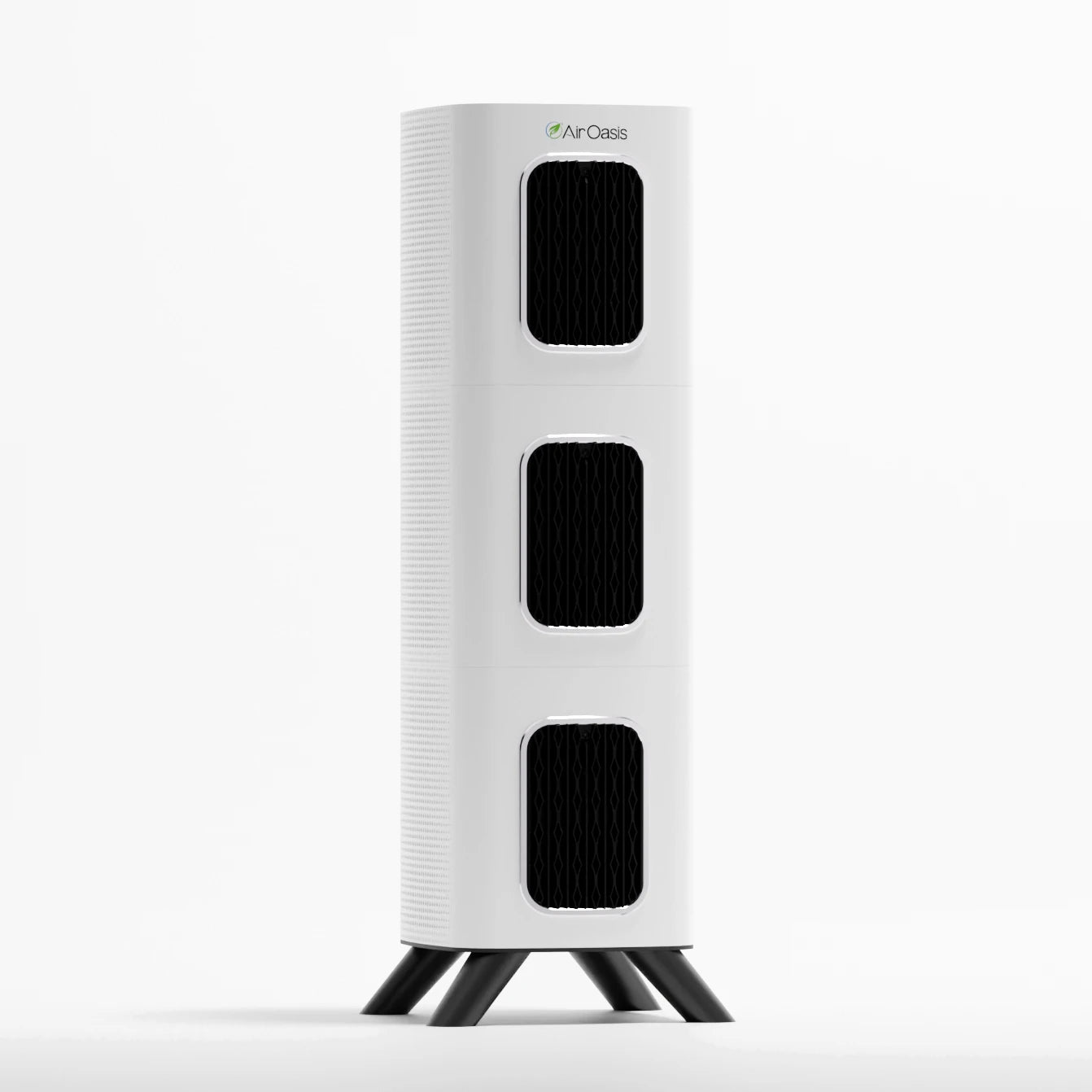
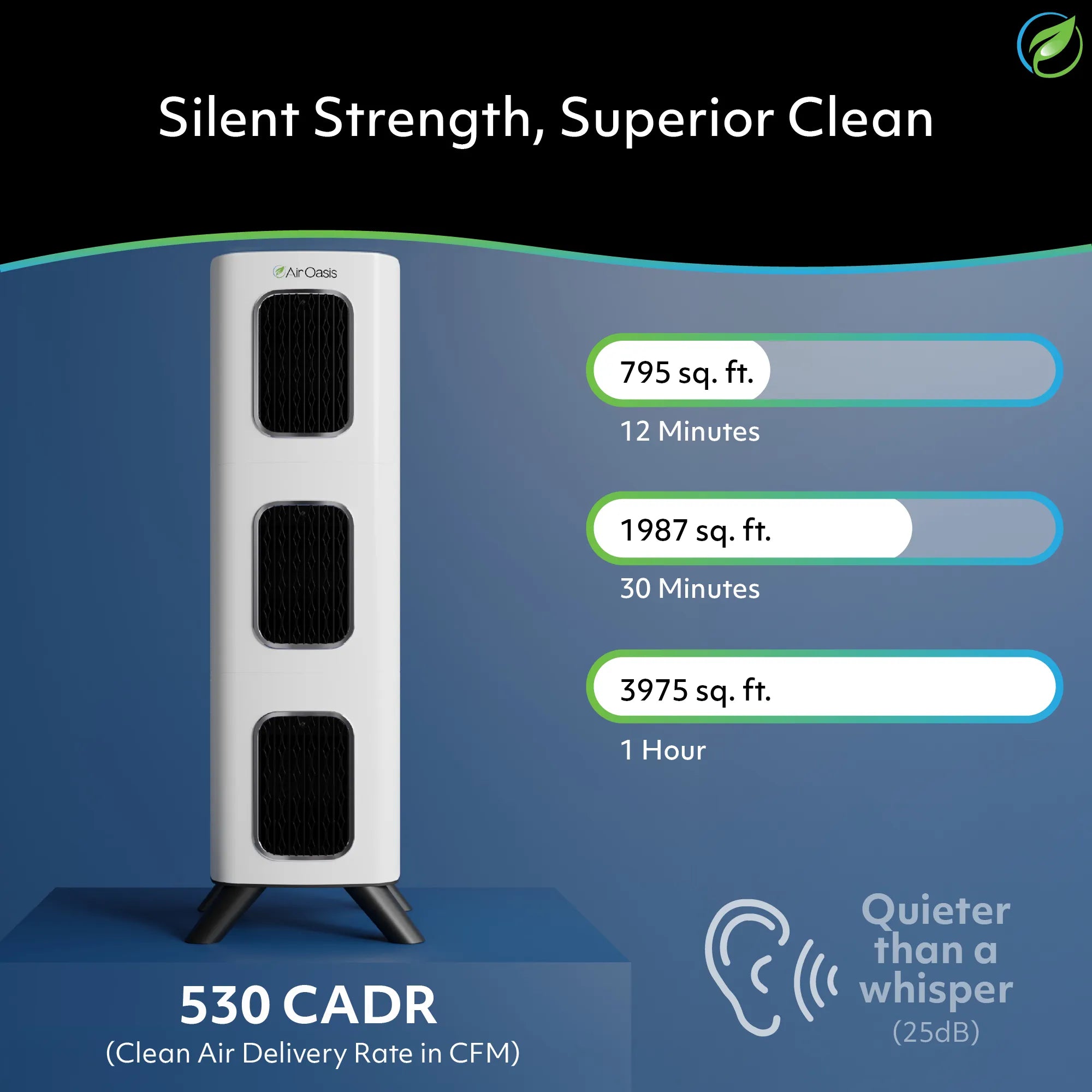
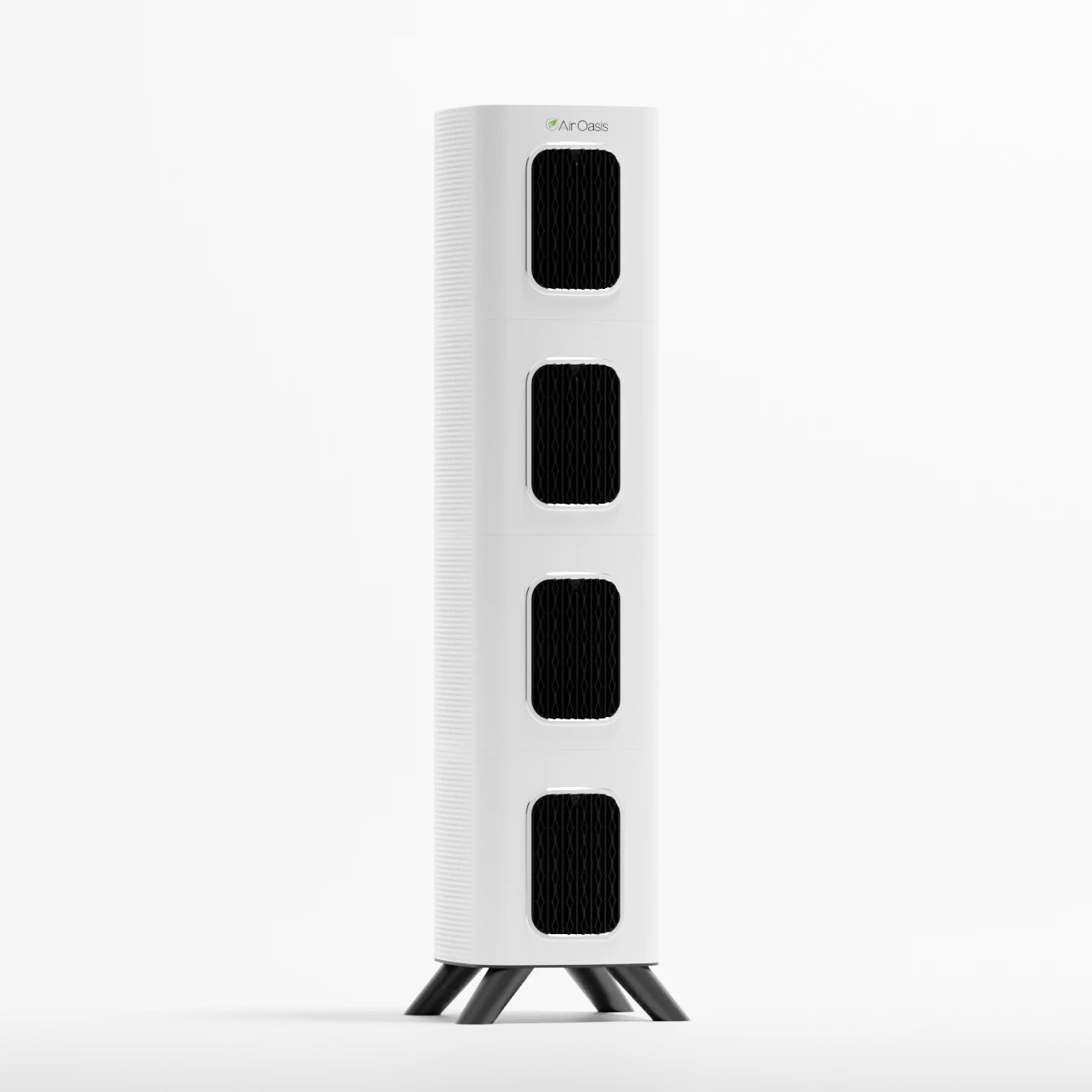
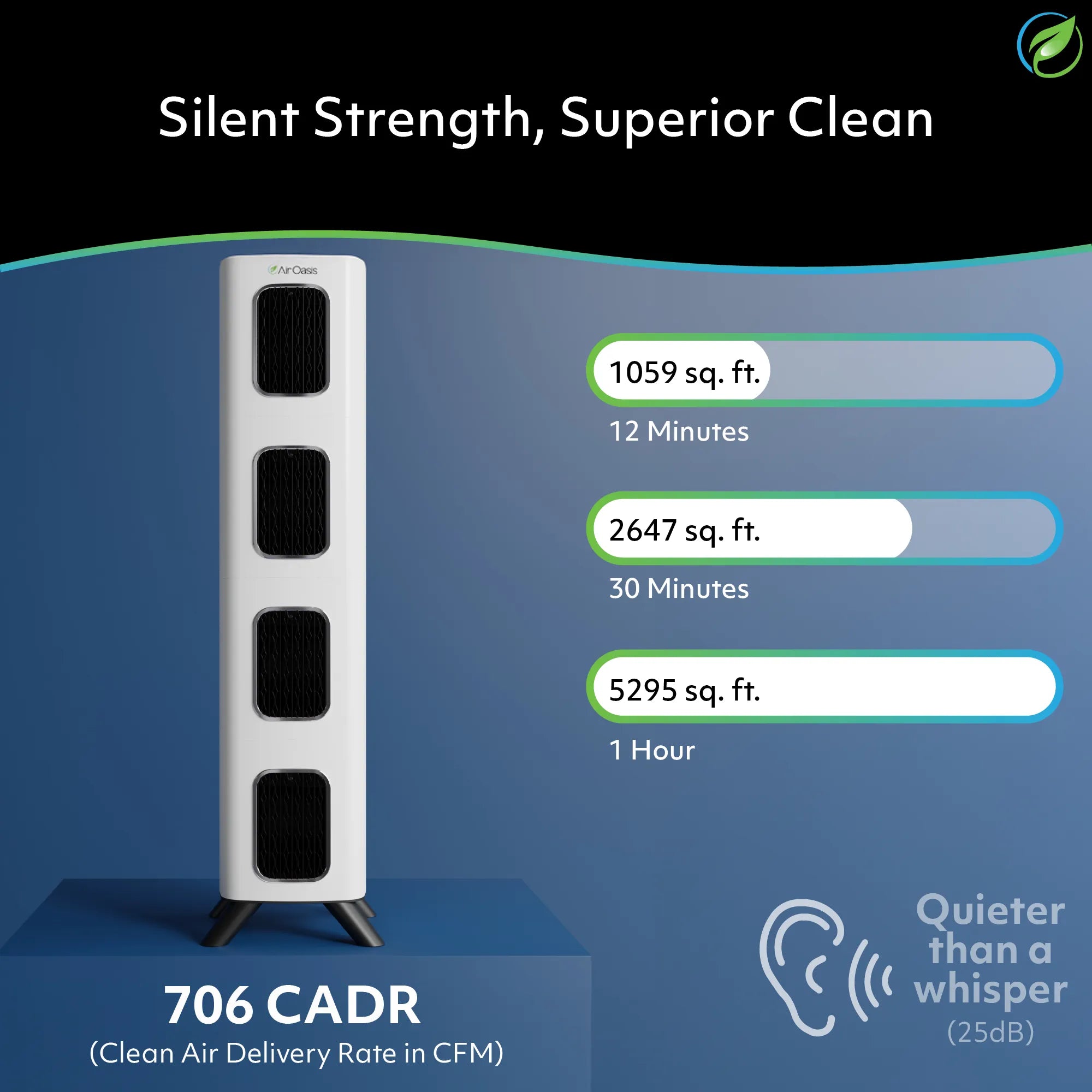
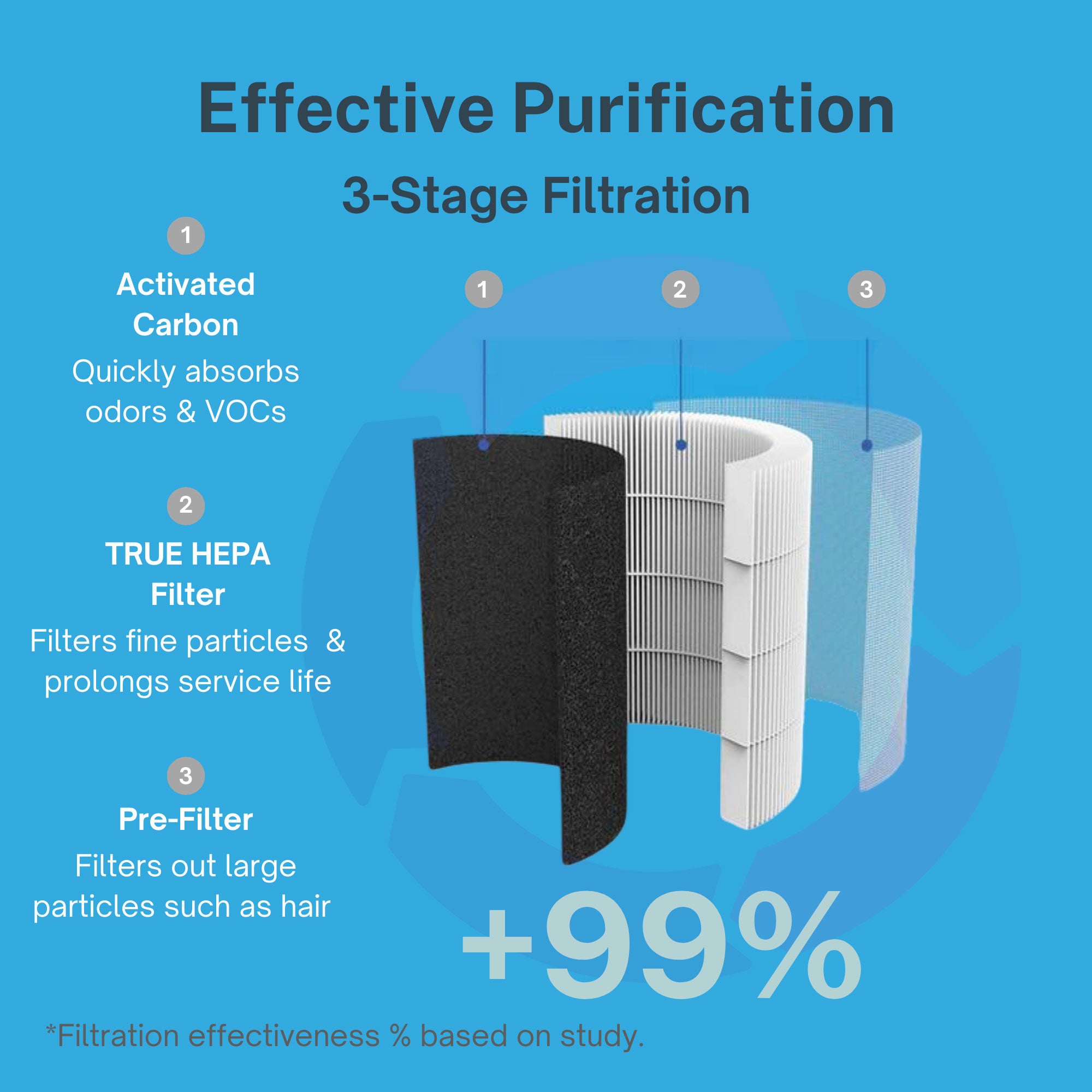
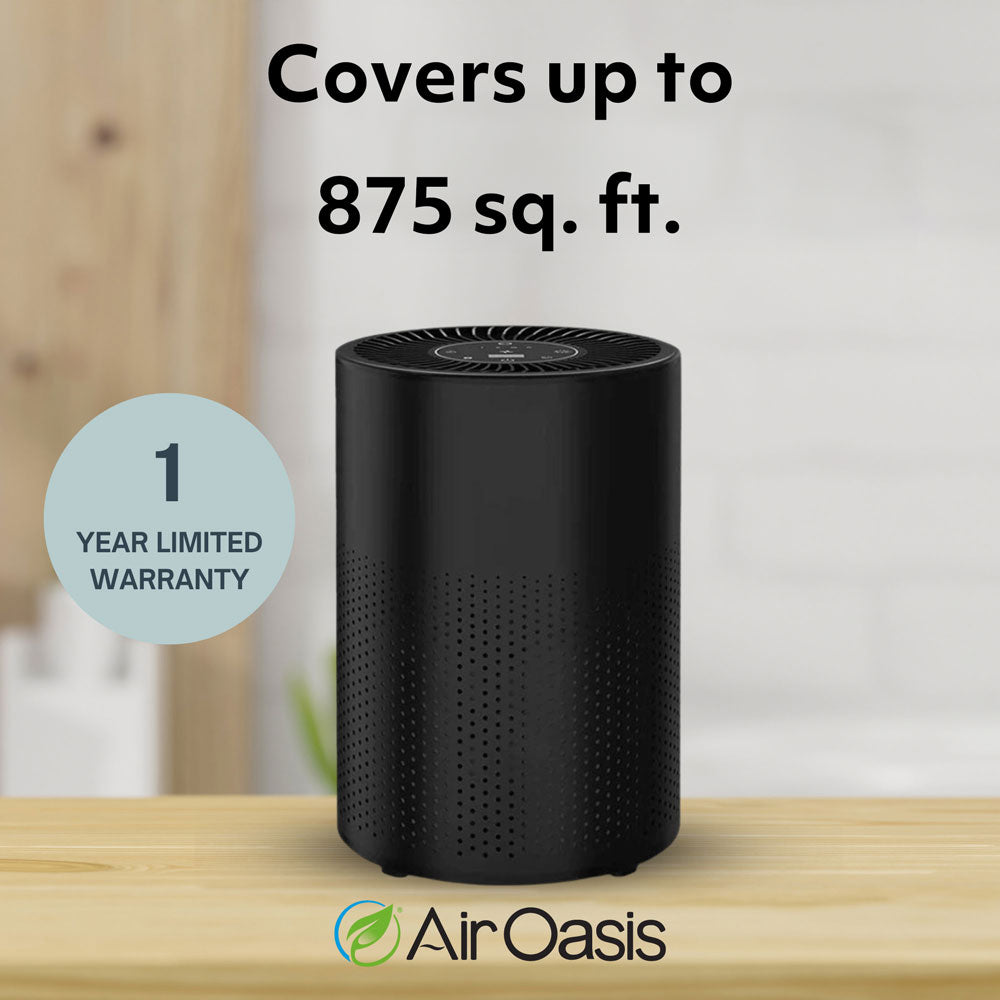
Air Oasis medical-grade air purification systems remove 99% of fine particulate matter, including PM10, that worsens sleep apnea. Our multi-stage filtration combines HEPA filters, activated carbon, UV-C light, and ionization to eliminate the invisible triggers affecting your sleep. Don't let air pollution add to your sleep apnea burden. Shop Air Oasis today and breathe easier while you sleep.